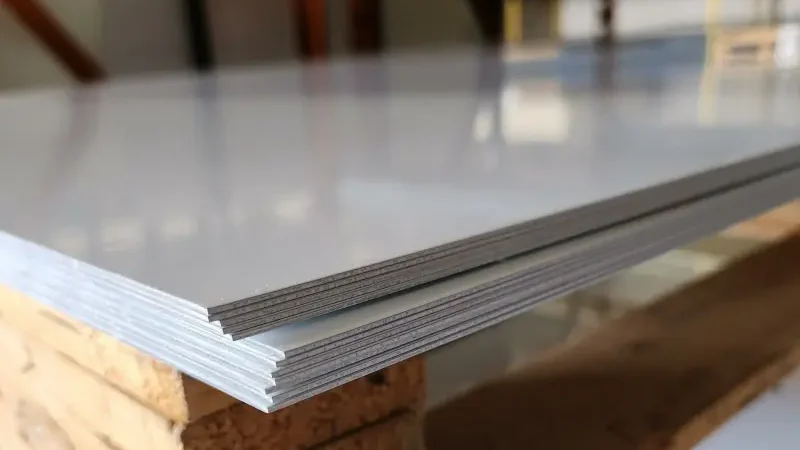
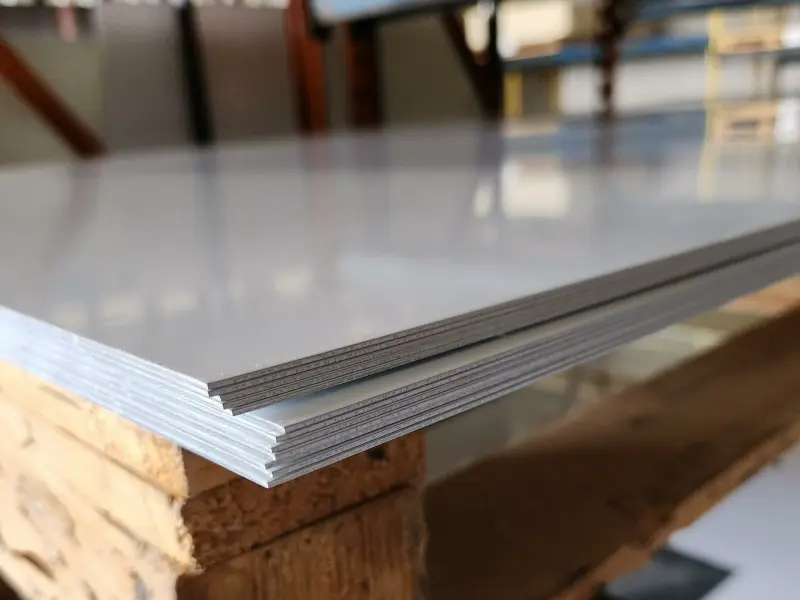
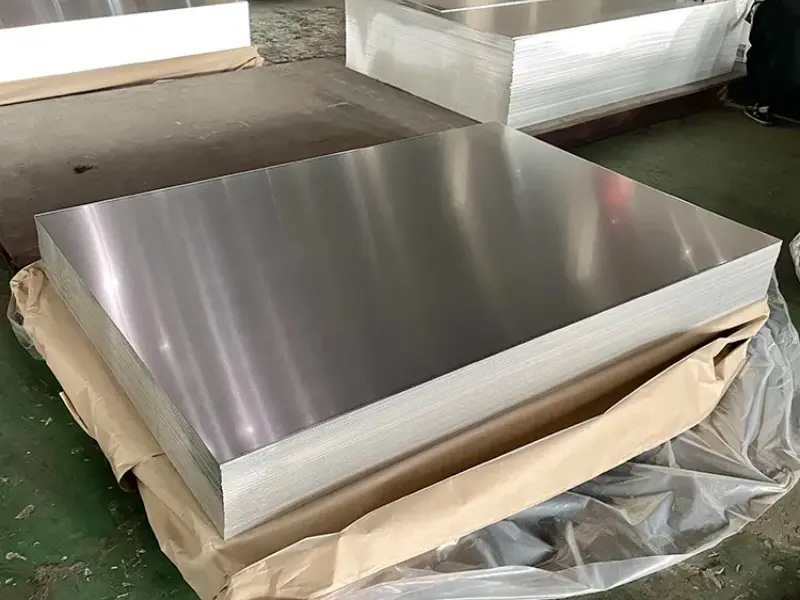
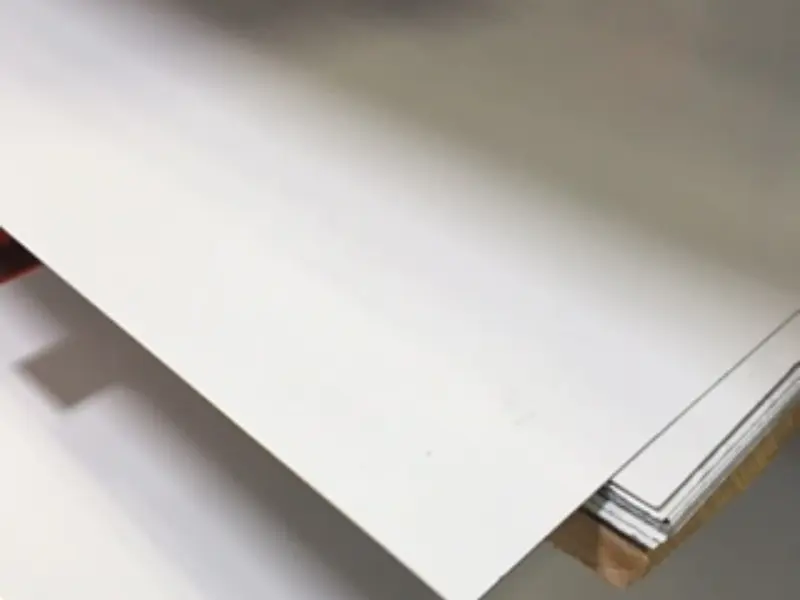
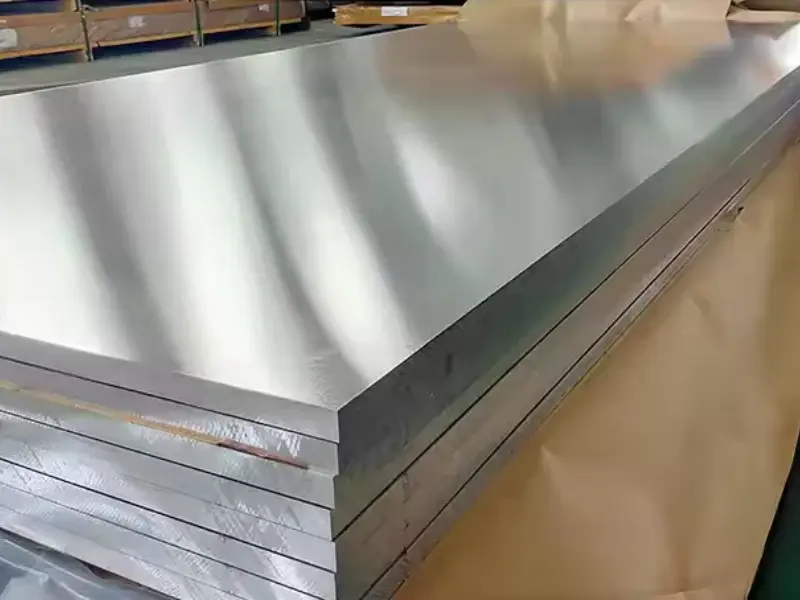
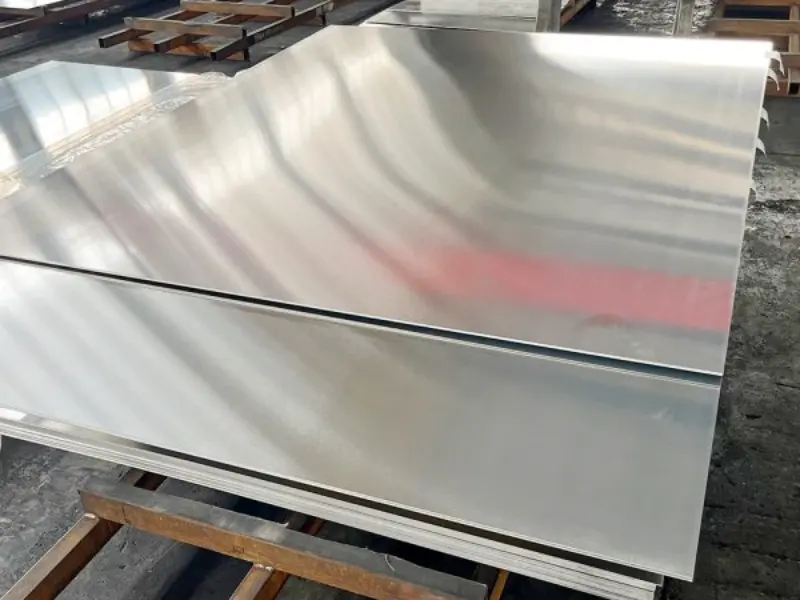
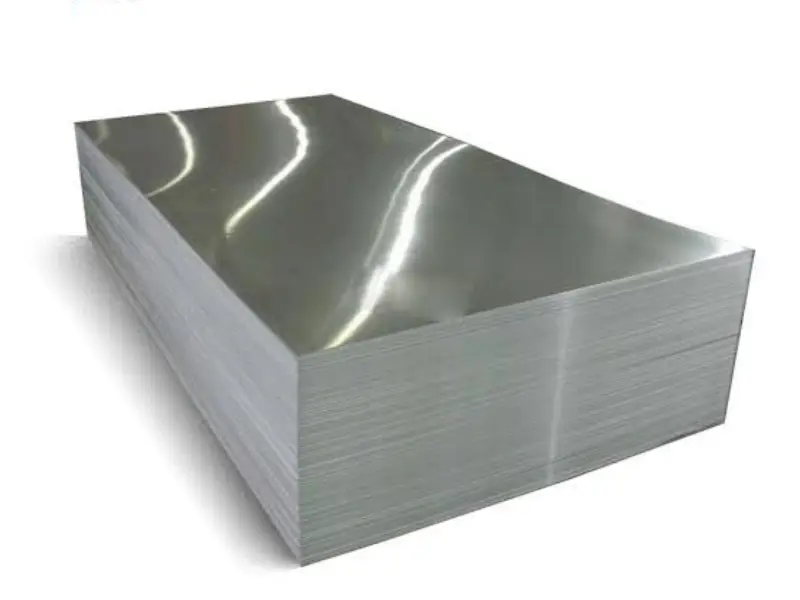
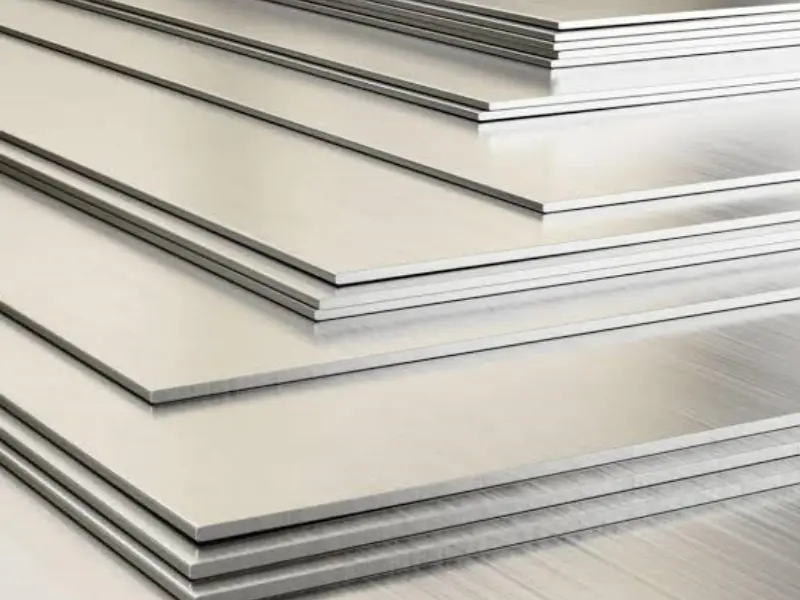
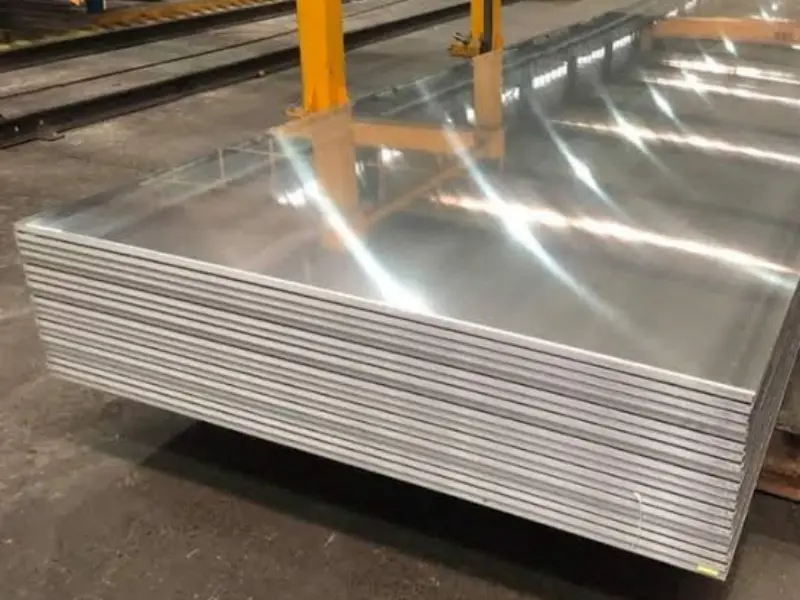
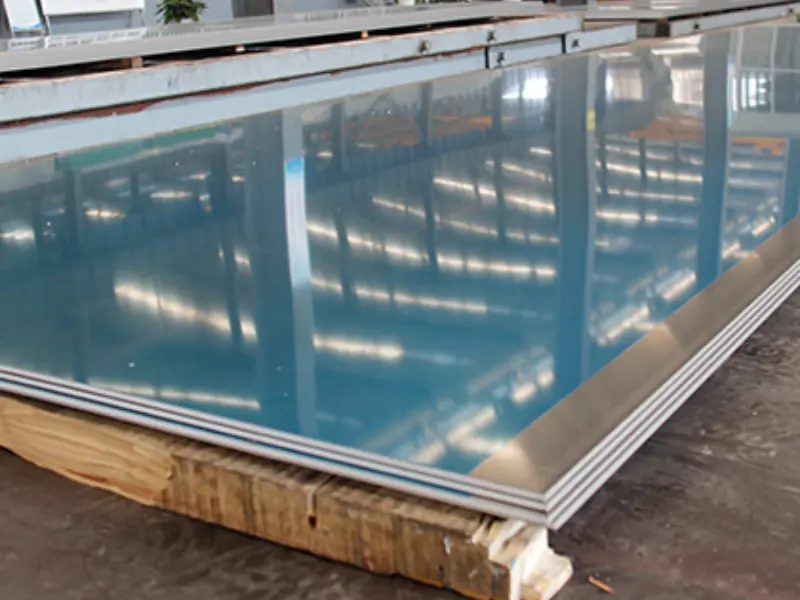
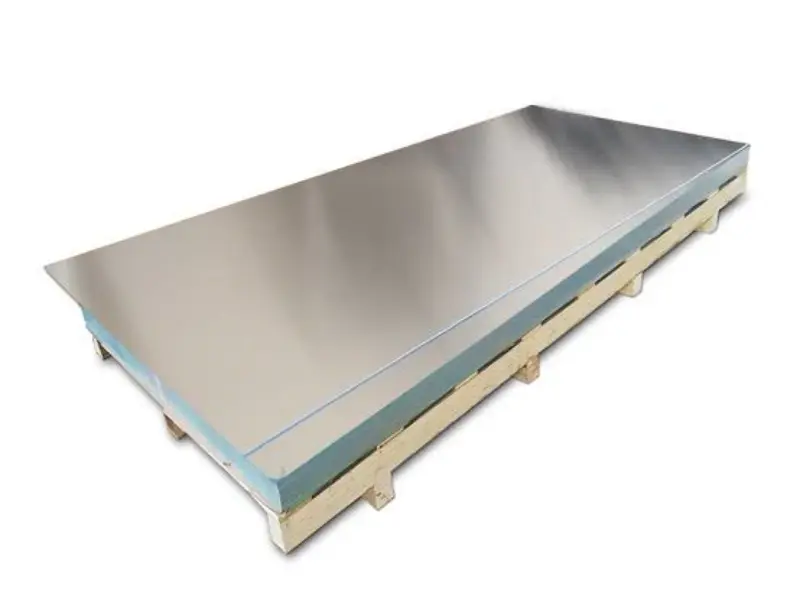
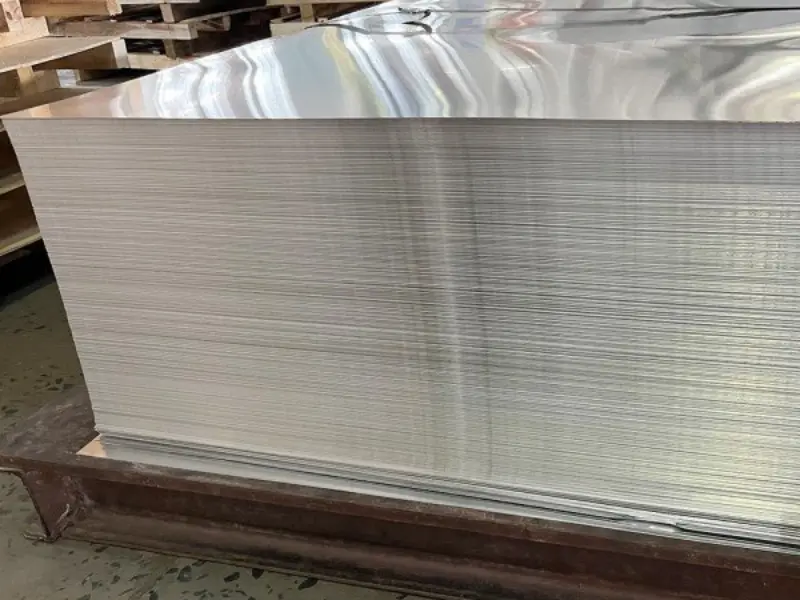
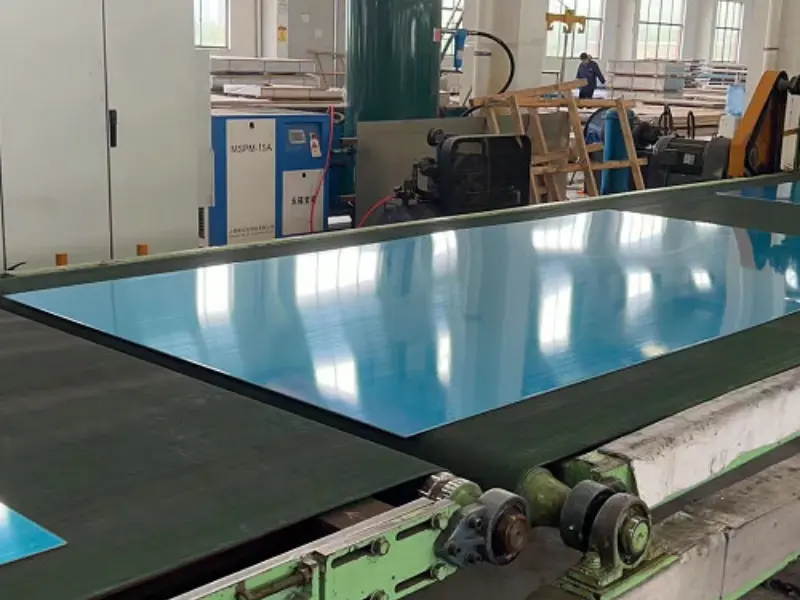
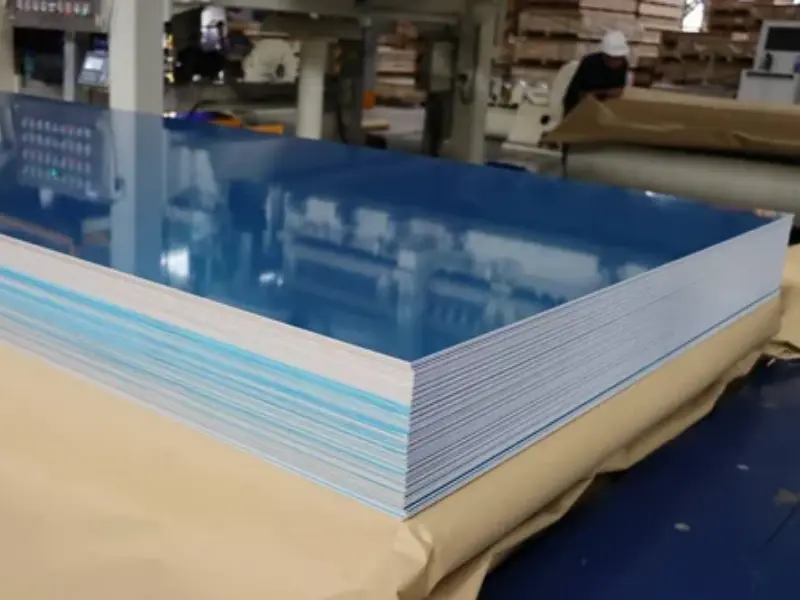
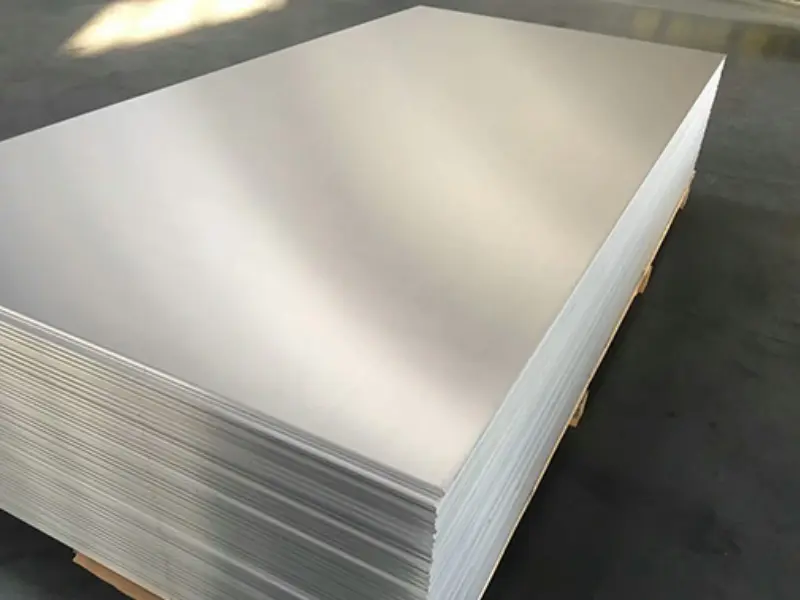
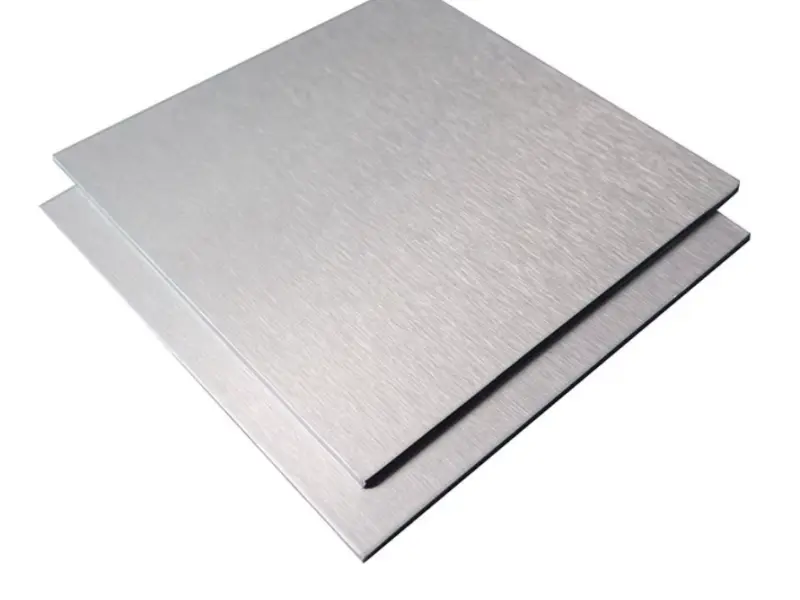
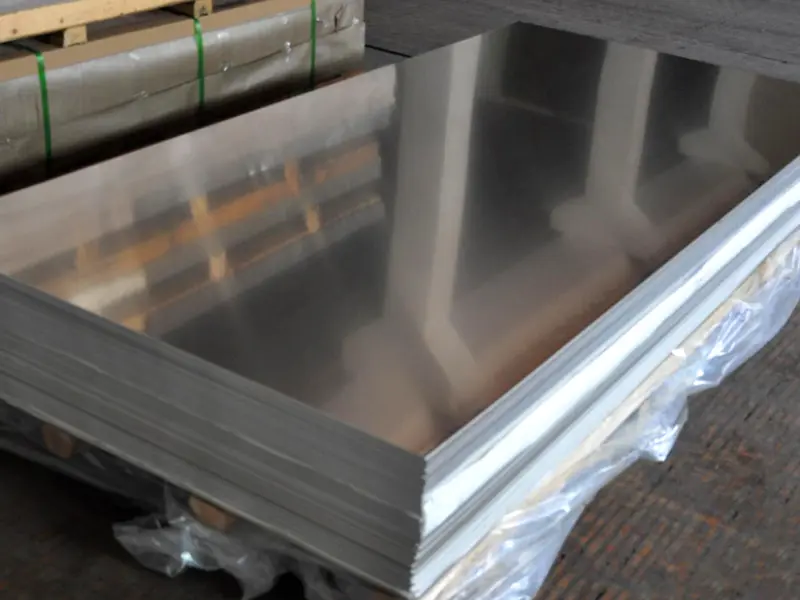
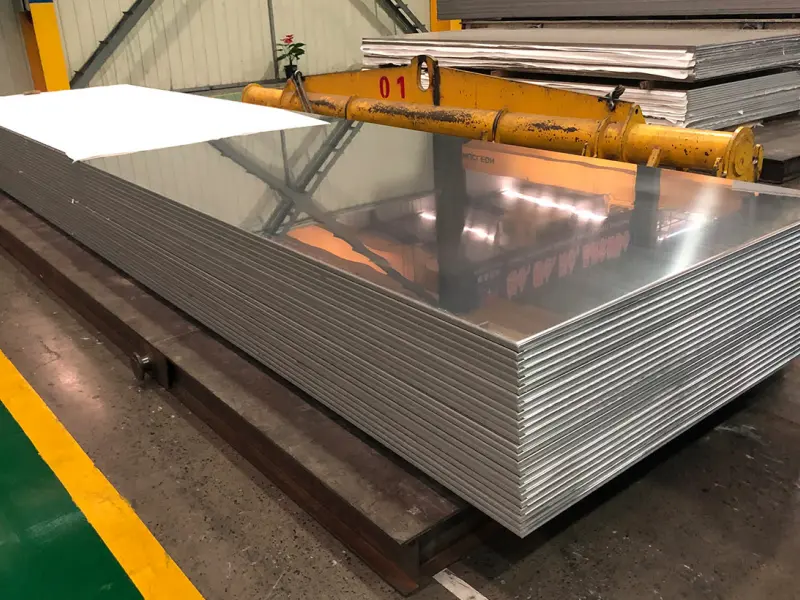
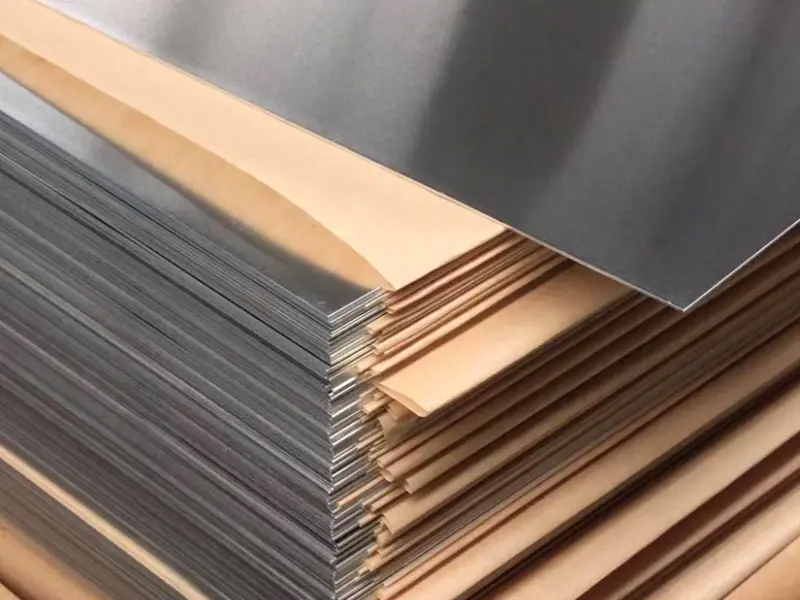
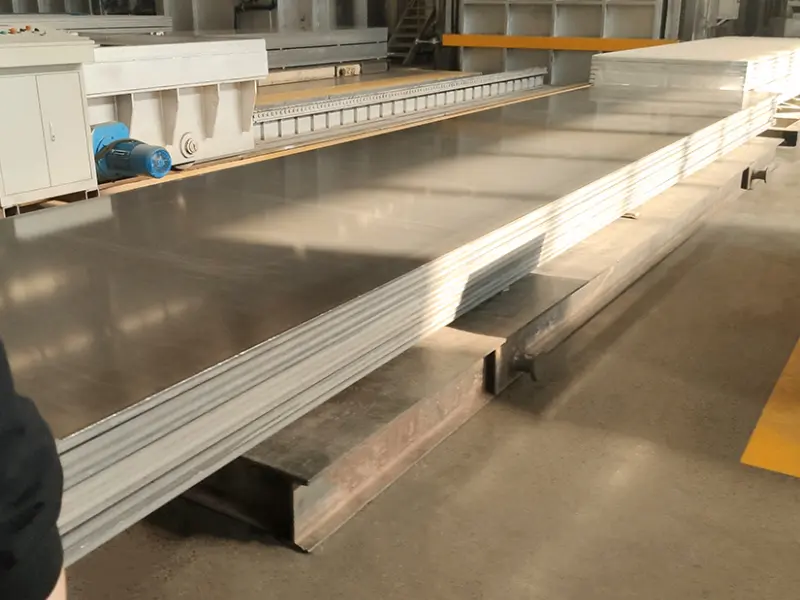
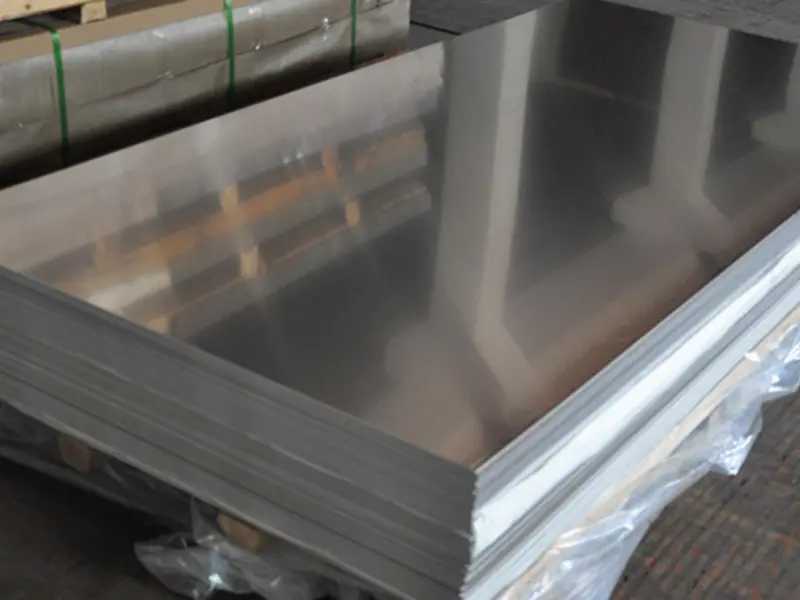
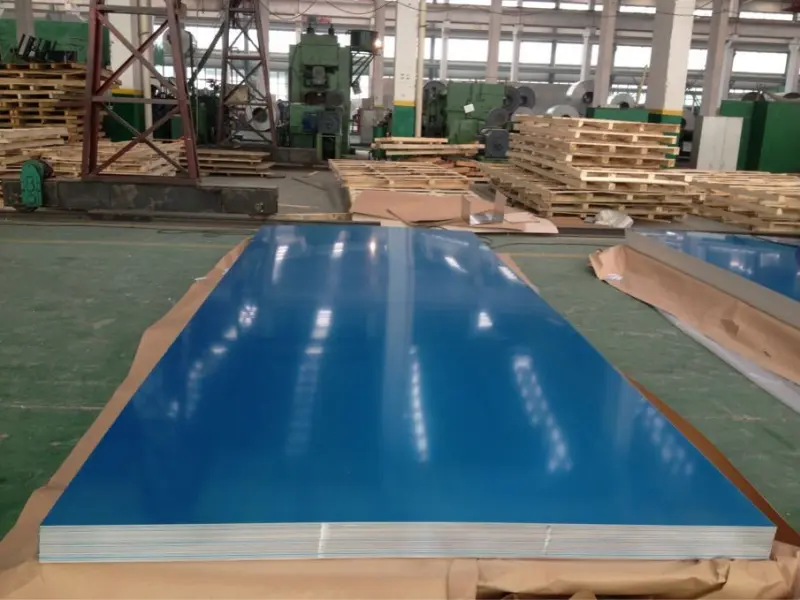
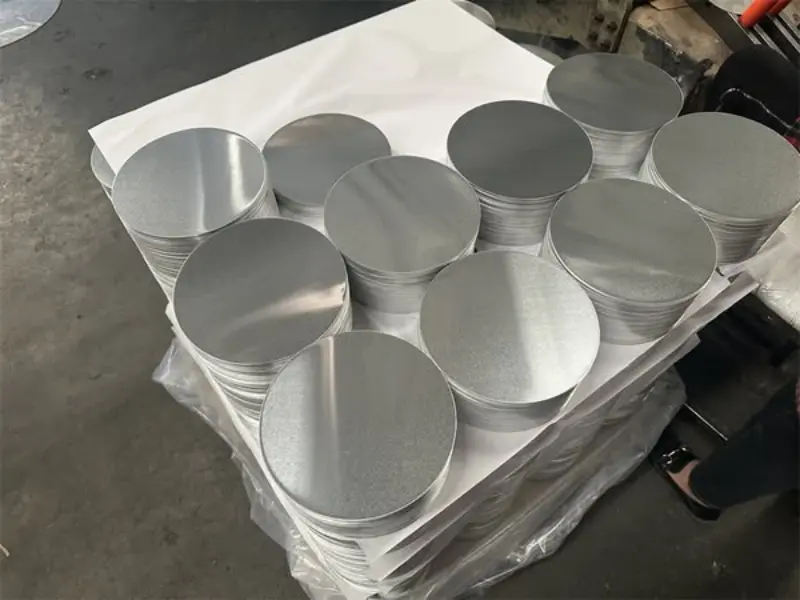
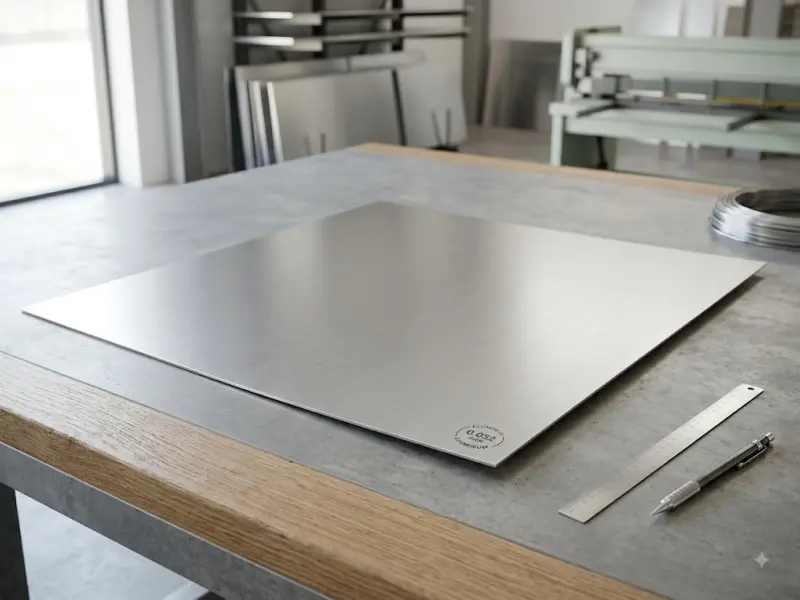
040 aluminum sheet is one of the most versatile and widely used aluminum products available today.
Its ideal thickness provides the perfect balance between strength and workability for countless applications.
Whether you’re working on automotive projects, construction needs, or custom fabrication, 040 aluminum sheet offers reliable performance and excellent value.
The availability in various alloys allows you to choose the perfect material for your specific requirements, from highly formable 1100 to strong 6061-T6. With proper handling and fabrication techniques, 040 aluminium sheet can be transformed into durable, long-lasting products that meet the highest quality standards.
For your next project requiring a durable yet workable material, consider 040 aluminium sheet – the proven choice for professionals and DIY enthusiasts alike.
What is 040 Aluminum Sheet?
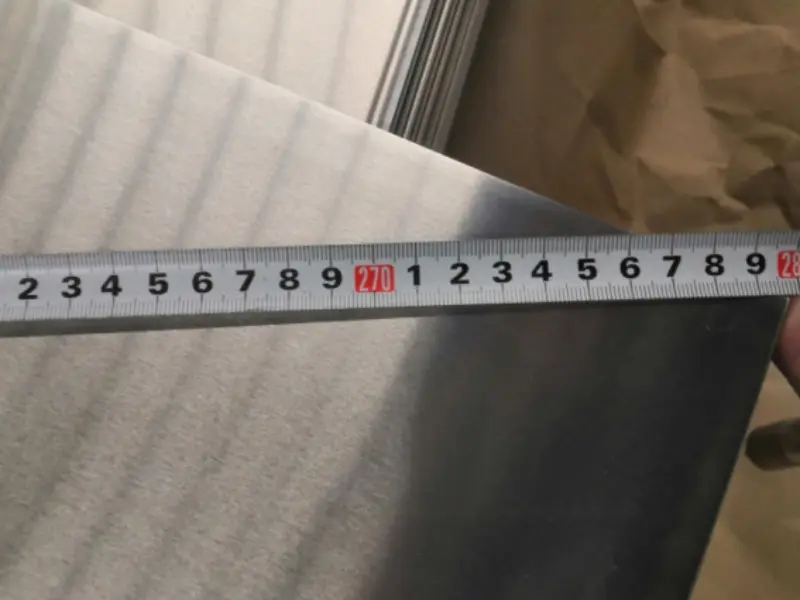
040 aluminium sheet refers to aluminium material that is 0.040 inches thick, which is approximately 1.0 millimeter. This thickness is one of the most popular and versatile options in the aluminum sheet market.
The 040 gauge aluminium sheet offers an excellent balance between strength and workability, making it suitable for numerous applications across different industries.
Benefits
Choosing 040 aluminium sheet for your projects provides significant advantages:
Using 040 aluminum sheets supports environmental goals:
100% recyclable material
Low energy requirement for processing
Long service life reduces waste
Lightweight reduces transportation energy
Non-toxic and safe for most applications
0.040 Inch Aluminum Sheet at a Glance
A 0.040 aluminum sheet is a medium-gauge aluminum product with a nominal thickness of 0.040 inch, or about 1.016 mm.
It sits between thin aluminum sheet and heavier plate. This makes it useful when a project needs a good balance between weight, stiffness, and easy fabrication.
Item
Typical Information
Nominal thickness
0.040 inch
Metric equivalent
Approx. 1.016 mm
Product form
Sheet or cut-to-size panel
Alloys
1050 / 1060 / 1100 / 3003 / 5052
Tempers
O / H12 / H14 / H24 / H32
Surface
Mill finish, brushed, anodized, coated
Width
Standard or customized
Length
Standard or customized
The final specification should be selected according to the application.
Why 0.040 Inch Is a Useful Middle-Gauge Option
Thickness affects more than weight.
It also changes how the sheet behaves during cutting, bending, forming, and installation.
Thinner sheet
→ Lower weight → Easier to handle → More flexible
0.040 inch sheet
→ Moderate weight → Better stiffness → Good fabrication balance
Thicker sheet
→ Higher weight → Greater rigidity → Higher material consumption
For many projects, 0.040 inch offers a practical middle point.
0.040 Aluminum Sheet vs. Nearby Thicknesses
Customers often compare several thicknesses before ordering.
Thickness
Approx. Metric
General Character
0.025″
0.64 mm
Lightweight
0.032″
0.81 mm
Light to medium
0.040″
1.02 mm
Medium gauge
0.050″
1.27 mm
More rigid
0.063″
1.60 mm
Heavier
0.080″
2.03 mm
Higher rigidity
This comparison is useful when a buyer is unsure whether 0.040 inch is thick enough for a specific project.
0.040 Aluminum Sheet: Weight Depends on More Than Thickness
The thickness is one of the main factors affecting weight, but alloy, dimensions, and quantity also matter.
A simple estimate is:
Weight ≈ Area × Thickness × Aluminum Density
For a quick planning estimate, aluminum density is often taken as approximately 2.7 g/cm³.
For example, a 1 m² sheet with a thickness close to 1.0 mm weighs roughly 2.7 kg, before considering exact alloy and tolerance.
This can help buyers estimate shipping weight and material requirements.
Common Alloy Choices for 0.040 Aluminum Sheet
The same thickness can be supplied in different aluminum alloys.
1050 Aluminum
1050 is known for high aluminum content and good formability.
It can be considered for applications where conductivity, surface quality, and easy forming are important.
1060 Aluminum
1060 offers good ductility and corrosion resistance.
It is suitable for many general fabrication and decorative uses.
1100 Aluminum
1100 is another common commercial aluminum alloy.
It combines good formability with useful corrosion resistance.
3003 Aluminum
3003 contains manganese and generally offers higher strength than many 1xxx series alloys.
It is a useful option for fabricated parts that need a little more strength.
5052 Aluminum
5052 is widely used when better strength and corrosion resistance are required.
It can be considered for transportation, marine, and outdoor fabrication.
Alloy Selection at a Glance
Alloy
Formability
Strength
Corrosion Resistance
Typical Direction
1050
Excellent
Low
Good
General forming
1060
Excellent
Low
Good
Decorative/fabrication
1100
Excellent
Low-medium
Good
General use
3003
Very good
Medium
Good
Fabricated parts
5052
Very good
Higher
Very good
Outdoor/transport
Actual performance depends on temper and product condition.
Choosing the Right Temper
The alloy alone does not determine the mechanical properties.
The temper also matters.
Temper
General Character
O
Soft and highly formable
H12
Slightly hardened
H14
Medium hardness
H24
Strain hardened and partially annealed
H32
Commonly used for stronger sheet
For deep forming, a softer temper may be preferred.
For panels that need more rigidity, a harder temper can be more suitable.
Sheet Size Can Change the Buying Decision
A 0.040 aluminum sheet may be supplied in many dimensions.
Common project formats can include:
24 × 48 in
36 × 48 in
48 × 96 in
48 × 120 in
60 × 120 in
Custom sizes are also possible depending on production equipment.
For large projects, it can be useful to compare the cost of standard sheets with cut-to-size material.
Standard Sheet or Cut-to-Size?
There are two basic purchasing approaches.
Option
Best for
Standard sheet
Stock, fabrication, general projects
Cut-to-size sheet
Specific project dimensions
Slit sheet
Narrow components
CNC-cut panel
Complex shapes
Custom blank
Repeated production
A standard sheet may offer easier availability.
A custom size can reduce cutting work at the customer’s facility.
Flat Sheet vs. Coil Material
A useful addition to the page is explaining the difference between sheet and coil.
Aluminum Sheet
→ Individual pieces → Easy to handle → Good for fabrication → Suitable for installation projects
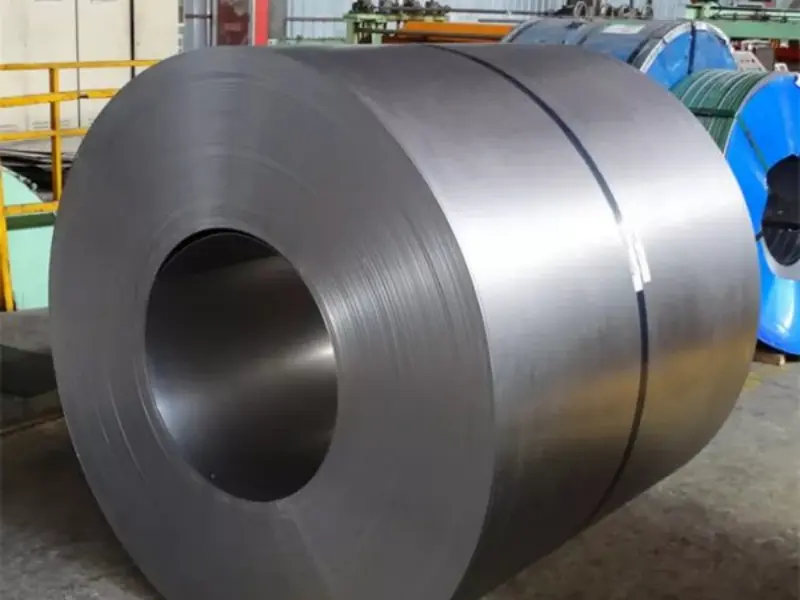
Aluminum Coil
→ Continuous material → Suitable for roll forming → Efficient for high-volume production → Can be cut into sheets later
If the customer needs thousands of repeated parts, coil may be worth considering instead of purchasing individual sheets.
Surface Finish Can Change the Final Look
0.040 aluminum sheet is not limited to mill finish.
Finish
Appearance
Common Direction
Mill finish
Natural aluminum
General fabrication
Brushed
Linear texture
Decorative panels
Anodized
Durable colored surface
Architecture
Painted
Various colors
Exterior/interior
Mirror
Reflective
Decorative use
Embossed
Textured
Protection/decorative
The surface should be selected according to both appearance and service conditions.
When 0.040 Aluminum Is Better Than a Thinner Sheet
A thinner sheet may be cheaper and lighter.
However, it may not provide enough stiffness for some applications.
Moving from 0.032 inch to 0.040 inch can provide a useful increase in material thickness without moving into a much heavier gauge.
This can be considered when the project has:
→ Larger unsupported areas → More frequent handling → Moderate forming requirements → Greater need for flatness → Higher resistance to bending
The correct choice should still be confirmed through the project design.
When a Thicker Sheet May Be Better
0.040 inch is not suitable for every structural requirement.
A thicker aluminum sheet may be preferred when:
The panel spans a large distance
Heavy loads are expected
Frequent impact is possible
Stronger fastening is required
Higher stiffness is important
The component is part of a heavy-duty structure
For these applications, 0.050″, 0.063″, 0.080″, or thicker material may be considered.
Fabrication Guide for 0.040 Aluminum Sheet
One useful section you can add is a simple processing guide.
Process
Suitability
Notes
Cutting
✓
Common fabrication method
Shearing
✓
Suitable for straight cuts
Bending
✓
Depends on alloy and temper
Punching
✓
Tool setup matters
Drilling
✓
Standard metalworking process
CNC routing
✓
Suitable with proper tooling
Welding
Depends
Alloy selection matters
Deep drawing
Depends
Softer temper may be preferred
The actual fabrication method should match the alloy, temper, tooling, and part design.
A Simple Project Selection Guide
You can use this style to make the page more interactive:
Need low weight?
→ Consider 0.025″–0.032″
Need a balance of weight and stiffness?
→ Consider 0.040″
Need more rigidity?
→ Consider 0.050″–0.063″
Need heavy-duty performance?
→ Consider 0.080″ or thicker
This gives readers a quick answer without forcing them to read the entire page.
What Makes a 0.040 Aluminum Sheet Quote Complete?
A product quotation should include more than the thickness.
Alloy
↓
Temper
↓
Thickness
↓
Width
↓
Length
↓
Surface finish
↓
Quantity
↓
Packaging
↓
Delivery terms
This information reduces misunderstandings between buyer and supplier.
How to Compare Two 0.040 Aluminum Sheet Quotes
Price alone is not enough.
Item
Supplier A
Supplier B
Alloy
3003
5052
Temper
H14
H32
Thickness
0.040″
0.040″
Width
48″
48″
Length
96″
96″
Surface
Mill finish
Mill finish
Quantity
5 tons
5 tons
Packaging
Export
Export
Price
—
—
If the alloy or temper is different, the two prices may not represent equivalent products.
Common Size and Specification Combinations
You can also add a small “shopping-style” table to increase the commercial value of the page.
Product Option
Typical Specification
0.040″ 1050 Sheet
O / H14
0.040″ 1060 Sheet
O / H14
0.040″ 1100 Sheet
H14 / H24
0.040″ 3003 Sheet
H14 / H24
0.040″ 5052 Sheet
H32
0.040″ Anodized Sheet
Various colors
0.040″ Brushed Sheet
Decorative finish
0.040″ Embossed Sheet
Stucco or other patterns
0.040″ Coated Sheet
Custom colors
These combinations can be adjusted according to the products your factory actually supplies.
From Material Selection to Finished Part
The purchasing process can be presented as a simple flow:
Choose application
→
Select alloy
→
Select temper
→
Confirm 0.040″ thickness
→
Choose sheet size
→
Choose surface
→
Confirm quantity
→
Check fabrication requirements
→
Request quotation
This is a good commercial section because it helps a visitor move from research to inquiry.
Questions to Confirm Before Ordering
Instead of another traditional FAQ section, you can add a Buyer Checklist.