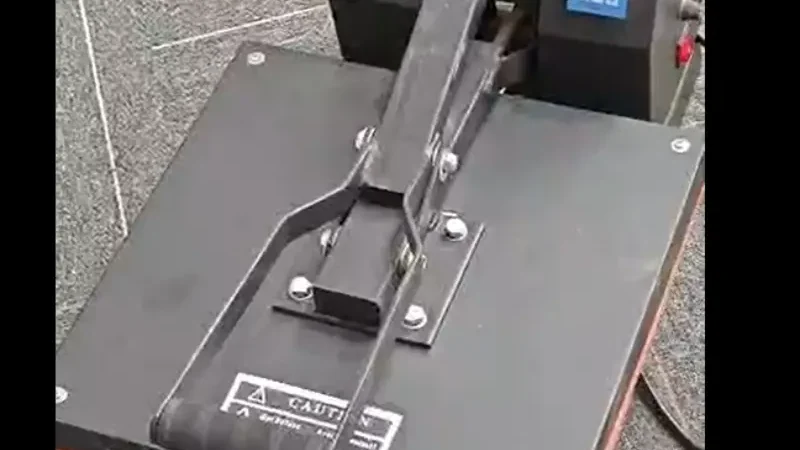
Aluminum sheet for sublimation truly offers a fantastic way to create vibrant, durable, and professional-looking prints.
Whether you’re making personalized gifts, unique art pieces, or robust signage, the quality and longevity of sublimation on aluminum are unmatched. Embrace the brilliance of sublimation aluminum and elevate your creations today!
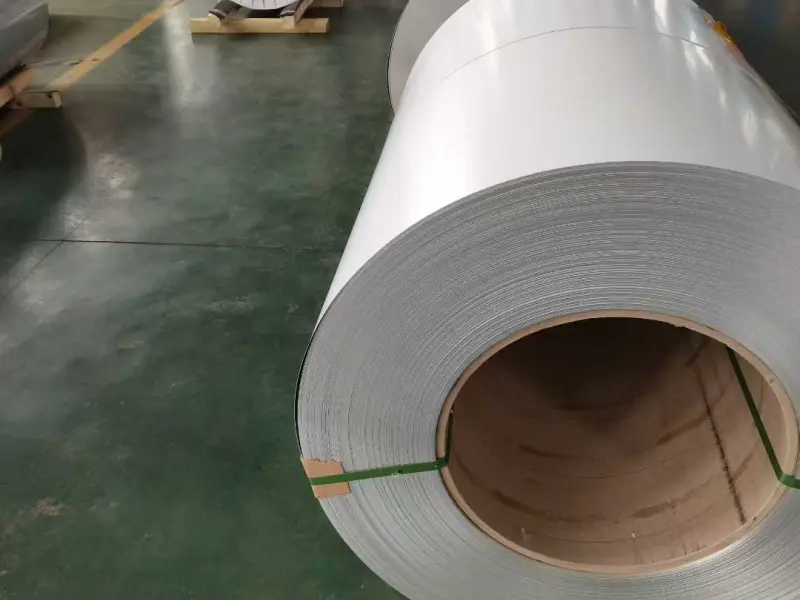
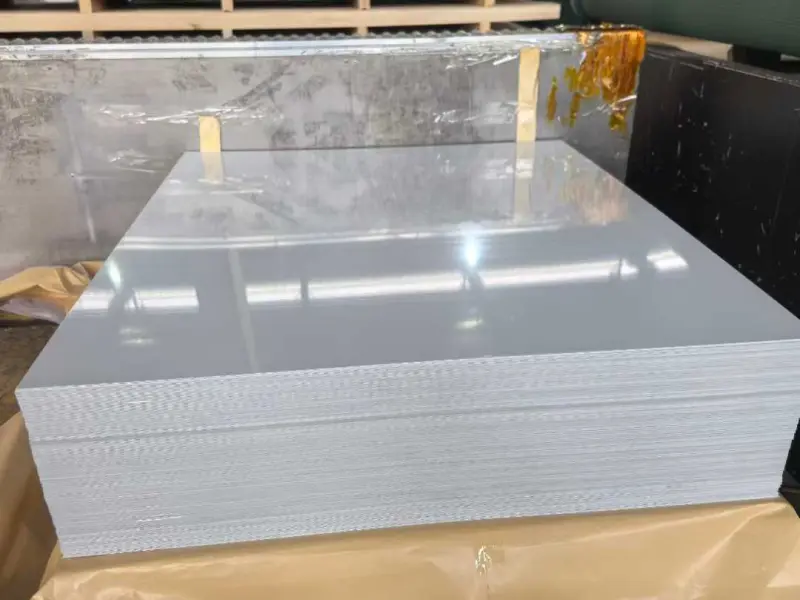
What Makes an Aluminum Sheet Ready for Sublimation?
Raw aluminum does not accept sublimation ink. The surface is too smooth and non-porous. The gas dyes have nothing to grip.
That is why a real sublimation aluminum blank comes with a thin polymer coating baked onto the surface. This coating opens up when heated, traps the dye, and locks it in as it cools. Without this layer, you are just baking paper onto metal.
The Coating Is Everything
A good coating determines three things:
- How sharp your image looks
- How vivid the colors appear
- How many years the print survives in sunlight
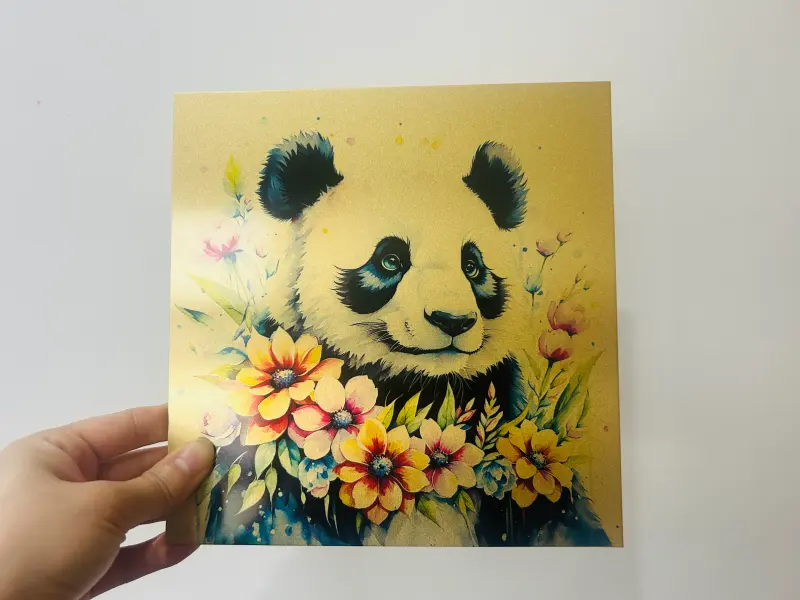
Cheap coatings look fine on day one but turn yellow or chalky after a few months. High-quality coatings keep their white point and gloss for a decade or more. When you shop for coated aluminum sheets, ask the supplier if the coating includes UV protection. That single detail doubles the outdoor life of your print.
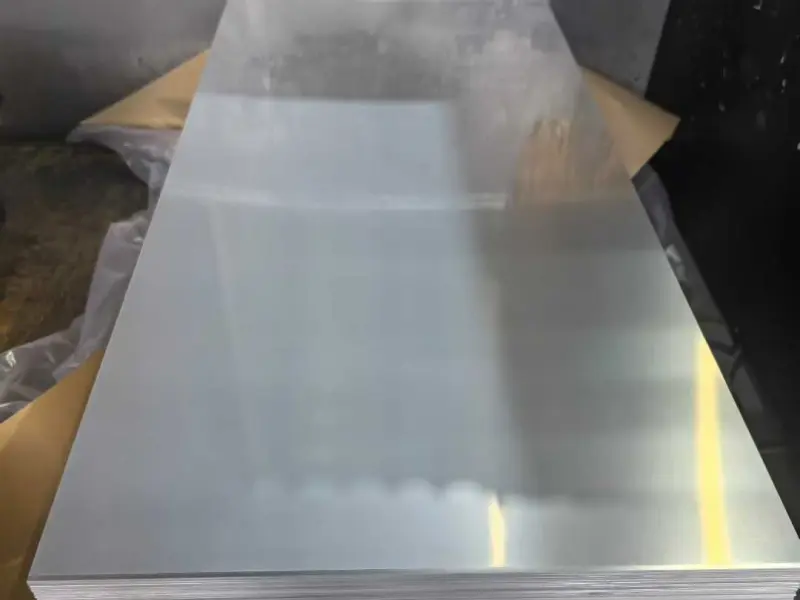
How to Spot a Quality Blank Before You Buy
Look for these signs:
- A protective film on both sides. This prevents scratches during shipping.
- Edges that are clean-cut, not burred. Rough edges mean poor manufacturing.
- A uniform white surface with no streaks or dots.
- A data sheet that lists the alloy and the coating type.
If the seller cannot tell you the alloy number, walk away. You need to know what you are pressing.
The alloy changes how the sheet behaves under heat, how easy it is to cut, and how much it weighs. Here are the alloys you will actually see for sale.
Aluminum Sheet for Sublimation
The 1000 Series: Pure Aluminum
These alloys contain 99% aluminum or more. They are soft, easy to cut, and very light. Most photo panels and gift items use this family.
Alloy 1050
This is the workhorse of the sublimation aluminum blanks world. It is affordable, takes a coating beautifully, and transfers fine details without trouble. The downside is that it dents if you drop it. For wall art, desk plaques, and indoor signs, it is perfect.
Alloy 1060
Slightly harder than 1050 but still in the pure-aluminum family. It holds its flatness a little better during the heat press cycle. If you print large panels and notice slight warping with 1050, try 1060. The price jump is small, but the stability improvement is real.
The 3000 Series: Manganese Alloy
Alloy 3003
This one adds manganese to the mix. That makes it stronger than the 1000 series without adding much weight. It is a middle-ground choice. You get better dent resistance than 1050, and it still cuts easily with standard workshop tools. Many suppliers offer 3003 as their “standard grade” for general sign work.
The 5000 Series: Magnesium Alloy
Alloy 5052
Here is where strength steps up. The 5052 alloy contains magnesium. It is much tougher than pure aluminum. It bends without cracking, resists corrosion in marine air, and handles vibration well. That makes it the top pick for outdoor signs, vehicle plates, and any sublimation metal sheet that will live outside.
The trade-off is price. You will pay more per sheet. But if your print is going on a building facade or a boat dashboard, 5052 pays for itself by avoiding replacement costs.
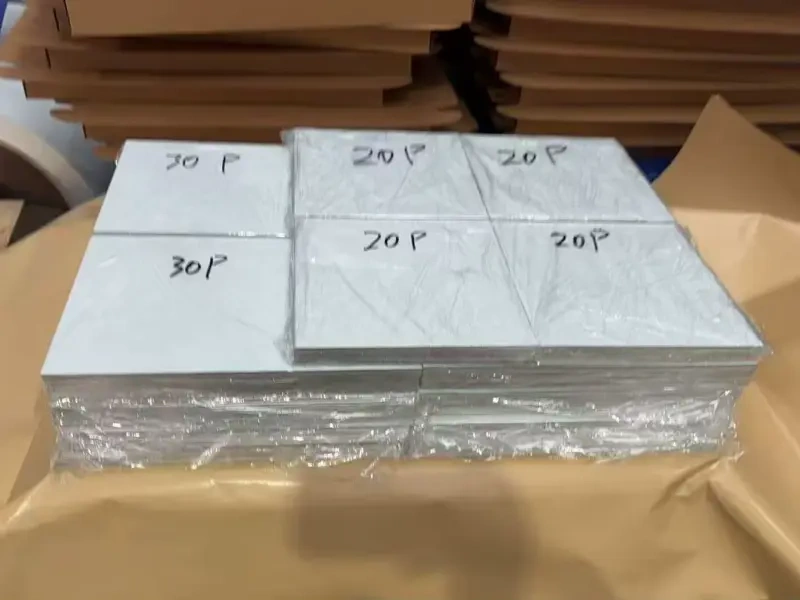
Thickness Guide: What the Numbers Mean in Real Life
Thickness is measured in millimeters or gauges. For sublimation, you almost always see metric measurements. Here is how each range performs.
Thin Sheets: 0.3 mm to 0.5 mm
These are flexible. You can almost bend them with your hands. They work for:
- Luggage tags
- Bookmark inserts
- Flexible name badges
- Craft projects that go inside a frame
The risk is warping under heat. At 200 °C, a 0.3 mm sheet can curl if your press has uneven pressure. Always use a flat silicone pad and let the sheet cool on a flat surface.
Standard Sheets: 0.6 mm to 1.0 mm
This is the sweet spot for most jobs. A 0.65 mm aluminum sheet for sublimation handles heat well, stays flat, and still feels light. A 1.0 mm sheet adds enough rigidity for standalone plaques and photo panels that do not need a frame.
Most suppliers stock 0.45 mm, 0.65 mm, and 1.0 mm as their standard sizes. If you are unsure what to order, start with 0.65 mm. It is the safest all-rounder.
Heavy-Duty Sheets: 1.5 mm to 3.0 mm
These are for structural work. A 2.0 mm blank feels like a solid plate, not a sheet. You need these when:
- The piece will take physical impacts
- It mounts on a wall with standoffs
- It lives in a high-traffic public area
The downside is heat soak time. A 3.0 mm sheet needs longer in the press for the heat to reach the coating. We cover exact times in the settings table below.
Alloy Comparison in One View
| Alloy | Hardness | Weight | Best Use | Price Level |
|---|---|---|---|---|
| 1050 | Soft | Very light | Photos, indoor decor | Budget |
| 1060 | Soft-medium | Very light | Large panels, gifts | Budget |
| 3003 | Medium | Light | General signage | Mid-range |
| 5052 | Medium-hard | Light | Outdoor, marine, industrial | Higher |
| 5083 | Hard | Light | Heavy-duty structural | Premium |
Standard Sizes and Formats
You do not have to cut everything yourself. Blanks come pre-cut to common dimensions.
Table
| Format | Size (mm) | Size (inches) | Common Thicknesses |
|---|---|---|---|
| A6 | 105 × 148 | 4.1″ × 5.8″ | 0.45 mm, 0.65 mm |
| A5 | 148 × 210 | 5.8″ × 8.3″ | 0.45 mm, 0.65 mm, 1.0 mm |
| A4 | 210 × 297 | 8.3″ × 11.7″ | 0.45 mm, 0.65 mm, 1.0 mm, 1.5 mm |
| A3 | 297 × 420 | 11.7″ × 16.5″ | 0.65 mm, 1.0 mm, 1.5 mm |
| A2 | 420 × 594 | 16.5″ × 23.4″ | 1.0 mm, 1.5 mm, 2.0 mm |
| 4″ × 6″ | 102 × 152 | 4″ × 6″ | 0.45 mm, 0.65 mm |
| 5″ × 7″ | 127 × 178 | 5″ × 7″ | 0.65 mm, 1.0 mm |
| 8″ × 10″ | 203 × 254 | 8″ × 10″ | 0.65 mm, 1.0 mm, 1.5 mm |
| 11″ × 14″ | 279 × 356 | 11″ × 14″ | 1.0 mm, 1.5 mm |
| 12″ × 18″ | 305 × 457 | 12″ × 18″ | 1.0 mm, 1.5 mm, 2.0 mm |
| 20″ × 30″ | 508 × 762 | 20″ × 30″ | 1.5 mm, 2.0 mm, 3.0 mm |
Custom Shapes Beyond Rectangles
Suppliers also offer pre-cut blanks in special shapes. These save you cutting time and reduce waste.
- Keychain rounds and rectangles: 25 mm to 50 mm, with holes pre-drilled
- License plate blanks: 300 mm × 150 mm with slot holes
- Door sign blanks: 200 mm × 80 mm with rounded corners
- Coaster rounds: 90 mm to 100 mm diameter, 1.0 mm thick
- Ornament shapes: Stars, hearts, hexagons for holiday gifts
- Bag tags: 50 mm × 80 mm with rounded corners and hole
If you need a shape that is not listed, some factories offer laser cutting on bulk orders. Just send them a vector file.
Surface Finishes: How They Change Your Image
The coating color and texture are not just for looks. They actively change how your print turns out.
Gloss White
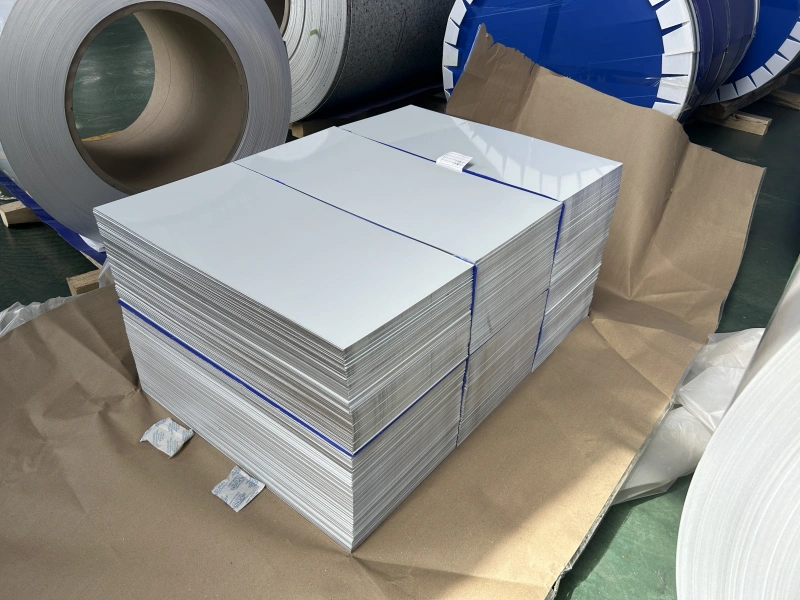
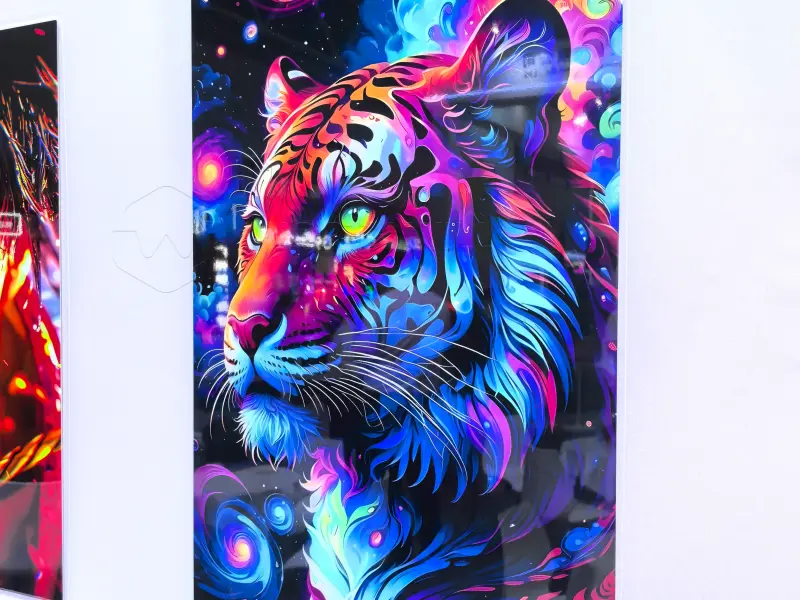
This is the most popular finish. It reflects light, which makes colors pop. Reds look deeper. Blues look richer. It is the default choice for photography and vibrant artwork.
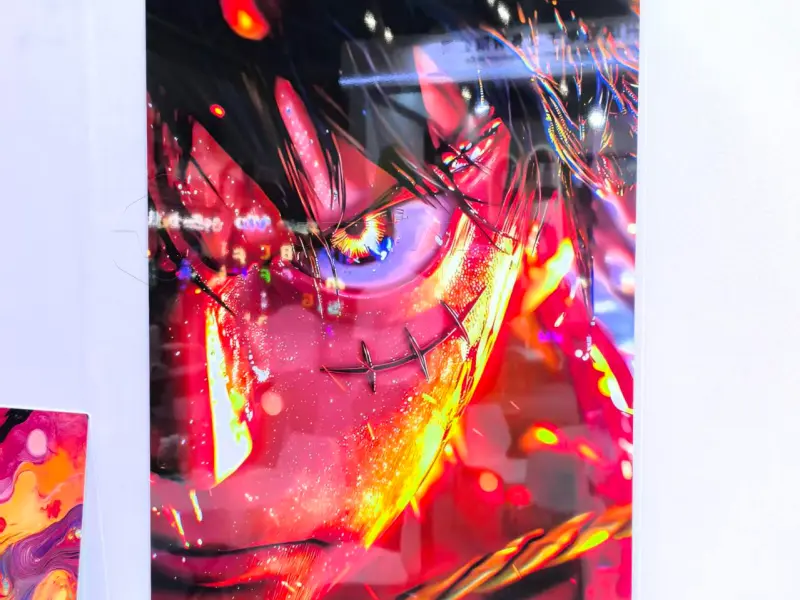
The catch is glare. In a bright room with overhead lights, a gloss white panel can reflect light into the viewer’s eyes. For lobby walls with spotlights, consider matte instead.
Matte White
No shine. No glare. This finish absorbs light and gives a softer look. Text reads easier on matte. Logos look more corporate. It is the right pick for:
- Office nameplates
- Menu boards
- Instruction panels
- Minimalist art prints
Colors on matte are slightly less punchy than on gloss. But the trade-off is worth it in professional settings.
Brushed Silver
Here is where it gets interesting. A brushed silver blank has no white coating. Instead, it has a clear polymer over a silver brushed base. Any white areas in your design become silver. Any light gray becomes brushed metal texture.
The result is modern and industrial. It works beautifully for:
- Automotive art
- Tech company signage
- Music album wall art
- Architectural photography
You must design specifically for this finish. If you send a standard photo with white skies, the sky will print as silver metal. That surprises first-time users.
Brushed Gold
Same concept as brushed silver, but with a gold-tone base. It adds instant luxury. Trophy plates, anniversary gifts, and high-end hotel signage use this finish. Skin tones do not look natural on gold, so avoid portrait photos. Stick to text, logos, and graphic designs.
Mirror Finish
A true mirror blank is highly reflective. It is stunning for decorative pieces but tricky to photograph for online listings because it reflects everything around it. Use it for:
- Vanity trays
- Decorative wall pieces
- Award plaques with a “mirror edge” look
Finish Comparison by Project Type
| Finish | Color Vibrancy | Glare Level | Best For | Avoid For |
|---|---|---|---|---|
| Gloss white | Very high | High | Photos, art | Direct spotlight areas |
| Matte white | High | None | Text, corporate signs | Images needing max pop |
| Brushed silver | Medium | Low | Modern design, logos | Portraits, white-heavy art |
| Brushed gold | Medium | Low | Luxury items, awards | Realistic photography |
| Mirror | High | Very high | Decorative accents | Functional reading signs |
Aluminum vs Stainless Steel for Sublimation
Some suppliers offer stainless steel blanks with a polymer coating. How do they stack up against aluminum?
Table
| Feature | Aluminum Sheet | Stainless Steel Blank |
|---|---|---|
| Weight | One-third of steel | Heavy, solid feel |
| Heat conductivity | Excellent | Good |
| Ease of cutting | Easy with basic tools | Needs metal saw or laser |
| Corrosion resistance | Good with UV coating | Excellent even without coating |
| Impact resistance | Dents on thin gauges | Very hard to dent |
| Color reproduction | Excellent | Excellent |
| Cost per unit | Low | High |
| Best use | Photos, signs, bulk gifts | Trophies, premium gifts, kitchenware |

So which should you choose? If you are making fifty photo panels for a hotel renovation, aluminum is the smart call. It is cheaper to ship, easier to mount, and prints just as well. If you are making twenty executive desk plaques for a CEO gift, stainless steel adds weight and perceived value. The recipient feels the difference in their hands.
Heat Press Settings That Actually Work
Every alloy and thickness needs slightly different time and temperature. Using the wrong settings wastes blanks.
Table
| Alloy | Thickness | Temperature | Time | Pressure |
|---|---|---|---|---|
| 1050 / 1060 | 0.45 mm | 190–200 °C | 50–60 sec | Medium |
| 1050 / 1060 | 0.65 mm | 190–200 °C | 60–70 sec | Medium |
| 1050 / 1060 | 1.0 mm | 185–195 °C | 70–80 sec | Medium |
| 3003 | 0.65 mm | 190–200 °C | 60–70 sec | Medium |
| 3003 | 1.0 mm | 185–195 °C | 75–85 sec | Medium |
| 5052 | 0.8 mm | 185–195 °C | 70–80 sec | Medium-high |
| 5052 | 1.0 mm | 185–195 °C | 80–90 sec | Medium-high |
| 5052 | 1.5 mm | 180–190 °C | 90–110 sec | Medium-high |
| 5052 | 2.0 mm | 180–190 °C | 100–120 sec | Medium-high |
| 5052 | 3.0 mm | 180–190 °C | 120–150 sec | High |
Why Thicker Sheets Need Lower Temperature
It sounds backwards, but thicker sheets often use slightly lower heat. The reason is heat soak. A thick sheet holds more thermal mass. If you set 200 °C on a 3.0 mm blank, the surface might overshoot and burn the coating while the core is still heating. A steady 185 °C for two minutes gives a more even result.
Always test one piece before running a full batch. Presses vary. A $200 press and a $2,000 press can read the same on the dial but deliver different actual temperatures.
Where People Actually Use These Sheets
The list of applications keeps growing. Here are the fields where sublimation printing on aluminum has become standard:
Sports: Team plaques, race bib displays, stadium signage
Photography studios: Metal prints for weddings, newborns, and pet portraits
Interior design: Large wall panels for homes, hotels, and offices
Corporate signage: Reception logos, door names, directional signs
Retail branding: Point-of-sale displays, shelf talkers, counter signs
Automotive customization: License plate frames, dashboard panels, bike tags
Hospitality: Room numbers, menu boards, pool rules signs
Events and conferences: Name badges, table numbers, sponsor boards
Education: Campus maps, building directories, award plaques
Healthcare: Room IDs, safety instructions, directional markers
Marine and outdoor: Boat nameplates, park signs, trail markers
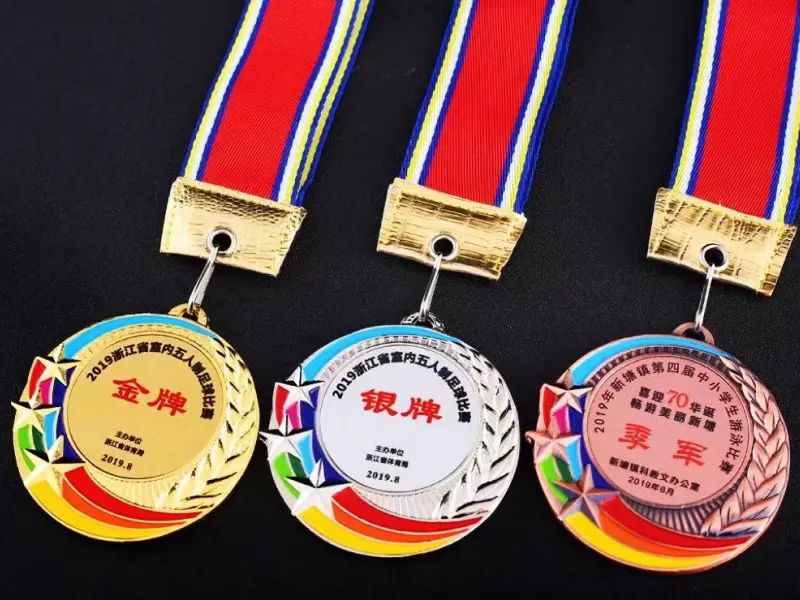
Jewelry and accessories: Pendants, keychains, cufflinks, belt buckles
Memorial products: Urn plates, remembrance plaques, photo memorials
Music and entertainment: Album cover art, backstage passes, merchandise
Why Choose Aluminum Sheets for Sublimation?
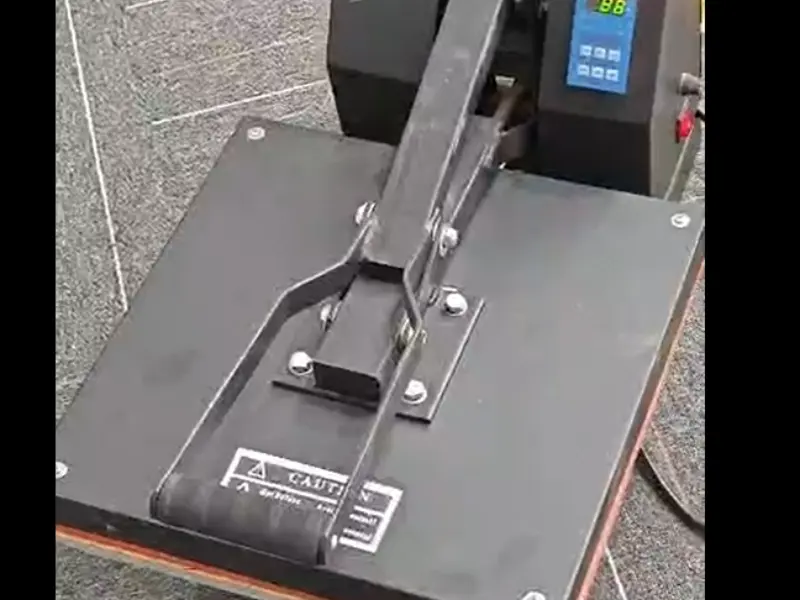
There are many reasons why aluminum sheets for sublimation are a top choice for high-quality printing projects:
- Durability: Unlike paper prints, sublimation aluminum is highly resistant to scratches, chemicals, moisture, and UV fading. Your images will look great for years.
- Vibrant Colors: The special polymer coating on the sublimation aluminum panel allows inks to achieve exceptional color depth and clarity, producing truly stunning visuals.
- Lightweight & Strong: Aluminum is a light yet very strong metal, making it easy to handle, hang, and ship.
- Modern & Professional Look: The sleek, metallic finish of sublimation aluminum gives a premium and contemporary feel to any design.
- Versatility: Available in various finishes and thicknesses, coated aluminum sheets can be used for many different items.
Types and Specifications of Aluminum Sheets for Sublimation
To help you choose the right aluminum sublimation blanks for your needs, here’s a table showing common types and their specifications. These numerical specifications are important for matching the right product to your printing requirements.
| Type of Aluminum Sheet | Thickness (mm) | Finish Options | Coating Type | Common Sizes (inches) | Key Features |
|---|---|---|---|---|---|
| Standard Gloss White | 0.5 – 1.2 | High Gloss | Polyester Polymer | 8×10, 11×14, 16×20, 24×36 | Brightest colors, reflective, classic photo look. |
| Standard Matte White | 0.5 – 1.2 | Matte | Polyester Polymer | 8×10, 11×14, 16×20, 24×36 | Reduced glare, soft finish, modern art feel. |
| Brushed Silver | 0.7 – 1.0 | Brushed Metallic (Silver) | Clear Polyester Polymer | 5×7, 8×10, 12×18 | Unique metallic texture shows through image, elegant. |
| Gloss Clear | 0.5 – 1.0 | High Gloss | Clear Polyester Polymer | 8×10, 11×14, 16×20 | Metal shows through light areas, vibrant colors, industrial look. |
| Outdoor/Heavy Duty | 1.5 – 3.0 | Gloss or Matte | UV-Resistant Polyester Polymer | Up to 48×96 | Extra durable for outdoor signs, weather-resistant. |
| Magnetic Sublimation | 0.5 – 0.7 | Gloss White, Matte White | Polyester Polymer, with magnetic backing | Various small sizes | Turns any surface into a magnetic display. |
| ChromaLuxe Panels | 1.0 – 1.5 | High Gloss, Mid-Gloss, Matte, Sheer | Proprietary Polymer Coating | Up to 60×120 | Industry-leading vibrancy and archival quality. |
Note: Thicknesses and sizes are typical and can vary by manufacturer. Always check product details.
Applications of Aluminum Sheets for Sublimation
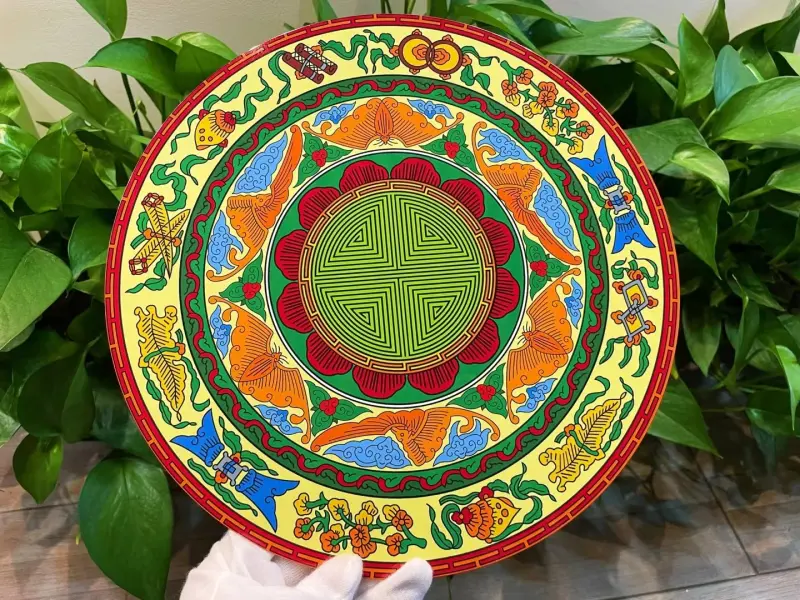
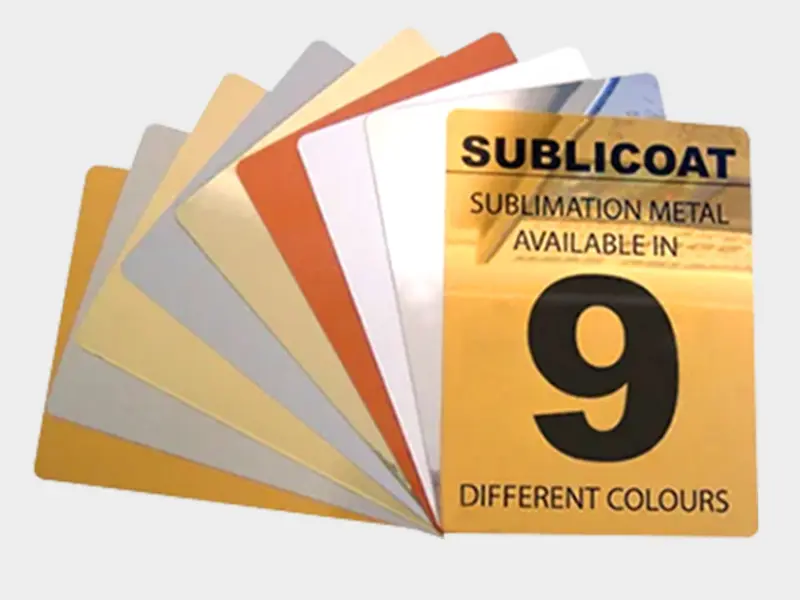
The versatility of sublimation aluminum sheets means they are used in a wide array of fields. Here are some popular sublimation applications:
- Photography and Art Displays: Create stunning metal photo prints with incredible depth and detail.
- Indoor and Outdoor Signage: Durable and weather-resistant signs for businesses, events, and public spaces.
- Personalized Gifts: Custom photo gifts, awards, plaques, and decorative items.
- Architectural Décor: Wall panels, backsplashes, and decorative elements in homes and offices.
- Promotional Products: Branded items, display boards, and unique marketing materials.
- Industrial Labels & Tags: Durable labels that can withstand harsh environments.
- Jewelry and Accessories: Custom pendants, earrings, and other personalized accessories.
- Custom Trophies and Awards: High-end, personalized recognition items.
Choosing the Right Aluminum Sheet for Your Project
Selecting the best sublimation aluminum for your specific project is key to a great outcome. Consider these factors:
- Project Type: Is it an indoor photo display or an outdoor sign? This will influence the required durability and UV resistance.
- Desired Finish: Do you want a shiny, reflective look (gloss) or a softer, non-reflective appearance (matte)? Do you prefer the raw metallic look to show through (brushed silver, clear)?
- Thickness: Thinner sheets (0.5mm) are often used for decorative items or smaller prints, while thicker sheets (1.0mm+) provide more rigidity and are better for larger displays or outdoor use.
- Budget: Prices can vary based on size, thickness, and specialized coatings.
Always ensure the coated aluminum sheets you choose are specifically designed for sublimation to guarantee proper ink adhesion and vibrant results.
Tips for Successful Sublimation on Aluminum
To achieve perfect sublimation prints on your aluminum sheet for sublimation, follow these important tips:
- Cleanliness is Key: Before printing, ensure your sublimation aluminum blank is perfectly clean and free of dust, fingerprints, or smudges. Use a lint-free cloth and a specialized cleaner if necessary.
- Protective Film: Most aluminum blanks come with a protective plastic film. Remember to remove this film before pressing!
- Proper Settings: Always refer to the manufacturer’s recommended time, temperature, and pressure settings for your specific sublimation aluminum panel and heat press. Typical temperatures are around 190−205∘C (375−400∘F) for 45−90 seconds.
- Butcher Paper: Use butcher paper on top of and below your sublimation blank in the heat press. This protects your heat press from excess ink and helps absorb moisture.
- Avoid Ghosting: Secure your transfer paper to the aluminum blank using heat-resistant tape to prevent it from shifting during pressing, which can cause blurry or “ghosted” images.
- Ventilation: Work in a well-ventilated area, as the sublimation process can release fumes.
By following these sublimation tips, you’ll be well on your way to creating stunning, high-quality custom aluminum prints.
How to Choose the Right Sheet for Your Job
For High-End Photo Panels
Pick alloy 1050 or 1060 in gloss white. Use 1.0 mm thickness for anything over 12 inches wide. Thinner sheets warp under heat at large sizes. Mount the finished piece with a float frame or standoffs for a gallery look.
For Outdoor Signs and Building Facades
Go with alloy 5052 at 1.5 mm or thicker. Make sure the coating has a UV rating. Ask your supplier for a UV exposure warranty. Many quality coatings guarantee five to seven years without noticeable fade. Use stainless steel hardware for mounting to avoid galvanic corrosion.
For Bulk Corporate Gifts
Order A5 or A4 blanks in 0.65 mm alloy 1060 with matte white finish. The matte look feels expensive without the gloss glare. The 0.65 mm weight keeps shipping costs down if you mail them to clients. You can cut costs further by buying 0.45 mm, but handle them carefully. They bend if packed too tight.
For Industrial Tags and Equipment Labels
Use 5052 at 1.0 mm or 1.5 mm with matte white or brushed silver. Industrial environments involve grease, solvents, and physical contact. The 5000 series alloy resists both impact and chemical exposure better than pure aluminum.
For Jewelry and Small Accessories
Small blanks work best at 1.0 mm or 1.5 mm. Thinner metal feels flimsy in a keychain. Thicker metal adds the weight that makes a product feel valuable. For earrings, stay at 1.0 mm so they do not weigh down the ear.
Mistakes That Ruin Aluminum Sublimation Prints
Skipping the Test Press
Every new batch of blanks should get one test piece. Coatings vary between factories. A blank that worked perfectly last month might need ten degrees less this month if the supplier changed their coating formula.
Peeling the Film Too Early
The protective film exists for a reason. Peel it off right before you press. If you peel it the night before, airborne dust settles on the coating. That dust creates tiny white dots in your final image.
Using Paper with Too Much Moisture
Sublimation paper absorbs humidity from the air. Damp paper releases steam in the press. Steam lifts the sheet slightly, which causes ghosting. Store your paper in a sealed bag with silica gel. If you live in a humid climate, pre-press the paper for five seconds on a blank Teflon sheet to drive out moisture.
Pressing with Uneven Pressure
Aluminum sheets are rigid. If your press has weak corners, those corners transfer less dye. The result is a print that looks faded on one side. Rotate the sheet 180 degrees and press again for ten seconds if you suspect uneven pressure.
Cooling on an Uneven Surface
A hot aluminum sheet is soft. If you drop it onto a table with crumbs or dust bumps, it cools with dimples. Lay it on a clean, flat metal or glass surface to cool.
Frequently Asked Questions
Can I sublimate on raw aluminum without a coating?
No. Raw aluminum has no pores for the gas dye to enter. The ink sits on top and wipes away with a finger. You must use a coated aluminum sheet designed for sublimation. Some people try to spray their own coating. DIY coatings rarely match factory quality for durability and color accuracy.
What thickness works best for wall art photo panels?
For panels up to 8″ × 10″, 0.65 mm works fine. For 11″ × 14″ and larger, move to 1.0 mm. By oversized prints like 20″ × 30″, use 1.5 mm or 2.0 mm. The extra thickness prevents the panel from flexing when someone touches it.
How long does a sublimated aluminum print last?
Indoors, a quality print on a UV-coated blank lasts 15 to 20 years with minimal fade. Outdoors, expect 5 to 10 years depending on sun exposure. A south-facing sign in Arizona fades faster than a north-facing sign in Seattle. The 5052 alloy does not extend the ink life, but it keeps the metal itself from corroding underneath the image.
Is alloy 5052 worth the extra money over 1050?
Only if the piece faces physical stress or lives outside. For a photo panel hanging in a climate-controlled living room, 1050 is perfect. For a sign on a food truck that bounces down highways and sits in rain, 5052 is worth every extra cent.
Can I cut the sheet after I sublimate it?
Yes, but carefully. Aluminum up to 0.5 mm cuts with tin snips. Thicker sheets need a guillotine or a jigsaw with a metal blade. The danger is heat. Friction from a fast blade can re-melt the coating edge and create a brown line. Cut slowly, and use a blade rated for non-ferrous metal.
Why do my colors look dull and washed out?
Three common causes. First, your temperature is too low. The coating never fully opens to accept the dye. Second, your pressure is too low. Gaps between the paper and the metal let the gas escape. Third, your image was designed in RGB but your printer profile is wrong. Sublimation needs specific ICC profiles for each ink and paper combination.
Do I need to clean the blank before pressing?
Yes. Remove the protective film, then wipe the surface with a lint-free cloth and isopropyl alcohol. Let it dry completely. Finger oils leave grease spots that repel dye. Those spots show up as light patches in solid color areas.
What is the real difference between gloss white and matte white?
Gloss white reflects light like a mirror. Colors look more saturated because the light bounces through the dye twice. Matte white scatters light. The image looks softer and more natural. Gloss is better for art. Matte is better for text and corporate settings.
Can I use the same heat press for aluminum and T-shirts?
Yes, but clean the platen first. T-shirt fibers and pretreatment residue can stick to an aluminum sheet and leave texture marks. Wipe the bottom platen with a dry cloth before switching from fabric to metal.
Should I tape the paper to the metal?
Absolutely. Use heat-resistant tape on the edges. Aluminum sheets are slippery. If the paper shifts even one millimeter during press opening, you get a double image or soft edges. Tape every corner.
Quick Pick Guide: Match Your Project to the Right Blank
Table
| Your Goal | Recommended Alloy | Thickness | Finish | Why |
|---|---|---|---|---|
| Budget photo prints | 1050 | 0.65 mm | Gloss white | Low cost, great color |
| Large gallery panels | 1060 | 1.0–1.5 mm | Gloss white | Stays flat, vivid detail |
| Corporate office signs | 3003 | 0.65–1.0 mm | Matte white | Professional, no glare |
| Outdoor building signs | 5052 | 1.5–2.0 mm | Gloss or matte white + UV | Survives weather |
| Vehicle or marine tags | 5052 | 1.0–1.5 mm | Matte white or brushed silver | Vibration and salt resistance |
| Premium executive gifts | 5052 or SS | 1.5 mm | Brushed gold | High perceived value |
| Keychains and jewelry | 1050/1060 | 1.0 mm | Gloss white or brushed silver | Easy to press, light to carry |
| Event badges | 1050 | 0.45–0.65 mm | Gloss white | Cheap, fast to make |
| Kitchen trivets or coasters | 5052 | 1.5–3.0 mm | Gloss white | Handles heat and water |
| Industrial equipment labels | 5052 | 1.0 mm | Matte white or brushed silver |