Virtually all silver mirror is produced from 6063 aluminium. This is an alloy of 6.4% silicon and 0.4-0.6% magnesium, with the remaining quantity being split between aluminium and trace elements.
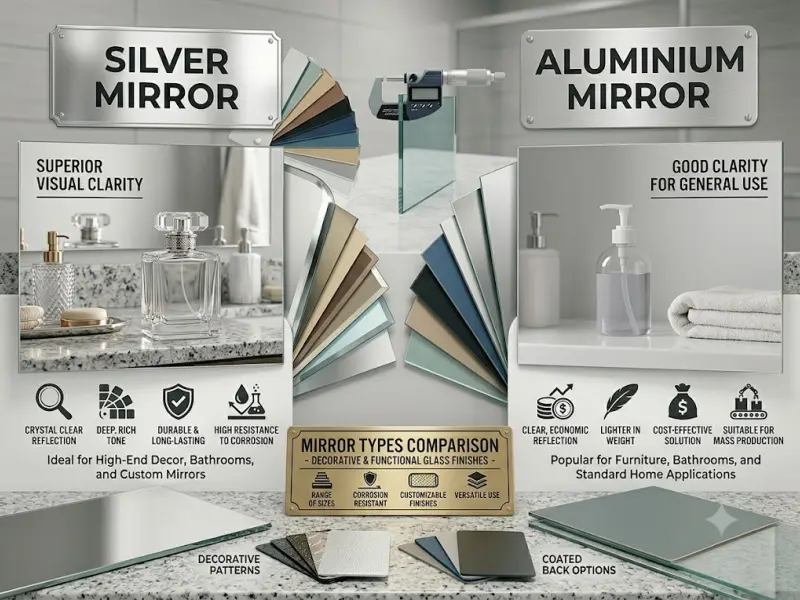
Silver Mirror vs Aluminum Mirror
Silver mirror and aluminium mirror have different performance characteristics.
| Property | Silver Mirror | Aluminium Mirror |
|---|---|---|
| Reflection quality | Higher | |
| Brightness | Stronger | |
| Moisture resistance | Medium | |
| Corrosion resistance | Lower | |
| Cost | Higher | |
| Weight | Heavier | |
| Outdoor performance | Limited | |
| Processing | More fragile |
Reflectivity Comparison
Silver is one of the most reflective materials used in mirrors.
Approximate Reflectivity Levels
| Material | Reflectivity |
|---|---|
| Silver coating | 95–98% |
| Aluminum coating | 85–90% |
| Stainless steel | 60–70% |
This is why silver coated mirrors are often used in premium decorative projects.
What Is The Most Reflective Material?
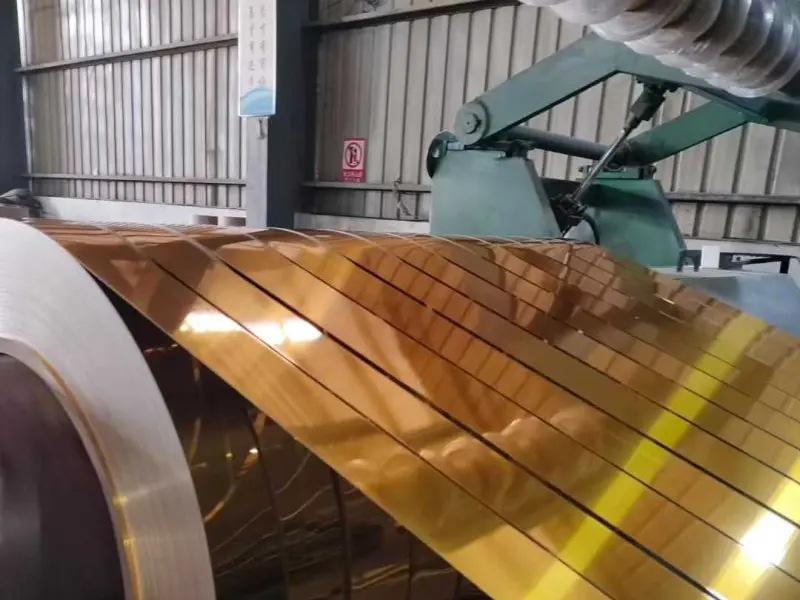
Silver is considered one of the most reflective metals for visible light.
Common Reflective Materials
| Material | Common Use |
|---|---|
| Silver | High-end mirrors |
| Aluminum | Solar mirrors |
| Chrome | Decorative coating |
| Stainless steel | Industrial reflection |
Silver provides stronger image clarity, while aluminum offers better durability and lower cost.
Aluminum Mirror vs Glass Mirror
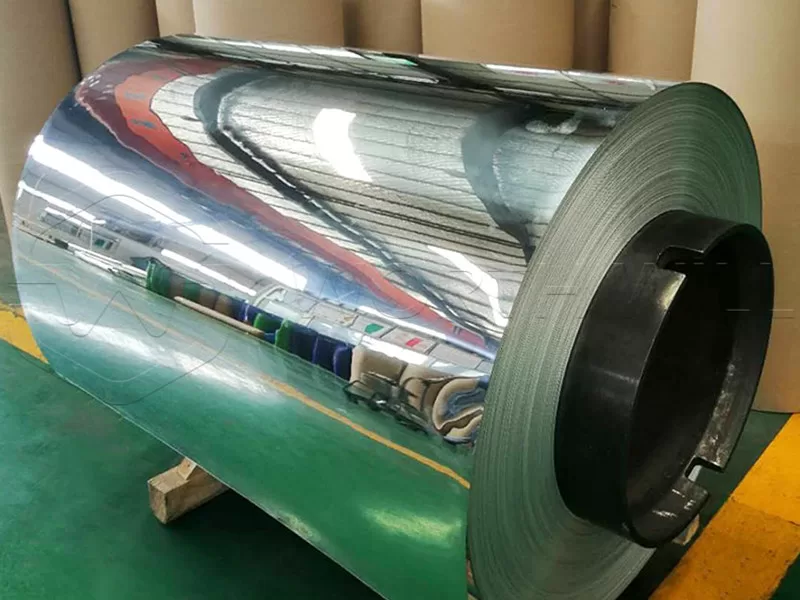
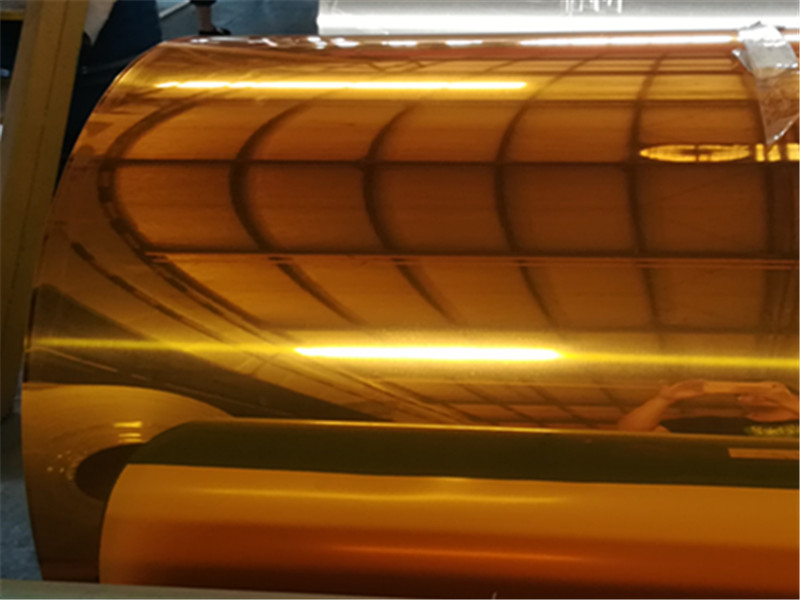
Many customers compare aluminum mirrors with traditional glass mirrors.
| Property | Aluminum Mirror | Glass Mirror |
|---|---|---|
| Weight | Lighter | |
| Break resistance | Better | |
| Flexibility | Higher | |
| Processing | Easier | |
| Fragility | Lower |
Advantages of Aluminum Mirrors
- Lightweight
- Easier transportation
- Better impact resistance
- Suitable for industrial use
Advantages of Glass Mirrors
- Higher image clarity
- Luxury appearance
- Better indoor decoration effect
Types of Silver Mirrors
Standard Silver Mirror
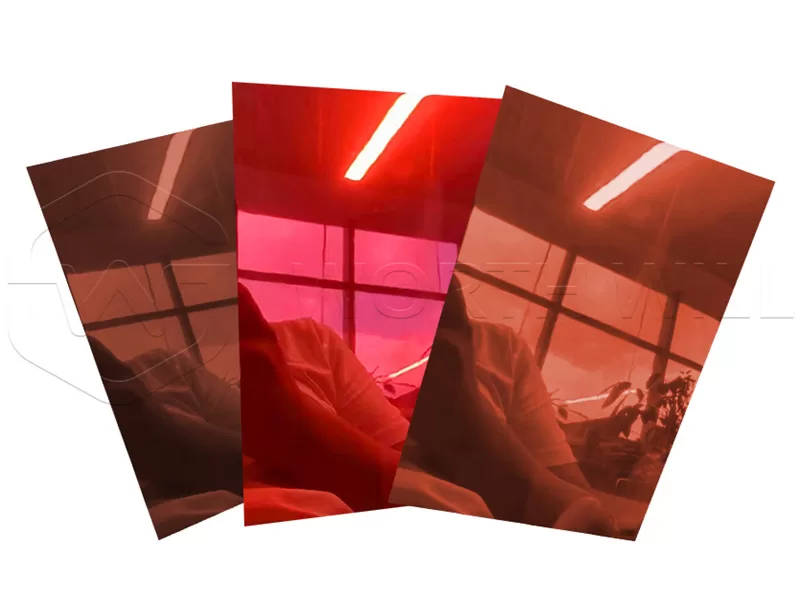
The most common mirror used in homes and furniture.
Applications
- Bathroom mirrors
- Dressing mirrors
- Decorative wall mirrors
Copper-Free Silver Mirror
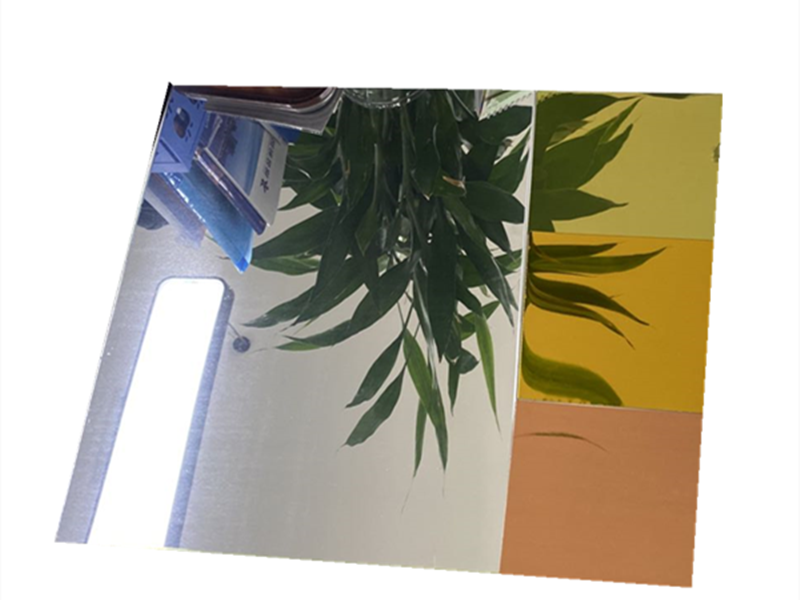
Copper-free mirrors provide better environmental protection.
Benefits
- Better corrosion resistance
- Longer lifespan
- Reduced oxidation risk
Safety Silver Mirror

Safety mirrors include protective film backing.
Applications
- Public buildings
- Hotels
- Gyms
- Elevators
Types of Aluminium Mirrors
Standard Aluminum Mirror Sheet
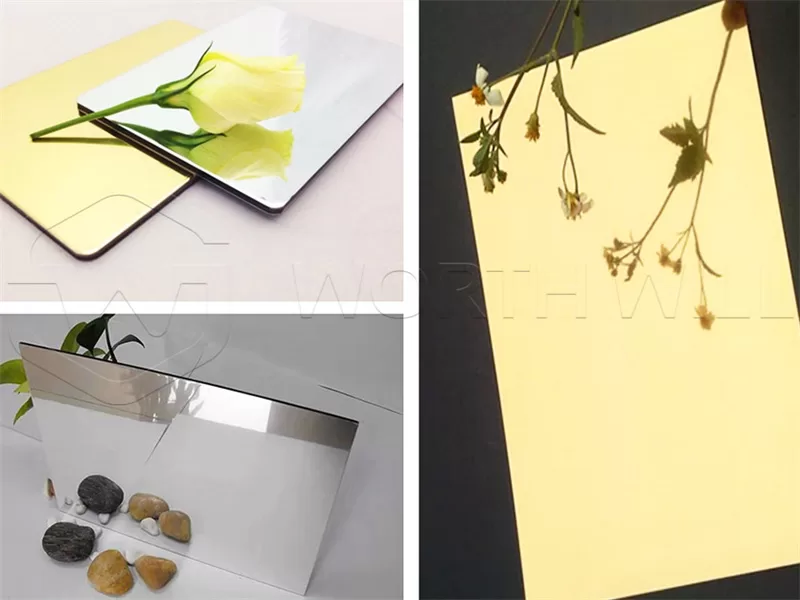
Used in decoration and industrial applications.
Features
- Good reflectivity
- Low cost
- Lightweight
Anodized Aluminum Mirror
Anodized mirrors improve corrosion resistance.
Applications
- Architecture
- Solar reflection
- Decorative panels
Mirror Finish Aluminum Sheet

Mirror finish aluminum sheets create reflective decorative surfaces.
Applications
- Interior decoration
- Ceiling systems
- Elevator panels
Common Aluminum Alloys for Mirror Finish Aluminum
1050 Mirror Aluminum Sheet
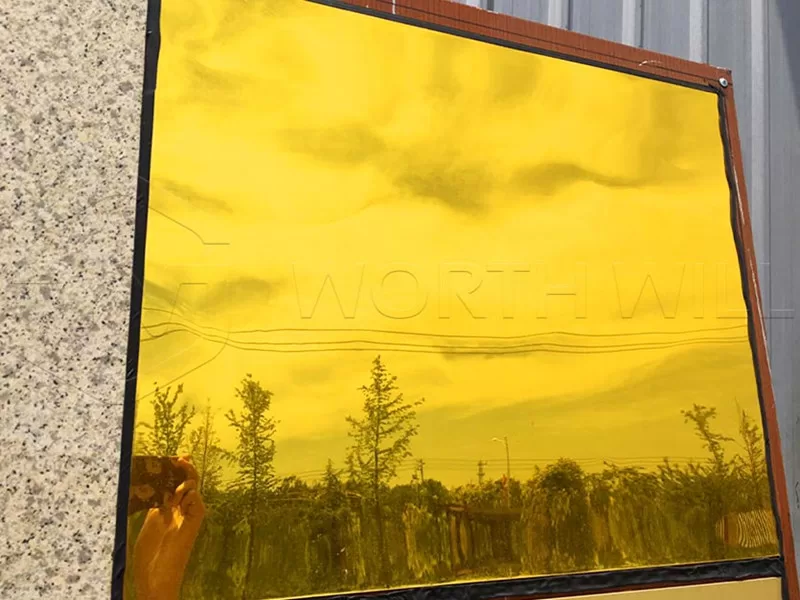
1050 alloy has high aluminum purity.
Features
| Property | Result |
|---|---|
| Surface smoothness | Excellent |
| Reflectivity | High |
| Flexibility | Good |
1060 Mirror Finish Aluminum
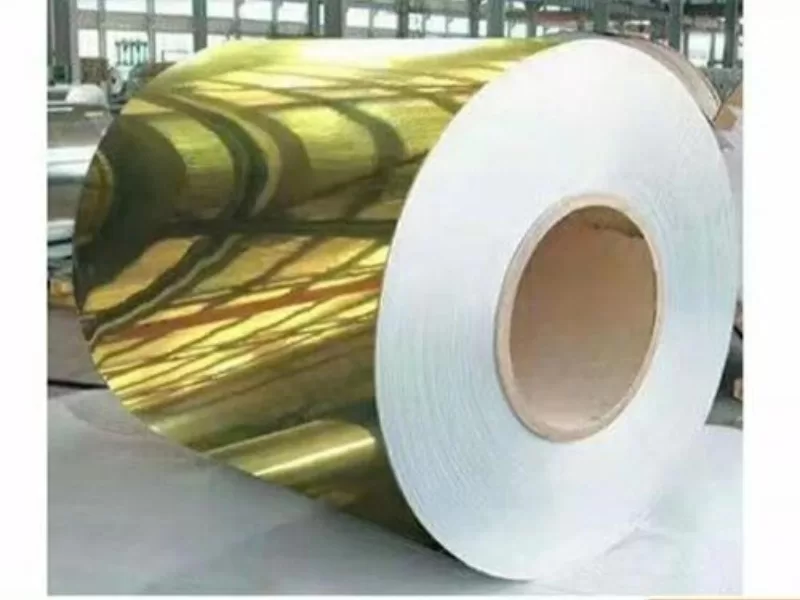
1060 alloy is widely used for reflective panels.
Applications
- Decorative mirrors
- Lighting reflectors
- Solar systems
3003 Mirror Aluminum Sheet
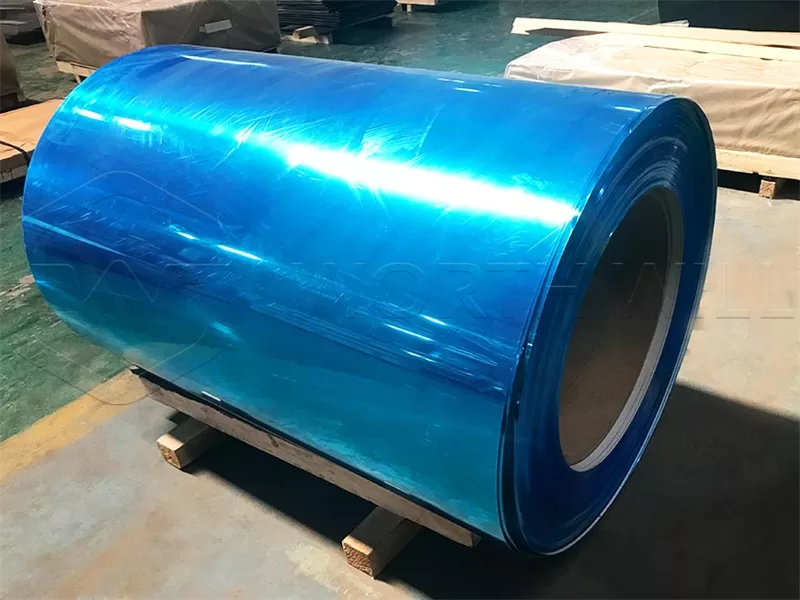
3003 alloy provides better strength.
Applications
- Industrial panels
- Building decoration
- Appliance surfaces
Mirror Coating Materials
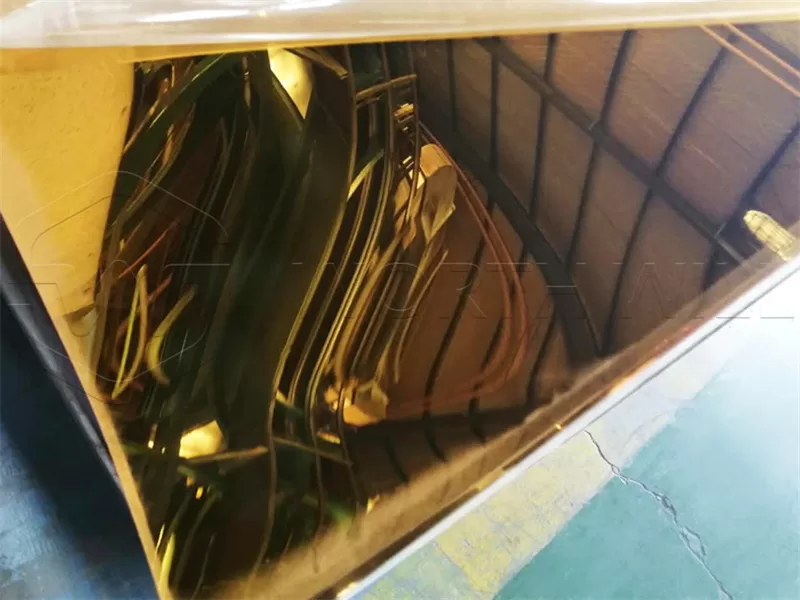
Mirror coating materials affect reflectivity and durability.
Common Mirror Coatings
| Coating Material | Main Feature |
|---|---|
| Silver coating | Highest reflectivity |
| Aluminum coating | Lower cost |
| Chrome coating | Decorative |
| Titanium coating | Strong hardness |
Which Chemical Is Used In Mirror Back Side?
Mirror backing layers help protect the reflective coating.
Common Mirror Backing Materials
| Material | Function |
|---|---|
| Copper coating | Corrosion protection |
| Protective paint | Moisture resistance |
| Epoxy coating | Chemical resistance |
Modern copper-free mirrors use environmentally friendly coatings instead of traditional copper layers.
Silver Coating Mirror Technology
Silver coating mirrors are produced by chemical deposition.
Production Steps
- Glass cleaning
- Silver solution coating
- Copper protection layer
- Paint coating
- Drying and curing
The Difference of Aluminum Mirror and Silver Mirror
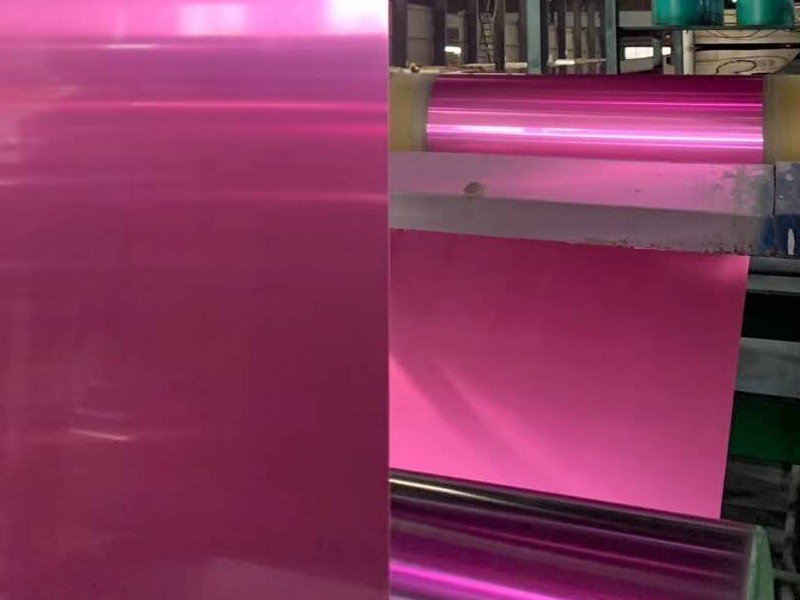
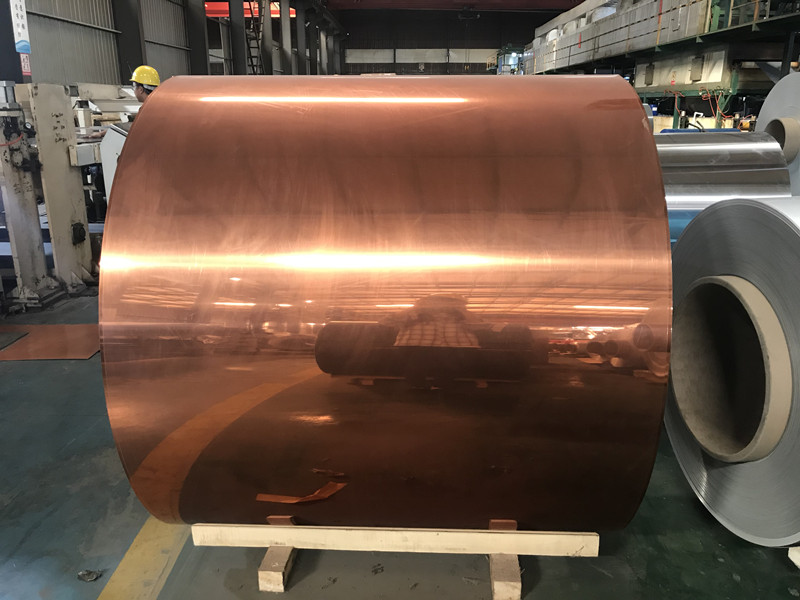
The main difference between aluminium mirror and silver mirror is in their appearance, although there are also several differences in other aspects. Aluminium mirror generally has a bright aluminium appearance, while silver mirror has a more silvery and reflective sheen.
How to choose aluminum mirror and silver mirror for your project?
So, when choosing a material for the frame of your mirror, keep in mind that aluminium is cheaper than silver and has the ability to create a multitude of colour effects. Silver mirror is absolutely more durable but it can’t vary its color. Lightweight aluminium mirrors take up less storage space. And allowing you to quickly hang them and remove easily if needed, while silver mirrors weigh more and are harder to move around.
Aluminum Mirror
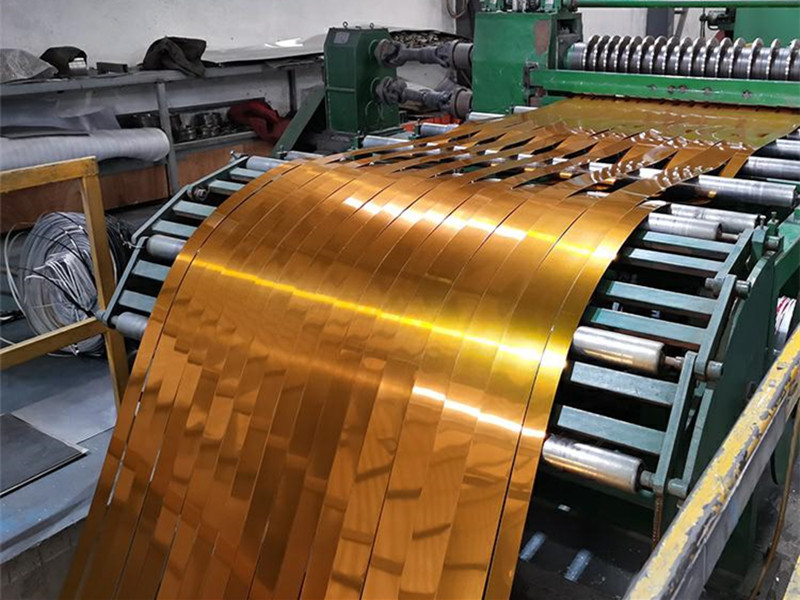
Aluminium mirror comes in a wide range of colors, this kind of mirror works by bending light to create an image that is clearly visible from the front and has a 3 dimensional effect.
The other type of mirror is called silver mirror, looks transparent at first sight. But actually it reflects most light but pass small amount of light so it creates a blurry reflection on surface. If your design project need a see-through effect choose aluminium mirror.
Silver Mirror
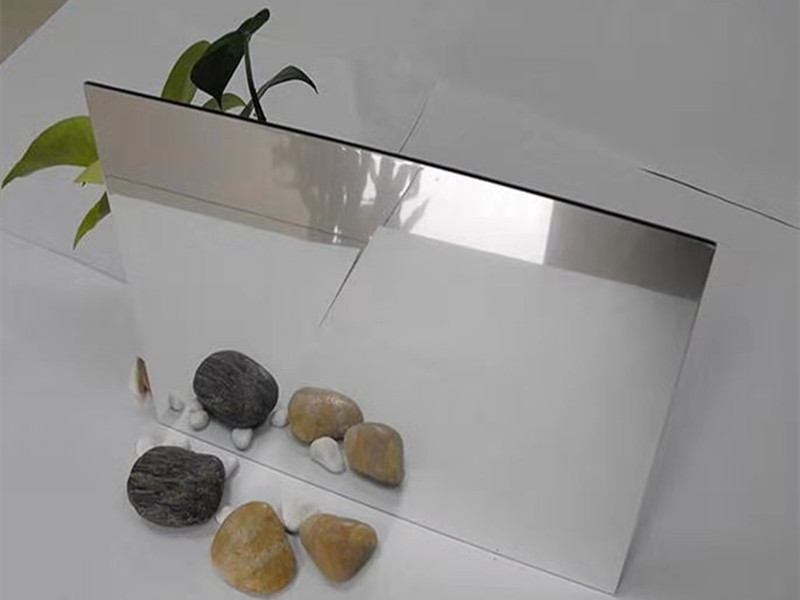
The term ‘silver’ is used to describe the coating that is applied to aluminium. ‘Silver mirror’ and ‘aluminium mirror’ are therefore effectively the same, and can be used interchangeably.
If you look at it in detail, totally serrated mirror is made from a special silver aluminum alloy.
- The trade secret of which is in the composition. The composition, as well as processing equipment are designed for the manufacture of ultra-fine reflective surfaces with a high degree of transparency.
- This gives it excellent mechanical properties, higher than that of aluminium mirrors.
Aluminum Mirror Manufacturing Process
Aluminum mirrors are usually produced by vacuum coating technology.
Main Steps
| Step | Description |
|---|---|
| Surface preparation | Cleaning |
| Vacuum deposition | Aluminum coating |
| Protective coating | Surface protection |
| Finishing | Cutting and packaging |
Common Thickness Options
Thin Mirror Aluminum Sheets
Thin sheets are lightweight and flexible.
| Thickness | Application |
|---|---|
| 0.2 mm | Decorative panels |
| 0.3 mm | Signage |
| 0.5 mm | Ceiling decoration |
Medium Thickness Mirror Sheets
| Thickness | Common Use |
|---|---|
| 0.8 mm | Interior decoration |
| 1.0 mm | Furniture panels |
| 1.2 mm | Wall systems |
Heavy Mirror Aluminum Panels
Thicker panels provide better rigidity.
Applications
- Architecture
- Commercial decoration
- Industrial systems
Types of Mirror Surface
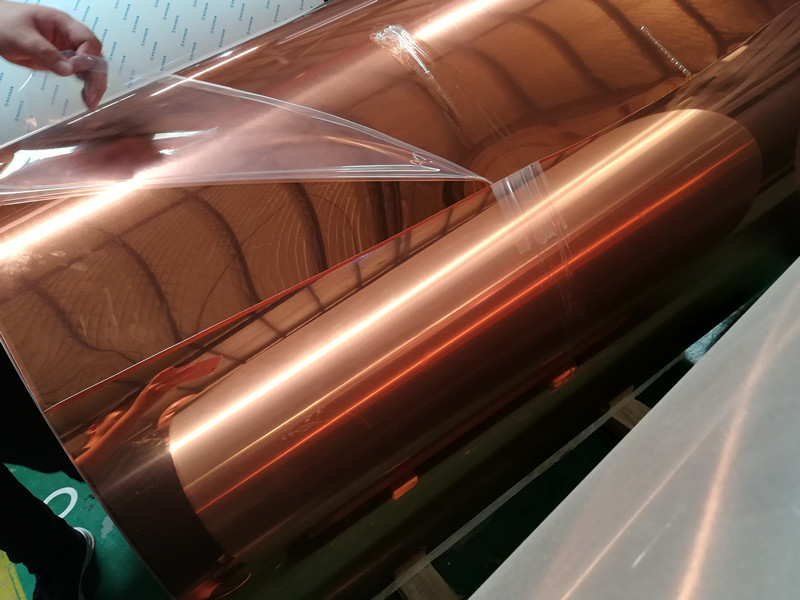
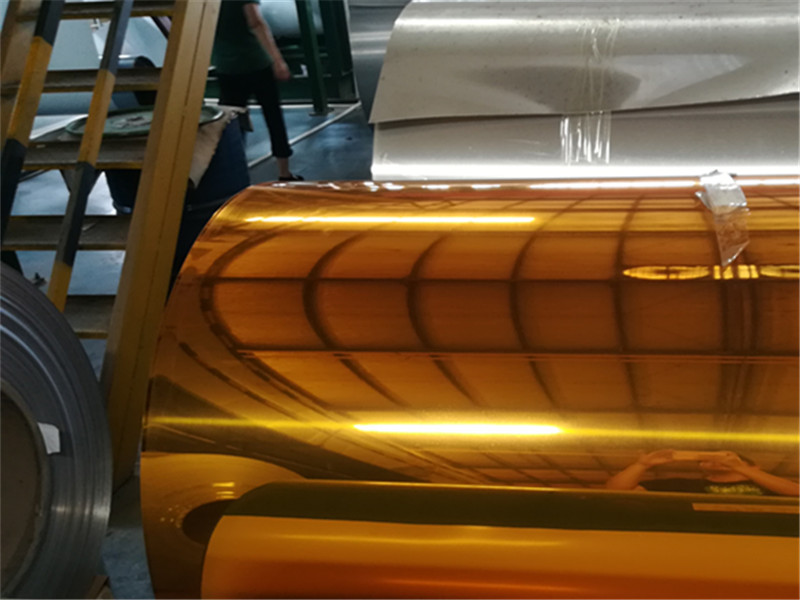
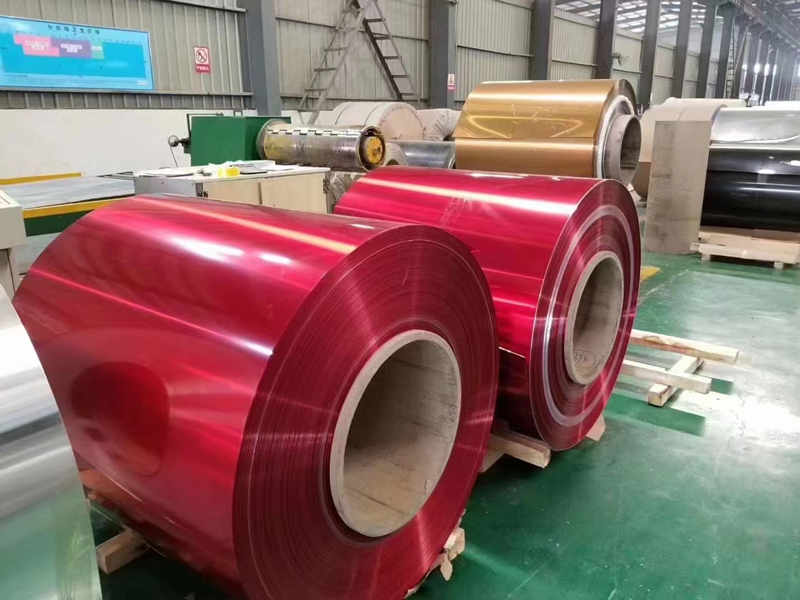
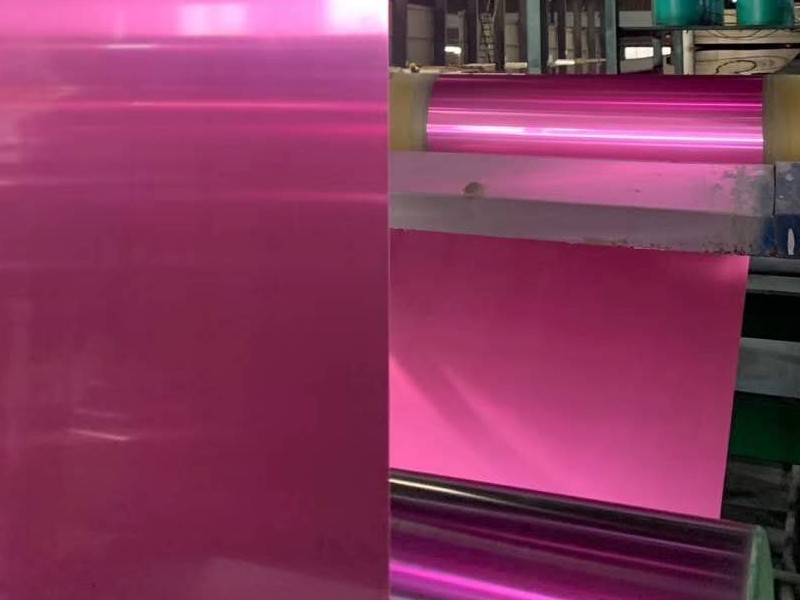
High Reflective Mirror
Provides stronger brightness and clearer reflection.
Satin Mirror Finish
Creates softer visual reflection.
Brushed Mirror Aluminum
Combines brushed texture with reflective appearance.
Colored Mirror Aluminum
Available in:
- Gold mirror
- Black mirror
- Rose gold mirror
- Blue mirror
Applications of Silver Mirrors
Interior Decoration
Silver mirrors are popular in luxury interiors.
Applications
- Hotels
- Homes
- Shopping malls
Furniture Industry
Furniture manufacturers use silver mirrors for decorative products.
Applications
- Wardrobes
- Cabinets
- Dressing tables
Applications of Aluminum Mirrors
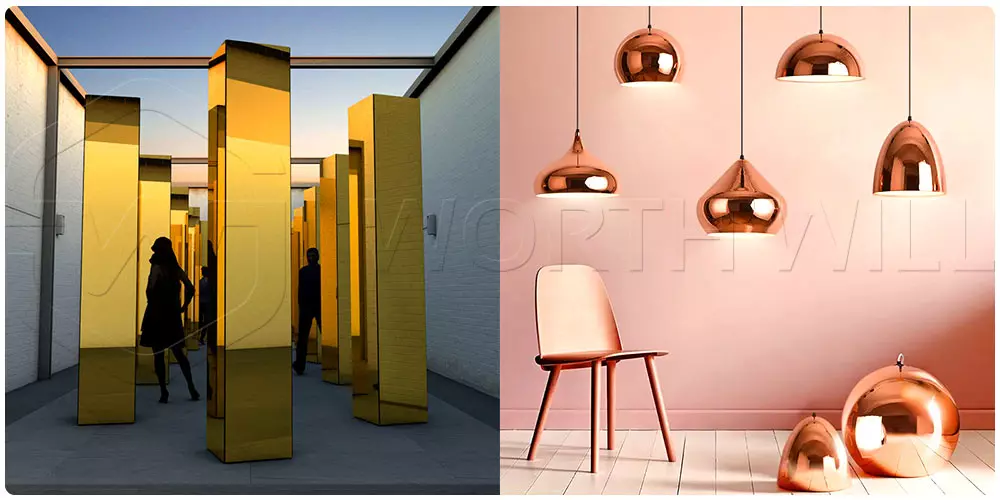
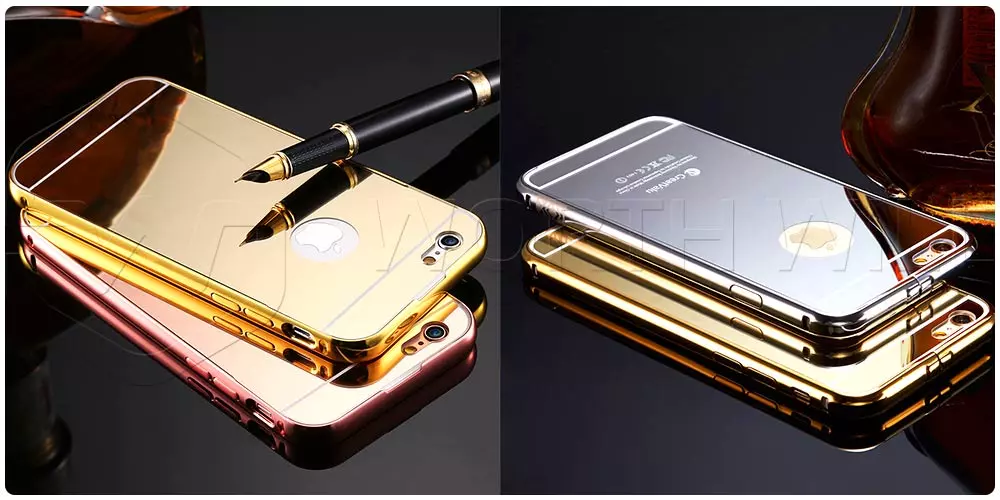
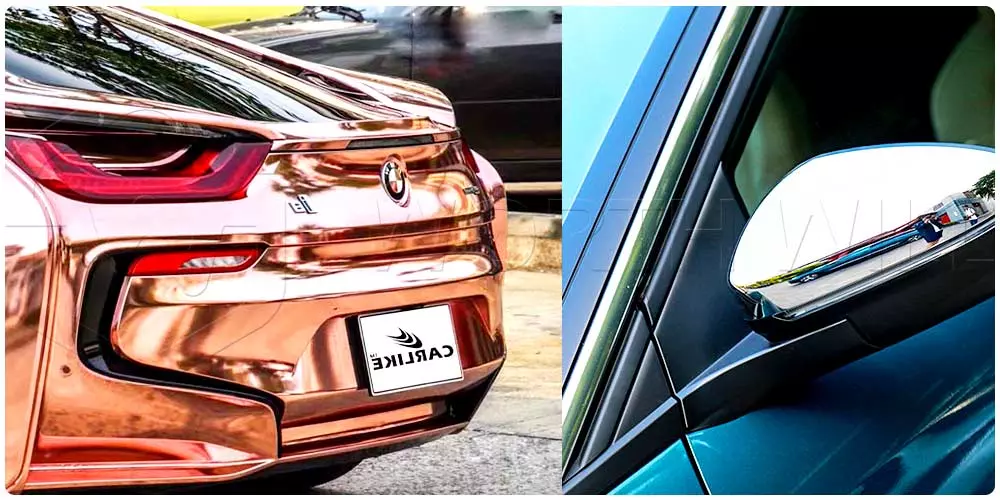
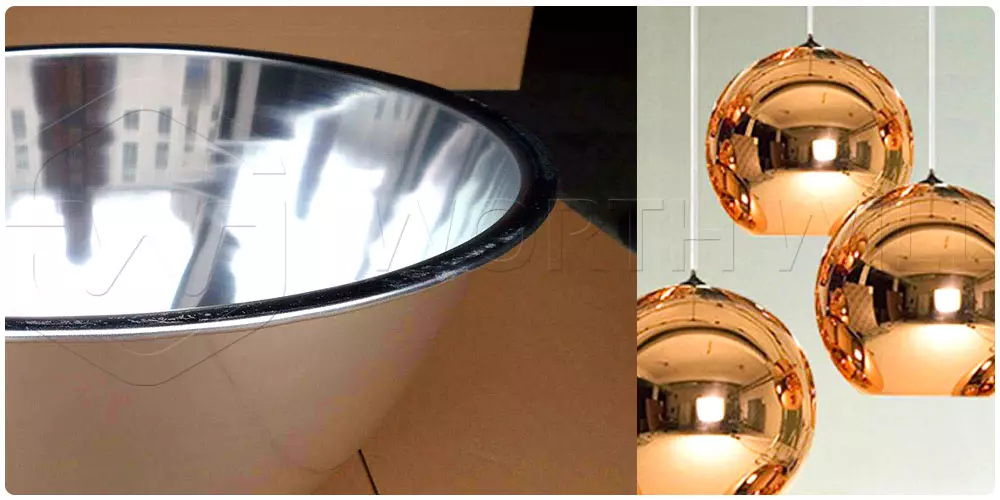

Lighting Reflectors
Aluminum mirrors are widely used in lighting systems.
Benefits
- High reflectivity
- Lightweight
- Easy forming
Solar Reflection Systems
Mirror aluminum sheets are common in solar equipment.
Applications
- Solar collectors
- Reflective panels
- Energy systems
Architectural Decoration
Mirror aluminum creates modern decorative effects.
Applications
- Ceiling systems
- Elevator panels
- Wall cladding
Comparison Between Silver Mirror And Mirror Finish Aluminum
| Property | Silver Mirror | Mirror Aluminum |
|---|---|---|
| Weight | Heavier | Lighter |
| Reflectivity | Higher | Good |
| Durability | Medium | Better |
| Outdoor use | Limited | Better |
| Cost | Higher | Lower |
How To Choose The Right Mirror Material
Choose Silver Mirror If You Need:
- Premium reflection
- Luxury decoration
- Clear image quality
Choose Aluminum Mirror If You Need:
- Lightweight panels
- Outdoor durability
- Lower cost
- Industrial applications
Packaging and Export Protection
Standard Packaging
| Packaging Type | Protection |
|---|---|
| Protective film | Surface safety |
| Wooden pallets | Export protection |
| Foam layer | Scratch prevention |
OEM and Custom Services
Professional manufacturers can provide:
- Custom sizes
- Mirror surface finishes
- Protective films
- Color mirror coatings
- OEM packaging
WORTHWILL ALUMINUM supplies mirror finish aluminum sheets and coils for decoration, signage, solar systems, and industrial applications.
How to choose good silver mirror and aluminum mirror?
It also provides excellent resistance to atmospheric influences and makes it possible to produce mirrors. With a great level of reflectivity even in small sizes.
- Both silver mirrors and aluminium mirrors are very reflective. They both have excellent light reflection properties, which is why people use them as items of decoration.
2. Both metals look great in a bathroom, your hall, or a large room where you are looking to reflect light and make the space seem brighter.
3. However, silver mirror has greater lead content than aluminium mirrors do. Therefore, silver mirror is more durable than aluminium mirrors.
4. Silver mirror reflects light due to its shininess whereas aluminium mirrors reflect light due to their optical qualities. Thus silver mirrors tend to gather less dust.
5. However, both silver and aluminium mirrors can be cleaned easily if needed with a cloth damped in warm soapy water or a glass cleaner.
6. For ease and convenience, silver mirror is the preferred choice for most consumers. As it is more affordable than aluminium mirrors. Silver mirror also requires less maintenance than aluminium.
What Is A Silver Mirror?
A silver mirror uses a thin layer of silver coating behind glass to create reflection.
The silver layer is protected by:
- Copper coating
- Protective paint coating
- Waterproof backing layer
Main Features of Silver Mirrors
| Property | Description |
|---|---|
| Reflectivity | Very high |
| Appearance | Bright and clear |
| Surface | Smooth |
| Indoor durability | Excellent |
| Cost | Higher |
What Is An Aluminium Mirror?
An aluminium mirror uses aluminum coating instead of silver coating.
The reflective layer is usually deposited by vacuum coating technology.
Main Features of Aluminium Mirrors
| Property | Description |
|---|---|
| Reflectivity | Good |
| Weight | Lightweight |
| Corrosion resistance | Better |
| Cost | Lower |
| Processing | Easier |
Aluminum Mirror For Your Enviornent
We’re not experts on this topic, but we’ve seen numerous articles that discuss mirror coating types. Aluminium is more affordable, and it’s also easier to apply. It’s also safer for the environment, and has better energy efficiency properties than silver-coated mirrors do. Be sure to check out all of the linked articles, as they contain further details on this interesting topic.
A mirror made from precious metal is a high-quality product you can install in your home and not just one more thing you need to fix later. The proper care will allow you to use it for a very long time.
FAQ – Frequently Asked Questions
What Is The Difference Between Silver Mirror And Aluminium Mirror?
Silver mirrors use silver coating for higher reflectivity, while aluminium mirrors use aluminum coating for lower cost and better durability.
Which Mirror Has Better Reflectivity?
Silver mirrors usually provide stronger and clearer reflection.
Is Aluminum Mirror Better For Outdoor Use?
Yes. Aluminum mirrors generally perform better in humid and outdoor environments.
How Much Silver Is In A Mirror?
The silver layer in mirrors is very thin, usually only a microscopic coating.
Which Chemical Is Used Behind Mirrors?
Copper coating, paint coating, and protective layers are commonly used behind mirrors.
What Is Mirror Coating Material?
Common mirror coating materials include silver, aluminum, chrome, and titanium.
What Is The Most Reflective Material?
Silver is one of the most reflective materials for visible light.
Can Mirror Aluminum Be Bent And Fabricated?
Yes. Aluminum mirror sheets can be cut, bent, punched, and formed easily.