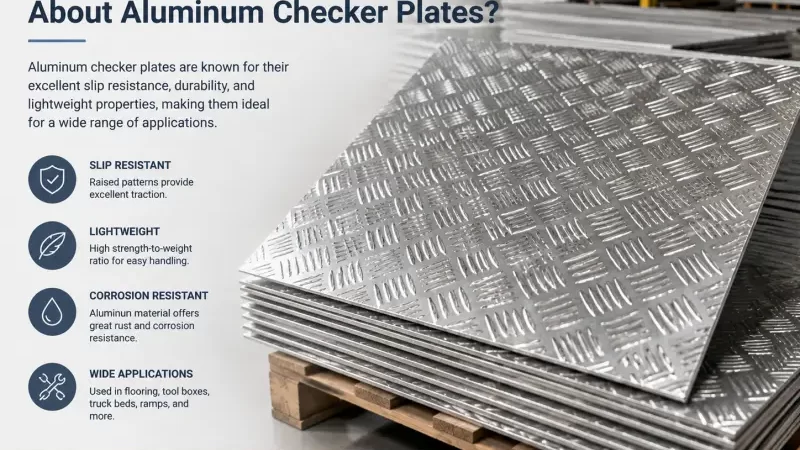
How Much Do You Know About Aluminum Checker Plates?
Aluminum checker sheet is a high-cost modern material, there are many types.
And it’s widely used in furniture, such as refrigerators, air conditioners, carriages, platforms, packaging pipes, screen frames, various suspension beams, table legs, decorative strips, handles, cable channels and covers, chair tubes, etc.
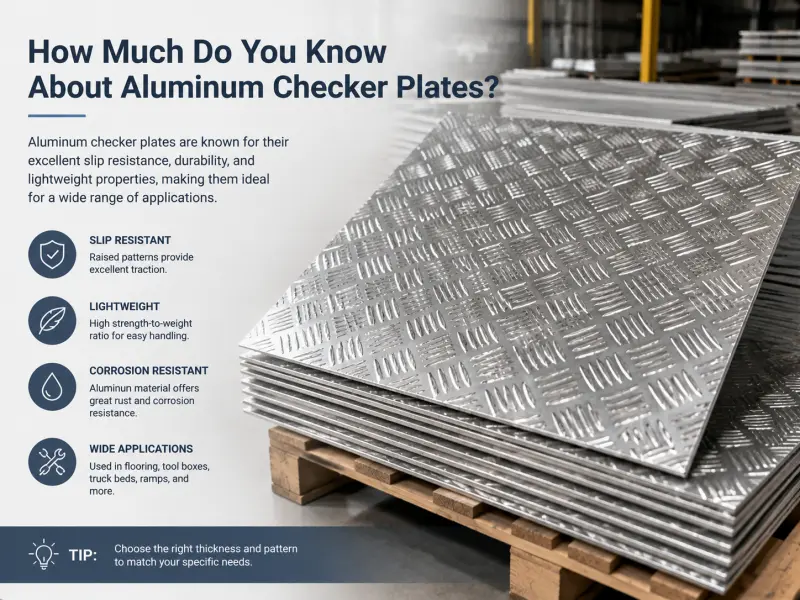
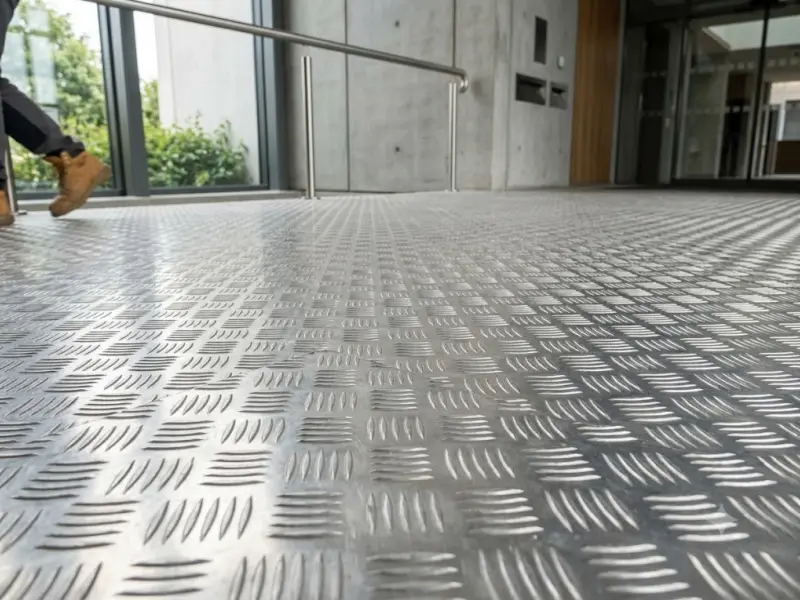
Classification Of Checkered Plates
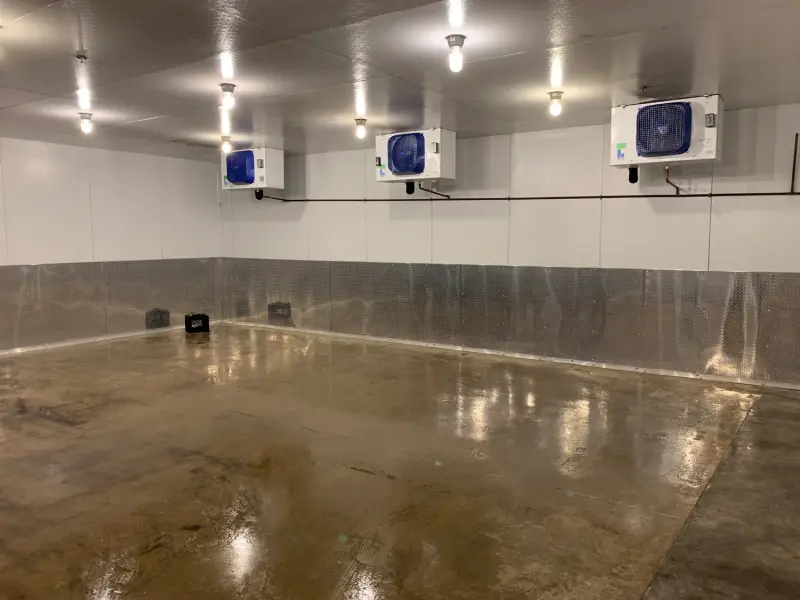
1. Ordinary aluminum alloy pattern plate: the aluminum alloy pattern plate processed with 1060 aluminum plate as the base can adapt to the ordinary environment and the price is low. Usually cold storage, flooring, and outer packaging use this kind of patterned aluminum sheet.
2. Aluminum-manganese alloy pattern plate: It’s processed with 3003 as the main raw material. This kind of aluminum plate is also called anti-rust aluminum plate. Its strength is slightly higher than that of ordinary aluminum alloy pattern plate. It has certain anti-rust performance, but its hardness and corrosion resistance It’s not up to the pattern plate of 5000 series, so this product is used in anti-rust areas with less strict requirements, such as truck models and cold storage floors.
3. Aluminum-magnesium alloy pattern plate: It’s processed from 5000 series aluminum plate such as 5052 or 5083, which has good corrosion resistance, hardness and anti-rust performance.
It’s usually used in special places, such as ships, car lights, and humid environments. This kind of aluminum plate has high hardness and has a certain load-bearing capacity.
What Is an Aluminum Checker Plate?
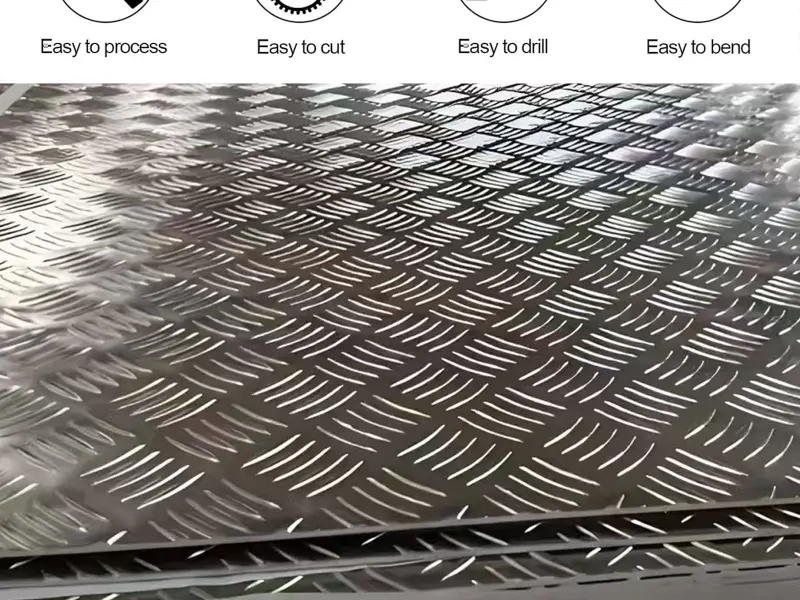
An aluminum checker plate is a flat sheet of aluminum with a raised pattern on one side. The reverse side stays smooth. The raised lines or diamonds give shoes and tires something to grip. That is why many people call it tread plate or anti-slip plate.
The plate is light. It does not rust. You can cut it, bend it, weld it, and drill it. These traits make it popular for floors, stairs, ramps, and vehicle beds. It also shows up in decorative wall panels and toolboxes because the pattern catches light in an interesting way.
Unlike steel checker plate, the aluminum version weighs about one-third as much. This matters when you are building a truck bed or a ship deck. Less weight means better fuel economy and easier handling.
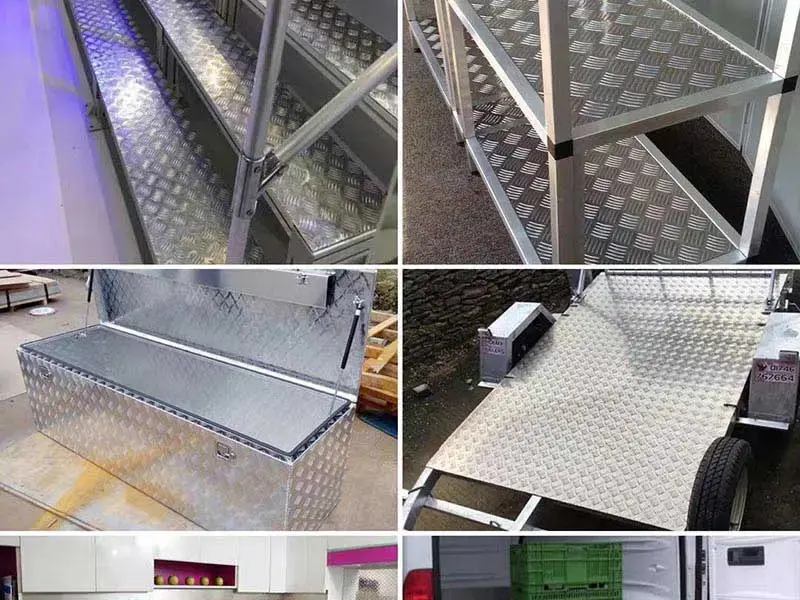
Why Aluminum Beats Steel for Many Jobs
Some buyers still ask if steel is better. In many cases, aluminum wins.
| Factor | Aluminum Checker Plate | Steel Checker Plate |
|---|---|---|
| Weight | Light | Heavy |
| Rust | Does not rust | Rusts without coating |
| Maintenance | Low | High (needs paint) |
| Strength per pound | Very good | Good |
| Cost per pound | Higher | Lower |
| Life in wet areas | Long | Short without care |
Steel costs less at the start. But over ten years, the painting and rust repair often make steel more expensive. Aluminum just needs an occasional wash.
Alloy Types That Shape Performance
Not all aluminum checker plates are the same. The alloy changes how strong the plate is, how well it resists salt, and how easy it is to bend.
1050 Checker Plate
This alloy is almost pure aluminum. It contains at least 99.5% aluminum.
| Property | Value |
|---|---|
| Purity | ~99.5% Al |
| Temper | O, H14 |
| Strength | Low |
| Corrosion resistance | Good |
| Cost | Low |
| Best use | Decorative walls, light-duty boxes |
1050 is soft. It takes shapes easily. Do not use it for floors that see heavy forklift traffic. It is fine for interior design and small projects where looks matter more than load.
1100 Checker Plate
This is the general-purpose pure aluminum grade.
| Property | Value |
|---|---|
| Purity | ~99.0% Al |
| Temper | H14 |
| Weldability | Excellent |
| Formability | Excellent |
| Best use | Chemical equipment trim, decorative panels |
1100 is similar to 1050 but slightly stronger. It is a safe budget pick for indoor jobs.
3003 Checker Plate
This is the most common alloy for checker plate. It adds manganese to pure aluminum.
| Property | Value |
|---|---|
| Manganese | 1.0–1.5% |
| Temper | H14, H22, H24 |
| Tensile strength | ~145 MPa (H14) |
| Corrosion resistance | Good |
| Cost | Low to medium |
| Best use | Walkways, stairs, toolboxes, wall protection |
5052 Checker Plate
This alloy contains magnesium. It steps up the strength and salt resistance.
| Property | Value |
|---|---|
| Magnesium | 2.2–2.8% |
| Temper | H32, H34 |
| Tensile strength | ~228 MPa (H32) |
| Corrosion resistance | Excellent |
| Cost | Medium |
| Best use | Marine decks, trailer floors, truck beds, docks |
5052 is the go-to alloy when the plate faces rain, snow, or sea spray. It resists denting and fatigue better than 3003. Many boat builders and trailer manufacturers refuse to use anything else.
6061 Checker Plate
This is a heat-treated alloy. It is the strongest of the common checker plate grades.
| Property | Value |
|---|---|
| Temper | T6 |
| Tensile strength | ~310 MPa |
| Machinability | Excellent |
| Formability | Lower than 3003/5052 |
| Best use | Structural platforms, heavy machinery, load-bearing steps |
6061-T6 holds heavy loads without complaint. The trade-off is that it does not bend as easily as 3003. If your design needs tight bends, you may need to heat the plate first or choose a different alloy.
Temper States and What They Mean
Temper tells you how hard the metal is. Harder tempers mean more strength but less flexibility.
| Temper | Description | Strength Level | Best For |
|---|---|---|---|
| O | Annealed, soft | Very low | Deep forming, complex bends |
| H12 | Quarter hard | Low | Light-duty panels |
| H14 | Half hard | Moderate | Standard flooring, stairs |
| H22 | Quarter hard, stabilized | Low-medium | Better flatness than H12 |
| H24 | Half hard, stabilized | Moderate | Roofing, wall panels, flooring |
| H32 | Quarter hard, 5000 series | Medium | 5052 marine flooring |
| T6 | Heat-treated | High | 6061 structural platforms |
For most checker plate jobs, H14 and H24 are the sweet spots. They give you enough stiffness to walk on but still let you roll or brake-form the edges.
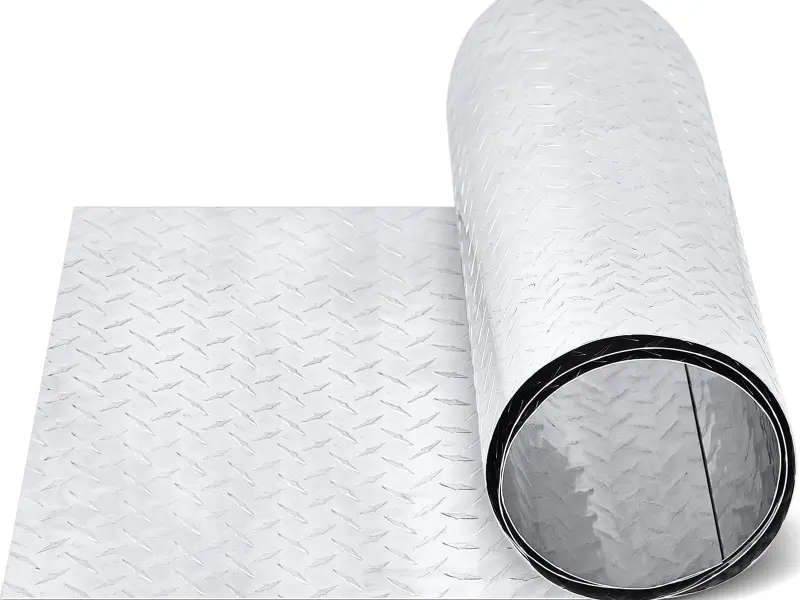
3003-H22 and 3003-H24 are the workhorses of the checker plate world. They offer enough strength for most foot traffic. They bend well for corners and edges. If you need checker plate for a standard commercial job, 3003 is likely the right call.
Pattern Styles and Grip Levels
The raised pattern is the whole point of checker plate. Different patterns give different grip and looks.
Diamond Pattern
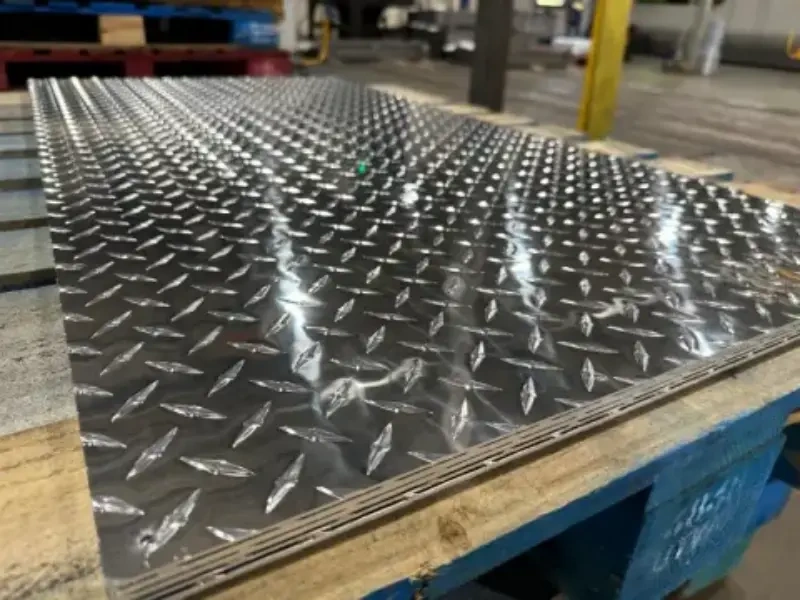
Raised diamonds cover the surface in a grid. This is the classic look.
| Feature | Detail |
|---|---|
| Grip level | Good |
| Appearance | Industrial, traditional |
| Water drainage | Moderate |
| Best use | General flooring, vehicle running boards, toolboxes |
Diamond plate is what most people picture when they hear “checker plate.” It is widely stocked and easy to find.
Five-Bar Pattern
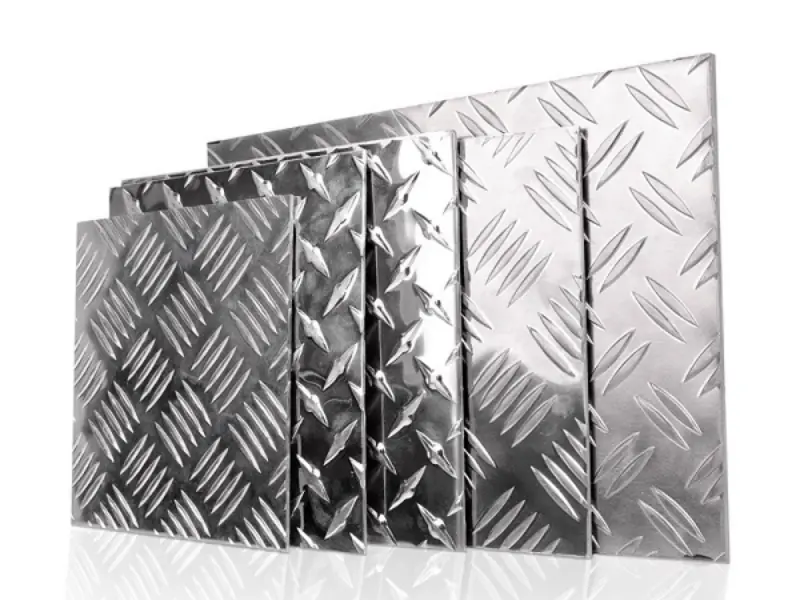
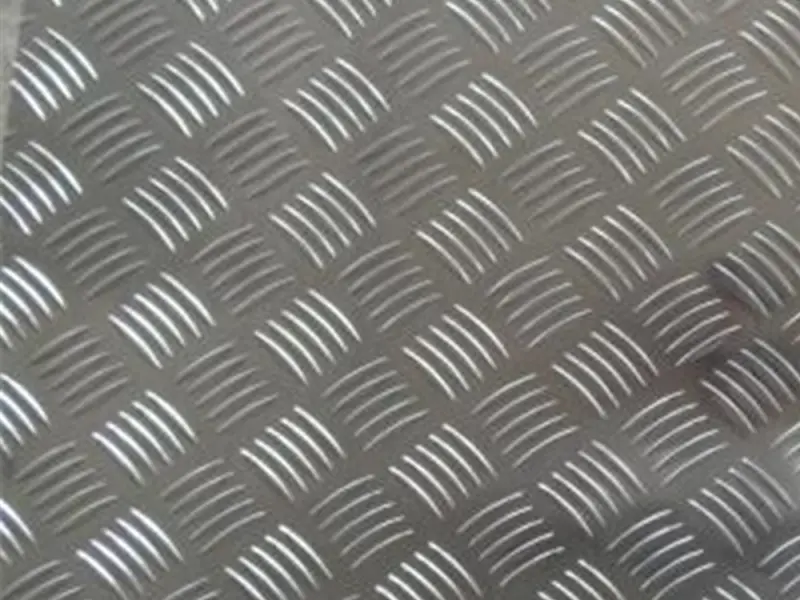
Also called five-rib or quintet. Five parallel lines repeat across the sheet.
| Feature | Detail |
|---|---|
| Grip level | Excellent |
| Appearance | Modern, clean |
| Water drainage | Very good |
| Best use | Ramps, stairs, public walkways, ship decks |
The five-bar pattern offers more contact points for shoes. It is popular in Europe and Asia for pedestrian areas. Many buyers think it looks more refined than diamond plate.
Two-Bar and Three-Bar Patterns
These patterns have fewer, wider ribs.
| Feature | Two-bar | Three-bar |
|---|---|---|
| Grip level | Moderate | Moderate-good |
| Appearance | Bold, simple | Balanced |
| Best use | Decorative walls, light floors | General purpose, cabinets |
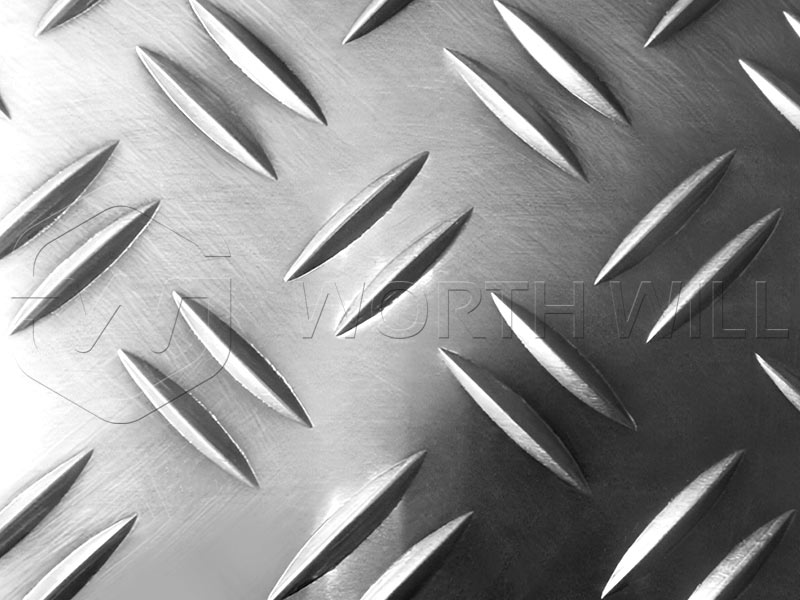
Two-bar and three-bar plates are less common for heavy industry. They show up more in architecture and interior design where the pattern is part of the visual style.
Pattern Comparison
| Pattern | Anti-slip grade | Dirt shedding | Typical alloy | Common thickness |
|---|---|---|---|---|
| Diamond | Good | Moderate | 3003, 5052 | 1.5–4 mm |
| Five-bar | Excellent | Excellent | 3003, 5052, 6061 | 1.5–6 mm |
| Two-bar | Moderate | Good | 1050, 1100 | 1.0–3 mm |
| Three-bar | Good | Good | 3003 | 1.2–4 mm |
Thickness Options for Every Load
Thickness decides how much weight the plate can carry and how heavy it feels.
Light-Duty Thickness
| Thickness | Weight per m² (approx.) | Best use |
|---|---|---|
| 0.8 mm | ~2.2 kg | Wall panels, decoration, small toolboxes |
| 1.0 mm | ~2.7 kg | Cabinet fronts, light trim, kick plates |
| 1.2 mm | ~3.2 kg | Interior stairs, light walkways |
Light-duty checker plate is easy to handle. One person can carry a sheet without help. Do not use it for forklift traffic or heavy equipment.
Medium-Duty Thickness
| Thickness | Weight per m² (approx.) | Best use |
|---|---|---|
| 1.5 mm | ~4.1 kg | Standard walkways, truck beds, ramps |
| 2.0 mm | ~5.4 kg | Industrial floors, trailer decks, loading docks |
| 2.5 mm | ~6.8 kg | Heavy foot traffic, small vehicle crossings |
This range covers about 80% of all checker plate sales. It is thick enough to take abuse but thin enough to bend and weld without industrial-grade tools.
Heavy-Duty Thickness
| Thickness | Weight per m² (approx.) | Best use |
|---|---|---|
| 3.0 mm | ~8.1 kg | Forklift areas, machinery platforms |
| 4.0 mm | ~10.8 kg | Heavy vehicle ramps, dock plates |
| 5.0 mm | ~13.5 kg | Armor-like protection, extreme loads |
| 6.0 mm+ | ~16 kg+ | Specialized industrial, military |
Heavy plates need plasma cutters or heavy shears. They are overkill for most shops but essential for mines, docks, and military vehicles.
Surface Finishes That Change the Look
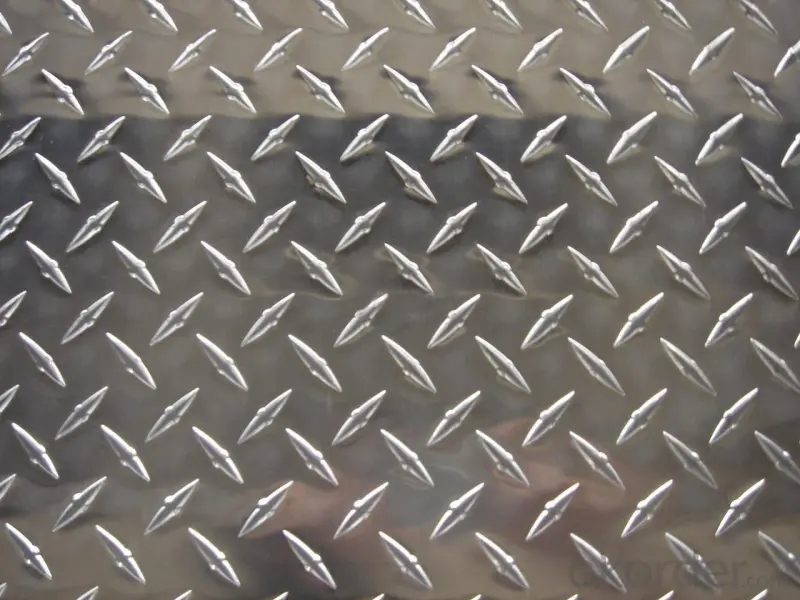
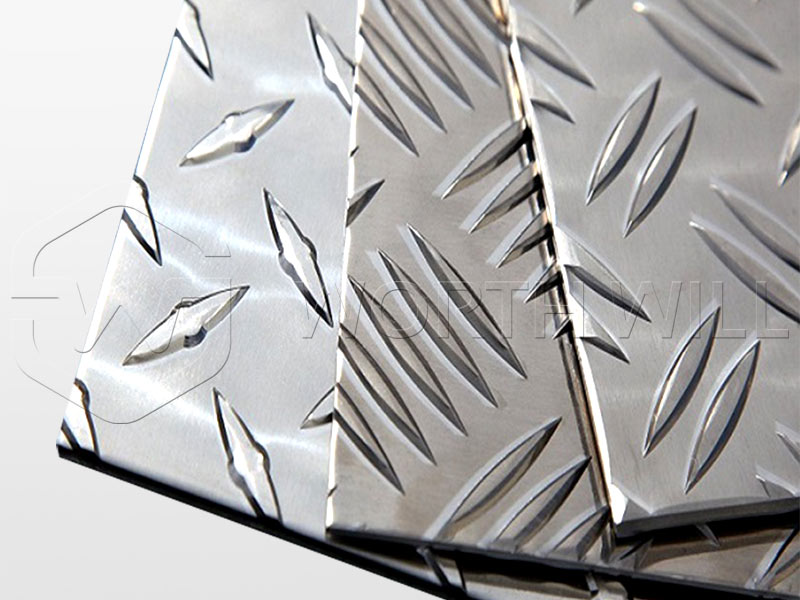
Checker plate does not have to stay plain. Several finishes alter the appearance and protection level.
Mill Finish
This is the raw, as-rolled look. It has a dull silver-gray color.
| Feature | Detail |
|---|---|
| Cost | Lowest |
| Maintenance | Needs occasional cleaning |
| Best use | Industrial floors, hidden structures |
Mill finish is functional. It is not pretty, but it works.
Bright / Polished Finish
The plate is buffed to a shine.
| Feature | Detail |
|---|---|
| Appearance | Reflective, eye-catching |
| Cost | Medium |
| Best use | Decorative walls, retail floors, vehicle trim |
Bright diamond plate is popular on custom trucks and show vehicles. It also shows up in modern architecture.
Anodized Finish
An electrochemical layer grows on the surface. It can be clear or colored.
| Feature | Detail |
|---|---|
| Colors | Clear, black, bronze, gold |
| Scratch resistance | Very good |
| Best use | High-end interiors, marine rails, branded floors |
Anodizing works best on 5000 and 6000 series alloys. It is less common on 3003 because the color can look slightly uneven.
The list of uses is long. Here are the main areas.
Applications Where Checker Plate Shines
Transportation
Vehicles need light, tough, non-slip floors.
- Truck bed flooring
- Trailer decks
- Bus and train step treads
- Fire truck running boards
- Ambulance interior floors
- Boat decks and gangways
- Aircraft cargo floors
Industrial and Construction
Factories and building sites need safe places to walk.
- Mezzanine walkways
- Scaffold platforms
- Stair treads and nosings
- Elevator floors in service areas
- Loading dock plates
- Trench covers
- Work platform grating tops
Marine and Coastal
Salt air destroys most metals. Aluminum checker plate survives.
- Ship decks and bridges
- Offshore platform walkways
- Marina ramps
- Pier decking
- Boat trailer bunks
- Fish processing plant floors
Commercial and Retail
The look of checker plate sells products and protects floors.
- Retail store display bases
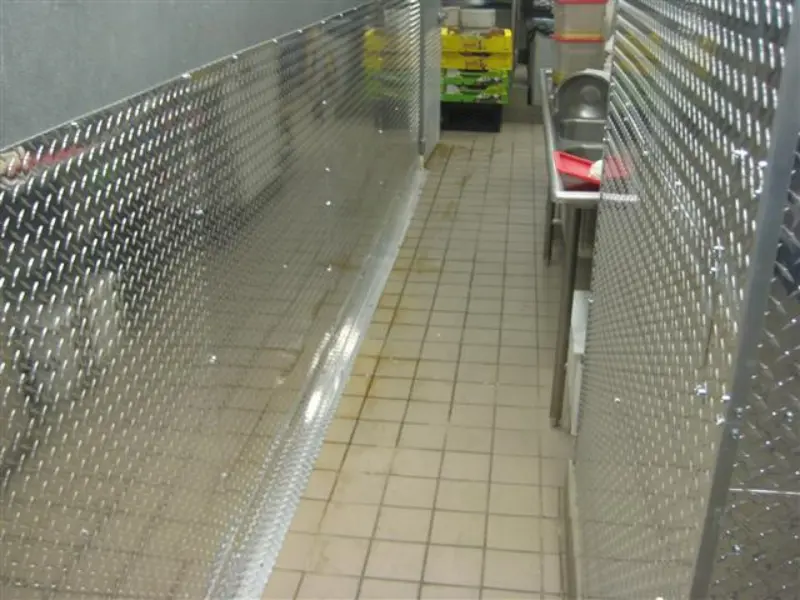
- Bar and restaurant kick plates
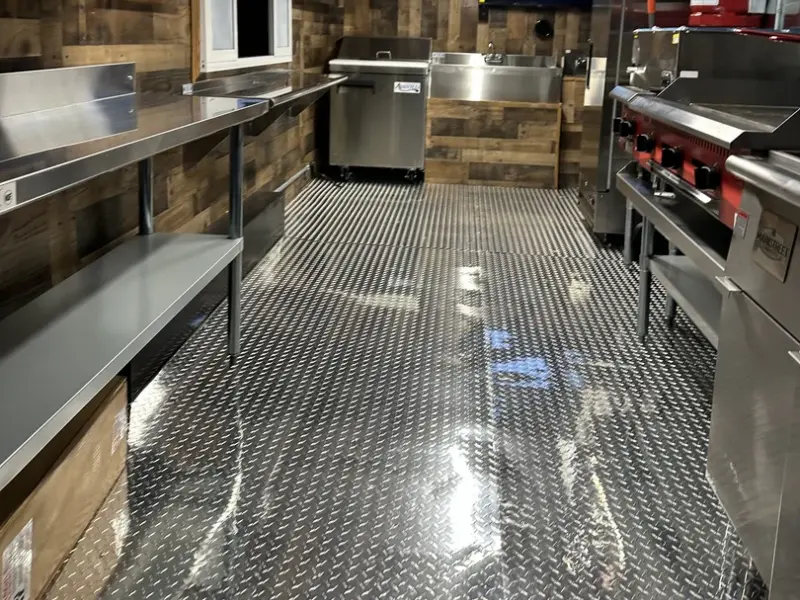
- Kitchen back-of-house floors
- Garage and workshop floors
- Toolbox liners and lids
- Wall panels in gyms and locker rooms
Decorative and Architectural
Designers use checker plate for its industrial aesthetic.
Furniture accents
Feature walls in offices
Ceiling panels
Column wraps
Signage backgrounds
How to Choose the Right Checker Plate
Before you order, answer these questions.
Will people walk on it or drive on it?
→ Foot traffic only: 1.5–2 mm. Vehicle traffic: 3 mm or more.
Is it indoors or outdoors?
→ Indoors: 3003 H14. Outdoors or near the ocean: 5052 H32.
Does it need to bend around corners?
→ 3003 and 5052 bend well. 6061 does not. Choose O temper if you need tight curves.
Is the look important?
→ Bright or anodized finishes cost more but impress customers. Mill finish saves money.
What pattern fits the space?
→ Five-bar for maximum safety. Diamond for classic industrial style. Two-bar for decoration.
Do you need to weld it?
→ All common alloys weld with TIG or MIG. Clean the surface first. The raised pattern can make welding trickier than flat sheet.
Aluminum Checker Plate vs. Steel Tread Plate
Buyers often compare these two. Here is a direct head-to-head.
| Property | Aluminum | Steel |
|---|---|---|
| Density | ~2.7 g/cm³ | ~7.85 g/cm³ |
| Weight at same thickness | 1/3 of steel | 3x aluminum |
| Corrosion in rain | None (forms oxide skin) | Rusts over time |
| Strength at 3 mm | Moderate | High |
| Weldability | Good with TIG/MIG | Good with MIG/stick |
| Magnetic | No | Yes |
| Thermal expansion | Higher | Lower |
| Typical lifespan outdoors | 20+ years | 5–10 years without paint |
If your project is outdoors and weight matters, aluminum is the clear winner. If you need maximum strength in a thin sheet and weight does not matter, steel still has a place.
Frequently Asked Questions
What is the difference between checker plate and tread plate?
There is no real difference. Both names describe aluminum sheet with a raised pattern. “Checker plate” is common in Europe and Asia. “Tread plate” is more popular in North America. Some buyers use “diamond plate” to mean the specific diamond pattern.
Which alloy is best for outdoor checker plate?
5052-H32 is the best common choice. It resists salt, rain, and temperature swings. 3003-H24 works for covered outdoor areas but struggles in coastal zones. 6061-T6 is strong but often overkill unless the plate carries heavy machinery.
Can you weld aluminum checker plate?
Yes. TIG and MIG both work. The raised pattern can create gaps if you butt two sheets together. Some welders grind the pattern flat at the joint for a cleaner seam. Use filler rod matched to the alloy. 4043 filler works for 3003. 5356 filler works for 5052 and 6061.
How do you cut aluminum checker plate?
For thin sheets up to 3 mm, a carbide-tipped circular saw or jigsaw with a metal blade works. For thicker plates, use a band saw, plasma cutter, or water jet. Always clamp the sheet well. The pattern can make the blade wander if the cut is not supported.
Does the pattern affect the thickness?
Yes. Suppliers usually list two numbers: base thickness and overall thickness. The base is the flat metal under the pattern. The overall includes the raised part. A “2 mm” checker plate might have a 1.5 mm base with 0.5 mm of pattern height. Always ask for the base thickness if you need to weld or drill.
Is aluminum checker plate slippery when wet?
Less slippery than smooth sheet, but not perfect. The raised pattern gives grip, but oil, ice, or algae can still create hazards. For extreme conditions, choose five-bar pattern and consider adding rubber inserts or grit tape.
Can checker plate be used for vehicle ramps?
Yes. Many ramps use 2–3 mm aluminum checker plate. It is light enough to move but strong enough for cars and small trucks. Make sure the supports underneath are close enough to prevent flexing.
How do you clean aluminum checker plate?
Use mild soap and water. A stiff brush reaches into the pattern grooves. Avoid bleach or strong acids. These can etch the aluminum and dull the finish. For bright or anodized plates, use a soft cloth to avoid scratches.
What is the standard size of a checker plate sheet?
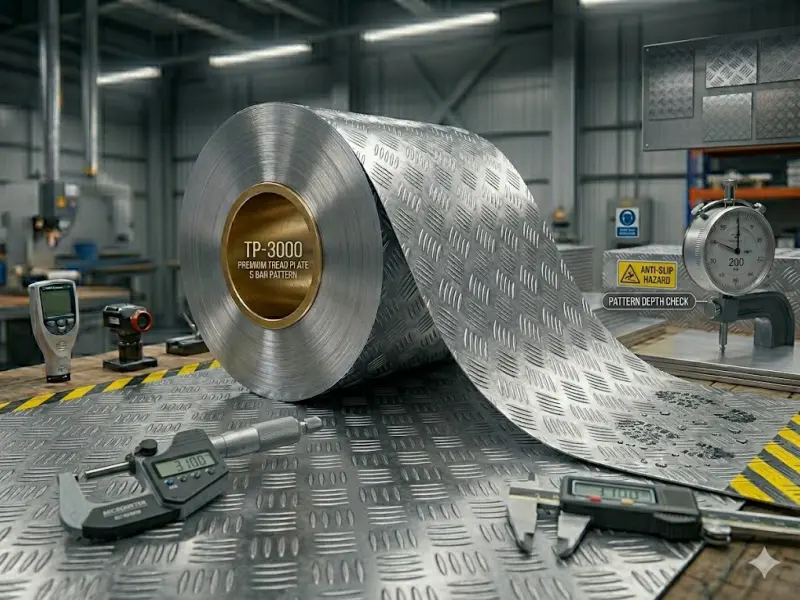
Common stock sizes are 1,220 mm × 2,440 mm and 1,500 mm × 3,000 mm. Thickness ranges from 0.8 mm to 6 mm. Custom sizes and coils are available from most suppliers.
Is aluminum checker plate expensive?
It costs more per pound than steel checker plate. But because it is lighter, you often need fewer pounds. And because it does not rust, you save on paint and maintenance. Over a ten-year life, aluminum is usually the cheaper total investment.