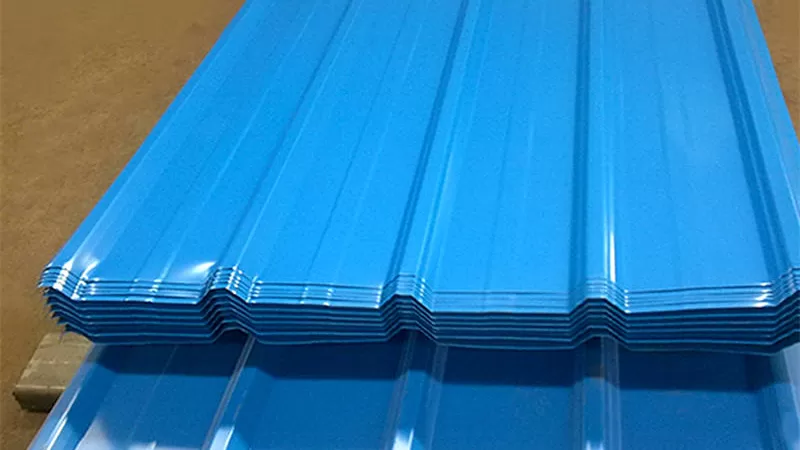
Metal roofing sheets are widely used in residential, commercial, and industrial buildings.
They are strong, long-lasting, and weather-resistant.
The metal roofing panel prices depends on material, thickness, design, and coating.
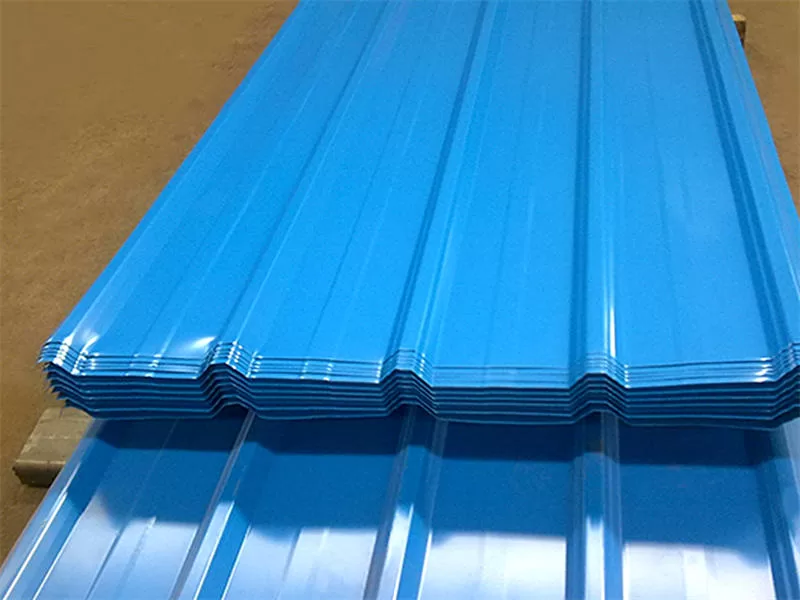
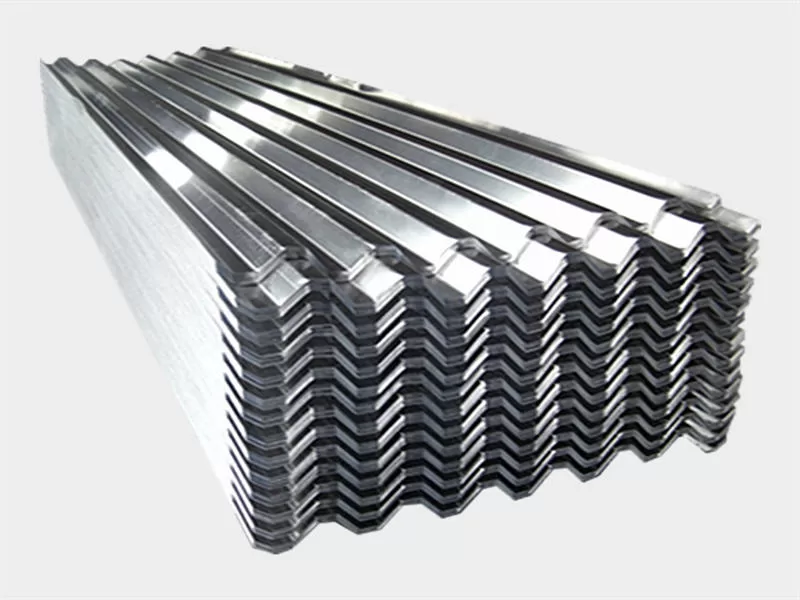
Specifications
| Specification | Details |
|---|---|
| Classification | Corrugated sheet, trapezoidal sheet, standing seam sheet |
| Thickness | 0.25 mm – 1.2 mm |
| Width | 600 mm – 1250 mm |
| Length | Custom length as required |
| Alloy / Material | Galvanized steel, Galvalume, Aluminum |
| Coating | PE, PVDF, Zinc, Al-Zn |
| Packaging | Standard export package with waterproof paper and steel strips |
Factors That Affect metal roofing panel prices
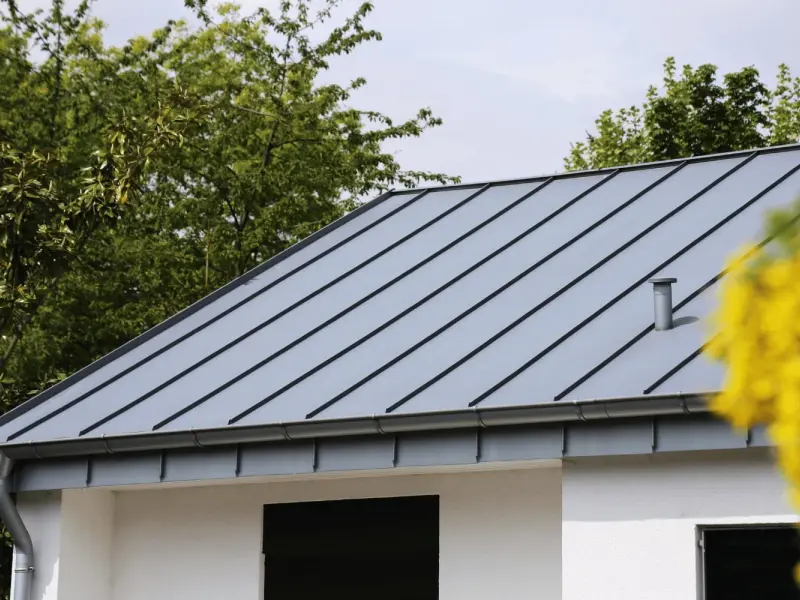
1. Material Type
- Galvanized steel sheets – Affordable and corrosion-resistant.
- Aluminum sheets – Lightweight and long-lasting.
- Galvalume sheets – Extra durability for harsh climates.
2. Thickness and Size
- Thicker sheets cost more but offer better strength.
- Custom sizes may affect the final price.
3. Coating and Color
- PE coating is cheaper but has shorter lifespan.
- PVDF coating offers better UV protection and longer durability.
Advantages of Metal Roofing Sheets
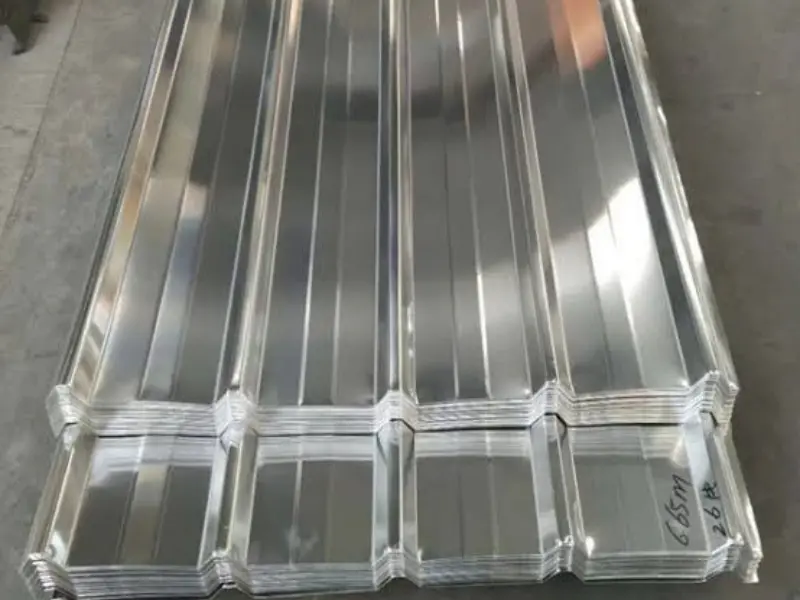
- Long service life (up to 50 years with proper maintenance)
- Lightweight and easy to install
- Fire-resistant and weatherproof
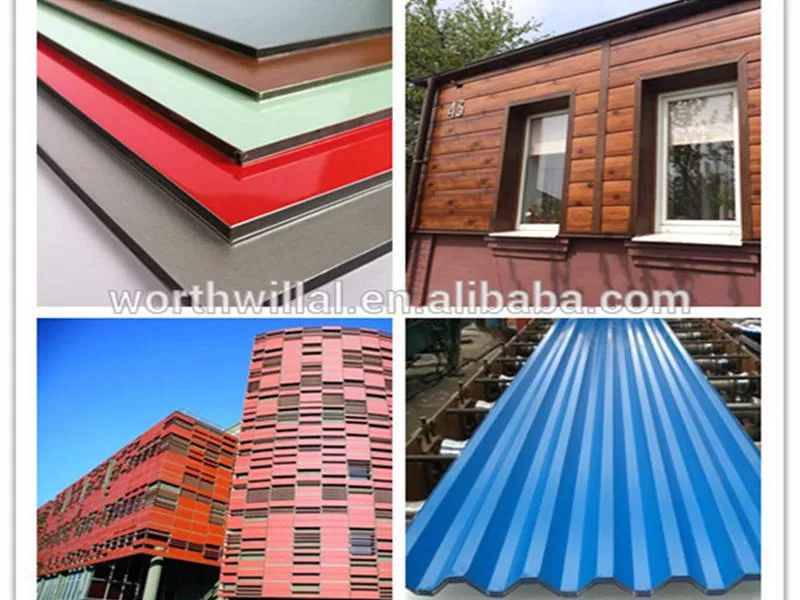
- Suitable for different architectural styles
- Low maintenance cost
Applications of Metal Roofing Sheets
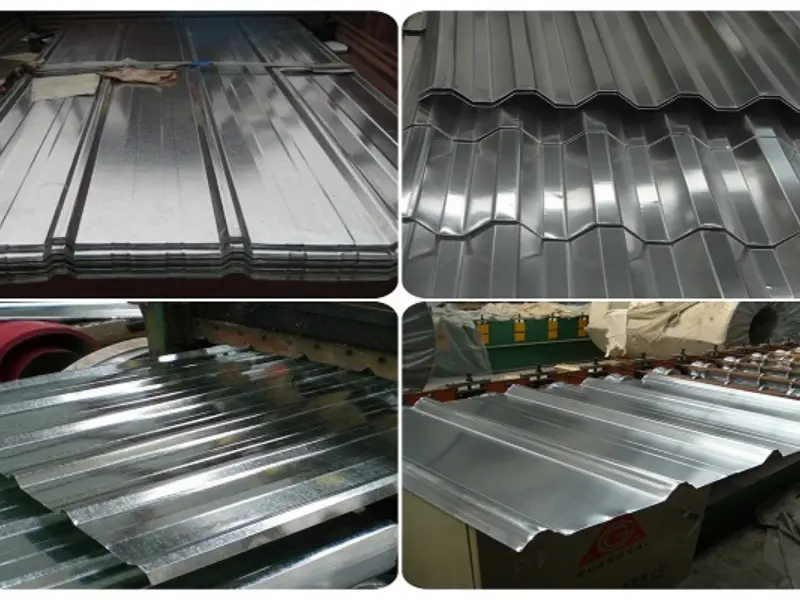
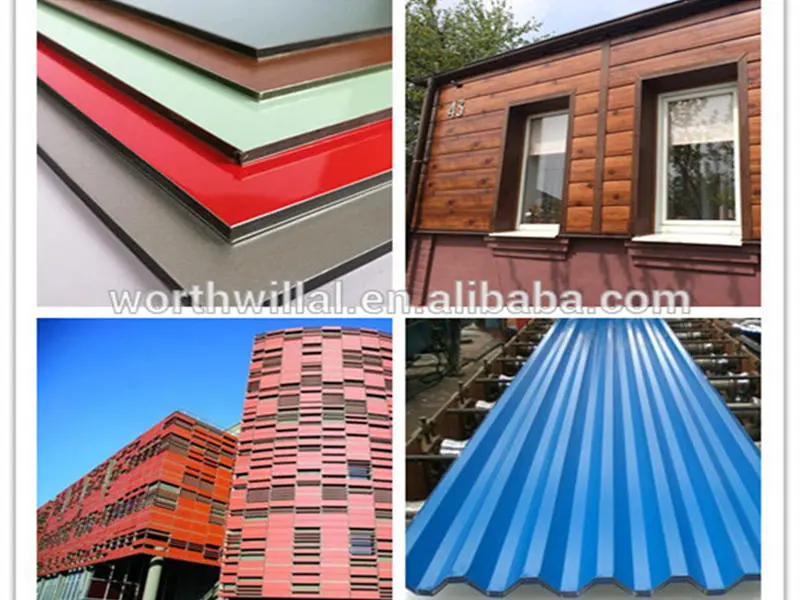
Metal roofing sheets are used in:
- Residential houses
- Warehouses and factories
- Agricultural buildings
- Schools and public facilities
- Shopping malls and commercial centers
- Carports and garages
metal roofing panel prices
| Type | Thickness | Average Price (USD/m²) |
|---|---|---|
| Galvanized steel corrugated | 0.3 mm | $4 – $6 |
| Galvanized steel corrugated | 0.5 mm | $6 – $8 |
| Aluminum trapezoidal | 0.4 mm | $8 – $10 |
| Aluminum trapezoidal | 0.7 mm | $11 – $14 |
| PVDF-coated standing seam | 0.5 mm | $12 – $15 |
(Prices vary based on quantity, market trends, and location.)
Why Choose Us for Metal Roofing Sheets
- Direct factory supply for competitive prices
- Multiple thickness and coating options
- Fast delivery and safe packaging
- Custom colors and sizes available
Metal roofing panel price for Sale
When comparing metal roofing panel prices, always consider material, coating, and thickness to find the best value. Investing in high-quality sheets ensures long-term savings and better protection for your building.
What Drives Metal Roofing Panel Prices?
Material Cost Is Only Part of the Story
When you ask for a metal roofing panel price, suppliers quote two numbers. One is the panel itself.
The other is the full installed roof. The gap between them is large. Panels alone might cost $1.50 to $7.00 per square foot. A finished roof with labour, underlayment, trim, and fasteners usually runs $4.00 to $16.00 per square foot installed.
Labour is often the biggest line item. A simple barn roof goes fast. A residential roof with valleys, dormers, and steep pitches takes more time and skill. That extra labour shows up in the final bill.
Metal Roofing Panel Prices Buyer
Metal roofing panel prices move with the market, but the real number you pay depends on more than just raw steel or aluminium. The panel profile, gauge thickness, coating type, and your roof shape all shift the final quote.
Key Price Factors at a Glance
| Factor | How It Moves the Price |
|---|---|
| Panel profile | Standing seam costs more than corrugated |
| Metal type | Aluminium runs 20–30% above steel |
| Gauge | Thicker panels use more metal |
| Coating | PVDF lasts longer but costs more than polyester |
| Roof complexity | Valleys and dormers add labour hours |
| Location | Coastal labour rates often run higher |
| Tear-off | Removing old shingles adds $1–$3 per sq ft |
Panel Type Price Comparison
| Panel Type | Material $/sq ft | Installed $/sq ft | Fastener Style | Best For |
|---|---|---|---|---|
| Corrugated | $1.50–$3.00 | $4.00–$7.00 | Exposed | Barns, sheds, farms |
| R-Panel / PBR | $2.00–$4.00 | $5.00–$9.00 | Exposed | Workshops, warehouses |
| Metal shingles | $3.50–$6.00 | $5.00–$8.00 | Exposed | Residential traditional |
| Snap-lock standing seam | $4.00–$6.00 | $8.00–$12.00 | Concealed | Homes, commercial |
| Mech-lock standing seam | $4.50–$7.00 | $10.00–$16.00 | Concealed | Low slope, high wind |
| Standing seam (aluminium) | $5.00–$7.00 | $9.00–$14.00 | Concealed | Coastal homes |
| Copper / zinc | $10.00–$18.00 | $15.00–$25.00+ | Concealed | Luxury, historic |
Panel Types and How They Affect Cost
Not all metal roofing panels are built the same. The profile changes how they look, how they shed water, and how much they cost.
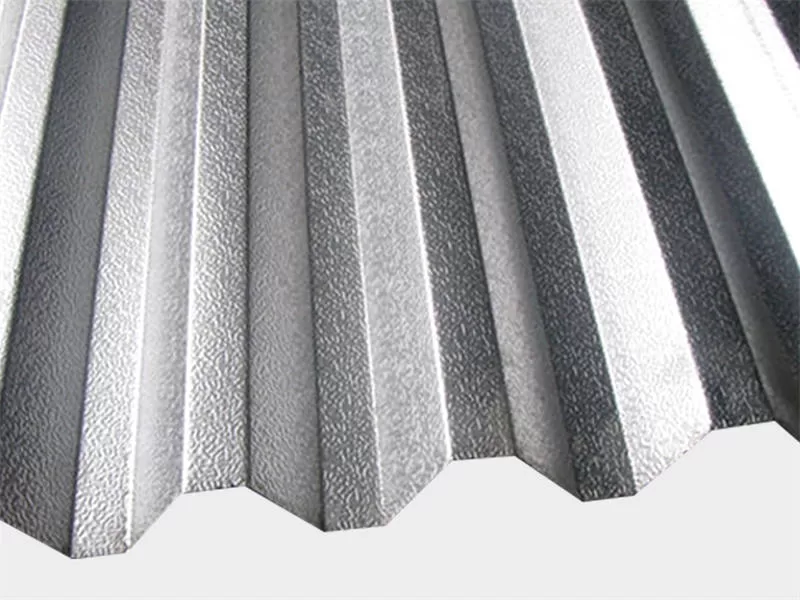
Corrugated Panels: The Budget Choice
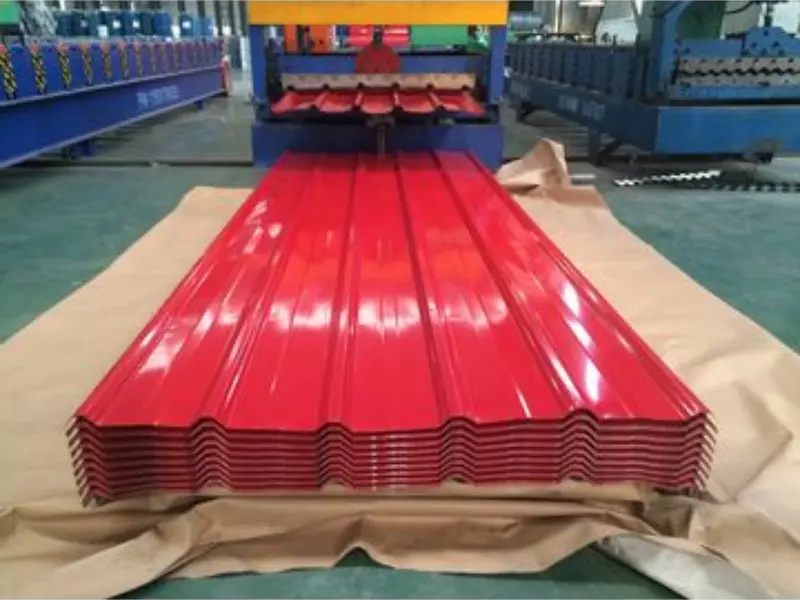
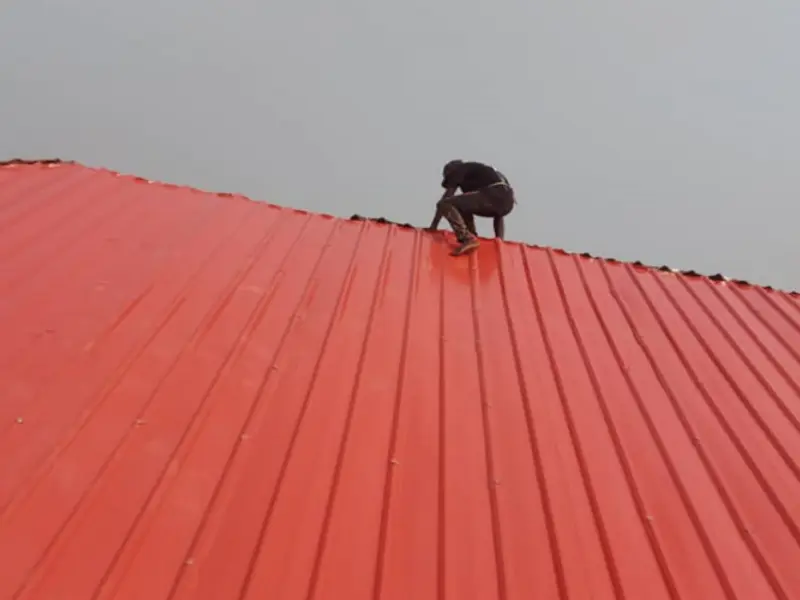
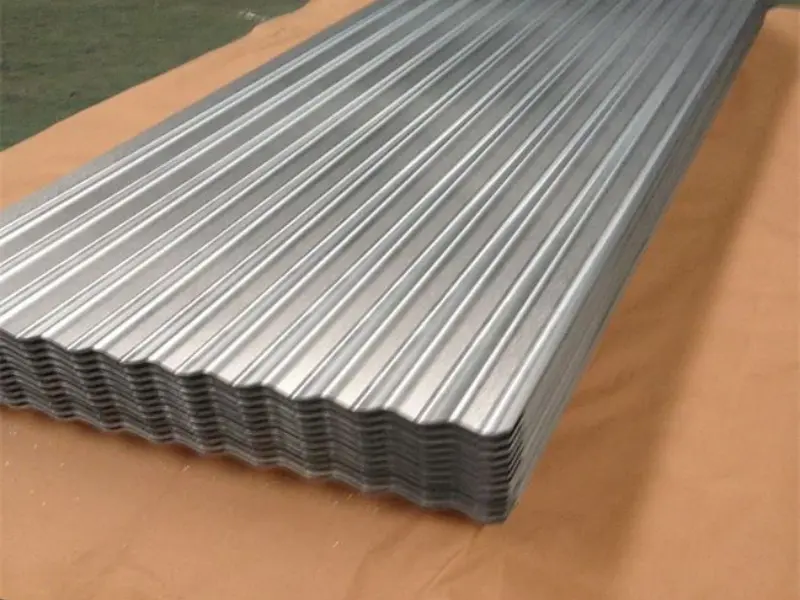
Corrugated panels carry a repeating wave pattern. They are the oldest metal roofing style and still the cheapest. Fasteners pierce straight through the panel face, which means visible screw heads. That exposed-fastener design works fine for barns, sheds, and agricultural buildings. It also means you must check and re-tighten screws every few years as gaskets age.
- Panel coverage: typically 26 to 36 inches
- Rib depth: 7/8 inch on standard profiles
- Material cost: $1.50 to $3.00 per square foot
- Installed cost: $4.00 to $7.00 per square foot
- Lifespan: 25 to 40 years with maintenance
R-Panel and PBR: The Workshop Standard
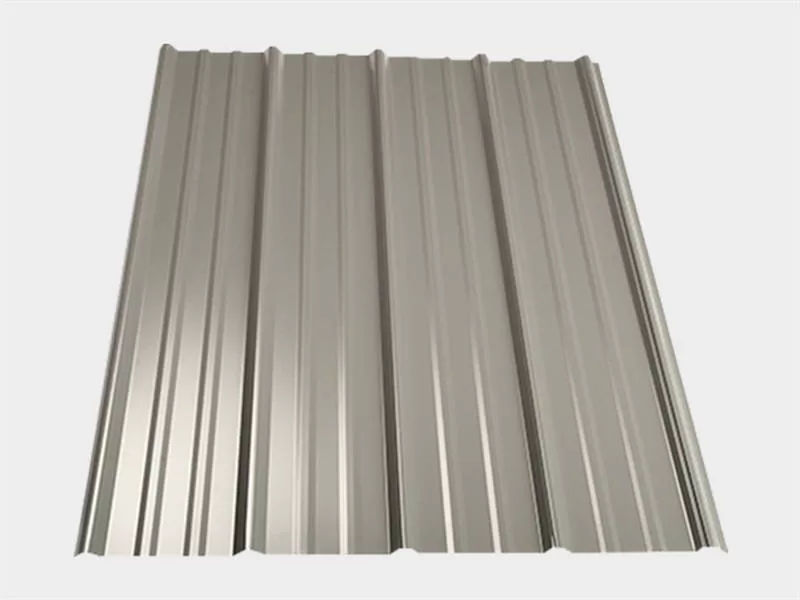
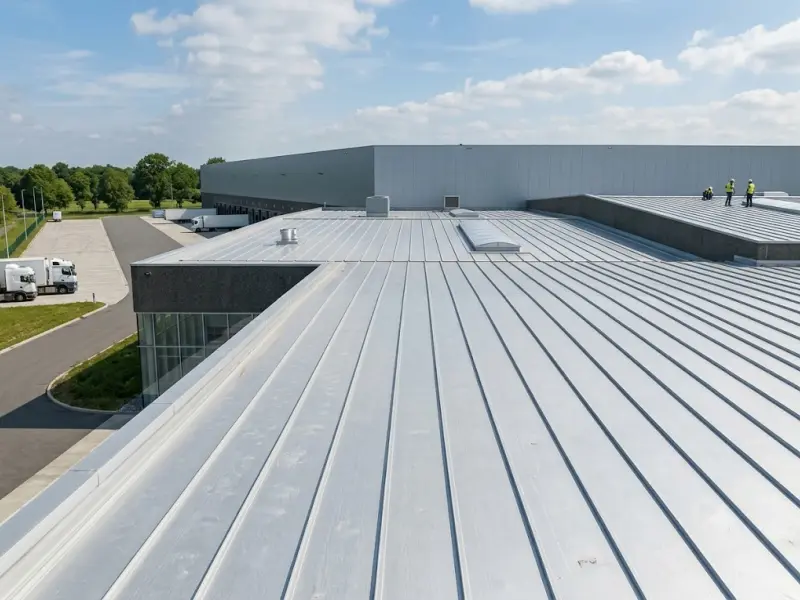
R-panel is a ribbed profile with flat sections between straight vertical ribs. PBR is similar but adds a small overlap leg that seals better at side laps. Both use exposed fasteners. They install quickly and span wide distances without sagging. You will see them on warehouses, garages, and light commercial buildings.
Lifespan: 30 to 45 years
Rib height: 1.0 to 1.25 inches
Panel coverage: 36 inches typical
Material cost: $2.00 to $4.00 per square foot
Installed cost: $5.00 to $9.00 per square foot
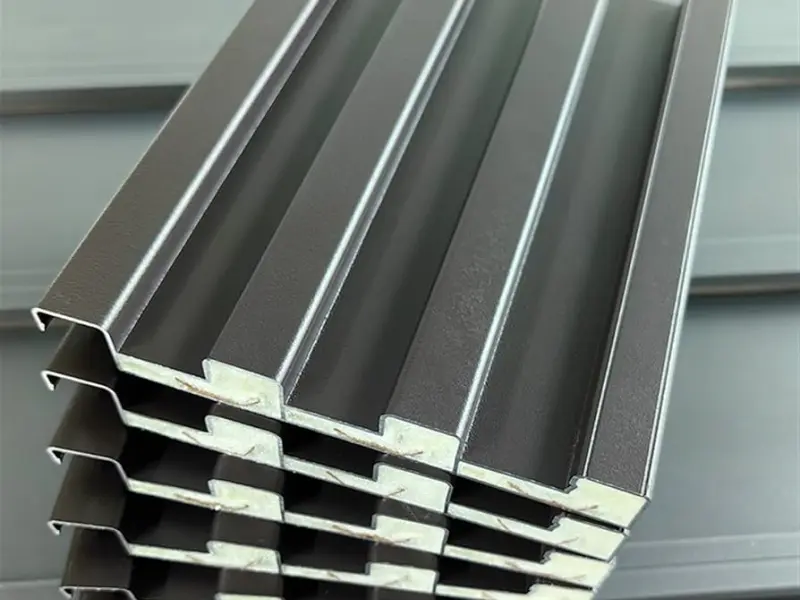
Standing Seam: The Premium Option
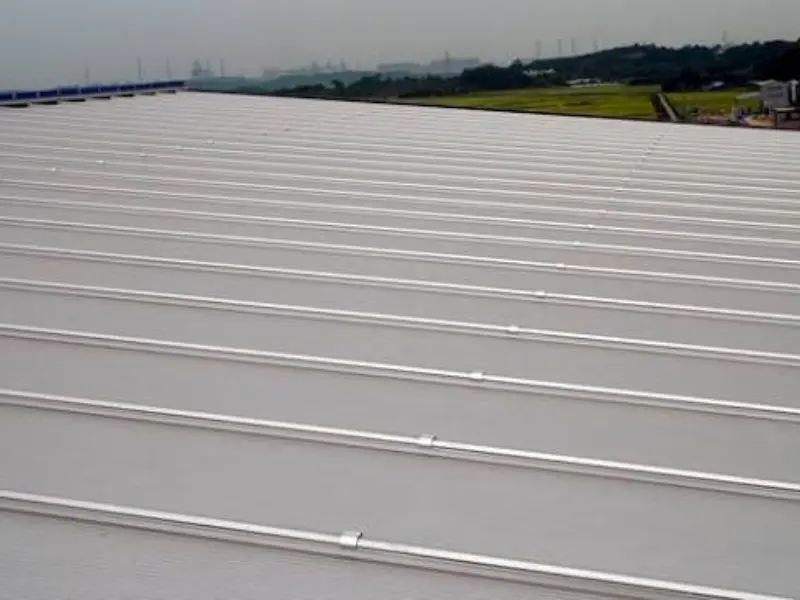
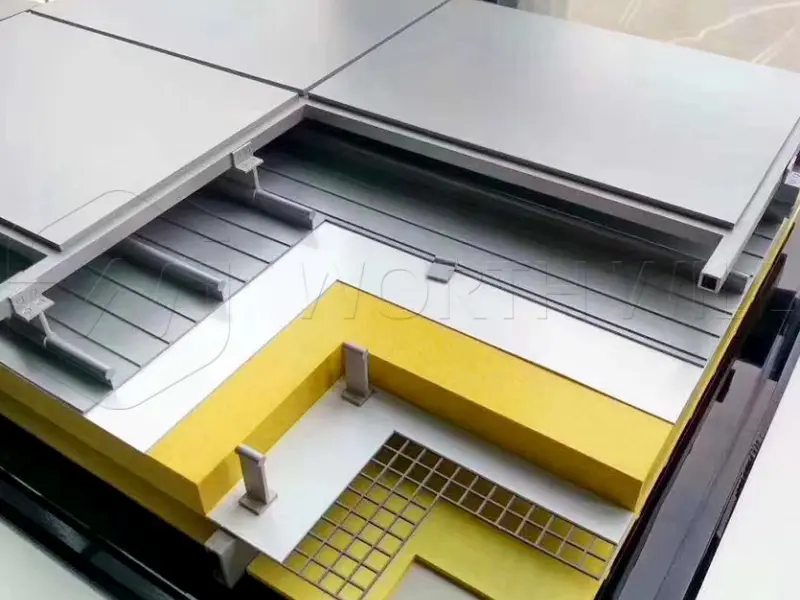
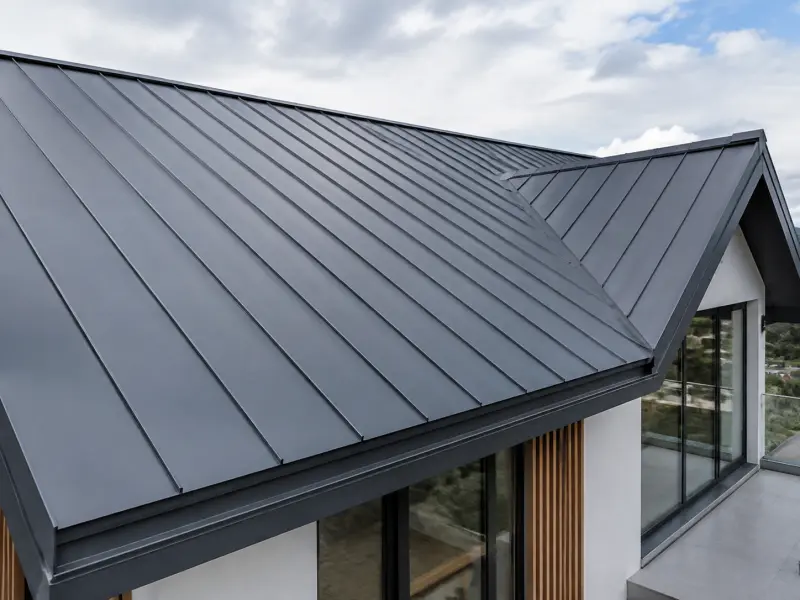
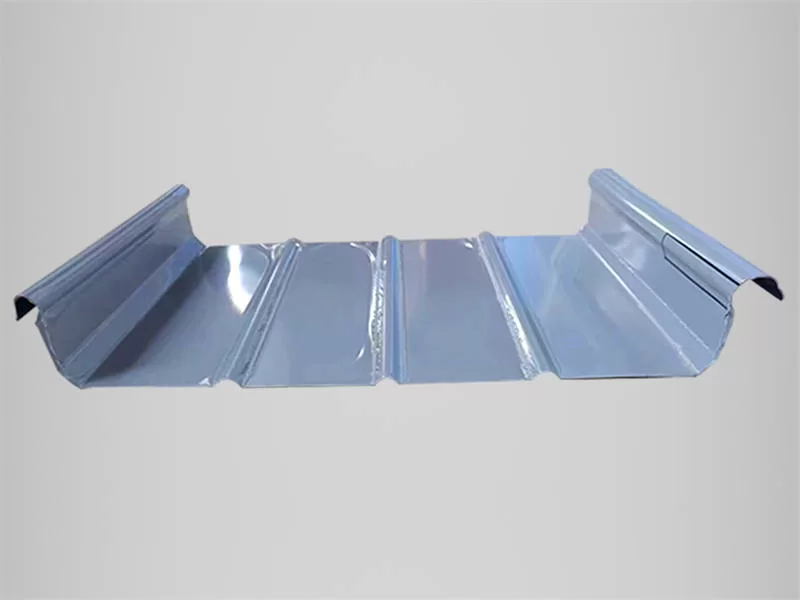
Standing seam panels interlock along raised vertical seams. All fasteners hide beneath those seams. No screws touch the roof surface. That concealed-fastener design cuts leak risk and lets panels expand and contract with temperature swings. It is the go-to choice for homes, offices, and any building where longevity matters.
- Rib height: 1.0 to 1.75 inches
- Panel coverage: 12 to 18 inches typical
- Material cost: $4.00 to $7.00+ per square foot
- Installed cost: $8.00 to $16.00+ per square foot
- Lifespan: 40 to 70 years
Metal Shingles: The Traditional Look
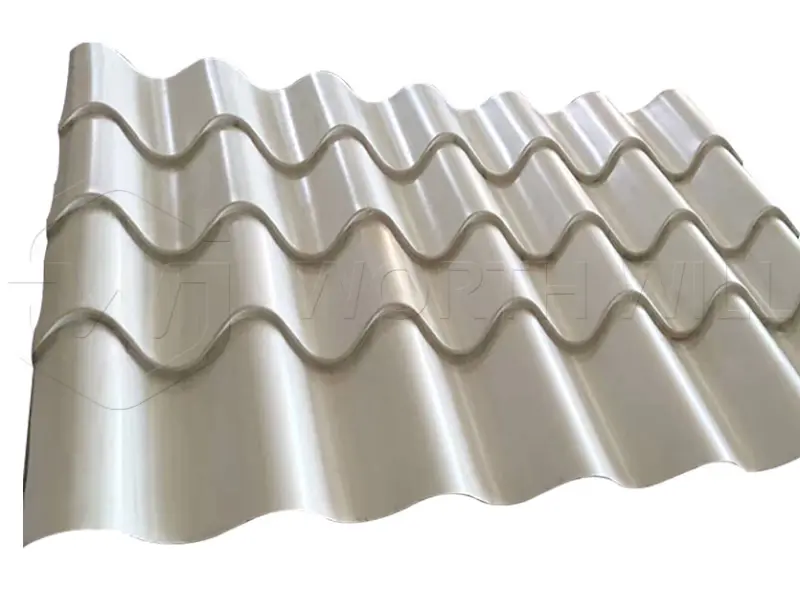
Metal shingles are stamped panels that mimic asphalt shingles, slate, or wood shakes. They install like shingles but carry metal durability. They cost less than standing seam but more than corrugated. Homeowners who want a classic look with metal performance often choose this route.
- Material cost: $3.50 to $6.00 per square foot
- Installed cost: $5.00 to $8.00 per square foot
- Lifespan: 40 to 50 years
Snap Lock vs Mechanical Lock Standing Seam
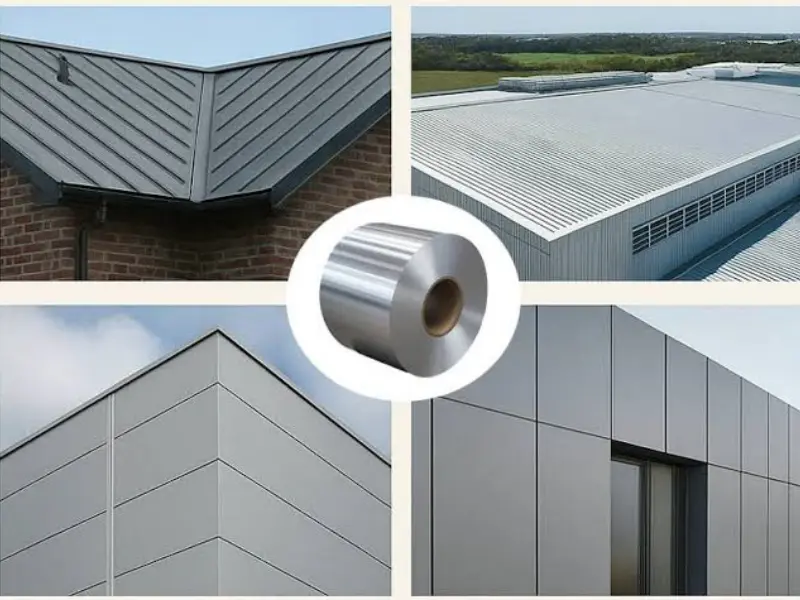

Standing seam comes in two connection styles. Snap-lock panels click together by hand. They install faster and cost less. Mechanical-lock panels need a powered seamer to fold the seams on site. That extra step adds $1.00 to $3.00 per square foot in labour.
Mechanical lock is required for low-slope roofs below 3:12 pitch and is strongly recommended in hurricane zones.
Steel vs Aluminium: Material Cost Breakdown
The metal under the paint changes everything. Steel and aluminium each have their place, and the price gap is real.
Galvalume Steel: The Workhorse
Most steel roofing panels use a Galvalume core. That means a steel sheet coated with an alloy of aluminium and zinc. The coating resists rust far better than plain galvanized steel. Steel is harder than aluminium, so it dents less from hail or falling branches. It also costs less per pound.
- Upfront cost: lower
- Weight: heavier than aluminium
- Rust risk: low inland, higher coastal
- Hail resistance: excellent
- Best for: dry inland climates, hail-prone regions
Aluminium: The Coastal Champion
Aluminium roofing panels never rust. They form a self-healing oxide layer that seals the metal even at cut edges. That makes them the clear winner near salt water. The trade-off is price. Aluminium typically costs 20 to 30 percent more than equivalent steel panels. It is also softer, so large hail can dent it more easily.
- Upfront cost: 20–30% above steel
- Weight: roughly one-third of steel
- Rust risk: zero
- Hail resistance: good, but softer than steel
- Best for: coastal, humid, or salt-air environments
Steel vs Aluminium Side-by-Side
| Feature | Galvalume Steel | Aluminium |
|---|---|---|
| Material cost | Lower | Higher |
| Weight | Heavier | Lighter |
| Rust resistance | Good (coating dependent) | Excellent (self-healing) |
| Hail resistance | Better | Good |
| Coastal life | 30–50 years | 50–75 years |
| Panel gauge typical | 26 or 29 | 0.032–0.050 in |
| Fastener compatibility | Self-drilling screws | Aluminium or stainless screws |
| Recyclability | High | Nearly 100% |
Gauge Thickness and Price Impact
Gauge tells you how thick the metal is. Lower numbers mean thicker sheets. Thicker sheets cost more but resist dents and wind better.
29 Gauge: The Standard
29 gauge steel is about 0.0142 inches thick. It is light, easy to handle, and the most economical choice. For mild climates and simple roof shapes, 29 gauge works fine. It is common on residential barns and storage buildings.
- Thickness: ~0.0142 in (0.36 mm)
- Cost: lowest
- Dent resistance: standard
- Best for: moderate climates, budget builds
26 Gauge: The Step Up
26 gauge steel measures roughly 0.0187 inches thick. That extra metal adds strength and dent resistance. In high-wind or heavy-snow regions, 26 gauge is worth the upgrade. It also walks better during installation.
- Thickness: ~0.0187 in (0.47 mm)
- Cost: 10–20% above 29 gauge
- Dent resistance: excellent
- Best for: commercial, high-wind, heavy-snow areas
24 Gauge: Heavy Duty
24 gauge is thicker still at about 0.0239 inches. You will see it on industrial buildings and architectural projects where rigidity matters most. It costs noticeably more and requires stronger roof framing.
- Thickness: ~0.0239 in (0.61 mm)
- Cost: 25–40% above 29 gauge
- Dent resistance: superior
- Best for: industrial, structural, premium homes
Gauge Comparison Table
| Gauge | Thickness (in) | Thickness (mm) | Cost Level | Best Use |
|---|---|---|---|---|
| 29 | 0.0142 | 0.36 | Low | Barns, sheds, mild climates |
| 26 | 0.0187 | 0.47 | Medium | Homes, workshops, wind zones |
| 24 | 0.0239 | 0.61 | High | Commercial, structural |
| 22 | 0.0299 | 0.76 | Premium | Heavy industrial, armor |
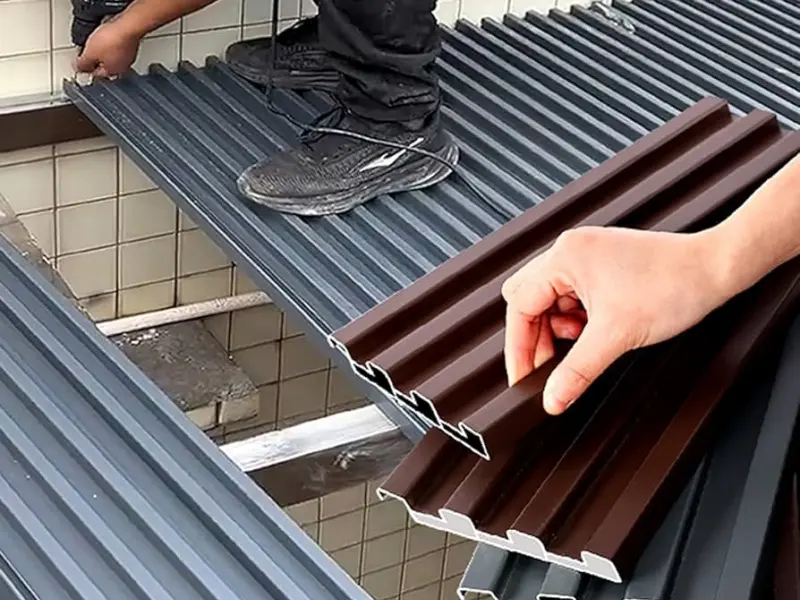
Finish and Coating Options
The paint or coating on the metal changes both price and lifespan.
Polyester (PE) Paint
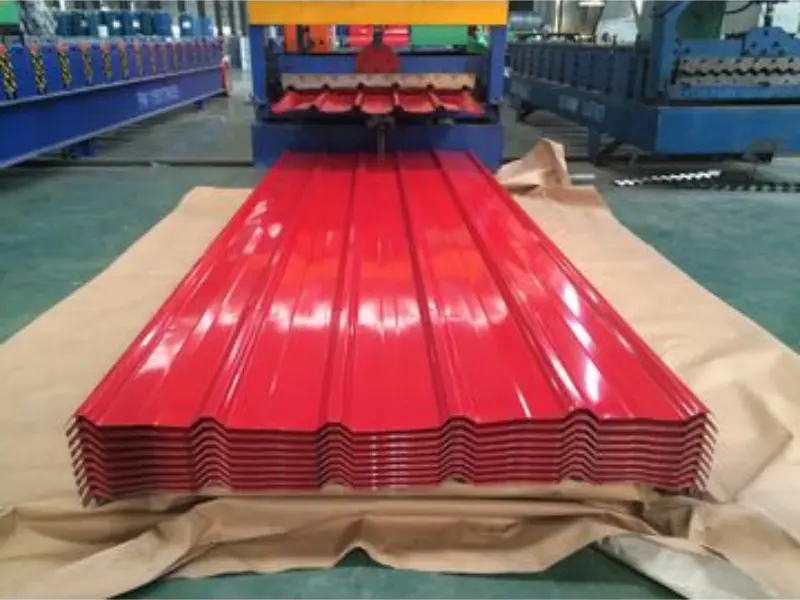
Polyester is the entry-level coating. It comes in dozens of colours and looks good when new. The downside is fade resistance. In full sun, PE paint starts to chalk and fade within seven to ten years. It is fine for outbuildings and budget jobs.
- Cost: lowest
- Fade resistance: fair
- Warranty: typically 10–15 years
- Best for: barns, sheds, short-term use
SMP Paint
Silicone-modified polyester (SMP) sits between PE and PVDF. It resists fading better than basic polyester and costs less than premium fluorocarbon. Many mid-range residential panels use SMP.
- Cost: medium
- Fade resistance: good
- Warranty: typically 20–30 years
- Best for: residential, light commercial
PVDF (Kynar) Paint
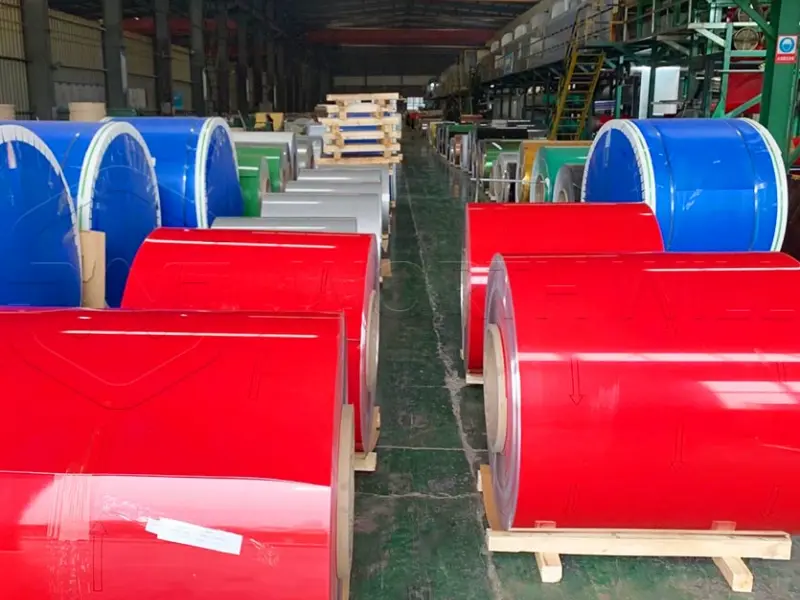
PVDF is the top-tier coating. It holds colour for decades and resists chalking even in desert sun. Most standing seam panels for homes carry PVDF. The price premium is real, but so is the longevity.
- Cost: highest
- Fade resistance: excellent
- Warranty: typically 30–40 years
- Best for: homes, coastal, high-UV zones
Galvalume Coating (Unpainted)
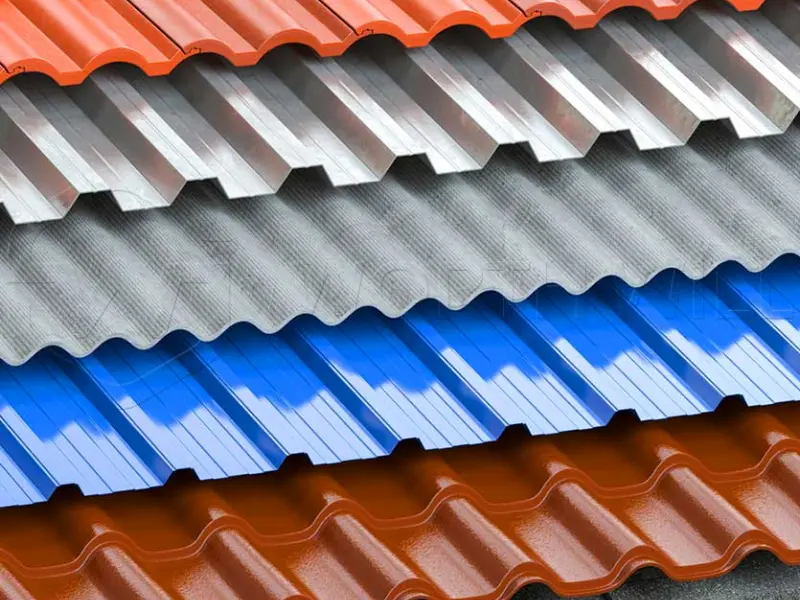
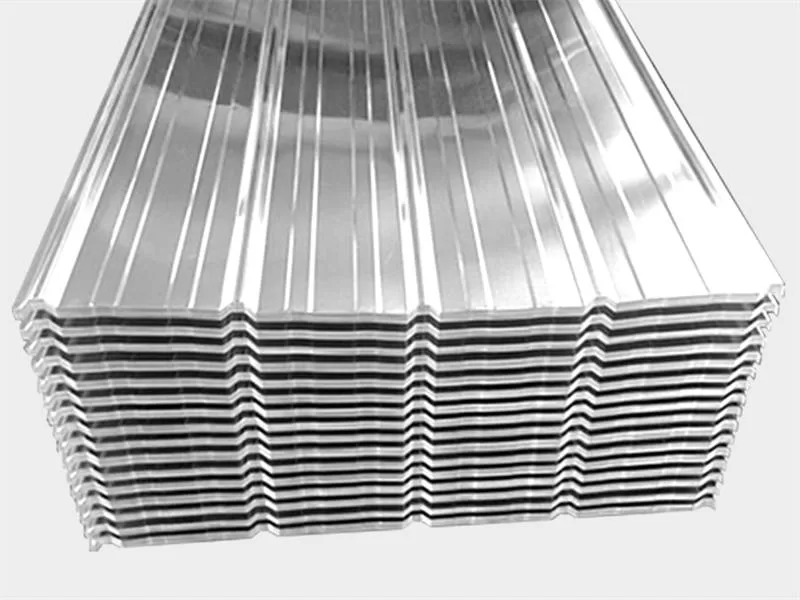
Some buyers skip paint entirely and use bare Galvalume. The silvery finish weathers to a soft grey. It costs less than painted panels and lasts 30 to 40 years with no paint to fade. The look is industrial, not decorative.
- Cost: lower than painted
- Maintenance: none
- Aesthetic: utilitarian
- Best for: agricultural, hidden roofs
Coating Price Impact
| Coating Type | Added Cost vs Bare | Fade Life | Typical Warranty |
|---|---|---|---|
| Bare Galvalume | Baseline | N/A | 20–25 years substrate |
| Polyester (PE) | +10–15% | 7–10 years | 10–15 years |
| SMP | +20–25% | 15–20 years | 20–30 years |
| PVDF (Kynar) | +35–50% | 30+ years | 30–40 years |
Standard Sizes and Coverage
Metal roofing panels come in set widths and custom lengths. Understanding coverage helps you compare quotes fairly.
Panel Widths
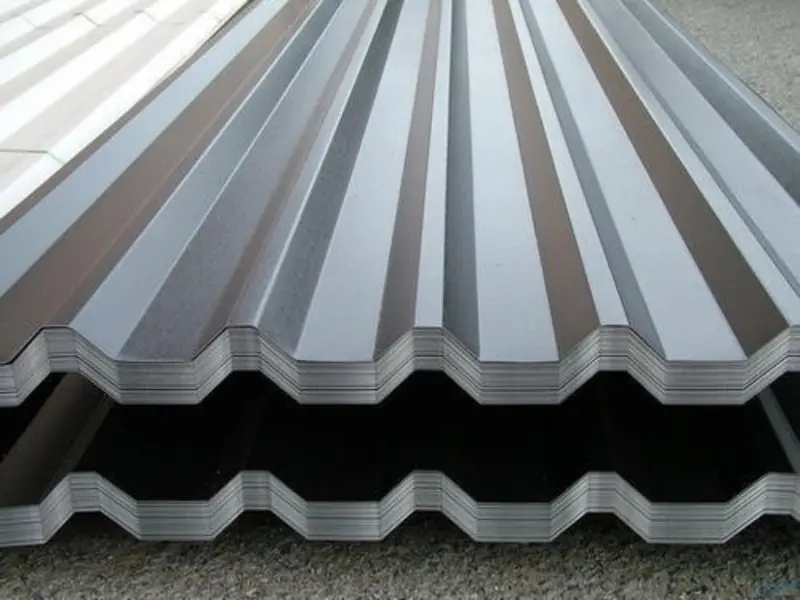
Corrugated and R-panel profiles usually cover 36 inches from rib centre to rib centre. Standing seam panels are narrower, often 12, 16, or 18 inches wide. Narrower panels mean more seams per roof, which adds both material and labour.
Panel Lengths
Coverage and Waste
A “square” in roofing is 100 square feet. When you order panels, add 5 to 10 percent for waste and trim. Complex roofs with many valleys need more waste allowance than simple gable roofs.
| Panel Profile | Typical Width | Typical Length | Coverage per Panel |
|---|---|---|---|
| Corrugated | 26–36 in | 8–20 ft | 18–30 sq ft |
| R-Panel | 36 in | 10–24 ft | 30–72 sq ft |
| Standing seam | 12–18 in | 10–40 ft | 10–60 sq ft |
Suppliers cut panels to length. A typical residential roof might use 12-foot or 16-foot panels. Longer panels reduce end laps and leak points.
However, very long panels are harder to transport and handle on site. Most suppliers cap custom lengths around 40 feet.
Hidden Costs That Surprise Buyers
Tear-Off and Disposal
If your old roof must come off first, add $1.00 to $3.00 per square foot for removal and disposal. Multiple layers of shingles cost more to remove than a single layer. Some contractors offer overlay installation, but most standing seam manufacturers require a clean deck for warranty coverage.
Underlayment and Flashing
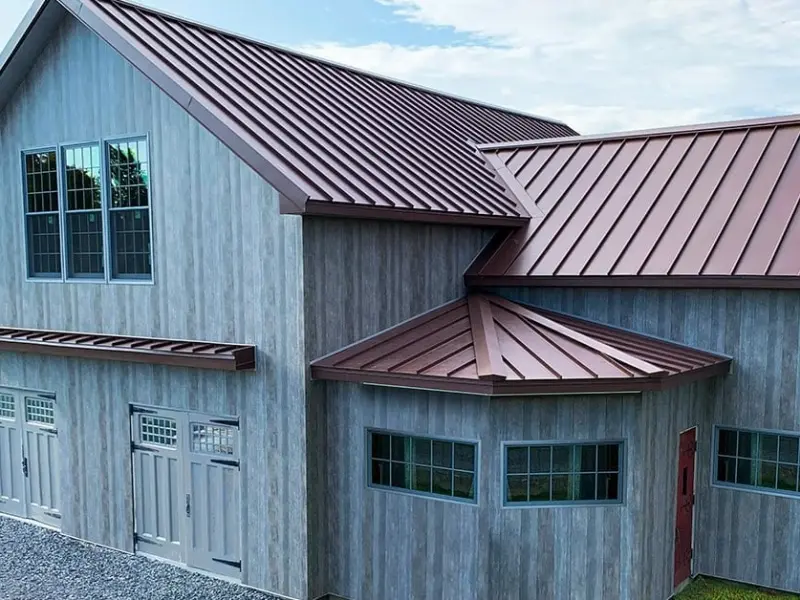
Trim and flashing can add 30 to 40 percent on top of panel cost. A $15,000 panel order might need $4,500 to $6,000 in ridge caps, drip edges, valley flashing, and pipe boots. Synthetic underlayment runs $0.50 to $1.50 per square foot. Ice and water shield at eaves and valleys adds $1.00 to $3.00 per linear foot.
Permits and Inspections
Roofing permits vary by municipality but typically run $200 to $1,000. Coastal areas may require wind-code documentation and additional inspections. Homeowner association review can also add time and cost.
Where Metal Roofing Panels Work Best
Metal roofing is not just for barns. It spans many building types.
Residential Homes
- Standing seam on modern and traditional homes
- Metal shingles for historic or neighbourhood-matching looks
- Corrugated on rustic or farmhouse styles
Agricultural Buildings
- Corrugated on barns, stables, and equipment sheds
- R-panel on milking parlours and storage buildings
- Bare Galvalume on feed bins and grain storage
Commercial and Industrial
- Standing seam on offices and retail centres
- R-panel on warehouses and factories
- Structural 7.2 panel on wide-span metal buildings
Specialty Applications
- Cor-Ten weathering steel for architectural facades
- Copper for domes, spires, and luxury homes
- Aluminium for coastal condos and beach houses
How to Save Money Without Cutting Quality
Pick the Right Panel for the Job
Do not put standing seam on a hay barn. Do not put corrugated on a beachfront home. Match the panel to the building type and you avoid over-paying for performance you do not need.
Order Standard Colours
Custom colours often carry a minimum order of five tons or more. Standard stock colours ship faster and cost less. If you need 20 squares, a custom colour may not even be available.
Buy Direct from the Manufacturer
Middlemen add markup. If you have a contractor who can install, buying panels direct from a roll-forming shop cuts 10 to 20 percent off material cost.
Plan for the Right Quantity
Measure twice and order once. Cut-to-length panels reduce waste. If you order too short and need a second shipment, freight costs eat your savings.
How to Get an Accurate Quote
Know Your Roof Area
Measure the roof footprint, then add for pitch. A 4:12 pitch adds about 6 percent to the flat area. A 12:12 pitch adds about 42 percent. If you are not comfortable on a ladder, hire a drone survey or use satellite measurement tools.
Count the Extras
A panel quote is only part of the job. You also need:
- Synthetic underlayment: $0.50 to $1.50 per square foot
- Ice and water shield: $1.00 to $3.00 per linear foot
- Ridge caps, drip edge, gable trim: priced by the foot
- Pipe boots and flashing: $50 to $200 each
- Fasteners or clips: $0.10 to $0.30 per square foot
Compare Apples to Apples
When you collect bids, make sure each contractor quotes the same gauge, coating, and panel profile. A 29-gauge PE corrugated quote will look cheap next to a 26-gauge PVDF standing seam quote. That is not a fair comparison.
Ask About Warranties
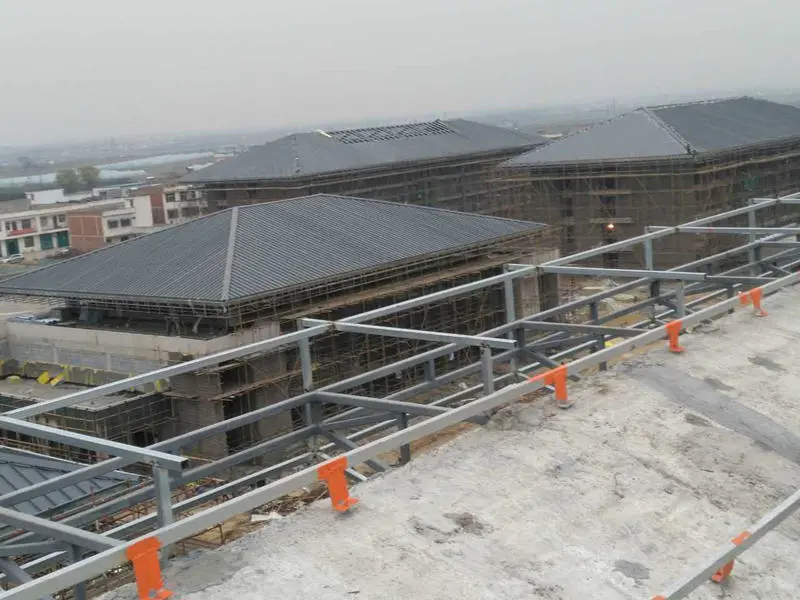
Panel warranties cover two things. The paint finish warranty covers fading and chalking. The weathertightness warranty covers leaks. Some manufacturers require certified installers for the weathertightness warranty to apply. Ask before you hire.
Frequently Asked Questions
How much do metal roofing panels cost per square foot?
Material-only prices range from $1.50 per square foot for basic corrugated steel up to $7.00 or more for standing seam aluminium. Installed prices, including labour and trim, run from $4.00 to $16.00 per square foot for most systems. Copper and zinc can push installed costs above $25.00 per square foot.
Is standing seam worth the extra cost over corrugated?
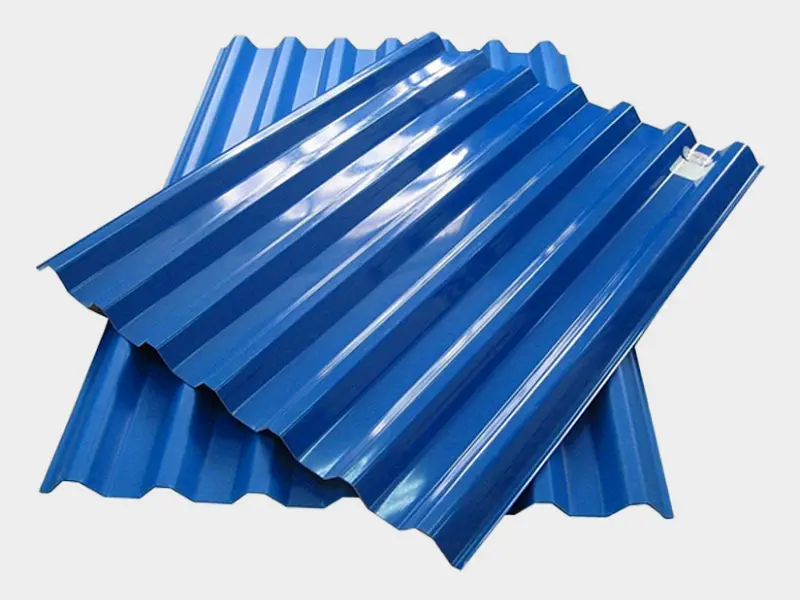
For a permanent home or commercial building, yes. Standing seam hides all fasteners, handles thermal expansion better, and lasts 40 to 70 years. Corrugated lasts 25 to 40 years and needs screw maintenance. The upfront gap pays back over time in lower maintenance and longer life.
What gauge metal roof is best for a house?
26 gauge is the sweet spot for most homes. It resists dents from hail and foot traffic better than 29 gauge. It also handles wind uplift well. 29 gauge is fine for barns and sheds. 24 gauge is overkill for most houses but makes sense in hurricane zones.
How much more does aluminium cost than steel?
Aluminium roofing panels typically cost 20 to 30 percent more than equivalent steel panels. However, near the coast, aluminium often lasts 20 years longer because it never rusts. That longer lifespan can close the price gap over the life of the roof.
Does a thicker gauge roof cost more to install?
Yes. Thicker metal weighs more, so crews handle it more slowly. It may also need heavier-duty fasteners and clips. The material cost is higher too. Expect a 26-gauge roof to cost 10 to 20 percent more than 29 gauge for both materials and labour.
What is the cheapest metal roofing option?
29-gauge exposed-fastener corrugated or R-panel in a standard PE colour is the cheapest metal roofing system. Material runs $1.50 to $3.00 per square foot. Installed, you might land at $4.00 to $7.00 per square foot. It is not the longest-lasting option, but it is the most budget-friendly entry into metal roofing.
How long does a metal roof last compared to shingles?
A quality metal roof lasts 40 to 70 years. Architectural asphalt shingles last 20 to 30 years. Over a 50-year span, a metal roof often costs less because you avoid one or two full re-roofing cycles. Metal also reflects heat, which can cut cooling bills by 10 to 25 percent in hot climates.
Can I install metal roofing panels myself?
Exposed-fastener panels are DIY-friendly if you are handy and the roof is simple. Standing seam is not a beginner project. The panels interlock with precision, and mistakes are expensive. Most standing seam manufacturers also void the weathertightness warranty on non-professional installs.