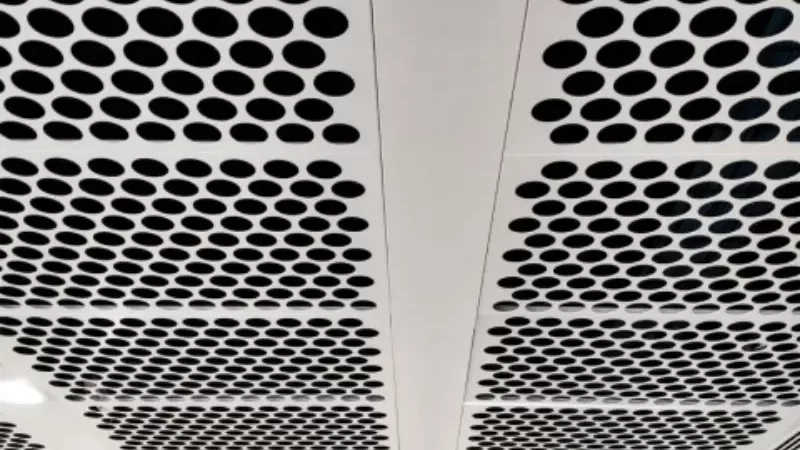
Custom perforated aluminum sheets are versatile materials featuring precisely punched holes in various patterns, sizes, and layouts. These sheets are widely used in architecture, industrial design, and decorative applications due to their functionality, aesthetic appeal, and durability. The customization options allow for unique designs tailored to specific project requirements.
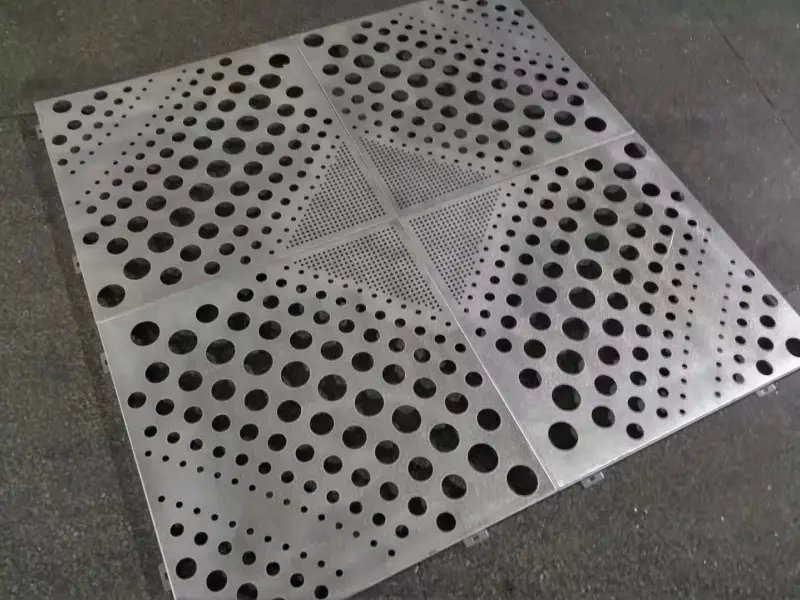
What Are Custom Perforated Aluminum Sheets?
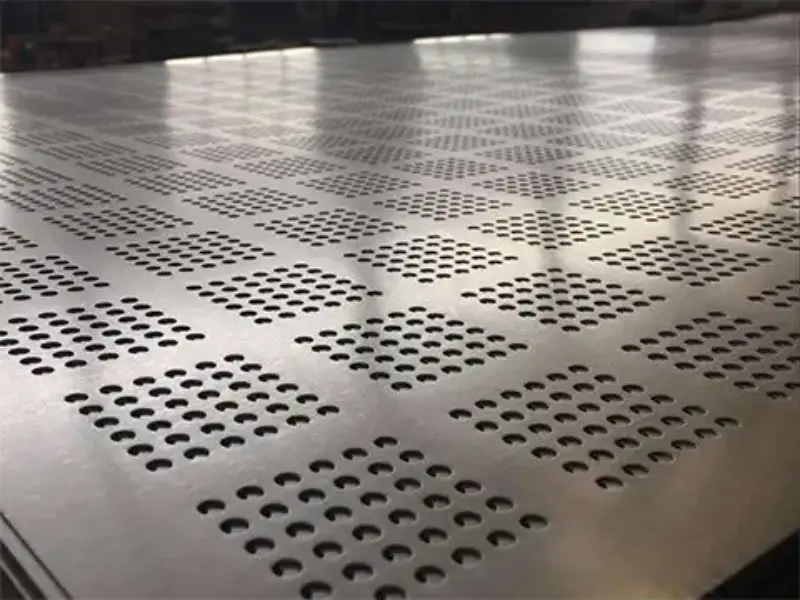
Perforated aluminum refers to aluminum sheets that have been punched with a variety of holes. These holes can be in different shapes and sizes, creating a unique pattern. You decide the hole pattern, hole size, material thickness, and even the finish. This allows for a product that perfectly fits your specific needs.
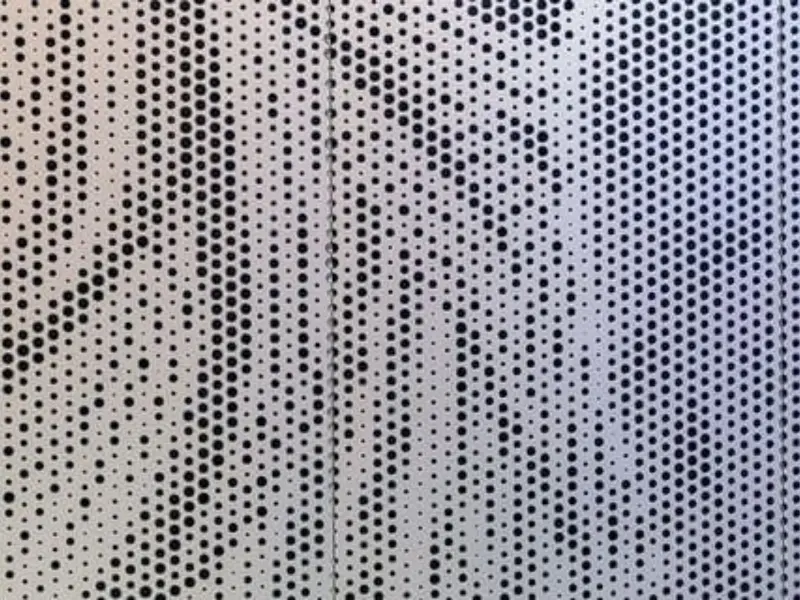
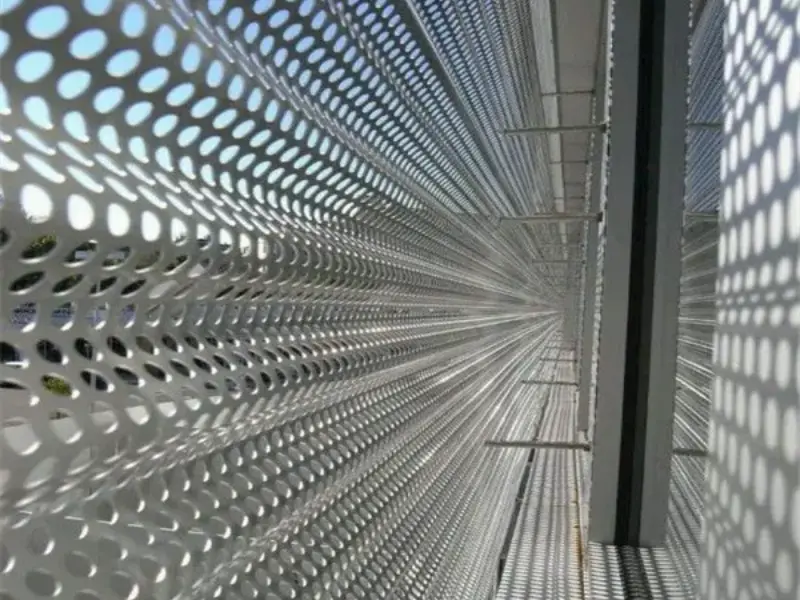
Custom perforated aluminum sheets are lightweight yet durable. They are also highly resistant to rust and corrosion, making them suitable for both indoor and outdoor use.
Why Choose Custom Perforated Aluminum?
Choosing custom perforated aluminum brings many advantages over standard materials. It offers a unique blend of aesthetic appeal and functional benefits.
| Key Benefit | Description |
|---|---|
| Design Flexibility | You can create almost any look you want. From simple patterns to complex designs, custom perforated aluminum allows for truly unique architectural and design elements. |
| Lightweight | Aluminum is naturally light. This makes perforated aluminum panels easy to handle and install, reducing overall structural load, especially important for large facades or ceiling applications. |
| Durability | Aluminum is strong and lasts a long time. It resists wear and tear, making it a good investment. |
| Corrosion Resistant | Unlike steel, aluminum does not rust. This makes it ideal for outdoor use and in humid environments, ensuring your perforated metal remains pristine. |
| Ventilation | The holes allow air to pass through freely. This is great for ventilation systems, equipment enclosures, or anywhere airflow is needed. |
| Light Control | Perforated aluminum can diffuse light, reducing glare while still allowing natural light to enter. It’s excellent for sunshades or light diffusers. |
| Sound Absorption | The perforations can help to reduce noise. This makes them useful for acoustic panels in offices, studios, or public spaces, improving sound quality. |
| Aesthetic Appeal | With various patterns and finishes, custom perforated aluminum adds a modern and stylish look to any space. It can be a strong visual element in both interior and exterior designs. |
| Sustainability | Aluminum is 100% recyclable. Choosing perforated aluminum sheets means you are making an environmentally friendly choice. |
Types and Specifications of Custom Perforated Aluminum
The true power of custom perforated aluminum sheets lies in the wide range of options available. You can specify every detail to meet your project’s exact requirements.
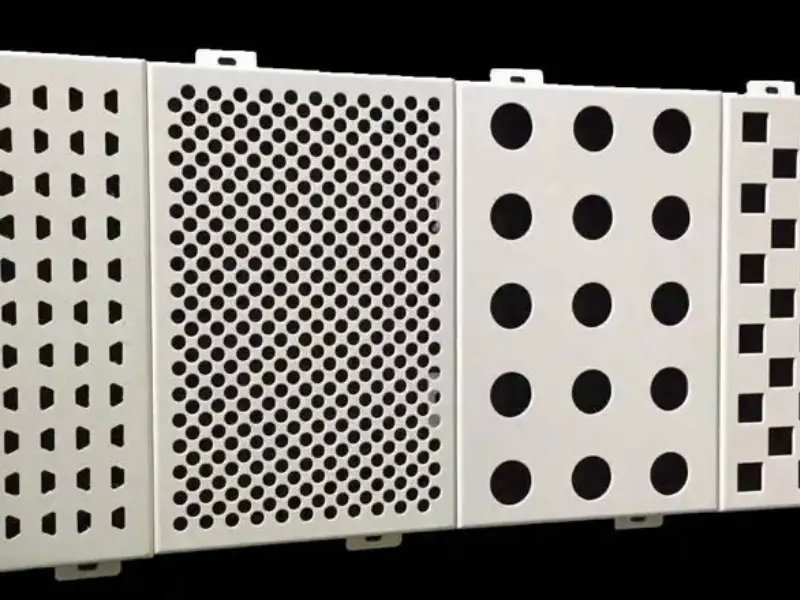
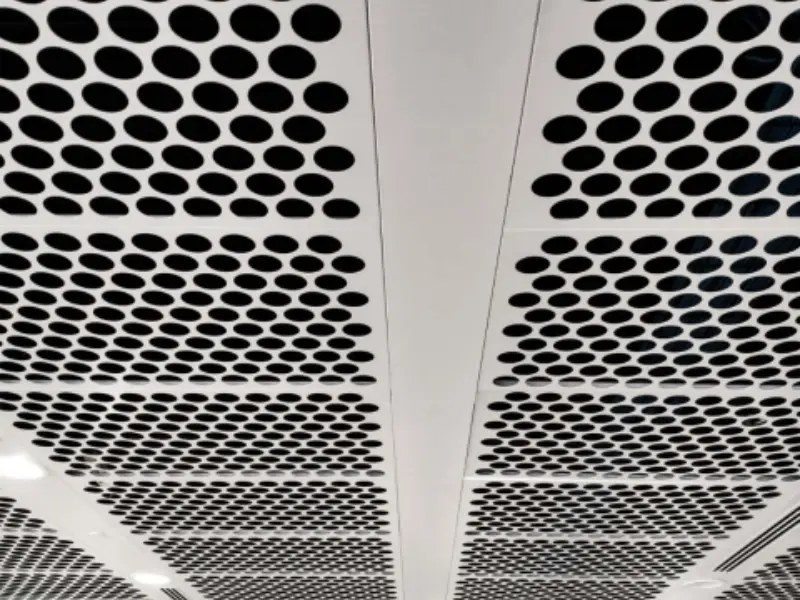
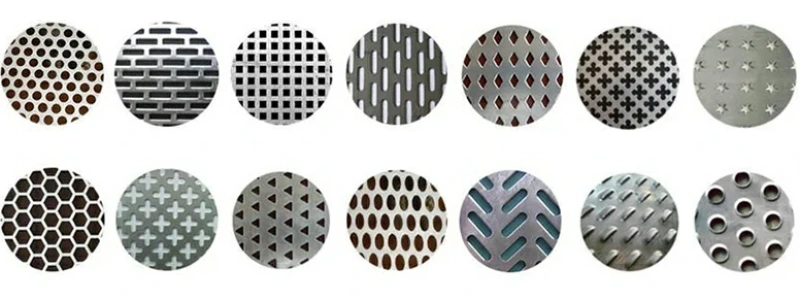
Common Hole Patterns
Different hole patterns create different visual and functional effects.
| Hole Pattern Type | Description |
|---|---|
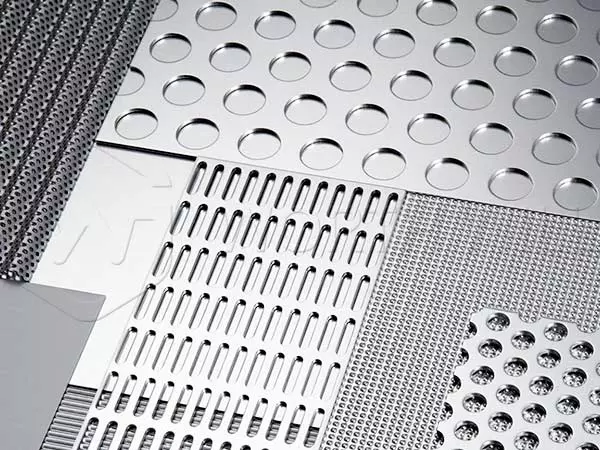
| Round Holes | The most common and versatile. Offers excellent ventilation and a clean, modern look. |
| Square Holes | Provides a more industrial or geometric appearance. Good for grilles and guards where a specific pattern is desired. |
| Slotted Holes | Elongated holes, often used for drainage, screening, or when a directional visual effect is needed. |
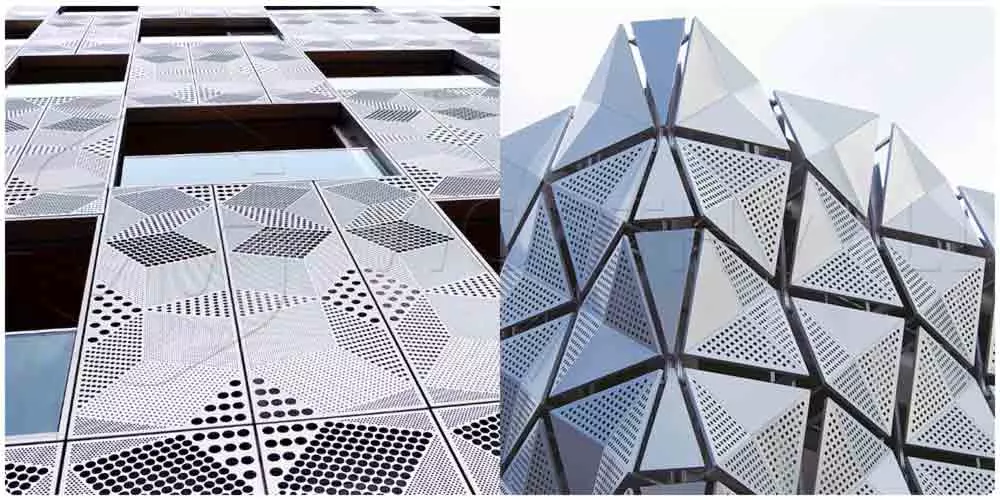
| Decorative Holes | Includes various unique shapes like hexagonal, star, or cloverleaf. Used mainly for artistic and architectural purposes to create distinctive decorative panels. |
Typical Specifications
When ordering custom perforated aluminum, you will need to provide specific details about the sheet and its perforations.
| Specification | Details to Consider |
|---|---|
| Material Type | Primarily Aluminum Alloys (e.g., 1100, 3003, 5052). Different alloys offer varying levels of strength and workability. |
| Sheet Thickness | Typically ranges from 0.020 inches (0.5 mm) to 0.250 inches (6.35 mm). Thicker sheets offer more rigidity; thinner sheets are lighter. |
| Hole Size | From very small (e.030 inches / 0.75 mm) to large (1 inch / 25 mm or more). The hole size directly impacts airflow, light transmission, and visual transparency. |
| Hole Pitch | The distance from the center of one hole to the center of the next. Determines the open area percentage and the overall pattern density. For example, a 1/4″ hole on 1/2″ centers. |
| Open Area | The percentage of the sheet that is open space. Ranges from 20% to over 60%. Higher open area means more airflow and light. |
| Sheet Size | Standard sizes (e.g., 4ft x 8ft, 4ft x 10ft) or custom fabrication to specific dimensions to minimize waste and ensure a perfect fit. |
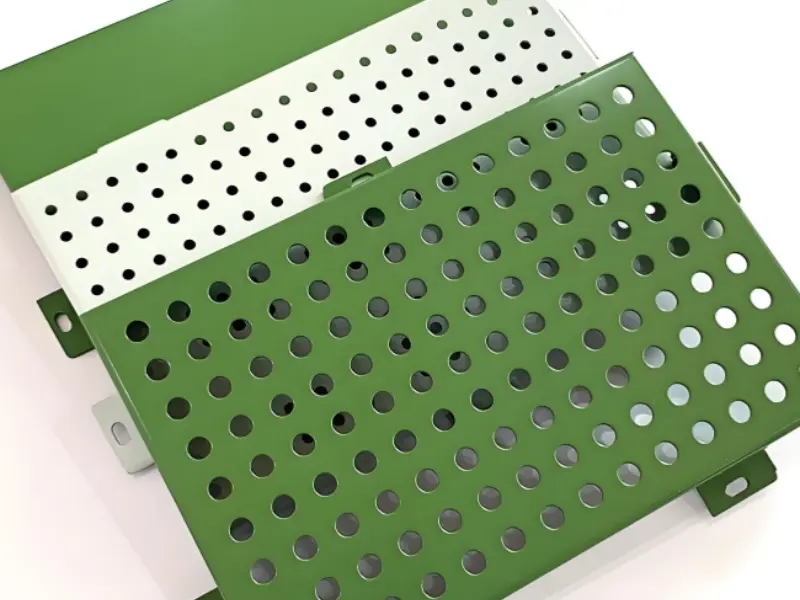
| Finishes | Options include mill finish (natural aluminum), anodizing (for color and corrosion protection), powder coating (for durability and a wide range of colors), or polishing. |
Applications of Perforated Aluminum Sheets
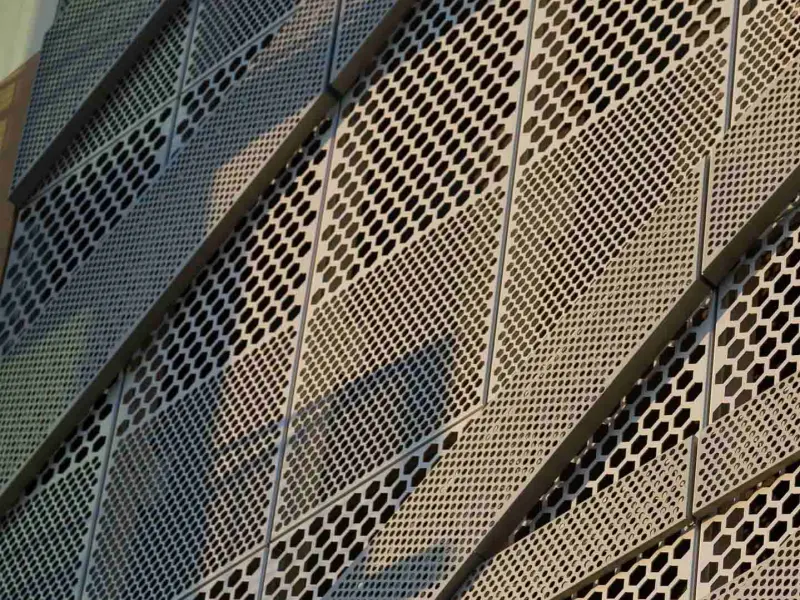
The versatility of perforated aluminum makes it suitable for a vast array of applications across different industries.
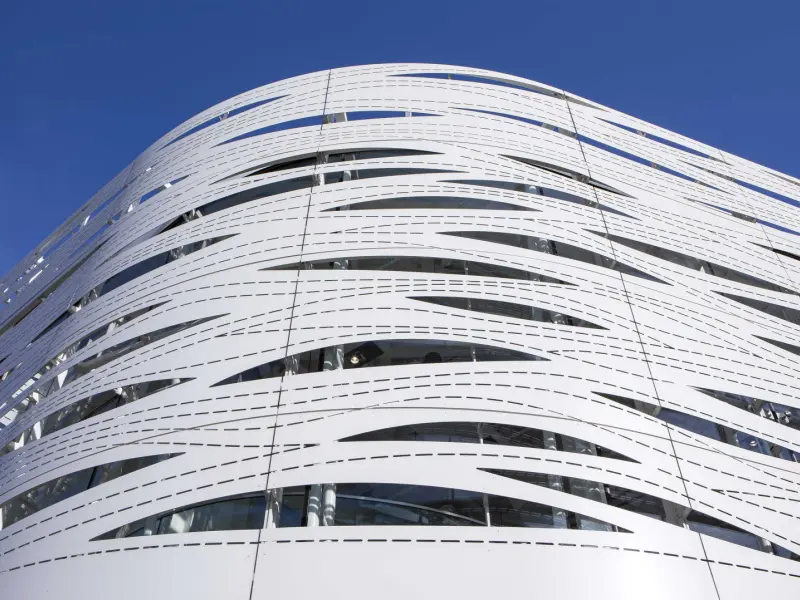
- Architectural Facades and Cladding: Used for building exteriors, creating unique visual effects, sun screening, and ventilation.
- Sunshades and Louvers: Controls sunlight and provides shade, reducing energy costs.
- Balcony Panels and Railings: Offers privacy, safety, and a modern aesthetic.
- Privacy Screens and Dividers: Creates separation in open spaces while maintaining an airy feel.
- Ceiling Panels and Acoustic Systems: Improves sound quality and adds a decorative element.
- Interior Design Elements: Used for decorative walls, light fixtures, and furniture components.
- Ventilation Grilles: Allows airflow in HVAC systems and machinery enclosures.
- Filtration Screens: For air, water, and industrial applications.
- Security Screens: Provides protection while maintaining visibility and airflow.
- Retail Displays and Shelving: Lightweight and stylish options for product presentation.
- Automotive and Transportation: Grilles, filters, and decorative components.
- Signage and Branding: Unique background or letters for signs.
Advantages of Custom Fabrication
This avoids the need for on-site modifications, saving time and money. It also ensures that the final product meets your exact design vision and functional requirements. With custom metal panels, you’re not just buying a material; you’re investing in a tailored solution.
How to Order Your Custom Perforated Aluminum Sheet
Ordering custom perforated aluminum is a straightforward process:
- Define Your Needs: Clearly identify the purpose of the sheet (e.g., facade, privacy screen, ventilation).
- Specify Design: Choose your desired hole pattern, hole size, pitch, material thickness, and overall dimensions. Consider any special finishes or bending requirements.
- Request a Quote: Contact a specialized supplier with your specifications. They will provide pricing and lead times.
- Review and Approve: Check the details and drawings before production begins.
- Production and Delivery: Your custom perforated aluminum sheet will be manufactured to your exact specifications and delivered to your site.
Custom Perforated Aluminum Sheets
Factories and builders need panels with holes. Those holes cut weight, let air pass, or block light. When the project calls for something exact, custom perforated aluminum sheets are the answer. You choose the hole shape, the spacing, the alloy, and the finish. The mill punches or lasers the pattern into flat aluminum. You get a sheet that fits your drawing, not a stock size you must adapt later.
What Makes Perforated Aluminum Different
Solid aluminum sheet is heavy and blocks everything. Perforated aluminum sheet metal adds function. It filters air, diffuses sound, shields machinery, and dresses up walls. The holes turn a plain metal sheet into a working part.
You can order perforated aluminum plate in thin gauges for ceilings or thick gauges for platforms. The custom route means you are not stuck with standard round holes on a fixed grid. You can mix slot holes near the edge and round holes in the center. You can add a logo cut into the pattern. That flexibility is why architects and engineers ask for custom perforated aluminum sheets by name.
Match the Metal to the Job
Aluminum is not all the same. The alloy number changes strength, corrosion resistance, and how easily the sheet bends.
| Alloy | Main Element | Strength Level | Best For |
|---|---|---|---|
| 1050 | Pure aluminum | Low | Decorative panels, interior ceilings |
| 1100 | Pure aluminum | Low | Chemical equipment, light shields |
| 3003 | Manganese | Medium | HVAC ducts, food processing screens |
| 5052 | Magnesium | High | Marine railings, truck floors, exterior walls |
| 6061 | Magnesium + Silicon | Very high | Structural platforms, machine guards |
Soft Alloys for Easy Punching
1050 and 1100 are nearly pure aluminum. They punch cleanly and cost less. If your aluminum perforated sheet metal will live indoors and does not carry heavy loads, these grades save money.
Structural Grades for Tough Jobs
5052 perforated aluminum resists salt spray. It is the first choice for coastal buildings and boat interiors. 6061 perforated aluminum sheet adds strength for walkways and catwalks. It costs more, but it holds weight without extra support.
Temper States: How Hard Is the Sheet
After alloying, the mill heats and cools the metal to set its hardness. That step is called temper.
| Temper | Name | Feel | Typical Use |
|---|---|---|---|
| O | Annealed | Soft, bends by hand | Deep forming, complex curves |
| H14 | Half hard | Some stiffness | General perforated panels |
| H32 | Quarter hard, stabilized | Strong but formable | 5052 architectural panels |
| T6 | Solution heat treated | Very rigid | 6061 load-bearing platforms |
If you need a curved facade, order 3003-O. The soft metal takes a radius without cracking. For a flat wall panel, 5052-H32 stays rigid during wind loads.
Hole Patterns and Open Area
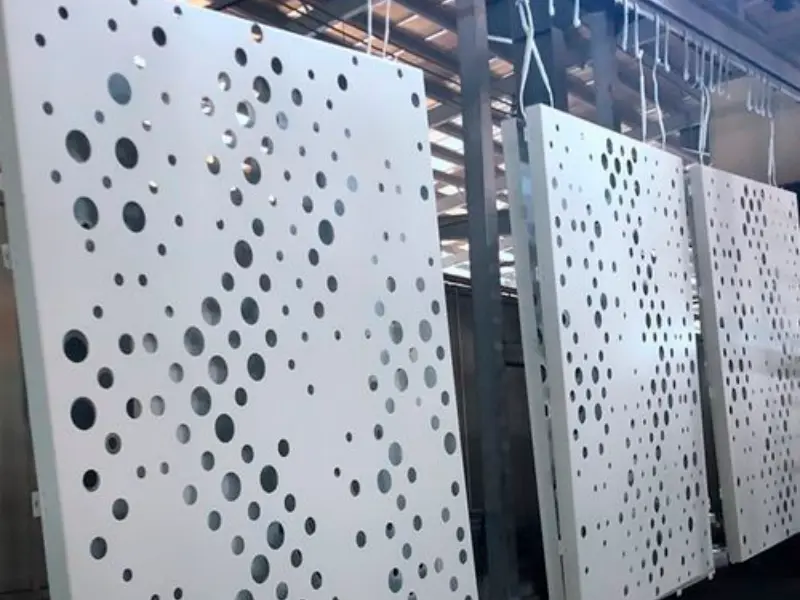
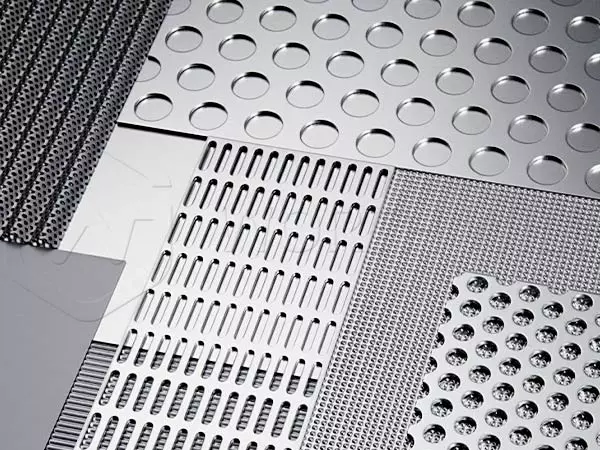
The hole is the whole point. Custom hole patterns change how the sheet performs.
Round Hole Patterns
Round is the most common punch. It is fast to make and structurally balanced.
| Pattern Name | Hole Diameter | Center-to-Center | Open Area | Look |
|---|---|---|---|---|
| Straight line | 3 mm | 5 mm | 33% | Grid, orderly |
| Staggered 60° | 6 mm | 8 mm | 51% | Diamond effect, more airflow |
| Staggered 45° | 10 mm | 15 mm | 40% | Classic industrial |
Slot and Square Holes
Slot holes let long particles fall through. Square holes give a modern, geometric look.
| Shape | Width x Length | Best Use |
|---|---|---|
| Slot | 2 mm x 20 mm | Sifting grain, filtering coolant |
| Square | 5 mm x 5 mm | Machine guards, display cases |
| Hexagon | 8 mm flat-to-flat | Acoustic panels, design screens |
Decorative and Custom Cuts
You are not limited to geometric shapes. Architectural perforated aluminum can carry leaf patterns, waves, or company logos. Laser cutting makes these possible. The sheet becomes a feature wall, not just a filter.
Thickness vs. Hole Size: What Fits
You cannot punch a 50 mm hole in 0.5 mm sheet. The metal tears. Use this guide to match gauge to hole.
| Sheet Thickness | Min Hole Diameter | Max Hole Diameter | Common Job |
|---|---|---|---|
| 0.5 mm | 1.0 mm | 10 mm | Speaker grilles, light fixtures |
| 1.0 mm | 2.0 mm | 25 mm | Ceiling tiles, HVAC covers |
| 2.0 mm | 4.0 mm | 40 mm | Balustrades, security screens |
| 3.0 mm | 6.0 mm | 50 mm | Machine guards, heavy filters |
| 5.0 mm | 10.0 mm | 75 mm | Anti-slip platforms, wind walls |
| 6.0 mm+ | 12.0 mm | 100 mm+ | Architectural art, blast screens |
Thicker sheets need larger holes. If you need small holes in thick plate, the shop may switch to drilling instead of punching.
Surface Finishes That Protect and Sell
Raw aluminum is silver. It works, but it may not match your design. Here are the options.
| Finish | Process | Result | Best For |
|---|---|---|---|
| Mill finish | None | Dull silver, slight marks | Hidden industrial use |
| Anodized | Electro-chemical bath | Hard, colored oxide layer | Anodized perforated aluminum for modern facades |
| Powder coat | Sprayed plastic, baked | Thick, even color, tough | Exterior signs, bright colors |
| PVDF coating | Sprayed fluoropolymer | 20+ year color life | High-rise buildings, harsh sun |
| Brushed | Abrasive belt | Satin lines, hides fingerprints | Elevator interiors, retail kiosks |
Anodized perforated aluminum is popular because the color sits inside the metal. It will not chip or peel like paint. Powder coat gives you any RAL color. PVDF resists UV fading better than standard powder.
Perforated Sheets vs. Expanded Metal
Buyers sometimes confuse the two. They both have holes, but they are made differently.
| Feature | Custom Perforated Aluminum Sheets | Expanded Aluminum |
|---|---|---|
| How it is made | Punch or laser cuts holes in solid sheet | Slit and stretched in one motion |
| Hole shape | Any shape you draw | Diamond or hexagon only |
| Edge quality | Clean, burr-free | Rough, sharp strands |
| Strength after opening | Predictable, engineered | Less predictable, work-hardened |
| Best for | Clean looks, exact open area, filters | Low-cost grating, temporary fencing |
| Cost for custom work | Medium to high | Low, but limited shapes |
If your project needs exact hole placement or a smooth surface, choose perforated aluminum panels. If you just need cheap grip on a platform, expanded metal works.
Where Custom Perforated Aluminum Sheets Work
Building and Architecture
→ Sun shades reduce cooling loads.
→ Rain screens keep walls dry.
→ Balustrades look light but meet code.
→ Ceiling baffles hide ducts and lights.
→ Facade cladding turns a plain box into a landmark.
Transportation
→ Bus interior panels cut weight.
→ Truck grille guards protect radiators.
→ Train floor sections drain water.
→ EV battery enclosures vent heat.
Industrial Equipment
→ Machine guards stop hands, not vision.
→ Conveyor sorting screens separate by size.
→ Acoustic enclosures wrap loud pumps.
→ Air plenum panels distribute flow evenly.
Food and Agriculture
→ Grain drying trays need uniform airflow.
→ Cheese molds drain whey.
→ Baking racks use food-grade 3003.
→ Fish processing tables resist corrosion.
Retail and Furniture
→ Store fixtures hang merchandise.
→ Cabinet doors add ventilation.
→ Room dividers create privacy without walls.
→ Light diffusers spread LED glow.
Quick Spec Checklist for Buyers
Before you request a quote, gather these details.
| Spec | Your Choice | Why It Matters |
|---|---|---|
| Alloy | 1050 / 3003 / 5052 / 6061 | Strength and corrosion |
| Temper | O / H14 / H32 / T6 | Formability vs. rigidity |
| Thickness | 0.5 mm – 6.0 mm | Structural load and hole limits |
| Hole shape | Round / slot / square / custom | Function and look |
| Hole size | 1 mm – 100 mm+ | Open area and particle passage |
| Pattern spacing | Straight / staggered / random | Strength and airflow |
| Open area target | 10% – 70% | Weight savings vs. stiffness |
| Finish | Mill / anodized / powder / PVDF | Environment and aesthetics |
| Sheet size | 1000×2000 mm / 1250×2500 mm / custom | Fit your press brake or frame |
| Quantity | 1 / 50 / 500+ sheets | Tooling cost and unit price |
Standard Stock vs. Full Custom
You can buy stock sheets or order from a drawing.
| Route | Lead Time | Hole Pattern | Edge Tolerance | Best When |
|---|---|---|---|---|
| Stock sheet | 1 – 3 days | Fixed round holes | Standard | You can adapt your design |
| Semi-custom | 1 – 2 weeks | Choose from catalog | ±1 mm | You need a common pattern fast |
| Full custom | 3 – 6 weeks | Any shape, any spacing | ±0.5 mm or tighter | The pattern is part of the design |
Full custom perforated aluminum sheets cost more per sheet at low volume. At 500+ sheets, the tooling cost spreads out. The unit price drops close to stock levels.
Frequently Asked Questions (FAQ)
| Question | Answer |
|---|---|
| Can perforated aluminum be painted? | Yes, perforated aluminum can be powder coated in almost any color. This adds an extra layer of protection and allows for complete design integration. |
| Is custom perforated aluminum expensive? | While initial costs might be slightly higher than standard materials, its durability, low maintenance, and long lifespan often result in lower overall costs. The ability to achieve specific designs also adds significant value. |
| How do I clean perforated aluminum? | Cleaning is simple. For most applications, a mild soap and water solution with a soft cloth or brush is sufficient. Avoid harsh chemicals that could damage the finish. |
| What is “open area” and why is it important? | The open area is the percentage of the sheet that is made up of holes. It’s crucial for determining how much light, air, or sound will pass through the perforated metal. A higher open area means more transparency and airflow. |
| Can custom perforated aluminum be bent? | Yes, aluminum is quite workable. Custom perforated aluminum sheets can be bent, rolled, and formed into various shapes, adding another layer of design flexibility to your project. |
| What’s the difference between perforated and expanded metal? | Perforated metal is made by punching holes into a solid sheet. Expanded metal is made by slitting and stretching a sheet, creating diamond-shaped openings with no waste. Both are metal panels but have different appearances and strengths. |