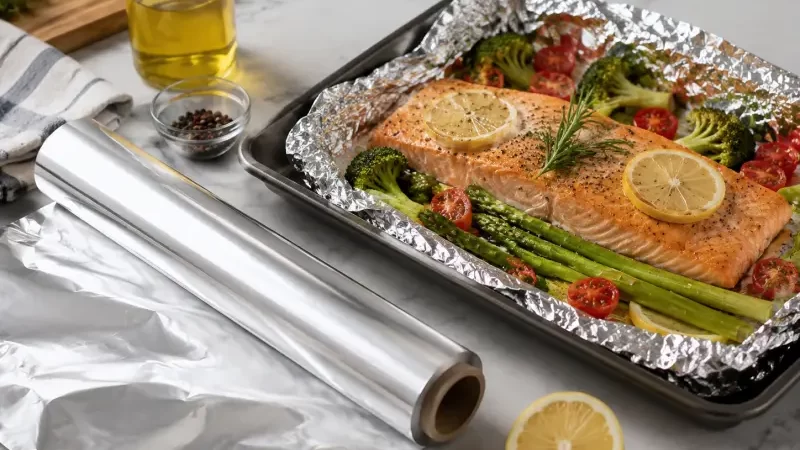
Cooking with aluminum foil is a versatile and convenient method employed in kitchens worldwide.
From wrapping food for baking or grilling to creating makeshift cooking vessels, aluminum foil serves a variety of purposes in the culinary realm.
Let’s explore the ins and outs of cooking with aluminum foil, including its benefits, precautions, and creative applications.
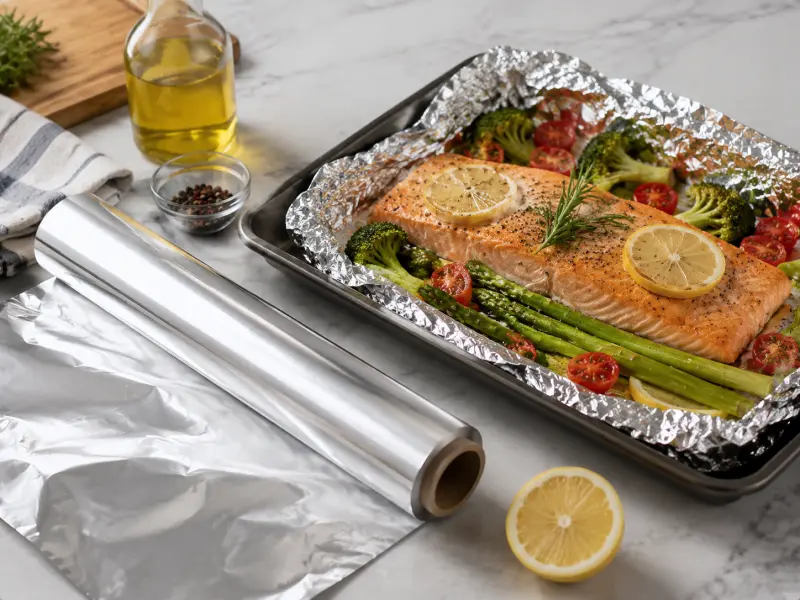
Benefits of Cooking with Aluminum Foil:
- Heat Retention: Aluminum foil is an excellent conductor of heat, allowing it to evenly distribute heat around food items during cooking. This property makes it ideal for wrapping foods for baking or grilling, ensuring they cook evenly and retain moisture.
- Easy Cleanup: One of the greatest advantages of cooking with aluminium foil is its easy cleanup. Simply discard the foil after use, eliminating the need for scrubbing baking pans or grilling racks.
- Versatility: Aluminium foil can be molded into various shapes and forms, making it versatile for a wide range of cooking applications. Whether it’s wrapping vegetables for roasting, creating pouches for steaming fish, or lining baking pans, aluminum foil adapts to different culinary needs.
- Food Preservation: Aluminuim foil can help seal in moisture and flavor, preserving the freshness of food items during cooking and storage. It’s commonly used to wrap leftovers or pre-prepared meals for refrigeration or freezing.
- Grilling and Barbecuing: Aluminium foil is a staple accessory for outdoor cooking enthusiasts. It can be used to wrap meats, vegetables, and even fruits before placing them on the grill, preventing flare-ups and retaining juices.
Precautions When Cooking with Aluminum Foil
Acidic Foods: Avoid using aluminum foil with highly acidic or salty foods, such as tomatoes, citrus fruits, or vinegar-based marinades. The acidity can cause a reaction with the aluminum, leading to off-flavors and discoloration.
Avoid Direct Contact with Flames: When grilling with aluminum foil, be cautious to prevent direct contact with open flames. Excessive heat can cause the foil to melt or catch fire, posing a safety hazard.
Avoid Overlapping Layers: When wrapping foods in aluminium foil, avoid overlapping multiple layers of foil, as this can inhibit heat circulation and result in uneven cooking.
Use Heavy-Duty Foil for Grilling: For grilling and barbecuing applications, opt for heavy-duty aluminum foil to withstand the high heat and prevent tearing or punctures.
Proper Storage: Store aluminum foil in a cool, dry place away from moisture and humidity to prevent it from becoming damaged or corroded.
Creative Applications of Cooking with Aluminum Foil:
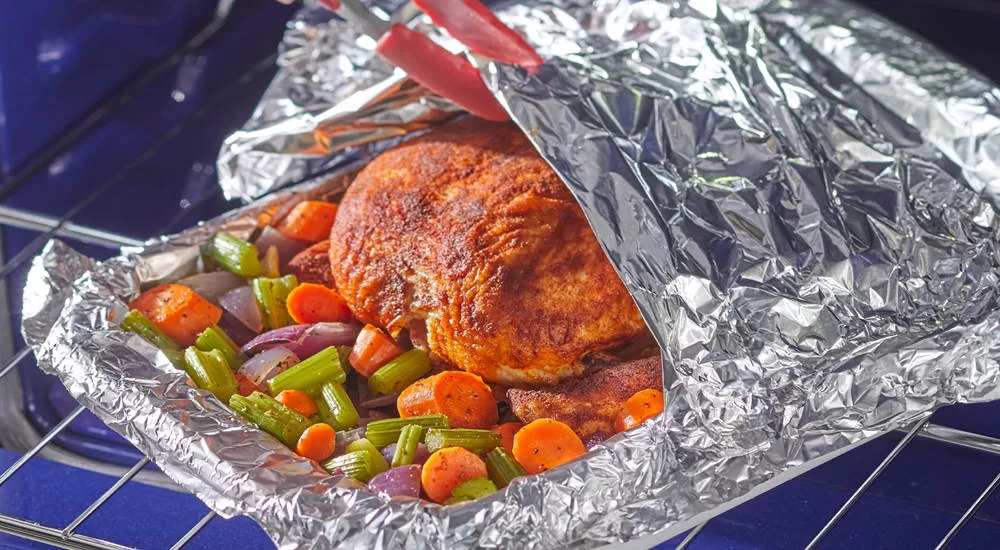
- Foil Packets: Create foil packets by wrapping seasoned meats, vegetables, and herbs in aluminum foil before cooking. This method locks in flavors and juices, resulting in tender and flavorful dishes.
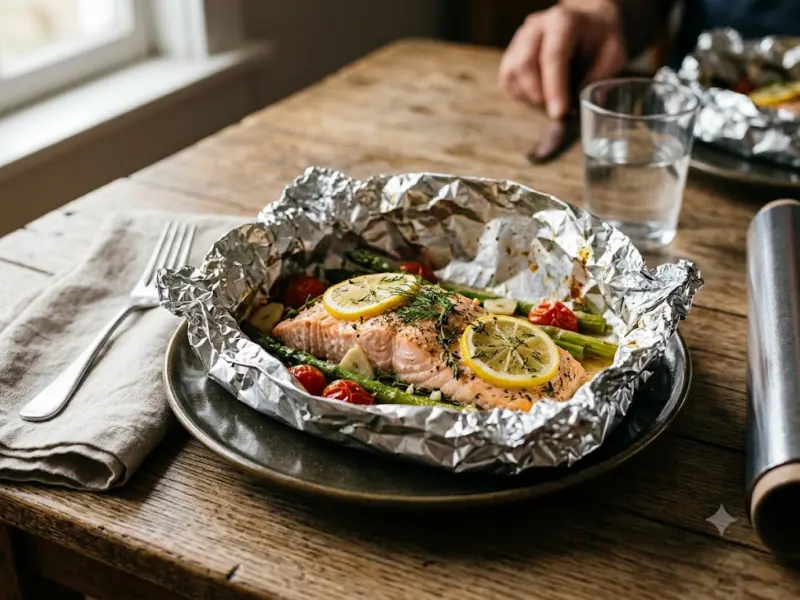
- Fish En Papillote: Cook fish en papillote (in parchment) by wrapping fillets in aluminum foil along with herbs, vegetables, and seasonings. The sealed packets steam the fish, infusing it with flavor and keeping it moist.
- Campfire Cooking: Aluminum foil is a camping essential for cooking over an open flame. Use it to wrap potatoes for baking in the coals, make foil-wrapped sandwiches, or create foil packets filled with hearty ingredients for a delicious campfire meal.
- Grilled Desserts: Get creative with grilled desserts by wrapping fruits like peaches, bananas, or pineapple in aluminum foil with a sprinkle of sugar and cinnamon. Grill until tender and caramelized for a simple and satisfying sweet treat.
Cooking with Aluminum Foil for sale
Cooking with aluminum foil offers numerous benefits, including heat retention, easy cleanup, and versatility. By following precautions and exploring creative applications, aluminium foil can elevate your culinary endeavors, whether you’re baking, grilling, or cooking outdoors. With its convenience and adaptability, aluminum foil remains a staple tool in kitchens around the world, facilitating delicious and flavorful meals with minimal effort.
Why Home Cooks Trust Aluminum Foil in the Kitchen
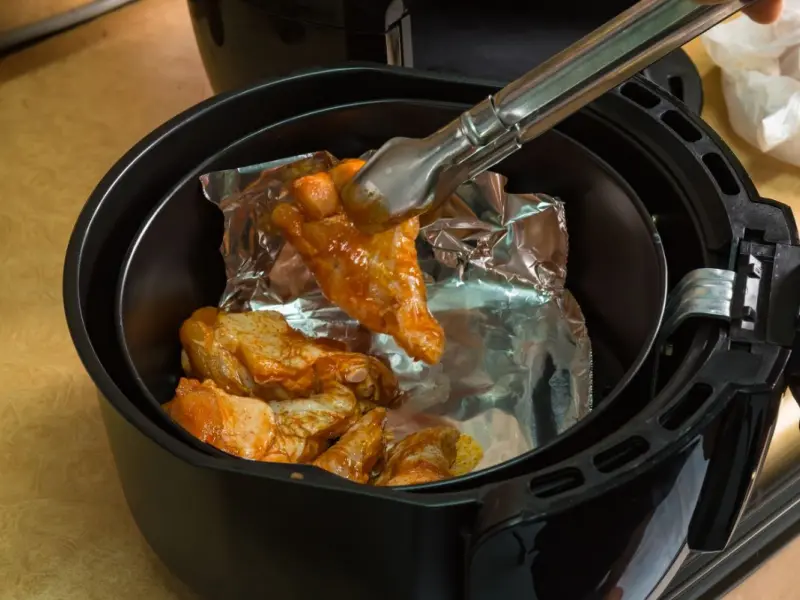
Aluminum foil is one of the most useful tools in any kitchen. It is thin, light, and bends easily around food or pans. It blocks air and moisture. For it keeps food fresh and helps it cook evenly.
When you cook with aluminum foil, you save time on cleanup. You protect baking sheets from grease. You seal in flavor when roasting meat or vegetables. The foil also reflects heat, which helps brown the top of casseroles and prevents over-browning on the bottom.
Most rolls sold in grocery stores are food grade aluminum foil. This means the surface is clean and safe for direct contact with food. The metal does not rust. It handles freezer cold and oven heat without breaking down.
Alloy Types Behind Every Roll
Not all foil is the same. The alloy changes how the foil behaves in heat and how strong it feels in your hands. Here are the most common grades used for cooking.
8011 Aluminum Alloy
This is the most common alloy for household foil. It contains iron and silicon. These elements make the foil strong enough to roll into thin sheets without tearing.
| Property | Value |
|---|---|
| Series | 8xxx |
| Main elements | Al + Fe + Si |
| Tensile strength | 90–120 MPa |
| Elongation | 15–25% |
| Best use | Everyday wrapping, baking, food storage |
8011 is cost-effective. It works well for standard kitchen tasks. Most supermarket rolls use this alloy.
1235 Aluminum Alloy
This is a pure aluminum grade. It contains at least 99.35% aluminum. The surface is very clean and smooth.
| Property | Value |
|---|---|
| Series | 1xxx |
| Purity | ≥99.35% Al |
| Tensile strength | 70–110 MPa |
| Elongation | 25–35% |
| Best use | Premium food wrap, laminate layers |
1235 foil is softer and more flexible. It folds neatly around delicate items. It is often used for higher-end food packaging.
3003 Aluminum Alloy
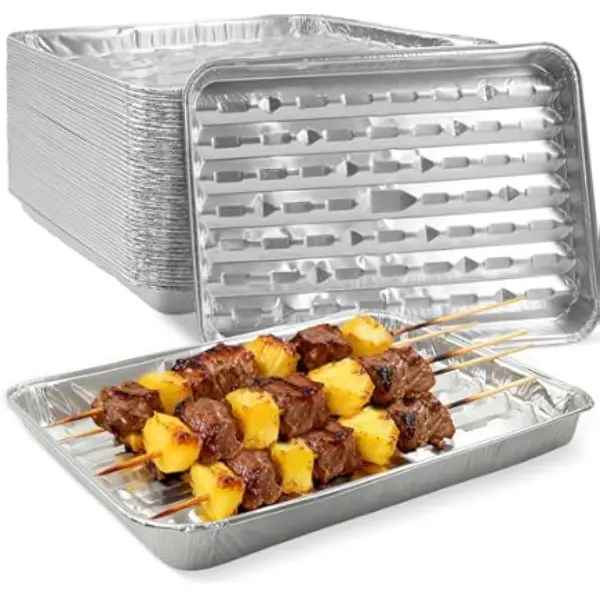
This alloy adds manganese. It is stronger than pure aluminum grades.
| Property | Value |
|---|---|
| Series | 3xxx |
| Manganese content | 1.0–1.5% |
| Tensile strength | 120–160 MPa |
| Corrosion resistance | Good |
| Best use | Foil containers, grilling, acidic foods |
3003 holds its shape under stress. It resists corrosion from tomato sauce, citrus, and vinegar better than pure grades. This makes it a smart choice for foil pans and grill packets.
8079 Aluminum Alloy
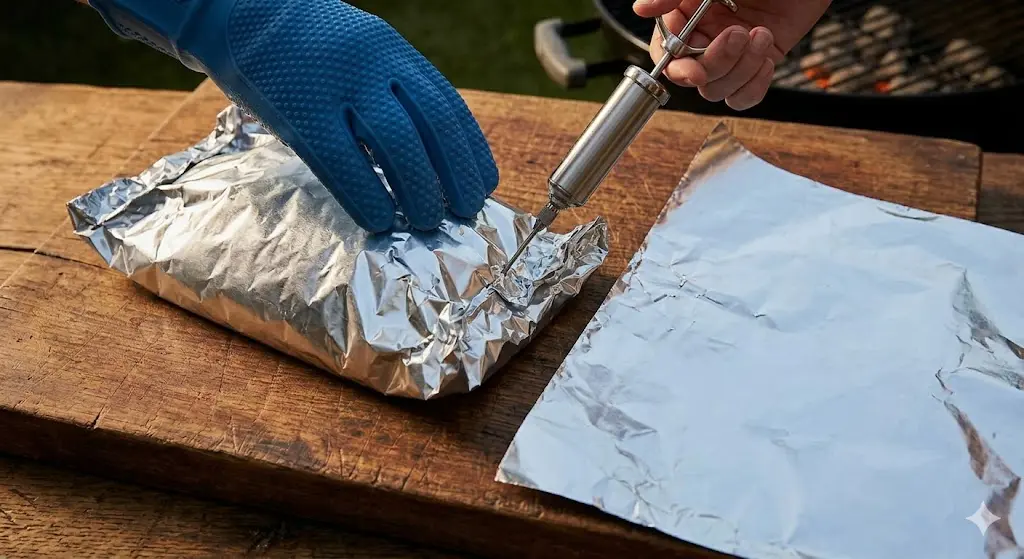
This alloy offers excellent barrier properties. It blocks oxygen and moisture very well.
| Property | Value |
|---|---|
| Series | 8xxx |
| Barrier level | Very high |
| Flexibility | Excellent |
| Best use | Flexible food pouches, long-term storage |
8079 is common in commercial food packaging. It keeps food fresh for longer periods.
Temper States and What They Mean for Cooking
Temper tells you how hard or soft the foil is. This affects how easy it is to tear, fold, or shape around food.
| Temper | Description | Feel | Best For |
|---|---|---|---|
| O | Fully annealed, soft | Very pliable | Lining irregular pans, wrapping delicate fish |
| H14 | Half-hard | Slightly stiff | General kitchen use, standard rolls |
| H18 | Full hard | Firm, crisp | Pre-formed trays, rigid containers |
| H22 | Partially annealed | Soft with some spring | Foil packets, tenting roasts |
| H24 | Half-hard, stabilized | Balanced | Heavy duty grilling, container stock |
Most household rolls are O temper or H14. These are easy to tear by hand and mold around food. H18 is used for foil pans that need to hold their shape without support.
Thickness Guide: From Standard to Extra Heavy Duty
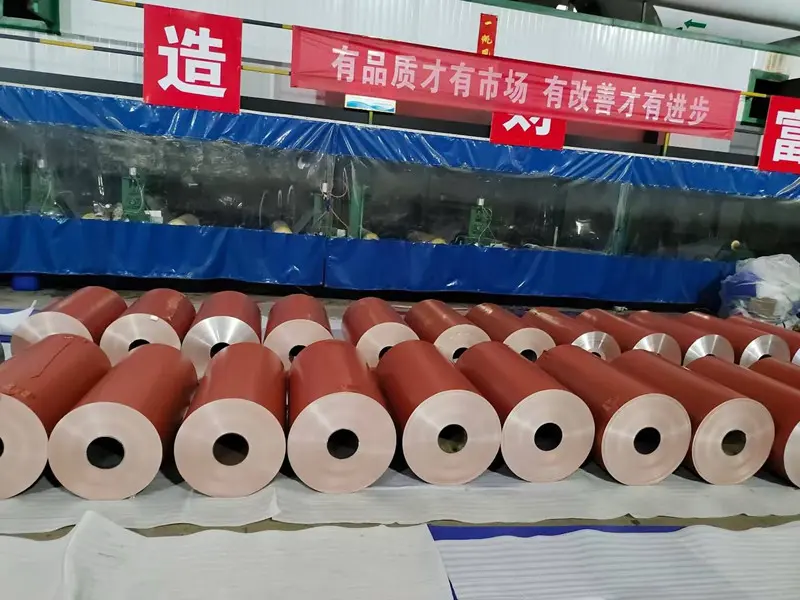
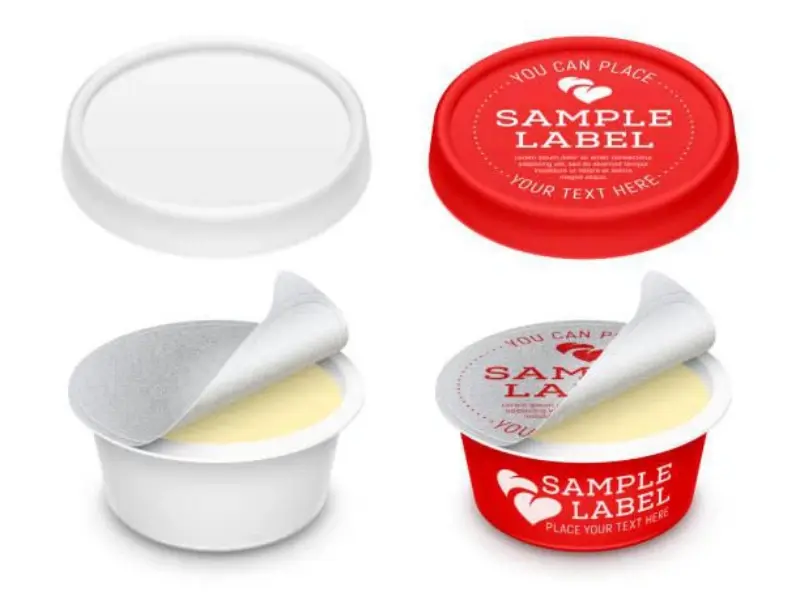
Thickness is the single biggest factor in how foil performs. Thicker foil resists tears and handles higher heat. Thinner foil wraps tightly and costs less.
Standard Household Foil
This is the foil you see in most kitchens. It is thin and light.
| Feature | Detail |
|---|---|
| Thickness | 10–16 μm (0.4–0.7 mil) |
| Feel | Very light, easy to tear |
| Heat limit | Up to 300°C |
| Best tasks | Covering dishes, wrapping sandwiches, light baking |
Standard foil works for everyday jobs. It is not ideal for sharp bones or grill grates. It can tear if pulled too hard.
Heavy Duty Aluminum Foil
This grade is about twice as thick as standard foil. It stands up to tougher tasks.
| Feature | Detail |
|---|---|
| Thickness | 17–24 μm (0.8–1.0 mil) |
| Feel | Strong, less likely to puncture |
| Heat limit | Up to 350°C |
| Best tasks | Grilling, roasting large cuts, lining broiler pans |
Heavy duty foil is the sweet spot for most home cooks who grill or roast often. It holds juices inside packets and resists flame contact better than standard grade.
Extra Heavy Duty Foil
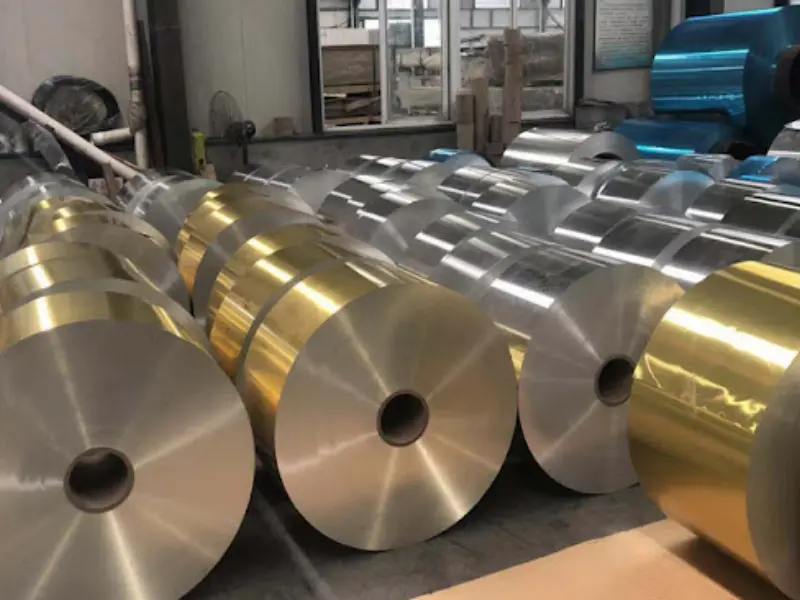
This is the strongest foil commonly sold for cooking. It is thick and rigid.
| Feature | Detail |
|---|---|
| Thickness | 25–40 μm (1.1–1.6 mil) |
| Feel | Very stiff, holds shape |
| Heat limit | Up to 400°C |
| Best tasks | Commercial kitchens, deep trays, turkey roasting |
Extra heavy duty foil is overkill for simple wrapping. It shines when you need a sturdy pan liner or a self-supporting tray for large meats.
Thickness Comparison Table
| Grade | μm | Mil | Puncture Resistance | Typical Width | Roll Length |
|---|---|---|---|---|---|
| Standard | 10–16 | 0.4–0.7 | Baseline | 12 in | 75–250 ft |
| Heavy Duty | 17–24 | 0.8–1.0 | 1.8–2.2x baseline | 12–18 in | 37–500 ft |
| Extra Heavy Duty | 25–40 | 1.1–1.6 | 3.0–4.0x baseline | 18–24 in | 50–500 ft |
Surface Styles and Coatings
Some foils come with special surfaces. These change how food interacts with the metal.
Plain Bright Foil
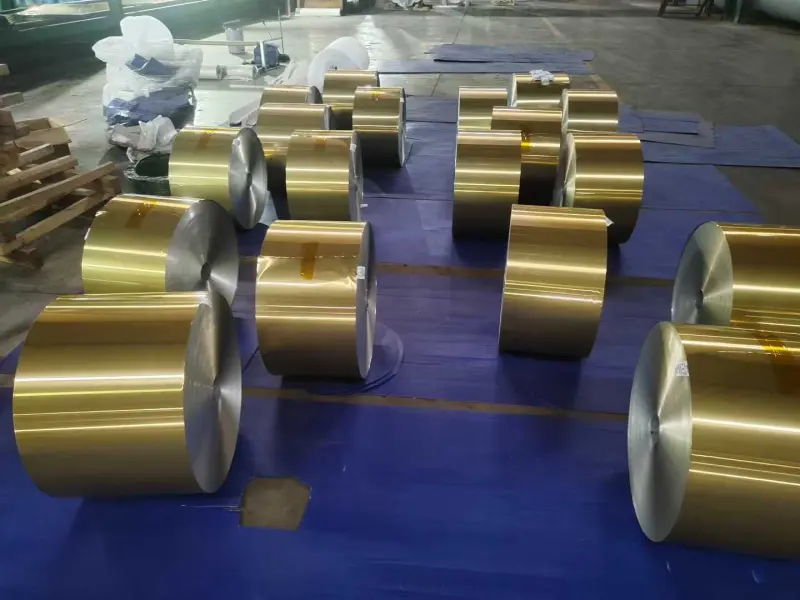
This is the default surface. Both sides are shiny.
| Feature | Detail |
|---|---|
| Appearance | Bright silver both sides |
| Heat behavior | Reflects heat evenly |
| Best for | General baking, covering, wrapping |
The shiny surface reflects heat toward the food. This helps with even browning.
Dull Side vs. Shiny Side
All foil has one dull side and one shiny side. This happens during rolling.
| Side | Effect | Best Use |
|---|---|---|
| Shiny | Reflects more heat | Tenting roasts, preventing over-browning |
| Dull | Absorbs more heat | Browning bottoms, crisping surfaces |
The difference is small in home ovens. Either side works for most tasks.
Non-Stick Coated Foil
Some rolls come with a food-safe coating. This helps food release easily.
| Feature | Detail |
|---|---|
| Coating | Silicone or other food-grade layer |
| Benefit | Easy release of baked goods |
| Best for | Cookies, sticky marinades, cheese dishes |
Non-stick foil costs more. It saves cleanup time when cooking sticky or cheesy foods.
Embossed Foil
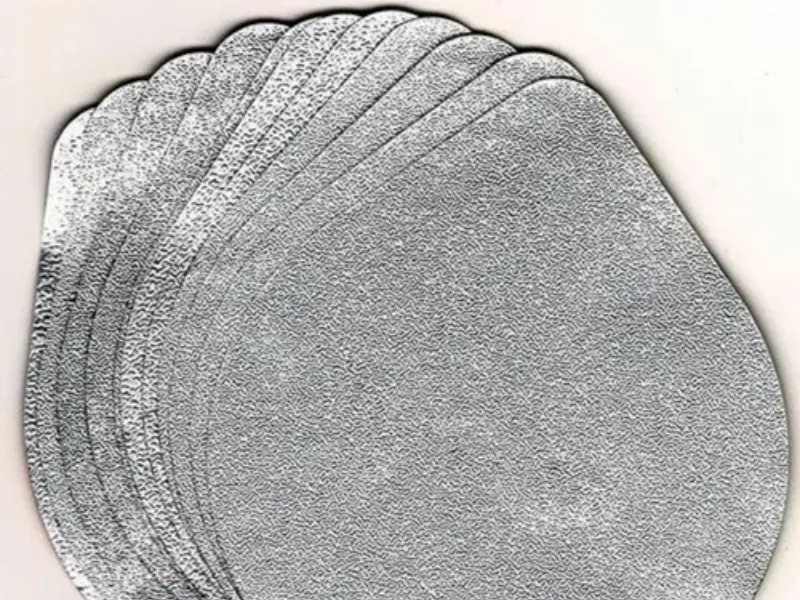
This foil has a textured pattern. The texture adds strength.
| Feature | Detail |
|---|---|
| Surface | Raised pattern |
| Benefit | Less likely to stick, better grip |
| Best for | Wrapping meat, freezer storage |
The tiny air gaps help prevent freezer burn and keep wrapped food from fusing to the foil.
Alloy Comparison at a Glance
Picking the right alloy matters if you buy foil in bulk or run a food business. This table breaks down the key differences.
| Feature | 8011 | 1235 | 3003 |
|---|---|---|---|
| Purity | Standard | Very high (≥99.35%) | Medium |
| Strength | Medium | Lower | Higher |
| Flexibility | Good | Excellent | Good |
| Corrosion resistance | Good | Very good | Excellent |
| Cost | Low | Medium | Medium |
| Best product | Household rolls | Premium wrap | Grill pans, acidic foods |
Quick guide:
- Everyday wrapping and baking → 8011
- Premium presentation and clean taste → 1235
- Grilling, foil pans, tomato-based dishes → 3003
Aluminum foil fits many cooking styles. Here is where it adds the most value.
Cooking Methods That Work Best with Foil
Oven Baking
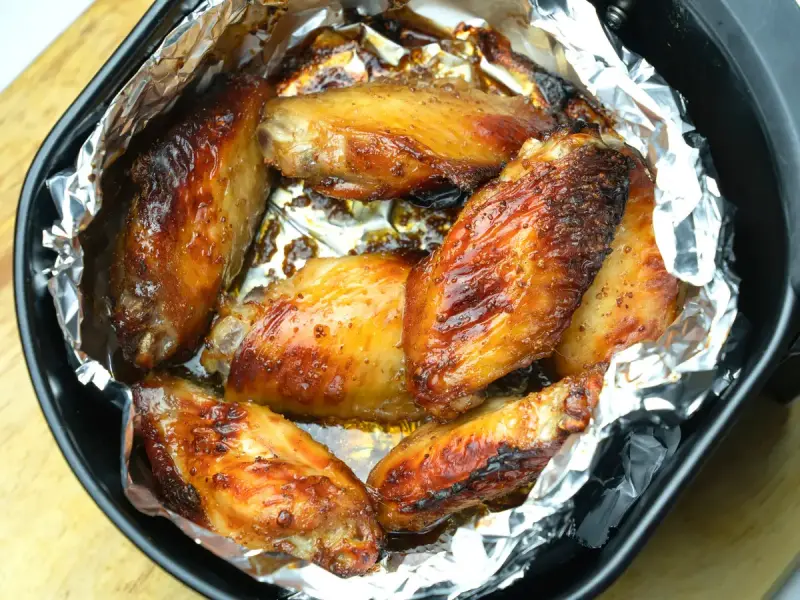
Foil lines pans and catches drips. It covers dishes to keep moisture in.
- Lining cookie sheets for easy cleanup
- Covering casseroles to prevent drying
- Tenting turkey to protect the breast from burning
- Wrapping potatoes for even cooking
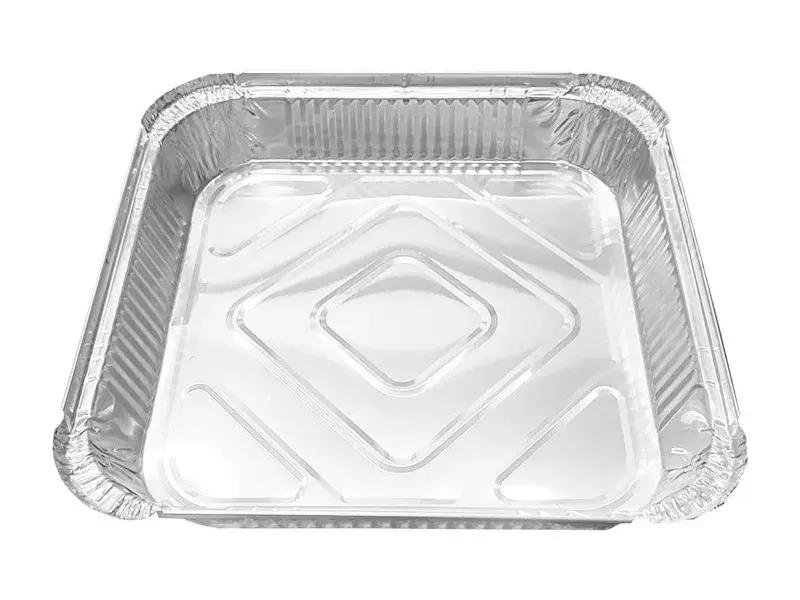
- Making disposable loaf pan liners
Grilling and Barbecue
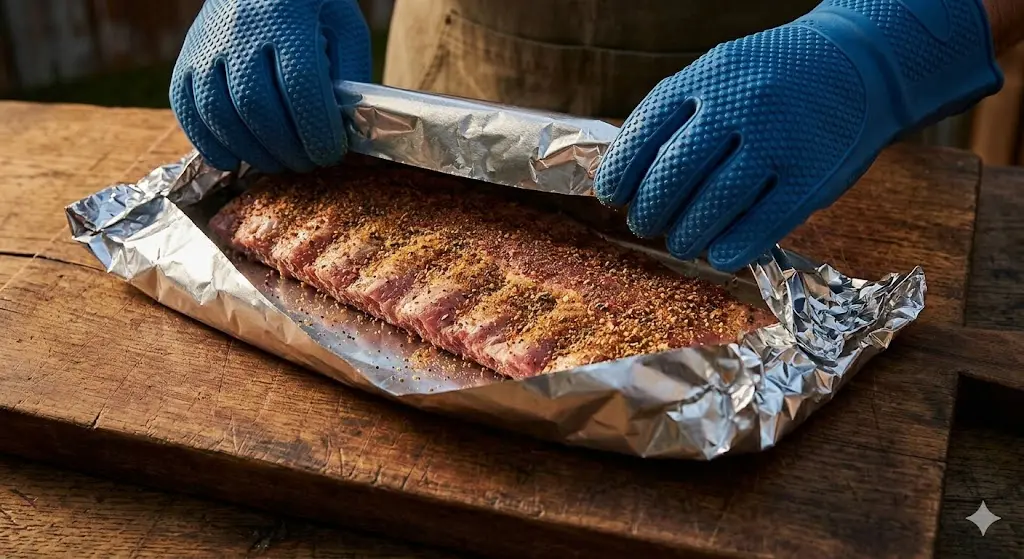
Heavy duty foil handles open flame and high heat. It creates a barrier between food and grates.
- Foil packets for fish and vegetables
- Lining grill baskets for small items
- Wrapping corn on the cob with butter
- Covering ribs to steam before final sear
- Creating a drip pan under fatty meats
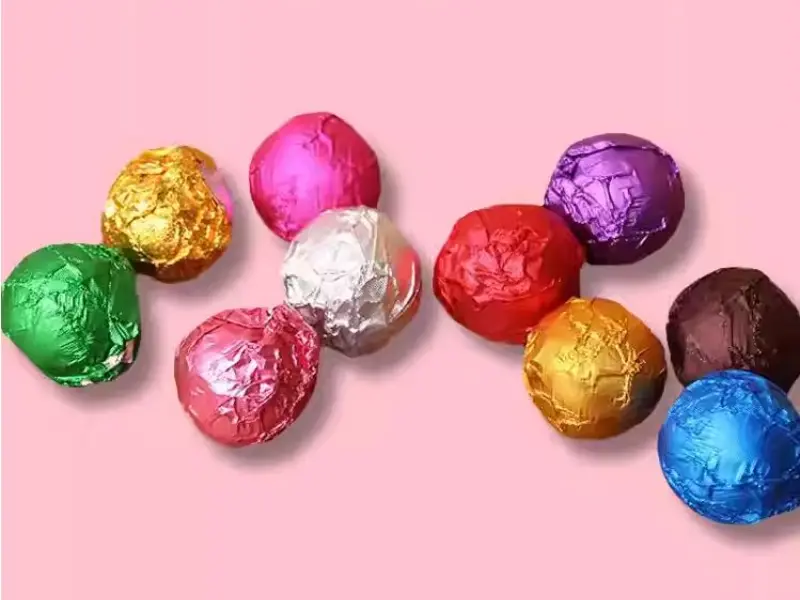
Roasting Large Cuts
Extra heavy duty foil supports large roasts. It holds shape and traps juices.
- Wrapping brisket during the stall
- Covering pork shoulder for slow roasting
- Creating a loose tent over whole chicken
- Making a tray for roast vegetables
Freezer Storage
Foil blocks air and prevents freezer burn. It works for short and long-term storage.
- Wrapping bread and baked goods
- Covering leftover casseroles
- Separating burger patties
- Storing blocks of cheese
Steaming and En Papillote
Foil seals in steam and flavor. This method cooks food in its own juices.
- Salmon with herbs and lemon slices
- Chicken breasts with vegetables
- Shrimp with garlic and wine
- Asian-style steamed dumplings
How to Pick the Right Foil for Your Recipe
Ask yourself these questions before tearing off a sheet.
Are you just covering a bowl?
→ Standard foil is fine.
Are you grilling or wrapping meat with bones?
→ Move up to heavy duty foil.
Are you cooking a whole turkey or large roast?
→ Use extra heavy duty or double-layer standard foil.
Is the food acidic?
→ Choose 3003 alloy or use parchment paper as a barrier.
Do you need easy cleanup?
→ Non-stick coated foil saves scrubbing time.
Are you freezing for more than a month?
→ Heavy duty foil blocks air better than standard.
Safety Tips for Oven and Grill Use
Foil is safe when used correctly. Follow these rules to avoid problems.
Keep Foil Away from Heating Elements
Never let foil touch the heating element in an oven or grill. This can cause sparks or fire. Leave space between the foil and the element.
Do Not Use Foil in the Microwave
Metal and microwaves do not mix. Foil can spark and damage the oven. Use microwave-safe covers or paper towels instead.
Watch the Temperature
Foil melts at 660°C. Home ovens and grills rarely reach this. However, foil weakens above 400°C. It can break down and stick to food if left too long at very high heat.
Be Careful with Acidic Foods
Tomatoes, citrus, and vinegar react with aluminum. This can add a metallic taste and cause small amounts of metal to transfer into food. Use parchment paper or glass for long cooking times with acidic ingredients.
Avoid Wrapping Hot Food Too Tightly
Steam builds up inside tight foil wraps. Leave a small vent or loose fold to let steam escape. This prevents soggy food and possible steam burns when opening.
Frequently Asked Questions
Is aluminum foil safe for oven baking?
Yes. Food grade aluminum foil is safe for normal oven use. Home ovens run at 200–260°C. Foil melts at 660°C, so it will not melt in your oven. Just keep it away from heating elements.
Can I use foil on the grill?
Yes. Heavy duty foil is made for this. It handles direct flame and high heat better than standard foil. Do not let it touch open flames for long periods. Use it to make packets or line grill trays.
What is the difference between standard and heavy duty foil?
Standard foil is 10–16 μm thick. It tears easily and works for light tasks. Heavy duty foil is 17–24 μm thick. It resists punctures and handles grilling and roasting. The price difference is small, but the performance gap is large.
Which alloy is best for cooking?
For most homes, 8011 is perfect. It is affordable and strong enough for daily use. If you cook a lot of acidic foods or use foil pans, 3003 is better. For premium wrap, 1235 offers the cleanest taste and smoothest surface.
Why does my foil tear when wrapping meat?
You are likely using standard foil on sharp bones or rough surfaces. Switch to heavy duty or extra heavy duty. You can also double-layer standard foil. Crumpling the foil slightly before wrapping increases puncture resistance.
Can I put aluminum foil in the microwave?
No. Never put aluminum foil in a microwave. It can spark, start a fire, or damage the oven. Use microwave-safe lids or paper towels to cover food.
Does acidic food react with aluminum foil?
Yes. Tomatoes, lemons, and vinegar can react with aluminum. This may add a metallic taste. For short cooking times, the effect is small. For long roasting or storage, use parchment paper or glass containers.
How hot can aluminum foil get before it fails?
Foil melts at 660°C. In practice, it weakens and may break down above 400°C if it touches food or flame. Most home cooking stays well below this. Reynolds Wrap grill foil is rated safe from -40°F to 650°F.
Is recycled aluminum foil safe for food?
Yes, if it is labeled food grade. The recycling process cleans the metal. Food grade recycled foil meets the same safety standards as virgin foil. Check the package for food-safe certification.
How should I store aluminum foil rolls?
Keep rolls in a dry place. Humidity does not hurt the metal, but it can weaken the cardboard tube and make the roll hard to use. Store away from heat sources to prevent the roll from sticking to itself.