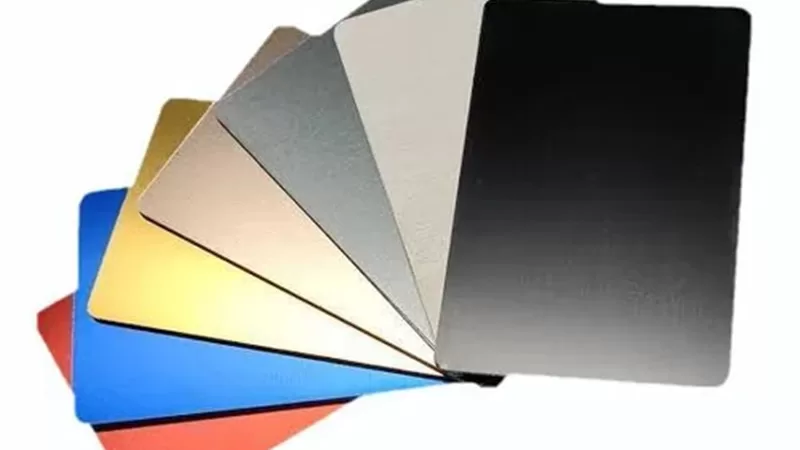
When it comes to sourcing high-quality Anodized Aluminum Suppliers, you need a supplier with a reputation for reliability, precision, and excellent customer service. At Worthwill Aluminum, we pride ourselves on being a trusted supplier of top-notch anodized aluminum products that meet a wide range of industry needs.
Our anodized aluminum is popular for its durability, corrosion resistance, and sleek finishes, making it ideal for applications across architecture, automotive, electronics, and more.
Why Choose Worthwill Aluminum as Your Supplier?
Reliable Customer Support From the initial inquiry to delivery, Worthwill Aluminum provides exceptional customer service. Our team of experts is ready to help you select the right anodized aluminum products for your project and ensure smooth, on-time delivery.
High-Quality Products At Worthwill Aluminum, we produce premium anodized aluminum with enhanced corrosion resistance and a long-lasting finish. Our products undergo a rigorous anodizing process, ensuring that they are durable, scratch-resistant, and able to withstand harsh environmental conditions.
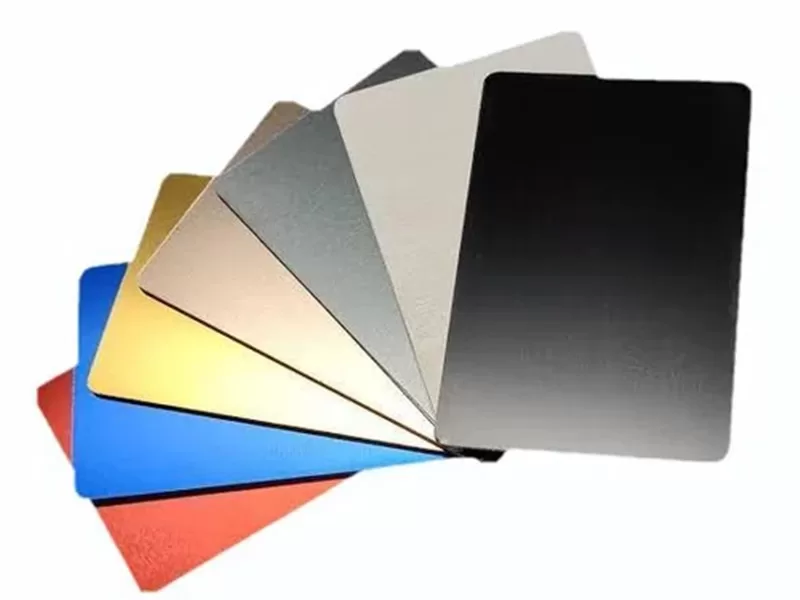
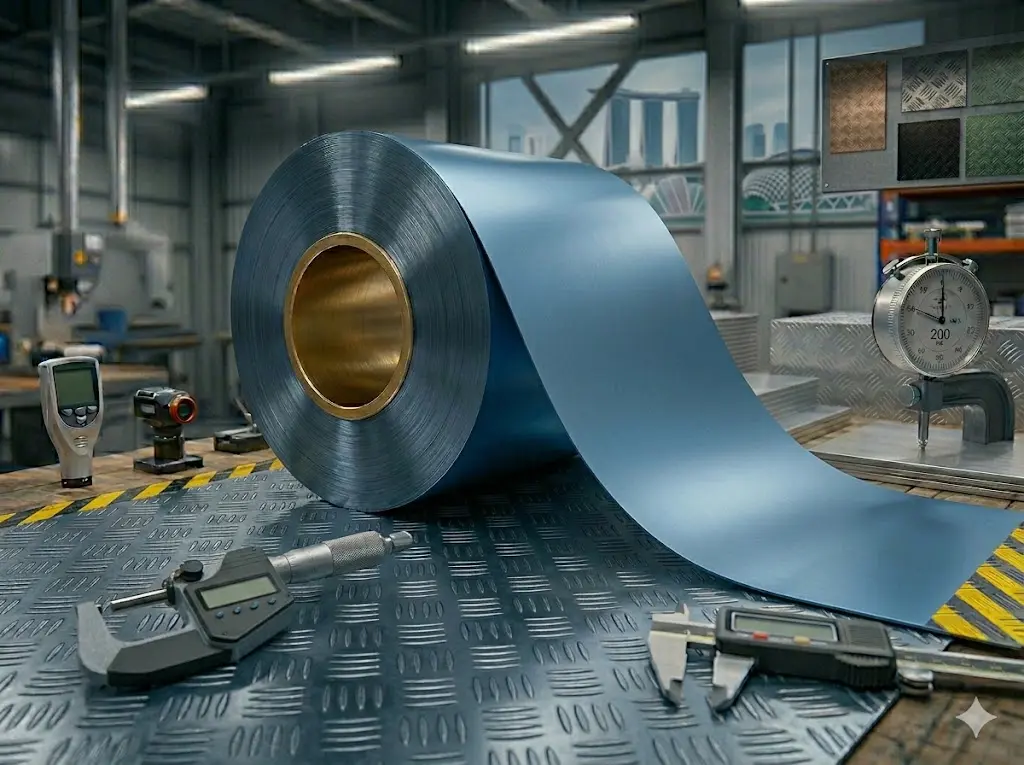
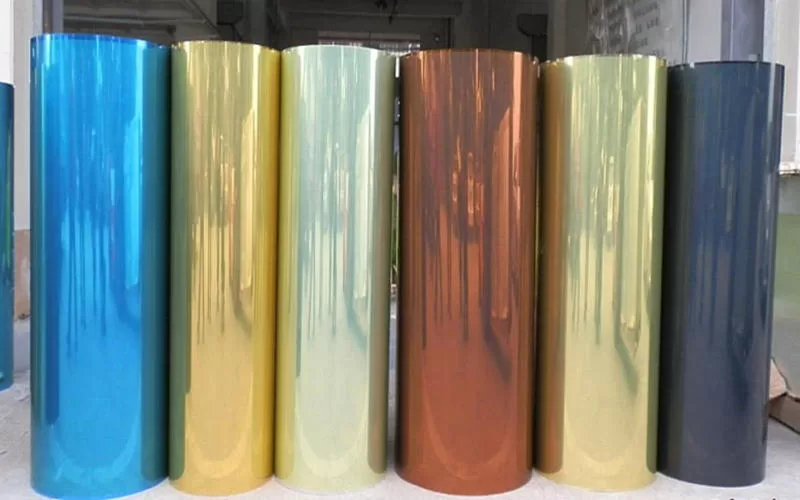
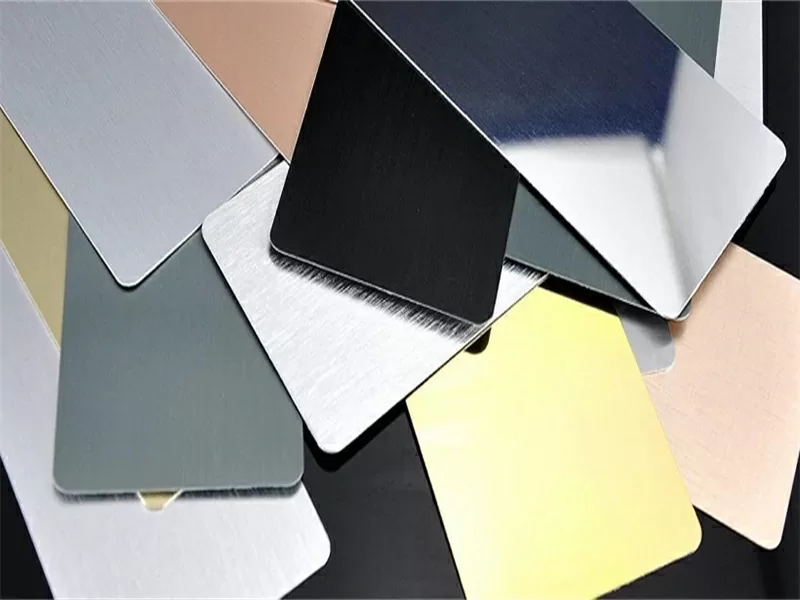
Wide Range of Products We offer a variety of anodized aluminum options, including sheets, coils, strips, and profiles. With multiple finishes and colors available, you can find the perfect material to match your project’s requirements, whether you need a sleek, metallic finish or a vibrant, custom-colored surface.
Custom Solutions We understand that each project is unique. That’s why we offer custom anodized aluminum solutions tailored to your specific needs. Whether it’s a special color, finish, or dimension, our team can work with you to create the perfect solution for your project.
Competitive Pricing At Worthwill Aluminum, we provide high-quality anodized aluminum at competitive prices. We leverage our own state-of-the-art factory to ensure efficient production, reducing costs without compromising on quality.
Environmentally Friendly Production Our anodized aluminum products are environmentally friendly and 100% recyclable. We are sustainable practices, ensuring that our materials are not only high-performing but also aligned with eco-conscious production methods.
Applications of Anodized Aluminum from Worthwill
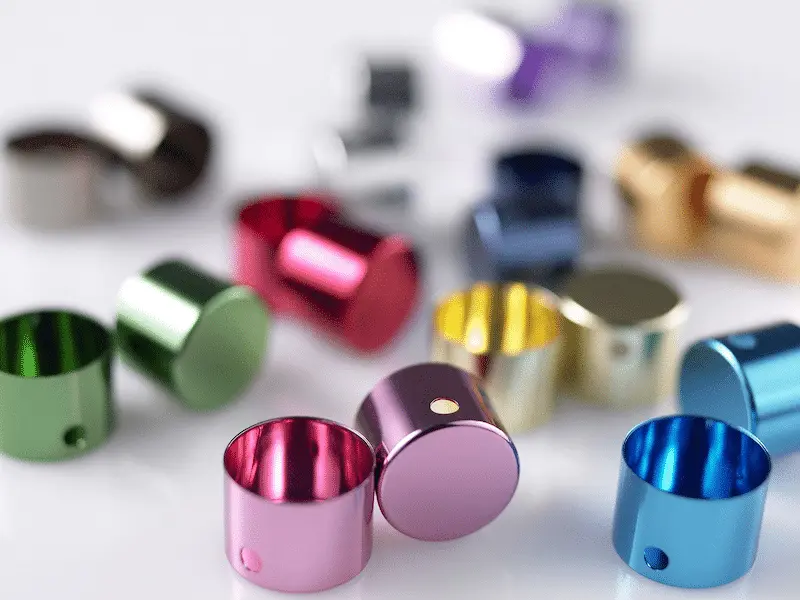
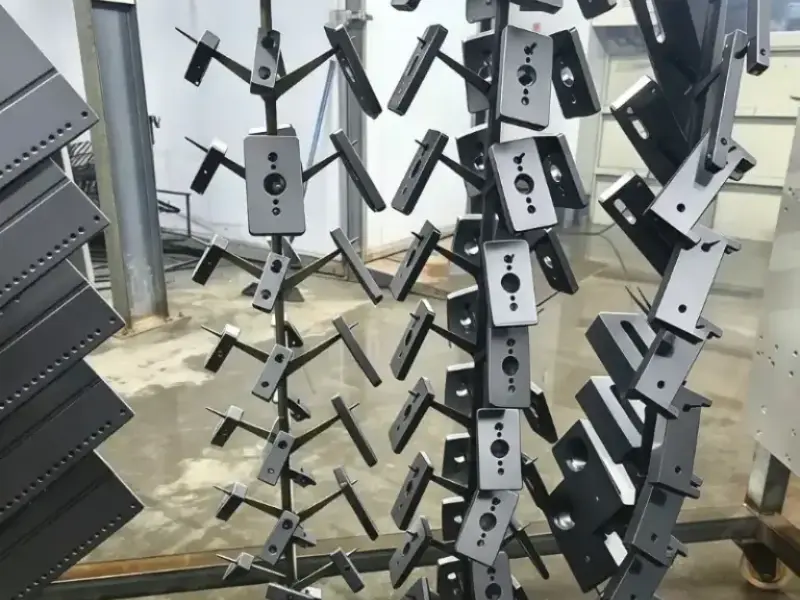
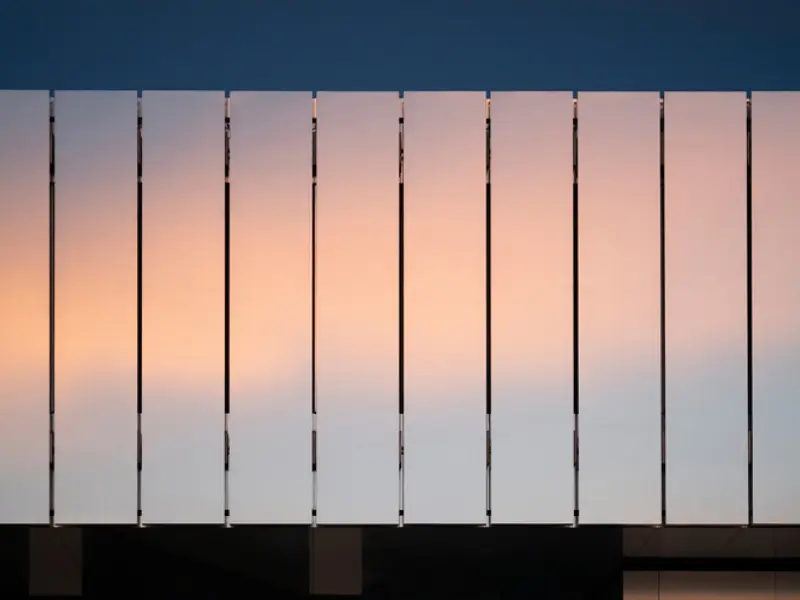
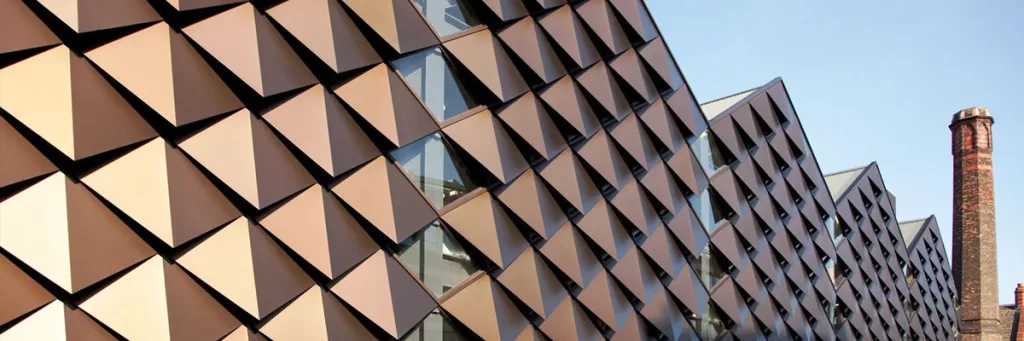
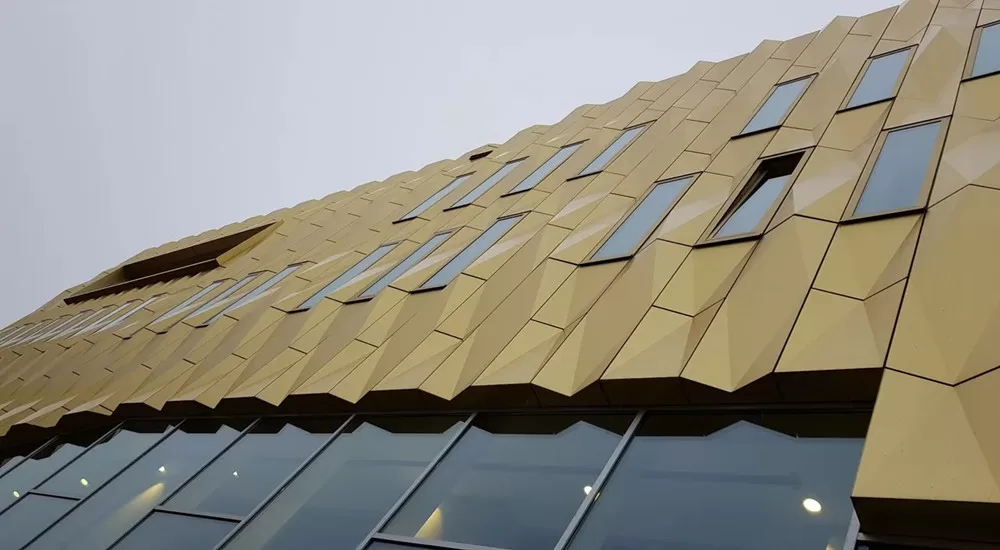
- Construction and Architecture: Perfect for cladding, window frames, roofing, and exterior facades.
- Automotive: Used for trim, body panels, and components due to its lightweight and corrosion-resistant properties.
- Electronics: Ideal for casing, enclosures, and accessories in consumer electronics.
- Signage and Displays: Provides a sleek, customizable finish for signs, display panels, and advertising boards.
- Industrial Equipment: Used in machinery and tools requiring durability and wear resistance.
From Worthwill Aluminum: Quality You Can Trust
If you’re looking for a reliable supplier of high-quality anodized aluminum, Worthwill Aluminum is your go-to source. With our extensive product range, custom solutions, competitive pricing, and commitment to quality, we are proud to be a trusted partner for businesses across multiple industries. Let us help you take your project to the next level with the best anodized aluminum products on the market.
Contact us today to learn more about how Worthwill Aluminum can meet your anodized aluminum needs!
Anodized Aluminum Suppliers: How to Pick the Right Partner for Your Project
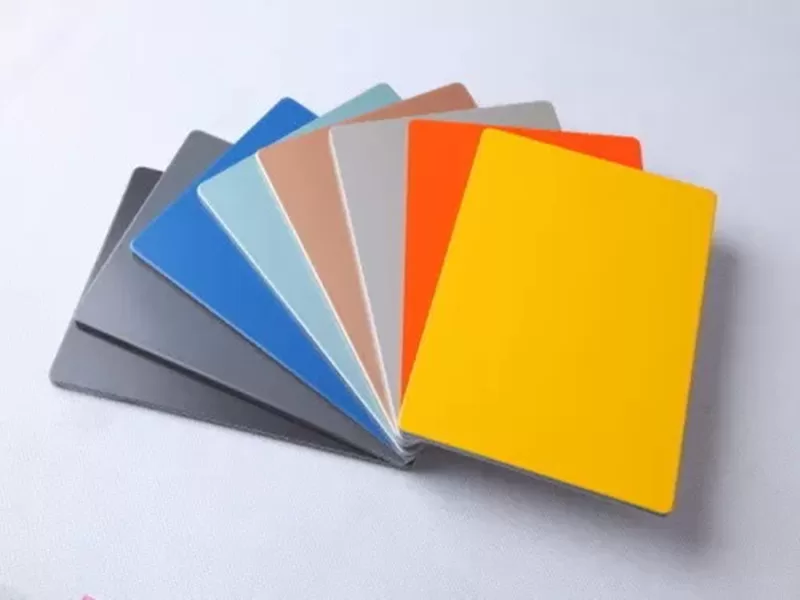
Anodized aluminum is aluminum that has been treated in an electrochemical bath. The process grows a hard oxide layer on the surface. This layer is part of the metal itself. It does not peel, chip, or flake like paint. The result is a surface that resists corrosion, wears well, and can be dyed in many colors.
The oxide layer is porous before sealing. This porosity allows dye to enter the pores. After dyeing, the pores are sealed. The color becomes locked inside the metal. This is why anodized colors last so long outdoors.
Why Choose Anodized Over Painted or Raw Aluminum?
Durability
Anodized aluminum lasts 10 to 20 years outdoors with little care. Paint fades and peels in 3 to 5 years. The anodized layer is part of the metal, not a coating on top.
Low Maintenance
A simple wash with soap and water keeps anodized aluminum looking good. No repainting. No touch-ups. The surface resists fingerprints and stains.
Color Stability
UV light does not break down anodized dyes the way it destroys paint pigments. Black, bronze, and clear finishes hold their color for decades.
Electrical Insulation
The oxide layer is non-conductive. This makes anodized aluminum useful for electrical housings and heat sinks where isolation matters.
Types of Anodizing: Type II vs Type III
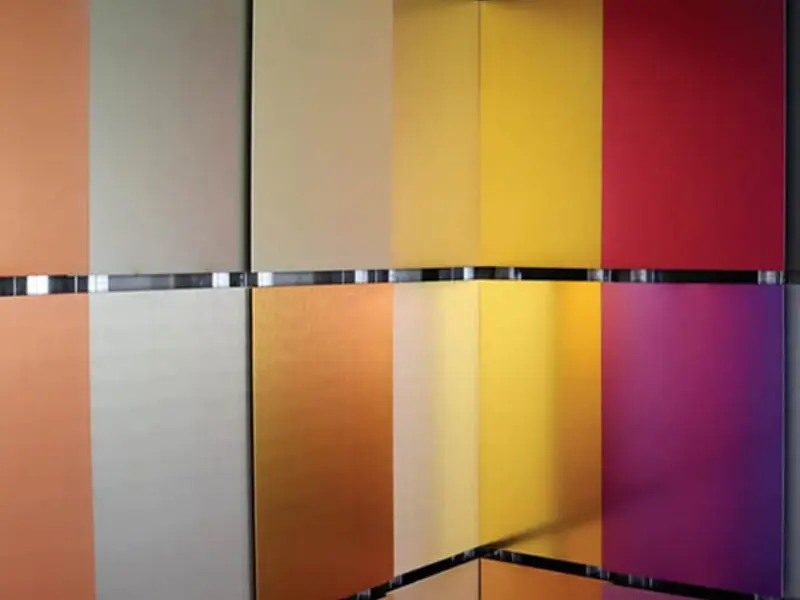
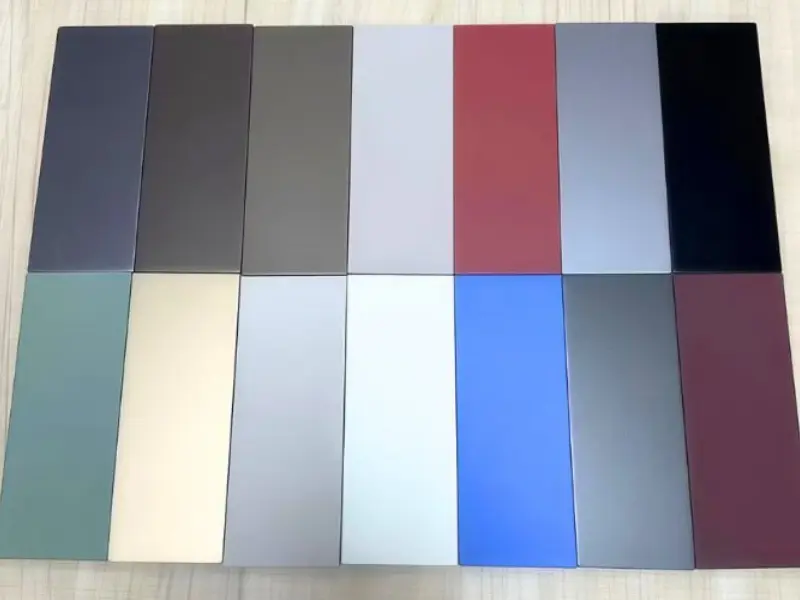
Not all anodizing is the same. The two main types serve different needs.
| Feature | Type II (Standard) | Type III (Hard Coat) |
|---|---|---|
| Also Called | Sulfuric acid anodizing | Hard anodizing |
| Layer Thickness | 5 – 25 μm (0.0002″ – 0.001″) | 25 – 125 μm (0.001″ – 0.005″) |
| Hardness | 200 – 300 HV | 400 – 500 HV |
| Colors | Full range: black, blue, red, gold, green, clear | Black, dark gray, natural only |
| Salt Spray Resistance | 336 – 500 hours | 2,000+ hours |
| Dielectric Strength | ~400V per 25μm | 800 – 1,000V per 25μm |
| Relative Cost | Base price | 1.8 – 2.5× Type II |
| Best For | Decorative parts, enclosures, panels | Wear surfaces, aerospace, hydraulics |
Key Point: Type II is for looks and moderate protection. Type III is for extreme wear and harsh environments.
Batch vs Coil Anodizing: Which Process Fits?
Suppliers use two main methods to anodize aluminum. The method affects cost, consistency, and order size.
| Factor | Batch Anodizing | Coil Anodizing |
|---|---|---|
| How It Works | Parts or sheets dipped in tanks one batch at a time | Continuous strip fed through a processing line |
| Best For | Small parts, machined components, custom shapes | Large sheets, coils, high-volume production |
| Color Consistency | Good within one batch | Excellent, edge to edge |
| Minimum Order | Low, even single pieces | High, usually 1,000+ lbs |
| Lead Time | 3 – 10 days | 2 – 4 weeks |
| Cost per sq ft | Higher | Lower at volume |
| Typical Products | CNC parts, brackets, enclosures | Architectural panels, roofing, facades |
Tip: For large building projects, choose coil anodizing. The color stays uniform across thousands of square feet. For machined parts, batch anodizing gives more flexibility.
Best Alloys for Anodizing
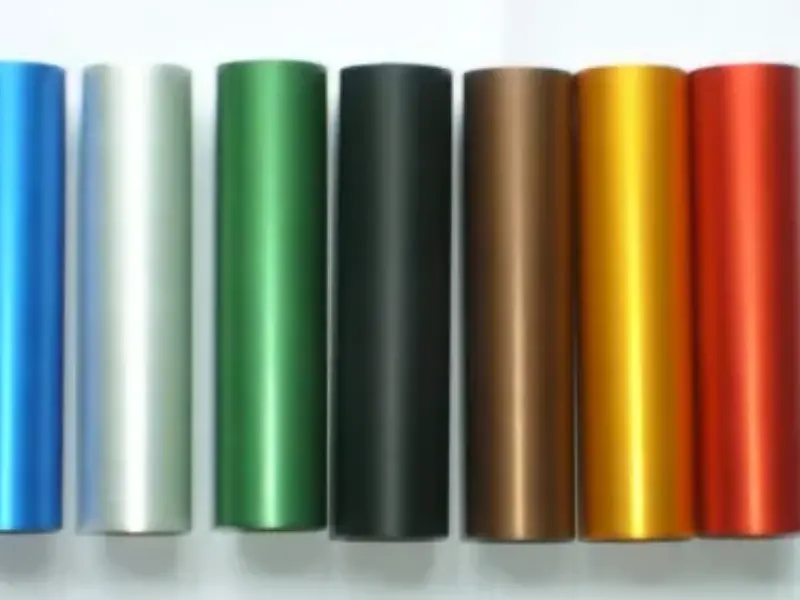
Not every aluminum alloy takes anodizing well. The alloy composition changes the final look.
5005-H14: The Architectural Champion
| Property | Value |
|---|---|
| Main Element | Magnesium (0.5 – 1.1%) |
| Temper | H14, H34 |
| Anodized Finish | Bright, uniform, smooth |
| Best For | Curtain walls, facades, traffic signs, ceiling panels |
Why It Leads: 5005 gives the most consistent color across large areas. This is critical for buildings where every panel must match. Most anodized architectural sheet uses this alloy.
6063: The Profile King
| Property | Value |
|---|---|
| Main Elements | Magnesium + Silicon |
| Temper | T5, T6 |
| Anodized Finish | Very bright, smooth |
| Best For | Window frames, door frames, furniture trim, decorative extrusions |
Why It Leads: 6063 is the top choice for extruded profiles. It anodizes to a mirror-like shine. Most anodized window and door systems worldwide use this alloy.
6061-T6: The Strength Balance
| Property | Value |
|---|---|
| Main Elements | Magnesium + Silicon |
| Temper | T6 |
| Anodized Finish | Slightly darker than 6063 |
| Best For | CNC parts, automotive components, aerospace structures, hard anodizing |
Trade-Off: 6061 is stronger than 6063. But the anodized finish is not as bright. For hard anodizing (Type III), 6061 is the best choice.
1050 / 1100: The Mirror Makers
| Property | Value |
|---|---|
| Purity | 99.0% or higher |
| Temper | O, H14 |
| Anodized Finish | Extremely bright, near-mirror |
| Best For | Lighting reflectors, decorative panels, premium trim |
Why They Shine: High-purity aluminum has almost no alloying elements. The anodized layer forms perfectly. The result is the brightest possible finish.
3003: The Budget Option
| Property | Value |
|---|---|
| Main Element | Manganese (1.0 – 1.5%) |
| Temper | H14, H24 |
| Anodized Finish | Slightly gray or dull |
| Best For | Cost-sensitive projects where appearance is secondary |
Note: 3003 anodizes but the finish is not as bright as 5005 or 6063. Good for hidden parts or industrial use. Not recommended for visible architectural work.
Alloys to Avoid for Decorative Anodizing
| Alloy Series | Why It Fails | Result |
|---|---|---|
| 2000 series (2024, 2017) | High copper content | Yellowing, blotchy color |
| 7000 series (7075, 7050) | High zinc content | Dark, uneven finish |
| Cast aluminum (A380, A356) | High silicon content | Black spots, rough surface |
Rule: For decorative anodizing, stick to 5000 and 6000 series. For hard anodizing, 6061 and 6082 work best.
Anodized Color Options
Clear / Silver
The natural look of aluminum with protection. Most stable color. Easiest to control across batches. Used for housings, brackets, heat sinks, and structural parts.
| Property | Value |
|---|---|
| Cost Level | Lowest |
| UV Stability | Excellent |
| Batch Consistency | Highest |
| Typical Thickness | 5 – 15 μm |
Black
The most popular dyed color. Modern, premium look. Hides minor scratches and handling marks.
| Property | Value |
|---|---|
| Cost Level | Low to Medium |
| UV Stability | Very Good |
| Batch Consistency | High |
| Typical Thickness | 10 – 20 μm |
Best For: Electronics housings, machine panels, automotive trim, camera bodies.
Bronze and Gold
Warm metallic tones. Achieved through electrolytic coloring with metal salts. Very stable outdoors.
| Property | Value |
|---|---|
| Cost Level | Medium |
| UV Stability | Excellent |
| Batch Consistency | Medium to High |
| Typical Thickness | 10 – 20 μm |
Best For: Window frames, architectural trim, luxury hardware, branded accessories.
Blue, Red, Green
rocess control.
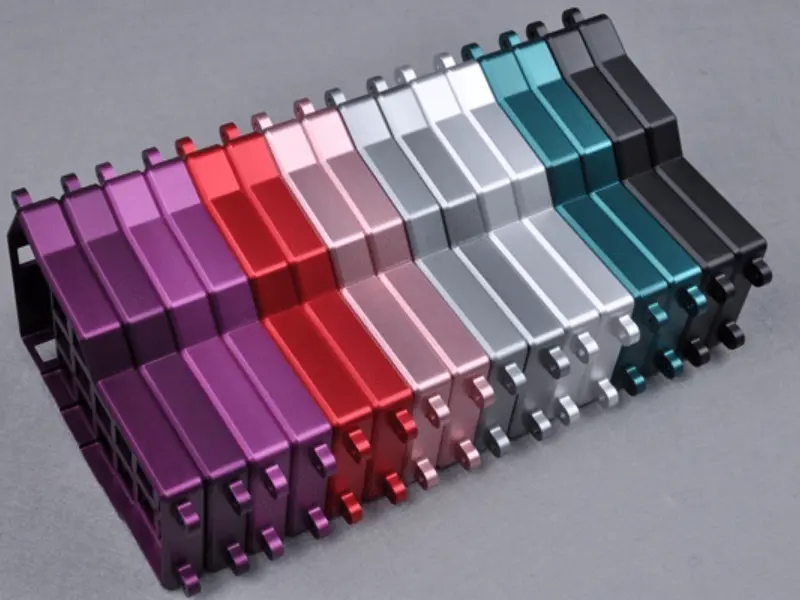
Bright, vivid colors from organic dyes. More sensitive to p
| Property | Value |
|---|---|
| Cost Level | Medium to High |
| UV Stability | Moderate |
| Batch Consistency | Medium |
| Typical Thickness | 10 – 20 μm |
Best For: Sports equipment, consumer products, promotional items, custom parts.
White
The hardest color to achieve. The oxide layer is naturally translucent. Special pigmented dyes or two-step processes are needed.
| Property | Value |
|---|---|
| Cost Level | High |
| UV Stability | Good |
| Batch Consistency | Low to Medium |
| Typical Thickness | 15 – 25 μm |
Best For: Medical equipment, laboratory instruments, modern lighting fixtures.
Color Comparison for Buyers
| Color | Cost | UV Stability | Batch Control | Best Use |
|---|---|---|---|---|
| Clear / Silver | Lowest | Excellent | Very Easy | General, structural |
| Black | Low | Very Good | Easy | Electronics, machinery |
| Bronze / Gold | Medium | Excellent | Moderate | Architecture, luxury |
| Blue | Medium | Moderate | Moderate | Sports, consumer |
| Red | Medium-High | Moderate | Hard | Bold designs, safety |
| Green | Medium-High | Moderate | Hard | Specialty, outdoor |
| White | High | Good | Hard | Medical, clean rooms |
Standard Anodized Sheet Sizes
| Size | Dimensions | Common Alloys | Typical Thickness |
|---|---|---|---|
| 4×8 sheet | 48″ × 96″ | 5005, 6061 | 0.032″ – 0.125″ |
| 4×10 sheet | 48″ × 120″ | 5005, 5052 | 0.040″ – 0.125″ |
| 5×10 sheet | 60″ × 120″ | 5005, 6061 | 0.063″ – 0.190″ |
| Coil stock | Up to 60″ wide | 5005, 3003 | 0.016″ – 0.125″ |
Applications by Industry
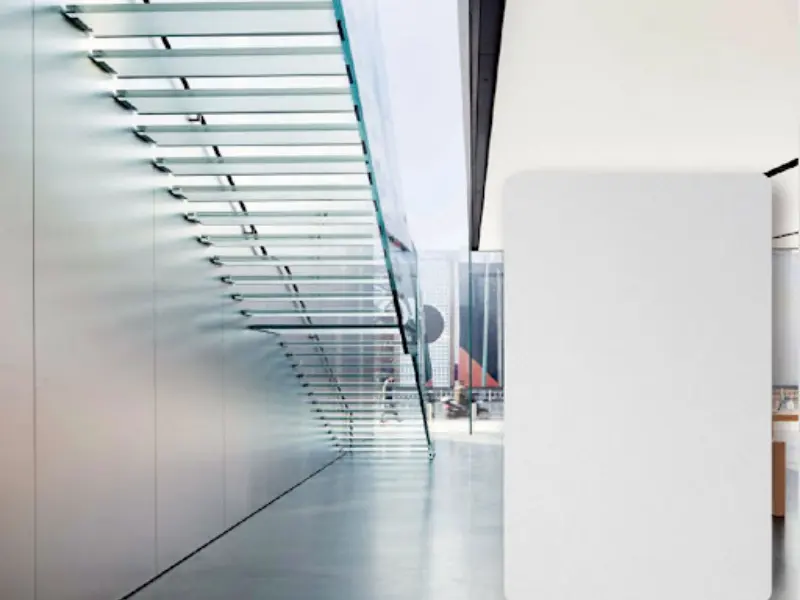
Architecture and Construction
- Curtain wall panels
- Building facades and cladding
- Window and door frames
- Ceiling tiles and grids
- Column covers and trim
- Garage doors
- Roofing and soffits
Automotive and Transportation
- Interior trim pieces
- Grille surrounds
- Engine covers
- EV battery enclosures
- Rail car panels
- Bus interior trim
Electronics and Electrical
- Laptop and phone housings
- Heat sinks
- LED fixture bodies
- Camera bodies
- Amplifier chassis
- Connector housings
Industrial and Machinery
- Machine guards and panels
- Conveyor components
- Pneumatic cylinders
- Valve bodies
- Linear guide rails
- Jig and fixture parts
Marine and Aerospace
- Boat fittings and hardware
- Aircraft interior panels
- Instrument bezels
- Structural brackets
- Fuel system components
Consumer Goods
Furniture hardware
Kitchen appliances
Bicycle components
Watch cases
Audio equipment
Sporting goods
How to Choose an Anodized Aluminum Supplier
Check Their Alloy Range
A good supplier stocks or sources 5005, 6061, 6063, and 1050. If they only offer 3003, their decorative anodizing may disappoint.
Ask About Color Consistency
For large projects, demand color matching within ΔE 1.5 or better. Ask how they control batch-to-batch variation. Do they use the same heat lot for entire projects?
Verify Process Type
Do they offer batch or coil anodizing? For architectural panels, coil gives better uniformity. For machined parts, batch is more flexible.
Request Samples
Always order sample panels before committing to a large order. Check color, gloss, and surface quality under your lighting conditions.
Review Certifications
Look for ISO 9001, MIL-A-8625 compliance, and RoHS certification. For food contact, ask for FDA or EU food-safe approval.
Compare Lead Times
Batch anodizing: 3 – 10 days. Coil anodizing: 2 – 4 weeks. Custom colors add time. Plan ahead for project deadlines.
Price Factors for Anodized Aluminum
| Factor | Impact on Price |
|---|---|
| Alloy | 5005 and 6063 cost more than 3003 |
| Thickness | Thicker oxide layers need more time and power |
| Color | Clear is cheapest. White and custom colors cost most |
| Quantity | Higher volume lowers per-unit cost |
| Size | Large sheets or coils need special handling |
| Masking | Protecting threads or surfaces adds labor |
| Sealing method | Hot water seal is standard. PTFE seal costs more |
Rough Price Guide for Type II Anodizing (per sq ft):
| Finish | Price Range |
|---|---|
| Clear | $0.50 – $1.50 |
| Black | $0.75 – $2.00 |
| Bronze / Gold | $1.00 – $2.50 |
| Blue / Red / Green | $1.25 – $3.00 |
| White | $2.00 – $4.00 |
| Custom color match | $2.50 – $5.00 |
Prices are estimates for batch quantities of 100+ sq ft. Coil anodizing at high volume costs less. Call suppliers for exact quotes.
Quality Checks Before You Buy
| Test | What to Look For | Pass/Fail |
|---|---|---|
| Visual inspection | No streaks, spots, or color variation | Pass |
| Thickness gauge | Within spec (±2 μm) | Pass |
| Adhesion test | Tape pull does not lift color | Pass |
| Salt spray test | 336+ hours for Type II, 2,000+ for Type III | Pass |
| Color meter | ΔE within 1.5 of target | Pass |
| Sealing quality | Dye spot test shows no absorption | Pass |
Dimensional Impact of Anodizing
Anodizing adds thickness. The oxide layer grows about 50% inward and 50% outward from the original surface.
| Anodizing Type | Total Thickness | Growth Per Side | Effect on a 1″ Hole |
|---|---|---|---|
| Type II @ 10 μm | 10 μm | ~5 μm (0.0002″) | Hole shrinks by ~0.0004″ |
| Type II @ 20 μm | 20 μm | ~10 μm (0.0004″) | Hole shrinks by ~0.0008″ |
| Type III @ 50 μm | 50 μm | ~25 μm (0.001″) | Hole shrinks by ~0.002″ |
| Type III @ 100 μm | 100 μm | ~50 μm (0.002″) | Hole shrinks by ~0.004″ |
Design Tip: Machine holes and threads slightly oversize if they must meet tight tolerances after anodizing. Or mask those areas to prevent coating build-up.
Frequently Asked Questions
What is the difference between Type II and Type III anodizing?
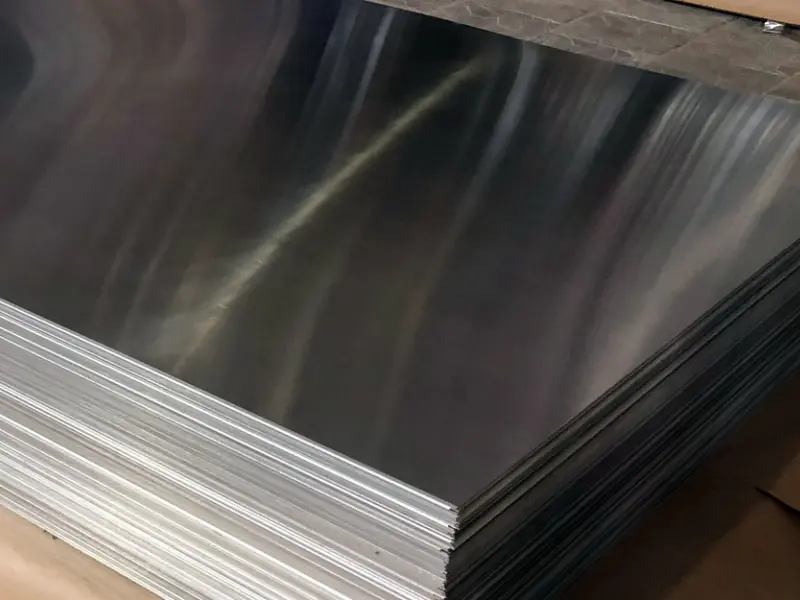
Type II is thinner and comes in many colors. It is for decorative and general use. Type III is thicker, harder, and limited to dark colors. It is for wear resistance and harsh environments. Type III costs 1.8 to 2.5 times more than Type II.
Which alloy gives the best anodized finish?
For large architectural panels, 5005-H14 gives the most uniform color. By extruded profiles, 6063-T5 gives the brightest shine. For hard anodizing, 6061-T6 is best. By mirror-like reflectors, use 1050 or 1100.
Can I anodize 7075 aluminum?
Yes, but the finish will be darker and less uniform than 6061. For decorative work, avoid 7075. For hard anodizing on functional parts, 7075 works but expect a muted color.
How long does anodized aluminum last outdoors?
Clear and black Type II anodizing lasts 10 to 20 years with minimal fading. Bronze and gold electrolytic colors last even longer. Bright dyed colors like red and blue may fade slightly after 5 to 10 years in strong sun.
Does anodizing affect electrical conductivity?
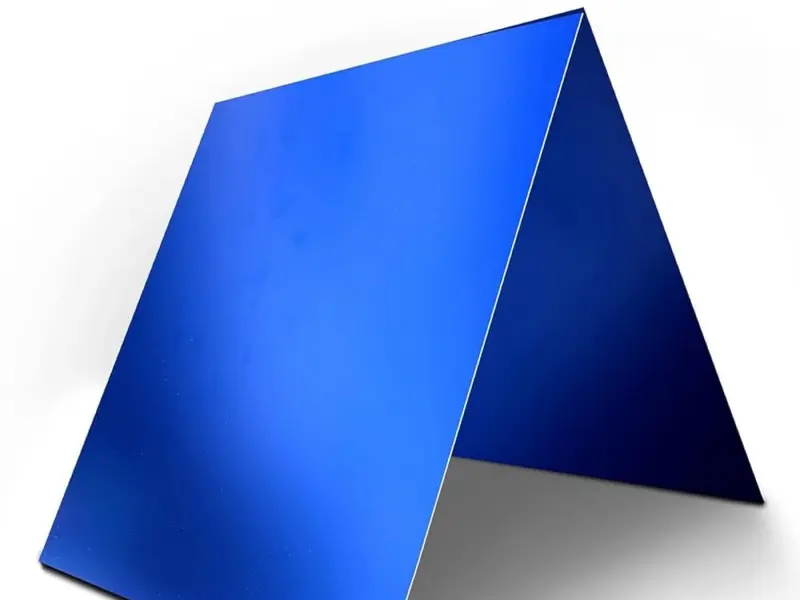
Yes. The oxide layer is an electrical insulator. If you need conductivity at the surface, mask those areas or choose alodine (chem film) instead of anodizing.
Can anodized aluminum be welded?
Yes, but welding destroys the anodized layer near the joint. The weld area will need re-anodizing or protective coating after welding.
What is the thickest anodizing available?
Type III hard anodizing can reach 125 μm (0.005″). Beyond that, the layer becomes brittle and may crack. Most suppliers limit Type III to 75 μm for reliable quality.
How do I specify anodizing on a drawing?
Use the MIL-A-8625F format. Example: “ANODIZE PER MIL-A-8625F, TYPE II, CLASS 2, COLOR: BLACK, THICKNESS: 15–20μm.” Class 1 means undyed. Class 2 means dyed. Always include a thickness range.
Can scratched anodized aluminum be repaired?
Light scratches can be buffed out on clear or bright finishes. Deep scratches expose bare metal. The part must be stripped and re-anodized for a perfect repair.
Is anodized aluminum food safe?
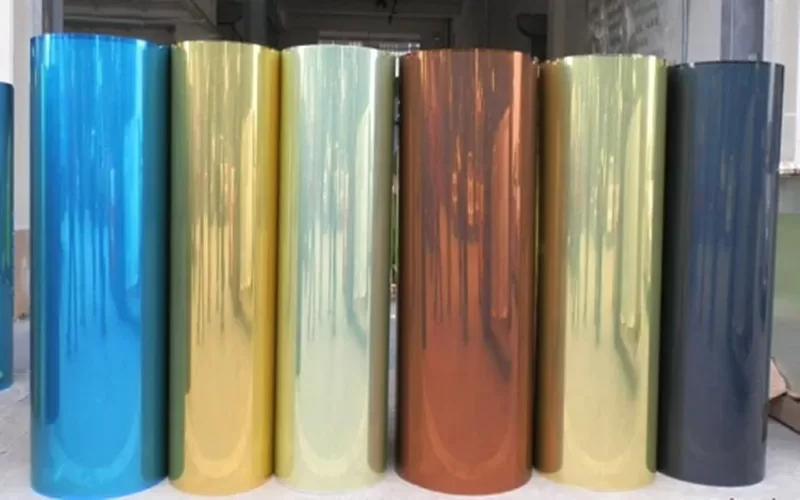
Yes, if sealed properly. The oxide layer is inert and non-toxic. Many kitchen tools and appliances use anodized aluminum. Look for FDA or EU food-contact certification from your supplier.
Choosing the Right Supplier: Quick Guide
| Your Need | Look For | Ask About |
|---|---|---|
| Architectural panels | Coil anodizing, 5005 alloy | Color consistency, ΔE control |
| Machined parts | Batch anodizing, 6061 or 6063 | Masking, thread protection |
| Hard wear surfaces | Type III, 6061-T6 | Hardness, salt spray results |
| Lighting reflectors | 1050 or 1100, bright anodizing | Reflectivity spec |
| Large volume, low cost | Coil line, 5005 or 3003 | Minimum order, lead time |
| Custom colors | Dye house with RAL matching | Sample approval process |