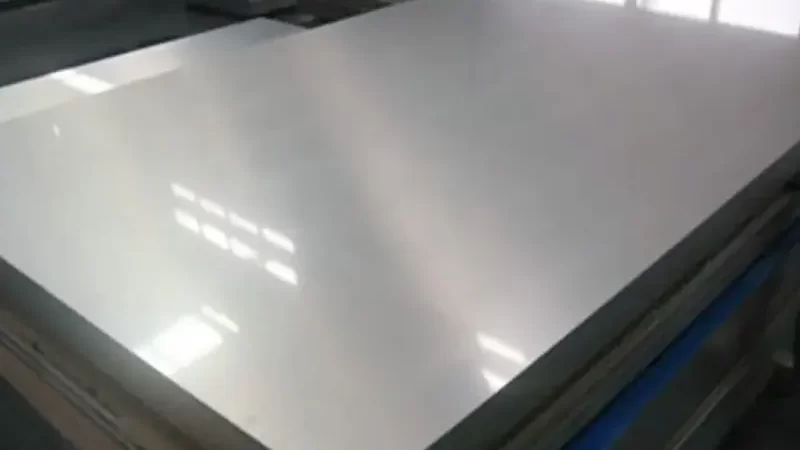
Aluminum panel sheets have reshaped modern construction and design. These lightweight metal panels cover building facades, line interior walls, form ceilings, and create signage that lasts decades. From sleek skyscraper exteriors to clean room partitions, aluminum panels deliver strength, beauty, and longevity in one material.
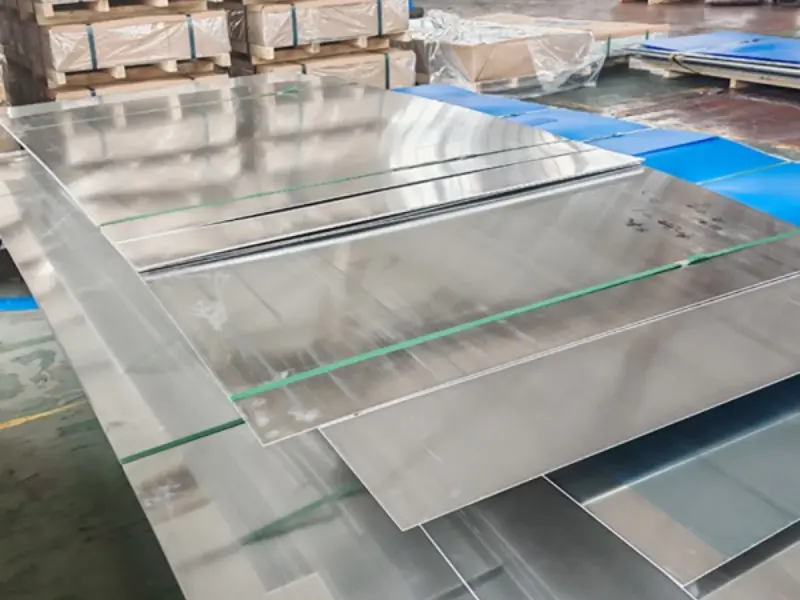
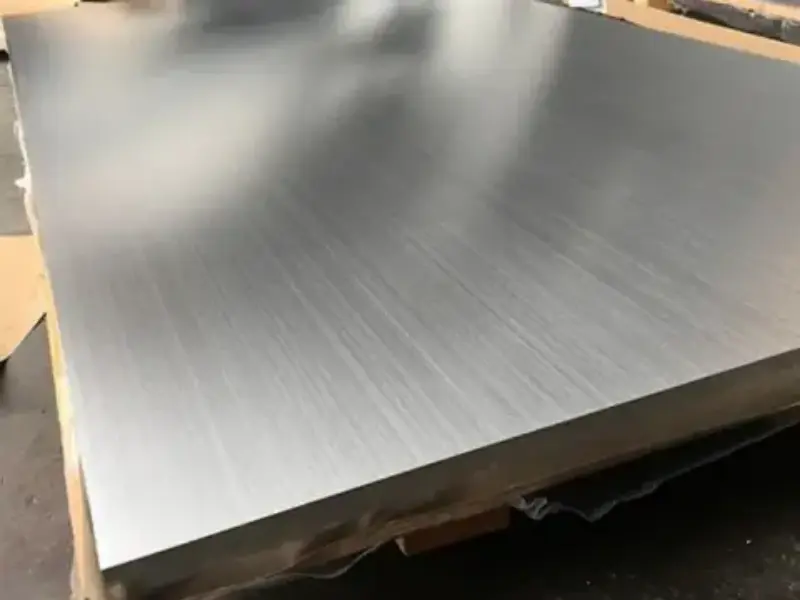
Why Aluminum Panel Sheets Lead Modern Construction
Aluminum panel sheets offer a rare mix of properties that other building materials struggle to match. They are light yet strong, corrosion-resistant yet affordable, and available in finishes that range from mirror-bright to stone-textured.
Key advantages of aluminum panel sheets:
- One-third the weight of steel for easier handling and lower structural loads
- Natural corrosion resistance without painting or coating
- Non-combustible and fire-rated options available
- 100% recyclable at end of life
- Wide range of colors, textures, and surface treatments
- Excellent thermal and acoustic insulation in composite forms
- Low maintenance over decades of service
- Resistant to UV rays, moisture, and temperature extremes
The global aluminum panel market continues to grow as builders seek sustainable, lightweight materials. Understanding the different panel types ensures you specify the right product for each application.
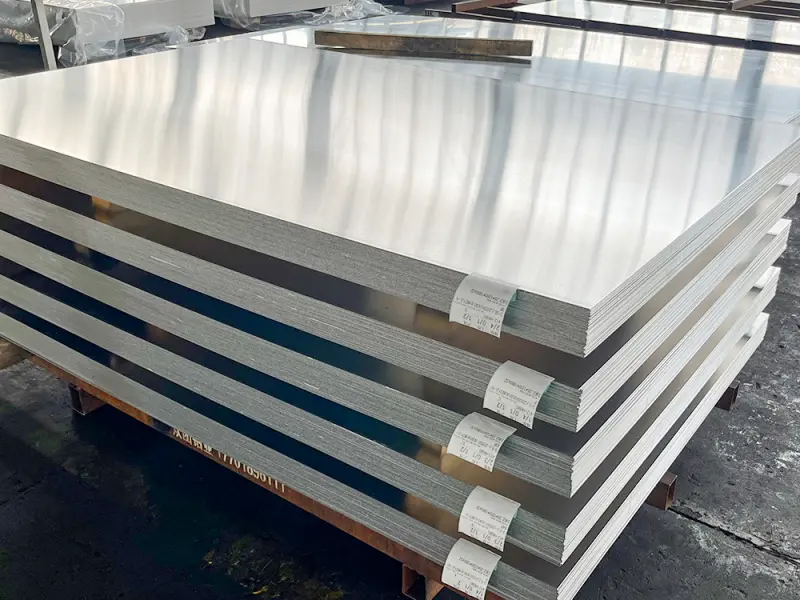
Types of Aluminum Panel Sheets: A Product Breakdown
The term “aluminum panel sheet” covers several distinct product categories. Each type serves different structural and aesthetic needs.
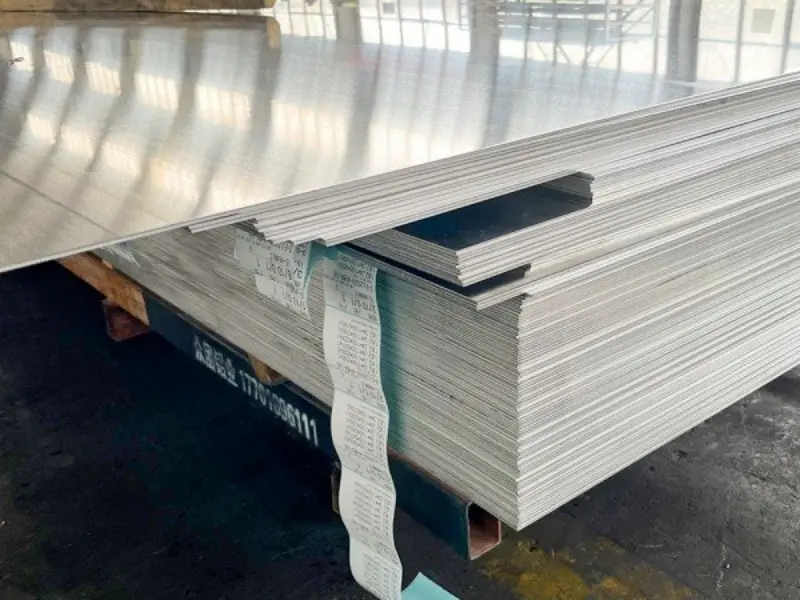
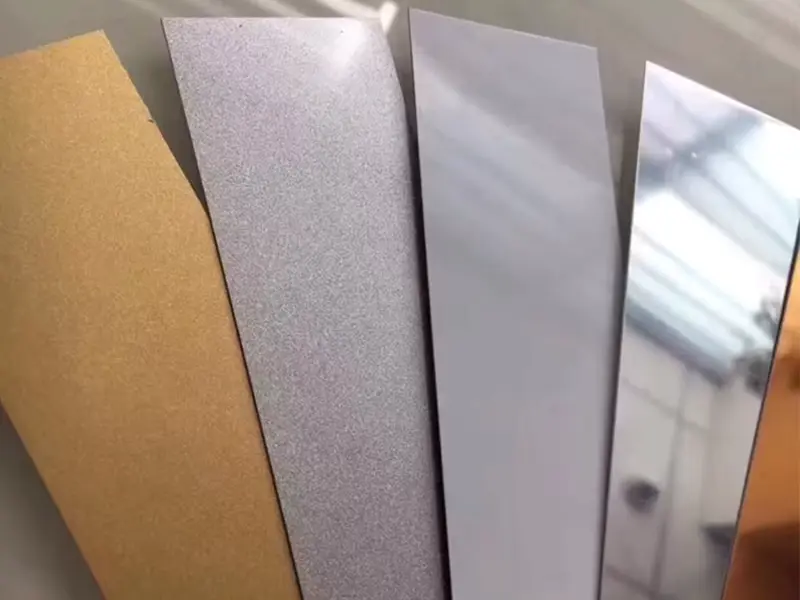
Solid Aluminum Panel Sheets
Solid aluminum panel sheets are single-layer metal plates. They offer the highest strength and impact resistance among panel types. These sheets are cut, bent, and fabricated into custom shapes for architectural use.
Typical specifications:
| Property | Value Range |
|---|---|
| Thickness | 1.5 mm – 6.0 mm |
| Alloy | 3003, 5052, 6061 |
| Temper | H14, H24, H32, T6 |
| Width | 1000 mm – 2000 mm |
| Length | 2000 mm – 6000 mm |
| Weight | 4.1 – 16.2 kg/m² |
Solid panels are used for column covers, soffits, canopies, and areas requiring high impact resistance. They accept welding, bending, and deep forming without delamination risk.
Aluminum Composite Panels (ACP / ACM)
Aluminum composite panels consist of two thin aluminum skins bonded to a non-aluminum core. This sandwich construction creates a lightweight, rigid panel with excellent flatness.
Typical specifications:
| Property | Value Range |
|---|---|
| Total Thickness | 2 mm – 6 mm |
| Skin Thickness | 0.12 mm – 0.50 mm |
| Core Material | PE, FR, or Mineral |
| Width | 1220 mm – 2000 mm |
| Length | 2440 mm – 6000 mm |
| Weight | 3.5 – 8.5 kg/m² |
The core material determines fire performance. PE cores are standard for indoor use. FR (fire-retardant) cores meet building codes for mid-rise structures. A2 mineral cores are non-combustible and required for high-rise buildings in many jurisdictions.
Aluminum Honeycomb Sandwich Panels
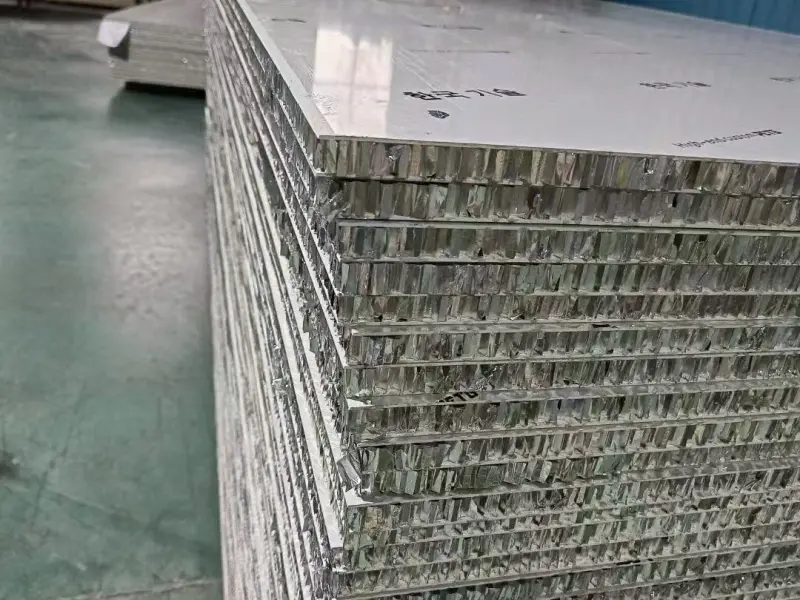
Honeycomb panels use a hexagonal aluminum core between two aluminum skins. This structure mimics natural honeycomb geometry to maximize strength-to-weight ratio.
Typical specifications:
| Property | Value Range |
|---|---|
| Total Thickness | 6 mm – 200 mm |
| Skin Thickness | 0.5 mm – 2.0 mm |
| Core Cell Size | 4 mm – 25 mm |
| Width | 1220 mm – 2000 mm |
| Length | 2440 mm – 10000 mm |
| Weight | 4.9 – 16 kg/m² |
Honeycomb panels offer the highest stiffness-to-weight ratio of any aluminum panel type. They are used for curtain walls, ceilings, floors, and clean room partitions where both strength and lightness matter.

Aluminum Corrugated Composite Panels
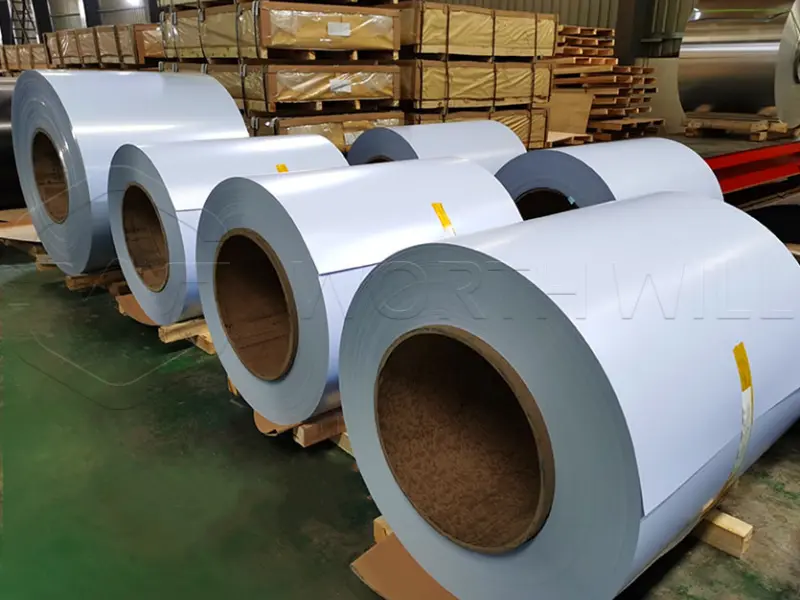
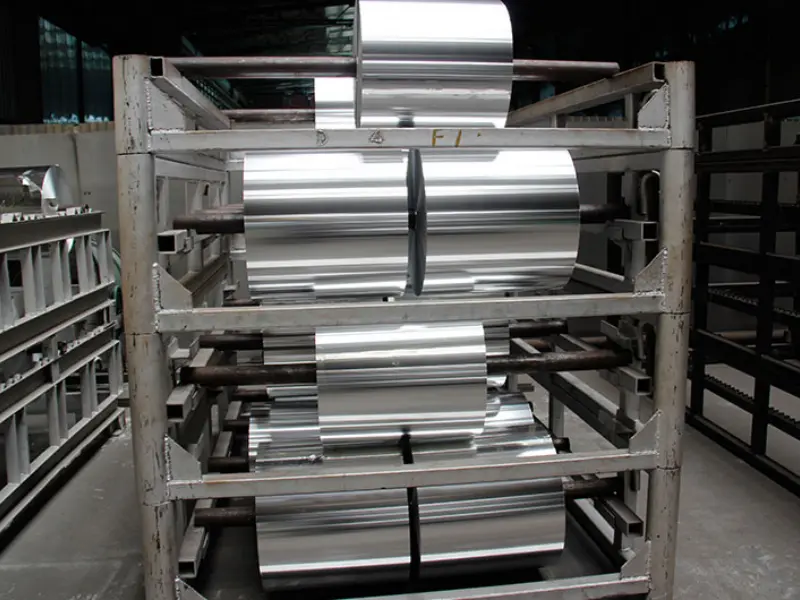
Corrugated composite panels feature a wavy aluminum core between flat skins. This design provides rigidity and flatness at lower cost than honeycomb construction.
Typical specifications:
| Property | Value Range |
|---|---|
| Total Thickness | 4 mm – 15 mm |
| Skin Thickness | 0.7 mm – 1.5 mm |
| Core Height | 4 mm – 12 mm |
| Width | 1220 mm – 1600 mm |
| Length | 2440 mm – 12000 mm |
| Weight | 5.0 – 8.0 kg/m² |
Corrugated panels are popular for roofing, ceiling systems, and vehicle interiors. The corrugated core provides excellent flatness and rigidity without the cost of honeycomb manufacturing.
Perforated Aluminum Panels
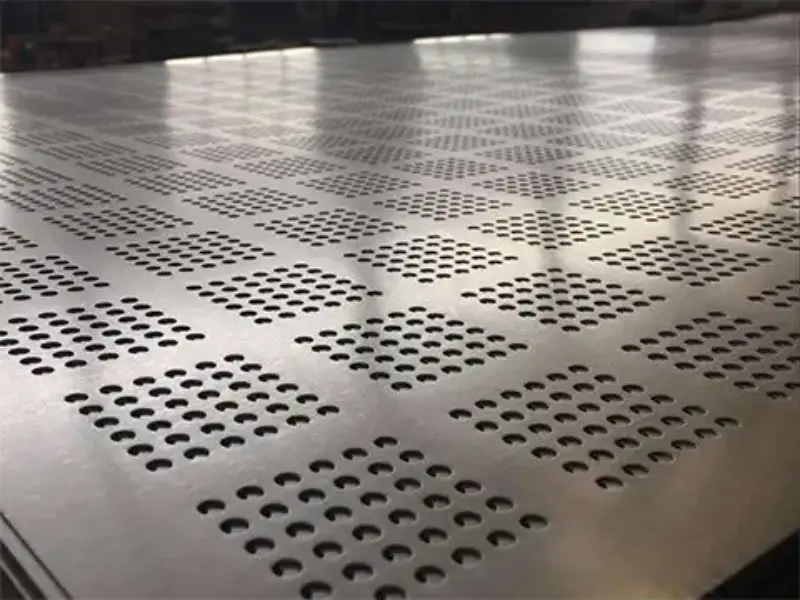
Perforated panels feature holes punched through the metal in various patterns. These panels serve decorative and functional roles.
Typical specifications:
| Property | Value Range |
|---|---|
| Thickness | 1.0 mm – 4.0 mm |
| Hole Diameter | 1 mm – 50 mm |
| Open Area | 10% – 60% |
| Pattern | Round, square, slotted, custom |
| Alloy | 3003, 5052, 6061 |
Perforated panels control light, sound, and airflow while adding visual interest to facades and interiors.
Aluminum Panel Sheet Alloy Types Explained
The base alloy determines strength, formability, corrosion resistance, and cost. Choosing the right alloy is critical for project success.
Alloy 3003 Panel Sheets
Alloy 3003 is a manganese-based alloy widely used for non-structural panels. It offers excellent formability and good corrosion resistance at low cost.
Typical composition:
| Element | Specification (%) | Role |
|---|---|---|
| Aluminium | Balance | Base metal |
| Manganese (Mn) | 1.00 – 1.50 | Strengthening, improves corrosion |
| Iron (Fe) | ≤ 0.70 | Trace element |
| Silicon (Si) | ≤ 0.60 | Trace element |
| Copper (Cu) | 0.05 – 0.20 | Minor strength increase |
Alloy 3003 is the top choice for roofing, siding, decorative panels, and HVAC components. It forms easily into complex shapes and accepts deep drawing without cracking. However, its strength is lower than 5052 or 6061.
Typical mechanical properties of 3003-H14:
| Property | Value |
|---|---|
| Tensile Strength | 145 – 195 MPa |
| Yield Strength | 115 – 145 MPa |
| Elongation | 8 – 10% |
| Density | 2.73 g/cm³ |
Alloy 5052 Panel Sheets
Alloy 5052 is a magnesium-based alloy that offers the best corrosion resistance among common panel alloys. It is the default choice for outdoor and marine applications.
Typical composition:
| Element | Specification (%) | Role |
|---|---|---|
| Aluminium | Balance | Base metal |
| Magnesium (Mg) | 2.20 – 2.80 | Primary strengthening element |
| Iron (Fe) | ≤ 0.40 | Trace element |
| Silicon (Si) | ≤ 0.25 | Trace element |
| Chromium (Cr) | 0.15 – 0.35 | Improves corrosion resistance |
Alloy 5052 resists salt spray and marine environments better than any other common panel alloy. It also offers excellent fatigue resistance, making it ideal for vibrating or flexing applications.
Typical mechanical properties of 5052-H32:
| Property | Value |
|---|---|
| Tensile Strength | 210 – 260 MPa |
| Yield Strength | 130 – 195 MPa |
| Fatigue Strength | 117 MPa |
| Brinell Hardness | 60 HB |
Alloy 6061 Panel Sheets
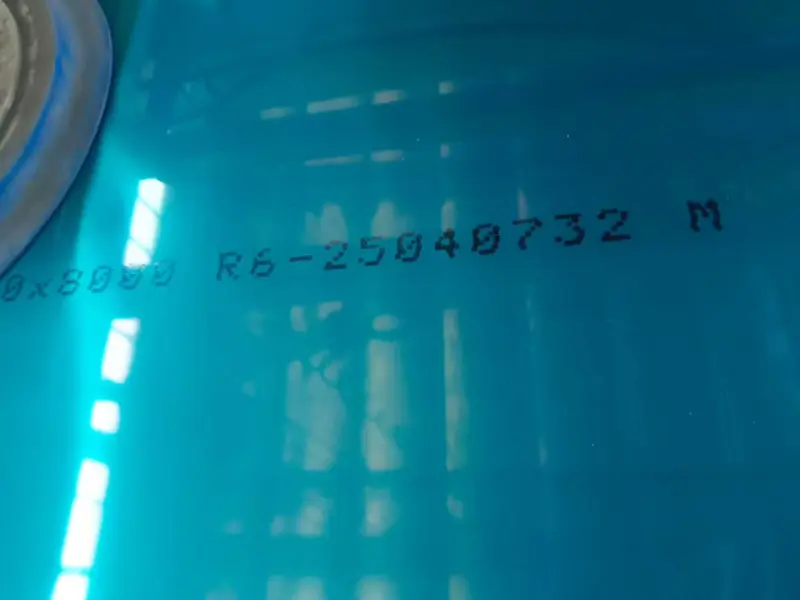
Alloy 6061 is a heat-treatable alloy that delivers the highest strength among common panel grades. It is used when structural load-bearing capacity matters.
Typical composition:
| Element | Specification (%) | Role |
|---|---|---|
| Aluminium | Balance | Base metal |
| Silicon (Si) | 0.40 – 0.80 | Forms Mg₂Si for strength |
| Magnesium (Mg) | 0.80 – 1.20 | Primary strengthening element |
| Copper (Cu) | 0.15 – 0.40 | Improves strength |
| Chromium (Cr) | 0.04 – 0.35 | Grain control |
Alloy 6061-T6 provides superior structural rigidity. It supports large panels under wind load and carries heavy structural stresses. However, it is less formable than 3003 or 5052 and requires larger bend radii.
Typical mechanical properties of 6061-T6:
| Property | Value |
|---|---|
| Tensile Strength | 290 – 310 MPa |
| Yield Strength | 240 – 276 MPa |
| Elongation | 8 – 12% |
| Brinell Hardness | 95 HB |
Alloy 1100 Panel Sheets
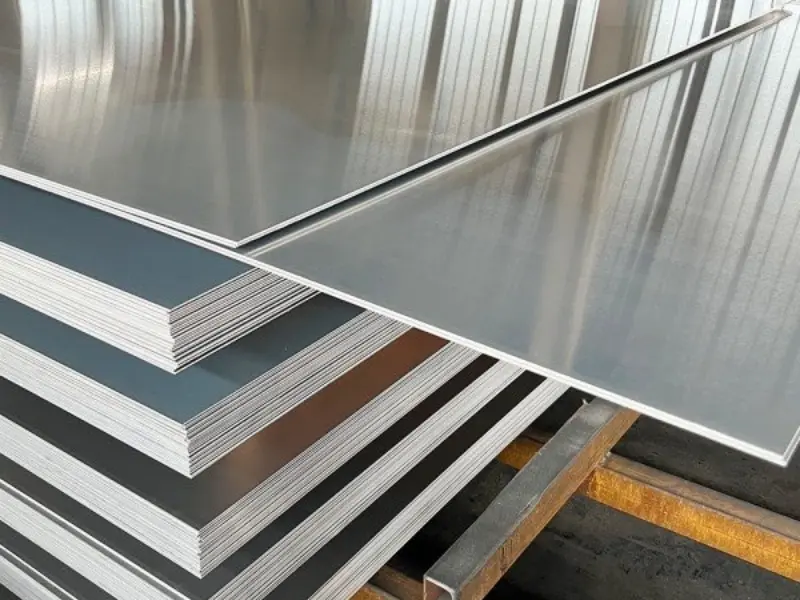
Alloy 1100 is a commercially pure aluminum grade with 99.0% minimum aluminum content. It offers excellent corrosion resistance and formability but low strength.
Typical composition:
| Element | Specification (%) |
|---|---|
| Aluminium | ≥ 99.00 |
| Iron (Fe) | ≤ 0.70 |
| Silicon (Si) | ≤ 0.95 |
| Copper (Cu) | ≤ 0.20 |
Alloy 1100 is used for decorative panels, chemical equipment, and applications where corrosion resistance matters more than strength. It is also common as the skin material for ACP panels.
Alloy Comparison: Which Grade Fits Your Panel Project
The right alloy depends on your environment, structural needs, and budget.
| Property | 3003 | 5052 | 6061 | 1100 |
|---|---|---|---|---|
| Tensile Strength | 145-195 MPa | 210-260 MPa | 290-310 MPa | 90-120 MPa |
| Yield Strength | 115-145 MPa | 130-195 MPa | 240-276 MPa | 35-90 MPa |
| Corrosion Resistance | Good | Excellent | Good | Very Good |
| Formability | Excellent | Very Good | Limited | Excellent |
| Weldability | Good | Excellent | Good | Excellent |
| Cost | Lowest | Moderate | Higher | Low |
| Best For | Roofing, decorative | Marine, outdoor | Structural | Chemical, decorative |
| Heat Treatable | No | No | Yes | No |
Quick Selection Guide
| If Your Project Needs… | Choose This Alloy |
|---|---|
| Maximum formability and lowest cost | 3003 |
| Best corrosion resistance outdoors | 5052 |
| Highest strength for structural loads | 6061-T6 |
| Chemical resistance and purity | 1100 |
| Marine or coastal environment | 5052 |
| Large curtain wall panels | 6061 or 5052 |
| Deep drawn or complex formed shapes | 3003 |
| Welded assemblies without strength loss | 5052 |
Aluminum Panel Sheet Thickness Guide
Thickness selection affects strength, weight, cost, and fabrication options. The right thickness depends on panel size, wind load, and application type.
Thickness by Panel Type
| Panel Type | Common Thickness | Weight Range | Best For |
|---|---|---|---|
| Solid Sheet (Light) | 1.5 – 2.0 mm | 4.1 – 5.4 kg/m² | Interior walls, small signs |
| Solid Sheet (Medium) | 2.5 – 3.0 mm | 6.8 – 8.1 kg/m² | Column covers, canopies |
| Solid Sheet (Heavy) | 4.0 – 6.0 mm | 10.8 – 16.2 kg/m² | Structural panels, impact zones |
| ACP (Standard) | 3 mm – 4 mm | 3.5 – 5.5 kg/m² | Facades, signage, interiors |
| ACP (Thick) | 5 mm – 6 mm | 6.0 – 8.5 kg/m² | Large format, high wind load |
| Honeycomb (Thin) | 6 mm – 10 mm | 4.9 – 6.5 kg/m² | Ceilings, partitions |
| Honeycomb (Standard) | 12 mm – 25 mm | 5.3 – 7.8 kg/m² | Curtain walls, floors |
| Honeycomb (Thick) | 30 mm – 50 mm | 8.0 – 12.0 kg/m² | Heavy structural, ship hulls |
Gauge to Millimeter Conversion
| Gauge | Thickness (inch) | Thickness (mm) | Typical Use |
|---|---|---|---|
| 30 | 0.0100 | 0.25 | Foil, thin laminates |
| 26 | 0.0159 | 0.40 | Flashing, light trim |
| 24 | 0.0201 | 0.51 | Gutters, downspouts |
| 22 | 0.0253 | 0.64 | Ductwork, light panels |
| 20 | 0.0320 | 0.81 | General sheet metal |
| 18 | 0.0403 | 1.02 | Architectural panels |
| 16 | 0.0508 | 1.29 | Structural panels |
| 14 | 0.0641 | 1.63 | Heavy structural |
| 12 | 0.0808 | 2.05 | Plate, heavy duty |
| 10 | 0.1019 | 2.59 | Thick plate |
| 7 | 0.1443 | 3.67 | Very thick plate |
Thickness Selection by Application
| Application | Recommended Thickness | Panel Type | Alloy |
|---|---|---|---|
| Interior wall cladding | 1.5 – 3.0 mm | Solid or ACP | 3003, 1100 |
| Exterior facade (low rise) | 3 mm – 4 mm ACP | ACP | 1100, 3003 |
| Exterior facade (high rise) | 4 mm – 6 mm ACP or 2.5 mm solid | ACP / Solid | 3003, 5052 |
| Curtain wall | 15 mm – 25 mm honeycomb | Honeycomb | 3003, 5052 |
| Roofing | 0.7 mm – 1.2 mm standing seam | Solid sheet | 3003, 5052 |
| Ceiling | 6 mm – 12 mm honeycomb | Honeycomb | 3003, 1100 |
| Column cover | 2.5 mm – 4.0 mm solid | Solid | 3003, 5052 |
| Signage | 2 mm – 4 mm ACP or 1.5 mm solid | ACP / Solid | 1100, 3003 |
| Clean room partition | 50 mm honeycomb | Honeycomb | 3003 |
| Ship interior | 6 mm – 18 mm honeycomb | Honeycomb | 5052, 5083 |
| Vehicle body | 1.5 mm – 3.0 mm solid | Solid | 5052, 6061 |
Surface Finishes and Coatings for Aluminum Panels
The surface treatment determines appearance, durability, and maintenance requirements.
PVDF Coating (Fluorocarbon)
PVDF coating provides the highest durability for exterior applications. It resists UV rays, acid rain, and pollution for 15 to 20 years.
Table
| Property | Specification |
|---|---|
| Coating Thickness | 25 – 40 microns |
| Color Retention | 15 – 20 years |
| Gloss Range | 20% – 80% |
| Best For | Exterior facades, high-rise buildings |
| Cost | Higher |
PVDF coatings meet AAMA 2605 standards. They are available in solid colors, metallics, and special effects.
Polyester (PE) Coating
PE coating is economical and suitable for interior applications or mild exterior environments.
| Property | Specification |
|---|---|
| Coating Thickness | 16 – 25 microns |
| Color Retention | 5 – 8 years |
| Gloss Range | 30% – 90% |
| Best For | Interior walls, signage, short-term exterior |
| Cost | Lower |
PE coatings meet AAMA 2603 standards. They offer good color choice at lower cost than PVDF.
Powder Coating
Powder coating creates a thick, durable finish without solvents. It is environmentally friendly and offers excellent chip resistance.
| Property | Specification |
|---|---|
| Coating Thickness | 60 – 120 microns |
| Color Retention | 10 – 15 years |
| Texture Options | Smooth, wrinkle, sand, metallic |
| Best For | Industrial panels, railings, furniture |
| Cost | Moderate |
Anodized Finish
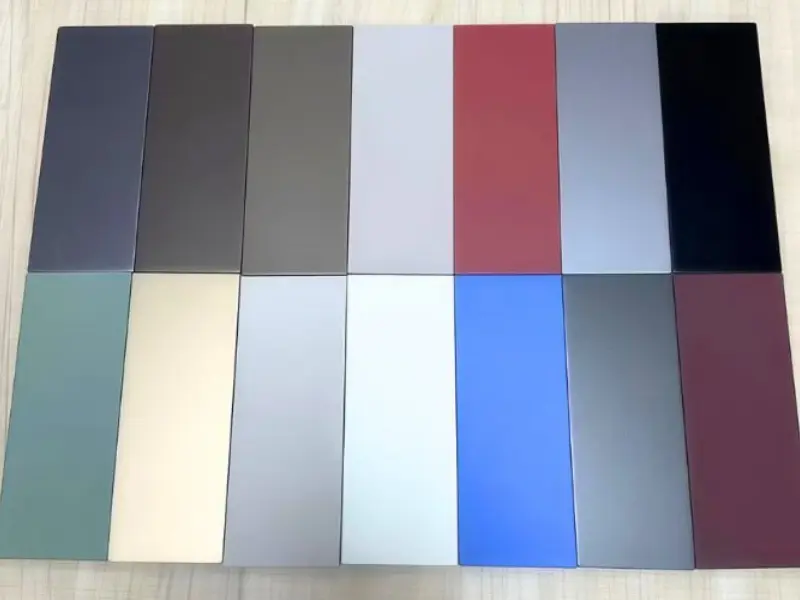
Anodizing creates a hard oxide layer on the aluminum surface. It is integral to the metal and will not peel or chip.
| Property | Specification |
|---|---|
| Coating Thickness | 5 – 25 microns |
| Hardness | Very hard (up to 9H pencil) |
| Color Options | Clear, bronze, black, gold |
| Best For | High-traffic areas, modern architecture |
| Cost | Higher |
Anodized finishes are popular for modern buildings, elevator interiors, and high-end retail spaces.
Brushed and Mirror Finishes
Mechanical finishes create texture without coatings.
| Finish Type | Appearance | Best For |
|---|---|---|
| Brushed Silver | Fine parallel lines | Modern interiors, appliances |
| Brushed Gold | Warm metallic tone | Luxury spaces, awards |
| Mirror Polish | High reflectivity | Decorative accents, elevators |
| Satin | Soft sheen | Professional environments |
Wood and Stone Grain Finishes
Transfer printing creates realistic wood and stone patterns on aluminum surfaces.
| Property | Specification |
|---|---|
| Pattern Fidelity | High detail reproduction |
| UV Resistance | Good with proper coating |
| Best For | Warm aesthetic without natural material maintenance |
| Cost | Moderate |
These finishes are popular for building exteriors that need to blend with natural surroundings.
Aluminum Panel Sheet Applications by Industry
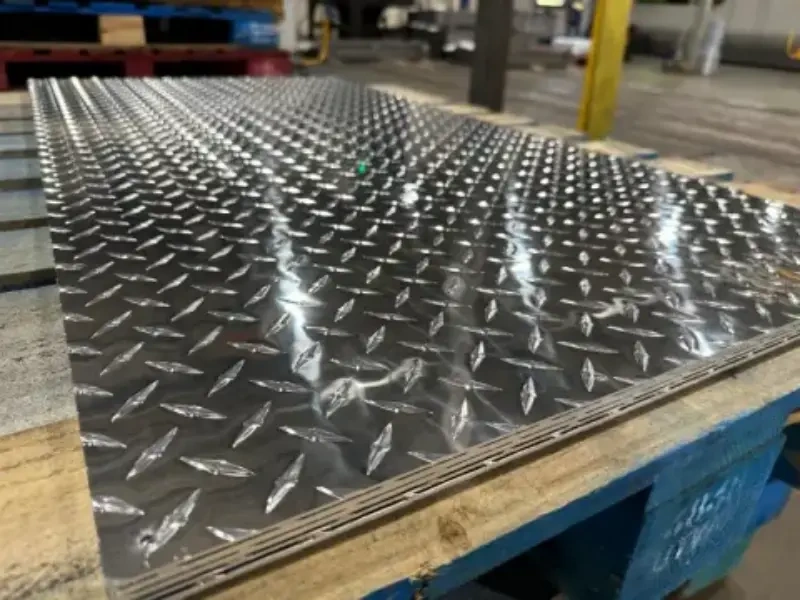
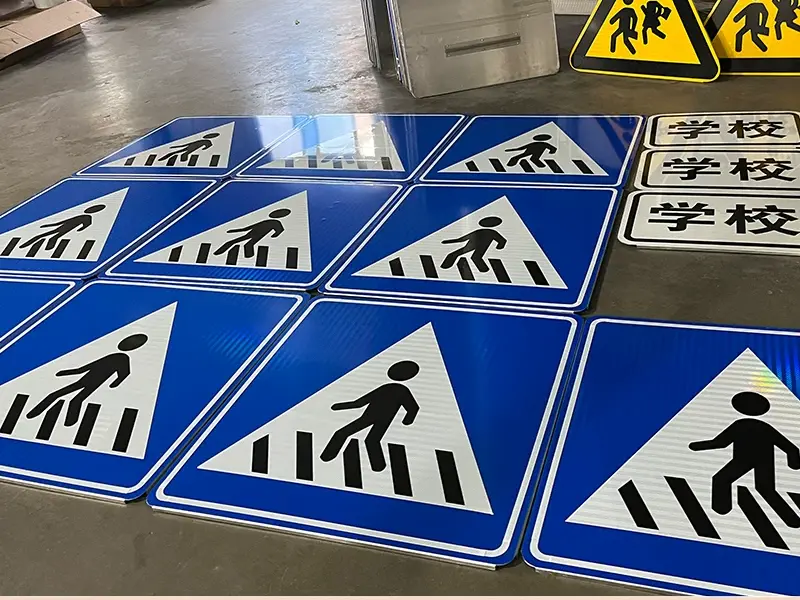
Aluminum panels serve diverse industries with specific performance requirements.
Commercial Building Facades
Curtain walls and cladding systems use aluminum panels for weather protection and aesthetics.
- Unitized curtain wall systems
- Stick-built facade cladding
- Rainscreen systems
- Sunshade and louver panels
- Spandrel panels between floors
- Column covers and beam wraps
- Soffit and underside cladding
- Entrance canopies
Interior Architecture
Interior panels create clean, modern spaces with low maintenance.
- Wall cladding for offices and lobbies
- Ceiling panels and baffles
- Elevator cab interiors
- Reception desk fronts
- Feature walls and accent panels
- Corridor lining
- Restroom partitions
- Kitchen and food service areas
Transportation
Aluminum panels reduce vehicle weight while maintaining strength.
- Bus and train interior walls
- Aircraft cabin partitions
- Ship hulls and bulkheads
- Truck body panels
- Trailer siding and roofing
- Container interiors
- Racing car chassis components
Industrial and Clean Room
Specialized panels meet strict hygiene and performance standards.
- Pharmaceutical clean room walls
- Semiconductor manufacturing enclosures
- Hospital operating room panels
- Food processing facility walls
- Laboratory partitions
- Data center wall panels
- EMI shielding enclosures
Signage and Branding
Aluminum panels provide durable, printable surfaces for branding.
- Building identification signs
- Wayfinding and directory panels
- Retail storefront facades
- Exhibition booth construction
- Digital printing substrates
- Illuminated sign boxes
- Monument signs
Residential Construction
Aluminum panels are increasingly used in homes.
- Residential roofing systems
- Soffit and fascia panels
- Garage door panels
- Decorative screen walls
- Outdoor kitchen enclosures
- Pool equipment housing
Solid Aluminum Panels vs Composite Panels: Key Differences
Architects often choose between solid sheets and composite panels. Each has distinct advantages.
| Factor | Solid Aluminum Panel | Aluminum Composite Panel (ACP) | Winner Depends On |
|---|---|---|---|
| Weight | Heavier | 50% lighter | Structural load limits |
| Impact Resistance | Excellent | Moderate | Exposure to physical damage |
| Flatness | Good | Excellent | Large panel sizes |
| Cost per m² | Higher | Lower | Budget constraints |
| Fabrication | Welding, bending, cutting | Routing, grooving, folding | Required fabrication methods |
| Fire Rating | Naturally non-combustible | Varies by core type | Building code requirements |
| Thermal Expansion | Higher | Lower | Temperature range |
| Sound Insulation | Low | Better with core | Acoustic requirements |
| Recyclability | 100% | Partial (separation needed) | Sustainability goals |
| Repairability | Weld and patch | Replace panel | Maintenance strategy |
When to Choose Solid Aluminum Panels
Solid panels are the right choice for:
- Areas with high impact risk
- Structural load-bearing applications
- Curved or complex 3D forms
- Welded assemblies
- Fire-rated applications without coating concerns
- Long-term durability in harsh environments
- Custom fabrication requiring bending and forming
When to Choose Composite Panels
Composite panels excel in:
- Large flat facade areas
- Weight-sensitive structures
- Budget-conscious projects
- Applications requiring perfect flatness
- Quick installation with grooved folding
- Interior walls and ceilings
- Signage and display applications
Aluminum Panel Sheet vs Steel and Other Materials
Comparing aluminum panels with alternative materials helps justify the specification.
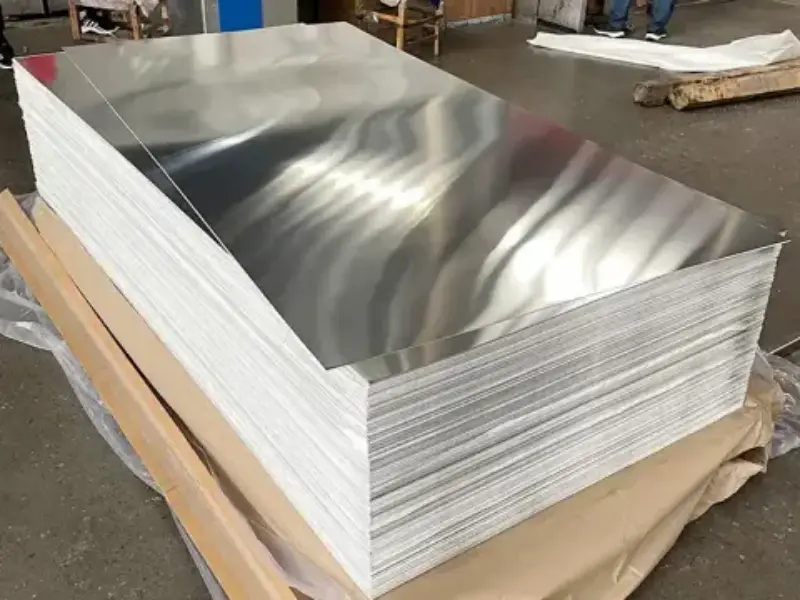
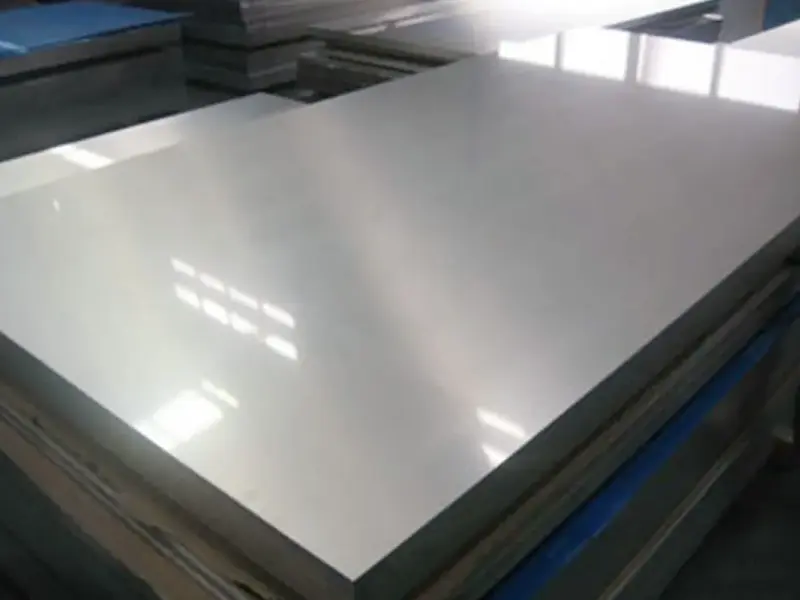
Aluminum vs Steel Panels
Table
| Property | Aluminum Panel | Steel Panel | Winner |
|---|---|---|---|
| Weight | One-third of steel | Heavy | Aluminum |
| Corrosion Resistance | Natural oxide protection | Requires coating | Aluminum |
| Cost per kg | Higher | Lower | Steel |
| Cost per m² (same strength) | Similar | Similar | Tie |
| Formability | Excellent | Good | Aluminum |
| Weldability | Good | Excellent | Steel |
| Thermal Conductivity | High | Lower | Aluminum |
| Recyclability | 100%, no loss | 100% | Tie |
| Magnetic Properties | Non-magnetic | Magnetic | Application dependent |
Aluminum vs Stainless Steel Panels
Table
| Property | Aluminum Panel | Stainless Steel Panel | Winner |
|---|---|---|---|
| Cost | Lower | 3-5x higher | Aluminum |
| Weight | Lighter | Heavier | Aluminum |
| Corrosion Resistance | Good | Excellent | Stainless |
| Scratch Visibility | Less visible | More visible | Aluminum |
| Premium Feel | Good | Excellent | Stainless |
| Magnetic Properties | Non-magnetic | Often magnetic | Application dependent |
Aluminum vs Fiber Cement Panels
Table
| Property | Aluminum Panel | Fiber Cement Panel | Winner |
|---|---|---|---|
| Weight | Lighter | Heavier | Aluminum |
| Impact Resistance | Better | Brittle | Aluminum |
| Water Absorption | None | Absorbs moisture | Aluminum |
| Color Retention | Excellent | Fades over time | Aluminum |
| Cost | Higher | Lower | Fiber Cement |
| Fire Rating | Non-combustible | Non-combustible | Tie |
| Installation Speed | Faster | Slower | Aluminum |
Quality Standards and Certifications
Aluminum panels must meet strict standards for architectural use.
International Standards
Table
| Standard | Scope |
|---|---|
| ASTM B209 | Aluminum sheet specification |
| ASTM E84 | Surface burning characteristics |
| EN 13501-1 | European fire classification |
| AAMA 2603 | PE coating performance |
| AAMA 2605 | PVDF coating performance |
| ISO 9001 | Quality management systems |
| ISO 14001 | Environmental management |
| NFPA 285 | Fire propagation testing |
Fire Performance Classes
Table
| Class | Description | Typical Core |
|---|---|---|
| A2 | Non-combustible | Mineral core |
| B | Limited combustibility | FR core |
| C-E | Combustible | PE core |
High-rise buildings typically require A2 or B class panels. Low-rise and interior applications may use C class with proper fire stops.
Testing Requirements
Reputable suppliers test panels for:
- Peel strength between skin and core
- Wind load resistance
- Impact resistance
- Thermal cycling performance
- Salt spray corrosion resistance
- Color difference after UV exposure
- Coating adhesion (cross-cut test)
- Dimensional stability
Buying Guide: How to Source Aluminum Panel Sheets
Selecting the right supplier ensures consistent quality and on-time delivery.
Step 1: Define Project Requirements
Document these specifications before contacting suppliers:
- Panel type (solid, ACP, honeycomb, corrugated)
- Required alloy and temper
- Thickness and dimensions
- Surface finish and coating type
- Fire rating requirements
- Quantity and delivery schedule
- Fabrication needs (cutting, bending, grooving)
- Installation method (exposed, concealed, rainscreen)
Step 2: Request Samples and Test Reports
Always request physical samples before large orders. Verify:
- Color accuracy against approved samples
- Coating adhesion quality
- Panel flatness on a flat surface
- Edge quality after cutting
- Fabrication behavior (bending, routing)
- Fire test certificates
- Coating warranty documentation
Step 3: Evaluate Supplier Capabilities
Assess potential suppliers on:
- Production capacity and lead times
- Quality control systems and certifications
- Custom color matching ability
- Fabrication services (CNC, bending, grooving)
- Packaging and shipping protection
- Technical support and installation guidance
- Warranty terms and conditions
- Previous project references
Step 4: Understand Pricing Structure
Panel pricing depends on:
- Raw material costs (LME aluminum price)
- Alloy grade and thickness
- Coating type (PVDF costs more than PE)
- Order volume
- Custom colors or special finishes
- Fabrication requirements
- Delivery location and terms
Sustainability and Environmental Benefits
Aluminum panels support green building goals.
Recyclability
- Aluminum is 100% recyclable without quality loss
- Recycling uses only 5% of primary production energy
- ACP panels require separation of aluminum and core for full recycling
- Solid aluminum panels are fully recyclable as-is
Energy Efficiency
- Reflective coatings reduce building cooling loads
- Insulated composite panels improve thermal performance
- Lightweight panels reduce transportation emissions
- Long service life reduces replacement frequency
Green Building Credits
Aluminum panels contribute to LEED and BREEAM credits through:
- Recycled content
- Regional materials
- Low VOC coatings
- Daylighting optimization (reflective panels)
- Heat island reduction (cool roof coatings)
Frequently Asked Questions About Aluminum Panel Sheets
What is the difference between ACP and solid aluminum panels?
ACP consists of two thin aluminum skins bonded to a core material. Solid panels are single-layer aluminum plates. ACP is lighter and flatter but less impact-resistant. Solid panels are stronger and more durable but heavier and more expensive per square meter.
Which alloy is best for exterior aluminum panels?
Alloy 5052 is the best choice for exterior and marine applications due to its superior corrosion resistance. Alloy 3003 works well for general exterior use in non-coastal areas. For alloy 6061 is preferred for structural exterior panels requiring high strength.
What thickness should I use for facade cladding?
For ACP facades, 4 mm is the standard thickness for most buildings. High-rise structures may require 5 mm or 6 mm. For solid aluminum facades, 2.5 mm to 3.0 mm is typical. Honeycomb curtain walls range from 15 mm to 25 mm total thickness.
How long do aluminum panel coatings last?
PVDF coatings last 15 to 20 years on exterior applications. PE coatings last 5 to 8 years outdoors. Powder coatings last 10 to 15 years. Anodized finishes can last 20+ years with minimal maintenance. Actual life depends on climate and exposure conditions.
Are aluminum composite panels fire-safe?
ACP fire safety depends on the core material. PE cores are combustible and restricted in many high-rise applications. FR cores offer improved fire resistance. A2 mineral cores are non-combustible and meet the strictest building codes. Always check local regulations before specifying.
Can aluminum panels be curved or formed?
Solid aluminum panels can be roll-formed or brake-pressed into curves and angles. ACP panels can be grooved and folded into gentle curves. Honeycomb panels can be formed into single-curved shapes with specialized equipment. Complex double-curved shapes require custom fabrication.
What is the difference between PE and PVDF coating?
PE (polyester) coating is economical and suitable for interiors or mild exteriors. PVDF (fluorocarbon) coating offers