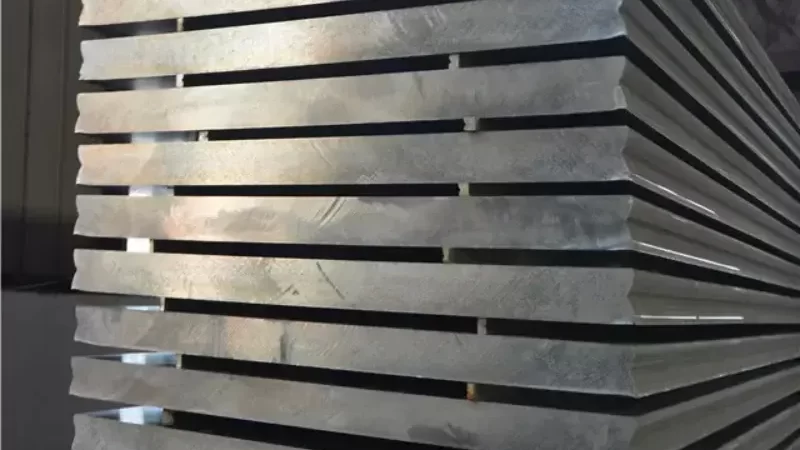
Aluminium plates are widely used in construction, transportation, aerospace, automotive, and industrial manufacturing. Knowing the aluminium plate price helps buyers make informed decisions for both small and large projects. Prices depend on alloy type, thickness, size, and surface finish.
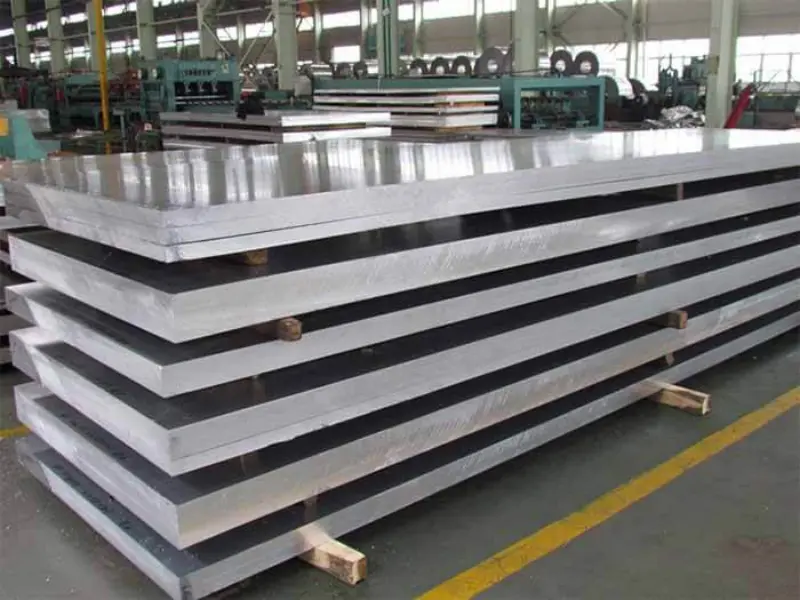
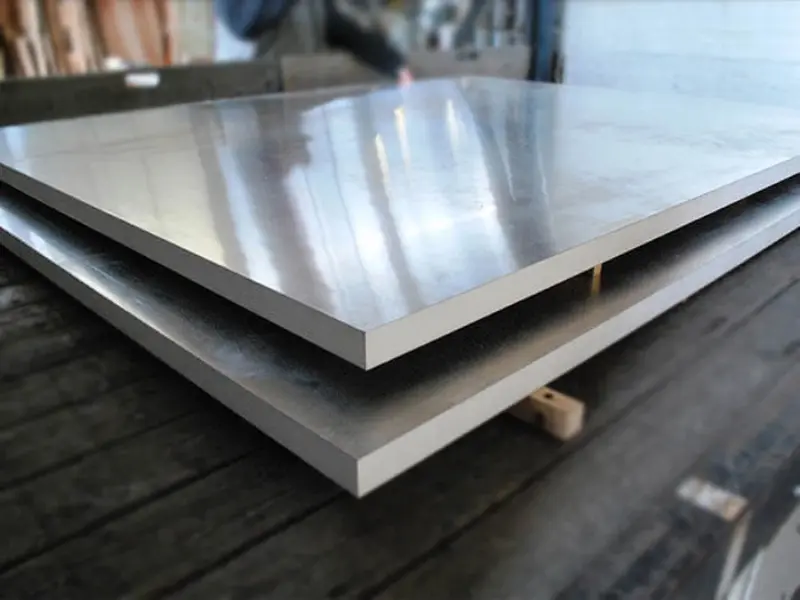
Factors Affecting Aluminium Plate Price
Several factors determine the cost of aluminium plates:
- Alloy Type: 1050, 1060, 3003, 5052, 6061, etc.
- Thickness: Thicker plates cost more due to higher material use.
- Size: Larger dimensions require more aluminium and processing.
- Surface Finish: Polished, brushed, embossed, or coated surfaces affect price.
- Processing & Fabrication: Cutting, slitting, or custom machining adds to the cost.
- Market Conditions: Aluminium prices fluctuate based on supply and demand.
Common Aluminium Plate Specifications
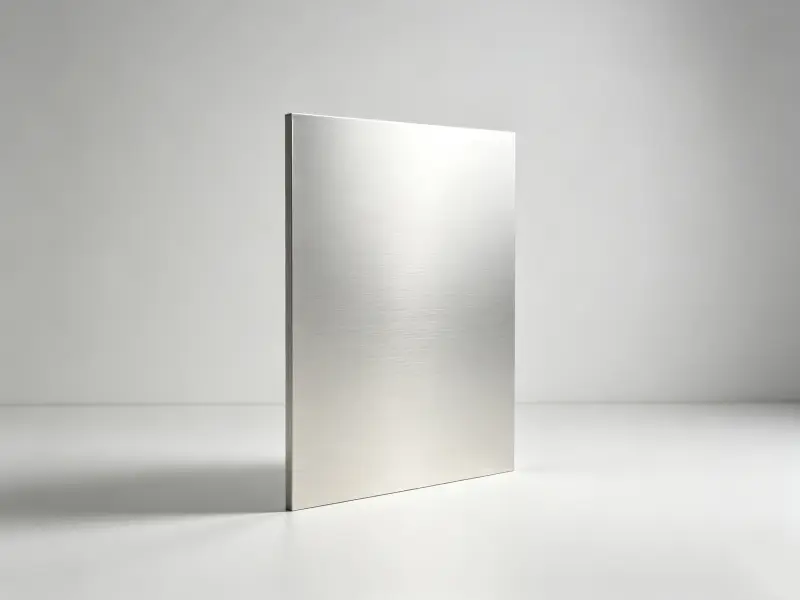
| Alloy | Thickness (mm) | Width (mm) | Length (mm) | Typical Use |
|---|---|---|---|---|
| 1050 | 0.5 – 6 | 500 – 1500 | 1000 – 6000 | Light construction, decoration |
| 3003 | 0.8 – 8 | 600 – 2000 | 1000 – 6000 | Roofing, siding, general fabrication |
| 5052 | 1 – 10 | 1000 – 2000 | 2000 – 6000 | Marine, chemical, industrial applications |
| 6061 | 2 – 12 | 1000 – 2000 | 2000 – 6000 | Structural parts, aerospace, automotive |
Custom sizes can be cut according to customer requirements.
Aluminium Plate Types
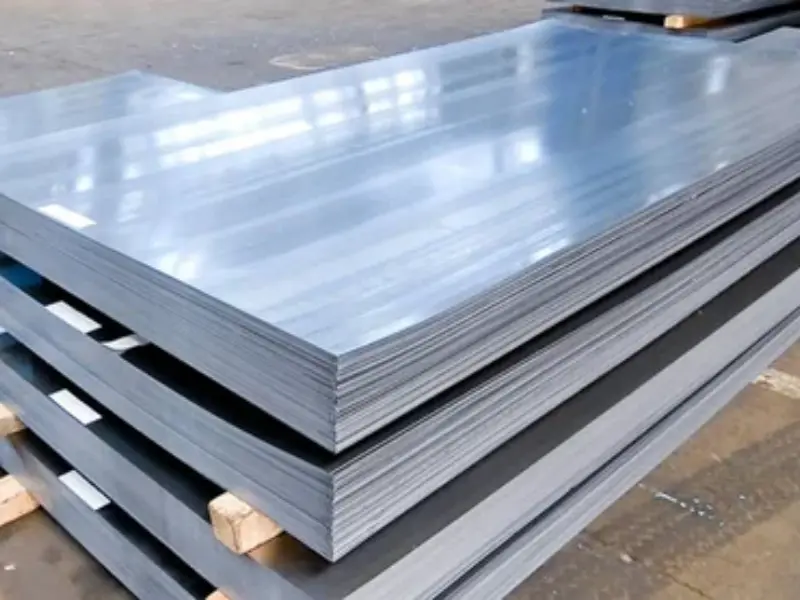
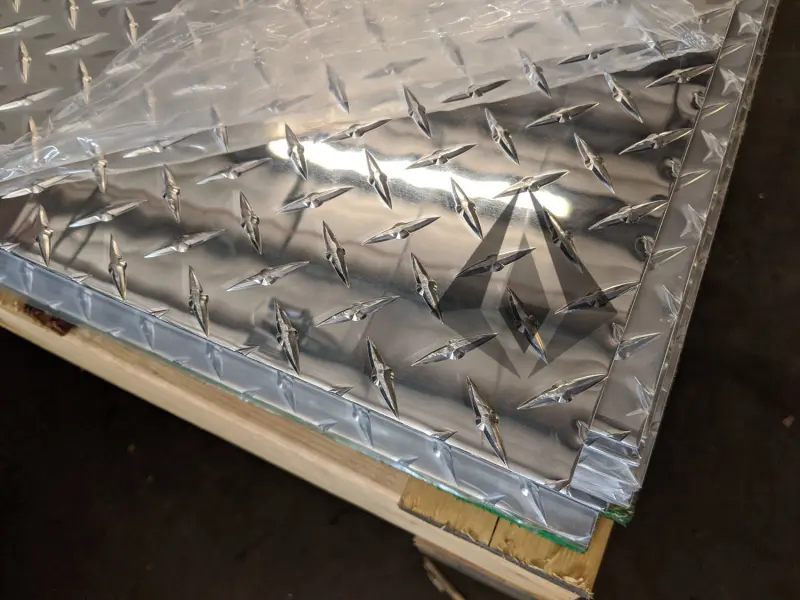
Different types of aluminium plates meet diverse industry needs.
1. Standard Aluminium Plate
- Lightweight, corrosion-resistant, easy to work with
- Used for general fabrication, signage, and decorative panels
2. Anodized Aluminium Plate
- Surface treated for extra corrosion resistance and durability
- Ideal for exterior panels, automotive parts, and aerospace
3. Brushed / Polished Aluminium Plate
- Decorative and aesthetic surfaces
- Used in interior design, displays, and signage
4. Embossed / Patterned Aluminium Plate
- Adds grip or texture for flooring, stair treads, and truck beds
- Functional and decorative
Key Factors Influencing Aluminium Plate Price

The price of aluminium plate is not a static number; it fluctuates based on a multitude of factors.
Understanding these elements will empower you to better predict and negotiate costs when you’re looking to buy aluminium plate.
1. Aluminium Alloy Type
Different aluminium alloys have distinct compositions, leading to varying properties and costs. Some alloys require more expensive alloying elements or more complex manufacturing processes.
- Common Alloys and Price Impact:
- 6061 Aluminium Plate: A very common, general-purpose alloy. Offers good strength, weldability, and corrosion resistance. Generally mid-range in terms of aluminium plate cost.
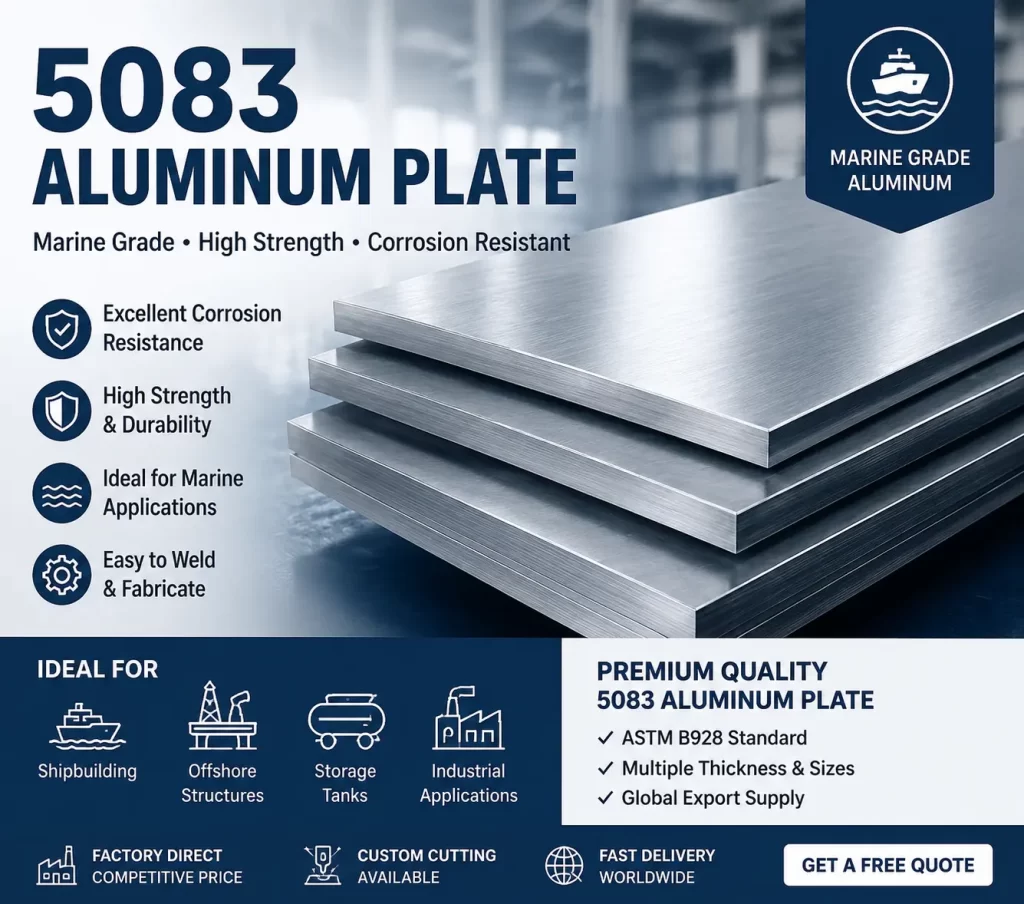
- 5083 Aluminium Plate: Known for excellent corrosion resistance, especially in marine environments, and high strength. Often carries a slightly higher aluminium plate price due to its specific properties.
- 7075 Aluminium Plate: A very high-strength alloy, often used in aerospace. Its specialized composition and manufacturing make it one of the more expensive options.
2. Dimensions (Thickness, Width, Length)


The physical size of the aluminium plate is a major determinant of its price.
- Thickness: Thicker plates require more raw material and longer rolling times, leading to a higher aluminium plate cost per square foot or kilogram.
- Width and Length: Larger dimensions, especially non-standard sizes, can increase costs due to specialized production runs or cutting waste.
3. Temper
The temper of the aluminium plate refers to its hardness and strength, achieved through heat treatment or strain hardening. This process affects the material’s workability and final performance.
- Common Tempers and Price Impact:
- “O” (Annealed): Softest, most ductile. Generally lower cost.
- “T” Series (Heat-Treated): e.g., T6, T651. Involves precise heat treatments, which add to the aluminium plate price.
- “H” Series (Strain-Hardened): e.g., H112, H32. Achieved through mechanical working. Cost varies depending on the level of hardening.
4. Surface Finish and Treatments

Additional surface treatments can enhance the plate’s appearance, corrosion resistance, or other properties, thereby increasing the aluminium plate cost.
- Options Include: Mill finish (standard), polished, anodized, painted, or clad.
5. Order Quantity
As with most raw materials, buying in bulk often leads to a lower aluminium plate price per unit. Suppliers can offer discounts on larger orders due to economies of scale in production and shipping.
6. Global Market Conditions
The global price of raw aluminium, influenced by supply and demand, geopolitical events, energy costs, and tariffs, directly impacts the aluminium plate cost. These market fluctuations can cause frequent changes in aluminium plate price.
7. Processing and Fabrication

If you require the plate to be cut to size, drilled, bent, or receive other fabrication services, these will be added to the overall aluminium plate price.
8. Supplier and Region
Different suppliers may have varying pricing structures based on their overheads, production efficiencies, and local market competition. Regional factors, including local taxes and transportation costs, also play a role.
9. Freight and Shipping
The cost to transport the heavy aluminium plate from the supplier to your location can be a significant part of the overall aluminium plate price, especially for international orders.
Typical Aluminium Plate Specifications and Their Price Implications


Here’s a look at how some common specifications might influence the aluminium plate price:
| Specification Category | Example Specification | Typical Price Impact (Relative) | Notes |
|---|---|---|---|
| Alloy Type | 6061-T6 | Mid-range | Common, good balance of properties. |
| 5083-H116/H321 | Higher | Premium for marine and high-strength applications. | |
| 7075-T651 | Highest | Aerospace grade, very high strength. | |
| Thickness | 6.35 mm (0.25 inch) | Lower | Standard entry-level plate thickness. |
| 25.4 mm (1 inch) | Medium-High | More material, longer processing. | |
| 100 mm (4 inches) | Very High | Specialized, heavy-duty applications, significant material cost. | |
| Width | 1219 mm (48 inches) | Standard | Common mill width, generally most economical. |
| 1524 mm (60 inches) | Slightly Higher | Less common than 48″, may incur a slight premium. | |
| 2000 mm (78.7 inches) | High | Wide plate, often requires specialized mills, higher aluminium plate cost. | |
| Length | 2438 mm (96 inches) | Standard | Common stock length. |
| 6096 mm (240 inches) | Slightly Higher | Longer lengths can be less available, higher shipping costs, and potential for increased price per unit. | |
| Surface Finish | Mill Finish | Standard | Untreated, as-rolled surface. |
| Anodized | Adds to Cost | Enhanced corrosion resistance and aesthetics. |
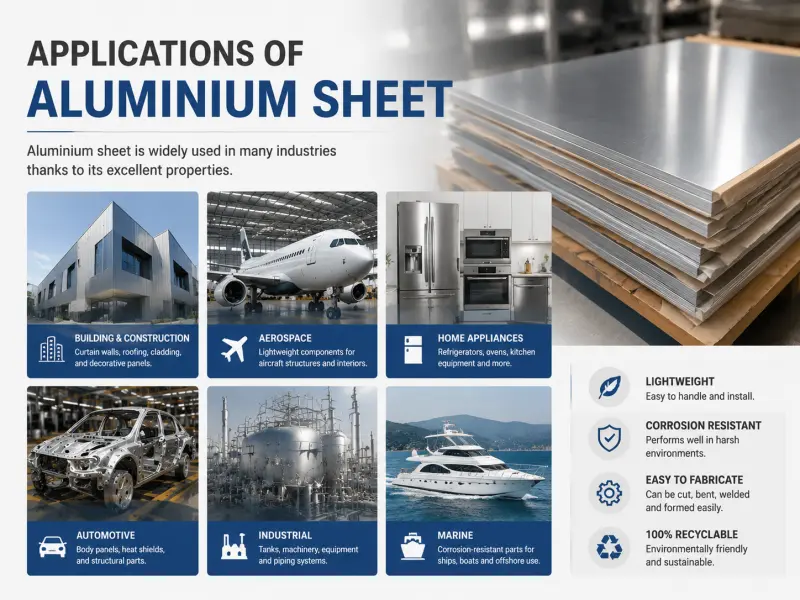
Applications of Aluminium Plates

Aluminium plates are versatile and widely used.
Industrial Applications:
- Construction and architecture
- Automotive and aerospace parts
- Industrial machinery
- Marine and chemical equipment
Decorative Applications:
Flooring and stair treads
Interior panels and furniture
Wall cladding and ceilings
Signage and displays
DIY & Creative Projects:
- Custom projects
- Artwork and sculptures
- Home improvements
Price Comparison Table (Indicative)

| Alloy | Thickness | Approx. Price (USD per kg) | Notes |
|---|---|---|---|
| 1050 | 1 mm | $2.0 – $3.0 | Standard, low cost |
| 3003 | 2 mm | $2.5 – $4.0 | Good corrosion resistance |
| 5052 | 3 mm | $3.0 – $5.0 | High durability, marine use |
| 6061 | 5 mm | $4.0 – $6.5 | High strength, aerospace grade |
Prices are indicative and vary by supplier, quantity, and market conditions.
Tips to Save on Aluminium Plate Purchases
- Buy in bulk to reduce unit price
- Select the alloy suitable for your application
- Compare multiple suppliers
- Request quotes with exact dimensions and finishes
- Consider surface finish requirements carefully
Why Choose Aluminium Plates


- Lightweight and strong: Ideal for transportation and industrial use
- Corrosion-resistant: Longer service life in harsh environments
- Easy to process: Can be cut, bent, and welded
- Cost-effective: Lower maintenance costs and material cost compared to steel
Aluminum Plate Price Supplier for sale
Understanding aluminium plate price and specifications is key to choosing the right material. Whether for construction, automotive, aerospace, or decorative applications, aluminium plates offer lightweight, durable, and versatile solutions.
By selecting the proper alloy, thickness, and finish, you can optimize both performance and cost for your project.
Core Factors That Shape the Aluminium Plate Price
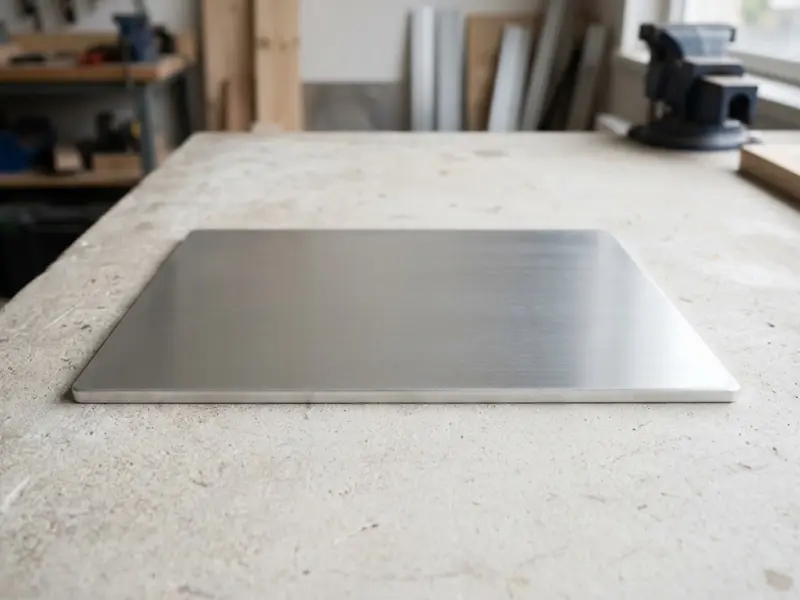
The final cost of your metal sheet is never random. Multiple core elements push the aluminium plate price up or down every single month.
- London Metal Exchange (LME) Base Rate: The global benchmark for raw metal.
- Alloy Composition: Adding elements like magnesium, silicon, or zinc changes the cost.
- Processing Level: Cutting, brushing, or anodizing adds extra steps and value.
- Order Volume: Buying in bulk usually lowers the unit cost significantly.
Comprehensive Aluminium Plate Types and Specifications
Different projects require different materials. Understanding the types helps you match your budget with the exact aluminium plate price you need. Below are popular grades and their standard specs.
Standard Commercial and Industrial Aluminium Grades
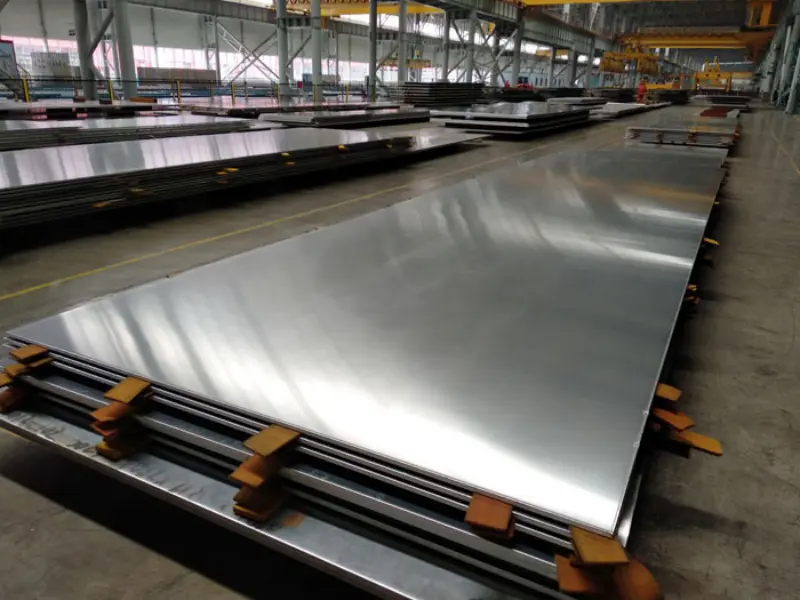

Here is a quick look at common alloy types and their typical thickness ranges.
| Alloy Type | Standard Thickness Range (mm) | Common Temper | Primary Use Case |
|---|---|---|---|
| Alloy 1050 | 0.5 to 6.0 | H14, H24 | General sheet metal work, chemical equipment |
| Alloy 3003 | 1.0 to 8.0 | H14, O | Cookware, fuel tanks, storage vessels |
| Alloy 5052 | 1.5 to 12.0 | H32, H38 | Marine structures, vehicle bodies, tanks |
| Alloy 6061 | 2.0 to 50.0 | T6, T651 | Structural framing, aerospace, machine parts |
| Alloy 7075 | 3.0 to 40.0 | T6, T73 | High-stress aircraft parts, defense gear |
Detailed Overview of Popular Plate Series
Series 1000 Pure Aluminium Plates
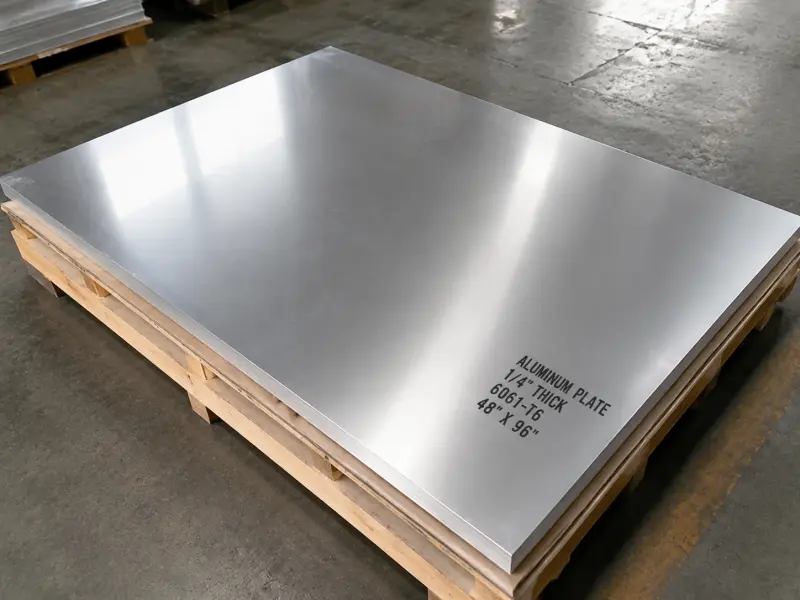
Series 1000 offers high purity. It has great corrosion resistance and high electrical conductivity.
The aluminium plate price for this series is usually lower because it is unalloyed. It works best for chemical tanks and electrical conductors.
Series 3000 Aluminium-Manganese Alloys
Alloy 3003 and 3105 belong here. They offer about 20% higher strength than series 1000. They resist rust well and form easily. Many factories use them for roofing, siding, and kitchen utensils.
Series 5000 Aluminium-Magnesium Alloys
Alloy 5052 is the king of marine applications. It handles saltwater environments without breaking down. The aluminium plate price here reflects its strong durability and weldability.
Series 6000 Heat-Treatable Structural Alloys
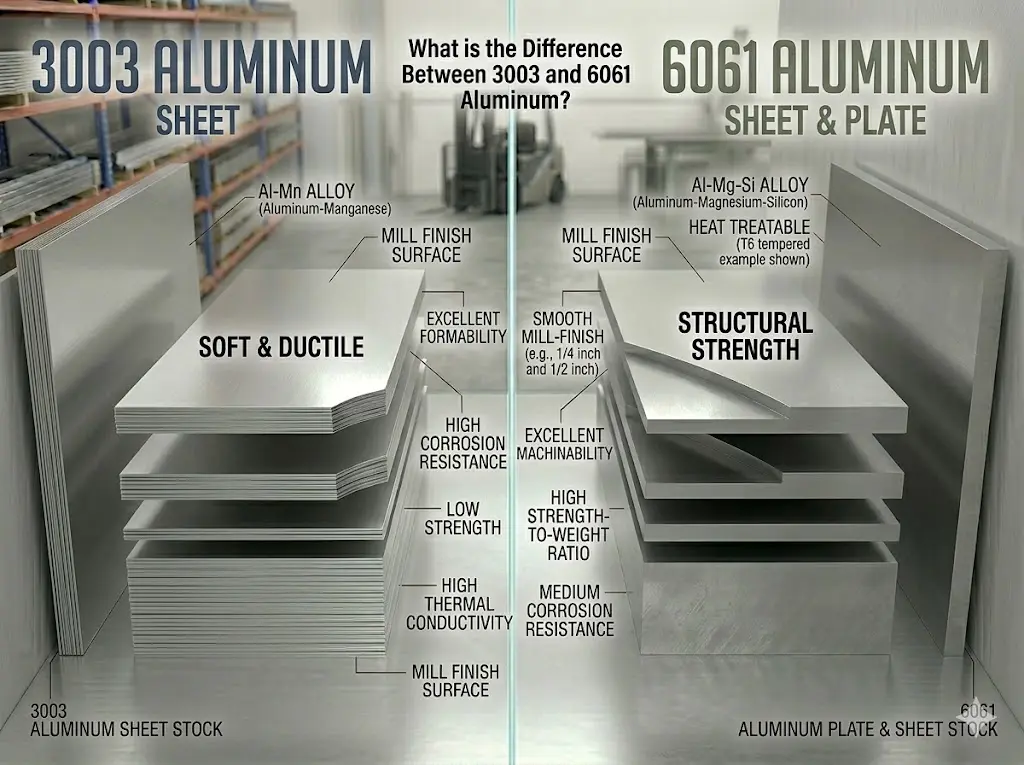
Alloy 6061 is famous for structural strength. It responds well to machining and welding. Engineers choose it for bridges, transport frames, and heavy machinery platforms.
Series 7000 High-Strength Aerospace Alloys
Alloy 7075 contains zinc. It matches steel in strength while remaining very light. Because of its complex production, the aluminium plate price for 7075 is higher, but it is necessary for aerospace frameworks.
Deep Comparison: Alloys, Thickness, and Tempers
Comparing your options helps you find the sweet spot between performance and cost. Let us look at how thickness and temper change your project expenses.
Thickness Comparison Matrix
| Thickness Category | Typical Range (mm) | Weight Level | Price Impact on Freight |
|---|---|---|---|
| Thin Sheet | 0.5 to 1.5 | Very Light | Low shipping cost, easy to handle |
| Medium Plate | 2.0 to 6.0 | Moderate | Balanced cost and structural support |
| Heavy Plate | 8.0 to 50.0 | Heavy | Requires forklift or crane, higher freight |
Temper Comparison: Soft Versus Hardened State
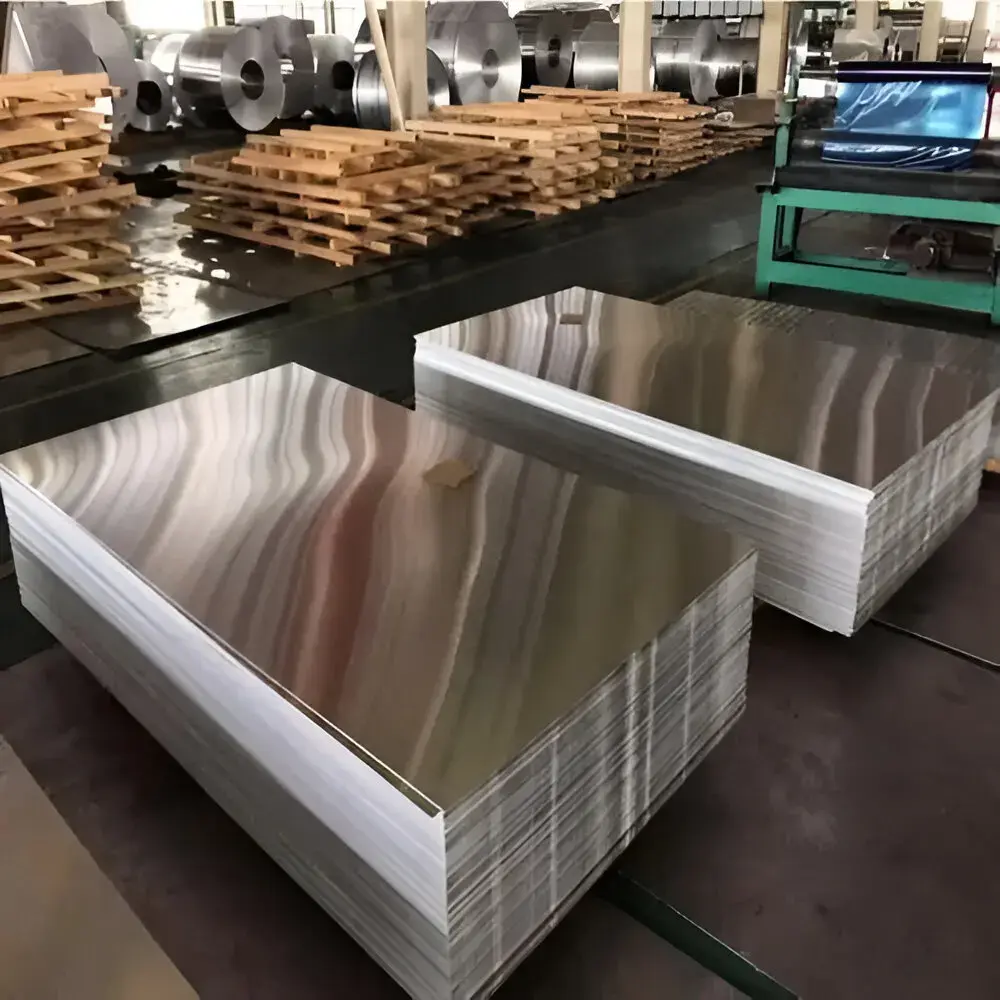

Annealed State (Temper O)
- Maximum ductility and formability.
- Easy to bend into complex shapes.
- Lower tensile strength compared to hardened states.
Strain-Hardened State (Temper H)
- Processed by cold rolling.
- Higher strength, good for structural panels.
- Less flexible during deep bending.
Solution Heat-Treated and Aged (Temper T6)
- Maximum mechanical strength.
- Used in high-load structural components.
- Requires precise cutting tools.
Primary Application Fields of Aluminium Plates
Aluminium plates serve a massive range of modern industries. Their lightweight nature reduces energy consumption across the board.
- Marine and Shipbuilding: Hull construction, decks, and superstructures exposed to marine air.
- Aerospace and Defense: Wing structures, fuselage panels, and missile components.
- Transportation and Automotive: Truck beds, railway carriages, and electric vehicle battery housings.
- Construction and Architecture: Building facades, curtain walls, and structural roofing.
- Industrial Manufacturing: CNC machine tables, molds, jigs, and heat exchangers.
Frequently Asked Questions
What main factors cause the aluminium plate price to fluctuate?
Market supply, LME raw metal rates, energy costs for smelting, and global shipping tariffs all drive changes in the daily aluminium plate price.
Which alloy offers the best balance of price and strength?
Alloy 6061-T6 is generally considered the best all-rounder for structural projects, offering high strength at a reasonable aluminium plate price.
How can I get a lower price for bulk orders?
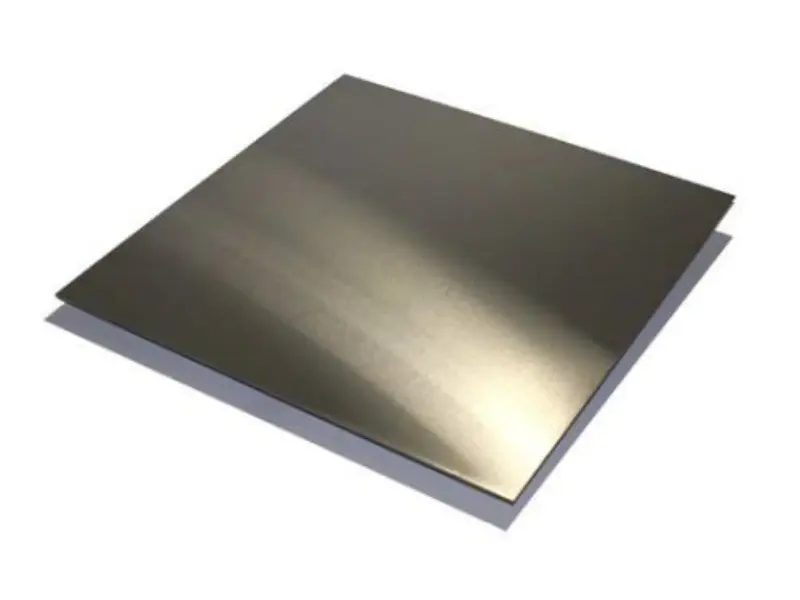
Buying direct from mills in standard dimensions (like 1220×2440 mm) reduces waste and lowers the overall aluminium plate price per kilogram.
Is thin aluminium cheaper than thick aluminium plate?
Yes, because thin sheets use less raw material per square meter, though specialized ultra-thin foils can sometimes carry higher processing fees.