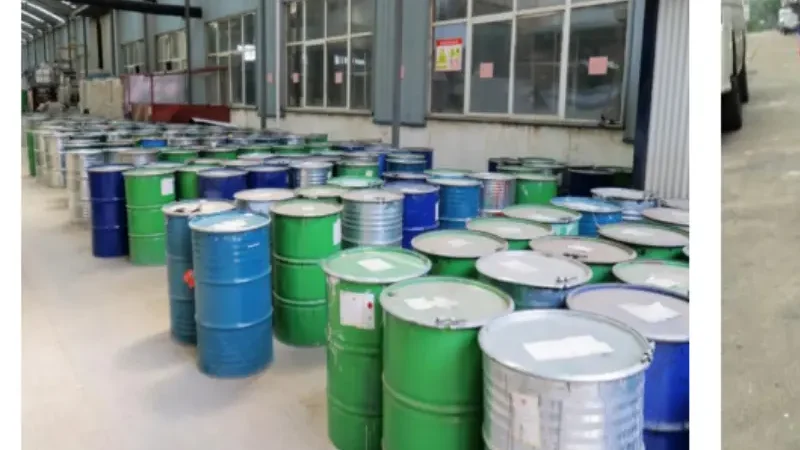

Aluminium finish paint is a specialized coating designed to protect and enhance the appearance of aluminum surfaces. It has uses in construction, automotive, industrial machinery, and decorative applications. This paint improves corrosion resistance, surface durability, and provides a smooth and aesthetically pleasing finish.
With various colors, finishes, and specifications available, aluminium coating paint is a cost-effective solution for both indoor and outdoor projects.
What is Aluminium Finish Paint?
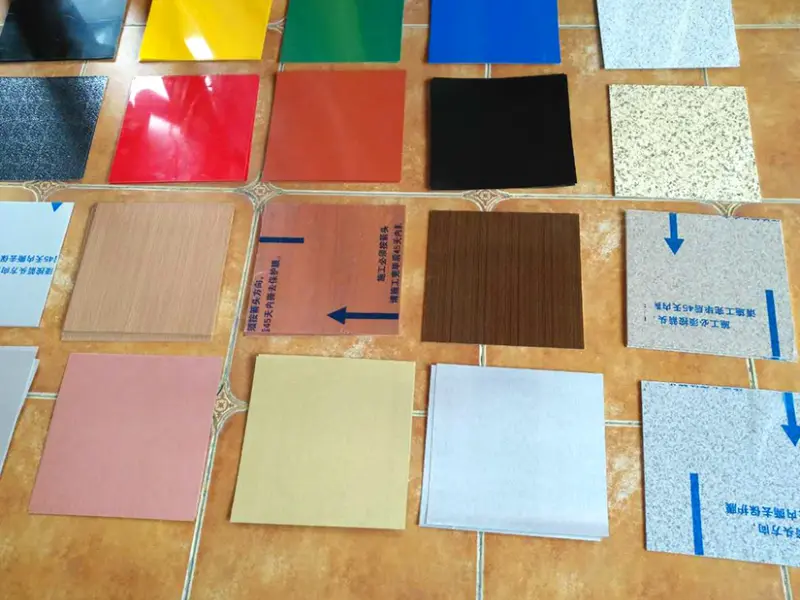
Aluminium finish paint is a type of protective and decorative coating formulated specifically for aluminum surfaces. It creates a long-lasting, weather-resistant layer that preserves the metal’s integrity and improves its appearance.
Key features:
- Strong adhesion to aluminum
- Excellent corrosion resistance
- Smooth and uniform surface
- Available in glossy, matte, or metallic finishes
- Resistant to UV rays and outdoor conditions
It is also known as aluminium coating paint, aluminium protective paint, or metal finish paint.
Types of Aluminium Finish Paint
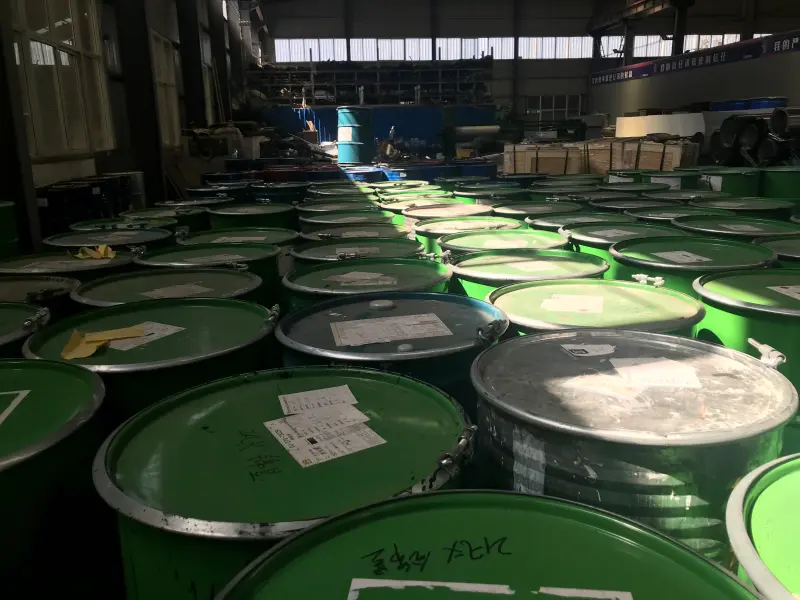
By Finish Type
| Finish Type | Characteristics | Typical Use |
|---|---|---|
| Glossy | Bright and reflective | Decorative panels, automotive parts |
| Matte | Non-reflective, smooth | Interiors, furniture |
| Metallic | Shiny metallic look | Architectural panels, signage |
| Powder Coating | Durable and thick layer | Industrial equipment, appliances |
By Application Method
| Method | Features | Recommended Surfaces |
|---|---|---|
| Spray | Quick and even coverage | Panels, small parts |
| Brush | Precise application | Trim, edges |
| Roller | Suitable for large surfaces | Walls, panels |
| Powder Coating | Electrostatic application | Industrial machinery |
Standard Specifications
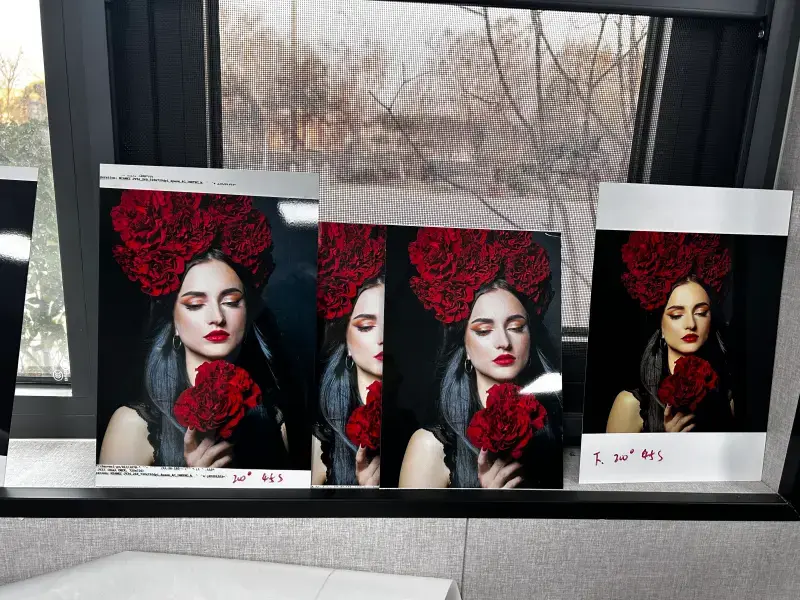

Aluminium finish paint comes in different formulations and packaging to meet project requirements.
| Specification | Range |
|---|---|
| Viscosity | 20–60 seconds (Ford Cup #4) |
| Drying Time | 30–60 minutes (touch dry) |
| Coverage | 8–12 m² per liter |
| Film Thickness | 25–50 microns per coat |
| Color Options | RAL, custom colors |
Custom formulations can be made for heat resistance, chemical resistance, or decorative effects.
Advantages
Using aluminium finish paint provides multiple benefits:
- Protects aluminum from corrosion and oxidation
- Enhances appearance with smooth, uniform finish
- Resistant to UV, weather, and chemicals
- Easy to apply on various surfaces
- Long-lasting and low-maintenance
These features make it suitable for both decorative and functional applications.
Applications
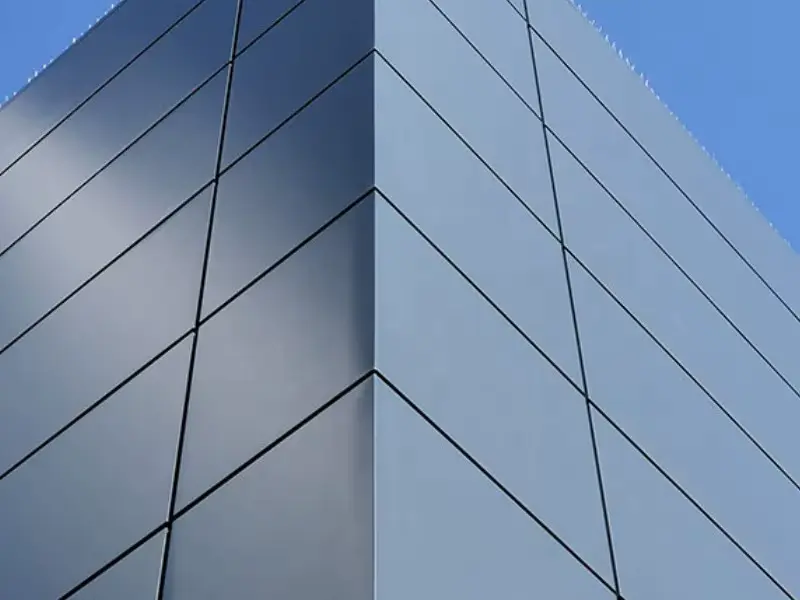
Aluminium finish paint is widely used across industries:
- Construction – aluminum panels, window frames, doors
- Automotive – car body parts, trim, rims
- Industrial machinery – equipment and tools
- Appliances – refrigerators, ovens, air conditioners
- Furniture and interiors – tables, chairs, wall panels
- Signage – outdoor and indoor signs
Why choose aluminium finish paint:
- Protects metal while enhancing aesthetics
- Suitable for indoor and outdoor use
- Easy to maintain and clean
Color Options and Finishes
Aluminium coating paint offers a wide variety of colors and finishes to suit any design.
| Finish | Description |
|---|---|
| Glossy | High-reflective, bright appearance |
| Matte | Smooth, low-reflective finish |
| Metallic | Creates metallic visual effect |
| Textured | Adds tactile pattern or rough finish |
| Transparent | Enhances natural aluminum appearance |
These options allow designers and manufacturers to achieve both functional and decorative goals.
Application Process
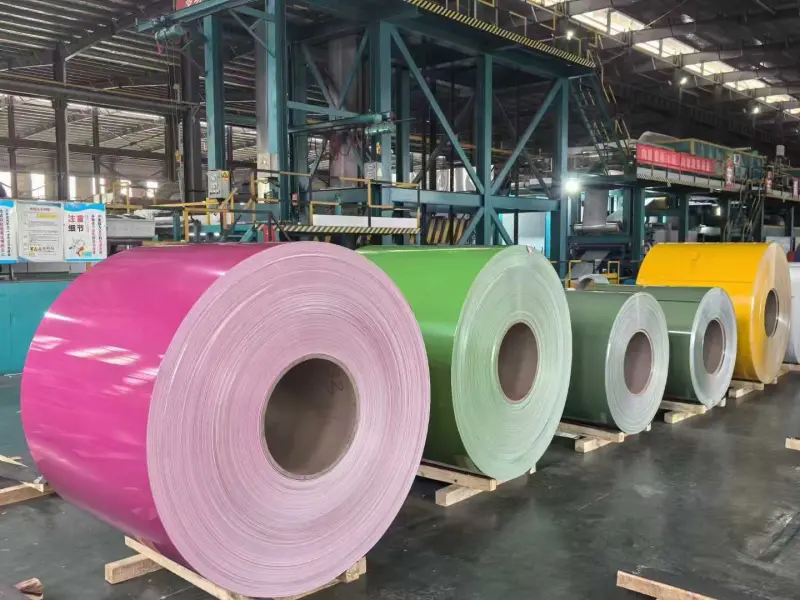
Applying aluminium finish paint requires proper preparation for best results:
- Clean the aluminum surface to remove dust, oil, and grease
- Apply primer if required for better adhesion
- Stir the paint well before use
- Apply using spray, brush, or roller
- Allow proper drying time between coats
- Inspect and apply additional coats if necessary
Proper surface preparation and application ensure long-lasting and uniform results.
How to Choose the Right Aluminium Finish Paint
When selecting aluminium finish paints, consider:
- Type of finish needed (glossy, matte, metallic)
- Indoor or outdoor application
- Required chemical or heat resistance
- Coverage and number of coats
- Project size and budget
Choosing the right paint ensures durability, appearance, and ease of maintenance.
Aluminium finish painting
Aluminium finish paint has applications to improve the appearance and surface protection of aluminum products. It is available in different colors, gloss levels, and coating systems. The right finish depends on the aluminum surface, the working environment, and the final application.
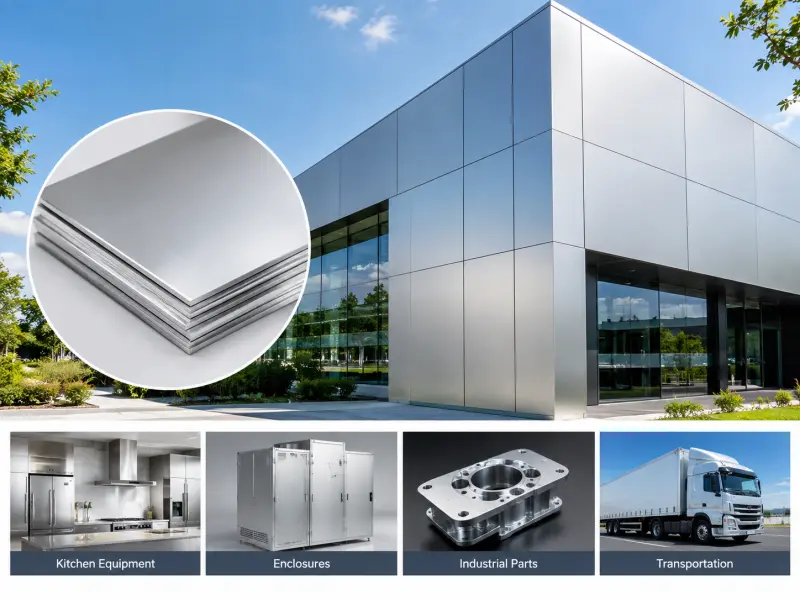
Aluminum has uses in construction, transportation, machinery, furniture, and decorative products. Its natural oxide layer provides some corrosion resistance, but additional surface treatment has needed to meet specific appearance and service requirements.
For manufacturers, fabricators, contractors, and industrial buyers, choosing the right aluminium finish paint starts with understanding the substrate, preparation method, coating type, and expected service conditions.
What Is Aluminium Finish Paint?
Aluminium finish paint is a coating applied to an aluminum surface to create a decorative or protective finish. Depending on the product, it has uses on aluminum sheet, plate, extrusions, frames, panels, profiles, and fabricated components.
Some coatings have applied to bare aluminum. Others have designed for pretreated metal or an existing coating. The correct system may include cleaning, pretreatment, primer, and a finishing coat.
Paint performance depends on more than the paint itself. Surface preparation, film thickness, curing conditions, and environmental exposure all affect the final result.
Main Functions of Aluminum Finishing Paint
- Appearance: Provides a consistent color, gloss level, or decorative effect.
- Corrosion protection: Helps protect the metal when the coating system is properly selected and maintained.
- Weather resistance: Supports outdoor use when the paint is rated for the expected exposure.
- Surface consistency: Creates a more uniform finish across aluminum components.
- Product identification: Allows manufacturers to use specific colors for different product lines.
- Maintenance: Some systems make routine cleaning easier, depending on the finish and service environment.
Types of Aluminium Finish Paint
Different coating systems are designed for different applications. A paint suitable for an indoor decorative panel may not be suitable for a coastal building exterior or an industrial component exposed to chemicals.
Acrylic Paint for Aluminum
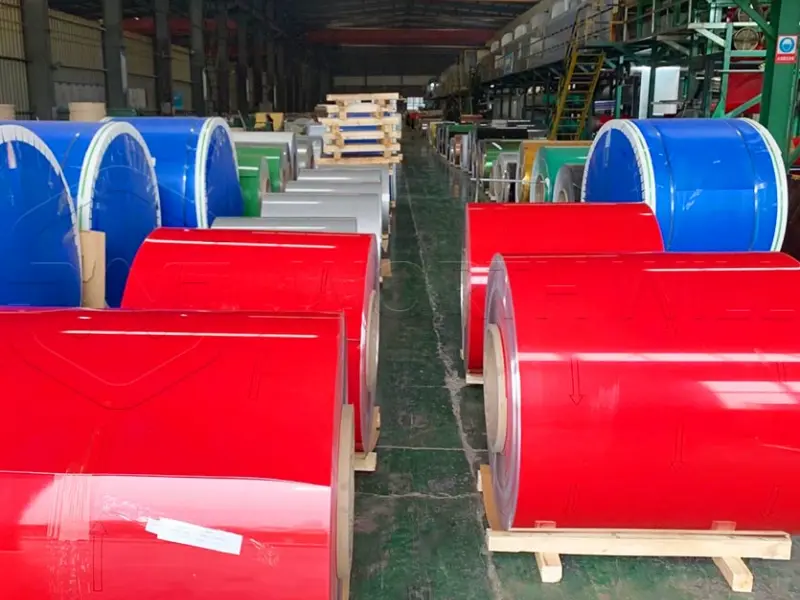
Acrylic paint is available in water-based and solvent-based formulations. Certain products are designed for metal surfaces and can provide good color retention for suitable applications.
Water-based acrylic coatings may be considered for architectural components, interior products, and selected exterior uses. The exact performance depends on the formulation and substrate preparation.
Before applying acrylic paint to aluminum, check whether the product requires a metal primer or a specific pretreatment.
Epoxy Paint for Aluminum
Epoxy coatings are used in industrial environments where adhesion and chemical resistance are important. They are often selected for equipment, fabricated components, and surfaces that need a durable protective coating.
Some epoxy coatings have limited resistance to prolonged ultraviolet exposure and may change appearance outdoors. For exposed applications, a compatible UV-resistant topcoat may be required.
Polyurethane Finish Paint
Polyurethane coatings are available for applications that require a durable finish and good appearance retention. Depending on the formulation, they may provide resistance to abrasion, weathering, and chemicals.
They are used on selected industrial parts, transportation components, and coated metal products. Buyers should check the manufacturer’s technical data for the intended environment.
Polyester Paint for Aluminum
Polyester coatings are widely used in architectural and industrial metal finishing. They may be supplied as liquid coatings or powder coatings, depending on the production process.
Powder polyester coatings are common on aluminum profiles, doors, frames, furniture, and metal components. Their performance varies by resin system, film thickness, curing conditions, and exposure category.
Fluoropolymer Coatings: PVDF and FEVE
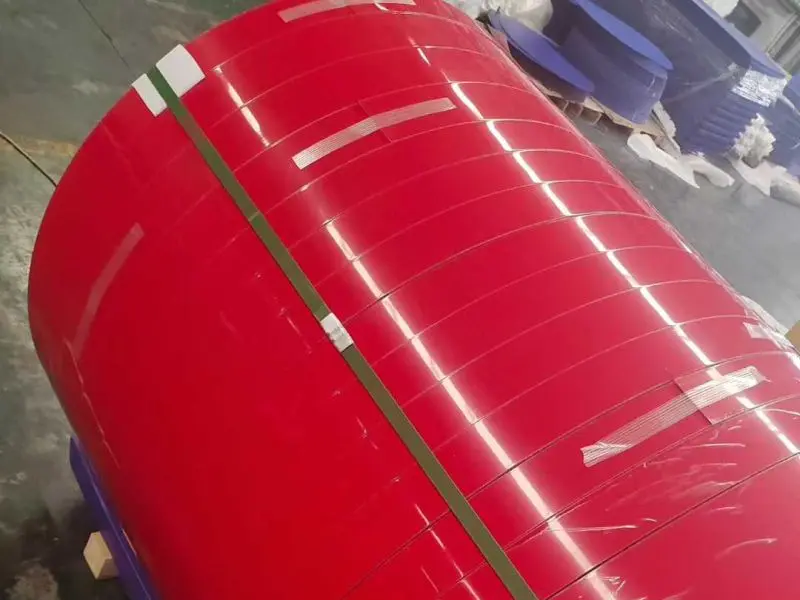
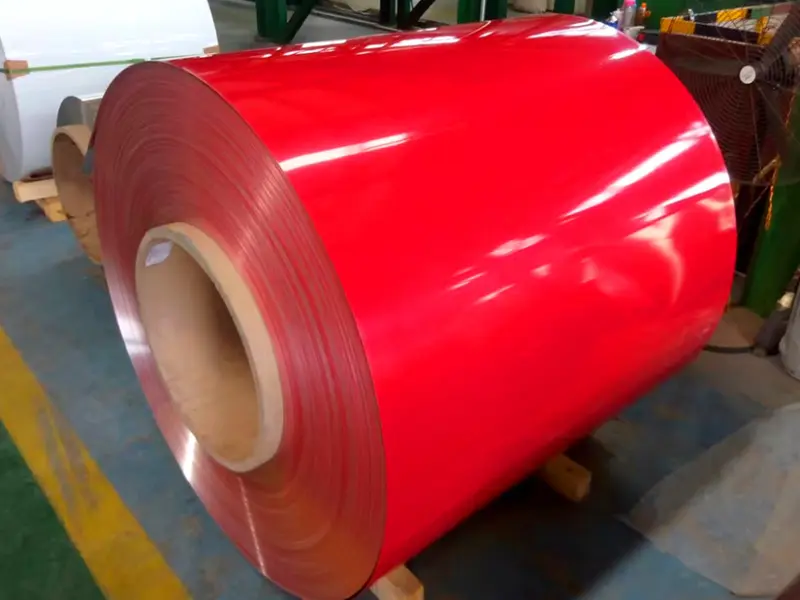
Fluoropolymer coatings such as PVDF and FEVE are used in selected architectural applications where long-term weathering and color retention are important.
PVDF coatings are widely associated with architectural aluminum panels and coated aluminum coil. FEVE systems are another option for certain exterior coating applications.
These coatings generally cost more than many standard finishes. Their suitability depends on the complete coating system, the substrate, the exposure conditions, and the manufacturer’s performance data.
| Paint or Coating Type | Main Characteristics | Potential Applications |
|---|---|---|
| Acrylic | Versatile, available in different formulations | Interior products and selected exterior components |
| Epoxy | Good adhesion and chemical resistance in suitable systems | Industrial equipment and fabricated parts |
| Polyurethane | Durable finish and selected weather-resistant options | Transportation and industrial components |
| Polyester powder coating | Consistent finish and broad color options | Aluminum profiles, frames, and furniture |
| PVDF | Used for demanding architectural exterior applications | Facade panels and coated aluminum products |
| FEVE | Fluoropolymer option for selected exterior finishes | Architectural metal and decorative panels |
Not all products in a coating category have the same performance. Compare technical data sheets instead of selecting paint based on its name alone.
Aluminium Finish Paint by Surface Appearance
Color and texture affect the appearance of a finished aluminum product. Buyers should choose a finish that matches both the design requirements and the intended maintenance plan.
Gloss Finish
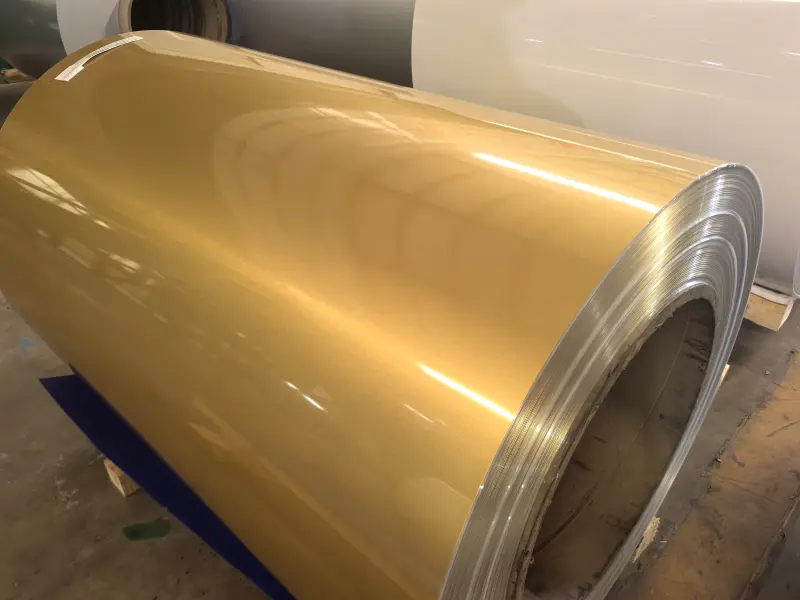
Gloss coatings create a reflective surface. They are used on decorative panels, furniture components, equipment covers, and selected architectural products.
A high-gloss finish can make surface defects more visible. The aluminum should be clean and properly prepared before coating.
Semi-Gloss Finish
Semi-gloss coatings offer a balance between reflection and a softer appearance.
This finish can be suitable when a bright mirror-like appearance is not required.
Matte Finish
Matte paint has low surface reflection.
The surface texture may influence cleaning and stain removal. Confirm the maintenance requirements before choosing a matte coating for frequently handled products.
Textured and Metallic Finishes
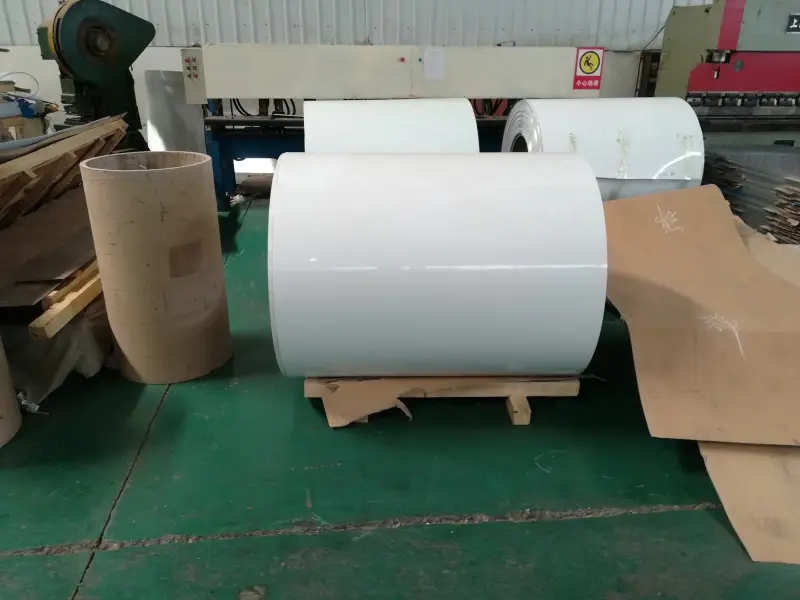
Textured coatings create a surface with a visible or tactile pattern. Metallic finishes use special pigments or coating effects to create an aluminum-like or decorative appearance.
These finishes are available in selected powder and liquid coating systems. Sample panels are useful for checking color, texture, and consistency before production.
| Finish | Appearance | Common Product Examples |
|---|---|---|
| High gloss | Strong reflection | Decorative panels and equipment covers |
| Semi-gloss | Moderate reflection | Frames, doors, and metal furniture |
| Matte | Low reflection | Modern architectural components |
| Fine texture | Subtle surface pattern | Profiles and equipment housings |
| Metallic silver | Metal-effect appearance | Decorative trim and panels |
| Custom color | Project-specific appearance | Branded or architectural components |
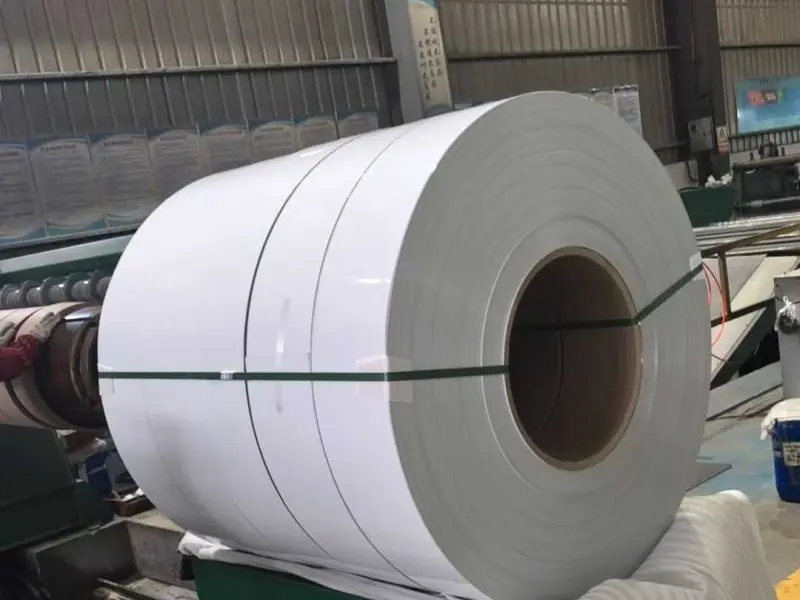
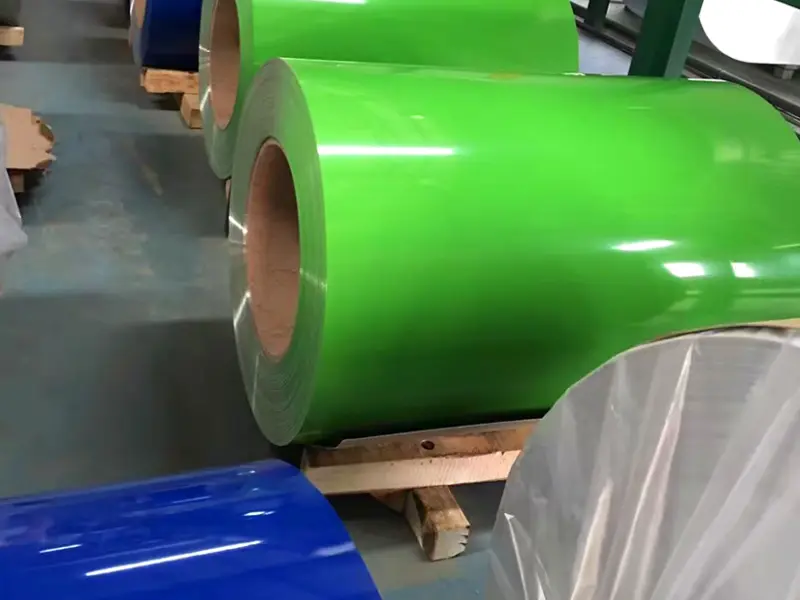
Aluminium Finish Paint Colors and RAL Options
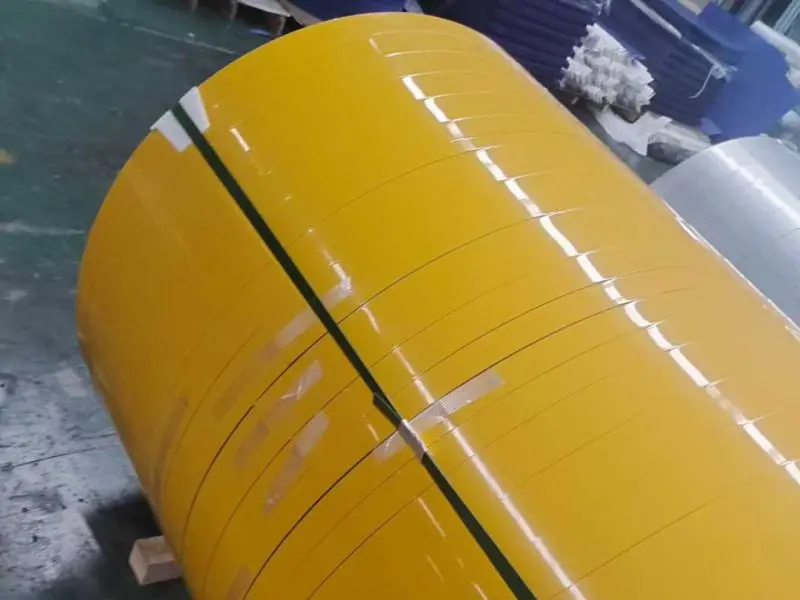
Aluminum paint is available in many standard and custom colors. The final color depends on the coating formulation, gloss level, substrate, and curing process.
For large projects, using a defined color reference helps improve consistency between production batches.
Common Architectural Colors
White, black, grey, silver, bronze, and brown are frequently specified for aluminum products.
Some projects require a specific RAL color or a custom color sample. Buyers should confirm whether the supplier can match the requested color in the selected coating system.
Color Matching for Bulk Orders
A color reference alone may not fully define the final appearance. Gloss, texture, coating thickness, and lighting conditions can affect how a color looks.
For this reason, approve a physical sample before mass production when color consistency is important.
| Color Group | Example Use |
|---|---|
| White | Window frames, doors, interior panels |
| Black | Modern frames, trims, decorative profiles |
| Grey | Facade panels, industrial enclosures |
| Silver | Decorative trim and metal-effect finishes |
| Bronze | Architectural details and exterior components |
| Brown | Doors, frames, and selected building products |
| Custom RAL color | Project-specific manufacturing |
Aluminium Alloy Selection Before Painting
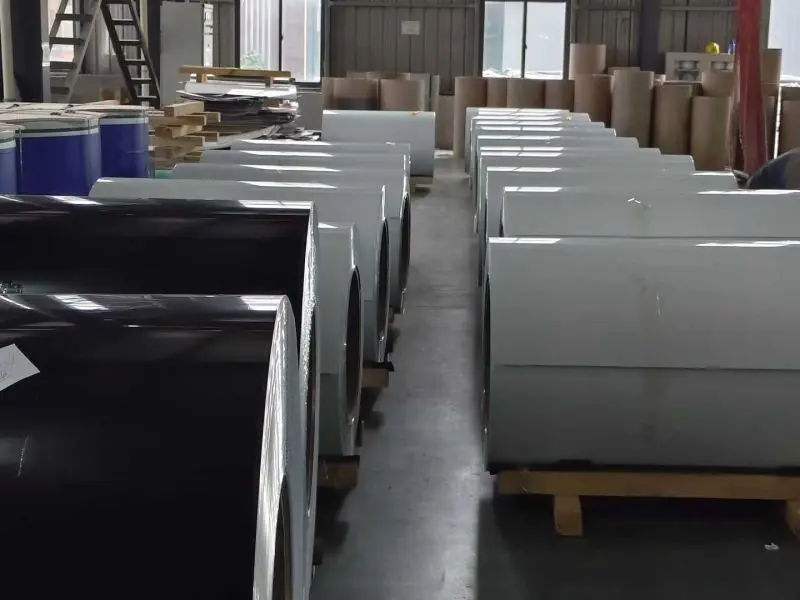
Aluminum alloy affects strength, formability, corrosion behavior, and fabrication. It can also influence the surface condition before painting.
The coating system must then be checked for compatibility with the material and its pretreatment.
1050 and 1060 Aluminum
1050 and 1060 are commercially pure aluminum grades with good formability and corrosion resistance.
When these grades are painted, surface cleanliness and the correct pretreatment remain important. Confirm that the chosen paint system is suitable for the specific sheet product.
3003 Aluminum
3003 aluminum contains manganese and has uses for formed sheet products. It may be found in panels, covers, enclosures, and decorative components.
For painted products, confirm the condition of the sheet and the requirements for pretreatment and adhesion.
5052 Aluminum
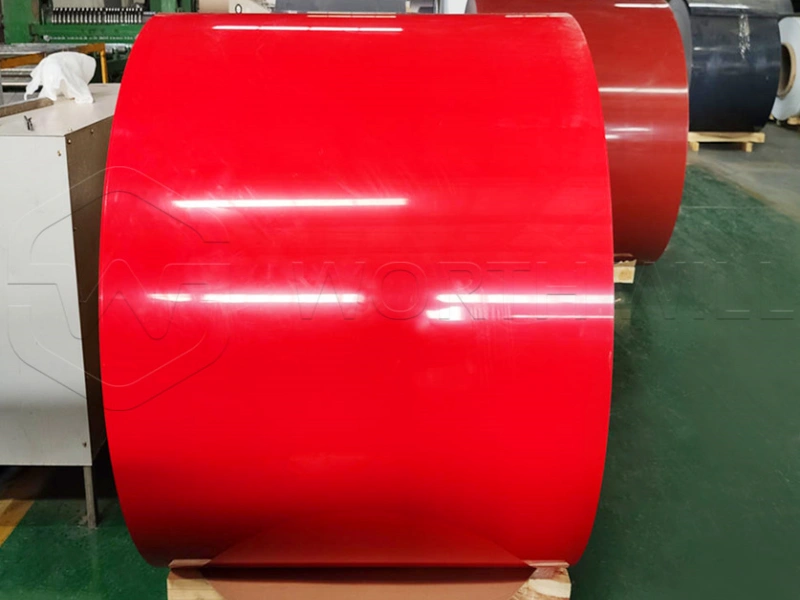
5052 aluminum is an aluminum-magnesium alloy known for good corrosion resistance and strength. It has uses in fabricated panels, enclosures, transportation parts, and marine-related components.
For coastal or marine exposure, request performance information for the complete coating system rather than relying on the alloy designation alone.
6061 Aluminum
6061 aluminum is used in structural components, machined parts, frames, and fabricated products. Its mechanical properties depend on the temper.
When painting extrusions or machined components, check for machining oils, surface residues, and other contaminants. The preparation process should suit the actual substrate.
| Alloy | General Characteristics | Potential Painted Products |
|---|---|---|
| 1050 | Good formability | Decorative sheet and general panels |
| 1060 | High aluminum content and formability | Selected sheet products and covers |
| 3003 | Good formability and moderate strength | Panels, housings, and formed components |
| 5052 | Good strength and corrosion resistance | Enclosures and transportation parts |
| 6061 | Structural and machining applications | Frames, profiles, and machined components |
These grades are examples, not interchangeable options. The correct alloy depends on the product design, mechanical requirements, fabrication process, and coating specification.
Aluminum Temper and Its Effect on Finishing
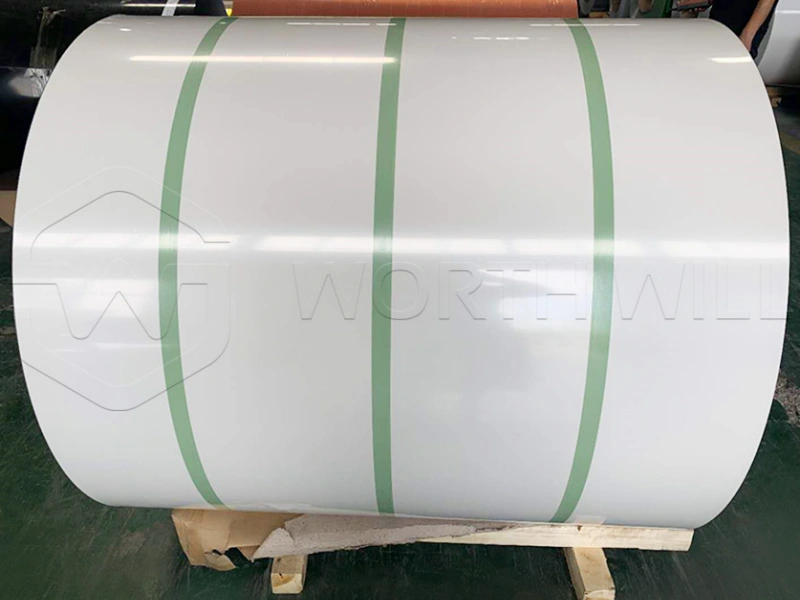
Temper describes the condition of aluminum after processing. It affects properties such as hardness, strength, and formability.
Temper does not determine the paint color or guarantee coating adhesion.
O Temper
O temper is an annealed condition that generally provides good formability.
H14 and H18 Tempers
H14 and H18 are strain-hardened tempers used with applicable aluminum grades. H18 is generally harder than H14 within the same relevant alloy series.
Check the alloy specification and forming requirements before deciding when painting should take place.
H32 Temper
H32 is a stabilized strain-hardened temper used with applicable aluminum alloys, including 5052. It offers a balance of strength and formability.
For painted aluminum components, confirm whether forming occurs before or after coating. This helps determine the suitable coating flexibility and production sequence.
Aluminium Finish Paint by Application
The operating environment is one of the main factors in choosing a paint system. Indoor decorative products may have different needs from building facades, vehicles, or industrial equipment.
Architectural Aluminum
Architectural products may include window frames, doors, curtain wall components, cladding panels, and aluminum profiles.
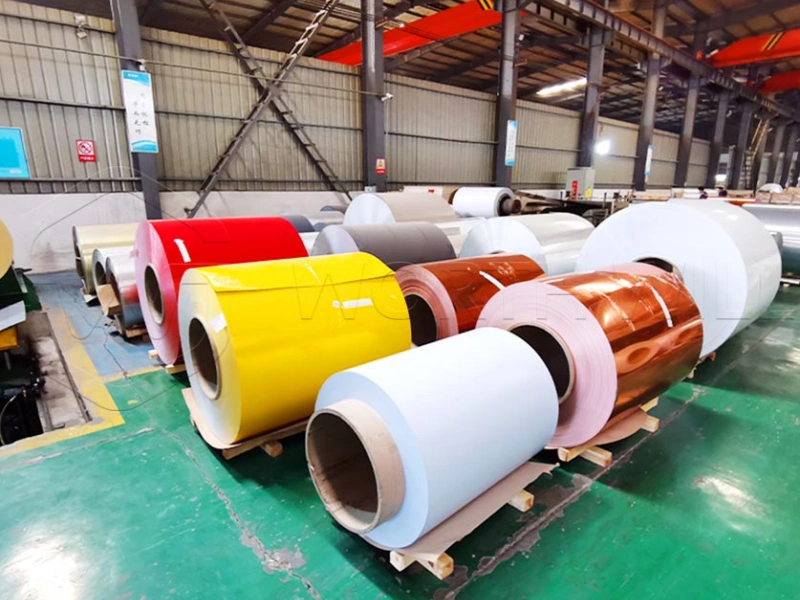
Important considerations include:
- Color consistency across different components.
- Adhesion to the prepared aluminum surface.
- Weathering and ultraviolet exposure.
- Resistance to moisture and routine cleaning.
- Compatibility with fabrication and installation processes.
For exterior projects, request test data that matches the expected exposure and the selected coating system.
Industrial Equipment and Enclosures
Applications include:
- Machine covers and control enclosures.
- Equipment housings and access panels.
- Aluminum cabinets and protective covers.
- Industrial frames and fabricated parts.
- Selected electrical and electronic enclosures.
Transportation and Vehicle Components
Aluminum is used in trailers, vehicle bodies, interior panels, and other transportation components. Paint selection depends on the substrate, exposure, impact risk, and cleaning requirements.
A flexible coating may be needed for parts that undergo forming. Components exposed to sunlight or harsh weather may need a coating with suitable weathering performance.
Furniture and Interior Decoration
Aluminum furniture frames, shelving, decorative trims, and interior panels can use powder coating or compatible liquid paint.
Color and texture often play a central role in these products. Surface samples help confirm the intended appearance before large-scale manufacturing.
Marine and Coastal Products
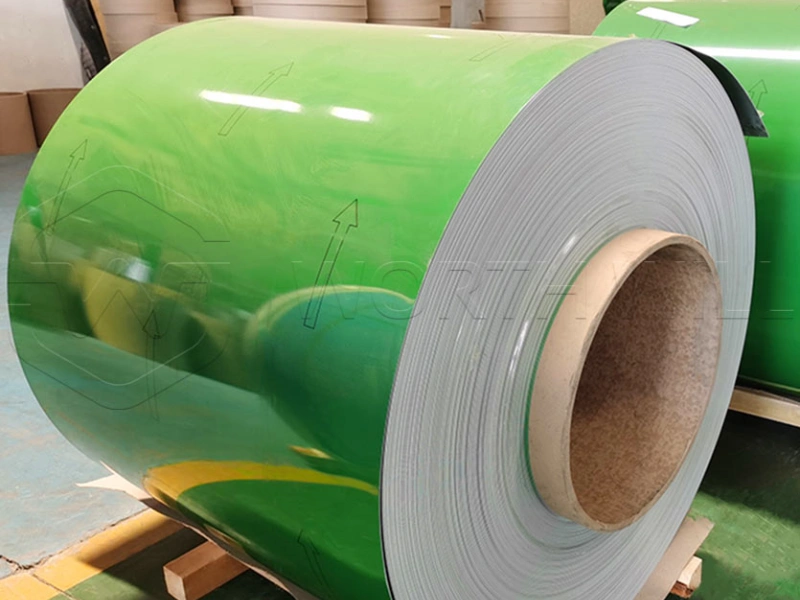
Marine-related aluminum parts may face salt spray, moisture, and frequent cleaning.
The alloy alone does not ensure long-term protection. Pretreatment, coating quality, edge coverage, and repair of coating damage also matter.
Aluminium Finish Paint vs. Powder Coating
| Comparison | Liquid Paint | Powder Coating |
|---|---|---|
| Application | Spray, brush, roller, or specified process | Commonly electrostatic spray |
| Curing | Air drying or specified curing process | Usually heat curing |
| Typical use | Site work, repairs, and industrial coating | Factory-finished aluminum components |
| Color options | Broad range, depending on system | Broad range, including selected textures |
| Repair | Depends on coating and repair system | Local repair may differ in appearance |
| Process requirements | Ventilation and product-specific controls | Suitable application and curing equipment |
Powder coating is often practical for factory-finished profiles and components.
Neither method is automatically suitable for every application. Compare the technical requirements and total production cost.
Aluminium Finish Paint vs. Anodizing
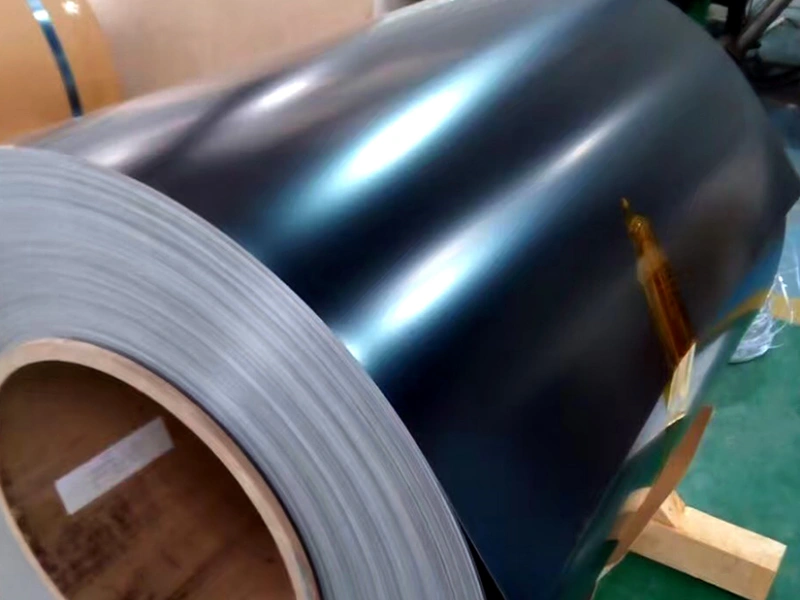
Painting and anodizing produce different types of surface finishes.
Paint creates an applied coating layer over the prepared aluminum surface. Anodizing is an electrochemical process that creates an oxide layer on the aluminum itself.
Key Differences
| Feature | Aluminium Finish Paint | Anodizing |
|---|---|---|
| Process | Applies a coating | Electrochemical surface treatment |
| Color options | Broad range of colors and textures | Depends on alloy and anodizing process |
| Surface layer | Paint or coating film | Aluminum oxide layer |
| Repair | Depends on the paint system | Local repair can be difficult to match |
| Main consideration | Adhesion, curing, and coating performance | Alloy suitability, pretreatment, and process control |
The choice should reflect the product specification and intended service life.
Surface Preparation Before Painting Aluminum
Surface preparation is essential for reliable coating performance. Paint applied over oil, dust, loose oxide, or incompatible existing coatings may have poor adhesion.
The exact procedure depends on the aluminum product and paint system.
Cleaning and Degreasing
Remove oil, grease, dust, and other contaminants using a compatible cleaning method. Residues should not remain on the surface before coating.
For industrial production, cleaning conditions should be controlled and repeated consistently.
Pretreatment and Primer
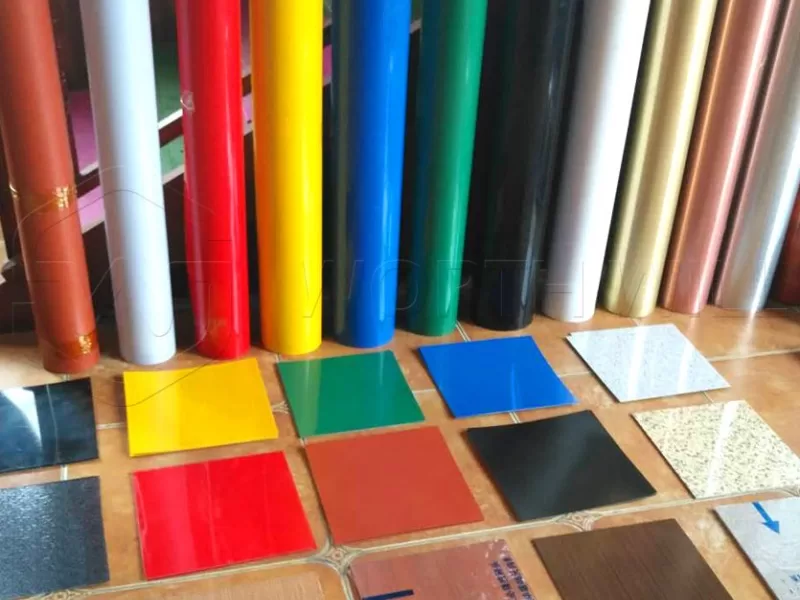
Some coating systems require chemical pretreatment or a suitable primer. These steps help prepare the surface and may improve coating adhesion and corrosion protection.
Use only pretreatment and primer products compatible with the selected topcoat and aluminum substrate.
Inspection Before Coating
Before applying paint, check the surface for scratches, dents, contamination, and other defects. Inspect formed edges and drilled holes where the coating may be more difficult to maintain.
A documented preparation process helps reduce defects in repeated production.
Aluminium Finish Paint Thickness and Quality Checks
Coating thickness affects appearance and performance. The required thickness varies by coating chemistry, application method, substrate, and exposure conditions.
There is no single film thickness suitable for all aluminum paint systems. Follow the coating manufacturer’s technical data sheet and the project specification.
Common Quality Checks
- Film thickness: Confirm that the dry film meets the specified range.
- Adhesion: Test whether the coating adheres to the prepared substrate.
- Color consistency: Compare samples using an agreed reference and lighting conditions.
- Gloss level: Check the surface against the required appearance.
- Surface defects: Inspect for runs, pinholes, scratches, and uneven coverage.
- Curing: Confirm that the coating has completed the specified curing process.
- Weathering performance: Review relevant test data for exterior applications.
For large projects, agree on the inspection method, sampling frequency, and acceptance criteria before production begins.
How to Choose the Right Aluminium Finish Paint
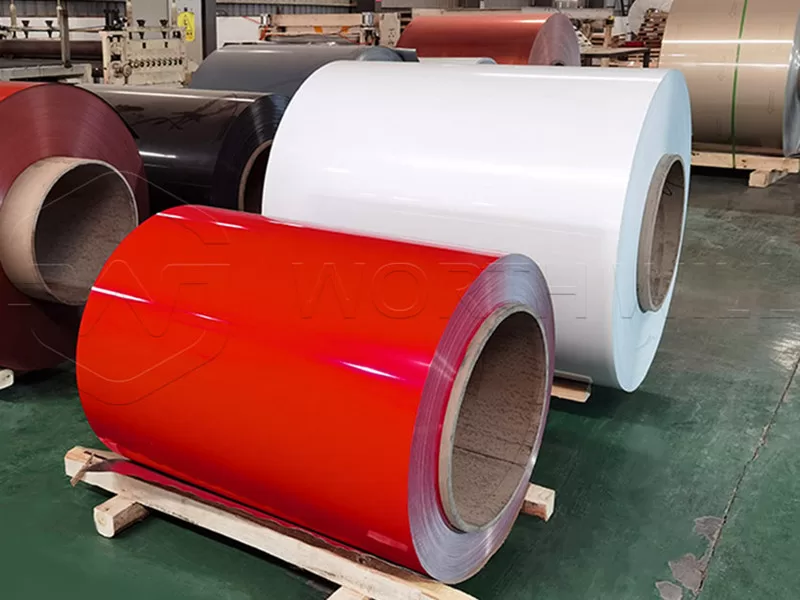
A good purchasing decision starts with the product’s actual working conditions. Price and color are important, but they should not be the only selection criteria.
Define the Service Environment
Identify exposure to moisture, sunlight, chemicals, and abrasion.
Confirm the Aluminum Substrate
Provide the alloy, temper, surface condition, and component shape when known. Also state whether the aluminum is bare, pretreated, anodized, or previously painted.
Compare the Complete Coating System
Ask whether the coating requires a primer, pretreatment, or special curing conditions. For exterior projects, review the system’s weathering data and any applicable project requirements.
Approve a Sample
A sample panel helps verify color, gloss, texture, and adhesion before bulk production. It is especially useful when the project requires a specific RAL color or a close match to an existing component.
Factors That Affect Aluminium Finish Paint Cost
The cost of an aluminum coating project depends on the coating system and the production process.
| Cost Factor | Why It Matters |
|---|---|
| Paint chemistry | Different coating systems have different material costs |
| Surface preparation | Cleaning and pretreatment add process steps |
| Primer requirements | Some systems require additional coating layers |
| Film thickness | Higher coating consumption can increase material use |
| Color and texture | Special finishes may need additional control |
| Component shape | Complex profiles and edges may require more work |
| Order quantity | Production setup and batch size affect unit cost |
| Inspection requirements | Additional testing and documentation may add cost |
| Packaging and transport | Protection and shipping depend on the finished product |
When requesting a quotation, provide the substrate, dimensions, quantity, color, coating system, exposure conditions, and inspection requirements.
Buying Aluminium Finish Paint for Industrial Projects
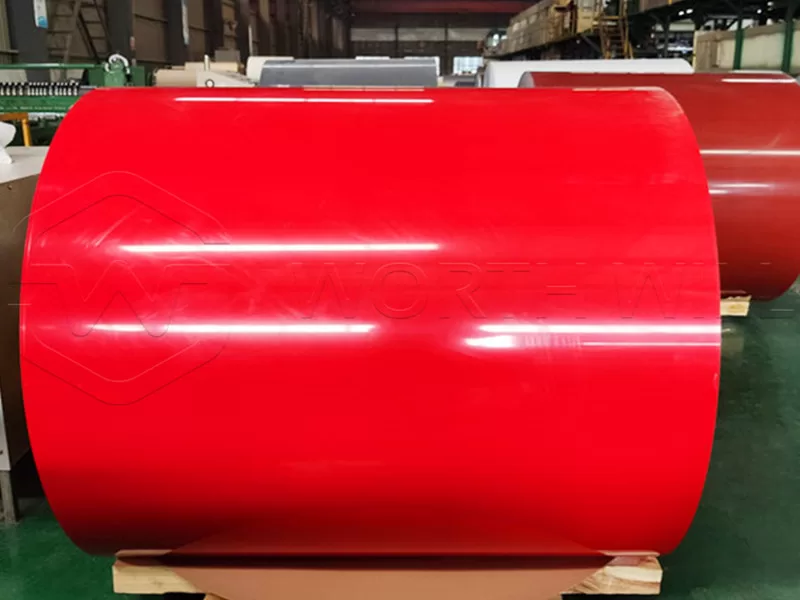
Industrial buyers should evaluate the coating and the supplier’s technical support together. A low initial price may not represent the lowest total cost if the finish fails to meet service requirements.
Information to Include in a Request for Quotation
- Aluminum alloy and temper.
- Product dimensions and shape.
- Required color or RAL reference.
- Gloss level and surface texture.
- Indoor or outdoor service conditions.
- Required primer and pretreatment.
- Target coating thickness, if specified.
- Relevant testing and documentation.
- Order quantity and delivery schedule.
- Packaging and shipping requirements.
If the final coating specification is not yet defined, provide the application and exposure conditions. The supplier can help identify coating options for sample testing.
Frequently Asked Questions About Aluminium Finish Paint
Can You Paint Directly onto Aluminum?
Clean the surface and follow the coating manufacturer’s instructions. A sample test can help confirm adhesion.
What Is the Best Paint for Aluminum Outdoors?
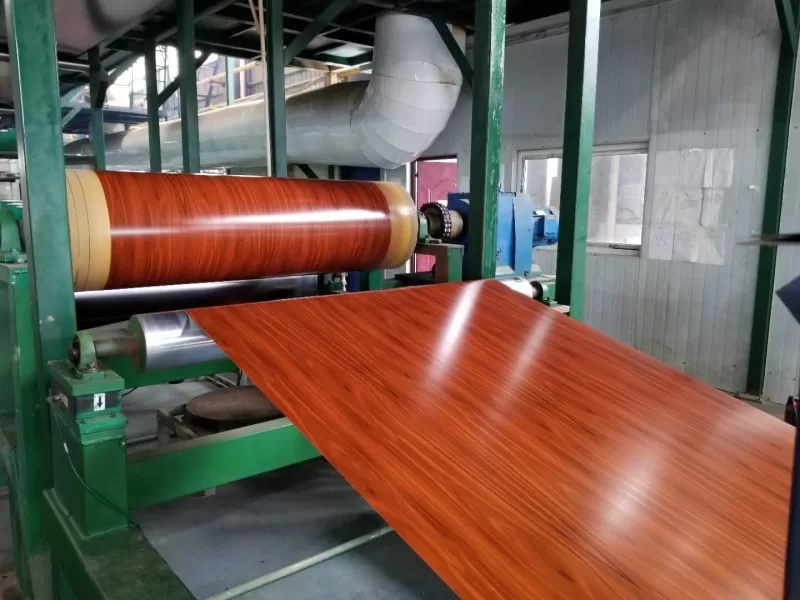
The right paint depends on the climate, exposure, substrate, and expected service life. Compare technical data for the complete coating system before making a selection.
Is PVDF Paint Suitable for Aluminum Panels?
Confirm the coating specification, application process, and supporting performance data for the intended project.
What Is the Difference Between Aluminium Paint and Aluminum Finish Paint?
The terms can overlap in general use. However, some products described as aluminum paint are metallic-effect coatings, while aluminium finish paint can refer more broadly to coatings applied to aluminum substrates. Check the product description and technical data sheet to confirm its intended use.
Does Aluminum Need a Primer Before Painting?
Not every coating system uses the same process. Follow the specified system rather than assuming that one preparation method works for all paints.
Which Is Better for Aluminum: Paint or Powder Coating?
The choice depends on the product, equipment, curing requirements, finish, and service environment. Powder coating is common for factory-finished components, while liquid paint can suit certain repairs and other applications. Compare the complete systems and production requirements.
Can Aluminium Finish Paint Prevent Corrosion?
Protection depends on coating continuity, adhesion, edges, damage, and the surrounding conditions.
How Do I Select a RAL Color for Aluminum?
Choose the required RAL reference and confirm the gloss level and texture. Request a physical sample before bulk production because the final appearance can vary with the coating system, substrate, and lighting.
How Is Paint Thickness Checked on Aluminum?
Dry film thickness can be measured with a suitable coating thickness gauge. The method and acceptance range should follow the project specification and the coating manufacturer’s recommendations.
Can Painted Aluminum Be Used Near the Coast?
Ask for relevant corrosion and weathering test data, and follow the recommended maintenance plan.
How Can I Get an Aluminium Finish Paint Quotation?
Provide the aluminum substrate, application, color, finish, dimensions, quantity, and exposure conditions. Include any required coating thickness, primer, pretreatment, and quality testing. This information helps the supplier recommend a suitable system and prepare a more accurate quotation.
Request an Aluminium Finish Paint Solution
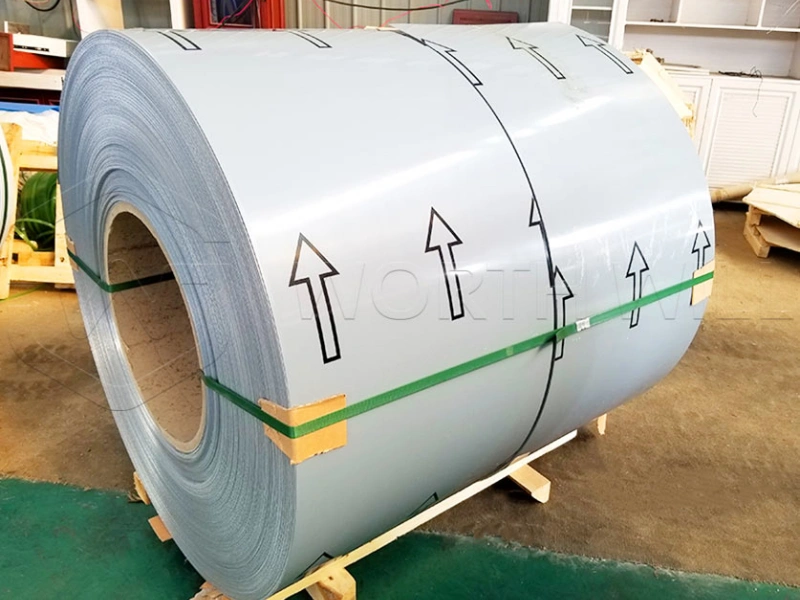
Whether you are coating aluminum sheets, profiles, panels, frames, or industrial components, the coating should match the substrate and working environment.
Share your aluminum alloy, product dimensions, required color, surface finish, and intended application. For outdoor or industrial projects, include the exposure conditions and any required performance standards.
A clear specification makes it easier to compare coating options, arrange sample testing, and plan production.