
As a leading aluminium checkered plate factory, we specialize in producing high-quality tread plates for global clients.



Our Factory Overview

We are a professional aluminium checkered plate factory with:
- 20+ years of experience in aluminum processing
- ISO 9001 certification for quality management
- 100+ employees and advanced production lines
- 50+ countries served worldwide
Black Aluminium Checker Plate
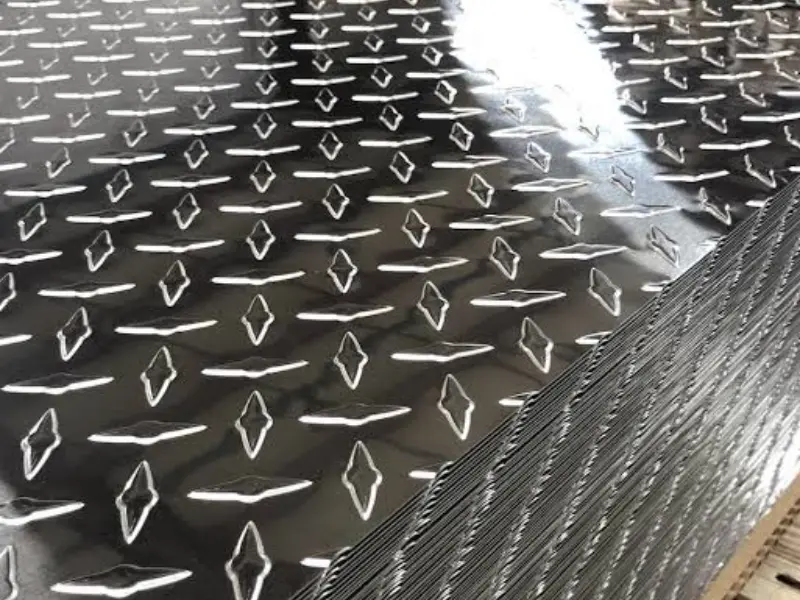
Our black checkered plates are made using anodizing or PVDF coating for durability and aesthetic appeal.
| Specification | Details |
|---|---|
| Thickness | 1.0mm – 6.0mm |
| Size | 4×8 feet (custom sizes available) |
| Coating | Anodized/PVDF coated |
| Applications | Decorative walls, stair treads, elevator interiors |
Customized Aluminum Checker Plate Suppliers

A professional aluminium checkered plate factory can provide customized service:
- Alloy options: 3003, 5052, 6061
- Surface patterns: diamond, 5-bar, stucco
- Thickness: 1.5mm – 8mm
- Colors: black, silver, coated finishes
- Sizes: 4×8 ft, cut-to-size, or custom
Table: Common Sizes and Weights
| Thickness (mm) | Size (mm) | Weight per sheet (kg) | Alloy options |
|---|---|---|---|
| 2.0 | 1220 x 2440 | ~13.0 | 3003, 5052 |
| 3.0 | 1220 x 2440 | ~19.5 | 3003, 5052 |
| 4.0 | 1220 x 2440 | ~26.0 | 5052, 6061 |
| 5.0 | 1220 x 2440 | ~32.5 | 6061 |
China Checkered Plate Factory
Buying from a China aluminium checkered plate factory means:
- Competitive price: Direct supply from manufacturer
- Large capacity: Over 12,000 tons monthly
- Fast delivery: Ports like Shanghai, Ningbo, Qingdao
- Certificates: ISO9001, SGS available
Alloy and Difference
Different alloys have unique performance:
| Alloy | Main Property | Best Use Cases | Price Level |
|---|---|---|---|
| 3003-H14 | Good corrosion resistance | Decoration, indoor flooring | Low |
| 5052-H32 | Stronger, anti-rust (marine) | Marine, outdoor platforms | Medium |
| 6061-T6 | High strength, weldable | Aerospace, heavy duty flooring | High |
Why Choose Our Factory?
- Direct Manufacturer: Save cost and ensure stable supply.
- Customization: Color, size, thickness, and alloy options available.
- Strict Quality Control: Every plate is inspected before delivery.
- Strong Packaging: Seaworthy wooden pallets for safe transport.
- Global Export: Customers in USA, Europe, Middle East, Southeast Asia.
Applications of Aluminium Checkered Plate
Flooring: factories, buses, trucks, trailers
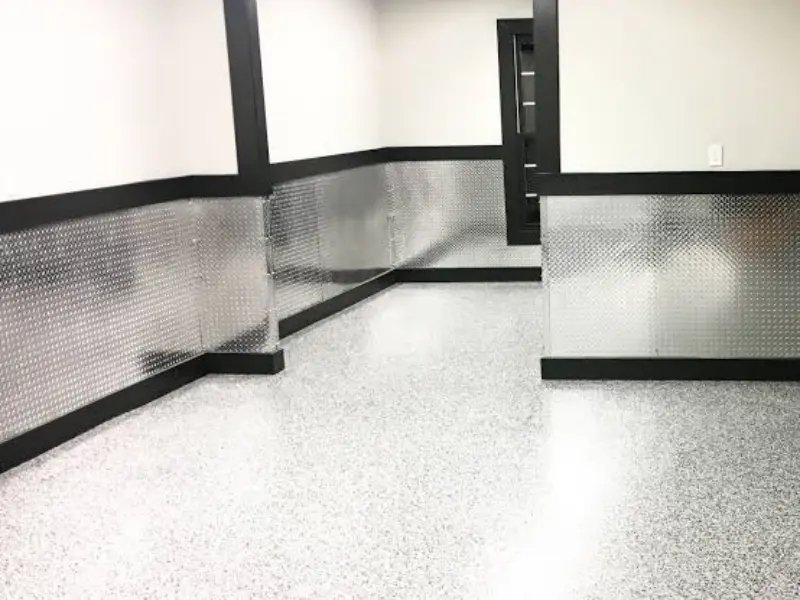
Decoration: walls, ceilings, furniture panels
Construction: stairs, walkways, ramps
Marine: ship decks, offshore platforms
Industrial: toolboxes, machine covers
Packaging and Logistics
- Packaging: Strong wooden pallets, plastic film wrap
- Loading: 20ft container can load 20–27 tons
- Transport: Sea, land, or air available
Aluminium Checkered Plate Factory
Black Aluminium Checker Plate

Black aluminium checker plate is widely used for decoration, flooring, and safety applications.
The black coating provides extra protection against corrosion and a stylish finish. It is popular in vehicles, workshops, and outdoor projects.
Customized Aluminum Checker Plate Suppliers
A professional aluminium checkered plate factory can provide customized service:
- Alloy options: 3003, 5052, 6061
- Surface patterns: diamond, 5-bar, stucco
- Thickness: 1.5mm – 8mm
- Colors: black, silver, coated finishes
- Sizes: 4×8 ft, cut-to-size, or custom
Table: Common Sizes and Weights
| Thickness (mm) | Size (mm) | Weight per sheet (kg) | Alloy options |
|---|---|---|---|
| 2.0 | 1220 x 2440 | ~13.0 | 3003, 5052 |
| 3.0 | 1220 x 2440 | ~19.5 | 3003, 5052 |
| 4.0 | 1220 x 2440 | ~26.0 | 5052, 6061 |
| 5.0 | 1220 x 2440 | ~32.5 | 6061 |
China Checkered Plate Factory
Buying from a China aluminium checkered plate factory means:
- Competitive price: Direct supply from manufacturer
- Large capacity: Over 12,000 tons monthly
- Fast delivery: Ports like Shanghai, Ningbo, Qingdao
- Certificates: ISO9001, SGS available
Alloy and Difference
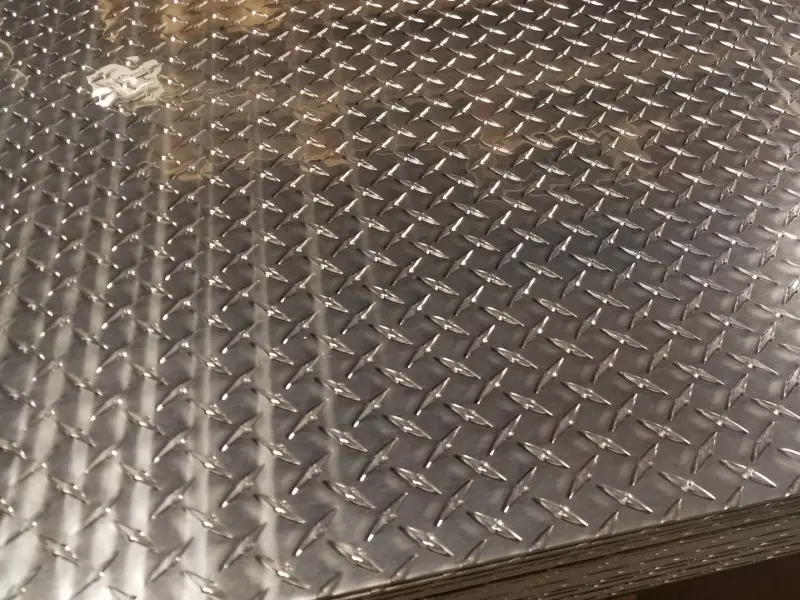
Different alloys have unique performance:
| Alloy | Main Property | Best Use Cases | Price Level |
|---|---|---|---|
| 3003-H14 | Good corrosion resistance | Decoration, indoor flooring | Low |
| 5052-H32 | Stronger, anti-rust (marine) | Marine, outdoor platforms | Medium |
| 6061-T6 | High strength, weldable | Aerospace, heavy duty flooring | High |
Why Choose Our Factory?
- Direct Manufacturer: Save cost and ensure stable supply.
- Customization: Color, size, thickness, and alloy options available.
- Strict Quality Control: Every plate is inspected before delivery.
- Strong Packaging: Seaworthy wooden pallets for safe transport.
- Global Export: Customers in USA, Europe, Middle East, Southeast Asia.
Applications of Aluminium Checkered Plate
- Flooring: factories, buses, trucks, trailers
- Decoration: walls, ceilings, furniture panels
- Construction: stairs, walkways, ramps
- Marine: ship decks, offshore platforms
- Industrial: toolboxes, machine covers
Packaging and Logistics
- Packaging: Strong wooden pallets, plastic film wrap
- Loading: 20ft container can load 20–27 tons
- Transport: Sea, land, or air available
Aluminium Checkered Plate Factory
Choosing the right aluminium checkered plate factory is important for construction companies, metal distributors, transport manufacturers, and industrial buyers. A good supplier should offer different aluminum alloys, thicknesses, patterns, and surface finishes to meet different project needs.
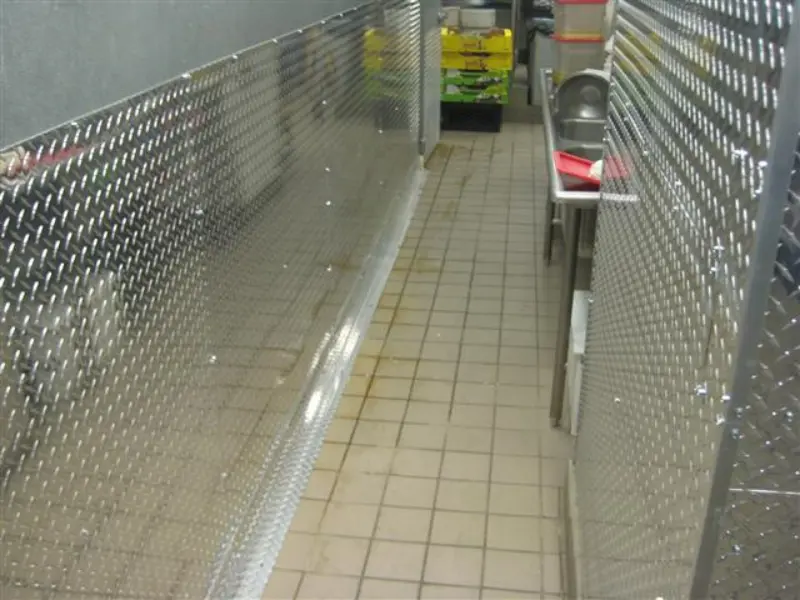
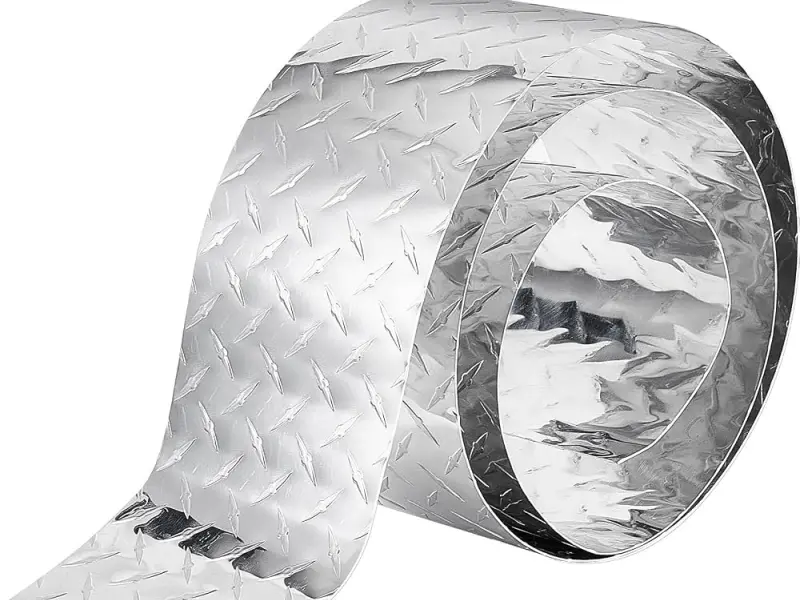
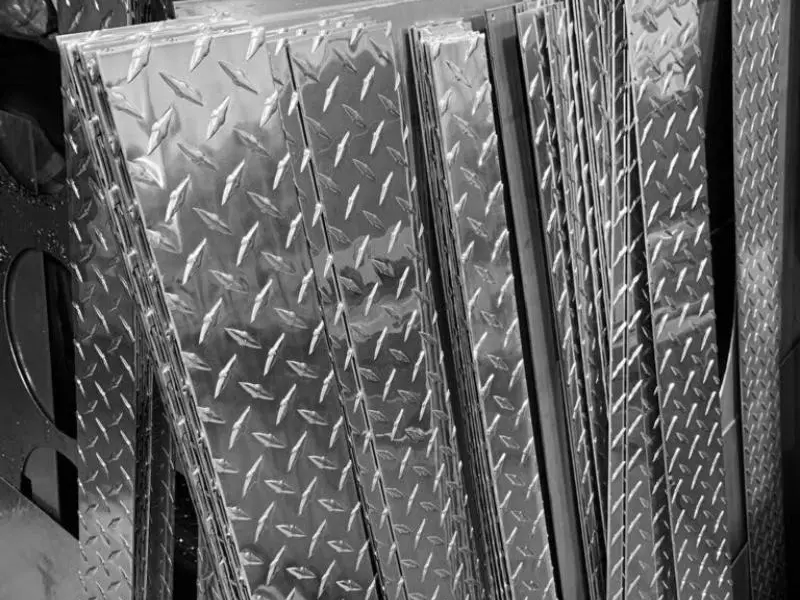
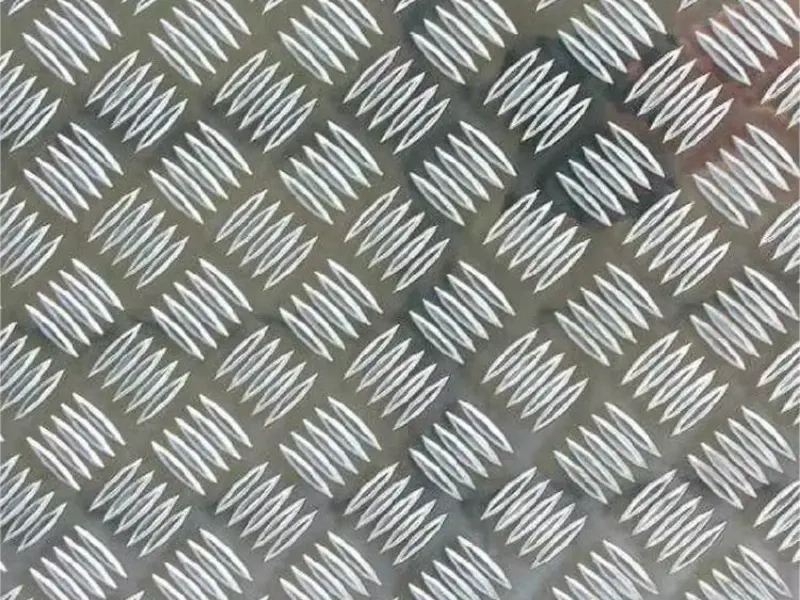
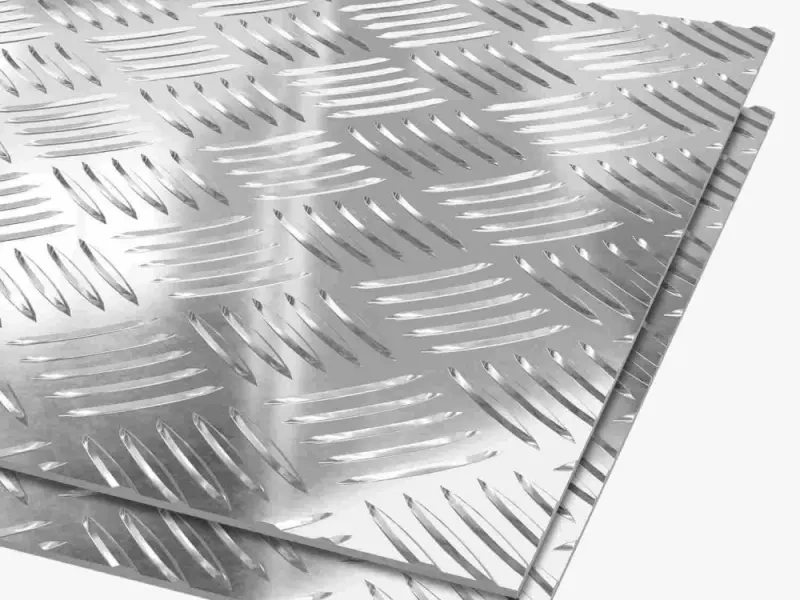
Aluminium checkered plate is also known as aluminum tread plate, checker plate, or diamond plate.
It has raised patterns on one side. These patterns help improve traction in many applications. The material is lightweight, corrosion-resistant, and easy to process.
As an aluminium checkered plate factory, we can supply plates in different alloys, tempers, thicknesses, widths, and lengths. Standard sizes and customized dimensions are available according to project requirements.
What Is Aluminium Checkered Plate?
Aluminium checkered plate is a flat aluminum product with raised patterns on its surface. The pattern provides a textured finish that can help reduce slipping under suitable conditions.
It is widely used for floors, stairs, vehicle platforms, walkways, equipment covers, and decorative panels. Compared with steel checker plate, aluminum checker plate is much lighter and offers good corrosion resistance in many environments.
Main Features of Aluminum Tread Plate
- Anti-slip surface: Raised patterns provide additional traction.
- Lightweight material: Aluminum helps reduce the overall weight of structures and vehicles.
- Corrosion resistance: Suitable for many indoor and outdoor applications, depending on the alloy and environment.
- Easy fabrication: Can be cut, bent, drilled, and formed with suitable equipment.
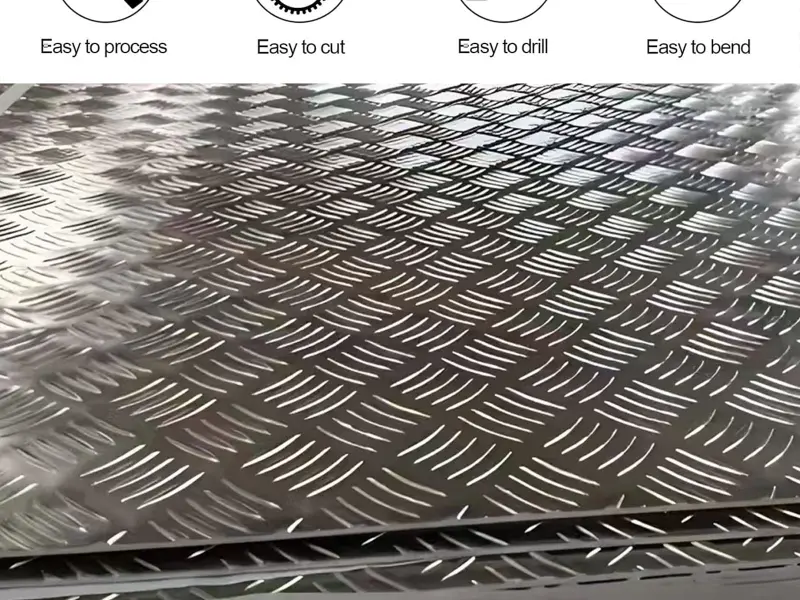
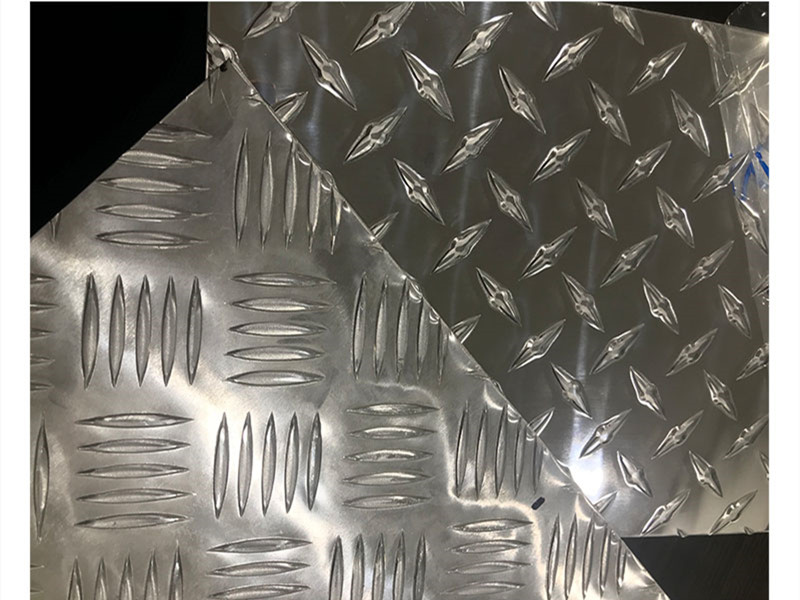
- Multiple patterns: Available in five-bar, diamond, one-bar, two-bar, and other designs.
- Custom dimensions: Thickness, width, and length can be selected for different projects.
- Attractive appearance: Suitable for functional and decorative uses.
Actual slip resistance depends on the pattern, surface condition, footwear, contamination, and installation. For safety-critical floors, the finished system should be tested against the relevant requirements.
Aluminium Checkered Plate Factory Product Range
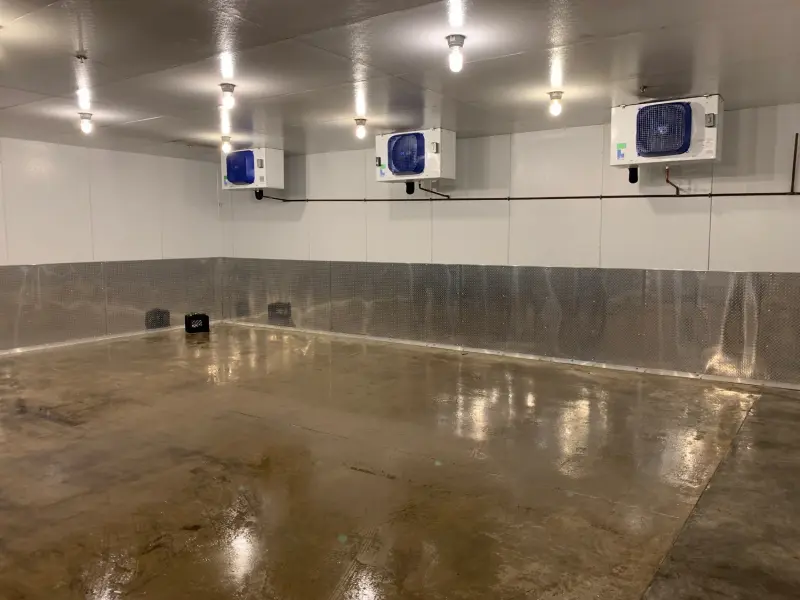
Different projects require different plate designs. A professional factory should help buyers select the right pattern, alloy, and thickness instead of offering only one standard product.
| Product type | Main feature | Typical application |
|---|---|---|
| Five-bar checkered plate | Multiple raised bars | Industrial floors and vehicle platforms |
| Diamond aluminum plate | Diamond-shaped raised pattern | Steps, floors, and toolboxes |
| One-bar tread plate | Single raised-bar pattern | Decorative panels and selected flooring |
| Two-bar tread plate | Two-bar pattern | Equipment covers and general flooring |
| Three-bar tread plate | Three-bar pattern | Platforms and transport equipment |
| Embossed aluminum plate | Textured surface | Decorative and protective panels |
| Polished checker plate | Enhanced surface appearance | Interior decoration and display |
| Anodized checker plate | Protective oxide finish | Decorative and architectural projects |
Pattern names can vary between markets and manufacturers. Buyers should request drawings or actual pattern samples when the exact design is important.
Choose the Right Checker Plate Pattern
The pattern affects appearance, cleaning, traction, and suitability for fabrication. It should match the working environment and the expected load.
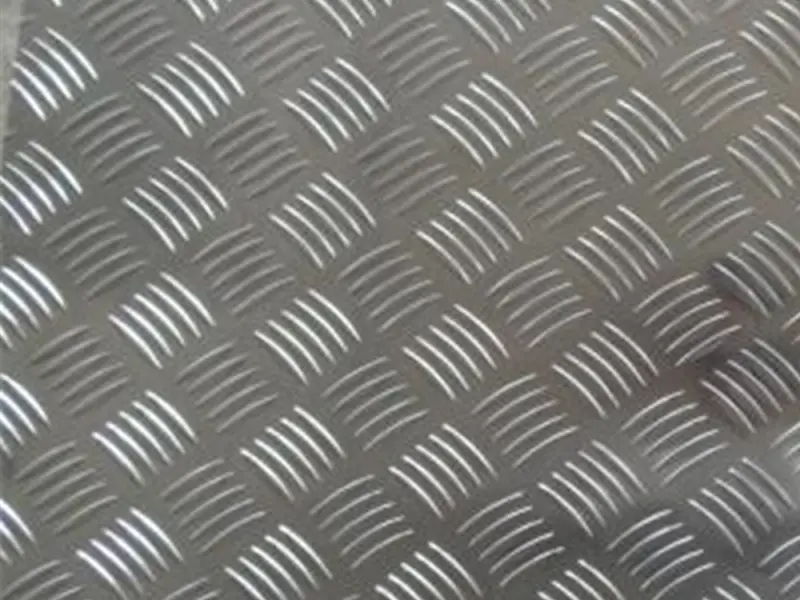
Five-Bar Aluminium Checkered Plate
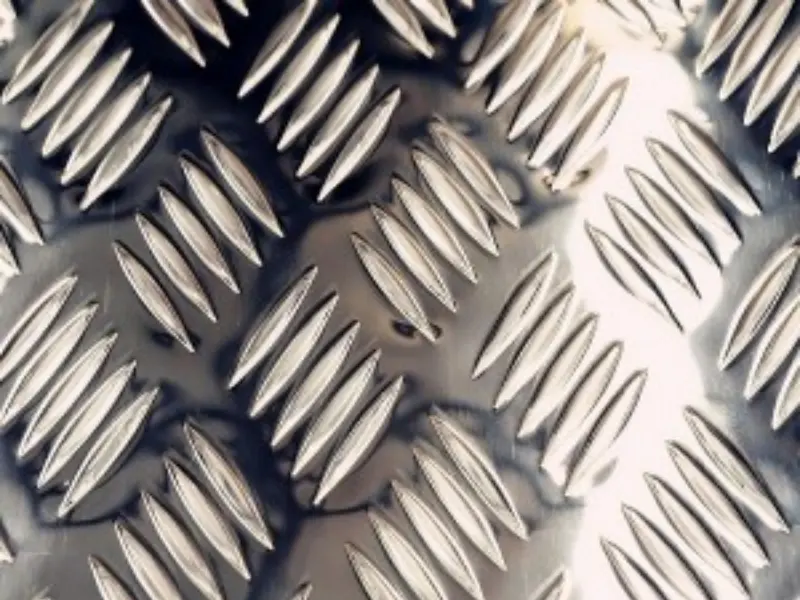
Five-bar aluminum tread plate is a popular option for industrial and transport applications. Its raised bars form a repeated pattern across the surface.
Common applications include:
- Factory floors and maintenance platforms
- Truck beds and trailer floors
- Vehicle steps and access platforms
- Stair treads and walkways
- Industrial equipment covers
- Workshop flooring
Five-bar plates are available in different thicknesses and alloy grades. The appropriate thickness depends on the support spacing, load, and installation design.
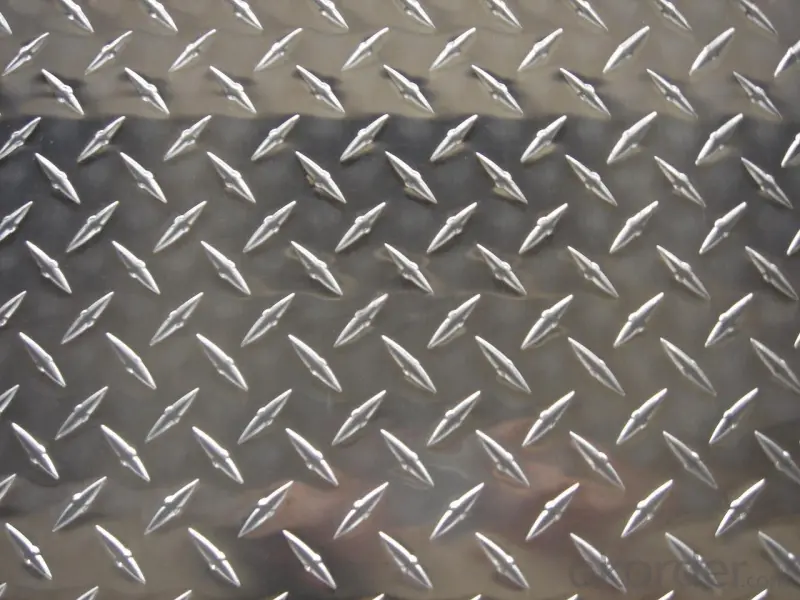
Diamond Aluminium Checkered Plate
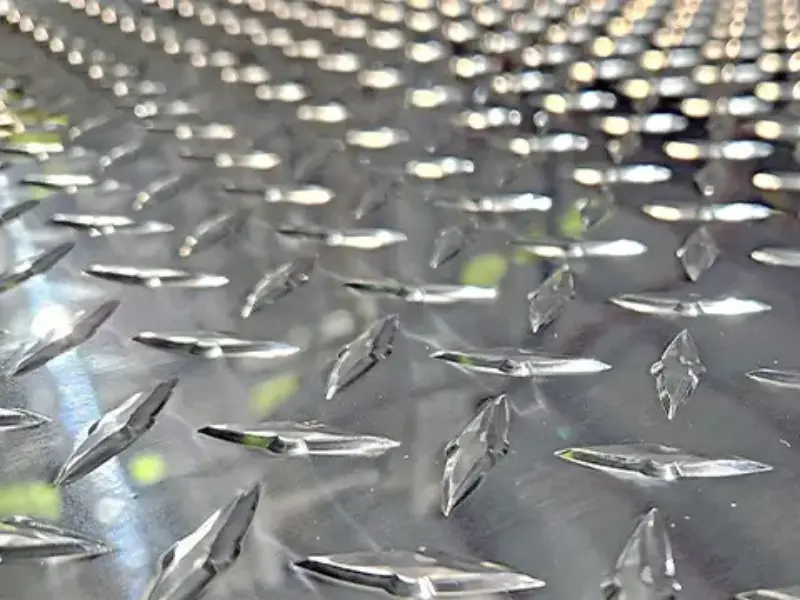
Diamond plate has a raised diamond pattern. It is widely used in markets where the term “diamond plate” is common.
Typical applications include:
- Toolboxes and storage boxes
- Pickup truck and trailer flooring
- Stair treads
- Machine covers
- Workshop floors
- Decorative wall panels
Diamond plate is often chosen for its familiar appearance and practical surface texture. Buyers should check the pattern height and plate thickness separately because they affect the finished dimensions and performance.
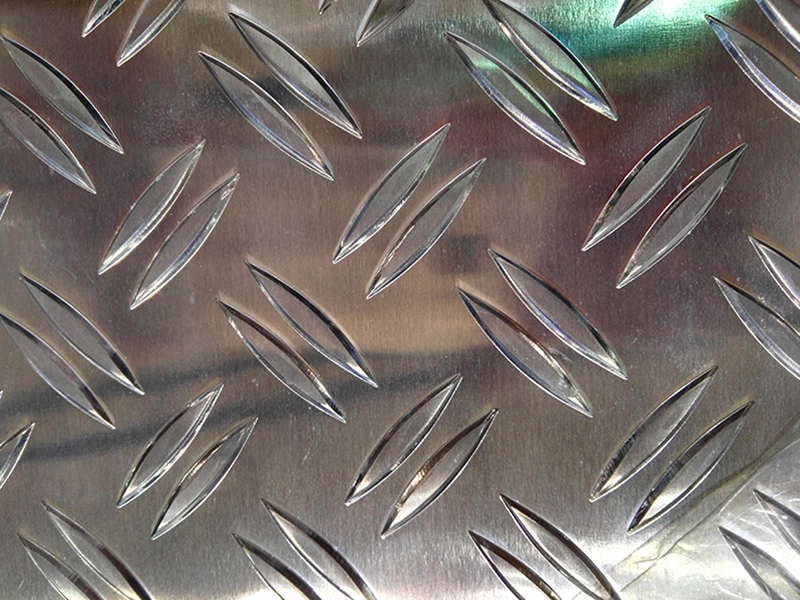
One-Bar, Two-Bar and Three-Bar Plates
These patterns provide alternatives to five-bar and diamond designs. They may be selected for appearance, project specifications, or compatibility with existing equipment.
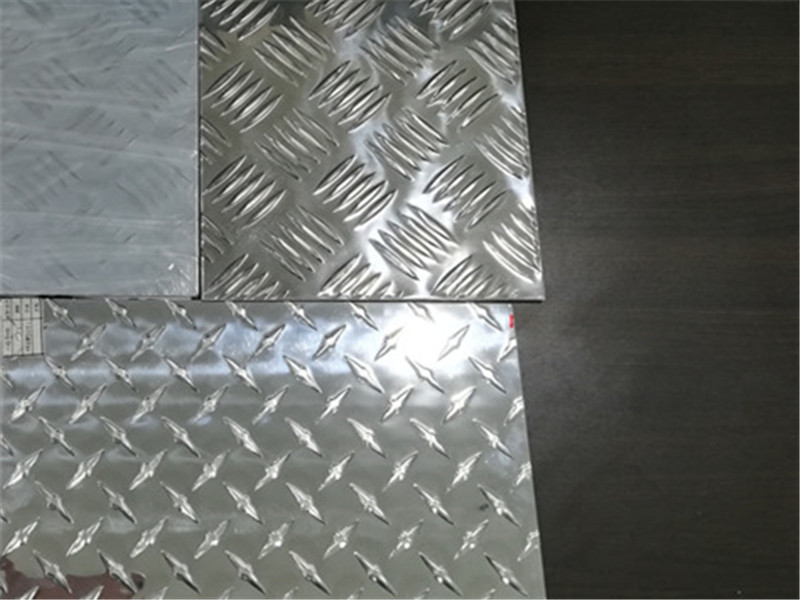
One-bar patterns can suit decorative panels and selected flooring applications. Two-bar and three-bar designs are used for equipment covers, platforms, and transport components.
When ordering these products, confirm the pattern direction, raised height, and whether the quoted thickness refers to the base metal or the total patterned plate.
Aluminium Checkered Plate Alloy and Temper Options
The alloy affects strength, corrosion resistance, formability, and fabrication performance. The right choice depends on the environment and the loads placed on the plate.
1050 and 1060 Aluminium Checkered Plate
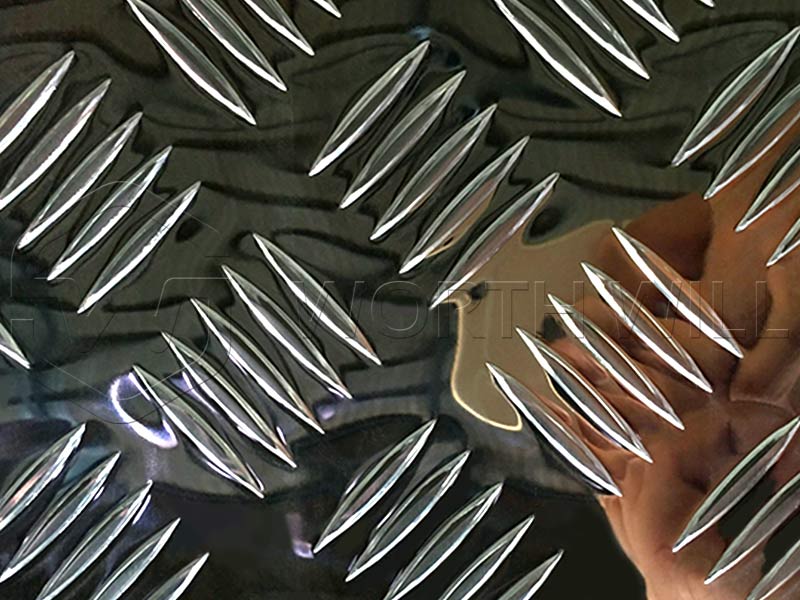
1050 and 1060 are aluminum alloys with high aluminum content. They offer good corrosion resistance and formability in suitable tempers.
They may be considered for:
- General-purpose flooring
- Decorative panels
- Equipment covers
- Light-duty platforms
- Applications where easy forming is important
These alloys are not automatically the best choice for every structural floor. Buyers should compare their mechanical properties with the required load and support conditions.
3003 Aluminium Checkered Plate
3003 aluminum is an aluminum-manganese alloy. It offers good corrosion resistance and formability, with higher strength than common commercially pure aluminum grades.
Typical applications include:
- Industrial floors
- Transport components
- Equipment platforms
- Protective covers
- General-purpose tread plate
- Architectural and decorative panels
3003 is a useful option when buyers need a balance of formability, corrosion resistance, and strength.
5052 Aluminium Checkered Plate
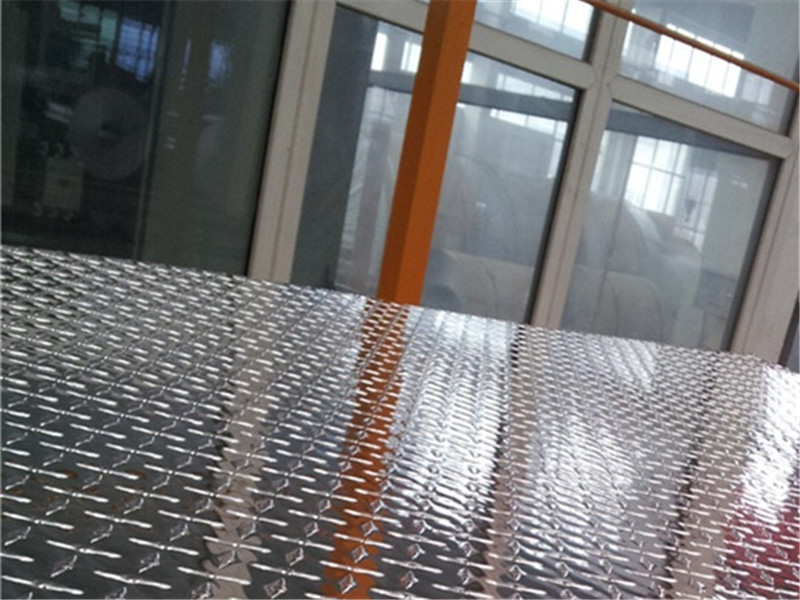
5052 is an aluminum-magnesium alloy known for good corrosion resistance and higher strength than many 1xxx series alloys.
Common applications include:
- Marine-related equipment
- Vehicle floors and access steps
- Industrial platforms
- Transport equipment
- Outdoor equipment covers
- Parts exposed to demanding environments
5052 is often considered for applications that need a stronger plate or improved resistance to certain corrosive environments. The final selection should reflect the actual service conditions.
6061 Aluminium Checkered Plate
6061 is a heat-treatable aluminum-magnesium-silicon alloy. It can provide higher strength in suitable tempers.
Possible applications include:
- Industrial machine platforms
- Structural access components
- Heavy-duty equipment parts
- Fabricated platforms
- Components requiring machining or specific mechanical properties
6061 may be more suitable when strength is a priority. However, its corrosion performance, weldability, and forming behavior should be evaluated for the intended project.
Alloy Comparison Table

| Alloy | General strength level | Corrosion resistance | Typical use |
|---|---|---|---|
| 1050 | Low | Good | Light-duty and decorative uses |
| 1060 | Low | Good | General-purpose applications |
| 3003 | Moderate | Good | Industrial and transport uses |
| 5052 | Moderate to high | Very good in many environments | Marine-related and outdoor applications |
| 6061 | High in suitable tempers | Good in many environments | Structural and fabricated components |
This table is a general guide, not a substitute for certified mechanical data. Actual strength depends on temper, thickness, and the applicable standard.
Aluminium Checkered Plate Specifications
As an aluminium checkered plate factory, we can discuss standard and custom dimensions according to alloy, pattern, and production capability.
Common Thickness Options
| Base metal thickness | Typical use |
|---|---|
| 1.0–1.5 mm | Decorative panels and light-duty covers |
| 2.0–2.5 mm | Light platforms and equipment covers |
| 3.0 mm | General flooring and transport applications |
| 4.0–5.0 mm | Industrial floors and vehicle platforms |
| 6.0–8.0 mm | Heavy-duty platforms and selected industrial uses |
| 10.0 mm and above | Special projects requiring thicker plate |
These thicknesses are general purchasing ranges. The correct size depends on the support structure, load, span, alloy, and safety requirements.
Standard and Custom Dimensions


| Parameter | Common options |
|---|---|
| Alloy | 1050, 1060, 3003, 5052, 6061 |
| Temper | O, H14, H22, H24, H32, T6 where applicable |
| Base thickness | Approximately 1.0–8.0 mm for many common products |
| Width | 100–2,500 mm |
| Length | 500–12,000 mm |
| Pattern height | Often around 0.5–1.5 mm, depending on the design |
| Surface | Mill finish, polished, or anodized where available |
| Pattern | Five-bar, diamond, one-bar, two-bar, three-bar, and other designs |
Not every alloy, temper, pattern, and size combination is available in every factory. Confirm the full specification before ordering.
Base Thickness vs. Total Thickness
This difference is important when comparing aluminum checkered plate quotations.
- Base metal thickness: The thickness of the flat aluminum body, excluding the raised pattern.
- Total thickness: The measurement from the back surface to the top of the raised pattern.
For example, a plate with a 3 mm base thickness may have a greater total thickness after the pattern is formed. Buyers should confirm which measurement appears in the quotation and technical drawing.
Aluminium Checkered Plate Applications by Industry
Aluminum tread plate is used in many industries because it combines low weight with a textured surface and good corrosion resistance.
Construction and Building Projects
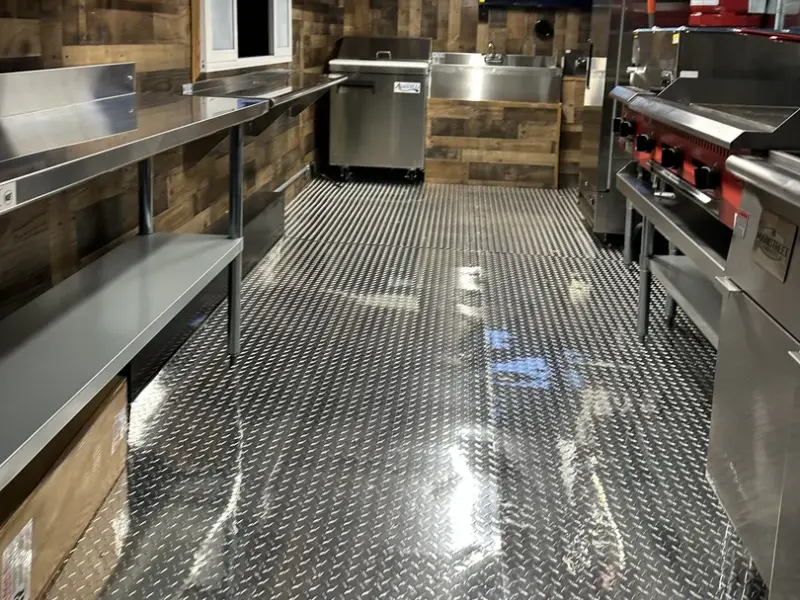
In construction, checker plate can be used for access areas, equipment rooms, stairs, and service platforms.
Common applications include:
- Stair treads and landings
- Walkways and maintenance platforms
- Equipment room floors
- Access covers and service panels
- Wall protection in selected areas
- Decorative architectural details
For permanent walking surfaces, check the required load capacity, support spacing, slip resistance, and local building regulations.
Trucks, Trailers and Transport Equipment
Weight reduction is an important factor in transport manufacturing. Aluminum checker plate can provide a textured surface without the weight of many steel alternatives.
Applications include:
- Truck beds
- Trailer floors
- Vehicle steps
- Loading platforms
- Toolboxes and storage compartments
- Interior protection panels
The selected alloy and thickness must withstand the expected loads, vibration, impact, and fastening method.
Industrial Floors and Machinery
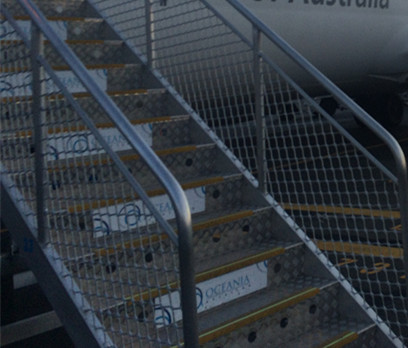
Factories use tread plate in areas that need durable access surfaces and equipment protection.
Typical applications include:
- Machine access platforms
- Maintenance walkways
- Workshop floors
- Inspection platforms
- Equipment covers
- Industrial stairs
For high-load areas, the plate should be selected together with the support frame. A thicker plate alone does not guarantee sufficient load capacity.
Marine and Coastal Applications
Aluminum checker plate may be used in selected marine and coastal projects. Alloy selection is important because exposure to salt water and marine conditions can increase corrosion risks.
Possible applications include:
- Access steps
- Equipment platforms
- Storage compartments
- Selected deck components
- Protective covers
- Marine equipment enclosures
5052 may be considered for some marine-related uses. The design should also account for drainage, dissimilar-metal contact, fasteners, and the actual exposure conditions.
Commercial Vehicles and Special Equipment
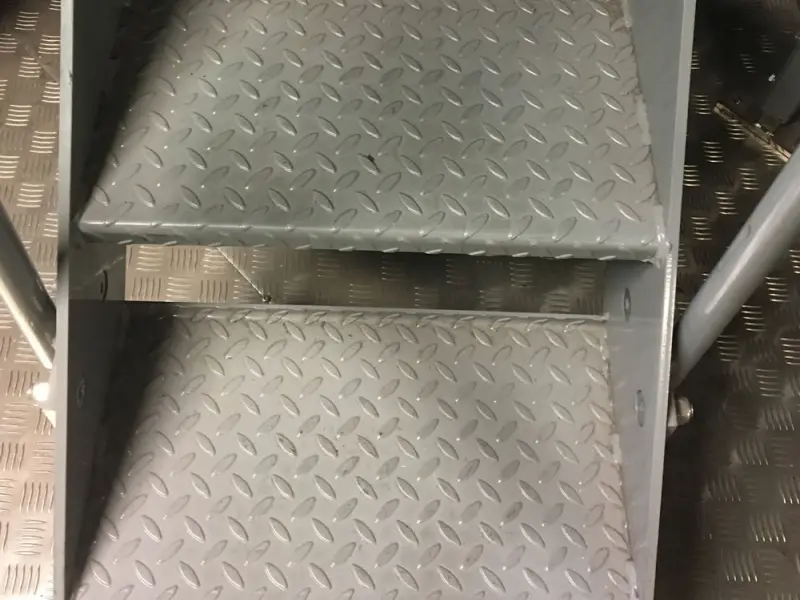
Checker plate has widely used in utility vehicles and specialized equipment where low weight and a textured surface are useful.
Applications include:
- Service vehicle floors
- Emergency vehicle storage areas
- Mobile workshops
- Agricultural equipment covers
- Access panels
- Equipment trailers
The plate should match the vehicle’s load requirements and fabrication method.
Decorative and Retail Applications
Some projects use checker plate for its industrial appearance as well as its practical surface texture.
Potential uses include:
- Shop display panels
- Interior wall details
- Furniture components
- Decorative cabinets
- Exhibition stands
- Feature panels in commercial spaces
Polished or anodized finishes may be available for projects that require a different appearance. The surface should be checked for scratches and handling marks before installation.
Aluminium Checkered Plate vs. Steel Checker Plate
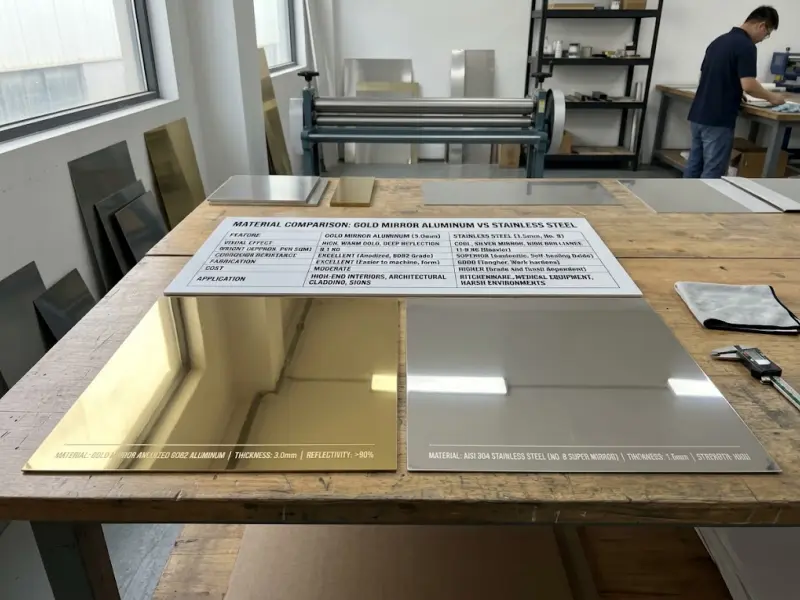

Aluminum and steel checker plates serve similar purposes, but their properties are different. The best choice depends on weight, strength, corrosion exposure, and budget.
| Comparison factor | Aluminum checker plate | Steel checker plate |
|---|---|---|
| Weight | Much lighter for comparable dimensions | Heavier |
| Corrosion resistance | Good in many environments, depending on alloy | Often needs suitable coating or corrosion protection |
| Strength | Depends on alloy and temper | Depends on steel grade and thickness |
| Handling | Often easier to move because of lower weight | May require more lifting capacity |
| Fabrication | Can be cut and formed with suitable tools | Can be cut and welded using suitable methods |
| Surface treatment | May be supplied mill finish, polished, or anodized | Often painted, galvanized, or otherwise protected |
| Typical consideration | Weight reduction and corrosion resistance | High load capacity and structural requirements |
Do not compare the two materials by thickness alone. For load-bearing applications, use the required engineering calculations and mechanical data.
3003 vs. 5052 Aluminium Checkered Plate
3003 and 5052 are two useful choices for aluminum tread plate. Their differences can help buyers narrow down the specification.
| Factor | 3003 | 5052 |
|---|---|---|
| Alloy family | Aluminum-manganese | Aluminum-magnesium |
| Strength | Moderate | Generally higher |
| Formability | Good | Good, depending on temper and forming method |
| Corrosion resistance | Good | Very good in many environments |
| Common applications | General flooring, covers, transport parts | Outdoor equipment, marine-related uses, stronger platforms |
| Purchasing focus | Formability and general-purpose performance | Higher strength and demanding service conditions |
For general applications, 3003 may offer a practical balance of properties and cost. For projects requiring higher strength or improved performance in certain corrosive environments, 5052 may be worth considering. Final selection should be based on the full technical specification.
How to Select the Right Thickness
The correct thickness depends on the plate’s span, support spacing, expected load, and use conditions.
Light-Duty Applications

Plates around 1.0–2.0 mm has considered for selected decorative panels, light covers, and non-load-bearing components. These sizes should not be assumed suitable for walking platforms without checking the design.
General Flooring and Transport Uses
Thicknesses around 2.5–5.0 mm are common starting points for discussions about vehicle floors, access areas, and general industrial applications. The required thickness can change significantly with the support spacing and load.
Heavy-Duty Platforms
Plates around 6.0–8.0 mm or thicker may be considered for selected heavy-duty projects. Engineering checks have needed to confirm deflection, load capacity, fastening, and support design.
A factory can help confirm available dimensions, but the final structural design should follow the project’s engineering requirements.
Surface Finish and Fabrication Options
Different surface finishes can meet different appearance and service needs.
Mill Finish Checker Plate

Mill finish is a common option for general industrial use. It has often selected when practical performance and cost are more important than a highly polished appearance.
Polished Aluminium Checker Plate
Polished plate has an enhanced surface appearance. It has used for decorative panels, visible equipment surfaces, and selected interior applications.
Anodized Aluminium Checker Plate
Anodizing creates a controlled oxide layer on the aluminum surface. It can improve surface durability and appearance when the alloy and process are suitable.
Availability depends on the pattern, dimensions, alloy, and anodizing requirements.
Cutting, Bending and Other Processing
Depending on thickness and equipment, aluminum checker plate can be supplied with services such as:
- Cut-to-size panels
- Slitting or trimming
- Drilled holes
- Bent edges
- Customized shapes
- Protective film, where available
Provide drawings or a dimensioned sketch when the project requires special processing.
What Affects Aluminium Checkered Plate Price?

The price depends on more than the base metal thickness. Buyers should compare quotations with the same specifications.
| Price factor | Effect on the quotation |
|---|---|
| Alloy | Different alloy grades have different material costs |
| Temper | Mechanical property requirements may affect production |
| Base thickness | Thicker plates generally use more aluminum |
| Pattern | Pattern design and forming requirements can affect cost |
| Plate dimensions | Custom sizes may require additional processing |
| Surface finish | Polishing or anodizing can increase the cost |
| Order quantity | Larger orders may improve production efficiency |
| Processing | Cutting, drilling, and bending add service costs |
| Packaging and shipping | Export packing and freight affect the landed price |
For a useful quotation, provide the alloy, temper, base thickness, pattern, width, length, quantity, surface finish, and destination.
How to Choose a Reliable Aluminium Checkered Plate Factory

A suitable factory should offer more than a competitive price. It should understand the product specification and help prevent problems during fabrication and installation.
Check the Product Range
Confirm that the factory can supply the required alloy, temper, pattern, thickness, and dimensions. If your project needs repeat orders, check whether the same specification can be maintained.
Review Technical Information
Request the relevant material standard, mechanical properties, thickness tolerance, and product drawing. For engineering applications, confirm whether the specification refers to base thickness or total thickness.
Confirm Quality Control
Ask about incoming material checks, production inspection, surface inspection, and traceability. Inspection requirements should be agreed before production begins.
Check Customization and Lead Time
Confirm the minimum order quantity, cutting options, available dimensions, and production lead time. Custom patterns or unusual sizes may require additional preparation.
Review Export Packing
The plates have protected against scratches, moisture, and handling damage during transport. Confirm the packing method and loading arrangements for the destination.
How to Order Aluminium Checkered Plate in Bulk

Follow these steps to help the factory prepare an accurate quotation.
Step 1: Select the alloy. Choose a suitable grade such as 3003, 5052, or another available alloy based on the application.
Step 2: Confirm the temper. Specify O, H14, H22, H24, H32, T6, or another required temper where applicable.
Step 3: Provide the thickness. State whether the requested dimension refers to base metal thickness or total patterned thickness.
Step 4: Choose the pattern. Identify five-bar, diamond, one-bar, two-bar, three-bar, or another design. Provide a picture or drawing if necessary.
Step 5: Confirm the size. Provide the width, length, quantity, and any cut-to-size requirements.
Step 6: Specify the finish. Indicate mill finish, polished, anodized, or another available surface treatment.
Step 7: Confirm quality and delivery. Agree on the inspection requirements, packaging, lead time, shipping method, and delivery terms.
Frequently Asked Questions About Aluminium Checkered Plate Factories


What is aluminium checkered plate used for?
Aluminium checkered plate has used for industrial floors, stair treads, truck beds, trailer floors, equipment platforms, toolboxes, access covers, and decorative panels. The selected thickness and alloy must match the load and service conditions.
Which alloy is best for aluminium checkered plate?
There is no single best alloy for every project. 3003 has often considered for general-purpose applications. 5052 may be suitable when higher strength or improved corrosion performance is needed. 6061 has considered for certain higher-strength applications. The final choice depends on the required properties and available product specifications.
What is the difference between five-bar and diamond plate?

Five-bar plate has a repeated pattern of raised bars. Diamond plate has raised diamond-shaped features. Both have used in flooring, vehicle platforms, and equipment covers.
Buyers should compare pattern dimensions, base thickness, and surface requirements before ordering.
What thickness is suitable for aluminum checker plate flooring?
The required thickness depends on the support spacing, load, alloy, and floor design. Thicknesses around 2.5–5.0 mm has considered for some general applications, while heavier loads may require thicker material. A qualified engineer should confirm the final specification for load-bearing floors.
Can an aluminium checkered plate factory provide custom sizes?
Many factories can supply custom widths and lengths, subject to production limits and order quantity. Cutting and other processing services may also be available. Confirm the dimensions and tolerances before placing the order.
Is aluminum checker plate suitable for outdoor use?

It can be suitable for many outdoor applications because aluminum has good corrosion resistance.
However, performance depends on the alloy, surface condition, environment, fasteners, and contact with other metals. Marine or chemically aggressive environments require additional consideration.
What is the difference between base thickness and total thickness?
Base thickness measures the flat aluminum body without the raised pattern. Total thickness measures from the back surface to the top of the raised pattern. These dimensions are not the same, so the quotation should clearly identify which one is specified.
Can aluminum checker plate be cut and bent?
Yes, aluminum checker plate can often be cut, drilled, or bent using suitable equipment. The method depends on alloy, temper, thickness, and pattern. For complex shapes, provide a drawing so the manufacturer can check feasibility.
How do I compare prices from different factories?
Compare quotations using the same alloy, temper, base thickness, pattern, dimensions, surface finish, quantity, and delivery terms. Also check quality documents, tolerances, packaging, and lead time rather than comparing the unit price alone.
What information should I send when requesting a quotation?
Provide the alloy, temper, pattern, base thickness, width, length, quantity, surface finish, processing requirements, and destination. A drawing or product photo can help clarify the pattern and dimensions.
Request a Quote from an Aluminium Checkered Plate Factory

Looking for an aluminium checkered plate factory for wholesale supply or a specific project? We can discuss different alloys, patterns, thicknesses, and dimensions according to your requirements.
To receive a more accurate quotation, send us the following information:
- Alloy and temper
- Pattern type
- Base thickness or total thickness
- Width and length
- Order quantity
- Surface finish
- Cutting or fabrication requirements
- Destination and delivery requirements
Clear specifications help reduce misunderstandings and make it easier to select a suitable product for your application.