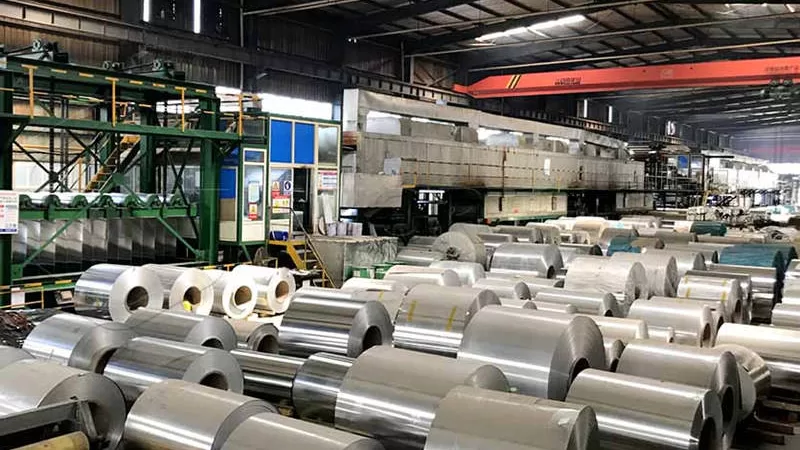
Mill finish aluminum coil is a widely used product in various industries due to its versatility, durability, and cost-effectiveness. But what exactly is mill finish aluminum coil, and what makes it so popular? This guide will delve into the details of mill finish aluminum coil, its properties, applications, and benefits, helping you make an informed decision for your business or project needs.
What is Mill Finish Aluminum Coil?
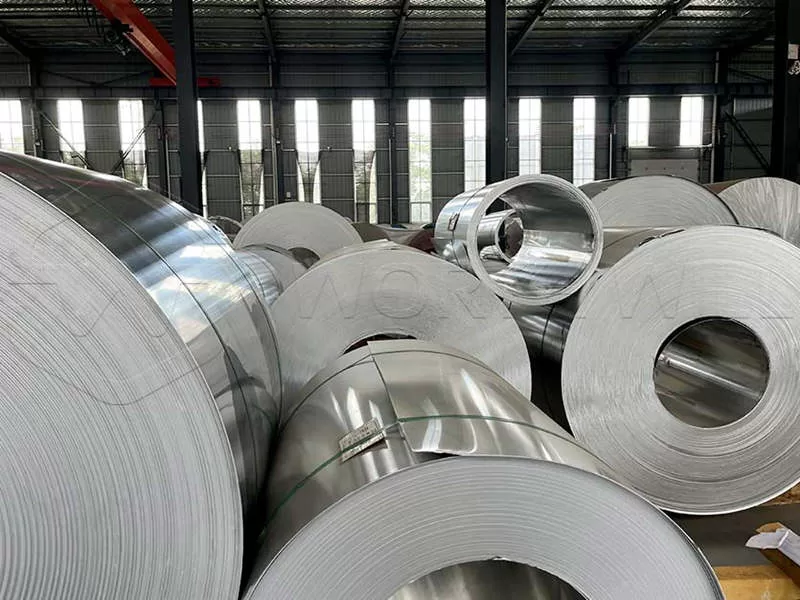
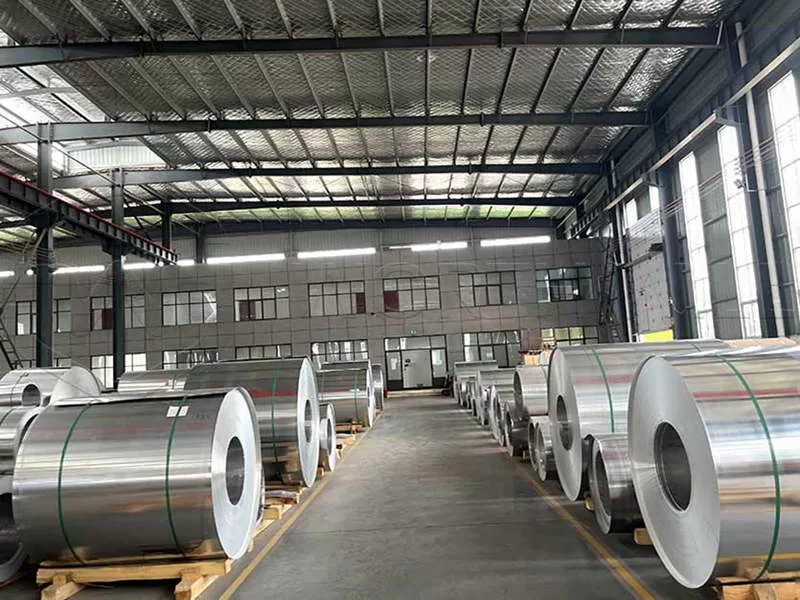
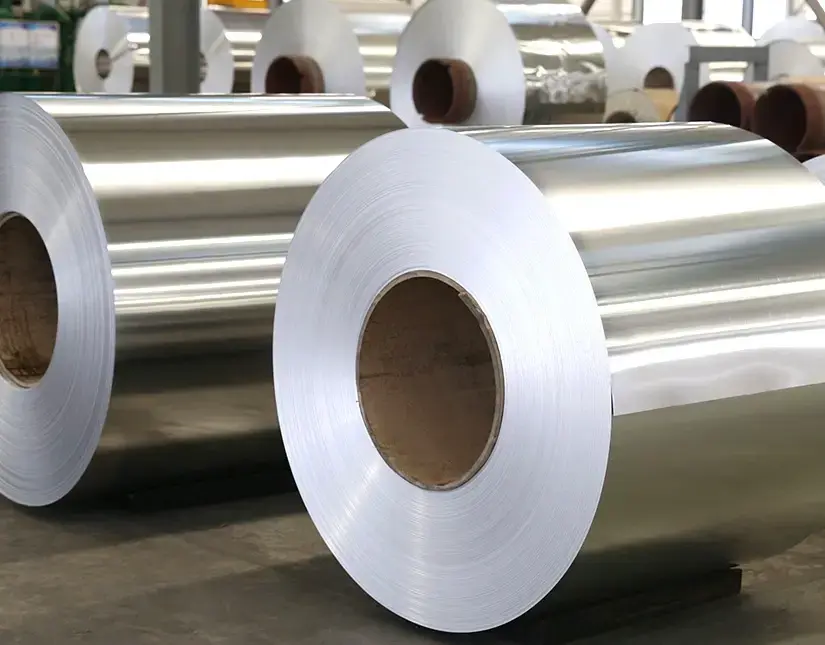
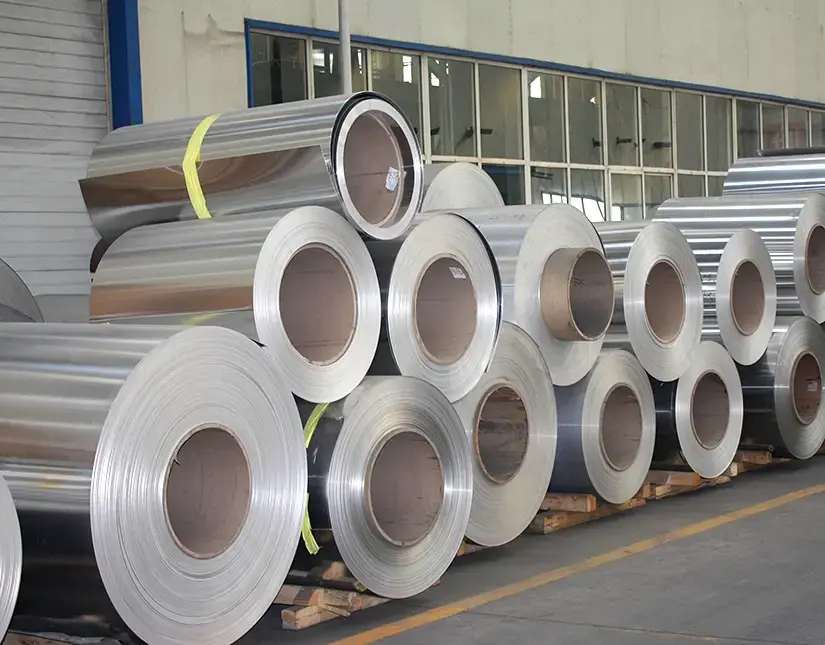
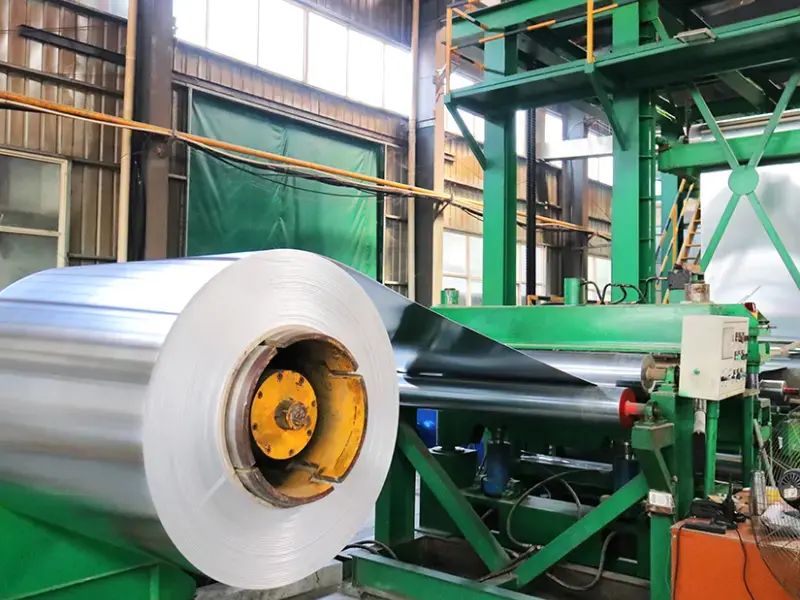
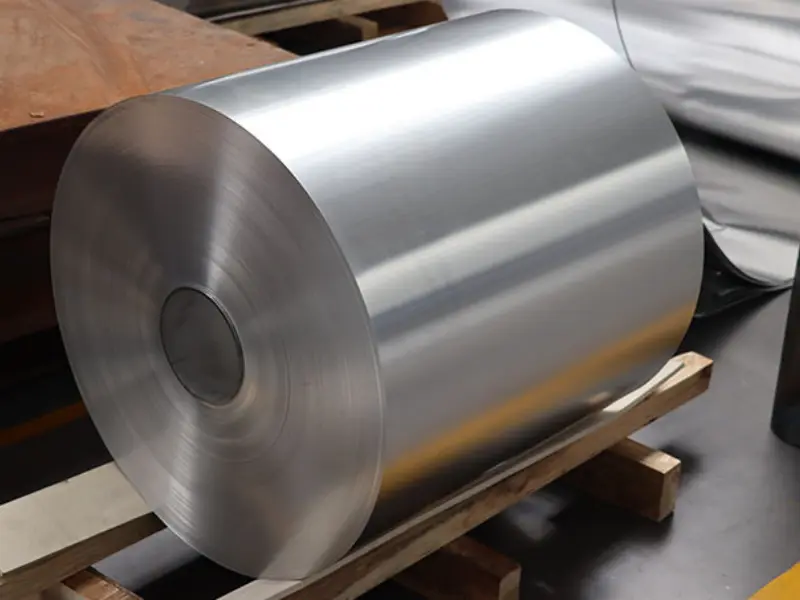
Mill finish aluminum coil refers to aluminum in its natural state after being rolled, without any additional surface treatment or finishing process. The term mill finish indicates that the aluminum has been mechanically processed by a mill. It results in a raw, unpolished surface that retains the aluminum’s natural color and appearance.
Properties of Mill Finish Aluminum Coil
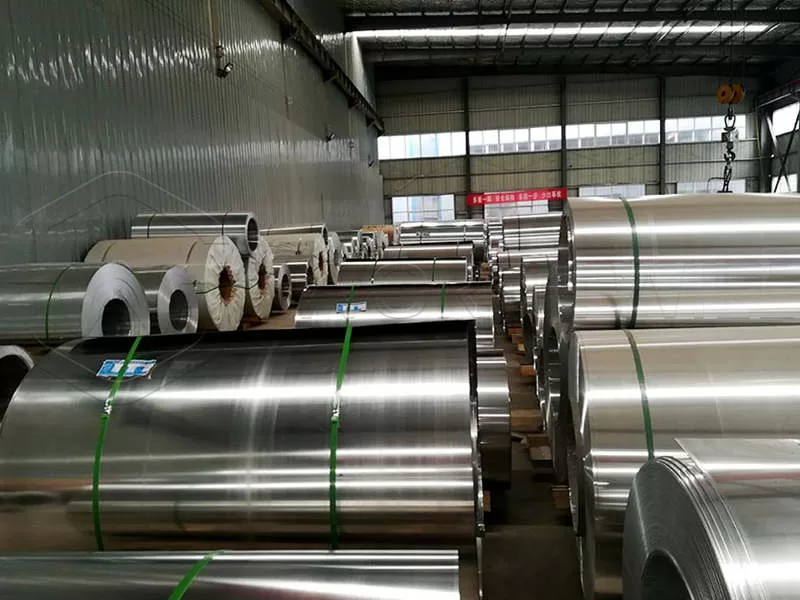
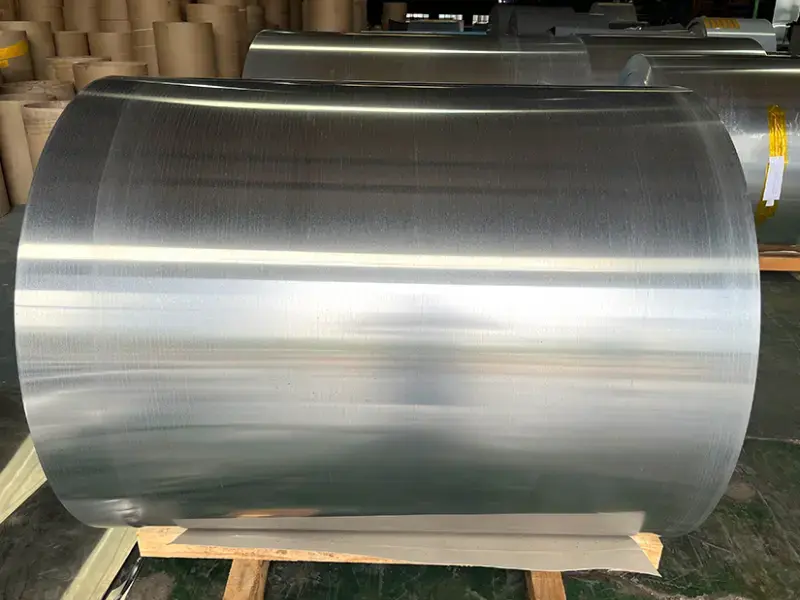
1. Natural Appearance Mill finish aluminum has a silver or metallic appearance with a slightly reflective surface. It may exhibit slight imperfections, such as marks or streaks, due to the rolling process.
2. Lightweight Aluminum is popular for its lightweight properties, making it easy to handle and transport. This makes mill finish aluminum coil suitable for applications where weight reduction is important.
3. Corrosion Resistance While not as corrosion-resistant as coated or anodized aluminum, mill finish aluminum still offers good resistance to corrosion, especially when alloyed with elements like magnesium or manganese.
4. Malleability and Ductility Mill finish aluminum is highly malleable and ductile. It is to be easily formed, bent, or shaped into various configurations without cracking or breaking.
5. Recyclability Aluminum is 100% recyclable without losing its properties, making mill finish aluminum an environmentally friendly choice.
Applications of Mill Finish Aluminum Coil
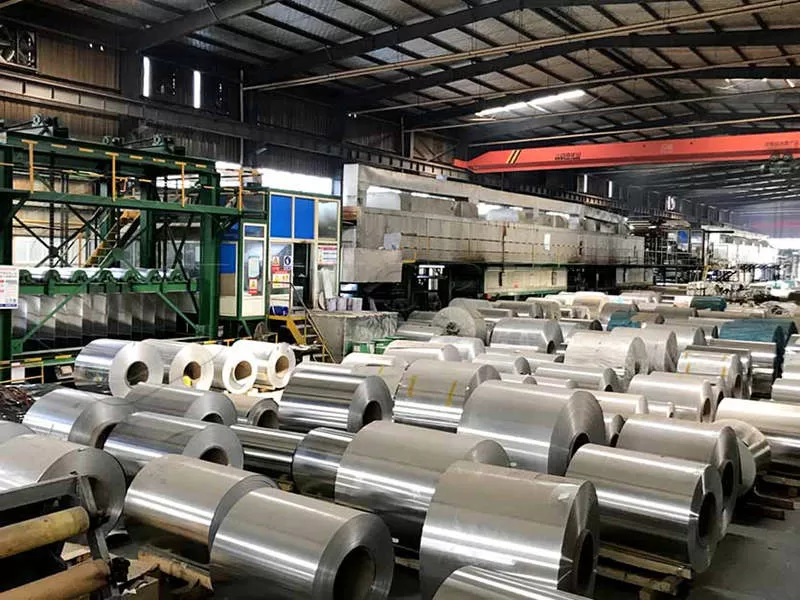
1. Construction and Architecture Mill finish aluminum is wide application in construction for roofing, siding, and cladding due to its lightweight and corrosion-resistant properties. It is different uses for window frames, curtain walls, and other architectural elements.
2. Transportation In the automotive and aerospace industries, mill finish aluminum coil has different uses for body panels, heat exchangers, and structural components. Its lightweight nature helps improve fuel efficiency and reduce emissions.
3. Manufacturing and Fabrication Mill finish aluminum coil is uses in the manufacturing of various products, including appliances, machinery, and equipment. Its malleability makes it ideal for stamping, forming, and machining.
4. Packaging Aluminum’s non-toxic and corrosion-resistant properties make it suitable for packaging applications, such as food and beverage cans, foils, and containers.
5. Signage and Display Mill finish aluminum is often in the production of signs, displays, and nameplates due to its reflective surface and ease of fabrication.
Benefits of Using Mill Finish Aluminium Coil
1. Cost-Effective Mill finish aluminum is generally less expensive than treated or coated aluminum, making it a cost-effective choice for many applications.
2. Versatility Its natural properties allow mill finish aluminum to in a wide range of industries and applications, offering flexibility in design and functionality.
3. Availability Mill finish aluminium coil is readily available in various sizes, thicknesses, and alloy compositions, providing options to meet specific project requirements.
4. Ease of Maintenance The natural finish of mill finish aluminum requires minimal maintenance. It can be easily with water and mild detergents to remove dirt and grime.
5. Eco-Friendly As a recyclable material, using mill finish aluminum supports sustainability efforts and reduces the environmental impact.
Considerations When Using Mill Finish Aluminium Coil
1. Surface Imperfections Due to its untreated surface, mill finish aluminum may have minor imperfections, such as streaks or marks. These are usually cosmetic and do not affect the material’s performance.
2. Susceptibility to Corrosion While mill finish aluminum offers good corrosion resistance, it may not be suitable for highly corrosive environments without additional protective coatings or treatments.
3. Aesthetic Preferences If a polished or colored surface has required, additional finishing processes such as anodizing, painting, or coating will be necessary.
Understanding Mill Finish Aluminum Coil: What You Need to Know
Mill finish aluminum coil has widely used in construction, manufacturing, transportation, packaging, and many other industries. I
t is aluminum coil in its natural condition after rolling, without an additional decorative coating or anodized finish. Its surface may show normal rolling marks, slight color differences, or a natural metallic appearance.
For buyers, choosing the right mill finish aluminum coil involves more than checking the price. Alloy, temper, thickness, width, surface quality, and intended use all affect the final result. A coil used for roofing components may need different properties from one used for HVAC parts, industrial covers, or further coating.
What Is Mill Finish Aluminum Coil?
Mill finish aluminum coil is aluminum strip or sheet wound into a coil after rolling. It keeps the surface condition created during the rolling process. No additional color coating has applied as part of the mill finish specification.
The surface is usually metallic and may appear bright, dull, or slightly textured, depending on the alloy, rolling process, and production conditions.
Mill finish does not mean that the aluminum is unfinished in every respect. The coil may already have undergone rolling, slitting, tension leveling, or other processing. It simply means that an additional decorative or protective coating has not been applied.
Key Features of Mill Finish Aluminum Coil
- Natural aluminum surface: No additional paint or decorative coating.
- Flexible processing: Suitable for cutting, bending, stamping, and other fabrication processes, depending on the alloy and temper.
- Multiple alloy options: Common choices include 1050, 1060, 1100, 3003, 3105, and 5052.
- Wide thickness range: Thin coils can be used for lightweight components, while thicker coils serve more demanding applications.
- Custom dimensions: Width, thickness, coil weight, and inner diameter can be specified for different production lines.
- Suitable for further finishing: The material has considered for painting, coating, anodizing, or other treatments when the alloy and surface preparation are appropriate.
The best specification depends on the product being manufactured. A coil for a simple cover may need good formability, while a coil for an industrial enclosure may require higher strength or better corrosion resistance.
How Is Mill Finish Aluminum Coil Produced?
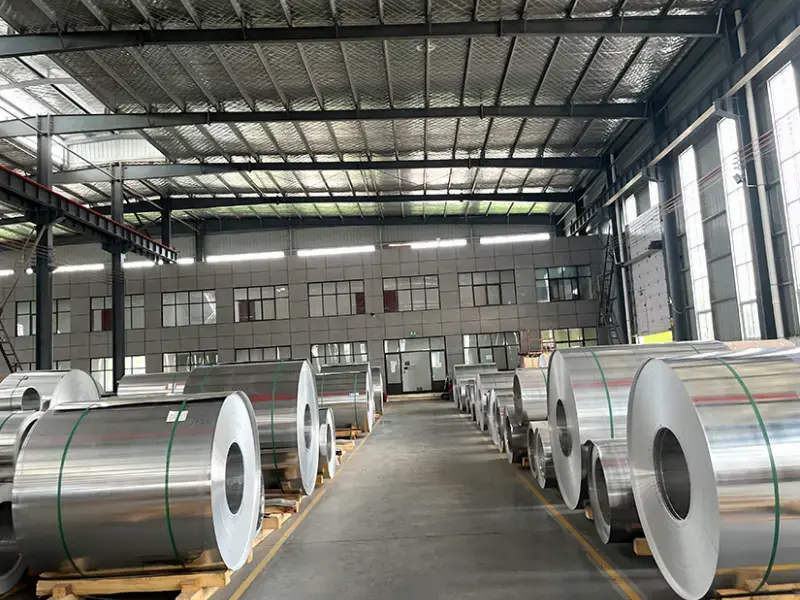
The production process affects thickness accuracy, flatness, surface quality, and the ability to process the coil later.
Main Production Steps
| Production step | Purpose |
|---|---|
| Alloy preparation | Select the aluminum alloy for the intended application |
| Hot rolling or casting and rolling | Produce the initial rolled material |
| Cold rolling | Reduce thickness and improve dimensional control |
| Intermediate annealing | Adjust the material condition when required |
| Final rolling | Achieve the required thickness and temper |
| Slitting or trimming | Produce the requested coil width |
| Inspection | Check dimensions, surface condition, and other agreed requirements |
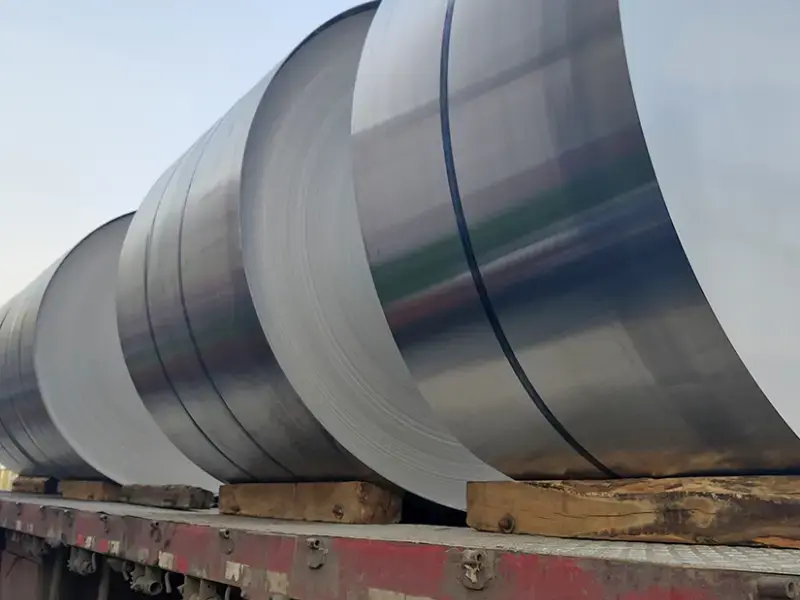
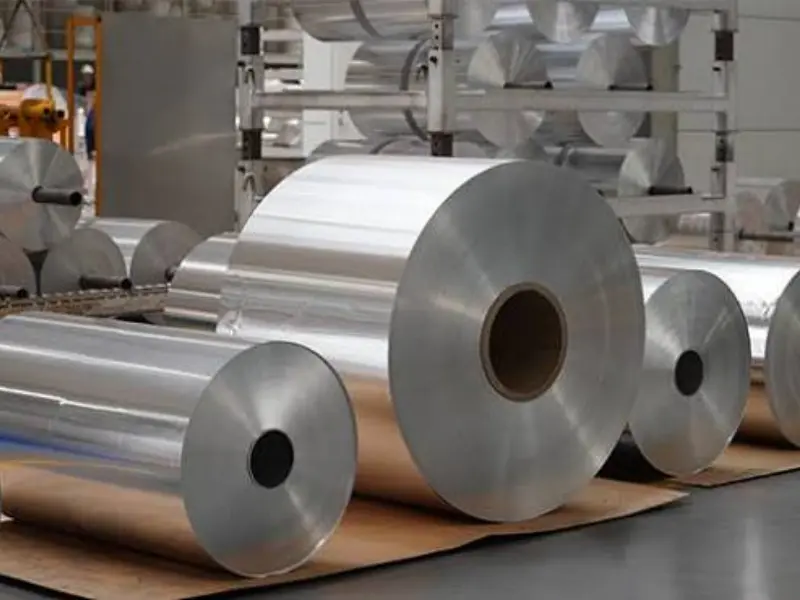
| Coil packing | Protect the material during storage and transportation |
Not every alloy follows exactly the same route. The process depends on the alloy, thickness, temper, and manufacturing equipment.
What Does the Natural Surface Look Like?
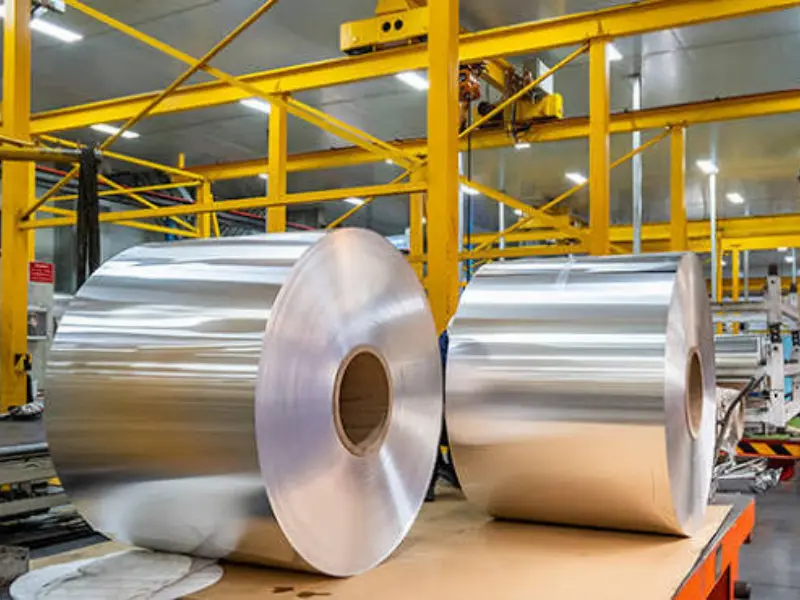
A mill finish aluminum coil normally has a metallic surface without an added color coating. Its appearance can vary between production batches and alloys.
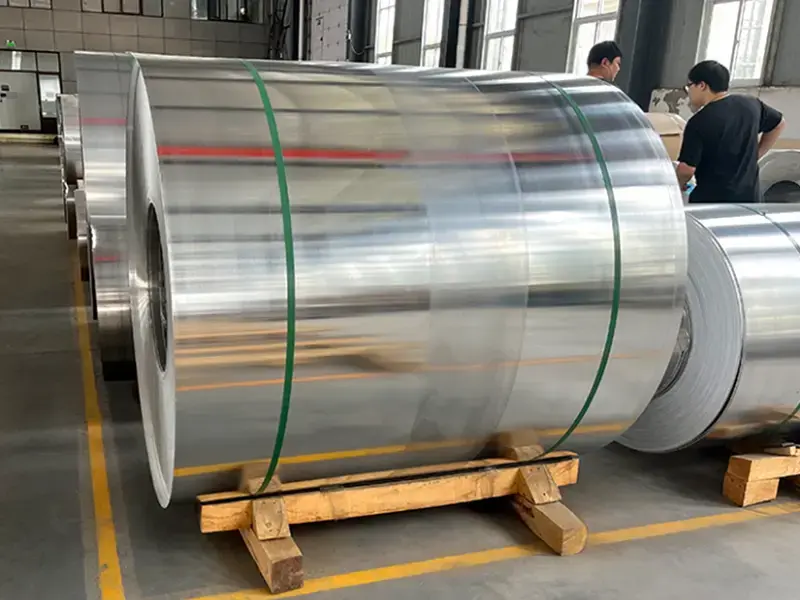
Small differences in brightness may occur because of rolling conditions and material characteristics. For applications where appearance is critical, buyers should specify the surface requirements before production.
If the coil will be painted or coated later, the supplier should also confirm whether the surface condition is suitable for the planned finishing process.
Mill Finish Aluminum Coil Specifications
There is no single specification for every mill finish aluminum coil. Industrial buyers can select the alloy, temper, thickness, and width according to their production needs.
Common Technical Specifications
| Parameter | Typical options |
|---|---|
| Product | Mill finish aluminum coil |
| Alloys | 1050, 1060, 1100, 3003, 3105, 5052 |
| Tempers | O, H12, H14, H16, H18, H22, H24, H32, depending on alloy |
| Thickness | Approximately 0.2–6.0 mm, subject to alloy and production capability |
| Width | Commonly 100–1,600 mm; wider or narrower options may be available |
| Coil inner diameter | Common options include 150, 200, 300, and 505 mm |
| Surface | Natural mill finish |
| Processing | Slitting, cutting, stamping, bending, or further finishing |
| Packaging | Export packing or packaging matched to the production line |
| Order requirements | Custom dimensions and coil weight by agreement |
These ranges are examples for product planning. Actual availability, tolerances, mechanical properties, and minimum order quantities have confirmed with the manufacturer.
Different Types of Mill Finish Aluminum Coil
Choosing the right product type helps control processing costs and improve the quality of the finished component. The following options cover several common purchasing needs.
1050 Mill Finish Aluminum Coil for General Fabrication
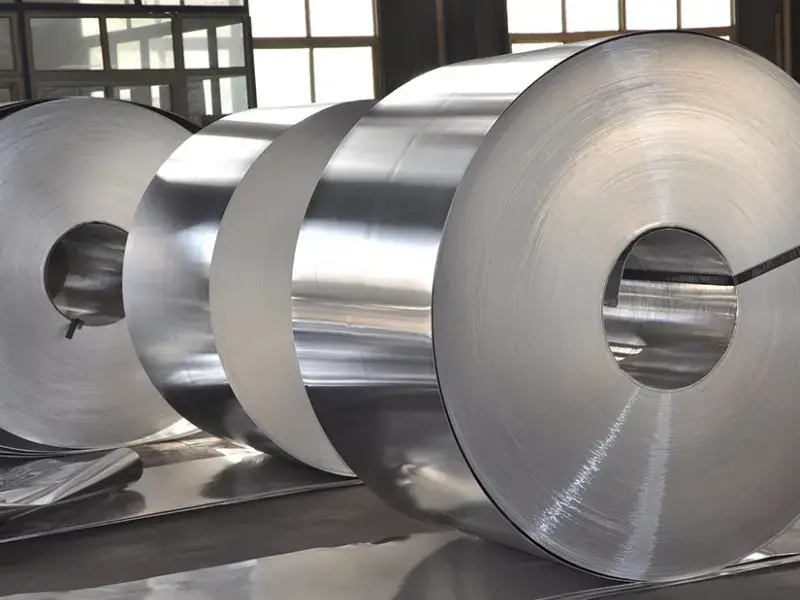
1050 aluminum is a commercially pure aluminum alloy with good formability and corrosion resistance in suitable environments. It has often selected for applications that do not require high structural strength.
Common product options include:
- 1050-O aluminum coil for applications requiring high flexibility.
- 1050-H14 aluminum coil for a balance of formability and strength.
- 1050-H18 aluminum coil for applications requiring a harder material condition, subject to the forming requirements.
Typical uses include general sheet metal parts, simple covers, decorative components, and selected electrical or industrial products.
1060 Mill Finish Aluminum Coil for Electrical and Industrial Uses
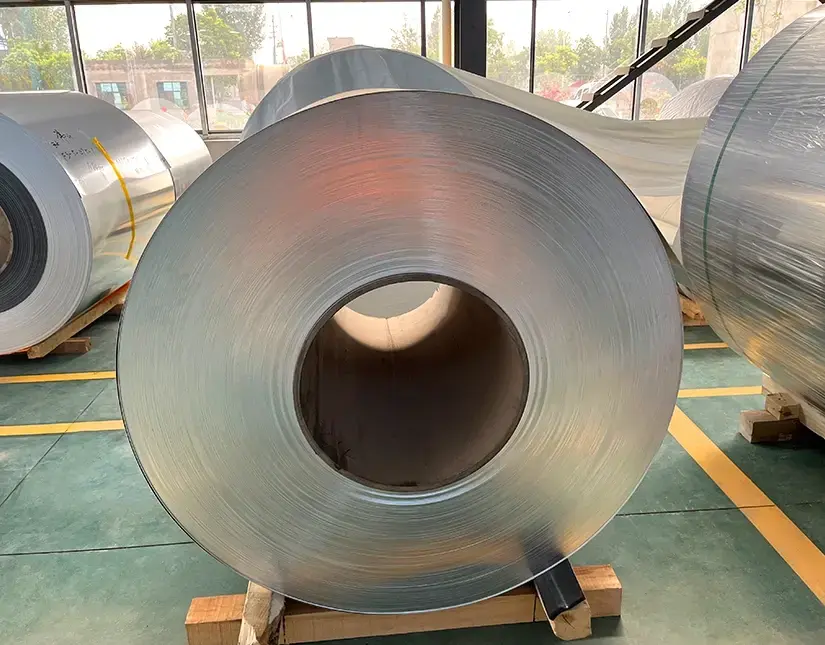
1060 aluminum has high aluminum content and good electrical and thermal conductivity. It can be suitable for applications that require a relatively pure aluminum material.
Possible product options include 1060-O, 1060-H14, and 1060-H18, depending on the required flexibility and strength.
Applications may include electrical components, heat transfer parts, industrial sheet metal, and general fabrication. For electrical applications, the buyer should confirm conductivity and other relevant technical requirements rather than relying on the alloy designation alone.
1100 Mill Finish Aluminum Coil for Formed Components
1100 aluminum is another commercially pure aluminum alloy. It offers good corrosion resistance and formability in many applications.
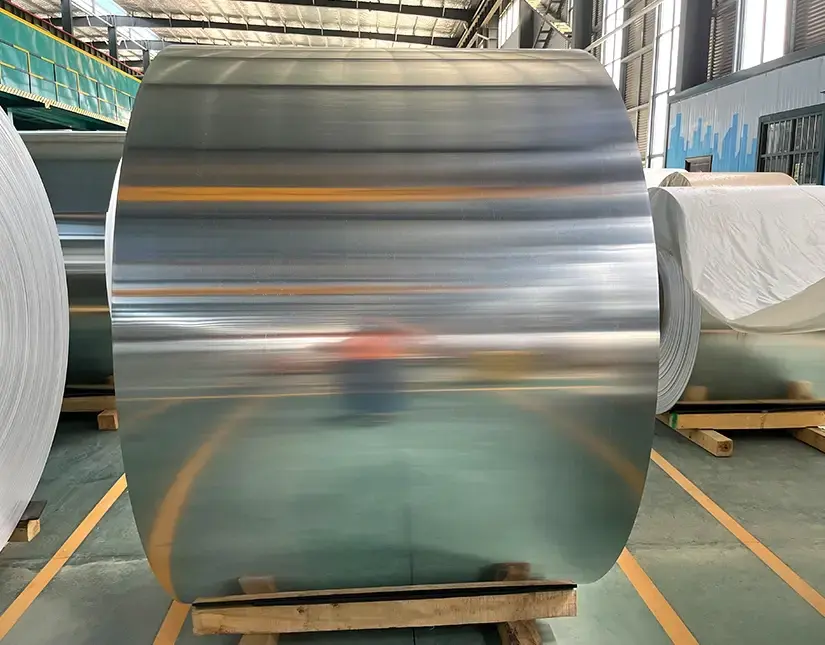
It has supplied in different tempers for bending, forming, or stamping. For example, 1100-O may be suitable for more demanding forming operations, while harder tempers have considered for components that need additional rigidity.
Typical uses include industrial covers, general fabricated parts, equipment panels, and certain heat transfer products.
3003 Mill Finish Aluminum Coil for Construction and HVAC
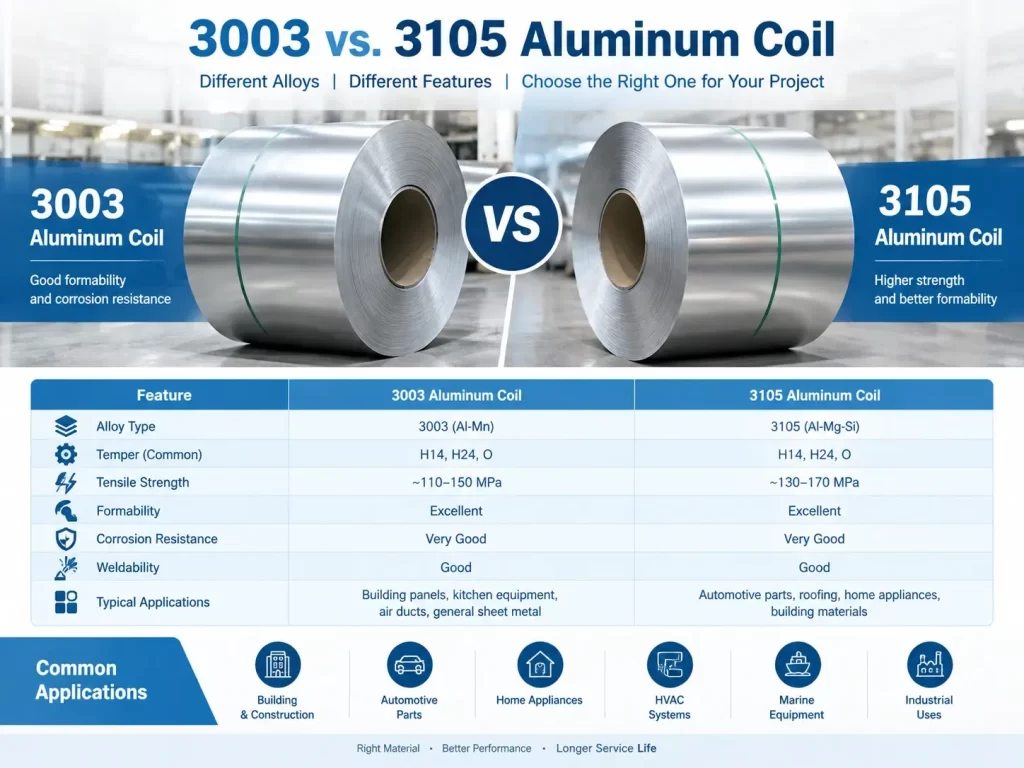
3003 aluminum contains manganese and has widely used for general-purpose applications that need good formability and corrosion resistance.
It is a practical choice for many formed products. Depending on the design, common tempers include O, H14, H16, and H24.
Applications include:
- HVAC duct components and air distribution parts.
- Equipment housings and covers.
- Roofing accessories and flashing.
- General construction components.
- Storage tanks and formed industrial parts.
- Components that will receive an additional coating.
For buyers who need a versatile material for fabrication, 3003 is worth considering. The correct temper should be selected according to the bending radius, forming process, and final shape.
3105 Mill Finish Aluminum Coil for Building Products
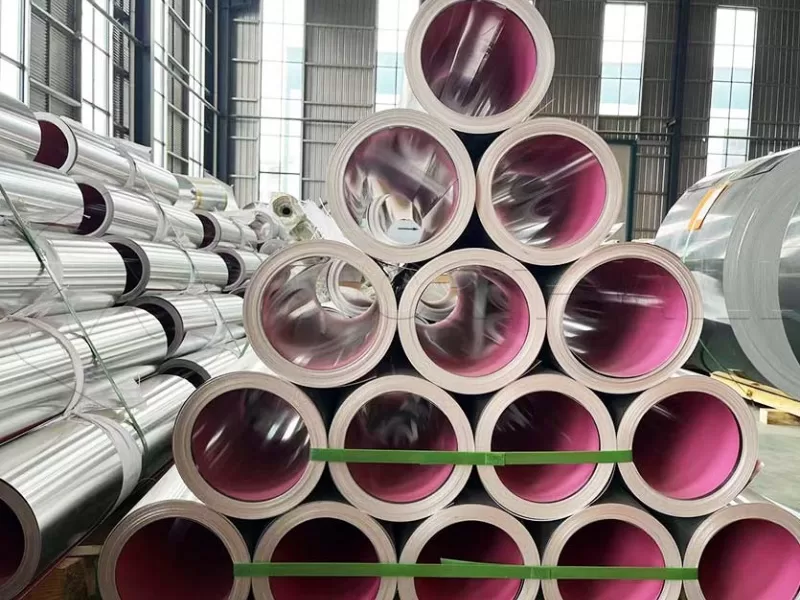
3105 aluminum has commonly associated with building products and coated aluminum applications. It offers useful formability and corrosion resistance for many construction environments.
It may be available in tempers such as H14 and H24, subject to the product specification.
Typical uses include building panels, roofing accessories, rainwater goods, siding components, and other formed construction products. If the coil will be painted later, confirm the surface preparation and coating compatibility with the supplier.
5052 Mill Finish Aluminum Coil for Higher-Strength Applications
5052 aluminum is a magnesium-containing alloy with good corrosion resistance and higher strength than many commercially pure aluminum grades.
It is used where a stronger sheet or coil is needed. Common temper options include O, H32, and H34, depending on the application and product range.
Potential applications include:
- Marine and transportation components.
- Industrial enclosures.
- Equipment panels.
- Fuel and fluid storage components designed for the appropriate service.
- Parts exposed to humid or demanding environments.
- Fabricated components requiring a stronger aluminum alloy.
5052 is not automatically the best choice for every project. It may cost more than some lower-strength alloys, so buyers should compare the required performance with the actual operating conditions.
Mill Finish Aluminum Coil by Temper
Temper describes the condition of the aluminum after processing. It influences strength, hardness, ductility, and forming behavior.
Common Temper Options
| Temper | General meaning | Possible use |
|---|---|---|
| O | Annealed and relatively soft | Deep forming and complex bending, depending on alloy |
| H12 | Strain-hardened, lower strength level than harder H tempers | Formed components with moderate strength needs |
| H14 | Strain-hardened to a quarter-hard level | General fabrication and formed parts |
| H16 | Harder strain-hardened condition | Components needing additional strength |
| H18 | Fully hard strain-hardened condition | Flat or lightly formed components |
| H22 | Strain-hardened and partially annealed | Formed products requiring a particular strength-formability balance |
| H24 | Strain-hardened and partially annealed | Building components and general fabrication |
| H32 | Stabilized strain-hardened condition, commonly used with 5xxx alloys | Equipment panels and industrial components |
Not every temper is available for every alloy. For example, H32 has commonly associated with magnesium-containing alloys such as 5052. Buyers should specify the full alloy and temper together.
How to Choose the Right Temper
Choose O temper when the material needs substantial forming and flexibility. Consider H14 or H24 for many general fabrication applications. Harder tempers may be useful for flatter components that need more rigidity but require careful evaluation before bending.
For complicated parts, provide the supplier with the intended bend radius, forming method, and final shape. This helps reduce the risk of cracking or excessive springback.
Mill Finish Aluminum Coil by Thickness
Thickness affects weight, stiffness, forming behavior, and cost. The right thickness depends on the finished product rather than the coil alone.
| Thickness | Possible applications | Main consideration |
|---|---|---|
| 0.2–0.3 mm | Lightweight formed parts and selected industrial components | Requires careful handling |
| 0.4–0.6 mm | Thin covers, small housings, and formed accessories | Suitable for lighter-duty designs |
| 0.7–1.0 mm | HVAC parts, building accessories, and general fabrication | A common range for many formed products |
| 1.2–1.5 mm | Equipment panels, enclosures, and construction parts | Greater stiffness, with more forming force |
| 2.0–3.0 mm | Stronger fabricated components and industrial parts | Higher weight and material cost |
| 4.0–6.0 mm | Selected industrial applications and heavier components | Confirm coil availability and processing capability |
This table is a guide, not a design standard. Actual thickness selection must consider the alloy, temper, panel dimensions, support structure, and applied loads.
Mill Finish Aluminum Coil vs. Other Aluminum Finishes
Mill finish has often compared with coated, anodized, or embossed aluminum. These products may use similar base alloys but have different surface properties and costs.
Mill Finish Aluminum Coil vs. Prepainted Aluminum Coil
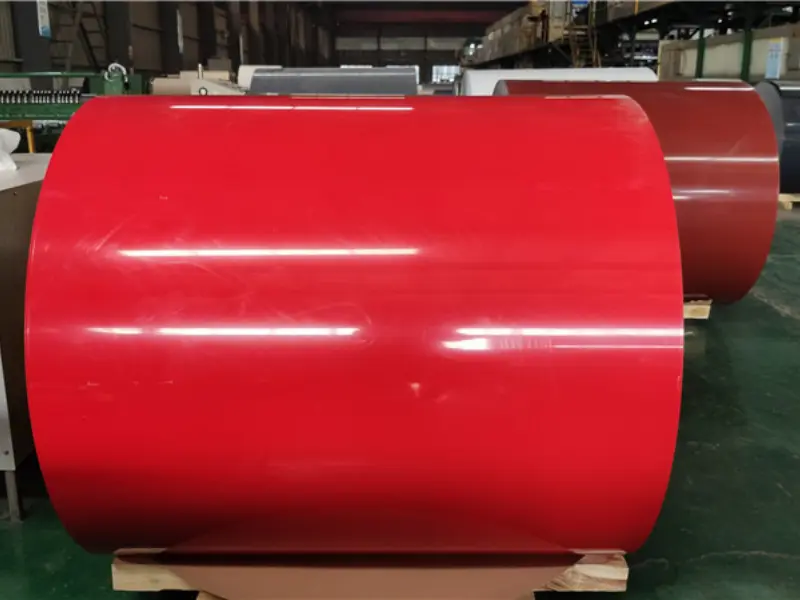
Mill finish aluminum coil has no additional color coating. Prepainted aluminum coil has a factory-applied coating that provides a finished color and may offer additional surface protection.
| Feature | Mill finish coil | Prepainted coil |
|---|---|---|
| Surface appearance | Natural metallic surface | Colored or specified coated surface |
| Additional coating | Not included in the mill finish specification | Applied during production |
| Initial material cost | Often lower before further finishing | Usually includes coating costs |
| Color choice | Natural metal appearance | Multiple colors and coating systems |
| Further processing | Suitable for selected finishing processes | Requires care to avoid coating damage |
| Typical uses | Fabrication and products receiving later finishing | Roofing, cladding, panels, and finished building products |
Choose mill finish when the component has processed further or does not need a colored surface. Choose prepainted coil when the final color and coated surface are part of the product requirements.
Mill Finish Aluminum Coil vs. Anodized Aluminum Coil
Anodized aluminum has an electrochemically formed oxide layer. Mill finish aluminum does not have this additional anodized layer.
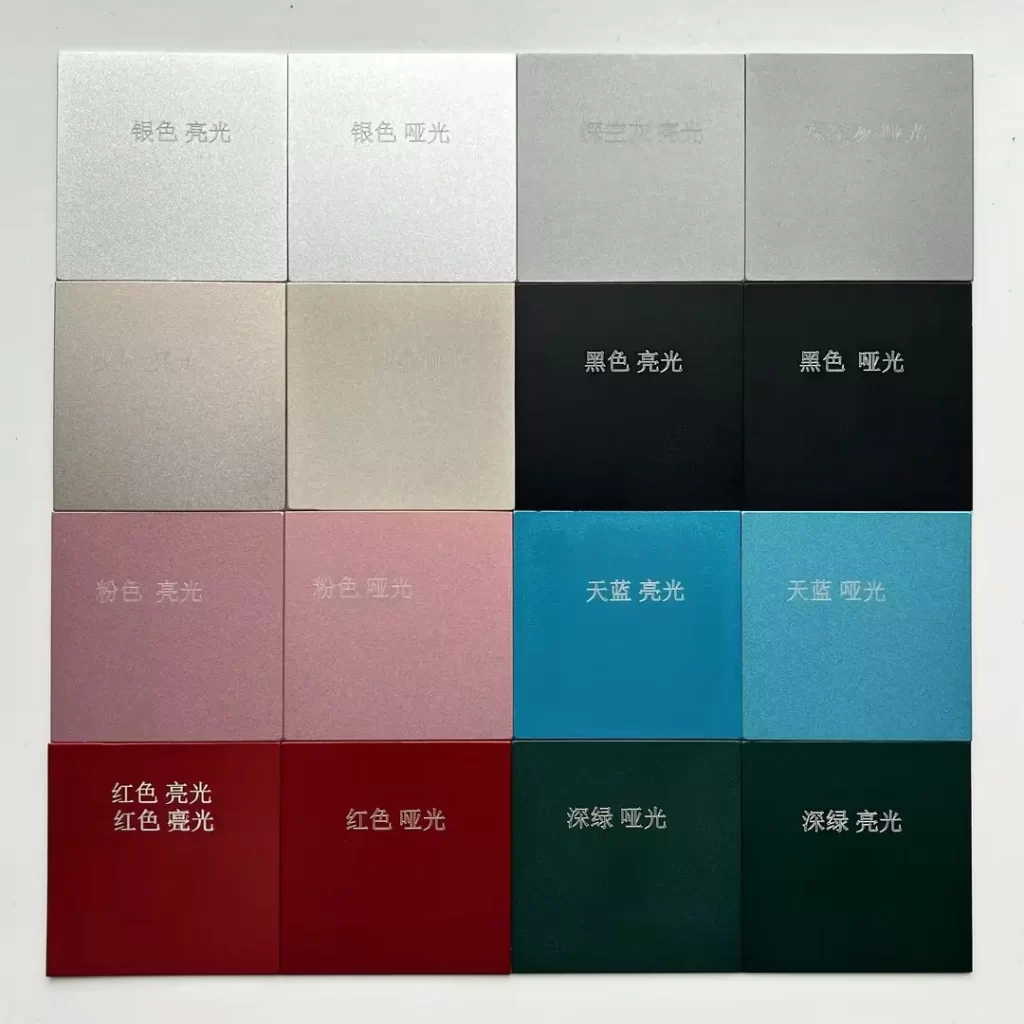
Anodized products are often selected for appearance and surface performance. Mill finish coil may be more practical when the material will undergo further processing or when a natural surface is acceptable.
If anodizing has planned after fabrication, confirm that the alloy and surface condition are suitable. Different alloys can produce different anodized appearances.
Mill Finish Aluminum Coil vs. Stucco Embossed Aluminum Coil
Stucco embossed aluminum has a textured surface created by embossing. Mill finish coil normally has the surface produced by rolling.
Stucco embossed products have chosen for decorative texture or specific cladding and insulation applications. Mill finish coil has often used when a flat surface is preferred or when further processing is planned.
| Feature | Mill finish coil | Stucco embossed coil |
|---|---|---|
| Surface | Generally flat, with natural rolling characteristics | Embossed texture |
| Appearance | Plain metallic | Textured metallic |
| Main benefit | Flexible base material for fabrication | Textured appearance |
| Typical uses | Formed parts, HVAC components, industrial fabrication | Insulation jacketing, appliance parts, selected cladding |
The best choice depends on whether the application requires a flat or textured surface.
Applications of Mill Finish Aluminum Coil Across Industries
Mill finish aluminum coil has used in many industries because it can be supplied in different alloys, tempers, widths, and thicknesses.
Construction and Building Components

Construction manufacturers use mill finish aluminum coil for products that are cut, formed, or finished before installation.
Common applications include:
- Roofing accessories and flashing.
- Rainwater goods and gutter components.
- Building trim and edge profiles.
- Interior panels and equipment covers.
- Formed parts for architectural systems.
- Base material for selected coated building products.
For outdoor use, the alloy, thickness, drainage design, and environmental exposure should be reviewed. Mill finish alone does not guarantee that the product is suitable for every exterior environment.
HVAC and Ventilation Systems
Aluminum coil has used to manufacture selected parts for heating, ventilation, and air conditioning systems.
Applications include:
- Duct components.
- Ventilation covers.
- Air distribution parts.
- Insulation jacketing.
- Formed HVAC accessories.
- Heat transfer components where the alloy and design are suitable.
For ductwork and insulation jacketing, the required thickness and forming properties depend on the system design and installation conditions.
Industrial Manufacturing
Industrial manufacturers often use mill finish coil as a base material for fabricated parts.

Typical applications include:
- Machine covers.
- Equipment enclosures.
- Metal housings.
- Protective panels.
- Formed brackets and components.
- Storage and handling equipment parts.
The alloy should match the strength and corrosion requirements of the final product. For components exposed to impact or mechanical loads, engineering review may be necessary.
Transportation and Automotive Components
Selected aluminum coils have uses in transportation-related parts where low weight and suitable formability are important.
Possible applications include interior panels, protective covers, trim, and formed components. Alloy selection depends on strength, joining methods, corrosion requirements, and the applicable industry specifications.
For vehicle structures or safety-related components, the material must meet the specific engineering and certification requirements of the application.
Electrical and Thermal Applications
Some aluminum coils have used for electrical and thermal products because aluminum can conduct electricity and heat effectively.
Applications may include selected electrical components, heat transfer parts, and industrial thermal systems. The appropriate alloy has selected according to conductivity, strength, corrosion resistance, and manufacturing requirements.
Packaging and General Fabrication
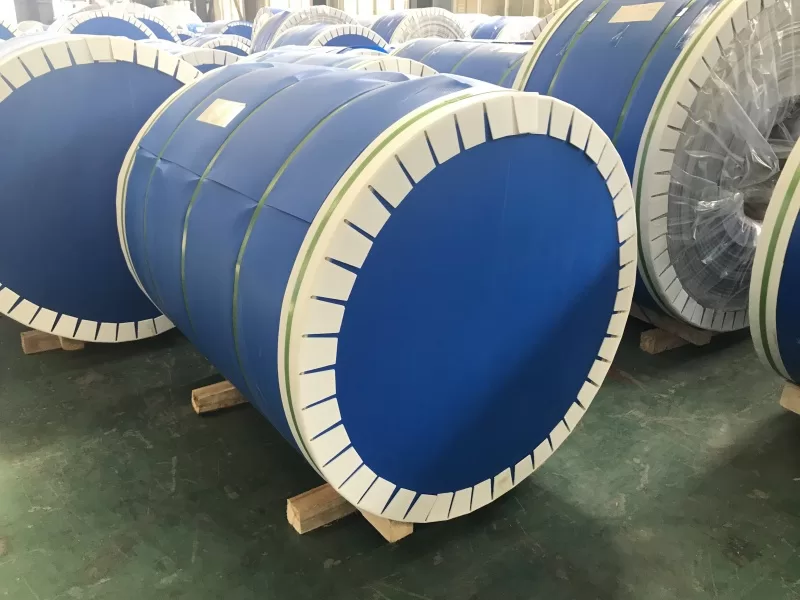
Depending on the alloy, thickness, and applicable product standards, aluminum coil has used for selected packaging-related components and general formed products.
Before using mill finish coil for food-contact or regulated applications, confirm the required material standard, surface condition, cleanliness, and compliance documentation. Do not assume that every industrial coil is automatically suitable for direct food contact.
How to Select the Right Mill Finish Aluminum Coil
A clear specification helps the manufacturer recommend a suitable material and provide a more accurate quotation.
Start With the Finished Product
Describe what you plan to manufacture. A roofing accessory, an HVAC part, and an industrial cover may require different material properties.
Consider the following questions:
- Will the product be bent, stamped, rolled, or cut?
- Does it need deep drawing or only simple forming?
- Will it be used indoors or outdoors?
- Does it require additional painting or coating?
- Does it need high strength, high conductivity, or special corrosion resistance?
- Will the finished product have visible surfaces?
Match the Alloy to the Application
| Requirement | Alloy to consider | Important note |
|---|---|---|
| General fabrication | 1050, 1060, 1100 | Suitable for many applications with modest strength needs |
| Formed building components | 3003, 3105 | Consider formability and the service environment |
| Higher mechanical strength | 5052 | Confirm temper and forming limits |
| Electrical or thermal performance | 1050, 1060, 1100 or other specified alloys | Verify actual conductivity and technical requirements |
| Products receiving a later coating | 3003, 3105 or other suitable alloys | Confirm surface preparation and coating compatibility |
This is a starting point rather than a fixed selection rule. The final choice depends on the product drawing and required properties.
Check the Coil Dimensions
Before ordering, confirm the nominal thickness, width, inner diameter, outer diameter if needed, and coil weight.
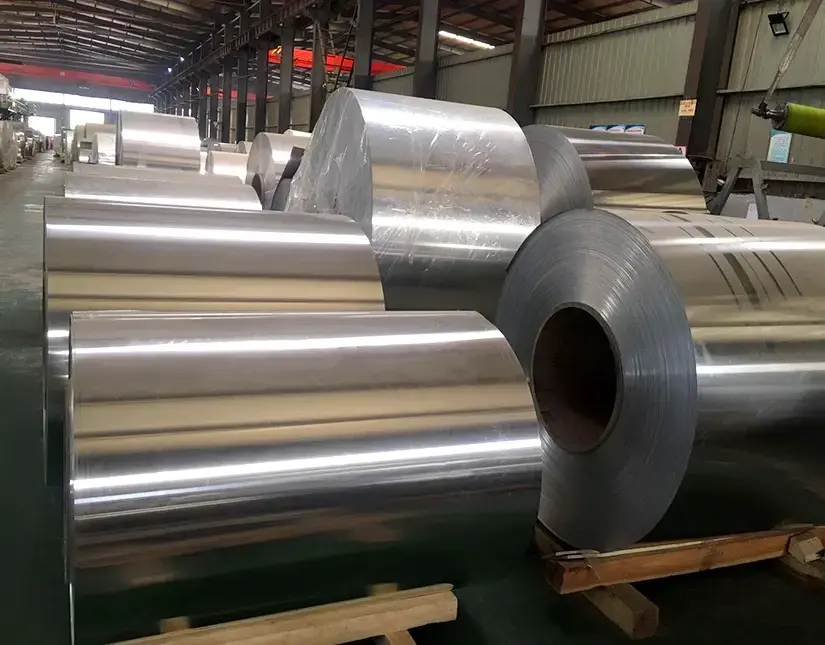
The coil must fit the buyer’s slitting, feeding, stamping, or forming equipment. Incorrect dimensions can cause downtime and additional processing costs.
Confirm Quality Requirements
Ask the supplier to confirm the agreed tolerances and inspection requirements. Depending on the application, these may include:
- Thickness and width tolerances.
- Surface quality.
- Coil winding condition.
- Mechanical properties.
- Alloy and temper verification.
- Packaging and moisture protection.
- Required test certificates or inspection documents.
What Affects Mill Finish Aluminum Coil Prices?
The price of mill finish aluminum coil depends on the material specification and the order conditions. A low price may not represent the best value if the coil does not meet the buyer’s processing requirements.
Main Price Factors
Alloy and temper: Different alloys and tempers have different material costs and processing requirements.
Thickness and width: Dimensions affect material consumption, rolling capability, slitting, and packaging.
Order quantity: Larger orders may improve production efficiency, but minimum order quantities vary by supplier and specification.
Surface requirements: Special requirements for surface quality, flatness, or cleanliness may affect production and inspection costs.
Coil dimensions: Inner diameter, outer diameter, and coil weight may need to match the buyer’s equipment.
Processing services: Slitting, edge trimming, cutting, or other processing can add costs.
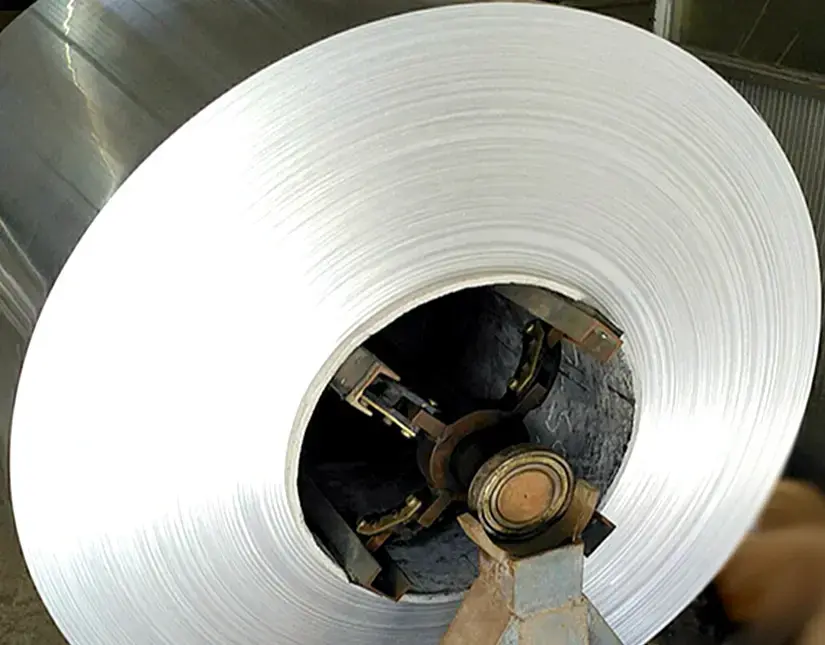
Packaging and delivery: Export packing, destination, shipping method, and delivery terms influence the final quotation.
To compare quotations fairly, provide every supplier with the same alloy, temper, thickness, width, quantity, and delivery requirements.
Mill Finish Aluminum Coil Ordering Checklist
Use this checklist when preparing a request for quotation.
| Item | Information to provide |
|---|---|
| Product | Mill finish aluminum coil |
| Alloy | For example, 1050, 3003, 3105, or 5052 |
| Temper | For example, O, H14, H24, or H32 where applicable |
| Thickness | Required thickness in mm |
| Width | Required width in mm |
| Inner diameter | Required coil ID |
| Coil weight | Target weight per coil or total order weight |
| Surface | Natural mill finish and any special requirements |
| Application | Roofing, HVAC, industrial fabrication, or another use |
| Quantity | Total weight or number of coils |
| Standards | Required standard or technical specification |
| Delivery | Destination, packaging, and requested delivery schedule |
If the coil has used on an automated production line, include the equipment requirements and maximum coil weight. This can help prevent handling and feeding problems.
Frequently Asked Questions About Mill Finish Aluminum Coil
Is mill finish aluminum coil coated?
No. Mill finish aluminum coil does not have an additional decorative coating as part of its mill finish specification. It retains the surface condition produced during rolling. Additional finishing has applied later if the alloy and surface preparation are suitable.
Does mill finish aluminum coil rust?
Aluminum does not form red iron rust in the same way as ordinary carbon steel. It naturally forms a thin oxide layer. However, aluminum can still corrode under certain conditions, including exposure to aggressive chemicals, unsuitable environments, or contact with incompatible materials.
Which alloy is best for mill finish aluminum coil?
There is no single best alloy for every application. 1050, 1060, and 1100 may suit applications that benefit from high aluminum content and good formability. 3003 and 3105 have commonly considered for formed products and building components. 5052 has preferred when greater strength or specific corrosion performance is required.
What is the difference between 3003 and 5052 aluminum coil?
3003 has widely used for general fabrication and offers good formability. 5052 generally provides higher strength and has used for applications with more demanding mechanical requirements. The choice depends on the design, forming process, operating environment, and budget.
Which temper is suitable for bending?
The correct temper depends on the alloy, thickness, bend radius, and forming method. O temper is relatively soft and may suit more demanding forming operations. H14 and H24 can be suitable for many formed components, but the actual bend limits should be confirmed for the selected material.
Can mill finish aluminum coil be painted?
Yes, it has considered for painting or coating after suitable surface preparation. The preparation process depends on the coating system, alloy, and surface condition. Confirm compatibility with the coating supplier before large-scale production.
Can mill finish aluminum coil be used outdoors?
Yes, selected alloys have used outdoors when the material specification and design are appropriate. The environment, moisture exposure, pollutants, contact with other metals, and maintenance requirements should all be considered.
What thickness is commonly used for mill finish aluminum coil?
Thickness depends on the application. Thin coils have used for lightweight components, while thicker material has selected for stronger or more rigid parts. The buyer should consider the finished product, alloy, temper, forming process, and required stiffness.
Can mill finish aluminum coil be customized?
Many suppliers can provide different alloys, tempers, thicknesses, widths, coil weights, and inner diameters. Availability depends on production capability and order quantity. Confirm the complete specification before placing the order.
Is mill finish aluminum coil suitable for food-contact applications?
Not automatically. Food-contact applications require the correct material grade, surface condition, cleanliness, and compliance with the relevant regulations. Buyers should request the necessary documentation and confirm suitability with the manufacturer.
How should mill finish aluminum coil be stored?
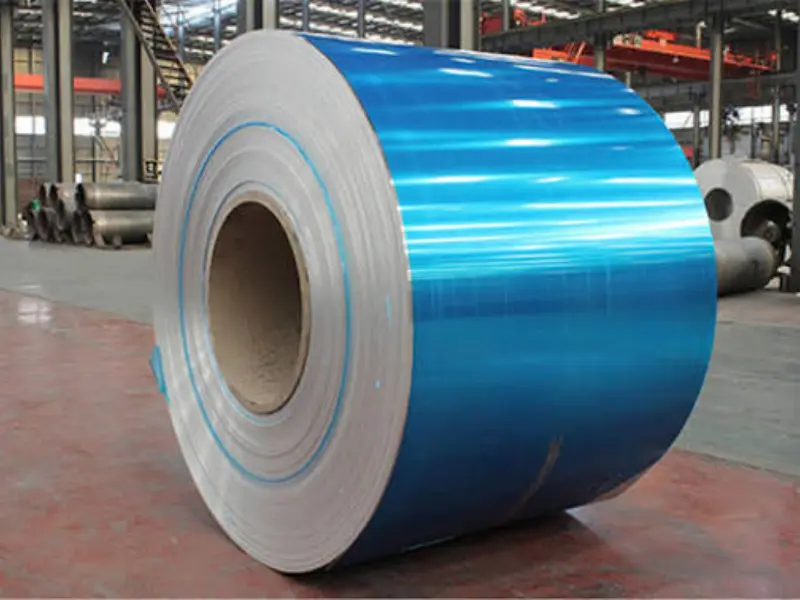
Store the coils in a dry, clean area and protect them from water, condensation, and contamination. Avoid rapid temperature changes that can cause moisture to form on the metal. Follow the supplier’s handling and storage instructions to reduce the risk of surface staining or damage.
What information is needed for a quotation?
Provide the alloy, temper, thickness, width, inner diameter, coil weight, quantity, intended application, and delivery destination. Include any required standards, tolerances, or surface conditions. Complete information helps the supplier quote the correct product.
Final Thoughts: Choosing the Right Mill Finish Aluminum Coil
Mill finish aluminum coil is a versatile base material for construction, HVAC, industrial manufacturing, transportation, and general fabrication. Its natural surface and range of available alloys make it suitable for products that need further processing or do not require a decorative coating.
The most important purchasing decision is matching the material to the finished product. Consider the alloy, temper, thickness, width, coil dimensions, surface requirements, and operating environment together.
Before placing an order, confirm the technical specification, tolerances, inspection requirements, and packaging. This makes it easier to compare suppliers, reduce processing problems, and select a mill finish aluminum coil that fits your production needs.
Error: Contact form not found.