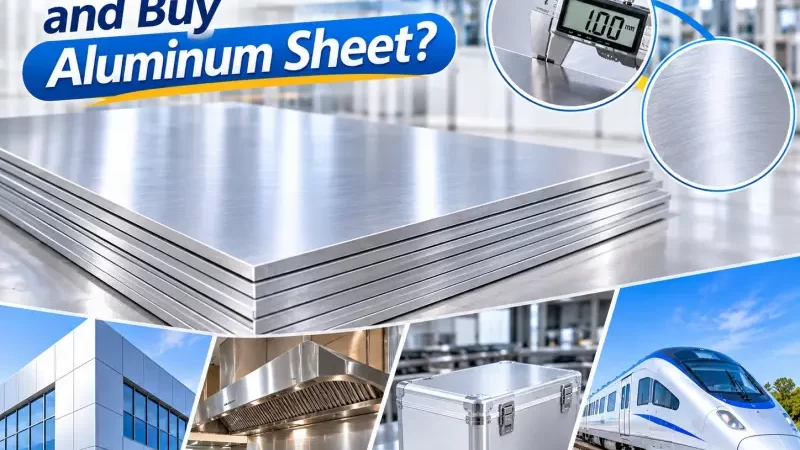
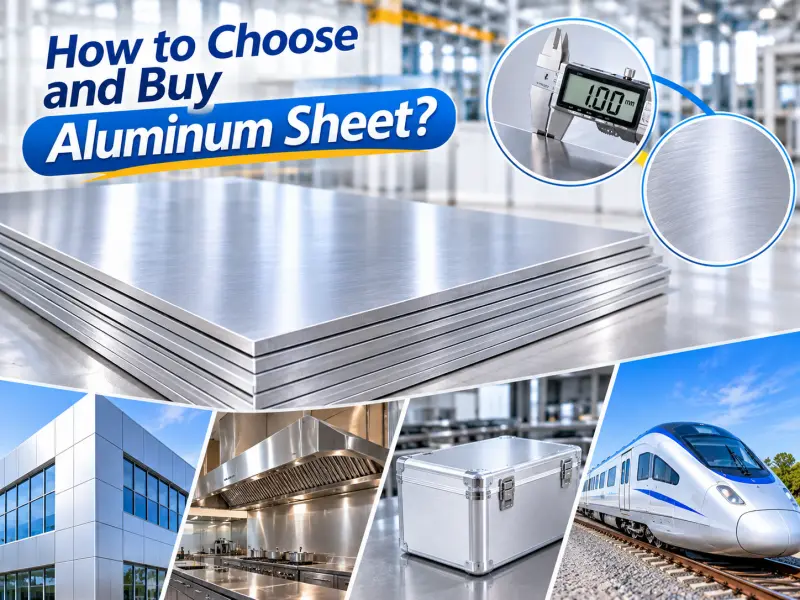
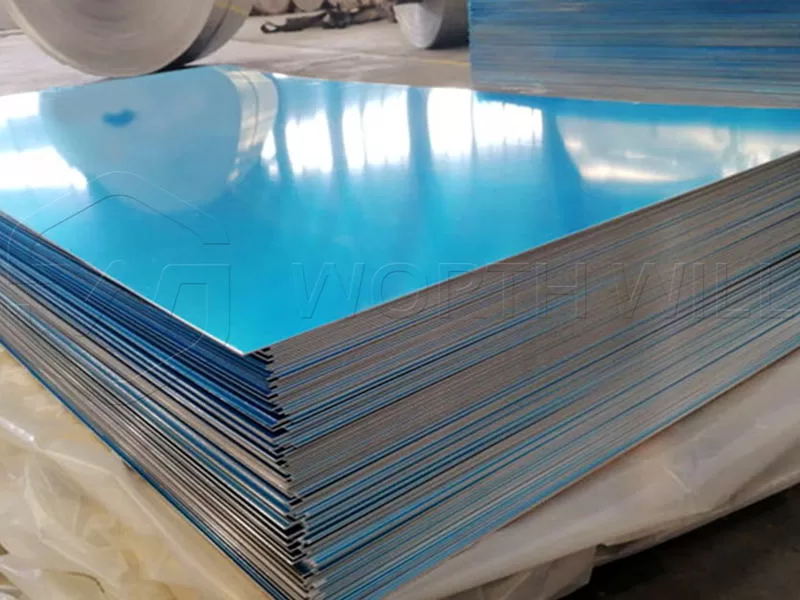
How To Choose And Buy Aluminum Sheet? Aluminum sheet refers to a rectangular sheet processed from aluminum ingots, which has five types include pure aluminum sheet, alloy aluminum sheet, thin aluminum sheet, medium and thick aluminum sheet, and patterned aluminum sheet. The thickness of aluminum sheet is within 0.2-500mm. There are various kinds of aluminum sheets in the market, so how we choose and buy aluminum sheet?


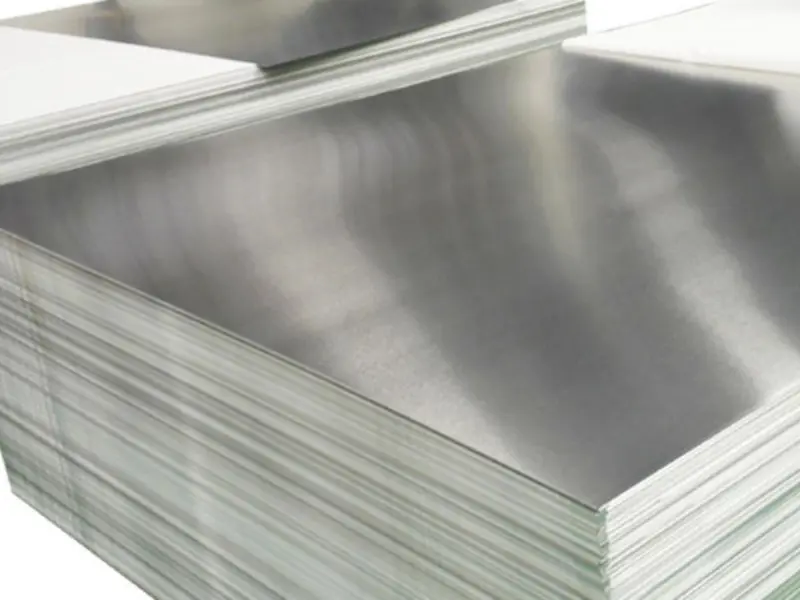
Look at the appearance:Before purchasing aluminum sheet, we must check the quality of aluminum plate. Manufacturers must ensure that their dimensions are compliant. Moreover, the sheet should has uniform thickness, flat surface, and no defects or bending.
Thickness comparison: Note that when purchasing sheets, the thickness must meets the regulations. For example, the thickness of the outer wall panel is different from the inner wall panel. At least the manufacturer should ensure that the thickness of the sheet conforms the relevant national regulations. In addition, the sheet should have uniform basic thickness, otherwise it will cause some questions in the later use.
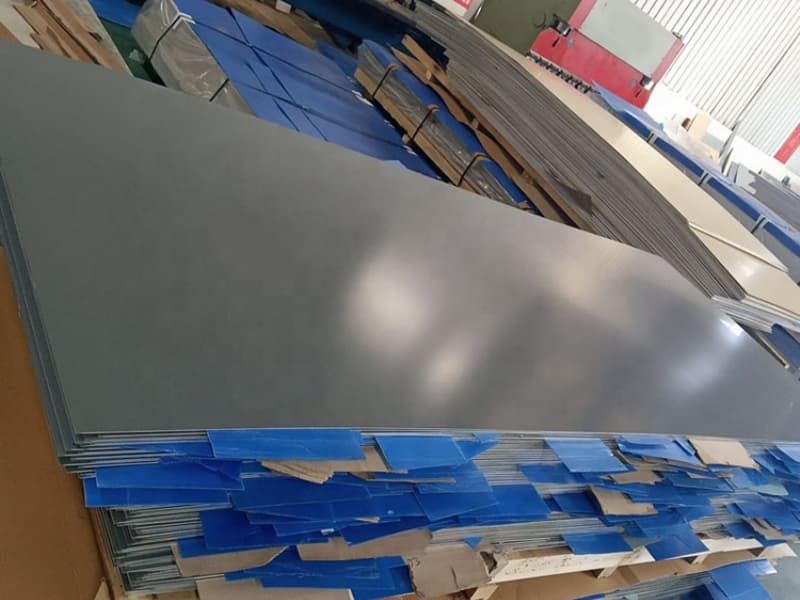
Paint hardness: Except mill finish aluminum sheet, there are also some coated aluminum sheets. Therefore, we must pay attention to the specific conditions of fluorocarbon paint. Due to this kind of material may be relatively soft, you can check its thickness by simply scratching it with a hard object. At least it’s necessary to ensure that the coated sheet meets the basic standards.
About WORTHWILL
Our factory is a professional and leading manufacturer and supplier of aluminum sheet plate. Our salesman will provide you the best aluminum sheet for your project. On the premise of product quality, we will give you competitive price.

How To Choose And Buy Aluminum Sheet?
Buying aluminum sheet is not only about finding the right price. The alloy, temper, thickness, surface finish, size, and final application all affect product performance. A sheet that works well for roofing may not be suitable for marine equipment or deep-drawn cookware.
For distributors, manufacturers, contractors, and industrial buyers, choosing the correct material can reduce production costs and avoid unnecessary waste.
This guide explains how to choose and buy aluminum sheet for different projects. It covers common aluminum alloys, tempers, thicknesses, surface finishes, product types, and applications. It also compares different materials to help buyers make a practical decision before placing an order.
Start With the Application: What Will the Aluminum Sheet Be Used For?
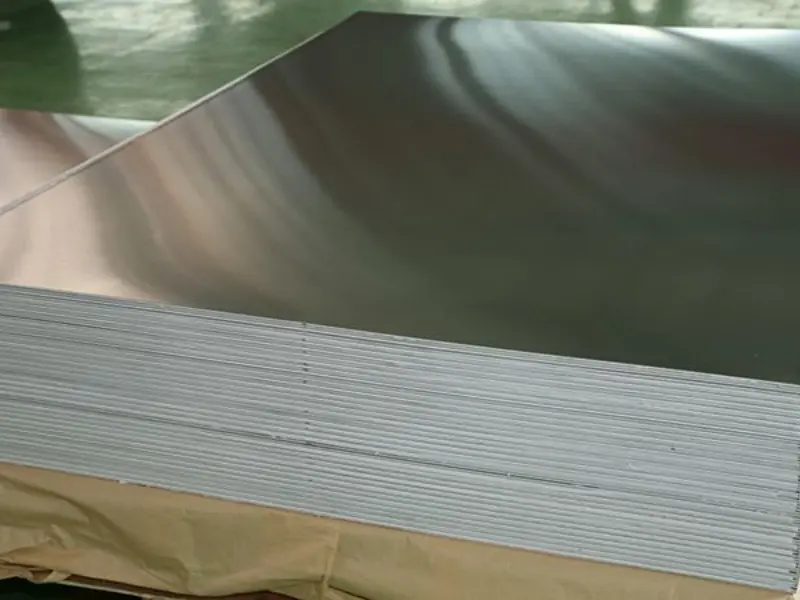
The first step is to define the end use. Different applications require different material properties. Some projects need good corrosion resistance, while others need strength, surface quality, formability, or a decorative appearance.
Before contacting an aluminum sheet supplier, consider the following questions:
- Will the material be used indoors or outdoors?
- Does it need to be bent, stamped, welded, or cut?
- Will it be exposed to moisture, chemicals, or high temperatures?
- Is a smooth, coated, embossed, or reflective surface required?
- What thickness and sheet dimensions are needed?
- Does the project require a specific alloy or standard?
Aluminum Sheet Selection by Application
| Application | Common Alloys | Typical Thickness |
|---|---|---|
| Building and construction | 3003, 3105, 5052 | 0.5–3.0 mm |
| Roofing and wall cladding | 3003, 3105, 5005 | 0.4–2.0 mm |
| Marine equipment | 5052, 5083, 5754 | 1.5–10 mm |
| Truck and trailer bodies | 5052, 5083, 6061 | 1.5–6.0 mm |
| Sign boards | 1050, 1060, 3003, 5052 | 0.5–3.0 mm |
| Electrical cabinets | 1050, 1060, 3003, 5052 | 0.8–3.0 mm |
| Cookware and kitchen equipment | 1050, 1060, 3003 | 0.5–4.0 mm |
| Machinery parts | 5052, 6061, 6082 | 2.0–20 mm |
| Decorative panels | 3003, 5005, 5052 | 0.8–3.0 mm |
| Heat exchangers | 1050, 3003, 5052 | 0.3–2.0 mm |
The thickness ranges are common purchasing references. Actual specifications depend on the design, alloy, temper, and manufacturing process.
Choose the Right Aluminum Alloy for Your Project
Aluminum alloys are not all the same. Different alloy series offer different levels of strength, corrosion resistance, formability, and weldability.
Choosing the correct alloy is one of the most important steps when buying aluminum sheet.
1xxx Series: High Purity and Excellent Formability
The 1xxx series contains at least 99% aluminum. It offers good electrical and thermal conductivity, corrosion resistance, and formability.
Common grades include:
- 1050 aluminum sheet: Suitable for general forming, reflectors, chemical equipment, and electrical applications.
- 1060 aluminum sheet: Used for electrical products, heat transfer parts, and decorative materials.
- 1100 aluminum sheet: A common choice for cookware, chemical equipment, and general industrial products.
- 1070 aluminum sheet: Used where high aluminum content and good conductivity are important.
| Alloy | Main Feature | Typical Application |
|---|---|---|
| 1050 | Good forming and corrosion resistance | Reflectors, panels |
| 1060 | High conductivity | Electrical parts |
| 1070 | High aluminum content | Conductive components |
| 1100 | Good workability | Cookware, equipment |
Best choice when: High strength is not the main requirement and good formability or conductivity is more important.
3xxx Series: Good Formability and Corrosion Resistance
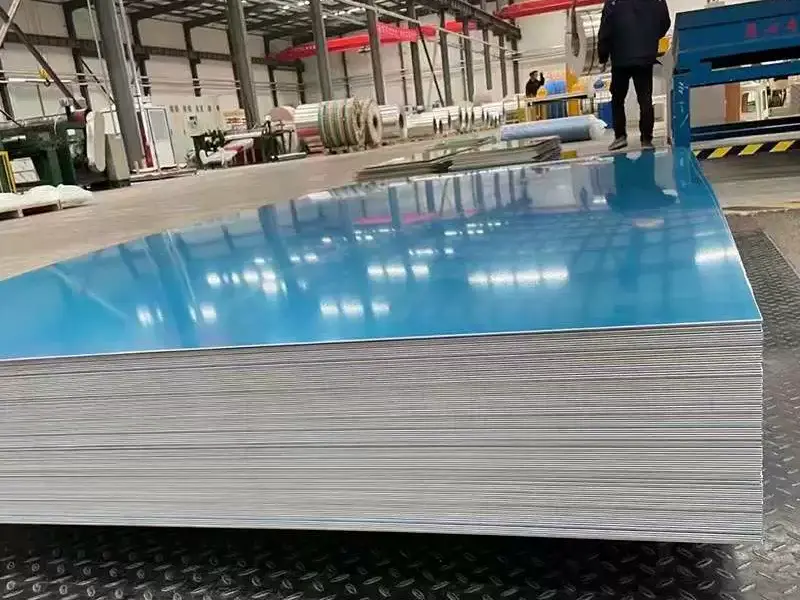
The 3xxx series uses manganese as its main alloying element. It offers good corrosion resistance and is widely used in construction, HVAC systems, and household products.
Popular grades include 3003, 3004, and 3105.
| Alloy | Main Feature | Common Use |
|---|---|---|
| 3003 | Good formability and corrosion resistance | HVAC, roofing, tanks |
| 3004 | Good strength and formability | Beverage containers, equipment |
| 3105 | Suitable for coated building products | Roofing, siding, gutters |
3003 vs. 3105 Aluminum Sheet
These two alloys are often considered for building and industrial applications.
| Comparison | 3003 | 3105 |
|---|---|---|
| Main alloy element | Manganese | Manganese |
| Formability | Good | Good |
| Corrosion resistance | Good | Good |
| Common use | HVAC, tanks, panels | Roofing, siding, gutters |
| Typical temper | O, H14, H24 | O, H14, H24 |
Choose 3003 when forming performance and general industrial use are important. Choose 3105 when the project involves coated building products, roofing, or siding.
5xxx Series: Higher Strength and Marine Performance
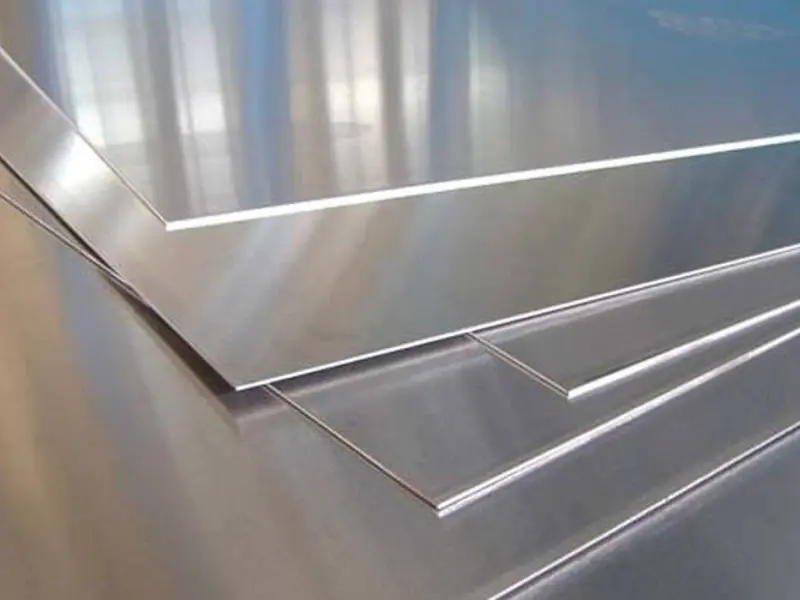
The 5xxx series uses magnesium as its main alloying element. These alloys are known for good corrosion resistance, especially in suitable marine environments.
Common grades include 5052, 5083, and 5754.
| Alloy | Key Advantage | Typical Application |
|---|---|---|
| 5052 | Good strength and corrosion resistance | Marine panels, cabinets |
| 5083 | High strength and marine performance | Shipbuilding, heavy equipment |
| 5754 | Good formability and corrosion resistance | Vehicle panels, tanks |
| 5005 | Good anodizing appearance | Decorative panels, facades |
5052 vs. 5083 Aluminum Sheet
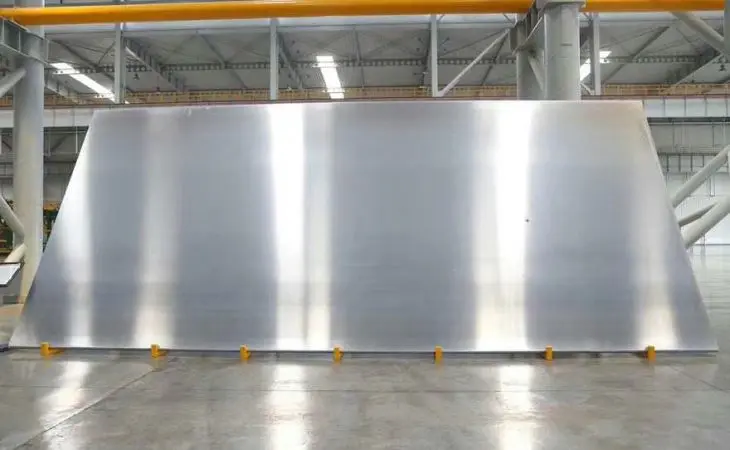
Both grades are popular in marine and industrial markets, but their strength levels and typical applications differ.
| Item | 5052 | 5083 |
|---|---|---|
| Strength | Medium to high | High |
| Corrosion resistance | Good | Very good in marine environments |
| Formability | Good | Depends on temper and thickness |
| Welding | Good | Good |
| Common use | Cabinets, boat parts | Ship structures, marine equipment |
For general marine components and formed panels, 5052 is often a practical choice. For heavier marine structures requiring higher strength, 5083 may be more suitable.
6xxx Series: Strength and Machining Performance
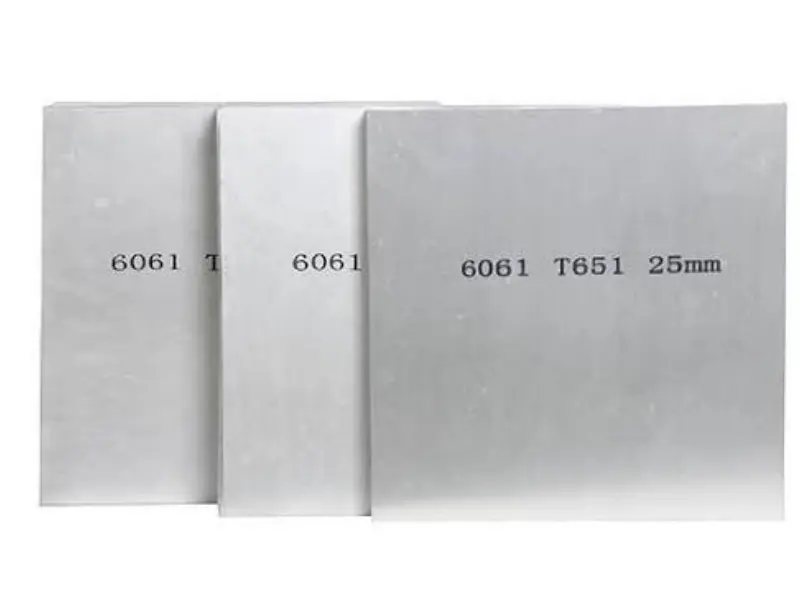
The 6xxx series contains magnesium and silicon. It can be heat-treated to achieve higher strength.
Common grades include 6061 and 6082.
| Alloy | Main Feature | Typical Application |
|---|---|---|
| 6061 | Good strength and machinability | Machinery, frames, brackets |
| 6082 | High structural strength | Engineering structures, transport equipment |
These alloys are suitable for parts that need machining, structural support, or a combination of strength and corrosion resistance.
Aluminum Sheet Temper: O, H14, H24, T6 and More
The alloy tells you the material composition. The temper describes its mechanical condition and processing history.
The same alloy can have different properties in different tempers. Therefore, buyers should confirm both the alloy and temper when requesting a quotation.
Common Aluminum Sheet Tempers
| Temper | Description | Typical Use |
|---|---|---|
| O | Annealed, soft condition | Deep drawing, bending |
| H12 | Strain-hardened, quarter-hard | General forming |
| H14 | Strain-hardened, half-hard | Panels, equipment |
| H16 | Strain-hardened, three-quarter-hard | Components requiring more strength |
| H18 | Strain-hardened, full-hard | Rigid panels and parts |
| H22 | Strain-hardened and partially annealed | Formed components |
| H24 | Strain-hardened and partially annealed | Roofing, cladding |
| H32 | Stabilized strain-hardened condition | 5xxx series sheet |
| T6 | Solution heat-treated and artificially aged | Structural and machined parts |
How to Choose the Correct Temper
- Choose O temper for deep drawing and applications requiring high flexibility.
- Choose H14 for general panels and parts needing moderate strength.
- Choose H24 for some roofing and building products.
- Choose H18 when a harder sheet is required.
- Choose T6 for suitable heat-treatable alloys such as 6061.
Not every temper is available for every alloy or thickness. Always confirm the requested combination with the manufacturer.
Select the Correct Aluminum Sheet Thickness
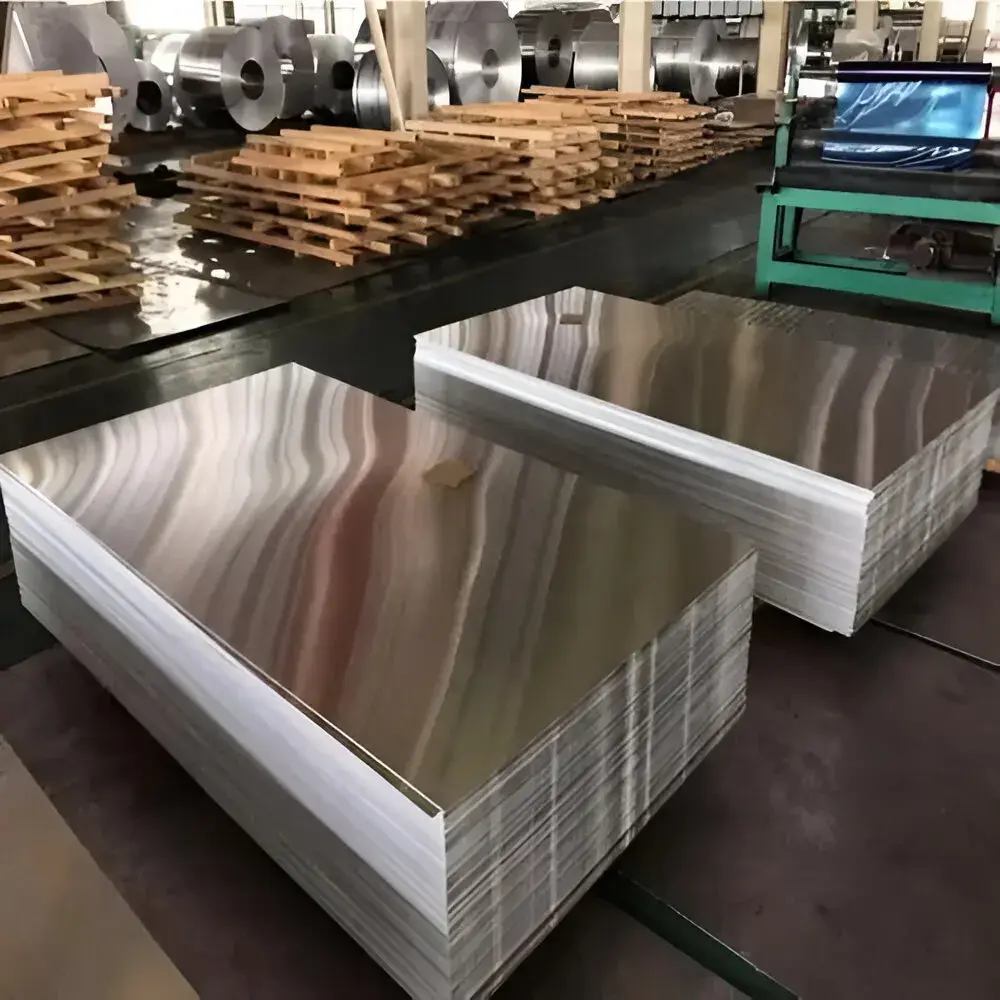
Thickness affects weight, strength, forming performance, and material cost.
A thin sheet is easier to handle and may reduce material cost. A thicker sheet provides more rigidity and may be needed for structural or heavy-duty applications.
Common Aluminum Sheet Thickness Options
| Product Type | Thickness Range | Common Application |
|---|---|---|
| Thin aluminum sheet | 0.2–0.5 mm | Electronic parts, decorative panels |
| General aluminum sheet | 0.5–1.0 mm | Signage, equipment covers |
| Medium aluminum sheet | 1.0–2.0 mm | Cabinets, cladding |
| Heavy aluminum sheet | 2.0–6.0 mm | Machinery, vehicle parts |
| Aluminum plate | 6.0 mm and above | Structural and industrial parts |
The boundary between aluminum sheet and plate can vary by market standard and supplier. Confirm the required product classification before ordering.
Thickness Selection by Application
| Application | Suggested Thickness |
|---|---|
| Reflector panels | 0.3–1.0 mm |
| Sign boards | 0.5–2.0 mm |
| HVAC components | 0.3–1.5 mm |
| Roofing sheets | 0.4–1.5 mm |
| Wall cladding | 0.8–3.0 mm |
| Electrical cabinets | 0.8–2.0 mm |
| Truck body panels | 1.5–3.0 mm |
| Marine panels | 2.0–6.0 mm |
| Machine parts | 3.0–12.0 mm |
These are starting points, not engineering specifications. Load, support spacing, forming depth, and local regulations may require different thicknesses.
Explore Different Types of Aluminum Sheet
Aluminum sheet is available in many product types. Buyers can choose a surface or pattern based on appearance, processing needs, and the final installation environment.
Mill Finish Aluminum Sheet
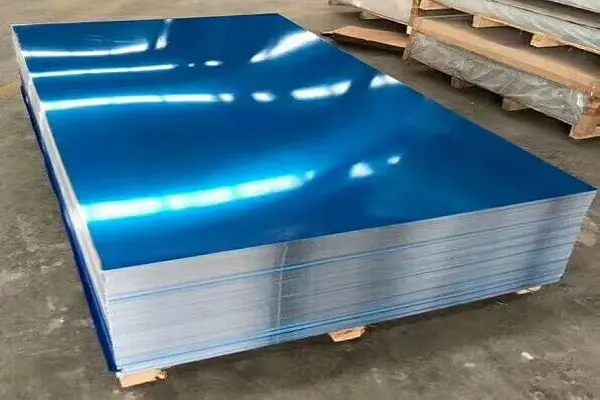
Mill finish aluminum sheet has a natural surface from the rolling process. It is a common choice for industrial processing and general fabrication.
Typical options:
- Alloys: 1050, 1060, 1100, 3003, 5052
- Tempers: O, H14, H24, H32
- Thickness: 0.3–6.0 mm
- Surface: Natural mill finish
Applications include equipment housings, industrial components, partitions, and further coating or anodizing.
Anodized Aluminum Sheet
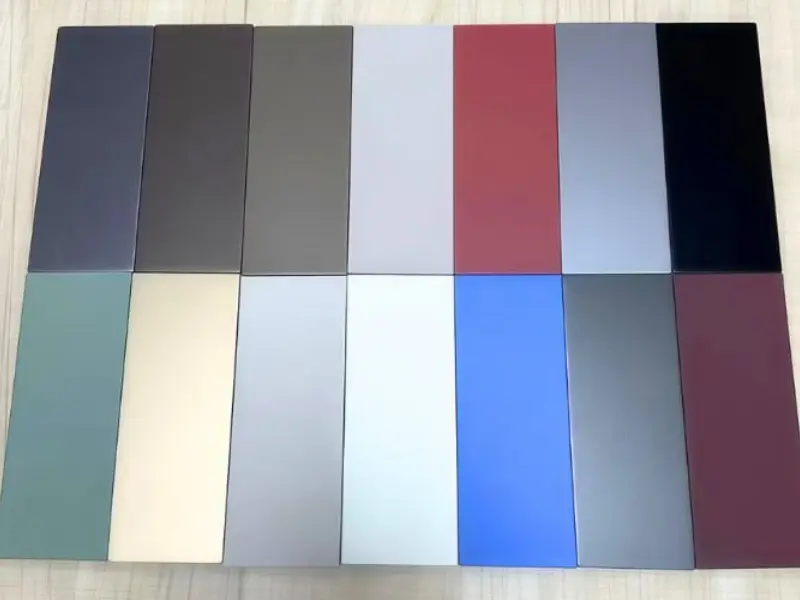
Anodized aluminum sheet has an oxide layer formed through an electrochemical process. It offers a decorative surface and improved surface protection.
Common options:
- Alloys: 1050, 1060, 3003, 5005
- Tempers: O, H14, H24
- Thickness: 0.3–3.0 mm
- Colors: Silver, black, bronze, champagne, and custom colors
Applications include:
- Architectural decoration
- Interior wall panels
- Elevator panels
- Display equipment
- Signage and nameplates
Brushed Aluminum Sheet
Brushed aluminum sheet has fine directional lines on the surface. It is often selected for modern decorative products.
Product options:
- Silver brushed aluminum
- Black brushed aluminum
- Gold brushed aluminum
- Champagne brushed aluminum
- Custom color brushed sheet
It is commonly used for appliance panels, furniture decoration, shop displays, and elevator interiors.
Mirror Aluminum Sheet

Mirror aluminum sheet has a highly reflective surface. It can provide a bright appearance without using glass.
| Type | Appearance | Common Application |
|---|---|---|
| Silver mirror | Bright silver reflection | Reflectors, decoration |
| Gold mirror | Gold reflective surface | Interior decoration |
| Black mirror | Dark reflective finish | Decorative panels |
| Colored mirror | Custom color | Displays, signage |
The required reflectivity, coating, and protection should be confirmed before ordering.
Embossed Aluminum Sheet
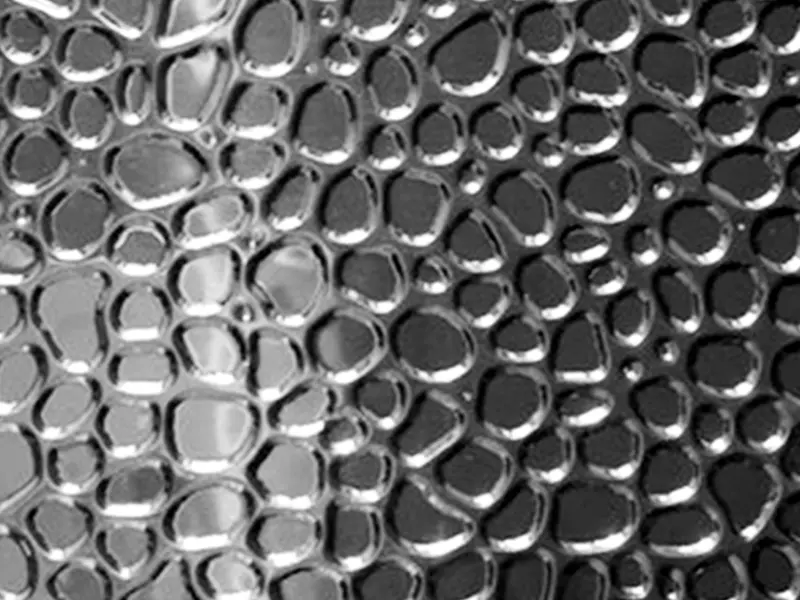
Embossed aluminum sheet has a raised surface pattern. The pattern can improve appearance and provide a textured surface.
Popular types include:
- Stucco embossed aluminum sheet
- Orange peel embossed sheet
- Diamond embossed sheet
- Hammer pattern sheet
- Five-bar tread plate
Applications include refrigeration equipment, insulation jacketing, flooring, vehicle interiors, and decorative panels.
Aluminum Checker Plate
Aluminum checker plate has raised patterns that can improve grip and provide a practical industrial surface.
| Pattern | Common Application |
|---|---|
| 1-bar | Decorative flooring |
| 2-bar | Vehicle floors |
| 3-bar | Industrial walkways |
| 5-bar | Truck floors and platforms |
| Diamond | General anti-slip surfaces |
Typical alloys include 1050, 3003, 5052, and 6061. Common tempers include H14, H22, H24, H32, and T6, depending on the alloy and product.
Perforated Aluminum Sheet
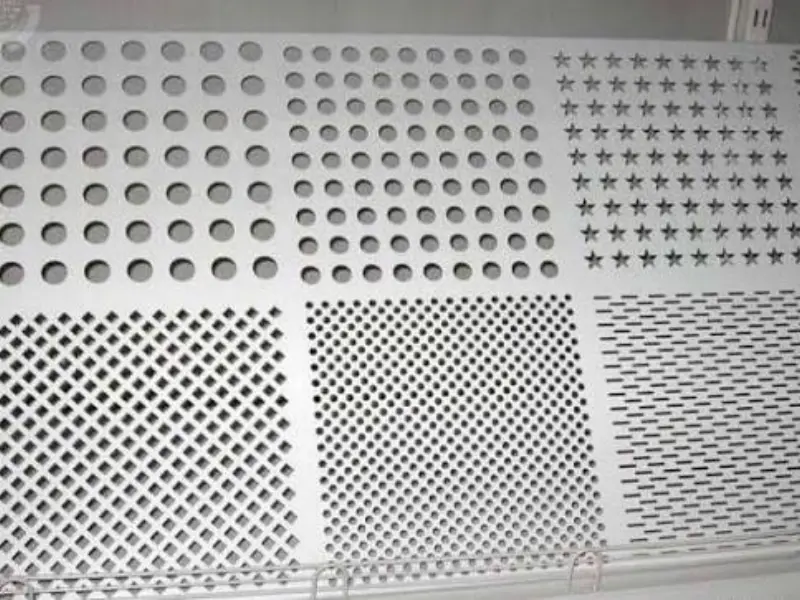
Perforated aluminum sheet contains regularly arranged holes. Hole shape, diameter, spacing, and open area can be customized.
Common specifications:
- Alloys: 1050, 3003, 5052
- Thickness: 0.5–5.0 mm
- Hole shapes: Round, square, slotted, decorative
- Hole diameter: Commonly 1–20 mm, with custom options
Applications include:
- Building facades
- Ventilation covers
- Acoustic panels
- Machine guards
- Ceiling systems
- Decorative screens
Color Coated Aluminum Sheet
Color coated aluminum sheet has a painted surface. It is widely used in construction and architectural projects.
Available coating options may include:
- PE coating
- PVDF coating
- Custom color coating
- Glossy or matte finish
Common base alloys include 3003 and 3105. Thickness and coating systems should be selected according to the exposure environment and expected service life.
Roofing Aluminum Sheet
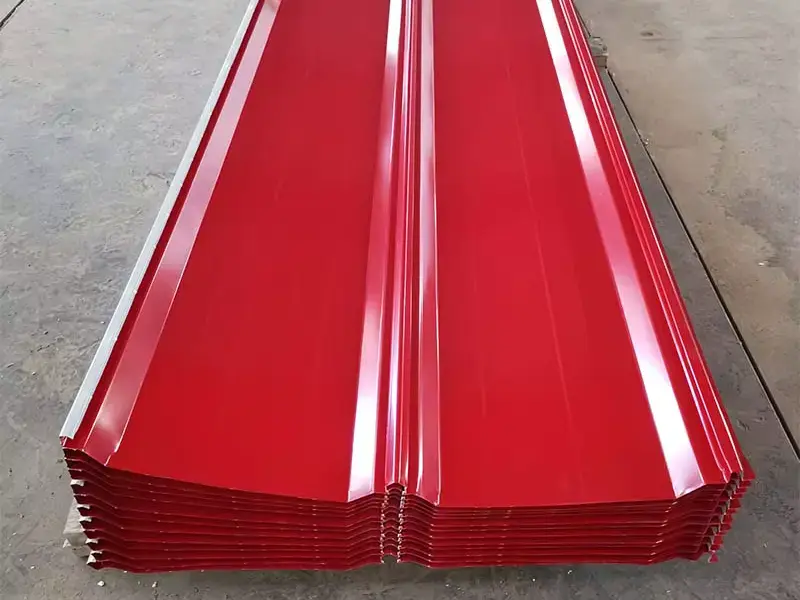
Roofing aluminum sheet is designed for building roofs and related exterior applications. It may be supplied as flat sheet, corrugated sheet, or formed roofing panels.
Common specifications:
- Alloys: 3003, 3105, 5052
- Tempers: H14, H24
- Thickness: 0.4–1.5 mm
- Surface: Mill finish or pre-painted
- Form: Flat, corrugated, or customized profile
Applications include industrial buildings, warehouses, agricultural buildings, and commercial roofing.
Aluminum Sheet for Signage
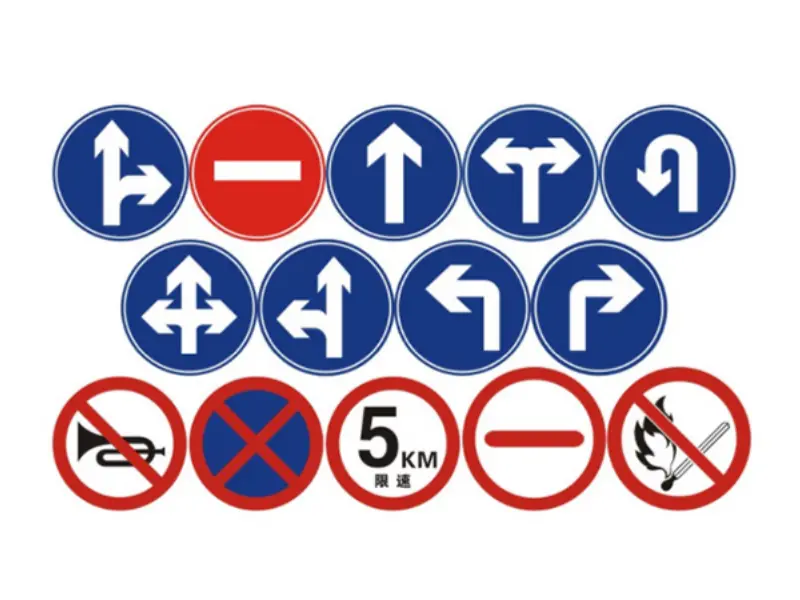
Signage aluminum sheet is used for traffic signs, advertising boards, and commercial display panels.
Common material choices:
- 1050 and 1060 for general sign panels
- 3003 for formed sign products
- 5052 for applications requiring higher strength
It can be supplied in flat sheets or cut-to-size blanks. Reflective film, printing, coating, and surface preparation can be arranged according to the project.
Marine Aluminum Sheet
Marine aluminum sheet is selected for boats, ships, and offshore equipment. Corrosion resistance and mechanical properties are important.
| Alloy | Typical Use |
|---|---|
| 5052 | Boat panels and formed components |
| 5083 | Marine structures and hull components |
| 5754 | Vehicle and marine panels |
The correct grade depends on the marine environment, structural design, welding method, and applicable marine standards.
Aluminum Sheet vs. Aluminum Plate: Which One Should You Buy?
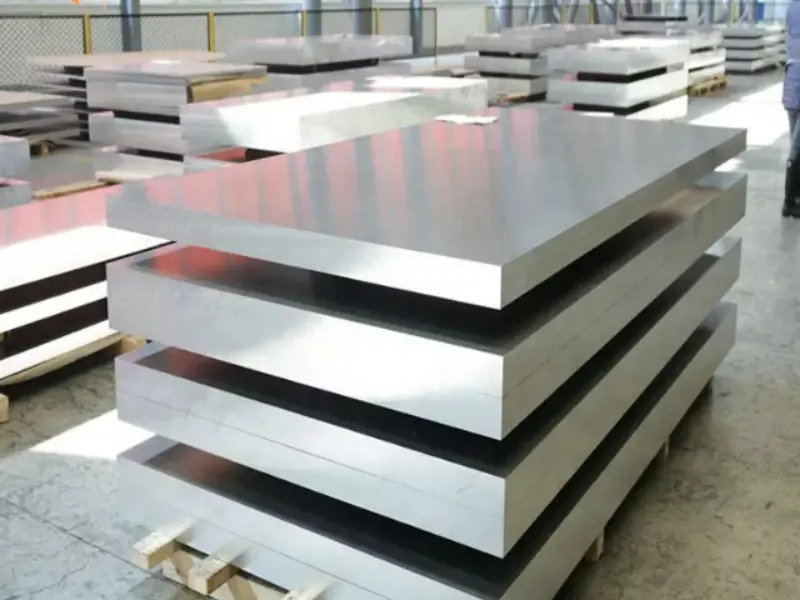
Aluminum sheet and aluminum plate are both flat products, but they are used for different thickness and performance requirements.
| Comparison | Aluminum Sheet | Aluminum Plate |
|---|---|---|
| Thickness | Usually thinner | Usually thicker |
| Weight per area | Lower | Higher |
| Forming | Often easier | Depends on thickness and alloy |
| Typical use | Panels, covers, cladding | Structures, machinery |
| Processing | Cutting, bending, stamping | Cutting, machining, welding |
For lightweight panels and formed products, aluminum sheet is often suitable. For thicker structural components or machining parts, aluminum plate may be a better choice.
Aluminum Sheet vs. Stainless Steel Sheet
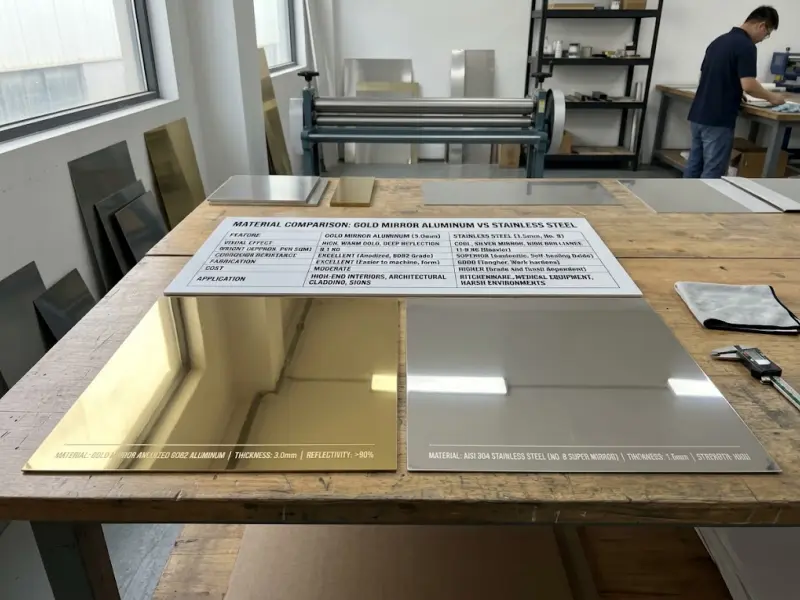
Some buyers compare aluminum with stainless steel when choosing materials for equipment, buildings, and industrial products.
| Feature | Aluminum Sheet | Stainless Steel Sheet |
|---|---|---|
| Weight | Lightweight | Heavier |
| Corrosion resistance | Good, depending on alloy and environment | Good, depending on grade and environment |
| Thermal conductivity | High | Lower |
| Formability | Good for many grades | Depends on grade |
| Magnetic properties | Generally non-magnetic | Depends on grade |
| Common applications | Transport, HVAC, building panels | Food equipment, tanks, machinery |
Aluminum has often selected when low weight and heat transfer are important. Stainless steel has preferred when specific strength, hygiene, or chemical resistance requirements make it more suitable.
How to Calculate Aluminum Sheet Weight
Weight is an important factor when buying aluminum sheet. It affects shipping costs, handling, and the total project budget.
For a quick estimate, use this formula:
Weight (kg) = Length (m) × Width (m) × Thickness (mm) × 2.71
This formula uses a typical aluminum density of approximately 2.71 g/cm³. Actual density varies slightly by alloy.
Aluminum Sheet Weight Examples
| Length | Width | Thickness | Estimated Weight |
|---|---|---|---|
| 1 m | 1 m | 0.5 mm | 1.36 kg |
| 1 m | 1 m | 1.0 mm | 2.71 kg |
| 1 m | 1 m | 2.0 mm | 5.42 kg |
| 1 m | 1 m | 3.0 mm | 8.13 kg |
| 1 m | 1 m | 5.0 mm | 13.55 kg |
| 1 m | 1 m | 6.0 mm | 16.26 kg |
For large orders, ask the supplier to confirm the theoretical and actual weight calculation method.
What Affects Aluminum Sheet Prices?

The price of aluminum sheet changes with material specifications, market conditions, processing, and order quantity. A low unit price does not always mean a lower total purchasing cost.
Main Factors That Influence the Quotation
| Factor | How It Affects Price |
|---|---|
| Aluminum alloy | Different alloy compositions have different costs |
| Temper | Processing requirements may affect cost |
| Thickness | Affects material consumption and weight |
| Sheet dimensions | Oversized or custom sizes may require special production |
| Surface finish | Anodizing, coating, polishing, and embossing add processing costs |
| Order quantity | Larger orders may receive better production efficiency |
| Packaging | Export packaging and special protection affect total cost |
| Delivery terms | Freight, insurance, and destination influence landed cost |
How to Compare Aluminum Sheet Quotes
When comparing offers from different aluminum sheet suppliers, check whether the quotations include the same specifications.
A useful comparison should include:
- Alloy and temper
- Thickness and tolerance
- Width and length
- Surface finish and protective film
- Applicable standard
- Mechanical properties
- Quantity and packaging
- Production lead time
- Delivery terms and payment conditions
A quotation for 3003-H14 mill finish sheet should not be compared directly with a quotation for 5052-H32 coated sheet. They are different products.
How to Buy Aluminum Sheet from a Manufacturer

Buying directly from an aluminum sheet manufacturer can help distributors and industrial users communicate their technical requirements more clearly.
However, buyers should check more than the supplier’s price.
Confirm the Product Specification
Prepare a clear specification before requesting a quotation.
| Required Information | Example |
|---|---|
| Product | Aluminum sheet |
| Alloy | 3003 |
| Temper | H14 |
| Thickness | 1.0 mm |
| Width | 1000 mm |
| Length | 2000 mm |
| Surface | Mill finish |
| Quantity | 5 MT |
| Standard | ASTM B209 or agreed standard |
| Packaging | Export seaworthy packaging |
The example is for quotation reference only. Change the details to match your project.
Ask for Samples and Quality Information

For a new supplier or a new product, a sample can help you check surface quality, thickness, forming performance, and finish.
You can also request:
- Material test certificate, when available
- Alloy and temper confirmation
- Thickness and dimension inspection
- Surface quality photographs
- Packaging details
- Production and delivery schedule
Check Production and Export Experience
For regular orders, a stable supply chain is important. Ask whether the manufacturer can support repeat specifications, custom sizes, surface treatments, and export packaging.
A reliable supplier should communicate clearly about material availability, production time, inspection, and shipping arrangements.
Common Aluminum Sheet Purchasing Mistakes
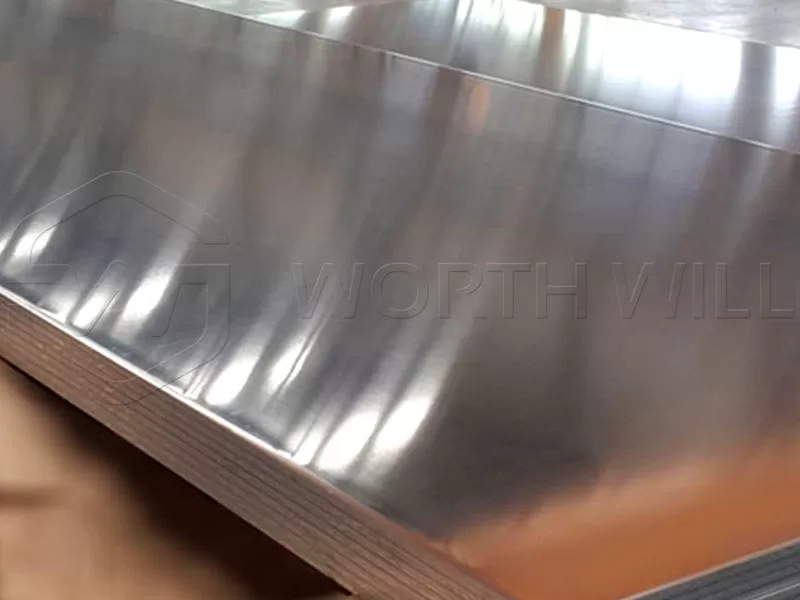
A small specification error can affect the entire production process. Check these points before confirming an order.
Choosing alloy by price only
A lower-cost alloy may not provide the required strength or forming performance. Match the alloy to the application first.
Ignoring the temper
The same alloy in O and H18 tempers can behave very differently during bending or stamping.
Ordering the wrong thickness
Too-thin material may deform. Excessively thick material may increase weight and cost without improving the final product.
Not defining the surface finish
Mill finish, anodized, mirror, brushed, embossed, and coated sheets are different products. State the finish clearly.
Forgetting tolerances
Confirm thickness tolerance, width tolerance, length tolerance, flatness, and other project-specific requirements.
Comparing prices without checking specifications
Always compare the same alloy, temper, dimensions, finish, quantity, and delivery terms.
Aluminum Sheet Buying Checklist
Use this checklist before sending a purchase order.
- Confirm the application and working environment.
- Select the correct alloy.
- Confirm the temper.
- Choose the required thickness.
- Confirm sheet width and length.
- Select the surface finish.
- Confirm dimensional and thickness tolerances.
- Specify the applicable standard.
- Confirm quantity and packaging.
- Check the inspection and delivery schedule.
Frequently Asked Questions About Buying Aluminum Sheet
Which aluminum alloy is best for general use?
1050, 1060, 1100, and 3003 are common choices for general applications. The best grade depends on the required strength, forming process, conductivity, and corrosion resistance.
Is 5052 aluminum sheet better than 3003?
Not in every situation. 5052 generally offers higher strength and good corrosion resistance. 3003 has often selected for good formability and general industrial applications. Choose according to the final use.
What is the most common aluminum sheet thickness?
Thicknesses such as 0.5 mm, 0.8 mm, 1.0 mm, 1.5 mm, 2.0 mm, and 3.0 mm are common in many markets. Heavy-duty applications may require thicker material.
What is the difference between O temper and H14 temper?
O temper has annealed and soft. It is suitable for applications that need high formability. H14 is strain-hardened to a half-hard condition and provides higher strength than O temper in the same alloy.
Can aluminum sheet be used outdoors?
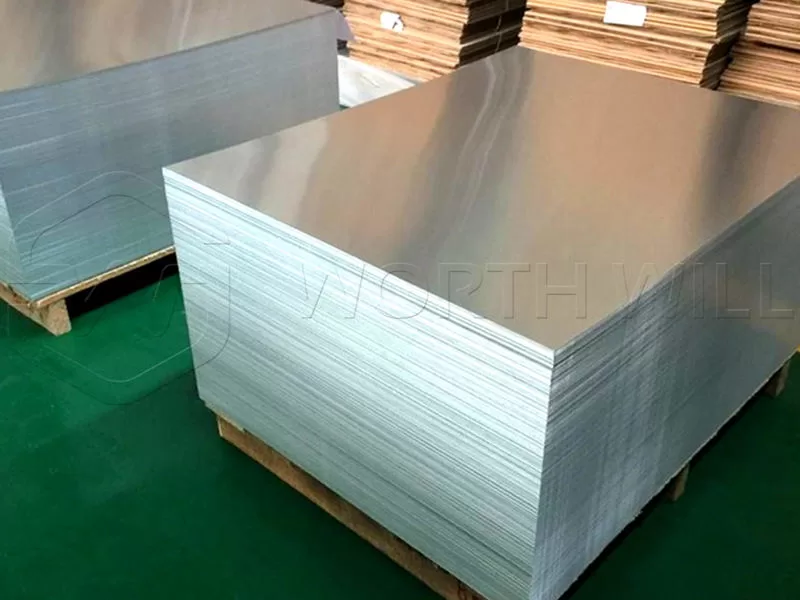
Yes. Many aluminum alloys are suitable for outdoor use. 3003, 3105, and 5052 are common options. For long-term exterior exposure, consider the alloy, surface treatment, coating system, and local environment.
Which aluminum sheet is suitable for marine applications?
5052, 5083, and 5754 are common marine-related choices. The correct grade depends on the structure, seawater exposure, welding requirements, and applicable specifications.
Can aluminum sheet be cut to custom sizes?
Yes. Many manufacturers can supply standard or customized widths and lengths. Cutting availability depends on thickness, dimensions, alloy, and production equipment.
Is mill finish aluminum sheet suitable for painting?
Yes, but the surface may need suitable cleaning and pretreatment before painting. The required preparation depends on the coating system and application.
What is the difference between aluminum sheet and aluminum coil?
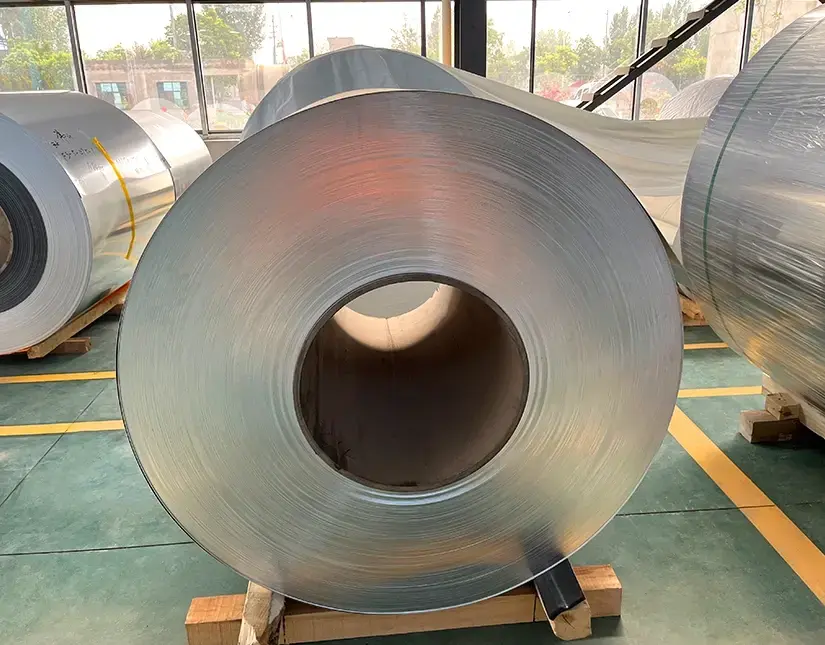
Aluminum sheet has supplied as flat cut pieces. Aluminum coil is supplied in a continuous rolled form. Coil is useful for continuous production, roll forming, and large-volume processing. Sheet is convenient for individual parts and cut-to-size applications.
How can I get an accurate aluminum sheet quotation?
Provide the alloy, temper, thickness, width, length, surface finish, quantity, standard, and destination port. If you have a drawing or sample, sharing it can help the supplier understand your requirements.
Find the Right Aluminum Sheet for Your Next Project
The right aluminum sheet depends on more than one specification. Alloy, temper, thickness, surface finish, and final application should be considered together.

Whether you need 1050 aluminum sheet for general forming, 3003 sheet for HVAC and construction, 5052 sheet for marine and industrial parts, or 6061 sheet for machining and structural components, clear specifications help you purchase the correct material.
As an aluminum manufacturer and supplier, WORTHWILL can support buyers with different alloy grades, tempers, thicknesses, surface finishes, and customized sheet sizes. Contact our team with your requirements to discuss suitable material options and request a quotation.