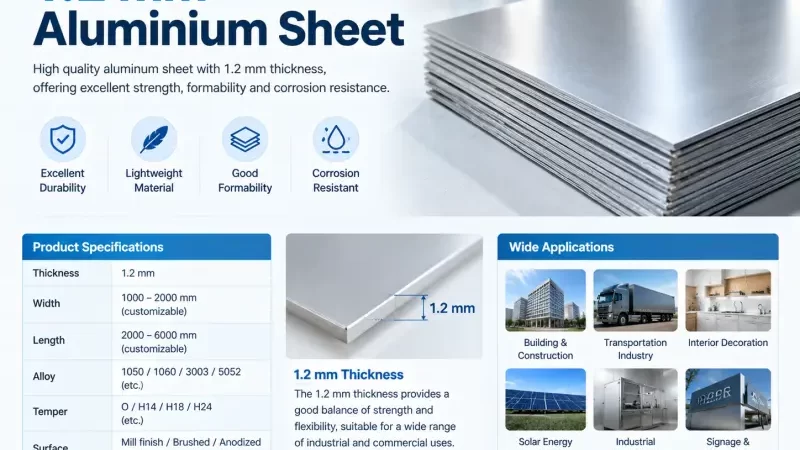
A 1.2 mm aluminium sheet is a versatile metal product for industrial, commercial, and decorative applications.
It offers a useful balance between weight, strength, formability, and cost. This thickness is suitable for many sheet metal projects that need a relatively thin but durable material.
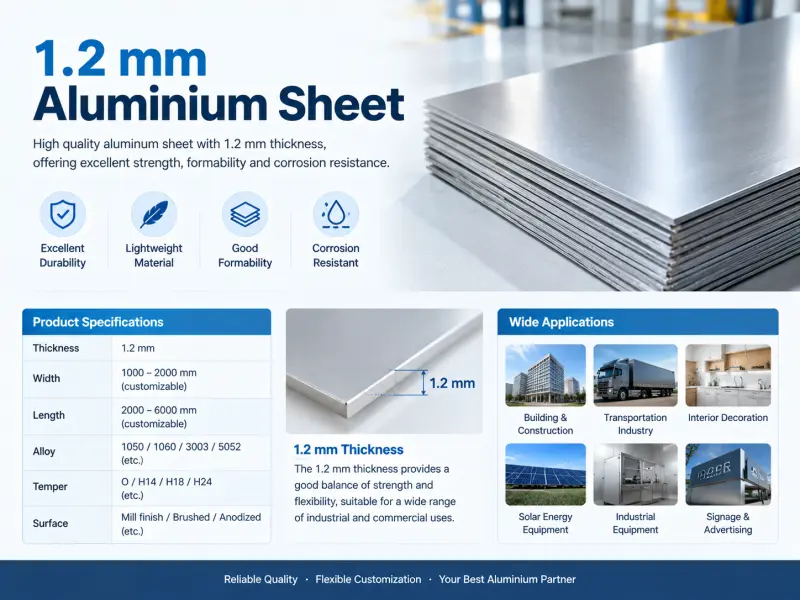
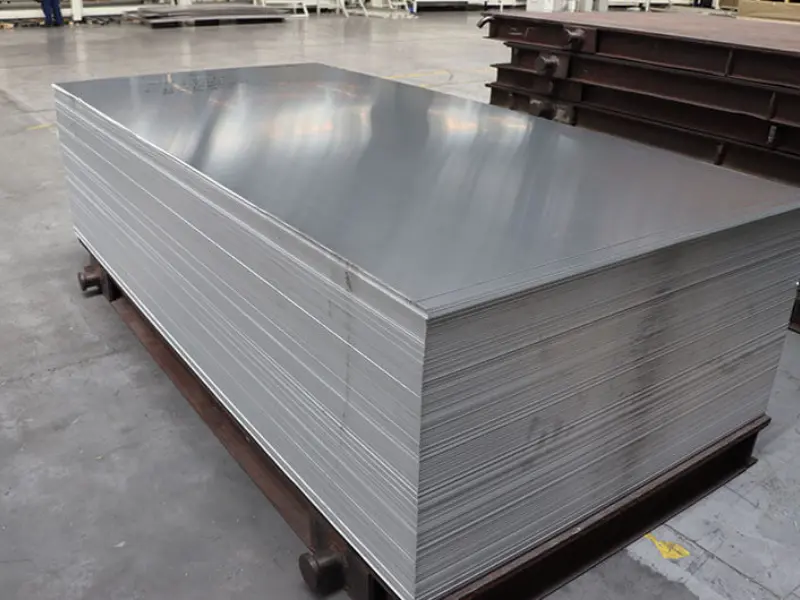
Buyers can choose from several aluminium alloys, tempers, widths, lengths, and surface finishes. The right option depends on the final application.
For example, 1050 aluminium sheet is suitable for many general fabrication and decorative jobs, while 3003 aluminium sheet has often selected for formed parts. For applications that need better corrosion resistance and strength, 5052 aluminium sheet may be a better choice.
What Is a 1.2 mm Aluminium Sheet?
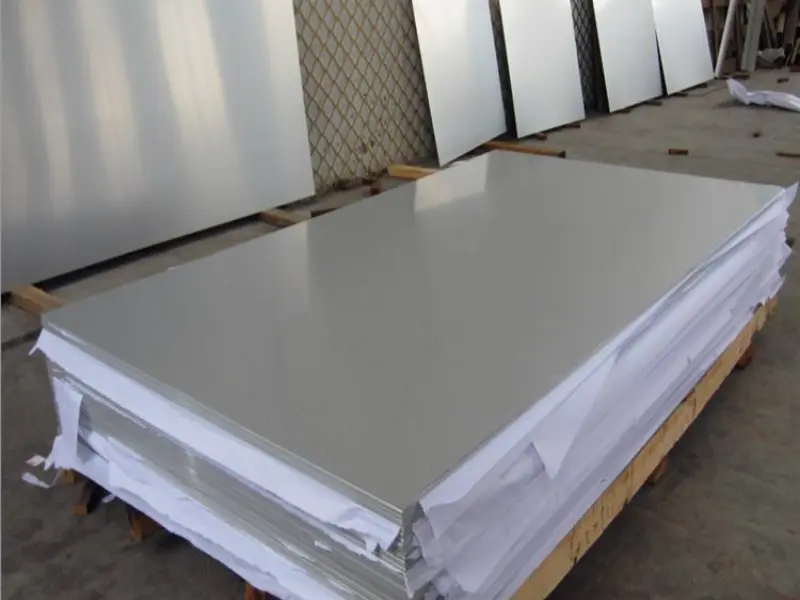
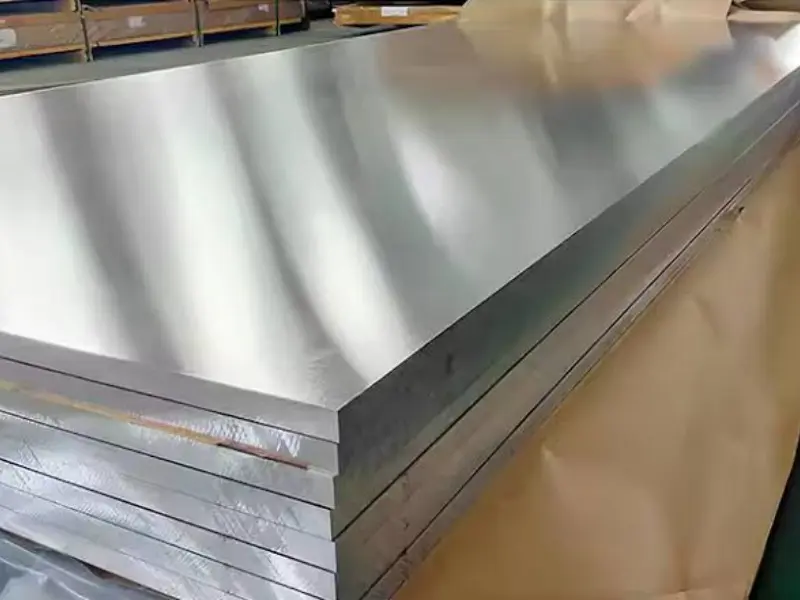
A 1.2 mm aluminium sheet is a flat-rolled aluminium product with a nominal thickness of 1.2 millimetres.
It has commonly used for enclosures, equipment covers, wall panels, signs, vehicle components, and fabricated metal parts.
The sheet has supplied in standard sizes or cut to customer requirements. Depending on the alloy and temper, it can be bent, punched, drilled, sheared, or formed into different shapes.
Basic Specifications of 1.2 mm Aluminium Sheet
| Item | Typical specification |
|---|---|
| Product | Aluminium sheet |
| Nominal thickness | 1.2 mm |
| Thickness in inches | Approx. 0.0472 in |
| Common alloys | 1050, 1060, 1100, 3003, 3105, 5052, 6061 |
| Common tempers | O, H12, H14, H24, H32, T6 |
| Surface options | Mill finish, brushed, anodized, painted, embossed |
| Supply forms | Flat sheet, cut-to-size sheet, processed panel |
| Common fabrication | Cutting, bending, punching, drilling |
| Available dimensions | Standard sizes or customized dimensions |
| Packaging | Protective film, paper interleaving, export packing |
The available alloy and temper combinations depend on the supplier’s production range. Not every alloy is available in every temper or surface finish at 1.2 mm.
Is 1.2 mm Aluminium Sheet Thin or Thick?
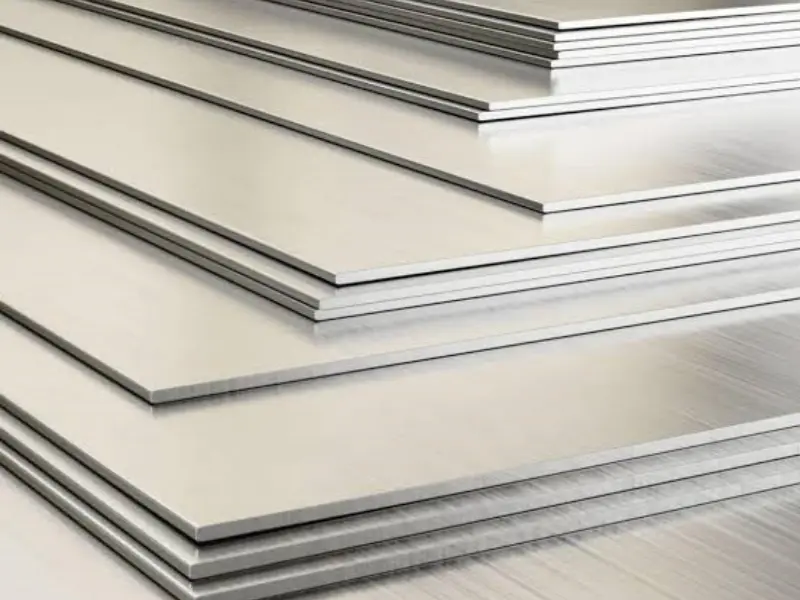
A 1.2 mm aluminium sheet has generally considered a thin-gauge sheet metal product. It is thicker than 0.8 mm and 1.0 mm sheet, but thinner than 1.5 mm and 2.0 mm sheet.
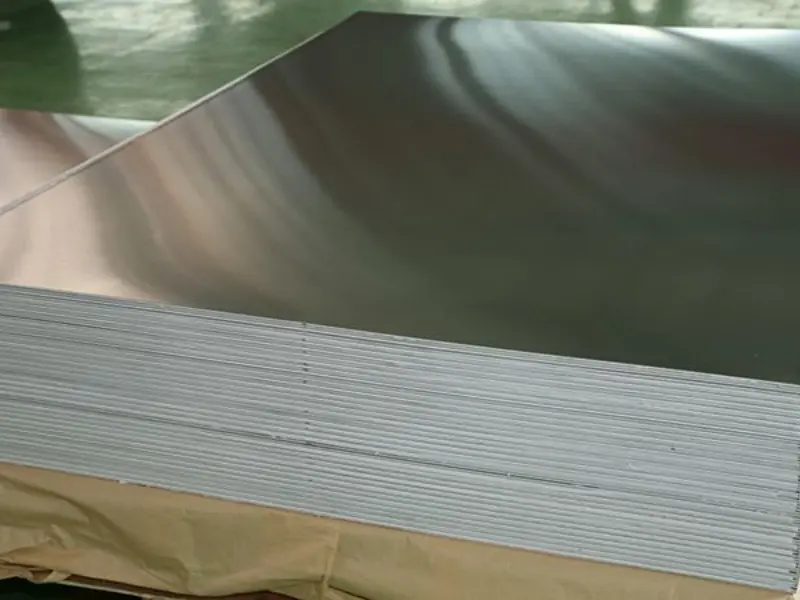
It is suitable for many covers, panels, housings, and formed components. However, the correct thickness depends on the unsupported span, applied load, fixing method, and required stiffness.
For a large panel exposed to wind or vibration, a thicker sheet or a reinforced design may be necessary.
Common Alloy Types for 1.2 mm Aluminium Sheet
Aluminium alloys have different mechanical properties and forming characteristics. Selecting the right alloy is often more important than selecting thickness alone.
1050 Aluminium Sheet
1050 aluminium sheet contains at least 99.5% aluminium under the relevant alloy specification. It is popular for its high aluminium purity, electrical conductivity, thermal conductivity, and formability.
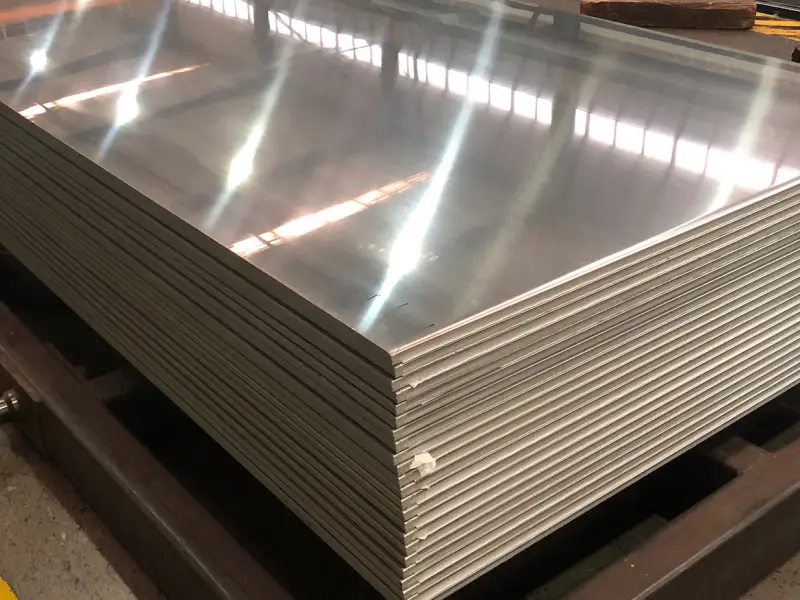
At 1.2 mm, 1050 aluminium sheet has used for general fabrication, reflectors, equipment covers, and decorative parts. It is also suitable for applications where corrosion resistance and easy forming are more important than high structural strength.
Common tempers include O, H14, and H24, subject to supplier availability. The O temper is softer and generally easier to form. H14 is strain-hardened for greater strength.
1060 Aluminium Sheet
1060 aluminium sheet is another high-purity aluminium product. It has commonly used for applications that require good conductivity, corrosion resistance, and forming performance.
A 1.2 mm 1060 sheet considered for electrical components, light-duty covers, nameplates, and general industrial fabrication. Its relatively low strength means that it is not the first choice for every load-bearing component.
Buyers should compare 1050 and 1060 based on conductivity requirements, mechanical properties, production standards, and total cost.
1100 Aluminium Sheet
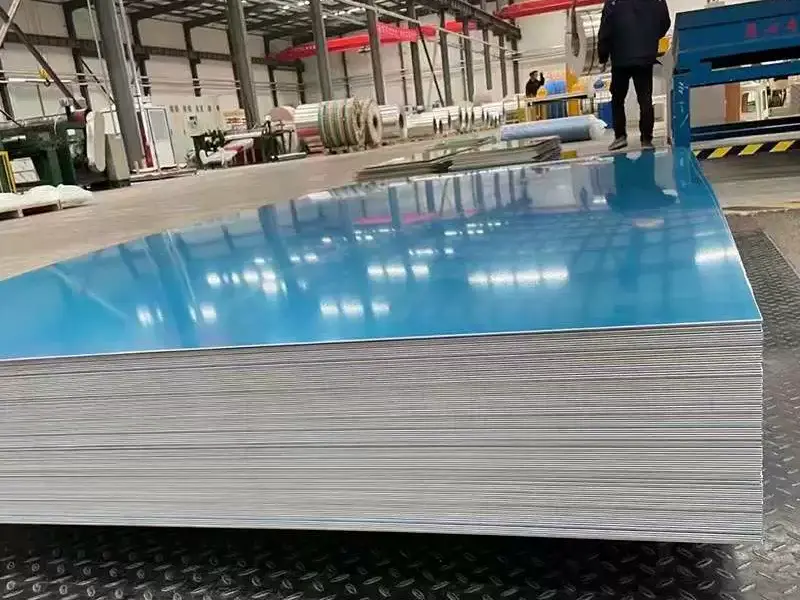
1100 aluminium sheet offers good corrosion resistance and formability. It has applications for general-purpose sheet metal work, equipment panels, and certain chemical or food-related applications, depending on the operating conditions and applicable requirements.
For a 1.2 mm product, 1100 aluminium can be a practical option when easy fabrication is important. The final selection should consider the required strength and any product-contact regulations.
3003 Aluminium Sheet
3003 aluminium sheet contains manganese as its main alloying addition. It generally offers higher strength than commercially pure 1xxx-series aluminium while retaining good formability and corrosion resistance.
Typical applications include:
- HVAC panels and duct components
- Equipment housings and covers
- Decorative wall panels
- Kitchen and catering equipment parts
- General formed sheet metal products
- Light-duty industrial enclosures
For buyers who need a balance of formability and strength, 3003 H14 or H24 may be worth considering. The exact temper should match the bending radius and forming process.
3105 Aluminium Sheet
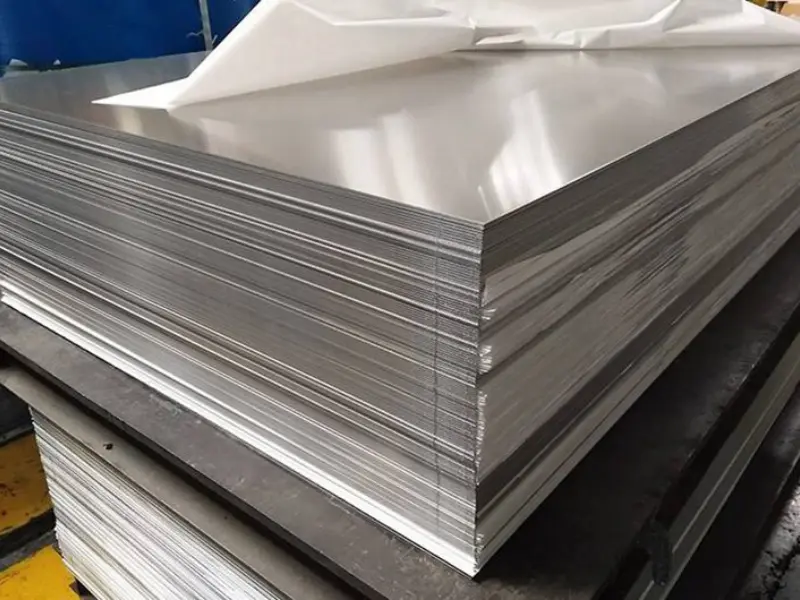
3105 aluminium sheet has applications in building products, coated sheet, panels, and general fabrication. It has commonly selected for applications that require weather resistance and a suitable surface for coating.
A 1.2 mm 3105 sheet has used for wall cladding, roofing components, fascia panels, equipment covers, and architectural parts. Painted or coated versions can provide additional colour and surface protection.
5052 Aluminium Sheet
5052 aluminium is an aluminium-magnesium alloy with good corrosion resistance and useful strength. It has often selected for equipment panels, marine-related components, vehicle parts, and fabricated enclosures.
Commonly available tempers include O, H32, and H34, although availability varies by supplier and specification.
For 1.2 mm applications, 5052 H32 can be considered when a stronger sheet is required. It is not automatically the best option for every project. Buyers should also consider forming requirements, welding, surface finish, and material cost.
6061 Aluminium Sheet
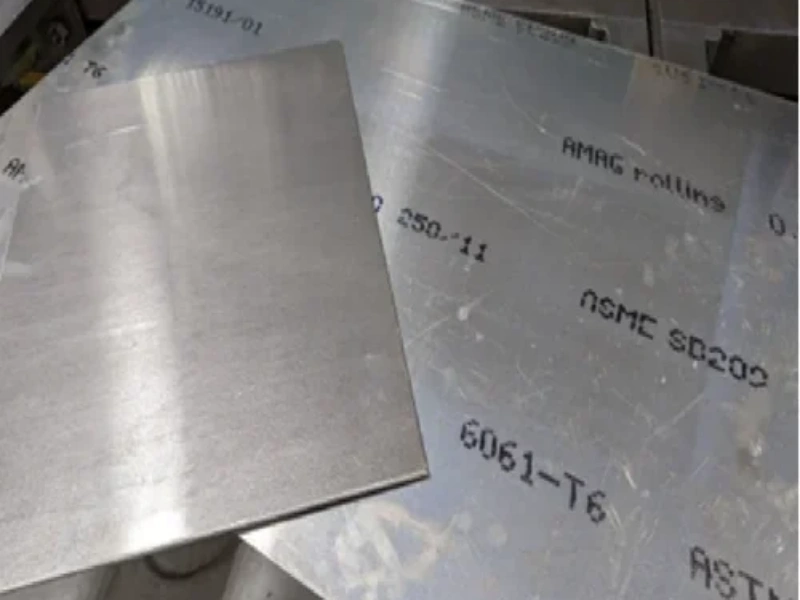
6061 aluminium is a heat-treatable alloy used in applications that require a combination of strength, machinability, and corrosion resistance. It has commonly supplied in tempers such as T6.
A 1.2 mm 6061 sheet may be considered for selected equipment panels, machined parts, and engineering components. However, its forming behaviour differs from that of softer 1xxx and 3xxx alloys.
For complex bending, the bend radius and temper need careful review. Some applications have better served by 5052 or 3003.
Alloy Selection at a Glance
| Alloy | Main advantage | Potential applications |
|---|---|---|
| 1050 | High purity and formability | Reflectors, covers, general fabrication |
| 1060 | Conductivity and corrosion resistance | Electrical parts, light-duty panels |
| 1100 | General-purpose formability | Equipment parts, panels |
| 3003 | Useful strength and formability | HVAC, housings, formed parts |
| 3105 | Suitable for coated building products | Cladding, fascia, roofing components |
| 5052 | Higher strength and corrosion resistance | Marine-related parts, enclosures, vehicle components |
| 6061 | Heat-treatable strength | Engineering and selected machined parts |
Aluminium Sheet Tempers: O, H14, H24, H32, and T6
The temper describes the condition of the aluminium after processing. It affects strength, hardness, ductility, and forming behaviour.
O Temper: Soft and Easy to Form
O temper is annealed aluminium. It is generally softer and more ductile than strain-hardened conditions.
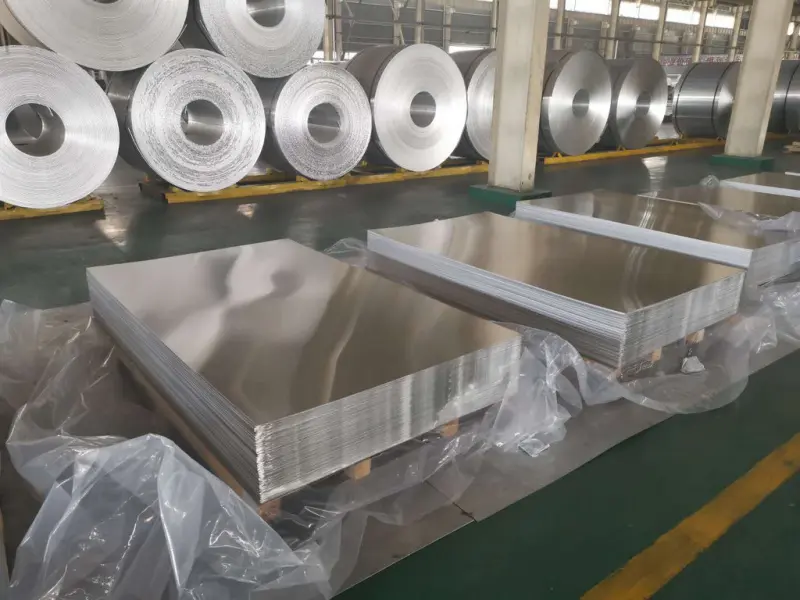
A 1.2 mm O-temper sheet may be suitable for deep forming, curved parts, and applications that require substantial shaping. It may not provide the same stiffness or resistance to deformation as a harder temper.
H12 and H14: Strain-Hardened Sheet
H12 and H14 are strain-hardened tempers used with applicable non-heat-treatable alloys. H14 is generally harder than H12 within the same alloy family.
These conditions can suit panels, covers, signs, and components that need more strength than the annealed condition. Forming limits have checked before production.
H24: Strain-Hardened and Partly Annealed
H24 is commonly used for certain 3xxx-series aluminium products. It combines strain hardening with partial annealing.
It has considered for formed building parts, panels, and general fabrication. Actual mechanical properties depend on the alloy and applicable product standard.
H32: Stabilized Magnesium-Alloy Sheet
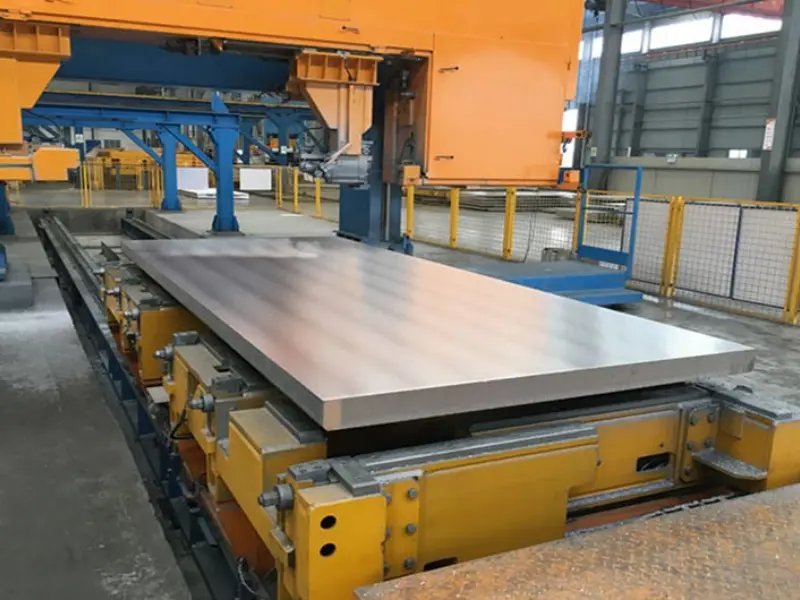
H32 is a common temper for 5052 aluminium sheet. It provides a useful balance of strength and formability.
For equipment covers, transport components, and marine-related fabrication, 5052 H32 may be a practical option when its properties meet the design requirements.
T6 Temper: Solution Heat-Treated and Artificially Aged
T6 is a heat-treated temper commonly associated with alloys such as 6061. It provides higher strength than many soft or strain-hardened sheet options.
However, T6 material may be less suitable for tight bends than softer alternatives. Before ordering 1.2 mm 6061-T6 sheet, confirm the required bend radius and forming method.
Product Types Available in 1.2 mm Thickness
A 1.2 mm aluminium sheet has supplied in different product styles. The best type depends on whether the priority is cost, appearance, corrosion protection, or fabrication performance.
Mill Finish Aluminium Sheet
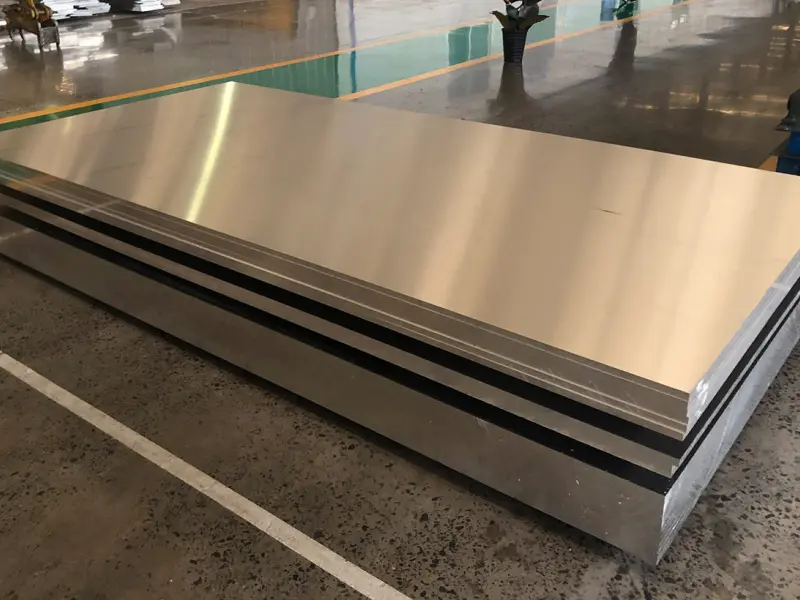
Mill finish aluminium sheet has a standard rolled surface without an additional decorative coating. It is a common choice for parts that will be painted, fabricated, or used where appearance is not the main concern.
It may be suitable for equipment covers, industrial panels, and general sheet metal components. Surface marks and appearance can vary according to the production process and specification.
Brushed Aluminium Sheet
Brushed aluminium has a directional surface texture. It has often used for decorative panels and visible equipment surfaces.
Common applications include interior decoration, appliance panels, shop fittings, and elevator-related decorative parts. Buyers should confirm the brushing direction, finish consistency, and protective-film requirements.
Anodized Aluminium Sheet
Anodizing creates a controlled oxide layer on the aluminium surface. It can improve surface durability and provide a decorative finish.
A 1.2 mm anodized sheet may be suitable for signage, interior panels, display equipment, and decorative covers. Colour, gloss, film thickness, and colour consistency should be agreed before production.
Painted or Colour-Coated Aluminium Sheet
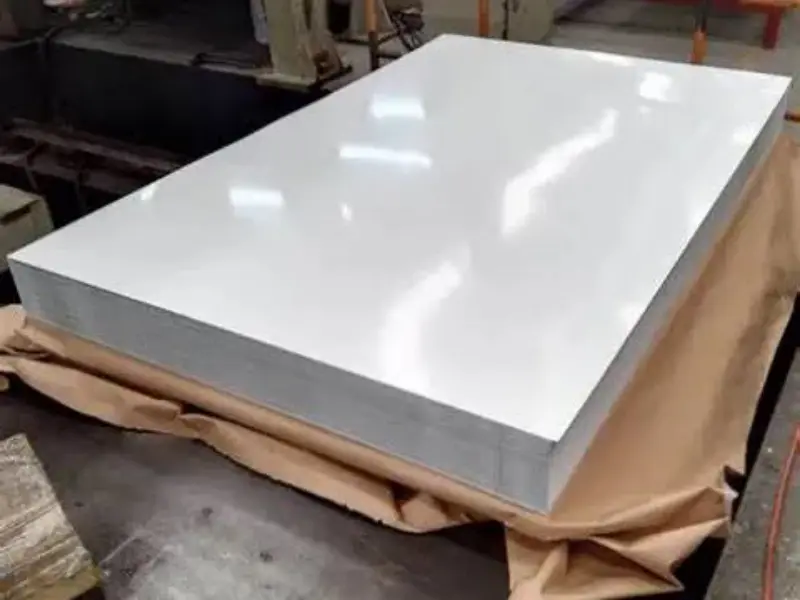
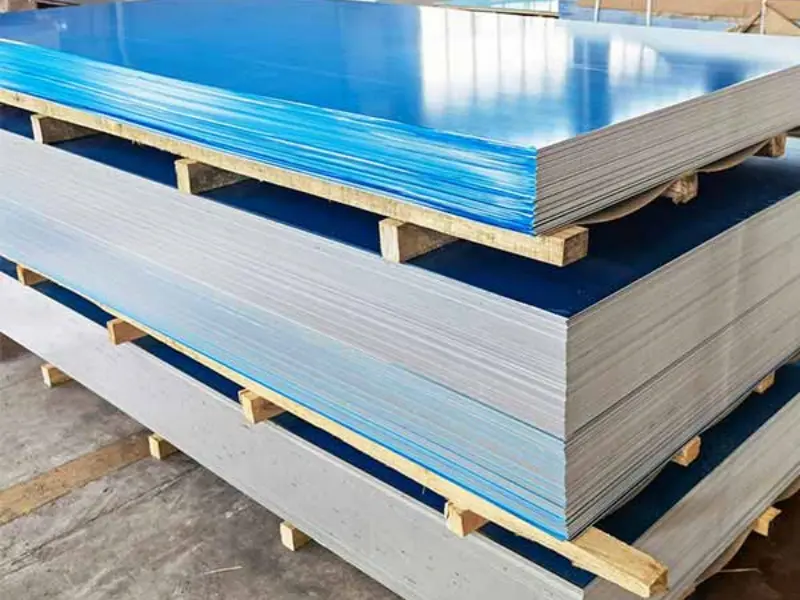
Painted aluminium sheet has supplied with a coating designed for appearance and surface protection. Coating systems can include polyester and PVDF, depending on the application.
This type has commonly used for architectural panels, wall cladding, fascia, equipment covers, and signs. Outdoor projects should specify the coating system, colour, coating thickness, and weathering requirements.
Embossed Aluminium Sheet
Embossed aluminium sheet has a patterned surface. The texture can improve appearance and help reduce the visibility of minor surface marks.
At 1.2 mm, embossed sheet has used for decorative panels, equipment surfaces, and selected interior applications. If the product has intended for flooring or heavy traffic, check the design, base thickness, and load requirements carefully.
Perforated Aluminium Sheet
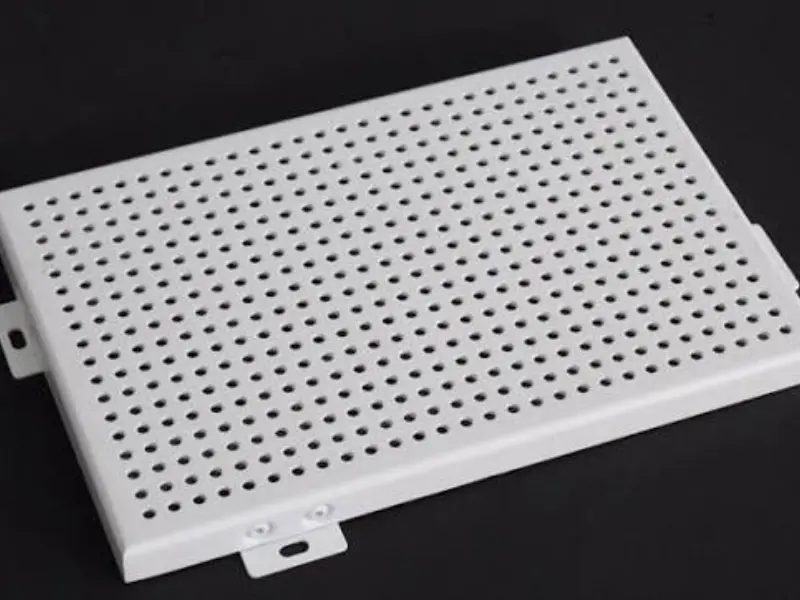
Perforated aluminium sheet contains regularly arranged holes. Hole diameter, pitch, open area, and pattern can be customized.
Potential applications include ventilation covers, speaker grilles, protective guards, filters, and decorative screens. At 1.2 mm, the sheet is relatively light, so the hole pattern and support structure are important to overall rigidity.
Checker Plate and Patterned Sheet
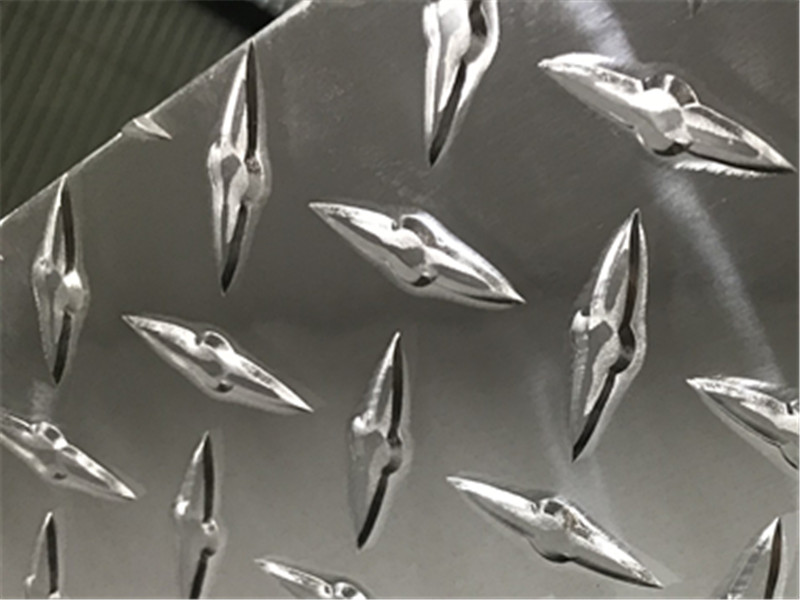
Checker plate has a raised pattern designed for selected anti-slip or protective applications. The overall thickness and raised pattern need to be clearly specified.
A nominal 1.2 mm plain sheet should not be treated as equivalent to a 1.2 mm checker plate without checking how the supplier defines the thickness. For walkways or load-bearing surfaces, use a product designed and rated for the intended load.
Where Is 1.2 mm Aluminium Sheet Used?
This thickness works well in many applications where low weight, corrosion resistance, and easy fabrication are important. The final performance depends on alloy, temper, panel dimensions, support spacing, and service conditions.
Building and Architectural Applications
1.2 mm aluminium sheet has used in selected architectural and building components.
- Interior wall panels and decorative trims
- Fascia and soffit components
- Window and door cover panels
- Equipment enclosures
- Signage and display panels
- Light-duty cladding components
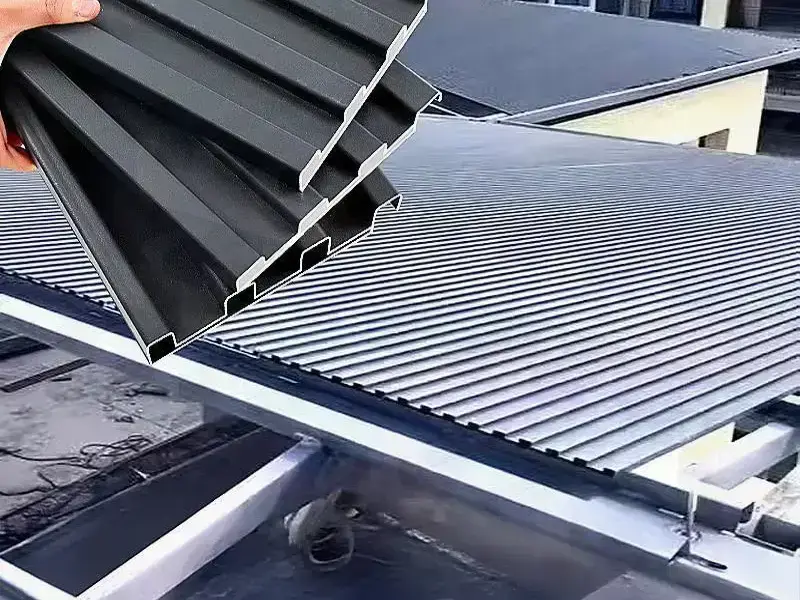
For exterior use, coating quality, drainage, wind load, and fixing design need to be considered. A flat sheet is not automatically suitable for every roofing or cladding system.
Automotive and Transportation
Aluminium sheet can help reduce component weight. The appropriate alloy depends on the forming process and operating environment.
- Vehicle interior panels
- Tool and equipment covers
- Storage compartments
- Light-duty protective panels
- Custom trailer components
- Transport equipment housings
For vehicle or trailer bodywork, buyers should confirm impact resistance, vibration performance, joining methods, and applicable vehicle requirements.
Industrial Equipment and Machinery
Manufacturers use aluminium sheet to produce light covers and panels for equipment.
- Machine guards and covers
- Electrical cabinet panels
- Control box enclosures
- Ventilation covers
- Inspection doors
- Light-duty protective housings
For electrical cabinets, the alloy, grounding design, cut-outs, and enclosure rating may matter as much as the sheet thickness.
Kitchen, Catering, and Appliance Parts

Selected aluminium alloys have applications in equipment and appliance components where heat transfer, corrosion resistance, or formability is required.
- Appliance cover panels
- Kitchen equipment housings
- Ventilation panels
- Food-service equipment components
- Decorative appliance trims
Food-contact use requires the correct material grade, surface condition, cleaning compatibility, and compliance with applicable regulations. Not every aluminium sheet has automatically approved for direct food contact.
Electrical and Electronic Applications
High-purity aluminium grades have considered for some electrical and thermal applications.
- Reflective panels
- Electrical equipment covers
- Light-duty housings
- Thermal management components
- Electronic device panels
Electrical conductivity alone does not determine suitability. Buyers should review conductivity, thickness tolerance, surface requirements, joining methods, and the design specification.
Advertising and Decoration
The flat surface and low weight of aluminium sheet make it useful for display products.
- Indoor and outdoor signs
- Display boards
- Exhibition panels
- Retail fixtures
- Decorative wall panels
- Custom-printed panels
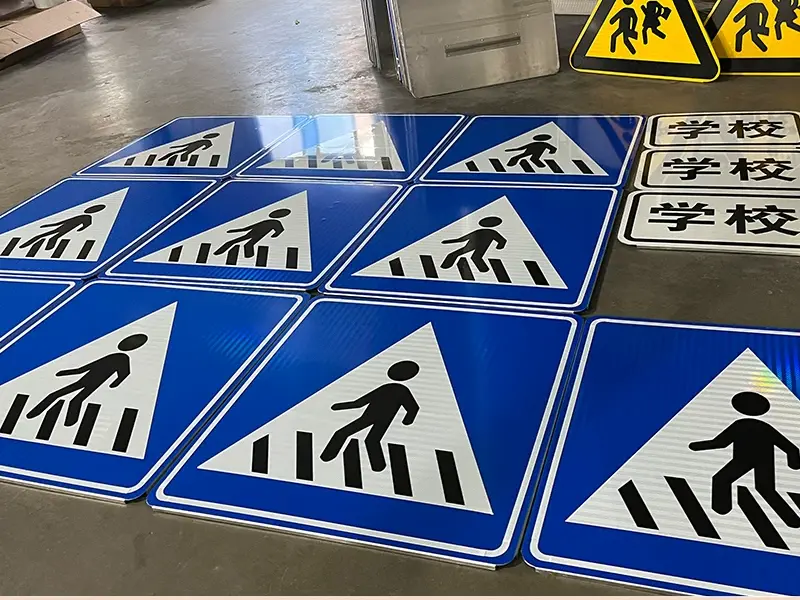
For printed products, confirm whether the surface is suitable for screen printing, digital printing, sublimation, or another process. Standard aluminium sheet is not necessarily prepared for sublimation printing.
1.2 mm Aluminium Sheet Weight and Size
Weight is an important factor when estimating material costs, shipping charges, and handling requirements.
The theoretical weight of a flat aluminium sheet has estimated using its dimensions and an assumed density. For preliminary calculations, a density of approximately 2,700 kg/m³ has commonly used. The actual value can vary slightly by alloy.
Weight Per Square Metre
For 1.2 mm aluminium sheet:
Estimated weight per square metre = 0.0012 m × 2,700 kg/m³ = 3.24 kg/m²
This is a theoretical estimate for the plain sheet. It does not include packaging, protective film, or additional processing.
| Sheet thickness | Approximate weight per m² |
|---|---|
| 0.8 mm | 2.16 kg |
| 1.0 mm | 2.70 kg |
| 1.2 mm | 3.24 kg |
| 1.5 mm | 4.05 kg |
| 2.0 mm | 5.40 kg |
| 3.0 mm | 8.10 kg |
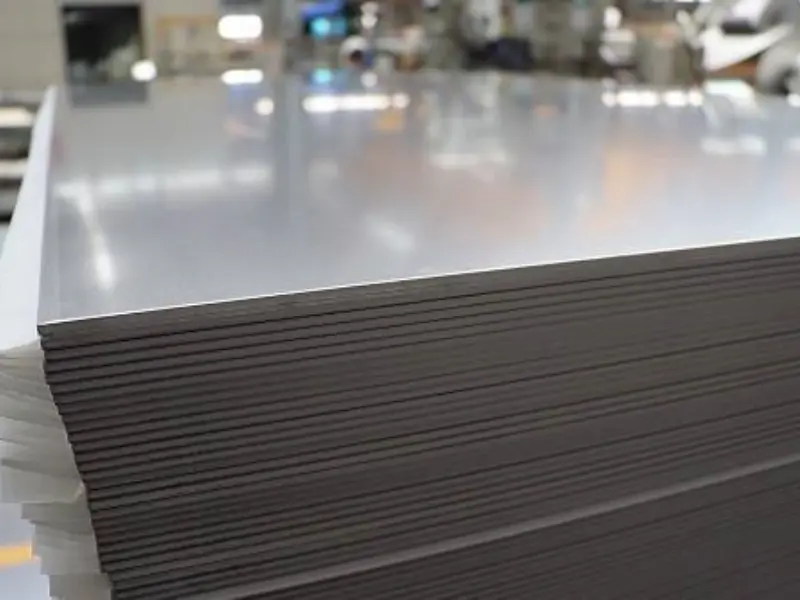
These values are estimates based on a density of 2,700 kg/m³. Use the supplier’s confirmed dimensions and material data for commercial calculations.
Common Sheet Sizes and Estimated Weight
| Nominal size | Approximate area | Estimated weight at 1.2 mm |
|---|---|---|
| 1000 × 2000 mm | 2.00 m² | 6.48 kg |
| 1220 × 2440 mm | 2.98 m² | 9.65 kg |
| 1250 × 2500 mm | 3.13 m² | 10.13 kg |
| 1500 × 3000 mm | 4.50 m² | 14.58 kg |
The figures are theoretical and rounded. Actual finished-sheet weights can vary because of dimensional tolerances and alloy density.
1.2 mm vs. Other Aluminium Sheet Thicknesses
Choosing thickness is a balance between rigidity, weight, forming needs, and budget. A thicker sheet usually weighs more, but thickness alone does not determine strength. Alloy and temper also matter.
0.8 mm vs. 1.2 mm Aluminium Sheet
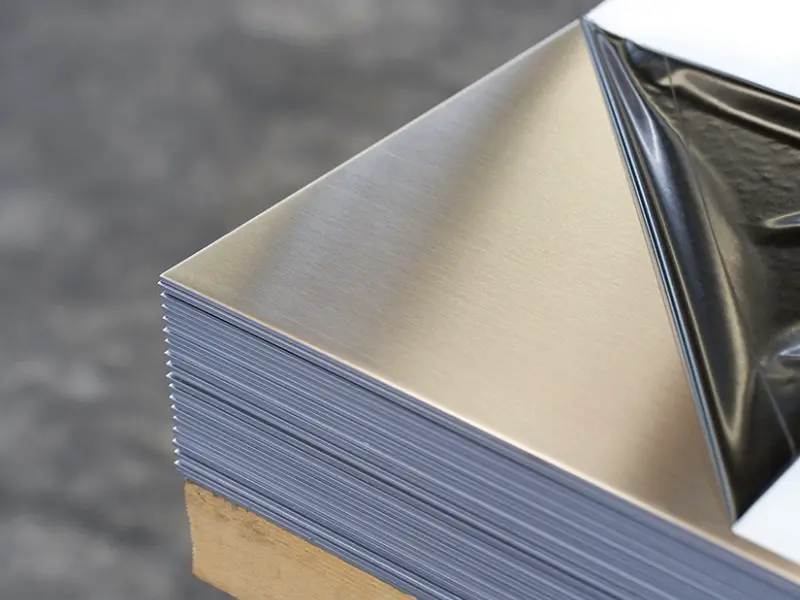
A 0.8 mm sheet is lighter and may be suitable for small covers, lightweight decorative parts, and applications with adequate support.
A 1.2 mm sheet offers more material thickness and may be more suitable for larger panels or parts that need additional stiffness.
Choose 0.8 mm when reducing weight and material use is the main goal. Consider 1.2 mm when the design needs greater rigidity, subject to engineering checks.
1.0 mm vs. 1.2 mm Aluminium Sheet
The difference may seem small, but it affects material weight and forming behaviour.
| Feature | 1.0 mm | 1.2 mm |
|---|---|---|
| Approximate weight per m² | 2.70 kg | 3.24 kg |
| Relative material use | Lower | About 20% higher |
| Handling | Lighter | Slightly heavier |
| Potential use | Light covers and panels | Covers, panels, and more rigid parts |
| Material cost per m² | Often lower | Often higher |
These are general comparisons. The final choice should be based on the product design, not thickness alone.
1.2 mm vs. 1.5 mm Aluminium Sheet
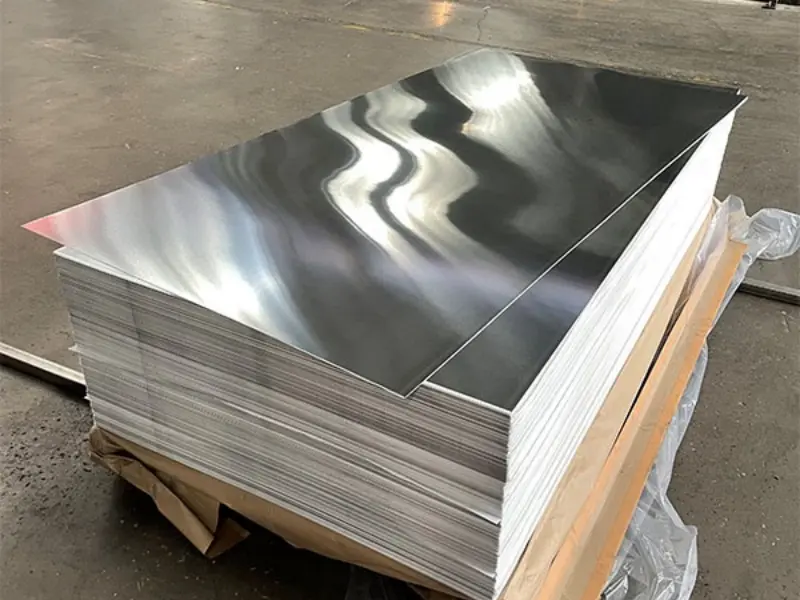
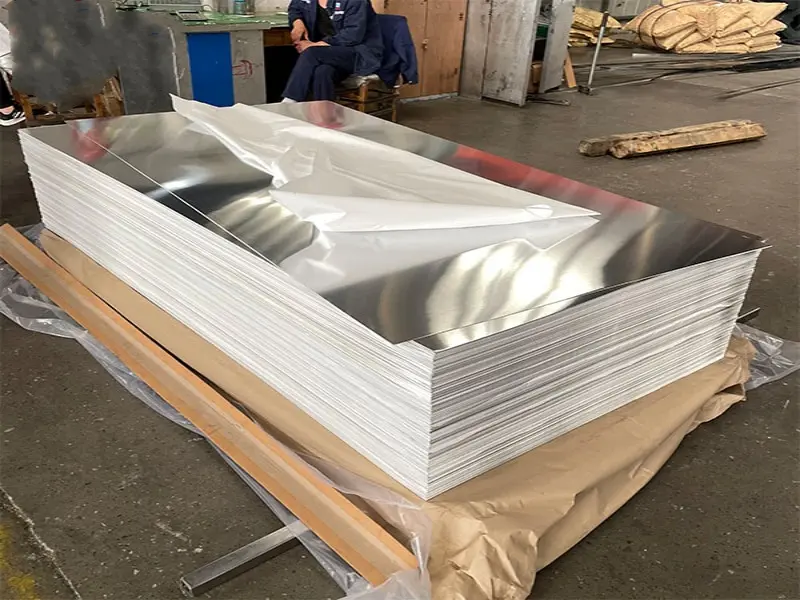
A 1.5 mm sheet weighs approximately 25% more than a 1.2 mm sheet of the same area. It may provide greater stiffness, but it can also require more force for cutting and forming.
For small equipment covers and decorative panels, 1.2 mm may be sufficient. For larger panels or applications with higher mechanical demands, 1.5 mm may be worth evaluating.
1.2 mm vs. 2.0 mm Aluminium Sheet
A 2.0 mm sheet is substantially heavier and generally provides more thickness for structural rigidity. It may suit equipment panels, fabricated components, and parts exposed to greater mechanical loads.
However, a thicker sheet can increase material cost, shipping weight, and fabrication effort. Do not choose 2.0 mm unless the application requires it.
Comparing Aluminium Sheet with Other Materials
Aluminium is not the right choice for every project. Comparing materials helps buyers avoid unnecessary costs and performance problems.
Aluminium vs. Stainless Steel
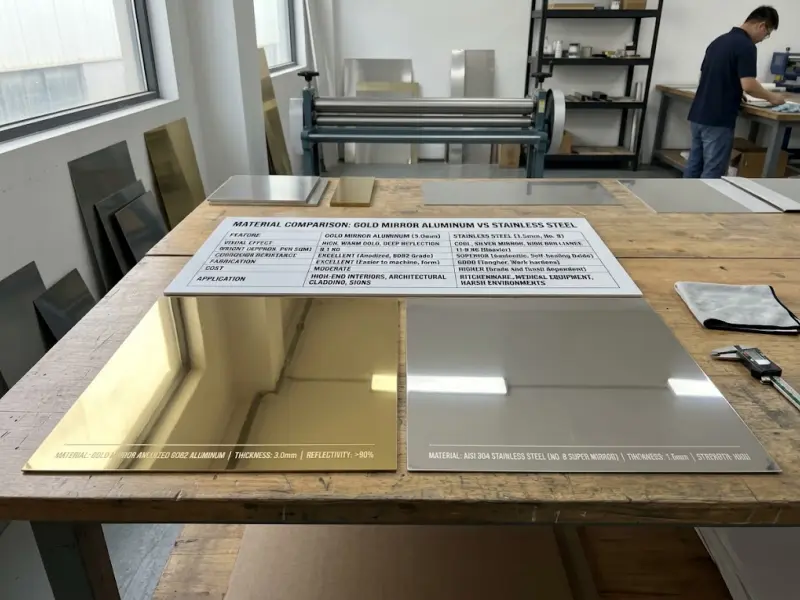
Aluminium is much lighter than stainless steel of similar dimensions. Stainless steel often provides greater hardness and can be preferable in applications that require specific strength, wear resistance, or high-temperature performance.
Aluminium is worth considering when weight reduction, corrosion resistance, and easy fabrication are priorities. Compare the complete component design rather than comparing material thickness alone.
Aluminium vs. Galvanized Steel
Galvanized steel has a zinc coating that protects the underlying steel. It is often used for ducts, building components, and equipment enclosures.
Aluminium offers lower weight and does not depend on a zinc coating for its natural oxide-layer corrosion resistance. Galvanized steel may be more economical for certain projects. The better option depends on the environment, expected service life, fabrication method, and total cost.
Aluminium vs. Plastic Sheet
Plastic sheets can be lightweight and resistant to certain chemicals. They may also provide electrical insulation.
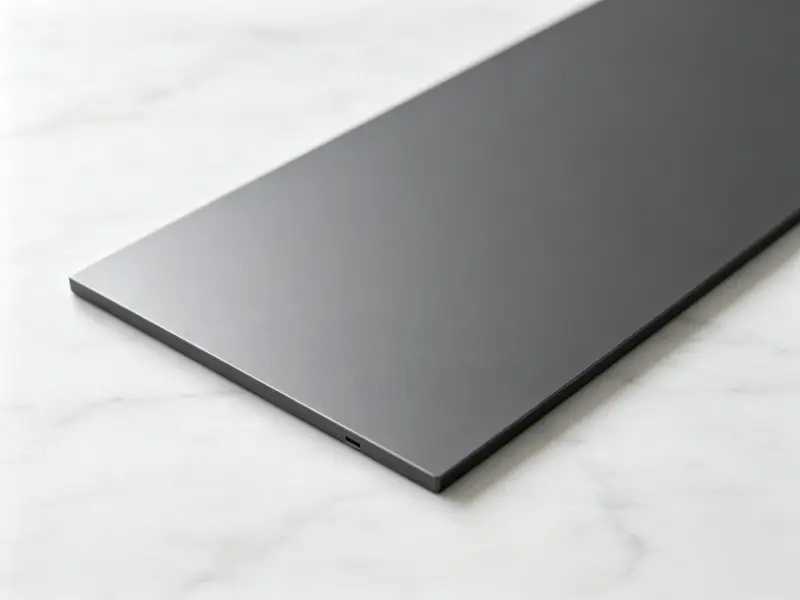
Aluminium has often preferable when better heat transfer, a metallic appearance, or greater rigidity is required.
Plastic may be better for specific electrical, chemical, or impact-related requirements. The material should match the service conditions.
How to Select the Right 1.2 mm Aluminium Sheet
Before requesting a quotation, define the technical requirements. This helps suppliers recommend a suitable product and reduces the chance of receiving the wrong material.
Confirm the Alloy and Temper
Start with the required mechanical properties and fabrication process.
- Choose 1050 or 1060 for suitable high-purity applications.
- Consider 3003 for general formed parts.
- Consider 3105 for selected coated building products.
- Consider 5052 where greater strength and corrosion resistance are required.
- Evaluate 6061 where heat-treated properties are needed.
These are starting points, not universal rules. Confirm the exact alloy and temper against the application requirements.
Specify Dimensions and Tolerances
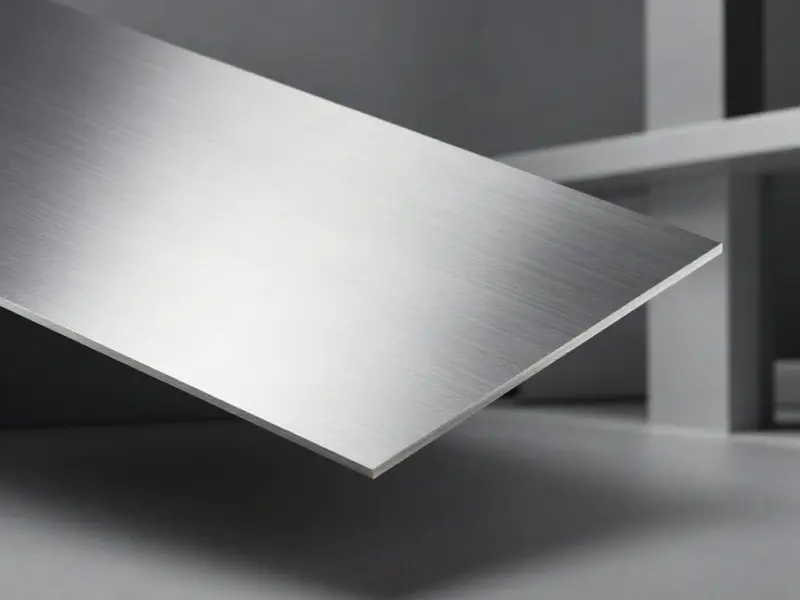
State the nominal thickness, width, length, and dimensional tolerances. If the sheet has cut into multiple parts, provide the finished dimensions and any requirements for edge quality.
For precision components, confirm the applicable thickness tolerance standard with the supplier.
Choose the Surface Finish
Select mill finish, brushed, anodized, painted, embossed, or another available finish. If the surface will be visible, specify acceptable scratches, colour variation, gloss, and protective film.
Review Fabrication Requirements
Tell the supplier whether the sheet has bent, punched, welded, machined, or coated after delivery.
For bending, provide the bend angle and inside radius where possible. For welding, confirm alloy compatibility and the required welding method. These details can affect alloy and temper selection.
Quality Inspection, Packaging, and Delivery
Quality requirements should be agreed before production. A clear specification makes it easier to inspect the goods and handle any issues.
Important Quality Checks
Typical checks may include:
- Thickness and dimensional measurement
- Surface inspection for scratches, dents, and stains
- Alloy and temper verification where required
- Flatness and edge-quality checks
- Coating or anodizing inspection for finished products
- Review of the agreed material test documents
The inspection plan should match the application. Not every project needs the same testing level.
Export Packaging

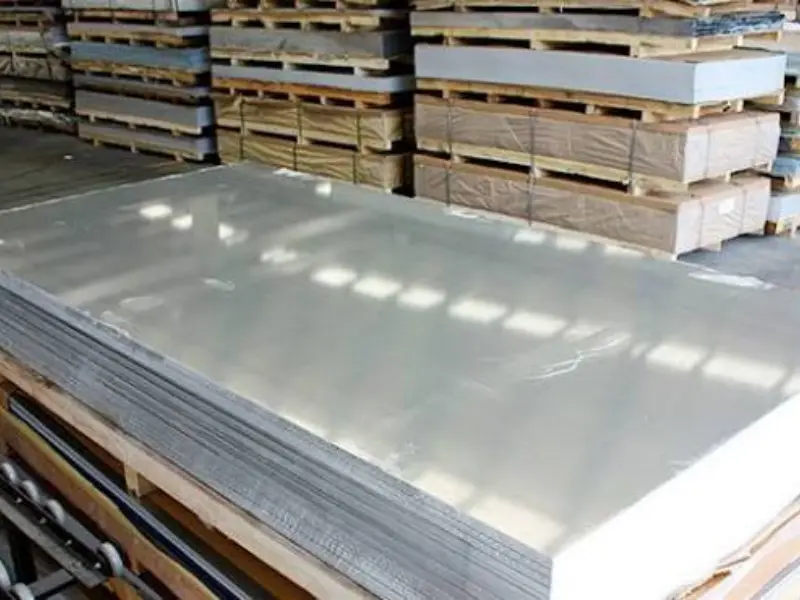
For international shipments, aluminium sheets have often packed with protective paper or film, edge protection, and suitable export packaging.
Wooden cases or pallets have applications depending on sheet dimensions and transport requirements.
Buyers should specify whether the material needs moisture protection, individual sheet separation, or a particular pallet size.
What Information Should Be Included in a Quotation Request?
A complete inquiry can include:
- Alloy and temper
- Thickness: 1.2 mm
- Width and length
- Required quantity
- Surface finish and colour, if applicable
- Cutting, bending, or other processing requirements
- Applicable standards and inspection documents
- Destination port or delivery location
- Packaging requirements
A clear inquiry helps the supplier confirm availability, production lead time, and shipping options.
Frequently Asked Questions About 1.2 mm Aluminium Sheet
What Is 1.2 mm Aluminium Sheet in Inches?
A thickness of 1.2 mm is approximately 0.0472 inches. It is close to, but not exactly the same as, a nominal 0.047-inch sheet. Always specify the metric thickness and required tolerance when placing an order.
How Much Does 1.2 mm Aluminium Sheet Weigh?
Using an estimated density of 2,700 kg/m³, 1.2 mm aluminium sheet weighs about 3.24 kg per square metre. A 1220 × 2440 mm sheet weighs approximately 9.65 kg before packaging, based on the same estimate.
Which Alloy Is Best for 1.2 mm Aluminium Sheet?
There is no single best alloy for every application. 1050 and 1060 are useful for many high-purity applications, 3003 has often selected for general forming, 3105 has used in some coated building products, and 5052 is a common choice where higher strength and corrosion resistance are needed.
Is 1.2 mm Aluminium Sheet Suitable for Outdoor Use?
It can be suitable for many outdoor applications when the alloy, surface finish, and installation design match the environment. Painted, anodized, or other finished products may provide additional protection. Coastal exposure and industrial environments require particular attention to corrosion conditions.
Can 1.2 mm Aluminium Sheet Be Bent?
Yes, many 1.2 mm aluminium sheets can be bent. The minimum bend radius depends on the alloy, temper, bending direction, tooling, and required finish. Soft tempers generally allow tighter forming than harder conditions, but the exact limits should be confirmed before production.
Is 1.2 mm Aluminium Sheet Suitable for Roofing?
It has use in certain roofing or cladding systems if the product profile, alloy, support spacing, wind load, and local building requirements are suitable.
A plain flat sheet should not be assumed to work as a complete roofing system without proper design.
Can 1.2 mm Aluminium Sheet Be Painted?
Yes. The preparation process depends on the alloy and existing surface. Cleaning, pretreatment, primer, and coating selection can affect adhesion and durability. For factory-painted sheet, specify the coating system and required performance before ordering.
What Is the Difference Between 1.2 mm 3003 and 5052 Aluminium Sheet?
Both alloys have applications in fabricated products, but they have different properties. 3003 has commonly selected for general forming and useful corrosion resistance. 5052 generally offers higher strength and good corrosion resistance, including in many marine-related environments. The final selection depends on the design and service conditions.
Can I Order 1.2 mm Aluminium Sheet Cut to Size?
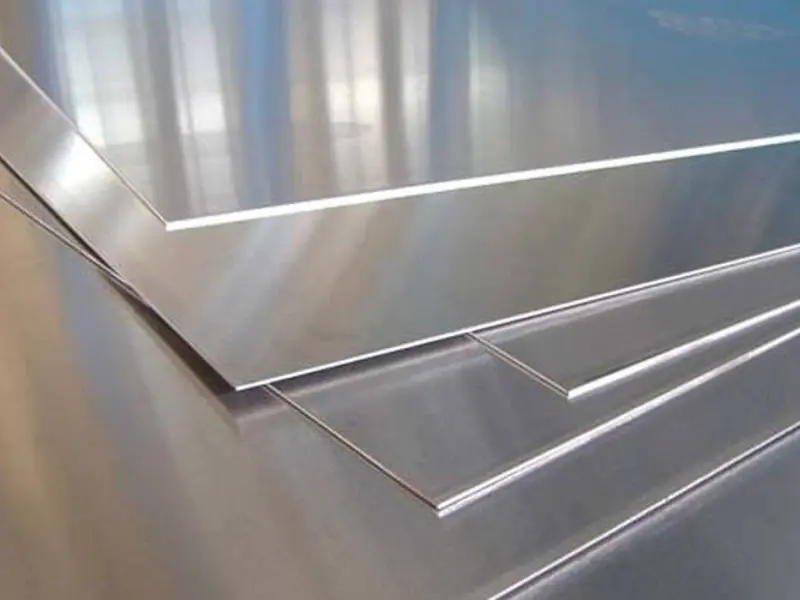
Many suppliers offer cut-to-size sheets or additional processing. Provide the required width, length, quantity, tolerance, and edge-quality requirements. Confirm minimum order quantity and whether custom dimensions affect lead time or price.
What Affects the Price of 1.2 mm Aluminium Sheet?
Price depends on alloy, temper, order quantity, sheet dimensions, surface finish, processing, packaging, and delivery destination. Coated or anodized products may cost more than standard mill-finish material. Request a quotation based on the full specification rather than thickness alone.
What Is the Difference Between Aluminium Sheet and Aluminium Plate?
The terms can vary by market and supplier. Sheet generally refers to thinner flat-rolled material, while plate usually refers to thicker products. A 1.2 mm product has normally sold as aluminium sheet. Confirm the exact thickness and product standard instead of relying only on the product name.
Request a Quote for 1.2 mm Aluminium Sheet
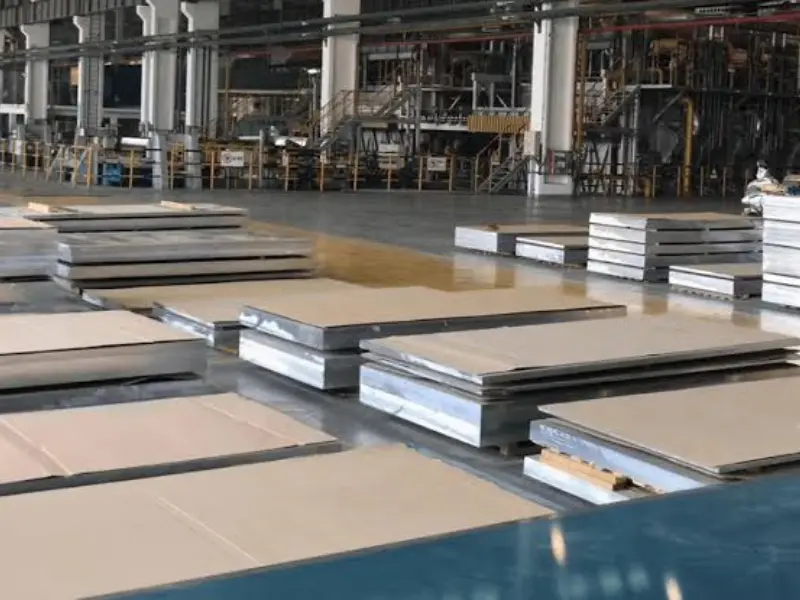
Looking for 1.2 mm aluminium sheet for manufacturing, construction, equipment, decoration, or another application? Provide your required alloy, temper, dimensions, surface finish, and quantity to help the supplier recommend a suitable product.
Custom sheet sizes, surface treatments, and processing options may be available depending on the production range. Ask for technical specifications, dimensional tolerances, packaging details, and delivery information before confirming your order.
Send your 1.2 mm aluminium sheet requirements to request a product recommendation and quotation.