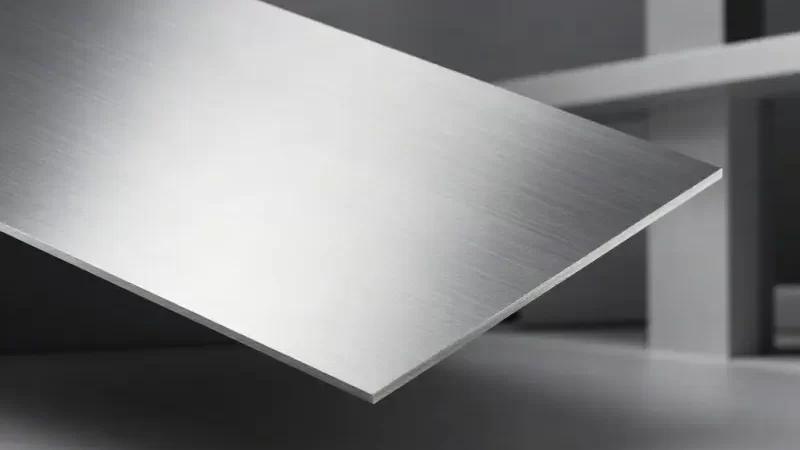
A 1mm aluminium sheet is a thin and versatile aluminum product used in fabrication, construction, signage, vehicles, decoration, insulation, packaging equipment, and many other industries.
Because 1mm is relatively thin, the material is easy to cut, bend, stamp, and process. At the same time, the actual performance depends heavily on the alloy and temper.
For example, a 1mm 1050 aluminium sheet is different from a 1mm 5052 aluminium sheet. They may have the same thickness, but their strength, corrosion resistance, bending performance, and suitable applications are not the same.
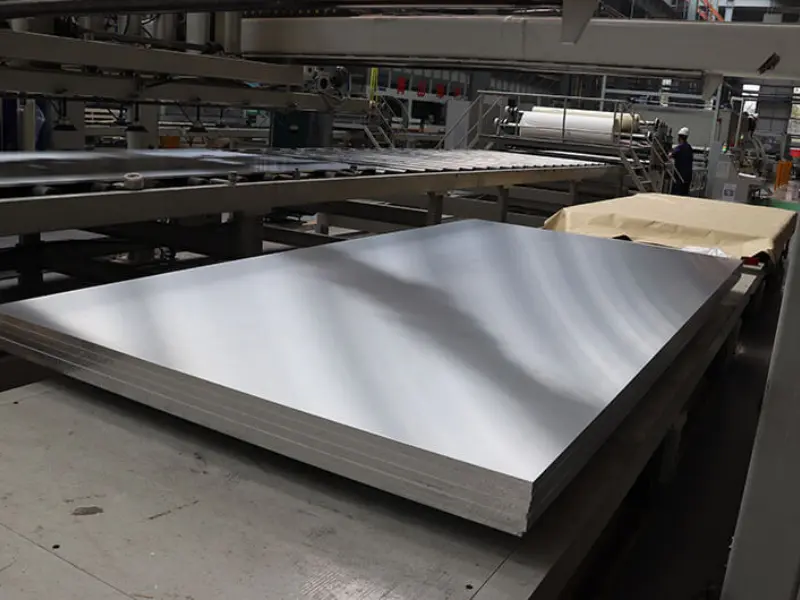
When buying aluminium sheet, thickness is only one part of the specification.
A complete order normally includes:
Alloy → Temper → Thickness → Width → Length → Surface → Quantity → Processing Requirement
For many buyers, standard sheets are suitable. Others need cut-to-size material, coils, small blanks, painted sheets, or sheets with protective film.
What Is a 1mm Aluminium Sheet?
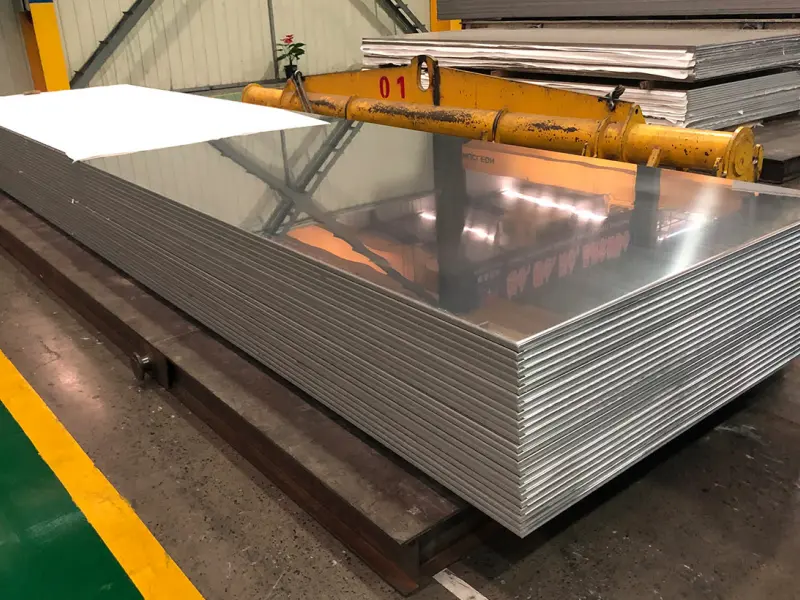
A 1mm aluminium sheet is a flat aluminum product with a nominal thickness of 1.0 mm.
It can be supplied in different alloys and tempers. The surface can also be changed according to the final use.
Common options include:
| Product Type | Typical Use |
|---|---|
| Plain aluminium sheet | General fabrication |
| 1050 aluminium sheet | Bending and forming |
| 1060 aluminium sheet | Electrical and industrial use |
| 3003 aluminium sheet | General industrial products |
| 5052 aluminium sheet | Marine and transportation |
| 5754 aluminium sheet | Vehicles and construction |
| 6061 aluminium sheet | Higher-strength applications |
| Painted aluminium sheet | Roofing and decoration |
| Anodized aluminium sheet | Architectural and decorative products |
| Stucco embossed sheet | Insulation and cladding |
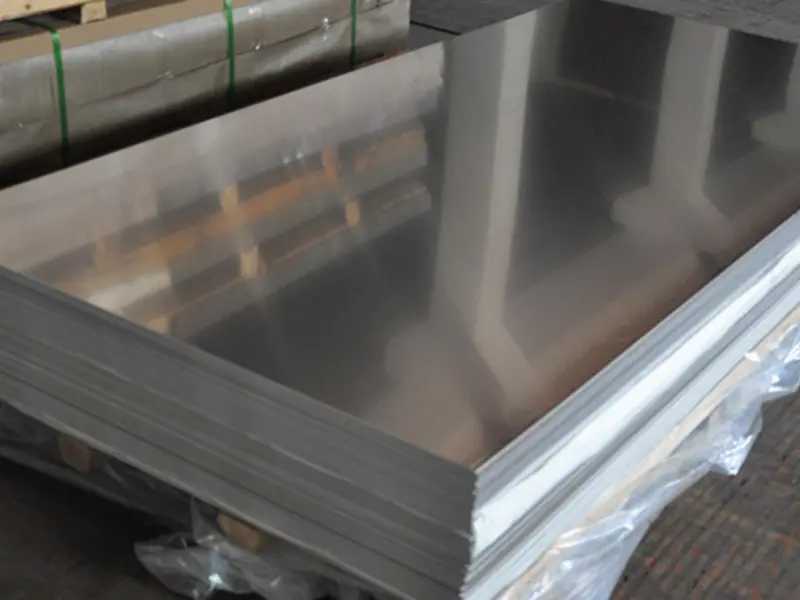
| Mirror aluminium sheet | Decoration and signage |
| Brushed aluminium sheet | Decorative panels |
The same 1mm thickness can therefore be used in many different products.
Common Specifications for Aluminium Sheet 1mm
| Item | Typical Specification |
|---|---|
| Product | Aluminium Sheet |
| Thickness | 1.0 mm |
| Thickness Tolerance | According to standard or customer requirement |
| Common Alloys | 1050, 1060, 1100, 3003, 3105, 5052, 5754, 6061 |
| Common Tempers | O, H14, H16, H18, H22, H24, H32, H34 |
| Width | 1000 mm, 1220 mm, 1250 mm, 1500 mm |
| Length | 2000 mm, 2440 mm, 2500 mm, 3000 mm |
| Popular Size | 4 × 8 aluminium sheet |
| Surface | Mill finish |
| Optional Surface | Brushed, mirror, anodized, painted, embossed |
| Protective Film | Available |
| Processing | Cutting, slitting, blanking |
Custom sizes can also be supplied for different fabrication projects.
Popular 1mm Aluminium Sheet Sizes
Different markets use metric and imperial sizes.
| Size | Thickness |
|---|---|
| 1000 × 2000 mm | 1mm |
| 1000 × 3000 mm | 1mm |
| 1220 × 2440 mm | 1mm |
| 1250 × 2500 mm | 1mm |
| 1500 × 3000 mm | 1mm |
| 48″ × 96″ | 0.039″ approximately |
The 1220 × 2440 mm size is often described as a 4 × 8 aluminium sheet.
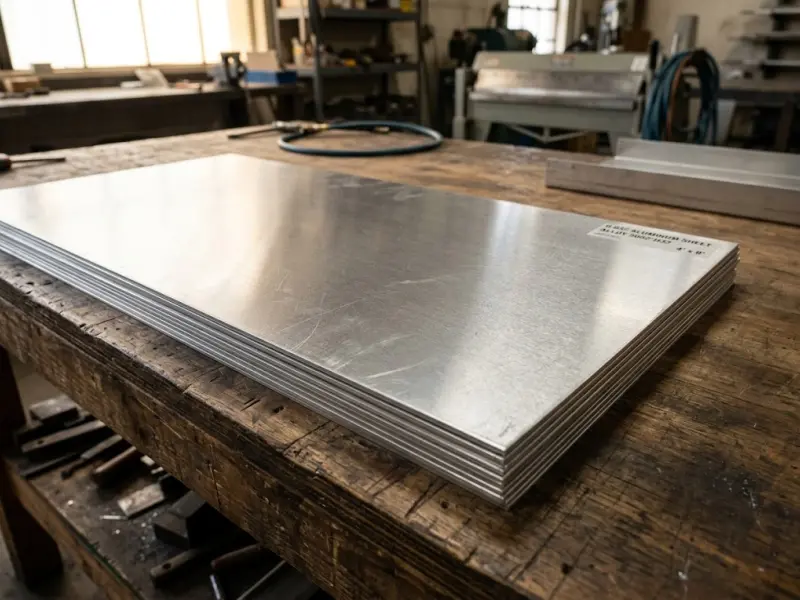
For custom projects, buyers can also order smaller panels.
Examples include:
→ 500 × 500 mm
→ 600 × 1200 mm
→ 1000 × 1500 mm
→ 1200 × 2400 mm
→ Custom cut-to-size blanks
How Much Does a 1mm Aluminium Sheet Weigh?
The theoretical density of aluminum is approximately 2.70 g/cm³.
For a 1mm aluminium sheet:
Weight per square meter ≈ 2.7 kg
This makes it possible to estimate sheet weight.
| Sheet Size | Approximate Weight |
|---|---|
| 1000 × 1000 mm × 1mm | 2.7 kg |
| 1000 × 2000 mm × 1mm | 5.4 kg |
| 1220 × 2440 mm × 1mm | 8.0 kg |
| 1250 × 2500 mm × 1mm | 8.4 kg |
| 1500 × 3000 mm × 1mm | 12.2 kg |
Actual weight may vary slightly depending on alloy, thickness tolerance, surface treatment, and manufacturing conditions.
Choosing the Right Alloy for a 1mm Aluminium Sheet
The best alloy depends on what the sheet will be used for.
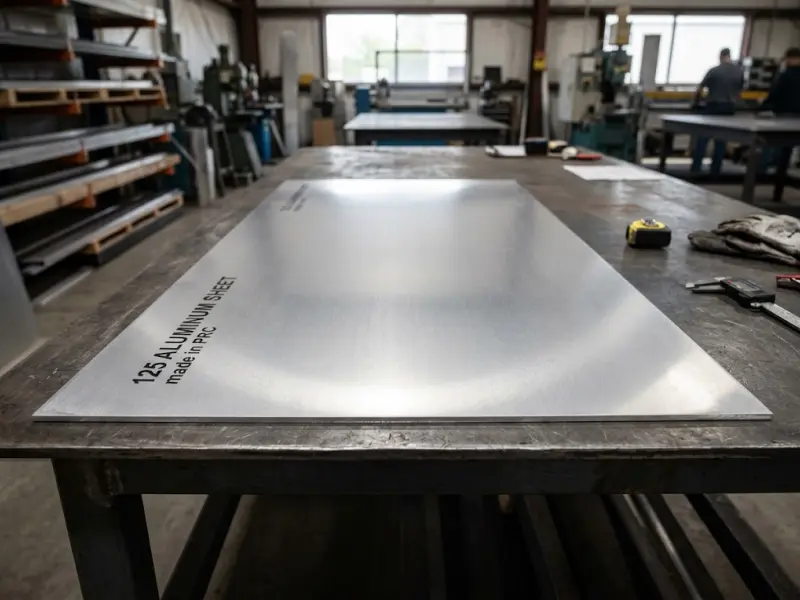
A simple selection process is:
Need easy forming?
→ Consider 1050, 1060, or 1100.
Need general fabrication performance?
→ Consider 3003.
Need better corrosion resistance and strength?
→ Consider 5052 or 5754.
Need higher mechanical strength?
→ Consider 6061.
The final choice should consider bending, welding, corrosion, strength, and cost.
1mm 1050 Aluminium Sheet
1050 is a commercially pure aluminum alloy.
It has high aluminum content and good forming performance.
Common features include:
- Good corrosion resistance
- Easy bending
- Good workability
- Good thermal conductivity
- High aluminum purity
- Relatively soft material
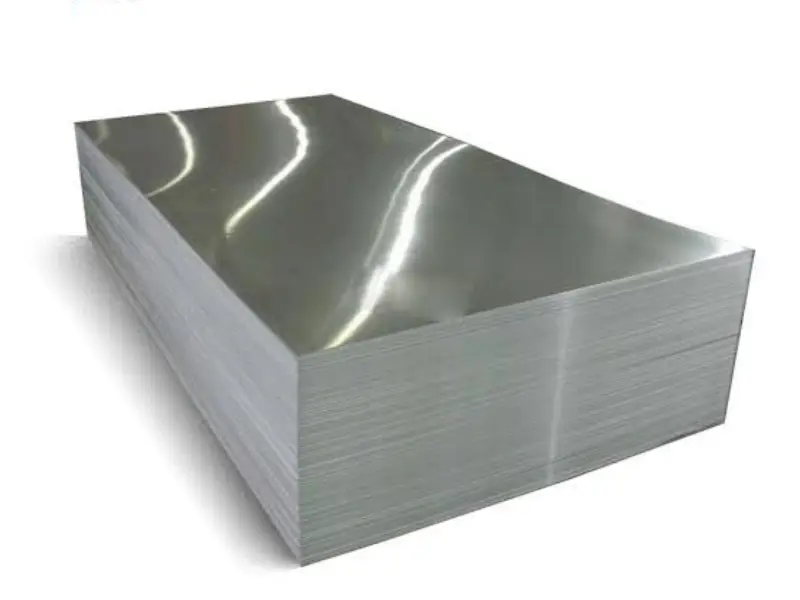
Typical uses include:
→ Decorative products
→ General sheet metal work
→ Lighting components
→ Signs
→ Chemical equipment
→ Insulation materials
→ Reflective products
For products that need complex forming, 1050 aluminium sheet 1mm can be a practical choice.
1mm 1060 Aluminium Sheet
1060 has a high aluminum content and properties similar to other commercially pure aluminum grades.
It is widely used when high formability is required.
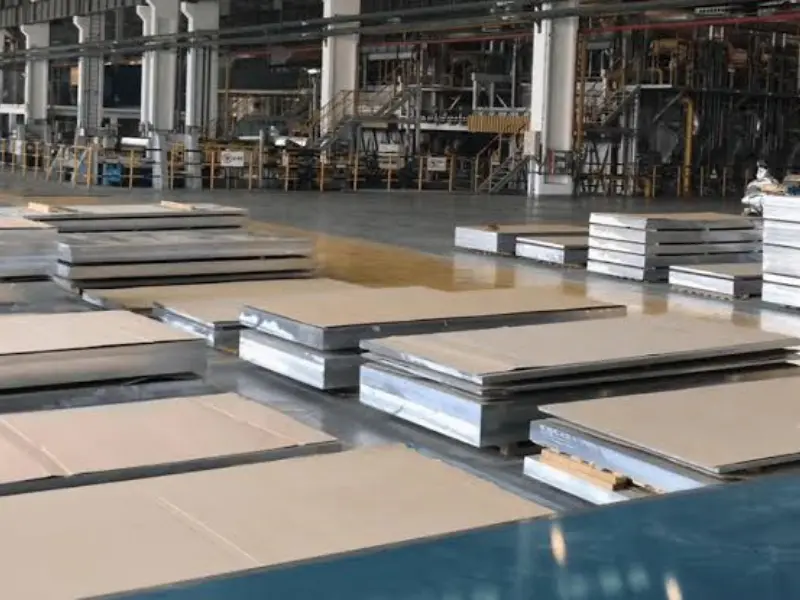
Common uses include:
- Electrical components
- Lamps and lighting
- Signs
- Decorative products
- Cookware components
- General fabrication
- Heat transfer products
For buyers comparing 1050 and 1060, the final decision may depend on local standards, availability, and project requirements.
1mm 1100 Aluminium Sheet
1100 aluminum is another commercially pure grade.
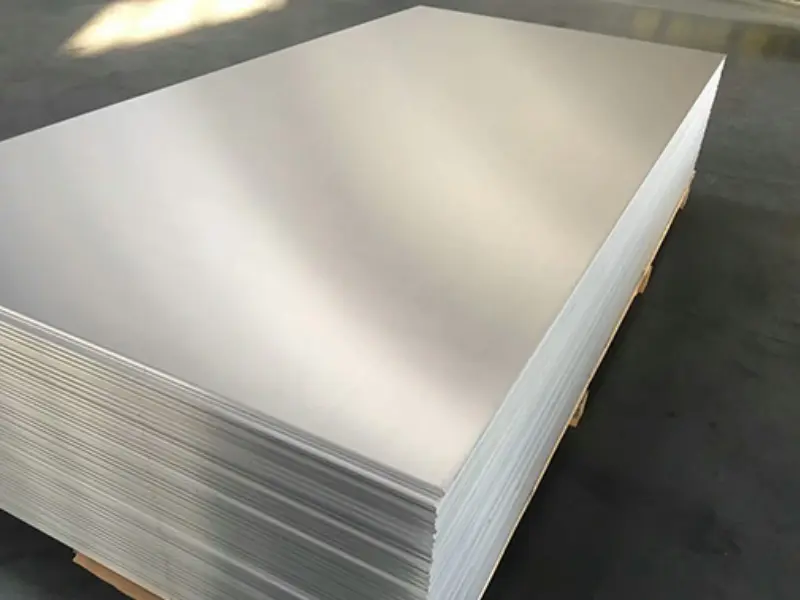
It is known for good corrosion resistance and workability.
Possible applications include:
- Chemical equipment
- Food processing equipment
- Decorative panels
- Reflectors
- General fabrication
- Heat exchangers
- Signs
It is generally selected for applications where very high structural strength is not the main requirement.
1mm 3003 Aluminium Sheet
3003 contains manganese and offers higher strength than commercially pure aluminum grades.
It is one of the most widely used aluminum sheet alloys.
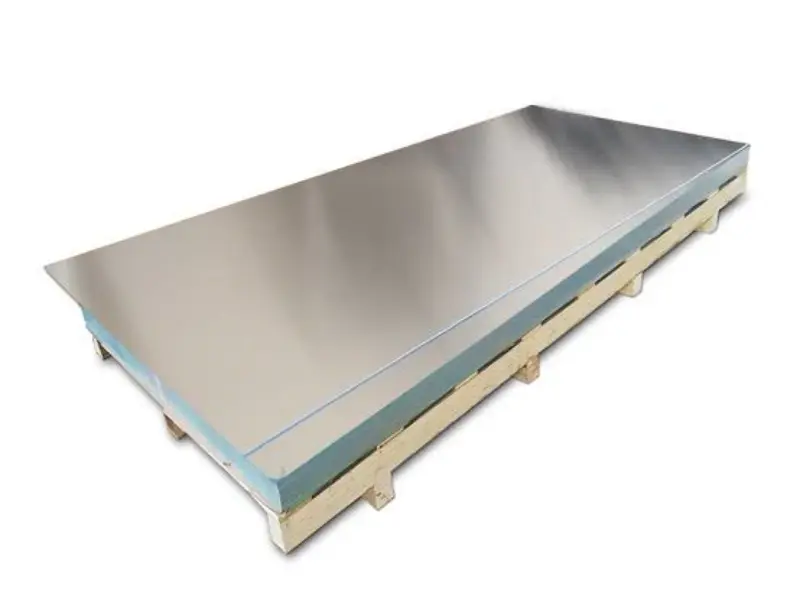
Common applications include:
→ Roofing products
→ Building panels
→ Chemical equipment
→ Storage tanks
→ General fabrication
→ HVAC components
→ Kitchen equipment
A 1mm 3003 aluminium sheet can provide a useful balance between strength and formability.
1mm 3105 Aluminium Sheet
3105 is commonly associated with painted aluminum products and building applications.
It can be used for:
- Roofing sheets
- Wall cladding
- Rainwater systems
- Gutters
- Building panels
- Painted aluminum products
When color coating is required, 3105 may be one of the alloys considered for the project.
1mm 5052 Aluminium Sheet
5052 is a magnesium-containing aluminum alloy.
It offers better strength than 1050 and 3003.
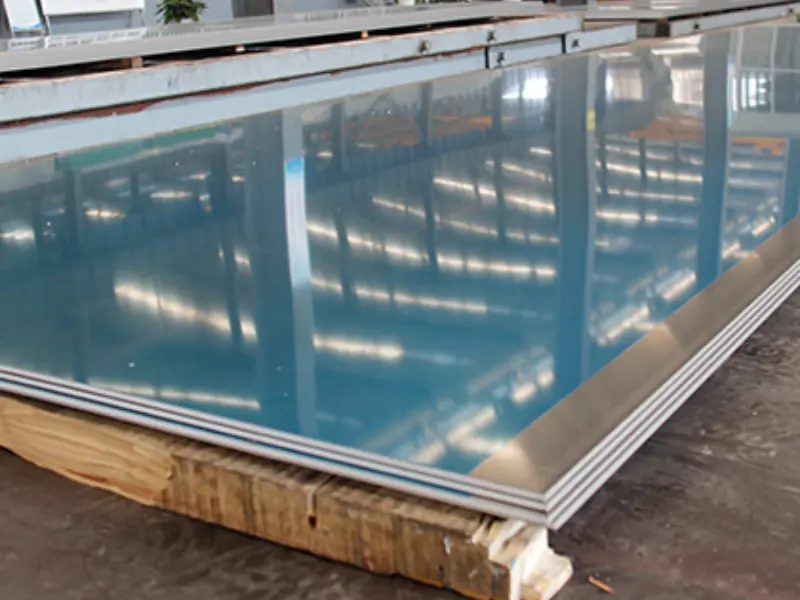
It also has good corrosion resistance.
Typical uses include:
- Truck components
- Trailer panels
- Marine products
- Fuel tanks
- Industrial equipment
- Storage products
- Transportation equipment
A 1mm 5052 aluminium sheet may be suitable when the product needs more strength while remaining relatively lightweight.
1mm 5754 Aluminium Sheet
5754 is another aluminum-magnesium alloy.
It is often used in transportation and construction-related products.
Possible uses include:
- Vehicle panels
- Truck bodies
- Trailers
- Marine components
- Industrial equipment
- Building products
It provides good corrosion resistance and useful mechanical properties.
1mm 6061 Aluminium Sheet
6061 is a heat-treatable aluminum alloy.
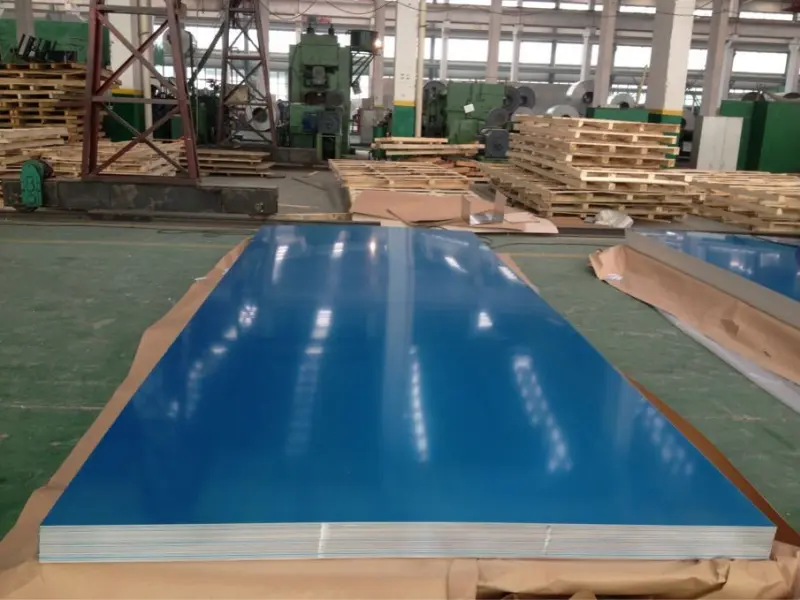
It is often selected for applications that require higher strength.
Common uses include:
- Machinery components
- Structural parts
- Industrial equipment
- Transportation components
- Engineering projects
However, for deep drawing and complex forming, a softer alloy may be easier to process.
Aluminium Sheet 1mm Alloy Comparison
| Alloy | Strength | Formability | Corrosion Resistance | Typical Use |
|---|---|---|---|---|
| 1050 | Low | Excellent | Good | Bending and decoration |
| 1060 | Low | Excellent | Good | Electrical and forming |
| 1100 | Low | Excellent | Good | Fabrication |
| 3003 | Medium | Good | Good | General industry |
| 3105 | Medium | Good | Good | Painted products |
| 5052 | Medium to High | Good | Excellent | Marine and transport |
| 5754 | Medium to High | Good | Excellent | Vehicles |
| 6061 | High | Moderate | Good | Structural products |
This comparison helps buyers select the right material instead of choosing only according to price.
Understanding Tempers for 1mm Aluminium Sheet
The temper describes the condition of the aluminum.
It affects hardness, bending performance, and strength.
| Temper | General Condition |
|---|---|
| O | Soft and annealed |
| H14 | Half hard |
| H16 | Three-quarter hard |
| H18 | Full hard |
| H22 | Strain hardened and partially annealed |
| H24 | Harder than H22 |
| H32 | Stabilized |
| H34 | Harder stabilized condition |
The available temper depends on the alloy.
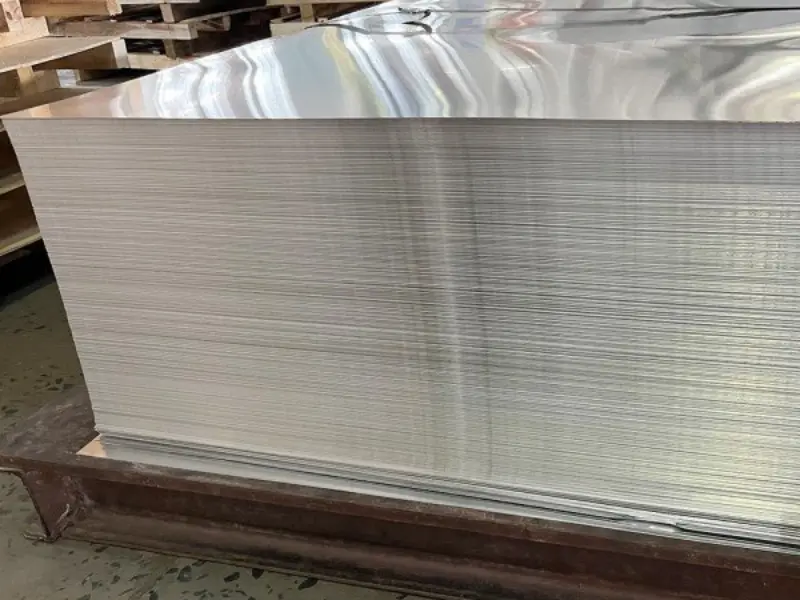
For example:
1050 O
→ Soft and easy to bend.
3003 H14
→ Suitable for many general fabrication projects.
5052 H32
→ Offers useful strength and corrosion resistance.
O Temper vs H14 vs H32
The correct temper can be as important as the alloy.
| Feature | O Temper | H14 | H32 |
|---|---|---|---|
| Hardness | Low | Medium | Medium |
| Bending | Excellent | Good | Good |
| Strength | Lower | Higher | Higher |
| Forming | Easy | Moderate | Moderate |
| Typical Use | Deep forming | General fabrication | Industrial products |
If the sheet needs sharp bending or deep drawing, O temper may be preferred.
If more stiffness is required, H-series tempers may be a better choice.
Different Surface Options for 1mm Aluminium Sheet
A plain mill finish is not the only choice.
Different surface treatments can change the appearance and performance.
Mill Finish Aluminium Sheet
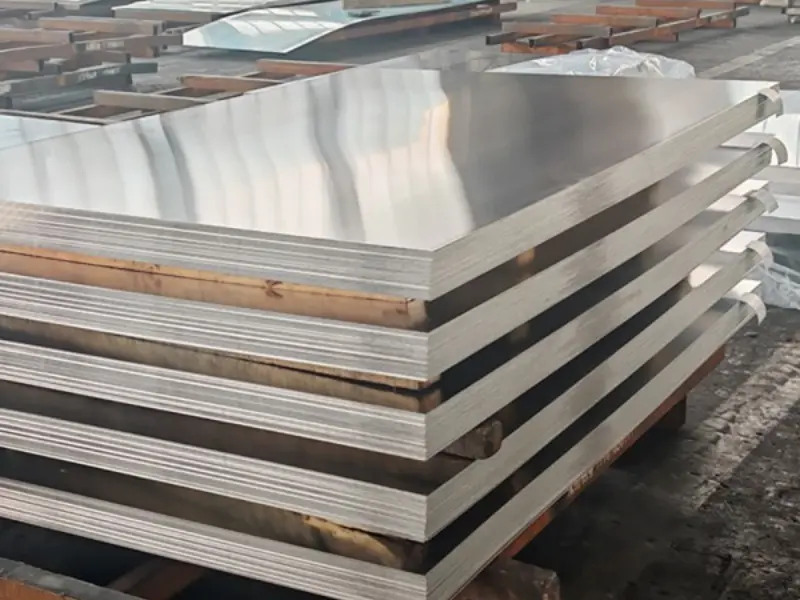
Mill finish is the natural surface produced during manufacturing.
It is widely used for:
- General fabrication
- Industrial equipment
- Further processing
- Cutting and bending
Brushed Aluminium Sheet

A brushed surface has a directional texture.
It is often used for:
- Decorative panels
- Appliances
- Furniture
- Interior products
- Signage
Mirror Aluminium Sheet
Mirror aluminum has a highly reflective surface.
Typical products include:
- Lighting reflectors
- Decoration
- Sign boards
- Interior panels
Anodized Aluminium Sheet
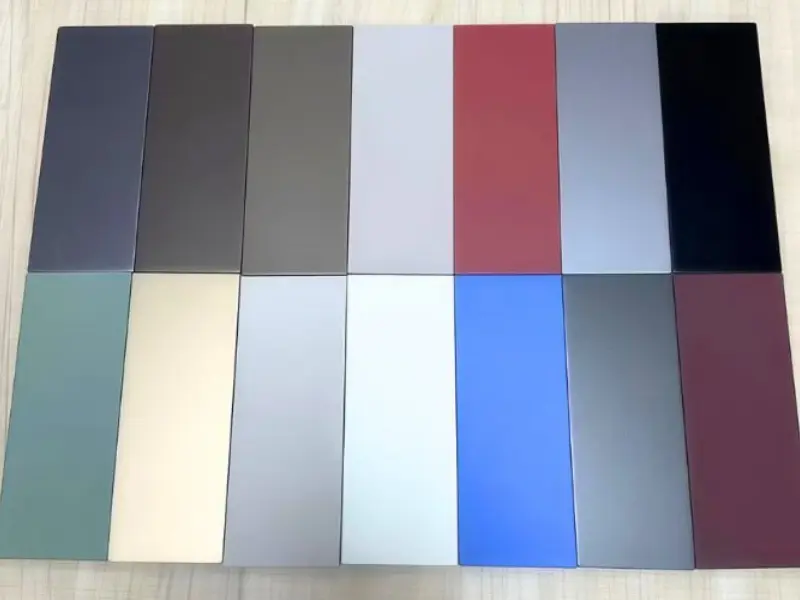
Anodizing creates a controlled oxide layer on the aluminum surface.
It can be used for:
- Architectural panels
- Decorative products
- Electronics
- Signage
- Interior decoration
Painted Aluminium Sheet
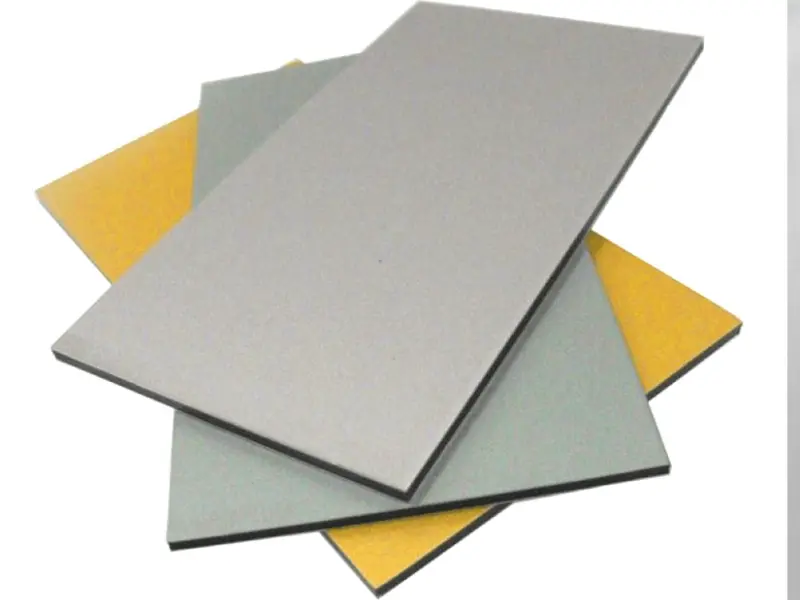
Painted aluminum can be supplied in different colors.
Common applications include:
- Roofing
- Wall panels
- Signage
- Trailers
- Decorative products
Stucco Embossed Aluminium Sheet
A stucco pattern creates a textured surface.
It is commonly associated with:
- Insulation jacketing
- Refrigeration
- Cladding
- Decorative panels
1mm Aluminium Sheet for Bending and Fabrication
A 1mm sheet is relatively easy to process.
Common operations include:
Cutting → Bending → Punching → Drilling → Stamping → Welding
The result depends on the alloy and temper.
For example:
| Processing | Suitable Options |
|---|---|
| Deep drawing | 1050 O, 1060 O |
| General bending | 1050, 3003 |
| Punching | 1050, 3003, 5052 |
| Welding | 3003, 5052, 5754 |
| Structural fabrication | 5052, 6061 |
| Decorative bending | 1050, 1100 |
A material test is useful before large-scale production.
1mm Aluminium Sheet for Roofing and Cladding
Thin aluminum sheets are used in building products.
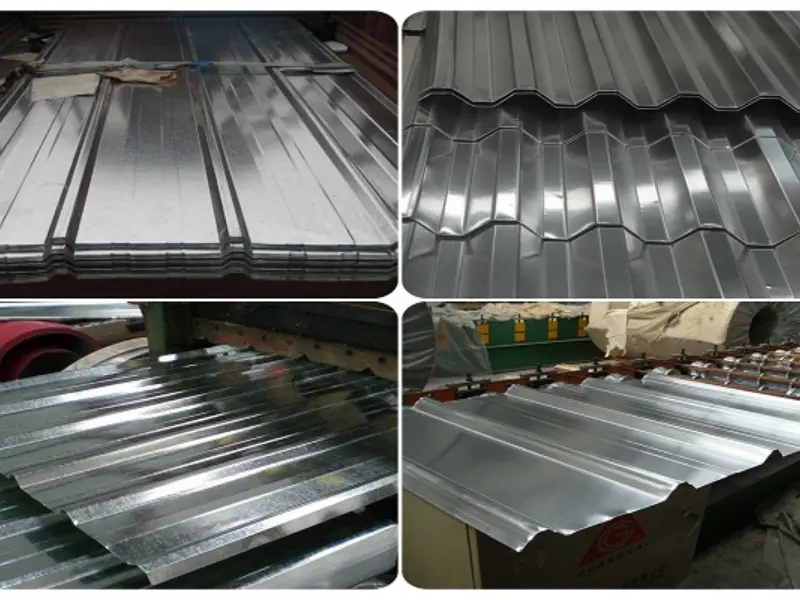
A 1mm thickness may be used for selected roofing and cladding designs.
Common product types include:
- Painted aluminium roofing sheet
- Wall cladding
- Facade panels
- Rainwater systems
- Flashing
- Decorative building panels
For outdoor use, buyers should consider:
Alloy → Coating → Climate → Installation Method → Expected Service Life
For painted products, the coating system is also important.
1mm Aluminium Sheet for Signage

Aluminum is widely used in signs because it is lightweight and corrosion resistant.
A 1mm aluminium sheet may be used for:
- Sign boards
- Direction signs
- Printed signs
- Advertising panels
- Sublimation blanks
- Reflective signs
- Nameplates
Possible surface options include:
→ Mill finish
→ Painted
→ Brushed
→ Mirror
→ Anodized
→ Coated for printing
For printed signs, surface preparation should match the printing process.
1mm Aluminium Sheet for Trailers and Vehicles
Thin aluminum sheet can be used for non-heavy structural components.
Possible uses include:
- Trailer side panels
- Interior panels
- Decorative trim
- Truck body panels
- Vehicle linings
- Equipment covers
For transportation products, 5052 and 5754 are commonly considered because of their strength and corrosion resistance.
The required thickness should be based on the final design and load.
1mm Aluminium Sheet for Marine Products
Aluminum-magnesium alloys are often selected for products exposed to moisture.
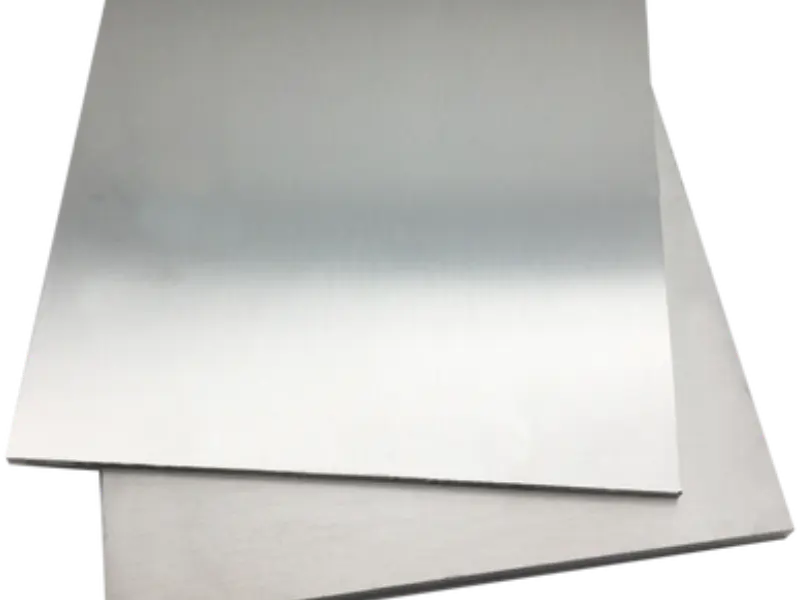
Possible applications include:
- Boat interiors
- Storage compartments
- Equipment covers
- Decorative marine panels
- Light-duty components
For marine projects, alloy selection is important.
5052 and 5754 may be considered depending on the product design.
1mm Aluminium Sheet for Insulation and Jacketing
Thin aluminum sheets can be processed into insulation jacketing.
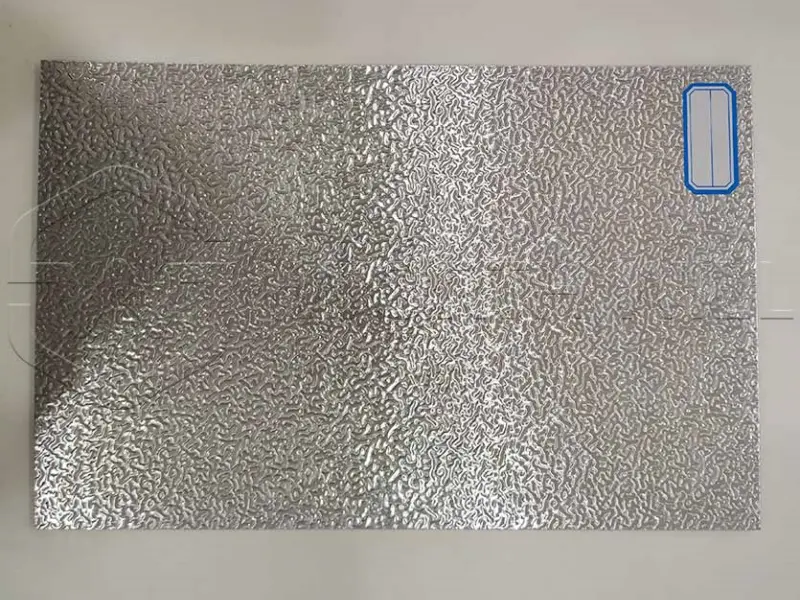
Typical uses include:
- Pipe insulation
- Tank insulation
- HVAC insulation
- Equipment insulation
- Industrial systems
Different surfaces may be selected.
Examples:
Plain sheet → Smooth appearance
Stucco embossed sheet → Textured appearance
The alloy and surface should be selected according to the environment and insulation system.
1mm Aluminium Sheet for Kitchen and Food Equipment
Aluminum is used in many fabricated products.
Depending on the alloy and design, thin sheets can be processed into:
- Kitchen panels
- Equipment covers
- Food processing equipment
- Storage products
- Appliances
- Counter components
The correct grade should be selected according to hygiene, corrosion, and fabrication requirements.
1mm Aluminium Sheet for Decoration
Aluminum can provide a modern metallic appearance.
Decorative products include:
- Wall panels
- Ceiling panels
- Furniture
- Elevator decoration
- Retail displays
- Interior trim
- Exhibition panels
A 1mm thickness can be easier to bend into different shapes.
Different finishes can create completely different visual effects.
Plain Aluminium Sheet vs Coated Aluminium Sheet
| Feature | Plain Sheet | Coated Sheet |
|---|---|---|
| Surface | Natural aluminum | Painted or coated |
| Appearance | Metallic | Different colors |
| Further Processing | Flexible | Depends on coating |
| Outdoor Use | Depends on alloy | Coating adds protection |
| Typical Products | Fabrication | Roofing and decoration |
The right choice depends on whether the customer plans to paint or coat the material later.
1mm Aluminium Sheet vs 0.8mm Aluminium Sheet
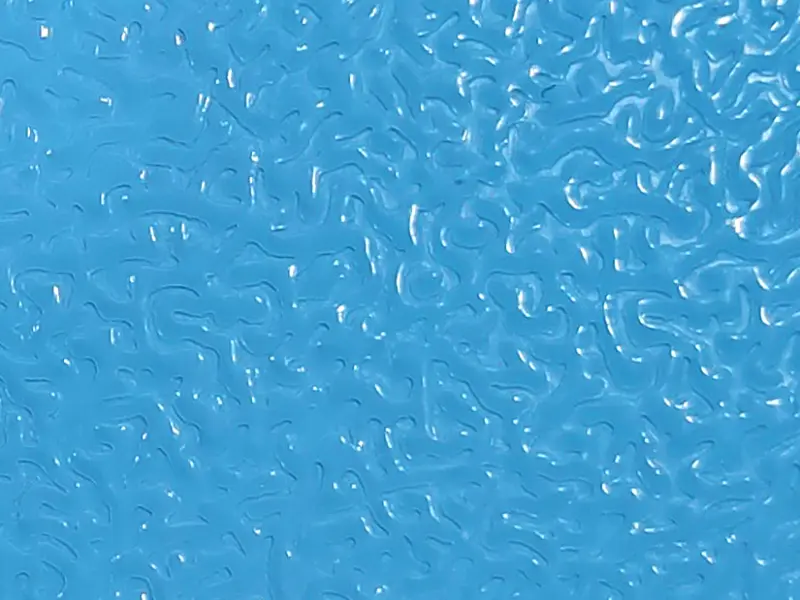
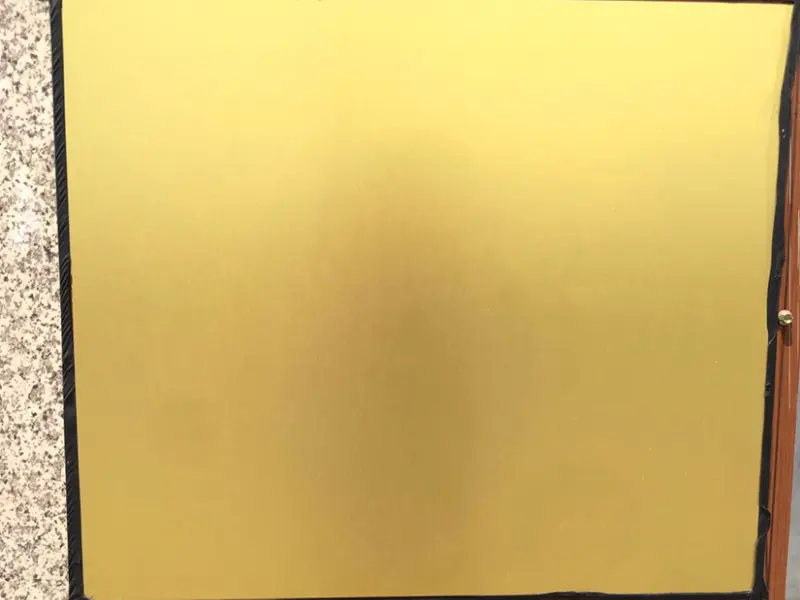
A 0.8mm sheet is lighter.
A 1mm sheet provides more material thickness and stiffness.
| Feature | 0.8mm | 1mm |
|---|---|---|
| Weight | Lower | Higher |
| Stiffness | Lower | Higher |
| Material Cost | Lower | Higher |
| Bending | Easier | Slightly more resistance |
| General Use | Light panels | Wider range of fabrication |
The best option depends on the design.
1mm Aluminium Sheet vs 1.5mm Aluminium Sheet
A 1.5mm aluminium sheet is heavier and generally stiffer.
| Feature | 1mm | 1.5mm |
|---|---|---|
| Weight per m² | About 2.7 kg | About 4.05 kg |
| Material Usage | Lower | Higher |
| Stiffness | Moderate | Higher |
| Forming | Easier | More difficult |
| Typical Use | Panels and fabrication | Stronger fabricated parts |
If weight reduction is important, 1mm may be preferable.
If additional stiffness is needed, 1.5mm may be considered.
1mm Aluminium Sheet vs Steel Sheet
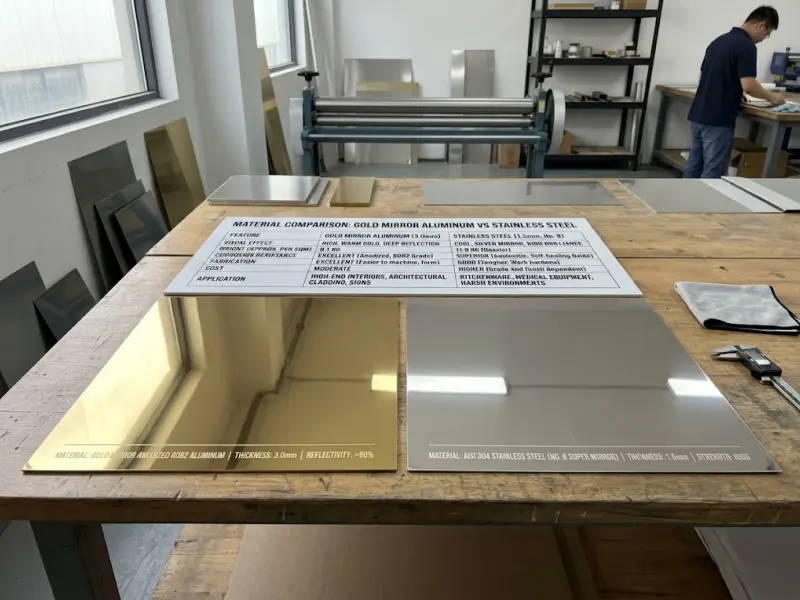
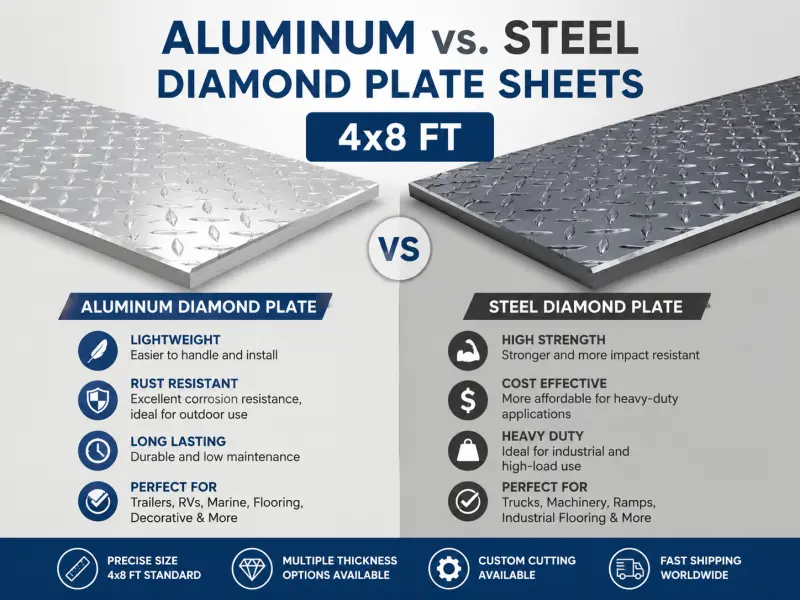
Aluminum and steel have different advantages.
| Property | 1mm Aluminium | 1mm Steel |
|---|---|---|
| Weight | Much lower | Higher |
| Corrosion Resistance | Good | Depends on coating |
| Formability | Good | Depends on grade |
| Electrical Conductivity | High | Lower |
| Surface Appearance | Bright metallic | Industrial |
| Strength | Depends on alloy | Often higher |
A 1mm aluminum sheet cannot always directly replace a 1mm steel sheet.
The design should consider mechanical requirements.
Common Product Types Available in 1mm Thickness
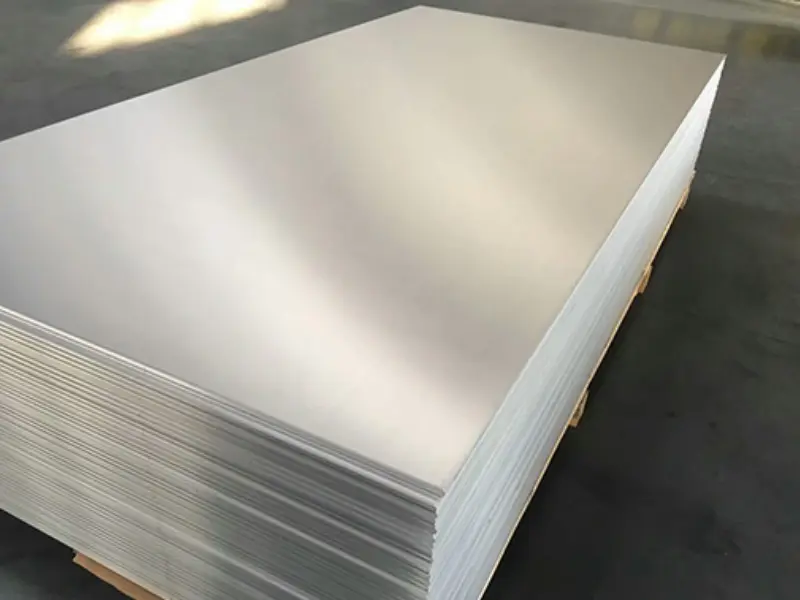
A 1mm thickness can be supplied in many forms.
1mm Aluminium Plain Sheet
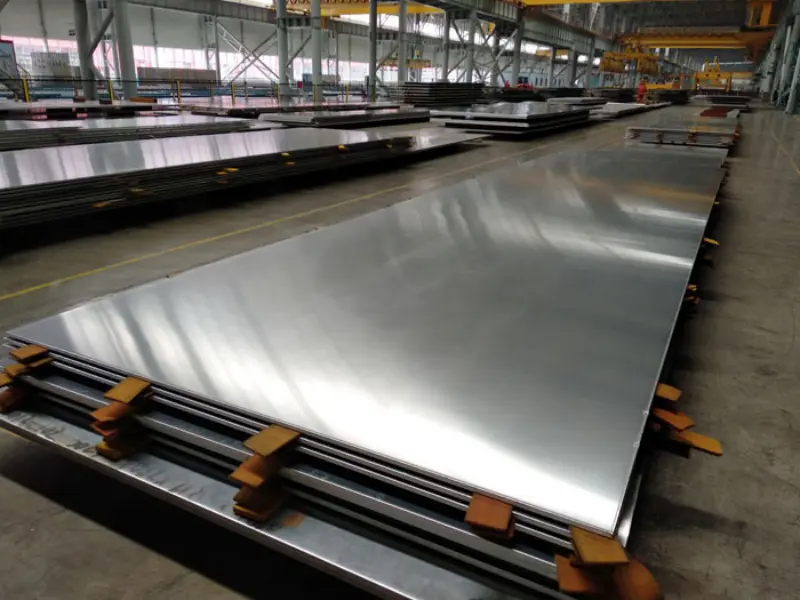
A standard flat sheet for cutting and fabrication.
Common alloys:
- 1050
- 1060
- 1100
- 3003
- 5052
1mm Colour Coated Aluminium Sheet
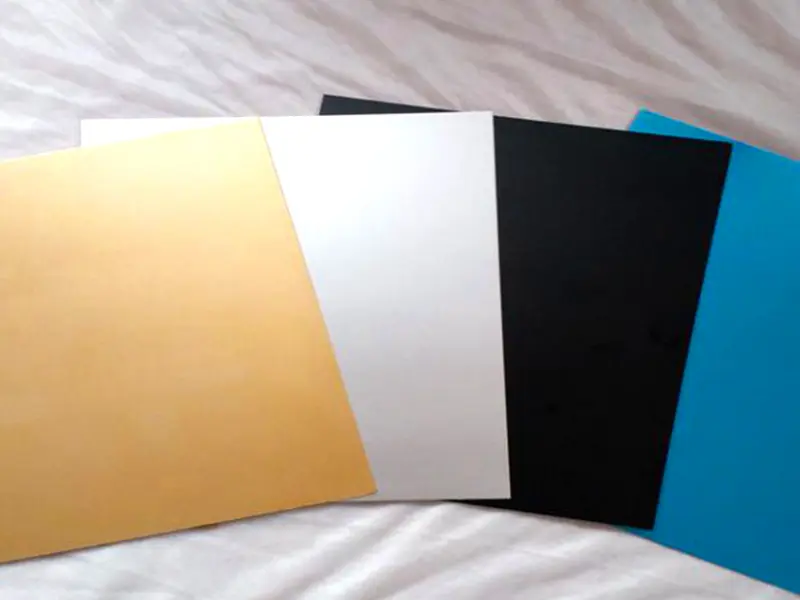
A painted product for decorative and building uses.
Common options include:
- White
- Black
- Red
- Blue
- Grey
- Custom colors
1mm Anodized Aluminium Sheet
Available finishes may include:
- Silver
- Gold
- Black
- Bronze
- Custom colors
1mm Brushed Aluminum Sheet
Often used for decorative panels and appliances.
1mm Mirror Aluminum Sheet
Suitable for reflective and decorative products.
1mm Stucco Embossed Aluminum Sheet
Commonly used for insulation and decorative cladding.
1mm Aluminium Sublimation Sheet
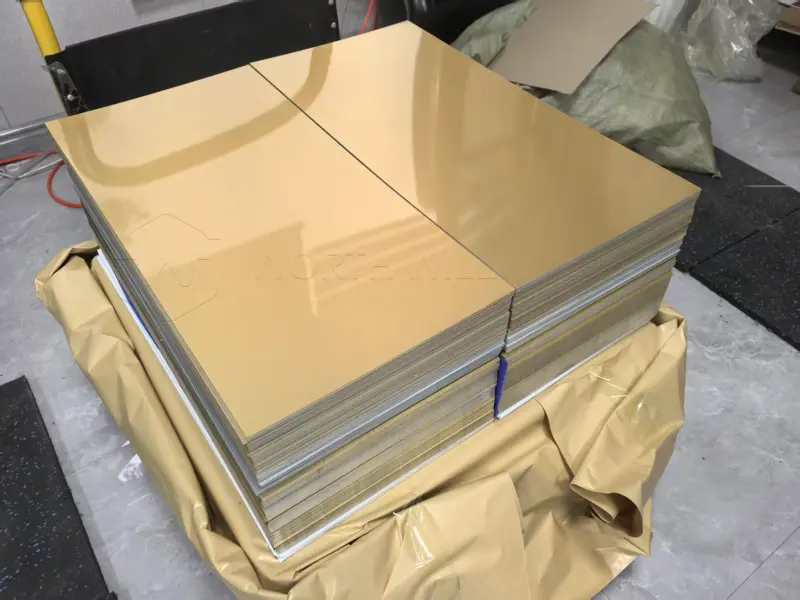
A coated aluminum sheet designed for sublimation printing.
It may be used for:
- Photo panels
- Nameplates
- Advertising products
- Personalized gifts
- Decorative signs
1mm Aluminum Sheet Cut to Size
Cut-to-size products can reduce processing work.
Customers can order:
Thickness → Width → Length → Quantity
This can help reduce material waste.
Typical Industries Using 1mm Aluminum Sheet
The product can serve many industries.
Construction → Roofing, cladding, flashing
Transportation → Trailers, trucks, vehicle panels
Signage → Advertising boards and signs
Decoration → Interior panels and displays
HVAC → Duct components and insulation
Industrial → Equipment covers and fabricated parts
Marine → Light-duty panels and accessories
Electrical → Selected conductive components
Printing → Sublimation and coated metal blanks
Furniture → Decorative and functional components
How to Select the Right 1mm Aluminium Sheet
A simple purchasing process can be:
First: Confirm the Application
Ask:
What will the sheet be used for?
A decorative panel and a truck component do not need the same alloy.
Next: Select the Alloy
Examples:
Easy bending → 1050 or 1060
General fabrication → 3003
Outdoor and transportation → 5052 or 5754
Higher strength → 6061
Then: Select the Temper
For example:
Deep forming → O temper
General sheet work → H14
Industrial panels → H32 or similar suitable temper
Choose the Size
Common choices include:
- 1000 × 2000 mm
- 1220 × 2440 mm
- 1250 × 2500 mm
- Custom cut-to-size
Confirm the Surface
Options may include:
- Mill finish
- Brushed
- Mirror
- Anodized
- Painted
- Embossed
- Protective film
Information Needed for a 1mm Aluminium Sheet Quote
A clear request can look like this:
| Item | Example |
|---|---|
| Product | Aluminium Sheet |
| Alloy | 5052 |
| Temper | H32 |
| Thickness | 1.0 mm |
| Width | 1250 mm |
| Length | 2500 mm |
| Surface | Mill finish |
| Protective Film | Required |
| Quantity | 500 sheets |
| Processing | Cut to size |
| Destination | Customer’s port or warehouse |
The more complete the specification, the easier it is to compare quotations.
Packing Options for Aluminium Sheet
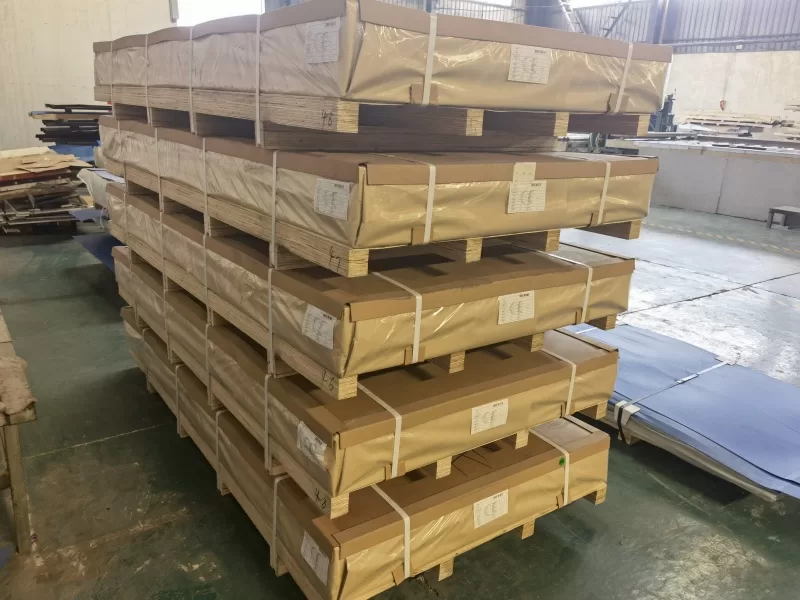
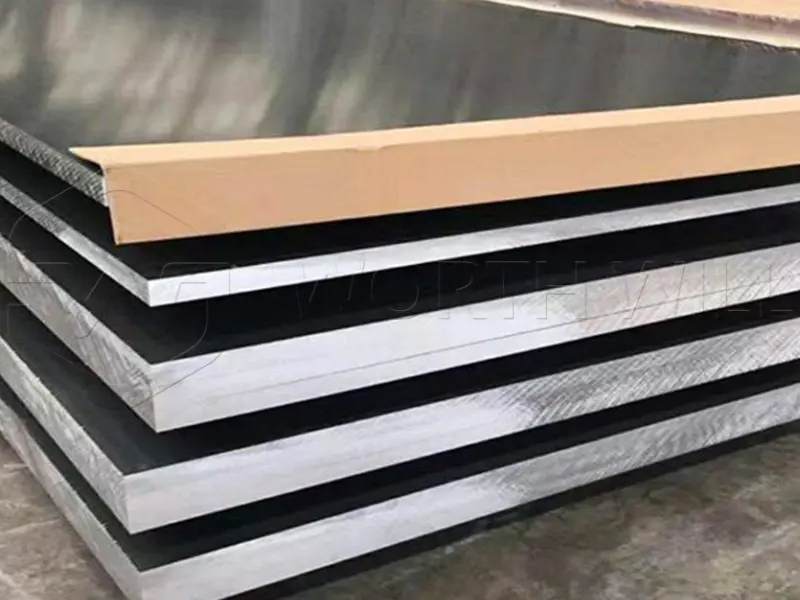
Export packing can include:
→ Protective film
→ Interleaving paper
Waterproof paper
Plastic wrapping
Wooden pallets
→ Corner protection
→ Steel straps
For thin aluminum sheets, surface protection is important because scratches and dents can occur during transportation.
Related Aluminium Sheet Products
Buyers searching for aluminium sheet 1mm may also be interested in:
- 1mm aluminium sheet 4 × 8
- 1mm aluminium plate
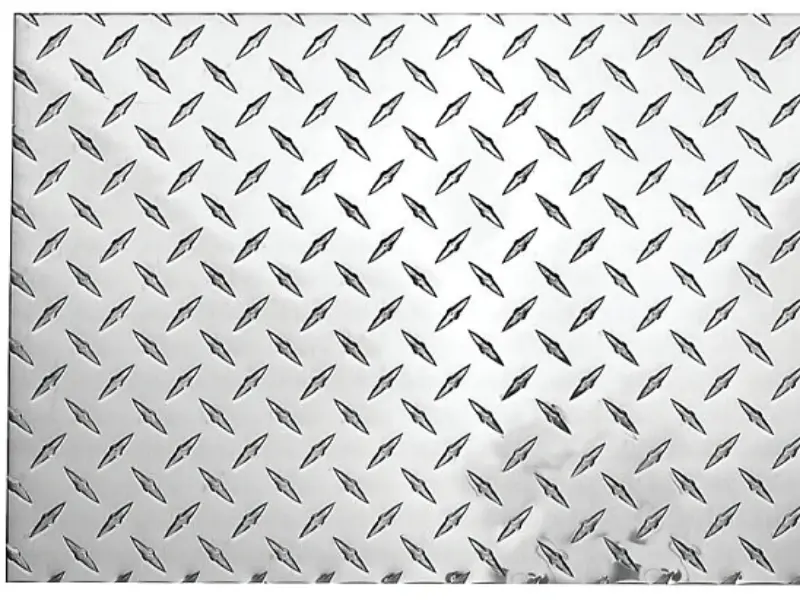
- 1mm aluminum checker plate
- 1mm anodized aluminum sheet
- 1mm brushed aluminum sheet
- 1mm mirror aluminum sheet
- 1mm colour coated aluminum sheet
- 1mm 1050 aluminum sheet
- 1mm 1060 aluminum sheet
- 1mm 3003 aluminum sheet
- 1mm 5052 aluminum sheet
- 1mm aluminum sheet cut to size
- thin aluminium sheet
- aluminium sheet for bending
- aluminium sheet for signage
- aluminium sheet for trailers
- aluminium sheet for roofing
- aluminium sheet supplier
Finding the Right Aluminium Sheet for Your Project
A 1mm aluminium sheet is not just one standard product.
For easy forming
→ 1050 / 1060 / O temper
For general fabrication
→ 3003 / H14
For transportation
→ 5052 / H32 or suitable temper
For outdoor panels
→ 3105 / 5052 / coated surface
For decoration
→ Brushed / mirror / anodized finishes
For roofing and cladding
→ Painted aluminum sheet
For custom fabrication
→ Cut-to-size sheets with protective film
By comparing alloy, temper, size, surface, and processing requirements, buyers can choose a material that matches both the project and the budget.
Why Thickness Alone Is Not Enough
When purchasing aluminium sheet 1mm, two products with the same thickness can perform very differently.
For example:
1mm 1050 O
→ Soft and easy to form.
1mm 3003 H14
→ More strength for general fabrication.
1mm 5052 H32
→ Higher strength and excellent corrosion resistance.
1mm 6061
→ Higher strength for selected engineering applications.
This is why a complete specification is important.
The best purchasing method is:
Application → Alloy → Temper → Thickness → Size → Surface → Processing
This makes it easier to receive accurate quotations and avoid purchasing the wrong material.
Aluminium Sheet 1mm: A Practical Buying Summary
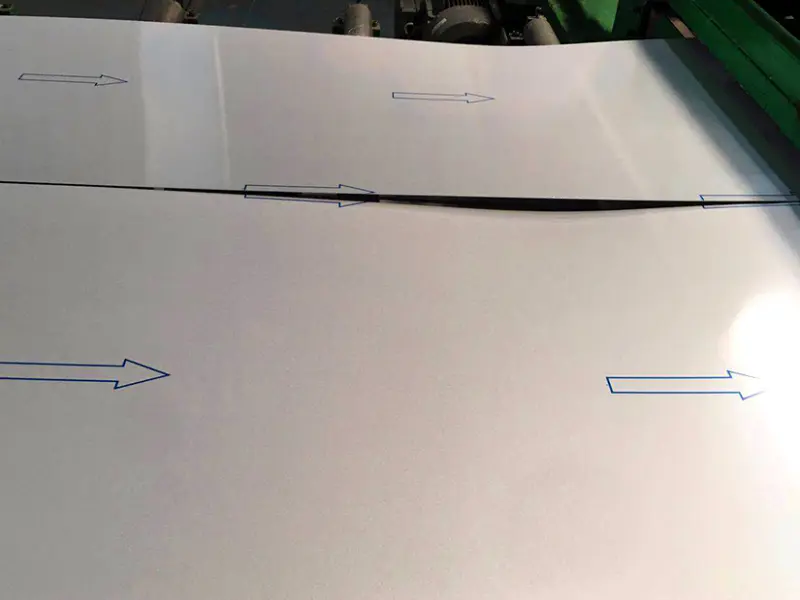
For customers looking for thin aluminum sheet, 1mm offers a useful balance between weight, processing, and material performance.
It can be supplied as a plain sheet, painted sheet, anodized sheet, brushed sheet, mirror sheet, embossed sheet, or custom blank.
Different alloys allow the material to serve different industries.
1050 / 1060
→ Good for forming and general use.
3003
→ A balanced choice for fabrication.
3105
→ Commonly considered for painted building products.
5052 / 5754
→ Suitable for projects requiring better strength and corrosion resistance.
6061
→ Used for selected higher-strength applications.
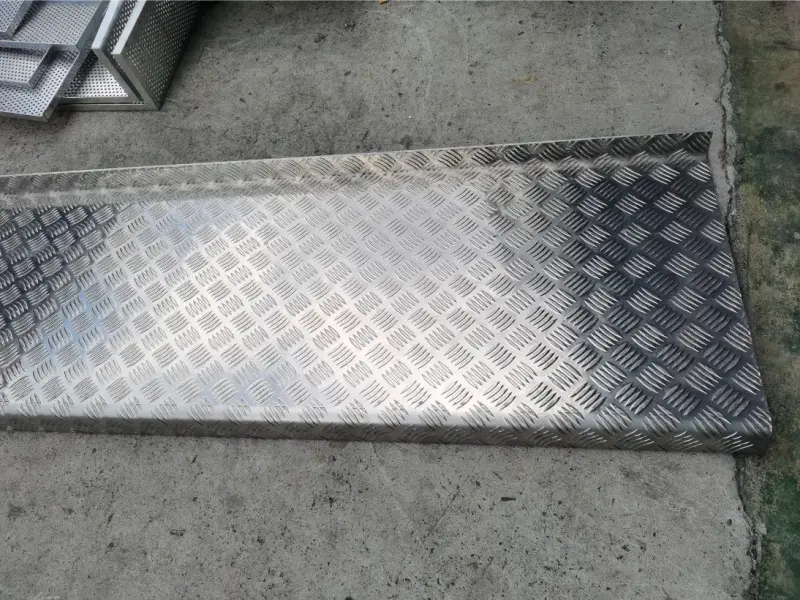
Before placing an order, confirm the full specification, especially the alloy, temper, thickness tolerance, sheet size, surface finish, quantity, and packing requirements.
A clear specification helps suppliers provide the correct material and helps buyers compare prices more accurately.
Aluminium Sheet 1mm FAQ
What is the weight of a 1mm aluminium sheet?
A 1mm aluminum sheet weighs approximately 2.7 kg per square meter.
For a 1220 × 2440 mm sheet, the approximate theoretical weight is about 8 kg.
What alloys are available in 1mm aluminium sheet?
Common options include 1050, 1060, 1100, 3003, 3105, 5052, 5754, and 6061.
The available alloy depends on the supplier and product type.
Is 1mm aluminium sheet easy to bend?
Many 1mm aluminum sheets are easy to bend, especially softer grades and tempers.
For example, 1050 O and 1060 O generally provide good forming performance.
What is the best alloy for a 1mm aluminium sheet?
There is no single best alloy.
1050 may be suitable for bending.
3003 can be suitable for general fabrication.
5052 and 5754 may be better for applications requiring higher strength and corrosion resistance.
6061 can be considered for higher-strength engineering products.
Can I buy a 1mm aluminium sheet in 4 × 8 size?
Yes. A common 4 × 8 size is approximately 1220 × 2440 mm.
Availability depends on the alloy and supplier.
Can a 1mm aluminium sheet be used outdoors?
Yes, depending on the alloy and surface treatment.
For outdoor products, corrosion resistance, coating, climate, and installation should all be considered.
Is 1mm aluminium sheet suitable for trailers?
It can be used for certain trailer panels and fabricated components.
However, the correct alloy and thickness depend on the structural design and loading requirements.
Can 1mm aluminium sheet be welded?
Many aluminum alloys can be welded.
The welding method and filler material should match the alloy.
3003, 5052, and 5754 are commonly used in fabricated products.
Can 1mm aluminium sheet be painted?
Yes. The surface should be properly cleaned and prepared before painting.
Alternatively, pre-painted aluminum sheet can be purchased.
Can I order a custom size?
Yes. Aluminium sheets can often be supplied in custom widths and lengths or cut into smaller blanks.
The minimum order quantity may depend on the processing requirement.
What is the difference between 1mm and 0.040 aluminium sheet?
A 1mm sheet is approximately 0.0394 inches.
A 0.040-inch aluminum sheet is approximately 1.016 mm.
The difference is small, but buyers should check the tolerance required for their project.
Is 1mm aluminium sheet strong enough?
Strength depends on the alloy, temper, support structure, and application.
A 1mm sheet may be suitable for decorative panels and fabricated products, but it may not be suitable for heavy structural loads without proper support.