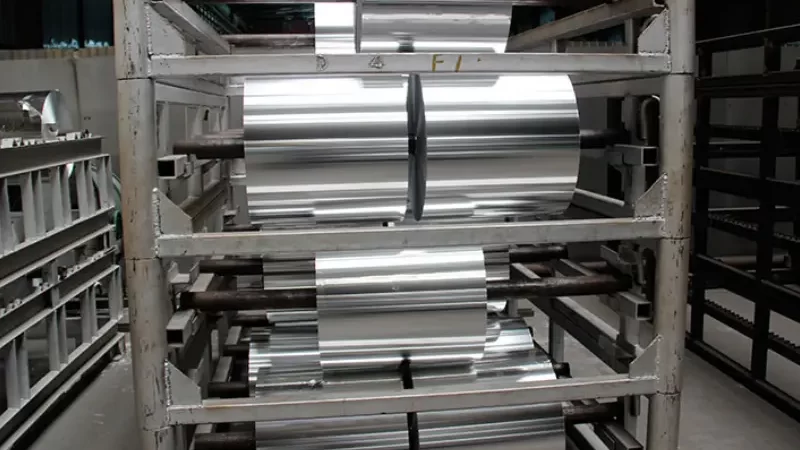
Aluminium foil packaging plays a vital role in modern manufacturing and daily life.
This thin, flexible material protects food, medicine, and consumer goods from moisture, light, oxygen, and bacteria. From the chocolate wrapper in your pocket to the blister pack in your medicine cabinet, aluminium foil delivers unmatched barrier performance.
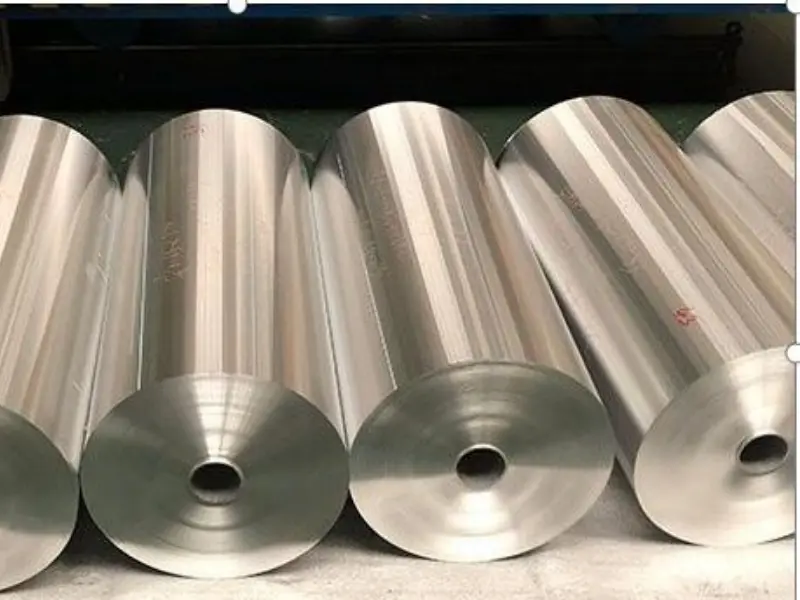
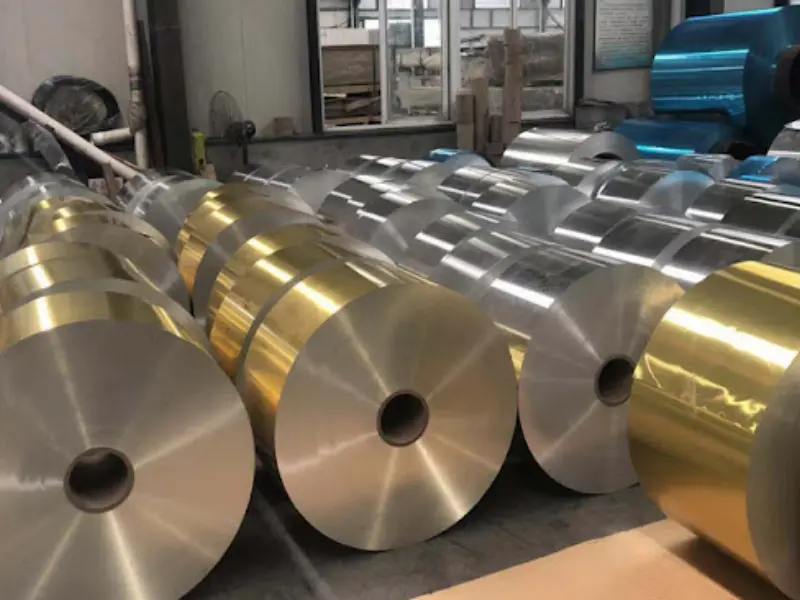
Why Aluminium Foil Dominates the Packaging World
Aluminium foil offers a rare combination of properties that no other packaging material can match. It is lightweight, fully recyclable, and provides a complete barrier against environmental factors that spoil products.
Key advantages of aluminium foil packaging include:
- Total barrier against moisture, oxygen, light, and odors
- Excellent thermal conductivity for even heating and cooling
- Non-toxic and safe for direct food and pharmaceutical contact
- Dead-fold property that holds shape after wrapping
- 100% recyclable without quality loss
- Lightweight nature that reduces shipping costs
- Compatibility with printing, embossing, and lamination
- Wide temperature range from deep freeze to oven heat
The foil is made by rolling aluminium ingots into extremely thin sheets. Food-grade foil typically ranges from 0.006 mm to 0.2 mm thick. Some ultra-thin foils are finer than a human hair yet still provide reliable protection.
Aluminium Foil Packaging Alloy Types Explained
Not all aluminium foil is the same. Different alloys offer different strengths, formability, and costs. Choosing the right alloy ensures your packaging performs as expected.
Alloy 1235 Foil for Packaging
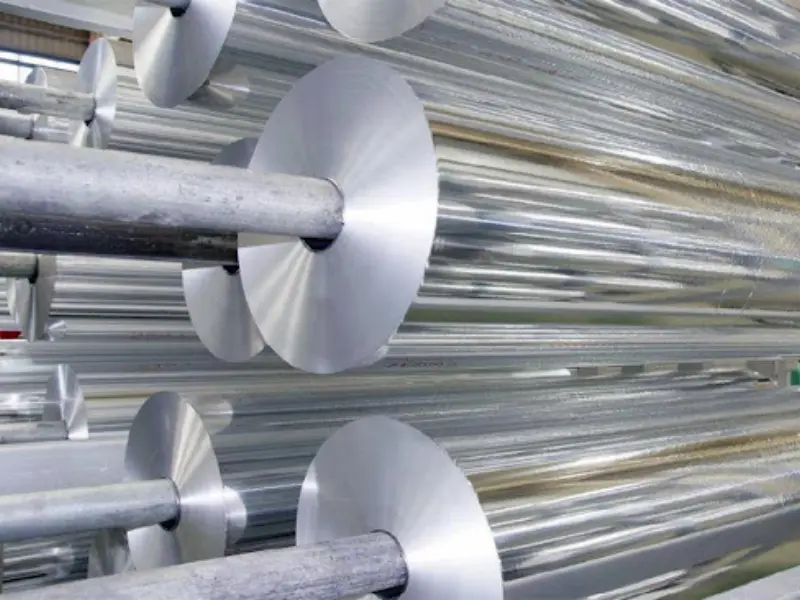
Alloy 1235 is a high-purity aluminium foil containing at least 99.35% aluminium. This high purity gives it excellent softness and ductility. It is the go-to choice when flexibility and surface cleanliness matter most.
Typical composition of 1235 foil:
| Element | Specification (%) | Role |
|---|---|---|
| Aluminium | ≥ 99.35 | Base metal, ensures purity |
| Iron (Fe) | ≤ 0.65 | Trace element |
| Silicon (Si) | ≤ 0.10 | Trace element |
| Copper (Cu) | ≤ 0.05 | Trace element |
| Others | ≤ 0.15 | Controlled impurities |
Alloy 1235 foil excels in applications requiring ultra-thin gauges. It is widely used for cigarette inner liners, capacitor foils, and flexible laminates. The softness of 1235 makes it ideal for high-speed packaging lines where tearing or cracking would cause downtime.
Typical uses for 1235 foil:
- Cigarette packaging inner liners
- Flexible food packaging laminates
- Electrical capacitor foils
- Cable wrapping and insulation
- Battery packaging materials
- High-purity packaging applications
Alloy 8011 Foil for Packaging
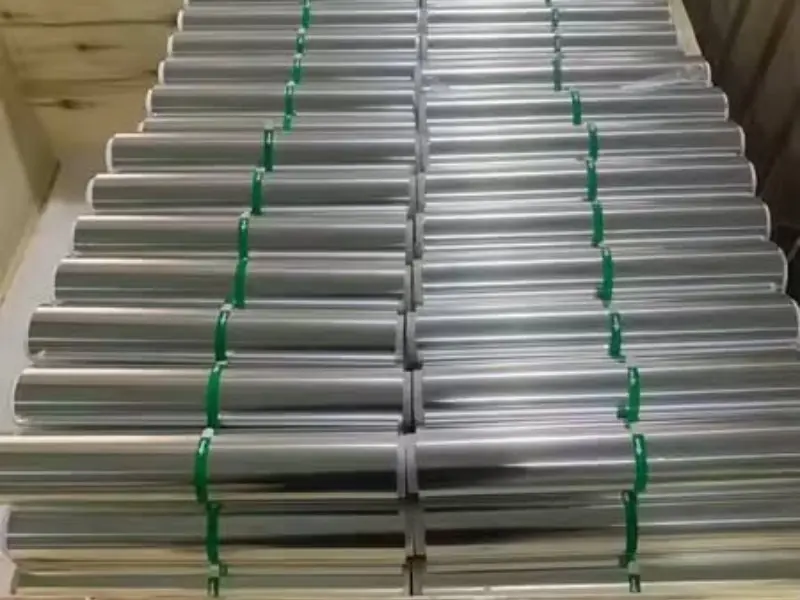
Alloy 8011 is the workhorse of the aluminium foil packaging industry. It is an Al-Fe-Si alloy that balances strength, formability, and cost. This alloy is the most widely used grade for household foil, food containers, and pharmaceutical packaging.
Typical composition of 8011 foil:
| Element | Specification (%) | Role |
|---|---|---|
| Aluminium | Balance | Base metal |
| Silicon (Si) | 0.50 – 0.90 | Improves castability and strength |
| Iron (Fe) | 0.60 – 1.00 | Increases strength and stiffness |
| Copper (Cu) | ≤ 0.10 | Trace element |
| Manganese (Mn) | ≤ 0.20 | Grain control |
| Others | ≤ 0.15 | Controlled impurities |
Alloy 8011 offers higher tensile strength than 1235. This extra strength makes it suitable for applications where puncture resistance matters. It forms well into containers, lids, and trays without cracking.
Typical uses for 8011 foil:
- Household kitchen foil rolls
- Food container foil and trays
- Pharmaceutical blister packs
- Heat-seal lidding for yogurt cups
- Bottle cap and closure materials
- Beer neck foil labels
- Airline meal containers
Alloy 8079 Foil for Packaging
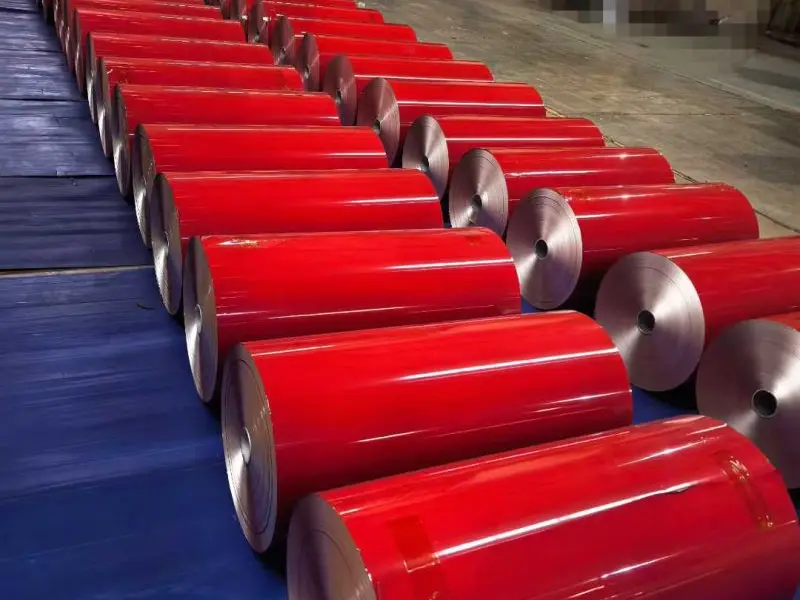
Alloy 8079 is a specialized grade known for exceptional ductility and barrier performance. It contains higher iron content than 8011, which improves strength and tear resistance during deep forming operations.
Typical composition of 8079 foil:
| Element | Specification (%) | Role |
|---|---|---|
| Aluminium | Balance | Base metal |
| Silicon (Si) | 0.05 – 0.30 | Controlled for formability |
| Iron (Fe) | 0.70 – 1.30 | Increases strength and elongation |
| Copper (Cu) | ≤ 0.05 | Trace element |
| Zinc (Zn) | ≤ 0.10 | Trace element |
| Others | ≤ 0.15 | Controlled impurities |
Alloy 8079 foil shows the highest elongation among common packaging alloys. This makes it perfect for deep-drawn pouches, complex laminates, and applications where the foil must stretch without breaking.
Typical uses for 8079 foil:
- Deep-drawn pharmaceutical cold-form foil
- Complex flexible packaging laminates
- Retort pouch applications
- Yogurt and dairy lidding
- High-barrier food packaging
- Vape and specialty product packaging
Alloy 8021 Foil for Pharmaceutical Packaging
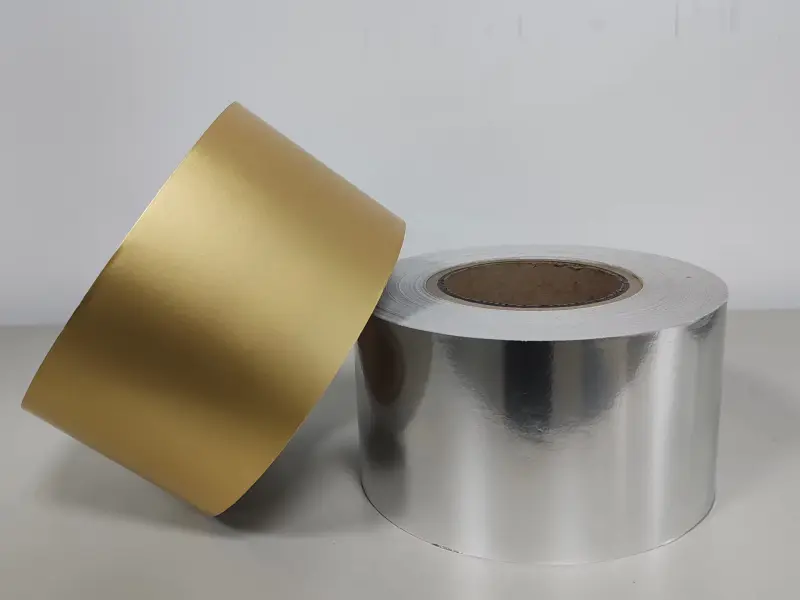
Alloy 8021 is a high-strength grade designed specifically for demanding pharmaceutical applications. It offers superior moisture barrier properties and is often used in cold-form blister packs where maximum protection is required.
Typical composition of 8021 foil:
| Element | Specification (%) | Role |
|---|---|---|
| Aluminium | Balance | Base metal |
| Silicon (Si) | ≤ 0.15 | Low for purity |
| Iron (Fe) | 1.20 – 1.70 | High iron for strength |
| Others | ≤ 0.15 | Controlled impurities |
Alloy 8021 foil is harder and stronger than 8011. It is the preferred choice for pharmaceutical cold-form foil where the material must form into deep cavities without pinholes or cracks.
Typical uses for 8021 foil:
- Pharmaceutical cold-form blister packs
- High-barrier medicine packaging
- Tropical climate blister foil
- Deep-drawn pharmaceutical containers
Alloy 3003 Foil for Food Containers
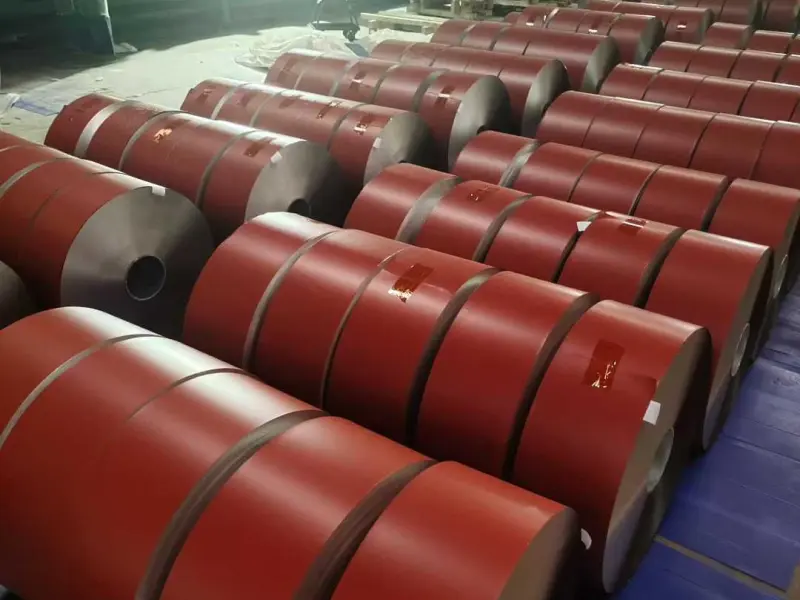
Alloy 3003 is a manganese-based alloy used mainly for semi-rigid food containers. It offers good strength and formability for tray and pan applications.
Typical composition of 3003 foil:
| Element | Specification (%) | Role |
|---|---|---|
| Aluminium | Balance | Base metal |
| Manganese (Mn) | 1.00 – 1.50 | Primary strengthening element |
| Iron (Fe) | ≤ 0.70 | Trace element |
| Silicon (Si) | ≤ 0.60 | Trace element |
| Copper (Cu) | 0.05 – 0.20 | Improves strength |
Alloy 3003 is stronger than 8011 in the H24 temper. It is commonly used for foil containers that need rigidity, such as airline meal trays, takeout containers, and baking pans.
Alloy Comparison: Which Foil Grade Fits Your Needs
Choosing between 1235, 8011, 8079, and 8021 depends on your specific application requirements. The table below simplifies the decision process.
| Property | 1235 | 8011 | 8079 | 8021 |
|---|---|---|---|---|
| Aluminium Purity | ≥ 99.35% | ~ 98.5% | ~ 98.5% | ~ 98.5% |
| Tensile Strength | Low | Medium-High | High | Very High |
| Elongation | Excellent | Good | Excellent | Moderate |
| Ductility | Very High | Good | Very High | Moderate |
| Puncture Resistance | Low | Good | Better | Best |
| Deep Drawing | Limited | Good | Excellent | Excellent |
| Cost | Higher | Lower | Medium | Higher |
| Best For | Ultra-thin, soft | General purpose | Deep forming | Pharma barrier |
When to Choose Each Alloy
Use this quick guide to match alloy to application:
| If Your Project Needs… | Choose This Alloy |
|---|---|
| Maximum softness and flexibility | 1235 |
| Best cost-performance balance | 8011 |
| Deep drawing without tearing | 8079 |
| Maximum barrier and strength | 8021 |
| Rigid container formability | 3003 |
| Ultra-thin gauge below 7 microns | 1235 |
| High-speed packaging line stability | 8011 or 8079 |
| Pharmaceutical cold-form blister | 8021 or 8079 |
Aluminium Foil Packaging Thickness Guide
Thickness is one of the most critical factors in foil packaging. It determines barrier strength, puncture resistance, and formability. Thickness is measured in micrometers (µm), millimeters (mm), or mils (1 mil = 25.4 µm).
For Thickness Categories and Uses
| Thickness Range | Category | Typical Uses | Key Properties |
|---|---|---|---|
| 6 – 9 µm | Ultra-thin | Cigarette liners, capacitor foil, laminate layers | Maximum flexibility, low cost |
| 10 – 16 µm | Standard thin | Chocolate wrapping, flexible pouches, household foil | Good balance of strength and flexibility |
| 17 – 24 µm | Medium | Yogurt lidding, cheese wrapping, heavy-duty kitchen foil | Better puncture resistance |
| 25 – 40 µm | Heavy | Food containers, pharmaceutical lidding, grilling foil | High strength, good formability |
| 45 – 60 µm | Cold-form | Pharmaceutical blister packs, deep-drawn trays | Deep drawing capability |
| 80 – 200 µm | Extra heavy | Semi-rigid containers, industrial insulation | Maximum rigidity |
Thickness by Application Type
| Application | Typical Thickness | Alloy | Temper |
|---|---|---|---|
| Cigarette inner liner | 6 – 7 µm | 1235, 8079 | O |
| Chocolate wrapping | 7 – 12 µm | 1235, 8011 | O |
| Flexible food pouch | 6 – 20 µm | 1235, 8079 | O |
| Yogurt cup lidding | 20 – 40 µm | 8011, 8079 | O |
| Cheese wrapping | 12 – 20 µm | 8011 | O |
| Household foil roll | 10 – 20 µm | 8011, 1235 | O |
| Pharmaceutical blister lidding | 18 – 30 µm | 8011, 8021 | H18 |
| Cold-form pharma foil | 45 – 60 µm | 8021, 8079 | O |
| Food container foil | 40 – 95 µm | 3003, 8011 | H22, H24 |
| Airline meal tray | 50 – 80 µm | 3003, 8011 | H24 |
| Beer neck label | 9 – 12 µm | 8011 | O |
| Tape foil | 10 – 50 µm | 8011, 1235 | O |
Industry Trend Toward Thinner Foil
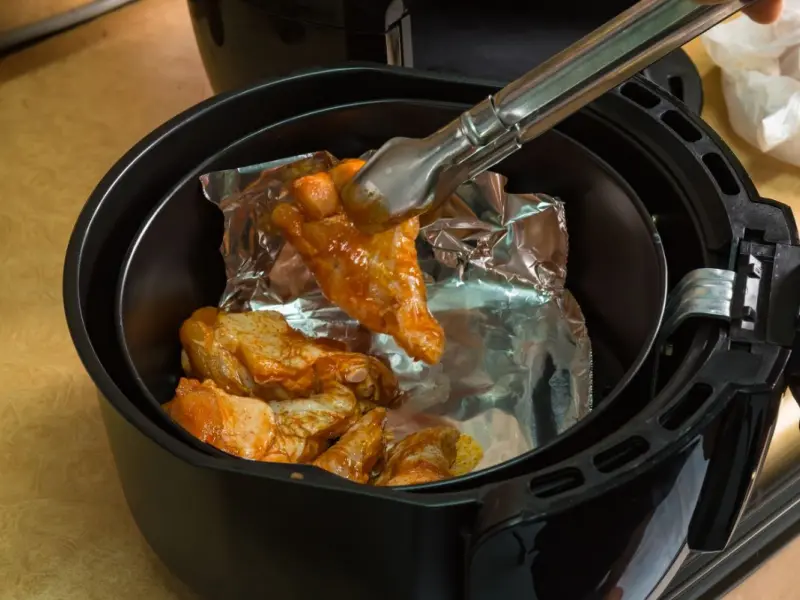
The packaging industry continues to push for thinner foils. This trend reduces material costs and environmental impact. In the chocolate sector alone, average foil thickness has dropped by about 30% over the past two decades. Current averages now fall between 7 and 15 µm.
However, thinner foil requires better alloy control and surface quality. Pinholes become more critical as thickness decreases. Suppliers must maintain strict quality standards to ensure barrier performance at ultra-thin gauges.
Aluminium Foil Packaging Temper Designations
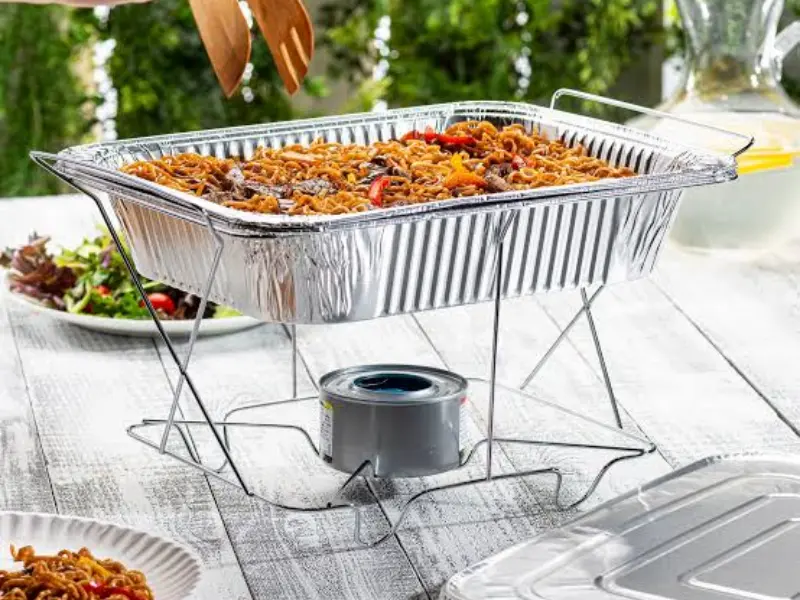
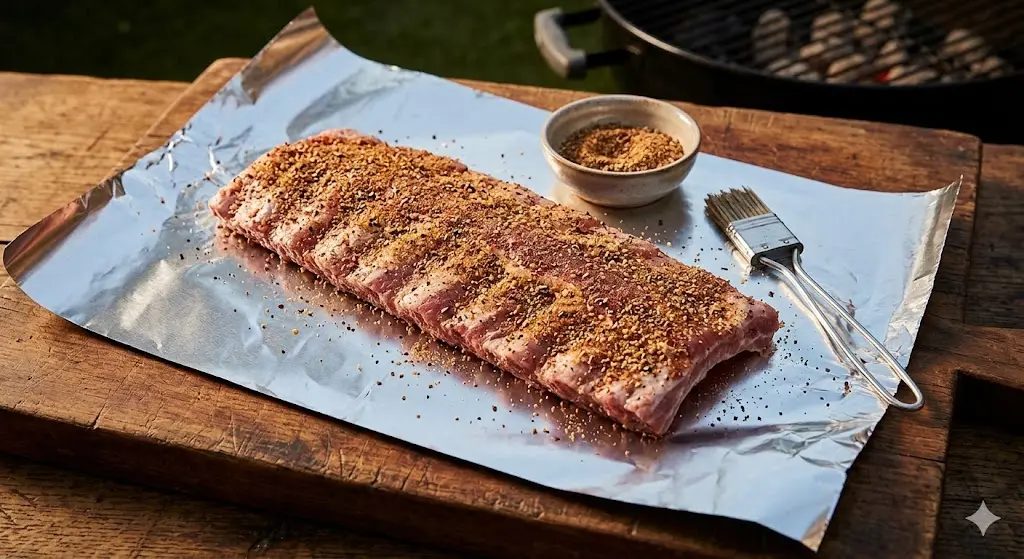
The temper tells you how the foil was processed after rolling. Each temper produces different mechanical properties.
Soft Temper (O / H0)
Soft temper foil is fully annealed. It is the most flexible and ductile condition. Soft foil is used for wrapping, laminating, and applications where the material must conform to irregular shapes.
Typical properties of soft temper foil:
| Property | Value Range |
|---|---|
| Tensile Strength | 45 – 105 MPa |
| Elongation | 0.5% – 2.0% (thin gauge) |
| Hardness | Very soft |
| Formability | Excellent |
Most packaging foil uses soft temper. It allows easy folding, wrapping, and sealing.
Hard Temper (H18)
Hard temper foil is work-hardened without annealing. It is stiff and strong but less formable. Hard temper is used for pharmaceutical blister packs where rigidity helps the foil push through the backing.
Typical properties of hard temper foil:
| Property | Value Range |
|---|---|
| Tensile Strength | 150 – 220 MPa |
| Elongation | Low |
| Hardness | Hard |
| Formability | Limited |
Quarter-Hard Temper (H22 / H24)
These intermediate tempers offer a balance between strength and formability. H24 is commonly used for food container foil where some rigidity is needed but the material must still form into trays.
| Temper | Description | Best For |
|---|---|---|
| O / H0 | Fully annealed, soft | Wrapping, laminating, flexible packaging |
| H18 | Fully work-hardened | Pharmaceutical blister lidding |
| H22 | Quarter-hard | Light-duty containers |
| H24 | Half-hard | Food containers, trays, airline meals |
| H26 | Three-quarter hard | Structural applications |
Types of Aluminium Foil Packaging Products
The packaging industry offers many foil product types. Each type serves a specific market need.
Household Aluminium Foil

Household foil is the product most people know. It comes in rolls for kitchen use. Standard household foil is 10 to 20 µm thick and made from 8011 or 1235 alloy in soft temper.
Features of household foil:
- Easy tear and dispense from roll
- Good for wrapping, covering, and light cooking
- Available in standard and heavy-duty grades
- Often supplied with non-stick coating option
- Widths typically 250 mm to 450 mm
Pharmaceutical Blister Foil
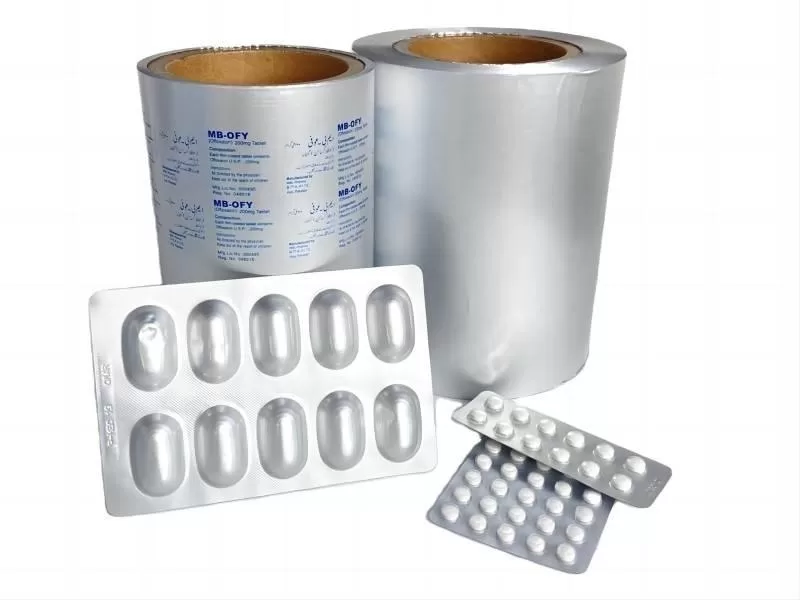
Blister foil protects tablets and capsules in push-through packs. It is usually 18 to 30 µm thick and made from 8011 or 8021 alloy in H18 temper.
Features of blister foil:
- Heat-seal coated on one side for sealing to PVC
- Print-treated on the other side for branding
- Must have zero pinholes for drug safety
- Complies with FDA and EU pharmaceutical standards
- Available in rolls or pre-cut sheets
Cold-Form Pharmaceutical Foil
Cold-form foil creates deep cavities for large tablets or sensitive medicines. It is much thicker than standard blister foil, typically 45 to 60 µm.
Features of cold-form foil:
- Forms into deep pockets without heat
- Made from 8021 or 8079 alloy for deep drawing
- Often laminated with PVC and aluminum for extra barrier
- Used for tropical climate packaging
- Provides the highest moisture barrier in pharma
Lidding Foil for Dairy and Food
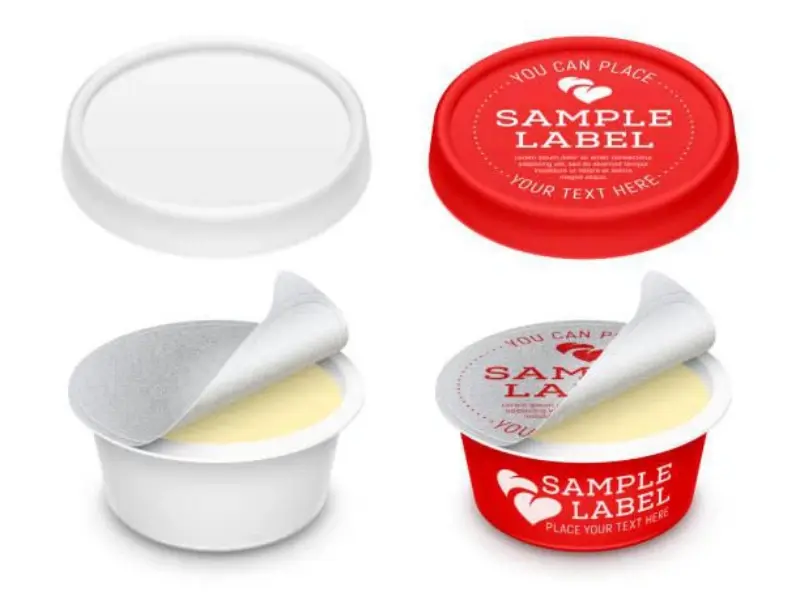
Lidding foil seals yogurt cups, pudding cups, and food trays. It is typically 20 to 40 µm thick and heat-seal coated.
Features of lidding foil:
- Peelable or weld-seal options available
- Can be printed with brand colors and logos
- Often embossed for easy opening
- Compatible with PS, PP, PET, and PVC cup materials
- Available in plain, printed, or lacquered finishes
Flexible Packaging Foil
Flexible packaging foil is used in laminated pouches for snacks, coffee, and ready meals. It is usually 6 to 20 µm thick and forms the barrier layer in multi-layer structures.
Features of flexible packaging foil:
- Combined with plastic films and paper
- Provides oxygen and moisture barrier
- Can be matte or bright finish
- Suitable for retort and aseptic applications
- Enables long shelf life for sensitive products
Food Container Foil
Container foil is thicker and stiffer. It is used for airline meals, takeout containers, and baking trays. Typical thickness is 40 to 95 µm.
Features of container foil:
- Rigid enough to hold food without support
- Oven-safe and freezer-compatible
- Often coated for non-stick performance
- Made from 3003 or 8011 alloy in H22 or H24 temper
- Available in smooth or wrinkled finishes
Cigarette Foil
Cigarette foil is ultra-thin at 6 to 7 µm. It lines the inside of cigarette packs to preserve freshness and prevent odor transfer.
Features of cigarette foil:
- Extremely thin yet pinhole-free
- Often paper-backed for stiffness
- Can be printed with brand designs
- Made from 1235 or 8079 alloy in soft temper
- High-speed packaging line compatible
Chocolate and Confectionery Foil

Chocolate foil wraps individual candies and bars. It is typically 7 to 15 µm thick and often colored or printed.
Features of chocolate foil:
- Dead-fold property holds wrap shape
- Can be colored, printed, or embossed
- Often paper-backed or laminated
- Made from 1235 or 8011 alloy
- Food-safe lacquer coatings available
Beer Neck Foil
Beer neck foil wraps around bottle necks for branding and tamper evidence. It is 9 to 12 µm thick.
Features of beer neck foil:
- Bright, shiny surface for shelf appeal
- Can be printed with brewery logos
- Often embossed for texture
- Easy to remove by consumers
- Made from 8011 alloy in soft temper
Insulation Foil
Insulation foil is used in construction and HVAC applications. It reflects heat and provides vapor barriers.
Features of insulation foil:
- Often laminated with kraft paper or PE foam
- High reflectivity for thermal insulation
- Moisture and vapor barrier properties
- Made from 1235 or 8011 alloy
- Widths up to 1600 mm for large coverage
Aluminium Foil Packaging Applications by Industry


Aluminium foil packaging serves many industries. Below is a breakdown of major application areas.
Food and Beverage Packaging
The food industry is the largest consumer of aluminium foil packaging. Foil preserves flavor, extends shelf life, and protects against contamination.
- Chocolate and candy wrapping
- Cheese and butter packaging
- Yogurt cup lidding
- Ready meal trays and lids
- Coffee and tea pouch laminates
- Snack bag inner layers
- Butter and margarine wraps
- Barbecue and grilling foil
- Airline and catering containers
- Bakery and pastry packaging
Pharmaceutical and Medical Packaging
Pharmaceutical packaging demands the highest quality standards. Foil protects medicines from moisture, light, and oxygen that could degrade active ingredients.
- Tablet blister packs
- Capsule strip packs
- Cold-form deep-drawn packs
- Powder and granule sachets
- Medical device sterile packaging
- Transdermal patch backing
- Vial and ampoule seals
- Diagnostic test kit packaging
- Surgical instrument wraps
Personal Care and Cosmetics
Cosmetics use foil for both protection and premium appearance.
- Toothpaste tube laminates
- Cosmetic jar lidding
- Face mask pouch packaging
- Shampoo and lotion sachets
- Perfume sample packaging
- Hair dye kit foil pouches
Tobacco Products
Tobacco packaging relies on foil to maintain freshness and prevent odor loss.
- Cigarette pack inner liners
- Cigar wrapping and tubes
- Rolling paper packaging
- Moisture barrier layers
Industrial and Technical Uses
Beyond consumer packaging, foil serves many industrial roles.
- Cable shielding and wrapping
- Capacitor dielectric layers
- Battery separator materials
- Heat exchanger fins
- Automotive insulation
- Building vapor barriers
- Electronics EMI shielding
- Label and decal stock
Aluminium Foil vs Alternative Packaging Materials
Engineers and buyers often compare aluminium foil with other barrier materials. Each option has strengths and weaknesses.
Aluminium Foil vs Plastic Film
Plastic films like PET, PP, and PE are common packaging materials. They offer flexibility and low cost but different barrier properties.
| Property | Aluminium Foil | Plastic Film | Winner |
|---|---|---|---|
| Oxygen Barrier | Complete (zero permeability) | Moderate to good | Foil |
| Moisture Barrier | Complete | Good (varies by type) | Foil |
| Light Barrier | Complete | Poor (unless pigmented) | Foil |
| Cost per m² | Higher | Lower | Plastic |
| Recyclability | Excellent (100%) | Limited (varies) | Foil |
| Microwave Safe | No | Yes | Plastic |
| Formability | Excellent | Good | Foil |
| Printability | Good (with treatment) | Excellent | Plastic |
Aluminium foil wins on barrier performance. Plastic wins on cost and microwave compatibility. Many packages combine both materials in laminate structures.
Aluminium Foil vs Paper
Paper is biodegradable and printable but offers poor barrier properties.
| Property | Aluminium Foil | Paper | Winner |
|---|---|---|---|
| Moisture Barrier | Complete | None | Foil |
| Grease Resistance | Complete | Poor | Foil |
| Printability | Good | Excellent | Paper |
| Biodegradability | No (but recyclable) | Yes | Paper |
| Cost | Higher | Lower | Paper |
| Strength when wet | Maintained | Lost | Foil |
Paper and foil are often laminated together. The paper provides printability and structure. The foil provides barrier protection.
Aluminium Foil vs Metallized Film
Metallized plastic films offer a foil-like appearance at lower cost. A thin layer of aluminium is vapor-deposited onto plastic film.
| Property | Aluminium Foil | Metallized Film | Winner |
|---|---|---|---|
| Barrier Performance | Superior | Good but lower | Foil |
| Cost | Higher | Lower | Metallized |
| Pinhole Freedom | Better | More pinholes | Foil |
| Microwave Safety | No | Yes | Metallized |
| Appearance | Brighter | Slightly duller | Foil |
| Flex Crack Resistance | Better | Prone to cracking | Foil |
For critical barrier applications like pharmaceuticals, solid aluminium foil is preferred. For decorative or less demanding uses, metallized film offers cost savings.
Surface Treatments and Coatings for Packaging Foil
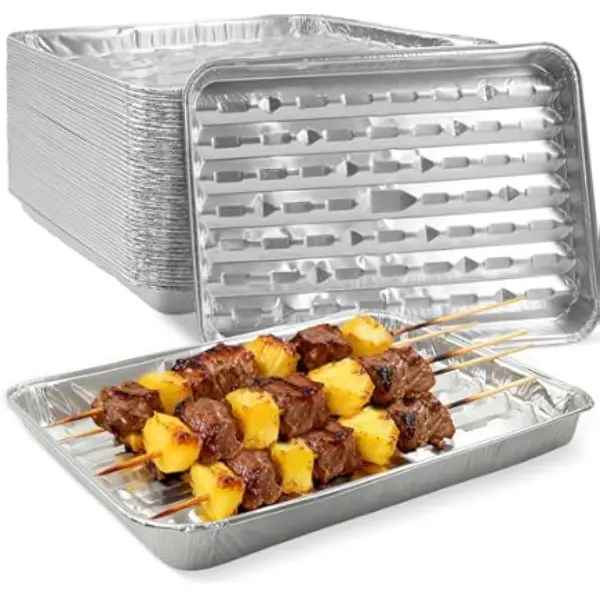
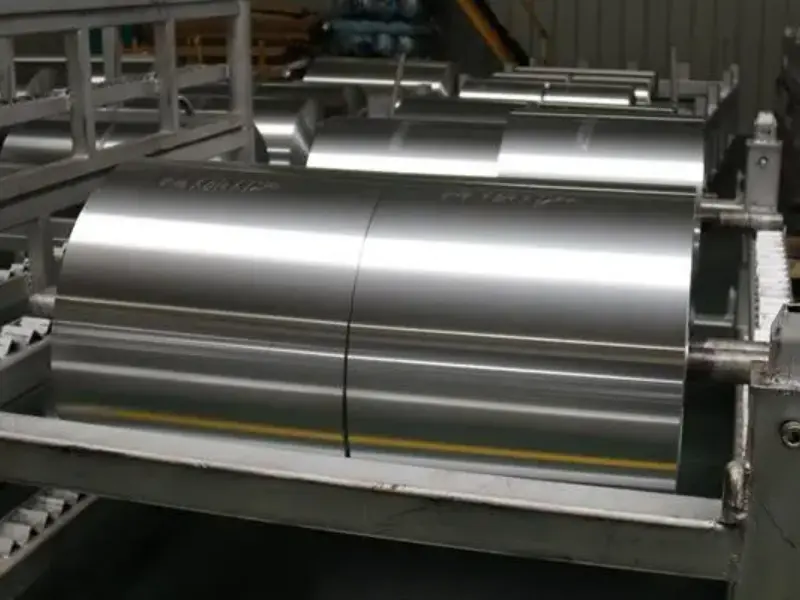
Raw aluminium foil often receives additional treatments to enhance performance.
Heat-Seal Coatings
Heat-seal coatings allow foil to bond with plastic cups and films. Common coating materials include:
- Polyethylene (PE) for general sealing
- Polypropylene (PP) for higher temperature resistance
- Vinyl coatings for specific applications
- Lacquer coatings for chemical resistance
Primer Coatings
Primers improve ink adhesion for printed foil. They ensure branding and information remain legible throughout the product life.
Lacquer Coatings
Lacquers protect the foil surface and prevent chemical interaction with contents. Common types include:
- Epoxy lacquers for food contact
- Vinyl lacquers for chemical resistance
- Polyester lacquers for high-temperature use
Color Coatings
Colored foils enhance brand recognition. Gold, silver, and custom colors are available for premium packaging.
Embossing
Embossed foil has raised patterns for aesthetics or functionality. Patterns can improve grip, add rigidity, or create visual appeal.
Quality Standards and Certifications for Foil Packaging
Packaging foil must meet strict standards, especially for food and pharmaceutical use.
Food Contact Standards
- FDA 21 CFR (USA food contact regulations)
- EU Regulation 1935/2004 (European food contact)
- GB/T 3198 (Chinese national standard)
- JIS H 4160 (Japanese industrial standard)
Pharmaceutical Standards
- USP Class VI (pharmaceutical biocompatibility)
- EP 3.1.3 (European pharmacopoeia)
- GMP compliance (good manufacturing practice)
- ISO 15378 (pharmaceutical packaging materials)
General Quality Standards
- ASTM B479 (aluminium foil specification)
- EN 546 (European foil standard)
- ISO 9001 (quality management)
- ISO 14001 (environmental management)
Buying Guide: How to Source Aluminium Foil Packaging
Selecting the right foil supplier ensures consistent quality and reliable delivery.
Step 1: Define Your Technical Requirements
Document these specifications before contacting suppliers:
- Required alloy grade (1235, 8011, 8079, 8021, 3003)
- Target thickness and tolerance
- Temper condition (O, H18, H22, H24)
- Width and roll diameter requirements
- Surface finish (bright, matte, one-side bright)
- Coating or lamination needs
- Pinhole count limits
- Application and regulatory requirements
Step 2: Request Samples and Test Data
Always request samples before placing large orders. Test for:
- Thickness consistency across the roll
- Surface cleanliness and absence of defects
- Tensile strength and elongation
- Heat-seal performance (if coated)
- Printability (if branding is required)
- Pinhole count per square meter
Step 3: Verify Supplier Capabilities
Evaluate potential suppliers on:
- Production capacity and lead times
- Quality control systems and certifications
- Ability to provide mill test certificates
- Customization capabilities (width, coating, printing)
- Packaging and shipping protection
- Technical support and problem-solving ability
- References from similar customers
Step 4: Understand Pricing Factors
Foil pricing depends on several variables:
- LME aluminium price (market fluctuation)
- Alloy grade (higher purity costs more)
- Thickness (thinner foil requires better control)
- Order volume (larger orders get better pricing)
- Surface treatments and coatings
- Tolerance requirements (tighter tolerances cost more)
Sustainability and Recycling of Aluminium Foil Packaging
Aluminium foil is one of the most sustainable packaging materials available.
Environmental Benefits
- 100% recyclable without quality degradation
- Recycling uses only 5% of primary production energy
- Lightweight nature reduces transportation emissions
- Long shelf life reduces food waste
- Inert material that does not release harmful chemicals
Recycling Process
- Used foil is collected and cleaned
- Shredded and melted in furnaces at 660°C
- Alloy composition is adjusted if needed
- Cast into new ingots for re-rolling
- Recycled foil has identical properties to virgin material
Sustainable Sourcing Tips
- Choose suppliers with recycled content options
- Look for ISO 14001 environmental certification
- Request carbon footprint data for your orders
- Consider thinner gauges to reduce material use
- Design packaging for easy consumer recycling
Frequently Asked Questions About Aluminium Foil Packaging
What is the difference between 1235 and 8011 aluminium foil?
Alloy 1235 has higher purity (≥ 99.35% aluminium) and is softer. Alloy 8011 contains more iron and silicon, giving it higher strength and better puncture resistance. Choose 1235 for ultra-thin, flexible applications. Choose 8011 for general packaging where strength matters more.
What thickness of aluminium foil is best for food packaging?
The best thickness depends on the specific use. For chocolate wrapping, 7 to 12 µm works well. For yogurt lidding, 20 to 40 µm is standard. With food containers, 40 to 95 µm provides enough rigidity. Thinner foil saves cost but may sacrifice barrier performance.
Is aluminium foil packaging safe for food contact?
Yes, aluminium foil is widely recognized as safe for food contact. It meets FDA, EU, and other international food safety standards. The foil is non-toxic, odorless, and tasteless. However, avoid storing strongly acidic or salty foods in direct contact with uncoated foil for long periods.
Can aluminium foil packaging be recycled?
Yes, aluminium foil is 100% recyclable. Recycling requires only about 5% of the energy needed to produce primary aluminium. Clean foil can go into standard recycling streams. Foil contaminated with heavy food residue should be cleaned first for best recycling results.
What alloy is used for pharmaceutical blister packs?
Pharmaceutical blister lidding typically uses 8011 or 8021 alloy in H18 temper. Cold-form blister foil usually uses 8021 or 8079 alloy in soft temper. These alloys provide the strength, barrier properties, and formability needed for drug packaging.
How is aluminium foil thickness measured?
Thickness is measured using a digital micrometer or caliper. For thin foils, multiple measurements are taken across the roll width and averaged. Some suppliers use beta-ray or X-ray gauges for continuous online measurement during production.
What is the difference between soft and hard temper foil?
Soft temper (O) foil is fully annealed and very flexible. It is used for wrapping and laminating. Hard temper (H18) foil is work-hardened and stiff. It is used for pharmaceutical blister packs where rigidity helps push tablets through the backing.
Can aluminium foil be printed with custom designs?
Yes, aluminium foil can be printed using flexographic or gravure printing methods. A primer coating is usually applied first to ensure ink adhesion. Printed foil is common for lidding, chocolate wrapping, and beer neck labels.
What is cold-form foil in pharmaceutical packaging?
Cold-form foil is a thick aluminium foil (45 to 60 µm) that forms into cavities without heat. It is used for sensitive medicines that need maximum moisture protection. The foil is pressed into a mold to create pockets for tablets or capsules.
How should aluminium foil packaging be stored?
Store foil rolls in a dry, indoor environment. Keep them away from moisture, chemicals, and extreme temperatures. Store rolls vertically on pallets to prevent edge damage. Protect from dust and contamination that could affect sealing performance.
Selecting the Right Aluminium Foil Packaging for Your Needs
Aluminium foil packaging remains the gold standard for barrier protection. No other material combines complete moisture, oxygen, and light blocking with light weight, recyclability, and cost efficiency.
The key to success is matching the right alloy, thickness, and temper to your specific application. For general food packaging, 8011 alloy in soft temper offers the best balance of properties and cost. With pharmaceutical applications, 8021 or 8079 provide the barrier strength and formability that medicines demand. For ultra-thin applications, 1235 delivers the purity and softness required.
Work with a qualified supplier who understands your industry requirements. Provide clear specifications for alloy, thickness, temper, surface treatment, and regulatory compliance. Request samples and test data before committing to large orders.
Whether you need household foil rolls, pharmaceutical blister packs, or custom laminated structures, aluminium foil packaging delivers reliable performance that protects your products and your brand.
Contact an experienced foil supplier to discuss your project requirements. Share your application details, volume needs, and quality standards to receive accurate quotations and technical recommendations.