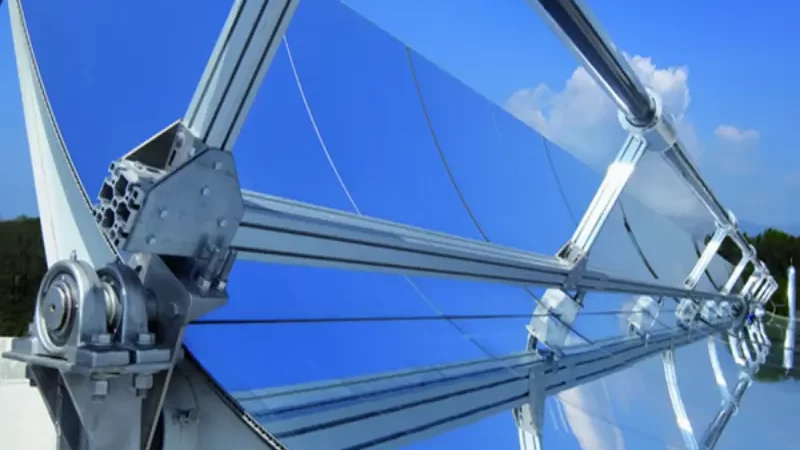
Reflective aluminum plate is a special aluminum product with a highly reflective surface. It is widely used in traffic signs, solar energy systems, lighting reflectors, architectural decoration, advertising boards, and industrial equipment.
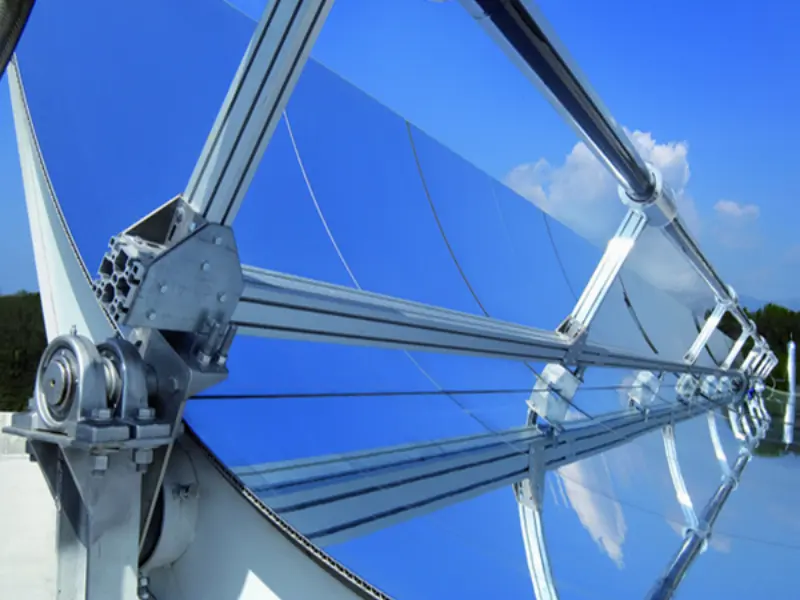
The surface is processed through polishing, anodizing, or mirror finishing to achieve high reflectivity. Compared with stainless steel mirrors or glass mirrors, reflective aluminum plate offers lower weight, better workability, and excellent corrosion resistance.
Many manufacturers choose reflective aluminum sheet and plate because it combines durability with attractive appearance.
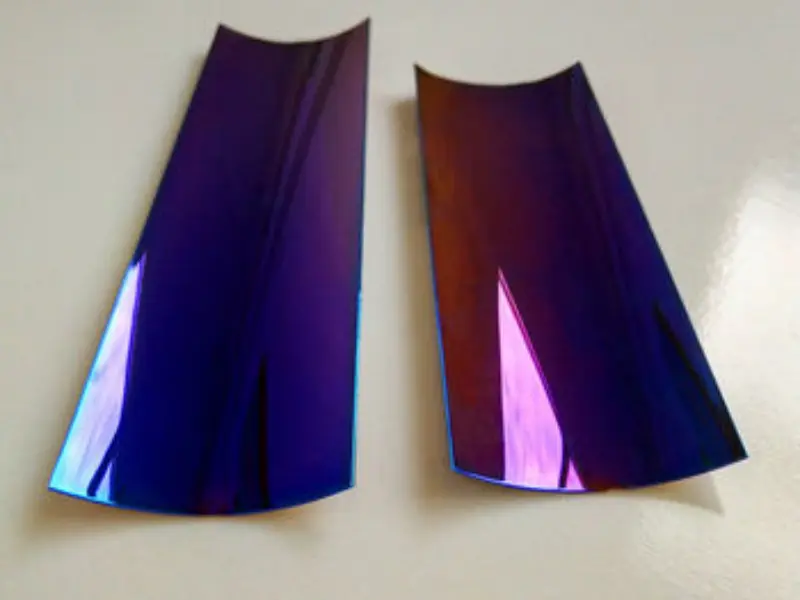
Main Features of Reflective Aluminum Plate
| Feature | Description |
|---|---|
| Lightweight | Easy to transport and install |
| High Reflectivity | Up to 95% reflectance |
| Corrosion Resistance | Suitable for outdoor use |
| Easy Fabrication | Can be cut, bent, stamped |
| Attractive Surface | Mirror-like appearance |
| Recyclable | Environmentally friendly |
| Long Service Life | Stable performance |
Key Advantages
- Bright mirror finish
- Excellent weather resistance
- Easy cleaning
- Good oxidation resistance
- Suitable for indoor and outdoor applications
- Available in multiple alloy grades
Common Aluminum Alloys for Reflective Aluminum Plate
Different alloys are selected according to application requirements.
1050 Reflective Aluminum Plate
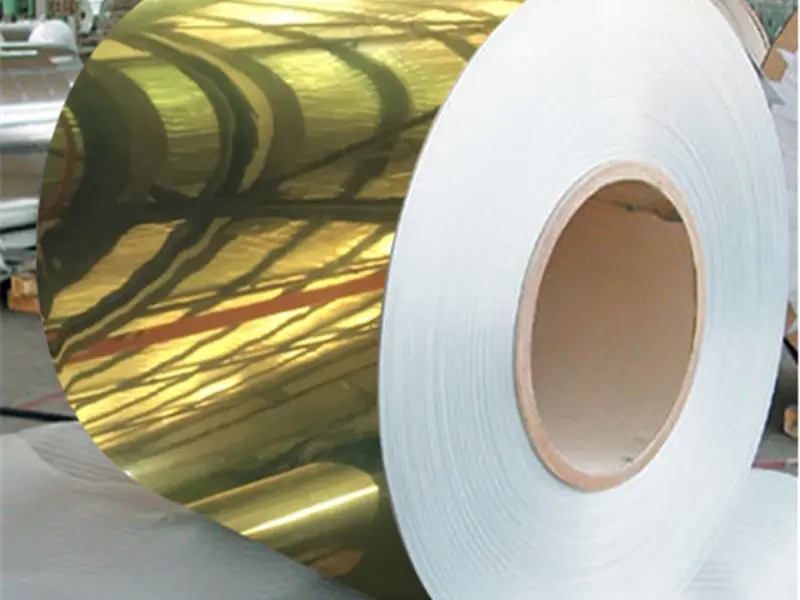
1050 aluminum contains more than 99.5% aluminum.
Advantages
- Highest reflectivity
- Excellent surface quality
- Good corrosion resistance
Applications
- Lighting reflectors
- Solar reflectors
- Decorative panels
1060 Reflective Aluminum Plate
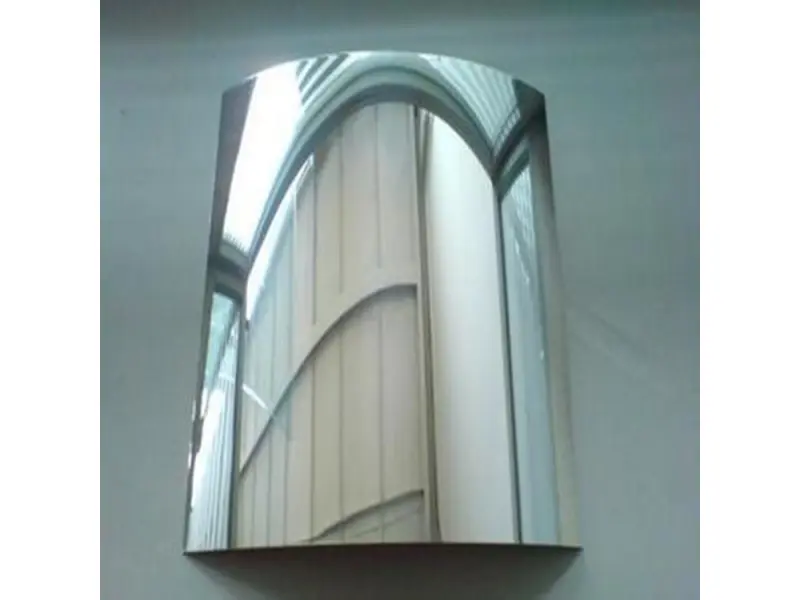
1060 aluminum is one of the most common mirror aluminum materials.
| Property | Value |
|---|---|
| Aluminum Content | ≥99.6% |
| Formability | Excellent |
| Reflectivity | High |
1070 Reflective Aluminum Plate
1070 alloy provides very high purity and superior optical performance.
Suitable for:
- Solar reflector systems
- High-end lighting equipment
- Industrial reflection devices
3003 Reflective Aluminum Plate
3003 contains manganese for improved strength.
| Property | Performance |
|---|---|
| Strength | Higher |
| Corrosion Resistance | Good |
| Workability | Excellent |
Applications include:
- Building decoration
- Sign boards
- Ceiling panels
5052 Reflective Aluminum Plate
5052 provides excellent corrosion resistance.
Commonly used for:
- Marine environments
- Coastal projects
- Outdoor reflective panels
Surface Types of Reflective Aluminum Plate
Standard Mirror Finish
The most common reflective surface.
Reflectivity usually ranges from:
| Type | Reflectivity |
|---|---|
| Standard Mirror | 80%-86% |
| Bright Mirror | 86%-90% |
| Super Mirror | 90%-95% |
Anodized Mirror Aluminum
Anodizing creates a protective oxide layer.
Benefits include:
- Better corrosion resistance
- Longer service life
- Improved scratch resistance
Color Mirror Aluminum
Available colors include:
- Silver
- Gold
- Black
- Bronze
- Blue
- Red
These products are often used in decorative applications.
Available Specifications
Thickness Range
| Product Type | Thickness |
|---|---|
| Thin Sheet | 0.2mm – 0.5mm |
| Standard Sheet | 0.5mm – 3.0mm |
| Thick Plate | 3mm – 10mm |
| Industrial Plate | 10mm – 50mm |
Width Range
| Width | Common Uses |
|---|---|
| 500mm | Small reflectors |
| 1000mm | Lighting industry |
| 1220mm | Signage |
| 1250mm | Construction |
| 1500mm | Industrial projects |
Length Options
- 1000mm
- 2000mm
- 2440mm
- 3000mm
- Custom sizes
Reflective Aluminum Plate vs Stainless Steel Mirror Sheet
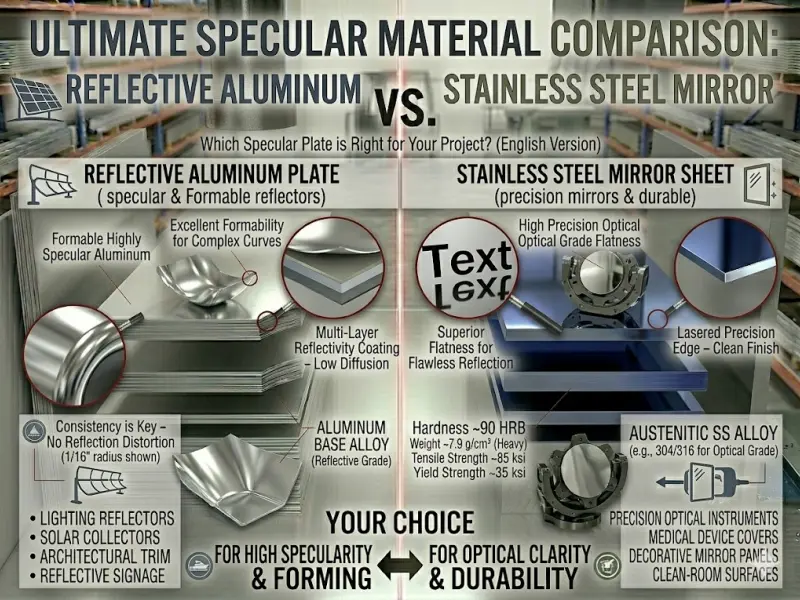
Many customers compare reflective aluminum with mirror stainless steel.
| Property | Reflective Aluminum | Mirror Stainless Steel |
|---|---|---|
| Weight | Much Lighter | Heavier |
| Cost | Lower | Higher |
| Reflectivity | Higher | Medium |
| Fabrication | Easier | More Difficult |
| Corrosion Resistance | Good | Excellent |
| Installation | Easier | More Complex |
Reflective aluminum plate is often preferred where weight reduction is important.
Reflective Aluminum Plate vs Glass Mirror
| Property | Reflective Aluminum | Glass Mirror |
|---|---|---|
| Impact Resistance | Excellent | Fragile |
| Weight | Light | Heavy |
| Safety | High | Lower |
| Outdoor Use | Excellent | Limited |
| Processing | Easy | Difficult |
The Reflective aluminum is commonly used where durability is required.
Applications of Reflective Aluminum Plate
Traffic Sign Industry
Reflective aluminum plate is one of the most important materials for road signs.
Applications include:
- Highway signs
- Warning signs
- Direction signs
- Parking signs
- Street name signs
The reflective surface improves visibility at night.
Solar Energy Systems
Reflective aluminum sheets help improve solar collection efficiency.
Used in:
- Solar concentrators
- Solar reflectors
- Photovoltaic systems
Lighting Industry
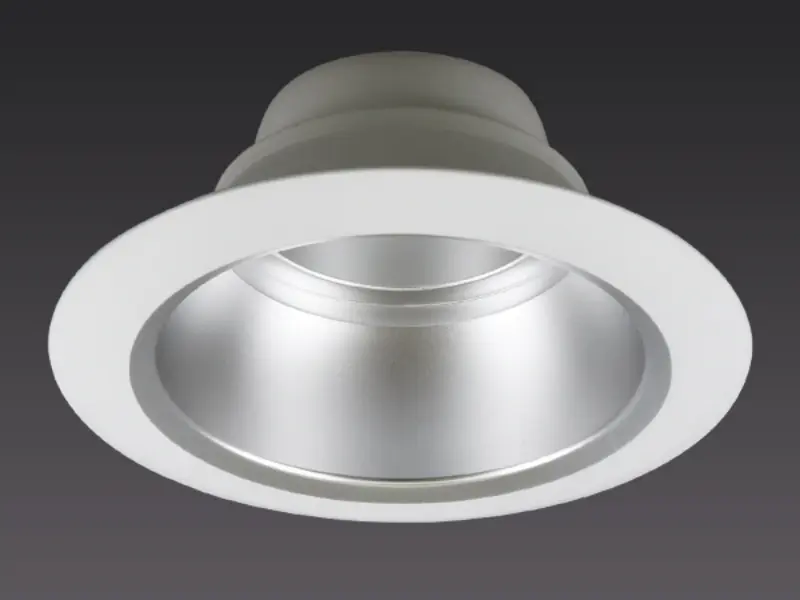
High reflectivity makes aluminum ideal for lighting equipment.
Applications include:
- LED reflectors
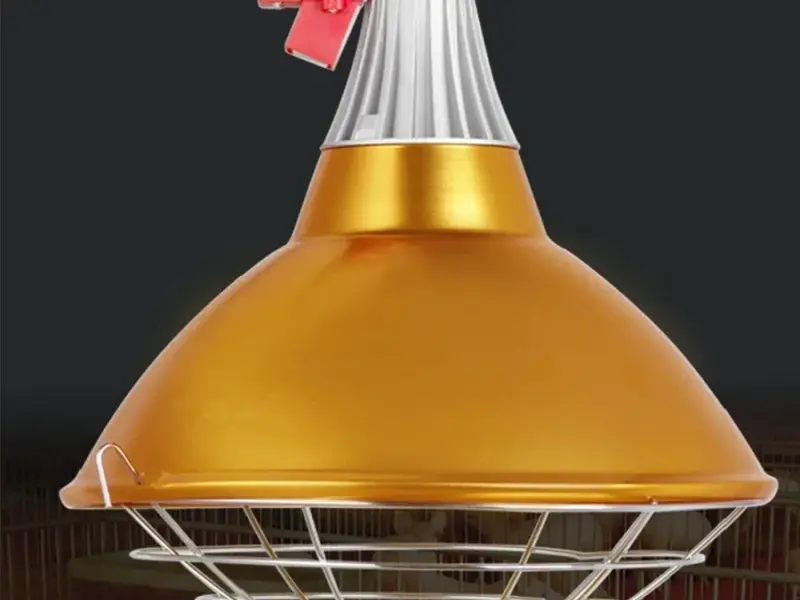
- Industrial lamps
- Commercial lighting
- Street lights
Architectural Decoration
Modern buildings often use reflective aluminum surfaces.
Examples include:
- Curtain walls
- Interior panels
- Elevator decoration
- Ceiling systems
Advertising Industry
Reflective aluminum plates are popular for outdoor advertising.
Used for:
- Billboards
- Display panels
- Branding signs
- Exhibition systems
Transportation Industry
Lightweight reflective aluminum reduces vehicle weight.
Applications include:
- Bus panels
- Railway interiors
- Trailer panels
- Vehicle decoration
Reflective Aluminum Plate for Road Signs
Road sign manufacturers often choose specific alloys.
Common Alloys
| Alloy | Typical Use |
|---|---|
| 1050 | Reflective sign blanks |
| 1060 | Traffic signs |
| 3003 | Street signs |
| 5052 | Coastal road signs |
Common Thicknesses
| Thickness | Application |
|---|---|
| 1.0mm | Small signs |
| 1.5mm | Standard signs |
| 2.0mm | Highway signs |
| 3.0mm | Large sign boards |
Reflective Aluminum Plate for Solar Reflectors
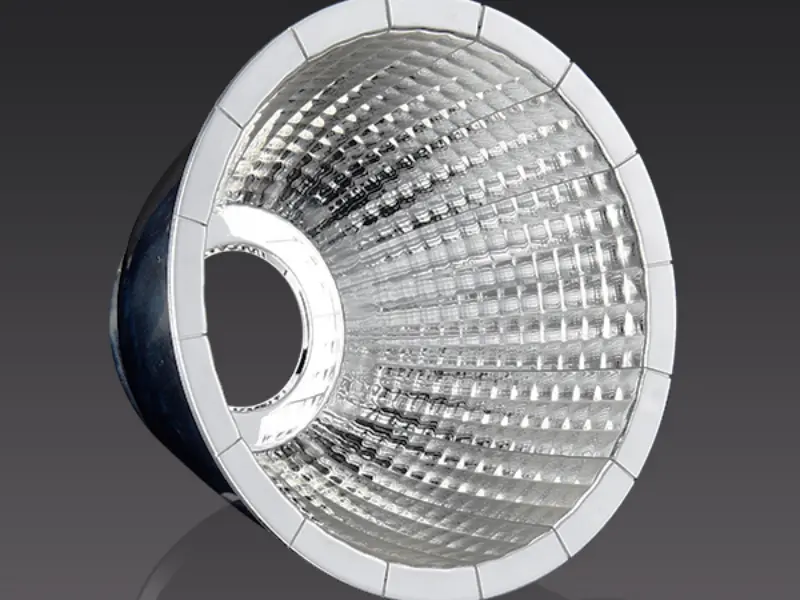
Solar applications require high reflectivity.
Benefits
- Increased light reflection
- Reduced system weight
- Long-term outdoor durability
- Corrosion resistance
Recommended Alloys
- 1050
- 1060
- 1070
These alloys provide excellent optical performance.
Reflective Aluminum Plate for Decorative Projects
Decorative mirror aluminum creates a modern appearance.
Popular Finishes
| Finish | Application |
|---|---|
| Silver Mirror | Interior decoration |
| Gold Mirror | Luxury design |
| Black Mirror | Commercial spaces |
| Bronze Mirror | Hotels |
| Blue Mirror | Creative projects |
Alloy and Temper Options for Reflective Aluminum
The base metal of any reflective aluminum plate determines its strength and flexibility. Pure aluminum provides the highest shine, while mixed alloys offer better structural strength.
Understanding the Alloy Series
The most common alloys for reflective sheets belong to the 1xxx, 3xxx, and 5xxx series. Each series has distinct chemical traits that change how the plate behaves during cutting, bending, and outdoor exposure.
Table: Alloy and Temper Specifications
| Alloy | Common Temper | Aluminum Purity | Main Feature |
|---|---|---|---|
| 1050 | H18, H24 | ≥99.5% | Great workability, high natural shine |
| 1060 | H18, H24 | ≥99.6% | Excellent ductility, easy to form |
| 1085 | H18 | ≥99.85% | Highest reflectivity, premium mirror finish |
| 3003 | H14, H24 | Alloyed with Manganese | High rust resistance, stronger than 1xxx |
| 5052 | H32, H34 | Alloyed with Magnesium | Best structural strength, saltwater-proof |
Popular Surface Types of Reflective Aluminum Plates
Not all reflective surfaces are the same. Some surfaces reflect light in a straight line, while others scatter light to prevent glare.
Mirror Finish Reflective Aluminum
This is the most common type. The surface is highly polished to act like a real glass mirror. It offers a specular reflection rate of over 85%. Some high-grade sheets reach up to 95% reflectivity. It is incredibly lightweight and does not shatter when dropped.
Hammered and Embossed Reflective Aluminum
This plate features patterned bumps on the surface. These bumps scatter light in many directions. This style is popular when you need bright light without harsh hot spots. It also hides scratches and fingerprints better than smooth mirror sheets.
Anodized Reflective Aluminum
Anodizing puts a protective oxide layer on the aluminum. This layer makes the surface incredibly hard. It protects the shine from scratches, rain, and dirt. It is the best option if you plan to use the plate outdoors for a long time.
Brushed Reflective Aluminum
This type has a surface full of fine, parallel lines. It offers a soft, satin-like reflection. While it is less shiny than a pure mirror finish, it provides a very modern, industrial look for interior design.
Comparing Different Reflective Plate Surfaces
Selecting the right surface finish is a balance between reflectivity, durability, and cost. Below is a comparison to help you choose.
Table: Comparison of Surface Styles
| Surface Style | Reflectivity Rate | Scratch Resistance | Outdoor Durability | Cleaning Difficulty |
|---|---|---|---|---|
| Mirror Finish | 85% – 92% | Low | Low to Medium | High (scratches easily) |
| Anodized Mirror | 86% – 98% | High | Excellent | Easy |
| Hammered Embossed | 75% – 85% | Very High | High | Very Easy |
| Brushed Finish | 60% – 75% | High | High | Easy |
Thickness and Dimension Guide
Reflective aluminum sheets come in many sizes. The thickness you need depends on whether the plate must hold its own weight or sit inside a supportive frame.
Finding the Right Thickness
Thin sheets are easy to roll and bend into curved shapes. Thick plates are flat and resist bending under wind or physical stress.
Table: Common Dimensions and Thicknesses
| Thickness Range | Standard Widths | Standard Lengths | Common Applications |
|---|---|---|---|
| 0.3 mm to 0.5 mm | 1000 mm, 1250 mm | 2000 mm, 2500 mm | LED light fixtures, small reflectors, labels |
| 0.5 mm to 1.0 mm | 1000 mm, 1250 mm | 2000 mm, 3000 mm | Solar panels, ceiling tiles, nameplates |
| 1.0 mm to 3.0 mm | 1220 mm, 1500 mm | 2440 mm, 3000 mm | Wall cladding, outdoor signs, column covers |
How Alloys Impact Reflectivity and Durability
The chemical makeup of the metal determines how well the surface can be polished. It also determines how well the metal holds up against environmental damage.
Table: Alloy Chemistry vs. Performance
| Alloy Group | Pure Aluminum Content | Corrosion Resistance | Formability | Best Structural Use |
|---|---|---|---|---|
| 1xxx Series | High (≥99.0%) | Medium | Excellent | Light reflectors, decorative trims |
| 3xxx Series | Medium | High | Very Good | Exterior signboards, panels |
| 5xxx Series | Low (Alloyed) | Excellent (Marine) | Good | Outdoor solar grids, boat parts |
Where You Will Find Reflective Aluminum Sheets
This material is highly functional. It serves both decorative and technical purposes in many modern industries.
- Commercial Lighting Systems: Parabolic louvers, LED strip backings, and fluorescent fixtures use these plates. They bounce light downward to save electricity.
- Solar Energy Collectors: Parabolic solar troughs use highly polished sheets to focus sunlight onto central tubes. This heats liquid to generate green energy.
- Architectural Wall and Ceiling Panels: Interior designers use mirror finish plates to make lobbies, elevators, and shopping malls look bigger and brighter.
- Automobile Interior and Exterior Trim: Car makers stamp these sheets into shiny accents, headlight housings, and dashboard trim parts.
- High-Visibility Signage: Street signs, billboard backings, and safety markers use reflective sheets to catch headlights at night.
How to Choose the Best Reflective Aluminum Plate
Buying the wrong sheet can lead to poor performance or high costs. Keep these three simple steps in mind when purchasing.
Check the Environment
Will your metal be outside? If yes, choose an anodized finish or a 5052 alloy. These options will not rust or lose their shine when exposed to rain, snow, or salt air. For indoor projects, a standard 1050 mirror sheet works perfectly and costs less.
Determine the Required Reflectivity
High-tech solar setups and premium light fixtures need a reflectivity rate of over 90%. This requires high-purity 1085 alloy. For general decoration or simple signs, a reflectivity rate of 80% to 85% is more than enough.
Consider the Shaping Process
If you need to bend the metal into sharp angles, choose a soft temper like H24 or O (annealed). If you need the plate to stay completely flat over a large wall, buy a harder temper like H18 or H32 to prevent the metal from bowing.
Surface Protection and Quality Maintenance
Reflective aluminum is sensitive to scratches. Manufacturers apply a special plastic film to protect the shiny surface.
Using Protective PE Film
Most suppliers cover the reflective side with a blue or clear Polyethylene (PE) film. Leave this film on the metal during cutting, bending, and installation. Only peel it off after the product is fully installed in its final location.
Simple Cleaning Tips
To clean dust or fingerprints from a mirror plate, use a soft microfiber cloth. Do not use harsh scrubbing pads or abrasive chemical cleaners. Mild soap and warm water are all you need to restore the original shine.
Manufacturing Process
Aluminum Coil Preparation
High-quality aluminum coil is selected.
Surface Polishing
The surface is polished to improve brightness.
Mirror Treatment
Special equipment creates a reflective finish.
Anodizing or Coating
Additional protection can be applied.
Quality Inspection
Reflectivity and surface quality are checked before shipment.
Why Choose WORTHWILL ALUMINUM?
WORTHWILL ALUMINUM supplies various reflective aluminum products for global customers.
Available products include:
- Mirror aluminum sheet
- Reflective aluminum plate
- Anodized mirror aluminum
- Solar reflective aluminum
- Traffic sign aluminum sheet
- Color mirror aluminum sheet
- Super mirror aluminum plate
Advantages include:
- Custom dimensions
- Multiple alloy options
- Stable surface quality
- Export packaging
- Fast delivery
FAQ
Is reflective aluminum plate suitable for outdoor use?
Yes
Anodized and coated reflective aluminum plates perform well in outdoor environments and resist corrosion.
What is the highest reflectivity available?
Up to 95%
Super mirror aluminum can achieve reflectivity levels of approximately 90% to 95%.
Which alloy is best for solar reflectors?
High-Purity Alloys
1050, 1060, and 1070 aluminum are commonly used because of their excellent reflective properties.
Can reflective aluminum plate be bent?
Yes
Most reflective aluminum sheets can be bent, stamped, cut, and fabricated.
Is reflective aluminum better than stainless steel?
Depends on the Application
Reflective aluminum is lighter and usually provides better reflectivity. Stainless steel offers higher hardness.
What thickness is commonly used for road signs?
Popular Thicknesses
1.0mm, 1.5mm, 2.0mm, and 3.0mm are commonly used for traffic signs.
Reflective Aluminum Plate & Mirror Finish Sheets | Supplier
Reflective aluminum plate is a versatile material with excellent reflectivity, low weight, and strong corrosion resistance. It is widely used in traffic signs, solar energy systems, lighting equipment, decorative architecture, and industrial applications.
With multiple alloy options, mirror finishes, and custom specifications, reflective aluminum continues to be one of the most popular materials for modern reflective projects.