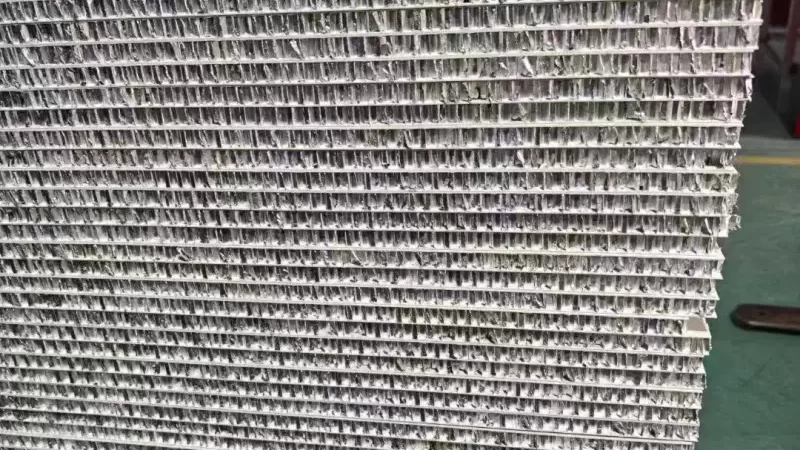
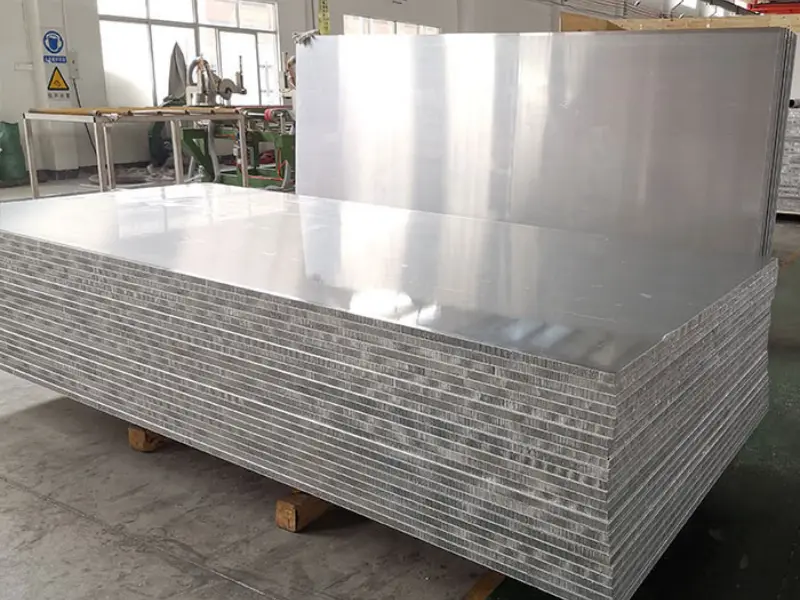
4×8 honeycomb panels are one of the most popular sheet sizes in construction, architecture, and manufacturing. Measuring 4 feet × 8 feet (1,220 mm × 2,440 mm), they fit standard building modules and are easy to handle on job sites.
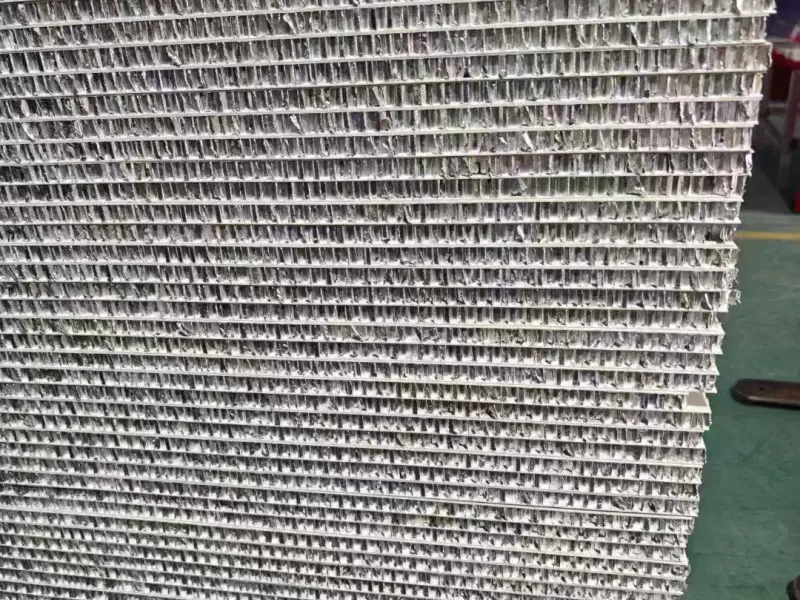
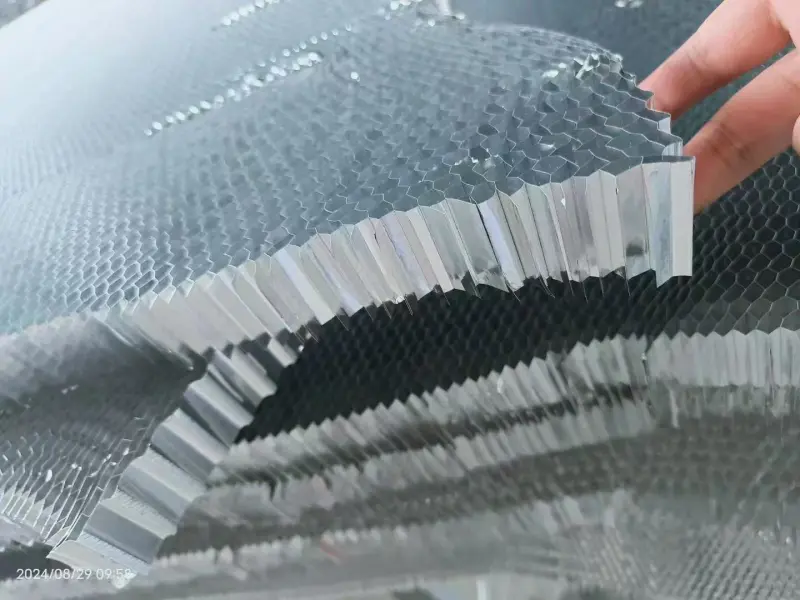
4×8 Honeycomb Panels
4×8 honeycomb panels give fabricators a standard-size, lightweight building block for projects that need strength without excess weight. Measuring 4 feet by 8 feet, this size fits most standard cutting equipment and matches common construction module dimensions.
What Are 4×8 Honeycomb Panels
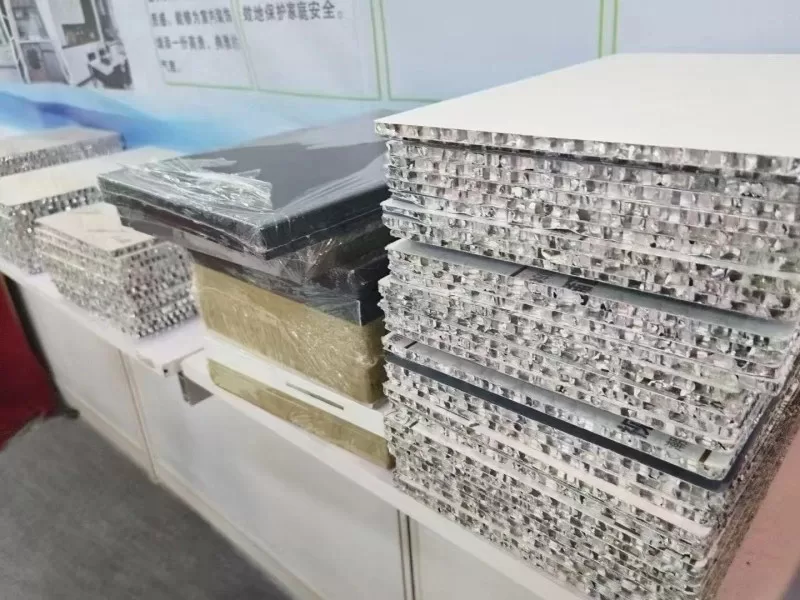
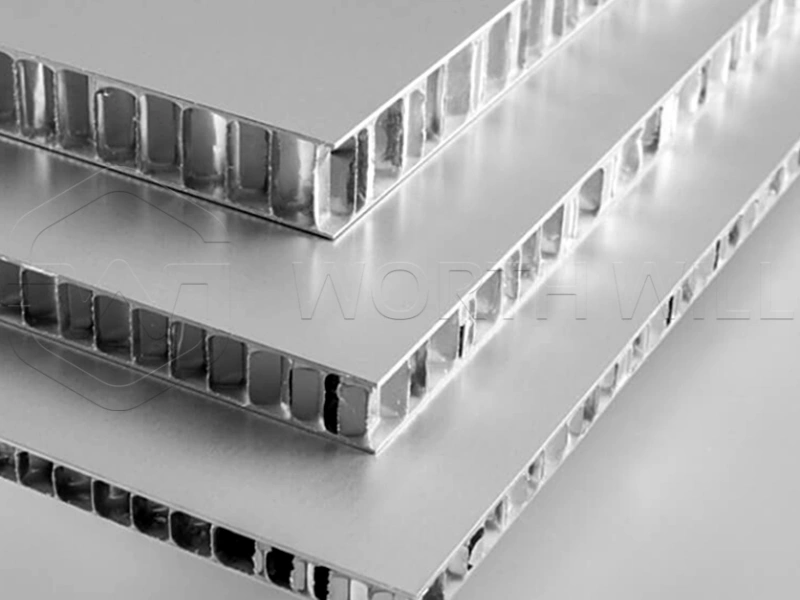
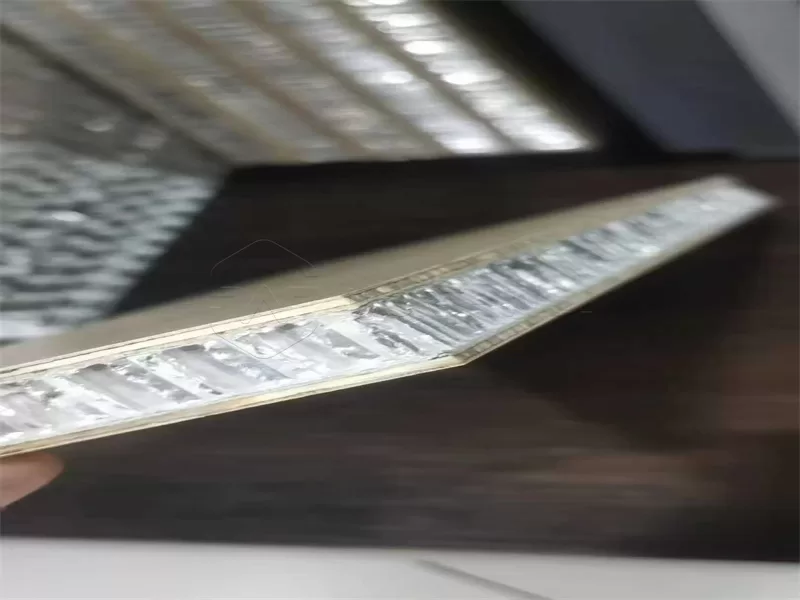
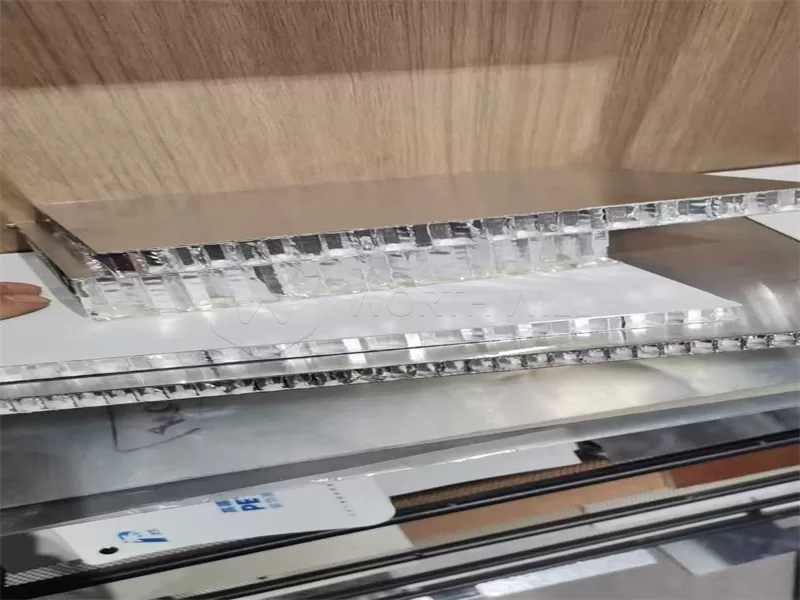
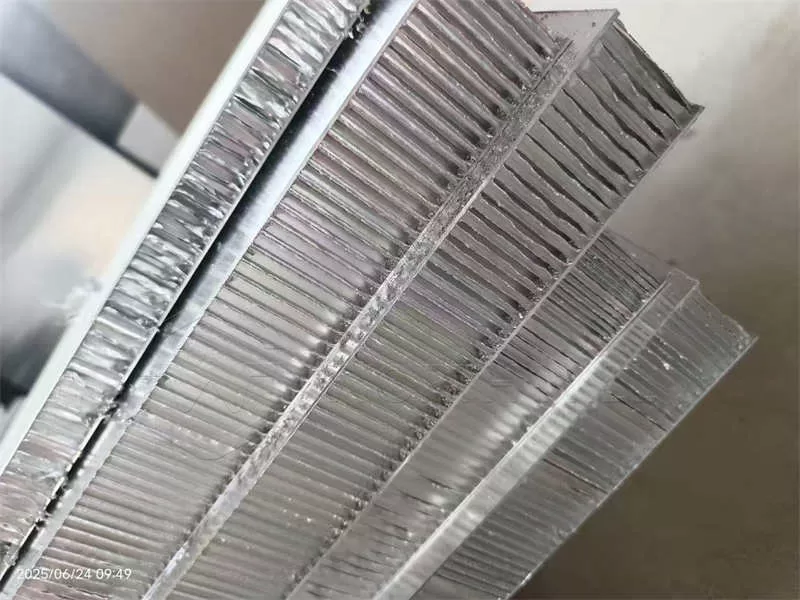
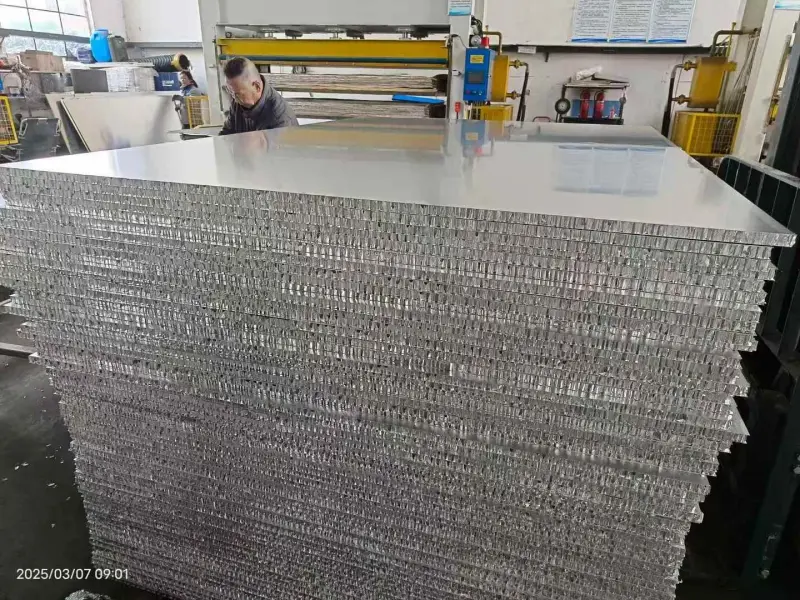
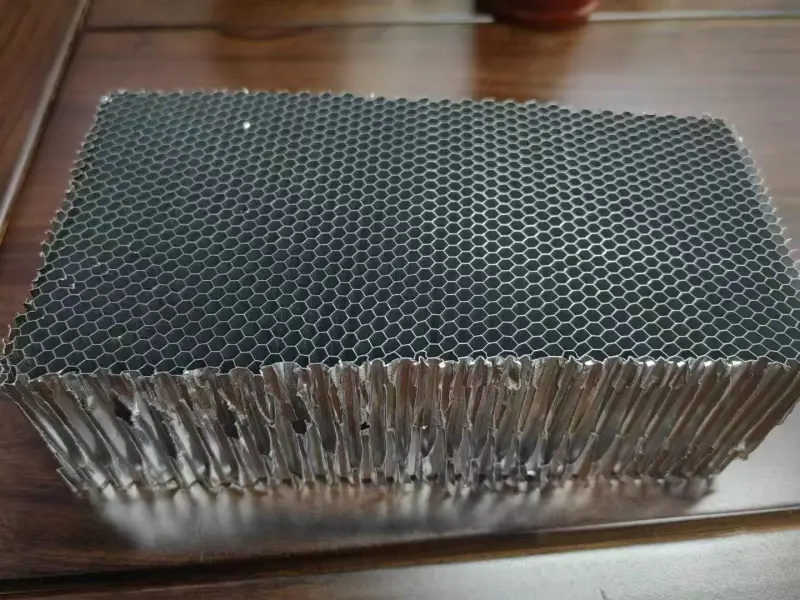
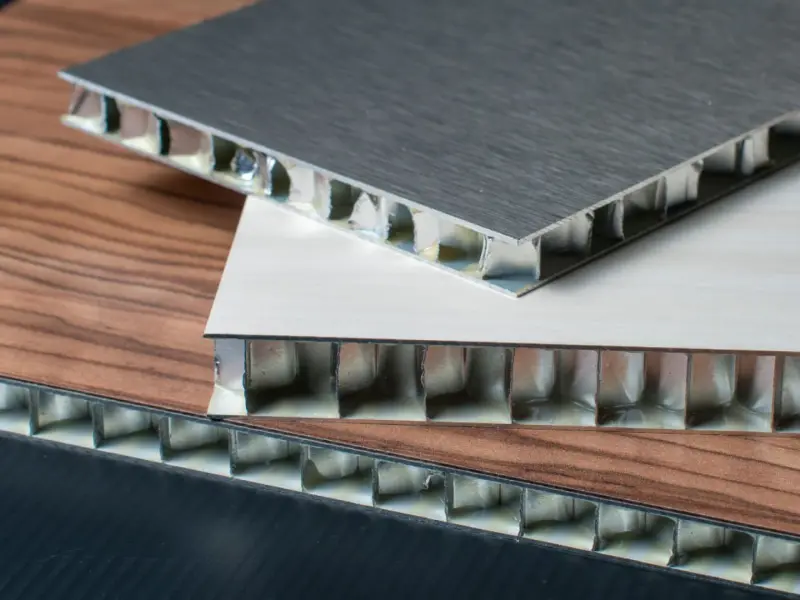
A 4×8 honeycomb panel is a composite building material made of two flat face skins bonded to a lightweight honeycomb core in between.
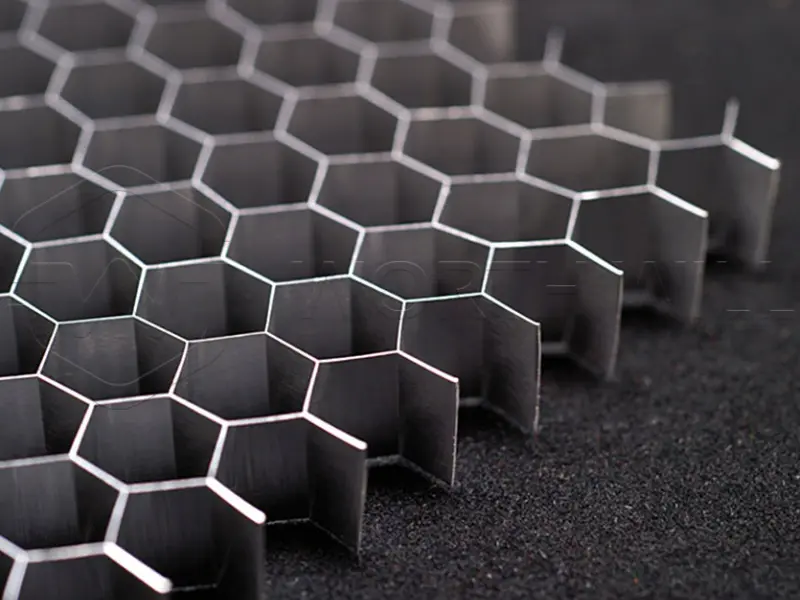
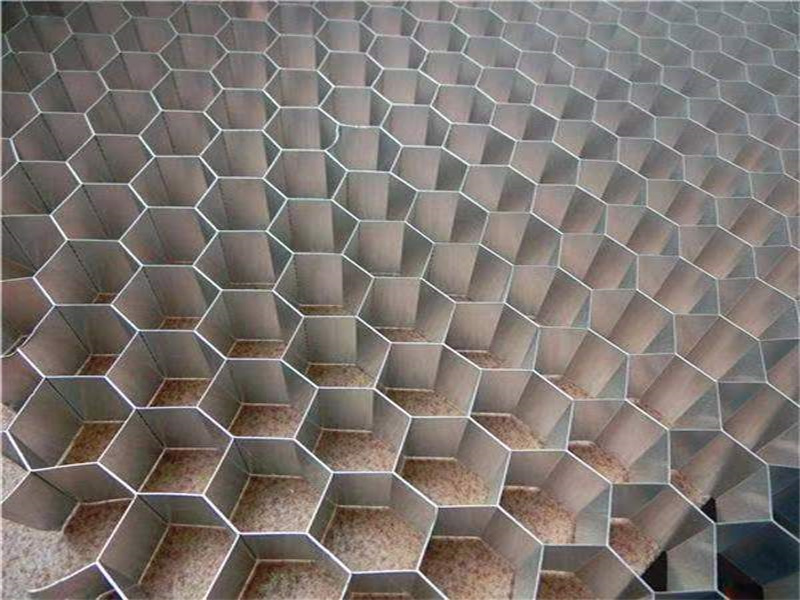
The hexagonal cell structure inside provides impressive strength relative to its low weight, similar to how a cardboard box resists crushing far better than a flat piece of cardboard alone.
This 48-inch by 96-inch size remains one of the most requested dimensions across construction, transportation, and display industries, since it matches standard door heights, transport dimensions, and common cutting equipment capacity.
Core Traits of 4×8 Honeycomb Panels
- Excellent strength-to-weight ratio compared to solid panels
- Flat, stable surface resistant to warping
- Good sound and thermal insulation properties
- Easier to handle and install than solid heavy panels
- Standard size fits most saws and cutting tools without special setup
Panel Construction Basics
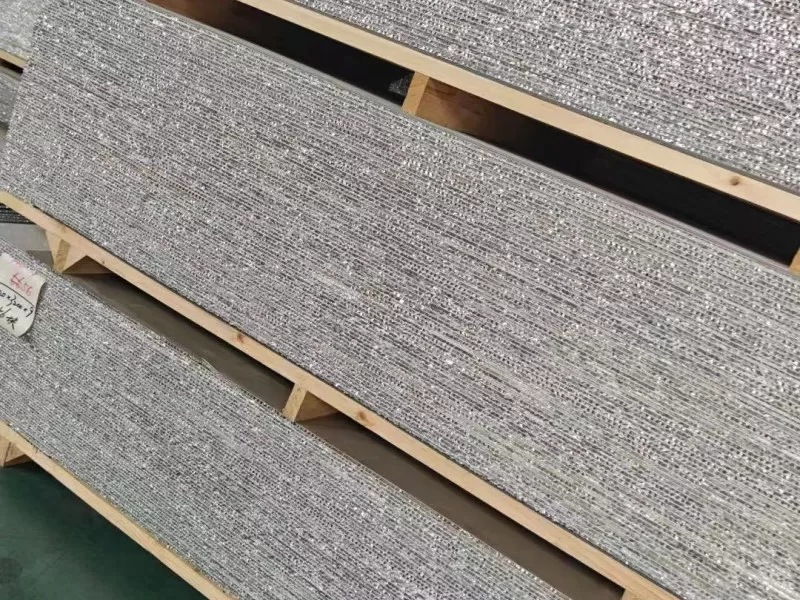
Every honeycomb panel shares the same basic sandwich structure, though materials at each layer can vary.
- Face skins: the outer layers, commonly aluminum, providing the finished surface
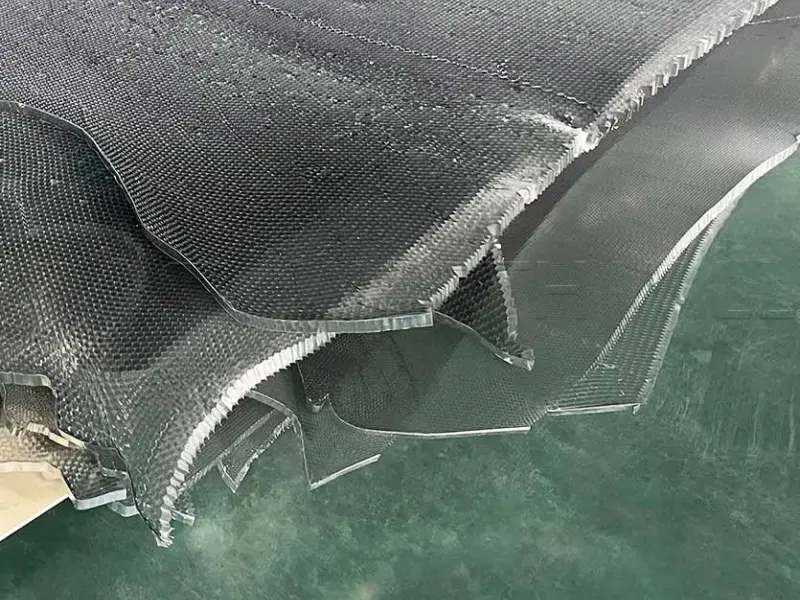
- Honeycomb core: the internal hexagonal cell structure, providing strength and rigidity
- Adhesive bond: the layer connecting skins to the core, critical for overall panel strength
This layered construction is why honeycomb panels achieve strength levels that would require a much heavier solid panel to match.
Core Material Options
| Core Material | Cell Size Range | Common Use |
|---|---|---|
| Aluminum Honeycomb | 3 – 19 mm | Structural panels, transportation, aerospace |
| Paper Honeycomb | 8 – 25 mm | Interior panels, lightweight furniture |
| Nomex Honeycomb | 3 – 10 mm | High-heat and fire-rated applications |
| Polypropylene Honeycomb | 8 – 15 mm | Budget panels, general commercial use |
Aluminum honeycomb core remains the standard choice for structural 4×8 panels, offering the best combination of strength, moisture resistance, and long-term durability among common core options.
Face Skin Material Options
| Skin Material | Surface Look | Best For |
|---|---|---|
| Aluminum Sheet | Smooth, metallic finish | General structural and architectural panels |
| Painted Aluminum | Colored, factory finish | Visible cladding and signage |
| FRP (Fiberglass) | Smooth composite finish | Trailer walls, moisture-heavy environments |
| Stainless Steel | Bright, durable finish | High-wear or food-grade applications |
Aluminum face skins dominate the 4×8 honeycomb panel market, since they combine light weight with good corrosion resistance and a clean, paintable surface.
Alloy Options for Aluminum Skins
| Alloy | Temper | Best For |
|---|---|---|
| 3003 | H14 / H24 | Standard skin material for general panels |
| 5052 | H32 | Higher strength, marine and transportation use |
| 3105 | H14 | Coil-coated painted skin panels |
3003 aluminum remains the most common skin alloy for 4×8 honeycomb panels, balancing cost with sufficient strength for most structural and cladding applications.
Thickness Options at 4×8 Size
| Panel Thickness (mm) | Core Thickness Range | Common Use |
|---|---|---|
| 10 – 15 | Thin core | Interior partitions, lightweight signage |
| 20 – 25 | Standard core | General structural panels, doors |
| 30 – 40 | Thicker core | Transportation flooring, higher load panels |
| 50+ | Heavy-duty core | Specialty industrial and structural applications |
Panels in the 20mm to 25mm range cover most standard 4×8 applications, offering a practical balance between rigidity, weight, and cost.
Weight Comparison at 4×8 Size


| Panel Type | Approx. Weight per Sheet |
|---|---|
| Solid Aluminum Sheet (3mm) | 105 lb |
| 4×8 Honeycomb Panel (20mm core) | 35 – 45 lb |
| 4×8 Foam Core Panel (20mm) | 25 – 35 lb |
Honeycomb panels offer significant weight savings compared to solid aluminum sheet of similar strength, while still outperforming foam core panels in structural rigidity and load resistance.
Product Types
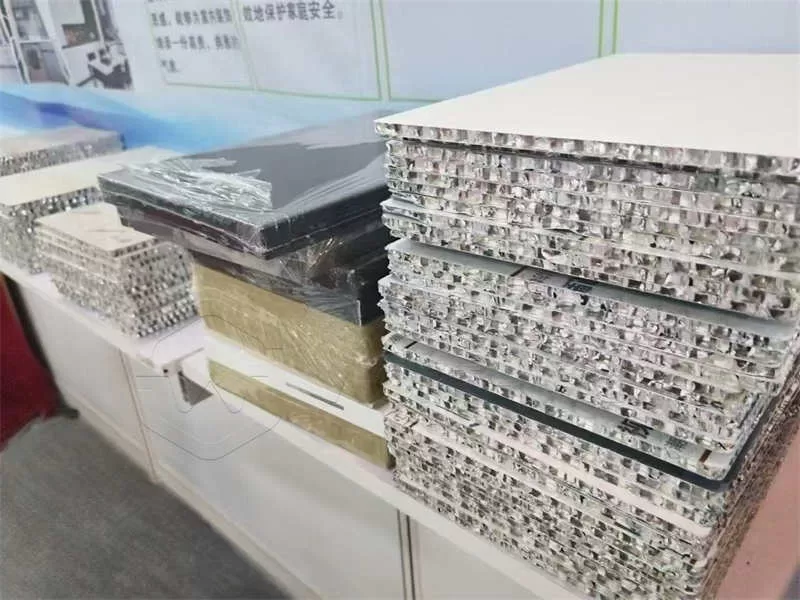
4×8 honeycomb panels come in several configurations, based on intended use and performance requirements.
Standard Structural Honeycomb Panel
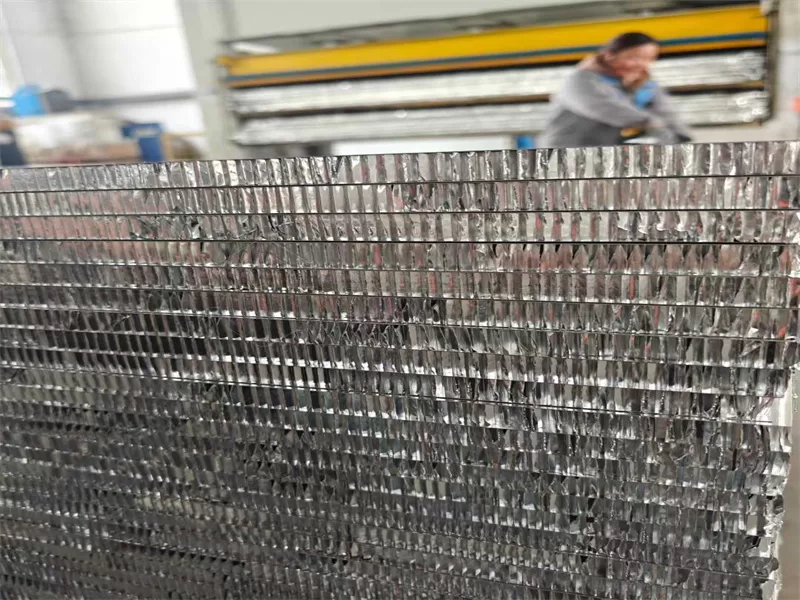
General-purpose panel with aluminum skins and aluminum core.
Available in mill finish or painted skin options
Most common configuration for construction and fabrication
Balances cost, weight, and structural performance
Fire-Rated Honeycomb Panel
Uses Nomex or specially treated core material for fire resistance.
- Common in transportation and public building applications
- Meets stricter fire code requirements than standard cores
- Typically carries a higher cost than standard aluminum core
Acoustic Honeycomb Panel
Designed with perforated skins or specialized core for sound dampening.
- Common in transportation interiors and sound studios
- Reduces noise transmission compared to solid panels
- Often paired with an acoustic backing layer
Insulated Honeycomb Panel
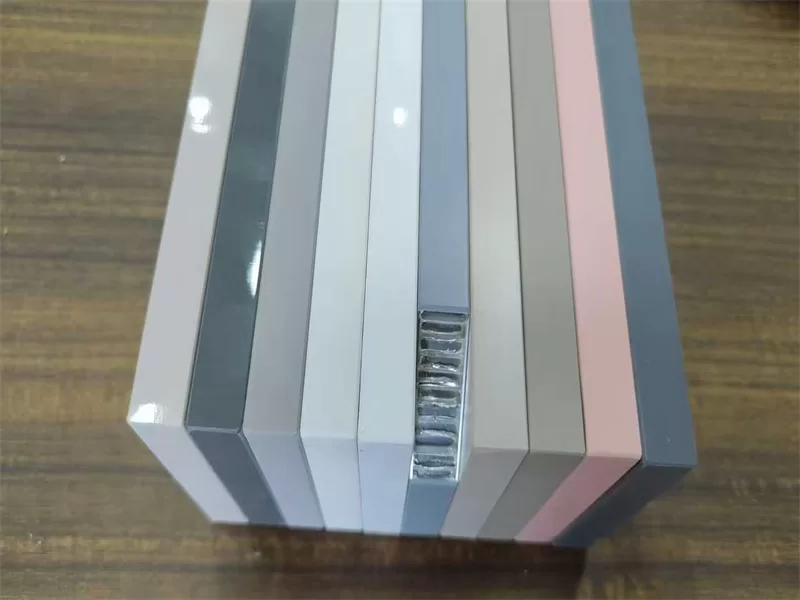
Combines honeycomb core with added thermal insulation layers.
Common in food transport and cold storage applications
Used in refrigerated transport and climate-controlled structures
Improves thermal performance beyond standard honeycomb core alone
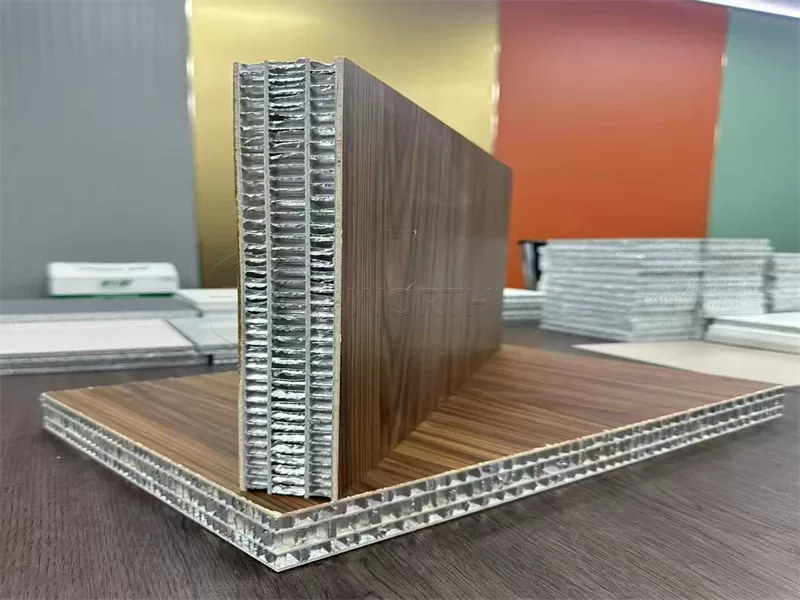
Decorative Face Honeycomb Panel
Standard core paired with a specialty finish skin, such as wood grain or brushed metal.
- Combines structural benefits with architectural appearance
- Common in interior wall systems and display fixtures
- Skin finish options match standard architectural panel choices
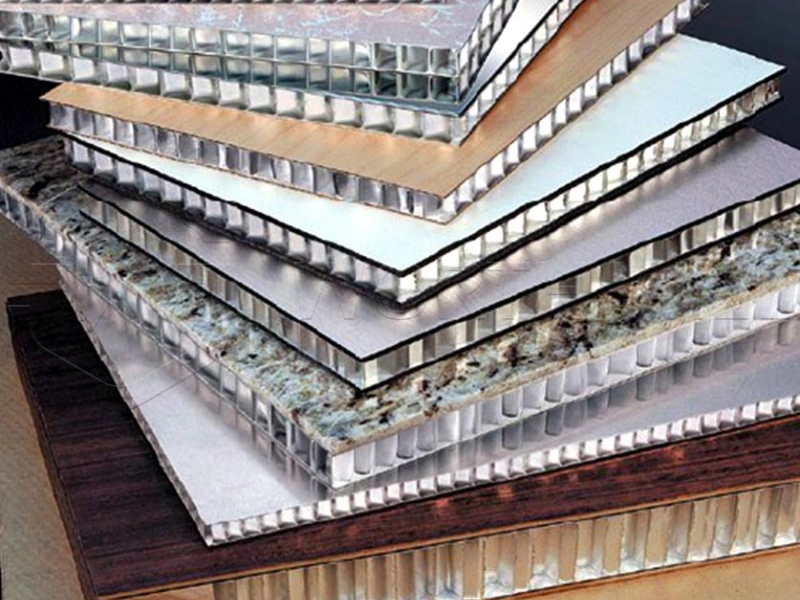
4×8 Honeycomb Panel vs. Solid Aluminum Sheet
| Factor | Honeycomb Panel | Solid Aluminum Sheet |
|---|---|---|
| Weight | Significantly lighter | Heavier |
| Rigidity | Excellent for the weight | Good, but requires more material |
| Insulation | Better thermal and sound performance | Minimal insulation value |
| Cost per sheet | Often comparable or lower for equal rigidity | Higher for matching stiffness |
Honeycomb panels typically win when a project needs a large, flat, rigid surface without adding excessive weight, which explains their popularity in transportation and modular construction.
Choosing the Right Panel Type
→ Need maximum rigidity with minimum weight? Standard aluminum honeycomb core is the practical default. → Building for fire-code-sensitive spaces? Choose a Nomex or fire-rated core option. → Working on refrigerated transport? Insulated honeycomb panels add thermal performance. → Want a decorative interior wall system? Decorative face panels combine structure with finished appearance.
4×8 Honeycomb Panel vs. Foam Core Panel

| Factor | Honeycomb Panel | Foam Core Panel |
|---|---|---|
| Strength | Higher | Lower |
| Weight | Slightly heavier than foam | Lightest option |
| Moisture resistance | Good, especially with sealed edges | Can absorb moisture over time |
| Cost | Moderate | Often lower |
Foam core panels offer a lighter, more budget-friendly option for low-load applications, while honeycomb panels remain the stronger choice for anything requiring structural rigidity at this size.
Applications

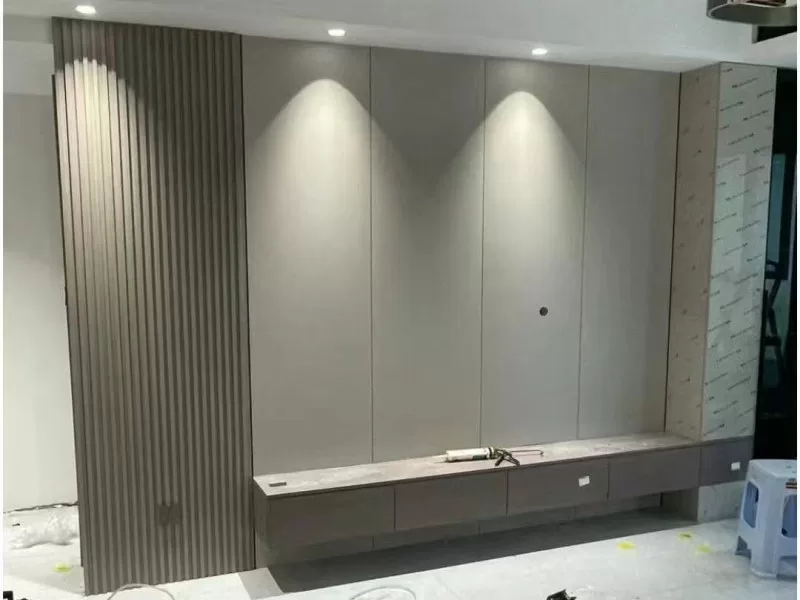
4×8 honeycomb panels are used across construction, transportation, and display industries.
- Modular wall and partition systems
- Truck and trailer wall and floor panels
- Exhibition and trade show display construction
- Elevator cab interior panels
- Door core material for lightweight doors
- Marine bulkhead and interior panels
- Aerospace and rail interior components
- Furniture and cabinetry core material
Why Fabricators Choose 4×8 Honeycomb Panels
Standard Size Convenience
Matching common cutting equipment and construction module dimensions reduces waste and simplifies planning.
Exceptional Strength-to-Weight Ratio
The internal cell structure delivers rigidity that would otherwise require a much heavier solid panel.
Design and Finish Flexibility
Face skin options range from plain aluminum to painted, decorative, or specialty finishes to match project requirements.
Improved Insulation Performance
The air-filled cell structure naturally improves thermal and acoustic performance compared to solid panel alternatives.
Cutting and Fabrication Notes
- Standard panel saws handle most 4×8 honeycomb panels cleanly
- Edge sealing or potting prevents cell crushing at cut edges
- Pre-cut sizing from suppliers saves fabrication time on repeat orders
- CNC routing works well for precise shapes and mounting hole placement
Packaging and Delivery
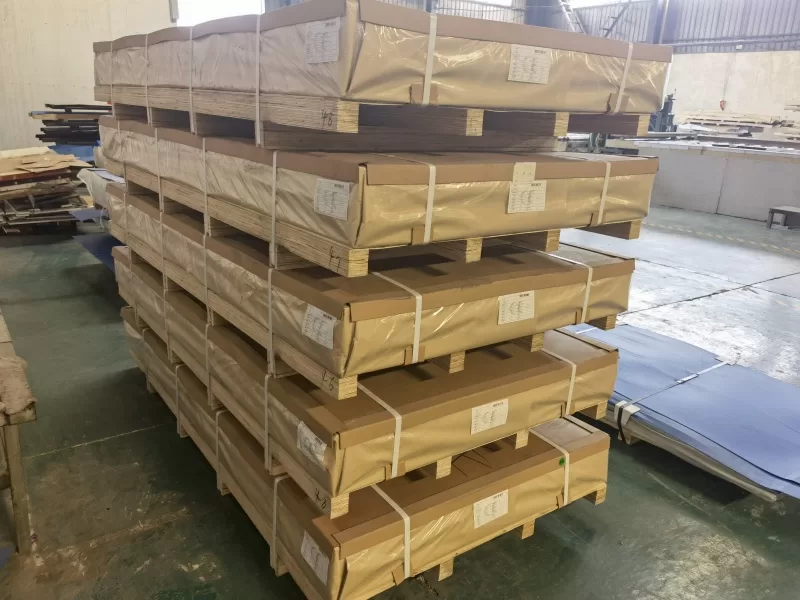
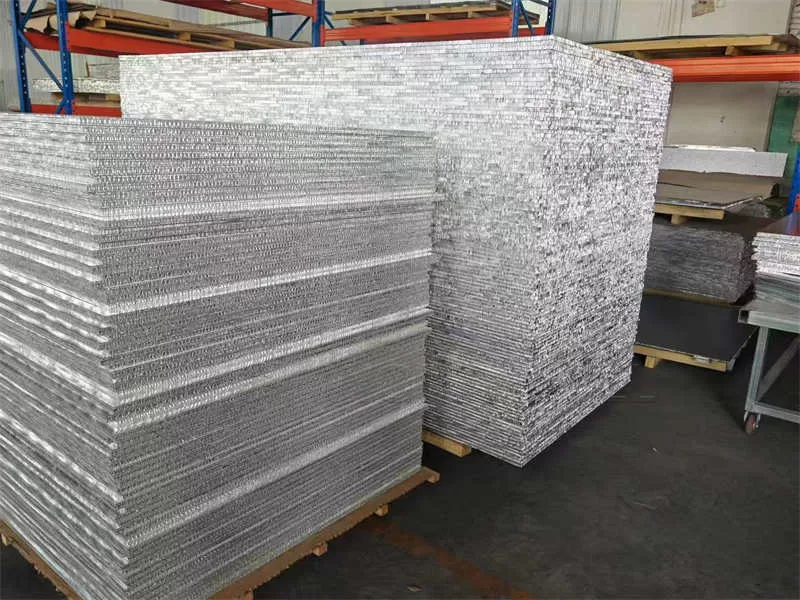
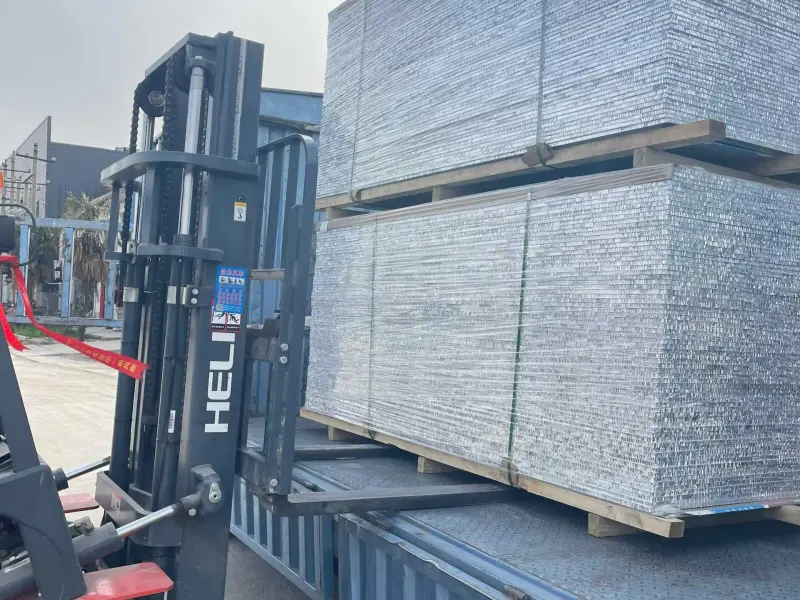
Honeycomb panels need flat, stable packing to avoid bending or edge damage during shipping.
MOQ and lead time depend on core type, skin material, and thickness
Flat stacking on pallets to prevent warping
Edge protection to guard against cell crushing at panel borders
Interleaved protective film for painted or decorative skins
What Is a 4×8 Honeycomb Panel?
A honeycomb panel is a sandwich-structure panel with two flat face sheets and a hexagonal (honeycomb) core in between. The honeycomb core — usually aluminum, paper, or polypropylene — creates a rigid, lightweight structure that is far stiffer than solid sheets of the same weight.
| Property | Detail |
|---|---|
| Standard size | 4 ft × 8 ft (1,220 × 2,440 mm) |
| Face sheet material | Aluminum, steel, fiberglass, carbon fiber, HPL |
| Core material | Aluminum honeycomb, Nomex®, polypropylene, paper |
| Total panel thickness | 6 mm – 50 mm (standard); up to 100 mm (custom) |
| Face sheet thickness | 0.5 mm – 3.0 mm per face |
| Core cell size | 3/16 in (4.8 mm) – 3/4 in (19 mm) |
| Panel weight | 3 – 12 kg/m² depending on spec |
| Available finishes | Mill, anodized, PVDF, powder coat, stone, wood, mirror |
Types of 4×8 Honeycomb Panels
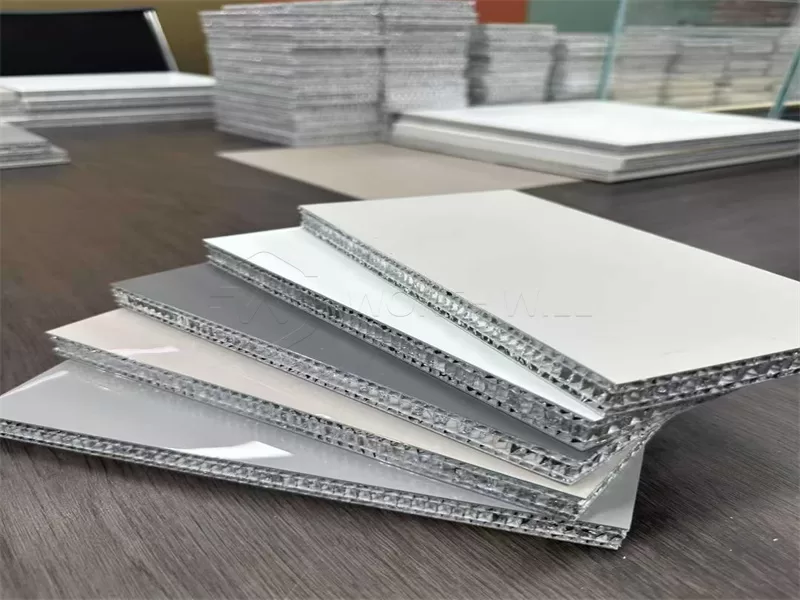
| Panel Type | Face Sheet | Core | Best For | Weight (kg/m²) |
|---|---|---|---|---|
| Aluminum Honeycomb Panel | Aluminum (0.5–2 mm) | Aluminum honeycomb | Facades, ceilings, marine, aerospace | 3 – 8 |
| Steel Honeycomb Panel | Steel (0.5–1.5 mm) | Aluminum or paper core | Flooring, doors, industrial | 8 – 18 |
| Fiberglass Honeycomb Panel | Fiberglass / GRP | Aluminum or Nomex® | Transport, marine, clean rooms | 4 – 10 |
| Carbon Fiber Honeycomb Panel | Carbon fiber | Aluminum or Nomex® | Aerospace, motorsport, high-tech | 1.5 – 4 |
| HPL Honeycomb Panel | High-pressure laminate | Aluminum or paper | Interior fit-out, furniture, partitions | 5 – 9 |
| Stone / Marble Honeycomb Panel | Natural stone (3–5 mm) | Aluminum honeycomb | Luxury cladding, countertops | 6 – 14 |
4×8 Aluminum Honeycomb Panels – Key Specifications
| Spec | Standard Range | Heavy / Structural |
|---|---|---|
| Panel thickness | 10 mm – 25 mm | 30 mm – 50 mm |
| Face sheet alloy | 3003 / 5052 | 5052 / 6061 |
| Face sheet thickness | 0.5 mm – 1.0 mm | 1.5 mm – 3.0 mm |
| Core cell size | 1/4 in (6.4 mm) | 3/8 in – 1/2 in (9.5–12.7 mm) |
| Core density | 3.0 – 4.5 pcf (48–72 kg/m³) | 5.0 – 8.0 pcf (80–128 kg/m³) |
| Compressive strength | 200 – 500 psi (1.4–3.4 MPa) | 600 – 1,200 psi (4.1–8.3 MPa) |
| Flexural stiffness | High | Very high |
| Fire rating | A2 (non-combustible core available) | A1 (all-metal construction) |
4×8 Aluminum Honeycomb Panels Price
The 4×8 aluminum honeycomb panels price depends on face sheet thickness, core density, finish, and order quantity. Here is a general price guide:
| Panel Spec | Thickness | Finish | Price per Panel (USD) |
|---|---|---|---|
| Standard architectural | 10 mm (0.5 mm face) | Mill / painted | $45 – $90 |
| Mid-range facade | 15–20 mm (1.0 mm face) | PVDF coated | $90 – $160 |
| Heavy structural | 25–30 mm (1.5 mm face) | Anodized / PVDF | $160 – $280 |
| Premium / custom finish | 20–50 mm | Mirror / wood / stone print | $200 – $500+ |
| HPL honeycomb panel | 20–30 mm | HPL face | $80 – $180 |
How Strong Are Aluminum Honeycomb Panels?
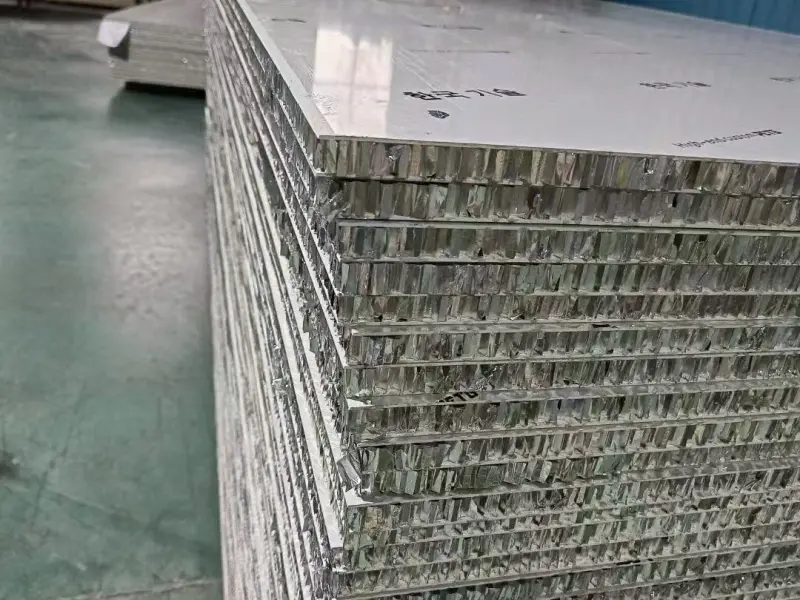
Aluminum honeycomb panels are remarkably strong for their weight. The hexagonal core transfers load efficiently across the entire panel surface, making them far stronger than solid aluminum sheets of the same mass.
| Strength Property | Value | Comparison |
|---|---|---|
| Compressive strength | 200 – 1,200 psi (1.4–8.3 MPa) | 4–10× stronger than foam core panels |
| Flatwise tensile strength | 150 – 400 psi (1.0–2.8 MPa) | Resists delamination under pull force |
| Shear strength (L-direction) | 150 – 350 psi (1.0–2.4 MPa) | Comparable to structural plywood |
| Weight-to-strength ratio | Excellent | Best of any sandwich panel type |
| Wind load resistance | Up to 5.0 kPa (standard) | Suitable for high-rise facades |
| Impact resistance | Good – distributes force over large area | Better than solid sheet at same weight |
What Are the Disadvantages of Honeycomb Panels?
Despite their many advantages, 4×8 honeycomb panels do have some limitations worth knowing before you buy:
- 💰 Higher upfront cost – Honeycomb panels cost more per panel than solid aluminum sheet or ACP at the same size
- 🔧 Difficult to cut and edge – The open core requires special edge-closing inserts or folded returns to prevent core exposure
- 💧 Water ingress risk – If edges or face sheets are not properly sealed, moisture can enter the core and cause corrosion over time
- 🔩 Fastening challenges – Standard screws pull through the thin face sheets; threaded inserts or backing plates are required
- 🛠️ Repair is complex – Damaged sections are hard to repair in the field; panels usually need full replacement
- ♻️ Recycling complexity – The bonded construction makes material separation harder than single-material sheets
What Is the Difference Between Honeycomb Aluminium and ACP?
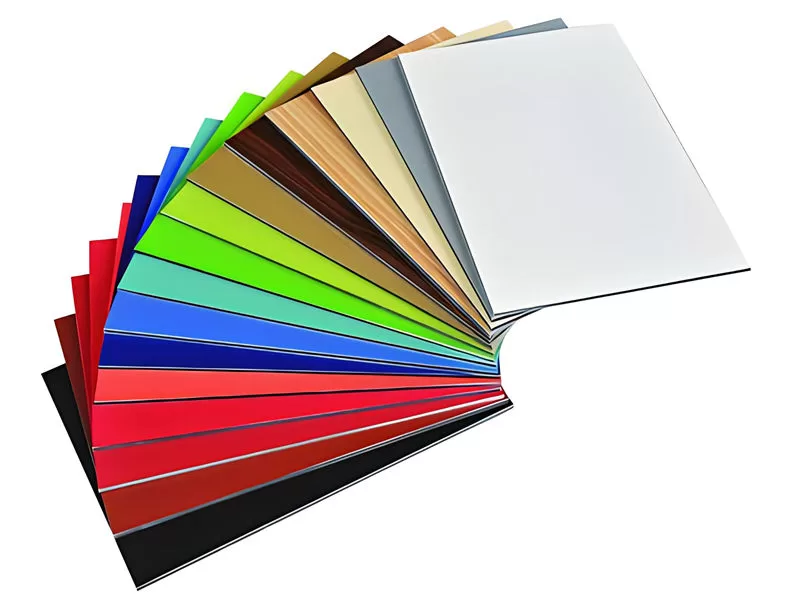
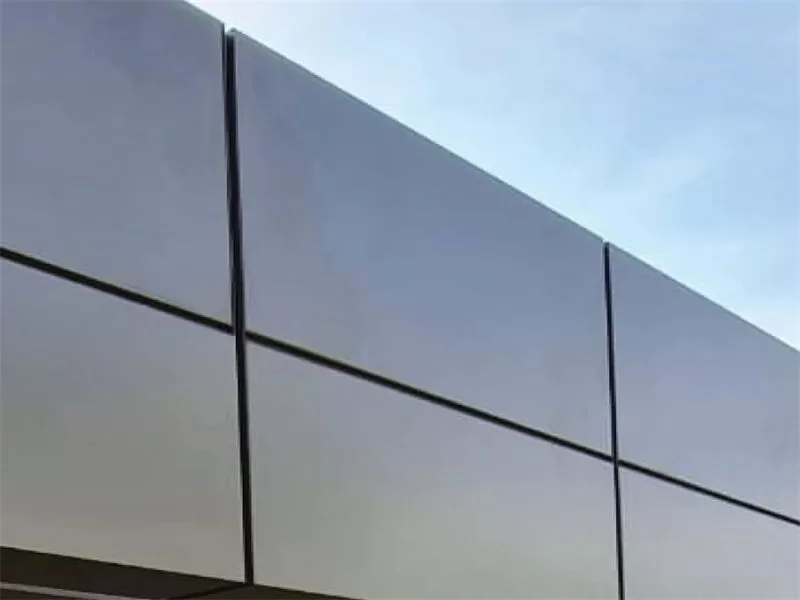
| Feature | Aluminum Honeycomb Panel | ACP (Aluminum Composite Panel) |
|---|---|---|
| Core material | Aluminum hexagonal honeycomb | Polyethylene (PE) or mineral fill |
| Face sheet thickness | 0.5 – 3.0 mm per face | 0.3 – 0.5 mm per face (typical) |
| Total thickness | 10 – 50 mm | 3 – 6 mm (standard) |
| Weight (kg/m²) | 3 – 12 | 5 – 8 (heavier for same thickness) |
| Stiffness | Very high | Moderate |
| Fire resistance | A2 / A1 (all-metal) | A2 (mineral core) / B (PE core) |
| Cost | Higher | Lower |
| Best for | Structural facades, aerospace, marine | Signage, cladding, retail fit-out |
What Is the Difference Between Composite Panel and Honeycomb Panel?
| Feature | Composite Panel (ACP / solid core) | Honeycomb Panel |
|---|---|---|
| Core structure | Solid or foam fill (continuous) | Open hexagonal cell structure |
| Weight | Heavier | Lighter (up to 40% less) |
| Rigidity | Moderate to good | Excellent – much higher stiffness |
| Available thickness | 3 – 6 mm (ACP); up to 20 mm (solid) | 6 – 100 mm |
| Cost | Lower | Higher |
| Fabrication | Easy to cut, rout, and bend | Requires special edge treatment |
| Applications | Signage, cladding, furniture | Facades, floors, aerospace, marine |
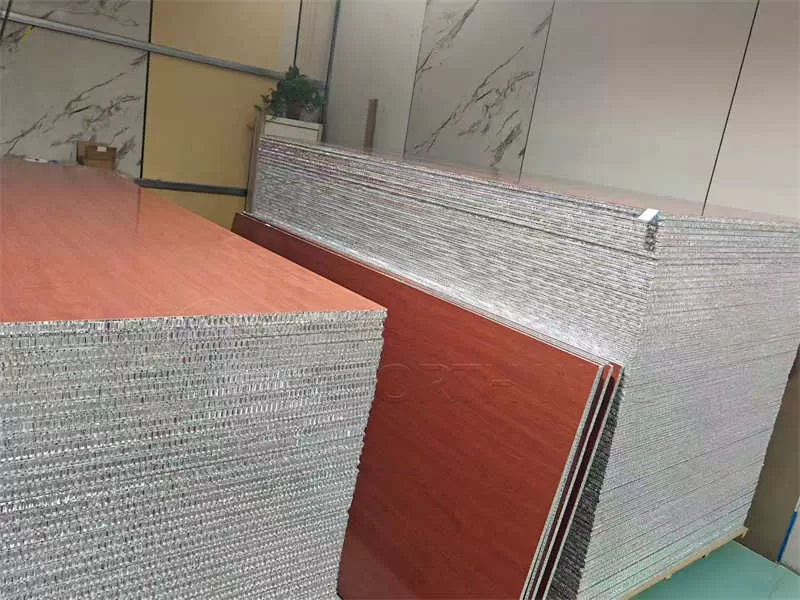
Where Are 4×8 Honeycomb Panels Used?
- 🏗️ Building facades and curtain walls – Lightweight cladding with high wind-load resistance for commercial buildings
- ✈️ Aerospace and aviation – Aircraft interior panels, bulkheads, and floor panels
- 🚢 Marine and shipbuilding – Cabin panels, decking, and bulkheads where weight matters
- 🚌 Transport and automotive – Bus and rail interior panels, truck body liners
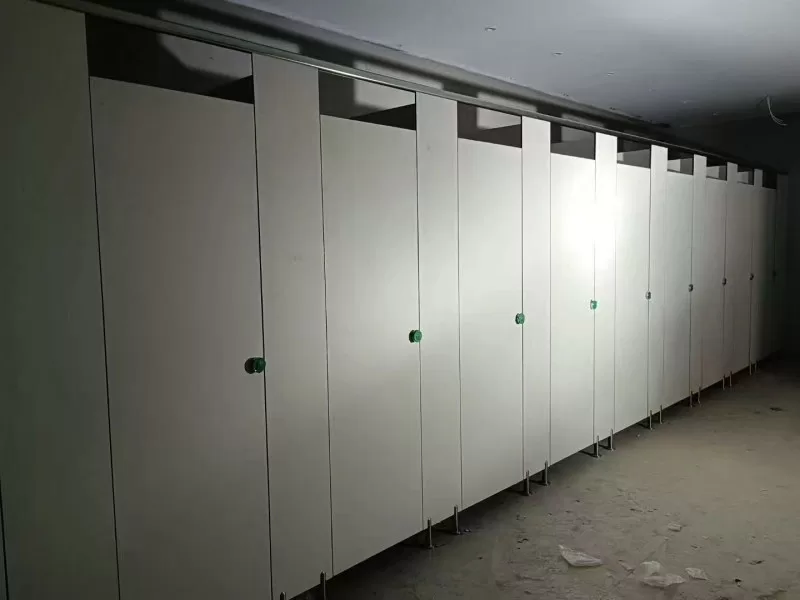
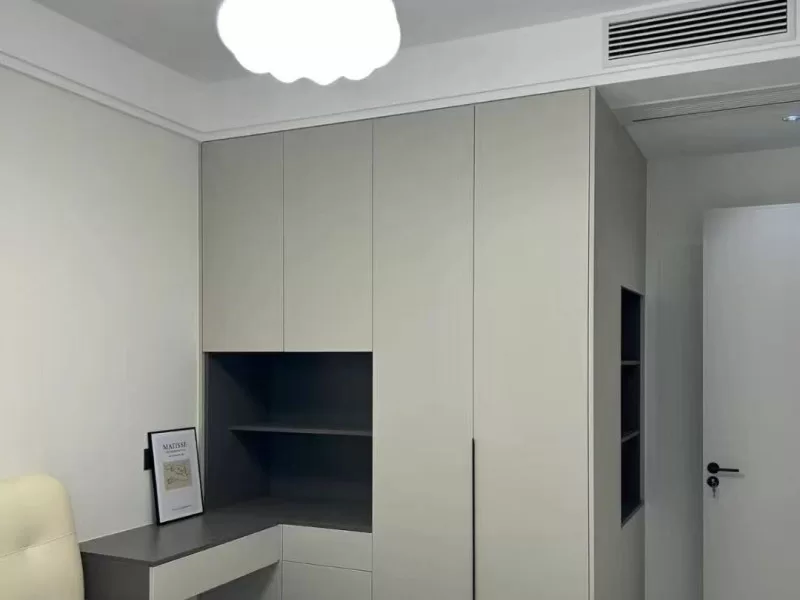
- 🏠 Interior architecture – Ceilings, partitions, wall panels, and elevator interiors
- 🪨 Countertops and luxury surfaces – Stone-faced honeycomb panels for lightweight worktops
- 🎪 Exhibition and display – Lightweight display stands and trade show booths
- ☀️ Solar panel backing – Rigid mounting substrate for photovoltaic systems
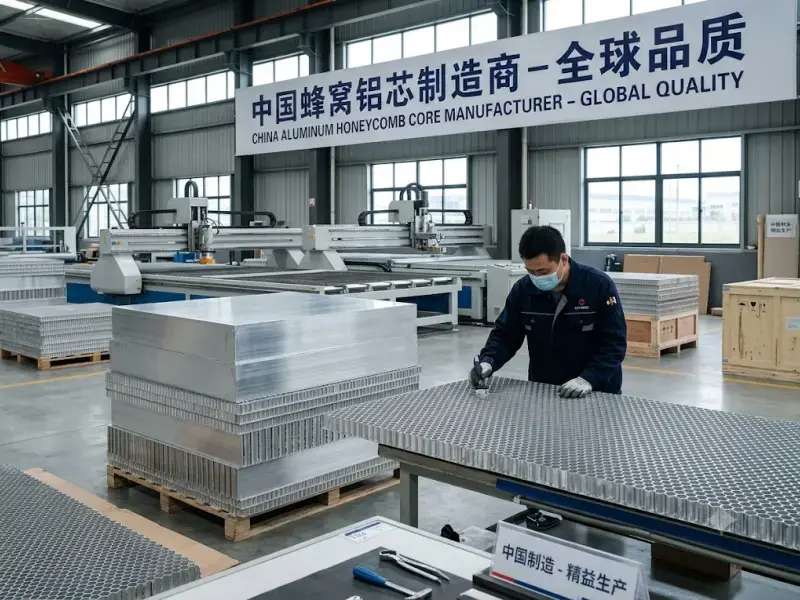
4×8 Honeycomb Panels Near Me – Where to Buy
| Source | Best For | Lead Time |
|---|---|---|
| Local metal/building suppliers | Standard specs, quick pickup | Same day – 3 days |
| Online distributors (Amazon, ePlastics) | Small quantities, cut-to-size | 2 – 7 days |
| Specialty composites suppliers | Technical specs, aerospace grade | 5 – 14 days |
| Direct from manufacturer | Large orders, custom size/finish | 15 – 45 days |
💡 Pro Tip: When searching for 4×8 honeycomb panels nearby, call local composite panel distributors or architectural cladding suppliers first — they often stock standard 4×8 aluminum honeycomb panels for same-week delivery, while online orders may take longer for large-format sheets.
Frequently Asked Questions
What is the standard price for 4×8 aluminum honeycomb panels?
The 4×8 aluminum honeycomb panels price typically ranges from $45 to $280 per panel for standard architectural grades, and up to $500+ for premium finishes or heavy structural specs. Bulk orders of 50+ panels reduce the per-panel cost significantly.
Are aluminum honeycomb panels fire-resistant?
Yes. Aluminum honeycomb panels with an all-aluminum construction (face sheets + aluminum core) achieve a Class A1 or A2 fire rating — the highest level of non-combustibility. This makes them compliant with fire safety regulations for buildings over 18 m in most countries.
Can 4×8 honeycomb panels be cut to size?
Yes — 4×8 honeycomb panels can be cut with a fine-tooth circular saw, CNC router, or water jet. After cutting, exposed edges must be with aluminum edge tape or folded face sheet returns to protect the core from moisture.
What are 4×8 honeycomb panels used for?
They are used for modular walls, trailer panels, display construction, door cores, and marine or aerospace interior panels, mainly where light weight and rigidity both matter.
How much does a 4×8 honeycomb panel weigh?
Weight depends on core thickness and skin material, but a standard 20mm core panel typically weighs 35 to 45 pounds, far less than a comparable solid aluminum sheet.
What is the difference between honeycomb and foam core panels?
Honeycomb panels offer higher strength and rigidity, while foam core panels are lighter and generally more budget-friendly for low-load applications.
Can 4×8 honeycomb panels be fire-rated?
Yes. Panels using Nomex or specially treated core material meet stricter fire code requirements than standard aluminum core panels.
What skin material is best for 4×8 honeycomb panels?
Aluminum remains the most common skin choice, offering a good balance of weight, corrosion resistance, and finish options.
Are 4×8 honeycomb panels good for outdoor use?
Yes, with proper edge sealing and a durable skin finish such as painted or coated aluminum to resist moisture and UV exposure.