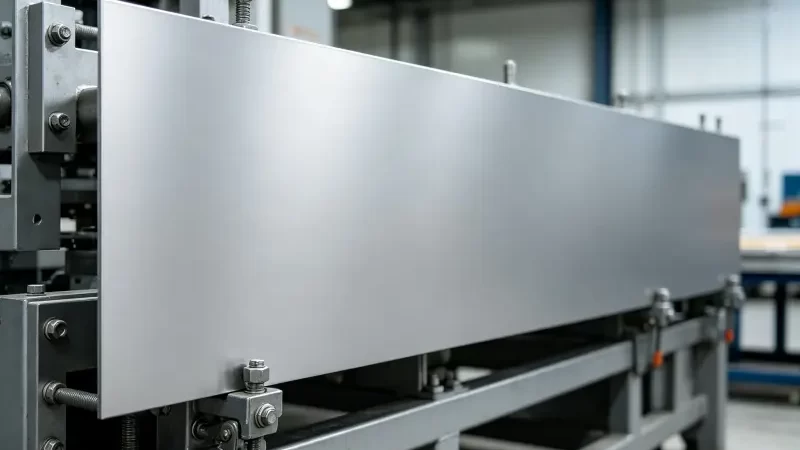
A 3/16 aluminum sheet (0.1875 inches / 4.76 mm thick) is a versatile metal panel commonly used in construction, manufacturing, and decoration.
At WORTHWILL ALUMINUM, we supply high-quality 3/16” aluminum sheets 4×8, 5×10 aluminum sheets, and 3/16 aluminum diamond plate for multiple applications.
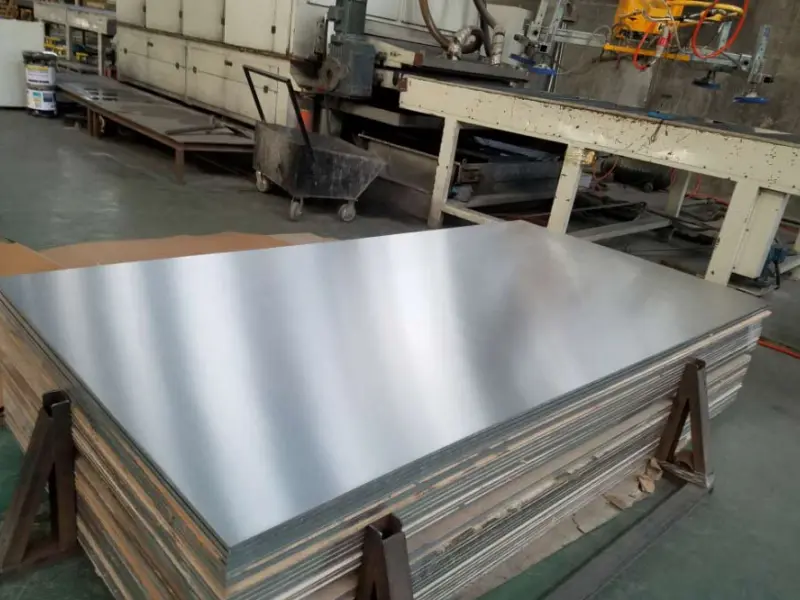
Benefits of 3/16 Aluminum Sheet:
- Lightweight yet strong
- Corrosion-resistant for indoor and outdoor use
- Easy to cut, bend, and shape
- Smooth or patterned surfaces available
- Long-lasting and low maintenance
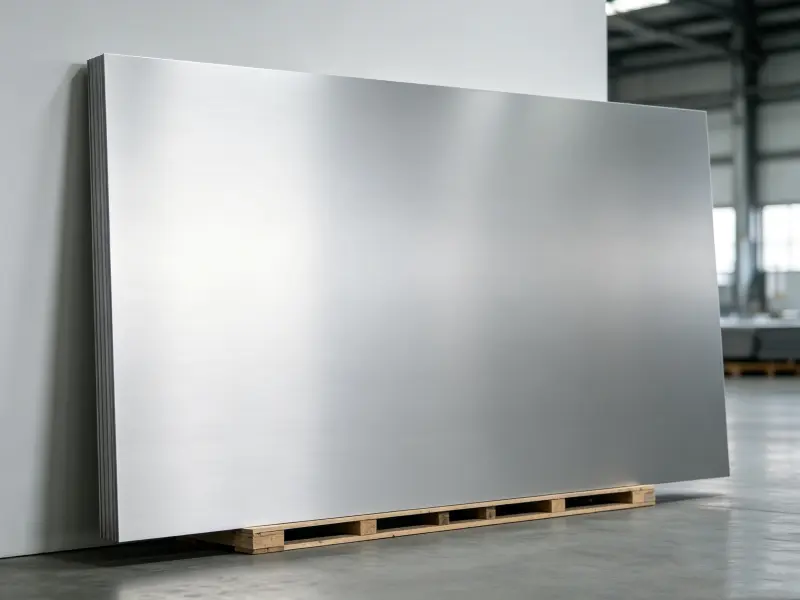
Specifications
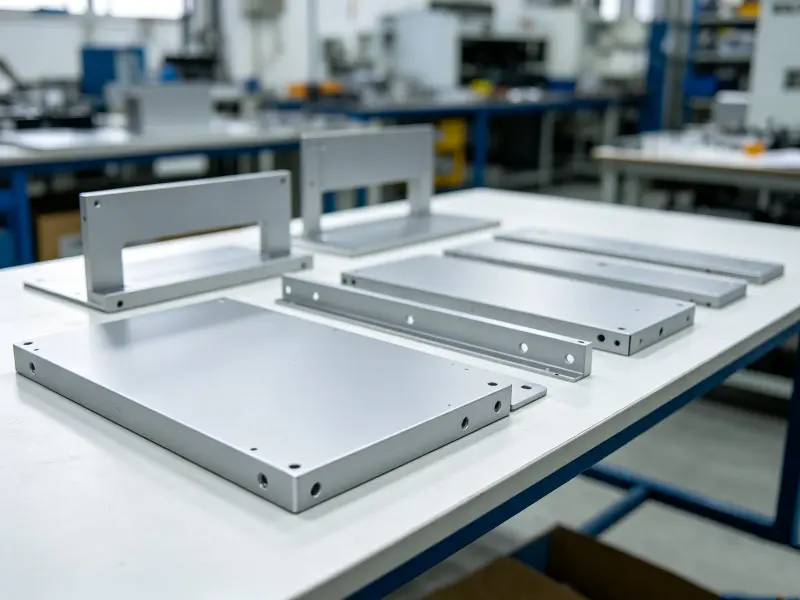
| Specification | Range |
|---|---|
| Thickness | 3/16 inch (0.1875 in / 4.76 mm) |
| Width | 4–5 ft (1220–1524 mm) |
| Length | 8–10 ft (2440–3048 mm) |
| Alloy | 5052, 6061, 3003, 1100 |
| Temper | H14, H32, O |
| Finish | Mill, brushed, diamond plate |
3/16 Aluminum Sheet Weight and Price
The weight and price of a 3/16 aluminum sheet depend on size, alloy, and finish.
| Size | Weight per Sheet | Approx. Price* |
|---|---|---|
| 4×8 ft | 25–26 lbs | $80–$100 |
| 5×10 ft | 40–42 lbs | $120–$150 |
| 4×8 3/16 aluminum sheet price | – | $80–$100 |
*Prices are indicative; contact WORTHWILL ALUMINUM for exact quotes.
Types
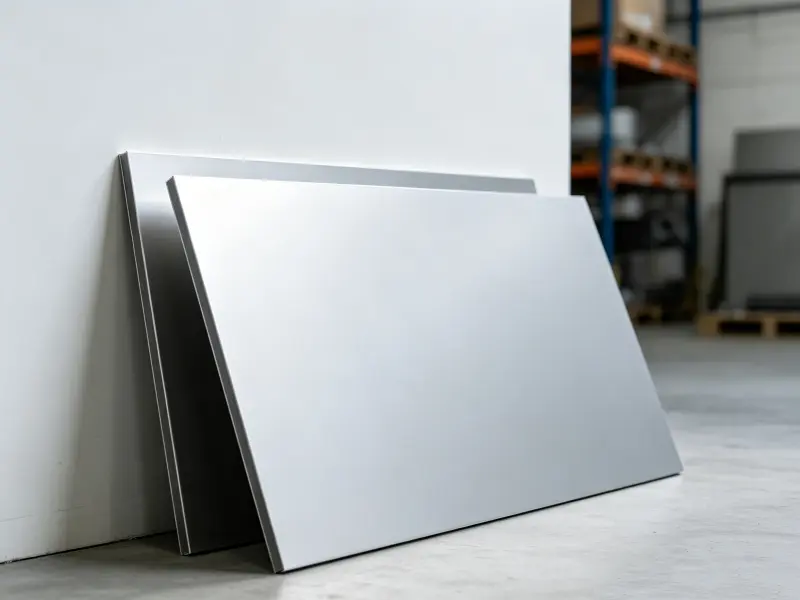
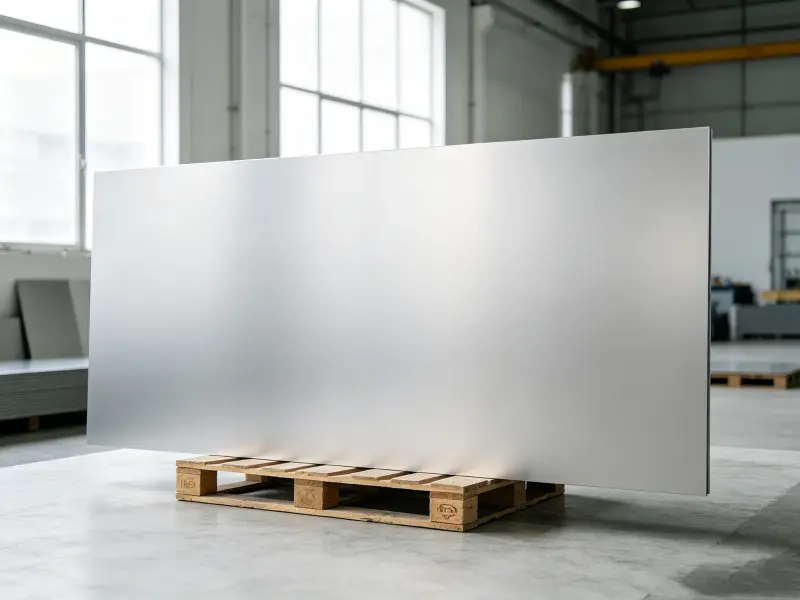
Mill Finish 3/16 Aluminum Sheet
| Feature | Application |
|---|---|
| Smooth, natural surface | Construction panels, structural use |
| Lightweight | Easy to handle and install |
Brushed 3/16 Aluminum Sheet
| Feature | Application |
|---|---|
| Satin metallic finish | Decorative panels, signage, furniture |
| Scratch-resistant | Interior and exterior design |
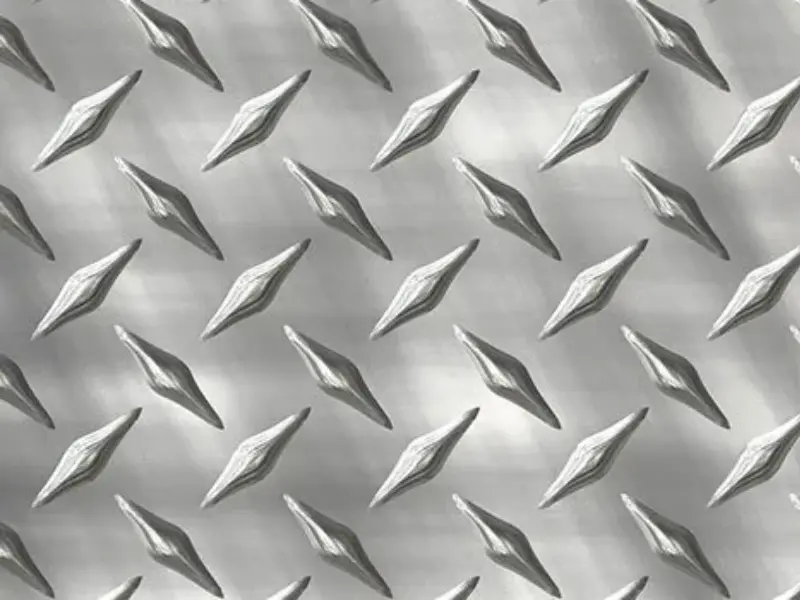
Diamond 3/16 Aluminum Plate
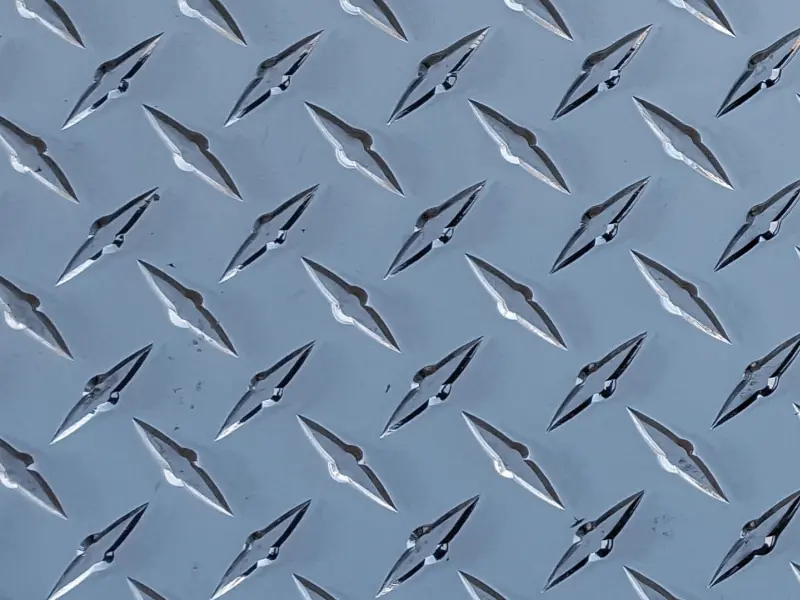
| Feature | Application |
|---|---|
| Raised pattern surface | Anti-slip flooring, ramps, vehicle beds |
| Durable and decorative | Industrial and commercial use |
Cutting and Bending 3/16 Aluminum Sheet
Cutting Methods:
- Circular saw with carbide blade
- Jigsaw with fine metal blade
- Laser cutting for precision shapes
- Water jet cutting for decorative designs
Bending Tips:
- Use a press brake for smooth bends
- Avoid sharp corners to prevent cracking
- Can be bent multiple times depending on alloy and temper
| Method | Suitable For | Notes |
|---|---|---|
| Circular saw | Straight cuts | Fast and accurate |
| Jigsaw | Custom shapes | Flexible and precise |
| Press brake | Bending | Smooth, clean folds |
| Water jet | Decorative patterns | No heat distortion |
Applications

Industrial and construction panels
Flooring, ramps, and walkways (diamond plate)
Furniture and cabinetry surfaces
Signage and display boards
Truck beds and vehicle flooring
Decorative panels for interiors and exteriors
DIY and craft projects
Advantages
- Lightweight yet strong and durable
- Corrosion and rust-resistant
- Easy to cut, drill, and shape
- Available in multiple finishes and alloys
- Long-lasting for indoor and outdoor applications
| Feature | Benefit |
|---|---|
| Thickness 3/16 in | Strong but lightweight |
| Alloy options | High durability |
| Multiple finishes | Mill, brushed, diamond plate |
| Easy to handle | Quick installation |
Why Choose WORTHWILL ALUMINUM?
- Factory-direct production ensures consistent quality
- Multiple alloys, sizes, and finishes available
- Custom cutting and fabrication services
- Strict quality control and inspection
- Fast domestic and international delivery
Quality Control Checks
| Test | Purpose |
|---|---|
| Thickness measurement | Accurate and consistent |
| Surface finish inspection | Smooth or patterned |
| Strength and bend test | Durable handling |
| Corrosion resistance | Suitable for all applications |
Aluminum sheet for sale
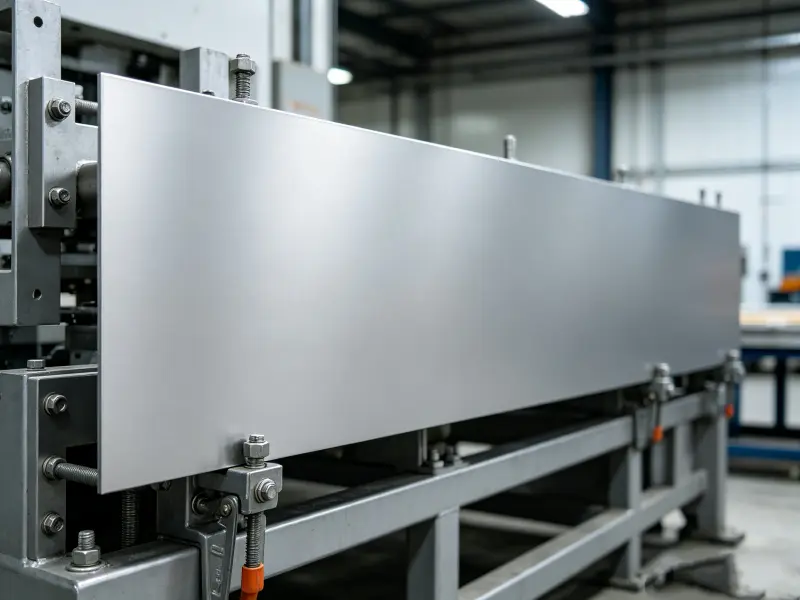
A 3/16 aluminum sheet is a versatile, lightweight, and durable material suitable for industrial, decorative, and structural uses.
Whether you need 4×8 sheets, 5×10 aluminum sheets, or diamond 3/16 aluminum plate, WORTHWILL ALUMINUM provides high-quality sheets with reliable delivery for all your projects.
3/16 Aluminum Sheet Product
A 3/16 aluminum sheet is a popular medium-thickness aluminum product for construction, transportation, marine, industrial, and fabrication projects.
The thickness is 3/16 inch, or about 4.76 mm. It is thicker than common sheet metal but lighter than many steel plates with similar dimensions.
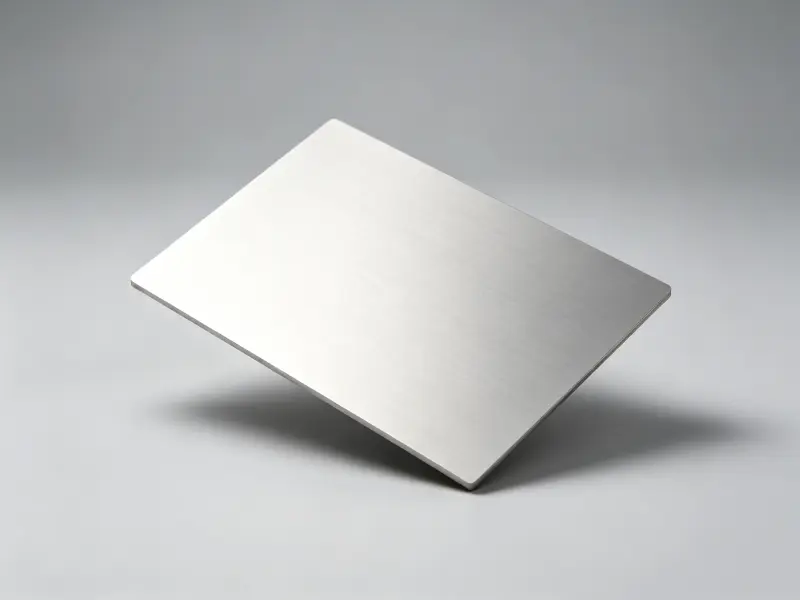
This thickness gives a useful balance between strength, weight, and fabrication.
Depending on the project, 3/16 aluminum sheet can be supplied in 1050, 1060, 1100, 3003, 3105, 5052, 5083, 5754, or 6061 aluminum.
Different tempers are also available. The right choice depends on the application, forming process, strength requirement, and working environment.
What Is 3/16 Aluminum Sheet?
3/16 aluminum sheet refers to a flat aluminum product with a nominal thickness of 3/16 inch.
The metric thickness is approximately:
| Imperial thickness | Metric thickness |
|---|---|
| 1/8 inch | 3.18 mm |
| 5/32 inch | 3.97 mm |
| 3/16 inch | 4.76 mm |
| 1/4 inch | 6.35 mm |
| 5/16 inch | 7.94 mm |
| 3/8 inch | 9.52 mm |
In the market, the product may sometimes be called 3/16 aluminum plate because of its thickness and intended use.
The exact name can depend on the supplier, market, and product standard.
Why Choose 3/16 Inch Aluminum?
This thickness is often selected when a project needs more rigidity than thin aluminum sheet.
Aluminum has several useful properties:
- Low density
- Good corrosion resistance
- Good strength-to-weight ratio
- Easy cutting
- Good machinability
- Good weldability for suitable alloys
- Non-magnetic characteristics
- Good appearance
- Easy surface finishing
A 3/16 aluminum sheet can also be easier to transport than a steel sheet of similar size.
Common 3/16 Aluminum Sheet Sizes
Standard sizes are convenient for fabrication and stock management.
| Size | Typical use |
|---|---|
| 1000 × 2000 mm | General fabrication |
| 1220 × 2440 mm | Signs and panels |
| 1250 × 2500 mm | Construction |
| 1500 × 3000 mm | Large panels |
| 1500 × 4000 mm | Industrial projects |
| 2000 × 4000 mm | Large fabrication |
| Custom size | Project orders |
Large-size sheets may need special handling and packaging.
Custom width and length can also be produced according to order requirements.
Popular Alloy Choices for 3/16 Aluminum Sheet
Not every aluminum alloy has the same properties.
The alloy should be selected according to the final application.
| Alloy | Common tempers | Main feature | Typical use |
|---|---|---|---|
| 1050 | O / H14 | High formability | General fabrication |
| 1060 | O / H14 | High aluminum content | Panels and decoration |
| 1100 | O / H14 / H18 | Good corrosion resistance | Industrial parts |
| 3003 | O / H14 / H18 | Better strength | General fabrication |
| 3105 | H14 / H24 | Good formability | Panels |
| 5052 | H32 / H34 | Higher strength | Marine and transportation |
| 5083 | H116 / H321 | High strength | Marine structures |
| 5754 | O / H22 / H24 | Good corrosion resistance | Transportation |
| 6061 | T6 / T651 | High strength | Structural parts |
1050 Aluminum Sheet
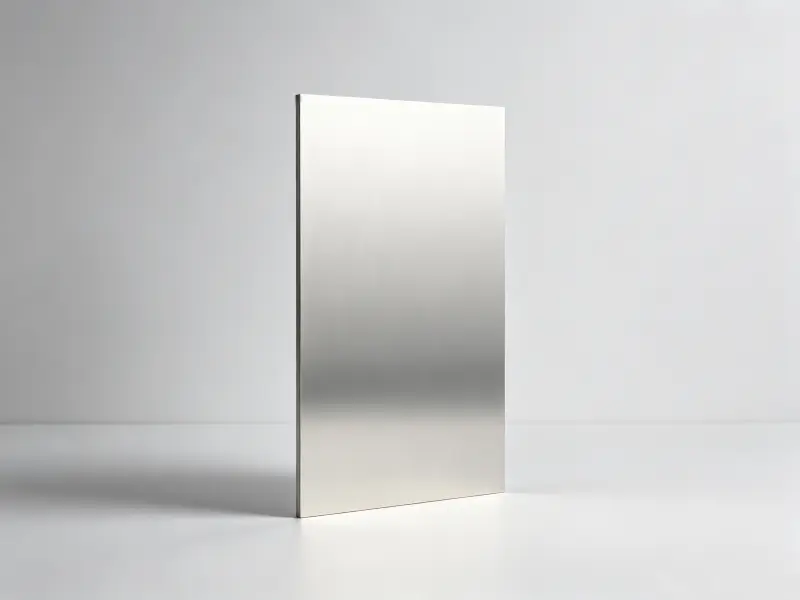
1050 is a commercially pure aluminum grade.
It offers high aluminum content and good formability.
For projects where strength is not the main requirement, 1050 can be a practical choice.
Common uses include:
- Decorative panels
- General fabrication
- Equipment covers
- Electrical applications
- Interior panels
1060 Aluminum Sheet
1060 has high aluminum content and good corrosion resistance.
It can be used for general panels and fabrication.
It is often selected when good formability and surface appearance are important.
1100 Aluminum Sheet
1100 is widely used for general industrial applications.
It has good corrosion resistance and good processing characteristics.
It can be used for equipment panels, signs, covers, and fabricated components.
3003 Aluminum Sheet
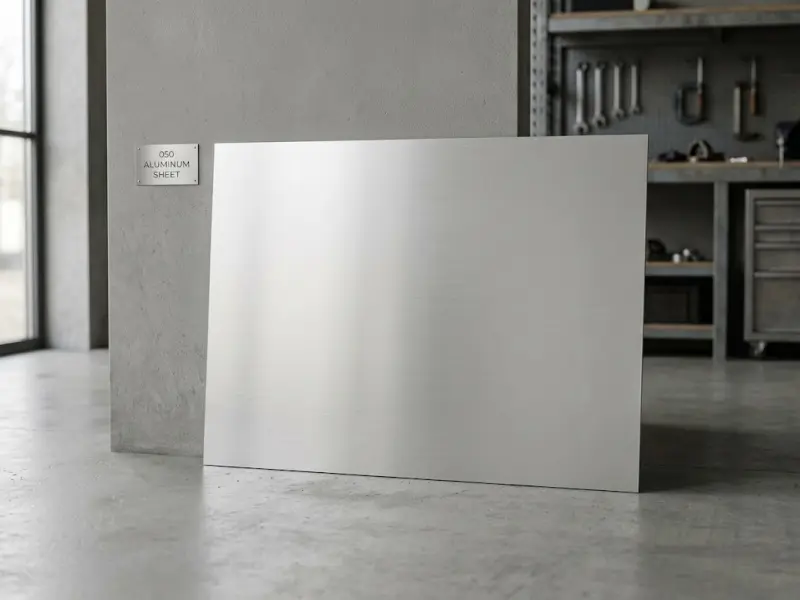
3003 is one of the common choices when higher strength is needed than 1xxx series aluminum can provide.
It also offers good formability.
Typical uses include:
HVAC components
Equipment panels
Tanks
Truck bodies
Architectural parts
Industrial fabrication
5052 Aluminum Sheet
5052 provides higher strength and good corrosion resistance.
It is especially useful in transportation and marine environments.
Typical applications include:
- Boat components
- Vehicle panels
- Trailers
- Fuel tanks
- Machine parts
- Outdoor equipment
5083 Aluminum Sheet
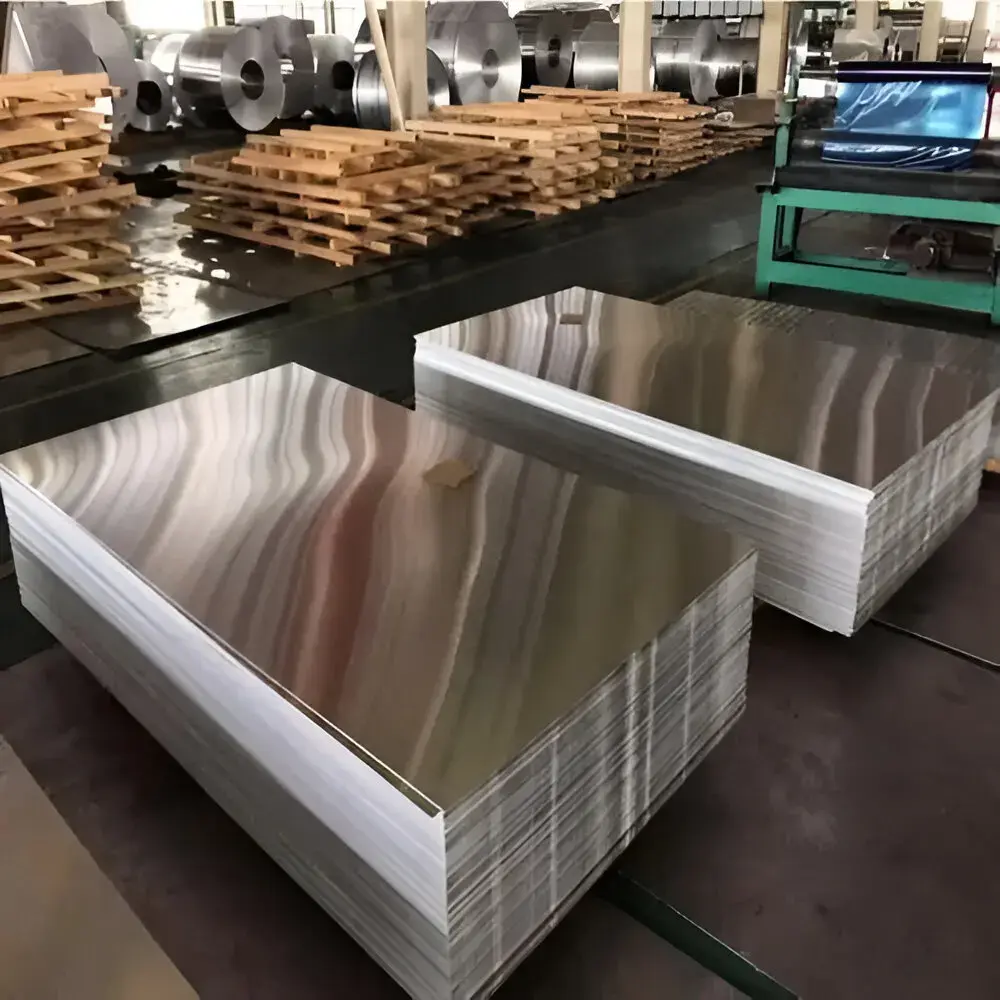
5083 is popular for high strength and good corrosion resistance.
It has widely associated with marine and heavy-duty applications.
A 3/16 5083 aluminum sheet has uses for suitable structural and fabricated components.
5754 Aluminum Sheet
5754 offers a useful combination of strength, corrosion resistance, and formability.
It is used in transportation, industrial equipment, and structural fabrication.
6061 Aluminum Sheet
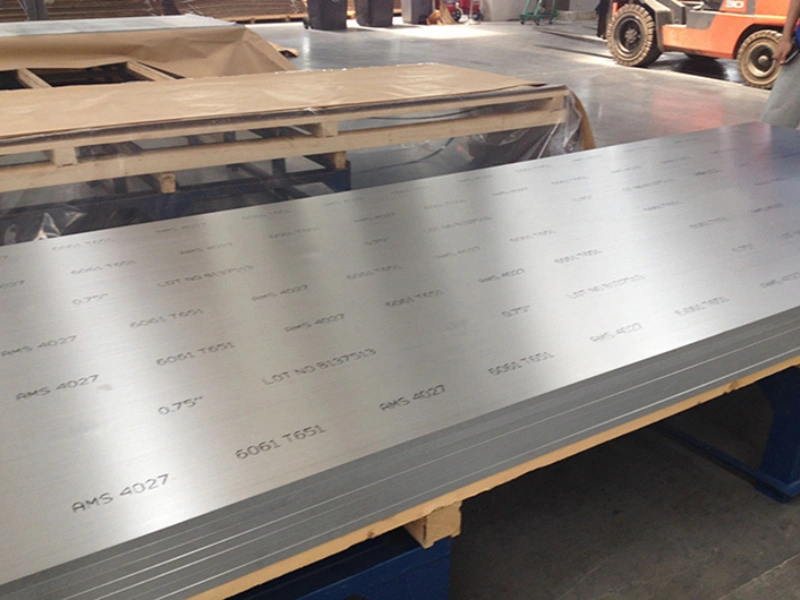
6061 is a heat-treatable aluminum alloy.
It provides higher strength than many non-heat-treatable grades.
T6 and T651 conditions are common for structural and machined applications.
Temper Options for 3/16 Aluminum
The temper describes the condition of the aluminum.
It affects strength, hardness, and formability.
| Temper | General characteristic |
|---|---|
| O | Soft and highly formable |
| H12 | Light work hardened |
| H14 | Medium strength |
| H16 | Higher strength |
| H18 | Hard condition |
| H22 | Partially annealed |
| H24 | Stabilized half-hard condition |
| H32 | Stable work-hardened condition |
| H34 | Higher-strength 5052 condition |
| T6 | Heat-treated high strength |
| T651 | T6 with stress relieving |
The available temper depends on the alloy.
3/16 Aluminum Sheet Surface Types
The same thickness can have different surface finishes.
Mill Finish
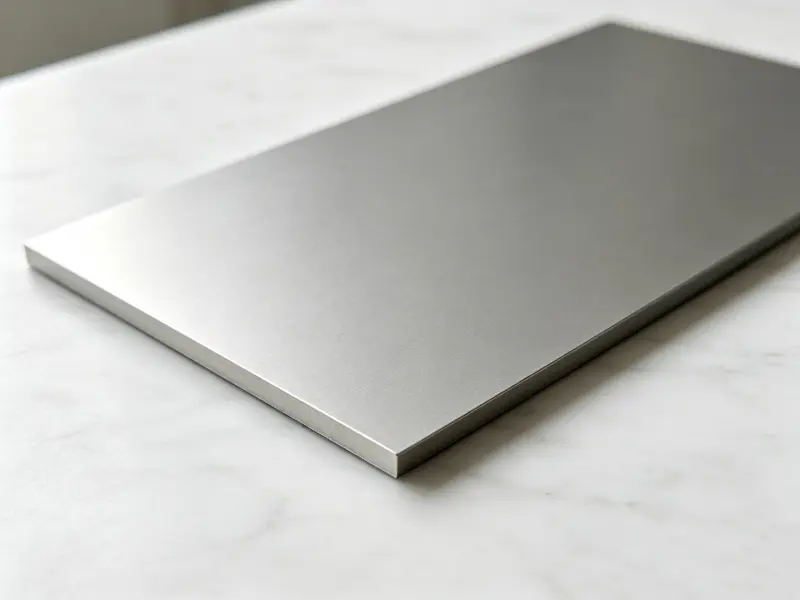
Mill finish is the standard aluminum surface.
It is suitable when the sheet has painted, fabricated, machined, or otherwise processed.
Anodized Aluminum
Anodizing creates a protective oxide layer.
It can improve surface appearance and provide additional surface protection.
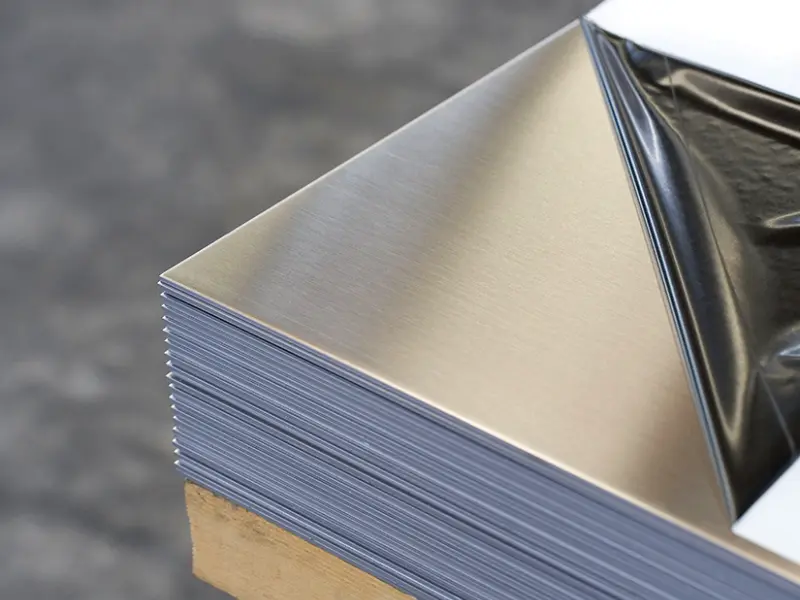
Brushed Aluminum
Brushed aluminum has a directional surface texture.
It has uses for interior decoration, signs, equipment covers, and architectural products.
Polished Aluminum
Polished aluminum provides a smoother and brighter appearance.
It can be used for decorative panels and selected reflectors.
Painted Aluminum
Painted sheets can be supplied in different colors.
Common coating systems include PE and PVDF, depending on the project.
Checker Plate
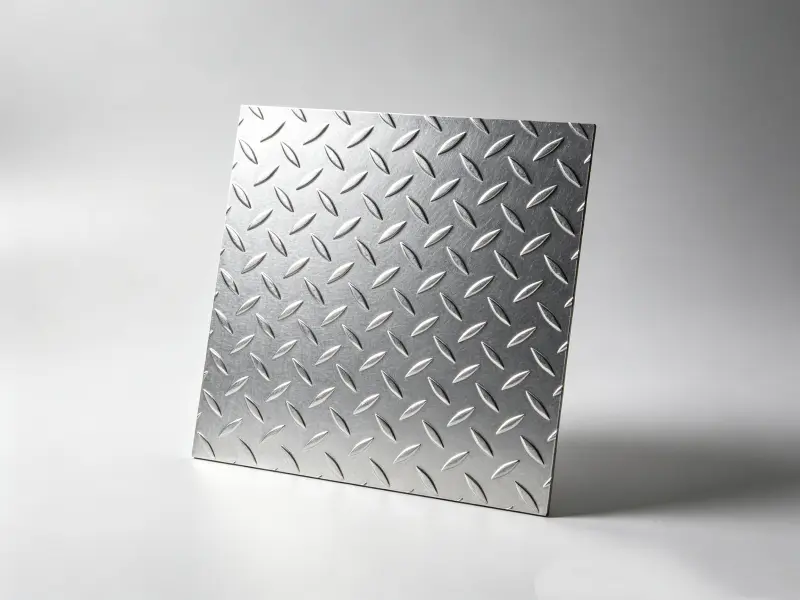
3/16 aluminum checker plate has a raised pattern.
It provides both decoration and improved surface grip.
Typical patterns include:
Diamond
1 bar
2 bar
3 bar
5 bar
3/16 Aluminum Checker Plate
A patterned surface can make the sheet more suitable for flooring and access areas.
Common applications include:
- Truck floors
- Trailer floors
- Platforms
- Walkways
- Stair treads
- Toolboxes
- Industrial flooring
5052 and 3003 are common alloy choices for different checker plate applications.
3/16 Aluminum Diamond Plate
Diamond plate uses a raised diamond pattern.
The pattern can improve traction while also giving the product a distinctive appearance.
For heavy-duty flooring, the alloy and temper has selected according to load and forming requirements.
3/16 Perforated Aluminum Sheet
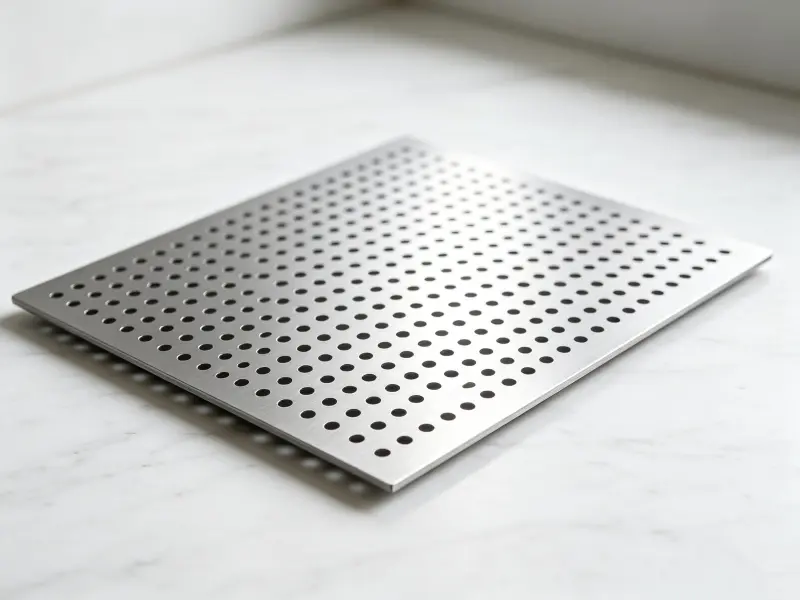
A 3/16 perforated aluminum sheet has regularly spaced holes.
The hole pattern can be customized.
Common options include:
| Hole type | Typical purpose |
|---|---|
| Round | General ventilation |
| Square | Decorative and screening |
| Slotted | Airflow and design |
| Hexagonal | Special screening |
| Custom | Project requirements |
Perforated sheets have uses for screens, ventilation panels, architectural facades, equipment guards, and decorative structures.
3/16 Expanded Aluminum Sheet
Expanded aluminum has produced by cutting and stretching the sheet.
It creates an open mesh pattern.
Applications include:
- Security screens
- Airflow panels
- Architectural decoration
- Machine guards
- Walkways
- Partitions
3/16 Stucco Embossed Aluminum
Stucco embossed aluminum has a textured surface.
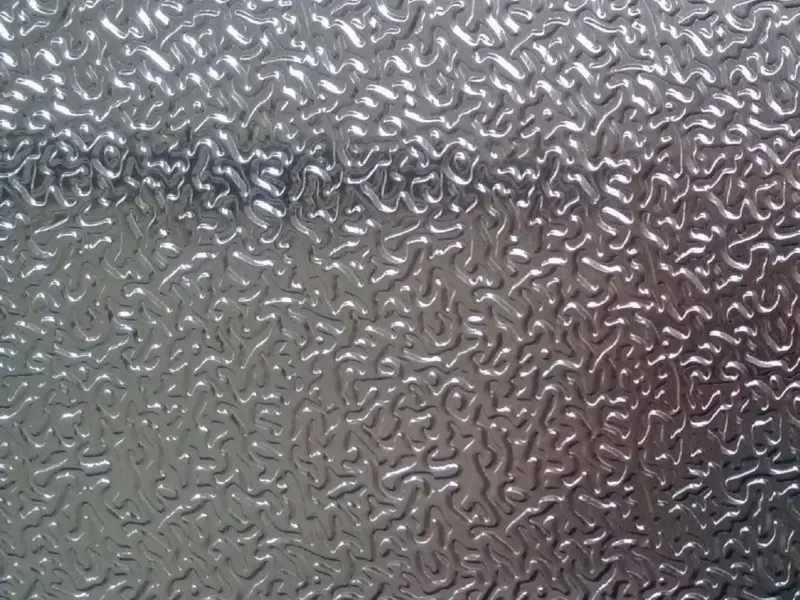
The texture can help hide minor surface marks.
It is commonly used for:
Equipment insulation
Insulation jacketing
HVAC insulation
Pipe insulation
Wall panels
Roofing
Construction Applications
3/16 aluminum sheet is suitable for many construction-related applications.
Typical uses include:
- Wall panels
- Exterior panels
- Interior panels
- Roof components
- Architectural screens
- Fascia panels
- Equipment covers
- Decorative structures
The alloy and finish should be chosen based on whether the material is used indoors or outdoors.
Transportation Applications
The low weight of aluminum makes it useful for transportation.
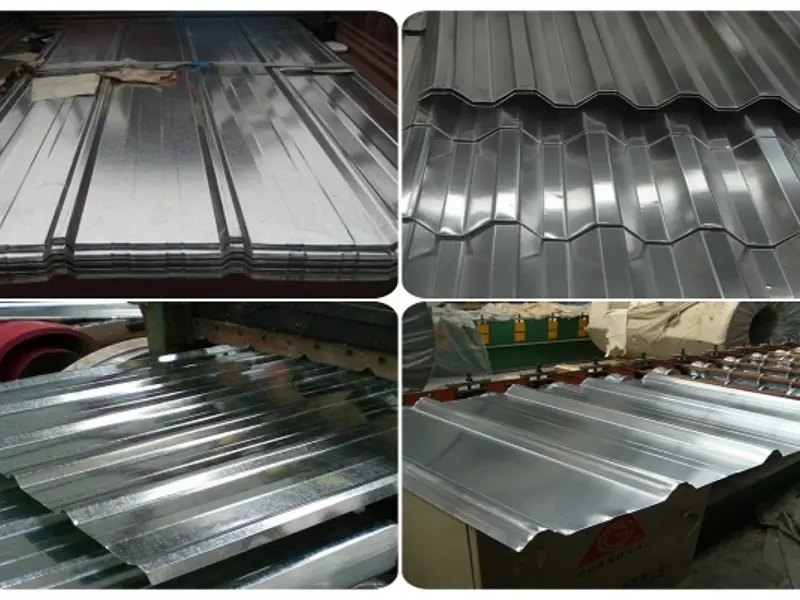
3/16 aluminum sheets can be used for:
- Truck bodies
- Trailer panels
- Vehicle floors
- Trailer ramps
- Bus components
- Automotive parts
- Transport equipment
- Toolboxes
5052, 5083, 5754, and 6061 have considered for different transportation requirements.
Marine Applications
Aluminum is widely used in marine fabrication.
Suitable alloy selection is important because seawater creates a demanding environment.
Common applications include:
- Boat panels
- Boat decks
- Marine equipment
- Bulkheads
- Ramps
- Storage boxes
- Marine structures
5083 and 5052 have commonly considered for marine fabrication.
Industrial Applications
Industrial users often need a combination of strength, corrosion resistance, and easy fabrication.
A 3/16 aluminum sheet may be used for:
- Machine covers
- Equipment panels
- Tanks
- Enclosures
- Platforms
- Guards
- Industrial flooring
- Fabricated parts
For machined structural components, 6061-T6 or T651 may be considered.
Signage and Display Applications
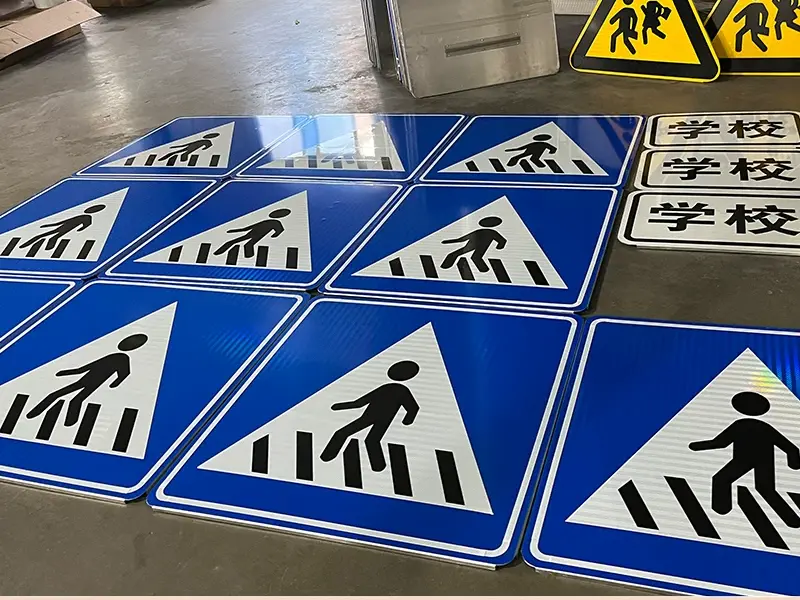
3/16 aluminum can provide a rigid base for large signs.
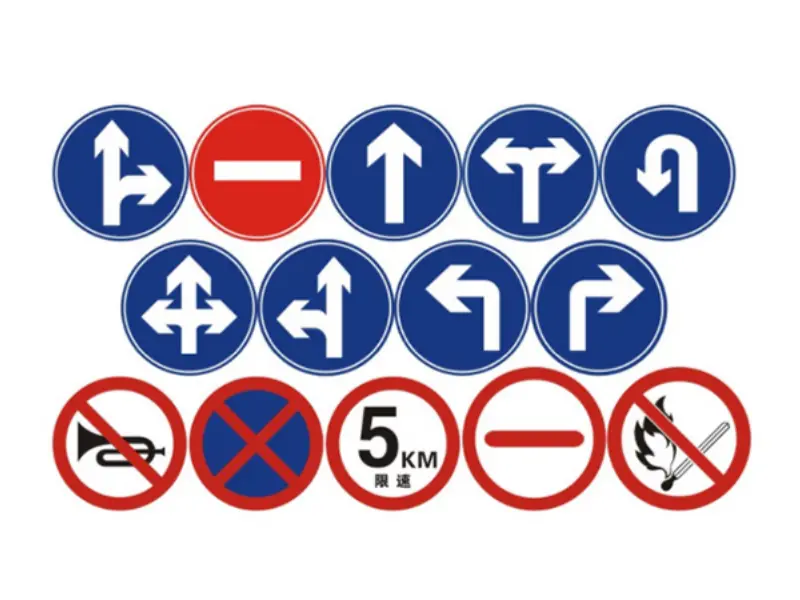
It can be:
- Cut
- Drilled
- Punched
- CNC machined
- Painted
- Anodized
- Printed
For large outdoor signs, surface treatment and corrosion resistance have considered together with the alloy.
3/16 vs 1/8 Aluminum Sheet
The main difference is thickness.
| Feature | 1/8 in | 3/16 in |
|---|---|---|
| Thickness | 3.18 mm | 4.76 mm |
| Weight | Lower | Higher |
| Rigidity | Lower | Higher |
| Material cost | Lower | Higher |
| Large panels | Moderate | Better rigidity |
| Heavy fabrication | Limited | More suitable |
Choose 1/8 inch when weight reduction is important.
Choose 3/16 inch when additional stiffness is needed.

3/16 vs 1/4 Aluminum Sheet
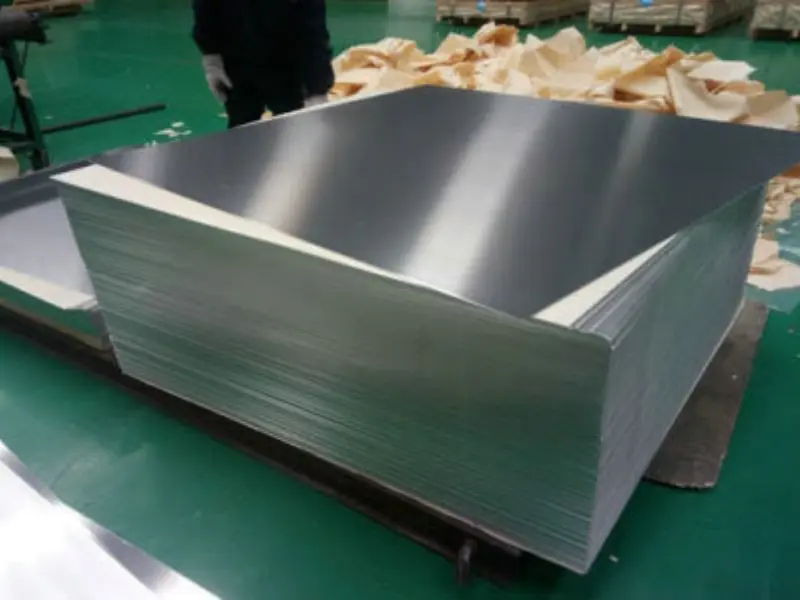

A 1/4 inch sheet is 6.35 mm thick.
It provides greater rigidity but also adds weight.
| Feature | 3/16 in | 1/4 in |
|---|---|---|
| Thickness | 4.76 mm | 6.35 mm |
| Weight | Medium | Higher |
| Rigidity | High | Higher |
| Cutting | Easier | More demanding |
| Cost | Lower | Higher |
| Heavy structures | Good | Better suited |
The final choice should be based on actual load and structural requirements.
3/16 Aluminum vs Steel
Aluminum is much lighter than steel.
Steel can provide higher strength for some applications, but it also adds weight and may require corrosion protection.
| Feature | Aluminum | Steel |
|---|---|---|
| Weight | Low | High |
| Corrosion resistance | Good | Usually needs protection |
| Handling | Easy | Heavier |
| Appearance | Metallic | Industrial |
| Machining | Good | Good |
| Marine use | Common | Requires protection |
| Weight-sensitive projects | Suitable | Less suitable |
3003 vs 5052 for 3/16 Aluminum


Both alloys can be useful, but they serve different needs.
| Feature | 3003 | 5052 |
|---|---|---|
| Strength | Medium | Higher |
| Formability | Very good | Good |
| Corrosion resistance | Good | Very good |
| Marine use | Limited compared with 5052 | Common |
| General fabrication | Excellent | Excellent |
| Transportation | Good | Very good |
A simple selection path is:
General fabrication → 3003
Higher strength → 5052
Marine environment → 5052 or 5083
The actual choice has confirmed according to the design and applicable standard.
5052 vs 5083
Both alloys are used in demanding environments.
5052 has commonly selected for general marine and transportation fabrication.
5083 provides higher strength and is widely used in marine structures.
General marine fabrication → 5052
Higher-strength marine structures → 5083
6061 vs 5052
These two alloys have different characteristics.
6061 is heat treatable and offers high strength.
5052 is a non-heat-treatable alloy with excellent corrosion resistance and good formability.
| Feature | 5052 | 6061 |
|---|---|---|
| Strength | High | Higher |
| Formability | Better | Moderate |
| Weldability | Good | Good |
| Marine use | Very common | Selective |
| Machining | Good | Excellent |
| Heat treatable | No | Yes |
Fabrication of 3/16 Aluminum Sheet

The material can be processed using common fabrication methods.
Cutting
Possible methods include:
- Shearing
- Saw cutting
- Laser cutting
- Waterjet cutting
- CNC cutting
Drilling and Punching
Holes have produced for bolts, fasteners, handles, brackets, and installation.
Bending
Bending depends on alloy and temper.
Softer tempers generally provide better formability.
Hard tempers may require larger bending radii.
Welding
Suitable aluminum alloys have welded using common aluminum welding processes.
The welding procedure should match the alloy and project requirements.
CNC Machining
6061 is often used for machined components.
CNC cutting can produce accurate shapes and holes.
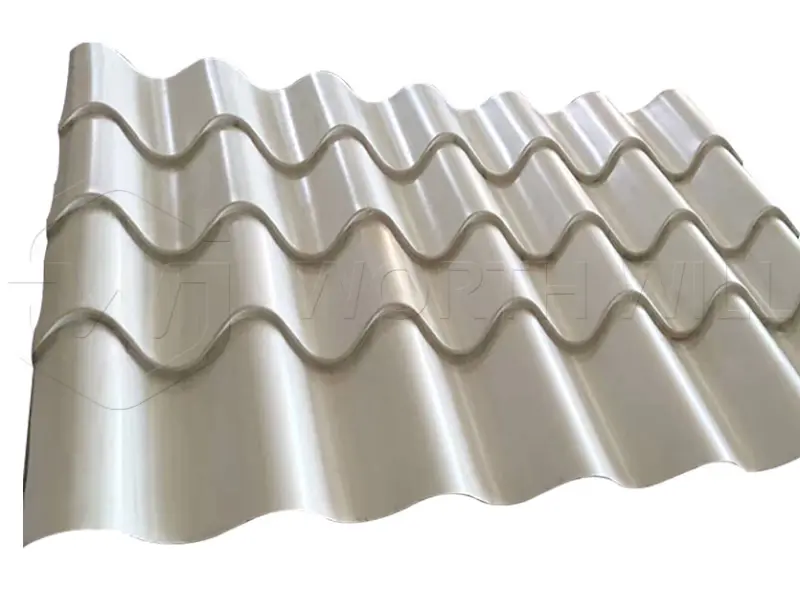
Flatness Is Important for Large Sheets
A 3/16 aluminum sheet should have good flatness for many fabrication projects.
Flat sheets are easier to:
- Cut
- Drill
- CNC machine
- Bend
- Weld
- Install
For large panels, flatness becomes even more important.
Thickness Tolerance and Quality Control
Professional buyers should check more than nominal thickness.
Quality inspection can include:
| Inspection item | Purpose |
|---|---|
| Thickness | Confirm specification |
| Width | Confirm sheet size |
| Length | Confirm cutting |
| Alloy | Verify material grade |
| Temper | Confirm material condition |
| Flatness | Reduce fabrication problems |
| Surface | Check scratches and defects |
| Mechanical properties | Verify strength |
| Packaging | Protect during shipment |
For large projects, samples can be approved before mass production.
How to Order 3/16 Aluminum Sheet
A clear RFQ helps suppliers provide accurate pricing.

Include:
- Alloy
- Temper
- Thickness
- Width
- Length
- Surface finish
- Quantity
- Cutting requirements
- Protective film
- Packaging
- Applicable standard
For example:
| Item | Example |
|---|---|
| Product | Aluminum Sheet |
| Thickness | 3/16 in / 4.76 mm |
| Alloy | 5052 |
| Temper | H32 |
| Size | 1220 × 2440 mm |
| Surface | Mill finish |
| Quantity | 2,000 kg |
| Cutting | Full sheet |
| Packaging | Export pallet |
What Affects 3/16 Aluminum Sheet Price?
The price is affected by several factors.
Alloy
5052 and 6061 may have different prices from 1050 or 3003.
Temper
Special tempers may require additional processing.
Surface Finish
Anodized, brushed, polished, painted, and embossed surfaces may cost more than mill finish.
Sheet Size
Large-format sheets can require special production and handling.
Quantity
Bulk orders can improve production efficiency.
Processing
Cutting, drilling, punching, CNC work, and special packaging can increase the final cost.
How to Select the Right Product

A simple selection guide can make purchasing easier.
General panel → 1050 / 1060 / 1100 → O or H14 → mill finish
General fabrication → 3003 → H14 / H18
Outdoor panel → 3003 / 5052 → suitable surface treatment
Marine application → 5052 / 5083 → suitable marine temper
Transportation → 5052 / 5754
High-strength machined part → 6061-T6 / T651
Flooring → 3003 / 5052 checker plate
Insulation → 3003 / 3105 stucco embossed
Packaging and Storage
Aluminum should be stored in a dry environment.
Avoid direct contact with water.
For export transportation, common packaging can include:
- Waterproof paper
- Plastic wrapping
- PE film
- Edge protection
- Wooden pallets
- Wooden cases
- Strong export packaging
Sheets have protected from scratches during loading and unloading.
Common Questions About 3/16 Aluminum Sheet


How thick is 3/16 aluminum sheet?
3/16 inch is approximately 4.76 mm thick.
Is 3/16 aluminum sheet considered plate?
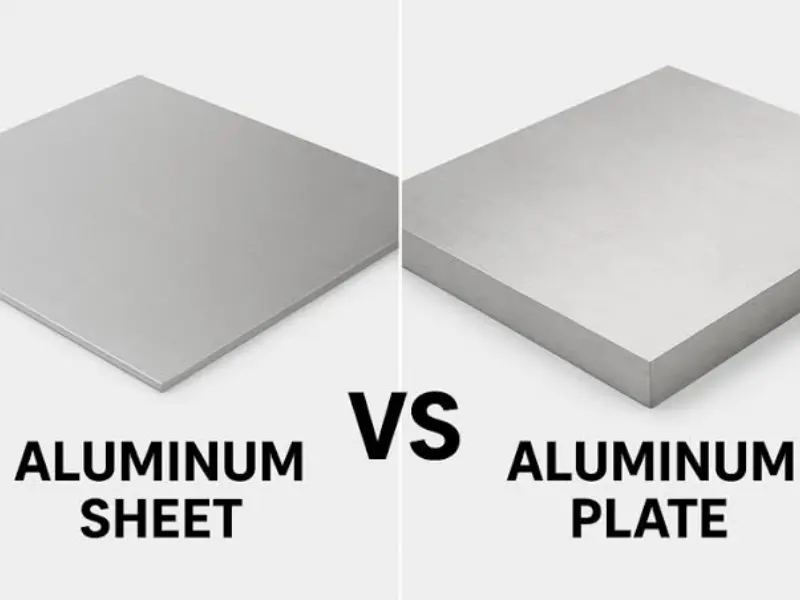
The terminology varies by market and standard. At 4.76 mm, some suppliers may call it sheet while others may describe it as plate.
What is the best alloy for 3/16 aluminum sheet?

There is no single alloy for every application. 3003 is useful for general fabrication, 5052 for higher strength and corrosion resistance, 5083 for demanding marine applications, and 6061 for high-strength machined or structural parts.
Is 3/16 aluminum strong?
Yes. The strength depends on the alloy and temper. 5052, 5083, and 6061 can provide significantly different mechanical properties.
Can 3/16 aluminum be welded?
Many aluminum alloys can be welded. The welding method and filler material should be selected according to the alloy and application.
Can 3/16 aluminum be bent?
Yes, but bending performance depends on alloy and temper. Softer tempers are generally easier to bend than hard tempers.
Is 3/16 aluminum suitable for a trailer?

It can be suitable for some trailer panels, floors, ramps, and fabricated parts. The alloy and thickness should be selected according to the trailer design and expected load.
Is 3/16 aluminum suitable for boats?
Yes. Marine-grade alloys such as 5052 and 5083 are commonly considered for boat and marine fabrication.
What is the difference between 3/16 and 1/4 aluminum?
3/16 inch is approximately 4.76 mm. 1/4 inch is 6.35 mm. The 1/4 inch sheet is thicker and generally more rigid but also heavier.
Can 3/16 aluminum be used outdoors?
Yes. Aluminum has good corrosion resistance, but the alloy, surface finish, coating, and installation environment should all be considered.
Can 3/16 aluminum be anodized?
Suitable aluminum alloys can be anodized. The final appearance depends on alloy composition and anodizing process.
Can 3/16 aluminum be painted?
Yes. Aluminum has prepared and coated for many architectural, industrial, and decorative applications.
Can I order custom 3/16 aluminum sheet sizes?
Yes. Custom widths and lengths have produced for suitable order quantities. Cutting and packaging requirements can also be discussed.
Quick Product Selection
| Project | Suggested option |
|---|---|
| General sheet | 1050 / 1060 / 1100 |
| General fabrication | 3003 |
| Outdoor equipment | 5052 |
| Marine | 5052 / 5083 |
| Transportation | 5052 / 5754 |
| Structural machining | 6061-T6 / T651 |
| Floor | 3003 / 5052 checker plate |
| Insulation | 3003 / 3105 embossed |
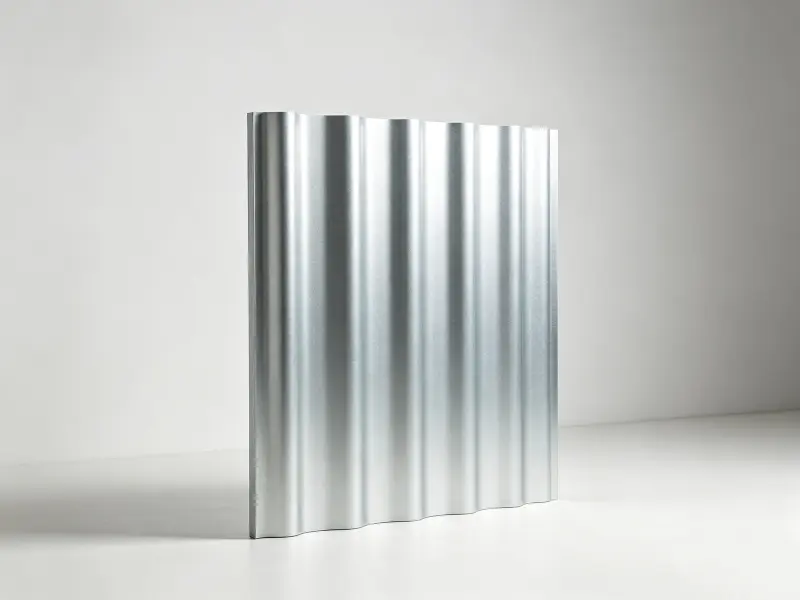
| Decorative panel | Anodized / brushed / polished |
| Large sign | 3003 / 5052 |
Final Buying Checklist
Before ordering 3/16 aluminum sheet, confirm the following:
3/16 inch → 4.76 mm → choose alloy → choose temper → choose surface → confirm size → confirm quantity → confirm processing → confirm packaging
A clear specification can prevent many production problems.
For repeat orders, it is also useful to keep the same alloy, temper, thickness, surface finish, and dimensions. This helps maintain consistent production results.
A 3/16 aluminum sheet can serve many markets. The same thickness has supplied as a plain sheet, checker plate, perforated sheet, expanded sheet, stucco embossed sheet, anodized sheet, brushed sheet, polished sheet, or coated panel.
The key is to match the material with the actual working conditions.