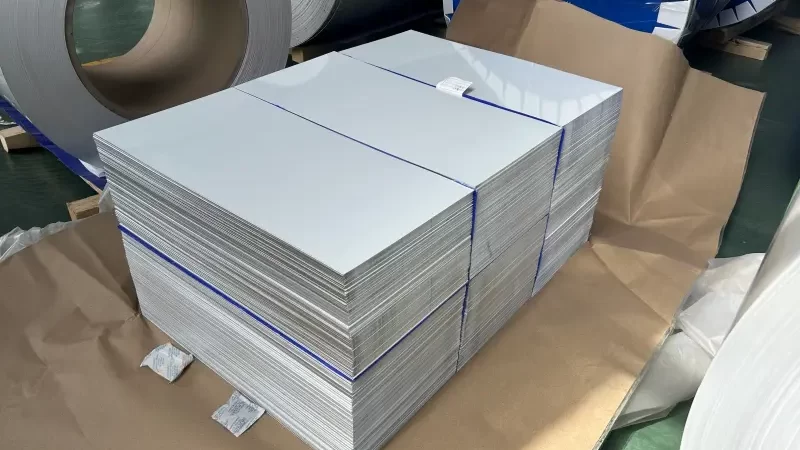
A 1050 aluminum sublimation sheet is a special aluminum sheet used for heat transfer printing. It is widely used for photo panels, metal signs, decorative panels, and personalized products. Because 1050 aluminum has high purity and excellent surface quality, it is a popular material for aluminum sublimation printing.
This page explains the features, specifications, applications, and printing process of 1050 aluminum sublimation sheets. It helps businesses and beginners understand why this material is widely used in sublimation printing.
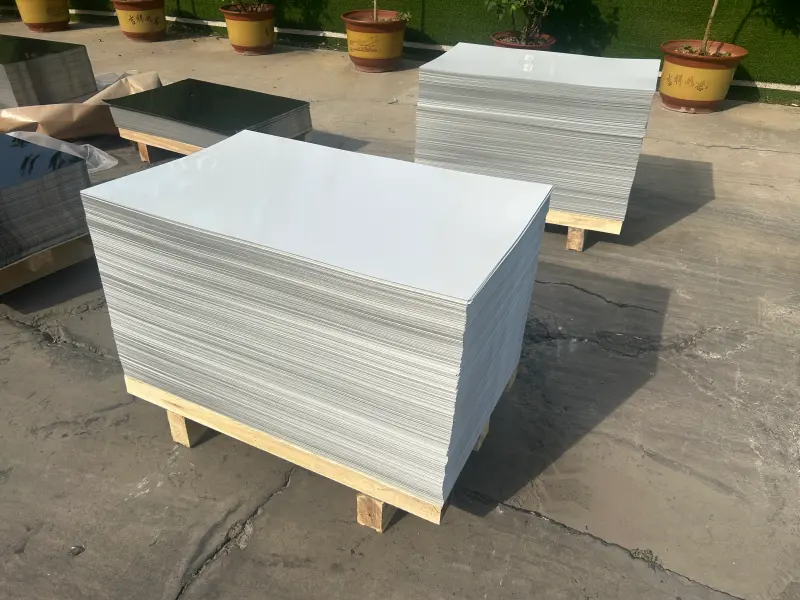
Because of its smooth surface and good heat transfer ability, 1050 aluminum sublimation sheets provide bright and long-lasting images.
Sublimation Aluminum Sheet: Application Scenarios by Alloy
Choosing the right alloy is critical for the success of the thermal transfer process. Different environments require different mechanical properties.
| Alloy Grade | Primary Application | Best For… |
|---|---|---|
| 1050 Aluminum | High-definition photo printing | Indoor wall art, high-gloss photo panels, tabletop displays. |
| 3003 Aluminum | Commercial & Outdoor Signage | Traffic signs, outdoor advertising, license plates. |
| 6061 Aluminum | Industrial & Heavy Duty | CNC machined nameplates, aerospace identification tags, structural components. |
Global Success Stories: Sublimation Use Cases
Case Study 1: Australia – Retail & Shop Signage
- Market: Commercial Advertising
- Alloy Used: 3003 Aluminum
- Description: A major signage provider in Sydney uses 3003 alloy sublimation sheets for “A-frame” shop signs and directional outdoor markers. The manganese content in 3003 provides the necessary rigidity to withstand high winds and coastal corrosion in the Australian environment.
Case Study 2: Mexico – Interior Decor & Photo Panels
- Market: Professional Photography
- Alloy Used: 1050 Aluminum
- Description: A large-scale printing house in Mexico City produces high-end “Metal Prints” for local artists. Using 1050 alloy ensures a surface purity of over 99.5%, allowing for the most vibrant color reproduction and a flawless “mirror” finish after the sublimation process.
Comparison: 1050 vs. 3003 Aluminum for Sublimation
When deciding between these two popular grades, consider the trade-off between “Surface Quality” and “Structural Strength.”
| Feature | 1050 Aluminum | 3003 Aluminum |
|---|---|---|
| Purity | High (99.5%+) | Moderate (Alloyed with Manganese) |
| Hardness | Lower (Easier to bend) | Higher (More rigid) |
| Sublimation Clarity | Superior – Best for photos | Good – Standard for signs |
| Corrosion Resistance | Excellent (Indoor/Standard) | Superior (Outdoor/Weather) |
| Best Choice | Photo Panels | Outdoor Signage |
Which is better for sublimation?
If your goal is high-end photography or indoor decor, 1050 is better because its purity results in a flatter, more consistent coating surface. If you are manufacturing outdoor signage, 3003 is better due to its increased strength and durability.
1050 Aluminum Alloy for Photo Printing and Indoor Applications
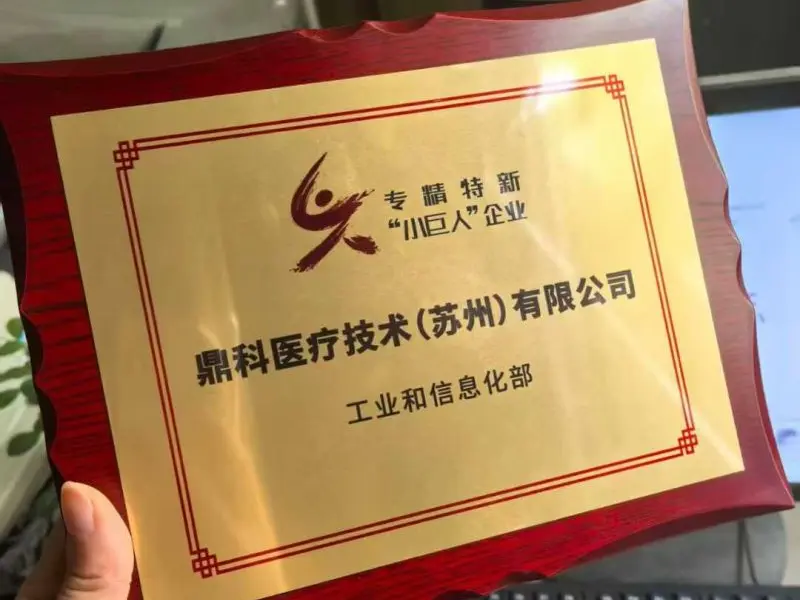
The 1050 aluminum alloy is pure aluminum with 99.5% aluminum content. It offers excellent corrosion resistance and high reflectivity. This makes it ideal for indoor photo printing applications. The soft, workable surface accepts sublimation coatings smoothly. It produces vibrant, detailed images with consistent color reproduction. For photo panels, wall art, and decorative indoor displays, 1050 provides an economical yet high-quality base material.
3003 Aluminum Alloy for Outdoor Signage
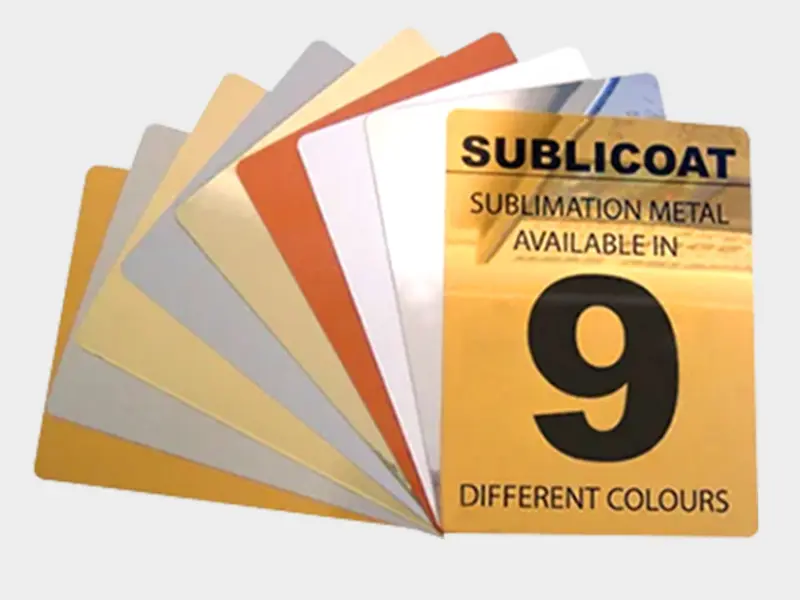
The 3003 aluminum alloy contains manganese as its primary alloying element. This addition increases strength by approximately 20% compared to pure aluminum. The improved durability makes 3003 suitable for outdoor signage applications. It withstands weather exposure, temperature fluctuations, and physical stress better than softer alloys. Sign manufacturers choose 3003 for long-lasting outdoor displays, building facades, and exterior branding elements that require structural integrity.
6061 Aluminum Alloy for Industrial and CNC Applications
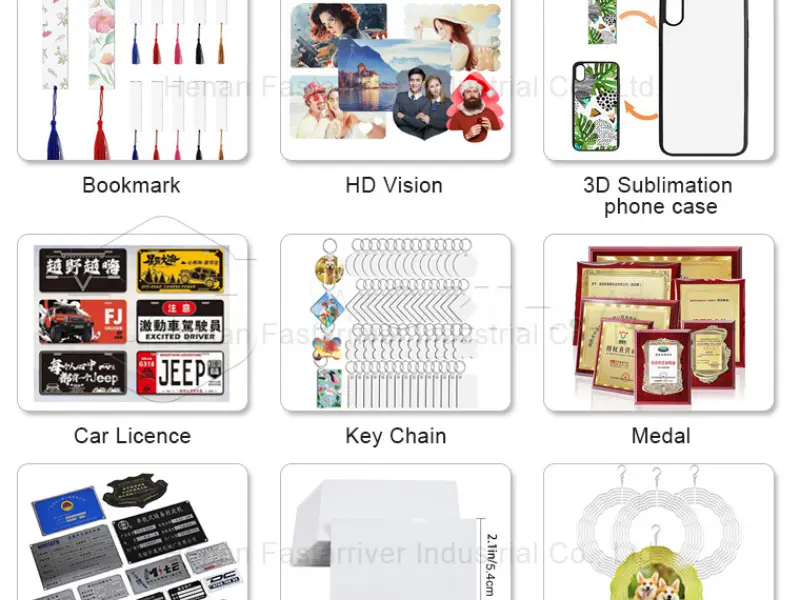
The 6061 aluminum alloy combines magnesium and silicon for exceptional strength-to-weight ratio. It machines beautifully with clean edges and precise tolerances. CNC operators prefer 6061 for industrial components, mechanical parts, and structural applications. The alloy responds well to cutting, drilling, and milling operations. Heat treatment further increases its hardness and wear resistance. For demanding industrial projects requiring precision fabrication, 6061 delivers reliable performance and dimensional stability.
Why Choose 1050 Aluminum for Sublimation Printing
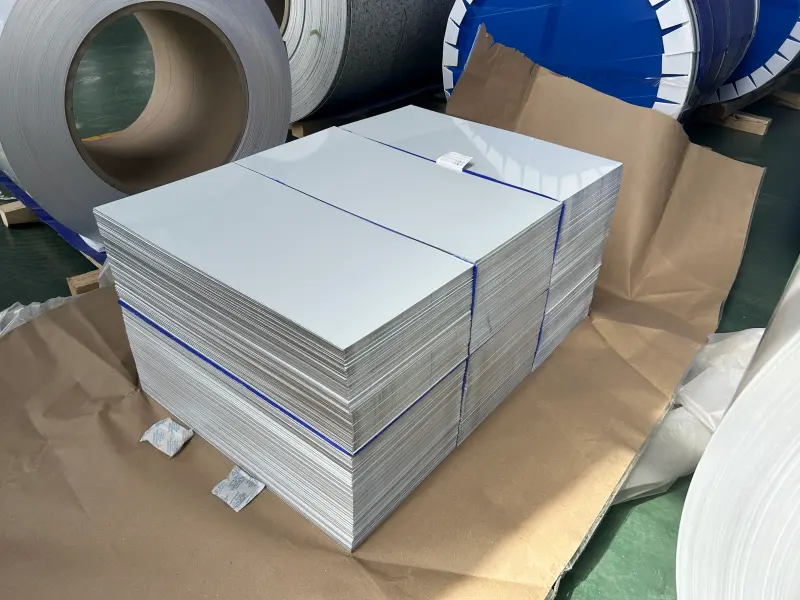
Among many aluminum alloys, 1050 aluminum is widely used for sublimation because it is soft, pure, and easy to process.
Advantages of 1050 Aluminum Sublimation Sheet
- High aluminum purity for stable printing
- Smooth surface for clear image transfer
- Good corrosion resistance
- Easy cutting and shaping
- Lightweight but durable
These advantages make the 1050 aluminum sublimation sheet a reliable material for aluminum sublimation printing.
Common Sizes of 1050 Aluminum Sublimation Sheets
Different projects require different sizes. Manufacturers usually supply 1050 aluminum sublimation sheets in several standard sizes.
| Size | Dimensions | Typical Use |
|---|---|---|
| A4 | 210 × 297 mm | Photo panels |
| A3 | 297 × 420 mm | Wall decoration |
| 8 × 10 inch | 203 × 254 mm | Portrait photos |
| 12 × 18 inch | 305 × 457 mm | Metal signage |
Custom sizes are also available for large aluminum sublimation printing projects.
What Is a 1050 Aluminum Sublimation Sheet?
A 1050 aluminum sublimation sheet is made from 1050 aluminum alloy and coated with a special sublimation layer. The coating allows sublimation ink to bond with the metal surface when heat and pressure are applied.
Basic Characteristics
| Property | Description |
|---|---|
| Alloy | 1050 Aluminum |
| Aluminum purity | About 99.5% |
| Surface | Sublimation coated |
| Printing method | Heat press sublimation |
| Main use | Photo printing and metal decoration |
Thickness Options for 1050 Aluminum Sublimation Sheets
Thickness affects strength and durability. Most 1050 aluminum sublimation sheets are available in different thickness options.
| Thickness | Weight | Application |
|---|---|---|
| 0.3 mm | Very light | Photo panels |
| 0.5 mm | Light | Indoor decoration |
| 0.8 mm | Medium | Metal signage |
| 1.0 mm | Strong | Outdoor display panels |
Choosing the correct thickness helps improve the performance of 1050 aluminum sublimation sheets.
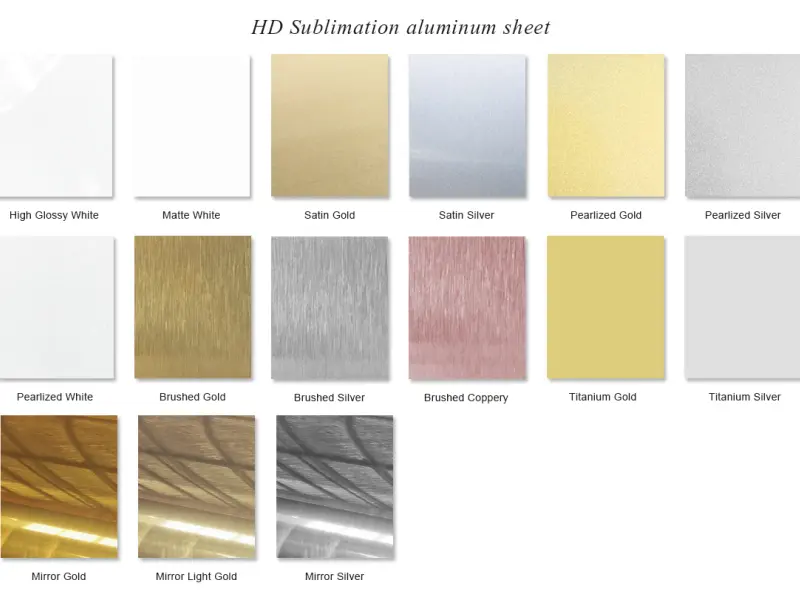
Surface Types for Aluminum Sublimation Sheets
Surface finishing can affect the final visual result of sublimation printing.
| Surface Type | Appearance | Application |
|---|---|---|
| Glossy | Bright and reflective | Photo printing |
| Matte | Soft and smooth | Interior decoration |
| Brushed | Metallic texture | Premium signage |
| White coated | High color accuracy | Photo panels |
These surface options allow 1050 aluminum sublimation sheets to be used in many creative and commercial projects.
How Sublimation Printing Works on 1050 Aluminum
Aluminum sublimation printing uses heat and pressure to transfer images onto coated metal.
Basic Sublimation Process
- Create a digital design on a computer.
- Print the design on sublimation paper.
- Place the paper on the 1050 aluminum sublimation sheet.
- Secure it with heat resistant tape.
- Put the sheet into a heat press.
- Apply heat and pressure.
- Remove the paper and allow the sheet to cool.
Typical Heat Press Settings
| Parameter | Recommended Value |
|---|---|
| Temperature | 190–200°C |
| Time | 45–60 seconds |
| Pressure | Medium |
Following these steps ensures high-quality aluminum sublimation printing results.
Applications
Common Applications
- Photo panels and metal prints
- Custom metal wall art
- Advertising and branding signs
- Personalized gifts
- Awards and trophies
- Decorative interior panels
- Memorial plaques
- Business nameplates
These applications show the flexibility of 1050 aluminum sublimation sheets in both commercial and creative industries.
Comparison of 1050 Aluminum with Other Sublimation Metals
However, 1050 aluminum remains one of the most common choices.
| Alloy | Purity | Advantage |
|---|---|---|
| 1050 | 99.5% | Excellent surface quality |
| 3003 | Medium | Good strength |
| 5052 | Lower purity | Strong corrosion resistance |
For most aluminum sublimation printing applications, the 1050 aluminum sublimation sheet offers the best balance between quality and cost.
Tips for High-Quality Sublimation Printing
To achieve the best printing results with 1050 aluminum sublimation sheets, consider the following tips:
- Use high-quality sublimation paper
- Mirror the image before printing
- Clean the aluminum surface before transfer
- Maintain correct temperature and pressure
- Avoid touching the coated surface with bare hands
These practices help ensure consistent aluminum sublimation printing quality.
1050 aluminum sublimation sheets from supplier
The 1050 aluminum sublimation sheet is one of the most reliable materials for aluminum sublimation printing. Its high purity, smooth surface, and excellent heat transfer properties make it ideal for producing high-quality metal prints.
By choosing the right sheet specifications and following proper sublimation techniques, businesses and creators can produce professional and long-lasting metal prints.
FAQ: Sublimation Aluminum Essentials
What is 1050 aluminum used for?
1050 aluminum is primarily used where high ductility and a highly reflective finish are required. In the sublimation industry, it is the gold standard for high-definition photo panels, trophies, and premium business cards. Its high purity (99.5%) makes it incredibly receptive to specialized sublimation coatings.
Is 1060 good for sublimation?
Yes, 1060 aluminum is excellent for sublimation. It is very similar to 1050 but has a slightly higher aluminum content (99.6%). It offers great thermal conductivity and is often used for thin, flexible sublimation sheets where ease of cutting and vibrant color transfer are the top priorities.
What is the difference between 1050 and 3003?
The main difference is the alloy composition. 1050 is commercially pure aluminum, making it softer and better for fine printing. 3003 contains added manganese (roughly 1% to 1.5%), which increases its strength by approximately 20% over the 1000 series. Use 1050 for aesthetics and 3003 for structural or outdoor durability.
Can 6061 be used for sublimation?
While possible, 6061 is rarely used for standard thin sublimation sheets. It is a structural alloy meant for CNC machining or welding. It has wide applications in sublimation only for specialized industrial nameplates that require extreme hardness and mechanical strength.