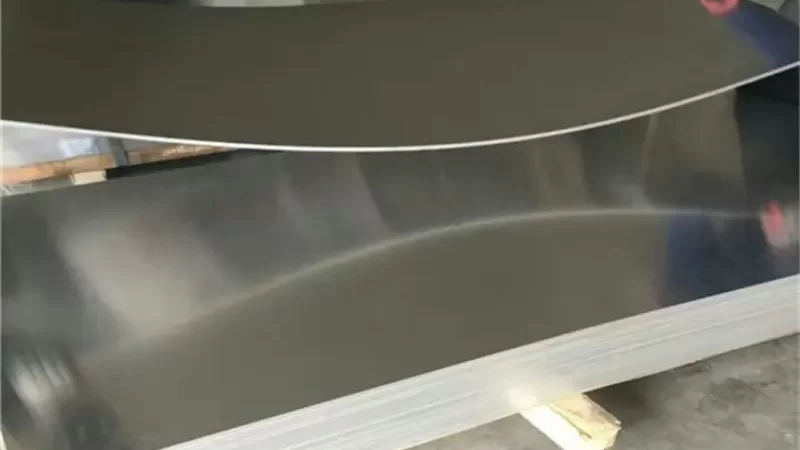
If you are sourcing aluminum sheet for a project, 1/8 inch is one of the most requested thicknesses on the market.
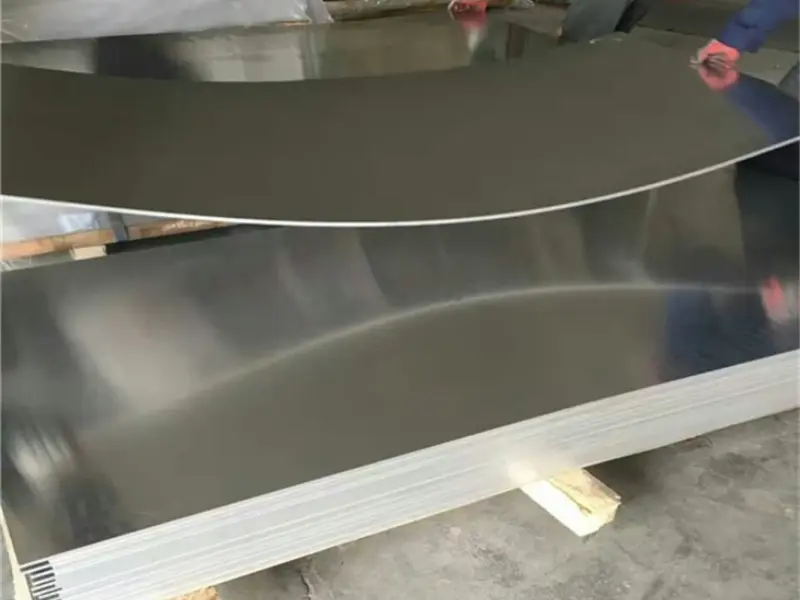
It works across construction, automotive, marine, and fabrication. It is strong enough for structural parts but light enough to cut and bend with standard shop tools.
What Is a 1/8 Inch Aluminum Sheet
Basic Definition
A 1/8 inch aluminum sheet is a flat rolled aluminum plate with a nominal thickness of 0.125 inches. In metric, that is 3.175 mm. Most suppliers round this to 3.0 mm or 3.2 mm on their spec sheets, but the true imperial value is 3.175 mm.
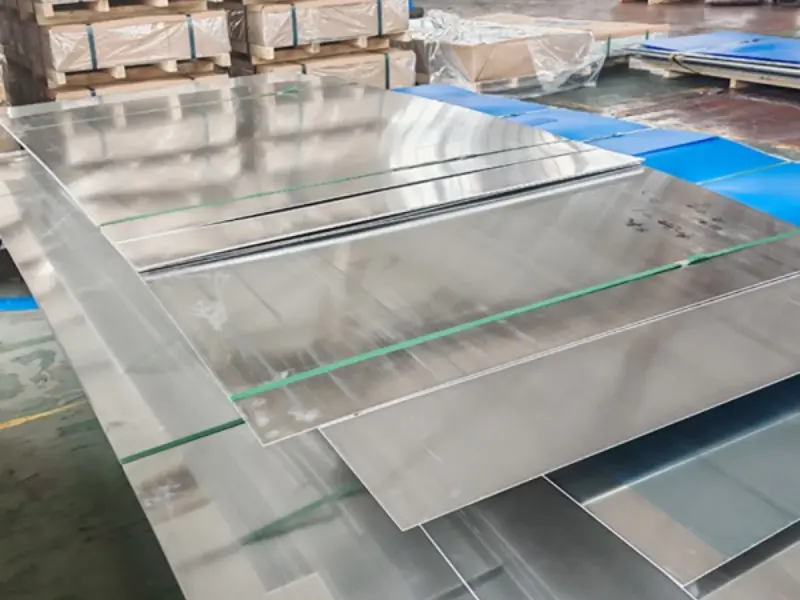
It sits in the middle range of aluminum sheet thickness — heavier than foil or thin gauge sheet, but lighter and more flexible than 1/4 inch plate.
Thickness Conversion Table
| Imperial | Decimal (inch) | Metric (mm) |
|---|---|---|
| 1/16 inch | 0.0625 | 1.588 mm |
| 3/32 inch | 0.0938 | 2.381 mm |
| 1/8 inch | 0.125 | 3.175 mm |
| 3/16 inch | 0.1875 | 4.763 mm |
| 1/4 inch | 0.250 | 6.350 mm |
Why 1/8 Inch Is So Popular
At 3.175 mm, the sheet is thick enough to resist bending under moderate load. It is thin enough to cut with a circular saw or plasma cutter. Most shop-floor bending brakes handle it without special tooling. That combination makes it a default spec for fabricators who need structural sheet without going to heavy plate.
Quick Comparison: 1/8 vs 1/16 vs 1/4 Inch
| Property | 1/16 inch (1.6mm) | 1/8 inch (3.175mm) | 1/4 inch (6.35mm) |
|---|---|---|---|
| Weight per sq ft (6061) | ~0.9 lb | ~1.76 lb | ~3.52 lb |
| Structural use | Light duty | General purpose | Heavy duty |
| Ease of bending | Very easy | Easy | Requires heavy press |
| Cost per ton | Lower | Mid | Higher |
Common Aluminum Alloys for 1/8 Inch Sheet
1050 / 1060 — Pure Aluminum, Good Forming
1050 and 1060 are high-purity alloys (99.5%+ aluminum). They are very soft and form easily. Electrical conductivity is high — around 61% IACS for 1060. These grades suit reflective panels, chemical tanks, and cable shielding. They are not the right pick if you need strength.
3003 — Most Widely Used General Purpose
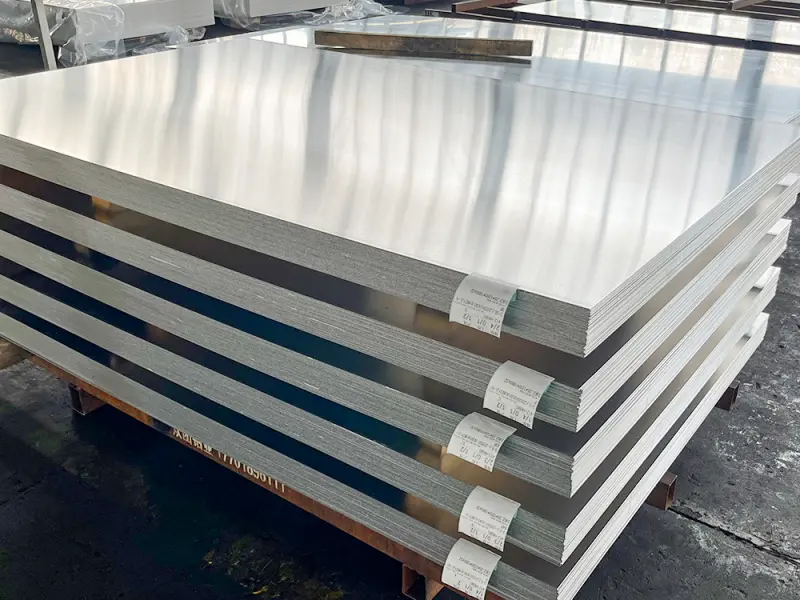
3003 adds manganese to improve strength over pure aluminum. It is the most common alloy for 1/8 inch sheet in general fabrication. Good corrosion resistance, good formability, and reasonable cost make it a go-to for roofing, gutters, cooking equipment, and general sheet metal work.
| Alloy | Tensile Strength | Yield Strength | Main Advantage |
|---|---|---|---|
| 1060 | 70 MPa | 25 MPa | Conductivity, forming |
| 3003 | 130 MPa | 105 MPa | General purpose, low cost |
| 5052 | 230 MPa | 195 MPa | Corrosion resistance |
| 6061-T6 | 310 MPa | 275 MPa | Structural strength |
5052 — Marine Grade, Corrosion Resistant
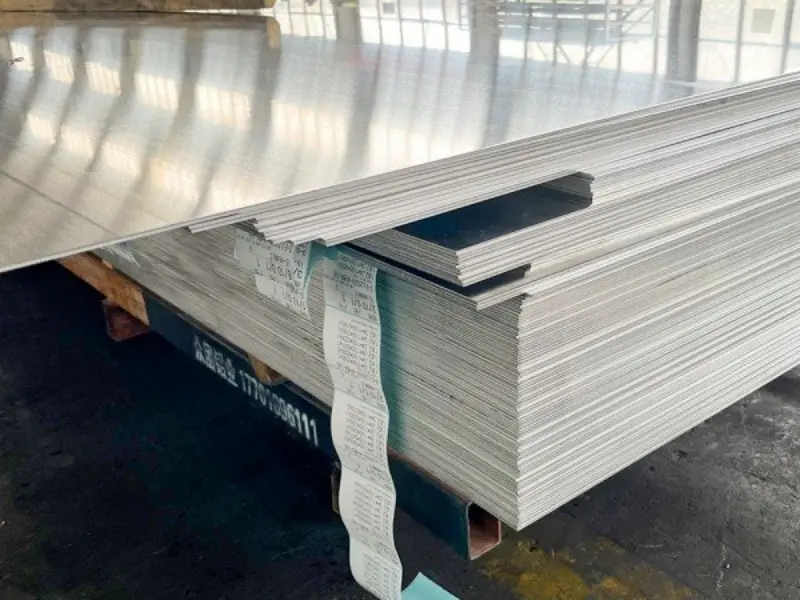
5052 contains magnesium as the main alloying element. It handles saltwater, chemicals, and outdoor exposure better than 3003. Marine builders and aerospace fabricators use it where long-term corrosion protection matters. It is harder to form than 3003 but welds cleanly.
6061 — Structural Strength, Industrial Use
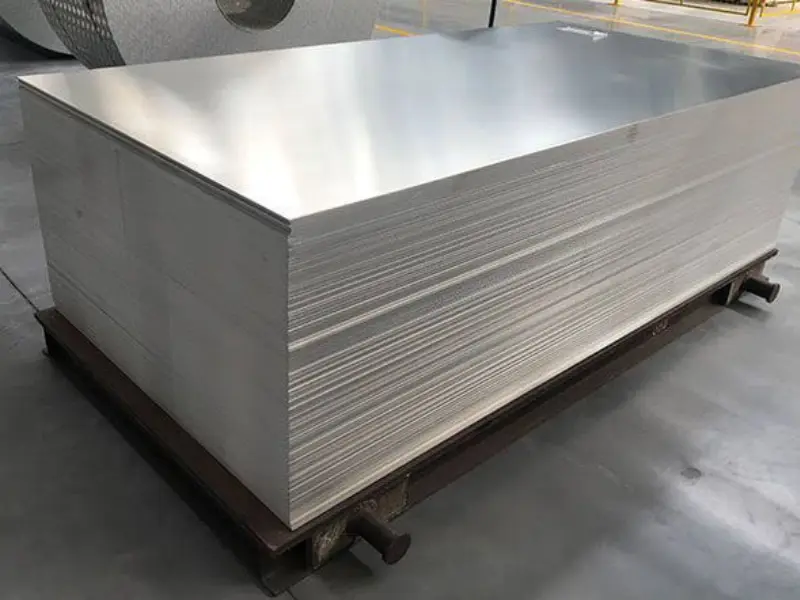
6061-T6 is the strongest common sheet alloy. After T6 heat treatment, tensile strength reaches 310 MPa. It machines well and anodizes to a clean, even surface. Engineers specify it for frames, brackets, structural panels, and parts that carry real load. It costs more than 3003 or 5052.
Standard Sizes and Dimensions
Common Sheet Sizes in Imperial
- 4 × 8 ft (the standard North American sheet)
- 4 × 10 ft (common for longer fabricated parts)
- 4 × 12 ft (available from most mills on request)
- 5 × 10 ft (used in marine and industrial applications)
Metric Sizes
| Width (mm) | Length (mm) | Common Market |
|---|---|---|
| 1000 | 2000 | Europe, Asia |
| 1220 | 2440 | Global standard (4×8 ft equivalent) |
| 1250 | 2500 | European fabricators |
| 1500 | 3000 | Heavy fabrication, construction |
| Custom | Custom | Available on order |
Thickness Tolerance
Mill tolerance on 1/8 inch sheet varies by alloy and standard.
| Standard | Tolerance on 3.175 mm |
|---|---|
| ASTM B209 | ± 0.13 mm |
| EN 485 | ± 0.12 mm |
| Precision rolled | ± 0.05 mm (on request) |
Custom Cutting Options
Most suppliers offer:
- Shear cutting to length and width
- CNC plasma or waterjet cutting to profile
- Laser cutting for tight-tolerance parts
- Custom coil slitting for strip applications
Physical Properties of 1/8 Inch Aluminum Sheet
Weight Calculation
Aluminum density is 2.71 g/cm³. For a 1/8 inch (3.175 mm) sheet:
- 1 square foot weighs approximately 1.76 lb (0.80 kg)
- 1 square meter weighs approximately 8.60 kg
This is about one third the weight of steel at the same thickness. That matters in transport, installation, and when load on a support structure is a concern.
Strength and Hardness by Alloy
| Alloy/Temper | Brinell Hardness | Tensile Strength | Best For |
|---|---|---|---|
| 1060-O | 19 HB | 70 MPa | Forming, conductivity |
| 3003-H14 | 40 HB | 150 MPa | General sheet work |
| 5052-H32 | 60 HB | 230 MPa | Marine, pressure vessels |
| 6061-T6 | 95 HB | 310 MPa | Structural, machined parts |
Corrosion Resistance
All aluminum alloys form a natural oxide layer when exposed to air. This layer self-repairs when scratched. In outdoor, marine, or chemical environments:
- 1xxx and 3xxx series: good resistance in standard outdoor use
- 5052: excellent resistance in saltwater and acidic environments
- 6061: good but benefits from anodizing in harsh conditions
Heat and Electrical Conductivity
| Alloy | Electrical Conductivity | Thermal Conductivity |
|---|---|---|
| 1060 | 61% IACS | 228 W/m·K |
| 3003 | 41% IACS | 193 W/m·K |
| 5052 | 35% IACS | 138 W/m·K |
| 6061 | 43% IACS | 167 W/m·K |
Surface Finishes Available
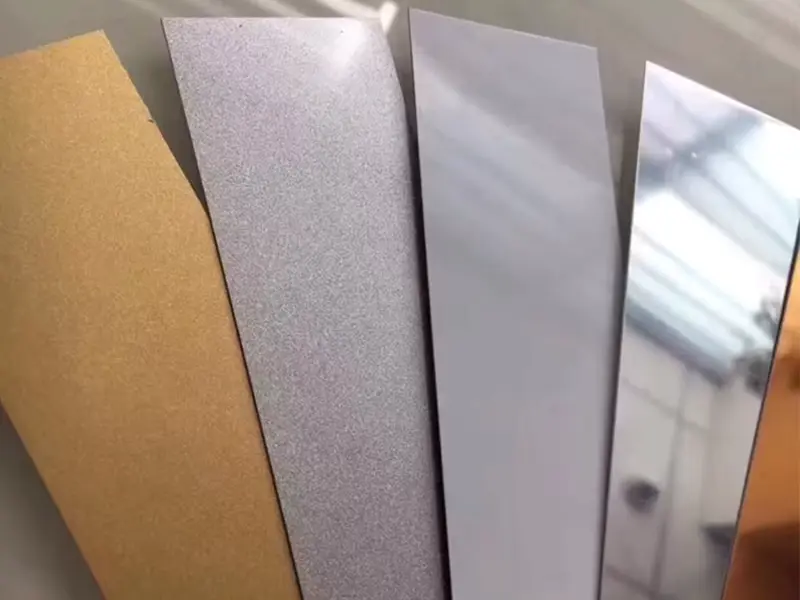
Mill Finish
This is the natural surface that comes off the rolling mill. It has a dull, slightly rough appearance. No extra cost. Suits applications where surface look doesn’t matter — structural use, hidden parts, painted over.
Brushed Finish
A mechanical brushing process creates fine parallel lines on the surface. It hides fingerprints and minor scratches well. Common in architecture, interior panels, and consumer products.
Anodized Finish
An electrochemical process thickens the natural oxide layer to 10–25 microns. It makes the surface harder, more scratch-resistant, and ready for decorative color. Clear anodize keeps the silver look. Colored anodize (black, gold, bronze) is common in architecture and electronics.
Painted and Coated
Pre-painted aluminum sheet uses a coil coating process. Common coatings include:
- PE (polyester): standard outdoor use, 10–15 year life
- PVDF (Kynar): premium coating, 20–25 year life, bright colors hold
- Epoxy primer + topcoat: industrial and marine use
Polished and Mirror Finish
High-purity alloys (1060, 1100) can be polished to a near-mirror surface. Reflectivity reaches 80–95% depending on the grade. Used in lighting reflectors, decorative panels, and signage.
Applications of 1/8 Inch Aluminum Sheet

Construction and Architecture
- Curtain wall cladding panels
- Roof flashing and trim
- Soffit and fascia panels
- Interior wall cladding and ceiling tiles
- Window and door frames
Automotive Parts and Vehicle Panels
- Floor plates and kick panels
- Truck body side panels
- Custom car panels and hoods
- Trailer skin and lining
- Engine bay heat shields
Marine and Shipbuilding
- Boat hulls and decking (5052 alloy preferred)
- Bulkheads and interior compartments
- Custom marine hardware mounting plates
- Dock and pontoon components
Machinery and Industrial Equipment
- Machine guards and covers
- Control panel enclosures
- Conveyor components
- Industrial shelving and frames
- Tooling fixtures and jigs
DIY Projects and Fabrication
- Custom brackets and mounts
- Workshop table tops
- Enclosure and housing fabrication
- Art installations and sculpture
- Prototype parts
Signage and Advertising Panels
- Outdoor sign backing boards
- Display frames
- Illuminated sign faces
- Retail display stands
- Road and parking signs (anodized or painted)
Why Buyers Choose 1/8 Inch Aluminum Sheet
→ Lightweight: About one third the weight of steel at the same size. Easier to handle and install.
→ Corrosion resistant: No rust. Holds up outdoors without painting in most environments.
→ Easy to work with: Cuts, bends, drills, and welds with standard tools. No special setup needed in most shops.
→ Long service life: Outdoor aluminum panels commonly last 20–40 years with little maintenance.
→ Cost vs stainless steel: Aluminum sheet costs 30–50% less than 304 stainless at similar thickness. Easier to machine, lower tooling wear.
Limitations to Know Before Buying
Not as Strong as Steel
At the same thickness, steel is stronger. If load-bearing strength is the main requirement, carbon steel or stainless steel may suit better than 1/8 inch aluminum.
Surface Scratches Without Coating
Mill finish aluminum scratches more easily than painted or anodized surface. For visible applications, plan for a surface treatment.
Heat Expansion
Aluminum expands at about twice the rate of steel when heated. In long panels or structural assemblies, allow for expansion gaps or use flexible fasteners.
Load-Bearing Limits
1/8 inch aluminum sheet suits moderate loads. It is not a replacement for structural plate in heavy engineering applications. For loads above standard fabrication needs, move to 1/4 inch or thicker plate.
How to Choose the Right Sheet
Step 1 — Pick the Alloy
| Need | Best Alloy |
|---|---|
| Low cost, general use | 3003-H14 |
| Saltwater / chemical exposure | 5052-H32 |
| Structural and machined parts | 6061-T6 |
| High conductivity or reflectivity | 1060-O |
With Step 2 — Choose Surface Finish
- No visible surface → mill finish
- Visible panel, interior → brushed or anodized
- Outdoor cladding → PVDF coated
- Reflector or decorative → polished or mirror
Step 3 — Check Tolerance
Standard ASTM B209 tolerance is ±0.13mm on 3.175mm thickness. If your design needs tighter than that, ask for precision rolled or confirm with the supplier before ordering.
Step 4 — Verify Supplier Quality
Ask for: mill test report (MTR), ASTM or EN conformance, and the option of third-party inspection (SGS, BV) on larger orders.
Manufacturing Process Overview
Aluminum sheet starts as ingot. Here is the simplified route to 1/8 inch sheet:
- Ingot casting — aluminum alloy melted and poured into slab ingots
- Hot rolling — ingot rolled at 400–500°C down to ~6mm thickness
- Cold rolling — further reduction to 3.175mm at room temperature for tighter tolerances
- Annealing / heat treatment — for O temper (soft) or T6 (age hardened)
- Leveling — roller leveling for flatness
- Surface finishing — anodizing, painting, or polishing as specified
- Cutting — shear to size or slit to width
Price Factors
What Affects the Price Per Ton
| Factor | Price Impact |
|---|---|
| Alloy type | 6061 > 5052 > 3003 > 1060 |
| Surface finish | PVDF coat > anodized > brushed > mill |
| Order volume | Larger orders = lower per-unit price |
| Size (custom vs standard) | Custom cutting adds cost |
| Aluminum LME spot price | Changes weekly, built into mill price |
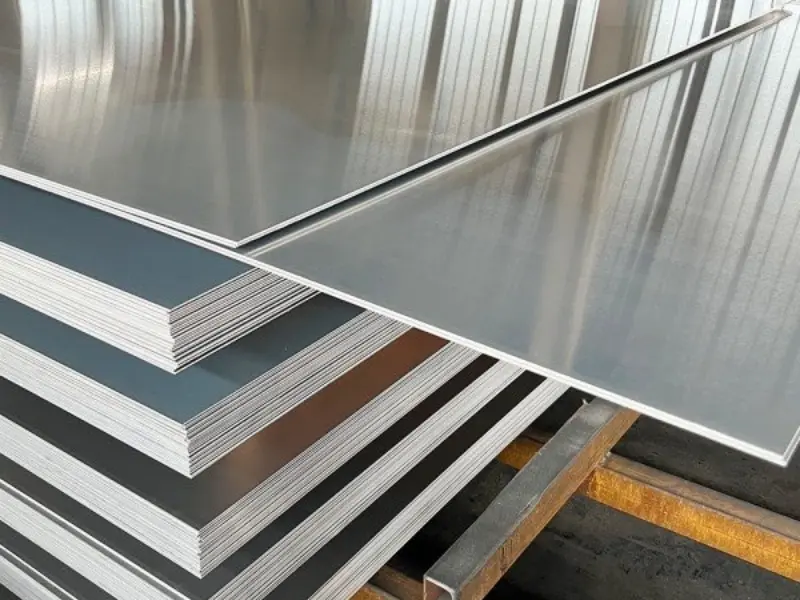
In 2024–2025, 3003-H14 mill finish sheet ran roughly USD 2,400–2,800/ton for standard sizes in 20-ton lots. 6061-T6 ran USD 3,200–3,800/ton for similar volumes. Surface treatments add USD 200–600/ton depending on process.
Spot aluminum prices on the London Metal Exchange (LME) move weekly. Mill prices follow with a short lag. For large orders, check current LME pricing and factor a buffer.
1/8 Inch Aluminum vs Other Materials
Aluminum vs Carbon Steel
| Property | 1/8″ Aluminum | 1/8″ Carbon Steel |
|---|---|---|
| Weight per sq ft | ~1.76 lb | ~5.1 lb |
| Tensile strength | 130–310 MPa | 400–550 MPa |
| Corrosion resistance | Excellent | Poor (rusts) |
| Cost per ton | Higher | Lower |
| Machinability | Easy | Moderate |
For Aluminum vs Stainless Steel
| Property | 1/8″ Aluminum (6061) | 1/8″ 304 Stainless |
|---|---|---|
| Weight | ~1.76 lb/sq ft | ~5.2 lb/sq ft |
| Strength | 310 MPa | 515 MPa |
| Corrosion resistance | Good | Excellent |
| Cost per ton | ~$3,200–3,800 | ~$6,000–8,000 |
| Weldability | Good (with TIG/MIG) | Good |
Aluminum vs Plastic Panels
| Property | 1/8″ Aluminum | 6mm PVC/ACP |
|---|---|---|
| Structural strength | High | Low |
| UV resistance | Excellent | Varies |
| Fire resistance | Better | Poor |
| Weight | Light | Very light |
| Service life | 20–40 years | 5–15 years |
Packaging and Shipping
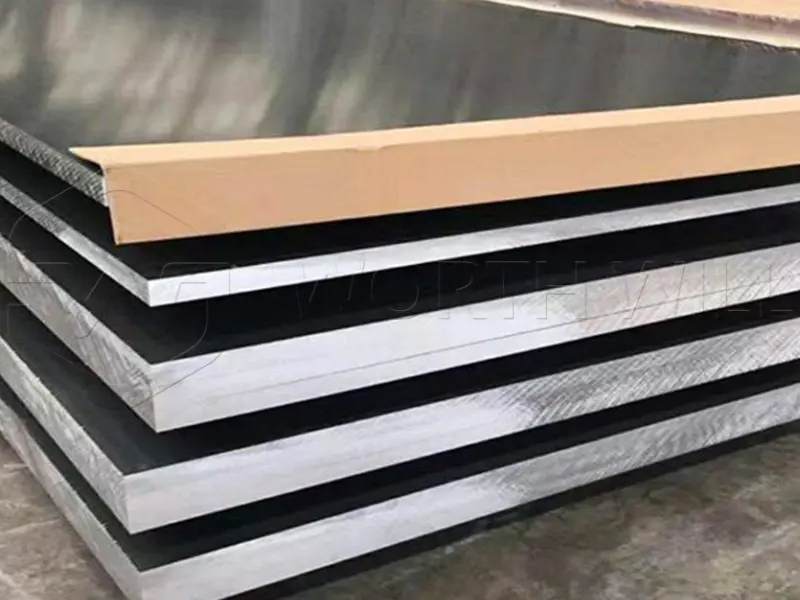
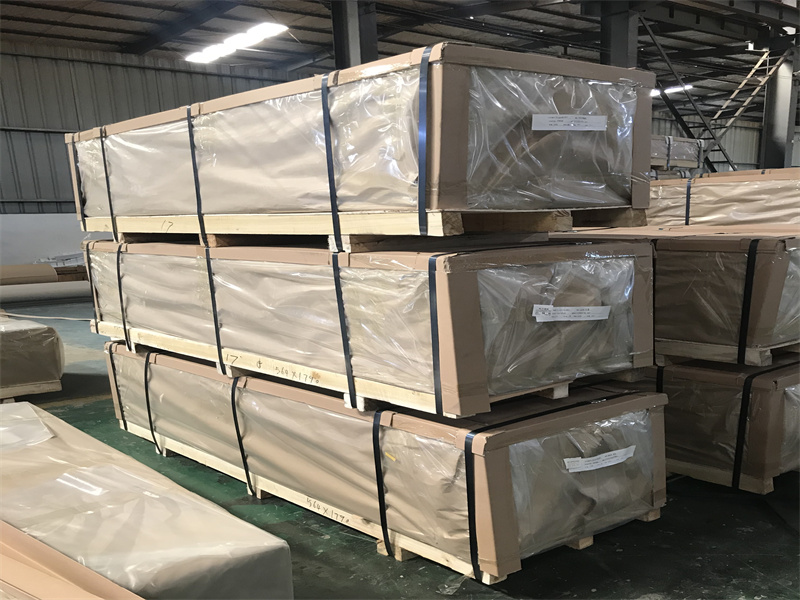
Standard export packaging for 1/8 inch aluminum sheet:
- Protective PE film on sheet surface (both sides or one side)
- Interleaved paper between sheets to prevent scratch damage
- Wooden pallet, export fumigation certified
- Corner protectors on stack edges
- Strapping bands, moisture barrier wrap for sea freight
Sea freight suits orders over 2 tons. Transit time from China to major ports: 18–35 days depending on destination.
Air freight suits small urgent orders (under 500 kg) where delivery time matters more than cost.
How to Buy from a Chinese Manufacturer
Step 1 → Find a Reliable Mill
Look for a manufacturer with ISO 9001 certification, full mill test reports, and export experience. Ask for references from buyers in your country.
Step 2 → Request Quotation and Samples
Send your spec: alloy, temper, thickness, width, length, finish, and quantity. Request a sample cut before committing to a full order.
Step 3 → Confirm Specifications and MOQ
Typical MOQ from a direct mill is 2–5 tons per item. Confirm tolerance, packaging, and MTR requirements in writing before proforma invoice.
Step 4 → Production and Inspection
Production lead time: 10–25 days for standard items. Arrange third-party inspection (SGS, BV) if needed before shipping.
Step 5 → Shipping and Customs
Your supplier handles export declaration. You or your freight forwarder handles import clearance. Confirm HS code for aluminum sheet in your country (commonly 7606.12 or 7606.11 depending on alloy series).
Frequently Asked Questions
What Is 1/8 Inch Aluminum Sheet in Millimeters
1/8 inch equals exactly 3.175 mm. Suppliers sometimes list it as 3.0 mm or 3.2 mm. If your spec calls for 3.175 mm, confirm the exact dimension with the mill before ordering.
Is 1/8 Inch Aluminum Strong Enough for Structural Use
It depends on the alloy and the application. 6061-T6 at 3.175 mm handles moderate structural loads well — brackets, frames, support panels. For heavy-load structures, move to 1/4 inch or thicker.
Can 1/8 Inch Sheet Be Welded or Bent Easily
Yes. It bends cleanly on a standard brake press. TIG welding is common for 5052 and 6061. MIG welding works for thicker sections. Use the correct filler rod — 4043 for 6061, 5356 for 5052.
What Is the Most Common Alloy for 1/8 Inch Sheet
3003-H14 is the most ordered alloy globally for general fabrication. 5052-H32 leads in marine applications. 6061-T6 leads in structural and machined parts.
How Long Does Aluminum Sheet Last Outdoors
Uncoated aluminum in standard outdoor environments lasts 20–30 years before visible surface degradation. PVDF-coated aluminum panels are warranted for 20–25 years by most coating suppliers. In coastal or industrial environments, 5052 or anodized 6061 gives the best long-term performance.
Final Notes on Buying 1/8 Inch Aluminum Sheet
1/8 inch aluminum sheet is one of the most versatile products in the metal industry. It hits a balance point — strong enough for most fabrication needs, light enough for easy handling, and available in a wide range of alloys and finishes.
For most general fabrication, 3003-H14 mill finish is the right starting point. Move to 5052-H32 for marine or chemical environments. Choose 6061-T6 when load, machining, or anodize quality matters.
Order a sample before committing to large volume. Confirm the MTR and tolerance before shipping. And check the current LME aluminum price — it moves, and it affects what you pay.