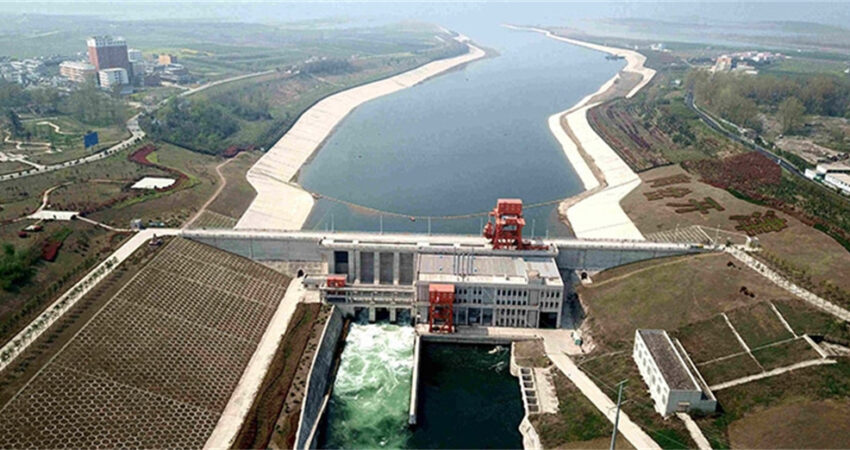
Xichuan Project of South to North Water Transfer
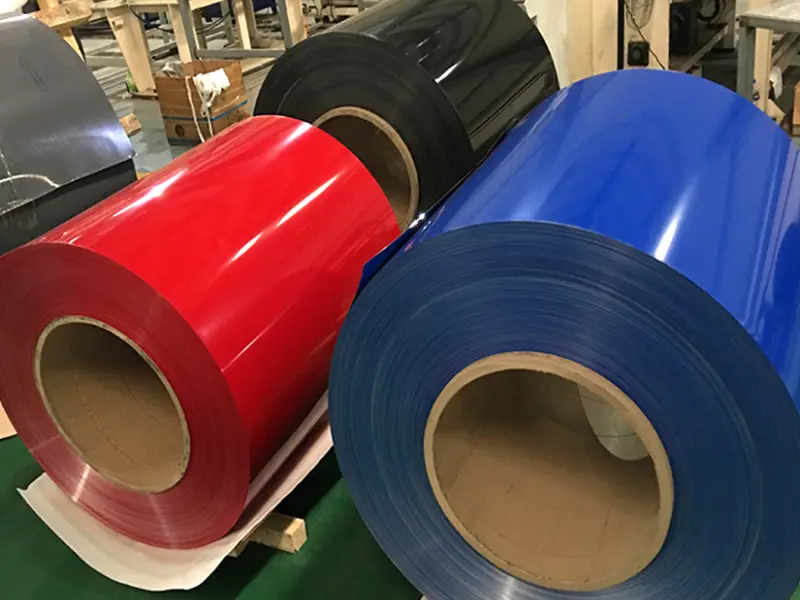
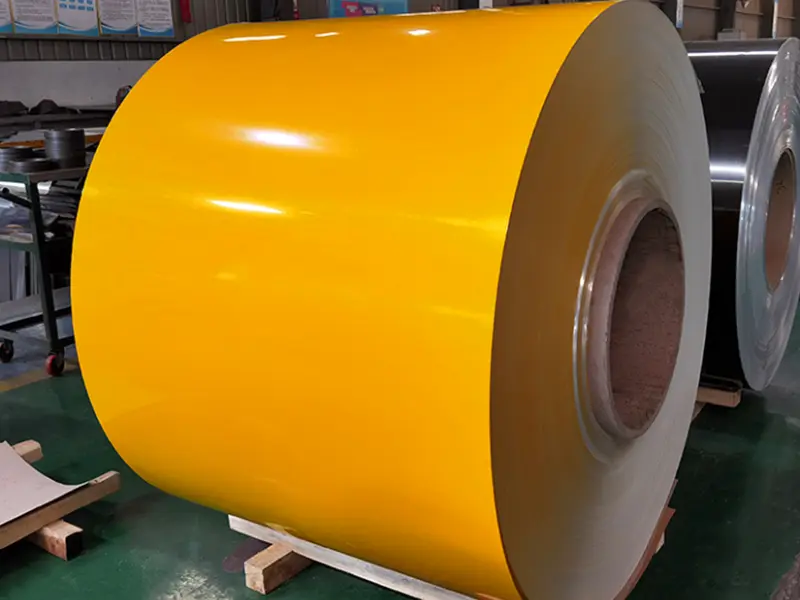
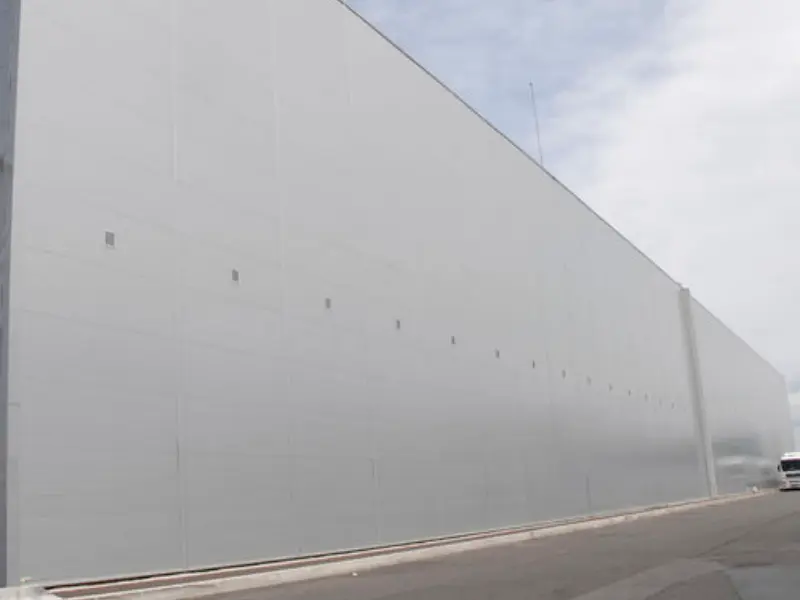
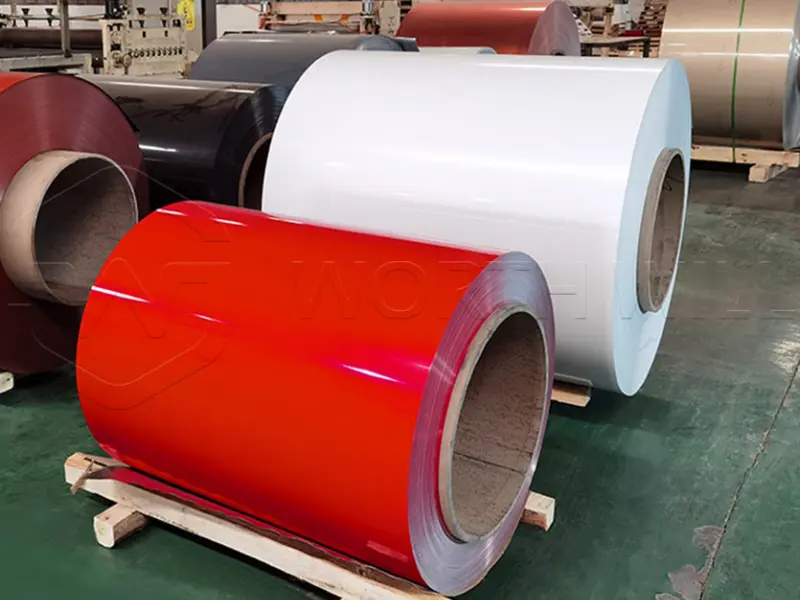
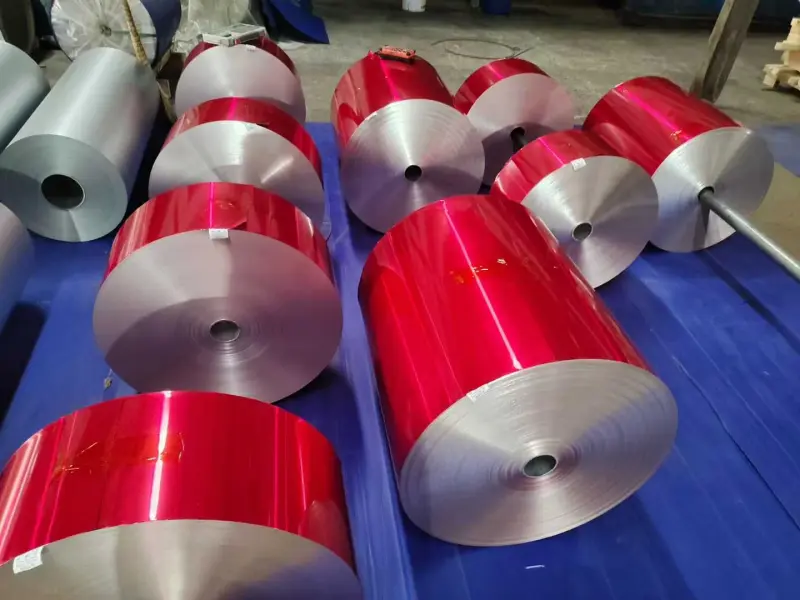
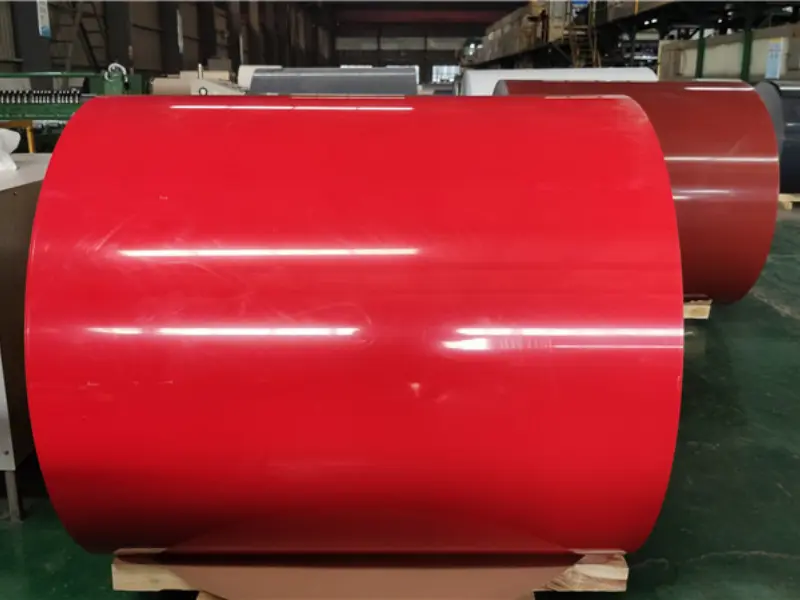
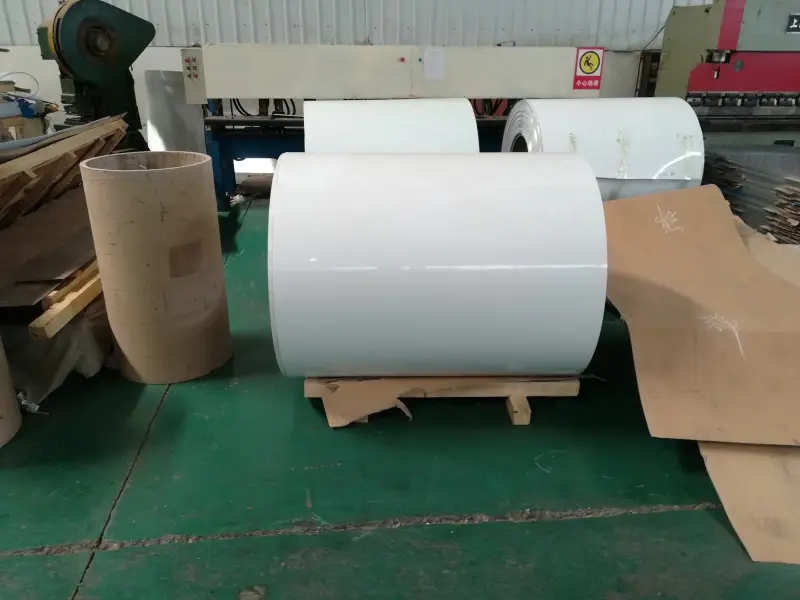
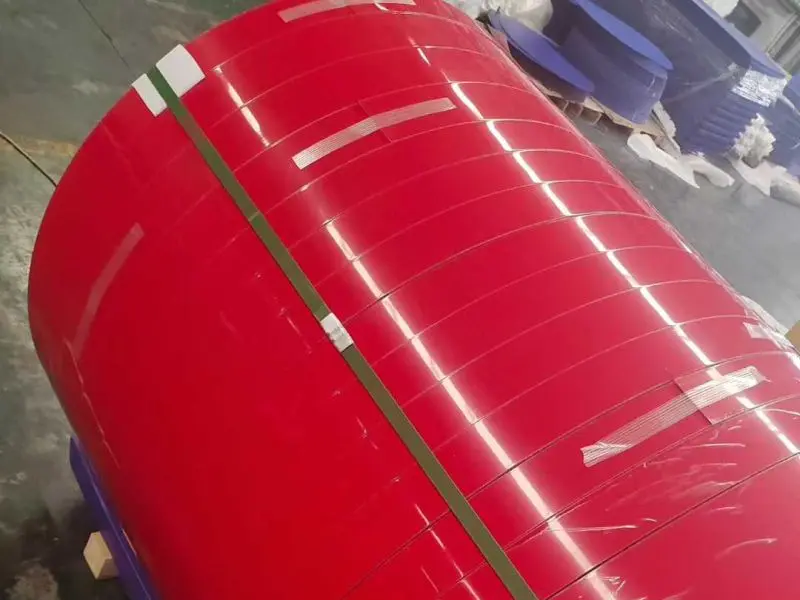
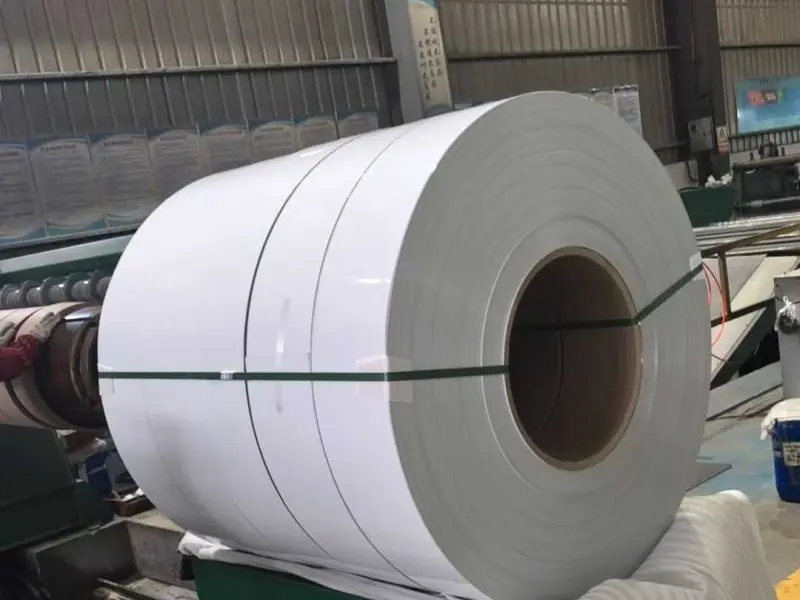
In order to get safety protection for setting demands about Xichuan poject, our factory offers free coated aluminum coil and aluminum sheet to meeet different deamdns for width and length.
Color Coated Coil is one of the most appreciated new materials in the world in the current coating market.
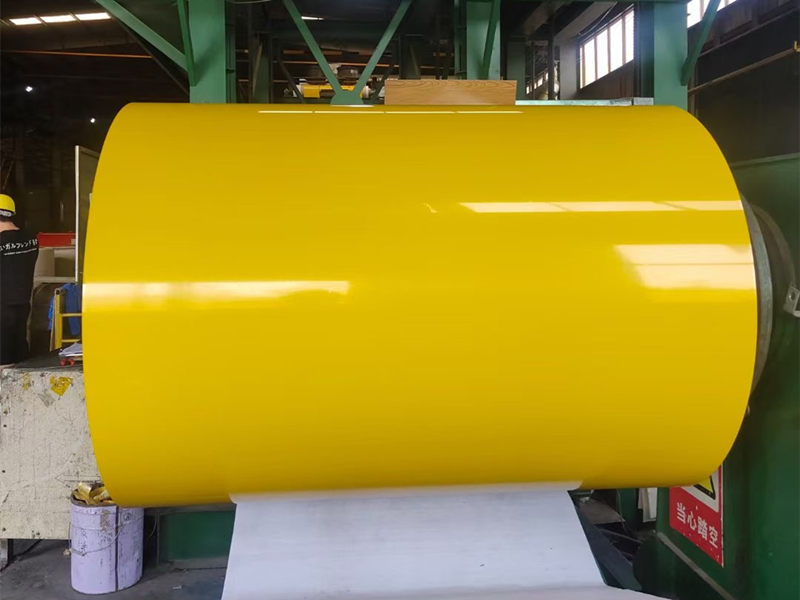
With the advancement of science and technology, the enhancement of environmental awareness and the improvement of people’s living standards, color-coated rolls show more and more vitality and broad market prospects. One of its main advantages is that the color-coated coil has the characteristics of high mechanical strength, easy forming of iron and steel materials, and good decoration and corrosion resistance to coating materials.
Xichuan Project of South to North Water Transfer: Aluminum Materials for Mega Water Infrastructure
The Xichuan Project is part of the South to North Water Transfer program. It moves water from western rivers to dry northern regions. This job needs strong materials that last a long time. Aluminum is one of those materials. It fights rust. It is light. It is easy to shape. This page shows the aluminum products that fit this kind of work.
What the Xichuan Project Needs
The Xichuan Project builds long tunnels. It lays big pipes. It builds pump stations and storage tanks. All these parts face water, pressure, and changing weather. Metal parts must not rust quickly. They must carry loads without breaking. They must also be light enough to move and install in mountain areas.
Aluminum meets these needs. It forms a natural skin that stops rust. It weighs one-third of steel. Workers can cut it, bend it, and weld it on site. That is why engineers pick aluminum for water projects around the world.
Main Aluminum Products for Water Transfer Work
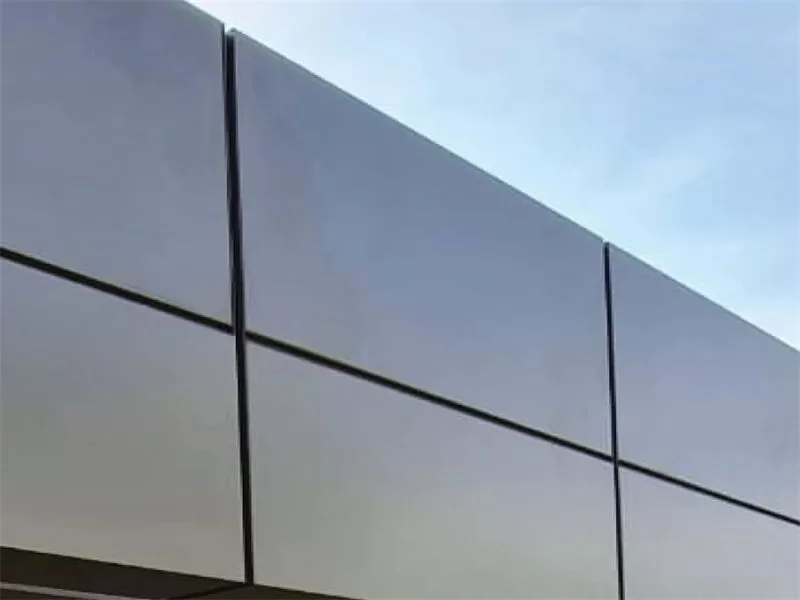
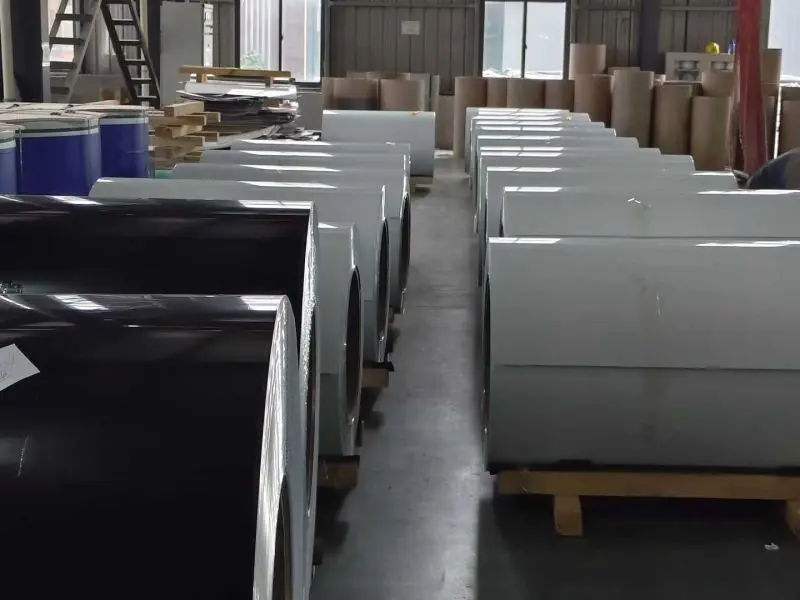
Many product types help build and protect water systems. Below are the main forms used on jobs like the Xichuan Project.
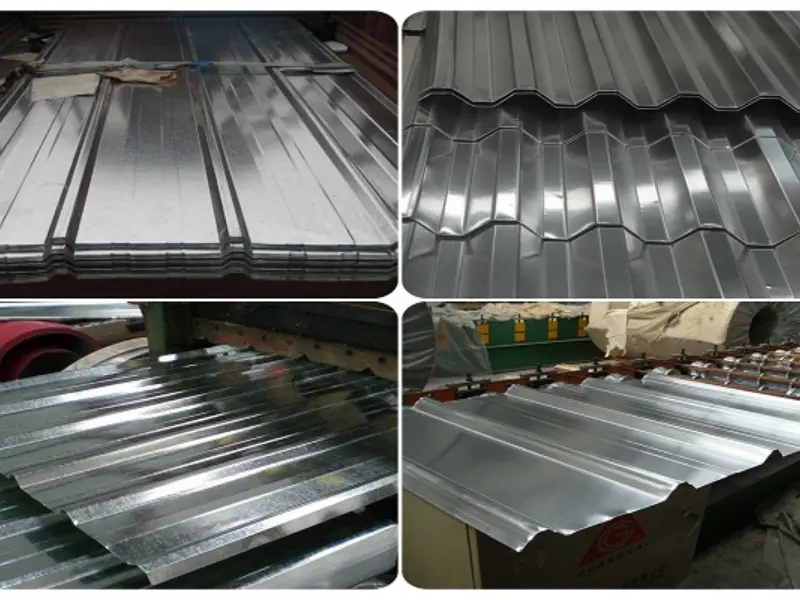
Flat Aluminum Sheets

Flat sheets cover tunnel walls. They line the inside of tanks. They also make panels for pump houses.
| Item | Detail |
|---|---|
| Alloy | 1060, 3003, 5052, 6061 |
| Temper | O, H12, H14, H16, H24, T6 |
| Thickness | 0.2 mm to 50 mm |
| Width | 1000 mm to 2600 mm |
| Length | 2000 mm to 12000 mm |
| Common size | 4×8 ft, 4×10 ft, 5×10 ft |
Aluminum Coils
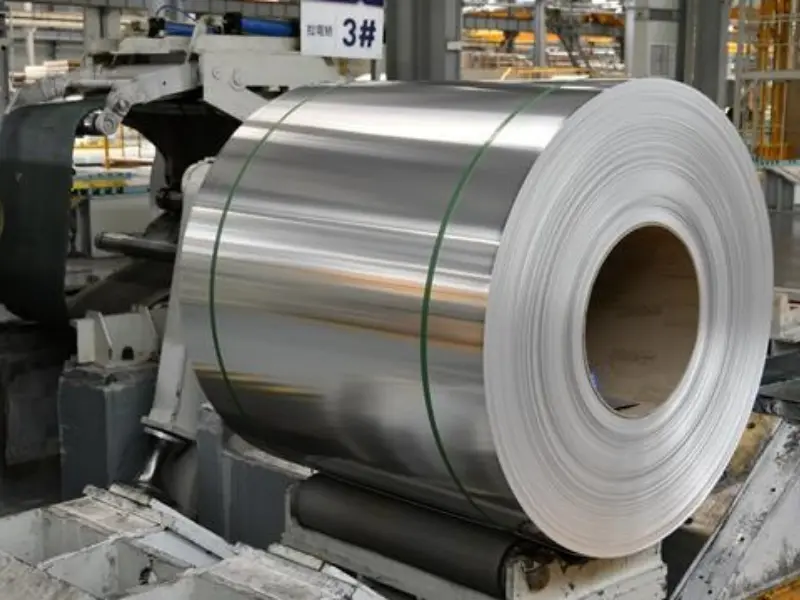
Coils wrap around pipes. They cover insulation. They also feed machines that make long panels.
| Item | Detail |
|---|---|
| Alloy | 1060, 3003, 5052 |
| Temper | H14, H24, H32, O |
| Thickness | 0.2 mm to 6.0 mm |
| Width | 200 mm to 2200 mm |
| Coil ID | 405 mm, 505 mm |
| Coil weight | 2 tons to 8 tons |
Aluminum Checkered Plate

Checkered plate gives grip. Workers walk on it. Trucks drive on it. It covers platforms and stairs near water channels.
| Item | Detail |
|---|---|
| Alloy | 1060, 3003, 5052, 6061 |
| Pattern | Five bar, diamond, one bar |
| Thickness | 1.0 mm to 8.0 mm |
| Width | 1000 mm to 1800 mm |
| Temper | H14, H22, H24, H32, T6 |
Aluminum Foil and Thin Strip
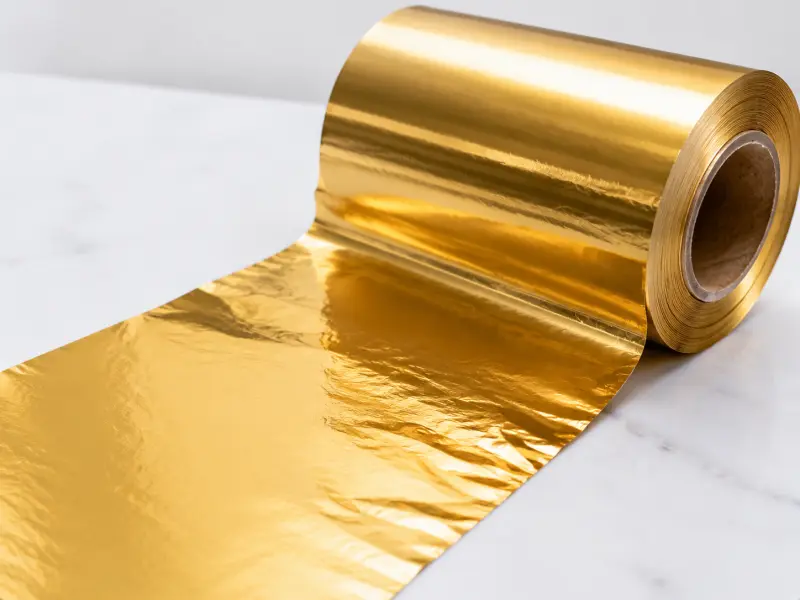
Thin foil wraps pipes for insulation. It blocks heat loss. It also stops vapor from getting in.
| Item | Detail |
|---|---|
| Alloy | 1060, 1235, 8011 |
| Temper | O, H18 |
| Thickness | 0.05 mm to 0.3 mm |
| Width | 50 mm to 1200 mm |
| Use | Pipe wrap, insulation facing |
Aluminum Extrusions
Extrusions make frames. They build support beams. They also make channels for cable and pipe runs.
| Item | Detail |
|---|---|
| Alloy | 6061, 6063, 6082 |
| Temper | T4, T5, T6 |
| Shape | Angle, channel, I-beam, tube, custom |
| Wall thickness | 1.0 mm to 20 mm |
| Max length | 6000 mm to 13000 mm |
Aluminum Round Pipes and Tubes
Pipes carry water in small lines. They also serve as drains and vents.
| Item | Detail |
|---|---|
| Alloy | 6061, 6063, 3003 |
| Temper | T6, H112 |
| Outer diameter | 10 mm to 300 mm |
| Wall thickness | 1.0 mm to 20 mm |
| Length | 3000 mm to 6000 mm |
Alloy Breakdown: Which Metal Fits Which Job
Not every alloy works for every task. Some need pure softness. Some need high strength. This table helps you pick.
| Alloy | Main Additive | Rust Fight | Strength Level | Best Job |
|---|---|---|---|---|
| 1060 | None (99.6% pure) | Excellent | Low | Lining, cladding, foil |
| 1100 | None (99% pure) | Excellent | Low | Decorative trim, flashings |
| 3003 | Manganese | Very good | Medium | Tanks, ducts, general sheet |
| 5052 | Magnesium | Excellent | High | Marine parts, heavy sheet, tanks |
| 5083 | Magnesium | Excellent | Very high | Thick plate, hulls, heavy welds |
| 6061 | Magnesium + Silicon | Good | Very high | Frames, beams, structural pipe |
| 6063 | Magnesium + Silicon | Good | Medium | Extrusions, window frames |
| 6082 | Magnesium + Silicon | Good | Very high | Bridges, cranes, heavy frames |
For the Xichuan Project, 3003 and 5052 are the most common choices. 3003 forms easily. 5052 handles salt and minerals in water better. 6061 takes the heavy loads in pump stations.
Temper Guide: What the Letters and Numbers Mean
Temper tells you how hard the metal is. It also tells you how it was treated after rolling.
| Temper | Process | Hardness | Best For |
|---|---|---|---|
| O | Full anneal | Very soft | Deep drawing, bending, foil |
| H12 | Cold rolled, quarter hard | Soft-light | Light forming, spinning |
| H14 | Cold rolled, half hard | Medium | General sheet work, most common |
| H16 | Cold rolled, three-quarter hard | Harder | Panels that need stiffness |
| H18 | Cold rolled, full hard | Very hard | Rigid panels, less forming |
| H22 | Annealed then cold rolled | Soft-medium | Better form than H14 |
| H24 | Annealed then cold rolled | Medium | Balanced form and strength |
| H32 | Stabilized | Medium | 5000 series, good weld |
| H34 | Stabilized | Harder | 5000 series, more strength |
| T4 | Solution heat treated | Medium | Extrusions, some forming |
| T5 | Cooled then aged | Medium-hard | Extrusions, standard |
| T6 | Solution treated and aged | Very hard | Structural, high strength |
For tunnel lining, H14 is the standard. It is stiff enough to hold shape. It still bends to fit curves. For heavy beams, T6 is the rule. It gives the most strength.
Thickness Map: Where Each Gauge Goes
Different parts need different thickness. Too thin and it dents. Too thick and it wastes money and weight.
| Part Name | Thickness Range | Common Pick | Alloy Choice |
|---|---|---|---|
| Tunnel wall liner | 1.0 mm – 3.0 mm | 2.0 mm | 3003-H14 |
| Pipe outer wrap | 0.5 mm – 1.2 mm | 0.8 mm | 1060-O |
| Tank side panel | 2.0 mm – 6.0 mm | 3.0 mm | 5052-H32 |
| Walkway floor plate | 2.5 mm – 8.0 mm | 4.0 mm | 5052-H32 |
| Pump base frame | 6.0 mm – 25 mm | 12 mm | 6061-T6 |
| Support beam | 3.0 mm – 12 mm | 6 mm | 6061-T6 |
| Drain pipe | 2.0 mm – 5.0 mm | 3.0 mm | 6063-T6 |
| Cable tray | 1.5 mm – 3.0 mm | 2.0 mm | 6063-T5 |
| Insulation facing | 0.05 mm – 0.2 mm | 0.1 mm | 1060-O |
Surface Finish Options
Raw aluminum works. But coatings add years of life. They also add color and clean looks.
| Finish | Layer Thickness | Life in Wet Air | Cost | Look |
|---|---|---|---|---|
| Mill finish | Natural oxide only | 10–15 years | Low | Silver, plain |
| Brushed | Scratched lines | 10–15 years | Low | Satin silver |
| Anodized clear | 5–15 micron film | 20–25 years | Medium | Clear metallic |
| Anodized color | 10–25 micron film | 20–30 years | Medium | Bronze, black, gold |
| PE paint | 15–25 micron coat | 10–15 years | Low | Matte or gloss color |
| PVDF paint | 25–35 micron coat | 25–40 years | High | Premium color, UV proof |
For underground tunnels, mill finish or anodized finish is enough. The air is stable. For outdoor pump stations, PVDF coating stops sun damage. It keeps the building looking good for decades.
Product Types by Shape and Form
Buyers need more than flat sheets. Here are the shapes that water projects order most.
Standard Sheet Sizes


| Size in feet | Size in mm | Area | Typical Use |
|---|---|---|---|
| 4×8 ft | 1219 x 2438 mm | 32 sq ft | Small panels, doors |
| 4×10 ft | 1219 x 3048 mm | 40 sq ft | Wall cladding, standard sheets |
| 5×10 ft | 1524 x 3048 mm | 50 sq ft | Large panels, fewer seams |
| 5×12 ft | 1524 x 3658 mm | 60 sq ft | Roofing, long spans |
Coil Specs for Pipe Wrapping
Table
| Thickness | Width range | Coil OD | Weight | Use |
|---|---|---|---|---|
| 0.5 mm | 500–1500 mm | 1200 mm | 2–4 tons | Small pipe wrap |
| 0.8 mm | 800–2000 mm | 1400 mm | 3–6 tons | Standard pipe jacket |
| 1.0 mm | 1000–2200 mm | 1500 mm | 4–8 tons | Large tank cladding |
| 1.5 mm | 1000–2000 mm | 1500 mm | 5–8 tons | Heavy duct cover |
Checkered Plate Patterns
Table
| Pattern name | Grip level | Common thickness | Best place |
|---|---|---|---|
| Five bar | Very high | 2–6 mm | Walkways, stairs |
| Diamond | High | 1.5–4 mm | Ramps, platforms |
| One bar | Medium | 2–5 mm | Decorative floors |
| Lentil | Medium | 2–4 mm | Indoor platforms |
Performance Comparison: Aluminum vs. Other Metals
Some teams think about steel or stainless steel. Here is how aluminum stacks up.


| Feature | Aluminum | Carbon Steel | Stainless Steel |
|---|---|---|---|
| Weight per same volume | Light | Heavy | Heavy |
| Rust in wet air | No | Yes | No |
| Rust in salt water | Minor | Fast | No |
| Cost per kg | Medium | Low | High |
| Cost per same strength | Medium | Low | Very high |
| Ease of cutting | Easy | Hard | Very hard |
| Ease of welding | Good | Good | Hard |
| Life span in water project | 30–50 years | 10–15 years | 40–60 years |
| Recycle value | High | Medium | Medium |
Aluminum wins on weight and rust. It lasts longer than carbon steel. It costs less than stainless steel. That is why big water jobs use it.
Application Areas in the Xichuan Project
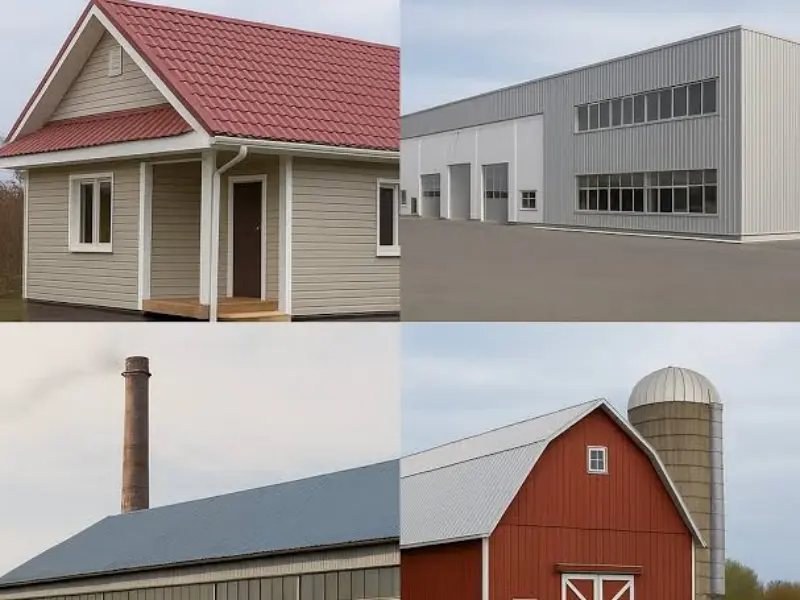
Aluminum shows up in many places on a water transfer job. Here are the main spots:
Storage tank roofs use aluminum sheets because they do not rust from rain or condensation.
Tunnel lining sheets protect concrete walls from water spray and mineral buildup.
Pipe jacketing coils wrap insulation on long-distance pipes to stop heat loss.
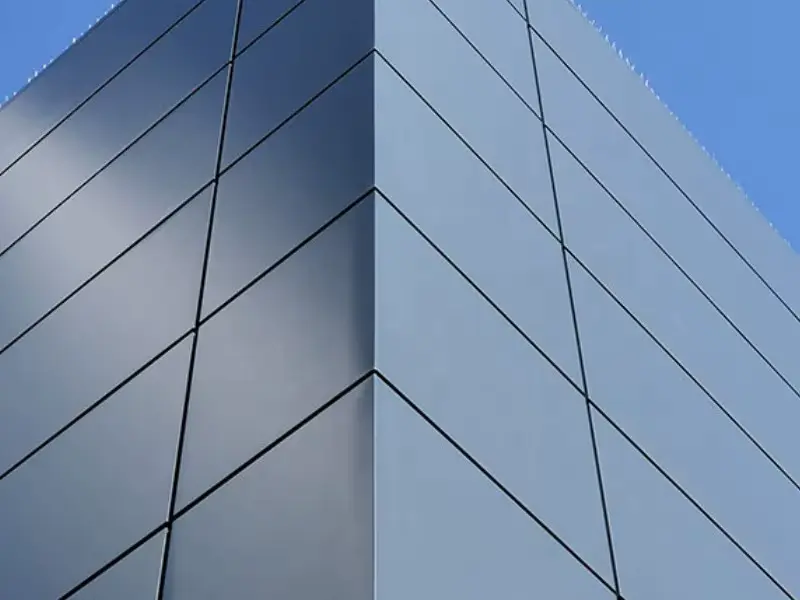
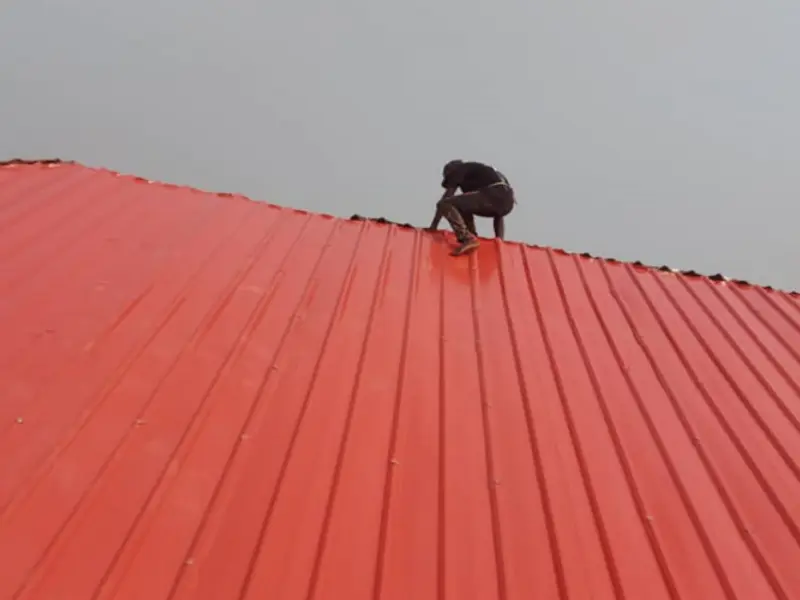
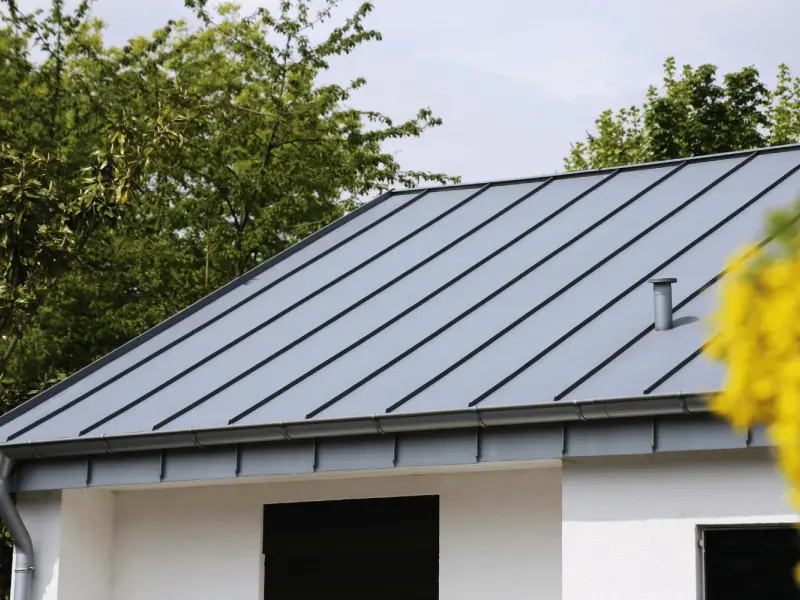
Pump station panels cover walls and roofs with coated aluminum for weather proofing.
Walkway plates give safe footing on service bridges and maintenance platforms.
Cable trays and channels route power lines along tunnels and galleries.
Drainage pipes move seepage water away from main channels.
Ventilation ducts carry fresh air into long tunnels.
Gate frames and guides support control gates at intake and outlet points.
Stair treads and ladders use checkered plate for slip resistance.
Quality Checks and Certifications
Water projects do not allow weak materials. Every batch must pass tests.
| Test | What It Checks | Standard |
|---|---|---|
| Chemical analysis | Alloy elements match order | GB/T 3190, ASTM B209 |
| Tensile test | Strength and stretch | GB/T 228, ASTM E8 |
| Hardness test | Temper is correct | GB/T 4340, ASTM E18 |
| Bend test | Forming quality | GB/T 232 |
| Salt spray test | Rust resistance | ASTM B117 |
| Dimension check | Thickness, width, length | GB/T 3880 |
| Visual check | Scratches, oil, color | Internal standard |
Common Certifications
Table
| Certificate | What It Means |
|---|---|
| ISO 9001 | Factory has a quality system |
| ISO 14001 | Factory controls environmental impact |
| ASTM B209 | Sheet and plate meet US standards |
| EN 573 | Alloy numbers match European rules |
| GB/T 3880 | Sheet meets Chinese national standards |
| SGS report | Third party checked the goods |
Ordering and Delivery Details
Table
| Detail | Option |
|---|---|
| Minimum order | 3 tons to 5 tons per size |
| Lead time | 15 to 30 days after deposit |
| Payment terms | T/T, L/C at sight |
| Packing | Wooden pallet, steel band, waterproof film |
| Shipping | By truck, by rail, or by sea container |
| Label | Alloy, temper, size, heat number on each bundle |
| Document | Mill test report, packing list, invoice, certificate |

FAQ
What alloy should I pick for a water tunnel liner?
For standard tunnel liners, 3003-H14 is the most common choice. It forms well around curves. It resists the moisture in tunnel air. If the tunnel carries salty water or brackish seepage, use 5052-H32. It has more magnesium. That gives better salt resistance.
How thick should pipe jacketing be?
Most pipe jacketing runs from 0.5 mm to 1.2 mm thick. Small pipes use 0.5 mm to 0.8 mm. Large pipes and tanks use 1.0 mm to 1.2 mm. The key is to cover the insulation without adding too much weight.
Does aluminum rust in constant water contact?
Aluminum does not rust like iron. It makes a thin oxide layer. That layer stops deeper damage. In clean fresh water, aluminum lasts decades. If the water has high chloride or sulfur, pick 5052 or 5083. Those alloys handle harsh chemistry better.
What is the difference between H14 and H24 temper?
Both are half-hard. H14 gets there by cold rolling only. H24 gets there by cold rolling after a partial anneal. H24 has better formability. It bends tighter without cracking. H14 is slightly stiffer. For most water project sheets, either works. If you need deep bends, ask for H24.
Can I weld aluminum sheets on site?
Yes. 3003 and 5052 weld easily with MIG or TIG. Use aluminum filler wire. 4043 or 5356 are common choices. Clean the joint first. Remove oil and oxide. 6061 also welds well, but it loses some strength near the weld. For structural frames, factor that in.
How long does painted aluminum last underground?
Mill finish aluminum lasts 20 to 30 years in stable underground air. Anodized aluminum lasts 30 to 40 years. PVDF painted aluminum lasts 25 to 40 years. The main enemy is water chemistry, not time. Test the soil and water pH first. Then pick the right alloy and coating.
Is 6061-T6 too strong for simple cladding?
For simple wall cladding, 6061-T6 is overkill. It costs more. It is harder to bend. Use 3003-H14 or 5052-H32 instead. Save 6061-T6 for beams, frames, and supports that carry real weight.
Do you offer custom widths and lengths?
Yes. Mills can cut coils and sheets to custom sizes. Common custom widths run from 200 mm up to 2600 mm. Lengths can go to 12000 mm. Custom sizes may need a minimum order of 5 tons. Ask for a quote with your exact list.
What is the best finish for outdoor pump houses?
For outdoor pump stations, use PVDF coated aluminum. The coating blocks UV rays. It keeps color for 25 years or more. Pick a light color. It reflects heat. That lowers indoor temperature and saves on cooling.
How do I store aluminum sheets before installation?
Keep sheets dry. Store them indoors. Lay them flat on wood pallets. Do not let them touch concrete floors. Moisture from concrete can stain the metal. Keep different alloys apart. That stops mix-ups on site.
Why Source from Us for the Xichuan Project
We know water jobs. We have supplied aluminum for dams, tunnels, and treatment plants. Our mills hold ISO 9001 and ASTM B209 certificates. We pack for long truck rides and rough site handling. We cut to your sizes. We deliver on time. If you need mill test reports in English or Chinese, we provide them. If you need third-party inspection, we welcome it.
Send us your bill of materials. We will quote each item with alloy, temper, size, and delivery date.