
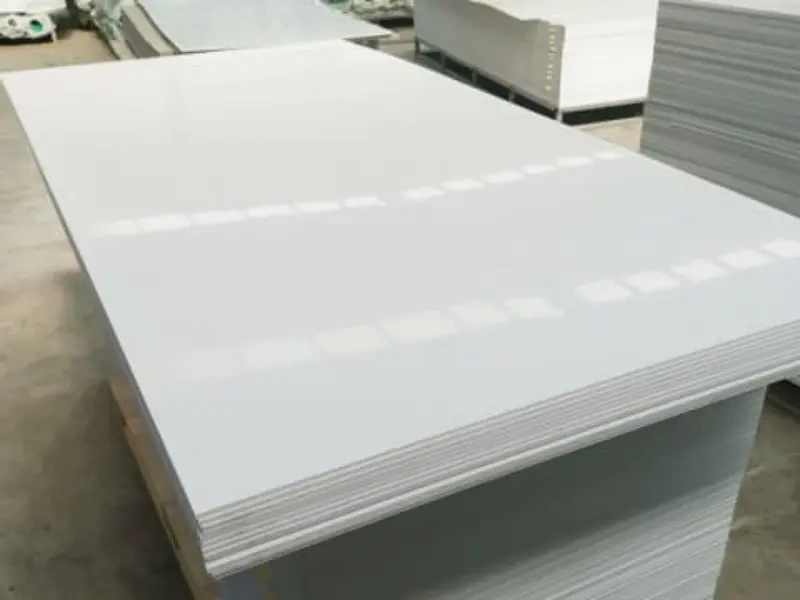
Aluminum sublimation sheet is made of high-quality paint, which is coated by an imported automatic high-speed coating line.
The surface of the plate is smooth, there is no color difference, the coating has strong adhesion, and it can resist the erosion of acid, alkali and salt spray.
This kind of board does not change color for a long time, and the paint does not fall off. Fluorocarbon coated board is an ideal decorative material for outdoor use, with a service life of more than 20 years, and easy maintenance. It will be as clean as new after washing with water.


What is thermal transfer printing?
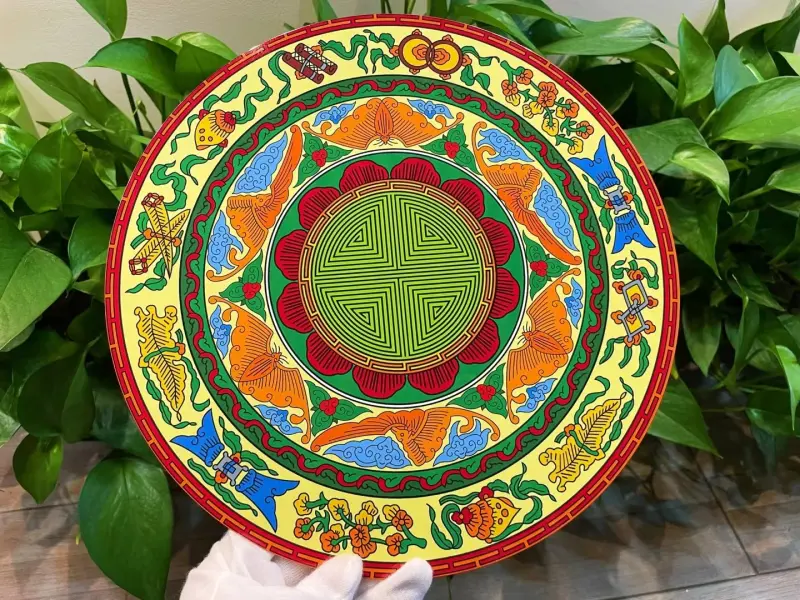
Thermal transfer printing is to design the pattern, make a copper plate, and then engrave the pattern on the copper plate in different colors through an electric engraving machine. Then take the copper plate to the printing machine to print the pattern on the PET film, and then transfer the pattern to the product through a thermal transfer machine.
Aluminum gussets are based on aluminum alloy sheets, which are obtained by cutting, cutting corners, and molding. We process the surface of aluminum gussets with various coatings to obtain various aluminum gusset products, aluminum gussets. We adopt thermal transfer printing technology to make aluminum plate.
Thermal Transfer Printing

Thermal transfer printing is an emerging printing process. We divide the printing method of this process into two parts: transfer film printing and transfer processing. Transfer film printing adopts dot printing, and the pattern is pre-printed on the surface of the film.
The printed pattern is rich in layers, bright in color, ever-changing, small in color difference, and good in reproducibility. It can meet the requirements of the designer and is suitable for mass production.
The transfer printing process transfers the exquisite pattern on the transfer film to the surface of the product through one-time processing (heating and pressure) of the heat transfer printing machine. After forming, we melte the ink layer and the surface of the product into one, which is realistic and beautiful. And greatly improves the grade of the product.
However, due to the high technical content of the process, the factory need to import many materials.
What Is Aluminum Sublimation Sheet?
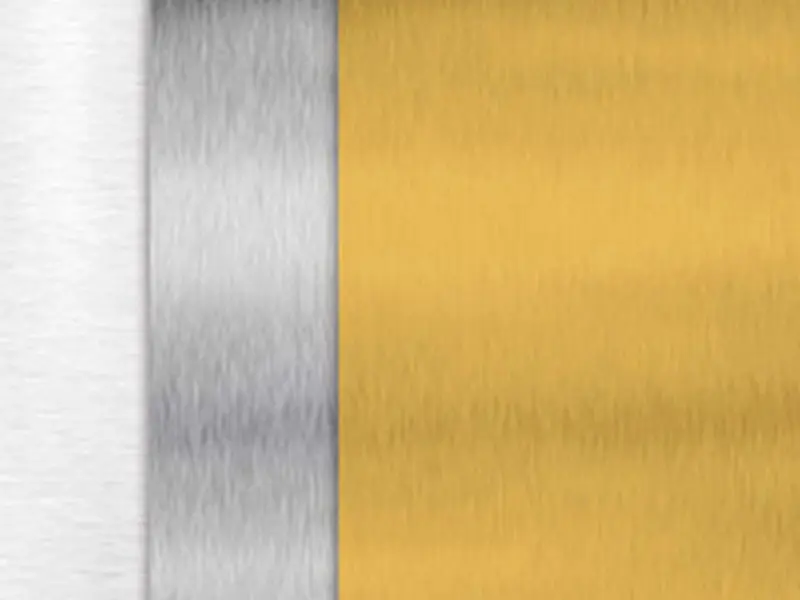
An aluminum sublimation sheet is a metal blank with a special coating on the surface. The coating grabs dye when you apply heat and pressure. The image sinks into the layer. It does not sit on top.
That is why the print lasts so long. The metal base gives strength. The coating gives color. Together they make a product that looks sharp and holds up for years.
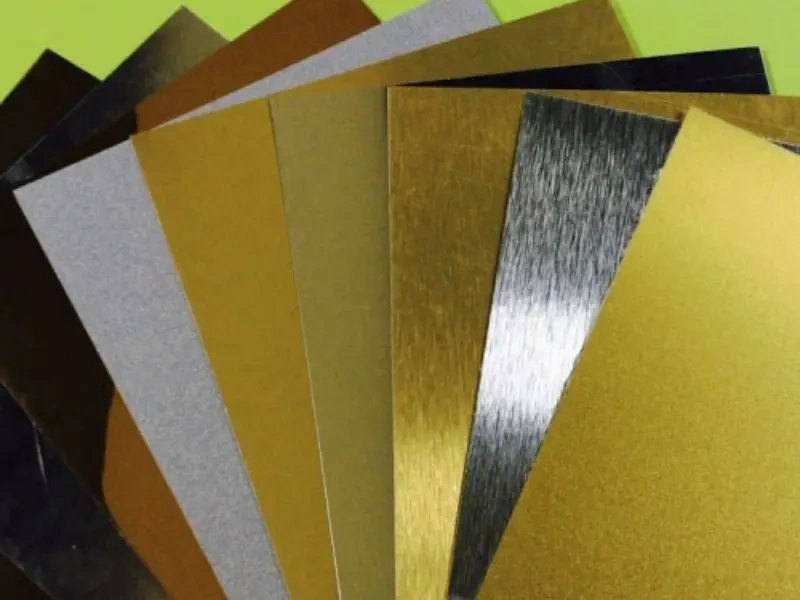
These sheets come in many alloys, sizes, and finishes. Some are thin and light. For some are thick and rigid. Some have a bright white face. Others look like brushed silver. Picking the right one depends on what you are making and where it will live.
How the Coating Grabs the Ink
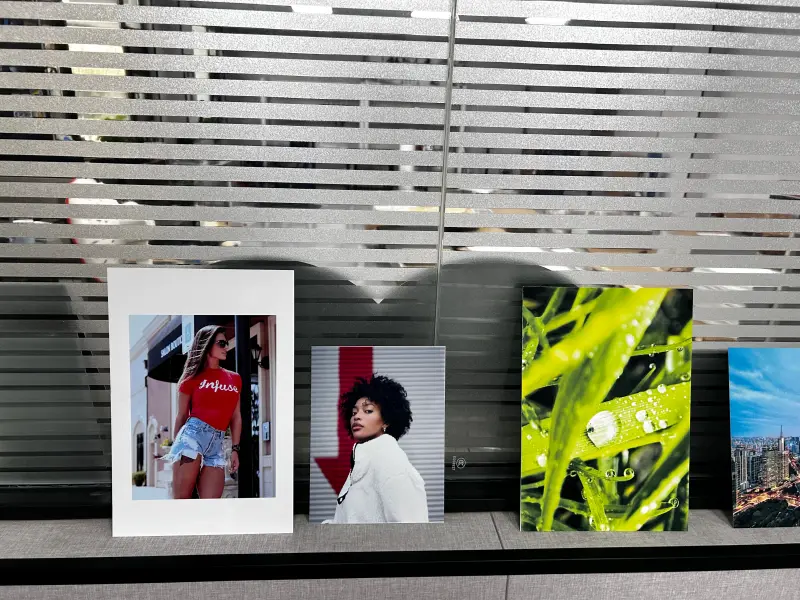
Sublimation printing uses heat. The dye turns into gas. The gas enters the coating pores. When it cools, the dye locks in place. The image becomes part of the sheet. You cannot scratch it off with a fingernail. You cannot wash it away.
The coating is usually a polyester layer. Mills apply it in a coil line. The aluminum coil runs through cleaners, coaters, and ovens. The result is a smooth, even face ready for the press. A PE film covers the sheet during shipping. You peel it off right before printing.
Alloy Breakdown: Which Metal Suits Your Job
Not all aluminum is the same. The alloy changes how the sheet bends, how strong it is, and how well it takes the coating.
| Alloy | Purity | Strength | Best Use |
|---|---|---|---|
| 1050 | 99.5% pure | Low | Photo panels, awards, indoor art |
| 1060 | 99.6% pure | Low | Thin ornaments, keychains, tags |
| 1100 | 99% pure | Low | Decorative trim, craft blanks |
| 3003 | Manganese added | Medium | Signs, license plates, outdoor work |
| 5052 | Magnesium added | High | Marine signs, heavy panels, coastal jobs |
| 6061 | Mg + Si added | Very high | CNC parts, industrial labels, machine tags |
For most print shops, 1050 and 1060 are the starting point. They are soft. They take the coating well. The surface is smooth. If you need the sheet to hold its shape in wind or rain, move up to 3003 or 5052.
Temper Codes and What They Tell You
Temper shows how hard the metal is. It also shows how it was treated after rolling.
| Temper | Hardness Level | Best For |
|---|---|---|
| O | Fully soft | Deep bends, complex shapes |
| H12 | Quarter hard | Light forming, small tags |
| H14 | Half hard | General sheet work, most common |
| H16 | Three-quarter hard | Flat panels that need stiffness |
| H18 | Full hard | Rigid blanks, less forming |
| H24 | Half hard, annealed first | Better bend than H14, fewer cracks |
| T6 | Heat treated, aged | Structural frames, heavy duty |
Most sublimation blanks ship in H14. It is stiff enough to stay flat during printing. It still bends if you need to shape it.
Thickness Guide: Thin vs. Thick

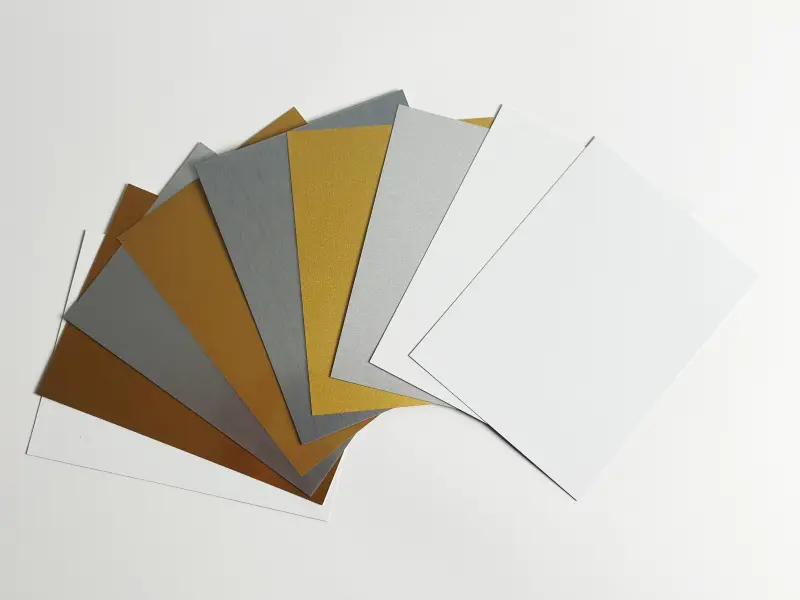
Thickness changes the feel, the weight, and the price. It also changes how long the sheet stays flat on the wall.
| Thickness | Feel | Typical Use |
|---|---|---|
| 0.2 mm | Very light, flexible | Ornaments, bookmarks, small tags |
| 0.3 mm | Light, slight bend | Keychains, thin photo panels |
| 0.45 mm | Light, entry level | Small indoor signs, desk frames |
| 0.55 mm | Medium-light | Photo panels, gift items |
| 0.65 mm | Medium | Standard signs, wall art |
| 0.75 mm | Medium | Larger panels, retail displays |
| 1.0 mm | Stiff | Outdoor signs, door plaques |
| 1.15 mm | Very stiff, premium | Large photo panels, no backing needed |
| 1.5 mm + | Heavy duty | Structural signs, machine panels |
If you sell wall art to photographers, 1.15 mm is the sweet spot. It feels solid. It does not warp. For cheap giveaways, 0.45 mm keeps the cost down.
Surface Types and Visual Effects
The finish on the sheet changes how the image looks after transfer. Each type creates a different mood.
Glossy White
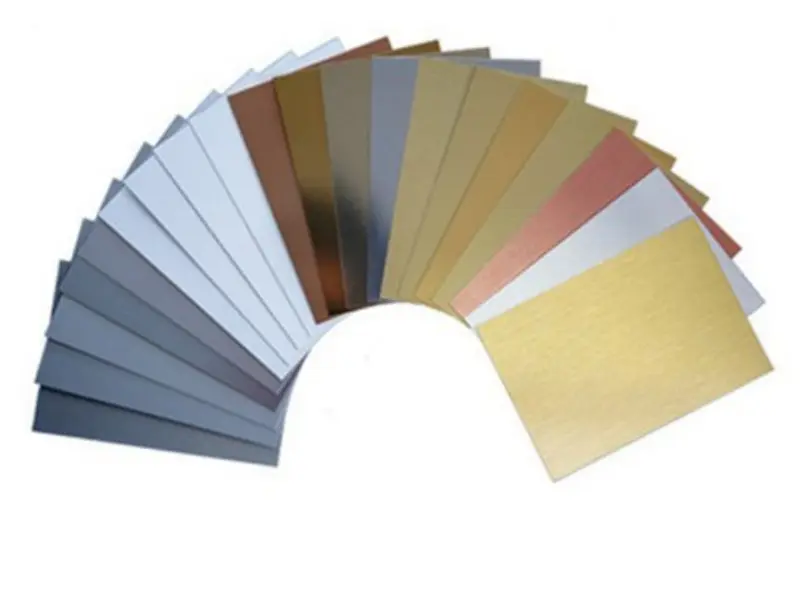
This is the most popular face. The white background makes colors pop. Reds look red. Blues look blue. It works for photos, ads, and any image that needs to grab attention.
Matte White
Matte cuts the shine. It looks like fine art paper. Museums and offices like this look. It also reduces glare under bright lights.
Brushed Silver
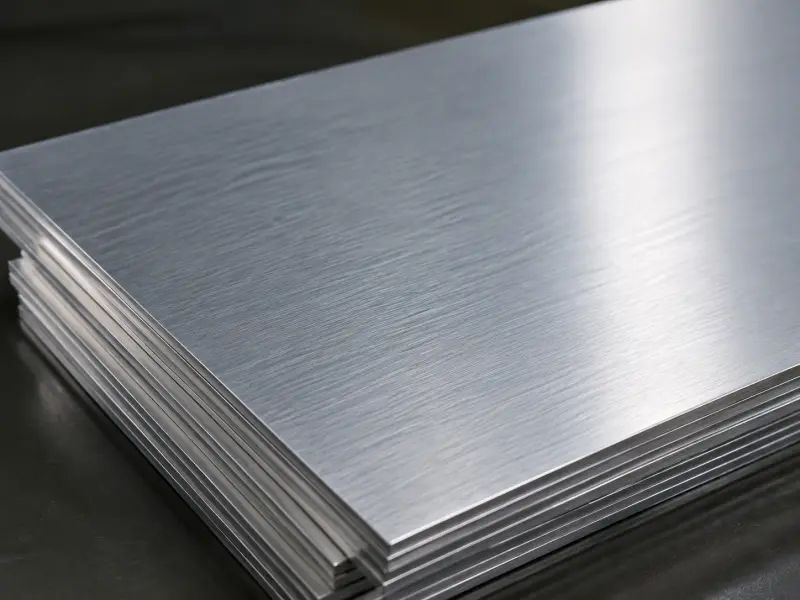
The metal grain shows through the image. This gives a modern, industrial feel. It works for nameplates, corporate signs, and tech branding.
Brushed Gold
Gold adds luxury. Hotels, awards, and high-end gifts use this finish. The image prints over the gold tone. The result feels rich.
Mirror
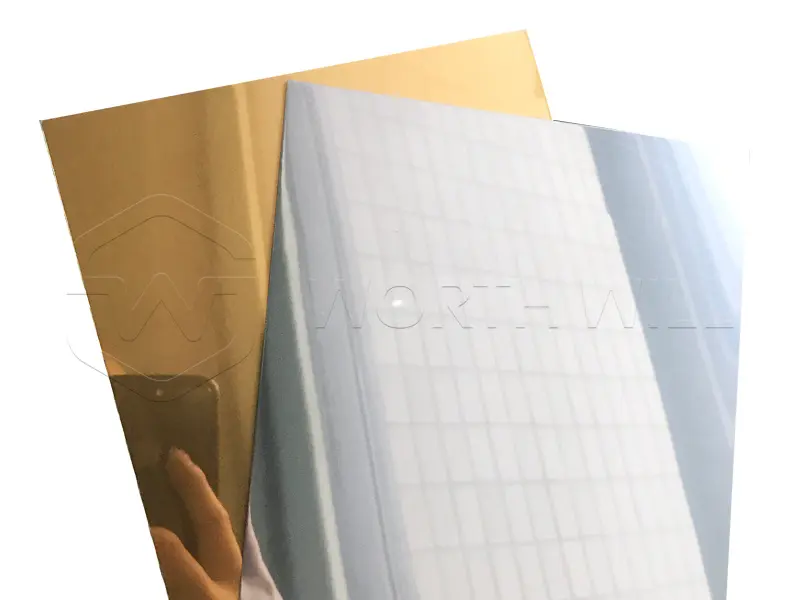
Mirror sheets are highly reflective. They work for premium ads and decorative pieces. Fingerprints show easily, so handle with care.
Pearlized
Pearl coating adds a soft shimmer. It is popular for wedding photos, baby prints, and feminine branding.
Standard Sizes and Custom Cuts
Mills cut master sheets from large coils. Then they slice them to order.
| Standard Size | Millimeters | Inches | Common Use |
|---|---|---|---|
| A4 | 210 × 297 | 8.3 × 11.7 | Photo panels, certificates |
| A3 | 297 × 420 | 11.7 × 16.5 | Wall art, posters |
| A5 | 148 × 210 | 5.8 × 8.3 | Small gifts, tags |
| 4 × 6 in | 102 × 152 | 4 × 6 | Desktop frames |
| 5 × 7 in | 127 × 178 | 5 × 7 | Portrait prints |
| 8 × 10 in | 203 × 254 | 8 × 10 | Standard photo size |
| 8 × 12 in | 203 × 305 | 8 × 12 | Metal prints |
| 11 × 14 in | 279 × 356 | 11 × 14 | Gallery panels |
| 12 × 18 in | 305 × 457 | 12 × 18 | Large signs |
| 12 × 24 in | 305 × 610 | 12 × 24 | Panoramic prints |
| 24 × 36 in | 610 × 914 | 24 × 36 | Big displays |
| 48 × 96 in | 1219 × 2438 | 48 × 96 | Full wall cladding |
Custom sizes are easy to order. Mills use CNC cutters or shears. You can also ask for rounded corners, holes, or special shapes.
Heat Press Settings by Thickness
Getting the time and temperature right matters. Too hot and the coating yellows. Too cold and the image fades.
| Thickness | Temperature | Time | Pressure |
|---|---|---|---|
| 0.2 – 0.35 mm | 180°C | 45 – 60 sec | Medium |
| 0.45 – 0.55 mm | 185°C | 50 – 65 sec | Medium |
| 0.65 – 0.75 mm | 190°C | 60 – 75 sec | Medium-high |
| 1.0 mm | 195°C | 75 – 85 sec | High |
| 1.15 mm + | 200°C | 80 – 90 sec | High |
Always mirror your image before printing. Use sublimation paper made for hard surfaces. Tape the paper to the sheet so it does not shift. Peel the paper while it is hot for the brightest transfer.
Sublimation Aluminum vs. Other Print Metals


Some shops print on steel or chromaluxe. Here is how aluminum stacks up.
| Feature | Sublimation Aluminum | Steel Blanks | Chromaluxe |
|---|---|---|---|
| Weight | Light | Heavy | Medium |
| Rust risk | None | High without coating | None |
| Print life | 10 – 30 years | 5 – 10 years | 20+ years |
| Cost | Low to medium | Low | High |
| Color pop | Very bright | Good | Excellent |
| Bendability | Easy | Hard | Hard |
| Outdoor use | Good with right alloy | Poor | Excellent |
Aluminum wins on price and weight. It is easy to cut and drill. For most small businesses, it is the best place to start.
Where Buyers Use These Sheets
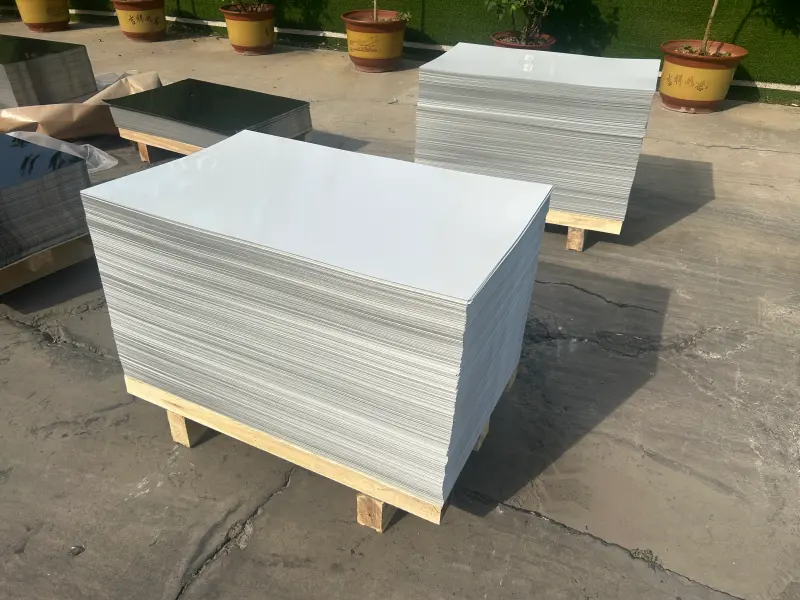
Sublimation aluminum shows up in many markets. Here are the main ones:
- Photography studios print metal wall art and gallery wraps
- Gift shops make custom keychains, ornaments, and keepsakes
- Sign makers produce business signs, real estate signs, and parking signs
- Awards companies create trophies, plaques, and recognition plates
- Hotels and restaurants print menu boards, room numbers, and branding panels
- Schools and parks make directional signs and information boards
- Industrial plants label machines, valves, and safety zones
- Marine businesses use 5052 alloy for boat nameplates and dock signs
- Event planners build trade show displays and backdrops
- Home decor brands sell metal prints of landscapes and abstract art
- Automotive shops print license plates and frame inserts
- Tech companies brand laptops, tablets, and device covers
Product Types You Can Order
Mills and suppliers offer more than flat rectangles. Here are the common forms.

Flat Sheets
These are the standard blanks. They come in white, silver, gold, and other colors. You print on one side. The back stays bare or gets a white coating.
Photo Panels with Standoffs
Some sheets ship with holes drilled for standoff mounts. The panel floats off the wall. This looks modern and high-end.
Keychain Blanks
Small pre-cut shapes with holes. Common sizes are 2 × 3 inches or custom die cuts. They are thin, usually 0.3 mm to 0.45 mm.
License Plate Blanks
Standard car tag size with rounded corners and slot holes. Often 0.65 mm to 1.0 mm thick.
Nameplate Blanks
Rectangles with beveled edges or corner holes. Used for desks, doors, and machines.
Ornament Blanks
Holiday shapes like circles, stars, and hearts. Usually 0.45 mm thick with a hole for ribbon.
Bookmark Blanks
Long and narrow strips. Often 0.3 mm to 0.45 mm. Some have tassel holes.
Door Hanger Blanks
Hook-shaped sheets that hang on knobs. Popular for hotels and promotions.

Mouse Pad Blanks
Thin sheets with rubber backing. The top face takes sublimation ink.
Coaster Blanks
Square or round shapes. Some have cork backing. Usually 0.65 mm to 1.0 mm.
Alloy vs. Application: A Quick Match Guide
| Job Type | Best Alloy | Best Temper | Best Thickness | Best Finish |
|---|---|---|---|---|
| Indoor photo panel | 1050 | H14 | 0.65 – 1.15 mm | Glossy white |
| Outdoor sign | 3003 | H14 | 1.0 – 1.5 mm | Glossy or matte white |
| Coastal marine sign | 5052 | H32 | 1.0 – 1.5 mm | Glossy white |
| Award plaque | 1050 | H14 | 0.8 – 1.0 mm | Brushed gold |
| Industrial label | 6061 | T6 | 1.0 – 2.0 mm | Matte or brushed |
| Keychain | 1060 | H14 | 0.3 – 0.45 mm | Glossy white |
| License plate | 3003 | H14 | 0.65 – 1.0 mm | Glossy white |
| Wall cladding | 3003 | H24 | 1.0 – 3.0 mm | PVDF coated |
Quality Checks Before You Buy
Not every sheet prints the same. Ask your supplier about these points.
| Check | What to Look For |
|---|---|
| Coating adhesion | Should pass cross-cut tape test at 4B or better |
| Surface flatness | No waves, dents, or oil spots |
| Color consistency | White sheets should look the same batch to batch |
| Edge finish | Clean cuts, no burrs |
| Protective film | PE film on print side, sometimes both sides |
| Packaging | Wooden pallets, paper interleave, waterproof wrap |
| Mill test report | Shows alloy, temper, and mechanical values |
Cost Factors to Consider
| Factor | How It Changes Price |
|---|---|
| Alloy | 1050 is cheapest. 5052 and 6061 cost more. |
| Thickness | Thicker sheets use more metal. Price goes up. |
| Finish | Standard white is cheapest. Mirror and pearl cost extra. |
| Size | Custom cuts add labor. Standard sizes save money. |
| Quantity | Bulk orders drop the per-sheet price. |
| Coating quality | Cheap coatings fade or peel. Good coatings last. |
Common Mistakes and How to Avoid Them
Using the wrong heat setting
Too much heat burns the coating. Too little heat leaves the image dull. Follow the chart above. Test one sheet first.
Forgetting to mirror the image
Sublimation paper prints a mirror image. If you forget, the text reads backward on the metal.
Touching the coated face
Oils from fingers block the ink. The print leaves a ghost mark. Wear gloves or handle edges only.
Peeling the film too early
Dust sticks to the coating once the film is off. Peel it right before you press.
Using cheap paper
Low-grade sublimation paper releases less ink. The image looks washed out. Buy paper rated for hard substrates.
Skipping the tape
The paper shifts during pressing. The image doubles or blurs. Heat-resistant tape keeps it still.
FAQ
What is the best alloy for photo panels?
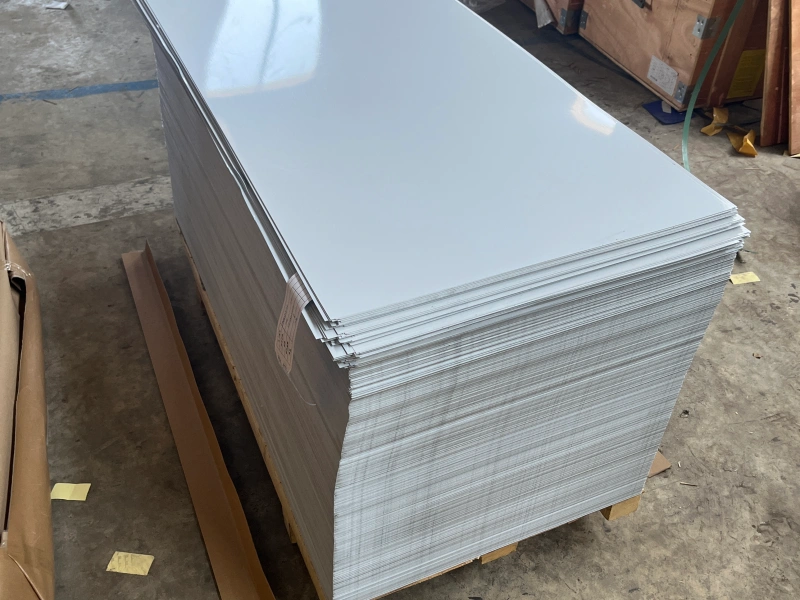
For indoor photo panels, 1050 aluminum is the top pick. It is pure and soft. The surface is very smooth. Colors transfer with high detail. The price is also low. If the panel will hang outside, switch to 3003 for more strength.
How thick should a sublimation sheet be?
For desk frames and small gifts, 0.45 mm to 0.65 mm works fine. For wall art that sells at a premium, use 1.0 mm to 1.15 mm. It stays flat and feels like a real product. For signs in wind and weather, go to 1.5 mm or thicker.
Can I use sublimation aluminum outdoors?
Yes, but pick the right alloy and coating. 3003 or 5052 handle rain and sun better than 1050. A glossy or matte white coating with UV resistance lasts longer. Even then, direct sun will fade any print over time. Expect 5 to 10 years of bright color outside.
What is the difference between glossy and matte finish?
Glossy reflects light. Colors look vivid and wet. It is great for photos and ads. Matte absorbs light. It looks like fine art paper. It is better for galleries and offices where glare is a problem.
How long does the printed image last?
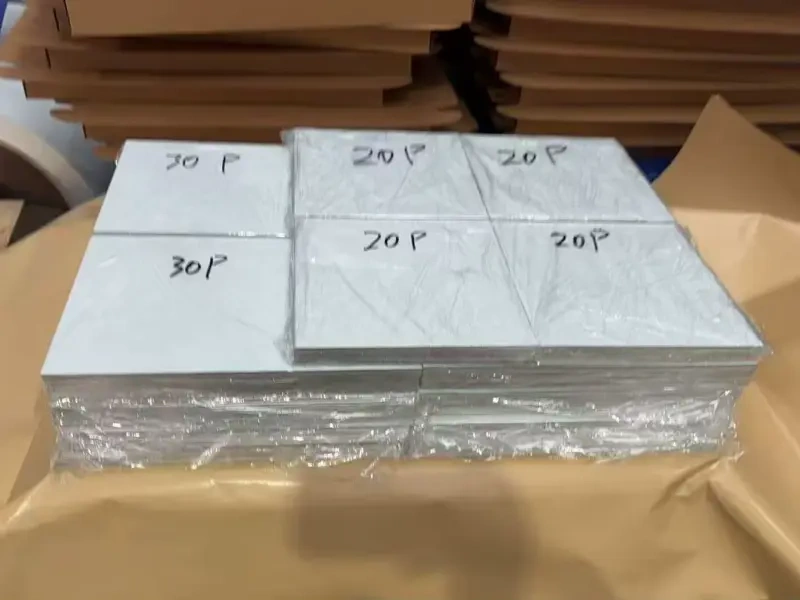
Indoor prints on good coating last 20 to 30 years without fading. They resist scratches and moisture. Outdoor prints last 5 to 10 years depending on sun exposure and coating quality.
Is 1050 or 3003 better for signs?
For indoor signs and photo work, 1050 is better. It is cheaper and the surface is smoother. For outdoor signs that face wind and rain, 3003 is better. It is 20% stronger. It also resists corrosion longer.
What heat press settings work best?
Start at 190°C for 60 seconds with medium pressure. Adjust up or down based on thickness. Thicker sheets need more heat and more time. Always test a sample before you run a full batch.
Can I cut the sheet after printing?
Yes, but be careful. A laser cutter can scorch the coating. A shear or CNC router works better. If you need custom shapes, cut the blank first. Then print. Registration is harder, but the edges stay clean.