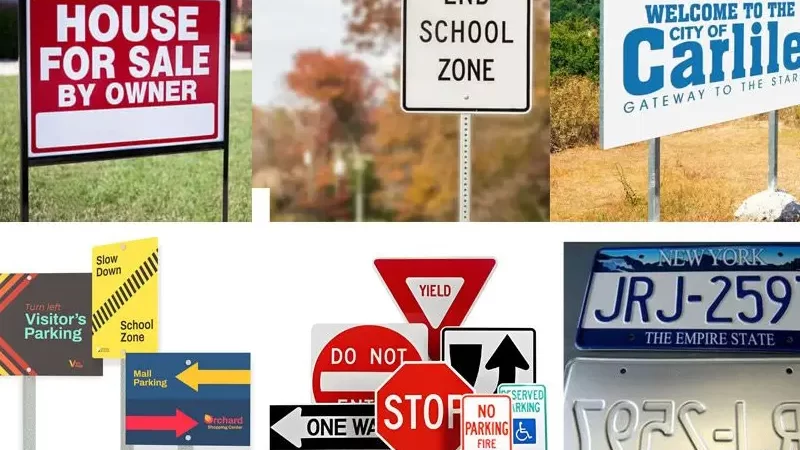
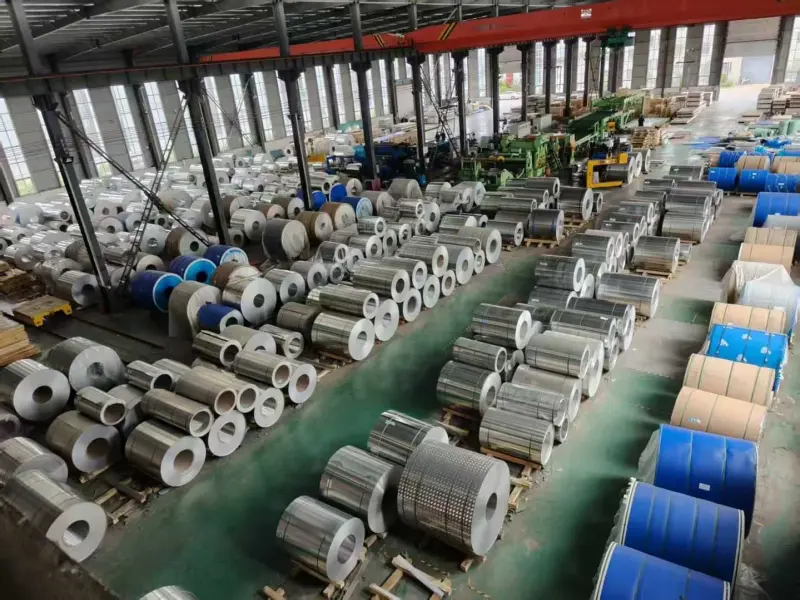
Traffic sign aluminum coil forms the backbone of road safety systems worldwide. It offers strength, weather resistance, and a smooth surface for reflective sheeting. From busy highways to quiet neighborhood streets, aluminum coils keep drivers informed and safe.
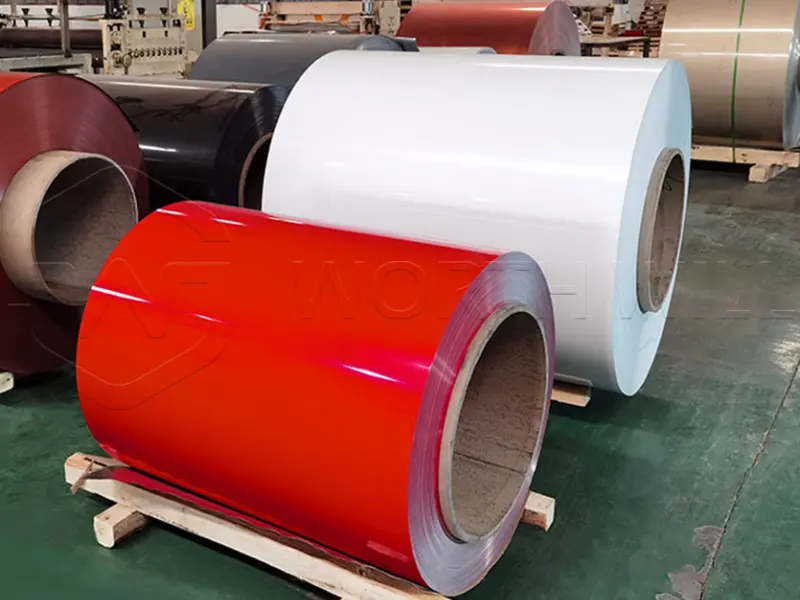
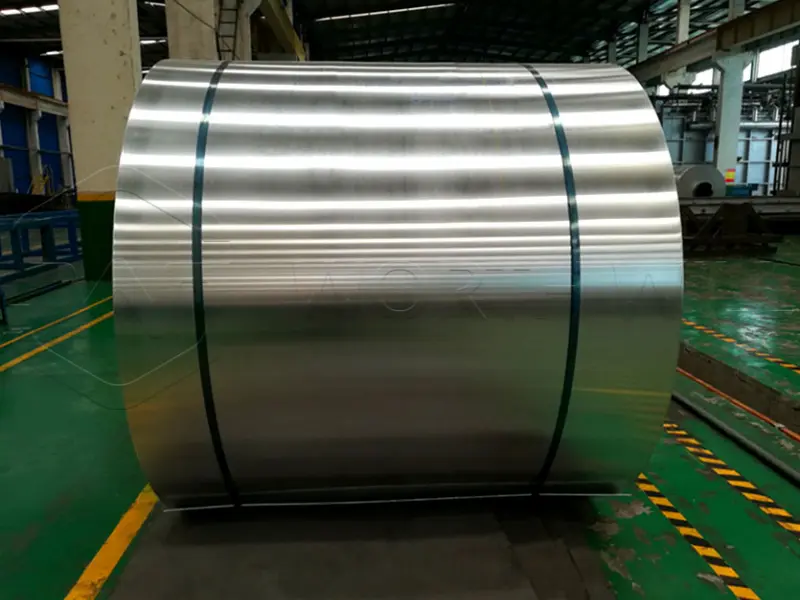
Why Aluminum Dominates Traffic Signage
Road signs face constant stress. Sun, rain, salt, and impact all test the material. Aluminum handles these challenges better than steel or plastic. It does not rust. It weighs less, which cuts install and shipping costs accepts retroreflective film without bubbling or peeling. That is why departments of transportation specify traffic sign aluminum coil for nearly every project.
Unlike steel, aluminum needs no paint for corrosion protection. A thin natural oxide layer forms on the surface. This barrier stops further decay. For extra protection, mills add anodized or painted finishes. The result is a sign that lasts 10 to 20 years with minimal upkeep.
Common Alloy Types for Traffic Signs
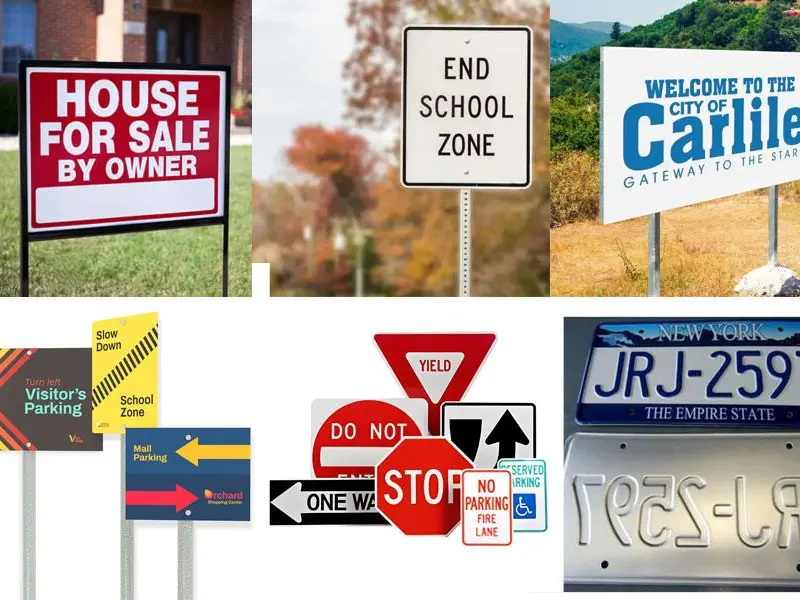
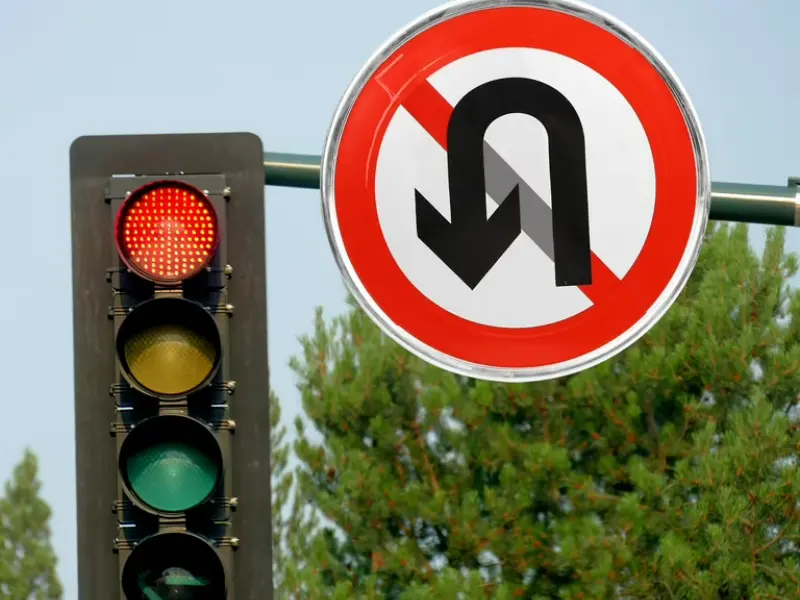
Not every alloy works for every road condition. The table below shows the main options used in sign production:
| Alloy | Key Elements | Strength Level | Corrosion Resistance | Best Use Case |
|---|---|---|---|---|
| 1050 | 99.5% pure aluminum | Low | Good | Indoor parking signs, temporary markers |
| 3003 | Manganese alloy | Medium | Very good | Standard street signs, municipal markers |
| 3004 | Manganese and magnesium | Medium-high | Very good | Heavy-duty highway signs, large panels |
| 3105 | Manganese, slight magnesium | Medium | Excellent | Formed signs with complex shapes |
| 5052 | Magnesium alloy | High | Excellent | Coastal roads, marine environments |
| 6061 | Magnesium and silicon | Very high | Good | Structural sign supports, brackets |
Alloy 3003 is the workhorse of the traffic sign aluminum coil market. It balances cost, strength, and formability. For coastal highways where salt spray hits daily, 5052 is worth the extra cost. It resists pitting and white rust far longer than standard alloys.
Thickness Comparison for Sign Coils
Thickness controls rigidity, wind resistance, and weight. Thinner coils save money but may flutter or dent. Thicker coils stand firm but cost more to ship and mount.
| Thickness | MM | Inches | Weight per m² | Typical Sign Size | Best For |
|---|---|---|---|---|---|
| Very thin | 0.8 | 0.032 | 2.2 kg | Up to 30×45 cm | Parking signs, temporary markers |
| Thin | 1.0 | 0.040 | 2.7 kg | Up to 45×60 cm | Street name signs, speed limit boards |
| Standard | 1.5 | 0.063 | 4.1 kg | Up to 60×90 cm | Warning signs, regulatory panels |
| Medium | 2.0 | 0.080 | 5.4 kg | Up to 90×120 cm | Guide signs, exit markers |
| Thick | 2.5 | 0.100 | 6.8 kg | Up to 120×240 cm | Overhead gantry signs, large directional boards |
| Heavy | 3.0 | 0.125 | 8.1 kg | Over 120×240 cm | Bridge-mounted signs, wind-prone areas |
Most traffic sign aluminum coil for standard road use falls between 1.0 mm and 1.5 mm. This range handles wind loads up to 120 km/h without excessive vibration. For hurricane zones or mountain passes, 2.0 mm or thicker prevents fatigue cracks at mounting holes.
Temper States and Forming Needs
Temper tells you how the coil was processed after rolling. It affects bending, punching, and overall toughness.
| Temper | State | Hardness | Bend Radius | Best For |
|---|---|---|---|---|
| H12 | Quarter hard | Low | Tight, 0.5x thickness | Complex formed signs, channel letters |
| H14 | Half hard | Medium-low | Moderate, 1x thickness | Flat signs with slight forming |
| H16 | Three-quarter hard | Medium | Wide, 1.5x thickness | Flat panels, rigid structures |
| H18 | Full hard | High | Difficult, 2x+ thickness | Maximum stiffness, no forming |
| H22 | Quarter hard, strain hardened | Low-medium | Tight, 0.5x thickness | Painted or anodized formed signs |
| H24 | Half hard, strain hardened | Medium | Moderate, 1x thickness | Standard painted sign blanks |
H14 temper covers about 70 percent of traffic sign aluminum coil orders. It is stiff enough to stay flat but soft enough to punch bolt holes without cracking. H18 is reserved for extra-large signs that must not flex in high winds.
Surface Finishes and Coatings
The surface treatment determines how well reflective film sticks and how long the sign stays bright. Here are the main choices:
| Finish | Description | Reflective Film Bond | Color Options | Expected Life |
|---|---|---|---|---|
| Mill finish | Raw aluminum surface | Good with proper primer | None, silver only | 5-8 years |
| White painted | White polyester coating | Excellent | White standard, custom on request | 10-15 years |
| Yellow painted | Yellow polyester coating | Excellent | Highway yellow standard | 10-15 years |
| Anodized clear | Transparent oxide layer | Good | Natural silver | 15-20 years |
| Anodized colored | Dyed oxide layer | Good | Black, gold, red, blue | 12-18 years |
| Reflective-ready | Optimized for film adhesion | Maximum | White or yellow base | 12-20 years |
White painted traffic sign aluminum coil is the global standard. It provides a bright background for red, black, and green reflective legends. Yellow painted coils serve warning and caution signs. Anodized finishes cost more but last longest in harsh climates.
Reflective Sheeting Compatibility
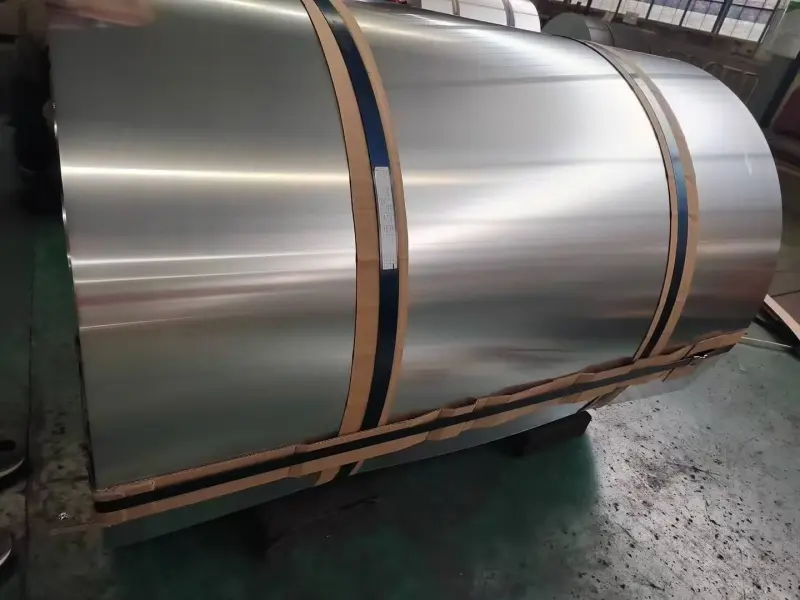
The coil and the reflective film must work together. Different film grades need different surface prep.
| Film Grade | Typical Use | Surface Needed | Min Coil Thickness | Cost Tier |
|---|---|---|---|---|
| Engineering grade | Parking lots, private roads | Smooth mill or painted | 0.8 mm | Low |
| High intensity | City streets, county roads | Painted white or yellow | 1.0 mm | Medium |
| Diamond grade | Highways, interstates | Painted, pressure-sensitive ready | 1.5 mm | High |
| Full cube | Critical curves, tunnels | Premium painted, optimized | 1.5 mm | Premium |
| Prismatic | Work zones, temporary | Smooth, clean | 1.0 mm | Medium |
Highway sign aluminum coil usually pairs with diamond grade film. The painted surface must be free of dust, oil, and oxidation. Even a fingerprint can cause film bubbles that trap moisture. Clean the surface with isopropyl alcohol just before film application.
Coil Widths and Yields
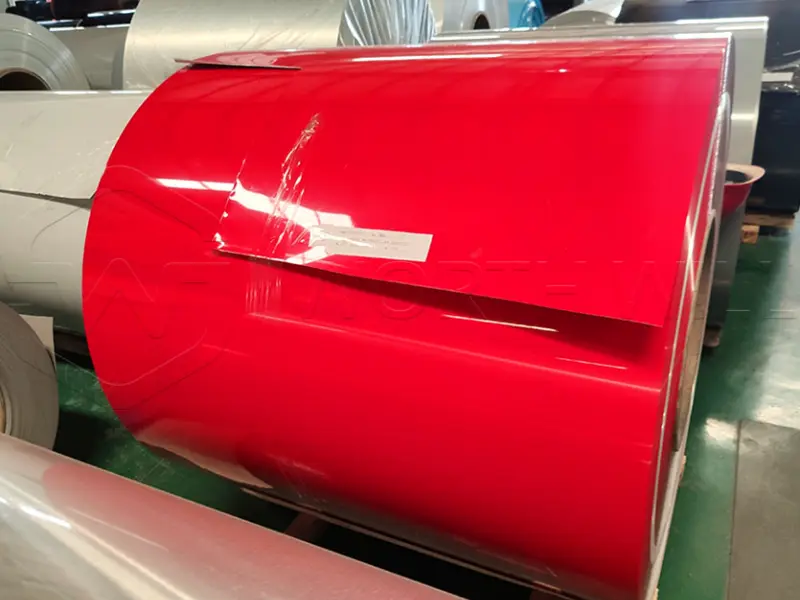
Coils come in standard widths. Choosing the right width cuts waste and speeds production.
| Coil Width | MM | Inches | Typical Signs per Meter | Best For |
|---|---|---|---|---|
| Narrow | 600 | 24 | 2-4 small signs | Street name blades, parking signs |
| Standard | 914 | 36 | 1-2 medium signs | Warning signs, speed limit panels |
| Wide | 1219 | 48 | 1 large or 2 medium | Guide signs, directional boards |
| Extra wide | 1524 | 60 | 1 extra-large sign | Overhead gantry signs, bridge mounts |
A 914 mm coil is the most common choice for traffic sign aluminum coil buyers. It matches the width of standard reflective sheeting rolls. This alignment reduces edge trim and simplifies layout. For custom shapes, wider coils give more nesting options but cost more per kilogram.
Traffic Sign Types Made from Aluminum Coil
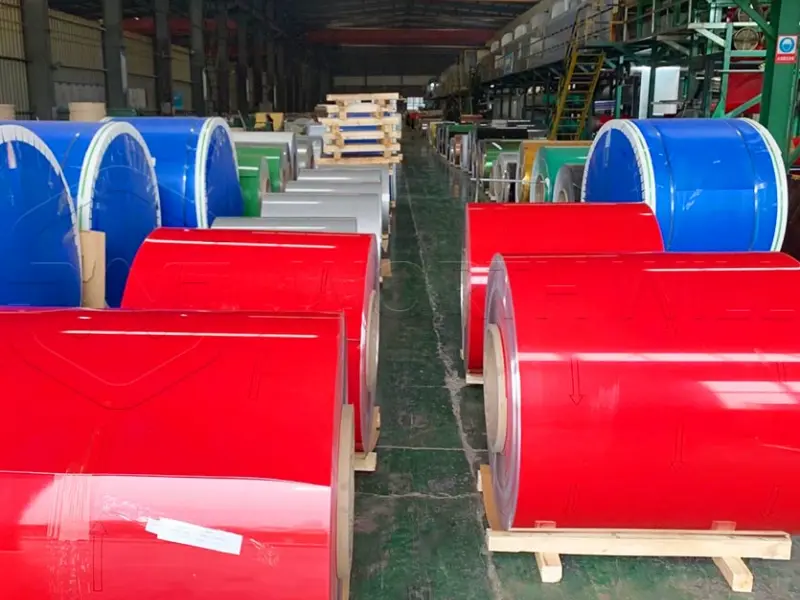
Regulatory Signs
Stop, yield, speed limit, and no-parking signs all start as flat aluminum blanks. The coil is sheared to size, punched for posts, and painted white or yellow. Reflective legends are applied by heat or pressure. Regulatory signs use 1.0 mm to 1.5 mm coil. They must stay legible after years of sun and rain.
Warning Signs
Curve ahead, school zone, and animal crossing signs use yellow painted coil. The diamond shape is cut from square blanks. Most warning signs are 60×60 cm or 75×75 cm. They need high-intensity or diamond grade film for night visibility. Thickness is 1.5 mm for standard sizes, 2.0 mm for oversized versions.
Guide and Information Signs
Exit markers, route shields, and destination boards are large and complex. They often use green, brown, or blue painted coil. Sizes range from 30×90 cm to 300×600 cm. These signs need 2.0 mm to 3.0 mm coil to prevent wind flex. Overhead signs add stiffening ribs for extra strength.
Construction Zone Signs
Orange diamond signs warn drivers about road work. They take abuse from gravel, dust, and equipment. Coil thickness is 1.5 mm to 2.0 mm. Some use roll-up or foldable designs for easy move. Reflective film is prismatic grade for bright daytime and nighttime pop.
Parking and Facility Signs
Handicap spots, visitor parking, and loading zone markers use lighter 0.8 mm to 1.0 mm coil. They face less wind load than road signs. Colors include blue, green, and white. Engineering grade reflective film is enough for low-speed areas.
Temporary and Portable Signs
Work crews need signs they can move fast. These use thin 0.8 mm coil mounted on A-frames or sandbag stands. Some are roll-up fabric on aluminum frames. Reflective film is prismatic for visibility without power. Durability is lower, but replacement cost is small.
Key Applications Beyond Highways
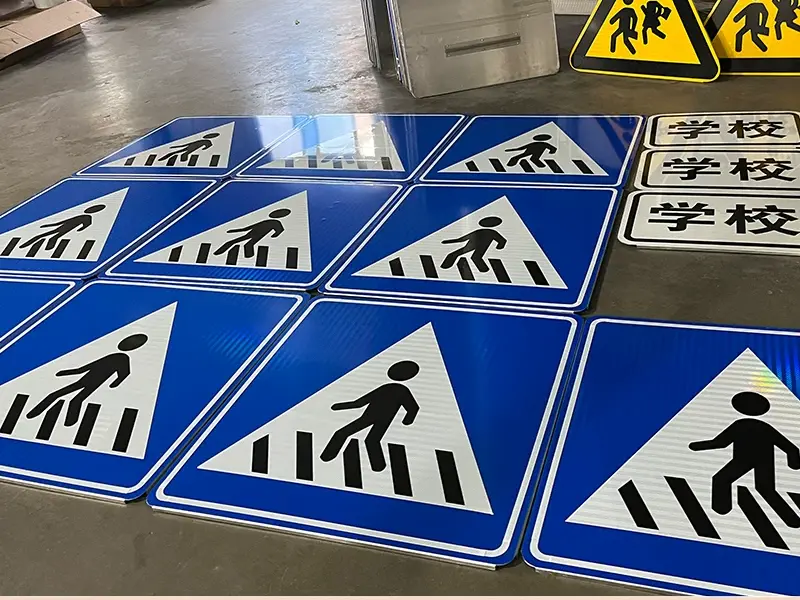
- Urban streets: One-way signs, pedestrian crossings, bike lane markers
- School zones: Speed limits, crosswalk warnings, bus stop signs
- Hospital campuses: Emergency vehicle routes, visitor directions, parking zones
- Airports: Runway markers, gate directions, baggage claim guides
- Seaports: Container routing, safety zones, crane clearance warnings
- Railways: Crossing warnings, platform numbers, freight yard markers
- Parks and trails: Mile markers, trail names, rule boards
- Industrial sites: Hazard warnings, PPE requirements, forklift zones
- Shopping centers: Store directories, parking sections, loading docks
- Sports venues: Parking lots, entry gates, concession directions
Weather and Climate Considerations
Hot and Dry Deserts
UV exposure is extreme. Painted coils need UV-stable polyester. Anodized coils perform best here. Thermal expansion is high, so mounting slots should be oval, not round. Allow 3 mm clearance per meter of sign width.
Cold and Snowy Regions
Salt and sand attack signs. Alloy 5052 resists salt better than 3003. Powder-coated surfaces hold up longer than liquid paint. Avoid thin coils below 1.0 mm. They dent from snowplow spray and ice chunks.
Coastal and Marine Air
Salt fog corrodes aluminum fast. Alloy 5052 or 3004 is mandatory. Anodized or high-build painted finishes add a barrier. Rinse signs quarterly with fresh water if possible. This simple step doubles sign life.
High Wind Zones
Mountains, plains, and hurricane coasts need thick coil. Use 2.0 mm or more. Add wind slots or perforations to reduce sail area. Breakaway mounts protect drivers if the sign blows over. Check local DOT specs for wind load ratings.
Quality Checks for Incoming Coil
Inspect every delivery. Small problems grow into big failures on the road.
- Flatness: Lay a 1-meter straightedge on the coil. Gap should not exceed 2 mm
- Edge quality: No burrs, cracks, or oil stains along the slit edge
- Coating thickness: Measure with a dry film gauge. Target 25-35 microns for paint
- Color match: Compare to a retained sample or Munsell chart under daylight
- Reflective test: Apply a small film scrap. Press and peel. No lifting at edges
- Certificate check: Verify mill test report matches the alloy and temper ordered
Storage and Handling Tips
Store coils indoors on a dry floor. Stack them on wood or plastic skids, not concrete. Concrete draws moisture. Cover with breathable tarp, not plastic. Plastic traps condensation. Rotate stock first-in, first-out. Painted coils older than 18 months may lose film adhesion. Use them for non-critical signs if testing shows weakness.
FAQ: Common Traffic Sign Coil Questions
What alloy is best for highway signs?
Alloy 3004 H14 is the most common choice for highway sign aluminum coil. It has enough strength for large panels and good formability for punching. For coastal highways, upgrade to 5052 H32. The magnesium content fights salt corrosion.
How thick should a stop sign blank be?
A standard 60×60 cm stop sign uses 1.5 mm coil. This thickness prevents denting from minor impacts and holds steady in 100 km/h winds. For high-wind areas, move to 2.0 mm. For indoor or private roads, 1.0 mm is adequate.
Can I use mill finish coil without paint?
Mill finish works for temporary or indoor signs. Outdoor signs need paint or anodize. Raw aluminum darkens unevenly in weather. Reflective film does not bond well to oxidized mill finish. Always prime or paint for permanent outdoor use.
What is the difference between H14 and H24 temper?
H14 is strain hardened only. H24 is strain hardened and then partially annealed. H24 is slightly softer and more stable for painting. H14 is stiffer and better for structural signs. Most painted sign blanks use H24 because it resists oil canning after coating.
How long does a painted traffic sign last?
Painted signs last 10 to 15 years in moderate climates. Desert sun shortens this to 8 to 10 years. Coastal salt may reduce it to 7 to 9 years. Anodized signs reach 15 to 20 years. Regular cleaning and film replacement can extend any sign.
Can one coil width serve all sign sizes?
No. A 914 mm coil fits most standard signs. But large guide signs need 1219 mm or 1524 mm. Narrow street name blades use 600 mm. Buying multiple widths reduces scrap. If you only make one sign type, match the coil width to your blank size.
Is reflective film applied before or after forming?
Apply film after all cutting, punching, and forming. Film applied before forming cracks at bend lines. Some shops form first, then paint, then film. Others buy pre-painted coil, blank it, and film last. The key is: film goes on last.
What causes reflective film to peel off?
Peeling usually traces to three causes. First, the coil surface was dirty or oily. Second, the film was applied below the minimum temperature, usually 15°C. Third, the film age exceeded its shelf life. Store film at 20°C and use within one year of purchase.
Can aluminum sign coils be recycled?
Yes. Aluminum is 100 percent recyclable. Scrap from blanking and old signs go back to mills. Recycling uses 95 percent less energy than making new aluminum. Many DOT contracts now require recycled content. Check your local environmental rules.
How do I choose between painted and anodized coil?
Painted coil costs less upfront and offers more color choices. Anodized coil lasts longer and resists fading better. For budgets and standard colors, choose painted. For landmarks, bridges, or harsh climates, anodized pays back over time. Some buyers use painted for routine signs and anodized for premium locations.
Traffic Sign Aluminum Coil
Traffic sign aluminum coil is a critical material for public safety. The right alloy, thickness, and finish keep signs readable for decades. Alloy 3003 and 3004 cover most road needs. Thickness from 1.0 mm to 2.0 mm balances cost and durability. Painted white and yellow finishes accept reflective film reliably.
Whether you make stop signs for city streets or guide boards for interstate highways, start with the specs. Match the coil to the climate, wind load, and film grade. Test incoming material. Store it right. A well-chosen traffic sign aluminum coil keeps drivers safe and your operation efficient.
Work with mills that provide mill test reports and consistent coating. Demand flat, clean edges. The small details in coil quality become the big differences in sign performance on the road.