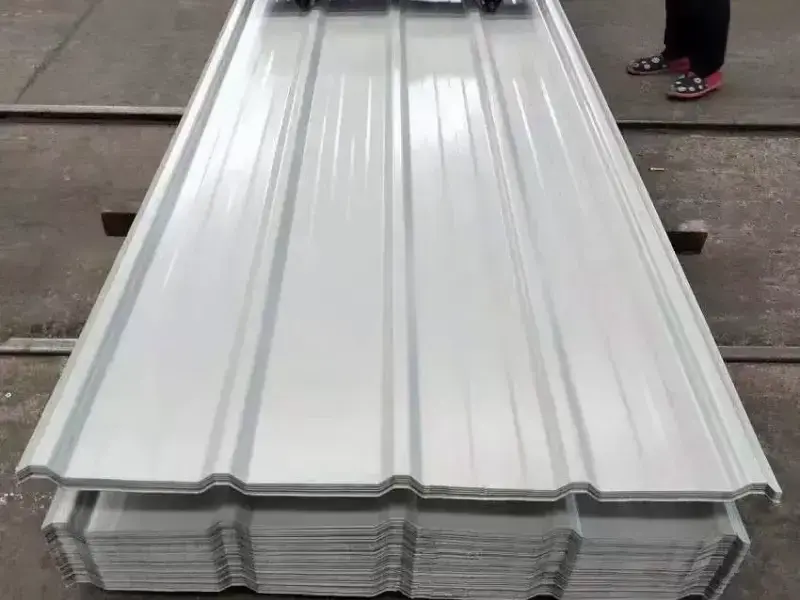
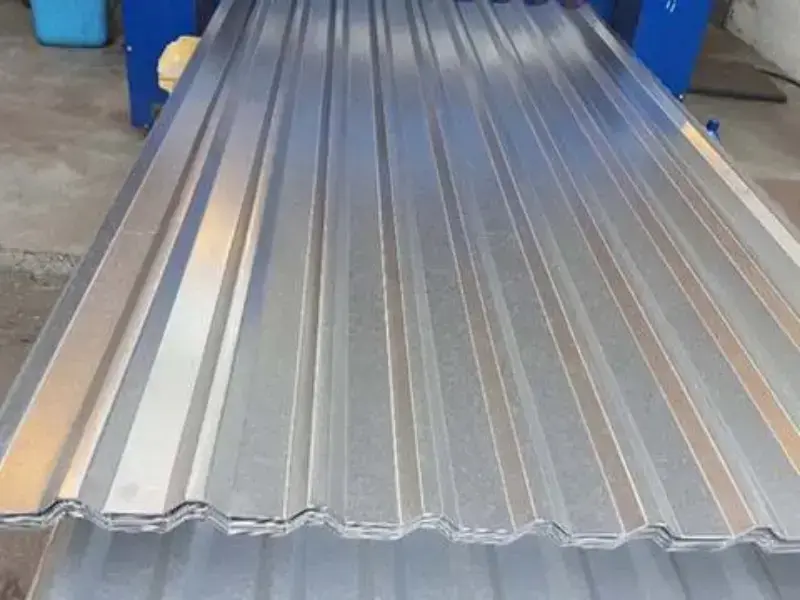
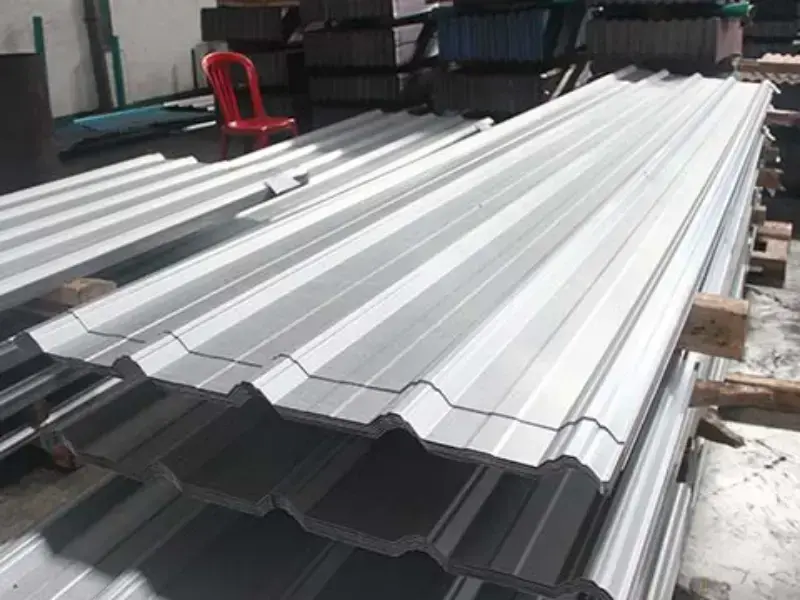
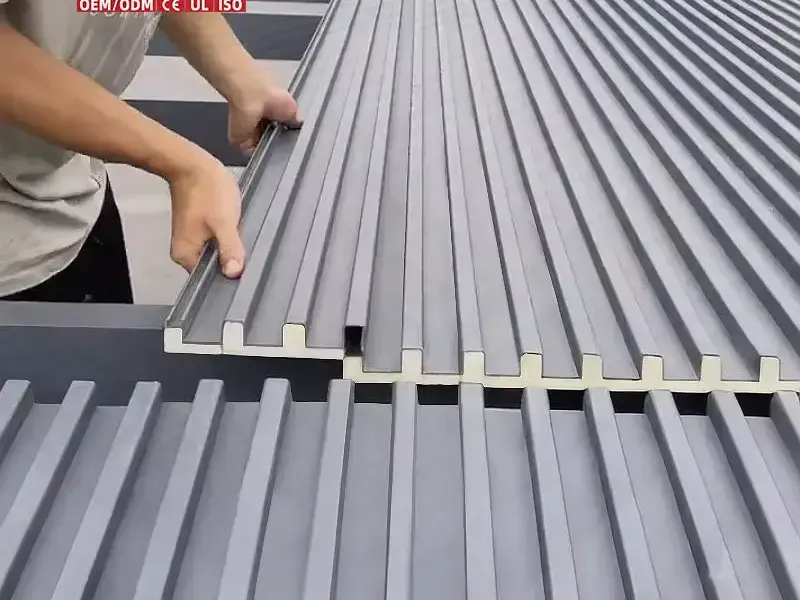
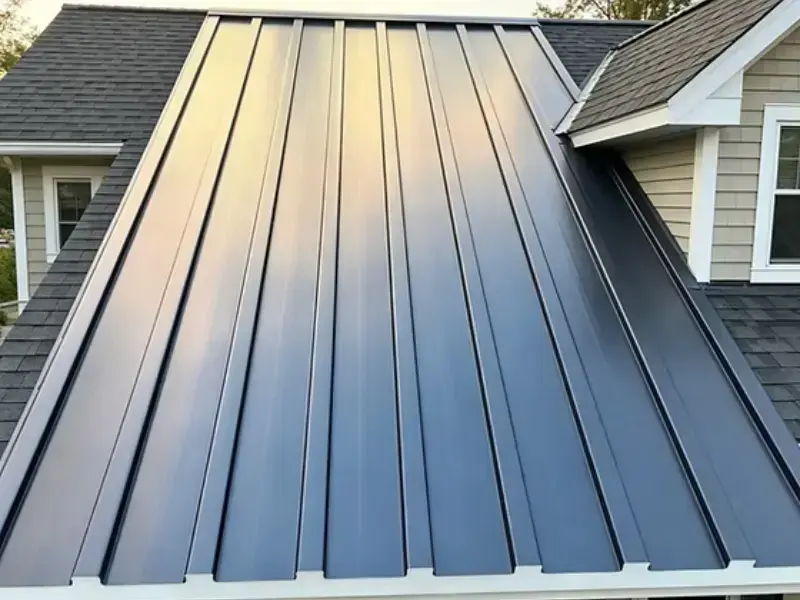
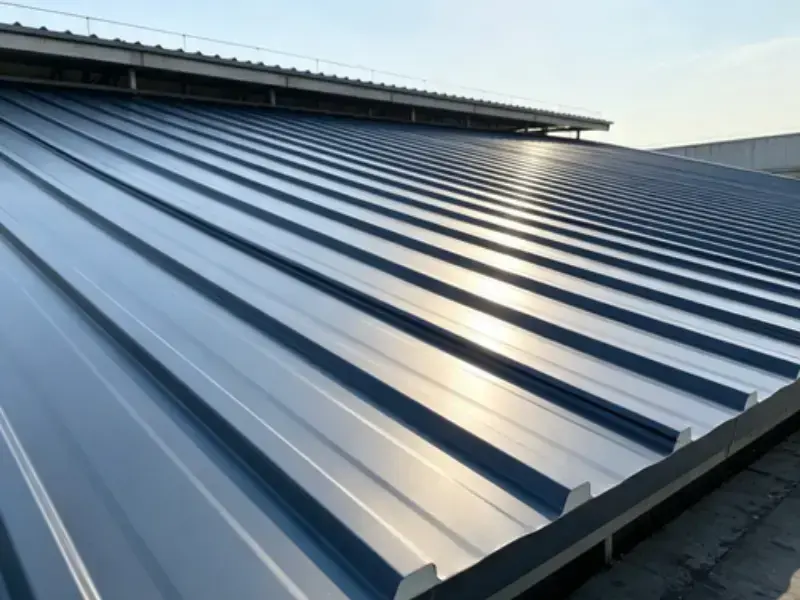
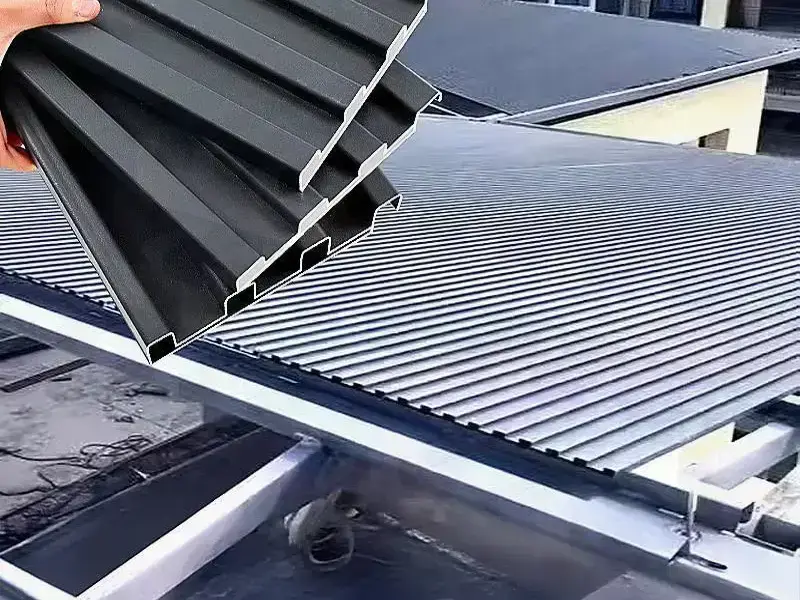
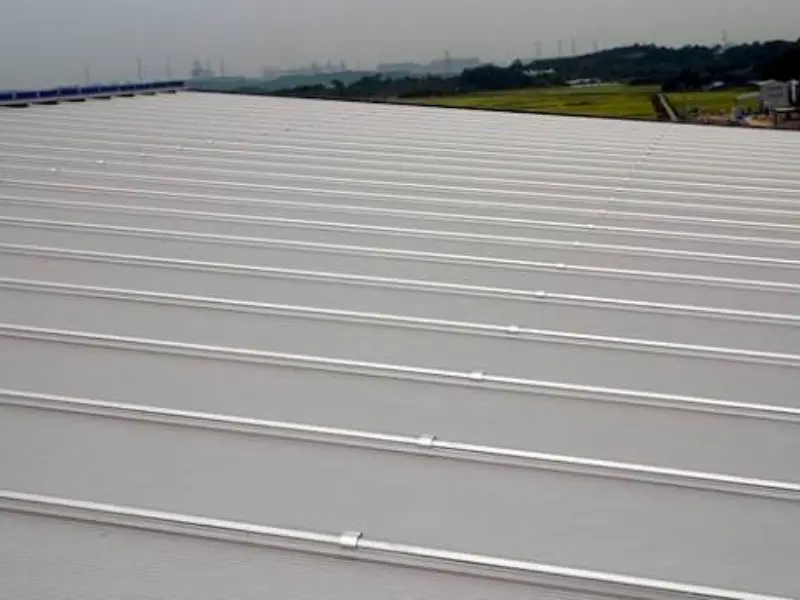
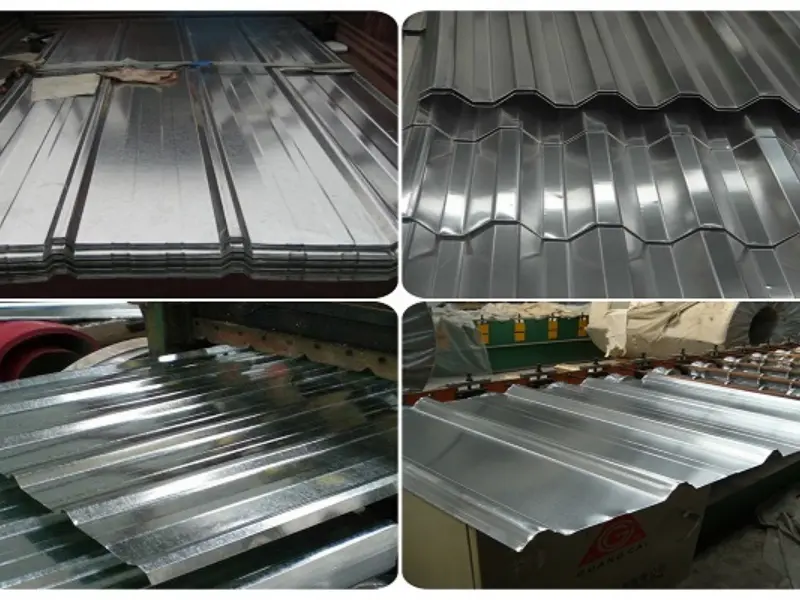
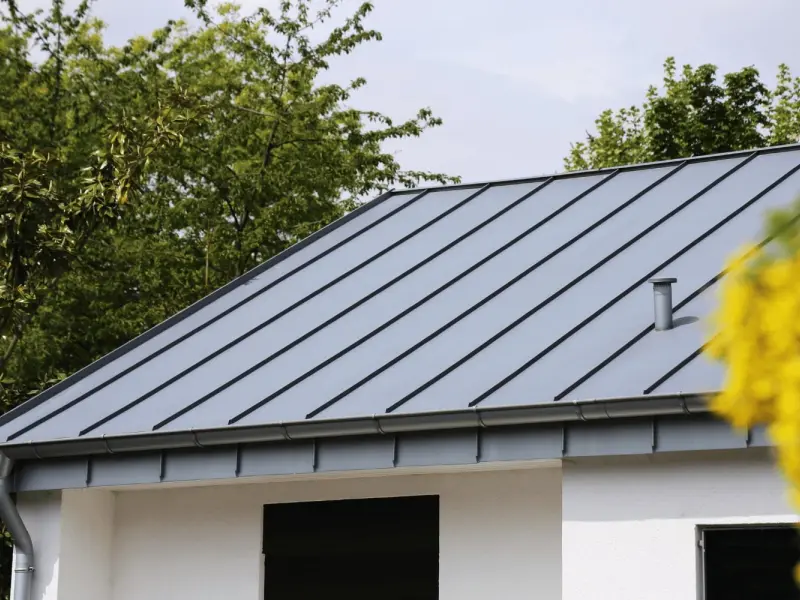
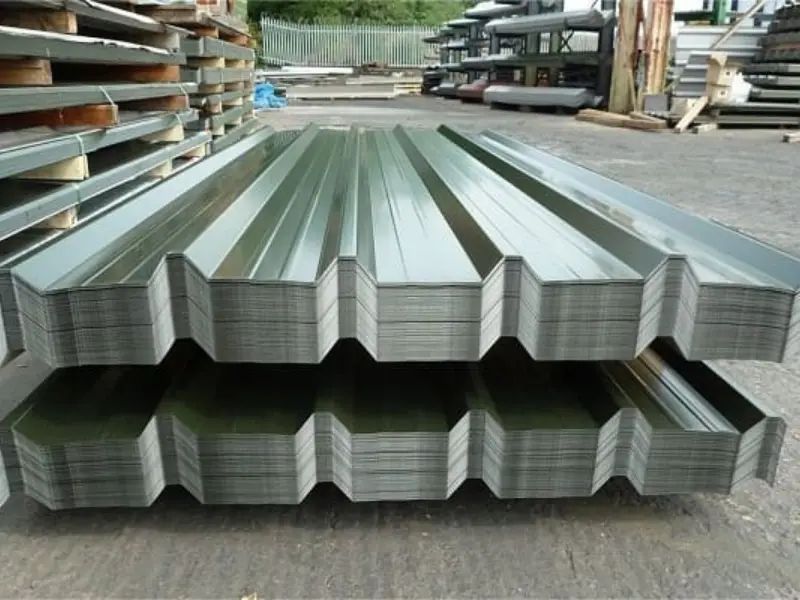
Metal roofing is a popular choice for residential, commercial, and industrial projects due to its durability, weather resistance, and low maintenance. If you are planning to buy, one of the most common questions is: How much does one sheet of Aluminum roofing cost?
The answer depends on several factors — material type, thickness, size, coating, and location. In this guide, we provide clear price ranges, specifications, and tips to help you choose the right metal roofing sheet.
1. Average Cost of One Metal Roofing Sheet
The table below shows an approximate price range for different metal roofing types:
Material
Thickness
Length x Width (ft)
Weight (kg/m²)
Price per Sheet (USD)
Galvanized Steel
0.4–0.6 mm
8 x 3
4–6
$25 – $50
Galvalume Steel
0.4–0.6 mm
8 x 3
4–6
$30 – $55
Aluminum
0.5–0.7 mm
8 x 3
3–5
$40 – $70
Copper
0.5–0.7 mm
8 x 3
4–6
$120 – $200
Zinc
0.6–0.8 mm
8 x 3
5–7
$100 – $180
Note: Prices vary by region, brand, and supplier. Always confirm the final cost before purchasing.
2. Factors Affecting the Price of Metal Roofing Sheets
2.1 Material Type
Steel: Affordable, strong, and widely available.
Aluminum: Lightweight, corrosion-resistant, ideal for coastal areas.
Copper: Premium option with unique appearance.
Zinc: Long-lasting and eco-friendly but costly.
2.2 Thickness & Size
Thicker sheets cost more but last longer.
Larger sheets may reduce installation costs.
2.3 Surface Coating
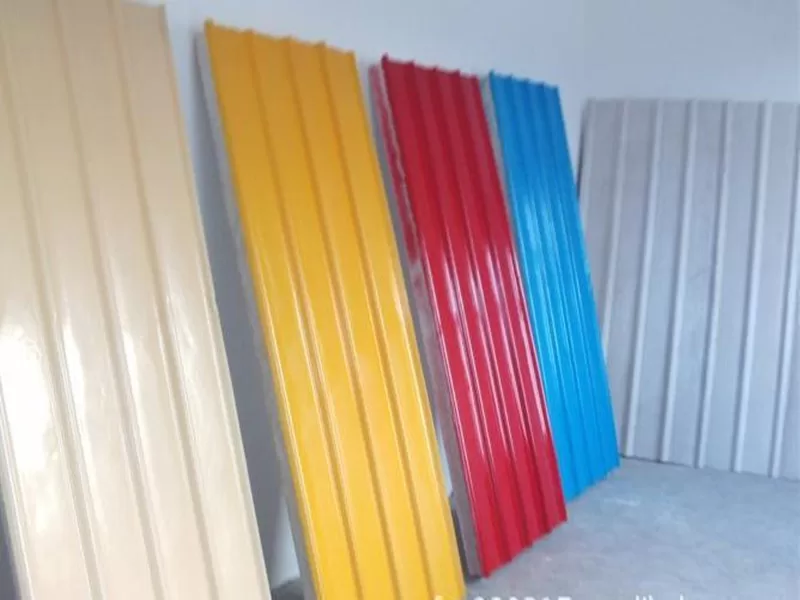
Painted or Color-Coated sheets offer better aesthetics and corrosion resistance.
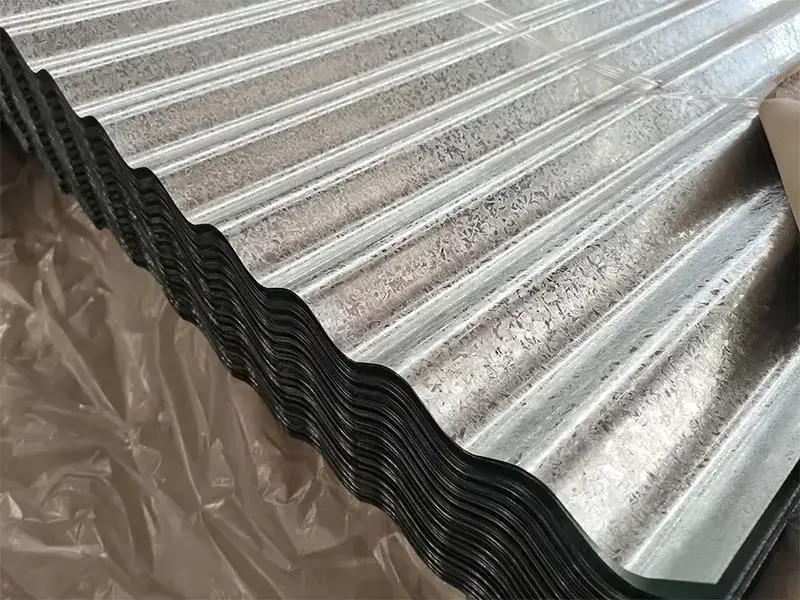
Galvanized sheets are cheaper but need maintenance.
2.4 Location & Transportation
Prices can be higher in remote areas due to delivery costs.
Commercial buildings such as offices, malls, and warehouses.
Industrial facilities including factories and workshops.
Agricultural buildings like barns and storage sheds.
Canopies & carports for parking protection.
5. Tips for Buying Metal Roofing Sheets
Compare suppliers for the best price and warranty.
Check thickness & coating before buying.
Ask for samples to see quality in person.
Consider long-term savings from low maintenance and durability.
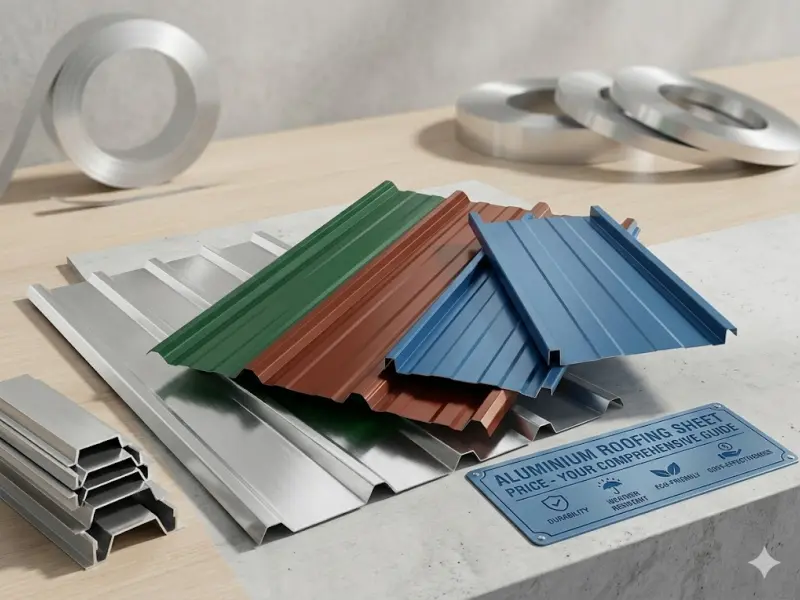
How Much Does a Sheet of Aluminum Roofing Cost?
The cost of a sheet of aluminum roofing depends on its thickness, alloy, surface finish, sheet size, and order quantity. A thin aluminum roofing sheet may cost much less than a thicker sheet with a protective coating. Custom sizes, special colors, and embossed surfaces can also affect the final price.
Aluminum roofing is widely used for residential buildings, warehouses, factories, agricultural buildings, garages, and commercial projects. It is lightweight, easy to handle, and resistant to corrosion in many environments. It is also available in different profiles, colors, and finishes.
For contractors, roofing distributors, and building material buyers, understanding the price of aluminum roofing sheets helps control project costs. It also makes it easier to compare suppliers and choose the right product.
What Is the Average Cost of a Sheet of Aluminum Roofing?
There is no single price for an aluminum roofing sheet. The cost depends on the product specification and the supplier’s location. Flat aluminum sheets, corrugated roofing sheets, and prepainted aluminum roofing panels may have different prices.
The following table provides a general purchasing framework. These are specification examples, not current market quotations.
Aluminum Roofing Product
Main Price Factors
Typical Use
Plain aluminum roofing sheet
Thickness, alloy, dimensions
Custom roofing fabrication
Corrugated aluminum sheet
Thickness, profile, sheet length
Residential and agricultural roofs
Prepainted aluminum roofing sheet
Coating, color, thickness
Commercial and residential roofing
Embossed aluminum roofing sheet
Embossing pattern, thickness
Decorative and specialty roofing
Aluminum roofing coil
Alloy, width, coating, order volume
Roofing panel production
Standing seam aluminum panel
Profile, coating, fabrication
Modern commercial and residential roofs
When comparing aluminum roofing sheet prices, make sure the quotations cover the same material thickness, dimensions, alloy, finish, and delivery terms.
Why Does the Price of Aluminum Roofing Vary?
Several factors affect the price of aluminum roofing sheets.
Aluminum thickness: Thicker sheets usually require more raw material.
Alloy: Different aluminum alloys have different chemical compositions and mechanical properties.
Surface finish: Mill finish, painted, coated, and embossed products may have different processing costs.
Sheet dimensions: Wide or long sheets may require special production and packaging.
Roofing profile: Corrugated and standing seam products need additional forming.
Order quantity: Larger orders may reduce processing and shipping costs per unit.
Transportation: Freight, handling, and import duties can affect the delivered price.
For this reason, a price per sheet should always be considered alongside the sheet size and specification.
Aluminum Roofing Sheet Price by Thickness
Thickness is one of the most important factors in aluminum roofing costs. It affects material weight, rigidity, handling, and the suitability of the sheet for a specific roofing design.
The thicknesses below are common specification examples. Not every thickness is available in every alloy, profile, or coating system.
Thin Aluminum Roofing Sheets: 0.3–0.5 mm
Thin aluminum roofing sheets are lightweight and suitable for selected roofing systems. They are often used for formed panels where the profile provides additional rigidity.
Thickness
Product Example
Possible Application
0.30 mm
Thin aluminum roofing sheet
Lightweight panels for suitable designs
0.35 mm
Corrugated aluminum sheet
Small structures and selected covers
0.40 mm
Prepainted aluminum roofing sheet
Residential and light commercial roofing
0.45 mm
Aluminum roof panel
General roofing projects
0.50 mm
Corrugated aluminum roofing sheet
Workshops, sheds, and selected commercial roofs
Thin sheets can be more economical because they use less aluminum. However, they may be more sensitive to dents, handling damage, and wind loads.
The correct minimum thickness must be determined by the roof design, support spacing, profile, local building codes, and expected weather conditions.
Medium-Thickness Aluminum Roofing Sheets: 0.6–0.8 mm
Medium-thickness sheets offer a balance between weight and rigidity. They may be suitable for commercial buildings and projects that need more durable roofing panels.
Thickness
Product Example
Possible Application
0.60 mm
Aluminum corrugated roofing sheet
Warehouses and agricultural buildings
0.65 mm
Painted aluminum roofing panel
Commercial roofing systems
0.70 mm
Aluminum roof sheet
Industrial buildings
0.75 mm
Aluminum standing seam panel
Selected commercial projects
0.80 mm
Heavy-duty aluminum roofing sheet
Projects requiring greater panel rigidity
The actual load capacity depends on more than thickness. Profile shape, panel span, fastener placement, support structure, and wind or snow loads must also be considered.
Thicker Aluminum Roofing Sheets: 0.9–1.5 mm
Thicker aluminum sheets may be used for specialty roofing, architectural panels, or projects that require a more substantial panel.
0.90 mm aluminum roofing sheet for selected industrial applications.
1.00 mm aluminum roof panel for architectural projects.
1.20 mm aluminum roofing sheet for specialized panel systems.
1.50 mm aluminum sheet for custom-fabricated roofing components.
These products use more material and may cost more per sheet. However, a thicker sheet is not automatically the best choice. The roof design and engineering requirements should determine the final specification.
How Much Does a 4×8 Sheet of Aluminum Roofing Cost?
A 4×8 aluminum sheet measures 4 feet by 8 feet, or approximately 1.22 m by 2.44 m. It is a common format for flat aluminum sheets used in fabrication.
However, a flat 4×8 aluminum sheet is not the same as a finished corrugated roofing panel. Forming a flat sheet into a roofing profile can change its usable coverage and finished dimensions.
Common 4×8 Aluminum Sheet Options
Product
Example Thickness
Common Use
4×8 plain aluminum sheet
0.032 in
Lightweight fabrication
4×8 aluminum roofing sheet
0.040 in
Selected roofing and cladding
4×8 aluminum sheet
0.050 in
Panels and fabricated components
4×8 aluminum plate
0.063 in
Heavier fabrication projects
4×8 painted aluminum sheet
Project-specific
Decorative roofing and cladding
The thicknesses above are examples. Roofing suitability depends on the product design, support system, and local requirements.
How to Calculate the Price of a 4×8 Aluminum Sheet
A simple material-cost calculation can help buyers compare quotations.
Sheet area:
4 ft × 8 ft = 32 square feet.
Estimated sheet weight:
Sheet weight depends on the aluminum density and actual thickness. Aluminum has a density of approximately 2,700 kg/m³.
For a flat sheet, the estimated weight can be calculated as:
For example, a flat 4×8 sheet with a thickness of 1.0 mm has an estimated aluminum weight of about 8.0 kg before any processing.
Estimated material cost:
Material cost per sheet = Sheet weight × Price per kilogram.
The final quotation may also include cutting, coating, forming, packaging, freight, and taxes.
For corrugated panels, use the manufacturer’s actual dimensions and weight because the profile changes the amount of material required.
Aluminum Roofing Sheet Types and Their Price Differences
Different roofing sheet types serve different purposes. Selecting the right type can help control material and installation costs.
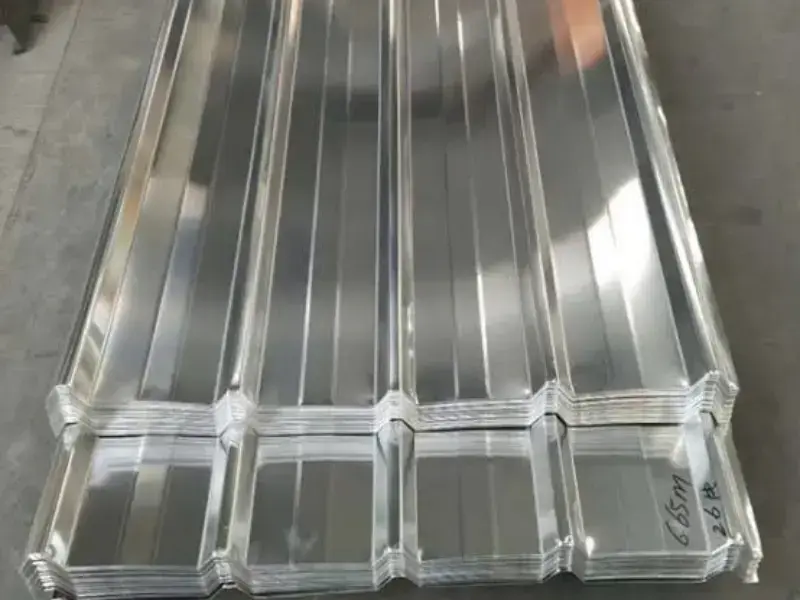
Corrugated Aluminum Roofing Sheets
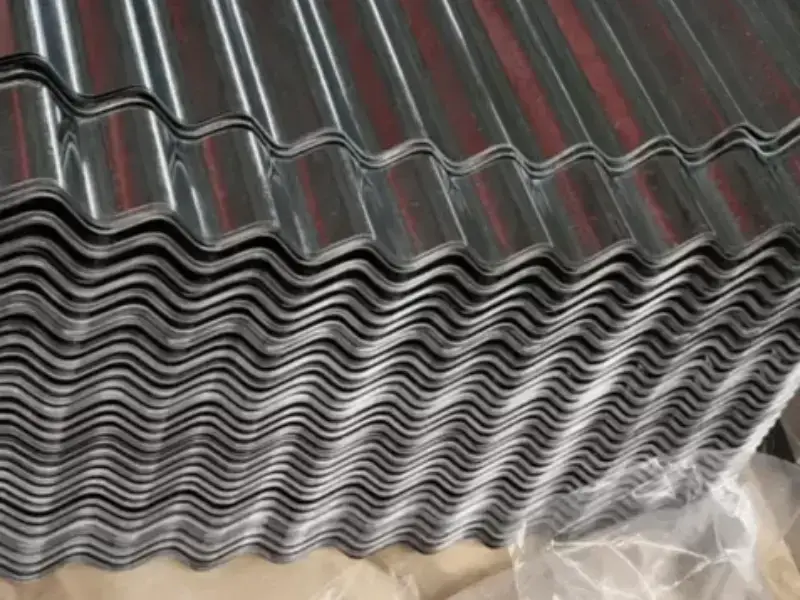
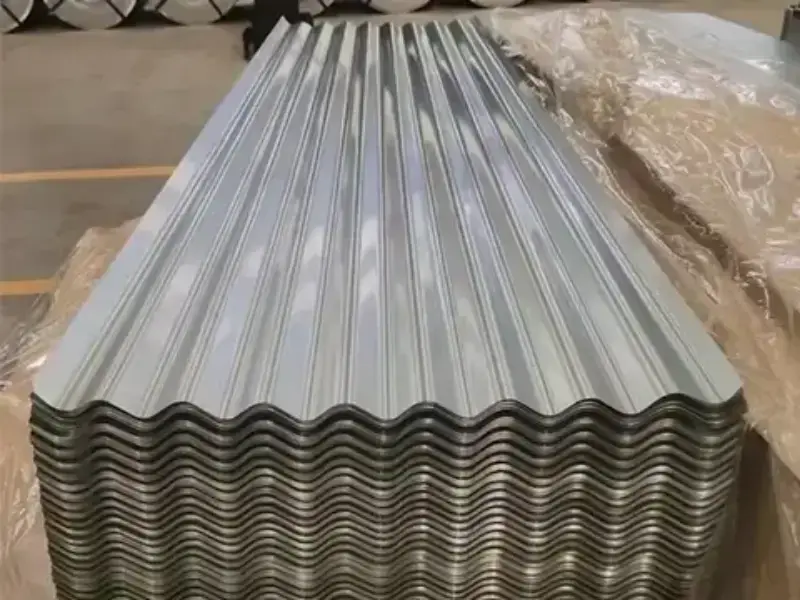
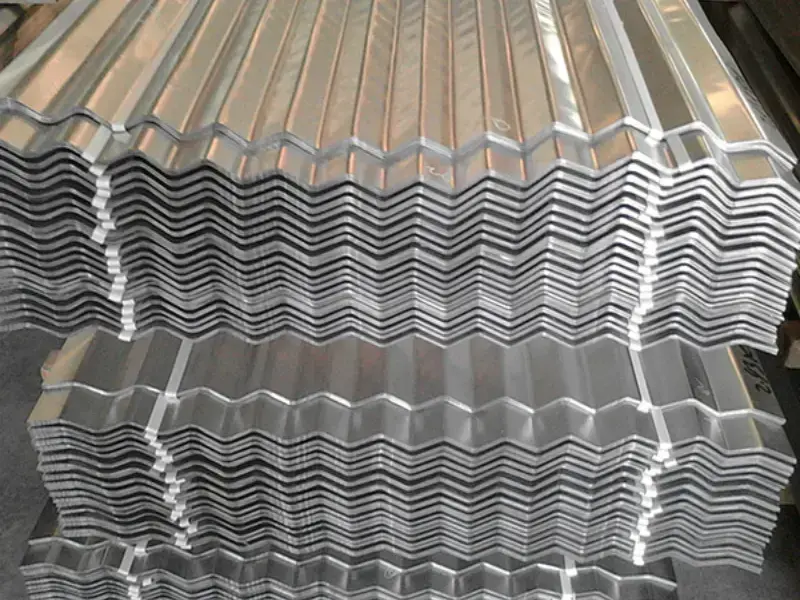
Corrugated aluminum roofing sheets have a wave-shaped profile. The formed shape helps provide rigidity while keeping the material relatively lightweight.
Common applications include:
Agricultural buildings.
Storage sheds.
Workshops.
Warehouses.
Equipment shelters.
Residential outbuildings.
Corrugated sheets are available in different thicknesses, wave heights, widths, and finishes. The total cost depends on the profile, sheet length, and coating requirements.
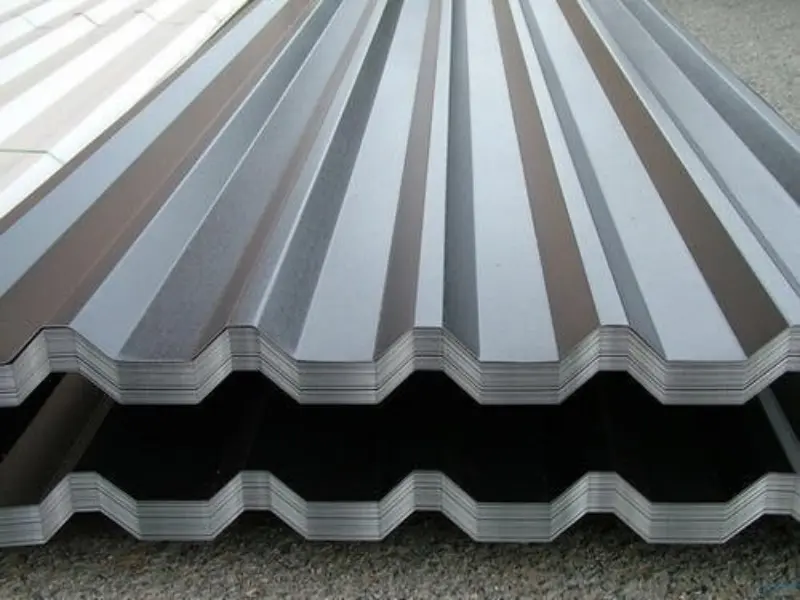
Trapezoidal Aluminum Roofing Sheets
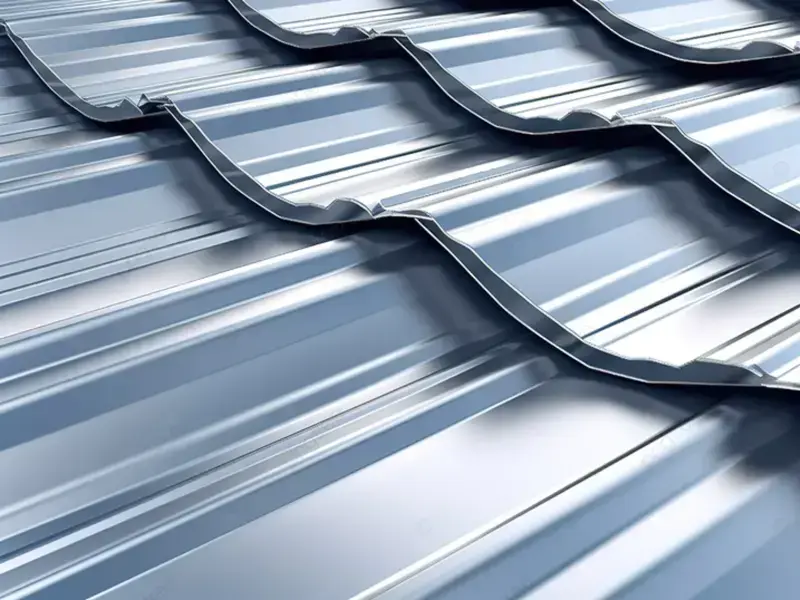
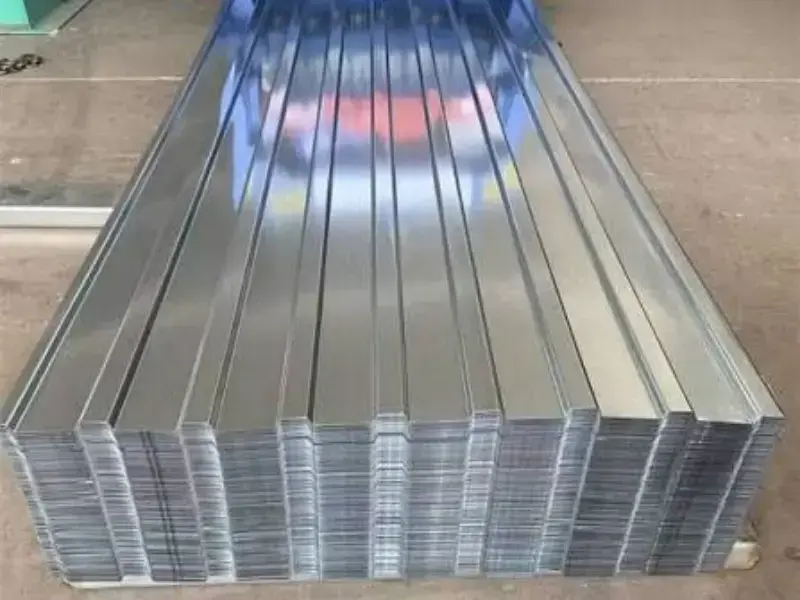
Trapezoidal roofing sheets have a profile with raised ribs and flat sections. They are commonly used for industrial and commercial roofing.
Typical applications include:
Factory roofs.
Logistics centers.
Commercial warehouses.
Agricultural structures.
Industrial extensions.
Large roof areas.
The rib height and spacing affect panel strength and water drainage. Buyers should check the required span and loading conditions before selecting a product.
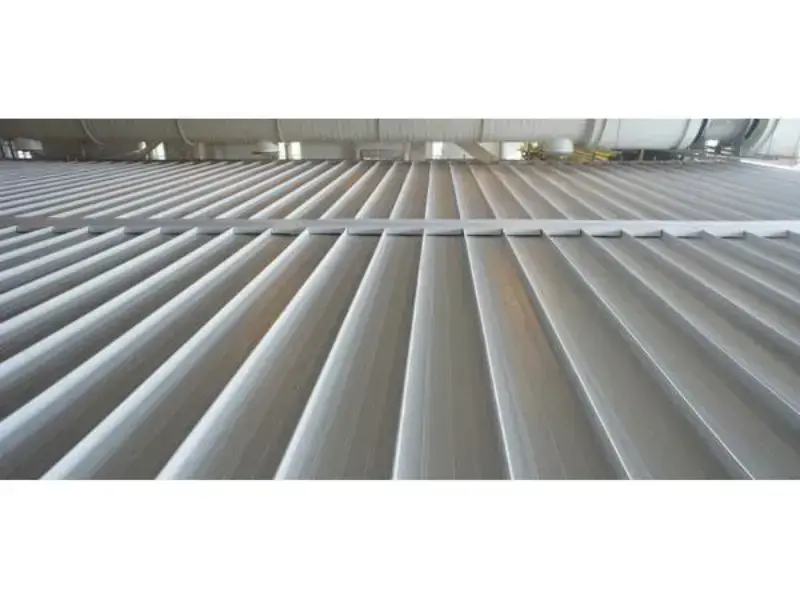
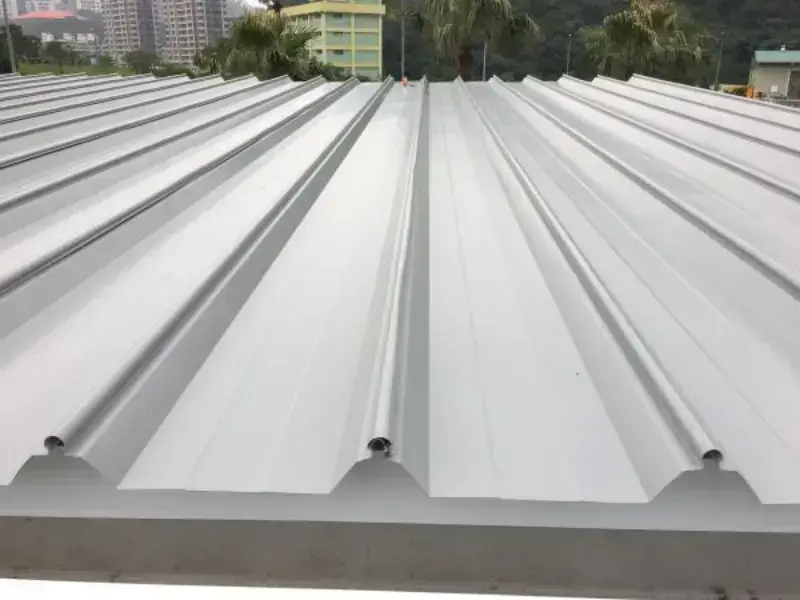
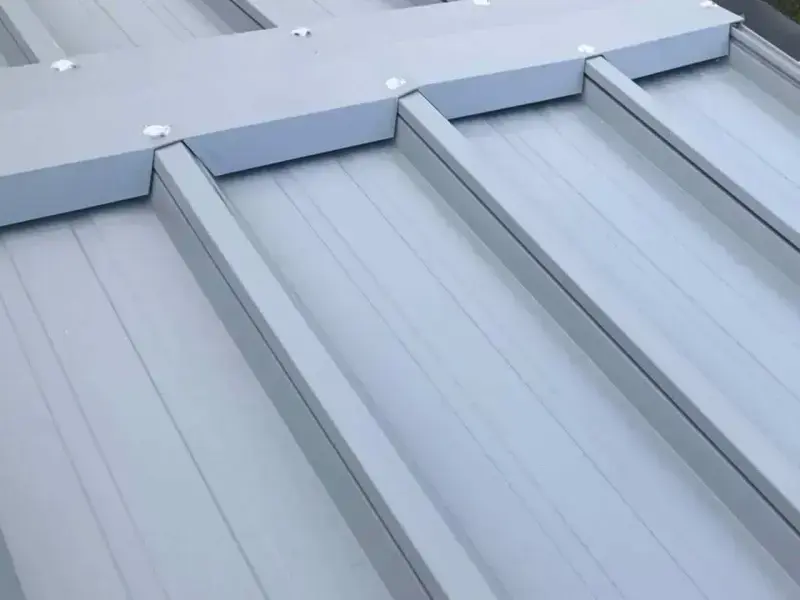
Standing Seam Aluminum Roofing Panels
Standing seam panels use raised seams to connect adjacent panels. Some systems use concealed clips or fasteners, depending on the design.
They are often selected for:
Modern residential buildings.
Commercial offices.
Architectural projects.
Large roof surfaces.
Buildings with specific appearance requirements.
Standing seam systems may require specialized fabrication and installation. Their total project cost can therefore be higher than that of simple corrugated sheets.
Painted Aluminum Roofing Sheets
Painted aluminum roofing sheets have a colored surface coating. Common color options include white, gray, black, brown, blue, and other custom colors.
Applications include:
Residential roofs.
Commercial buildings.
Canopies.
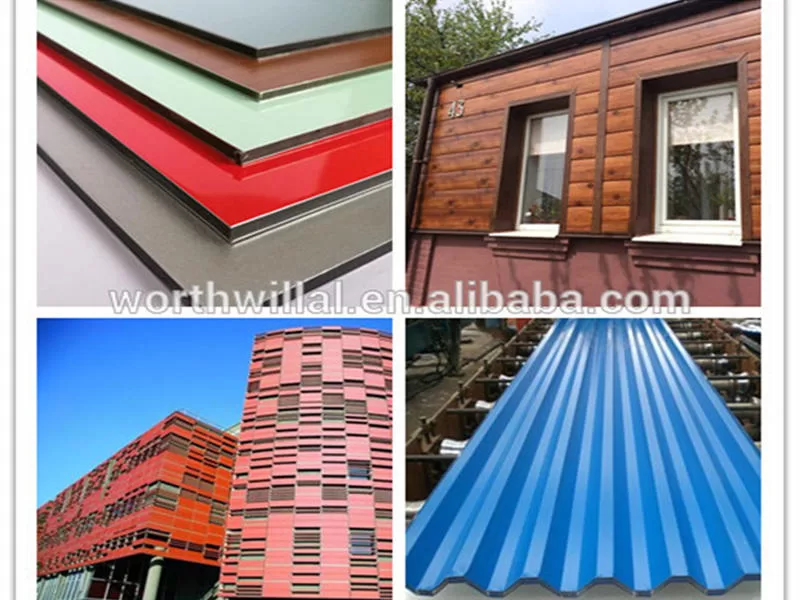
Architectural cladding.
Decorative roofing panels.
The coating system affects appearance, weather resistance, and price. Buyers should specify the coating type, coating thickness, color standard, and expected service environment.
Embossed Aluminum Roofing Sheets
Embossed aluminum roofing sheets have a textured surface. The pattern may improve the appearance and help conceal minor surface marks.
Possible applications include:
Decorative roofing components.
Specialty architectural panels.
Equipment covers.
Selected building cladding systems.
Embossed products may require additional processing. The pattern, alloy, thickness, and surface treatment can affect availability and cost.
Aluminum Roofing Coil for Panel Manufacturing
Aluminum roofing coil is supplied in continuous rolls and can be processed into finished panels.
It is useful for roofing manufacturers that need consistent production lengths and large quantities.
Common options include:
Plain aluminum coil.
Prepainted aluminum coil.
Corrugated roofing coil.
Coil for standing seam panels.
Custom-width aluminum roofing coil.
When buying roofing coil, confirm the alloy, temper, width, thickness, coil weight, inner diameter, coating, and winding requirements.
Which Aluminum Alloy Is Best for Roofing Sheets?
The best alloy depends on the roofing profile, forming process, mechanical requirements, and exposure conditions.
3003 Aluminum Roofing Sheet
3003 aluminum is a common choice for products that require good formability and better strength than many commercially pure aluminum grades.
Potential applications include:
Corrugated aluminum roofing sheets.
Formed roofing panels.
Building covers.
Architectural components.
General sheet metal fabrication.
The final performance depends on the temper, thickness, and profile design.
3105 Aluminum Roofing Sheet
3105 aluminum is used in certain building and coated-sheet applications. It can be suitable for painted roofing products and formed architectural panels.
Common applications include:
Prepainted roofing sheets.
Building cladding.
Rainwater goods.
Roofing accessories.
General construction panels.
For color-coated products, coating performance and substrate preparation are important factors in long-term durability.
5052 Aluminum Roofing Sheet
5052 aluminum offers good corrosion resistance and higher strength than many commercially pure aluminum grades.
Possible applications include:
Selected industrial roofing components.
Marine-related structures.
Equipment covers.
Specialty architectural panels.
Fabricated building components.
It may cost more than some common roofing alloys. It should be selected when its properties are needed rather than simply because it is a higher-strength alloy.
1050 and 1060 Aluminum Sheets for Roofing
1050 and 1060 aluminum sheets offer high purity and good corrosion resistance in suitable environments. They may be used in certain roofing-related products, covers, and formed components.
However, they are relatively soft compared with many structural aluminum alloys. For roofing panels exposed to significant loads, the profile design and mechanical requirements must be evaluated carefully.
Aluminum Roofing Alloy Comparison
Alloy
Main Advantage
Possible Roofing Applications
1050
High purity and good formability
Selected covers and formed components
1060
High purity and conductivity
Specialty panels and components
3003
Good formability and moderate strength
Corrugated and formed panels
3105
Suitable for many building sheet applications
Painted roofing and cladding
5052
Good corrosion resistance and higher strength
Specialty industrial and marine-related panels
No single alloy is best for every roof. Ask the supplier to confirm the relevant standard and mechanical properties for the intended application.
Aluminum Roofing Sheet Cost Compared with Other Roofing Materials
Aluminum roofing is one of several available roofing options. The best choice depends on the initial budget, building design, weather exposure, maintenance needs, and expected service life.
Aluminum Roofing vs. Steel Roofing
Steel roofing is widely used in commercial and industrial buildings. Aluminum roofing is lighter and has good corrosion resistance in many environments.
Factor
Aluminum Roofing
Steel Roofing
Weight
Generally lighter
Generally heavier
Corrosion protection
Natural oxide layer; coatings may be used
Often depends on metallic or paint coatings
Strength
Depends on alloy and profile
Often offers high strength at a given thickness
Forming
Suitable for many roofing profiles
Suitable for many roofing profiles
Maintenance
Depends on environment and finish
Depends on coating and exposure
Cost
Varies by alloy and finish
Varies by grade, coating, and market
Steel may offer a lower initial material cost in some markets. Aluminum may be preferred when lower weight or specific corrosion performance is important.
Aluminum Roofing vs. Galvanized Steel Roofing
Galvanized steel has a zinc coating that protects the steel substrate. Aluminum protects itself through a naturally forming oxide layer, although coatings may still be required for specific applications.
The right option depends on the environment, expected service life, structural design, and total installed cost.
Aluminum Roofing vs. PVC Roofing Panels
PVC roofing panels are lightweight and may be used for certain canopies, agricultural structures, and utility buildings.
Aluminum offers a different combination of rigidity, heat transfer, fire behavior, and durability. Product performance varies by design, so buyers should compare the applicable technical specifications rather than relying only on the material name.
What Affects the Total Cost of an Aluminum Roofing Project?
The cost of roofing sheets is only one part of the project budget. Installation and supporting materials can add significantly to the total.
Material and Fabrication Costs
The material quotation may include the aluminum sheet, coating, forming, cutting, and packaging.
Additional charges may apply for:
Custom sheet lengths.
Special colors.
Protective films.
Nonstandard thicknesses.
Embossed surfaces.
Small production batches.
Ask the supplier to separate material costs from fabrication and delivery costs where possible.
Installation and Labor
Installation costs depend on the roof shape, building height, access, panel type, and local labor rates.
Standing seam systems may need specialized installation. Simple corrugated sheets may be easier to install, but the final cost still depends on the structure and project conditions.
Accessories and Supporting Materials
A roofing project may also require:
Fasteners and screws.
Flashing and ridge caps.
Gutters and downspouts.
Underlayment or insulation.
Waterproofing components.
Structural supports.
Edge trims and closures.
These items should be included when comparing the total cost of different roofing systems.
Shipping and Import Costs
Aluminum roofing sheets can be large and may require protective packaging. Freight costs depend on the shipment weight, dimensions, distance, and delivery method.
For international orders, also consider import duties, customs clearance, insurance, and local delivery charges.
How to Choose Cost-Effective Aluminum Roofing Sheets
The lowest sheet price does not always produce the lowest total project cost. A suitable product should meet the design requirements and provide consistent quality.
Choose the Correct Thickness
Avoid selecting thickness based only on price. The required thickness depends on panel geometry, support spacing, wind loads, snow loads, and applicable building regulations.
A qualified roofing designer or engineer should confirm the specification where structural performance is important.
Compare Coating Options
Prepainted aluminum roofing sheets may have different coating systems.
When comparing products, check:
Coating type.
Coating thickness.
Color consistency.
Adhesion requirements.
Weather and UV exposure.
Warranty terms, if available.
A suitable coating can help maintain the appearance of the roof over time.
Check Sheet Dimensions and Effective Coverage
The nominal sheet width may differ from the effective installed coverage because of side laps or panel profiles.
For an accurate quantity estimate, use the manufacturer’s effective coverage width and the required roof length.
A basic estimate is:
Number of panels = Total roof coverage width ÷ Effective panel coverage width.
The calculation should also account for roof geometry, overlaps, cutting waste, and installation details.
Request a Detailed Quotation
A useful aluminum roofing sheet quotation should include:
Alloy and temper.
Thickness and tolerance.
Sheet width and length.
Profile and effective coverage.
Coating or surface finish.
Quantity and minimum order quantity.
Packaging and delivery terms.
Quality documents.
Production and shipping lead time.
These details help buyers compare suppliers on a consistent basis.
Aluminum Roofing Sheet Packaging and Quality Inspection
Proper packaging helps protect aluminum roofing sheets from scratches, moisture, and edge damage during transportation.
Common packaging options include:
Protective film for coated surfaces.
Moisture-resistant wrapping.
Edge protection.
Wooden pallets or suitable export packaging.
Secured bundles for transportation.
For large orders, buyers may request inspection records and product certificates.
What Should Buyers Check Before Shipment?
Sheet thickness and dimensions.
Alloy and temper documentation.
Coating appearance and consistency.
Surface scratches, dents, and stains.
Panel profile and forming accuracy.
Quantity and packaging condition.
Clear inspection requirements can reduce disputes and help maintain consistent quality between shipments.
Frequently Asked Questions About Aluminum Roofing Sheet Prices
How much does a sheet of aluminum roofing cost?
The price depends on the thickness, dimensions, alloy, coating, profile, quantity, and delivery location. For an accurate quotation, provide the required specification and order quantity.
How much does a 4×8 sheet of aluminum cost?
A 4×8 sheet covers 32 square feet before any overlap or fabrication. Its price depends on thickness, alloy, finish, and supplier pricing. A finished corrugated roofing panel may have different dimensions and effective coverage.
Is aluminum roofing more expensive than steel roofing?
It can be more expensive in some markets, but the difference depends on the alloy, coating, thickness, and local material prices. Compare the full installed cost rather than the raw sheet price alone.
What is the best thickness for aluminum roofing sheets?
There is no universal best thickness. Thin sheets may suit some lightweight roofing systems, while thicker panels may be required for specific spans or loads. The roofing profile, support spacing, weather conditions, and local building codes determine the appropriate specification.
Which aluminum alloy is commonly used for roofing?
Alloys such as 3003 and 3105 are used in various roofing and building sheet applications. The best choice depends on forming requirements, mechanical properties, coating needs, and the intended environment.
Are painted aluminum roofing sheets more expensive?
Painted sheets may cost more than plain mill-finish sheets because of the coating and additional processing. The final price depends on the coating system, color, thickness, and order quantity.
Is aluminum roofing suitable for coastal areas?
Aluminum can perform well in many coastal environments, but salt exposure, trapped moisture, fastener selection, and contact with dissimilar metals must be considered. The correct alloy, coating, installation details, and maintenance plan are important.
How long can aluminum roofing last?
Service life depends on the alloy, coating, environment, installation quality, and maintenance. Coastal exposure, industrial pollution, standing water, and improper fasteners can affect durability. Ask the manufacturer for application-specific performance information.
Can aluminum roofing sheets be custom-sized?
Yes. Many manufacturers can supply custom lengths, widths, profiles, and colors, subject to equipment capability and minimum order requirements. Confirm the available dimensions before placing an order.
What is the difference between aluminum roofing sheet and aluminum roofing coil?
Aluminum roofing sheet is supplied as a flat or formed individual piece. Aluminum roofing coil is supplied in a continuous roll and is commonly processed into panels by a roofing manufacturer.
Does thicker aluminum roofing always mean better quality?
No. Thickness is only one factor. Alloy, temper, profile design, coating, manufacturing quality, and installation all affect performance. A correctly designed thinner panel may be suitable for one project, while another project may require a thicker product.
How can I get an accurate aluminum roofing sheet quotation?
Provide the alloy, thickness, width, length, profile, coating, quantity, destination, and packaging requirements. If possible, include a drawing or technical specification so the supplier can quote the correct product.
Get a Quote for Aluminum Roofing Sheets
Choosing the right aluminum roofing sheet starts with understanding the project requirements. Thickness, alloy, profile, coating, and effective coverage all affect the final price.
For residential roofing, corrugated panels may offer a practical solution. For industrial buildings, trapezoidal profiles may be more suitable. For architectural projects, painted or standing seam aluminum panels may provide the required appearance.
Before placing an order, compare complete specifications rather than price alone. This helps reduce material waste, avoid unsuitable products, and improve project cost control.
For a customized quotation, provide your required alloy, thickness, panel dimensions, surface finish, quantity, and delivery destination. A supplier can then recommend a suitable aluminum roofing product for your project.