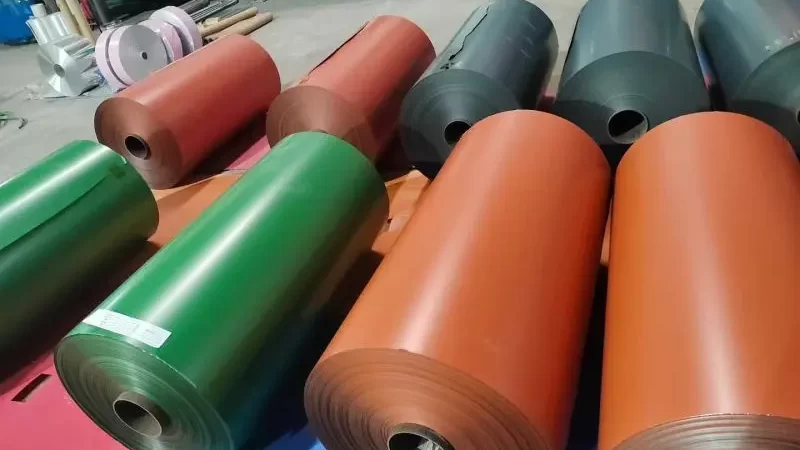
Features And Advantages Of Aluminum Foil Packaging Bags
Nowadays, Features and Advantages of Aluminum Foil Packaging Bags, aluminum foil packaging bags often appear in our daily life usually refer to aluminum-plastic composite vacuum packaging bags. It’s a composite bag. The use scenarios of such aluminum foil packaging bags are very wide.
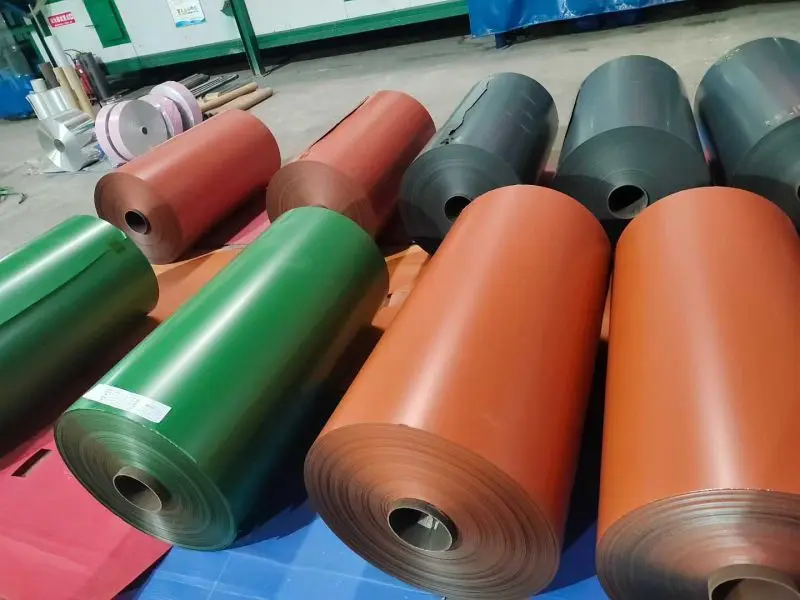
It’s not only suitable for precision machinery and equipment, but also for some chemical raw materials, pharmaceutical products, and food and products in various industries that need to be protected from light, waterproof, sealed, and moisture-proof, aluminum-plastic packaging bags can be used for packaging.
Five Points of Aluminum Foil Packaging
Since it’s so popular, let’s analyze today, what are the characteristics and advantages of aluminum foil packaging bags? The characteristics and advantages of aluminum foil packaging bags mainly include the following five points:

1. The print-ability of aluminum foil packaging bags is very good. No matter what the product is, we will print some patterns and information about the product on the packaging bag. It’s used to publicize the company’s brand and product features and advantages, and to record important information such as product materials, production date, and shelf life.
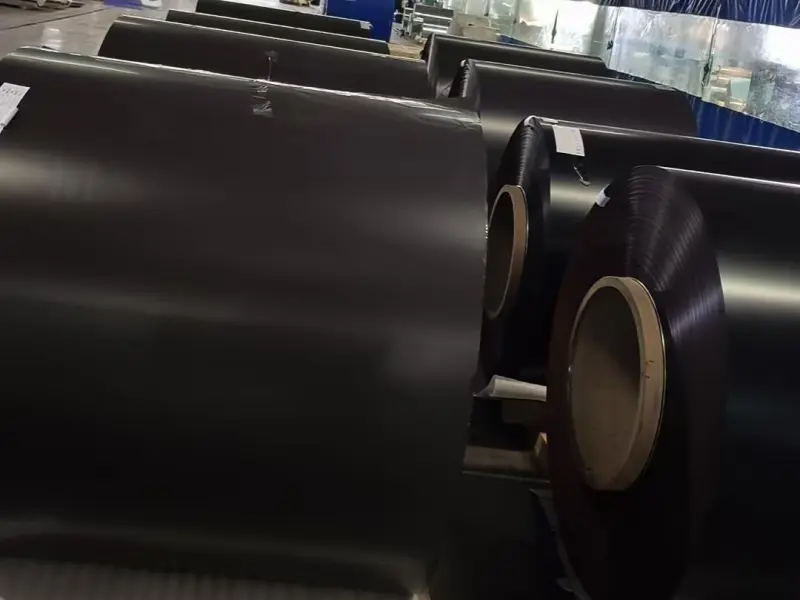
2. Maximum protection of the freshness and original state of the product. Achieving this effect is also one of the reasons why aluminum foil packaging bags are so popular.
Because the aluminum foil packaging bag has good barrier properties, it can well block oxygen, light, water and water stains, water vapor, impurities and grease, etc.
3. Good air tightness, which improves the heat sealing performance of aluminum-plastic packaging bags.
4. The aluminum-plastic packaging bag also has extremely high puncture resistance. In the industry, it is also called mechanical strength.
5. Meet hygiene standards. The aluminum-plastic packaging bag is non-toxic and tasteless, and provides better safety protection in the packaging of food and medicine.

Features And Advantages Of Aluminum Foil Packaging Bags
Aluminum foil packaging bags have widely used in food, pharmaceutical, chemical, cosmetic, and industrial packaging. They are popular because they provide strong barrier protection against moisture, oxygen, light, and outside odors.
Compared with ordinary plastic bags, aluminum foil pouches offer better protection for products that need a longer shelf life. They can also be made in different sizes, shapes, thicknesses, and material structures to meet different packaging needs.
For manufacturers, wholesalers, and packaging distributors, choosing the right aluminum foil bag is important. The material structure, foil thickness, sealing performance, and bag design can all affect the final packaging result.
What Are Aluminum Foil Packaging Bags?
Aluminum foil packaging bags are flexible packaging products made with aluminum foil and other packaging films. They usually contain several layers of materials. Each layer has a different function.
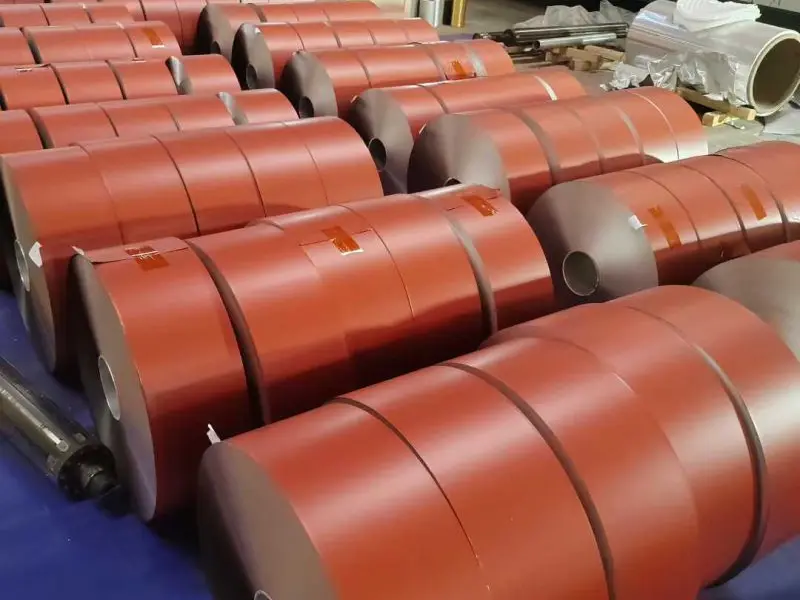
The aluminum layer provides a strong barrier against light, moisture, and oxygen. Plastic film layers provide flexibility, printing performance, and heat-sealing strength.
A common aluminum foil pouch uses a PET / AL / PE structure. However, the exact structure depends on the product being packed.
Basic Structure of an Aluminum Foil Pouch
| Material Layer | Main Function | Common Material |
|---|---|---|
| Outer layer | Printing and protection | PET, BOPP, Nylon |
| Barrier layer | Blocks light, oxygen, and moisture | Aluminum foil |
| Inner layer | Heat sealing and product contact | PE, CPP |
| Special layer | Extra strength or performance | PA, EVOH |
A typical three-layer structure works as follows:
PET + Aluminum Foil + PE
- PET provides good printing quality and surface strength.
- Aluminum foil helps protect the contents from external conditions.
- PE provides heat-sealing performance and flexibility.
Some products require additional layers. For example, vacuum packaging may use a nylon layer for better puncture resistance.
Aluminum Foil Bags and Pure Aluminum Foil
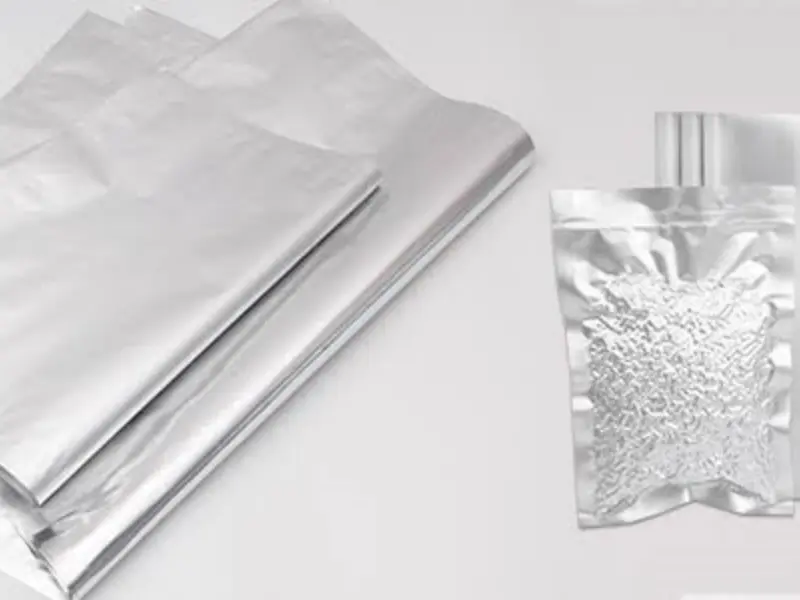
Not every metallic-looking packaging bag contains a real aluminum foil layer. Some bags use metallized plastic film instead.
| Feature | Aluminum Foil Bag | Metallized Film Bag |
|---|---|---|
| Barrier performance | Usually very high | Depends on film quality |
| Light protection | Excellent | Good to very good |
| Material structure | Contains aluminum foil | Uses a thin metal coating |
| Flexibility | Good | Often more flexible |
| Typical use | High-barrier packaging | General flexible packaging |
| Cost | Usually higher | Often lower |
The correct choice depends on product sensitivity, shelf-life requirements, and packaging cost.
Main Features of Aluminum Foil Packaging Bags
Aluminum foil packaging bags are designed to protect products during storage, transportation, and distribution. Their performance depends on the foil quality and the complete laminate structure.
Strong Moisture Barrier
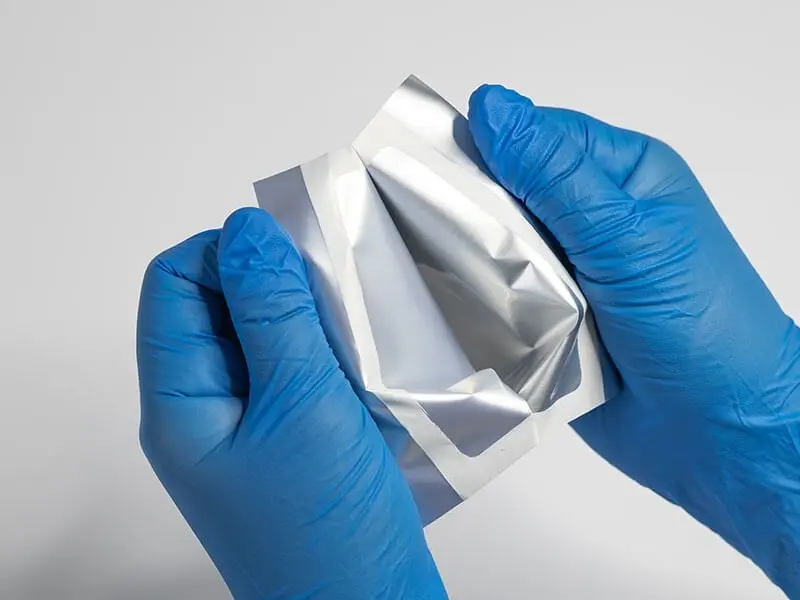
Moisture can affect many packaged products. Food may lose its crispness, powder may form lumps, and some chemicals may change during storage.
Aluminum foil provides an excellent moisture barrier when the packaging structure is properly manufactured and sealed.
Common products that benefit from moisture protection include:
- Coffee powder and instant drinks
- Milk powder and protein powder
- Dried fruit and nuts
- Seasoning powder
- Pharmaceutical products
- Industrial powders
Excellent Oxygen Barrier
Oxygen can cause oxidation in food and other sensitive products. It may affect flavor, color, and product quality.
The aluminum foil layer helps reduce oxygen transmission through the packaging material. This makes it suitable for products that need protection from air exposure.
For example, roasted coffee beans and snack foods can benefit from high-barrier foil packaging.
Protection Against Light
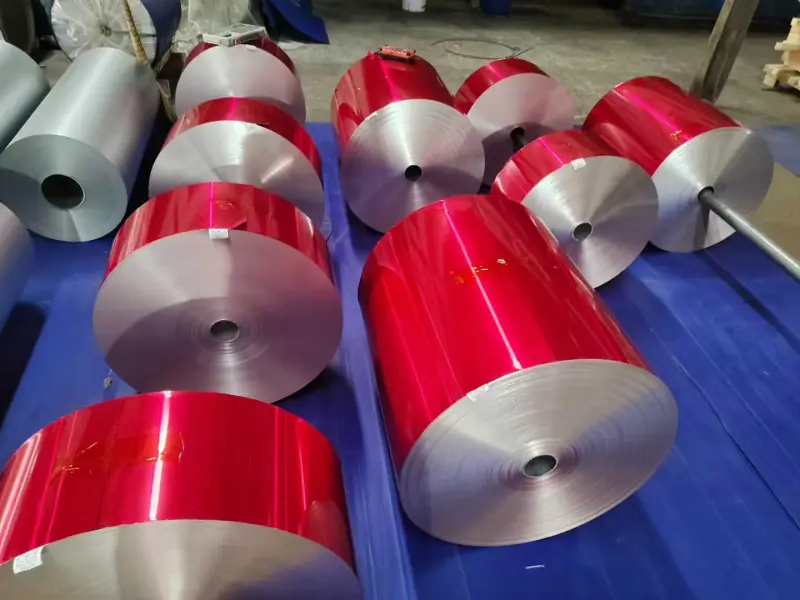
Some products are sensitive to sunlight and indoor lighting. Light exposure may affect their color, flavor, or chemical stability.
Aluminum foil blocks light effectively. It is often used for:
- Coffee and tea
- Chocolate and confectionery
- Nutritional powders
- Light-sensitive pharmaceutical products
- Certain cosmetic ingredients
Good Heat-Sealing Performance
The inner PE or CPP layer can be heat-sealed during the packaging process. A proper seal helps prevent leakage and contamination.
The sealing temperature, pressure, and time should match the selected material structure.
| Item | Typical Consideration |
|---|---|
| Sealing method | Heat sealing |
| Inner layer | PE or CPP |
| Seal strength | Depends on film and process |
| Seal temperature | Supplier and material dependent |
| Seal width | Designed according to bag size |
Flexible Design and Easy Storage
Aluminum foil bags have produced in many shapes and sizes. They are lightweight and can be supplied flat or in roll form.
Compared with rigid containers, flexible pouches usually require less storage space before filling.
Key Advantages of Aluminum Foil Packaging Bags
The advantages of aluminum foil packaging bags are not limited to barrier protection. Their flexible design also helps manufacturers improve packaging efficiency and product presentation.
Longer Product Protection
The high-barrier structure helps protect products from moisture, oxygen, light, and external odors.
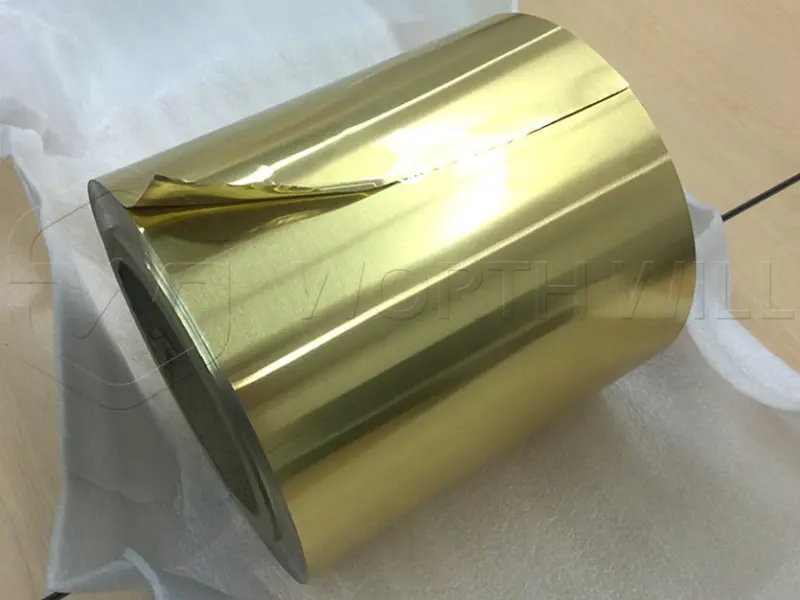
It can help maintain product quality during storage and transportation. However, actual shelf life also depends on the product itself, filling conditions, sealing quality, and storage environment.
Suitable for Many Industries
One packaging material has adapted for different products by changing the film structure, bag size, and opening design.
For example, a coffee brand may choose a stand-up pouch with a zipper. A chemical manufacturer may need a heavy-duty flat pouch with a stronger seal.
Good Printing and Branding Options
The outer PET or BOPP layer can support printed designs. Companies can add logos, product information, colors, and other branding elements.
Common printing options include:
- Gravure printing
- Digital printing for suitable short-run projects
- Matte finish
- Glossy finish
- Custom color printing
- Transparent window designs, where the structure allows
Lightweight and Space-Saving
Flexible foil pouches are usually lighter than glass jars and many rigid containers.
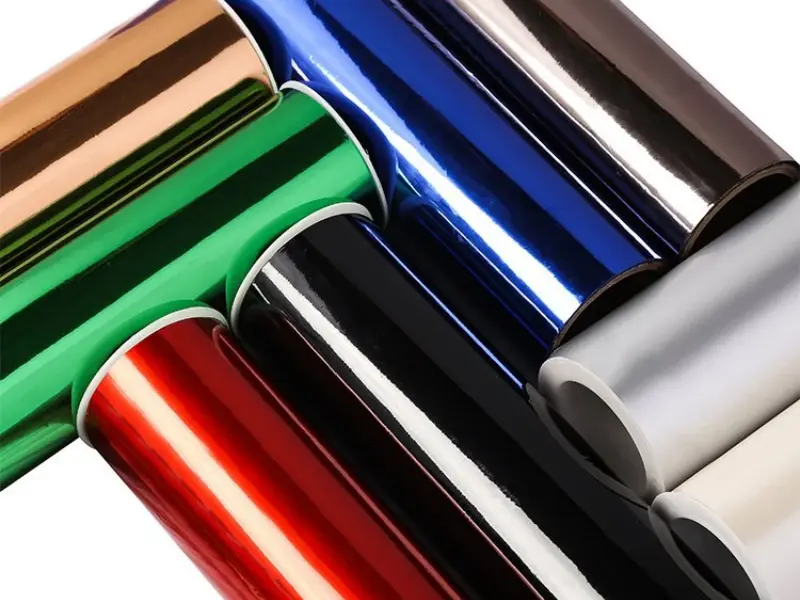
They can also be stored flat before filling. This can help reduce warehouse space and transportation costs, depending on the package size and supply arrangement.
Custom Sizes and Bag Styles
Manufacturers can customize the length, width, thickness, zipper, bottom gusset, and tear notch.
This makes aluminum foil packaging suitable for both small retail products and larger industrial packages.
Different Types of Aluminum Foil Packaging Bags
Aluminum foil packaging bags come in several designs. Each type has its own advantages and suitable applications.
Three-Side Seal Aluminum Foil Bags
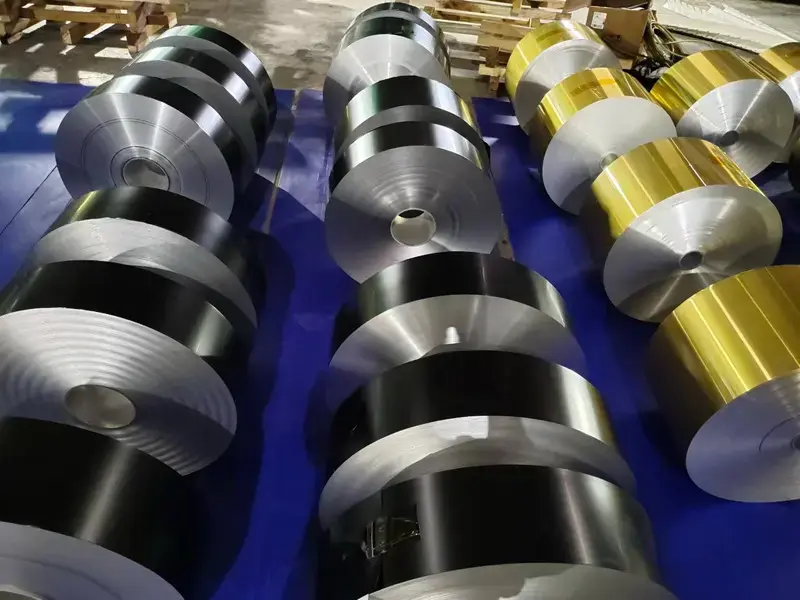
Three-side seal bags have three sealed edges and one open edge for filling. They are simple, practical, and widely used for small packages.
Typical products include:
- Coffee powder
- Food samples
- Dried fruit
- Seasoning
- Powdered supplements
- Small chemical products
They are suitable for automatic filling lines and custom retail packaging.
Stand-Up Aluminum Foil Pouches
Stand-up pouches have a bottom gusset that allows the bag to stand on shelves. They offer good product display and have designed with a zipper or tear notch.
Common options include:
| Pouch Style | Main Feature | Application |
|---|---|---|
| Doypack | Stable bottom gusset | Snacks and dried food |
| Zipper stand-up pouch | Reclosable opening | Nuts and coffee |
| Window stand-up pouch | Product visibility | Retail snacks |
| Spout stand-up pouch | Liquid dispensing | Sauces and drinks |
Stand-up foil pouches are popular in retail packaging because they combine product protection with an attractive appearance.
Vacuum Aluminum Foil Bags
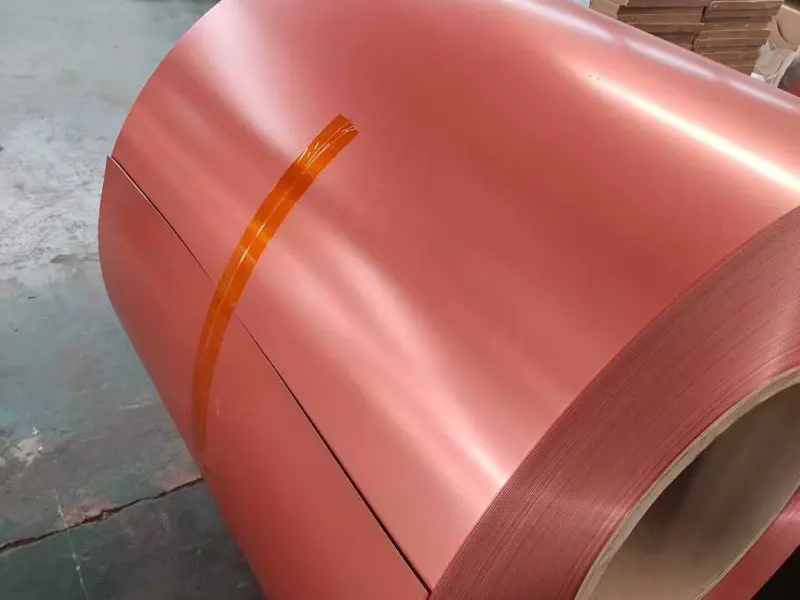
Vacuum foil bags have designed for products that need air removal before sealing. The material structure may include nylon for improved puncture resistance.
Common applications include:
- Meat and seafood
- Dried food
- Electronic components
- Industrial materials
- Certain medical products
The correct structure should be selected according to the vacuum level, product shape, and storage conditions.
Flat Aluminum Foil Bags
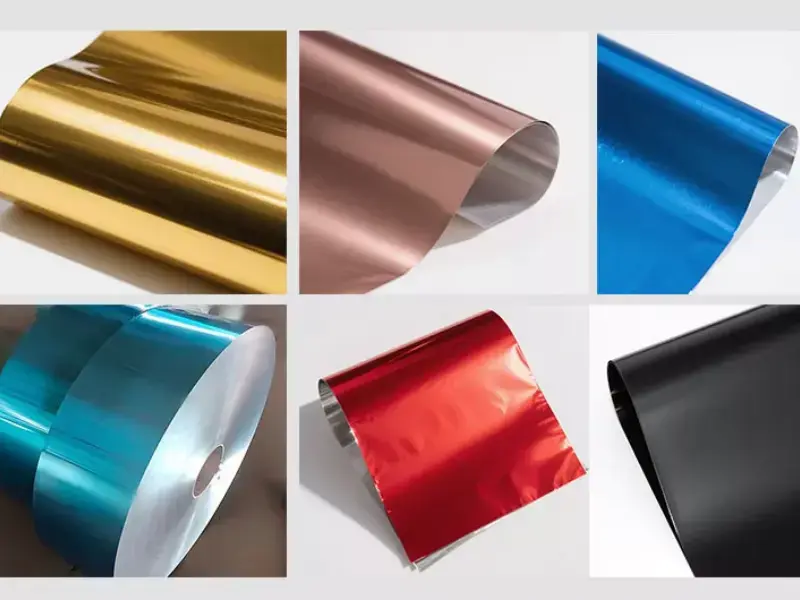
Flat foil bags have a simple rectangular design. They have often used for powders, small parts, and products packed in fixed quantities.
They can be supplied in different widths, lengths, and thicknesses.
Gusseted Aluminum Foil Bags
Gusseted bags have expandable side or bottom sections. They provide more internal space than flat bags.
| Type | Design | Common Use |
|---|---|---|
| Side gusset bag | Expandable sides | Coffee and bulk powders |
| Bottom gusset bag | Wider bottom | Pet food and snacks |
| Flat-bottom bag | Stable rectangular base | Premium retail products |
Aluminum Foil Ziplock Bags
Ziplock foil bags have a reusable zipper at the opening. Consumers can open and close the package several times.
They are commonly used for:
- Protein powder
- Nuts and seeds
- Dried fruit
- Coffee beans
- Pet treats
- Food ingredients
The zipper improves convenience, but it does not replace the initial heat seal when a sealed package is required.
Spout Aluminum Foil Pouches
Spout pouches include a dispensing opening. They have designed for liquids, pastes, and semi-liquid products.
Typical applications include:
- Juice and beverage concentrates
- Sauces
- Liquid seasonings
- Personal care products
- Industrial liquids, where material compatibility is confirmed
The spout, cap, and laminate structure must be suitable for the product.
Custom-Shaped Aluminum Foil Bags
Custom-shaped pouches can be designed for special retail packaging. They may use curved edges, special openings, or unique outlines.
These bags have often selected for promotional products, sample packs, and branded consumer goods.
Aluminum Foil Packaging Bag Specifications
The specifications of an aluminum foil pouch depend on the product, filling machine, and packaging environment.
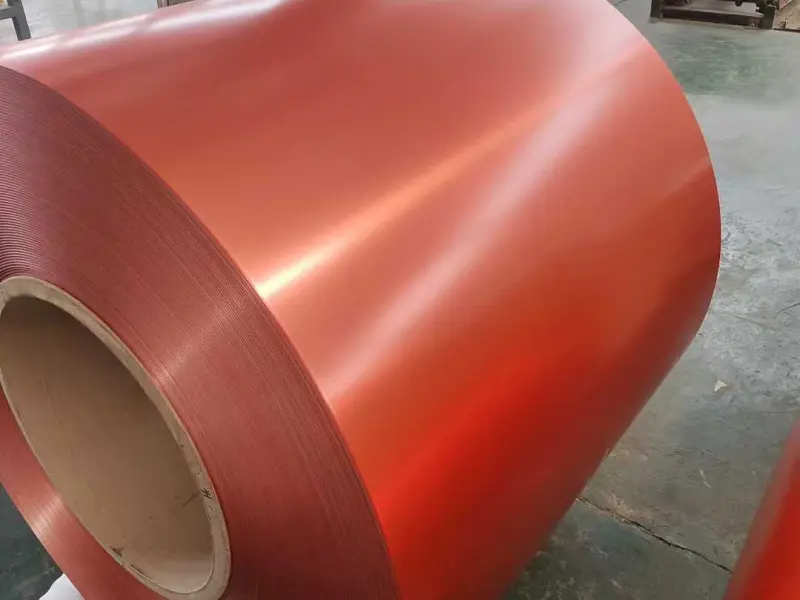
There is no single thickness or size suitable for every application. Buyers should confirm the complete laminate structure instead of looking only at the total thickness.
Common Bag Sizes
The following sizes are examples for reference. Custom dimensions are available according to the packaging project.
| Bag Width | Bag Length | Typical Application |
|---|---|---|
| 60 mm | 90 mm | Small samples |
| 80 mm | 120 mm | Seasoning and tea |
| 100 mm | 150 mm | Coffee and snacks |
| 120 mm | 180 mm | Powder products |
| 150 mm | 220 mm | Nuts and dried fruit |
| 180 mm | 260 mm | Larger food packages |
| 200 mm | 300 mm | Retail and bulk products |
| 250 mm | 350 mm | Large-volume packaging |
Common Laminate Thickness
Total pouch thickness has normally measured in microns (μm). It includes all layers in the packaging structure.
| Total Thickness | General Description | Possible Use |
|---|---|---|
| 70–90 μm | Light-duty structure | Small dry products |
| 90–110 μm | Medium structure | Snacks and food |
| 110–130 μm | Stronger structure | Coffee and powders |
| 130–150 μm | Heavy-duty structure | Larger packages |
| 150–180 μm | Extra-strong structure | Special industrial use |
These are indicative ranges, not fixed industry standards. The actual thickness has confirmed with the manufacturer.
Aluminum Foil Layer Thickness
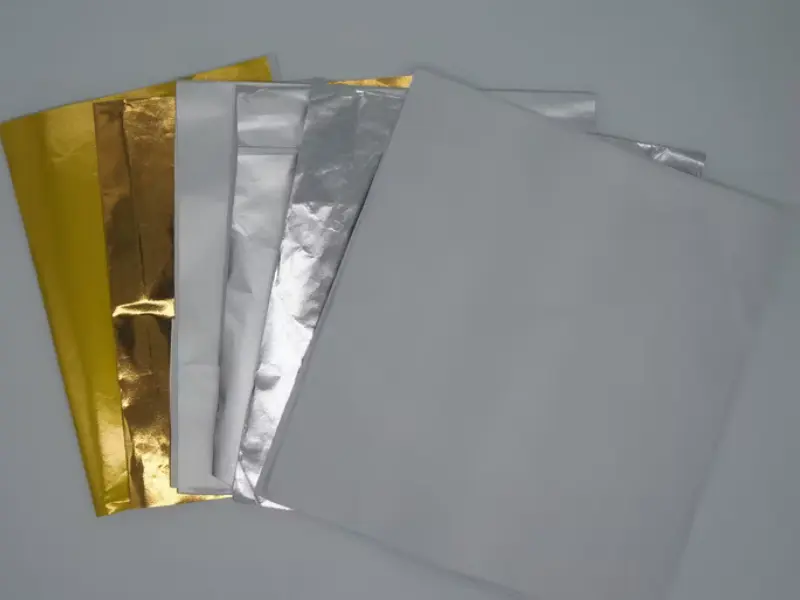
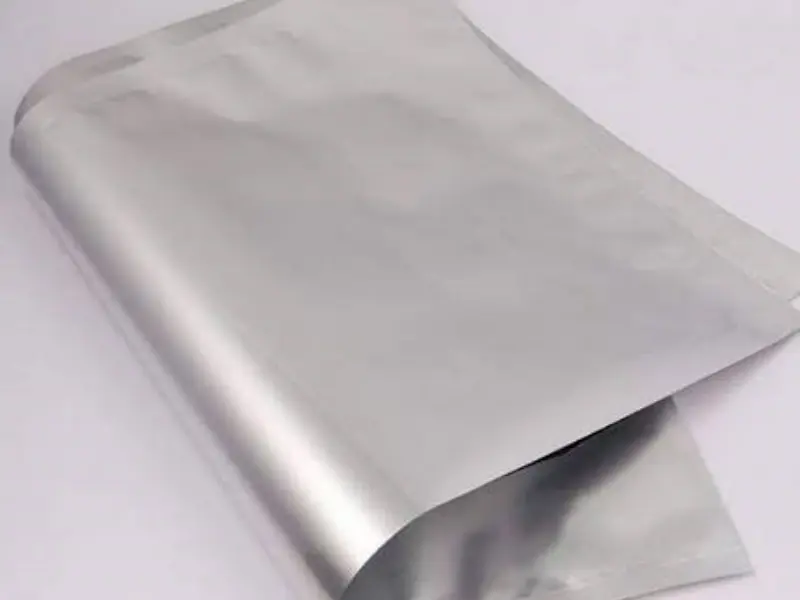
The aluminum foil layer is only one part of the total laminate thickness.
| Foil Thickness | General Characteristics |
|---|---|
| 6 μm | Thin foil layer for selected flexible structures |
| 7 μm | Lightweight barrier option |
| 9 μm | Common option in some laminated structures |
| 12 μm | Thicker foil layer |
| 15 μm | Higher foil content |
| 20 μm | Selected demanding packaging applications |
The correct foil thickness depends on barrier requirements, folding performance, package design, and cost.
Materials Used in Aluminum Foil Packaging Bags
A foil pouch is a composite product. Different materials work together to provide printing, protection, strength, and sealing.
PET Aluminum Foil PE Structure
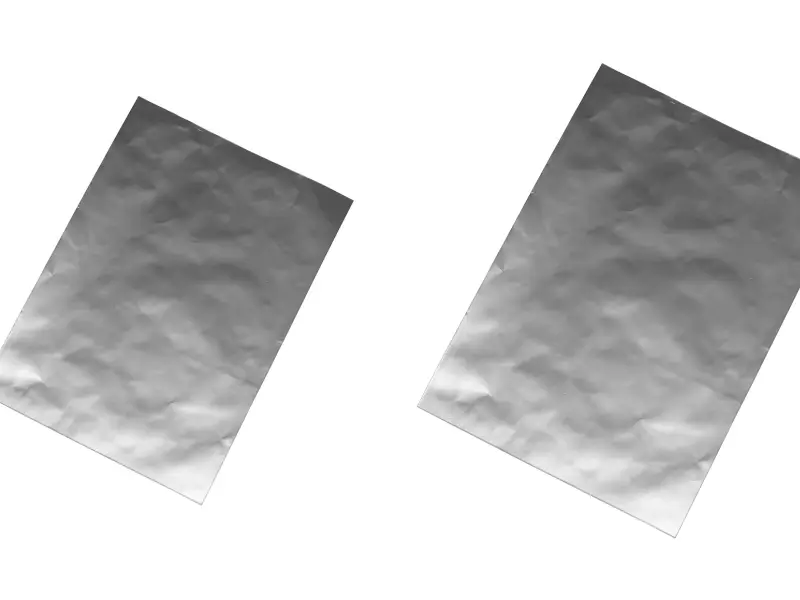
PET / AL / PE is a common structure for flexible foil packaging.
| Layer | Example Thickness | Function |
|---|---|---|
| PET | 12 μm | Printing and strength |
| Aluminum foil | 7–12 μm | Barrier protection |
| PE | 50–80 μm | Heat sealing |
The figures are examples only. The final construction should be designed according to the product and packaging process.
PET / AL / CPP Structure
CPP has used as the inner sealing layer in suitable packaging applications.
It has selected when the package requires specific sealing or temperature performance.
PET / AL / PA / PE Structure
This structure adds a nylon layer. PA can improve puncture resistance and mechanical strength.
It may be useful for products with sharp edges or demanding handling conditions.
PET / VMPET / PE Structure
VMPET is metallized PET film. It is not the same as a real aluminum foil layer.
This structure can be a cost-effective choice for some products that do not require the highest barrier performance.
Aluminum Foil Packaging Bags for Different Applications
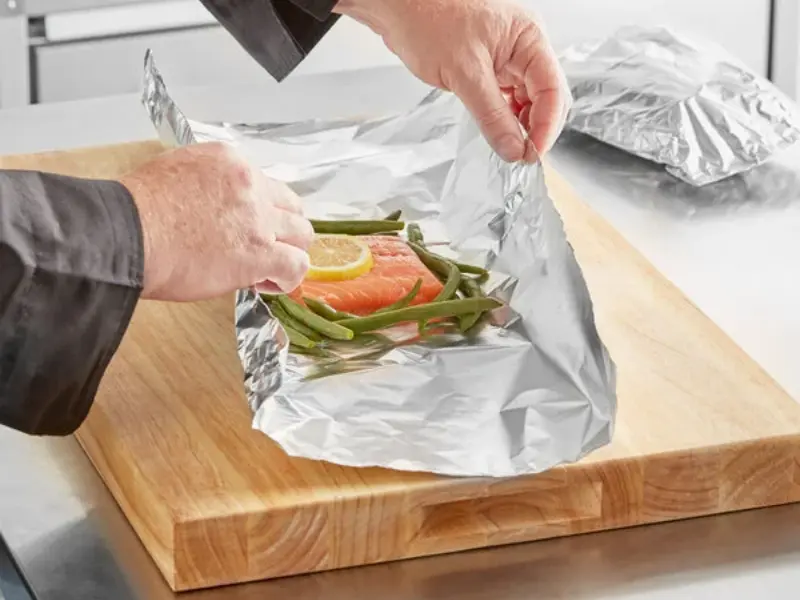
The best packaging design depends on the product’s physical properties, storage conditions, and sales channel.
Food and Beverage Packaging
Food packaging is one of the largest application areas for aluminum foil pouches.
Common products include:
- Coffee beans and coffee powder
- Tea leaves and herbal tea
- Milk powder
- Protein powder
- Chocolate and candy
- Potato chips and snack foods
- Nuts and dried fruit
- Instant noodles and seasoning
- Freeze-dried food
- Dried seafood
- Baking ingredients
- Powdered drink mixes
For coffee, a stand-up pouch with a zipper and optional degassing valve may be suitable. For powdered milk, a high-barrier structure with strong sealing is often more important.
Pharmaceutical and Healthcare Packaging

Some pharmaceutical products require protection from moisture, light, and oxygen.
Aluminum foil packaging used for selected pharmaceutical and healthcare products, subject to regulatory and material requirements.
Examples include:
- Medical powders
- Certain tablets and capsules
- Diagnostic products
- Healthcare supplements
- Medical device components
The packaging manufacturer should confirm product-contact suitability and applicable regulatory requirements.
Cosmetic and Personal Care Packaging
Aluminum foil pouches have used for products that need controlled packaging and protection.
Applications include:
- Face mask products
- Cosmetic powders
- Hair treatment samples
- Skin care samples
- Bath products
- Personal care sachets
Small sachets are especially useful for samples and single-use products.
Chemical and Industrial Packaging
Industrial materials may need protection against moisture and outside contamination.
every chemical.
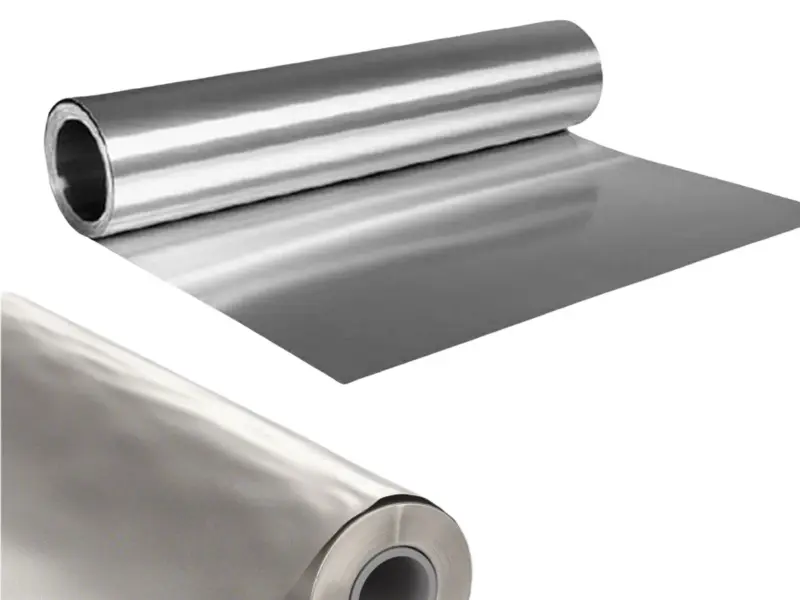
Common applications include:
- Chemical powders
- Pigments
- Industrial additives
- Adhesive components
- Desiccants
- Specialty raw materials
- Selected electronic materials
The packaging structure must be checked for chemical compatibility. Not every foil pouch is suitable for
Electronics and Moisture-Sensitive Components
Some electronic components are sensitive to moisture during storage and transportation.
Specialized moisture-barrier bags may use aluminum foil laminate structures. Certain applications also require antistatic properties and controlled packaging procedures.
Typical products include:
- Electronic components
- Circuit board materials
- Semiconductor-related materials
- Precision parts
- Moisture-sensitive industrial components
For electronics, buyers should confirm moisture barrier specifications and any antistatic requirements before ordering.
Aluminum Foil Bags Compared With Other Packaging Materials
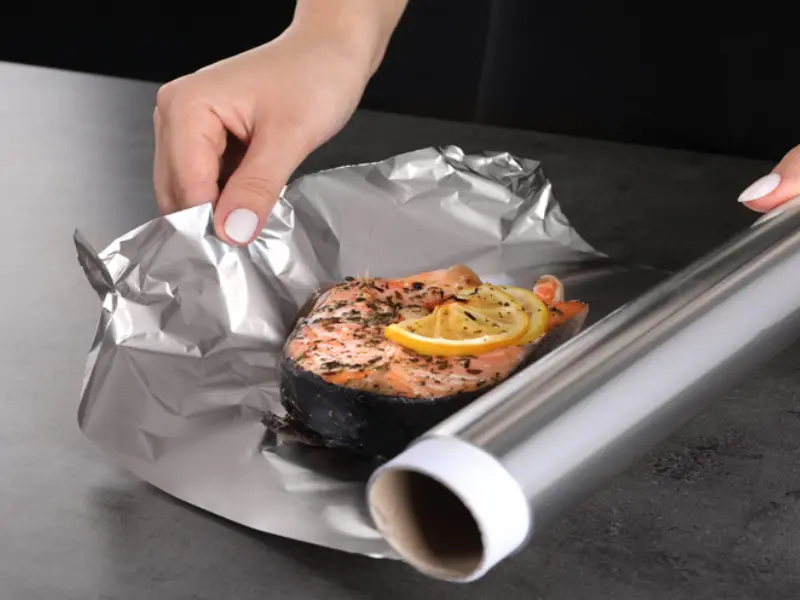
Different packaging materials provide different levels of protection, flexibility, and cost. A comparison helps buyers choose the right solution.
Aluminum Foil Bag vs. Plastic Bag
| Feature | Aluminum Foil Bag | Ordinary Plastic Bag |
|---|---|---|
| Moisture barrier | Excellent in suitable structures | Depends on plastic type |
| Oxygen barrier | Very high | Varies by material |
| Light protection | Excellent | Usually limited |
| Flexibility | Good | Very good |
| Cost | Usually higher | Usually lower |
| Suitable products | Sensitive products | General packaging |
Plastic bags may be sufficient for products with basic packaging needs. Aluminum foil bags have often preferred when stronger barrier protection is required.
Aluminum Foil Bag vs. Kraft Paper Bag

Kraft paper bags provide a natural appearance and are popular in retail packaging. However, paper alone does not provide the same moisture and oxygen barrier as aluminum foil.
| Feature | Foil Packaging Bag | Kraft Paper Bag |
|---|---|---|
| Moisture protection | High | Low without a barrier layer |
| Light protection | Excellent | Depends on construction |
| Appearance | Modern and flexible | Natural and simple |
| Printing | Multiple options | Multiple options |
| Typical use | Sensitive food and powders | Dry goods and retail products |
Some packaging products combine kraft paper with aluminum foil or plastic layers. This provides a paper appearance with improved barrier performance.
Aluminum Foil Bag vs. Metallized Film Bag
Metallized film uses a thin metal coating on plastic film. Aluminum foil bags contain a separate foil layer.
| Comparison | Aluminum Foil Laminate | Metallized Film Laminate |
|---|---|---|
| Metal layer | Aluminum foil | Deposited metal coating |
| Barrier level | Generally higher | Depends on coating quality |
| Flexibility | Good | Often very good |
| Cost | Usually higher | Often lower |
| Application | High-barrier packaging | General flexible packaging |
For products with demanding shelf-life requirements, a real foil layer may be the better choice.
How to Choose the Right Aluminum Foil Packaging Bag
Selecting a bag only by its appearance or price can lead to packaging problems. Buyers should first understand the product and filling process.
Check Product Characteristics
Consider the following questions:
- Is the product solid, powder, liquid, or paste?
- Does it contain oil or moisture?
- Is it sensitive to oxygen or light?
- Does it have sharp edges?
- Does it need vacuum packaging?
- Will consumers open the package several times?
These details help determine the material structure and bag style.
Select the Correct Bag Structure
Different products need different combinations of PET, AL, PE, PA, and CPP.
For example:
| Product | Possible Structure | Suggested Bag Type |
|---|---|---|
| Coffee powder | PET / AL / PE | Stand-up zipper pouch |
| Nuts | PET / AL / PE | Stand-up pouch |
| Dry seasoning | PET / AL / PE | Three-side seal bag |
| Sharp industrial parts | PET / AL / PA / PE | Heavy-duty flat pouch |
| Liquid sauce | Special liquid-compatible laminate | Spout pouch |
| Electronic components | Specialized foil barrier structure | Moisture-barrier bag |
These are starting points only. Final selection requires testing and confirmation.
Confirm Bag Thickness and Dimensions
The package must fit the product and filling equipment.
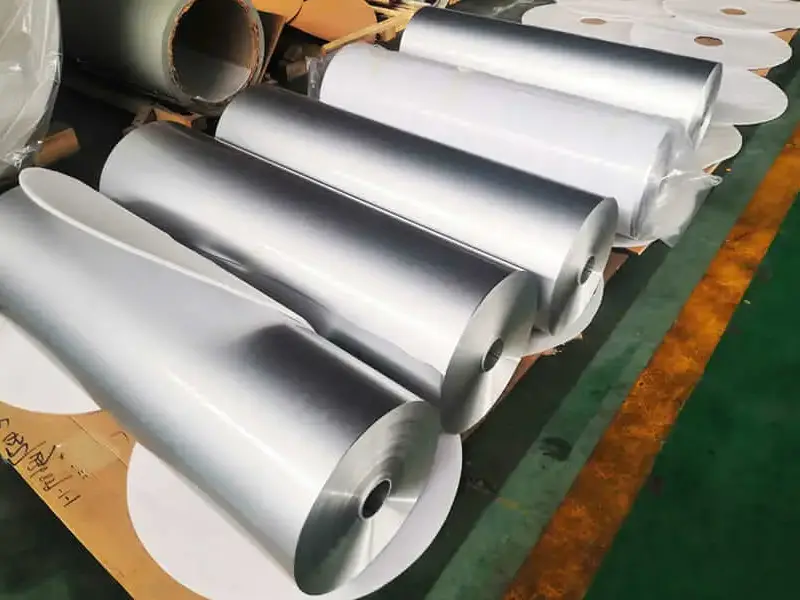
Buyers should confirm:
- Bag width and length
- Gusset size
- Total laminate thickness
- Aluminum foil thickness
- Seal width
- Opening design
- Filling capacity
- Finished bag tolerance
A sample test has recommended before mass production.
Review Printing and Surface Finish
Packaging appearance can influence retail presentation. Buyers may choose matte, glossy, or customized printing.
It is important to confirm artwork, color requirements, printing method, and proof approval before production.
Manufacturing Process of Aluminum Foil Packaging Bags
A stable production process helps maintain consistent bag quality.
The typical manufacturing process includes:
Raw Material Inspection → Film Printing → Lamination → Curing → Slitting → Bag Making → Quality Inspection → Packing
Raw Material Inspection
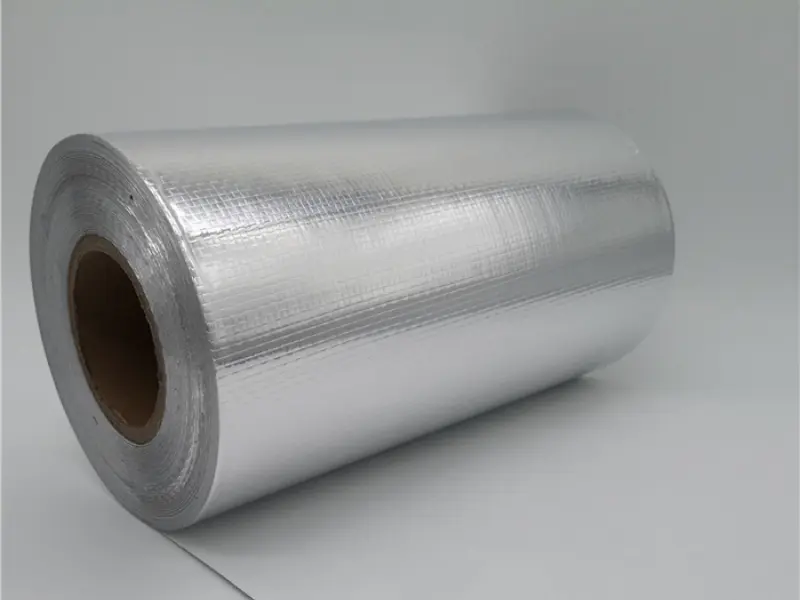
The manufacturer checks the incoming films and aluminum foil. Material thickness, appearance, and quality should meet the agreed requirements.
Printing and Lamination
The outer film has printed according to the approved design. Different layers are then bonded together with suitable adhesives.
Curing and Slitting
The laminated material kept under controlled conditions for adhesive curing. It has then cut into the required roll widths.
Bag Making and Sealing
The material has formed into the selected pouch style. The edges, zipper, gusset, and seals are completed according to the design.
Quality Inspection
Finished bags have checked for dimensions, appearance, sealing, and other agreed performance requirements.
Quality Factors Buyers Should Check
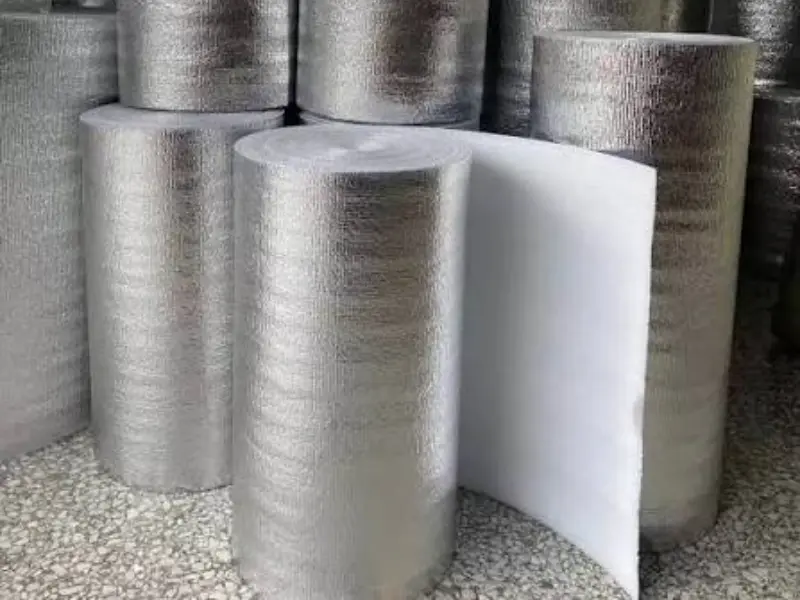
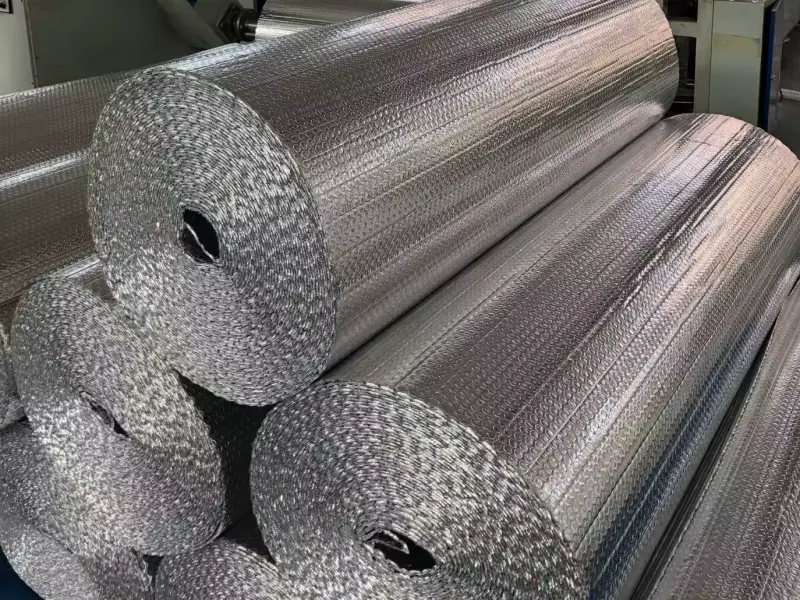
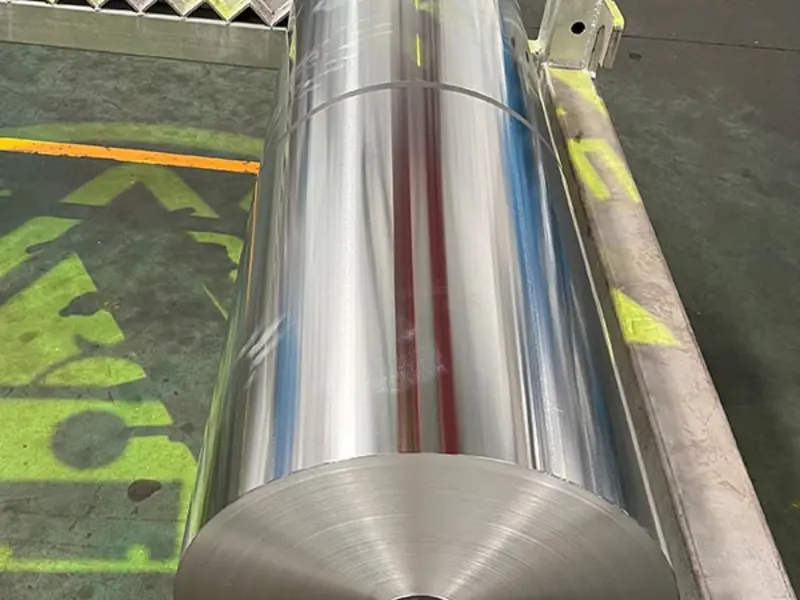
Good packaging should provide consistent protection and reliable sealing.
| Quality Item | What to Check |
|---|---|
| Appearance | No obvious wrinkles, dirt, or damage |
| Thickness | Meets agreed specification |
| Lamination | No visible delamination |
| Sealing | Strong and consistent seal |
| Dimensions | Within agreed tolerance |
| Printing | Correct color and artwork |
| Barrier performance | Suitable for the product |
| Odor | Meets product requirements |
For demanding applications, buyers can request relevant test reports or sample testing.
Custom Aluminum Foil Packaging Bags for Wholesale Orders
Many manufacturers and distributors need customized bags for their own brands or customers.
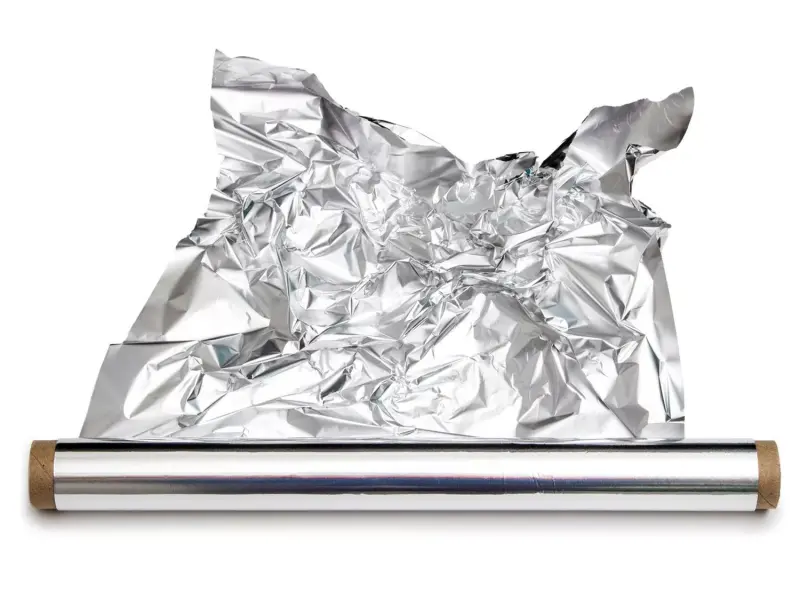
Custom aluminum foil packaging bags have produced according to the required size, structure, printing, and opening design.
Available Customization Options
| Custom Item | Options |
|---|---|
| Bag style | Flat, stand-up, gusseted, zipper, spout |
| Material | PET, AL, PE, PA, CPP |
| Thickness | Customized laminate thickness |
| Printing | Plain or custom printed |
| Finish | Matte, glossy, or special finish |
| Opening | Tear notch, zipper, spout |
| Size | Custom width and length |
| Packing | Bulk carton or customized packing |
What Information Should Be Included in an Inquiry?
To receive an accurate quotation, buyers should provide:
- Product name and application
- Required bag type
- Bag width and length
- Expected filling weight or volume
- Material structure, if known
- Total thickness
- Printing artwork
- Estimated order quantity
- Destination country
If the material structure is not known, buyers can provide a product sample or describe the packaging requirements. The manufacturer can then recommend a suitable option.
Storage, Transportation, and Packaging
Aluminum foil pouches should be stored in a clean and dry environment.
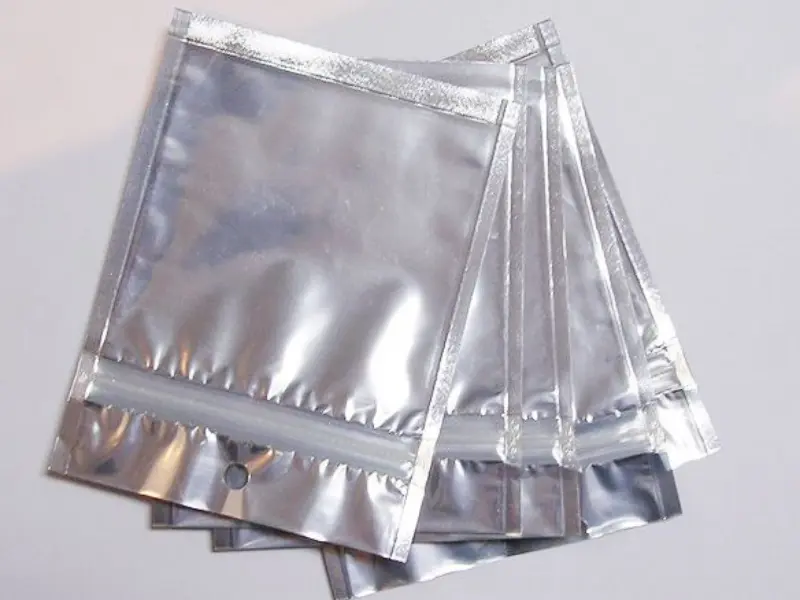
Recommended storage practices include:
- Keep bags away from direct sunlight.
- Avoid high humidity and excessive heat.
- Keep the packaging away from sharp objects.
- Store bags in clean cartons or protective packaging.
- Avoid heavy pressure that may damage the pouch structure.
- Follow the supplier’s recommended storage conditions.
During transportation, cartons should be protected from water, crushing, and rough handling.
Frequently Asked Questions About Aluminum Foil Packaging Bags
What Are the Main Advantages of Aluminum Foil Packaging Bags?
Their main advantages include high barrier protection, light blocking, flexible design, heat-sealing performance, and customizable sizes. They are suitable for many food, pharmaceutical, cosmetic, and industrial packaging applications.
Are Aluminum Foil Bags Waterproof?
Aluminum foil itself provides a strong barrier against water vapor. However, the complete pouch also depends on its laminate structure and sealing quality. A damaged or poorly sealed bag may allow moisture to enter.
Are Aluminum Foil Packaging Bags Food Safe?
They have designed for food packaging, but food-contact suitability depends on the materials, adhesives, inks, and manufacturing process. Buyers should request relevant compliance documents for their target market.
Can Aluminum Foil Bags Be Reused?
Some bags have zipper closures and can be opened and closed several times. However, reuse depends on the product, cleanliness, and condition of the pouch. The original heat seal has normally broken after first opening.
What Is the Difference Between Aluminum Foil Bags and Mylar Bags?
Mylar is a trade name commonly associated with polyester film. Some products sold as Mylar bags use metallized PET, while others may include a real aluminum foil layer. Buyers should check the actual material structure rather than relying on the product name.
What Thickness Is Best for Aluminum Foil Pouches?
There is no universal best thickness. Small dry-food packages may use a lighter structure, while heavy products or demanding applications may need a thicker laminate. The correct specification depends on product weight, barrier requirements, and handling conditions.
Can Aluminum Foil Bags Be Used for Coffee Packaging?
Yes. They have commonly used for coffee beans and coffee powder because they help protect the product from oxygen, moisture, and light. A stand-up zipper pouch with a suitable degassing valve has selected for certain coffee products.
Are Aluminum Foil Bags Suitable for Vacuum Packaging?
Some foil laminate structures have used for vacuum packaging. The material should have suitable mechanical strength and sealing performance. Buyers should confirm the structure with the manufacturer before placing an order.
Can Aluminum Foil Packaging Bags Be Customized?
Yes. Manufacturers can customize bag size, thickness, material structure, printing, zipper, gusset, tear notch, and other features. Custom options depend on production equipment and order requirements.
What Is the Difference Between PE and CPP Inner Layers?
PE and CPP are both used as heat-sealing layers. Their sealing behavior, stiffness, temperature performance, and suitability vary by grade and formulation. The manufacturer should recommend the correct inner layer based on the filling process and product requirements.
Do Aluminum Foil Bags Block Sunlight?
A continuous aluminum foil layer provides excellent light protection. However, transparent windows or damaged areas can reduce the overall protection.
What Information Is Needed for a Wholesale Quotation?
Buyers should provide bag dimensions, material structure, thickness, bag style, printing requirements, order quantity, and application. If some specifications are unknown, the supplier can help recommend a suitable construction.
Get Custom Aluminum Foil Packaging Bags for Your Business
Choosing the right packaging structure can help protect product quality and improve the customer experience. Different products require different combinations of aluminum foil, plastic films, thicknesses, and bag designs.
Whether you need stand-up pouches, zipper bags, vacuum pouches, flat foil bags, or custom industrial packaging, it is important to confirm the material structure and performance before mass production.
Contact our team with your bag size, application, material requirements, and order quantity. We can help you evaluate suitable aluminum foil packaging solutions for your market.
Request a quotation today and find the right foil pouch for your product.
Error: Contact form not found.