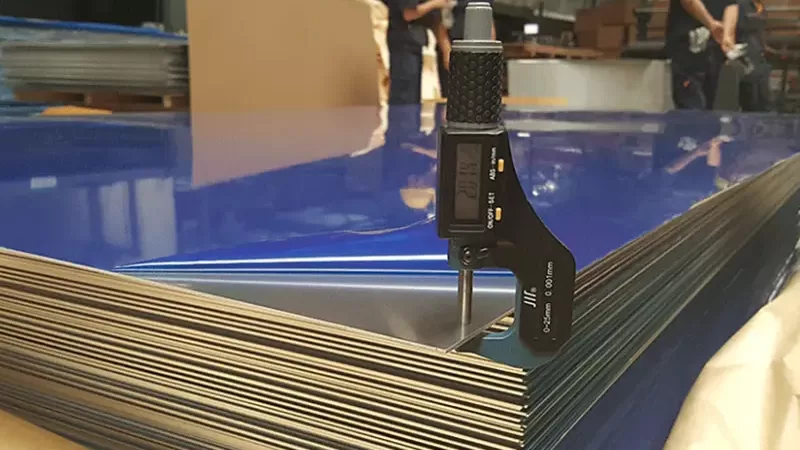
If you are searching for aluminum sheets for sale, you will find many options in the market.
Aluminum sheets are lightweight, corrosion-resistant, and easy to process.
They are widely used in construction, automotive, decoration, packaging, and industrial applications.
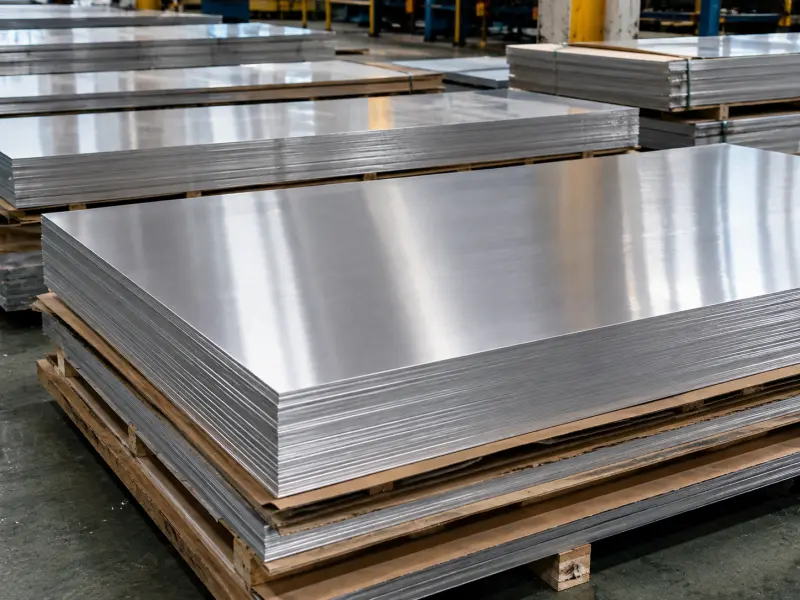
Available Sizes & Formats


| Size | Thickness Range | Alloys Available | Price Range |
|---|---|---|---|
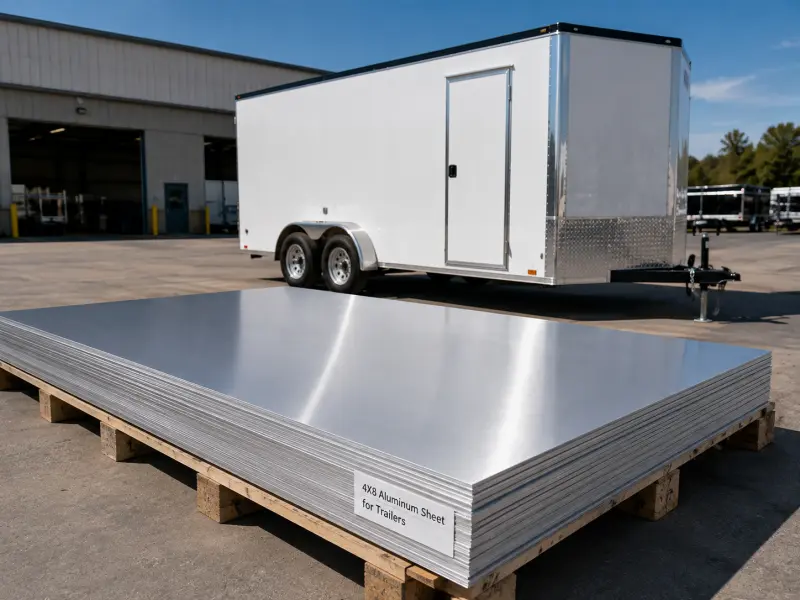
| 4×8 ft | 0.032″-0.25″ | 1050, 3003, 5052, 6061 | $150-$600 |
| 4×10 ft | 0.040″-0.188″ | 3003, 5052, 6061 | $200-$800 |
| 5×10 ft | 0.063″-0.25″ | 3003, 5052, 6061 | $300-$900 |
| Custom Sizes | 0.020″-0.5″ | All alloys | Varies |
Aluminum Alloys in Stock
| Alloy | Properties | Best For | Price Level |
|---|---|---|---|
| 1050 | Soft, highly conductive | Electrical, decorative | $ |
| 3003 | Good strength, workable | General purpose | $$ |
| 5052 | Excellent corrosion resistance | Marine applications | $$$ |
| 6061 | High strength, structural | Machining, frames | $$$$ |
Thickness Options
| Thickness (inches) | Gauge | Weight (lbs/sq ft) | Common Uses |
|---|---|---|---|
| 0.032 | 20 | 0.45 | Crafts, signs |
| 0.063 | 16 | 0.88 | DIY projects, covers |
| 0.125 | 12 | 1.75 | Automotive, marine |
| 0.188 | 10 | 2.63 | Industrial applications |
| 0.25 | 8 | 3.50 | Structural components |
Surface Finishes Available
| Finish | Description | Price Impact |
|---|---|---|
| Mill Finish | Natural aluminum surface | Base price |
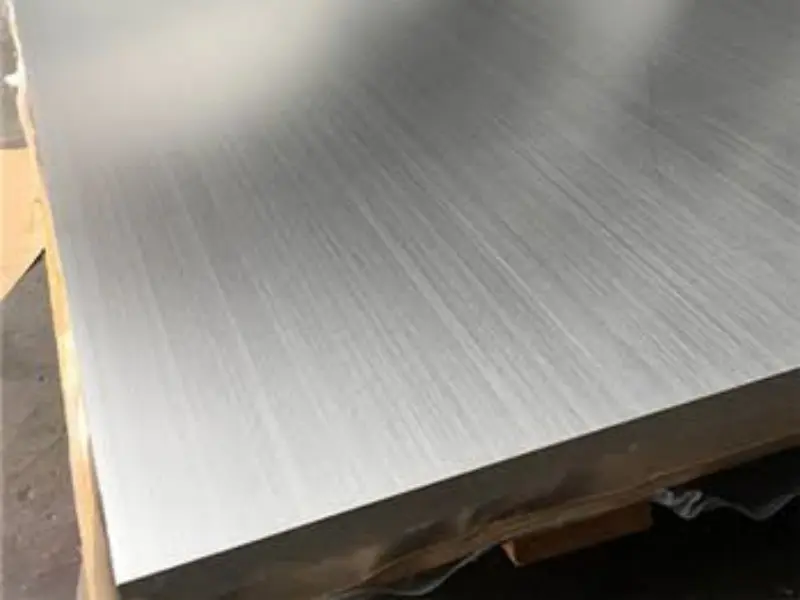
| Brushed | Linear brushed pattern | +15% |
| Anodized | Hard protective coating | +30-50% |
| Painted | Color-coated surface | +25-40% |
| Embossed | Textured pattern | +20-35% |
Types of Aluminum Sheets Available
Not all aluminum is created equal. Different aluminum alloys are formulated with varying percentages of other elements (like magnesium, silicon, copper, or manganese) to enhance specific properties.
When looking for aluminum sheets for sale, you’ll encounter several common grades, each suited for different applications.
Here are some of the most popular aluminum sheet grades:
| Alloy Series | Key Properties | Typical Applications |
|---|---|---|
| 1xxx (e.g., 1050, 1100) | Pure aluminum, excellent corrosion resistance, high conductivity, very ductile. | Chemical equipment, food processing, electrical conductors, reflectors, general fabrication. |
| 3xxx (e.g., 3003, 3105) | Good workability, moderate strength, excellent corrosion resistance. | Cookware, storage tanks, roofing, siding, general sheet metal work. |
| 5xxx (e.g., 5052, 5083) | Very good corrosion resistance (especially marine), high strength, good weldability. | Marine applications, pressure vessels, fuel tanks, truck bodies, cryogenics. |
| 6xxx (e.g., 6061) | Excellent strength, good weldability, good corrosion resistance, heat-treatable. | Structural components, aircraft parts, automotive parts, bicycle frames, railings. |
Understanding these distinctions will help you select the precise aluminum sheets for sale that meet your project’s demands.
Why Buy From Us?
Quality Assurance:
- Mill test certificates included
- ASTM standards compliance
- Quality inspection reports
- Material traceability
Service Advantages:
- Same-day quoting
- Fast order processing
- Custom cutting service
- Competitive pricing
Shipping Options:
- Local pickup available
- Nationwide delivery
- Protected packaging
- Freight options
Applications & Recommendations
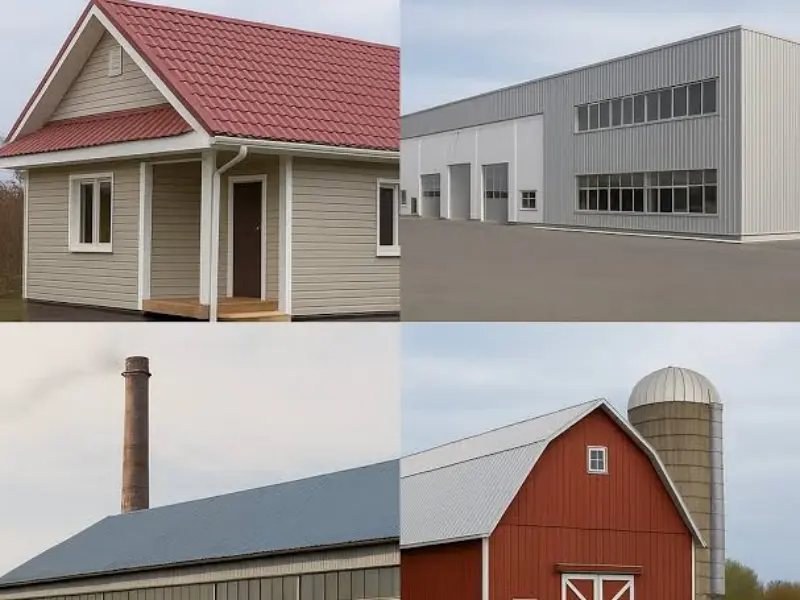
Construction:
- Roofing: 0.063″-0.125″ 3003 alloy
- Siding: 0.040″-0.063″ 3003 alloy
- Gutters: 0.032″-0.063″ 3003 alloy
Industrial:
- Machine guards: 0.125″-0.188″ 5052 alloy
- Tanks: 0.188″-0.25″ 5052 alloy
- Work surfaces: 0.125″-0.188″ 6061 alloy
DIY Projects:
- Crafts: 0.032″-0.063″ 1050 alloy
- Signs: 0.063″-0.125″ 3003 alloy
- Furniture: 0.125″-0.188″ 6061 alloy
Ordering Information

Minimum Order:
- 1 sheet for standard sizes
- 2 sheets for custom cuts
- No minimum for local pickup
Payment Options:
- Credit cards accepted
- PayPal available
- Wire transfers
- Company accounts
Lead Time:
Special finishes: 5-7 days
In-stock items: 1-2 days
Custom orders: 3-5 days
Price Comparison
| Supplier | 4×8 0.063″ 3003 | Shipping Cost | Lead Time |
|---|---|---|---|
| Our Price | $225 | $45-75 | 2-3 days |
| Supplier A | $240 | $60-90 | 5-7 days |
| Supplier B | $210 | $75-110 | 7-10 days |
| Supplier C | $235 | $50-85 | 3-5 days |


How to Choose the Right Aluminum Sheets for Sale
Selecting the perfect aluminum sheets involves considering several factors:
- Application: What will the aluminum sheet be used for? This dictates the required strength, formability, and corrosion resistance.
- Environment: Will the sheet be exposed to harsh weather, saltwater, chemicals, or high temperatures? This will influence the alloy choice (e.g., 5xxx for marine).
- Fabrication Method: Will the sheet be bent, welded, machined, or deep-drawn? Some alloys are better suited for specific fabrication techniques.
- Budget: While aluminum offers great value, specific alloys, custom sizes, and specialized finishes can affect the cost.
- Required Strength: Does the application need maximum strength (e.g., 6061-T6) or high ductility for forming (e.g., 1050-O)?
Don’t hesitate to consult with your supplier if you’re unsure which aluminum sheets for sale are best for your project.

Perforated Sheets
These sheets carry round, square, or slotted holes. Perforated aluminum sheet metal is used for screens, vents, and decorative panels. The holes reduce weight and allow airflow.
Expanded Metal
A knife cuts and stretches the sheet into a diamond mesh. No material is removed. Expanded sheets are strong and light. They work for guards, grilles, and walkway surfaces.

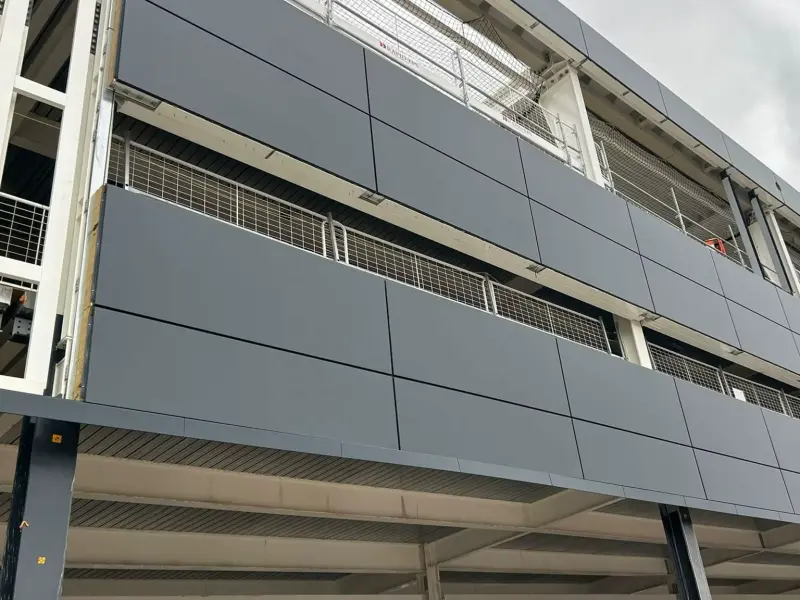
Embossed Sheets
The surface is rolled with a pattern like orange peel or diamonds. Embossed sheets hide scratches and add stiffness. They are often used for insulation jacketing, flooring, and decorative wall coverings.
Precision-Cut Blanks
Some suppliers sell pre-cut squares and rectangles. Sizes like 12 by 12 inches or 24 by 36 inches are common. Blanks save time if you run a shop that routes or stamps small parts.

Product Types You Will Find in Stock
Not every aluminum sheet for sale looks the same. Suppliers carry several formats to match different jobs.
Mill Finish Sheets
This is bare aluminum with no coating. It has a dull silver look. Mill finish is the cheapest option. It works for hidden parts, paint-ready panels, and industrial applications. Left outdoors, it forms a light oxide layer that actually protects the metal.
Painted and Color-Coated Sheets
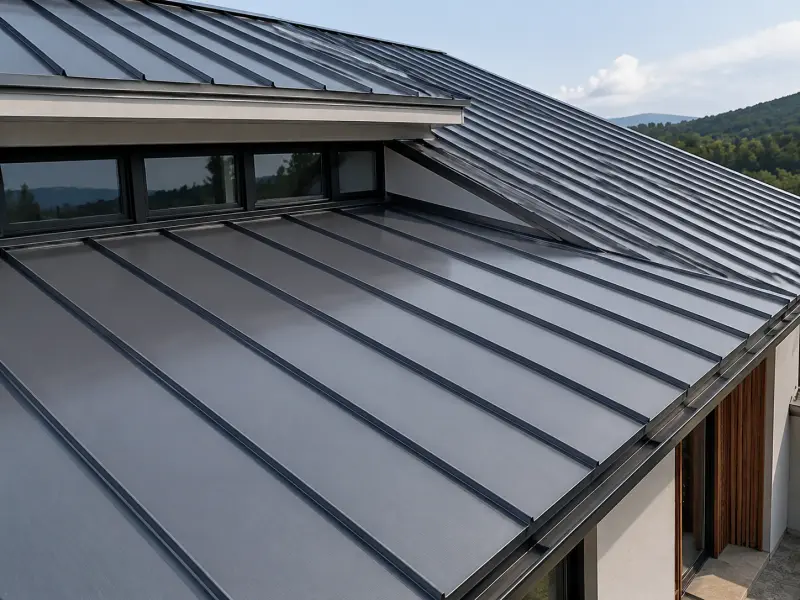
Factories apply PE or PVDF paint before the sheet reaches you. Common colors include white, bronze, charcoal, and custom RAL shades. Painted sheets save you field painting time. They are popular for roofing, wall cladding, and decorative trim.
What Buyers Should Check Before They Order
Buying aluminum sheet metal is not like buying lumber. The alloy, temper, and finish all change how the sheet behaves. If you pick the wrong grade, you may end up with metal that cracks when you bend it or corrodes faster than expected. This section breaks down the key specs so you can order with confidence.

Temper States: Soft, Hard, and In Between

Temper tells you how the metal was treated after rolling. This affects whether you can bend the sheet by hand or if it will fight you.
O temper is fully soft. You can fold it like thick paper. It is rare in structural work but useful for deep drawing and complex shapes.
H14 is half hard. It is the most common temper for aluminum sheets for sale. It stays flat but still forms well on a brake.
H24 is similar to H14 but stress-relieved. It has less springback after bending. Roofers and gutter installers prefer it.
T6 applies to 6000 series alloys. It is very hard and strong. You cannot bend it cold without risk of cracking.
| Temper | Hardness | Bendability | Common Use |
|---|---|---|---|
| O | Very soft | Excellent | Deep drawing, complex forming |
| H12 | Quarter hard | Very good | Light forming, easy bends |
| H14 | Half hard | Good | General fabrication, standard stock |
| H24 | Half hard, stabilized | Good | Roofing, less springback |
| H32 | Quarter hard, stabilized | Good | Marine panels, 5000 series |
| T6 | Very hard | Poor | Structural parts, machining |
Thickness Options From Foil to Plate


Sheet thickness is usually listed in inches or millimeters. Anything below 0.25 inches is called sheet. Above that is plate.
| Thickness (inches) | Thickness (mm) | Typical Use | Weight per sq ft (3003) |
|---|---|---|---|
| 0.016 | 0.41 | Flashing, light trim | 0.228 lbs |
| 0.032 | 0.81 | Gutters, fascia, signs | 0.456 lbs |
| 0.040 | 1.02 | Roofing, wall panels | 0.570 lbs |
| 0.063 | 1.60 | Heavy panels, structural | 0.899 lbs |
| 0.080 | 2.03 | Thick guards, armor | 1.140 lbs |
| 0.125 | 3.18 | Plate-like strength | 1.782 lbs |
Alloy Grades Explained in Plain Terms
The alloy number tells you what metals were mixed with the aluminum. This changes strength, corrosion resistance, and price.

1000 series is almost pure aluminum. It is soft, easy to form, and very resistant to rust. It is also the cheapest. You see it in decorative panels, chemical tanks, and simple trim work.
3000 series adds manganese. It is stronger than 1000 series but still easy to bend. Most general-purpose aluminum sheets for sale fall into this group. Alloy 3003 is the workhorse of the industry.
5000 series adds magnesium. It handles saltwater and harsh weather better than 3003. It is also harder to form. Buyers near the coast or in marine industries often choose 5052 or 5005.
6000 series contains magnesium and silicon. For it can be heat-treated to high strength. It is popular for structural parts, brackets, and machine components. It is less common for general sheet metal work because it is stiffer.
| Alloy Series | Key Element | Strength | Formability | Best For |
|---|---|---|---|---|
| 1000 | None (pure Al) | Low | Excellent | Decoration, chemical equipment, light duty |
| 3000 | Manganese | Medium | Very good | Roofing, signage, general fabrication |
| 5000 | Magnesium | High | Good | Marine, coastal, heavy-duty panels |
| 6000 | Mg + Si | Very high | Moderate | Structural parts, brackets, machining |

| Product Type | Surface | Best For | Cost Level |
|---|---|---|---|
| Mill finish | Bare metal | Hidden parts, paint prep | Lowest |
| Painted | Color coated | Roofing, cladding, visible trim | Medium |
| Perforated | Holes | Vents, screens, filters | Medium |
| Expanded | Mesh | Guards, walkways, grilles | Low |
| Embossed | Textured | Insulation, flooring, decoration | Low-medium |
| Cut blanks | Any | Small parts, CNC shops | Varies |


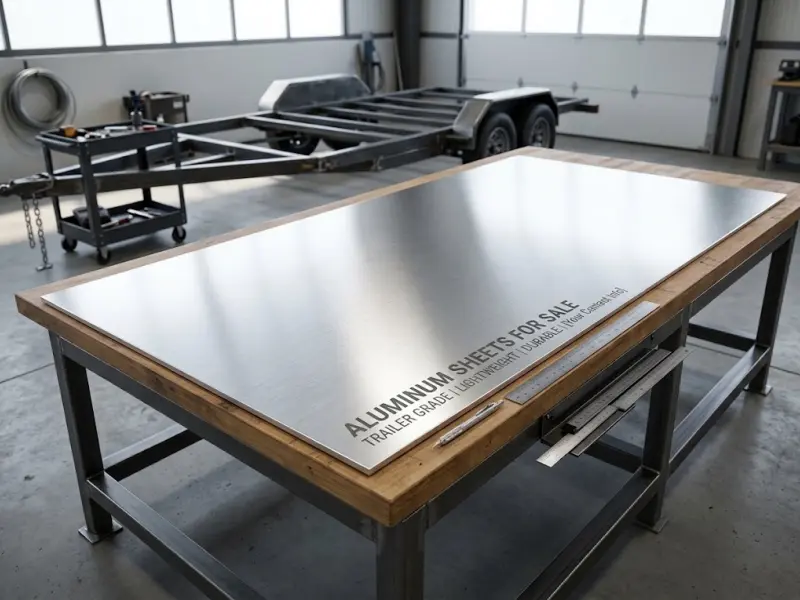
Cutting Fees
Standard stock sizes come with no extra cutting charge. If you need every sheet sheared to a custom size, expect a cutting fee. Some shops include one free cut per sheet. Others charge by the cut or by the hour.
| Factor | Low Cost Choice | High Cost Choice | Price Impact |
|---|---|---|---|
| Alloy | 1050, 1100, 3003 | 5052, 6061, 7075 | 10–50% more |
| Temper | H14 | T6, special rolled | Minimal |
| Finish | Mill finish | PVDF painted, anodized | 20–50% more |
| Size | Standard 4×8 or 4×10 | Custom cut per sheet | Cutting fees apply |
| Quantity | Full pallet or truck | One to five sheets | 20–40% premium |
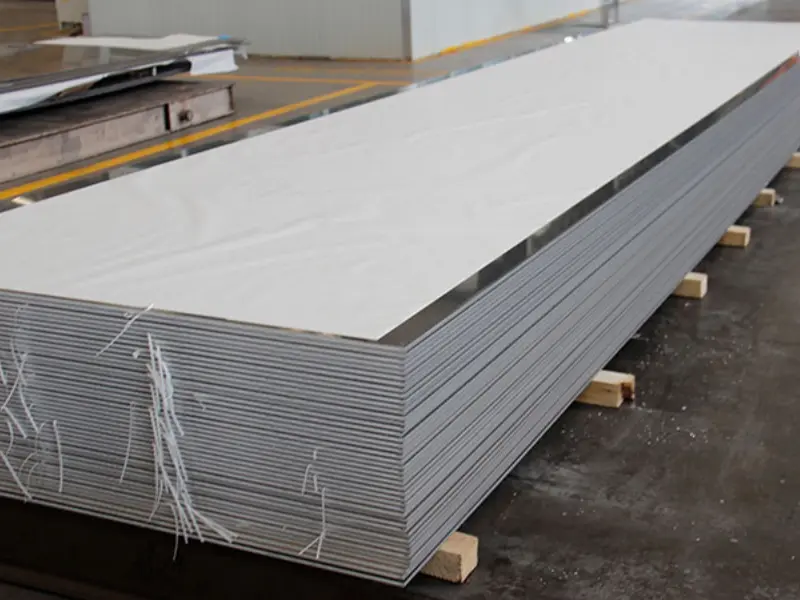
What Sign Shops Look For
Sign makers love 0.040 and 0.063 inch 5052 H32. It is stiff enough for large faces but still routable. Painted white on one side is standard. Some shops order brushed or mirrored finishes for premium work.
Sustainability and Recycled Content
Aluminum is 100% recyclable without quality loss. Many buyers now ask about recycled content.
Recycled Alloy Options
Some mills offer aluminum sheet made from post-consumer scrap. The alloy is the same. The performance is identical. The carbon footprint is lower. Common recycled options include 3003 and 5052 series sheet.
End-of-Life Value
Scrap aluminum sheet retains value. Even cutoffs and offcuts can be sold to recyclers. At end of project life, the metal can be melted and reused. This makes aluminum sheet a sustainable choice compared to composites or plastics that end up in landfills.
| Sustainability Factor | Aluminum Sheet | Steel Sheet | Plastic Panel |
|---|---|---|---|
| Recyclable | Yes, infinitely | Yes | Rarely |
| Scrap value | High | Medium | None |
| Energy to recycle | Low | Medium | High |
| Carbon footprint | Lower with recycled content | Medium | Higher |

Global Standards at a Glance
Aluminum sheet is produced to different standards around the world. If you import or export, these numbers matter.
| Standard | Region | Focus | Common Grades Listed |
|---|---|---|---|
| ASTM B209 | USA | Mechanical and chemical specs | 3003, 5052, 6061 |
| EN 485-2 | Europe | Tensile strength, tolerances | EN AW-1050, EN AW-3003 |
| GB/T 3880 | China | Thickness, width, flatness | 1050, 3003, 5052 |
| JIS H4000 | Japan | Sheet and plate quality | A1050P, A3003P, A5052P |
| AMS 4006 | Aerospace | Strict alloy control | 6061-T6 sheet |
Most commercial construction in North America references ASTM B209. European projects use EN 485. Always confirm which standard your engineer specified before you buy.
Size and Thickness: A Quick Reference
When you browse aluminum sheets for sale, you need to know what sizes are standard. Custom cutting is available, but standard sizes ship faster and cost less.
| Standard Width | Standard Length | Common Thicknesses | Typical Application |
|---|---|---|---|
| 36 inches | 96 inches | 0.032–0.063 | Small panels, backsplashes |
| 48 inches | 96 inches | 0.032–0.125 | General fabrication |
| 48 inches | 120 inches | 0.032–0.125 | Roofing, long trim |
| 48 inches | 144 inches | 0.040–0.125 | Commercial walls, large panels |
| 60 inches | 120 inches | 0.063–0.250 | Heavy industrial, wide covers |
The 48 by 120 inch size is the most popular for general construction. It fits brake machines and roll formers with minimal waste.
Price Factors: What Moves the Cost
The price of aluminum sheet metal changes based on several variables. Understanding them helps you budget and compare quotes.
Alloy Impact
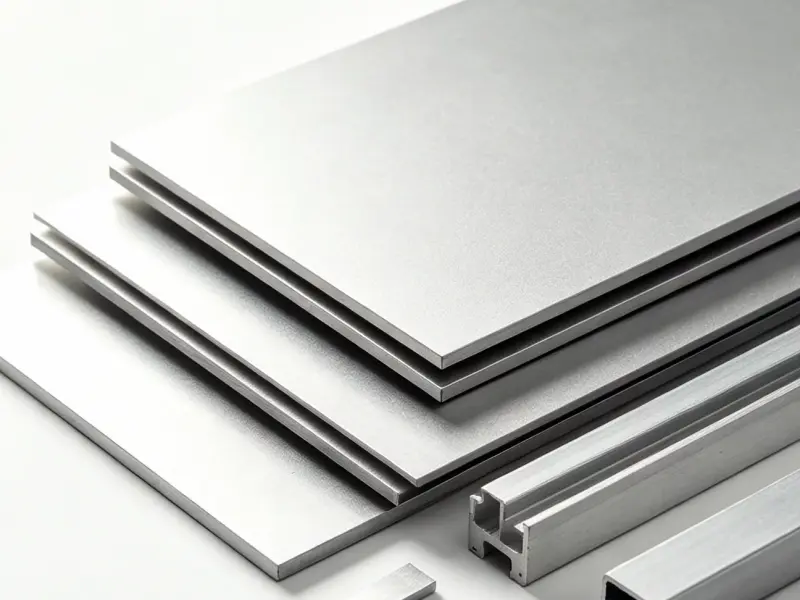
Pure aluminum costs less than alloyed grades. A sheet of 1050 or 1100 is cheaper than the same size in 5052 or 6061. High-strength alloys also require more energy to produce, which adds to the price.
Finish Premium
Mill finish is the baseline. Adding paint, anodizing, or embossing raises the cost. PVDF paint costs more than PE paint. Anodizing adds 20 to 40 percent over mill finish.
Quantity Breaks
Buying one or two sheets costs more per pound than buying a full pallet. Most suppliers offer price breaks at 500 pounds, 1,000 pounds, and full truckload quantities.
Ready-to-Ship vs Made-to-Order
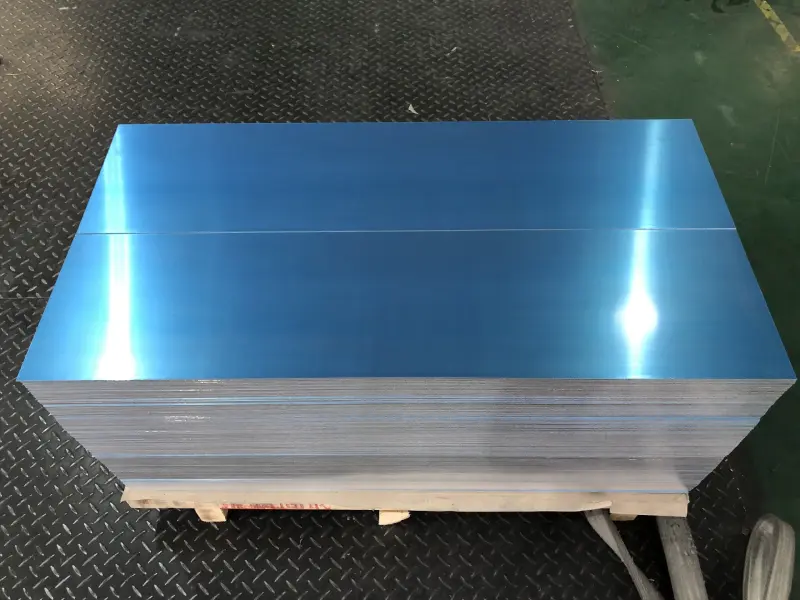
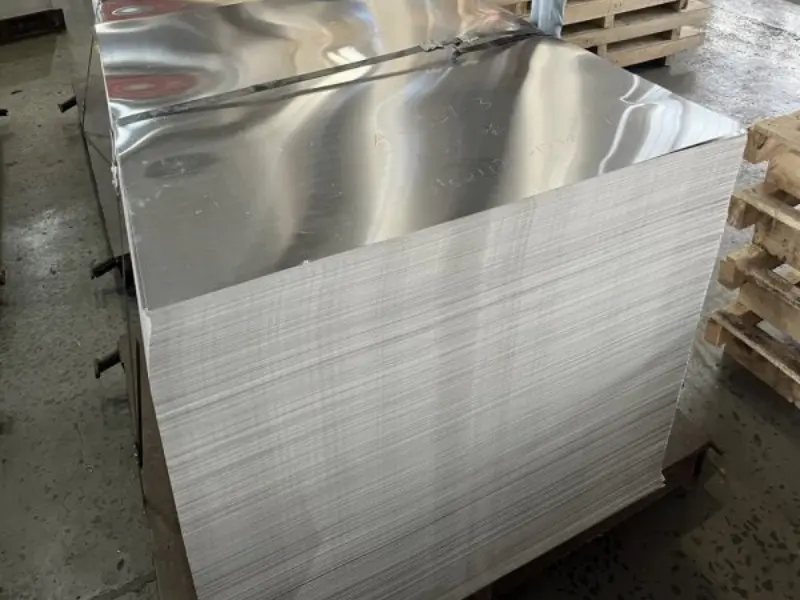
Not every aluminum sheet for sale sits on a shelf. Knowing the difference saves time.
| Feature | Ready-to-Ship Stock | Made-to-Order |
|---|---|---|
| Lead time | Same day to 3 days | 1 to 6 weeks |
| Alloy choices | Common grades only | Any mill-available grade |
| Sizes | Standard dimensions | Custom lengths and widths |
| Colors | Stock colors | Custom RAL match |
| Minimum order | One sheet | Often 1,000 lbs or more |
| Price per lb | Lower | Higher due to setup costs |
If your job uses 3003 H14 in a standard size, buy from stock. If you need 5052 H32 in a custom width with a special color, plan for a longer lead time.
Value-Added Services Buyers Ask For
Modern metal suppliers do more than just drop sheets on a dock. These services can save you hours in the shop.
Shearing and Cutting

Guillotine shears cut sheets to exact lengths and widths. CNC saws handle thicker plate. Tolerance is usually plus or minus 1/16 inch. Some shops offer waterjet or laser cutting for complex shapes.
CNC Routing
A router with carbide bits cuts holes, slots, and profiles in sheet aluminum. This is faster and cleaner than drilling and jig sawing. Sign shops and machine builders use this service often.
Brake Forming
A press brake bends sheets into angles, channels, and boxes. If you need 500 identical brackets, it is cheaper to have the supplier form them than to bend them by hand.
Protective Filming
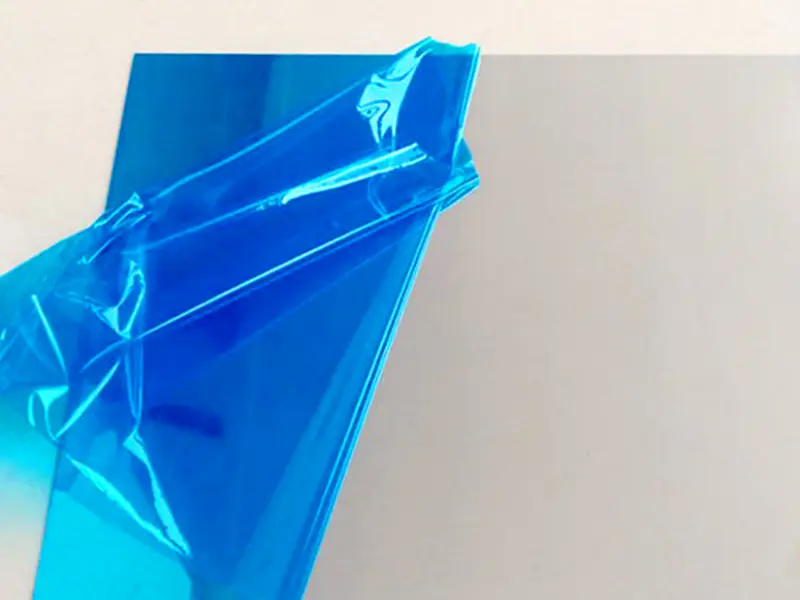
A plastic film is applied to one or both sides before shipping. It prevents scratches during transit and handling. You peel it off just before installation or painting.
| Service | What It Does | Typical Cost | Best For |
|---|---|---|---|
| Shearing | Cuts sheet to size | Low per cut | Standard sizes, quick turnaround |
| CNC routing | Holes and profiles | Medium per part | Complex shapes, sign blanks |
| Brake forming | Bends and folds | Medium per bend | Brackets, trim, channels |
| Protective film | Scratch protection | Low per sheet | Painted or polished surfaces |
Packaging and Delivery Options
How your aluminum sheets for sale arrive matters. Poor packaging leads to scratched metal and bent corners.
Standard Pallet Packs

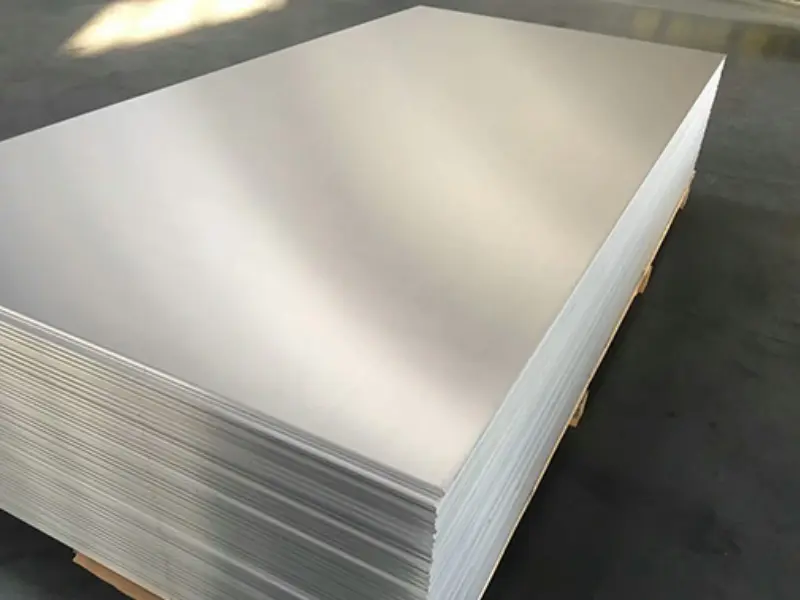
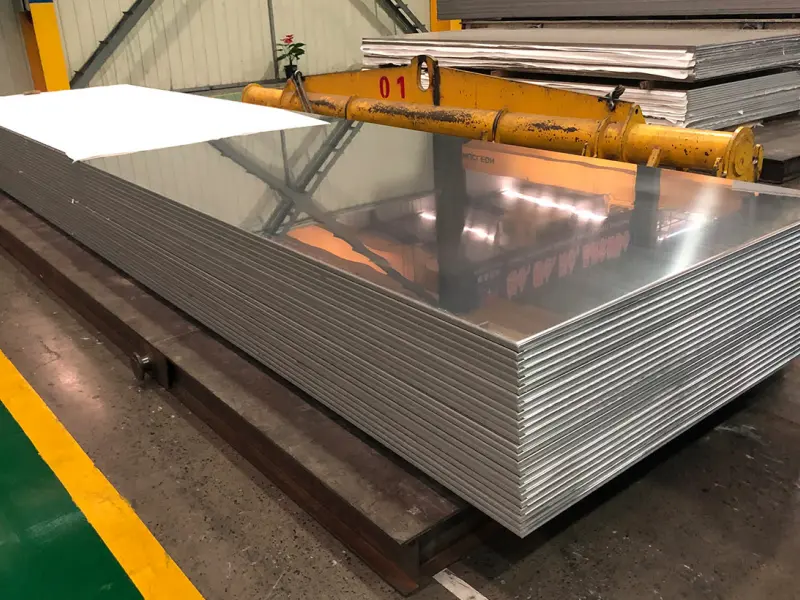
Sheets are stacked on a wooden pallet and banded with steel straps. Paper interleaving between sheets prevents surface rubbing. This works for local delivery and shop-to-shop shipping.
Export Crating
For ocean or long-haul truck shipping, sheets go into wooden crates. The crate walls protect edges from impacts. Moisture barriers keep condensation off the metal. This costs more but reduces damage claims.
LTL vs Full Truckload
LTL means less than truckload. Your sheets share space with other freight. It is economical for one to ten pallets. Full truckload (FTL) dedicates the entire trailer to your order. It is faster and has less handling risk.
| Delivery Method | Pallet Count | Transit Time | Risk Level |
|---|---|---|---|
| Local pickup | Any | Same day | Low |
| LTL freight | 1–10 pallets | 2–5 days | Medium |
| FTL freight | 10–24 pallets | 1–3 days | Low |
| Export container | 10–20 pallets | 2–8 weeks | Medium |
Quality Checks Before Shipping
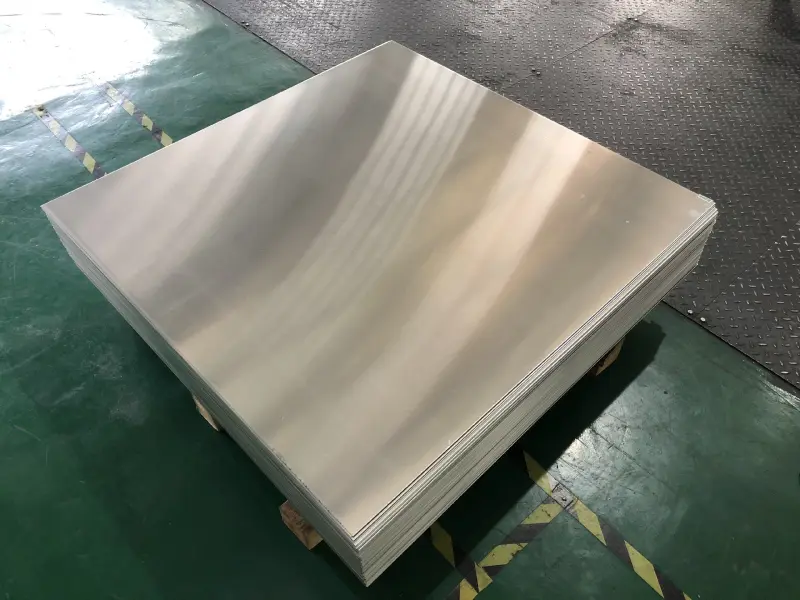
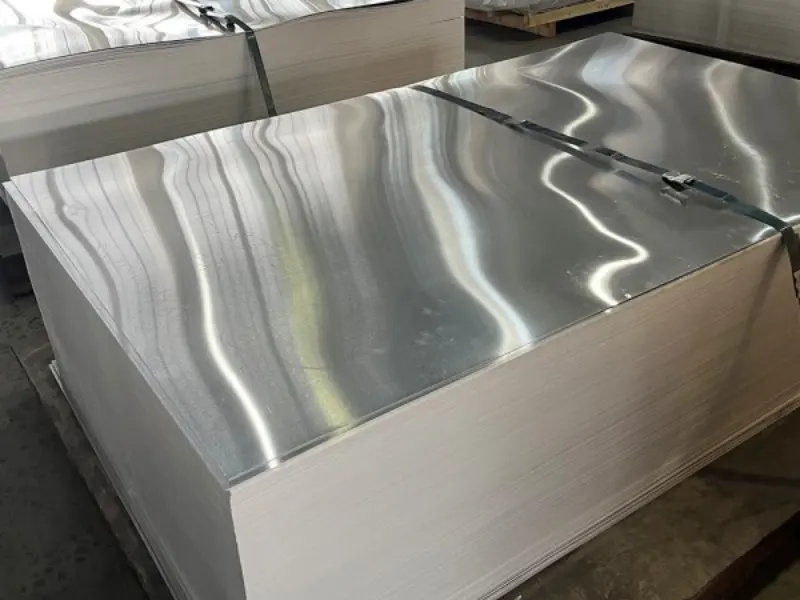
Good suppliers inspect metal before it leaves the warehouse. Here is what they check.
| Check | Method | Pass Standard |
|---|---|---|
| Thickness | Micrometer | Within ±0.003 inches |
| Flatness | Visual on flat table | No rocking or bowing |
| Surface | Visual under light | No scratches, stains, or oil |
| Edge | Caliper and visual | Clean cut, no burrs |
| Alloy | Mill test certificate | Matches order spec |
Always request a mill test certificate if your project requires traceability. This document proves the alloy and temper match your order.
Seasonal Demand and Lead Times
Aluminum sheet prices and availability move with the calendar.
Spring and summer are peak construction months. Demand for painted roofing and cladding sheets spikes. Lead times stretch from one week to four weeks. Prices often rise slightly due to mill capacity.
Fall sees steady demand from sign shops preparing for holiday retail. Stock levels are usually good.
Winter is the slowest season for construction. Mills may reduce output. However, this is the best time to place custom orders. Lead times shrink and negotiation room opens up.
| Season | Demand Level | Lead Time for Stock | Lead Time for Custom |
|---|---|---|---|
| Spring | High | 1–2 weeks | 4–6 weeks |
| Summer | Very high | 2–3 weeks | 6–8 weeks |
| Fall | Medium | 1 week | 3–4 weeks |
| Winter | Low | Same day to 1 week | 2–4 weeks |
If your project timeline is flexible, order custom colors and sizes in late fall or winter. You will get better pricing and faster turnaround than in May or June.
What Marine Buyers Specify
Boat builders and dock contractors need 5052 H32 or 5083 H321. These alloys resist saltwater corrosion. They usually order mill finish and apply their own coatings. Thickness starts at 0.125 inches for hull patches and goes up from there.
| Industry | Common Alloy | Common Temper | Typical Thickness | Key Need |
|---|---|---|---|---|
| Roofing | 3003 | H14, H24 | 0.032–0.050 | Painted, long sheets |
| Manufacturing | 5052, 6061 | H32, T6 | 0.040–0.125 | Flatness, film protection |
| Signage | 5052 | H32 | 0.040–0.063 | Paint adhesion, routability |
| Marine | 5052, 5083 | H32, H321 | 0.125–0.250 | Salt resistance, weldability |
Industry Buying Guides
Different buyers look for different specs. Here is what typical industries order.
What Contractors Order
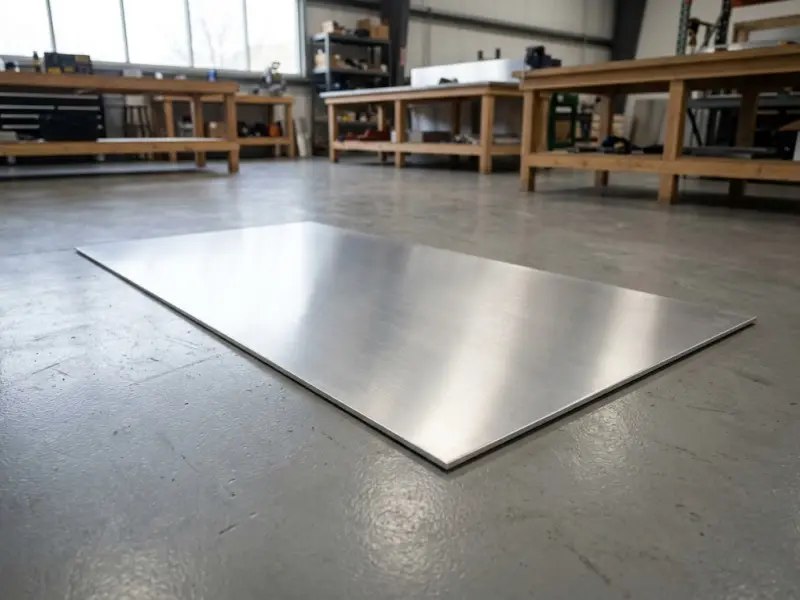
Roofers and siding crews buy 3003 H14 in 0.032 and 0.040 inches. They want 4 by 10 foot sheets or coil stock. Painted white or dark bronze are the top colors. They also order brake-formed trim pieces to match.
What Manufacturers Need
Appliance makers and machine builders often buy 5052 H32 or 6061 T6. They need flat sheets with tight tolerances. Protective film is a must. They may also order cut blanks to feed stamping presses.
Frequently Asked Questions

What is the minimum order for aluminum sheets?
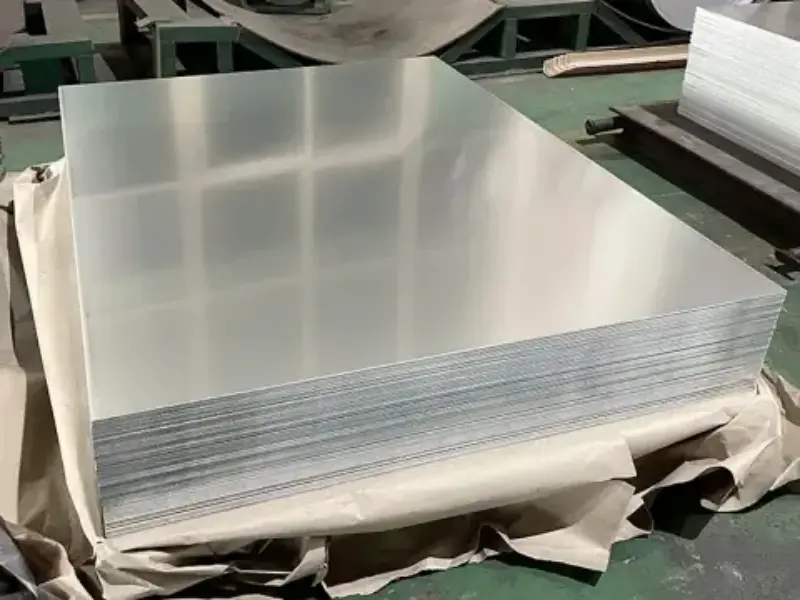
Most suppliers sell starting at one sheet. However, the price per pound drops sharply at pallet quantities. A typical pallet holds 40 to 60 sheets of 4 by 10 foot size.
How fast can you ship stock sheets?
Standard sizes in common alloys ship within one to three business days. Painted stock may take three to five days. Custom-cut orders add one to two days depending on queue length.
Do you cut to size?
Yes. Shearing, sawing, and CNC routing are standard services. Tolerance is usually plus or minus 1/16 inch. For tighter tolerance, ask about laser or waterjet cutting.
Is there a price break for bulk orders?
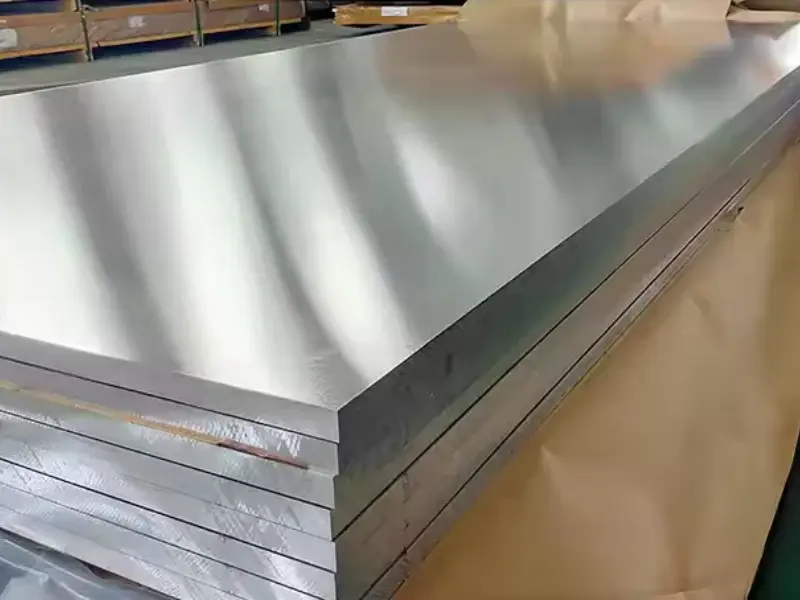
Yes. Price breaks typically happen at 500 pounds, 2,000 pounds, and full truckload quantities. Some mills also offer annual contract pricing for repeat buyers.
What is the difference between sheet and plate?
Sheet is 0.249 inches thick or less. Plate is 0.250 inches and thicker. The terms are not interchangeable in engineering specs. If your drawing calls for plate, do not substitute sheet.
Can I return unused sheets?
Most suppliers accept returns of full, undamaged sheets within 30 days. Cut sheets, painted custom colors, and special-order alloys are usually non-returnable. Always confirm the return policy before ordering.
Do you offer material certificates?
Yes. Mill test certificates are available for most stock and all custom orders. They verify alloy, temper, tensile strength, and chemical composition. There may be a small fee for archived certificates on older stock.
What payment terms are available?
Small orders typically require payment by credit card or wire transfer in advance. Established commercial accounts may qualify for net-30 terms. Large project orders sometimes use progress payments or letters of credit.
How do I store aluminum sheets after delivery?
Store sheets flat on a dry floor or rack. Do not lean them against a wall at an angle. They can bow and take a permanent set. Keep mill finish sheets away from wet concrete. The alkaline moisture can etch the surface. Leave protective film on painted sheets until installation.
Can I get samples before buying a large quantity?
Yes. Most suppliers offer sample pieces measuring 4 by 4 inches or 6 by 6 inches. Some charge a small fee plus shipping. Others send samples free to qualified commercial buyers. Samples let you test bendability, surface quality, and paint adhesion before committing to a full order.

Q: Do you offer custom cutting?
A: Yes, we provide precise custom cutting services
Q: What payment methods do you accept?
A: Credit cards, PayPal, and wire transfers
Q: How soon can I get my order?
A: Most orders ship within 1-2 business days
Q: Do you provide material certifications?
A: Yes, mill test certificates included with all orders
Q: What’s your return policy?
A: 30-day return policy for unused material