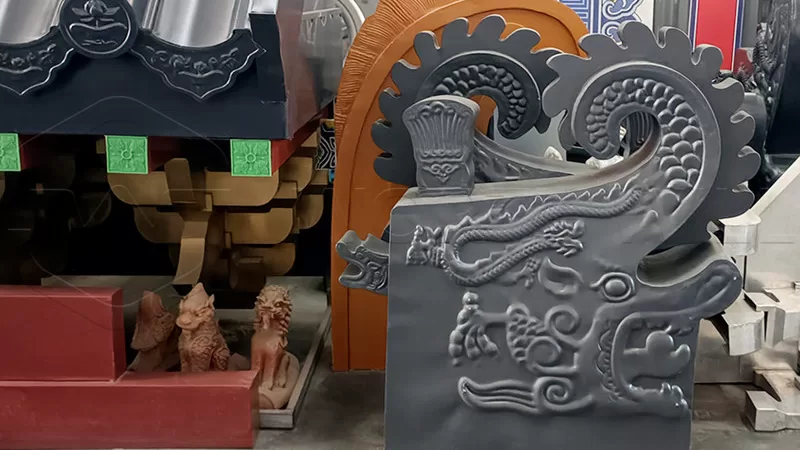
Preserving the historic charm and architectural integrity of antique buildings such as museums and temples is a delicate task. Choosing the right materials for restoration or renovation can make all the difference. Aluminum antique tiles offer an exceptional blend of traditional aesthetics and modern durability, making them an ideal choice for such projects.
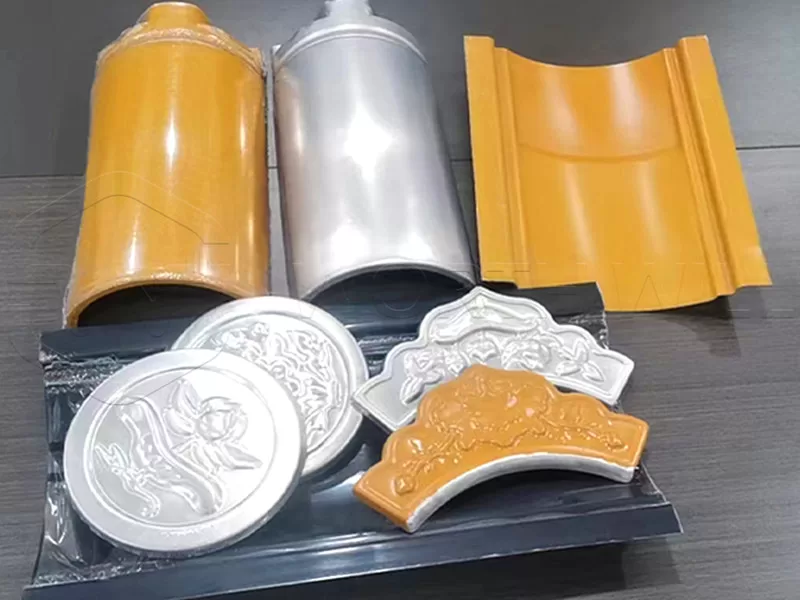
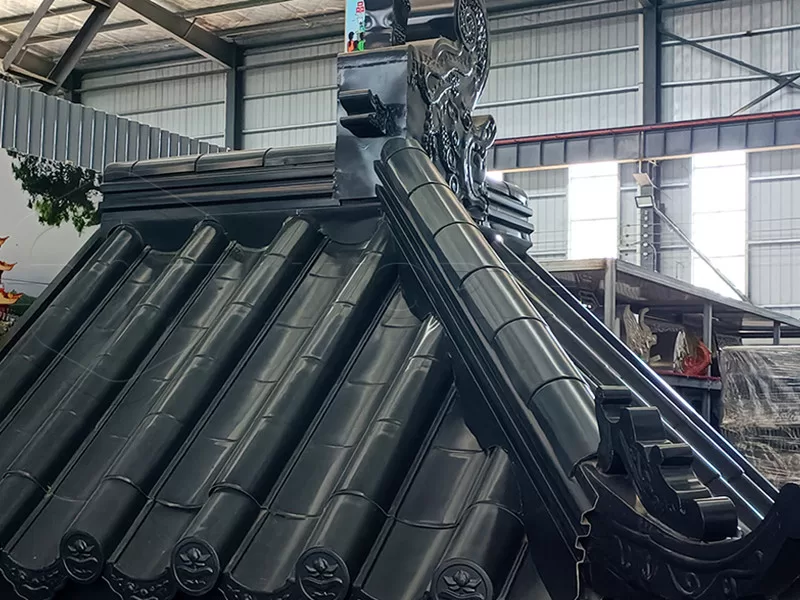
Traditional Appearance with Modern Aluminum Performance
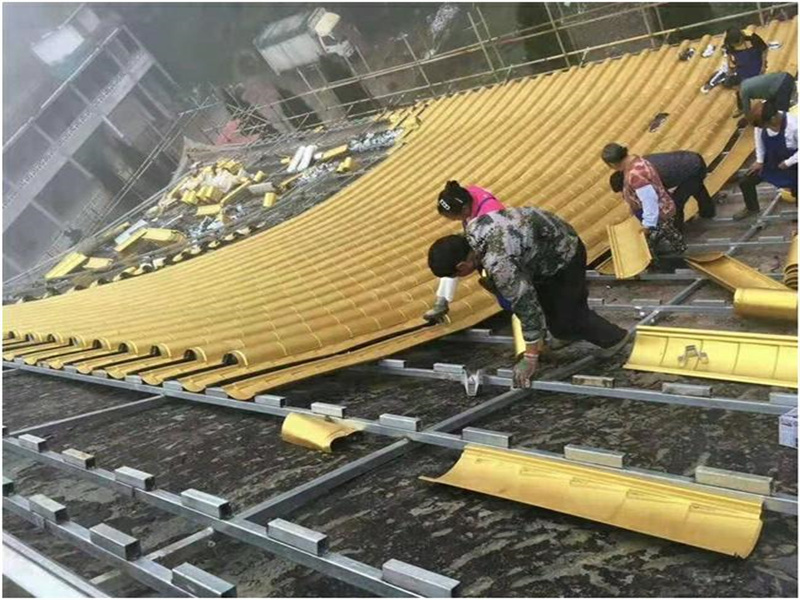
Aluminum antique tile is a special decorative roofing and wall material designed to combine traditional beauty with modern performance. It is widely used in museums, temples, historical buildings, cultural centers, and premium architectural projects.
Many traditional buildings require a classic appearance but also need modern protection against rain, wind, corrosion, and temperature changes. Aluminum antique tile provides a practical solution.
Compared with traditional clay tiles or stone materials, aluminum tiles are lighter, stronger, and easier to install.
Why Aluminum Antique Tile Is Used in Historical Architecture
Traditional buildings often have strict design requirements.
They need:
- Classic appearance
- Long service life
- Weather resistance
- Lightweight structure
- Easy maintenance
- Custom decorative patterns
Aluminum antique tile can reproduce traditional roof styles while reducing the structural load of buildings.
Aluminum Antique Tile for Museums and Cultural Buildings
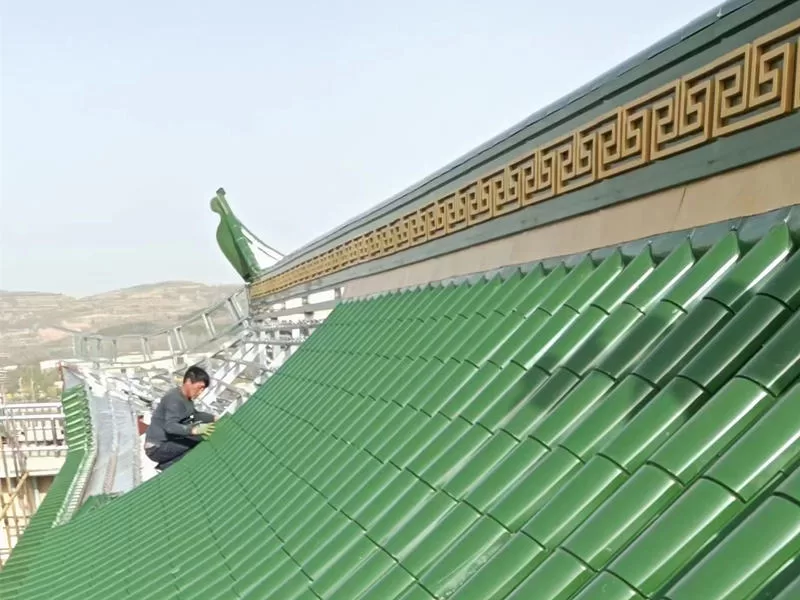
Museums require materials that protect architecture while maintaining historical atmosphere.
Aluminum antique tiles are commonly used for:
- Museum roofs
- Cultural exhibition halls
- Heritage renovation projects
- Traditional architecture restoration
- Outdoor decorative structures
The aluminum surface can be finished with antique colors and textures to match different architectural styles.
Benefits for Museum Projects
| Requirement | Aluminum Antique Tile Solution |
|---|---|
| Historical appearance | Custom antique finishes |
| Long service life | Aluminum corrosion resistance |
| Roof weight control | Lightweight material |
| Maintenance | Easy cleaning |
| Weather protection | Excellent outdoor performance |
Aluminum Tiles for Temples and Religious Buildings
Temples often use traditional roof designs with curved shapes and decorative details.
Aluminum antique tile is suitable for:
- Buddhist temples
- Taoist temples
- Cultural landmarks
- Memorial buildings
- Traditional gardens
The material can imitate:
- Copper roof appearance
- Bronze aging effect
- Traditional ceramic tile style
- Ancient architectural colors
Why Temples Choose Aluminum Antique Roofing Tiles
Traditional materials may have some limitations.
| Material | Common Problem |
|---|---|
| Clay Tile | Heavy and fragile |
| Stone Tile | High installation cost |
| Copper Tile | Expensive |
| Aluminum Tile | Lightweight and durable |
Aluminum provides a balance between appearance and performance.
What Is Aluminum Antique Tile?
Aluminum antique tile is made from aluminum sheets or aluminum alloy panels that are processed into decorative roofing shapes.
The surface is usually treated with:
- Powder coating
- PVDF coating
- Wood grain coating
- Antique color coating
- Special texture finishing
These treatments create a traditional appearance while protecting the aluminum surface.
Common Aluminum Alloys for Antique Tiles
The alloy affects strength, forming ability, and corrosion resistance.
| Alloy | Characteristics | Application |
|---|---|---|
| 3003 Aluminum | Good forming ability | Decorative roof tiles |
| 5005 Aluminum | Excellent surface quality | Architectural projects |
| 5052 Aluminum | Higher strength | Outdoor structures |
| 6061 Aluminum | Strong structure | Special applications |
3003 Aluminum Antique Tile
3003 aluminum is widely used because it provides:
- Good corrosion resistance
- Easy forming
- Stable performance
- Cost efficiency
It is suitable for general museum and temple roofing projects.
5052 Aluminum Antique Tile
5052 aluminum offers higher strength.
Recommended for:
- Coastal areas
- Large roofs
- Windy regions
- Long-term outdoor applications
Aluminum Antique Tile Specifications
Different projects require different sizes and thicknesses.
Thickness Options
| Thickness | Application |
|---|---|
| 0.6 mm | Decorative structures |
| 0.8 mm | Standard roofing |
| 1.0 mm | Commercial buildings |
| 1.2 mm | Heavy-duty projects |
| 1.5 mm | Large architectural roofs |
Standard Size Examples
| Product Size | Usage |
|---|---|
| 300×300 mm | Small decorative areas |
| 400×400 mm | Traditional roofs |
| 500×500 mm | Large roof systems |
| Custom size | Special architecture |
Surface Finishes for Antique Aluminum Tiles
The surface appearance is very important for historical buildings.
Antique Bronze Finish
Creates a traditional bronze appearance.
Suitable for:
- Temples
- Cultural buildings
- Memorial structures
Copper Color Finish
Provides the appearance of aged copper roofing.
Advantages:
- Lower cost than copper
- Lightweight
- Easy installation
Wood Grain Finish
Used for buildings requiring a natural style.
Applications:
- Cultural parks
- Traditional houses
- Garden buildings
Stone Texture Finish
Creates a natural architectural effect.
Aluminum Antique Tile vs Traditional Roofing Materials
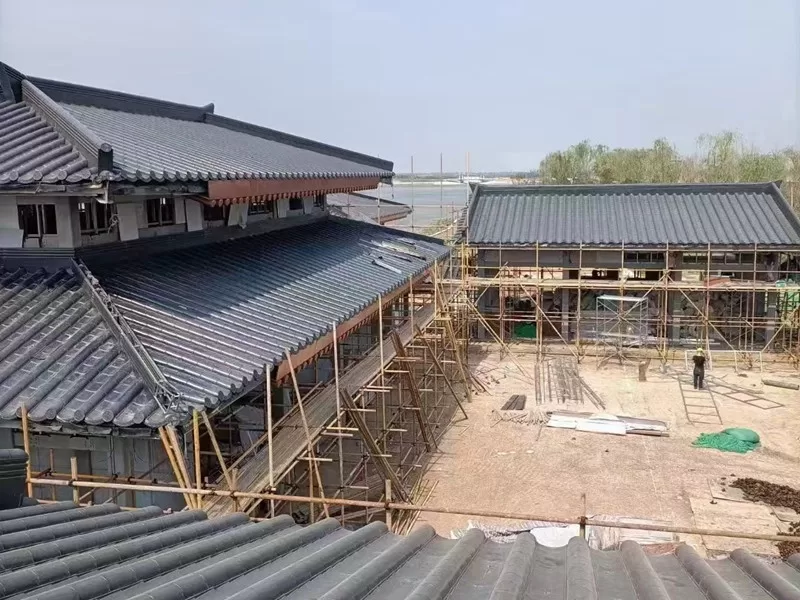
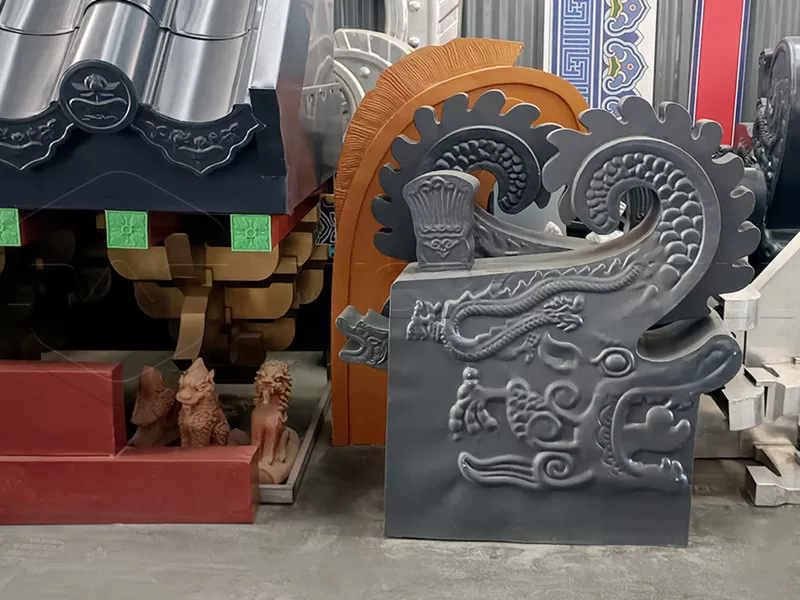
Choosing the right roofing material affects cost and maintenance.
Aluminum Tile vs Clay Tile
| Feature | Aluminum Tile | Clay Tile |
|---|---|---|
| Weight | Lightweight | Heavy |
| Installation | Easy | More difficult |
| Break Resistance | Excellent | Fragile |
| Maintenance | Low | Higher |
| Lifespan | Long | Medium |
The Aluminum Tile vs Copper Tile
| Feature | Aluminum | Copper |
|---|---|---|
| Material Cost | Lower | Higher |
| Weight | Lower | Higher |
| Corrosion Resistance | Excellent | Excellent |
| Installation | Easier | More complex |
Aluminum Tile vs Stone Tile
| Feature | Aluminum | Stone |
|---|---|---|
| Weight | Light | Heavy |
| Transportation | Easy | Expensive |
| Construction Load | Low | High |
Applications of Aluminum Antique Tile
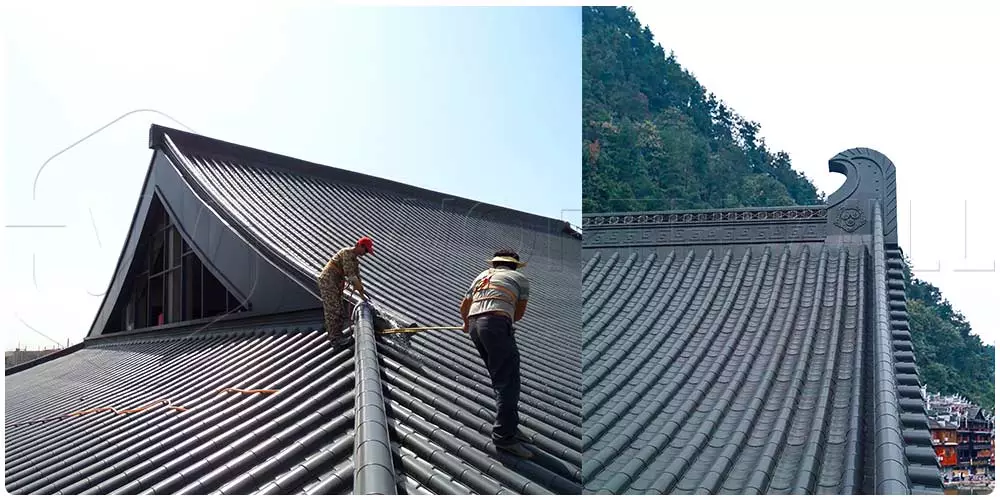
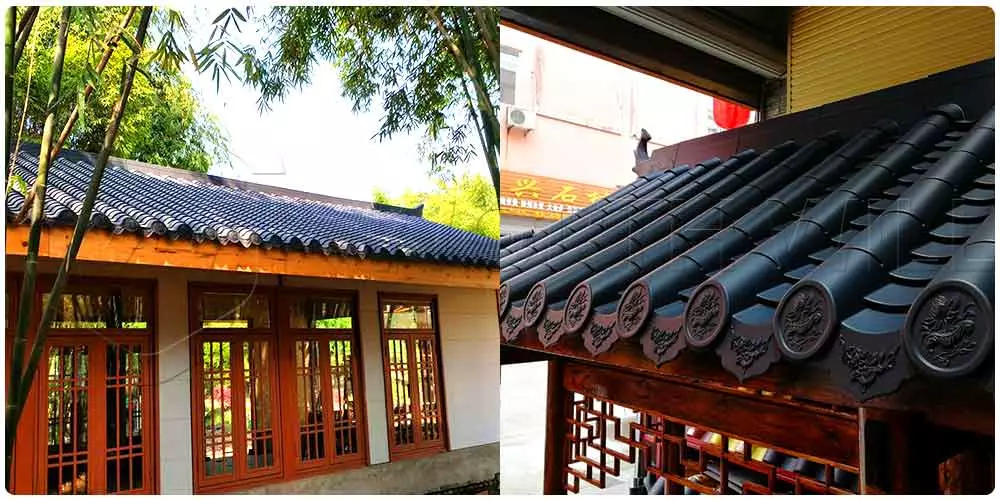
Aluminum antique tile is used in many architectural projects.
Museums
Applications:
- Main roof decoration
- Entrance structures
- Exhibition buildings
- Historical restoration
Temples
Applications:
- Temple roofs
- Pagodas
- Decorative walls
- Gate structures
Cultural Tourism Projects
Applications:
- Ancient towns
- Theme parks
- Cultural streets
- Traditional villages
Residential Architecture
Applications:
- Villas
- Garden houses
- Traditional-style homes
Commercial Buildings
Applications:
- Hotels
- Resorts
- Restaurants
- Shopping areas
Installation Methods for Aluminum Antique Roofing Tiles
Proper installation improves durability.
Roof Preparation
The roof structure should be checked before installation.
Waterproof Layer Installation
A waterproof membrane is usually installed below the aluminum tiles.
Aluminum Tile Fixing
Tiles are fixed using:
- Screws
- Clips
- Aluminum frames
- Hidden fixing systems
Final Inspection
Check:
- Alignment
- Waterproof performance
- Surface condition
Advantages of Aluminum Antique Tile
Lightweight Structure
Aluminum reduces building load.
This is important for:
- Old buildings
- Renovation projects
- Large cultural structures
Excellent Corrosion Resistance
Aluminum naturally forms an oxide layer that protects the surface.
Custom Design Ability
Manufacturers can customize:
- Shape
- Size
- Color
- Surface texture
Long Service Life
With proper coating, aluminum antique tile can maintain appearance for many years.
Factors Affecting Aluminum Antique Tile Price
The final price depends on several factors.
| Factor | Effect |
|---|---|
| Aluminum alloy | Medium |
| Thickness | High |
| Surface coating | High |
| Custom design | Medium |
| Order quantity | High |
| Installation method | Medium |
Large architectural projects usually require customized solutions.
How to Choose Aluminum Antique Tile for Your Project
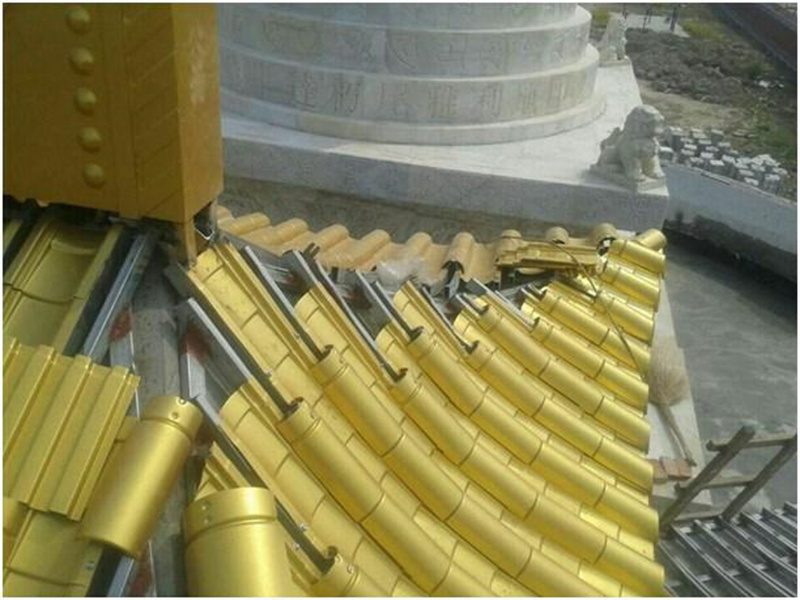
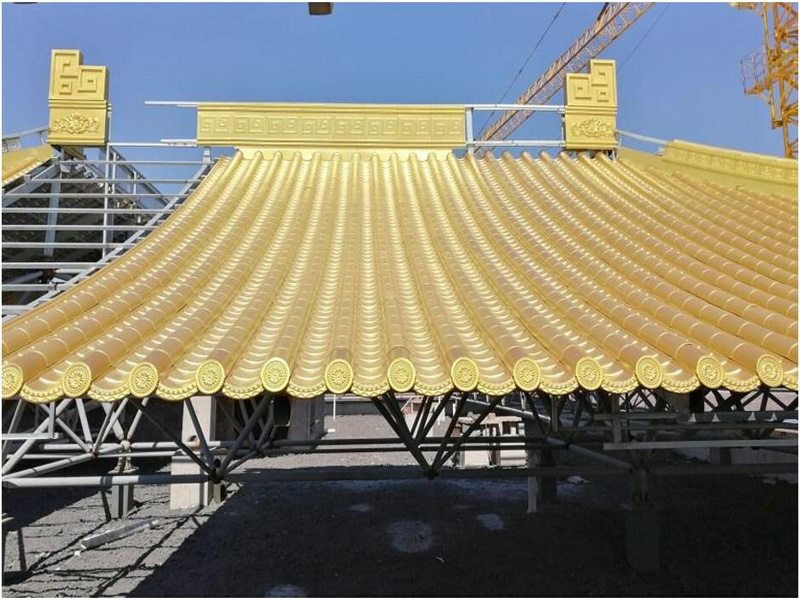
Before purchasing, consider:
- Building style
- Local climate
- Roof structure
- Required appearance
- Budget
- Maintenance requirements
Recommended Choices
| Project | Recommended Material |
|---|---|
| Museum restoration | 3003/5005 aluminum |
| Temple roof | Antique bronze aluminum |
| Coastal buildings | 5052 aluminum |
| Luxury architecture | Custom PVDF aluminum |
Why Choose Aluminum Antique Tiles?
1. Authentic Aesthetic Appeal: Aluminum antique tiles are designed to replicate the intricate designs and textures of traditional tiles, maintaining the authentic look and feel of historic buildings. They capture the essence of antiquity, ensuring that the architectural heritage is preserved.
2. Durability: Unlike traditional materials, aluminum is highly durable and resistant to wear and tear. It can withstand harsh weather conditions, making it suitable for both indoor and outdoor applications in antique buildings.
3. Lightweight: Aluminum tiles are significantly lighter than traditional stone or ceramic tiles, reducing the structural load on buildings. This makes installation easier and safer, especially in older structures that may have weight limitations.
4. Corrosion Resistance: Aluminum naturally resists corrosion, ensuring that the tiles remain in pristine condition for many years. This is particularly important for temples and museums exposed to varying environmental conditions.
5. Low Maintenance: Aluminum antique tiles require minimal maintenance compared to traditional materials. They are easy to clean and do not require regular sealing or treatments, saving time and effort.
6. Versatility: Available in various designs, finishes, and sizes, aluminum antique tiles can be customized to match the specific requirements of any project. Whether it’s a museum, temple, or other historic building, these tiles can enhance the aesthetic appeal without compromising the original design.
Applications in Museums and Temples
1. Interior Wall Cladding: Aluminum antique tiles can be used for interior wall cladding to create stunning feature walls that reflect the historical significance of the space. They add depth and texture, enhancing the visual appeal of exhibits and sacred areas.
2. Exterior Facades: Using aluminum antique tiles for exterior facades preserves the historical look of the building while providing modern protection against the elements. They maintain their appearance over time, ensuring the building remains a landmark.
3. Decorative Ceilings: In temples and museums, decorative ceilings are a key architectural feature. Aluminum antique tiles can be used to replicate traditional ceiling designs, adding elegance and historical authenticity.
4. Flooring: For areas with high foot traffic, such as museum galleries or temple corridors, aluminum antique tiles offer a durable and attractive flooring solution. They withstand wear and tear while maintaining their aesthetic appeal.
5. Restoration Projects: For restoration projects, aluminum antique tiles are ideal for replicating original designs. They allow for accurate restoration while providing modern benefits such as durability and low maintenance.
Why Partner with WORTHWILL ALUMINUM?
At WORTHWILL ALUMINUM, we understand the importance of preserving the historical and cultural significance of antique buildings. Our aluminum antique tiles are crafted with precision to replicate traditional designs while offering modern advantages. We provide:
- High-Quality Materials: Our tiles meet the highest standards of quality and durability.
- Customization: We offer a wide range of designs, finishes, and sizes to match your project’s specific requirements.
- Expertise: With years of experience, we provide expert advice and support for your restoration or renovation projects.
- Sustainability: Our products are environmentally friendly, supporting sustainable building practices.
FAQ
What is aluminum antique tile?
Aluminum antique tile is a decorative aluminum roofing material designed to create traditional architectural styles while providing modern durability.
Why are aluminum tiles used in museums?
Aluminum tiles provide historical appearance, lightweight structure, and long-term weather resistance, making them suitable for museum buildings.
Are aluminum antique tiles suitable for temples?
Yes. They have wide applications for temples, pagodas, and traditional cultural buildings because they can imitate classic roofing styles.
How long can aluminum antique tiles last?
With proper coating and installation, aluminum antique tiles can provide decades of service.
Is aluminum tile better than clay tile?
For many projects, aluminum tile offers advantages in weight, durability, and maintenance.
What aluminum alloy is used for antique tiles?
3003, 5005, and 5052 aluminum alloys are commonly used.
Can aluminum antique tiles be customized?
Yes. Size, color, shape, and surface finish can be customized.
Are aluminum antique tiles waterproof?
Yes. When installed correctly with waterproof layers, they provide excellent weather protection.
Can aluminum tiles be used in coastal areas?
Yes. 5052 aluminum with suitable coating is recommended for coastal environments.
What coating is best for outdoor antique tiles?
PVDF coating is often recommended because of its excellent weather resistance.