
Aluminium sheets are widely used in industries, construction, transportation, and creative projects. Understanding the price of aluminium sheets helps buyers plan budgets and select the right material for their needs. Prices depend on alloy type, thickness, size, and production method.
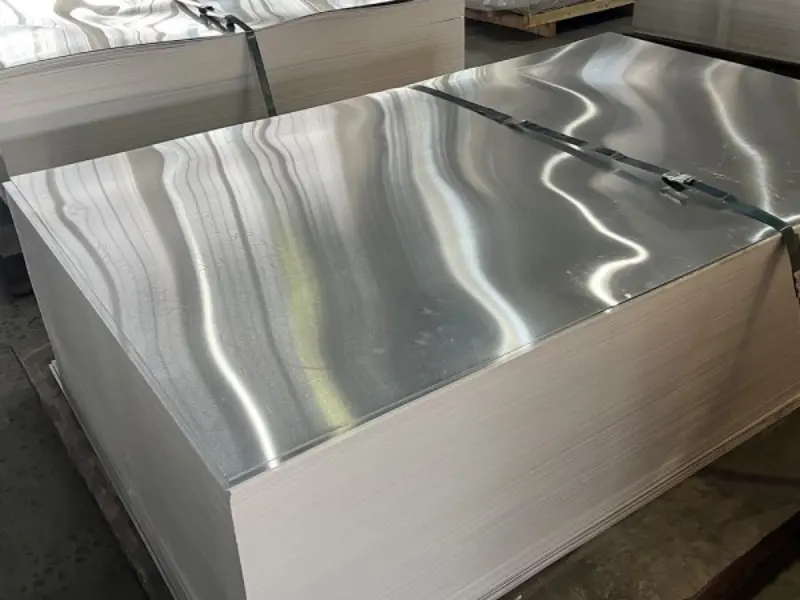
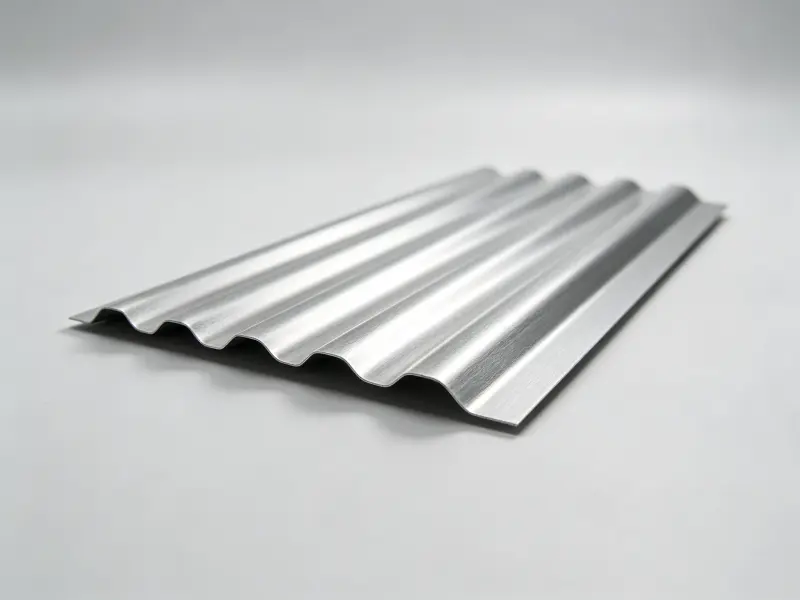
Aluminium sheets come in full size sheets, flat sheets, tread plates, honeycomb panels, and custom cut-to-size options, making them versatile for different applications.
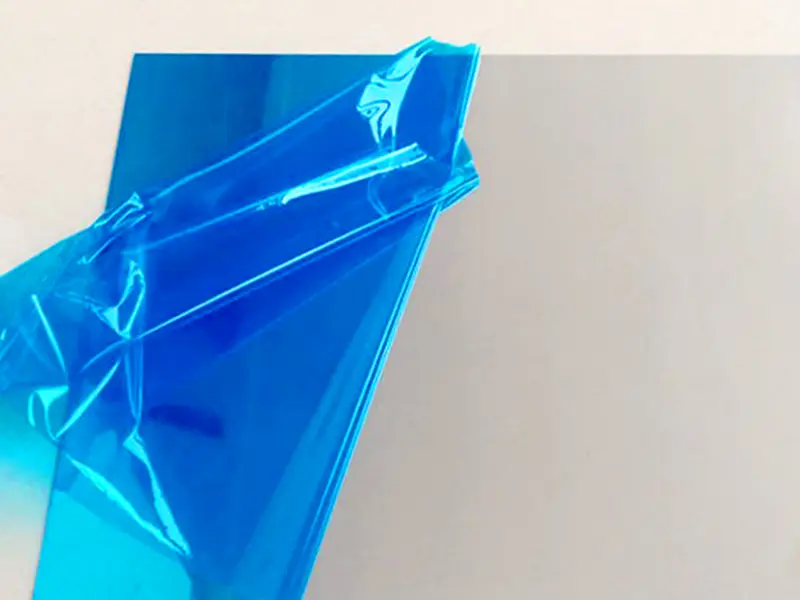
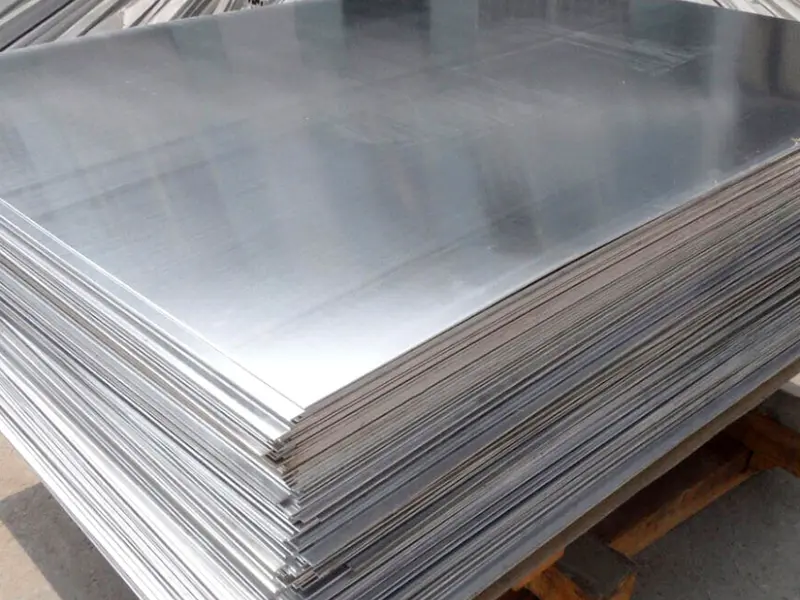
Types of Aluminium Sheets
| Type | Alloy | Size | Thickness | Features |
|---|---|---|---|---|
| Full Size Sheet | 3003, 5052 | 4×8 ft or custom | 0.5–6 mm | Smooth surface, general use |
| Flat Sheet | 6061 | Custom | 1–5 mm | High strength, structural applications |
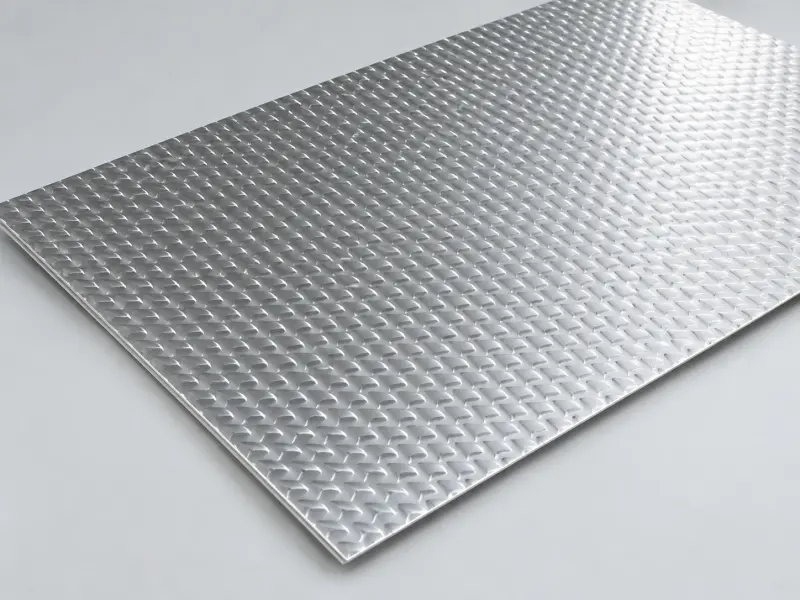
| Tread Plate | 5052 | 4×8 ft or custom | 2–6 mm | Non-slip surface for flooring or steps |
| Honeycomb Panel | 3003, 5052 | Custom | 5–20 mm | Lightweight, rigid, for aerospace & construction |
Aluminium Sheet Price Factors
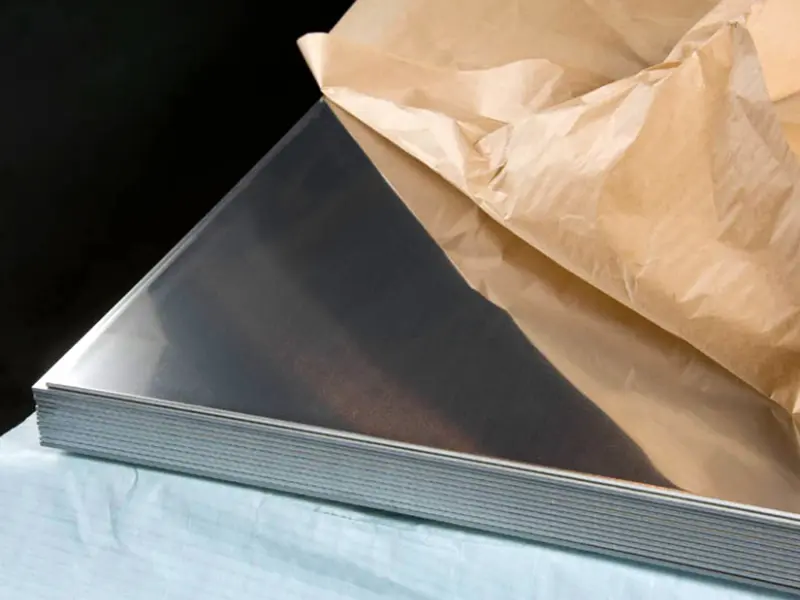
The price of aluminium sheet depends on:
Market price of aluminium per kg: Aluminium is traded per weight, so fluctuations affect sheet price.
Alloy type: 3003 and 5052 are common for general use; 6061 is stronger and more expensive.
Thickness: Thicker sheets cost more per square meter.
Size: Standard full-size sheets or custom-cut panels affect cost.
Surface type: Flat, tread, embossed, or honeycomb surfaces have different processing costs.
| Thickness | Alloy | Approximate Price per kg (USD) |
|---|---|---|
| 0.5–1 mm | 3003 | 2.5–3.0 |
| 1–2 mm | 5052 | 3.0–3.5 |
| 2–4 mm | 6061 | 3.5–4.5 |
| 4–6 mm | 5052 | 4.0–5.0 |
Note: Prices are approximate and may vary depending on quantity, supplier, and market changes.
Applications of Aluminium Sheets
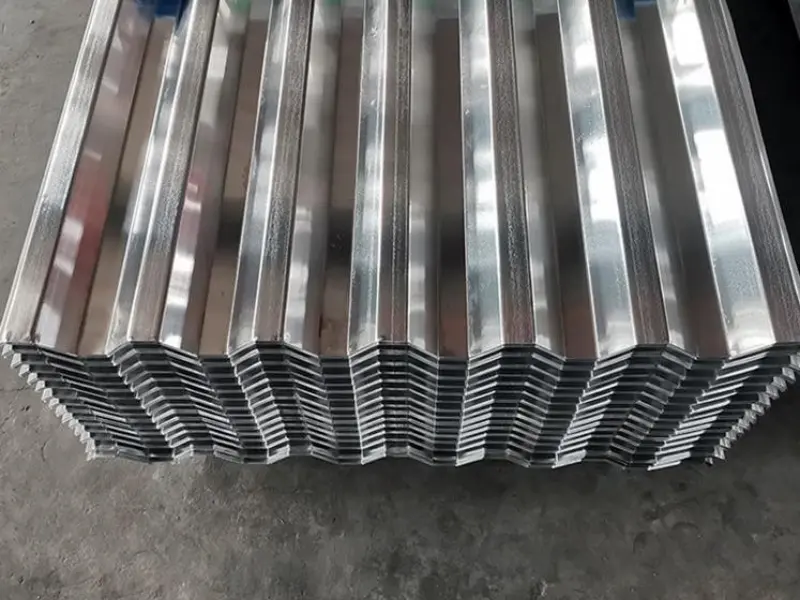
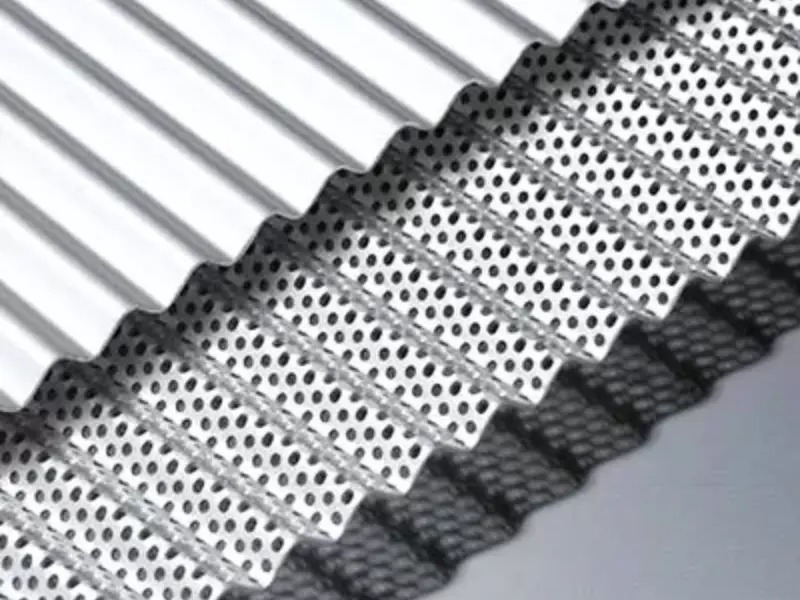
Aluminium sheets are versatile and used across industries:
- Construction & Architecture – roofing, cladding, facades
- Transportation – vehicle panels, truck beds, trailers
- Industrial Equipment – machinery covers, containers, structural components
- Decorative & Creative Projects – signage, panels, displays
- Aerospace & Marine – honeycomb panels for lightweight structures
| Application | Recommended Alloy | Thickness |
|---|---|---|
| Roofing & cladding | 3003 | 0.5–2 mm |
| Vehicle panels | 5052 | 1–4 mm |
| Flooring & tread plates | 5052 | 2–6 mm |
| Decorative panels | 3003, 6061 | 0.5–3 mm |
| Aerospace panels | 6061 | 5–20 mm |
Aluminium Full Size Sheet Prices
Standard full-size sheets are usually 4×8 feet (1220×2440 mm). Below are approximate prices:
| Thickness | Price Range (4×8 sheet) | Common Uses |
|---|---|---|
| 1mm | $80 – $120 | DIY projects, crafts |
| 2mm | $150 – $220 | Signage, roofing |
| 3mm | $200 – $300 | Automotive, marine |
| 4mm | $280 – $380 | Industrial, construction |
Note: Prices vary by supplier and location.
FAQ
What is the price of 1kg of aluminium?
It varies depending on alloy and market price. As of now, general-use 3003 aluminium costs about 2.5–3.0 USD per kg.
Is a 2mm aluminium sheet strong?
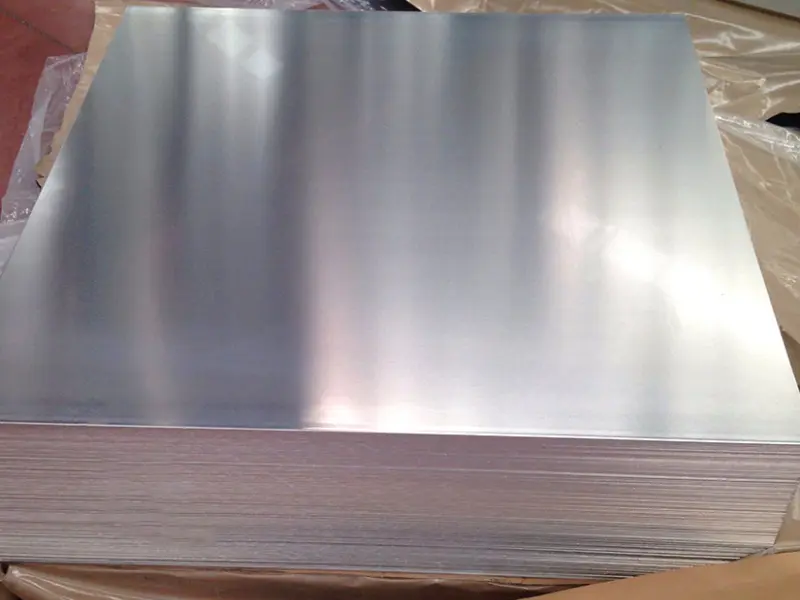
Yes, a 2mm sheet is strong enough for roofing, decorative panels, and light industrial applications, especially with 5052 or 6061 alloy.
How much does a 4×8 sheet of aluminium weigh?
Weight depends on thickness and alloy. For example, a 4×8 ft, 2mm thick 5052 sheet weighs around 24–25 kg.
What is the price of 8×4 aluminium sheet?
Prices vary by thickness and alloy. A 4×8 ft sheet of 5052, 2 mm thick may cost approximately USD 72–85 per sheet depending on supplier and market rates.
How to Choose the Right Aluminium Sheet
- Consider application needs: Choose alloy and thickness based on strength and durability requirements.
- Select size & shape: Full-size sheets for large panels or custom-cut sheets for smaller projects.
- Check surface type: Flat, tread, or honeycomb depending on functionality and aesthetic needs.
- Compare prices: Look for competitive quotes from reliable suppliers.
| Factor | Recommendation |
|---|---|
| Alloy | 3003 for general use, 5052 for corrosion resistance, 6061 for structural strength |
| Thickness | 0.5–2 mm for light applications, 2–6 mm for heavy-duty use |
| Surface | Flat for general, tread for anti-slip, honeycomb for lightweight rigidity |
Weight Calculation for Aluminium Sheets
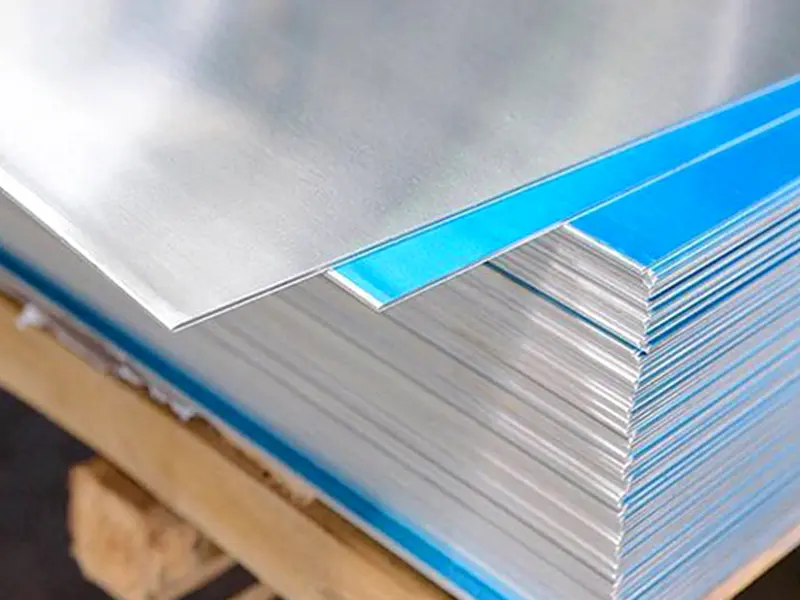
Aluminium weighs about 2.7g per cm³. Use this formula:
Weight (kg) = Length (m) × Width (m) × Thickness (mm) × 2.7
Example for 4×8 sheet (1.22m x 2.44m):
- 1mm thick: 1.22 × 2.44 × 1 × 2.7 = 8.0 kg
- 2mm thick: 1.22 × 2.44 × 2 × 2.7 = 16.0 kg
- 4mm thick: 1.22 × 2.44 × 4 × 2.7 = 32.0 kg
Money-Saving Tips
- Buy in bulk for better prices
- Choose standard sizes to avoid cutting fees
- Compare suppliers for best deals
- Consider thinner sheets if strength isn’t critical
- Check for seasonal discounts
Aluminium Sheet Price per ton
The aluminium sheet price depends on more than the basic metal cost. Alloy, temper, thickness, sheet size, surface finish, order quantity, processing, packaging, and delivery all affect the final quotation.

Buyers often search for aluminium sheet price per kg, aluminium sheet price per ton, aluminium sheet cost per square meter, or the price of a 4×8 aluminium sheet. These terms may look similar, but they can refer to very different products.
What Determines the Price of Aluminium Sheet?
There is no single price for every aluminium sheet. A supplier normally calculates the quotation from several details.
| Price factor | Why it matters |
|---|---|
| Aluminium alloy | Different alloys have different production costs |
| Temper | Heat treatment or work hardening can affect cost |
| Thickness | Thicker sheets contain more aluminium |
| Width and length | Larger sizes increase material weight |
| Surface finish | Special finishes need extra processing |
| Cutting | Custom cutting adds processing cost |
| Quantity | Larger orders may reduce unit costs |
| Packaging | Export packing can affect the final price |
| Delivery | Freight depends on weight, volume, and destination |
A simple quotation request should include alloy, temper, thickness, size, quantity, surface, and destination.
Aluminium Sheet Price Per Kg, Ton, and Square Meter
Buyers may see prices shown in different units.
Price Per Kilogram
The aluminium sheet price per kg is useful when comparing different sizes and thicknesses.
For example, two sheets may have different dimensions but the same alloy and price per kilogram. The total sheet price will still be different because the sheet weights are different.
Price Per Ton
For wholesale orders, suppliers often quote by metric ton.
A larger order can make production and packaging more efficient. However, the final price still depends on the alloy, temper, specifications, and market conditions.
Price Per Square Meter
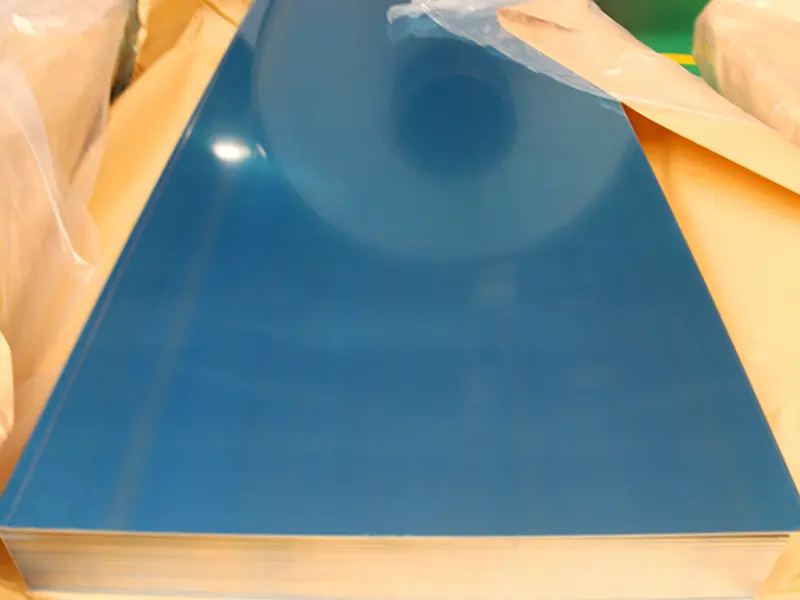
For construction and architectural projects, price per square meter can be easier to understand.
The calculation depends on:
Thickness → Weight per square meter → Material cost
A thicker sheet normally costs more per square meter because it contains more aluminium.
A Simple Aluminium Sheet Cost Formula
For a basic material estimate:
Weight = Length × Width × Thickness × Density
Aluminium has a density of about 2.70 g/cm³.
The actual commercial weight can vary slightly because of dimensional tolerances and production conditions.
For a full quotation, the supplier should calculate the actual weight based on the requested dimensions.
How Thickness Changes Aluminium Sheet Price
Thickness is one of the easiest ways to understand price differences.
| Thickness | General characteristic | Typical purchasing position |
|---|---|---|
| 0.3 mm | Very light | Decorative and light-duty work |
| 0.5 mm | Light | General fabrication |
| 0.8 mm | Medium-light | Panels and covers |
| 1.0 mm | Medium | General industrial use |
| 1.5 mm | Medium | Fabricated parts |
| 2.0 mm | Stronger | Equipment and construction |
| 3.0 mm | More rigid | Industrial applications |
| 5.0 mm | Heavy | Plate and structural work |
| 6.0 mm+ | Heavy plate | Industrial and engineering projects |
The table is only a general guide. The best thickness depends on the final application and required strength.
Why a Thicker Aluminium Sheet Costs More
The reason is simple.
More thickness → More aluminium → More weight → Higher material cost
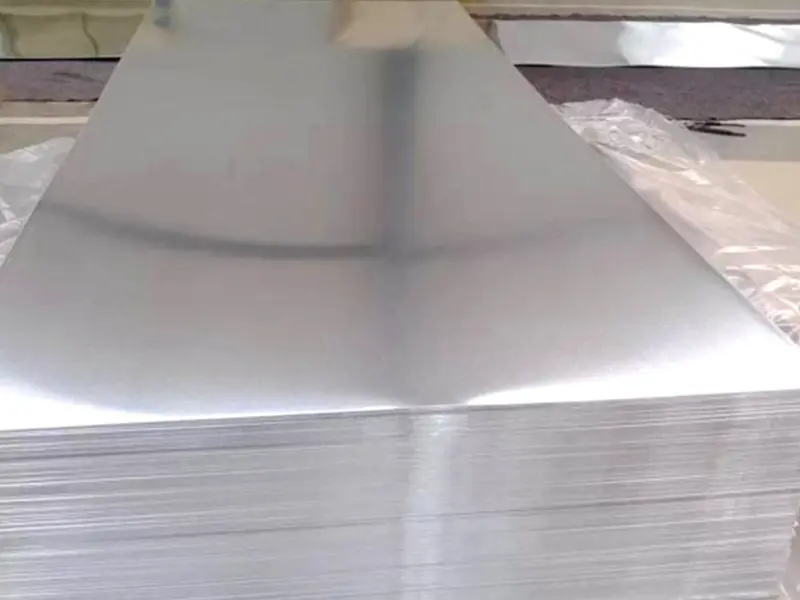
For example, when width and length remain the same, a 2 mm sheet contains roughly twice the material of a 1 mm sheet.
This does not mean buyers should always choose a thinner sheet. A sheet that is too thin may bend easily or fail to provide the required rigidity.
Aluminium Sheet Price by Alloy
Alloy selection is another important part of the quotation.
Different aluminium alloys have different chemical compositions and mechanical properties.
| Alloy | Main feature | Common position |
|---|---|---|
| 1050 | High purity and good forming | General sheets and electrical uses |
| 1060 | High purity and conductivity | Electrical and heat-related uses |
| 1100 | Good formability | General fabrication |
| 3003 | Better strength than 1xxx series | Industrial and general use |
| 3105 | Good formability and corrosion resistance | Roofing and building products |
| 5052 | Good strength and corrosion resistance | Marine and industrial work |
| 5083 | High strength | Marine and heavy-duty applications |
| 5754 | Good corrosion resistance | Transportation and industrial uses |
| 6061 | High strength and machinability | Engineering and structural parts |
The lowest price alloy is not always the best choice.
A buyer should first determine the required strength, forming ability, corrosion resistance, and working conditions.
1050 vs 1060 Aluminium Sheet Price
1050 and 1060 are both high-purity aluminium materials.
| Feature | 1050 | 1060 |
|---|---|---|
| Aluminium purity | Very high | Very high |
| Formability | Excellent | Excellent |
| Conductivity | High | High |
| Strength | Relatively low | Relatively low |
| Typical use | General and electrical | Electrical and thermal uses |
The price difference between the two can depend on market conditions, production specifications, and order quantity.
1050 vs 3003 Aluminium Sheet
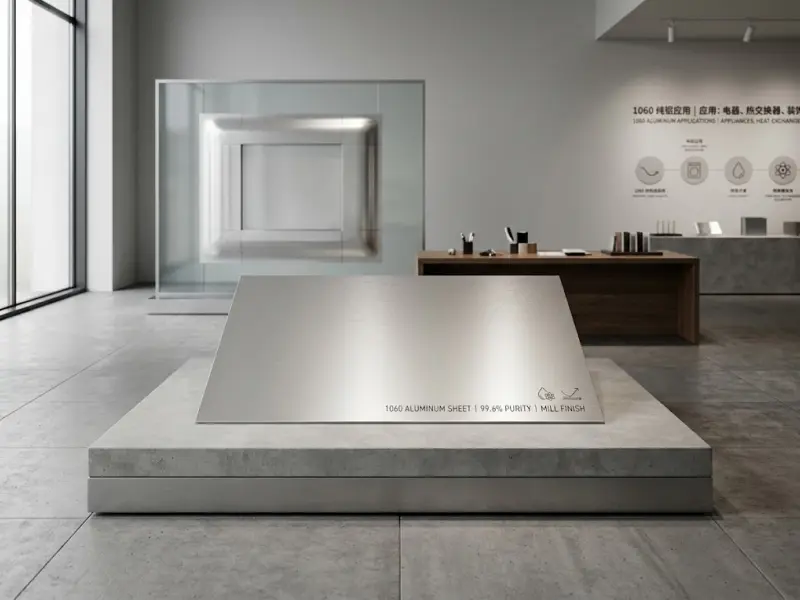
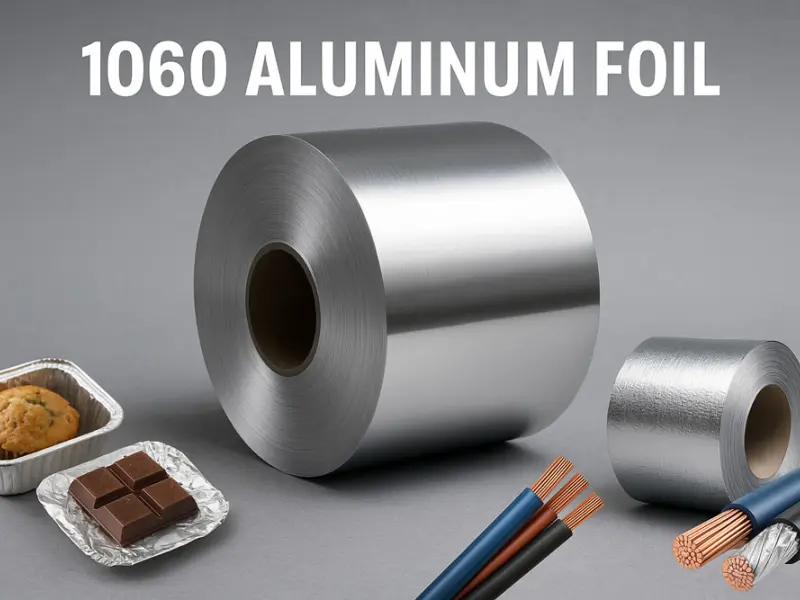
This is a more important comparison when strength matters.
| Feature | 1050 | 3003 |
|---|---|---|
| Strength | Lower | Higher |
| Formability | Excellent | Very good |
| Corrosion resistance | Good | Good |
| Purity | Higher | Lower |
| General fabrication | Excellent | Excellent |
| Heavy-duty use | Limited | Better suited |
If the project needs easy forming and high aluminium purity, 1050 may be attractive.
If higher strength is more important, 3003 may provide better value.
3003 vs 5052 Aluminium Sheet
For industrial buyers, this is another useful comparison.
| Feature | 3003 | 5052 |
|---|---|---|
| Strength | Medium | Higher |
| Formability | Very good | Good |
| Corrosion resistance | Good | Excellent |
| Marine use | Limited | Strong choice |
| Fabrication | Easy | Good |
| Cost position | Often economical | Usually higher |
The higher price of 5052 can be justified when stronger performance is required.
Temper and Its Effect on Price
The same aluminium alloy can be supplied in different tempers.
Common tempers include:
- O
- H12
- H14
- H16
- H18
- H24
- H26
- T6
- T651
The correct temper depends on the alloy and production process.
Soft Temper
O temper is soft and easy to form.
It can be useful for deep forming, bending, spinning, and other processes.
H14 and H24
These tempers provide a balance between strength and formability.
They are common choices for general fabrication.
H18
H18 is harder than many softer H tempers.
It can be selected when higher hardness and strength are needed.
T6 and T651
These tempers are common with heat-treatable alloys such as 6061.
They are often selected for engineering and structural applications.
Aluminium Sheet Size and Cost
Sheet dimensions also affect the final quotation.
Common sizes can include:
| Size | Typical purchasing purpose |
|---|---|
| 1000 × 2000 mm | Small and medium fabrication |
| 1220 × 2440 mm | Common international size |
| 1250 × 2500 mm | Industrial supply |
| 1500 × 3000 mm | Larger panels |
| 1500 × 6000 mm | Large industrial projects |
| Custom size | Special manufacturing |
The 4×8 aluminium sheet is especially common in the North American market.
A standard 4×8 sheet measures approximately 1219 × 2438 mm.
Custom sizes can reduce cutting work when they match the final product dimensions.
4×8 Aluminium Sheet Price
The price of a 4×8 aluminium sheet depends mainly on:
→ Alloy
→ Temper
→ Thickness
→ Surface
→ Quantity
→ Processing
→ Packaging
For example, the price of a 4×8 5052 sheet will not be the same as a 4×8 1050 sheet.
The thickness can create an even larger difference.
Surface Finish and Its Effect on Cost
Not every aluminium sheet has the same surface.
Common options include:
| Surface | Description |
|---|---|
| Mill finish | Standard industrial surface |
| Bright finish | Higher surface brightness |
| Brushed | Decorative linear texture |
| Anodized | Protective and decorative finish |
| Painted | Color-coated surface |
| Embossed | Patterned surface |
| Mirror | Reflective appearance |
| PVC coated | Protective film or coating |
Mill Finish
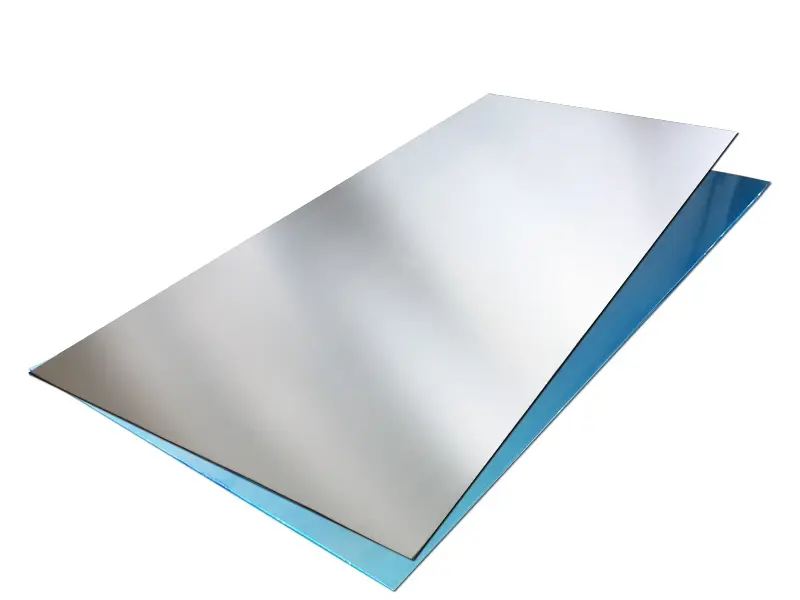
Mill finish is usually the basic and economical option.
It is suitable when the sheet will receive additional processing.
Brushed Aluminium
Brushed aluminium has a directional surface pattern.
It is often used for decorative panels, interiors, equipment, and signs.
Mirror Aluminium
Mirror aluminium has a reflective surface.
It is selected for decorative and architectural projects where appearance is important.
Embossed Aluminium
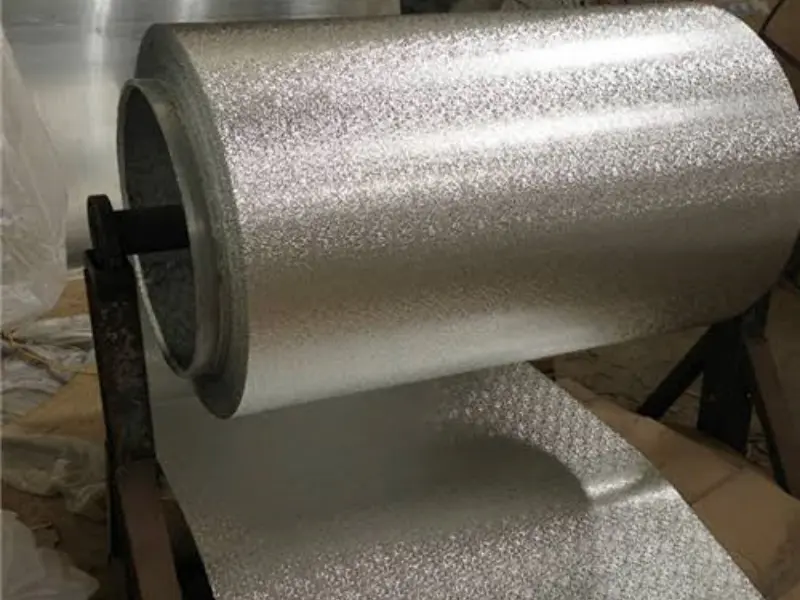
Embossed sheets have raised surface patterns.
The pattern can improve appearance and may also provide additional surface texture.
Plain Sheet vs Coated Aluminium Sheet
| Point | Plain aluminium | Coated aluminium |
|---|---|---|
| Initial cost | Usually lower | Usually higher |
| Surface protection | Basic | Higher |
| Color options | Limited | Many |
| Decorative use | Good | Excellent |
| Outdoor use | Depends on alloy | Often preferred |
| Maintenance | Depends on finish | Depends on coating |
For roofing, cladding, gutters, and decorative projects, a coated surface may provide better long-term value.
How Processing Changes the Final Price
A standard sheet is not always the final product.
A customer may need:
- Cutting
- Slitting
- Bending
- Punching
- Embossing
- Anodizing
- Painting
- Protective film
- Edge treatment
Each extra operation can add processing cost.
However, custom processing can also save labor for the buyer.
For example:
Large sheet
↓
Factory cutting
↓
Ready-to-use parts
This can reduce waste and preparation work at the customer’s facility.
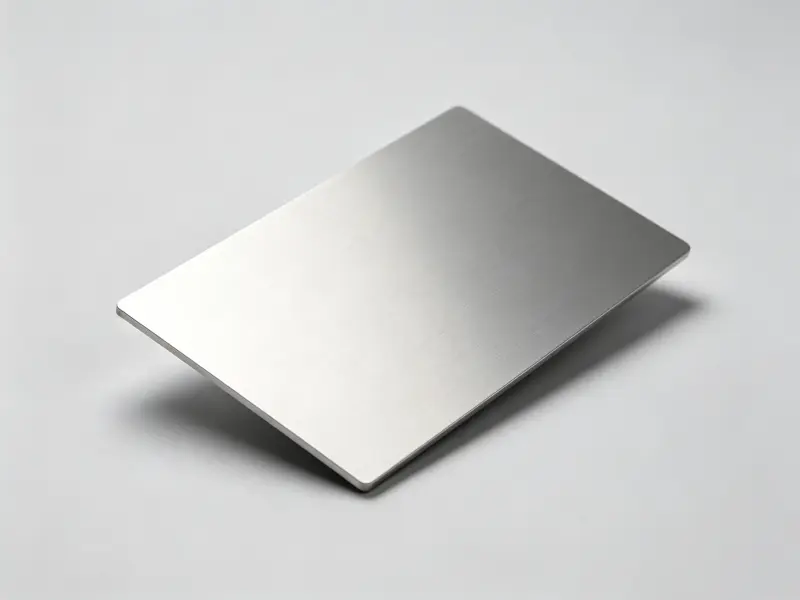
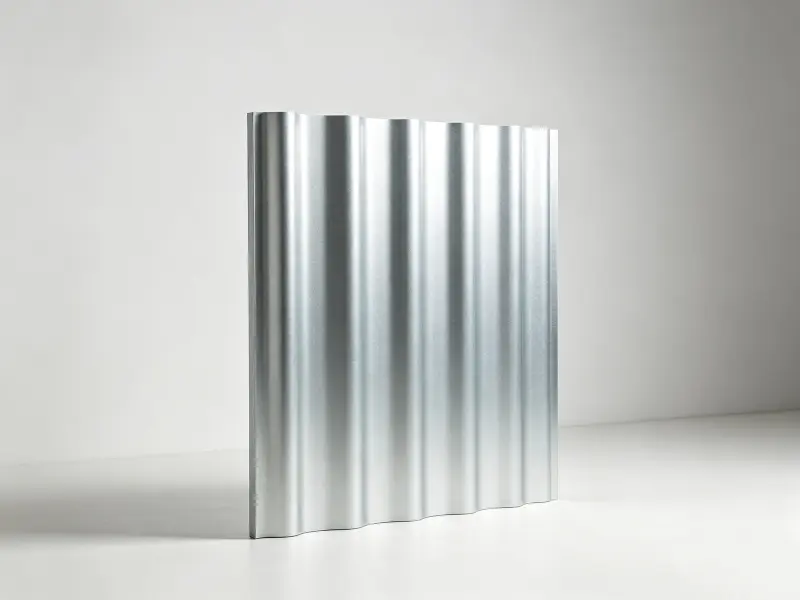
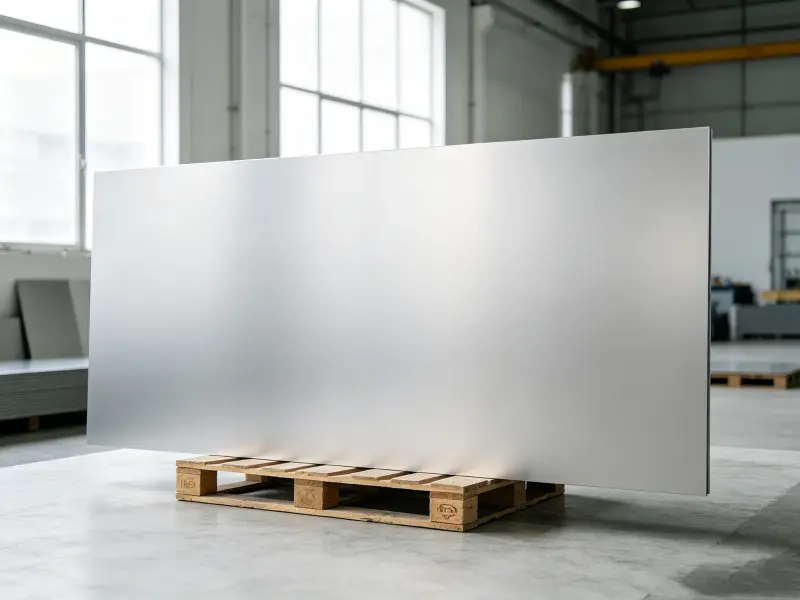
Aluminium Sheet Price for Different Industries
The same material can have very different value depending on the project.
Construction

Aluminium sheets are used for:
Insulation jacketing
Roofing
Wall cladding
Fascia
Ceiling systems
Decorative panels
Flashing
Transportation
Common uses include:
- Truck bodies
- Trailer panels
- RV panels
- Vehicle parts
- Flooring
- Interior panels
Industrial Equipment
Aluminium sheet can be used for:
- Machine covers
- Equipment panels
- Enclosures
- Heat-related equipment
- Fabricated components
Signage and Decoration
Typical uses include:
- Advertising signs
- Nameplates
- Display panels
- Decorative walls
- Interior panels
- Printed sheets
The correct alloy and thickness can be different for each application.
How to Compare Two Aluminium Sheet Quotations
A low quotation is not always the cheapest option.
Use the following checklist:
| Item | Supplier A | Supplier B |
|---|---|---|
| Alloy | ||
| Temper | ||
| Thickness | ||
| Width | ||
| Length | ||
| Surface | ||
| Tolerance | ||
| Quantity | ||
| Packaging | ||
| Delivery term | ||
| Lead time |
This makes it easier to compare quotations fairly.
Why the Cheapest Aluminium Sheet May Not Be the Best Choice
A low price may come with different specifications.
For example:
Lower price
→ thinner material
→ different alloy
wider thickness tolerance
→ simpler packaging
→ different surface quality
This is why buyers should compare the complete specification instead of comparing only the price per kilogram.
How to Reduce Aluminium Sheet Cost
There are several practical ways to control purchasing cost.
Choose the Right Alloy
Do not use a high-cost alloy when a lower-cost alloy meets the technical requirements.
Select the Correct Thickness
Avoid unnecessary thickness.
At the same time, do not reduce thickness below the level required for the finished product.
Optimize Sheet Size
Choosing a suitable standard size can reduce cutting waste.
Increase Order Quantity
For regular projects, larger production batches may improve purchasing efficiency.
Use Standard Surface Finish
If a special finish is not necessary, mill finish can often reduce processing cost.
Plan Custom Cutting
Good cutting plans can reduce material waste.
Factory Direct Aluminium Sheet Supply
Buying directly from an aluminium sheet manufacturer can provide more control over specifications.
A factory can normally discuss:
→ Alloy selection
→ Temper
→ Thickness
→ Sheet size
→ Surface finish
→ Cutting
→ Packaging
→ Production schedule
→ Quality inspection
→ Export shipment
For repeat buyers, direct factory communication can also make future orders easier.
What Information Should You Send for a Quote?
A complete inquiry does not need to be complicated.
You can send:
Product: Aluminium Sheet
Alloy: 1050 / 1060 / 1100 / 3003 / 5052 / 6061
Temper: O / H14 / H24 / H18 / T6
Thickness: ___ mm
Width: ___ mm
Length: ___ mm
Surface: Mill / Brushed / Mirror / Embossed / Painted
Quantity: ___ tons
Destination: ___
The more complete the information, the easier it is for the supplier to give an accurate quotation.
Frequently Asked Questions About Aluminium Sheet Price
What is the current aluminium sheet price?
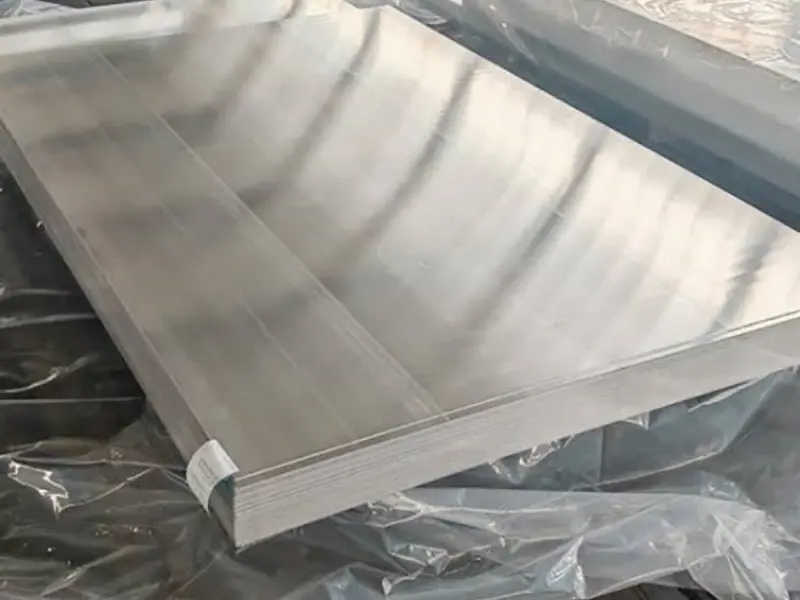
There is no single fixed price. Aluminium prices can change with the raw material market, alloy, thickness, order size, processing, and delivery conditions.
For an accurate quotation, buyers should send the full product specification.
Is aluminium sheet sold by kg or by sheet?
Both methods are common.
Industrial buyers often compare the price per kilogram or metric ton. Finished sheet buyers may prefer the price per sheet.
Why do two suppliers offer different prices?
The specifications may not be identical.
Check the alloy, temper, thickness tolerance, surface, quantity, packaging, and delivery terms before comparing quotations.
Is 5052 aluminium more expensive than 3003?
It can be, depending on market conditions and specifications. 5052 offers higher strength and strong corrosion resistance, so it may provide better value for demanding applications.
Is a thicker aluminium sheet always better?
No.
A thicker sheet is heavier and usually more expensive. The correct thickness should be based on the required strength, rigidity, forming process, and final use.
How can I get an aluminium sheet price?
Send the alloy, temper, thickness, width, length, surface, quantity, and destination to the supplier. This allows the manufacturer to calculate the material and shipping costs.
Can I order custom-size aluminium sheets?
Yes. Many aluminium manufacturers can provide custom widths, lengths, and cutting services. Minimum order quantities may apply.
What is the difference between aluminium sheet and plate?
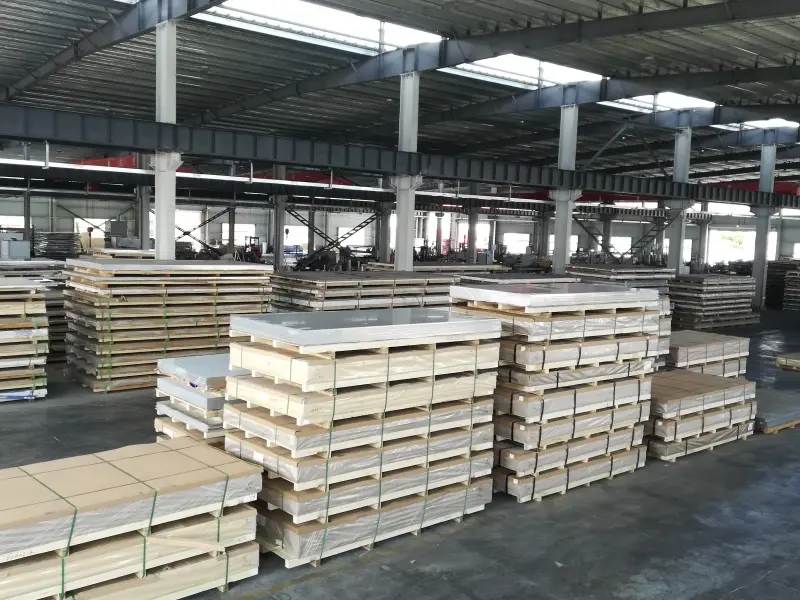
The terms can vary by market and standard. In general, aluminium plate refers to thicker material, while sheet usually describes thinner material. The exact classification should be confirmed according to the applicable standard.
Is mill finish the cheapest aluminium surface?
In many cases, yes. Mill finish usually requires less additional processing than painted, anodized, mirror, or decorative surfaces.
Can aluminium sheet be purchased directly from a factory?
Yes. Direct factory supply can be useful for larger orders, custom specifications, and repeat projects.
Get a More Accurate Aluminium Sheet Quotation
The best way to compare aluminium sheet price is to compare products with the same specifications.
Alloy + Temper + Thickness + Size + Surface + Quantity + Delivery
These seven points provide a much clearer basis for comparison than price alone.
For standard sheets or custom aluminium products, buyers can provide their required dimensions and application. The manufacturer can then recommend a suitable alloy, temper, thickness, surface, packaging method, and production option.