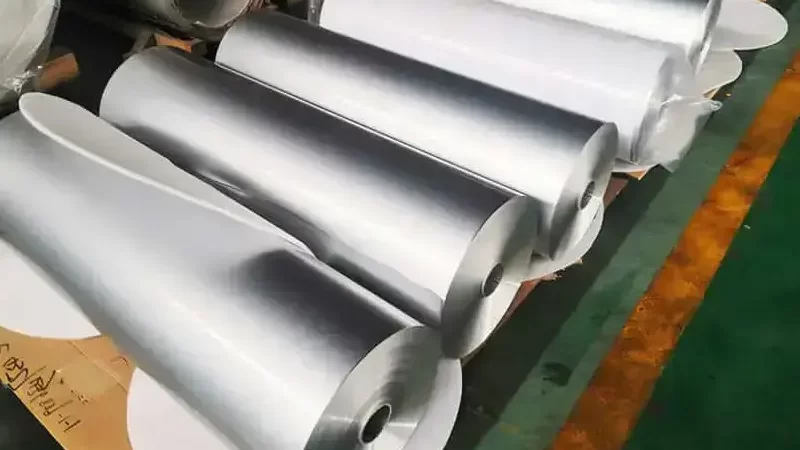
Aluminum Foil vs. Plastic vs. Paper Packaging is an important part of product protection, storage, and transportation. Different products need different packaging materials. Food, medicine, cosmetics, electronics, and industrial goods all have their own requirements.
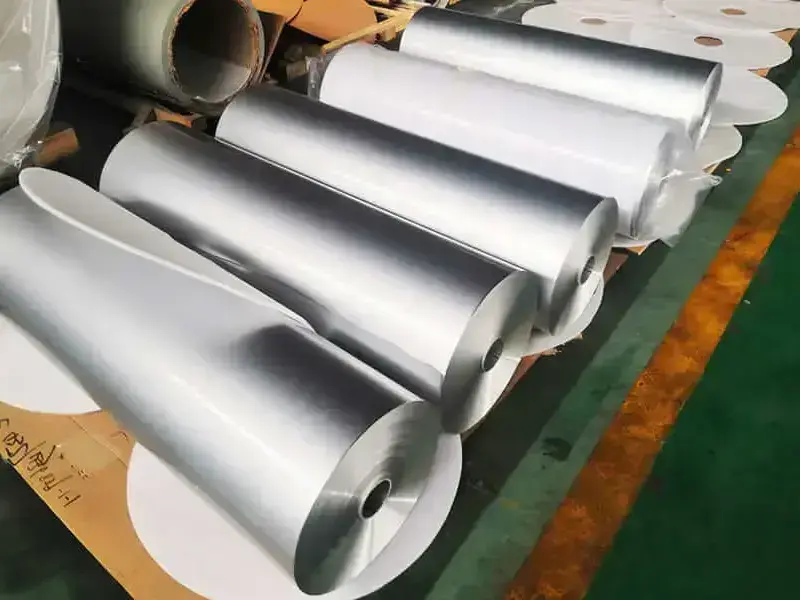
Aluminum foil, plastic, and paper are three common packaging materials. Each material has different features. Aluminum foil offers a strong barrier against light, moisture, oxygen, and odors.
Plastic packaging is flexible and easy to process. Paper packaging is popular for its natural appearance and easy printing.
So, which material is better for your product?
The answer depends on the application, shelf life, product weight, packaging structure, cost, and recycling requirements.
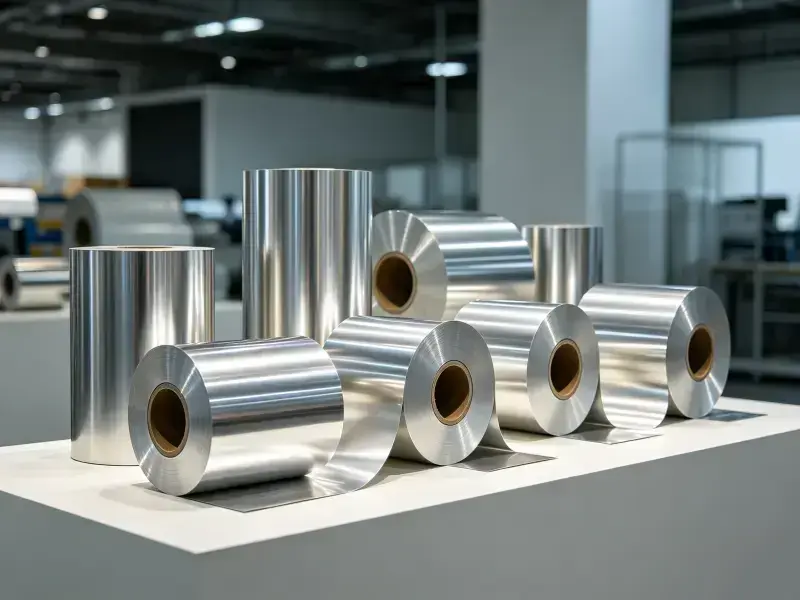
Aluminum Foil vs. Plastic vs. Paper Packaging: What Are the Main Differences?
Before choosing a packaging material, buyers should understand how each one works.
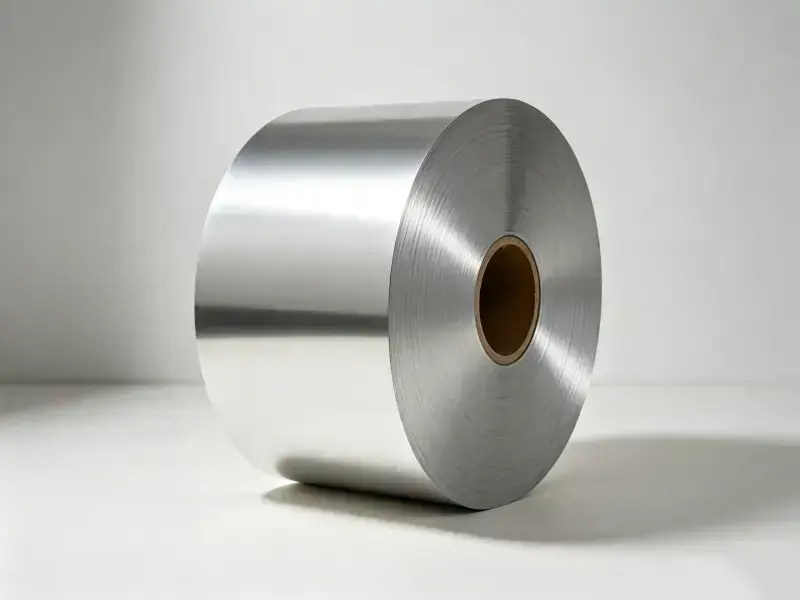
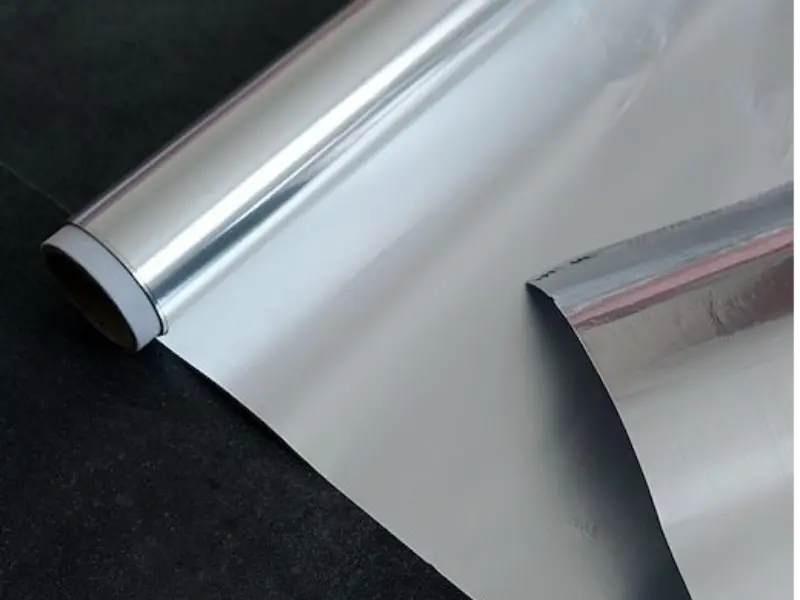
Aluminum foil is a thin metal material. It is often combined with plastic films or paper to make flexible packaging.
Plastic films can provide sealing, flexibility, and moisture resistance. Paper is commonly used for bags, cartons, labels, and wrapping.
Quick Comparison of Three Packaging Materials
| Feature | Aluminum Foil | Plastic | Paper |
|---|---|---|---|
| Light barrier | Excellent | Depends on film type | Limited |
| Moisture barrier | Excellent | Good to excellent | Usually limited |
| Oxygen barrier | Excellent when intact | Depends on structure | Limited |
| Flexibility | High in thin foil | Very high | Medium |
| Printing | Usually needs lamination or coating | Excellent | Excellent |
| Heat sealing | With suitable structure | Common | Depends on coating |
| Odor protection | Excellent in suitable laminates | Depends on film | Limited |
| Grease resistance | Good | Depends on film | Can be treated |
| Shape options | Rolls, lids, pouches | Bags, films, containers | Bags, cartons, wraps |
| Typical use | High-barrier packaging | Flexible packaging | Dry goods and outer packaging |
The table shows general material characteristics. Actual performance depends on thickness, coating, laminate structure, sealing quality, and product conditions.
When Should You Choose Each Material?
Choose aluminum foil packaging when:
- The product needs strong protection from light and moisture.
- Oxygen exposure must be controlled.
- The packaging needs a high barrier.
- The product has a long storage period.
- Aroma and flavor protection are important.
The choose plastic packaging when:
- Flexible packaging is required.
- The product needs a transparent window.
- Easy heat sealing is important.
- Lightweight packaging is preferred.
- Different pouch shapes are needed.
Choose paper packaging when:
- A natural appearance is important.
- The product is dry and does not need a very high barrier.
- Easy printing and branding are required.
- Cartons, bags, or wrapping materials are needed.
- Paper-based packaging is part of the product design.
Aluminum Foil Packaging: Strong Barrier Protection for Different Products
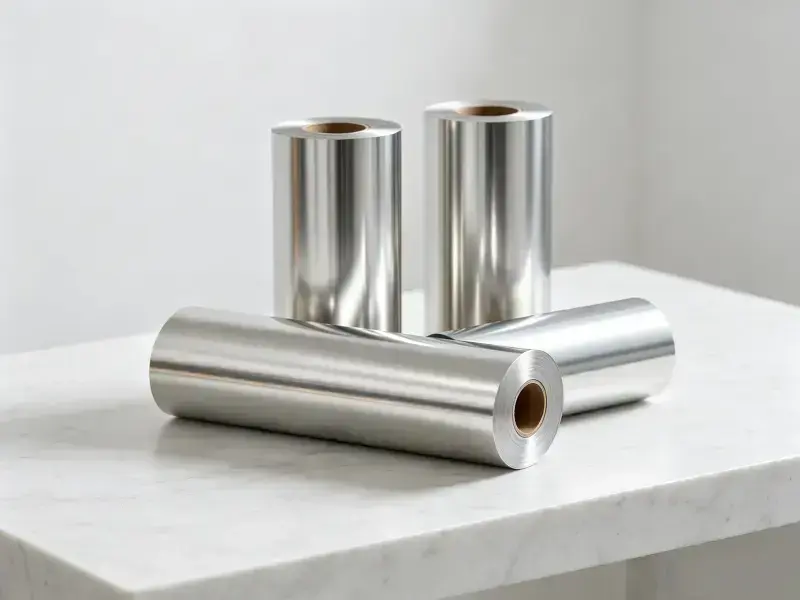
Aluminum foil is widely used in flexible packaging because of its excellent barrier properties.
It can block light and provide a very strong barrier to moisture, oxygen, and external odors when the foil layer is continuous and properly laminated.
However, aluminum foil is not always used alone. Thin foil is often combined with PET, PE, CPP, or other materials.
This combination creates packaging that offers both protection and practical processing performance.
Common Aluminum Foil Packaging Types
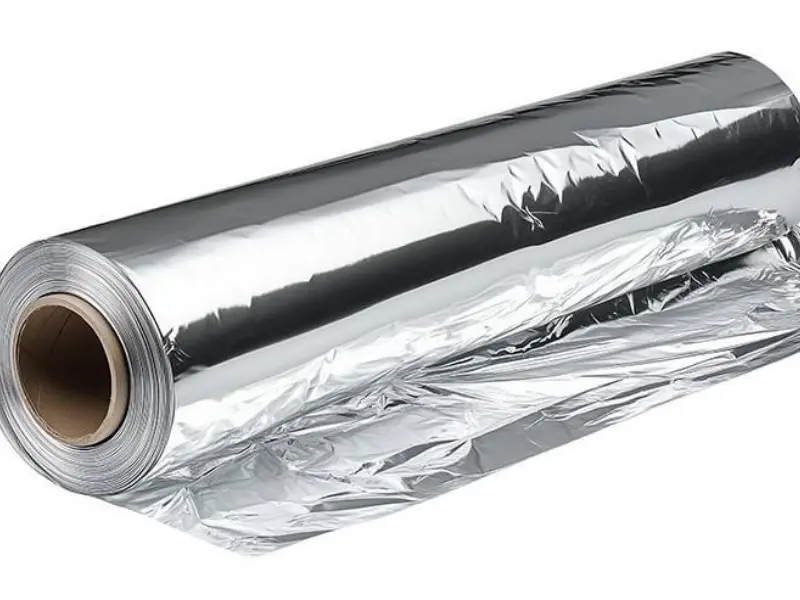
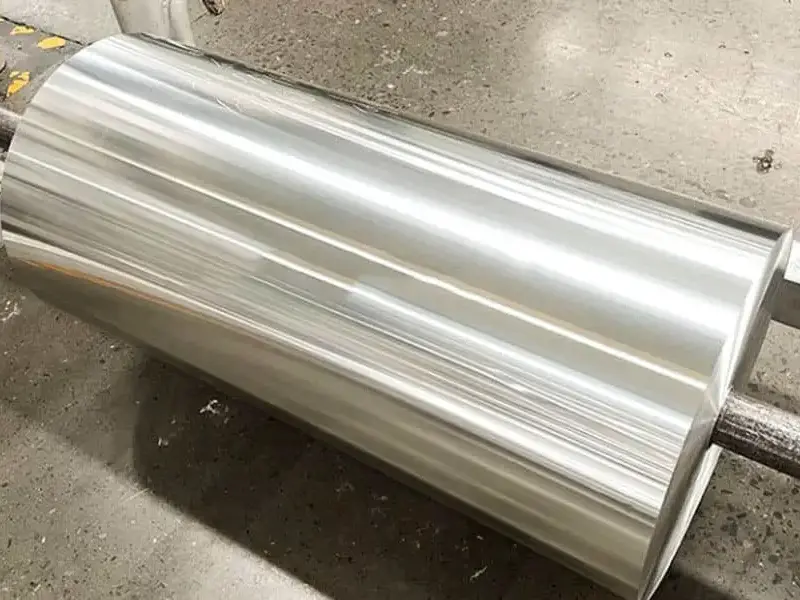
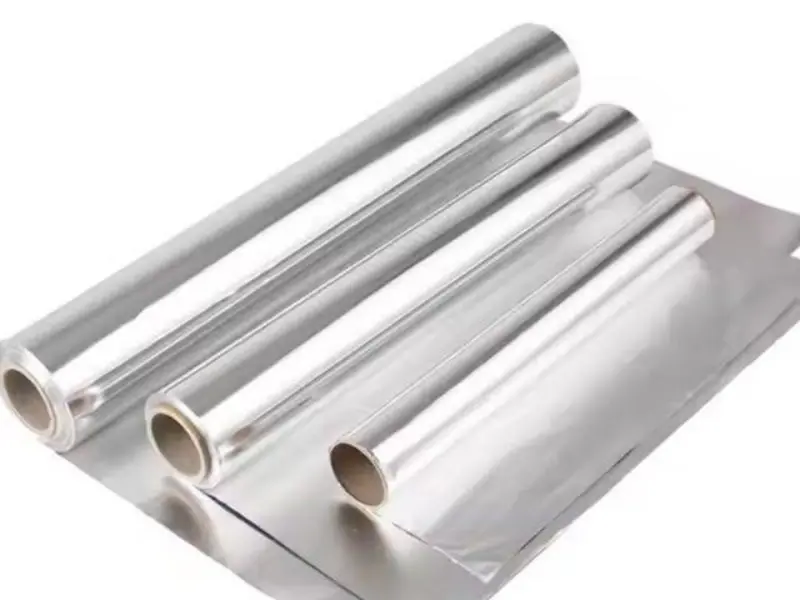
Pure aluminum foil rolls
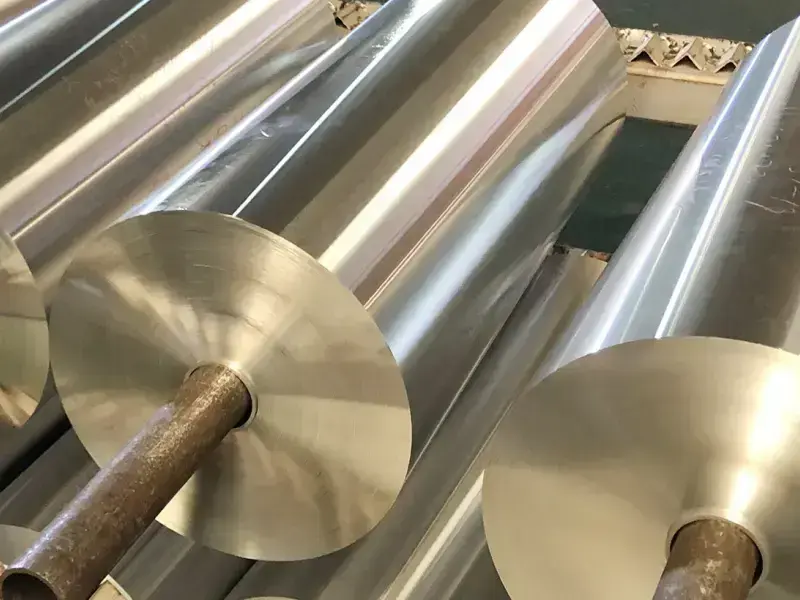
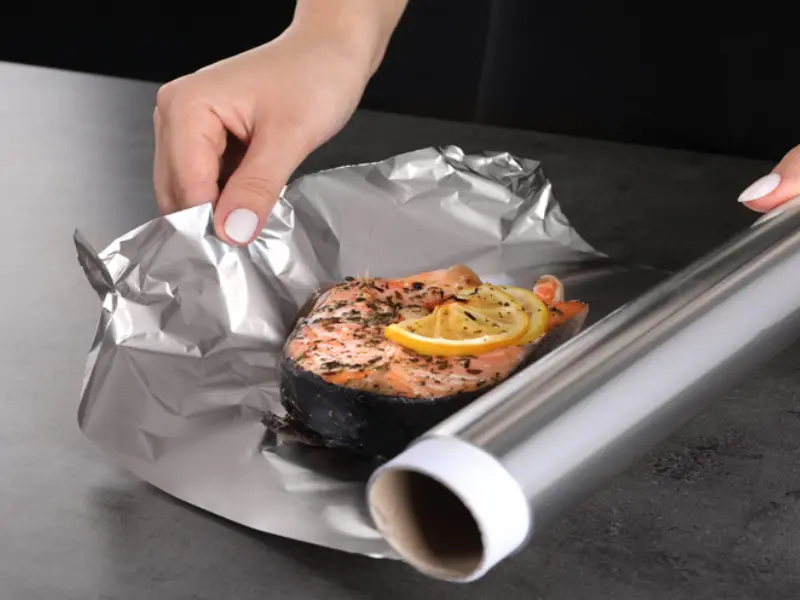
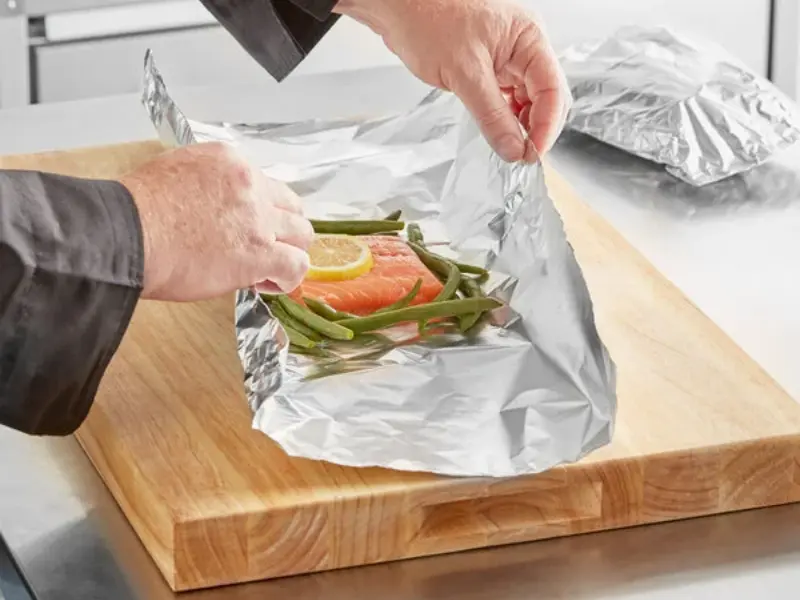
Pure aluminum foil rolls are used for food wrapping, household applications, and industrial packaging. They are available in different widths, thicknesses, and roll lengths.
Aluminum foil laminated film
This product combines aluminum foil with plastic film. PET/AL/PE is a common structure. PET provides strength and printability, aluminum foil provides barrier protection, and PE provides heat sealing.
Aluminum foil pouches
Foil pouches are used for coffee, tea, snacks, powders, and other products that need protection from external conditions.
Aluminum foil sachets
Small foil sachets are suitable for single-use products, seasonings, cosmetics, and pharmaceutical packaging.
Aluminum foil lids

Foil lids are used for yogurt cups, dairy containers, ready-to-eat foods, and other containers. The sealing layer must match the container material.
Aluminum foil bags
These bags are often used for moisture-sensitive products, industrial materials, and products that need light protection.
Aluminum Foil Packaging Structures
| Structure | Main Function | Common Application |
|---|---|---|
| PET/AL/PE | Printing, barrier, sealing | Food and coffee bags |
| PET/AL/CPP | Strength and heat sealing | Retort-related packaging, subject to grade and validation |
| PET/AL/PA/PE | Barrier and puncture resistance | Vacuum and industrial packaging |
| OPP/AL/CPP | Printing and barrier | Snacks and dry food |
| Paper/AL/PE | Paper appearance and barrier | Tea and specialty food |
| PET/AL/NY/PE | Multi-layer protection | Selected industrial and food products |
The best structure depends on the product. For example, coffee packaging may need aroma protection and a degassing valve. Powder packaging may need good sealing and puncture resistance.
Aluminum Foil Alloy Grades for Packaging
Aluminum foil is produced from different alloy grades. The selected alloy affects rolling performance, strength, ductility, and final use.
| Alloy | Main Features | Common Packaging Use |
|---|---|---|
| 1050 | High aluminum content, good ductility | General foil applications |
| 1060 | High purity and good formability | General-purpose foil |
| 1100 | Good corrosion resistance and workability | Household and industrial foil |
| 1235 | High aluminum content, good foil rolling performance | Flexible packaging foil |
| 3003 | Better strength than many 1xxx grades | Selected formed foil products |
| 8011 | Good strength and processing performance | Food containers, lids, and packaging foil |
| 8079 | Good barrier foil production performance | Flexible packaging laminates |
For flexible packaging, 1235, 8011, and 8079 are common grades to discuss with suppliers. The exact grade should be selected according to foil thickness, forming requirements, pinhole control, and the final packaging structure.
Aluminum Foil Temper and Condition
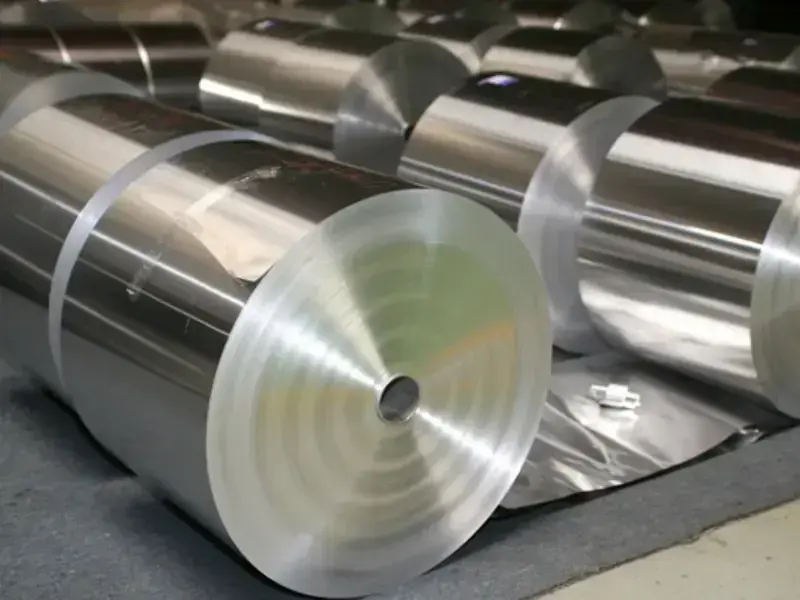
Temper describes the mechanical condition of aluminum foil. It affects flexibility, strength, and forming behavior.
| Temper | General Description | Typical Use |
|---|---|---|
| O | Fully annealed and soft | Flexible foil and formed products |
| H18 | Hard condition | Products requiring higher stiffness |
| H19 | Extra-hard condition | Selected thin foil applications |
| H22 | Strain-hardened and partially annealed | Certain formed foil products |
| H24 | Strain-hardened and partially annealed | Selected packaging applications |
Not every alloy is available in every temper. Buyers should confirm the alloy, temper, thickness, and mechanical requirements with the manufacturer.
Common Aluminum Foil Thickness Options
Different packaging applications require different foil thicknesses.
| Thickness | Approximate Microns | Common Application |
|---|---|---|
| 0.006 mm | 6 μm | Thin flexible packaging layer |
| 0.007 mm | 7 μm | Laminated foil |
| 0.009 mm | 9 μm | Flexible packaging |
| 0.012 mm | 12 μm | Food and industrial laminates |
| 0.015 mm | 15 μm | High-barrier packaging |
| 0.018 mm | 18 μm | Food packaging |
| 0.020 mm | 20 μm | Flexible packaging and lids |
| 0.025 mm | 25 μm | Stronger foil structures |
| 0.030 mm | 30 μm | Specialty packaging |
| 0.040 mm | 40 μm | Heavier foil applications |
These are indicative options. Available thicknesses vary by alloy, temper, production process, and supplier.
Plastic Packaging: Flexible, Lightweight, and Easy to Process
Plastic packaging has used in almost every industry. It has produced as film, bags, pouches, containers, bottles, and shrink wrap.
Compared with aluminum foil, many plastic films are transparent. This allows customers to see the product inside. Plastic is also easy to print, laminate, and heat seal.
However, plastic does not always provide the same barrier as aluminum foil. Its performance depends on the resin, film thickness, and packaging structure.
Popular Plastic Packaging Materials
PE (Polyethylene) Film

PE is flexible and has good moisture resistance. It is widely used as a sealing layer in laminated packaging.
Common types include:
- LDPE: soft and flexible.
- LLDPE: good toughness and puncture resistance.
- HDPE: higher stiffness and strength.
PP (Polypropylene) Film
PP has good clarity and stiffness. BOPP film has widely used for snacks, labels, biscuits, and other dry products.
PET (Polyester) Film
PET provides good mechanical strength and dimensional stability. It has often used as the outer layer of laminated packaging.
PA (Nylon) Film
PA offers good toughness and puncture resistance. It is useful for vacuum bags and products with sharp edges.
EVOH Film
EVOH is used as a high-barrier layer in selected plastic packaging structures. It can reduce oxygen transmission, but its performance depends on humidity and the complete laminate design.
Plastic Packaging Film Comparison
| Plastic Material | Main Feature | Typical Application |
|---|---|---|
| LDPE | Soft and flexible | Bags and inner sealing layers |
| LLDPE | Tough and puncture resistant | Stretch film and pouches |
| HDPE | Stiff and strong | Shopping bags and liners |
| BOPP | Clear and printable | Snacks and food wrapping |
| CPP | Heat sealability | Food packaging |
| PET | Strength and printability | Laminated pouches |
| PA | Puncture resistance | Vacuum packaging |
| EVOH | Oxygen barrier | Specialty food packaging |
Plastic Packaging Thickness Options
| Thickness | Common Product | Application |
|---|---|---|
| 15 μm | Thin film | Overwrap and lamination |
| 20 μm | BOPP or PET film | Snack packaging |
| 25 μm | Flexible film | Printed packaging |
| 40 μm | PE film | Inner bags |
| 50 μm | Plastic pouch film | General packaging |
| 70 μm | PE or laminated film | Stronger bags |
| 80 μm | Flexible packaging | Heavy-duty pouches |
| 100 μm | Thick film | Industrial bags |
| 150 μm | Heavy film | Special packaging |
The thickness of a finished pouch may be the combined thickness of several layers. Buyers should specify whether they need the thickness of one film or the total laminate.
Plastic Packaging Products for Different Industries
- Stand-up pouches for snacks and pet food.
- Vacuum bags for meat and seafood.
- Zipper bags for coffee and dry food.
- Shrink film for bottles and multipacks.
- Stretch film for pallet wrapping.
- Printed roll film for automatic filling machines.
- PE liners for chemical and industrial materials.
- Transparent bags for garments and consumer goods.
Plastic is a practical choice when flexibility, transparency, sealing, and production efficiency are important.
Paper Packaging: A Natural Look for Retail and Industrial Products
Paper packaging is popular because it has a natural appearance and offers many printing options. It has used for cartons, shopping bags, wrapping paper, labels, and food packaging.
Paper is suitable for many dry products. However, untreated paper has limited resistance to water, grease, and oxygen.
Coatings and laminations can improve its performance.
Different Types of Paper Packaging
Kraft Paper
Kraft paper is known for its strength and natural brown color. It has commonly used for shopping bags, mailing bags, and industrial packaging.
White Kraft Paper
White kraft paper offers a clean surface for printing. It has uses for retail bags, food packaging, and branded products.
Coated Paper
Coated paper has a treated surface that improves printing quality. It has often uses for cartons, labels, and premium packaging.
Greaseproof Paper
Greaseproof paper has designed for applications where oil resistance has needed. It has used for bakery products, burgers, sandwiches, and fast food.
Glassine Paper
Glassine is smooth and dense. It has uses for wrapping, labels, release liners, and selected food applications.
Corrugated Paperboard
Corrugated board has a fluted middle layer between flat linerboards. It has widely uses for shipping boxes and protective packaging.
Paper-Aluminum Laminated Packaging
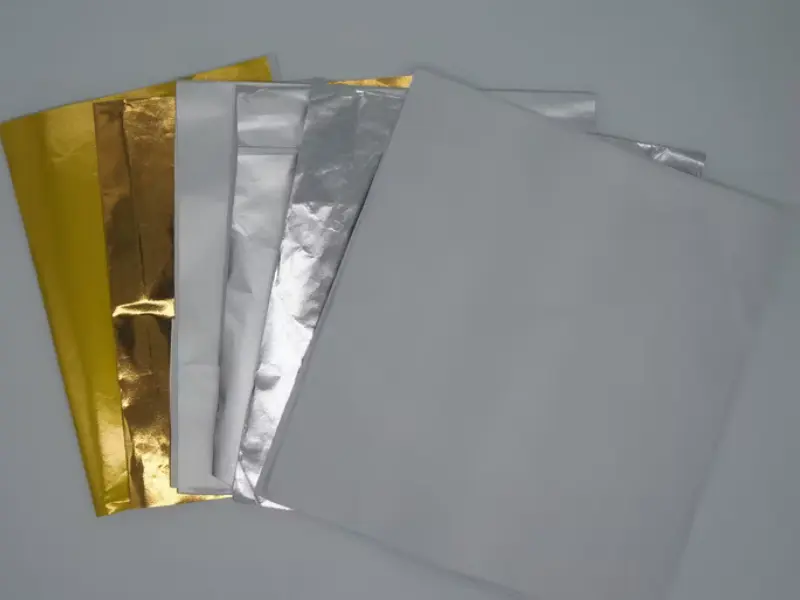
Paper has combined with aluminum foil and PE or other sealing materials. This structure has used for products that need both a paper appearance and improved barrier performance.
Paper Packaging GSM Options
Paper weight has commonly measured in GSM, which means grams per square meter.
| Paper Weight | Common Type | Typical Use |
|---|---|---|
| 40–60 GSM | Lightweight paper | Wrapping and inner layers |
| 60–80 GSM | Kraft paper | Bags and wrapping |
| 80–100 GSM | Standard paper | Shopping bags |
| 120–150 GSM | Heavy paper | Retail bags and covers |
| 170–200 GSM | Paperboard | Product sleeves |
| 250–300 GSM | Folding box board | Retail cartons |
| 350–400 GSM | Heavy paperboard | Premium packaging |
These ranges are examples, not fixed industry standards.
Paper Packaging Applications
- Shopping bags for retail stores.
- Corrugated boxes for shipping.
- Bakery bags for bread and pastries.
- Paper cups and food containers.
- Cartons for cosmetics and personal care products.
- Paper wraps for dry food.
- Mailing envelopes for e-commerce.
- Industrial paper sacks for powders and dry materials.
Paper is a good option for products that need a natural look, printing space, and convenient outer packaging.
Aluminum Foil vs. Plastic: Which One Provides Better Protection?
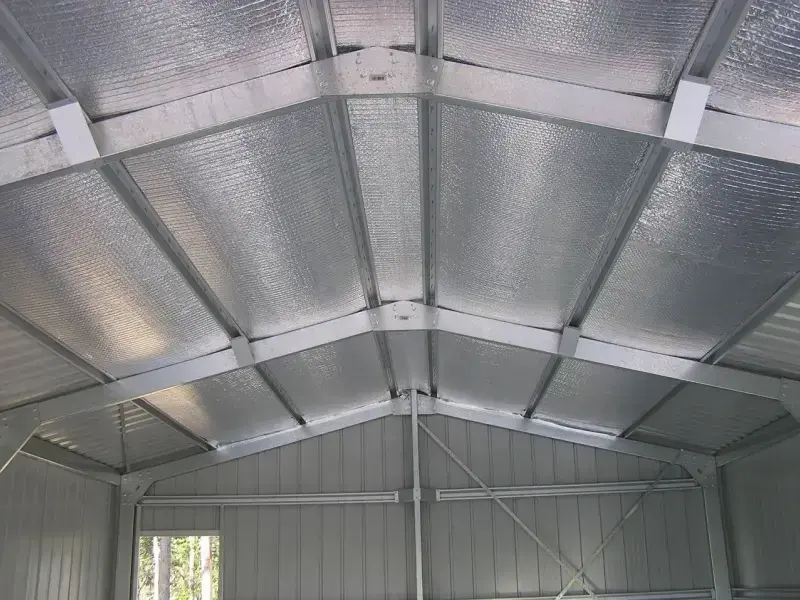
Aluminum foil and plastic have often compared because both are widely used in flexible packaging.
The main difference is barrier performance. A continuous aluminum foil layer provides a very strong barrier to light, moisture, oxygen, and odors. Many plastic films provide good protection too, but their performance varies by resin and thickness.
Barrier Performance Comparison
| Performance | Aluminum Foil | Standard PE Film | PET Film | EVOH-Based Structure |
|---|---|---|---|---|
| Light barrier | Excellent | Limited | Limited | Depends on structure |
| Moisture barrier | Excellent | Good | Moderate to good | Depends on structure |
| Oxygen barrier | Excellent | Limited | Moderate | High when properly designed |
| Aroma protection | Excellent in suitable laminate | Limited | Moderate | Depends on structure |
| Flexibility | High in thin foil | Excellent | Good | Depends on structure |
| Transparency | No | Often translucent or clear | Clear | Depends on structure |
A key point is that aluminum foil can develop pinholes or cracks if it is too thin or handled incorrectly. Packaging design and converting quality are important.
Aluminum Foil vs. Plastic for Food Packaging
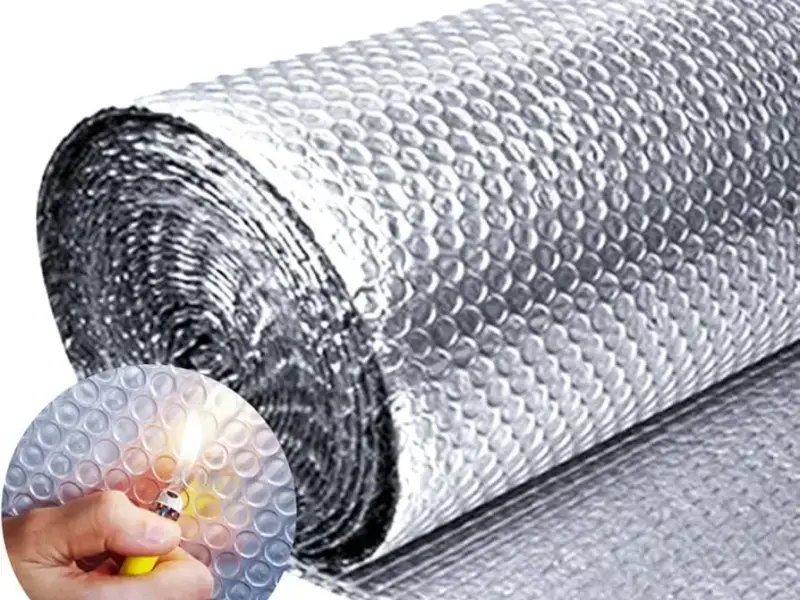
Aluminum foil has often selected for coffee, tea, powdered milk, and other products that need a strong barrier.
Plastic film has commonly selected for fresh food, frozen food, snacks, and products where transparency or easy sealing is important.
For example:
| Product | Suitable Packaging Option | Reason |
|---|---|---|
| Coffee beans | PET/AL/PE pouch | Aroma and light protection |
| Fresh vegetables | Perforated plastic film | Gas exchange and visibility |
| Frozen meat | PA/PE vacuum bag | Toughness and sealing |
| Milk powder | Foil laminate | Strong barrier |
| Potato chips | Metallized or foil laminate | Barrier and product protection |
| Fresh bread | PE or PP bag | Flexibility and visibility |
The correct choice depends on shelf-life targets, filling conditions, storage temperature, and food safety requirements.
Aluminum Foil vs. Paper: Barrier Protection or Natural Appearance?
Paper and aluminum foil serve different purposes.
Paper is useful for printing, branding, and outer packaging. Aluminum foil has uses when the product needs stronger protection from external conditions.
They can also work together in one packaging structure.
Main Differences Between Paper and Aluminum Foil
| Feature | Aluminum Foil | Paper |
|---|---|---|
| Light protection | Excellent | Limited |
| Moisture protection | Excellent | Limited without treatment |
| Oxygen barrier | Excellent when intact | Low |
| Printing surface | Usually laminated or coated | Excellent |
| Natural appearance | Metallic | Natural and textured |
| Folding | Can crease | Depends on paper grade |
| Grease resistance | Good | Depends on treatment |
| Typical use | High-barrier inner layer | Bags, cartons, and wraps |
Paper and Foil Combination Packaging
Paper and aluminum foil has laminated together to create a functional packaging material.
Common structures include:
- Paper/AL/PE for selected dry food and specialty products.
- Paper/AL for certain wrapping and industrial uses.
- PET/AL/Paper for selected printed packaging designs.
- Paper/PE for moisture-resistant paper packaging without a foil layer.
The final material has tested for sealing, barrier performance, food contact compliance, and compatibility with the filling process.
Choosing Packaging by Industry and Application
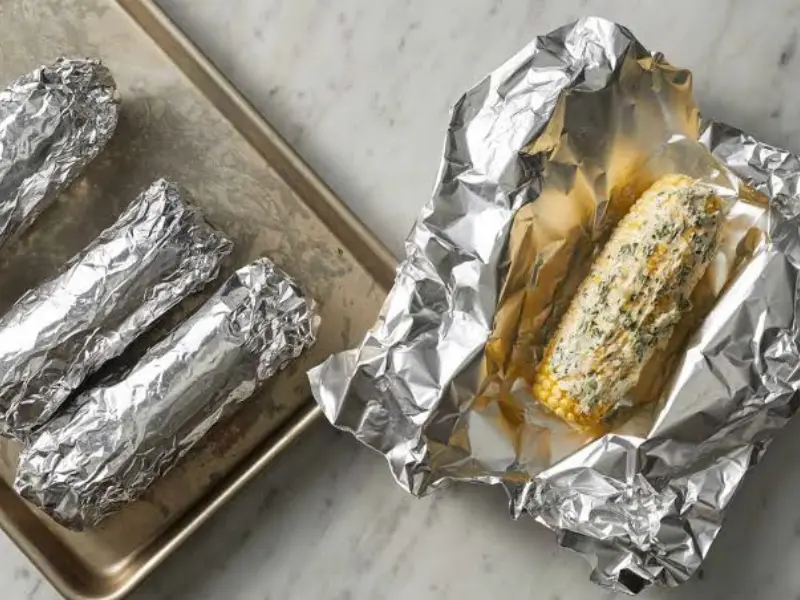
A packaging material should match the product, not just the price. Different industries have different requirements for barrier performance, appearance, strength, and storage.
Food and Beverage Packaging
Food packaging needs to protect freshness, flavor, and product quality.
| Product | Common Packaging Type | Key Requirement |
|---|---|---|
| Coffee | Foil laminate pouch | Aroma protection |
| Tea | Foil bag or paper-foil pouch | Light and moisture barrier |
| Biscuits | BOPP or laminated film | Moisture control |
| Chocolate | Foil wrap or laminate | Light and aroma protection |
| Frozen food | PE or PA/PE bag | Flexibility and sealing |
| Milk powder | Aluminum foil laminate | Moisture and oxygen barrier |
| Snacks | BOPP, metallized film, or foil laminate | Product protection |
| Ready meals | Suitable retort pouch or tray system | Validated heat resistance |
For products requiring heat processing, the complete packaging structure has designed and tested for the actual temperature and processing time.
Pharmaceutical and Medical Packaging
Pharmaceutical packaging has strict requirements. The material must protect the product and meet relevant regulatory standards.

Common products include:
- Aluminum blister foil.
- Cold-form aluminum foil.
- Strip packaging foil.
- Sachets for powders.
- Laminated medicine pouches.
- Paperboard medicine cartons.
- Plastic bottles and medical containers.
Aluminum blister foil has often used with PVC, PVC/PVDC, or other forming materials. Cold-form blister packaging may use a multi-layer structure with aluminum as a major barrier component.
The selection depends on the medicine, stability requirements, packaging equipment, and applicable regulations.
Cosmetics and Personal Care Packaging
Cosmetic products need attractive packaging and reliable product protection.
Common choices include:
- Aluminum foil sachets for creams and samples.
- Plastic tubes for lotions and gels.
- PET bottles for skincare products.
- Paper cartons for outer packaging.
- Laminated pouches for refill products.
- Foil-sealed containers for selected creams and powders.
Many cosmetic brands combine plastic inner packaging with paper cartons to balance product protection and appearance.
Electronics and Industrial Packaging
Electronic components may be sensitive to moisture, static electricity, dust, and corrosion.
Packaging options include:
- Moisture barrier aluminum foil bags.
- Antistatic laminated bags.
- PE protective bags.
- Vacuum-sealed foil pouches.
- Kraft paper wrapping.
- Corrugated shipping cartons.
- Aluminum-laminated industrial packaging.
For moisture-sensitive electronics, a moisture barrier bag has combined with desiccants and humidity indicator cards. The complete packaging system should match the product’s moisture sensitivity and storage conditions.
More Packaging Product Types for Wholesale Buyers
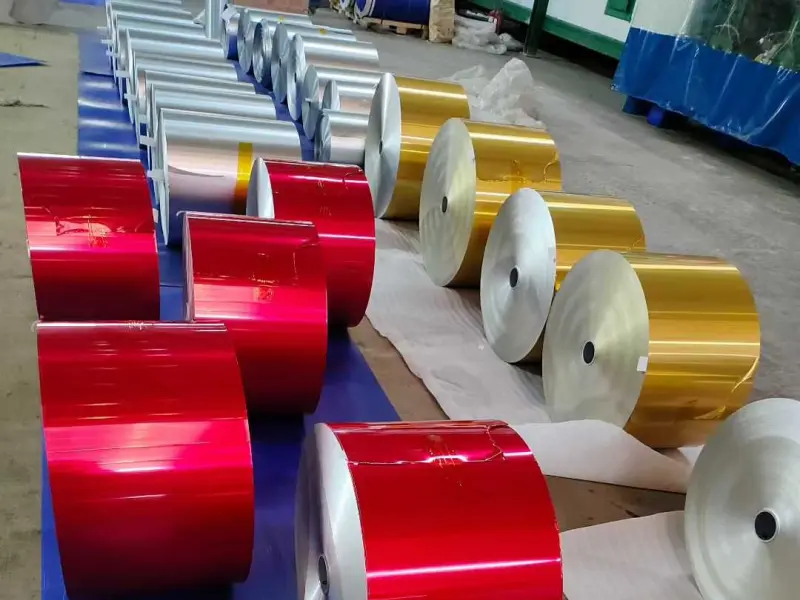
Manufacturers and distributors can choose from many product forms. The right product depends on the packaging machine, filling process, product weight, and target market.
Aluminum Foil Product Range
| Product Type | Available Form | Common Application |
|---|---|---|
| Household foil | Roll | Food wrapping |
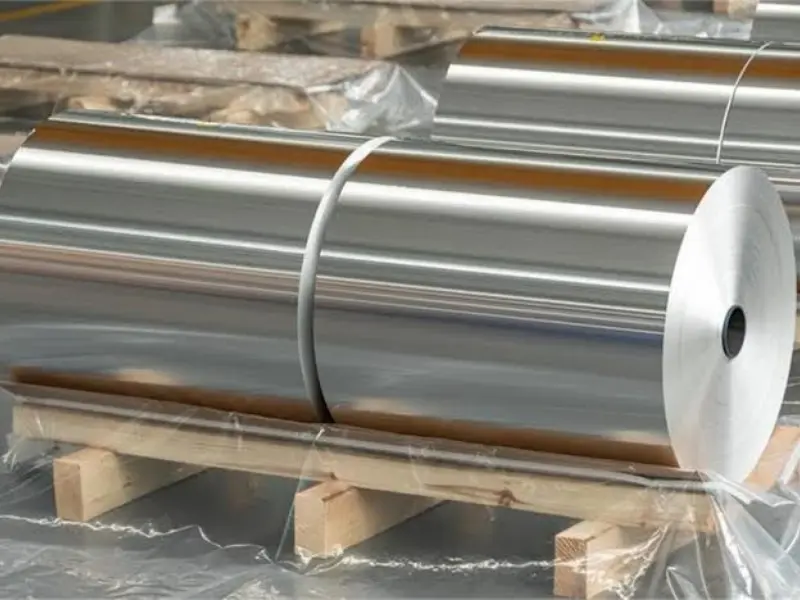
| Flexible packaging foil | Jumbo roll | Laminated pouches |
| Blister foil | Roll | Pharmaceutical packaging |
| Container foil | Sheet or roll | Food containers |
| Lidding foil | Roll | Yogurt and dairy cups |
| Foil pouch material | Laminated roll | Coffee and tea |
| Foil sachet material | Roll | Seasonings and samples |
| Embossed foil | Roll | Household and specialty uses |
Plastic Packaging Product Range
| Product Type | Material | Common Application |
|---|---|---|
| Stand-up pouch | PET/PE or laminate | Snacks and pet food |
| Vacuum bag | PA/PE | Meat and seafood |
| Zipper bag | PE or laminate | Dry food |
| Shrink film | PVC, PETG, or polyolefin | Product wrapping |
| Stretch film | LLDPE | Pallet packaging |
| BOPP roll film | BOPP | Snacks and labels |
| PE liner | LDPE or HDPE | Industrial packaging |
| Retort pouch | Special multi-layer laminate | Heat-processed food |
Paper Packaging Product Range
| Product Type | Material | Common Application |
|---|---|---|
| Kraft paper bag | Kraft paper | Shopping and takeaway |
| Paper pouch | Paper or laminate | Dry food |
| Corrugated carton | Corrugated board | Shipping |
| Folding carton | Paperboard | Retail packaging |
| Greaseproof wrap | Treated paper | Bakery and fast food |
| Paper tube | Spiral-wound paperboard | Industrial and consumer goods |
| Paper sack | Multi-ply kraft | Powders and dry materials |
| Paper cup | Coated paperboard | Beverage packaging |
Packaging Thickness, Weight, and Structure: What Should Buyers Compare?
Thickness is one of the first details buyers ask about. However, thickness alone does not determine packaging quality.
A 20 μm aluminum foil layer and a 20 μm plastic film have different material properties. Paper uses GSM rather than microns in many purchasing specifications.
Material Measurement Comparison
| Material | Common Measurement | Example |
|---|---|---|
| Aluminum foil | Microns or mm | 9 μm, 12 μm, 20 μm |
| Plastic film | Microns or mil | 20 μm, 50 μm, 100 μm |
| Paper | GSM | 70 GSM, 120 GSM, 300 GSM |
| Paperboard | GSM or caliper | 250 GSM, 350 GSM |
What Information Should Be Included in an RFQ?
When requesting a quotation, buyers should provide:
- Material type and grade.
- Aluminum alloy and temper, if applicable.
- Foil or film thickness.
- Paper GSM, if applicable.
- Packaging structure and layer order.
- Roll width or finished bag dimensions.
- Printing colors and artwork.
- Required barrier performance.
- Food contact or other compliance requirements.
- Order quantity and delivery destination.
A clear specification helps suppliers recommend a suitable material and avoid unnecessary cost.
Cost Comparison: Aluminum Foil vs. Plastic vs. Paper
There is no fixed price ranking for all packaging products. Material prices change with raw material costs, thickness, structure, order quantity, printing, and processing.
A simple comparison can help buyers understand the cost factors.
| Cost Factor | Aluminum Foil | Plastic | Paper |
|---|---|---|---|
| Raw material | Metal market related | Resin market related | Pulp and paper market related |
| Thickness effect | Strong | Strong | Weight and grade related |
| Lamination cost | Often required | Depends on structure | Depends on coating |
| Printing cost | Depends on laminate | Depends on film and design | Depends on paper and printing |
| Processing | Rolling and converting | Film extrusion and converting | Paper making and converting |
| Customization | High | High | High |
How to Reduce Packaging Costs
Buyers can reduce total packaging costs by reviewing the complete design.
Use the right barrier level.
Not every product needs a full aluminum foil layer. Some products can use plastic or metallized film if testing confirms that the barrier is sufficient.
Choose a suitable thickness.
Overly thick material may increase costs. Material that is too thin may cause leakage, tearing, or poor protection.
Optimize pouch dimensions.
A suitable bag size can reduce material waste and improve packing efficiency.
Consider roll packaging.
For high-volume production, printed roll stock may be more efficient than purchasing pre-made bags.
Order according to production demand.
A reasonable order quantity can help balance unit cost, inventory, and storage space.
Sustainability and Recycling: What Should Buyers Know?
Sustainability is becoming an important part of packaging decisions. However, recyclability depends on the material, local collection system, and actual packaging structure.
Aluminum Foil and Recycling
Aluminum is recyclable. Clean aluminum scrap has recycled into new aluminum products.
However, thin flexible foil laminated with plastic or paper is more difficult to recycle through conventional aluminum recycling systems. The layers may need specialized separation or dedicated recycling processes.
Plastic and Recycling
Some plastic packaging has recycled when it uses suitable resin types and has accepted by local recycling programs.
Mono-material PE or PP structures may be easier to recycle in suitable systems than complex multi-layer laminates. But collection and sorting availability still matter.
Paper and Recycling
Uncoated paper and cardboard have widely recycled in many markets. Paper packaging with heavy plastic coatings, foil layers, grease, or food contamination may be harder to process.
Sustainability Comparison
| Material | Recycling Consideration | Design Opportunity |
|---|---|---|
| Aluminum foil | Recyclable, but laminates are more complex | Reduce material use and improve recovery |
| Plastic | Depends on resin and local collection | Use compatible mono-material structures |
| Paper | Commonly recyclable when clean and suitable | Use recyclable grades and suitable coatings |
| Paper-foil laminate | Separation can be difficult | Consider the actual local recycling route |
| Plastic-aluminum laminate | Multi-layer structure can limit recycling | Evaluate alternative barrier structures |
A packaging supplier should not claim that every foil pouch, plastic bag, or paper package is recyclable. Buyers should check the finished structure and local recycling requirements.
How to Select the Best Packaging Material for Your Product
The best packaging material is the one that meets product protection needs while keeping the total packaging cost reasonable.
Check Product Sensitivity
First, identify what can damage the product.
- Moisture-sensitive products may need foil or a suitable barrier film.
- Light-sensitive products may need aluminum foil or opaque packaging.
- Oxygen-sensitive products may need foil or a high-barrier plastic structure.
- Products with sharp edges may need puncture-resistant materials.
- Greasy foods may need grease-resistant paper or suitable plastic packaging.
Consider the Filling and Sealing Process
Packaging must work with the production line.
For example, automatic filling machines may require roll stock with a specific width, sealing temperature, and coefficient of friction. Pre-made pouches need compatible sealing layers and dimensions.
Compare Shelf-Life Requirements
The required shelf life affects material selection. A product stored for several months may need a stronger barrier than a product sold and consumed quickly.
Shelf-life testing should consider the actual product, packaging structure, sealing conditions, and storage environment.
Select the Right Packaging Structure
| Product Requirement | Possible Material Choice |
|---|---|
| Strong light and moisture barrier | Aluminum foil laminate |
| Transparent product display | PET or BOPP-based packaging |
| Flexible heat-sealed bag | PE or CPP-based structure |
| Natural retail appearance | Kraft paper |
| Shipping protection | Corrugated paperboard |
| High puncture resistance | PA/PE laminate |
| Grease-resistant food wrap | Greaseproof paper or suitable laminate |
| High-barrier dry food pouch | PET/AL/PE or another validated structure |
These are starting points for material selection. Final specifications have confirmed through product and packaging tests.
Custom Aluminum Foil, Plastic, and Paper Packaging for Wholesale Orders

For manufacturers, importers, food brands, and packaging distributors, custom packaging is often more suitable than standard sizes.
Suppliers may offer different materials, dimensions, thicknesses, printing options, and packaging forms.
Customization Options
| Specification | Aluminum Foil | Plastic | Paper |
|---|---|---|---|
| Thickness | Custom foil gauge | Custom film thickness | Custom GSM |
| Width | Roll width | Roll width | Sheet or roll width |
| Length | Jumbo roll length | Roll length | Sheet or roll length |
| Printing | Usually on laminate | Flexographic or gravure | Offset or flexographic |
| Structure | Foil laminates | Mono or multi-layer films | Coated or laminated paper |
| Shape | Roll, lid, pouch | Bag, roll, pouch | Bag, carton, wrap |
What Buyers Should Confirm Before Ordering
Before placing a bulk order, confirm:
- Material grade and specification.
- Product dimensions and tolerances.
- Thickness or GSM.
- Surface finish and printing requirements.
- Packaging performance requirements.
- Sample approval.
- Production lead time.
- MOQ and payment terms.
- Inspection standards.
- Export packing and shipping arrangements.
For aluminum foil products, buyers should also confirm alloy, temper, pinhole requirements, and surface quality where relevant.
Frequently Asked Questions About Aluminum Foil, Plastic, and Paper Packaging

Is aluminum foil better than plastic for packaging?
Aluminum foil offers a stronger barrier against light, oxygen, moisture, and odors when used as a continuous layer. Plastic is often more flexible and can be transparent. The better choice depends on product sensitivity, shelf life, cost, and packaging design.
Is paper packaging better than aluminum foil?
Paper is suitable for cartons, shopping bags, wrapping, and dry products. Aluminum foil has more suitable when stronger barrier protection is required. Some packaging products combine paper and foil to achieve both functions.
Which packaging material is best for food?
There is no single best material for all foods. Aluminum foil laminates are common for coffee, tea, and moisture-sensitive products. Plastic films have widely used for fresh, frozen, and snack foods. Paper has often used for bakery products and outer cartons.
What aluminum alloy is commonly used for packaging foil?
Common aluminum foil grades include 1235, 8011, and 8079. The suitable grade depends on foil thickness, temper, rolling performance, forming requirements, and the final application.
What is the difference between 8011 and 1235 aluminum foil?
8011 aluminum foil has widely used for packaging, containers, and lidding applications. 1235 foil is commonly used in flexible packaging laminates. Their mechanical properties and suitability depend on thickness, temper, and production requirements.
What does O temper mean in aluminum foil?
O temper means the aluminum foil has been fully annealed. It is generally soft and ductile. It has used in applications where flexibility and forming performance are important.
What is the common thickness of aluminum packaging foil?
Common flexible packaging foil thicknesses include approximately 6 μm, 7 μm, 9 μm, 12 μm, 15 μm, 18 μm, and 20 μm. The final choice depends on barrier needs, laminate structure, and converting conditions.
Can aluminum foil be laminated with plastic?
Yes. Aluminum foil has laminated with PET, PE, CPP, PA, and other suitable films. PET/AL/PE is a common structure. Each layer has a different function, such as printing, barrier protection, puncture resistance, or heat sealing.
Can paper packaging provide moisture protection?
Untreated paper has limited moisture resistance. Coatings, waxes, plastic films, or aluminum foil laminations can improve moisture protection. The final performance depends on the complete structure.
Is aluminum foil packaging recyclable?
Aluminum itself is recyclable. However, flexible packaging made from aluminum foil laminated with plastic or paper can be difficult to recycle through standard systems. Recycling options depend on local facilities and the laminate structure.
Which is cheaper: aluminum foil, plastic, or paper packaging?
The cost depends on material thickness, structure, order quantity, printing, and converting. Standard plastic film or paper may cost less for some applications, while aluminum foil laminates have justified when stronger barrier protection is needed.
What information is needed for a packaging quotation?
Buyers should provide the material type, thickness, dimensions, structure, printing design, application, order quantity, and destination. For aluminum foil, alloy and temper should also be specified when required.
Choose the Right Packaging Material for Better Product Protection
Aluminum foil, plastic, and paper each have different advantages. Aluminum foil is a strong choice for high-barrier packaging. Plastic offers flexibility, sealing performance, and many product formats. Paper provides a natural appearance and works well for bags, cartons, and outer packaging.
For some products, one material is enough. For others, a combination of aluminum foil, plastic film, and paper can provide a better balance of protection, appearance, and cost.
Before choosing a packaging material, compare the product requirements, thickness, structure, shelf life, processing conditions, and local recycling options. A suitable specification can improve packaging performance and reduce unnecessary material costs.
For wholesale and custom packaging projects, buyers should request samples and confirm the material structure before mass production.