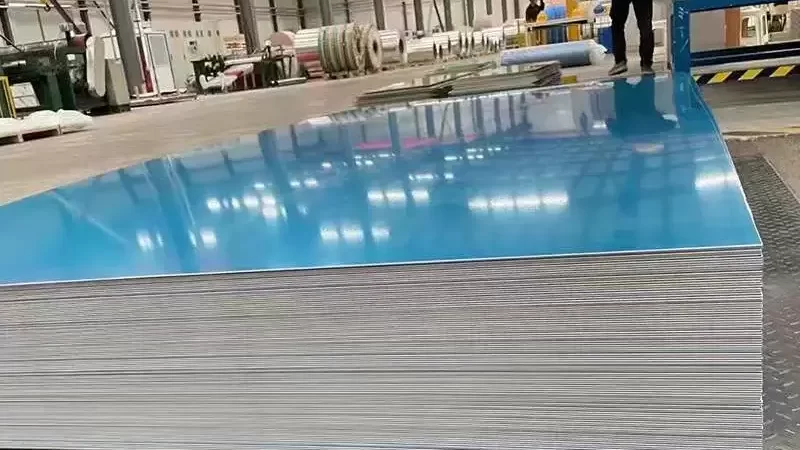
Looking for a 4×8 aluminum sheet near me? A 4×8 aluminum sheet is a popular choice for construction, fabrication, transportation, signage, equipment, and DIY projects.
It measures 4 feet by 8 feet, or 48 × 96 inches, making it suitable for many standard cutting and fabrication jobs.
Local metal suppliers may carry aluminum sheets in different alloys, thicknesses, tempers, and surface finishes. Some have ready-to-ship stock, while others offer custom cutting and bulk orders.
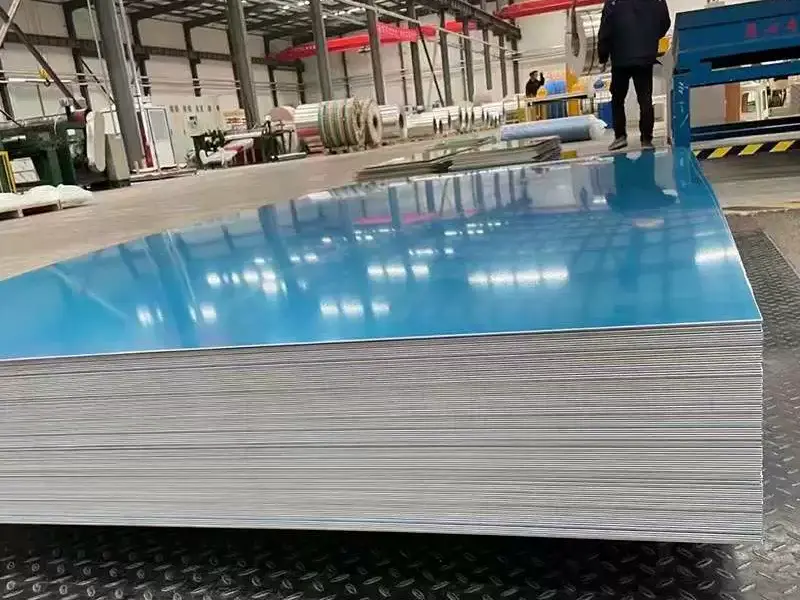
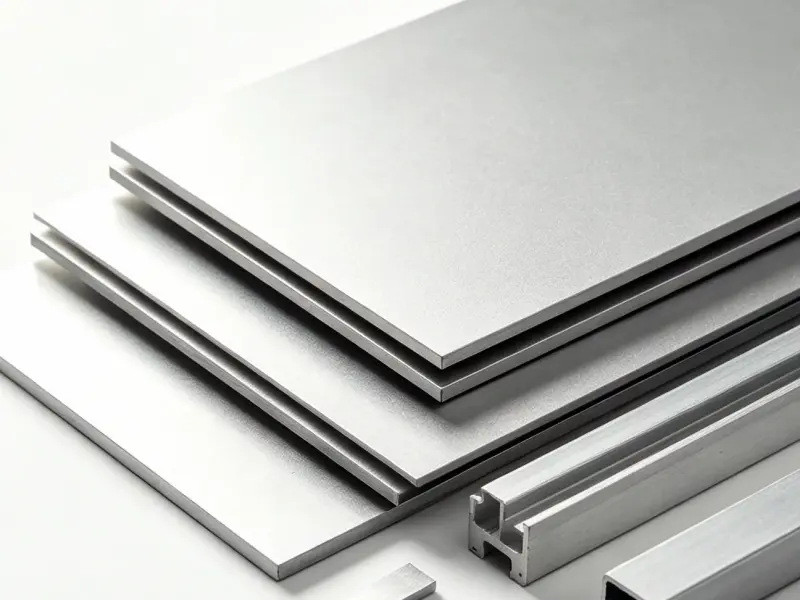
The best aluminum sheet depends on your project.
A thin 3003 aluminum sheet may work well for decorative panels, while 5052 aluminum sheet is often considered for applications that need good corrosion resistance and forming performance.
For higher strength, 6061 aluminum plate may be a better option.
What Is a 4×8 Aluminum Sheet?
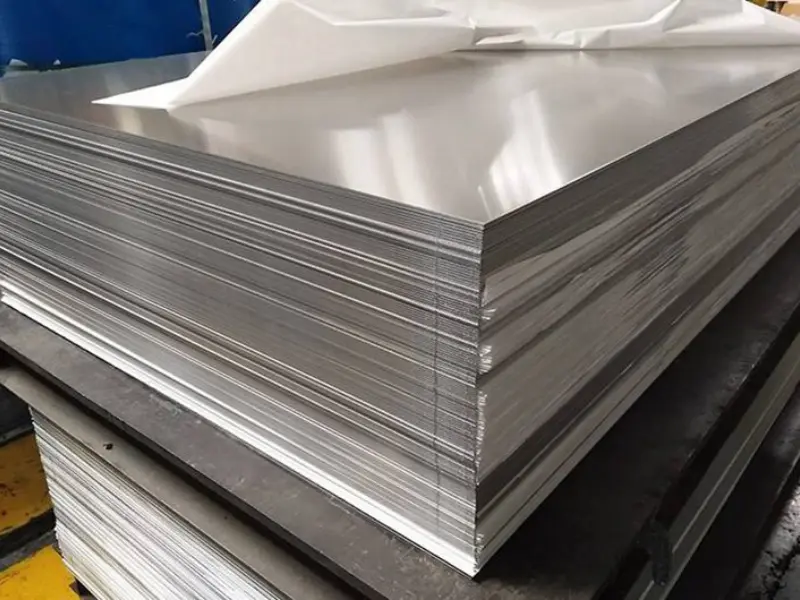
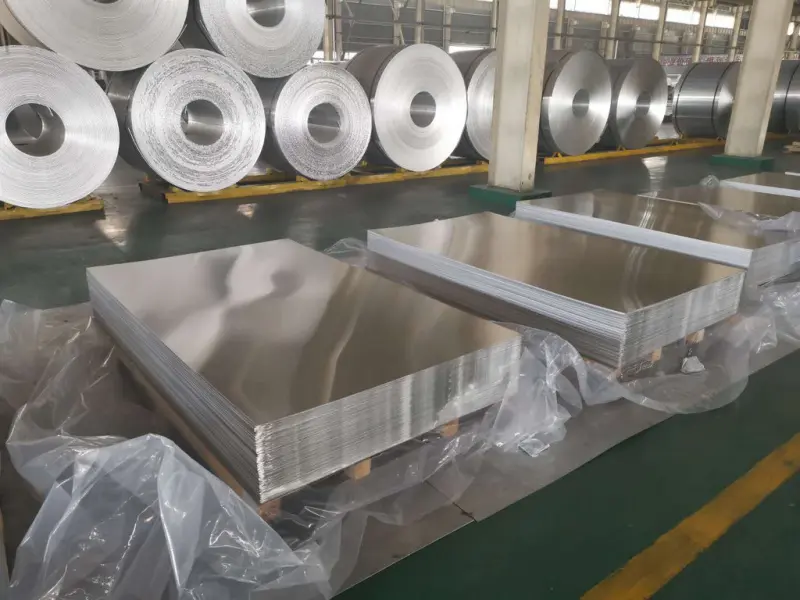
A 4×8 aluminum sheet is a flat aluminum product with a nominal size of 4 feet wide and 8 feet long. It is also known as a 48 × 96 aluminum sheet.
This format is widely used because it is convenient for transport, storage, cutting, and workshop fabrication. The actual dimensions may vary slightly depending on the supplier and product specifications.
| Specification | Common Details |
|---|---|
| Nominal size | 4 ft × 8 ft |
| Dimensions in inches | 48 × 96 in |
| Dimensions in feet | 4 × 8 ft |
| Approximate metric size | 1219 × 2438 mm |
| Material | Aluminum sheet or plate |
| Common alloys | 1050, 1100, 3003, 5052, 6061 |
| Common tempers | O, H14, H24, H32, T6 |
| Surface options | Mill finish, brushed, polished, coated, tread pattern |
| Supply options | Full sheet, selected cut sizes, bulk orders |
A 4×8 aluminum sheet can be supplied in many thicknesses. Some suppliers sell thin sheets for general fabrication, while others stock thicker aluminum plate for structural or machining work.
When searching locally, confirm the alloy, thickness, and surface finish before visiting the supplier. Not every location carries every specification.
Where Can I Buy a 4×8 Aluminum Sheet Near Me?
The best place to buy a 4×8 aluminum sheet depends on how quickly you need the material, how many sheets you need, and whether you require special specifications.
Local Metal Supply Stores
Local metal distributors are often a practical starting point for one or several sheets. They may stock standard aluminum sizes and offer cutting services.
Ask whether they have the required alloy and thickness in stock. Some suppliers sell full sheets only, while others can cut material to your requested dimensions.
Local suppliers are worth considering when you need:
- Same-day or next-day pickup
- Small quantities
- Standard 4×8 dimensions
- Basic cutting services
- Help choosing an alloy
- A quick replacement sheet for a repair
Aluminum Distributors and Service Centers
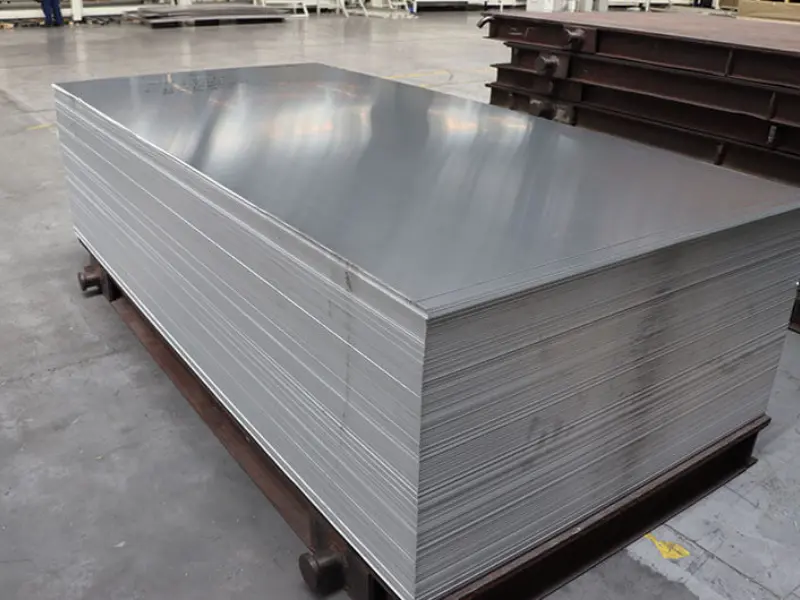
Metal service centers often serve contractors, manufacturers, machine shops, and fabrication companies. Depending on their inventory, they may offer a wider selection of alloys, tempers, and thicknesses.
They may also provide cutting, protective packaging, material certificates, or scheduled deliveries.
For repeated purchases, ask about volume pricing and stock availability. A distributor may be able to reserve material for regular orders.
Online Aluminum Sheet Suppliers
Online suppliers are useful when local stores do not carry the required alloy or thickness. They may offer more product options, custom dimensions, and delivery to your business or workshop.
Before ordering, confirm:
- Whether the listed price is per sheet or per pound
- Whether the product is a sheet or a thicker plate
- The exact alloy and temper
- Freight charges and delivery time
- Packaging and protection
- Return rules for cut-to-size material
A low online price may not include shipping. Compare the total delivered cost rather than the material price alone.
Direct Aluminum Manufacturers
For bulk purchases, custom specifications, or regular supply, buying directly from an aluminum manufacturer may be worth considering.
A manufacturer can often discuss different alloys, thicknesses, surface treatments, and production quantities. Some products may require a minimum order quantity or a production lead time.
Direct factory supply is particularly useful for distributors, fabricators, sign companies, and industrial buyers who need repeat orders.
Common Types of 4×8 Aluminum Sheets
Not every aluminum sheet is designed for the same purpose. Alloy, temper, thickness, and surface finish all affect performance.
1050 and 1100 Aluminum Sheet
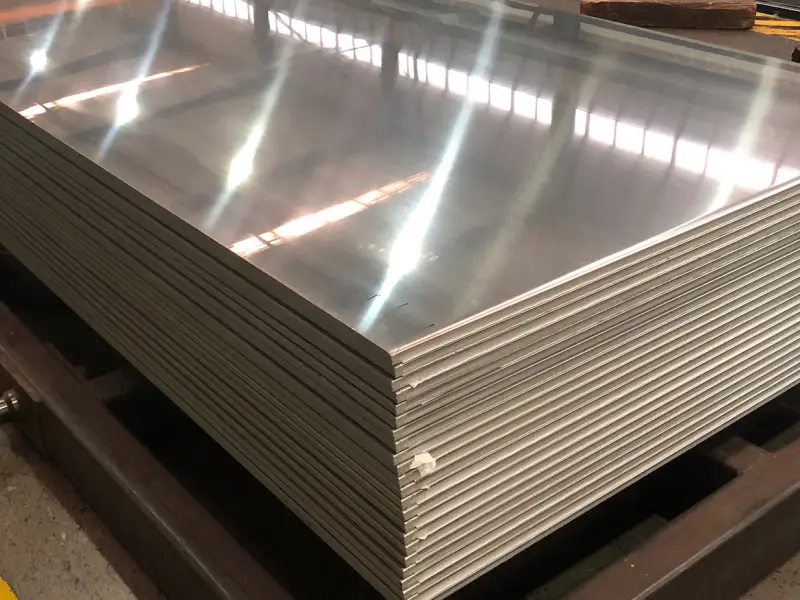
1050 and 1100 aluminum are commercially pure aluminum grades. They offer good corrosion resistance and formability. They can be suitable for general sheet metal work, decorative products, and applications where high structural strength is not the main requirement.
Typical uses include:
- Decorative panels
- General fabrication
- Reflective components, when the surface is suitable
- Covers and housings
- Selected signage products
- Industrial parts that require easy forming
These grades are worth considering for projects that need a workable aluminum sheet rather than a high-strength plate.
3003 Aluminum Sheet
3003 aluminum contains manganese and is commonly used for general-purpose fabrication. It offers good formability and corrosion resistance, with greater strength than many commercially pure aluminum grades.
Typical applications include:
- Equipment covers
- Kitchen and food-service equipment
- Decorative panels
- HVAC components
- General sheet metal fabrication
- Selected roofing and building products
3003 aluminum sheet is available in different tempers and thicknesses. Check the temper when the project requires a particular level of flexibility or rigidity.
5052 Aluminum Sheet
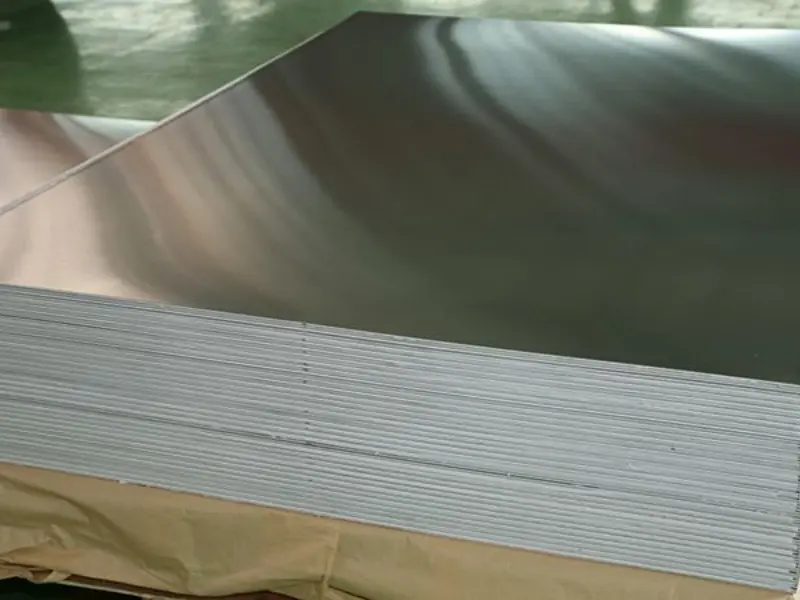
5052 aluminum is a popular choice for applications that require good corrosion resistance and forming performance. It is often considered for marine-related components, vehicle parts, enclosures, and industrial fabrication.
Typical applications include:
- Marine equipment components
- Vehicle panels
- Fuel and fluid equipment parts, subject to design requirements
- Electrical enclosures
- Industrial cabinets
- Outdoor equipment covers
5052 aluminum is often selected over 3003 when higher strength is needed. The final choice should also consider forming, welding, service conditions, and cost.
6061 Aluminum Sheet and Plate
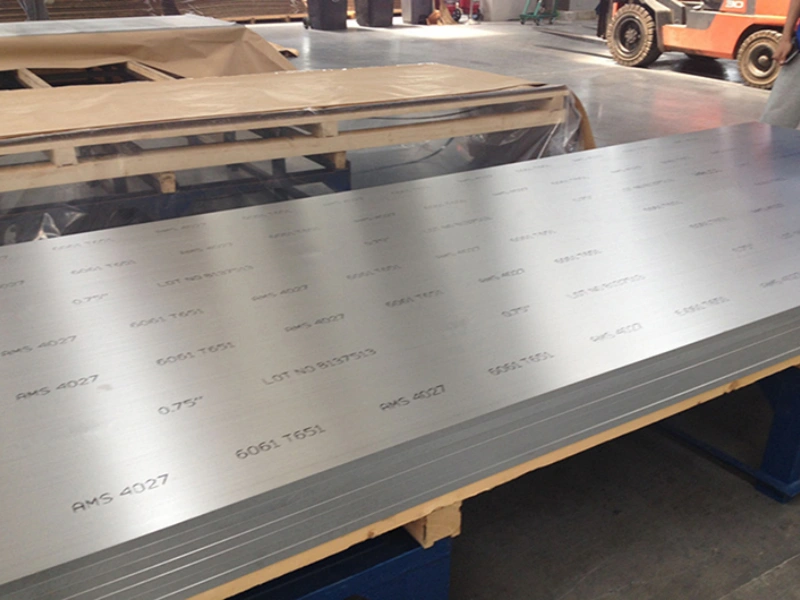
6061 aluminum is a heat-treatable alloy used for applications that require higher strength and machining performance. It is often sold in thicker forms as aluminum plate.
Typical applications include:
- Machine components
- Tooling plates
- Equipment bases
- Structural components designed for the alloy
- Brackets and supports
- CNC-machined parts
A 6061 product may cost more than a general-purpose sheet. It is not always necessary for simple covers or decorative panels, so match the alloy to the actual requirements.
4×8 Aluminum Sheet Thickness Guide
Thickness is one of the main factors to check when buying aluminum sheet. A thin sheet is easier to cut and form, while a thicker sheet generally provides more rigidity and weight.
| Thickness | Approx. Inches | Common Uses |
|---|---|---|
| 0.5 mm | 0.020 in | Thin covers, lightweight craft parts |
| 0.8 mm | 0.031 in | Light panels and selected decorative parts |
| 1.0 mm | 0.039 in | General sheet metal work |
| 1.5 mm | 0.059 in | Covers, cabinets, and formed parts |
| 2.0 mm | 0.079 in | Fabricated panels and equipment housings |
| 3.0 mm | 0.118 in | More rigid panels and general fabrication |
| 4.0 mm | 0.157 in | Heavy-duty covers and fabricated components |
| 6.0 mm | 0.236 in | Thicker fabricated parts and selected plate uses |
| 12.0 mm | 0.472 in | Machining and applications requiring thicker plate |
These are general examples. Availability depends on the alloy, temper, and supplier. Thin sheet and thick plate may also have different dimensional tolerances and production standards.
How Do You Choose the Right Thickness?
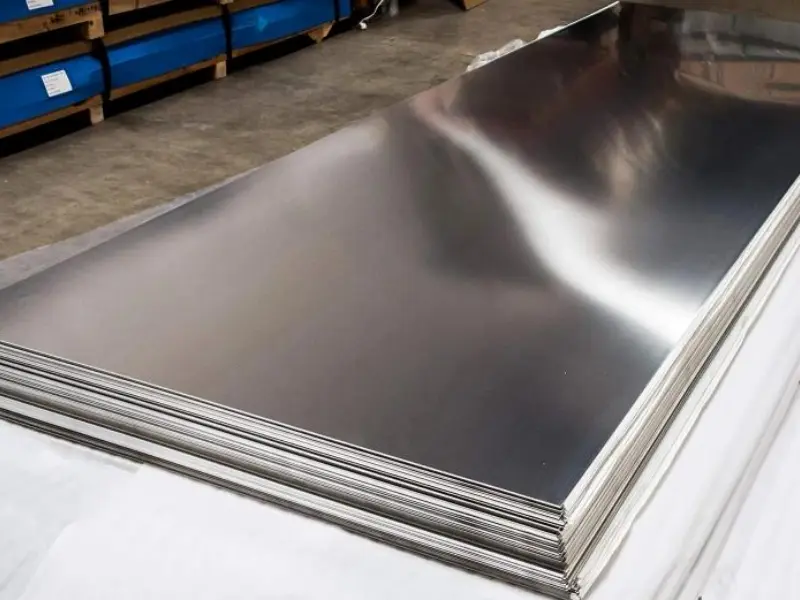
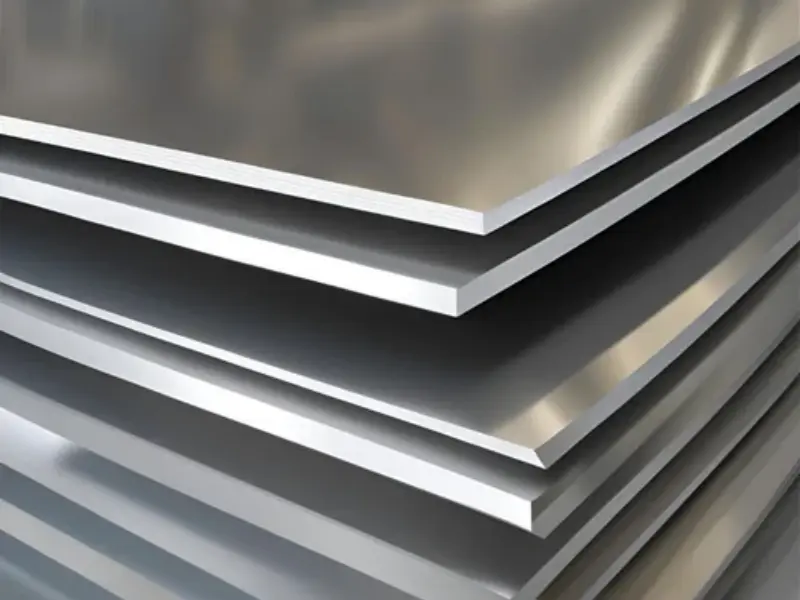
Start with the size and purpose of the finished part.
- For lightweight covers: Consider thinner material if the design provides enough support.
- For decorative panels: Choose thickness based on appearance, flatness, and mounting.
- For equipment enclosures: Consider the panel size, loads, and forming requirements.
- For machining: Check whether aluminum plate is more suitable than sheet.
- For floor or ramp applications: Consider tread plate and confirm the required load capacity and slip resistance.
Do not select thickness based on price alone. A sheet that is too thin may bend, while a sheet that is unnecessarily thick increases material cost and weight.
Aluminum Sheet Tempers: O, H14, H24, H32, and T6
Temper describes the condition of the aluminum and helps explain its mechanical properties.
| Temper | General Description | Common Considerations |
|---|---|---|
| O | Annealed, relatively soft | High formability |
| H14 | Strain-hardened, commonly described as half-hard | General fabrication |
| H24 | Strain-hardened and partially annealed | Formability and strength balance |
| H32 | Strain-hardened and stabilized | Often used with 5052 sheet |
| T6 | Solution heat-treated and artificially aged | Common for 6061 products |
Not every temper is available for every alloy. For example, 6061-T6 and 5052-H32 have different properties and should not be treated as interchangeable.
If the part needs deep drawing, tight bends, welding, or machining, tell the supplier how the material will be processed. The supplier can then recommend an appropriate alloy and temper.
Surface Finishes for 4×8 Aluminum Sheets
The surface finish affects appearance, cleaning, painting, and other finishing operations.
Mill Finish Aluminum Sheet
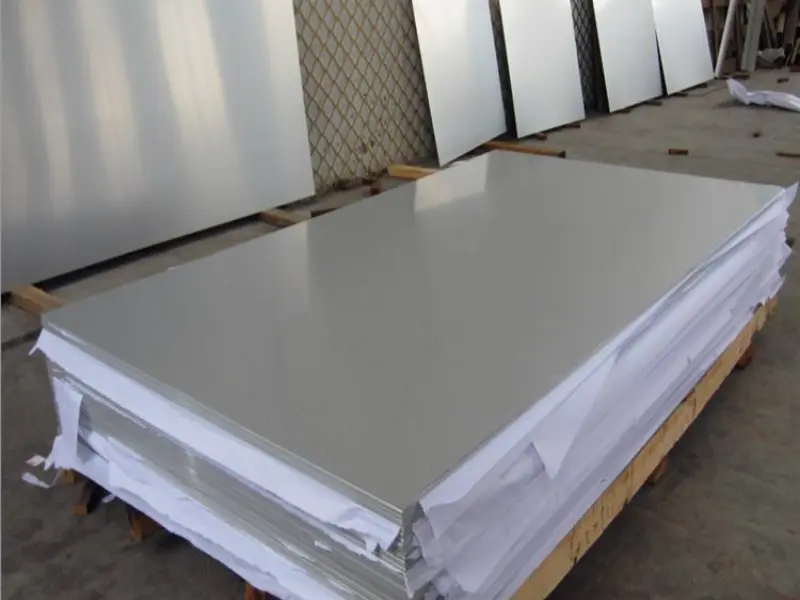
Mill finish is the standard surface produced by rolling. It is commonly used for fabrication and industrial parts where a decorative finish is not essential.
It may be suitable for parts that will later be painted, coated, formed, or machined. The surface condition should be checked if appearance is important.
Brushed Aluminum Sheet
Brushed aluminum has a directional grain that creates a modern metallic look. It is often used for interior panels, appliances, decorative covers, and selected signage.
Ask about the brushing direction and protective film if the surface will remain visible after installation.
Polished or Mirror Aluminum Sheet
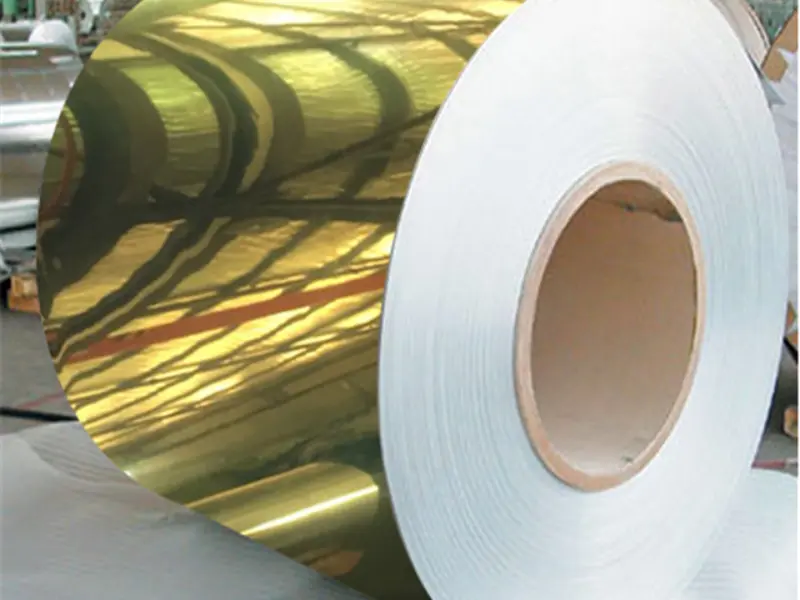
Polished and mirror finishes provide a brighter, more reflective appearance. They are used for decorative panels, reflectors, and selected interior products.
These surfaces can scratch more easily than a standard mill finish. Careful handling and suitable packaging are important.
Painted or Color-Coated Aluminum Sheet
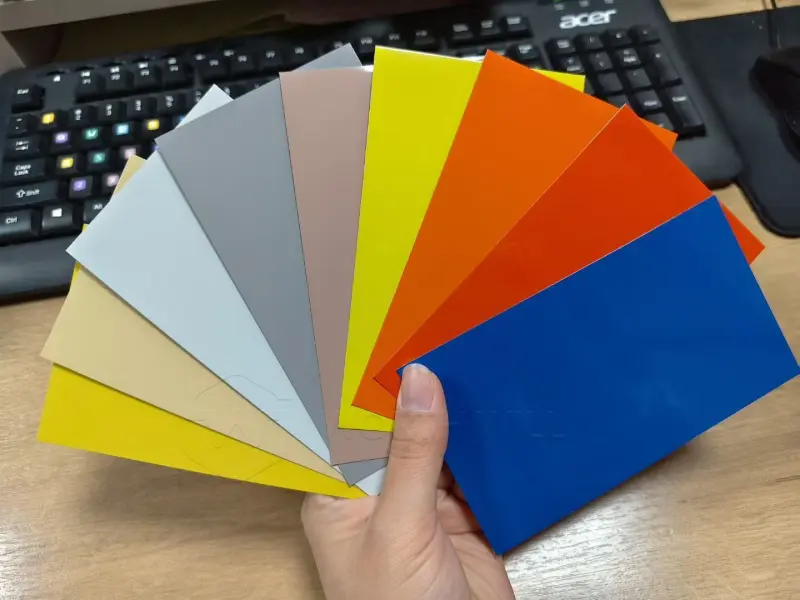
Color-coated aluminum is available in selected colors and coating systems. It may be used for signage, decorative panels, building products, and equipment covers.
For outdoor use, check the coating system, weather exposure, color requirements, and expected service life.
4×8 Aluminum Tread Plate
Aluminum tread plate has a raised pattern on the surface. Common patterns include diamond and multi-bar designs.
Typical uses include:
- Vehicle floors and protective panels
- Workshop and equipment surfaces
- Toolboxes
- Stair treads and access panels
- Selected industrial flooring applications
Tread plate thickness, pattern height, and alloy should be specified separately. Raised patterns may also affect the overall thickness measurement.
4×8 Aluminum Sheet vs. Aluminum Plate
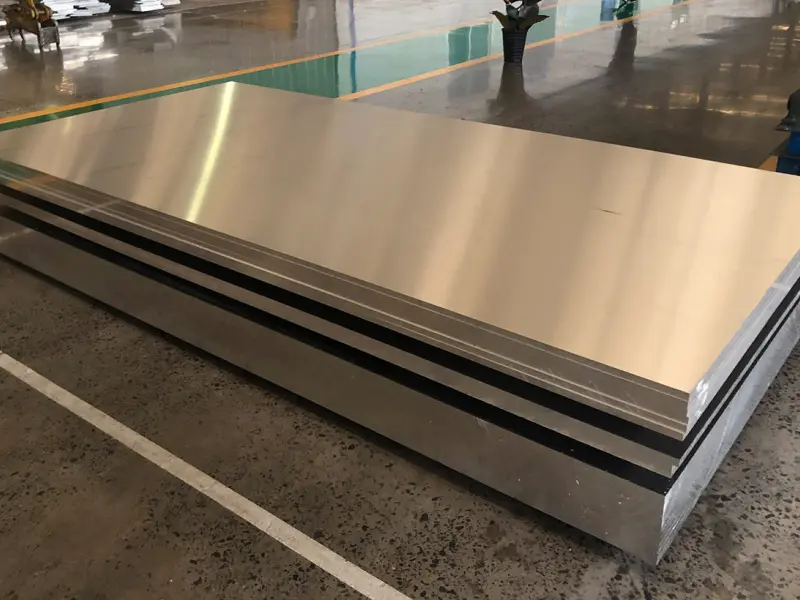
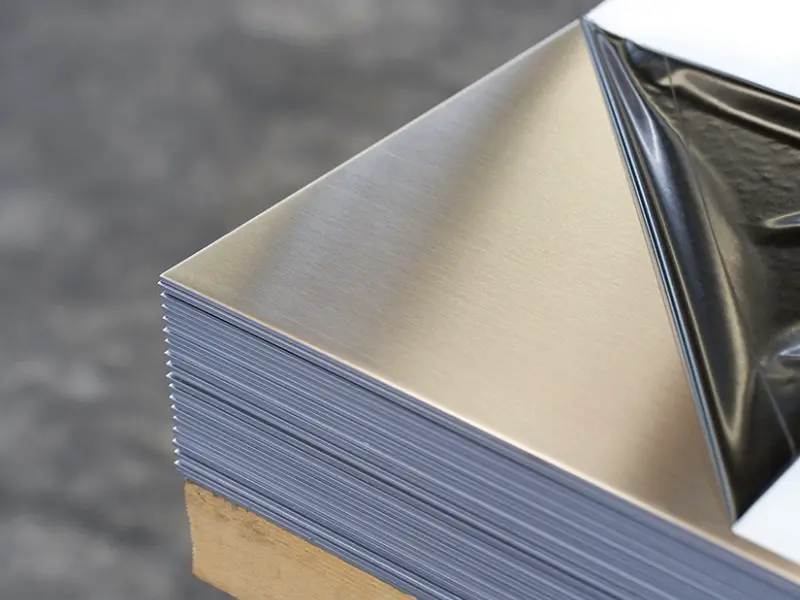
The terms “sheet” and “plate” are sometimes used loosely in online listings. In practice, product naming often depends on thickness and supplier standards.
| Feature | Aluminum Sheet | Aluminum Plate |
|---|---|---|
| Typical thickness | Thin to medium | Usually thicker |
| Weight | Lower at the same dimensions | Higher at the same dimensions |
| Forming | Often easier for thin gauges | Depends on alloy and thickness |
| Common uses | Covers, panels, enclosures | Machining, tooling, heavy components |
| Price factors | Alloy, thickness, finish | Alloy, thickness, machining and tolerances |
If you need a 4×8 aluminum product for CNC machining or a load-bearing design, confirm the exact material specification rather than relying on the product title alone.
4×8 Aluminum Sheet vs. Steel Sheet
Aluminum and steel are both used in fabrication, but they have different properties.
| Comparison | Aluminum | Steel |
|---|---|---|
| Density | About 2.7 g/cm³ | About 7.85 g/cm³ for typical carbon steel |
| Weight | Lower for the same volume | Higher for the same volume |
| Corrosion behavior | Many grades offer good corrosion resistance | Depends on grade and protective finish |
| Strength | Depends on alloy and temper | Depends on grade and processing |
| Forming and fabrication | Depends on alloy and thickness | Depends on grade and thickness |
| Common reason to choose | Low weight and corrosion resistance | Strength, availability, or project cost |
Aluminum is not automatically stronger or cheaper than steel. The right material depends on the required strength, weight, service environment, fabrication method, and total project cost.
Applications of 4×8 Aluminum Sheets
A standard 4×8 sheet can be cut into many shapes and sizes. Its wide range of uses makes it a common material for workshops, contractors, manufacturers, and maintenance teams.
Construction and Building Projects
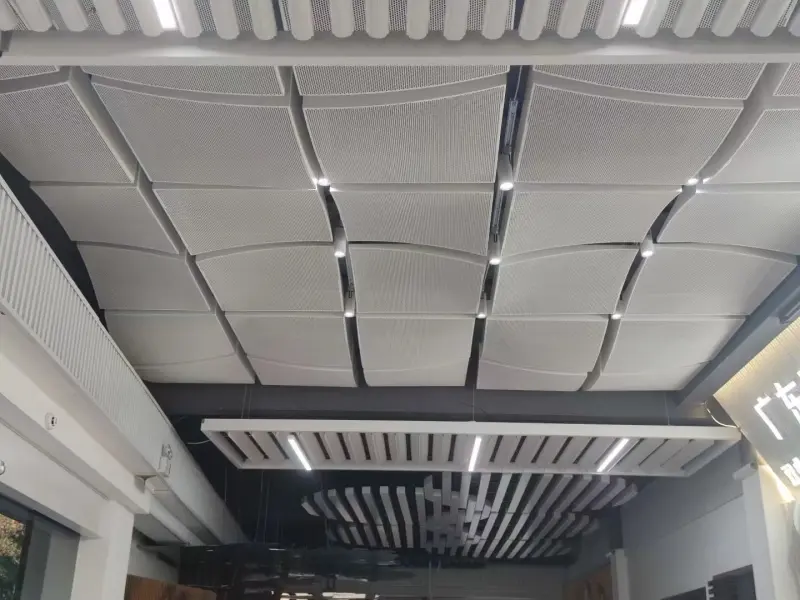
Aluminum sheets can be used in selected building components because they are lightweight and easy to fabricate.
Applications include:
- Wall and ceiling panels
- Interior decorative panels
- Equipment covers
- Fascia and trim components
- Custom flashing and sheet metal parts
- Selected roofing and cladding systems
For exterior building use, confirm the alloy, coating, wind loads, installation details, and local building requirements.
Transportation and Vehicle Fabrication
Aluminum sheet is used in vehicle components where weight and fabrication are important.
Applications include:
- Trailer panels
- Vehicle interior panels
- Equipment compartments
- Protective covers
- Custom body components
- Selected marine and recreational vehicle parts
For vehicles and marine equipment, select the alloy based on the required strength, corrosion exposure, forming, and joining method.
Manufacturing and Machine Shops
Fabricators and manufacturers use 4×8 aluminum sheets to produce components in different shapes.
Applications include:
- Machine guards
- Electrical cabinets
- Control box panels
- Industrial covers
- Brackets and mounting plates
- Custom fabricated parts
For machined parts, consider whether sheet or plate is appropriate and confirm flatness and dimensional tolerances.
Signs and Display Panels
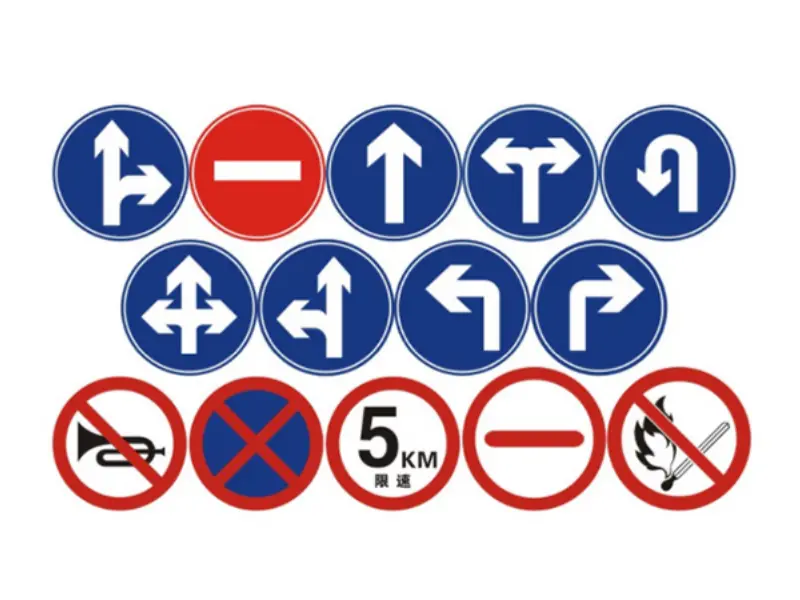
Aluminum is used for many indoor and outdoor signs because it is lightweight and can be finished in different ways.
Applications include:
- Business signs
- Directional signs
- Information boards
- Display panels
- Custom sign blanks
- Printed promotional panels
For printed signs, confirm whether the surface is suitable for the chosen ink, paint, adhesive, or printing process.
Home, Workshop, and DIY Projects
A 4×8 aluminum sheet can be useful for home repairs and workshop projects, provided the selected thickness and alloy suit the job.
Possible uses include:
- Storage cabinet panels
- Workbench covers
- Decorative wall panels
- Tool and equipment covers
- Custom brackets
- Craft and hobby components
Wear suitable protective equipment when cutting or handling aluminum. Sharp edges and metal chips can cause injuries.
What Affects the Price of a 4×8 Aluminum Sheet?
The price of a 4×8 aluminum sheet varies by product specification, supplier, order quantity, and delivery location.
Alloy and Temper
Different alloys and tempers have different mechanical properties and production requirements. A 5052-H32 sheet and a 6061-T6 plate may have very different prices even if their dimensions are similar.
Thickness and Weight
Thicker sheets use more aluminum. Because aluminum is often sold by weight, a heavier sheet generally costs more per piece when other factors are similar.
Surface Treatment
Mill finish, brushed, polished, painted, and tread plate products may have different processing costs.
Custom colors, special coatings, protective films, and tight appearance requirements can also affect the quotation.
Quantity and Cutting Services
A single sheet may have a higher unit price than a larger order. Custom cutting, punching, edge finishing, and other processing services can add costs.
Ask whether the supplier sells full 4×8 sheets or charges extra for cut-to-size material.
Freight and Local Availability
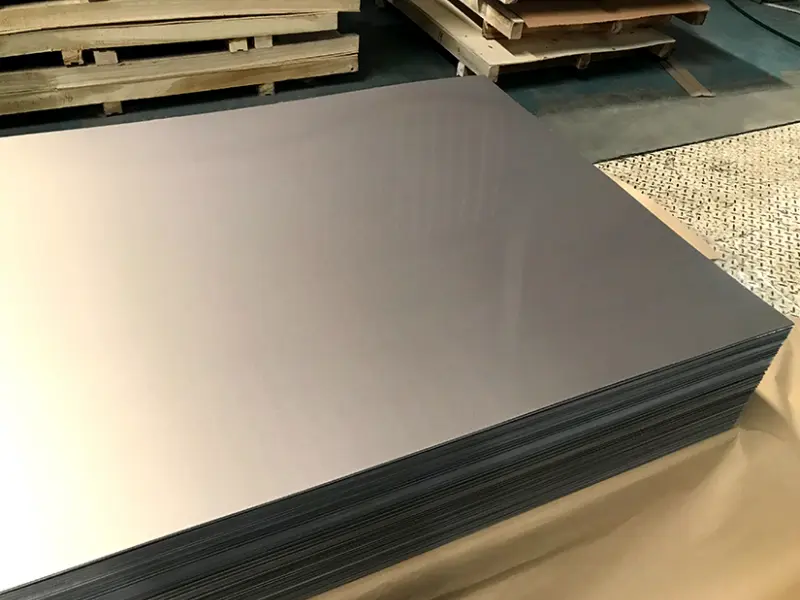
When searching for a supplier near you, compare pickup and delivery options. A local store may have a higher material price but lower transport costs. An online or direct manufacturer quotation may be more competitive for larger orders, depending on freight and lead time.
Always compare the total delivered cost, not only the listed price per sheet.
How to Estimate the Weight of a 4×8 Aluminum Sheet
Knowing the approximate weight helps with transport planning, handling, and cost estimates.
For a 4 × 8 ft aluminum sheet, a useful estimate for the bare aluminum is:
Weight (kg) ≈ 2.438 × 1.219 × thickness (mm) × 2.71
This formula uses an approximate aluminum density of 2.71 g/cm³. It does not include packaging, coatings, or raised tread patterns.
| Thickness | Approximate Bare Sheet Weight |
|---|---|
| 0.5 mm | 4.0 kg |
| 1.0 mm | 8.1 kg |
| 1.5 mm | 12.1 kg |
| 2.0 mm | 16.1 kg |
| 3.0 mm | 24.2 kg |
| 4.0 mm | 32.2 kg |
| 6.0 mm | 48.4 kg |
These values are estimates based on nominal dimensions. Actual weight depends on dimensional tolerances and the specific product. Use the supplier’s published weight when arranging freight or lifting equipment.
How to Compare Local Aluminum Sheet Suppliers
A supplier with the lowest advertised price is not always the best option. Compare product availability, material specifications, service, and total cost.
Confirm Stock Before Visiting
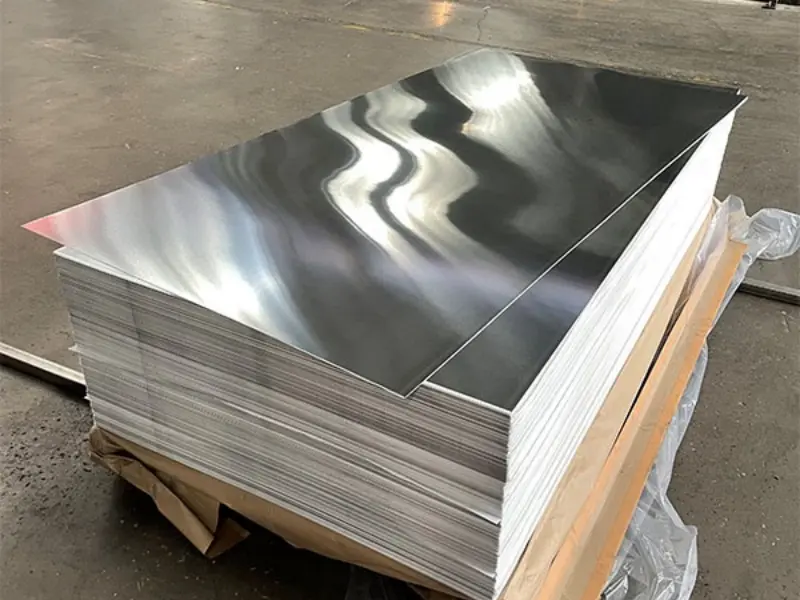
Call or contact the supplier and provide the exact requirements:
- 4 × 8 ft or 48 × 96 in
- Alloy and temper
- Thickness
- Surface finish
- Quantity
- Full-sheet or cut-to-size requirement
Ask whether the material is physically in stock or needs to be ordered.
Check Material Documentation
For industrial or commercial projects, ask whether the supplier can provide a material test certificate or other traceability documents when required.
Confirm that the alloy and temper on the documentation match the product being supplied.
Ask About Cutting and Delivery
Some suppliers offer saw cutting, shearing, or other processing services. These options can save time but may add costs.
Also confirm the delivery vehicle, unloading arrangements, packaging, and estimated delivery date.
Compare More Than One Quotation
Request quotations from multiple suppliers when the project allows time. Use the same alloy, thickness, size, finish, quantity, and delivery terms for each quotation.
This makes it easier to identify the real price difference and avoid comparing products with different specifications.
Buying 4×8 Aluminum Sheets in Bulk
If you regularly purchase aluminum sheets, consider working with a distributor or manufacturer that can support repeat orders.
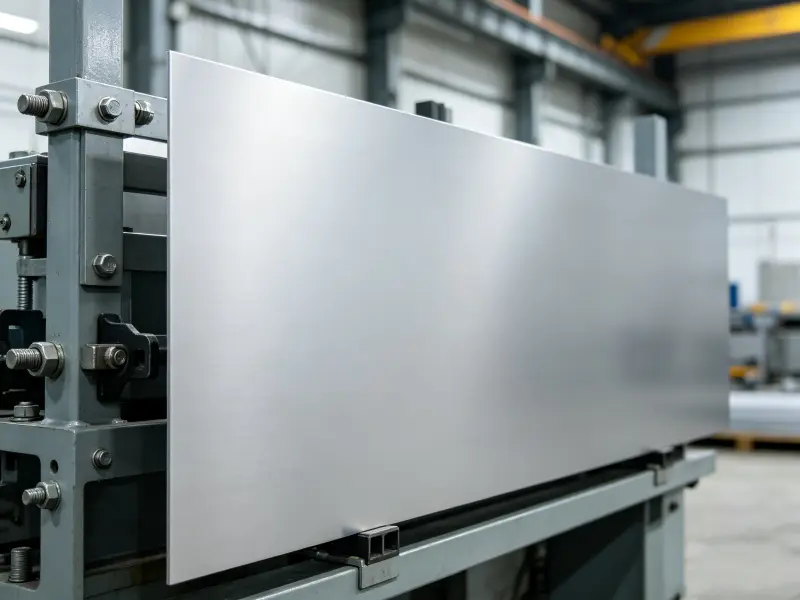
Bulk buyers should discuss:
- Monthly or quarterly demand
- Standard alloy and thickness combinations
- Quality and dimensional requirements
- Custom cutting and processing
- Packaging and labeling
- Delivery schedule
- Material documentation
- Minimum order quantity
A local supplier may be ideal for urgent replacement sheets and small orders.
A manufacturer or large distributor may be more suitable for repeat production, custom specifications, or larger quantities.
The best option depends on your order size, stock needs, and production schedule.
Frequently Asked Questions About 4×8 Aluminum Sheets
What does 4×8 aluminum sheet mean?
It means an aluminum sheet with a nominal size of 4 feet by 8 feet, equal to 48 × 96 inches or approximately 1219 × 2438 mm.
Where can I find a 4×8 aluminum sheet near me?
Start with local metal supply stores, aluminum distributors, and metal service centers. Contact them to confirm the alloy, thickness, finish, stock availability, and pickup or delivery options.
What is the most common alloy for a 4×8 aluminum sheet?
Common options include 3003, 5052, and 6061, as well as commercially pure grades such as 1050 and 1100. The best alloy depends on the required strength, forming, corrosion resistance, and application.
How thick should a 4×8 aluminum sheet be?
Thin sheets may work for light covers and decorative parts. Thicker sheets are generally considered for panels that need more rigidity. The right thickness depends on the dimensions, support, loads, and fabrication process.
Is a 4×8 aluminum sheet the same as a 4×8 aluminum plate?
Not necessarily. Sheet and plate are different product categories, although terminology can vary between suppliers. Confirm the actual thickness, alloy, temper, and dimensional tolerances before ordering.
How much does a 4×8 aluminum sheet weigh?
The weight depends mainly on thickness and alloy density. A 1 mm thick 4×8 aluminum sheet weighs approximately 8.1 kg before packaging and coating. A thicker sheet weighs more.
Can a 4×8 aluminum sheet be cut to size?
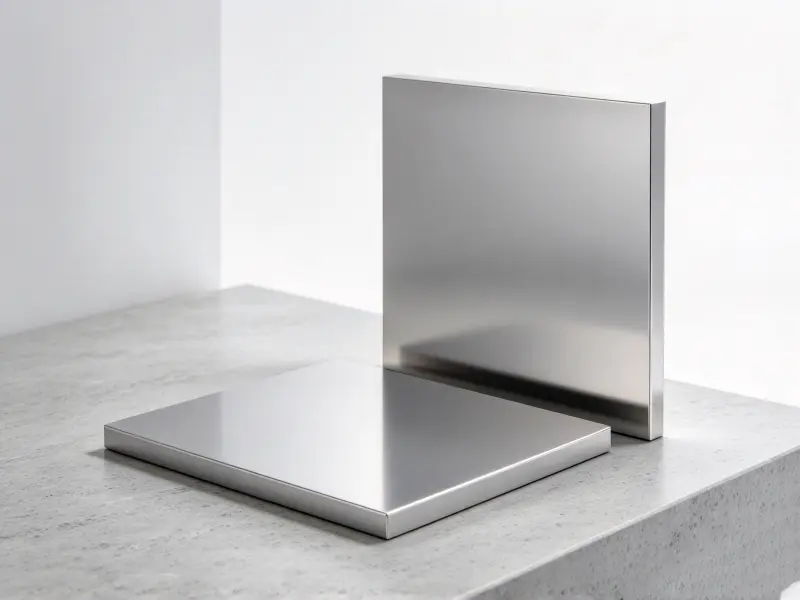
Many metal suppliers offer cutting services. Confirm the available cutting method, dimensional tolerance, minimum charge, and whether cut pieces are subject to different return conditions.
Is 5052 aluminum better than 3003 aluminum?
5052 is often selected when higher strength and good corrosion resistance are important. 3003 is a common general-purpose option with good formability. The best choice depends on the finished part and its operating conditions.
Is aluminum sheet suitable for outdoor use?
Many aluminum grades are suitable for outdoor applications, but the result depends on the alloy, surface finish, coating, environment, and installation. For long-term exposure, confirm the material and coating requirements with the supplier.
Should I buy locally or order directly from a manufacturer?
Local purchasing can be convenient for small quantities and urgent projects. Direct manufacturer supply may be worth comparing for bulk orders, custom specifications, and repeat demand. Include freight, lead time, and minimum order quantity in the comparison.
Get a Quote for 4×8 Aluminum Sheets
Before purchasing, define the alloy, temper, thickness, finish, and quantity. These details help a supplier recommend the correct material and provide a useful quotation.
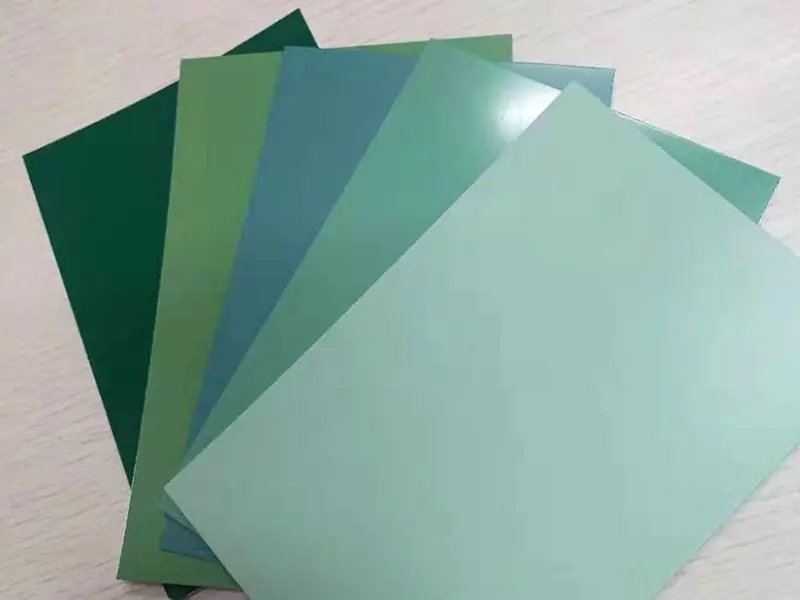
If you need one sheet quickly, a local metal supplier may be the most convenient choice. If you need several sheets or regular deliveries, compare distributor and manufacturer options as well.
For an accurate quote, prepare the following information:
| Requirement | Example |
|---|---|
| Sheet size | 4 × 8 ft |
| Alloy | 3003, 5052, or 6061 |
| Temper | O, H14, H24, H32, or T6, as applicable |
| Thickness | 1.5 mm, 2 mm, 3 mm, or another required size |
| Surface | Mill finish, brushed, coated, or tread plate |
| Quantity | Number of sheets |
| Cutting | Full sheet or custom dimensions |
| Delivery | Local pickup or delivery address |
Choosing the right 4×8 aluminum sheet starts with the application, not just the price. Confirm the specifications and stock status before ordering to reduce delays and avoid buying the wrong material.
Error: Contact form not found.