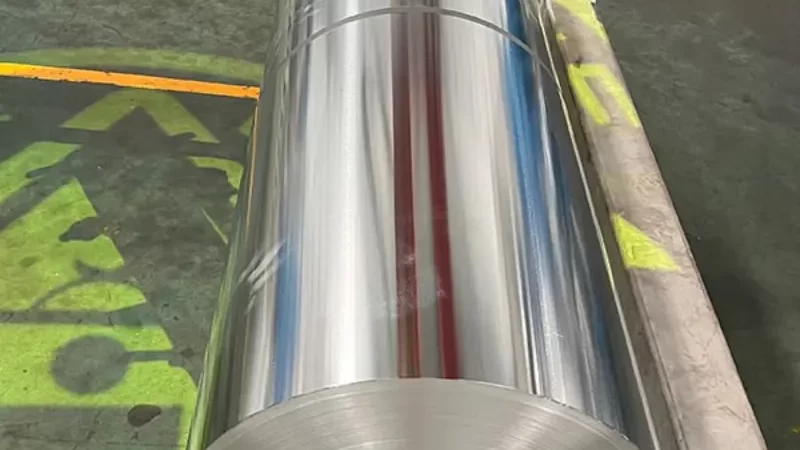
Aluminium foil, aluminium sheet, and aluminium strip are all made from aluminium alloys. However, they are not the same product. Their thickness, width, strength, and processing methods are different. Each product has designed for specific applications.
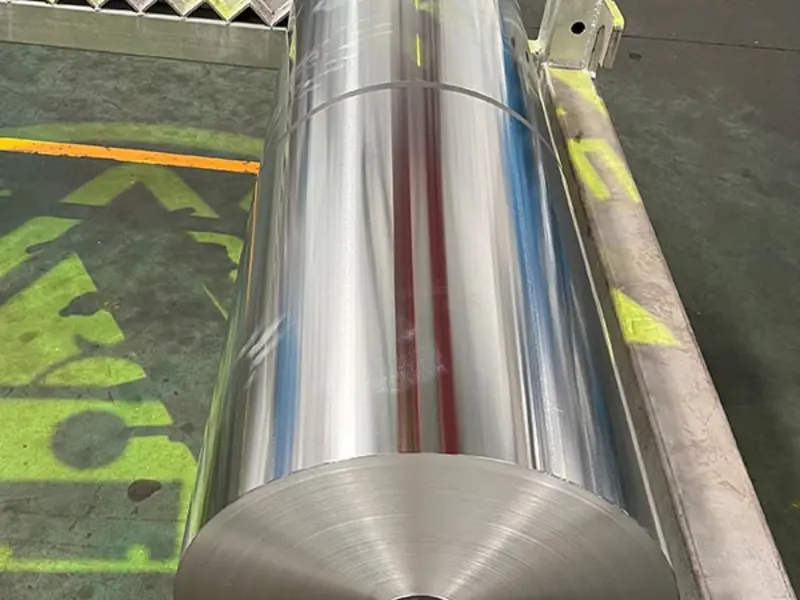
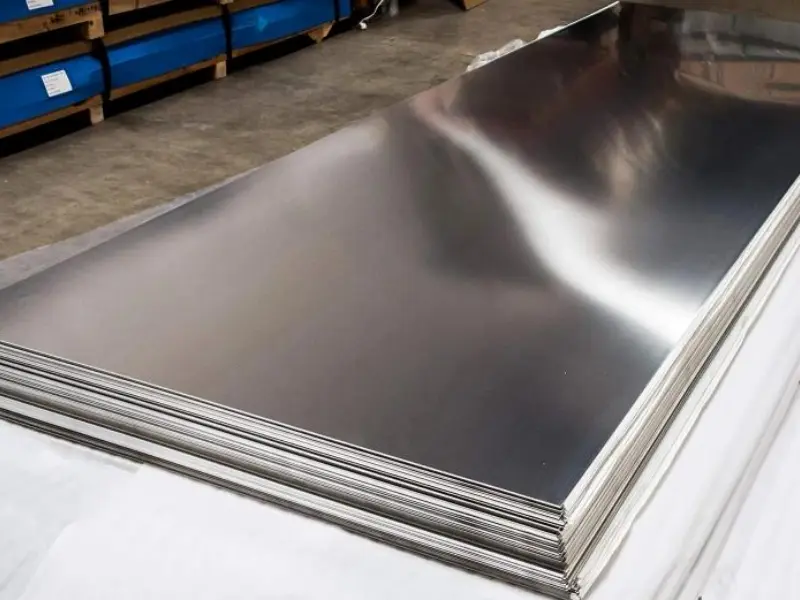
Aluminium foil has uses in food packaging, pharmaceutical packaging, insulation, and flexible laminates. The Aluminium sheet has often selected for construction, transportation, equipment housings, and fabrication. Aluminium strip has supplied in narrow or slit coils for stamping, electrical components, heat exchangers, and industrial manufacturing.
Choosing the right material can help control costs, improve production efficiency, and reduce material waste. This guide compares aluminium foil vs. aluminium sheet and strip, including their thickness ranges, alloy options, tempers, applications, and purchasing considerations.
Aluminium Foil vs. Aluminium Sheet vs. Aluminium Strip: Key Differences
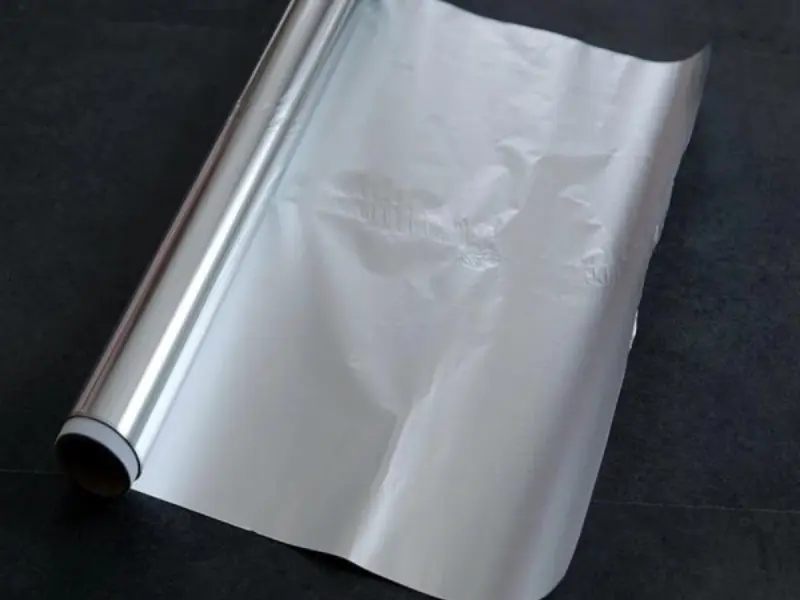
The main differences are thickness, product form, and intended use. Foil is very thin and flexible. Sheet is generally thicker and supplied in flat pieces or larger formats. Strip is usually supplied as a narrow coil, although the exact dimensions depend on the manufacturer’s product range.
| Feature | Aluminium foil | Aluminium sheet | Aluminium strip |
|---|---|---|---|
| Typical form | Thin roll or coil | Flat sheet or plate | Narrow or slit coil |
| Typical thickness | About 0.006–0.20 mm | About 0.20 mm and above | About 0.10–3.0 mm |
| Width | Wide rolls or custom slit widths | Standard or custom sheet widths | Narrow widths or slit coils |
| Flexibility | Very high | Depends on thickness and temper | Depends on thickness and width |
| Main advantage | Low weight and barrier performance in suitable structures | Flatness, rigidity, and fabrication options | Efficient processing in continuous production |
| Common industries | Packaging, insulation, household products | Construction, transport, machinery | Electrical, automotive, heat exchangers |
| Typical processing | Rolling, coating, laminating | Cutting, bending, welding, machining | Slitting, stamping, winding, roll forming |
The thickness ranges are indicative, not universal definitions. Product classification, standards, and available dimensions vary by manufacturer and market.
The Main Selection Rule
Choose aluminium foil when you need a very thin material for wrapping, laminating, or selected technical applications.
Choose aluminium sheet when you need a flat panel for cutting, forming, cladding, or fabrication.
For choose aluminium strip when your production line needs a continuous coil or a specific narrow width.
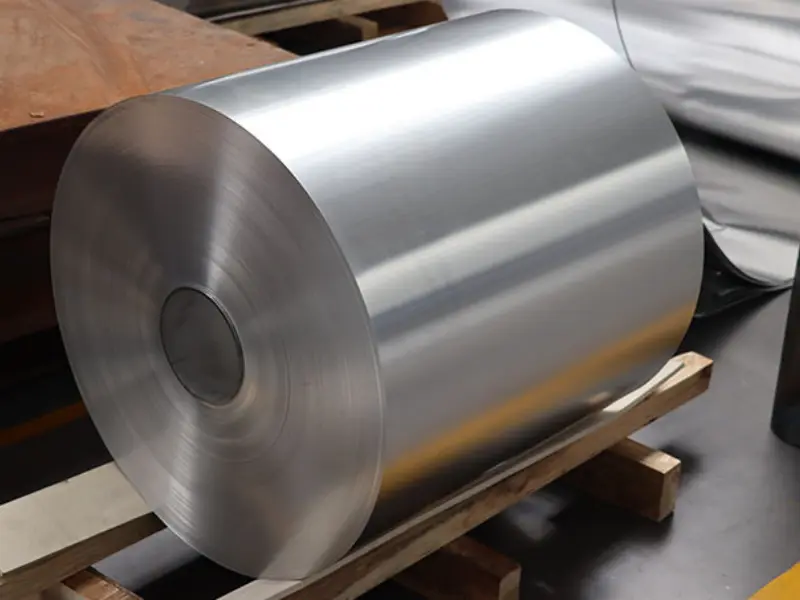
Foil → Sheet → Strip is not a simple progression from thin to thick. Strip describes a product format and width, not just a thickness category. A thin material has supplied as strip, and the term can overlap with foil depending on the specification.
What Is Aluminium Foil?
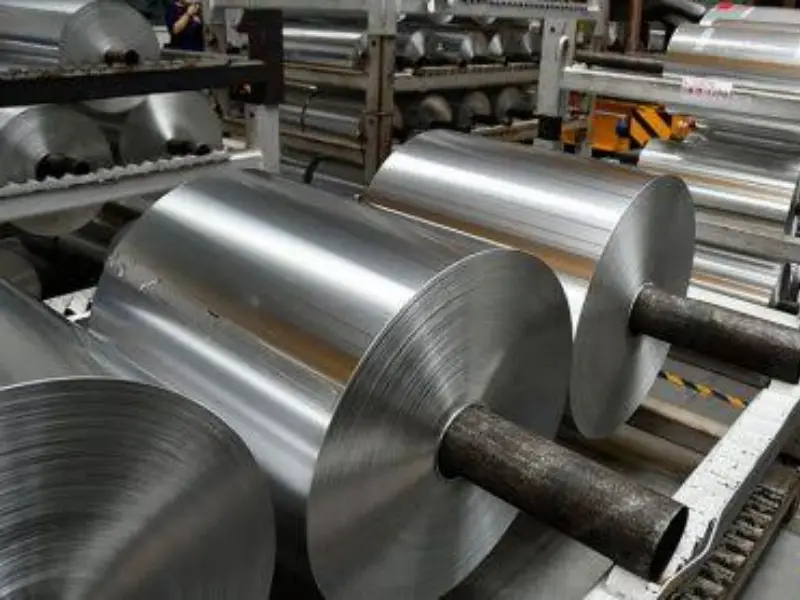
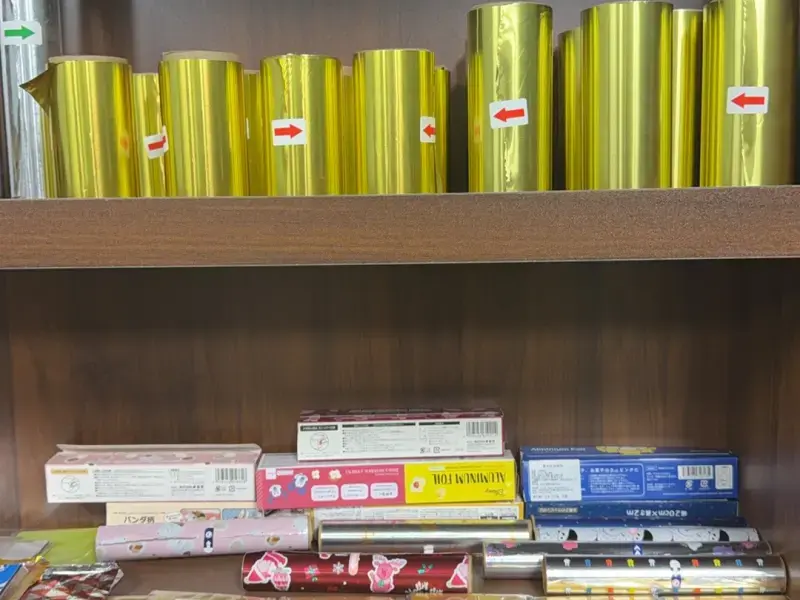
Aluminium foil is a thin aluminium product supplied mainly in rolls or coils. It can be soft, flexible, and easy to fold. It has applications in laminates that combine aluminium with paper or plastic film.
The material offers low weight, good formability, and useful barrier properties when the foil and finished structure are designed for the application. It has applications in household kitchens, food factories, pharmaceutical packaging, and industrial insulation.
Common Aluminium Foil Thicknesses
| Foil type | Example thickness | Typical application |
|---|---|---|
| Extra-thin foil | 0.006–0.009 mm | Flexible packaging laminates |
| Thin packaging foil | 0.010–0.015 mm | Food and household packaging |
| General-purpose foil | 0.016–0.025 mm | Wrapping and packaging |
| Heavy-duty household foil | 0.020–0.030 mm | Cooking and stronger wrapping |
| Industrial foil | 0.030–0.100 mm | Insulation facings and technical laminates |
| Thick foil or foil strip | 0.100–0.200 mm | Industrial converting and selected components |
These categories are examples. Actual thickness depends on the product, alloy, application, and supplier.
Aluminium Foil Alloys
Different aluminium foil alloys suit different manufacturing needs.
8011 aluminium foil is widely used in packaging. It offers a useful balance of strength and processing performance. Common applications include household foil, container foil, and selected pharmaceutical packaging materials.
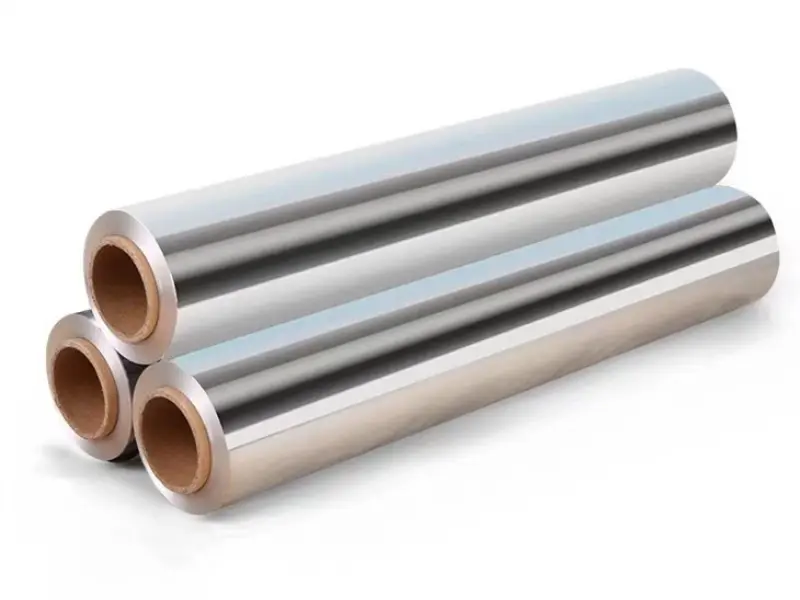
1235 aluminium foil is a high-purity foil grade used in many flexible packaging laminates. It is suitable for applications that need thin material and good converting performance.
1050 and 1060 aluminium foil are commercially pure grades. They offer good formability and conductivity, making them candidates for selected industrial, electrical, and insulation uses.
1100 aluminium foil offers good workability and corrosion resistance. It has applications in formed foil products and other applications that suit its properties.
| Alloy | General characteristics | Potential applications |
|---|---|---|
| 1050 | High aluminium content, good formability | Industrial foil, insulation |
| 1060 | High purity, good conductivity | Electrical and technical applications |
| 1100 | Good workability and corrosion resistance | Formed products, selected packaging uses |
| 1235 | High-purity foil grade | Flexible packaging laminates |
| 8011 | Good packaging and converting performance | Household foil, container foil, packaging |
The exact alloy has confirmed against the relevant standard and technical specification. Not every grade is suitable for every food-contact, electrical, or pharmaceutical application.
Aluminium Foil Applications
Aluminium foil is useful when a product needs low weight, flexibility, or a barrier layer.
Common applications include:
- Food wrapping and household foil
- Flexible food packaging
- Pharmaceutical blister and strip packaging
- Foil-paper and foil-plastic laminates
- Building and HVAC insulation facings
- Selected electrical shielding components
- Industrial wrapping and protective laminates
- Heat management and technical foil products
For food and pharmaceutical packaging, the full packaging structure must meet the applicable safety and performance requirements. Alloy alone does not determine suitability.
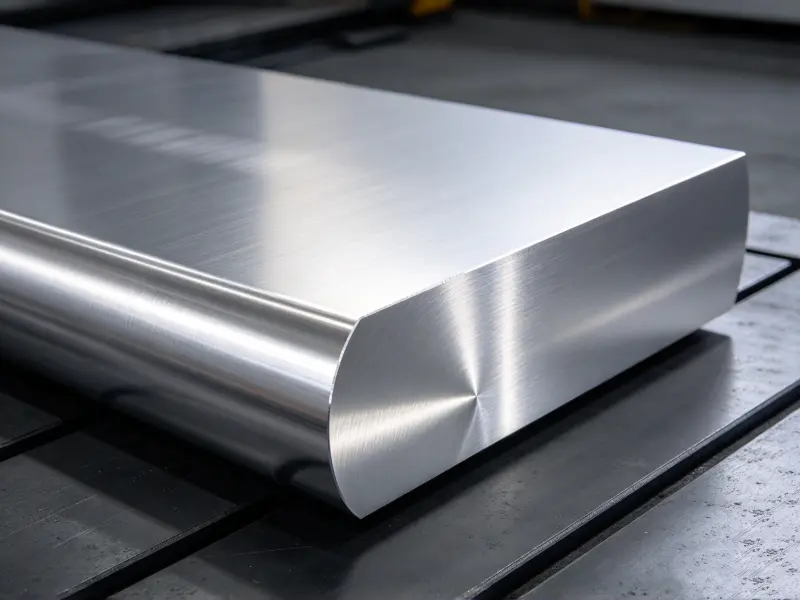
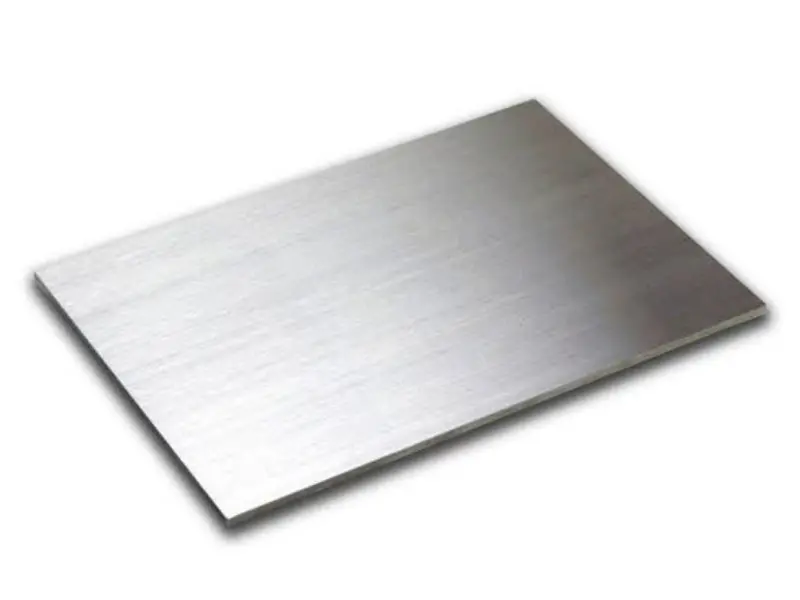
What Is Aluminium Sheet?
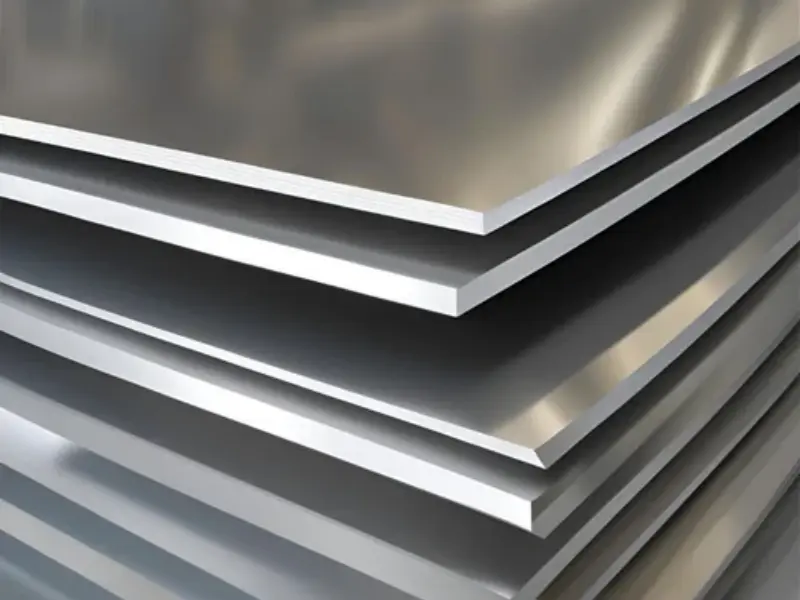
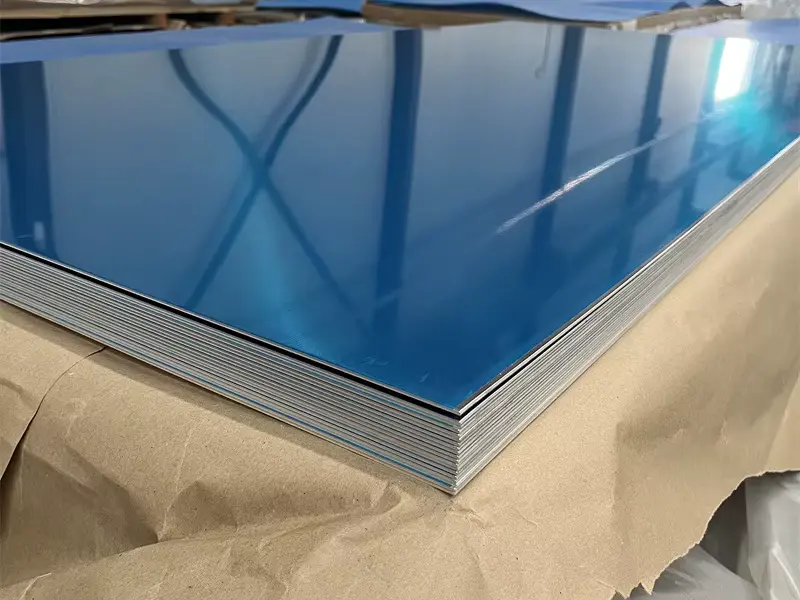
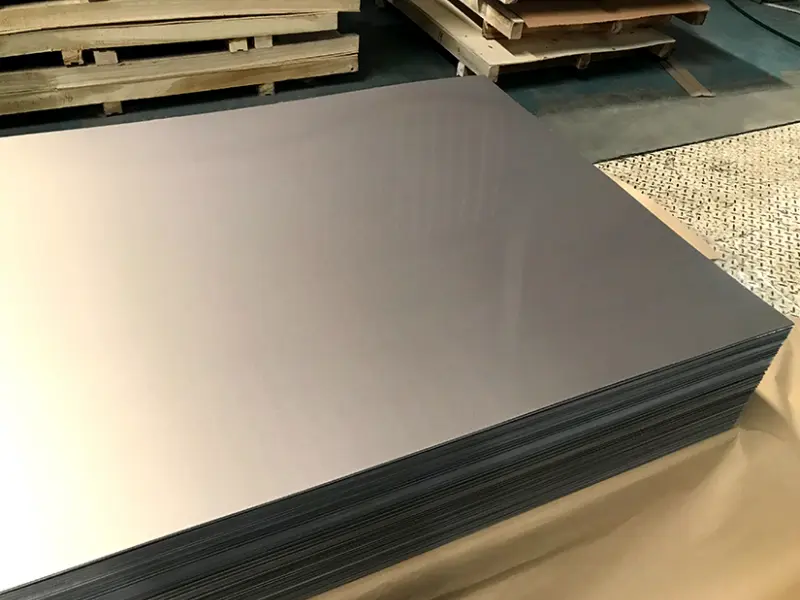
Aluminium sheet is a flat-rolled product that is generally thicker and more rigid than household foil. It is available in different alloys, tempers, thicknesses, widths, and lengths.
Aluminium sheet is easy to cut, bend, and form when the correct alloy and temper are selected. Some grades have welded or machined, subject to the application and fabrication method.
Common Aluminium Sheet Thicknesses
| Sheet type | Example thickness | Common uses |
|---|---|---|
| Thin aluminium sheet | 0.20–0.50 mm | Covers, panels, light fabrication |
| General-purpose sheet | 0.50–1.50 mm | Equipment panels, enclosures |
| Medium sheet | 1.50–3.00 mm | Machinery, transport components |
| Heavy sheet | 3.00–6.00 mm | Structural parts and fabrication |
| Thick plate | Above 6.00 mm | Tooling, heavy-duty parts, structural applications |
The boundary between sheet and plate differs among standards and industries. Confirm the required product classification when placing an order.
Common Aluminium Sheet Alloys
1050 and 1060 aluminium sheet have used where high aluminium content, corrosion resistance, and formability are important. They may suit decorative panels, covers, and selected electrical or industrial products.
3003 aluminium sheet offers good formability and corrosion resistance. It has applications in equipment panels, tanks, HVAC components, and selected building products.
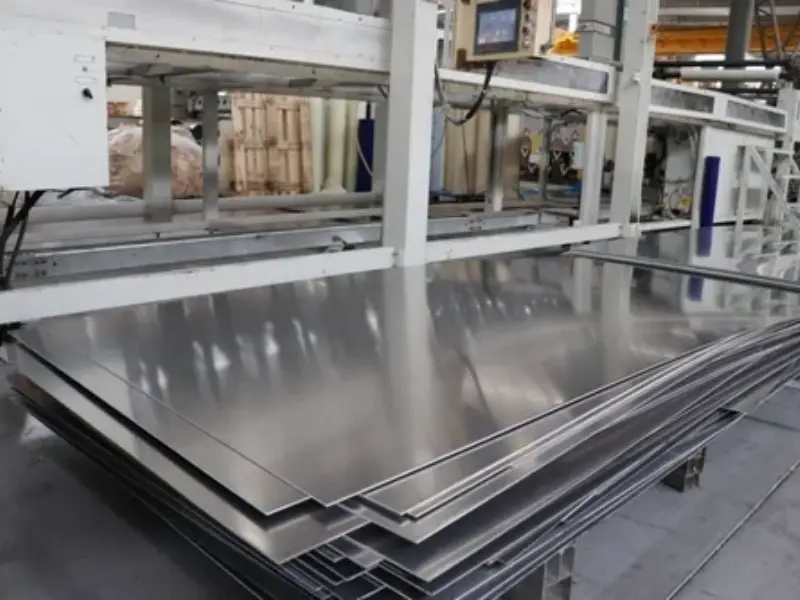
5052 aluminium sheet has often selected for marine-related components, vehicle parts, enclosures, and fabricated products that need good corrosion resistance and strength.
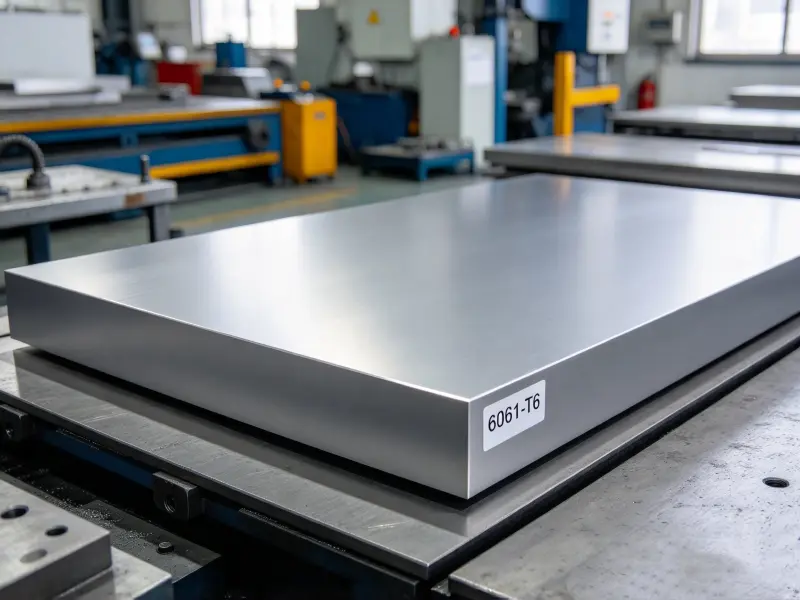
6061 aluminium sheet and plate offer a useful combination of strength and machinability in suitable tempers. They have applications in machinery, fixtures, and structural components.
| Alloy | Main feature | Example applications |
|---|---|---|
| 1050 | High aluminium content and good formability | Covers, panels, general fabrication |
| 3003 | Good formability and corrosion resistance | HVAC, tanks, equipment panels |
| 5052 | Good strength and corrosion resistance | Marine components, vehicle panels |
| 6061 | Strength and machinability in suitable tempers | Machinery, fixtures, structural parts |
| 5083 | High strength and marine corrosion resistance | Marine structures and heavy fabrication |
Alloy selection must match the design, forming process, operating environment, and required mechanical properties.
Aluminium Sheet Applications
Aluminium sheet has applications across many industries because it can be formed into different shapes and finished in different ways.
- Building facades and architectural panels
- Roofing and wall cladding
- Vehicle body panels and transport components
- Marine equipment and boat components
- Electrical cabinets and equipment housings
- HVAC systems and heat exchanger parts
- Kitchen equipment and food-processing machinery
- Signage and advertising panels
- Industrial covers, guards, and enclosures
- Perforated panels and decorative products
Sheet is usually a better choice than very thin foil when the finished product needs rigidity, load-bearing capacity, or a self-supporting shape.
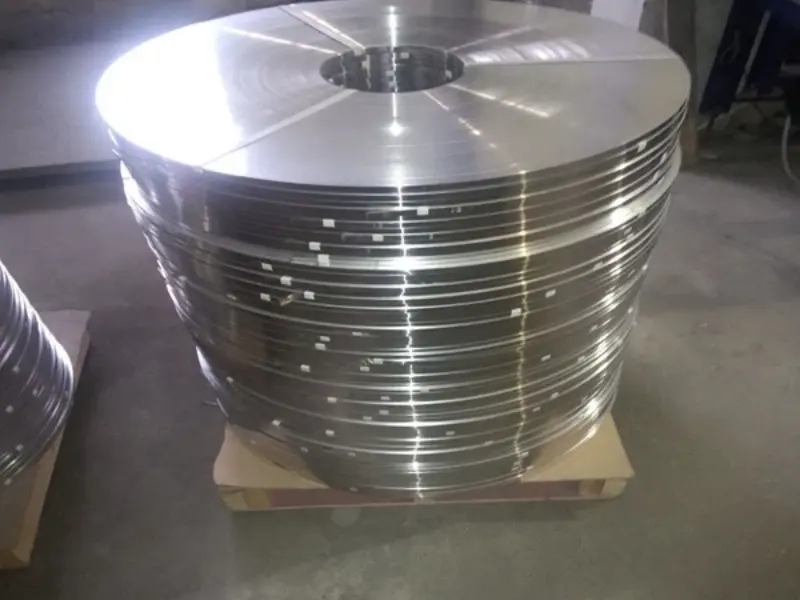
What Is Aluminium Strip?
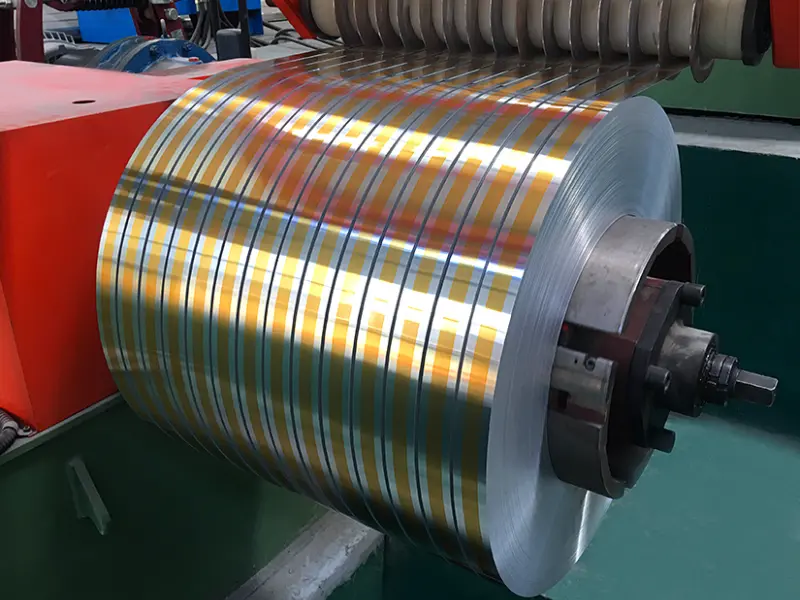
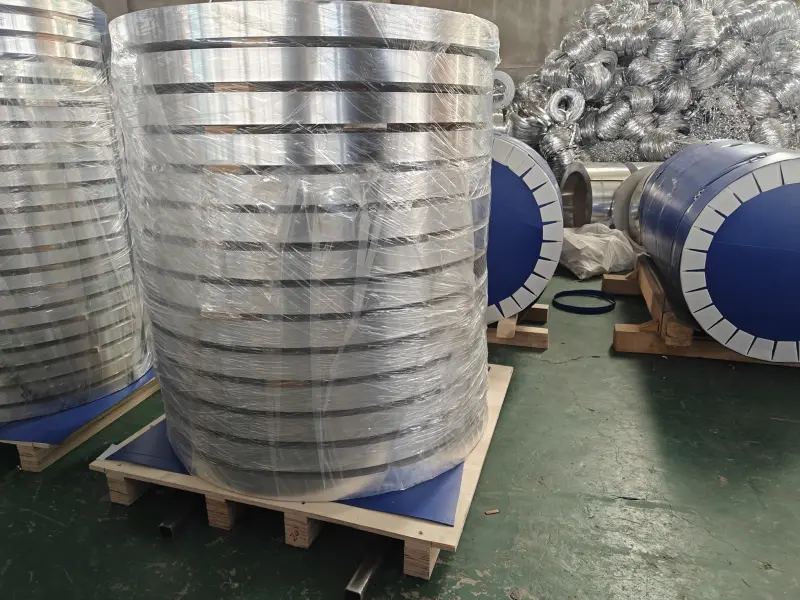
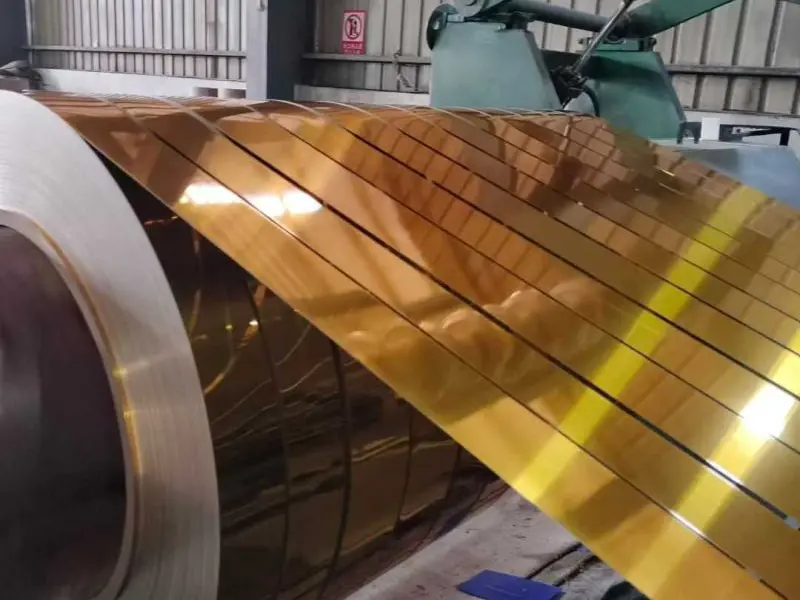
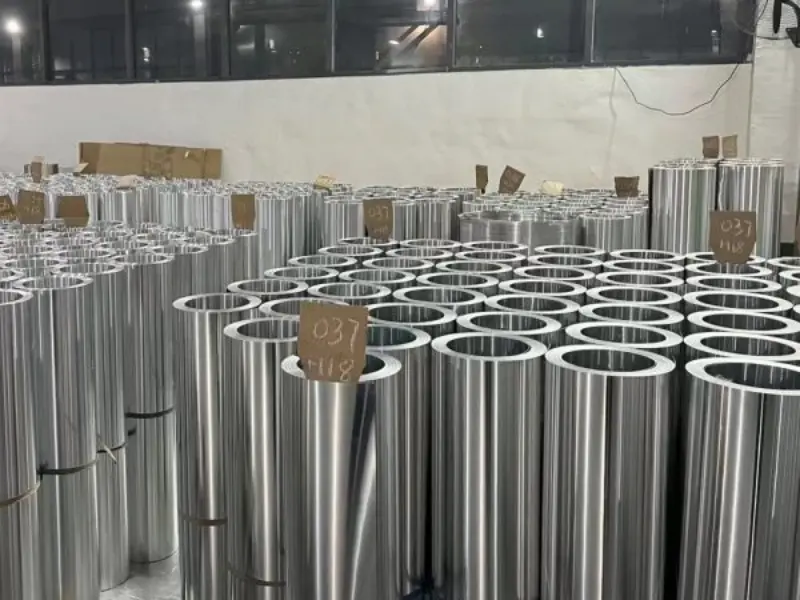
Aluminium strip is a flat-rolled product supplied in narrow widths or slit coils. It has designed for manufacturing processes that need a continuous length of material.
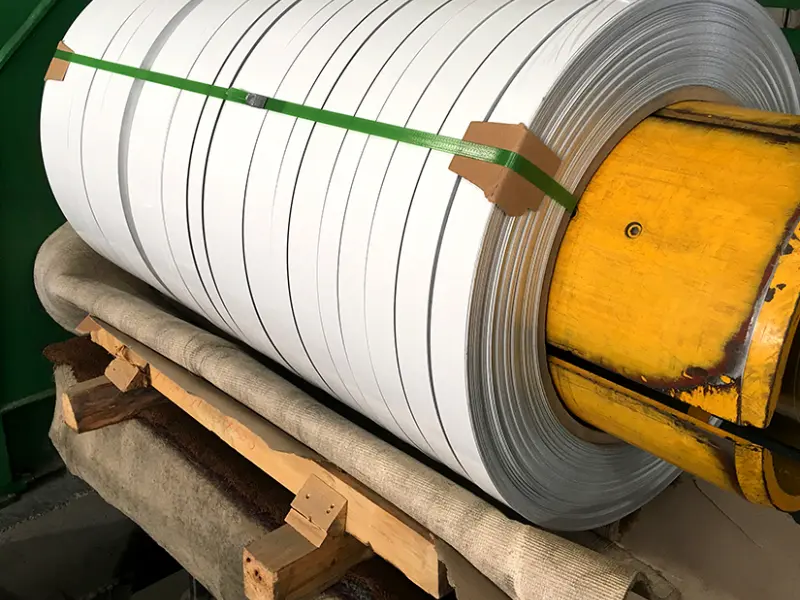
Aluminium strip can be made from several alloys and tempers. Its width, thickness, edge condition, and coil dimensions depend on the end use.
For example, a manufacturer may use aluminium strip to produce heat exchanger fins, transformer components, roll-formed profiles, or stamped parts. Consistent width and edge quality are important for automated production.
Common Aluminium Strip Specifications
| Strip type | Example thickness | Example width | Potential application |
|---|---|---|---|
| Thin precision strip | 0.10–0.30 mm | 10–300 mm | Small stamped components |
| General industrial strip | 0.20–0.80 mm | 10–500 mm | Fabricated parts and profiles |
| Heat exchanger strip | 0.08–0.30 mm | Custom slit widths | Fins and heat transfer components |
| Electrical strip | 0.20–1.50 mm | Custom slit widths | Selected electrical components |
| Heavy strip | 0.80–3.00 mm | 20–600 mm | Structural and industrial fabrication |
These dimensions are illustrative. Actual limits depend on the alloy, temper, production equipment, and order requirements.
Common Aluminium Strip Alloys
1050 and 1060 strip have uses for applications that value high aluminium content and good conductivity. They have considered for selected electrical and industrial components.
1100 strip offers good workability and corrosion resistance. It may suit general fabrication and formed components.
3003 strip offers good formability and corrosion resistance. It has applications in selected heat exchanger, HVAC, and industrial applications.
5052 strip provides greater strength than many commercially pure grades and is useful for selected formed parts and components exposed to demanding environments.
8011 strip may be specified for certain packaging and industrial converting applications, depending on the product design.
| Alloy | General characteristics | Possible uses |
|---|---|---|
| 1050 | Good formability and conductivity | General industrial strip |
| 1060 | High purity and conductivity | Electrical and technical components |
| 1100 | Good workability | Formed industrial parts |
| 3003 | Formability and corrosion resistance | HVAC and heat exchanger parts |
| 5052 | Higher strength than pure aluminium grades | Selected formed components |
| 8011 | Useful packaging and converting properties | Specified packaging-related strip |
Aluminium Strip Applications

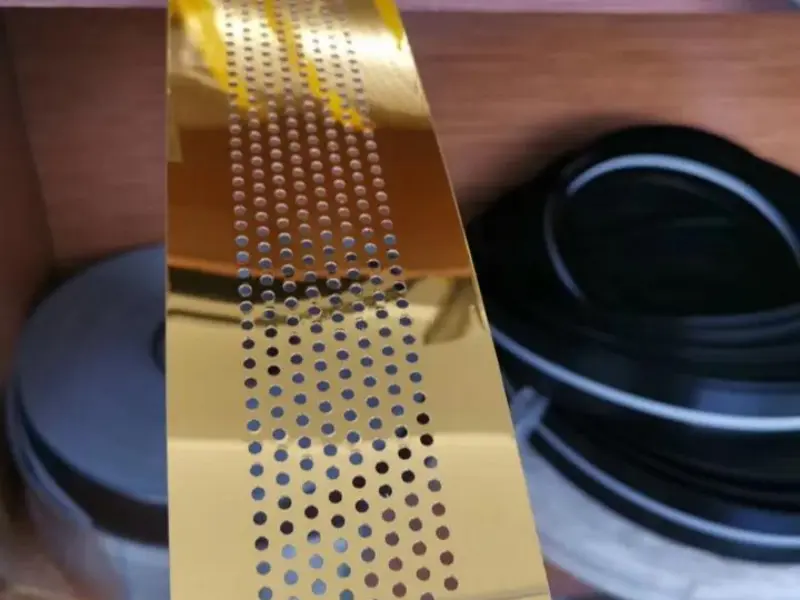
Aluminium strip is particularly useful for production lines that need precise dimensions and continuous feeding.
- Transformer and electrical components, where the selected alloy meets the design requirements
- Heat exchanger fins
- HVAC and refrigeration components
- Automotive parts
- Stamped components
- Roll-formed profiles
- Industrial fastener-related components
- Packaging and converting processes
- Decorative trim
- Selected battery and electronic components
For precision applications, buyers should specify thickness tolerance, width tolerance, burr limits, coil inner diameter, coil weight, and mechanical properties.
Aluminium Foil vs. Aluminium Sheet: Which Is Better?
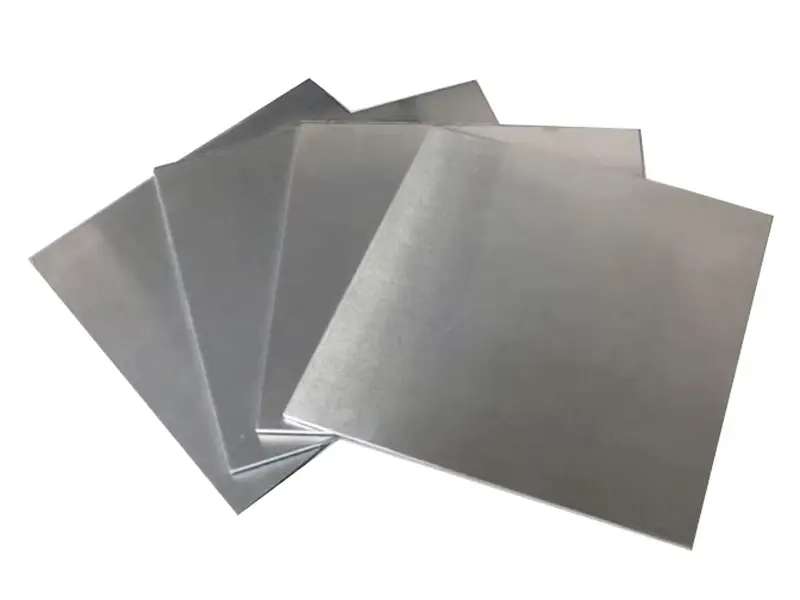
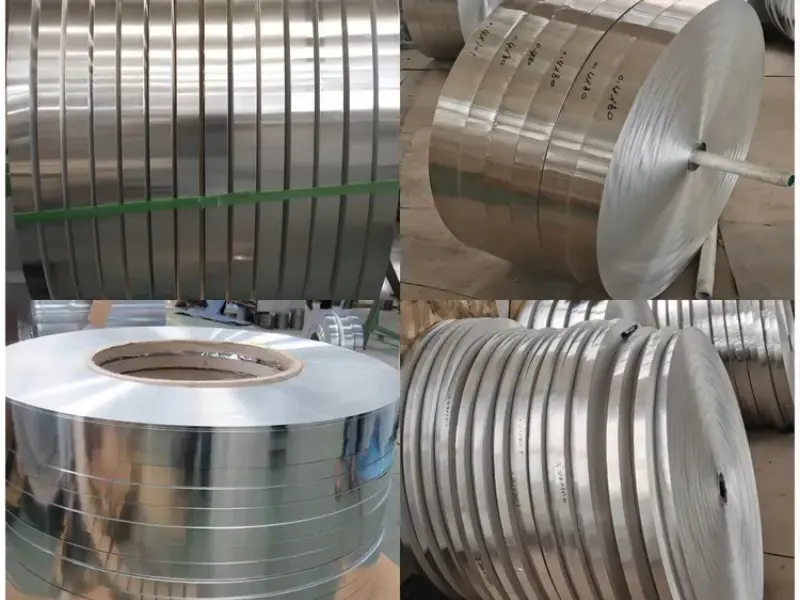
The choice depends on whether the final product needs flexibility or rigidity.
| Comparison point | Aluminium foil | Aluminium sheet |
|---|---|---|
| Flexibility | Very high at common foil thicknesses | Depends on thickness and temper |
| Structural rigidity | Limited | Usually better at greater thickness |
| Packaging barrier | Useful in suitable structures | Not usually the main reason for selection |
| Cutting and forming | Cutting, folding, laminating | Cutting, bending, punching, forming |
| Typical supply | Rolls and coils | Flat sheets or coils, depending on thickness |
| Typical market | Food, pharmaceutical, insulation | Construction, transport, machinery |
When Should You Choose Aluminium Foil?
Choose foil when the product needs a very thin layer, flexibility, or integration into a laminate.
Examples include food packaging, foil insulation facings, household wrapping, and selected technical materials.
When Should You Choose Aluminium Sheet?
Choose sheet when the product needs a flat panel that can retain its shape. Sheet is more suitable for many covers, enclosures, wall panels, equipment housings, and fabricated parts.
The correct thickness and alloy have selected according to the load, forming method, and operating environment.
Aluminium Strip vs. Aluminium Sheet: Main Differences
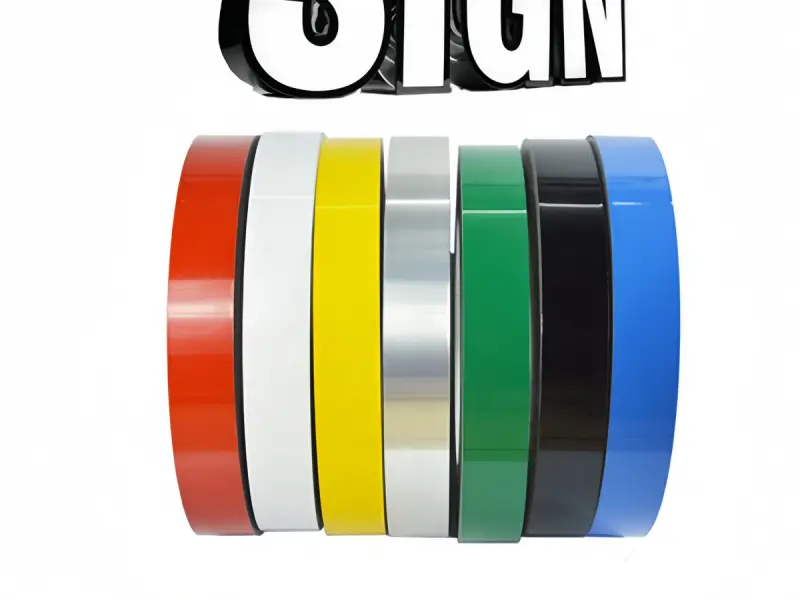
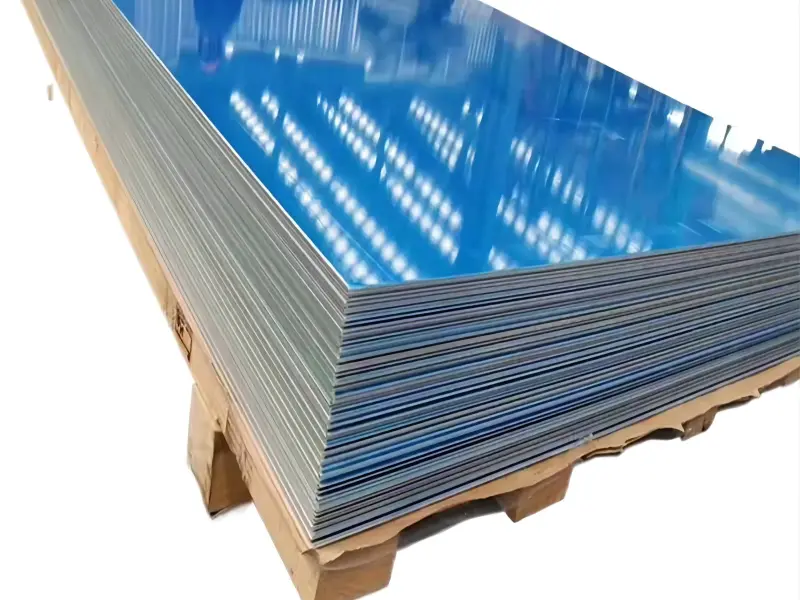
Both strip and sheet are flat-rolled aluminium products. The key difference is often the supplied width and product format.
| Feature | Aluminium strip | Aluminium sheet |
|---|---|---|
| Typical format | Narrow coil | Flat rectangular pieces or larger coil stock |
| Width | Often narrow or custom slit | Often wider |
| Production method | Frequently slit from wider coil | Cut to length or supplied as sheet stock |
| Best for | Continuous feeding and repeat production | Panels, covers, and larger fabricated parts |
| Important quality factors | Width, burr, edge condition, coil consistency | Flatness, thickness, length, width, surface |
| Common processes | Stamping, winding, roll forming | Cutting, bending, punching, machining |
Why Is Aluminium Strip Used in Automated Production?
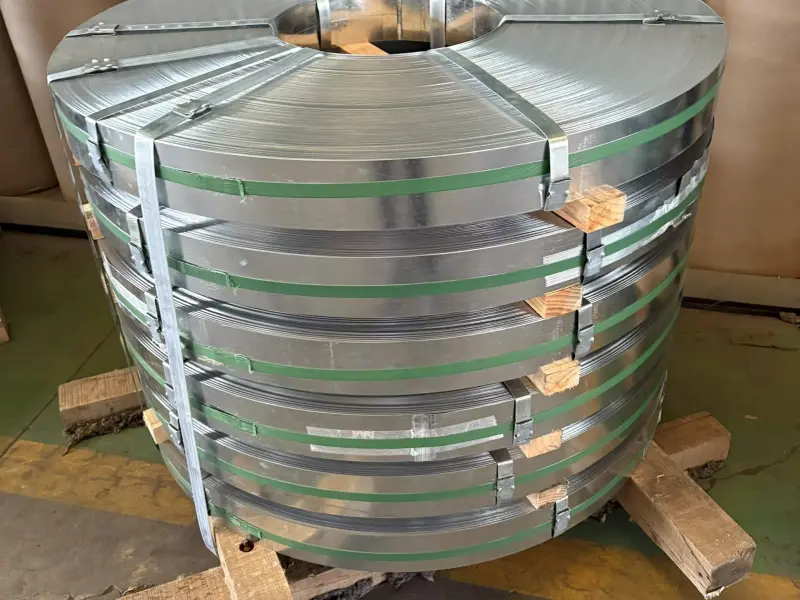
Strip can feed directly into stamping presses, roll-forming machines, and other continuous production equipment. This can reduce repeated material handling.
It is especially useful when a factory produces many parts with the same dimensions. The right coil size and edge quality can help maintain stable production.
Can Aluminium Strip Be Cut from Aluminium Sheet?
Aluminium strip has commonly produced by slitting wider coil stock into narrower widths. Some material has cut or processed from other forms, depending on the manufacturer’s equipment.
If you need custom-width strip, provide the required width, thickness, alloy, temper, coil dimensions, and tolerance. The supplier can then confirm whether the requested dimensions are practical.
Aluminium Foil, Sheet and Strip: Alloy and Temper Comparison
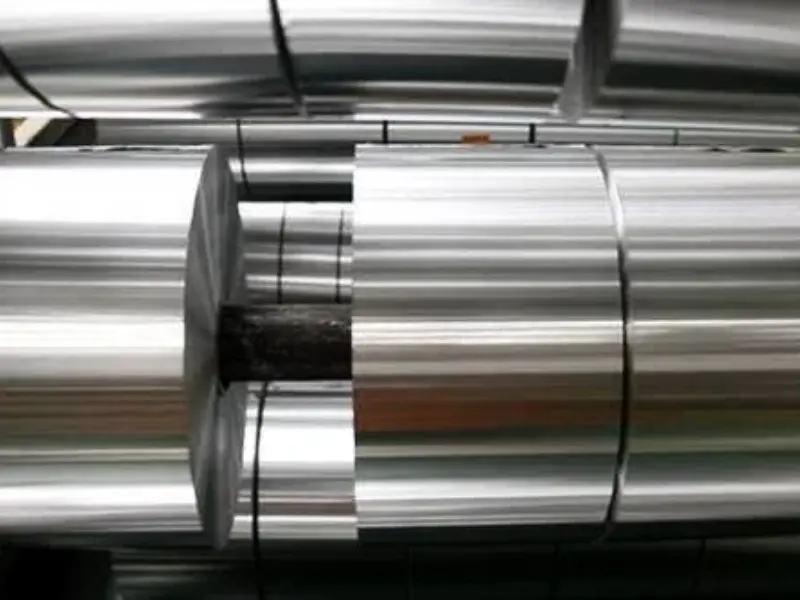
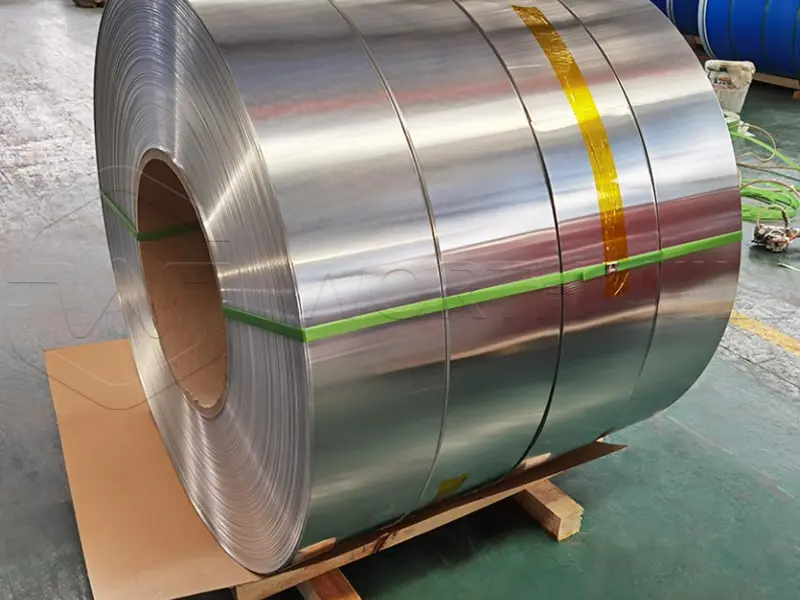
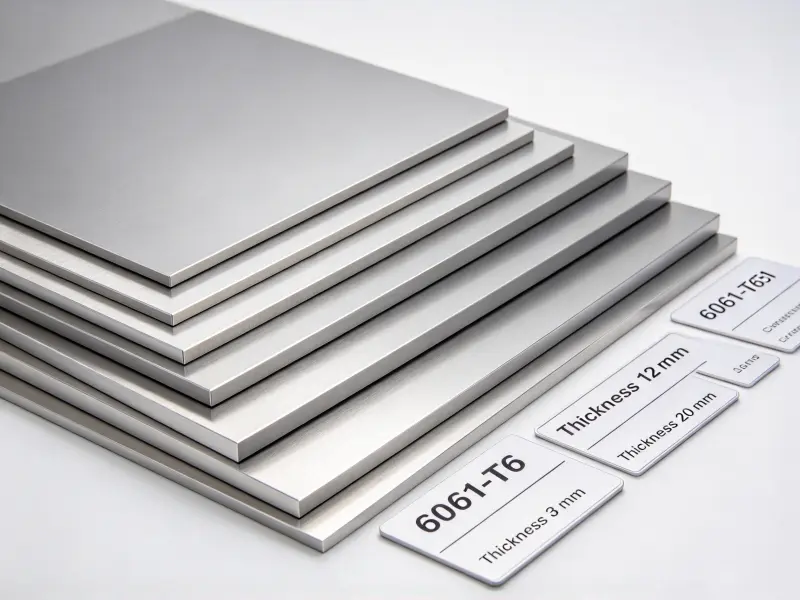
The alloy determines the material’s basic chemical composition. The temper describes its processed condition and affects strength and formability.
| Alloy | Product forms available in many markets | General characteristics |
|---|---|---|
| 1050 | Foil, sheet, strip | High aluminium content and good formability |
| 1060 | Foil, sheet, strip | High purity and good conductivity |
| 1100 | Foil, sheet, strip | Good workability and corrosion resistance |
| 3003 | Sheet, strip, selected foil products | Good formability and corrosion resistance |
| 5052 | Sheet, strip | Good strength and corrosion resistance |
| 6061 | Sheet, plate, selected strip products | Strength and machinability in suitable tempers |
| 8011 | Foil and specified packaging-related products | Widely used for packaging foil |
Not every alloy is available in every thickness or temper. Check the supplier’s actual product range before specifying a material.
Common Tempers for Aluminium Products
| Temper | General meaning | Selection consideration |
|---|---|---|
| O | Annealed, generally soft | High formability |
| H12 | Strain-hardened condition | Moderate strength and stiffness |
| H14 | Strain-hardened condition | General semi-hard applications |
| H18 | Harder strain-hardened condition | Higher strength and lower formability than soft temper |
| H24 | Strain-hardened and partially annealed | Balance of strength and formability |
| T4 | Solution heat-treated and naturally aged | Specific heat-treatable alloy applications |
| T6 | Solution heat-treated and artificially aged | Higher strength in suitable heat-treatable alloys |
Temper availability and definitions depend on the alloy and applicable standard. Do not assume that a temper used for one alloy will provide the same properties in another.
How to Choose the Right Aluminium Product for Your Application

A good selection starts with the finished part and its manufacturing process. Choosing by price alone can lead to material waste or production problems.
Step 1: Define the End Use
Ask what the material needs to do.
- Wrap or protect food → consider suitable aluminium foil.
- Provide a barrier in a laminate → consider packaging foil with the required specifications.
- Form a rigid cover or panel → consider aluminium sheet.
- Feed a stamping or roll-forming line → consider aluminium strip.
- Transfer heat in selected equipment → consider the alloy and temper specified for the component.
- Carry a structural load → select an engineered alloy and thickness based on the design.
Step 2: Confirm Thickness and Dimensions
Thickness affects weight, flexibility, stiffness, and cost. Width and length affect production efficiency and material waste.
Before ordering, specify:
- Nominal thickness and tolerance
- Required width and length
- Coil inner and outer diameter, if applicable
- Coil weight
- Edge and flatness requirements
- Surface finish
- Packaging requirements
For strip, width tolerance and edge quality can be especially important. For sheet, flatness and surface appearance may be key concerns.
Step 3: Select Alloy and Temper
Choose an alloy that matches the required strength, formability, conductivity, and corrosion resistance.
Then select the temper that suits the processing method. Soft temper may be better for complex forming, while a harder temper may provide greater stiffness. Heat-treatable alloys such as 6061 require the correct temper for the intended application.
Step 4: Consider Surface Treatment
Different surface treatments can change appearance and processing behavior.
| Surface option | Common purpose |
|---|---|
| Mill finish | General industrial processing |
| Bright finish | Appearance or specified surface requirements |
| Anodized | Surface protection and decorative finish |
| Painted or coated | Color, protection, or functional performance |
| Lacquered foil | Packaging or specified surface performance |
| Embossed | Texture, appearance, or product-specific function |
Confirm coating type, color, thickness, adhesion, and applicable performance requirements before ordering coated material.
What Affects the Price of Aluminium Foil, Sheet and Strip?
The price depends on both the aluminium material and the processing needed to make the final product.
| Cost factor | How it may affect price |
|---|---|
| Alloy | Different compositions and production requirements |
| Thickness | Affects material weight and processing |
| Temper | May require additional annealing or heat treatment |
| Width and length | Custom dimensions may increase processing needs |
| Surface finish | Coating, anodizing, or other treatments add cost |
| Tolerance | Tighter requirements may need more control |
| Order quantity | Larger orders may improve production efficiency |
| Packaging | Special packing may increase cost |
| Freight | Depends on shipment size, destination, and delivery method |
For a comparable quotation, provide the full specification. Comparing prices without matching alloy, thickness, temper, surface, and quantity can be misleading.
Frequently Asked Questions
Is aluminium foil the same as aluminium sheet?
No. Aluminium foil is generally much thinner and more flexible. Aluminium sheet is usually thicker and more rigid. The product definitions can vary by standard and industry.
Is aluminium strip thinner than aluminium sheet?
Not always. Strip often defined by its width and coil format rather than by thickness alone. Some aluminium strip products are thin, while others are relatively thick.
Which is better for food packaging: aluminium foil or aluminium sheet?
Aluminium foil has applications in flexible packaging and laminates because it is thin and flexible. Aluminium sheet is more suitable for rigid components and formed containers where the design requires greater thickness. The best choice depends on the packaging structure and application.
Which aluminium alloy is commonly used for packaging foil?
8011 and 1235 are common examples for packaging-related foil products. Other alloys may be suitable for specific uses. The final grade depends on thickness, forming, coating, and performance requirements.
Which aluminium alloy is suitable for industrial strip?
1050, 1060, 1100, 3003, and 5052 are among the alloys that have applications for different strip applications. The correct choice depends on conductivity, strength, formability, corrosion resistance, and the production process.
Can aluminium foil be used for insulation?
Yes. Aluminium foil has often used as a facing or layer in insulation systems. Its performance depends on the foil, the laminate structure, and the complete insulation design.
What is the common thickness of aluminium sheet?
Aluminium sheet products may start around 0.20 mm in some product ranges and extend to several millimeters. Standards and market definitions vary. Confirm the required thickness and product classification with the supplier.
What information is needed to order custom aluminium strip?

Provide the alloy, temper, thickness, width, tolerance, coil dimensions, quantity, surface condition, and intended application. Also state any special edge-quality or mechanical-property requirements.
Can aluminium foil, sheet and strip use the same alloy?
Yes, some alloys are available in more than one product form. However, not every alloy is offered in every thickness, temper, or width. Always check the manufacturer’s available specifications.
How can I reduce aluminium material waste?
Match the material dimensions to the finished product and production line. With sheet, optimize cutting layouts. For strip, select a suitable coil width. For foil, choose the correct roll width and thickness. Trial runs can help confirm that the material works with the intended process.
Find the Right Aluminium Foil, Sheet or Strip
Aluminium foil, sheet, and strip serve different purposes. Foil has commonly selected for thin packaging and barrier layers. Sheet is suitable for flat panels and many fabrication tasks. Strip is useful for continuous production and narrow-width components.
The right product depends on the alloy, temper, thickness, dimensions, surface, and end use. For industrial orders, a complete specification helps the supplier recommend suitable material and provide a more accurate quotation.
If you are sourcing aluminium foil, aluminium sheet, or aluminium strip for manufacturing, prepare your application details and dimensional requirements before requesting a quote. This makes it easier to compare products and avoid unnecessary processing costs.
Error: Contact form not found.