
Understanding the 4×8 sheet of 1/4 inch aluminum price helps you budget accurately for your projects. Whether you need 3003 aluminum for basic forming, 5052 aluminum for marine use, or 6061 aluminum for structural applications, comparing prices and specifications ensures you get the best value.
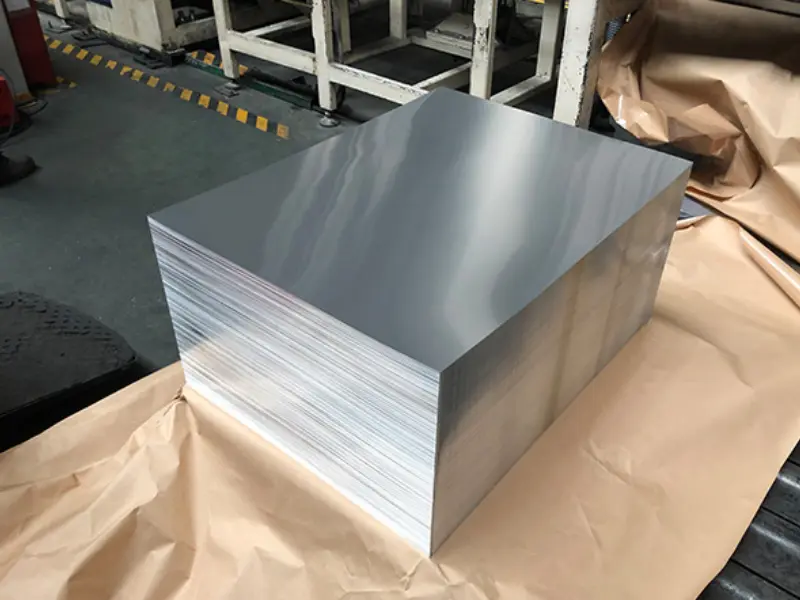


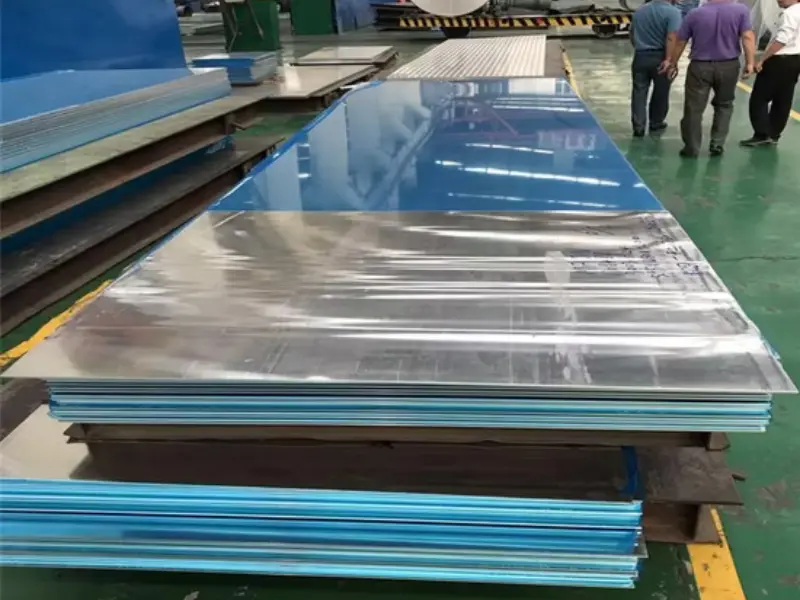

Aluminum Sheet – 3003, 5052, 6061
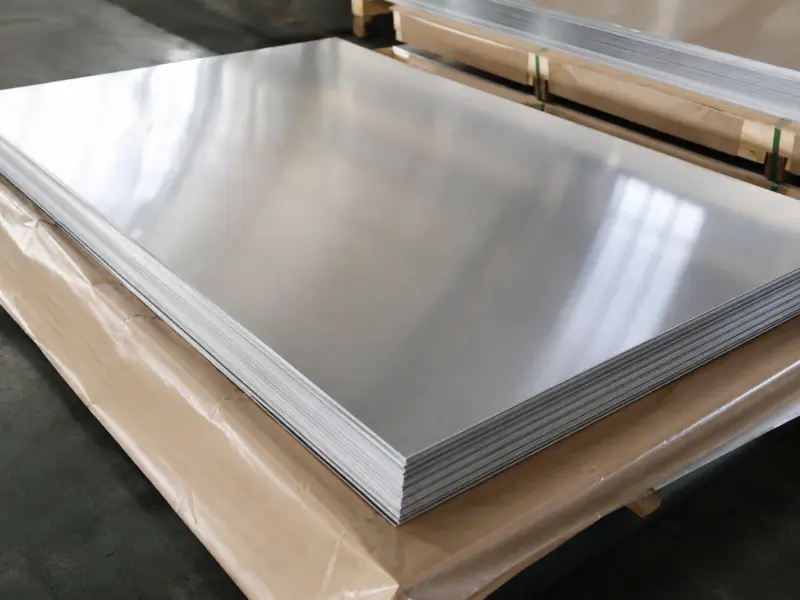
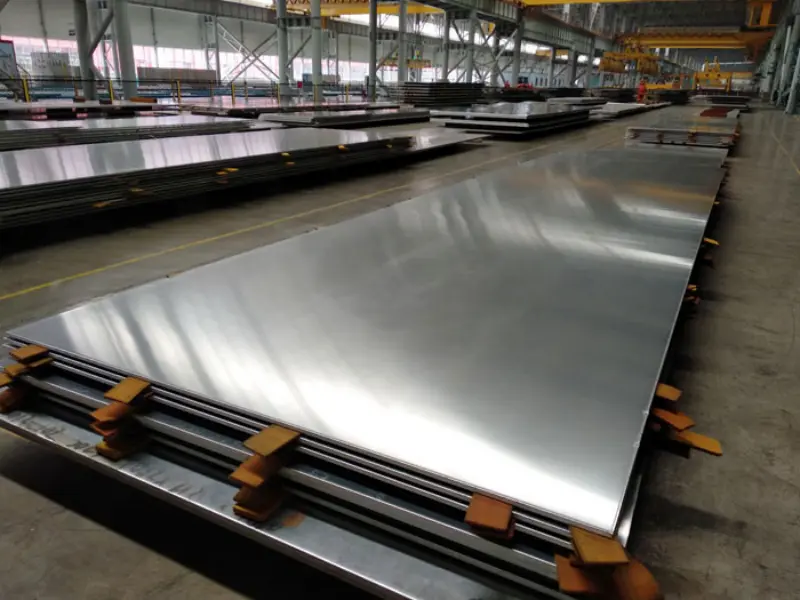
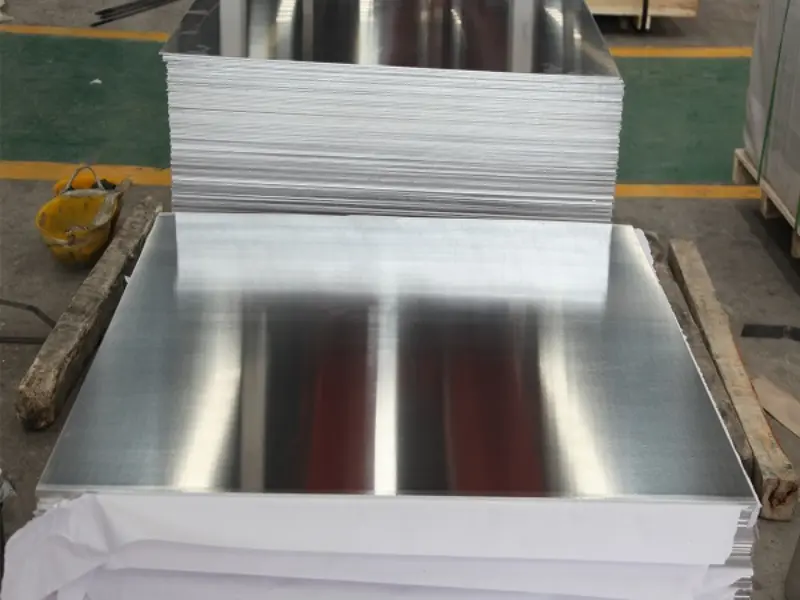
A 4×8 aluminum sheet (48″ × 96″) is one of the most common sizes in the metal industry.
It is available in multiple alloys such as 3003, 5052, and 6061, each with unique strength, corrosion resistance, and formability.
| Alloy | Main Feature | Applications |
|---|---|---|
| 3003 Aluminum Sheet | Excellent corrosion resistance, easy to bend | Roofing, cladding, decorative panels |
| 5052 Aluminum Sheet | Stronger, better marine resistance | Marine parts, fuel tanks, outdoor use |
| 6061 Aluminum Sheet | High strength, weldable, machinable | Structural parts, tools, frames |
3003 is best for general use, while 6061 is ideal for heavy-duty projects.
4×8 Aluminum Sheet for Sale
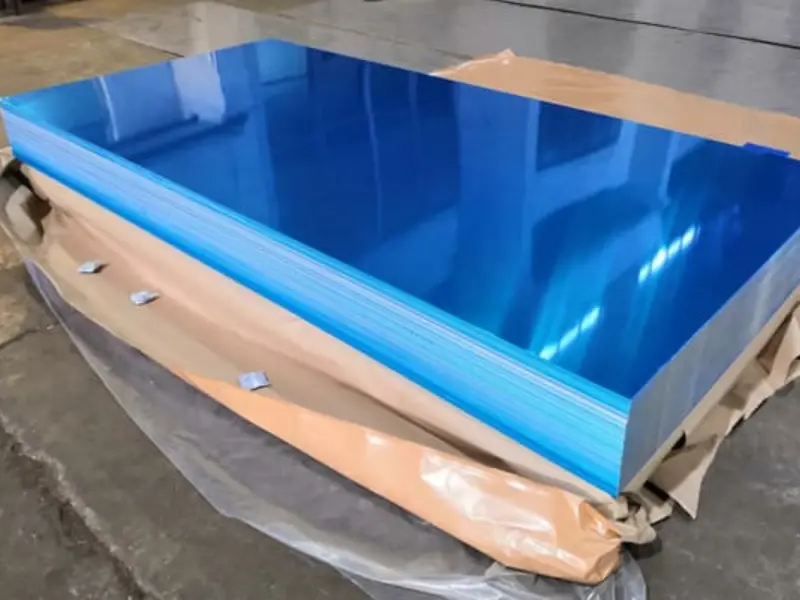

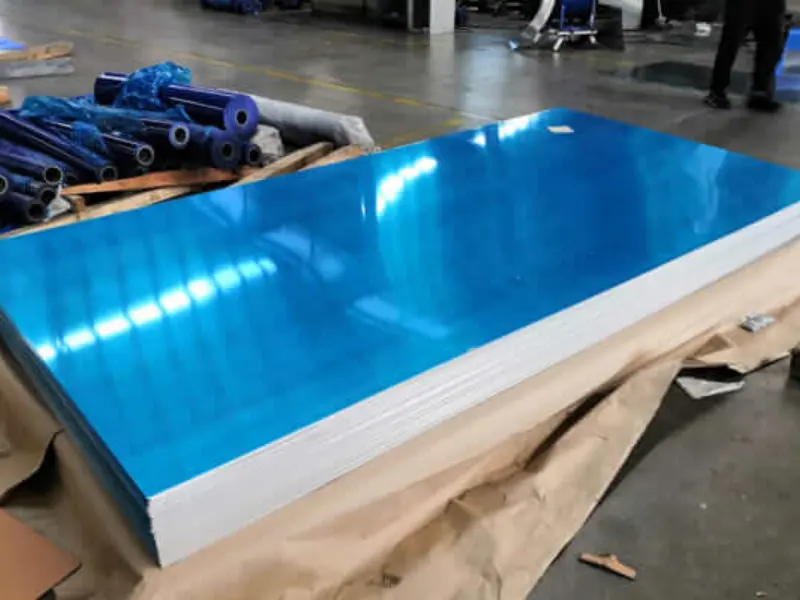
At WORTHWILL ALUMINUM, we supply 4×8 aluminum sheets in various thicknesses — from 1/16 inch (1.6mm) up to 1 inch (25mm).
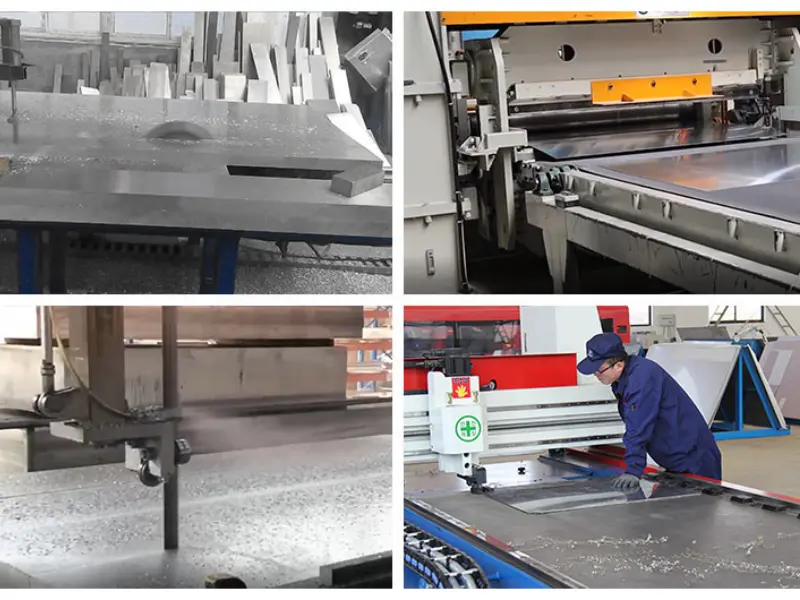
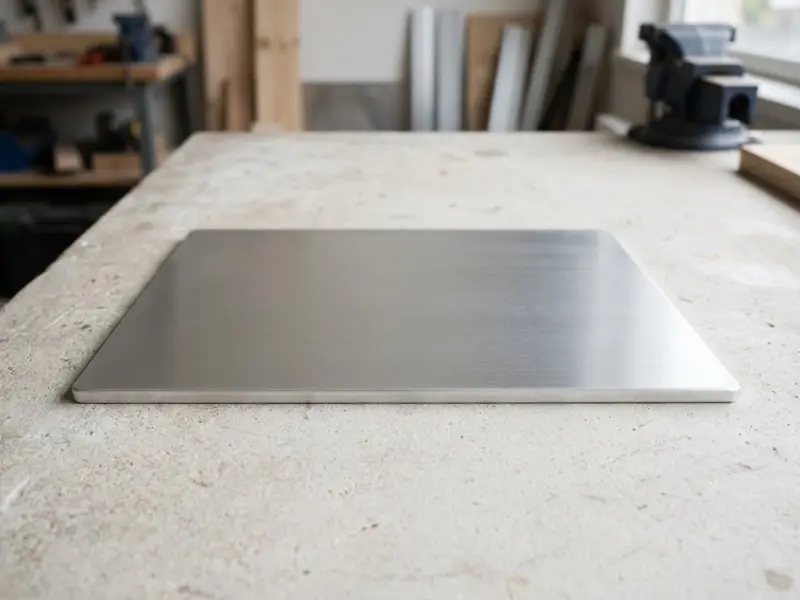
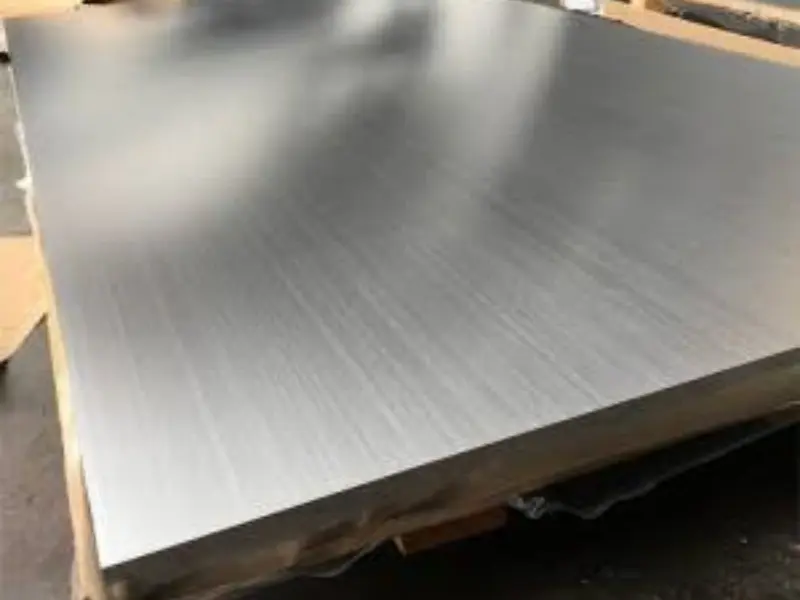
These sheets are available in mill finish, brushed, or anodized surfaces, and can be cut-to-size for your project needs.
| Specification | Detail |
|---|---|
| Standard Size | 4 ft × 8 ft (48″ × 96″) |
| Common Thickness | 1/8″, 3/16″, 1/4″, 1/2″ |
| Surface Finish | Mill, Brushed, Anodized |
| Width Range | 1000–1500 mm |
| Length Range | 2000–4000 mm |
What Is 4×8 Sheet of 1/4 Inch Aluminum Price?
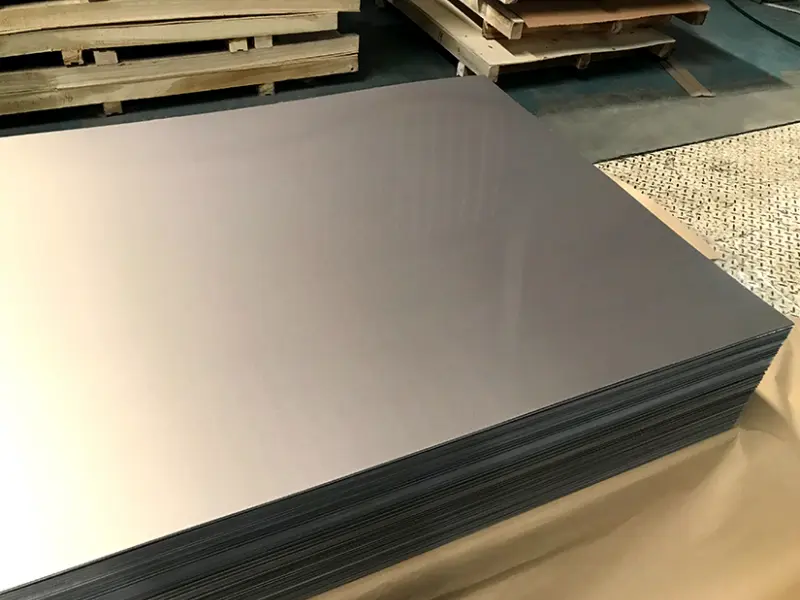
The price of a 4×8 sheet of 1/4 inch aluminum depends on:
- The alloy type (3003, 5052, 6061)
- The surface finish
- The order quantity
- The market price of aluminum
As a general reference (for bulk orders):
| Alloy | Thickness | Sheet Size (inches) | Approx. Weight (kg/sheet) | Approx. Price (USD/sheet) |
|---|---|---|---|---|
| 3003 | 1/4″ (6.35 mm) | 48″ × 96″ | 38 – 40 | $150 – $180 |
| 5052 | 1/4″ (6.35 mm) | 48″ × 96″ | 39 – 42 | $170 – $200 |
| 6061 | 1/4″ (6.35 mm) | 48″ × 96″ | 41 – 43 | $200 – $250 |
Prices vary based on market aluminum rate and region (updated daily).
4×8 Sheet of 1/8 Inch Aluminum Price (Comparison)
For thinner sheets, like 1/8 inch (3.175 mm) aluminum, the price is lower and weight is nearly half of the 1/4 inch version.
| Alloy | Thickness | Approx. Weight (kg/sheet) | Approx. Price (USD/sheet) |
|---|---|---|---|
| 3003 | 1/8″ | 19 – 20 | $80 – $100 |
| 5052 | 1/8″ | 19 – 21 | $100 – $120 |
| 6061 | 1/8″ | 21 – 22 | $120 – $150 |
1/8″ aluminum sheets are ideal for lighter panels, vehicle interiors, and craft projects.
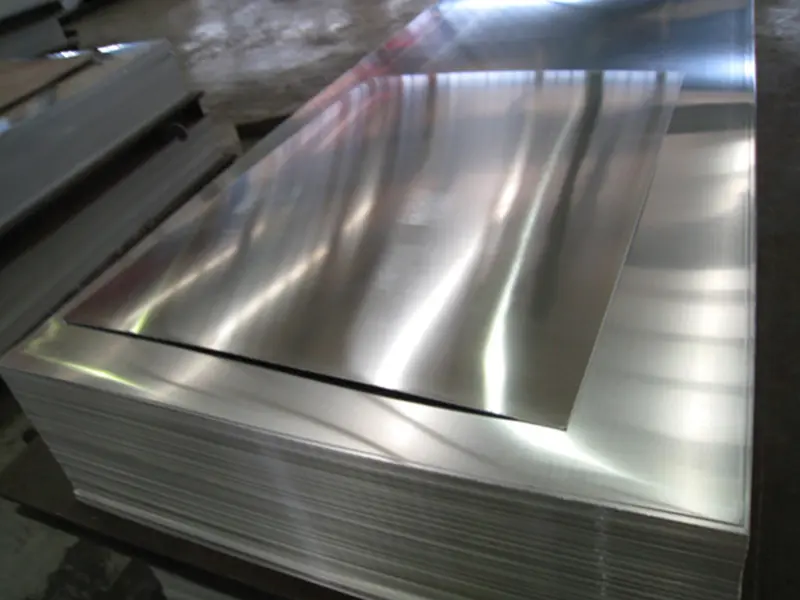
Aluminum Sheet Size and Weight Chart
| Thickness (inch) | Thickness (mm) | Weight per 4×8 sheet (kg) |
|---|---|---|
| 1/16″ | 1.6 mm | 10 – 12 |
| 1/8″ | 3.2 mm | 19 – 22 |
| 3/16″ | 4.8 mm | 28 – 30 |
| 1/4″ | 6.35 mm | 38 – 43 |
| 1/2″ | 12.7 mm | 75 – 80 |
Common Applications of 4×8 Aluminum Sheet
1/4 inch aluminum sheet is used in a wide range of industries:
Construction
- Wall cladding and roofing
- Industrial floors and platforms
- Checker plate and anti-slip panels
Transportation
Car body reinforcement
Truck beds and trailers
Shipbuilding and marine parts

Machinery
- Machine bases and fixtures
- Tooling plates and jigs
- Enclosures and cabinets
Decorative & Signage
3D signs and nameplates
Wall panels and facades
Custom CNC cutting panels
Why Choose WORTHWILL ALUMINUM?
- Factory-direct pricing for 3003, 5052, 6061 aluminum sheets
- Custom cutting for 4×8, 5×10, and non-standard sizes
- Fast delivery and export packaging
- Support for OEM and bulk orders
- Surface finishes: Mill / Brushed / Anodized / Color-coated
4×8 Sheet of 1/4 Inch Aluminum Price
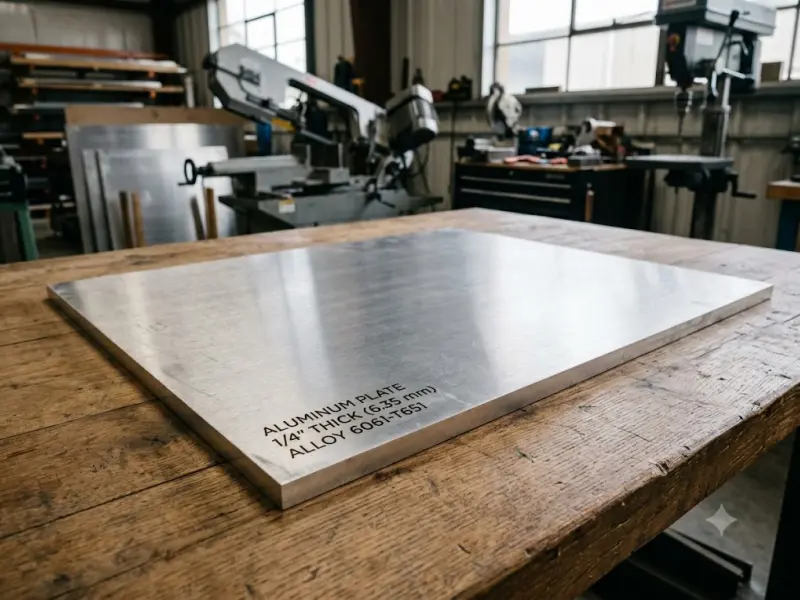
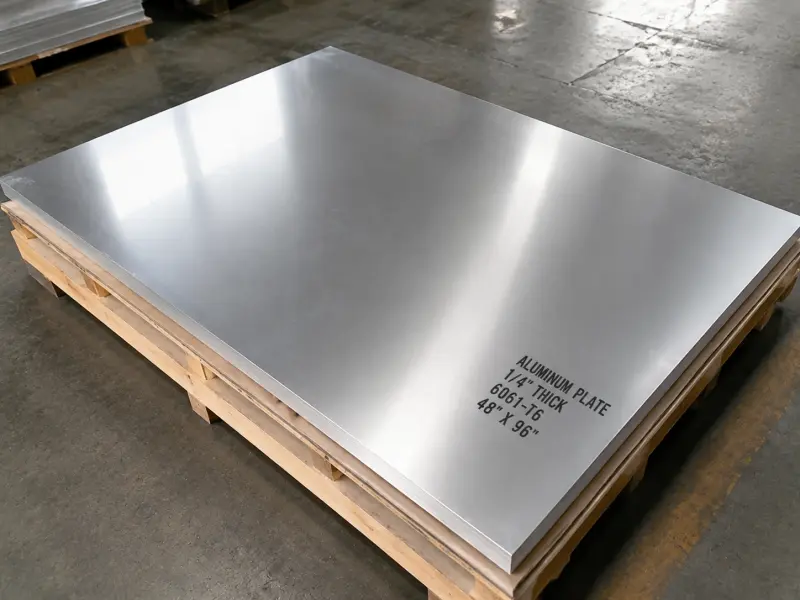
A 4×8 sheet of 1/4 inch aluminum is a popular choice for construction, industrial equipment, transportation, fabrication, and custom metal projects. It measures 48 x 96 inches and has a nominal thickness of 0.25 inches, or 6.35 mm.
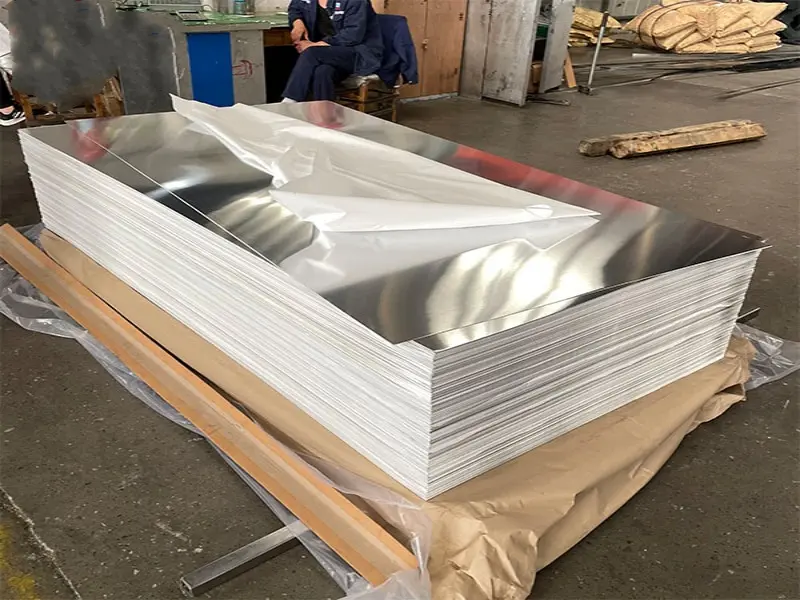
The price of a 4×8 sheet of 1/4 inch aluminum depends on the alloy, temper, surface finish, sheet weight, order quantity, and delivery location. A 6061 aluminum plate may cost more than a 3003 sheet because the alloys have different mechanical properties and production requirements.
For buyers, choosing the right aluminum sheet is just as important as finding a competitive price. The correct material can reduce machining time, improve service life, and prevent unnecessary costs.
What Is a 4×8 Sheet of 1/4 Inch Aluminum?
A 4×8 aluminum sheet is a flat sheet with a nominal width of 4 feet and a length of 8 feet. A 1/4 inch aluminum sheet has a nominal thickness of 0.25 inches.
These sheets are available in several alloys and tempers. They may have a mill finish, brushed finish, anodized surface, or patterned surface, depending on the product type.
Standard Dimensions and Basic Specifications
| Item | Specification |
|---|---|
| Product | 1/4 inch aluminum sheet |
| Standard size | 4 ft x 8 ft |
| Dimensions in inches | 48 x 96 in |
| Dimensions in millimeters | 1219.2 x 2438.4 mm |
| Nominal thickness | 0.25 in |
| Thickness in millimeters | 6.35 mm |
| Common alloys | 3003, 5052, 6061 |
| Common tempers | O, H32, H34, T6 |
| Surface options | Mill finish, brushed, anodized, tread plate |
| Processing options | Cutting, drilling, CNC machining, polishing |
| Supply format | Individual sheets, bundles, or palletized orders |
Actual dimensions and tolerances depend on the applicable product standard and supplier. Some mills offer 1220 x 2440 mm sheets, which are close to the nominal 4×8 ft size.
How Much Does a 4×8 Sheet of 1/4 Inch Aluminum Weigh?
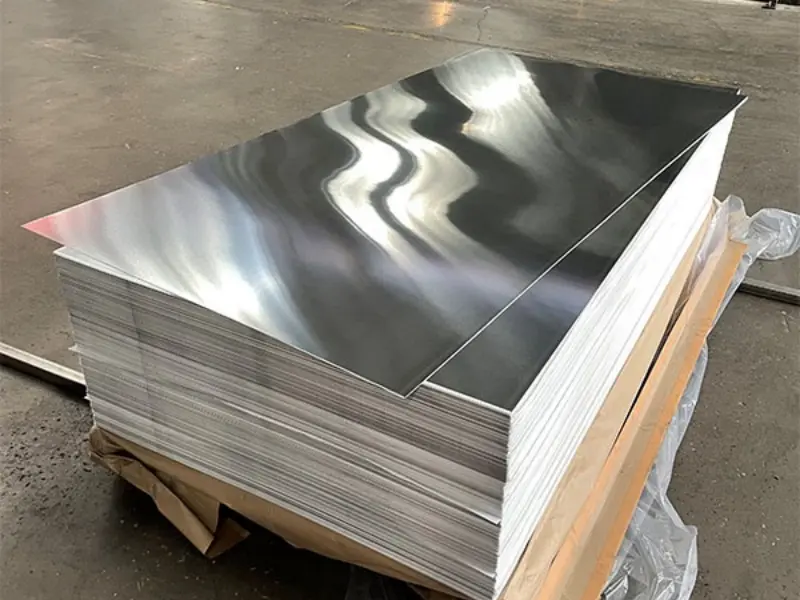
Weight is an important part of the aluminum sheet price. It affects shipping costs, handling requirements, and the total material budget.
The theoretical weight can be estimated from the sheet dimensions and the density of the alloy.
| Calculation | Value |
|---|---|
| Length | 2.4384 m |
| Width | 1.2192 m |
| Thickness | 0.00635 m |
| Surface area | 2.9729 m² |
| Approximate volume | 0.01888 m³ |
| Estimated weight | About 51 kg |
| Estimated weight in pounds | About 112 lb |
The estimated weight uses a typical aluminum density of approximately 2,700 kg/m³. Actual weight may vary slightly with alloy density, thickness tolerance, and finished dimensions.
Quick estimate: One standard 4×8 sheet of 1/4 inch aluminum weighs about 112 lb, or 51 kg.
For a large order, multiply the estimated weight by the number of sheets to calculate the approximate shipment weight. Packaging, pallets, and other materials must be added to the final shipping weight.
How Much Does a 4×8 Sheet of 1/4 Inch Aluminum Cost?
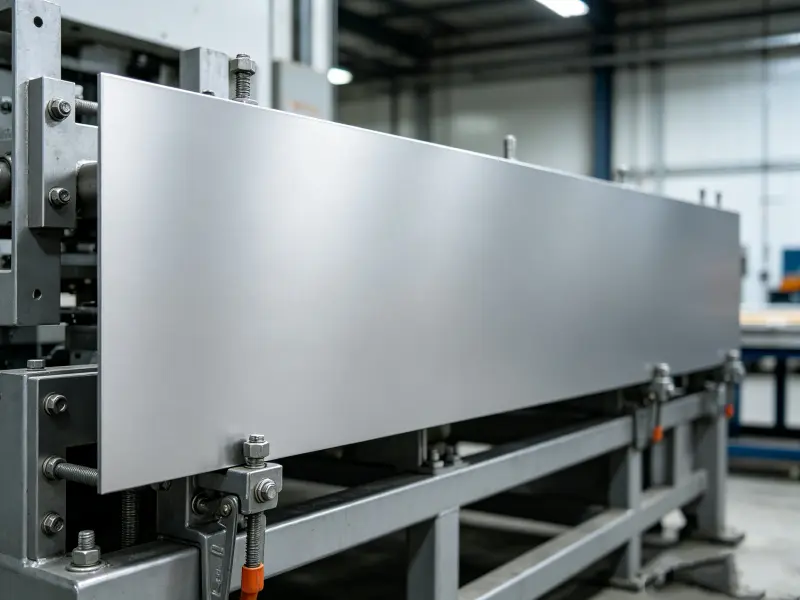
There is no single price for every 4×8 aluminum sheet. Two sheets with the same dimensions can have different prices because their alloys, tempers, finishes, and processing requirements are different.
A useful quotation should identify the exact product and show the main cost components.
Main Factors That Affect Aluminum Sheet Price
| Price Factor | How It Affects Cost |
|---|---|
| Aluminum alloy | Different alloys have different material and production costs |
| Temper | Heat treatment or work hardening can affect processing cost |
| Thickness tolerance | Special tolerance requirements may increase cost |
| Surface finish | Brushing, anodizing, polishing, and coating add processing |
| Sheet quantity | Larger orders may reduce the unit cost |
| Cutting service | Custom sizes may involve cutting and handling fees |
| Packaging | Export packaging and protective materials add cost |
| Shipping distance | Freight, fuel, and delivery conditions affect the total |
| Market conditions | Aluminum prices and currency rates can change over time |
A factory-direct quotation may be different from a local distributor price. Local suppliers may include warehouse costs, small-order handling, and immediate availability in their prices. A manufacturer may offer more options for bulk orders and custom processing.
How to Compare Quotes Fairly
When comparing the price of a 4×8 sheet of 1/4 inch aluminum, make sure each supplier is quoting the same specification.
Check the following details:
- Alloy and temper
- Actual thickness and thickness tolerance
- Sheet dimensions
- Surface finish
- Applicable material standard
- Quantity and packaging
- Cutting or machining requirements
- Delivery terms and shipping costs
A low unit price does not always mean a lower total project cost. A sheet with the wrong alloy or temper may require extra machining or fail to meet the application’s performance requirements.
What Is Included in the Final Price?
Ask the supplier whether the quotation is based on an EXW, FOB, CIF, or delivered price.
These terms describe different responsibilities for transportation and other costs. For example, a price quoted at the factory gate may not include international freight or import charges.
For an accurate quote, provide the destination, order quantity, required alloy, and delivery schedule. This allows the supplier to calculate a more useful total cost.
Choose the Right Alloy for Your 1/4 Inch Aluminum Sheet
Alloy selection affects strength, corrosion resistance, forming, welding, and machining. The best choice depends on how the sheet will be used.
3003 Aluminum Sheet
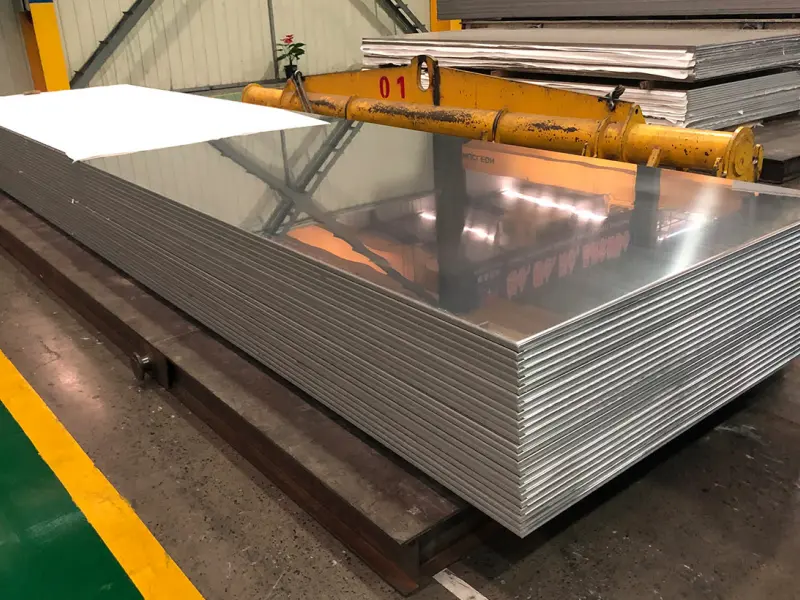
3003 aluminum is a manganese-alloyed aluminum material. It offers good corrosion resistance and formability. It is often selected for general fabrication and applications that do not require the higher strength of some 5xxx or 6xxx alloys.
A 1/4 inch 3003 aluminum sheet may be suitable for:
- General industrial panels
- Equipment covers
- Storage and utility structures
- Fabricated housings
- Decorative and architectural components
- Parts that require bending or forming, subject to thickness and temper
3003 is a practical option when formability and corrosion resistance are more important than maximum strength.
5052 Aluminum Sheet
5052 aluminum is known for its corrosion resistance, including in many marine and humid environments. It also offers good formability and is widely used for sheet-metal fabrication.
Common applications include:
- Marine panels and components
- Vehicle body parts
- Fuel tanks and equipment enclosures
- Outdoor cabinets
- Industrial covers
- Welded structures and fabricated panels
5052-H32 is a common choice for applications that need a balance of strength and formability. However, the suitability of a specific temper should be confirmed against the design requirements.
6061 Aluminum Plate
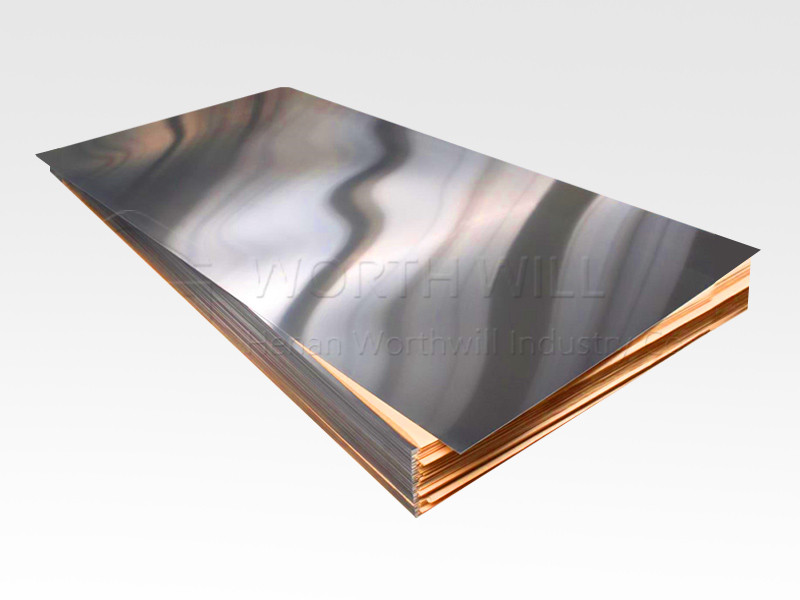
6061 aluminum is a heat-treatable alloy. It offers good strength and machinability and is widely used for structural and machined parts.
Typical applications include:
- Machine bases and mounting plates
- CNC-machined components
- Structural brackets
- Industrial fixtures
- Equipment frames
- Heavy-duty fabrication parts
6061-T6 is frequently selected for applications that require higher strength and good machining performance. It may not be the best option when extensive forming is required.
Alloy Comparison Table
| Feature | 3003 Aluminum | 5052 Aluminum | 6061 Aluminum |
|---|---|---|---|
| Main advantage | Formability | Corrosion resistance and strength | Strength and machinability |
| Common temper | O, H14, H24 | O, H32, H34 | T6 |
| Formability | Good | Good | More limited in T6 |
| Corrosion resistance | Good | Very good | Good in many environments |
| Machining | Suitable for general fabrication | Suitable | Very good |
| Typical applications | Panels, covers, general fabrication | Marine, transport, outdoor equipment | Machine parts, fixtures, structures |
| Key consideration | Not intended for maximum strength | Verify design and welding requirements | Check forming and welding requirements |
These are general comparisons. Actual performance depends on the product form, temper, thickness, fabrication method, and service environment.
Different Types of 4×8 Aluminum Sheets
A standard 1/4 inch aluminum sheet can be supplied in different product forms. Choosing the right type helps balance cost, appearance, strength, and fabrication needs.
1/4 Inch 6061-T6 Aluminum Plate
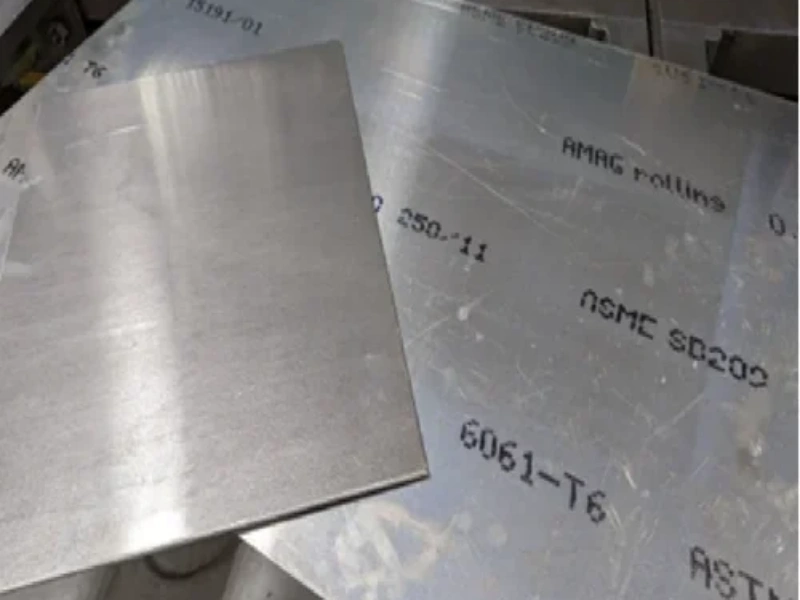
This type is suitable for machining, fixtures, equipment components, and structural parts. Its T6 temper provides a useful combination of strength and machinability.
It is often selected when dimensional stability and mechanical performance are important. For CNC machining, buyers should confirm the required flatness, thickness tolerance, and stress-relief needs.
1/4 Inch 5052-H32 Aluminum Sheet
5052-H32 is a practical option for fabricated panels, marine-related components, and outdoor equipment. It combines good corrosion resistance with useful strength and formability.
It may be suitable for parts that require cutting, drilling, bending, or welding. Welding procedures should be selected according to the design and applicable standards.
1/4 Inch 3003 Aluminum Sheet
3003 is often used for general fabrication, covers, and formed components. It can be a good choice when high strength is not the main requirement.
Buyers should confirm that the selected temper is suitable for the planned forming operation, especially when tight bends are involved.
1/4 Inch Aluminum Diamond Plate
Diamond plate, also called tread plate, has a raised pattern on one surface. The pattern provides a textured surface that may improve traction in suitable applications.
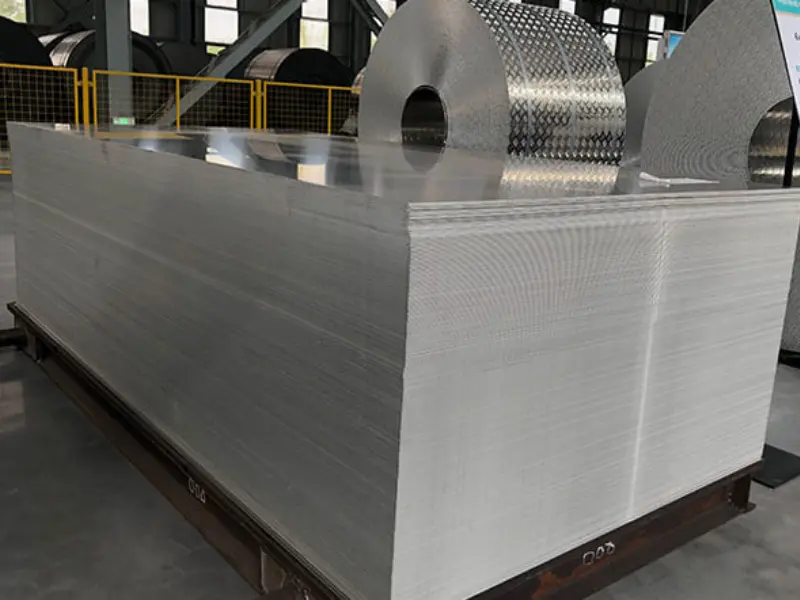
Common uses include:
- Vehicle floors and step areas
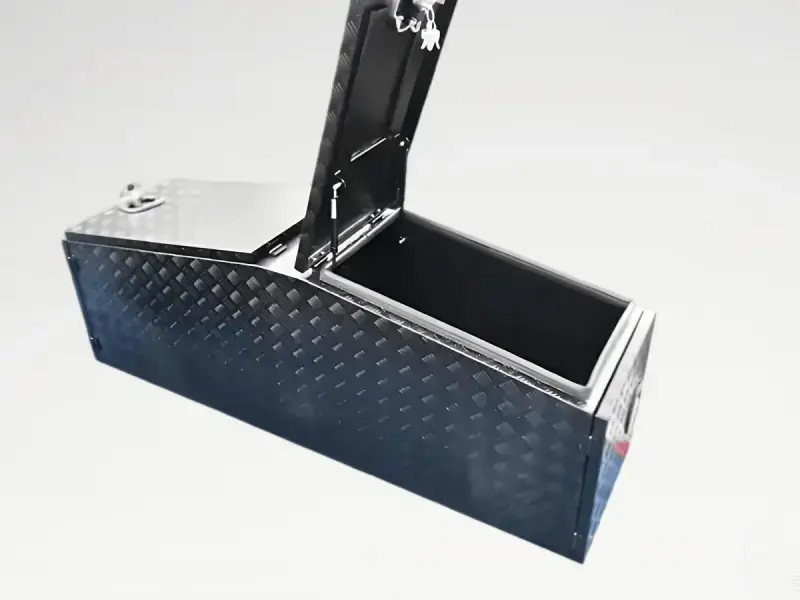
- Toolboxes and storage compartments
- Equipment platforms
- Utility trailers
- Protective wall panels
- Decorative industrial surfaces
For tread plate, the stated thickness may refer to the base metal or the overall thickness including the raised pattern. Confirm how the supplier measures thickness before comparing prices.
1/4 Inch Anodized Aluminum Sheet
Anodizing creates a controlled oxide layer on the aluminum surface. It can improve surface durability and provide a decorative appearance.
Anodized products may be used for architectural panels, equipment covers, and decorative parts. However, not every 1/4 inch sheet is available with every anodized finish. Thick sheet processing and the final appearance should be confirmed with the supplier.
1/4 Inch Brushed Aluminum Sheet
Brushed aluminum has a directional surface pattern. It is often chosen for visible panels and decorative components.
Possible applications include equipment housings, display structures, interior panels, and custom fabrication. The surface may need protective film to reduce scratches during transportation and processing.
1/4 Inch Cut-to-Size Aluminum Plate

Some projects do not need a full 4×8 sheet. A supplier may be able to cut the plate into smaller pieces based on a drawing or cutting list.
Cut-to-size service can reduce material handling and on-site cutting work. Ask whether cutting fees, dimensional tolerances, and edge conditions are included in the quotation.
Compare 1/4 Inch Aluminum With Other Thicknesses
The correct thickness depends on load, span, mounting method, impact risk, and the required stiffness. A thicker sheet generally weighs more and costs more per piece, but it may not always be necessary.
Common Aluminum Sheet Thicknesses
| Thickness | Metric Equivalent | Approximate Weight per 4×8 Sheet |
|---|---|---|
| 1/8 in | 3.175 mm | 56 lb / 25.5 kg |
| 3/16 in | 4.7625 mm | 84 lb / 38 kg |
| 1/4 in | 6.35 mm | 112 lb / 51 kg |
| 5/16 in | 7.9375 mm | 140 lb / 63.5 kg |
| 3/8 in | 9.525 mm | 168 lb / 76 kg |
| 1/2 in | 12.7 mm | 224 lb / 101.6 kg |
Weights are theoretical estimates based on a density of 2,700 kg/m³ and nominal 4×8 ft dimensions. Actual weights vary with alloy and tolerance.
1/8 Inch vs. 1/4 Inch Aluminum
A 1/8 inch sheet weighs about half as much as a 1/4 inch sheet of the same dimensions. It may be appropriate for lighter panels and covers where the design does not require greater stiffness.
A 1/4 inch sheet provides more material thickness and may be better for equipment plates, heavier fabricated components, and certain structural applications.
1/4 Inch vs. 3/8 Inch Aluminum

A 3/8 inch sheet weighs approximately 50% more than a 1/4 inch sheet of the same size. It may be useful where a design requires greater thickness or machining allowance.
However, increasing thickness also raises material cost and handling weight. The final selection should be based on engineering requirements rather than thickness alone.
Common Applications for 4×8 x 1/4 Inch Aluminum
A 1/4 inch aluminum sheet is used in many industries because it combines relatively low weight with useful strength and corrosion resistance. The right alloy and temper depend on the application.
Construction and Architectural Projects
- Wall panels and protective covers
- Equipment mounting plates
- Architectural fabrication
- Building maintenance components
- Custom brackets and supports
- Interior and exterior fabricated parts
For outdoor construction, consider the alloy, surface finish, drainage, fastening method, and exposure to moisture or chemicals.
Transportation and Trailer Fabrication
- Trailer components
- Vehicle storage boxes
- Utility body panels
- Equipment mounting plates
- Protective panels
- Custom brackets and supports
5052 may be a suitable option for some fabricated transportation components. Tread plate can be considered where a textured surface is useful.
Marine and Outdoor Equipment
- Marine equipment panels
- Storage compartments
- Outdoor enclosures
- Boat-related fabricated parts
- Equipment covers
- Utility components
For marine use, 5052 is commonly considered because of its corrosion resistance. The final choice should also account for saltwater exposure, dissimilar-metal contact, coatings, and maintenance.

Industrial Machinery and Manufacturing
- CNC-machined parts
- Machine mounting plates
- Production fixtures
- Equipment bases
- Protective machine covers
- Custom brackets
6061-T6 is often chosen for machined components. If the plate requires complex forming or welding, review the alloy and temper with the fabricator before ordering.
Electrical and General Equipment
- Equipment housings
- Control cabinet components
- Mounting plates
- Protective covers
- Custom support parts
- Industrial panels
Electrical conductivity alone does not determine suitability. Check insulation requirements, grounding design, thermal needs, and the relevant product specifications.
Aluminum Sheet vs. Aluminum Plate: What Is the Difference?

The words “sheet” and “plate” are sometimes used differently by suppliers and industry standards.
At 1/4 inch thickness, the product may be described as either aluminum sheet or aluminum plate, depending on the supplier’s product classification and standard.
| Comparison | Aluminum Sheet | Aluminum Plate |
|---|---|---|
| Common use | Panels and fabricated parts | Machined and heavier-duty parts |
| Typical supply | Coils or flat sheets, depending on thickness | Flat plate products |
| Processing | Cutting, forming, punching | Cutting, drilling, milling, CNC machining |
| Main buying factors | Surface, formability, dimensions | Flatness, thickness, alloy, machining needs |
| Product terminology | Varies by standard and supplier | Varies by standard and supplier |
For a 1/4 inch product, do not rely on the word “sheet” or “plate” alone. Specify the alloy, temper, dimensions, thickness tolerance, and applicable standard.

How to Order a 4×8 Sheet of 1/4 Inch Aluminum
A clear purchase specification helps the supplier provide an accurate price and avoid delays.
Information to Include in Your RFQ
| Required Detail | Example |
|---|---|
| Product | Aluminum sheet or plate |
| Size | 48 x 96 in |
| Thickness | 0.25 in / 6.35 mm |
| Alloy | 5052 or 6061 |
| Temper | H32 or T6 |
| Surface | Mill finish |
| Quantity | Number of sheets |
| Cutting | Full sheets or cut-to-size |
| Standard | Applicable ASTM or EN specification |
| Destination | City and country |
| Delivery terms | EXW, FOB, CIF, or delivered quotation |
Use the correct temper for your application. The examples above are not interchangeable: 5052-H32 and 6061-T6 have different mechanical properties and fabrication characteristics.
Full Sheet or Cut-to-Size?
A full 4×8 sheet may be convenient for workshops that have suitable cutting equipment. It can also provide more flexibility for future projects.
Cut-to-size material may be a better option when the parts have fixed dimensions or when on-site cutting is difficult. Compare the material price with cutting fees, packaging, scrap, and delivery costs.
What Should You Check Before Shipment?
Before confirming an order, ask the supplier to verify:
- Alloy and temper markings or documentation
- Sheet dimensions and thickness tolerance
- Surface quality and protective packaging
- Flatness requirements, where relevant
- Quantity and packing method
- Material test certificates, if required
- Estimated production and delivery time
For export orders, agree on the inspection requirements and packaging method before production begins.
Frequently Asked Questions
What Is the Price of a 4×8 Sheet of 1/4 Inch Aluminum?
The price depends on the alloy, temper, finish, quantity, market conditions, and delivery location. Request a current quotation using the exact dimensions and material grade to obtain an accurate price.
How Much Does a 4×8 Sheet of 1/4 Inch Aluminum Weigh?
A standard 48 x 96 inch sheet at 1/4 inch thickness weighs approximately 112 lb, or 51 kg, based on a typical aluminum density. Actual weight may vary slightly.
What Is the Best Alloy for a 1/4 Inch Aluminum Sheet?
There is no single best alloy for every project. 3003 is useful for general fabrication and forming, 5052 is often selected for corrosion resistance and fabricated components, and 6061-T6 is widely used for machining and stronger structural parts.
Is 1/4 Inch Aluminum Strong Enough for Structural Use?
It may be suitable for some structural applications, but thickness alone does not establish load capacity. The design must consider alloy, temper, span, support conditions, connections, loads, and applicable engineering standards.
Can I Buy 1/4 Inch Aluminum in a 4×8 Size?
Yes. A 4×8 ft size is a common format for aluminum sheet and plate products. Availability depends on the alloy, temper, finish, thickness tolerance, and supplier stock.
Is 1/4 Inch Aluminum Plate Available in 5052 and 6061?
Both alloys are commonly used in aluminum plate products. Availability in a particular 4×8 size and temper should be confirmed when requesting a quotation.
What Is the Difference Between 5052-H32 and 6061-T6?
5052-H32 is known for corrosion resistance and good formability. 6061-T6 offers higher strength in many common product forms and is often selected for machining. The best option depends on the required strength, forming process, and service environment.
Is Aluminum Diamond Plate More Expensive Than Plain Aluminum?

Diamond plate can cost more than a comparable plain sheet because of the patterned surface and manufacturing process. The final price also depends on the alloy, base-metal thickness, sheet size, and order quantity.
Can a Supplier Cut a 4×8 Aluminum Sheet Into Smaller Sizes?
Many suppliers offer cutting services. Provide a drawing or cutting list with the required dimensions and tolerances. Ask whether the quotation includes cutting, edge finishing, and protective packaging.
Does Buying Aluminum Sheets in Bulk Reduce the Price?
Bulk orders may reduce the unit cost through production efficiency and lower handling costs per sheet. The actual saving depends on the alloy, quantity, processing requirements, packaging, and shipping arrangement.
How Can I Get an Accurate Aluminum Sheet Quote?
Provide the sheet size, thickness, alloy, temper, surface finish, quantity, destination, and any cutting or certification requirements. The supplier can then prepare a quotation based on your actual specifications.
Request a Quote for 4×8 Aluminum Sheets
Choosing the right 1/4 inch aluminum sheet starts with the correct alloy, temper, and application. Comparing complete specifications can help you avoid unnecessary material costs and select a product that meets your project requirements.
When requesting a quotation, include your required quantity, delivery location, preferred alloy, and surface finish. If you are unsure whether 3003, 5052, or 6061 is suitable, describe the application and fabrication process so the supplier can help you evaluate the options.
Contact an aluminum sheet manufacturer to discuss full 4×8 sheets, custom cutting, surface finishes, bulk orders, and export packaging.
1. How much does a 4×8 sheet of 1/4 inch aluminum weigh?
A 4×8 sheet of 1/4 inch aluminum weighs about 38–43 kg depending on the alloy type.
2. Can I cut 1/4 inch aluminum sheet easily?
Yes, it can be cut using CNC machines, saws, or laser cutting, especially for 6061 alloy.
3. Is 5052 or 6061 better for marine use?
5052 aluminum has better saltwater corrosion resistance, making it ideal for marine applications.
4. What finish is best for outdoor use?
Anodized or PVDF-coated aluminum gives superior protection against UV and corrosion.
4×8 Sheet of 1/4 Inch Aluminum Price
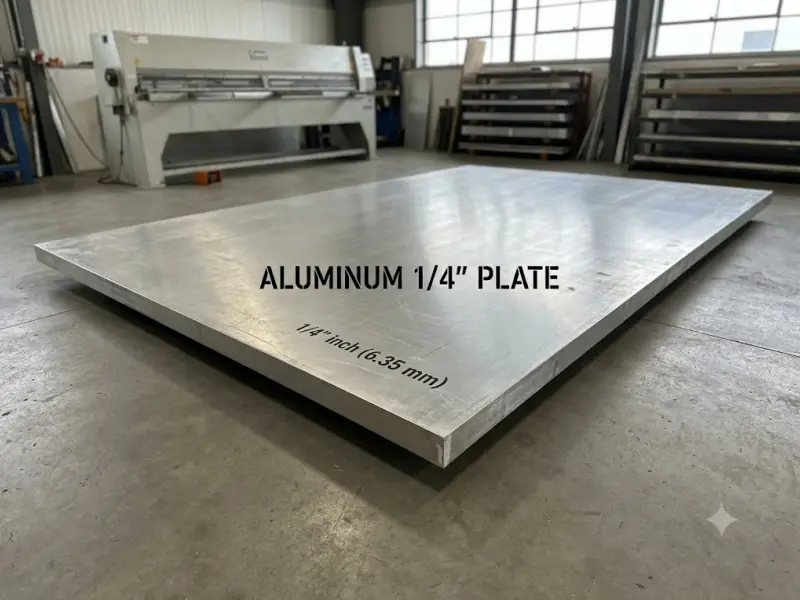
A 4×8 sheet of 1/4 inch aluminum offers an ideal combination of strength, durability, and versatility.
Available in 3003, 5052, and 6061 alloys, it can be used for industrial, construction, or marine projects.
When buying, always compare thickness, alloy type, and surface finish to match your needs.
For competitive prices and bulk aluminum sheet supply, contact WORTHWILL ALUMINUM — a professional aluminum sheet manufacturer and exporter with full-size options and fast delivery.