
Air fryers have changed the way we cook, making it faster and healthier. However, a common question many home cooks have is whether they can use foil in the air fryer. While it is generally safe, there are specific rules you must follow to avoid damaging your appliance or causing a fire hazard.
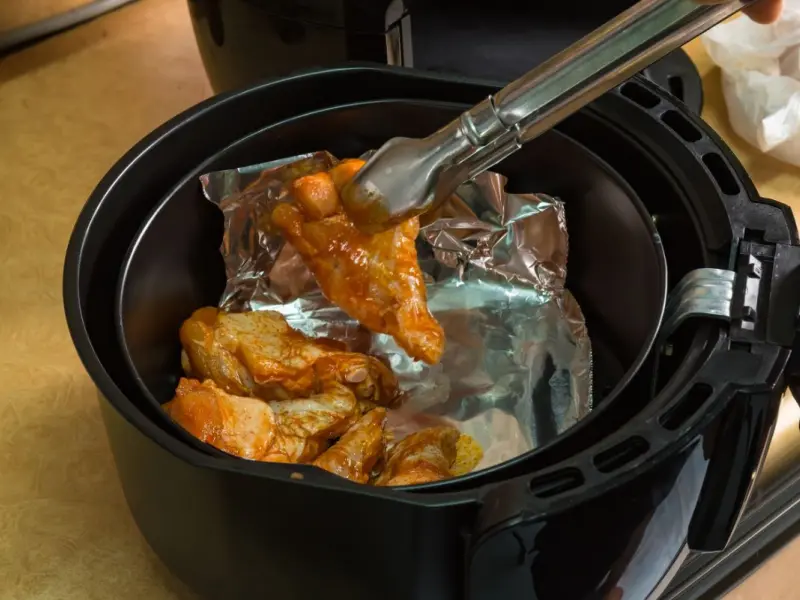
Can You Use Foil in the Air Fryer?
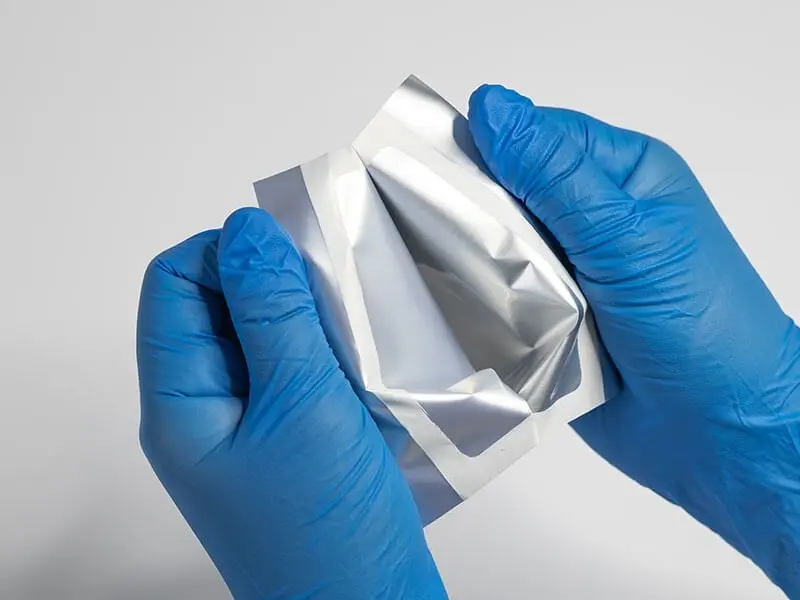
The short answer is yes, you can use aluminum foil in most air fryers. However, unlike a traditional oven, an air fryer works by circulating high-speed hot air. If the foil blocks this airflow, your food won’t cook evenly.
Parchment Paper or Aluminum Foil in Air Fryer?
Choosing between parchment paper or aluminum foil in air fryer depends on what you are cooking. Both have pros and cons.
| Feature | Aluminum Foil | Parchment Paper |
|---|---|---|
| Best For | Acidic foods, wrapping, heat retention | Baking, preventing sticking |
| Airflow | Can block air if not placed correctly | Usually comes with holes for better air |
| Durability | High (won’t tear easily) | Low (can burn if it touches the element) |
| Cleanup | Excellent for catching grease | Good for dry crumbs |
How to Put Aluminum Foil in Airfryer Safely
Learning how to put aluminum foil in airfryer is the most important step for safety. You should never cover the entire bottom of the basket.
Step-by-Step Instructions:
- Cut to Size: Only cut enough foil to fit under your food.
- Leave Space: Keep the edges of the basket open so air can circulate.
- Weight it Down: Never put foil in the air fryer while it is preheating without food on top. The air will blow the foil into the heating element, which can cause a fire.
- Avoid the Heating Element: Ensure the foil does not touch the top coil of the air fryer.
Cooking Specific Foods with Foil
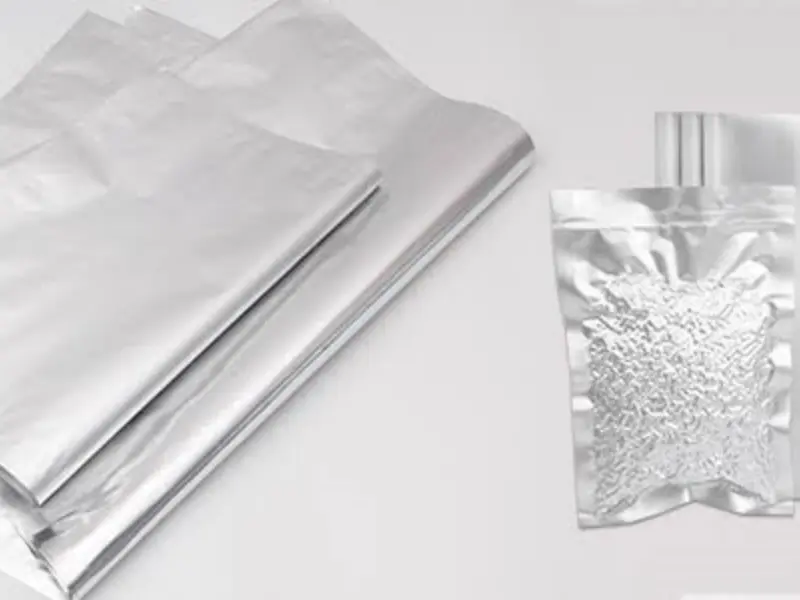
Many people use foil to lock in moisture or keep the basket clean. Here is how to handle the most popular foods.
Can I Put a Potato Wrapped in Foil in the Air Fryer?
Yes! Can I put a potato wrapped in foil in the air fryer? Absolutely. Wrapping a potato in foil helps it steam from the inside, resulting in a soft, fluffy texture.
- Tip: If you want a crispy skin, skip the foil and rub the skin with oil instead.
Can I Wrap Chicken in Foil in Air Fryer?
Can I wrap chicken in foil in air fryer? Yes, this is a great way to keep chicken breasts juicy. By creating a small “foil packet,” you prevent the juices from escaping.
- Time adjustment: Wrapped chicken may take 2 to 5 minutes longer to cook than unwrapped chicken.
Can I Put Fish on Aluminum Foil in the Air Fryer?
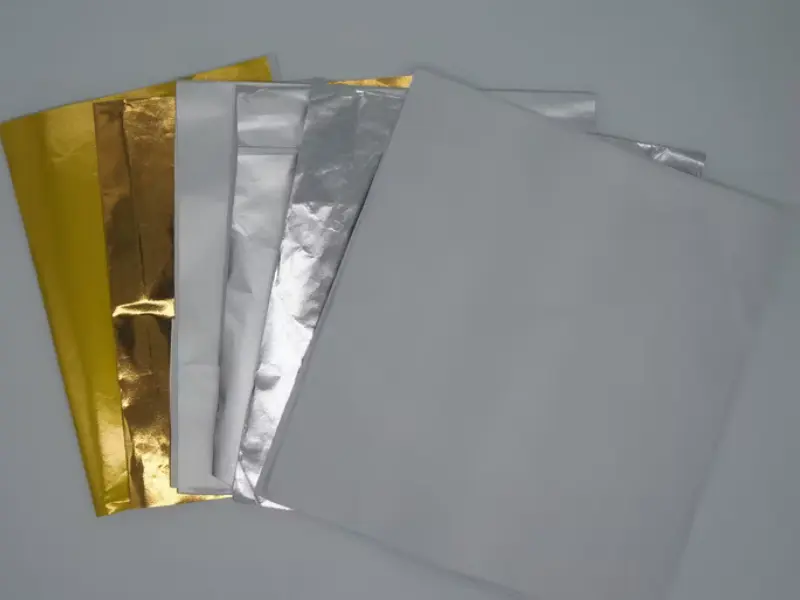
Can i put fish on aluminum foil in the air fryer? This is actually the best way to cook delicate fish like salmon or tilapia.
Fish tends to break apart and stick to the air fryer basket. Using foil makes it easy to lift the fish out once it is finished.
| Food Item | Wrapped or Flat? | Cook Temp | Cook Time |
|---|---|---|---|
| Potato | Wrapped | 400°F | 35 – 45 mins |
| Chicken Breast | Wrapped Packet | 375°F | 18 – 22 mins |
| Fish Fillet | Flat on Foil | 350°F | 10 – 12 mins |
| Pie | Bottom/Edges covered | 320°F | Varies |
Special Considerations: Pies and Microwaves
Pie Foil in Air Fryer
Using pie foil in air fryer is common when reheating leftovers or baking small tarts. Since the air fryer is smaller than an oven, the crust of a pie often burns before the middle is hot. You can use small strips of foil to cover only the edges of the crust to prevent burning.
Aluminum Foil in Air Fryer Microwave
This is where it gets dangerous. If you have a “Combo Unit” (an aluminum foil in air fryer microwave combo), you must be extremely careful.
- Air Fryer Mode: Foil is generally safe.
- Microwave Mode: NEVER use aluminum foil.
- Check your Manual: Some combo units forbid foil in all modes due to the way the internal sensors work.
The Great Debate: Shiny Side Up or Down?
When using aluminum foil in air fryer shiny side up or down, does it actually matter?
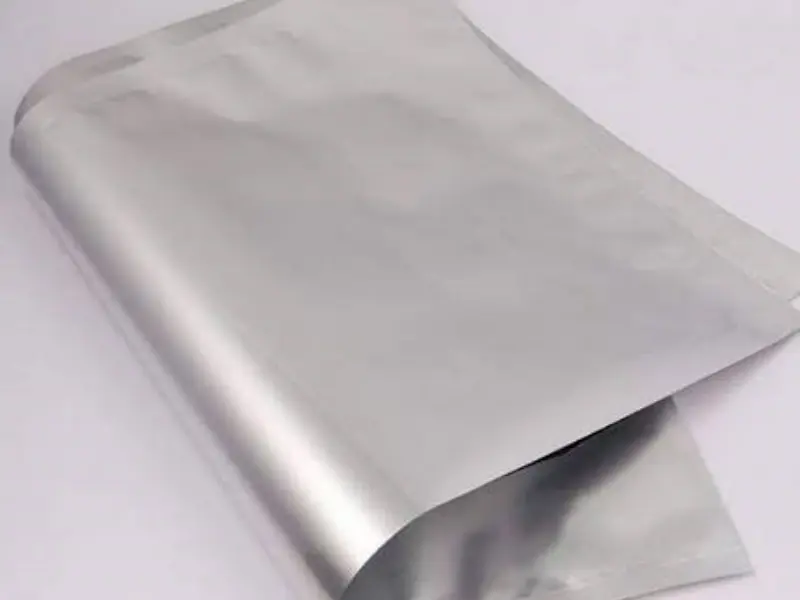
The answer is: No. For home cooking, the difference in heat reflection is so tiny that it will not affect your cooking time.
- Shiny Side Down: Some say this helps reflect heat back into the food.
- Shiny Side Up: Some prefer this for aesthetics.
- Fact: The two sides look different because of the manufacturing process (milling), not because of a functional coating. You can use either side.
Applications and Benefits of Using Foil
Why should you bother using foil? Here are the primary benefits:
- Easy Cleanup: Catches drippings from greasy foods like bacon or wings.
- Flavor Retention: Keeps marinades and sauces close to the meat.
- Fragile Foods: Prevents fish or soft dough from falling through the holes in the basket.
- Heat Control: Protects delicate parts of food (like pie crusts) from burning.
Safety Checklist for Foil in the Air Fryer
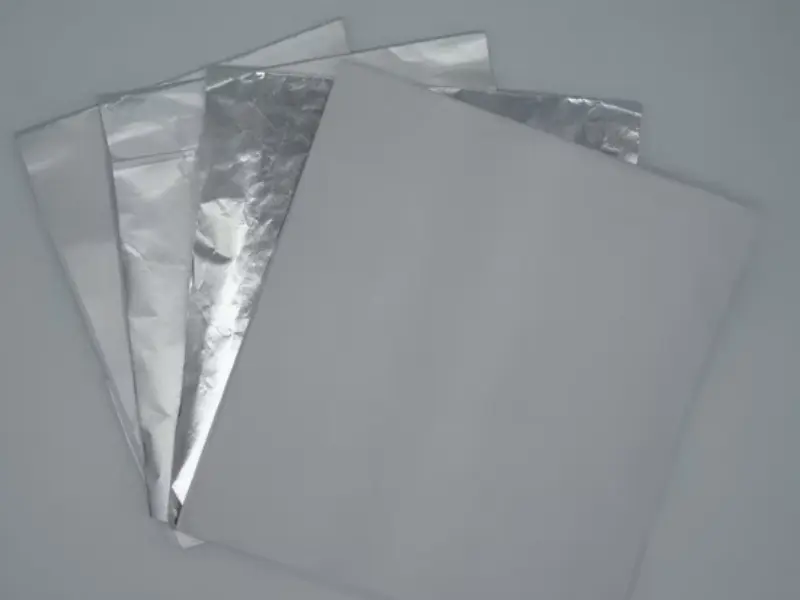
To ensure you don’t damage your machine, follow this digitized safety checklist:
| Rule | Action |
|---|---|
| Weight | Always place enough food on the foil to weigh it down (100g+). |
| Airflow | Leave at least 20% of the basket surface uncovered. |
| Acidity | Avoid foil with highly acidic foods (like lemons or tomatoes), as the acid can dissolve the aluminum into your food. |
| Placement | Never place foil in the bottom pan where the grease collects; keep it in the basket. |
Foil in the air fryer
Using foil in the air fryer is a convenient way to cook, provided you prioritize airflow and safety. Whether you are wondering how to put aluminum foil in airfryer for a juicy chicken breast or deciding between parchment paper or aluminum foil in air fryer for your morning biscuits, the key is balance.
Remember:
- Don’t block all the holes.
- Never preheat with loose foil.
- When in doubt, use a small piece just large enough for the food.
By following these simple tips, you can enjoy delicious, perfectly cooked meals with almost zero cleanup!
Putting Aluminum Foil in Air Fryer
Putting aluminum foil in an air fryer is a common question for home cooks.
Aluminum foil can help keep food moist, catch drips, and make cleanup easier. However, it must be used correctly. Some air fryer manufacturers do not recommend foil in their appliances.
An air fryer cooks food by circulating hot air around it. If aluminum foil blocks this airflow, food may cook unevenly or become less crispy. Loose foil can also move toward the heating element and create a safety risk.
The type of food, the air fryer design, and the foil placement all matter. Before using aluminum foil in an air fryer, check the appliance manual and follow the manufacturer’s instructions.
Can You Put Aluminum Foil in an Air Fryer?
The answer depends on your air fryer model.
Some air fryers allow aluminum foil in certain situations. Others advise against using it in the basket or cooking chamber. For example, Philips does not recommend foil in many of its Airfryer models because it can reduce airflow or move toward the heating element. Always check the instructions for your specific appliance.
When Aluminum Foil May Be Useful
If your appliance manual permits aluminum foil, it may be useful for:
- Catching drips from fatty foods.
- Holding small ingredients together.
- Cooking foods with sauces.
- Wrapping selected foods for reheating.
- Making it easier to lift delicate foods.
- Reducing food residue on an approved cooking surface.
Foil is not necessary for every air fryer recipe. Foods such as French fries and breaded chicken often benefit from direct exposure to circulating hot air.
When You Should Avoid Aluminum Foil
Do not use foil if the appliance manufacturer prohibits it.
You should also avoid using foil when:
- It blocks the basket’s air openings.
- It covers the entire cooking surface and prevents proper airflow.
- It can touch the heating element.
- It is loose and may move during cooking.
- The food is highly acidic and direct foil contact is unsuitable.
- The appliance manual requires food to cook directly on its basket.
Important: Aluminum foil is not a universal accessory for every air fryer. The manufacturer’s instructions take priority over general cooking advice.
How to Put Aluminum Foil in an Air Fryer Correctly
If your air fryer manual permits foil, correct placement is essential.
Check the Appliance Manual First
Different appliances use different heating systems and basket designs.
A basket-style air fryer may have different restrictions from a full-size oven with an air-fry function. Do not assume that instructions for one appliance apply to another.
Use Only the Amount of Foil You Need
Cut a piece that suits the food and the approved cooking area.
Avoid covering every opening in a perforated basket. Hot air needs room to circulate around the food.
Keep the Foil Secure
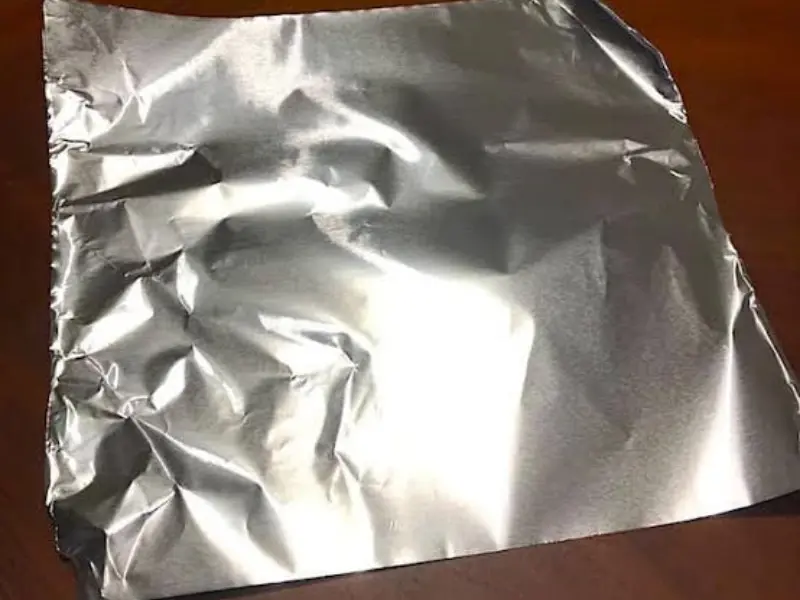
Loose foil can move when the fan starts. If the appliance permits foil, make sure it is held securely by the food or positioned as directed in the manual.
Never preheat an air fryer with a loose piece of foil inside.
Keep Foil Away From Heating Elements
Aluminum foil must not touch the heating element. Keep all edges and handles within the permitted cooking area.
Do not allow excess foil to extend upward toward the heater.
Check the Food During Cooking
Follow the recipe and appliance instructions. Check whether the food is cooking evenly.
If the foil prevents the bottom from browning or blocks airflow, remove it only when it is safe to do so. Use appropriate heat protection when handling hot cookware.
Best Uses for Aluminum Foil in an Air Fryer
Aluminum foil can be useful for certain foods when the appliance allows it. The main benefit is controlling drips or keeping selected ingredients together.
Cooking Fish
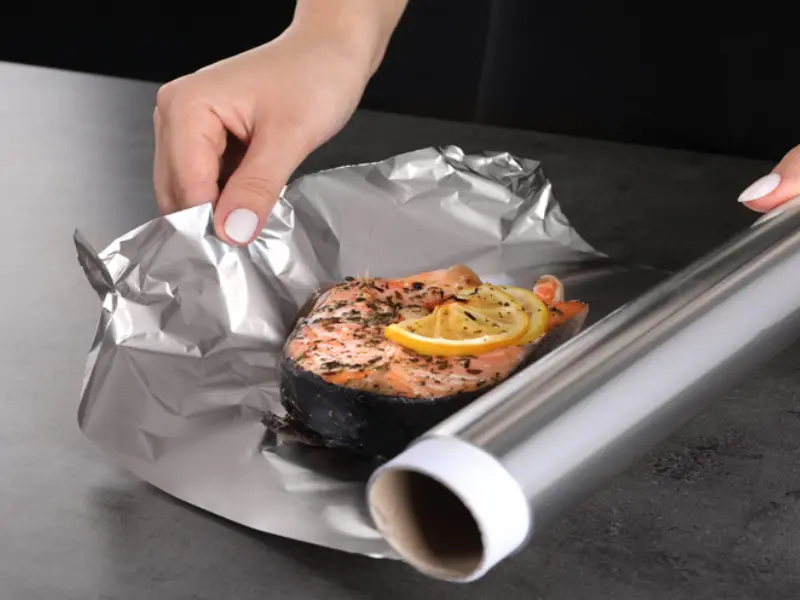
Fish fillets can be delicate. A suitable foil wrap may help hold the fillet together and contain seasoning or small amounts of cooking liquid.
This method is different from placing a flat sheet across the entire basket.
For a crisp surface, direct exposure to circulating air may produce a better result. Choose the method according to the recipe.
Cooking Chicken
Chicken thighs, wings, and other fatty cuts can release juices during cooking.
Where permitted, a suitable piece of foil may help contain some drips. However, it must not prevent proper airflow or interfere with the cooking process.
Always check that the chicken reaches a safe internal temperature.
Cooking Vegetables
Small vegetable pieces can sometimes fall through a basket or become difficult to handle.
If foil is permitted, it may help hold selected ingredients together. However, a solid foil layer can reduce air circulation around the food.
For vegetables that need browning, avoid unnecessary barriers between the food and the hot air.
Reheating Selected Foods
Some foods wrapped in foil for storage may be reheated in an air fryer if the appliance manual permits it.
Remove any plastic film, paper packaging, or other material that is not suitable for the cooking temperature.
Follow the appliance instructions and make sure the food heats evenly.
Preparing Small Food Portions
Foil can help hold certain ingredients together in a compact portion.
This may be useful for selected fish dishes, vegetable combinations, or other recipes that require a contained cooking space.
Do not assume that every foil packet is suitable for an air fryer. The packet must fit the appliance and must not obstruct airflow.
Which Foods Should Not Be Cooked Directly on Aluminum Foil?
Food ingredients can react differently with aluminum. Acidic ingredients are a particular concern.
Tomatoes and Tomato Sauce

Tomatoes are acidic. Direct contact with aluminum foil may affect the taste and increase the transfer of aluminum into the food.
For tomato-based dishes, use a suitable oven-safe container if the appliance permits it.
Lemon and Citrus Foods
Lemon juice, lime juice, and other acidic ingredients can react with aluminum.
If a recipe contains a large amount of citrus juice, avoid direct foil contact and choose an appropriate alternative.
Vinegar-Based Marinades
Vinegar is acidic. Food prepared with vinegar-based marinades may not be suitable for direct contact with aluminum foil.
Consider a suitable heat-resistant dish instead.
Food safety guidance also advises against storing highly acidic foods in kitchen foil or aluminum containers because the aluminum can affect the food’s taste.
| Food Type | Direct Contact With Foil | Alternative to Consider |
|---|---|---|
| French fries | Usually unnecessary | Direct cooking in the basket |
| Chicken wings | Depends on the recipe and appliance | Direct cooking or a permitted accessory |
| Fish fillets | May be suitable for selected recipes | Approved heat-resistant dish |
| Tomato-based food | Best avoided | Suitable oven-safe container |
| Lemon-marinated fish | Best avoided | Suitable oven-safe container |
| Vinegar-marinated vegetables | Best avoided | Suitable oven-safe container |
| Breaded chicken | Often unnecessary | Direct cooking for better crispness |
| Saucy foods | Depends on the appliance | Approved oven-safe dish |
This table is general cooking guidance. Always check appliance compatibility and the suitability of the selected cooking material.
Aluminum Foil vs. Parchment Paper for Air Fryers
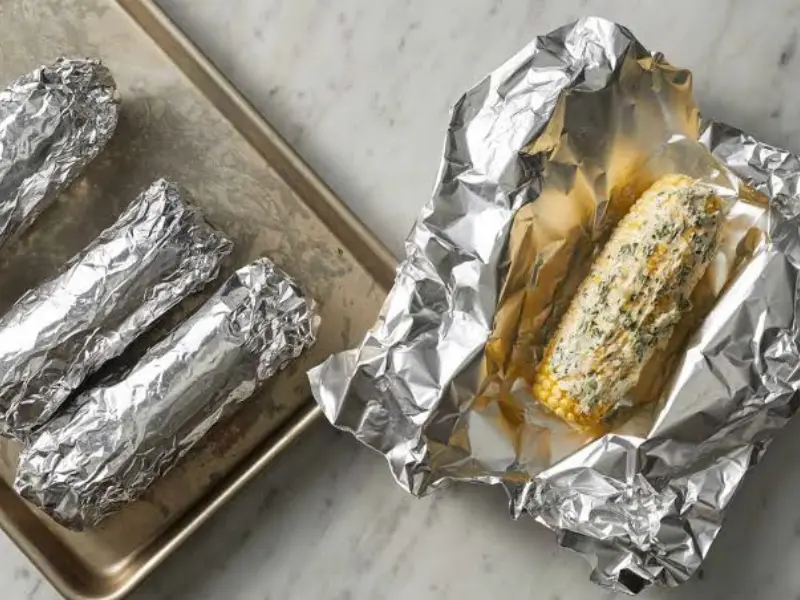
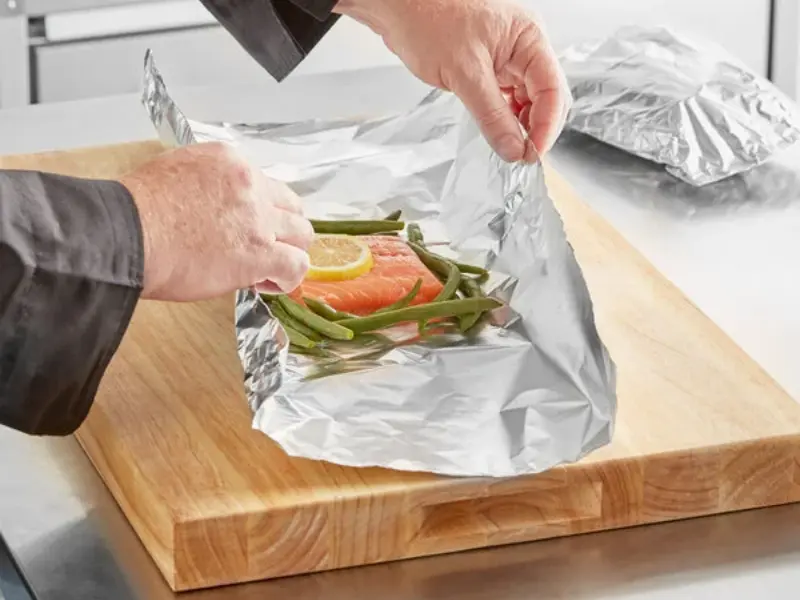
The aluminum foil and parchment paper are both used in cooking, but they have different properties.
Aluminum foil is made from thin aluminum metal. Parchment paper is heat-resistant paper treated for cooking use.
Neither material should be used in an air fryer unless the appliance manufacturer allows it.
Main Differences
| Feature | Aluminum Foil | Parchment Paper |
|---|---|---|
| Material | Aluminum | Treated paper |
| Moisture resistance | Good | Depends on the product |
| Shape | Can be folded and formed | Can be cut or shaped |
| Handling liquids | Can contain some liquids when properly formed | May be unsuitable for liquid-heavy foods |
| Airflow | A solid sheet can block airflow | A solid sheet can also block airflow |
| Food browning | May reduce browning where it covers food | May reduce browning where it covers food |
| Reusability | Depends on its condition and cleanliness | Usually intended for limited use |
| Main consideration | Appliance compatibility and food contact | Heat rating, secure placement, and airflow |
When Aluminum Foil May Be Better
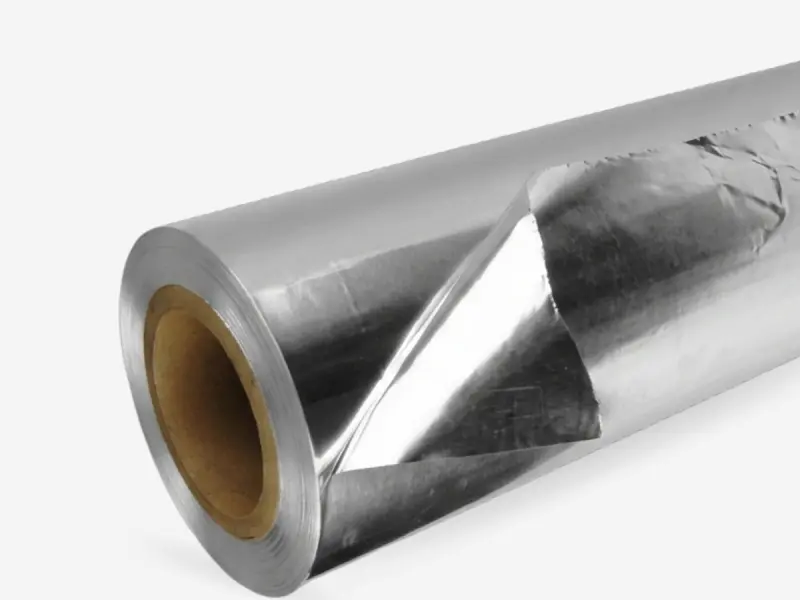
Where permitted, foil may be useful for foods that release juices or need to be held together.
It can also be shaped around certain ingredients.
However, foil should not be used with unsuitable acidic foods, and it must not interfere with the appliance’s heating system.
When Parchment Paper May Be Better
Parchment paper may be suitable for some sticky foods or baked items.
Use only a product rated for the cooking temperature and compatible with the appliance. It must be held down by food and must not be allowed to reach the heating element.
Never place lightweight parchment paper in an operating air fryer without the required restraint. It may move toward the heater.
What About Silicone Air Fryer Liners?
Silicone liners are reusable accessories designed for certain cooking applications.
Before using one, check its temperature rating, dimensions, and compatibility with your appliance.
A silicone liner can still affect airflow. It is not automatically a better option for every recipe.
Different Types of Aluminum Foil for Kitchen Use
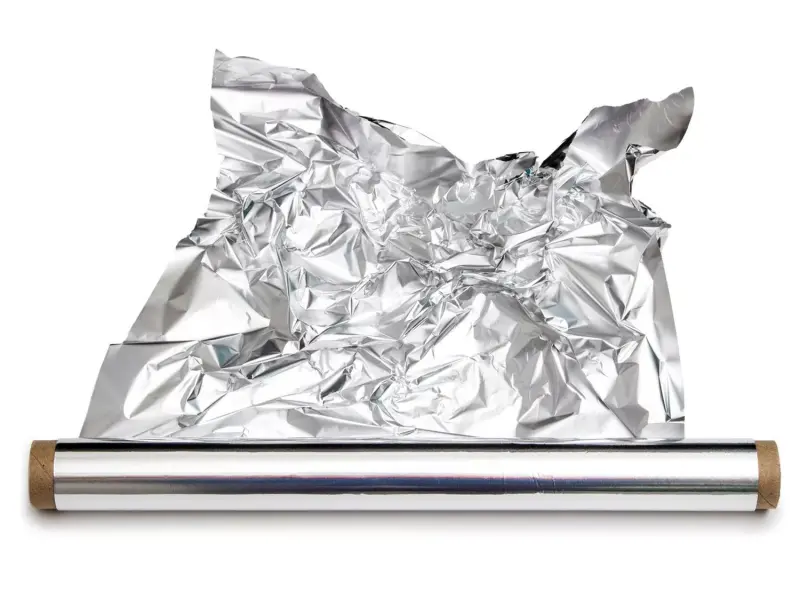
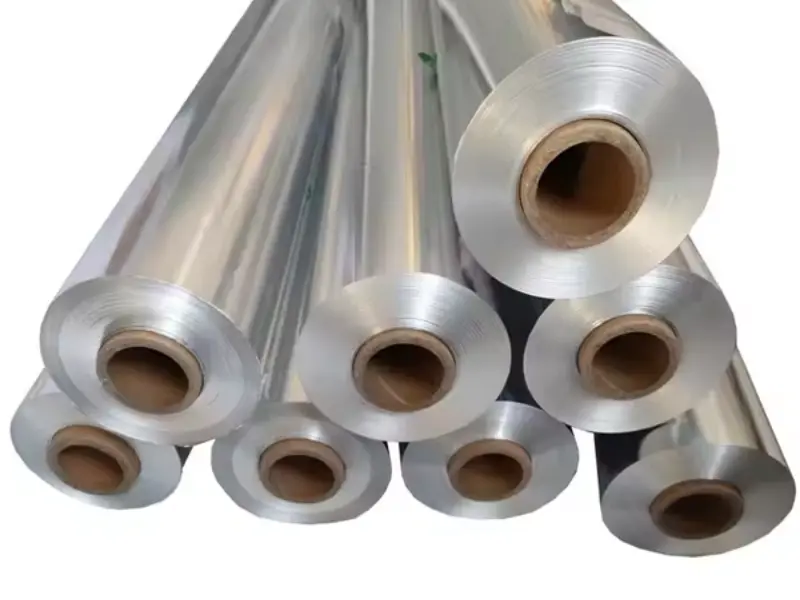
Aluminum foil is available in different thicknesses, widths, roll lengths, and packaging formats.
The right product depends on the intended use. Household cooking foil, catering foil, and industrial foil may have different specifications.
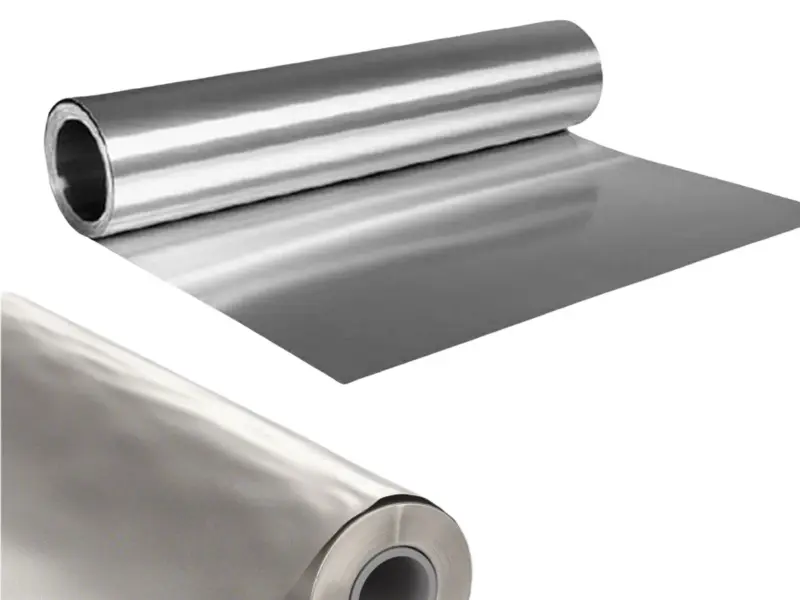
Standard Household Aluminum Foil
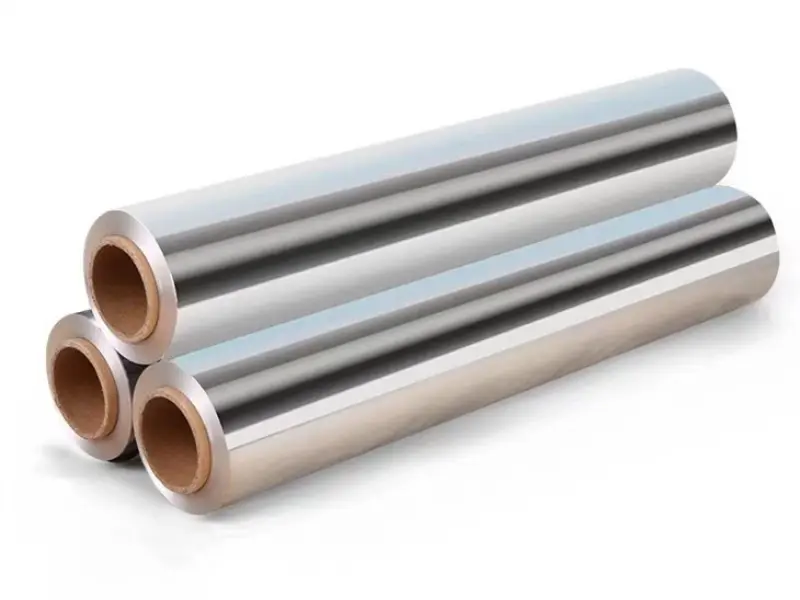
Household aluminum foil is commonly sold in rolls for cooking, baking, and food preparation.
It can be cut to the required length and shaped around food.
Typical uses include:
- Wrapping selected foods.
- Covering food during suitable cooking processes.
- Preparing food for storage.
- Lining compatible cooking trays.
- Separating food portions.
Household foil is not automatically suitable for every air fryer. The appliance manual remains the main guide.
Heavy-Duty Aluminum Foil
Heavy-duty aluminum foil is generally thicker than standard household foil.
It may provide better resistance to tearing during handling and shaping. However, the exact thickness varies by manufacturer.
It can be useful for larger food portions, catering preparation, and applications that require more durable foil.
Extra-Wide Aluminum Foil
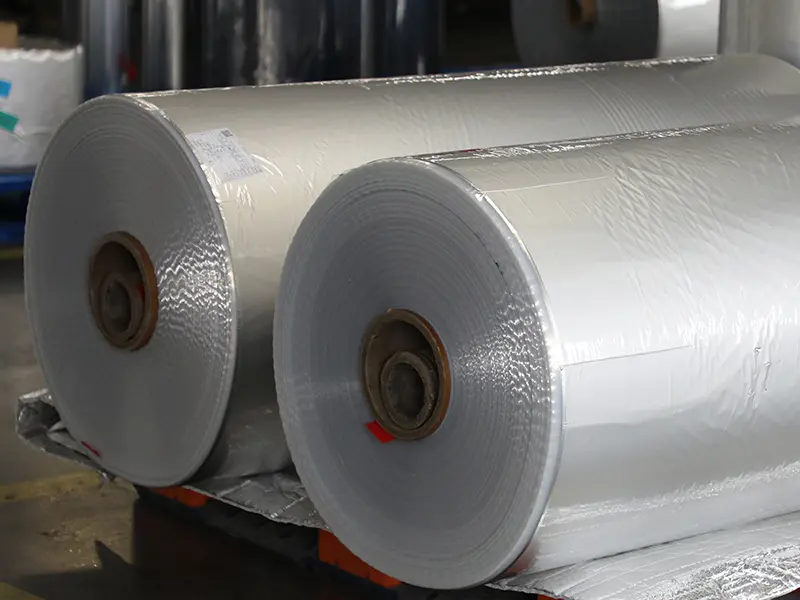
Extra-wide foil is designed for larger food portions, trays, and catering applications.
A wider roll can reduce the need to join multiple pieces when preparing large items.
For air fryer use, the foil still needs to fit the appliance without blocking airflow or reaching the heating element.
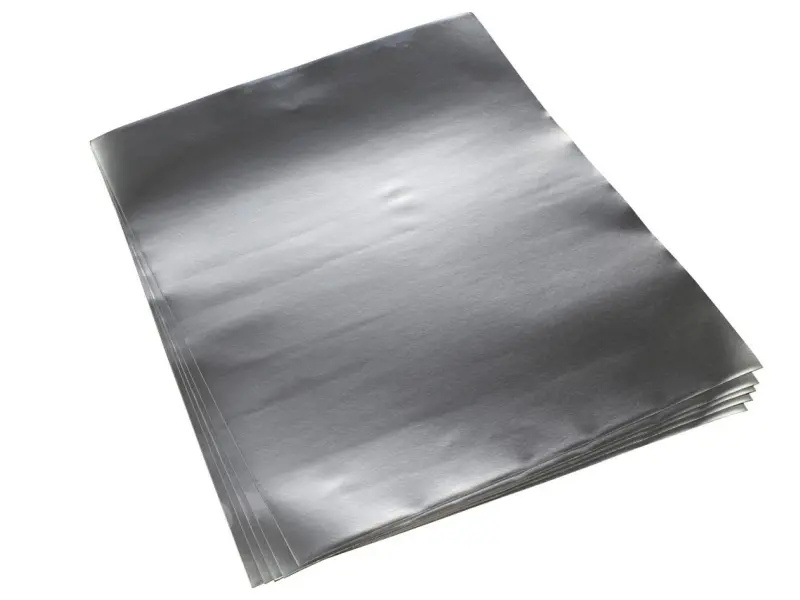
Pre-Cut Aluminum Foil Sheets
Pre-cut foil sheets offer a convenient format for kitchens that need consistent sheet sizes.
They can help reduce cutting time in commercial food preparation.
Available dimensions vary by supplier. Buyers should specify sheet length, width, thickness, alloy, and packaging quantity when requesting a quotation.
Aluminum Foil Containers and Trays
Aluminum foil containers are formed products rather than flat foil sheets.
They are used for food preparation, takeaway meals, catering, and storage.
Some containers may be suitable for oven use, but compatibility with an air fryer depends on the appliance and container design.
Do not use a container if the appliance manufacturer prohibits it or if it obstructs airflow.
Aluminum Foil Specifications: Thickness, Alloy and Product Form
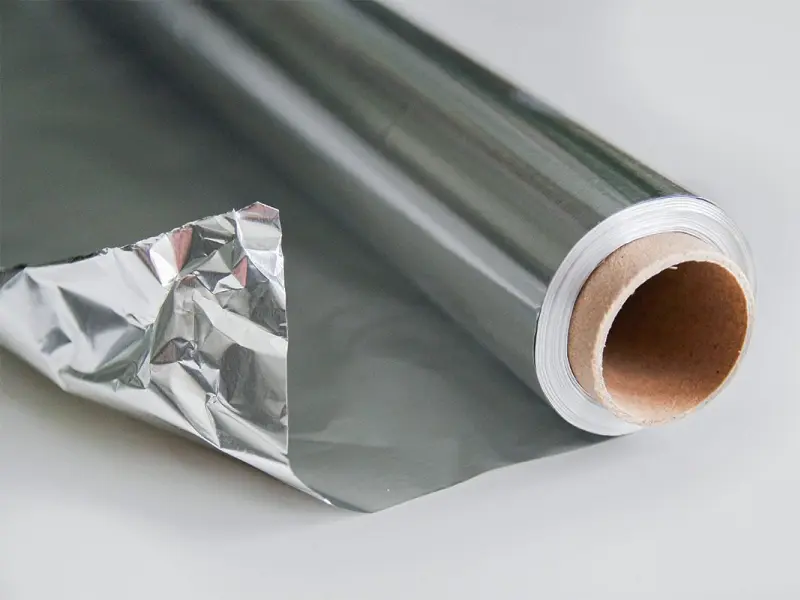
For commercial buyers, aluminum foil specifications are important. Thickness, width, alloy, temper, and packaging can affect handling and product performance.
The exact requirements depend on the intended application.
Common Aluminum Foil Thicknesses
The following values are illustrative examples of thickness ranges used in different foil products. They are not universal standards for household foil or air fryer accessories.
| Nominal Thickness | Thickness in Microns | Potential Product Category |
|---|---|---|
| 0.010 mm | 10 μm | Thin foil products |
| 0.012 mm | 12 μm | Lightweight foil |
| 0.015 mm | 15 μm | Selected household and packaging foil |
| 0.016 mm | 16 μm | Selected thin foil products |
| 0.020 mm | 20 μm | General-purpose foil applications |
| 0.025 mm | 25 μm | Selected heavier foil applications |
| 0.030 mm | 30 μm | Foil requiring additional handling strength |
| 0.040 mm | 40 μm | Selected heavy-duty and industrial uses |
These thicknesses should not be treated as fixed classifications. Product names such as standard, heavy-duty, and extra-heavy-duty are not used consistently across all markets.
For commercial orders, specify the actual nominal thickness and allowable tolerance.
Aluminum Foil Alloys
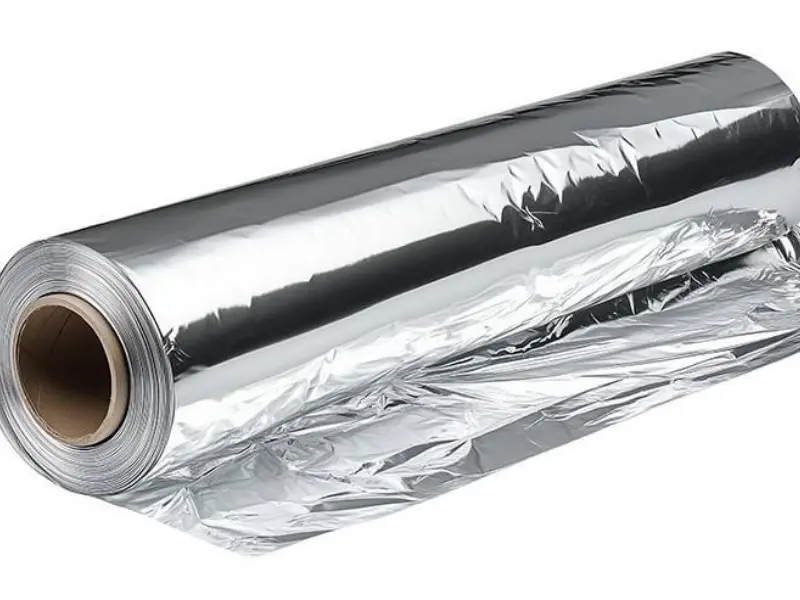
Different aluminum alloys are used in foil production.
| Alloy | General Characteristics | Potential Applications |
|---|---|---|
| 1050 | High aluminum purity and good formability | Selected foil and general aluminum products |
| 1060 | High aluminum content and good formability | Selected foil and industrial applications |
| 1100 | Commercially pure aluminum alloy with good workability | Certain foil and packaging products |
| 1235 | Commonly used in thin foil and packaging applications | Flexible packaging and related products |
| 8011 | Widely used in foil and packaging products | Household foil and food packaging, depending on specification |
| 8079 | Used in selected thin foil and flexible packaging applications | Specialized packaging structures |
The suitability of an alloy depends on the product specification and manufacturing process. Not every alloy is available in every thickness or temper.
Aluminum Foil Tempers
Temper describes the condition of the material after processing.
Common temper designations in aluminum foil production include:
- O temper: Annealed condition, generally associated with high softness and formability.
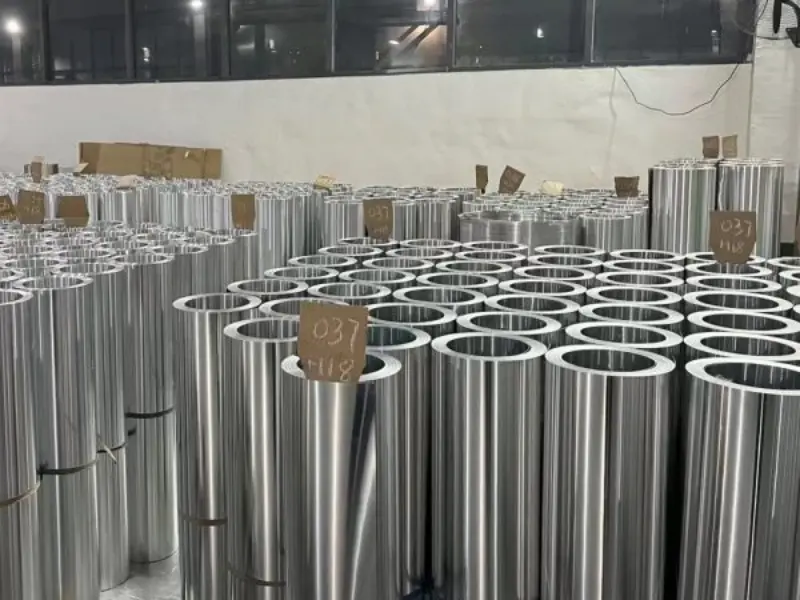
- H18 temper: A hard, strain-hardened condition used for certain foil products.
- Other H tempers: Available depending on the alloy, manufacturing process, and intended application.
The correct temper depends on the foil’s required strength, flexibility, folding behavior, and end use.
For household cooking foil, buyers should request the manufacturer’s actual technical specification rather than selecting a temper based on the name alone.
Aluminum Foil Product Formats
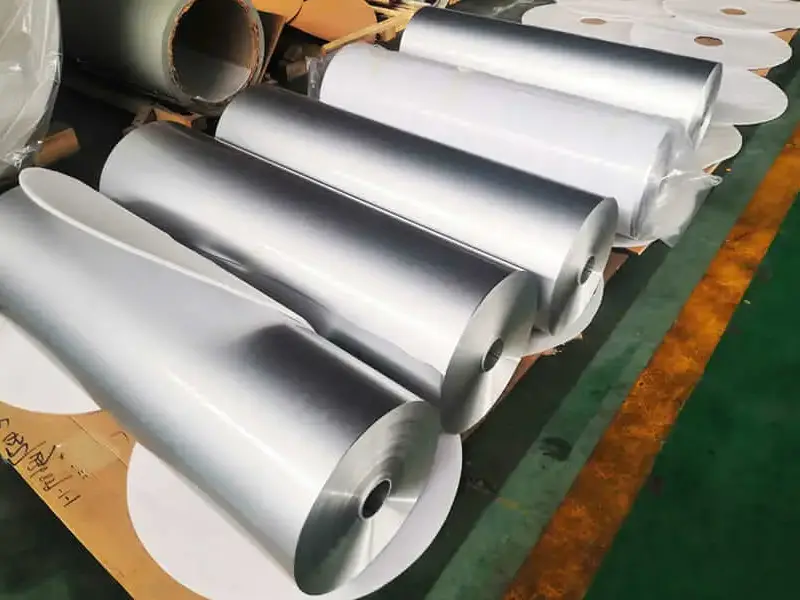
Manufacturers and converters may supply several product formats.
| Product Format | Main Characteristics | Typical Buyers |
|---|---|---|
| Household foil roll | Consumer-sized roll | Retailers and distributors |
| Catering foil roll | Larger roll for food preparation | Restaurants and catering suppliers |
| Heavy-duty foil | Thicker foil, depending on specification | Food-service suppliers |
| Pre-cut foil sheets | Fixed sheet dimensions | Commercial kitchens |
| Embossed foil | Textured surface | Selected packaging and converting applications |
| Laminated aluminum foil | Combined with other materials | Flexible packaging manufacturers |
| Aluminum foil containers | Formed food containers | Food-service distributors |
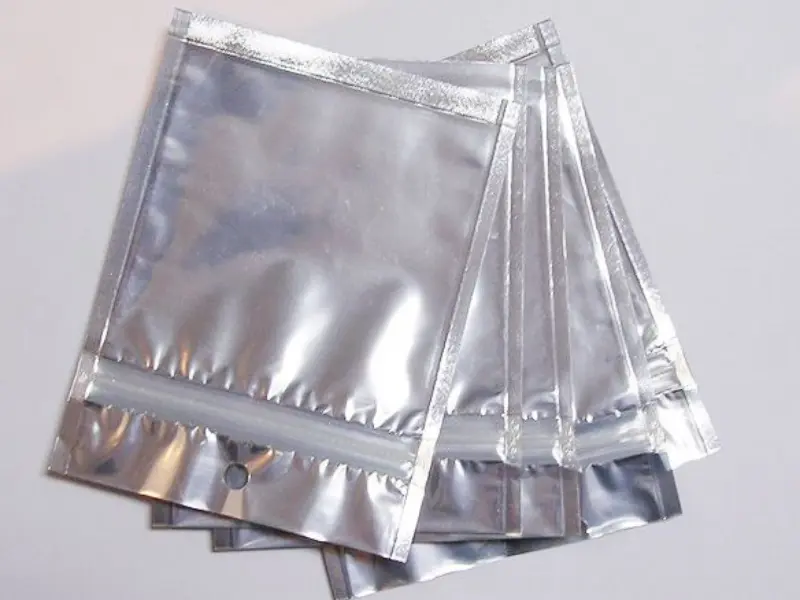
Laminated foil is a different product from plain household foil. It may contain plastic, paper, or other layers. It should not be placed in an air fryer unless the complete product is specifically designed and approved for that use.
How to Choose Aluminum Foil for Cooking and Food Packaging
A suitable foil product should match its intended use.
For Household Cooking
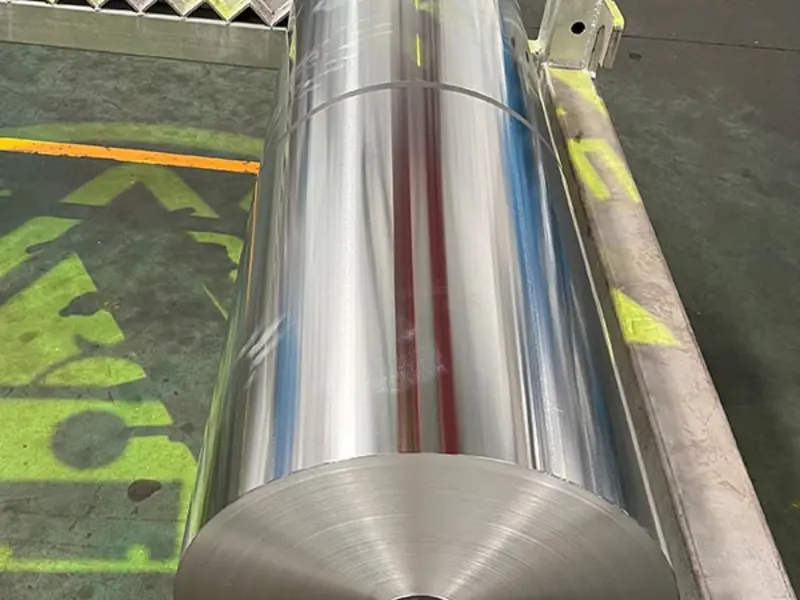
Check the thickness, roll width, product labeling, and intended food-contact application.
Choose a product from a supplier that clearly identifies the product’s intended use.
For Restaurants and Catering
Catering buyers may need larger rolls, heavier foil, or pre-cut sheets.
Consider the following requirements:
- Roll width.
- Roll length.
- Thickness and tolerance.
- Core diameter.
- Net weight per roll.
- Packaging quantity.
- Carton dimensions.
- Food-contact compliance documentation.
Standardized specifications help commercial kitchens manage inventory and reduce packaging waste.
For Food Packaging Manufacturers
Industrial buyers may need tighter control over thickness, mechanical properties, surface quality, and winding consistency.
They may also require alloy certificates, inspection records, and documentation for the intended packaging application.
The supplier should confirm whether the product is plain foil, coated foil, embossed foil, or a laminated structure.
For Private-Label Products
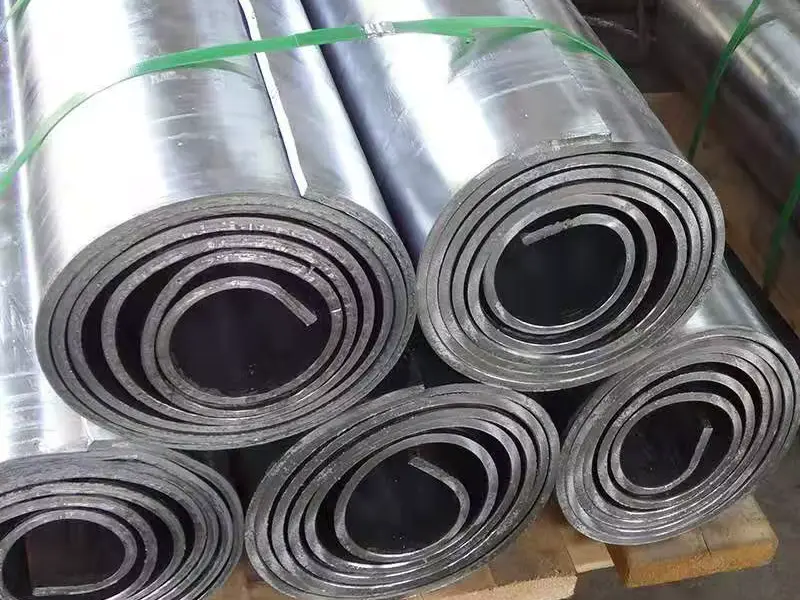
Retail brands may require custom packaging and product specifications.
Before production, confirm the roll dimensions, carton design, printed information, labeling requirements, and minimum order quantity.
Product claims should match the actual technical documentation and the regulations in the destination market.
Aluminum Foil vs. Aluminum Containers
Aluminum foil and aluminum containers serve different purposes.
| Feature | Aluminum Foil | Aluminum Container |
|---|---|---|
| Product form | Flexible sheet or roll | Formed tray or container |
| Shape | Can be cut and folded | Fixed shape |
| Food handling | Wrapping and covering | Holding and serving food |
| Storage | Compact roll format | Stacked container format |
| Air fryer compatibility | Depends on appliance instructions | Depends on appliance instructions and container design |
| Common applications | Cooking, wrapping, packaging | Catering, takeaway, food preparation |
A container may be easier to handle when a recipe contains liquid. However, the container must be suitable for the appliance and must not prevent proper airflow.
Common Mistakes When Putting Aluminum Foil in an Air Fryer
Correct foil placement can help prevent cooking problems. Avoid these common mistakes.
Covering the Entire Basket
A full layer of foil can stop hot air from reaching the bottom of the food.
This may reduce crispness and affect cooking time.
Use foil only where the appliance allows it and where it does not interfere with airflow.
Using Loose Foil
Loose foil may move during operation.
It could reach the heating element or interfere with the appliance. Never leave a loose sheet inside the fryer during preheating.
Using Foil With Every Recipe
Many foods cook well directly in the basket.
Adding foil when it is unnecessary can reduce airflow and create extra waste.
Ignoring Food Acidity
Tomato, citrus, and vinegar-based ingredients may react with aluminum.
Choose a suitable alternative when the recipe requires direct contact between acidic food and the cooking surface.
Assuming Every Foil Product Is Heat-Safe
Not every product sold as foil or a foil liner is made from plain aluminum.
Some products contain coatings, adhesives, paper, or plastic layers. These materials may have different temperature limits.
Check the product label before use.
Frequently Asked Questions About Putting Aluminum Foil in an Air Fryer
Is it safe to put aluminum foil in an air fryer?
It depends on the appliance. Some models allow foil under specific conditions, while others prohibit it. Check the user manual before use.
Can aluminum foil catch fire in an air fryer?
Aluminum foil itself is not ordinary combustible paper, but incorrect placement can create hazards. Loose foil may reach the heating element, and unsuitable food or packaging materials may burn. Follow the appliance instructions.
Can I line the entire air fryer basket with foil?
Do not do this unless the appliance manufacturer explicitly permits the arrangement. A solid layer can block airflow and reduce cooking performance.
Can I put aluminum foil in an air fryer without food on it?
Do not place loose foil in an operating air fryer without food or another approved means of securing it. The fan may move it toward the heating element.
Can I use aluminum foil for chicken wings?
Some recipes use foil to contain drips, but foil is not always necessary. If the appliance permits it, ensure the foil does not block airflow or touch the heater.
Can I cook fish in aluminum foil in an air fryer?
It may be possible with certain appliances and recipes. Check the manual, avoid unsuitable acidic ingredients, and make sure the foil arrangement does not interfere with airflow.
Can I put lemon-marinated food on aluminum foil?
It is better to avoid direct foil contact with highly acidic ingredients such as lemon juice. A suitable oven-safe dish may be a better choice.
Is aluminum foil better than parchment paper?
Neither is always better. Foil can be shaped around food, while parchment paper may help with some sticky foods. Both can interfere with airflow if used incorrectly.
Does aluminum foil make air fryer food less crispy?
It can. A solid sheet may block hot air from reaching the bottom of the food. For maximum crispness, direct exposure to circulating air is often preferable.
Can I use heavy-duty aluminum foil in an air fryer?
The term heavy-duty refers to a product category, not guaranteed compatibility with every appliance. Even thicker foil must follow the same placement and safety requirements.
What thickness of aluminum foil is suitable for an air fryer?
There is no single thickness suitable for every air fryer. Follow the appliance instructions and use a product intended for the relevant cooking application.
Can aluminum foil be reused after air frying?
Reuse depends on the foil’s condition and cleanliness. Do not reuse foil that is torn, heavily contaminated, or damaged. Follow food hygiene practices and the product instructions.
Can aluminum foil containers go in an air fryer?
Only if the appliance manufacturer permits them and the container fits without obstructing airflow or contacting the heating element. Confirm that the container is designed for the intended temperature and cooking application.
What should buyers look for in an aluminum foil supplier?
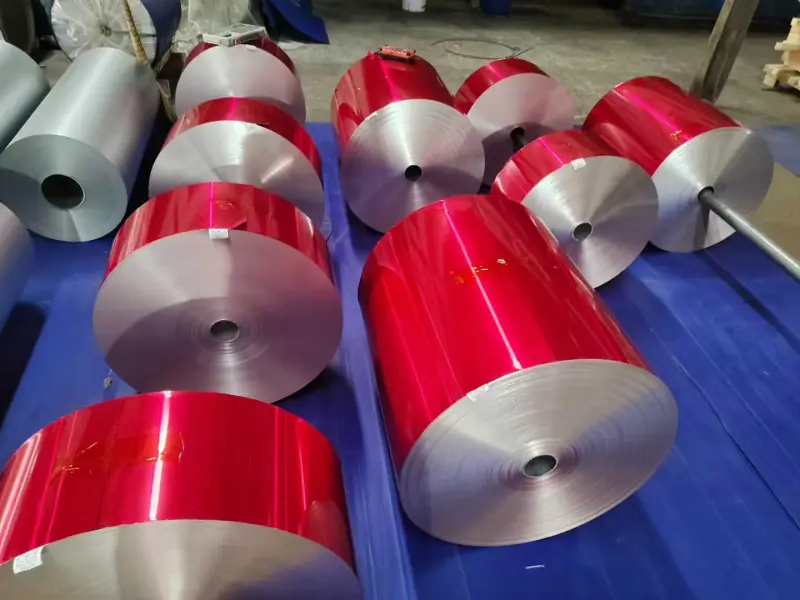
Check alloy, thickness, width, temper where relevant, surface quality, packaging, production capacity, and documentation for the intended food-contact use. For bulk orders, also confirm minimum order quantity, lead time, and export packing.
Choosing the Right Aluminum Foil for Air Fryer Use
Putting aluminum foil in an air fryer can be useful in certain situations, but it is not suitable for every appliance or recipe.
The most important steps are simple: check the user manual, use foil only where permitted, keep it away from heating elements, and avoid blocking airflow. For acidic foods, consider an appropriate alternative to direct foil contact.
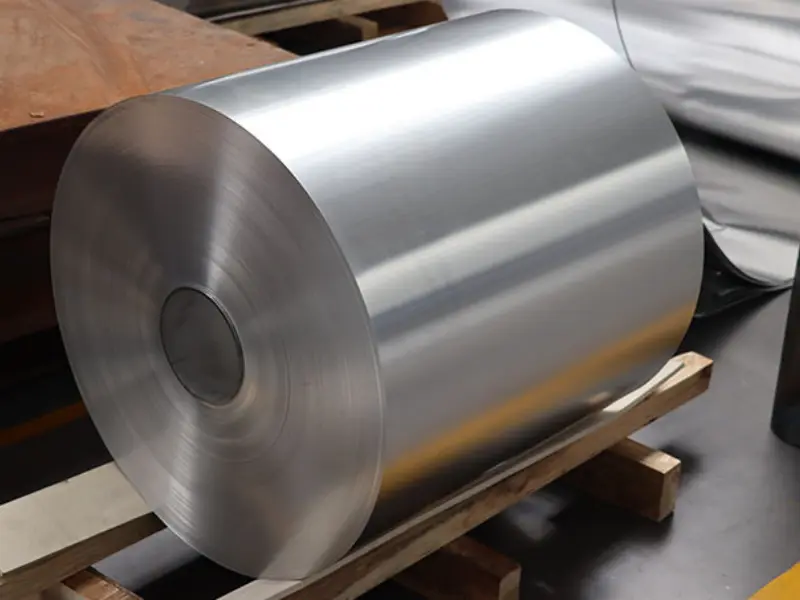
For commercial buyers, household aluminum foil, heavy-duty foil, pre-cut sheets, and foil containers serve different purposes. Product selection should be based on actual specifications, intended use, and food-contact requirements.
If you are sourcing aluminum foil for household cooking, catering, or food packaging, confirm the alloy, thickness, roll dimensions, packaging, and relevant compliance documents before placing an order.