
How To Polish A Sheet Of Aluminum To Use As A Mirror Finish?
Polishing is a technique of producing a product with a smooth surface using a polishing disc and a polishing agent with the aid of a machine. Especially in metal industry, polishing is very hot in some products such as aluminum sheet.
What Is Polished Aluminum Sheet?
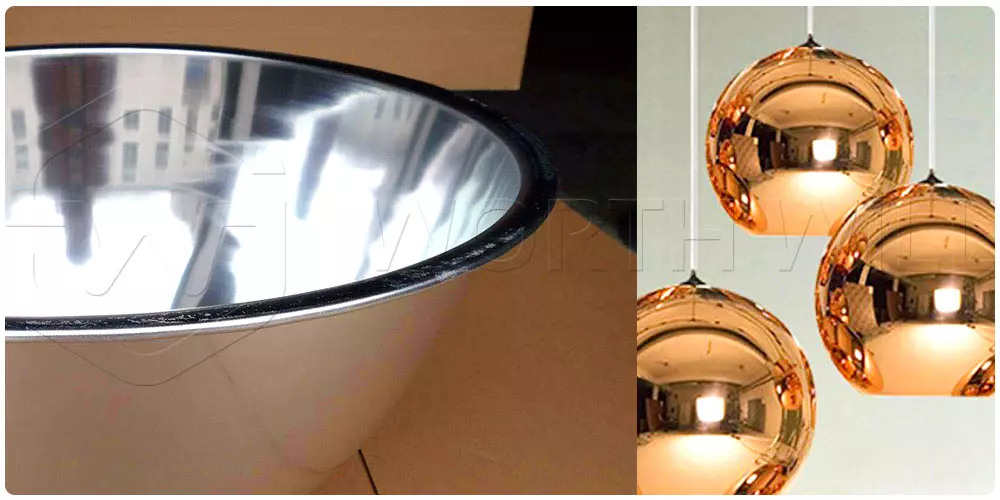
Polished mirror aluminum sheet is also known as mirror aluminum sheet. It refers to the aluminum sheet that is processed by rolling, grinding and other methods to make the surface of the plate show a mirror effect.
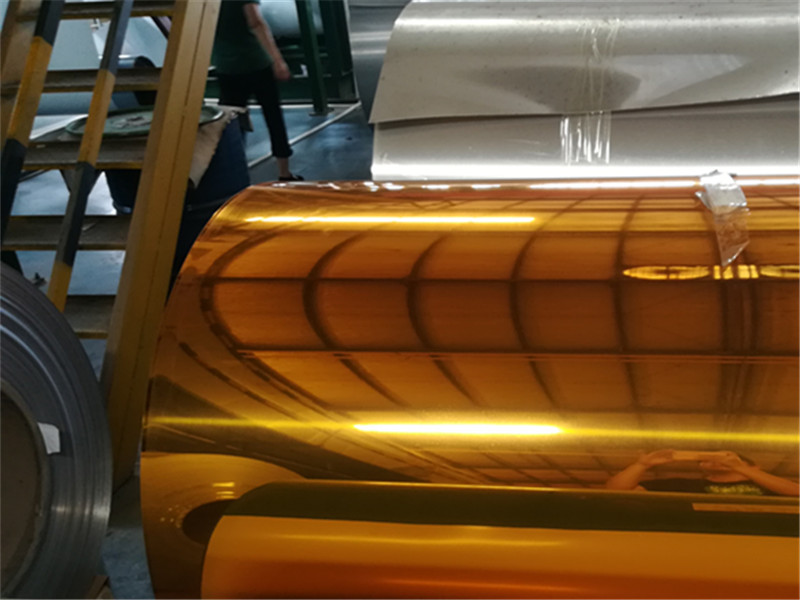
Features Of Mirror Aluminum Sheet
- High reflectivity
- Scratch resistant
- Uniform color and the surface oxide layer will never fall off
- Excellent heat dissipation performance, suitable for precision electronic products
- Easy to clean
- Environmentally friendly and non-toxic
Polishing Process
First, the metal itself glows naturally. It’s strong and can be worked into almost anything. That’s to say it also can be polished up to a beautiful mirror finish. But over time, it oxidizes and scratches. Oxidation from scratches prevents light from reflecting back, which can ruin the product’s luster. By polishing, you can remove the oxide layer as well as a very thin layer of the metal itself. Doing so smooths the metal, removes blemishes, and makes it sparkle again.
With the advancement of technology, most factories will choose machine polishing. We only need to adjust the value and position of the machine. Almost no manual handling is required.

In summarize, aluminum sheet coil can be polished by machine. We can adopt plenty of methods and tools to polish metals to reach mirror effect.
How to Polish a Sheet of Aluminum to Use as a Mirror Finish
Can Aluminum Be Polished to a Mirror Finish?
Yes. A sheet of aluminum can be polished to create a mirror-like surface. The final result depends on the aluminum alloy, sheet condition, thickness, sanding method, polishing compound, and surface protection.
s time. A deep scratch, dent, or rough surface cannot be hidden by polishing alone. Good surface preparation is the most important step.
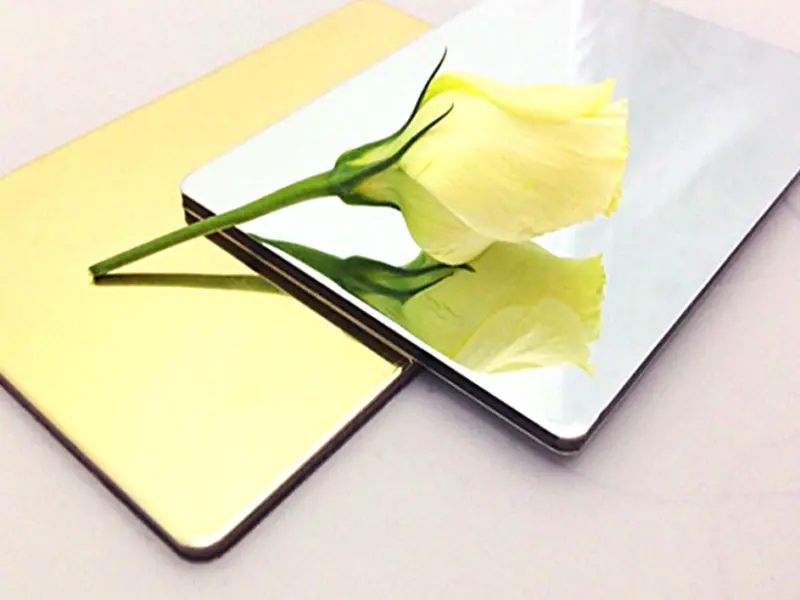
A mirror finish aluminum sheet should reflect light clearly and show very few scratches. This finish is used for decoration, lighting reflectors, signs, interior panels, displays, automotive parts, and craft projects.
The process take
Simple process → Clean the sheet → Sand the surface → Use finer grit → Buff with compound → Clean the surface → Protect the finish.
Choose the Right Aluminum Sheet Before Polishing
Not every aluminum sheet gives the same mirror result. Soft, clean, smooth aluminum is easier to polish than rough, oxidized, or heavily textured material.
Common Aluminum Alloys for Mirror Polishing
| Aluminum Alloy | Polishing Performance | Typical Use |
|---|---|---|
| 1050 | Very good | Decorative sheets and reflectors |
| 1060 | Very good | Mirror panels and lighting products |
| 1100 | Good | Signs and interior decoration |
| 3003 | Good | Decorative panels and general fabrication |
| 3004 | Good | Formed aluminum products |
| 5005 | Good | Architectural decorative panels |
| 5052 | Moderate to good | Marine and durable panels |
| 6061 | Moderate | Machine parts and structural products |
Best Alloy Choices
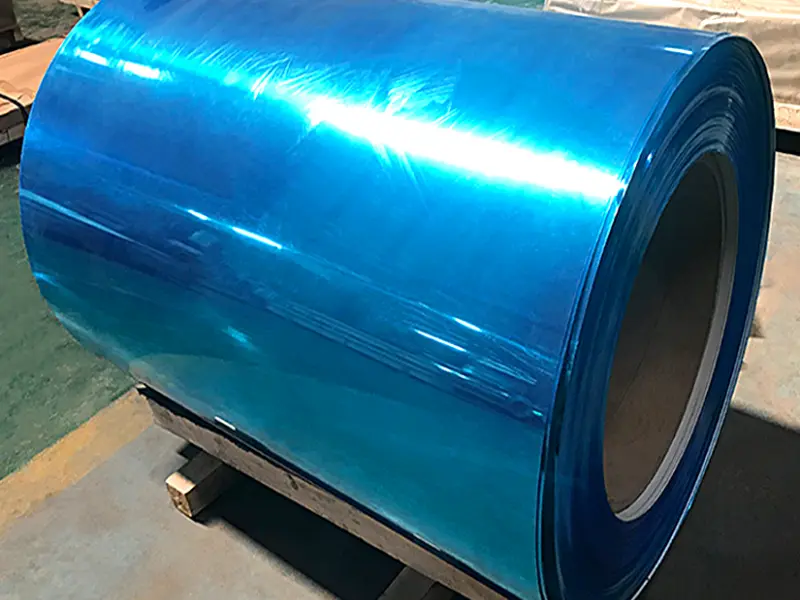
1050, 1060, and 1100 aluminum are often easier to polish because they have high aluminum content and a softer surface. They are good choices for decorative mirror finish aluminum sheet.
6061 aluminum can also be polished, but it may not create the same bright finish as high-purity aluminum. It is more often used for machine parts, brackets, frames, and industrial products.
Aluminum Temper and Sheet Thickness
The aluminum temper affects hardness and forming performance. It can also affect the polishing process.
| Temper | General Condition | Mirror Polishing Suitability |
|---|---|---|
| O | Soft and annealed | Good for formed decorative products |
| H14 | Half hard | Good for general sheet polishing |
| H16 | Three-quarter hard | Good for flat panels |
| H18 | Hard condition | Suitable for rigid sheets |
| H24 | Stable and formable | Common for decorative aluminum |
| T6 | Heat-treated and strong | Suitable, but may need more work |
Common Sheet Thicknesses
| Thickness | Typical Product |
|---|---|
| 0.30 mm to 0.50 mm | Small labels and decorative pieces |
| 0.50 mm to 0.80 mm | Signs, craft panels, reflectors |
| 1.00 mm to 1.50 mm | Wall panels and display boards |
| 2.00 mm to 3.00 mm | Machine covers and decorative structures |
| Above 3.00 mm | Industrial and custom applications |
Thin aluminum sheets can bend during sanding and buffing. Place the sheet on a flat support surface to prevent dents and waves.
Tools and Materials You Need
A good mirror finish needs clean tools. Dirty sanding paper or contaminated polishing pads can create scratches.
Basic Polishing Tools
- Aluminum sheet
- Mild detergent
- Clean water
- Microfiber cloths
- Sanding block
- Wet and dry sandpaper
- Polishing compound
- Buffing wheel
- Electric drill or polishing machine
- Soft foam pad
- Protective gloves
- Safety glasses
- Dust mask
Sandpaper Grit Guide
| Sandpaper Grit | Main Purpose |
|---|---|
| 320 grit | Removes light surface marks |
| 400 grit | Starts smoothing the surface |
| 600 grit | Removes sanding lines |
| 800 grit | Creates a finer surface |
| 1,000 grit | Prepares for polishing |
| 1,500 grit | Reduces visible fine scratches |
| 2,000 grit | Creates a smooth pre-polish surface |
| 3,000 grit | Optional for high mirror effect |
Use wet sanding when possible. Water helps reduce heat, carries away metal dust, and produces a smoother finish.
Prepare the Aluminum Surface
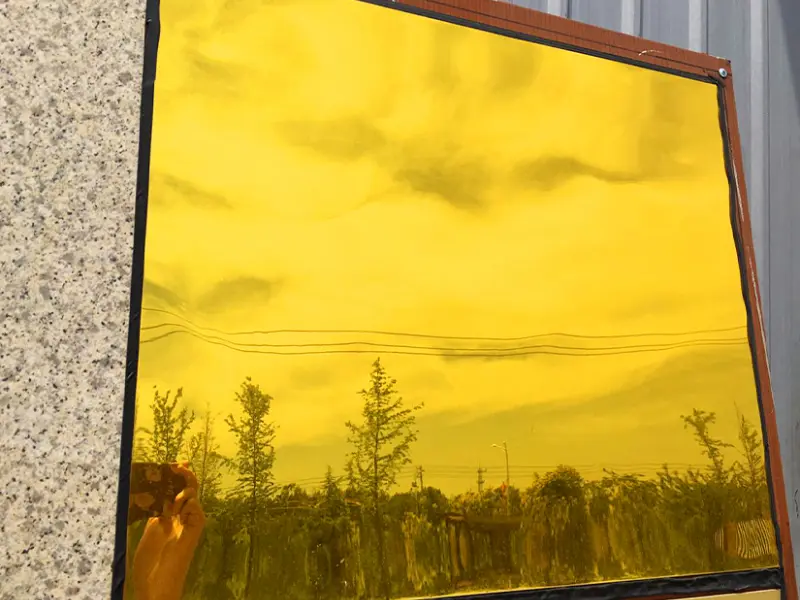
Before sanding, inspect the aluminum sheet carefully. Look for scratches, dents, oxide marks, adhesive residue, oil, paint, and surface contamination.
Cleaning Steps
Wash the Aluminum Sheet
Use warm water and mild detergent. Remove oil, dust, fingerprints, and dirt.
Dry the Surface
Use a clean microfiber cloth. Do not begin sanding while moisture, grease, or loose dirt remains on the surface.
Check for Deep Damage
Deep scratches and dents need extra work. A polished surface can make defects more visible, not less visible.
| Surface Condition | Recommended Action |
|---|---|
| Light scratches | Start with 400 or 600 grit |
| Normal mill finish | Start with 400 grit |
| Rough surface | Start with 320 grit |
| Oxidized surface | Clean, then use 320 or 400 grit |
| Deep scratch | Start with a lower grit carefully |
| Dented sheet | Consider replacing or repairing first |
| Painted aluminum | Remove coating before polishing |
How to Sand Aluminum for a Mirror Finish
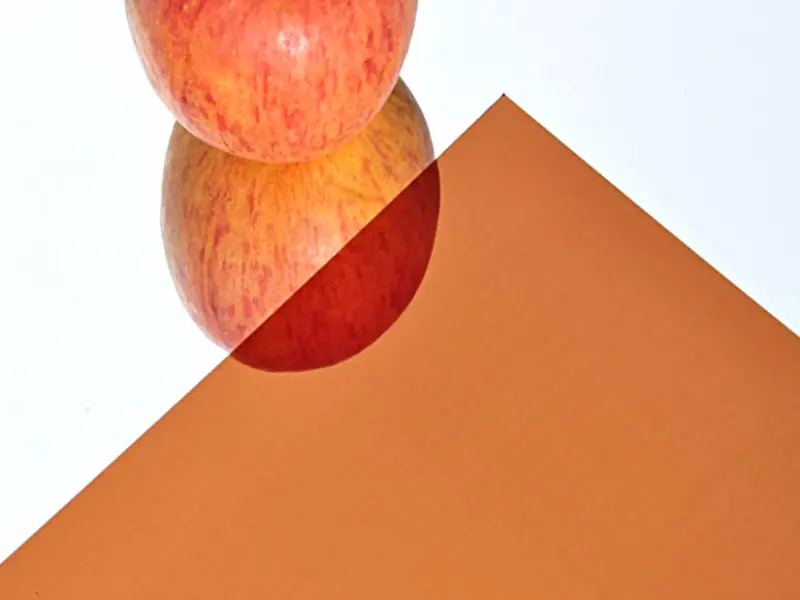
Sanding creates the base for polishing. Do not skip grit levels too quickly. Each finer grit should remove the scratches made by the previous grit.
Start with the Correct Grit
If the sheet is already smooth, begin with 400 grit. If it has deeper scratches, start with 320 grit.
Use a sanding block for flat sheets. A block helps keep pressure even and reduces finger marks.
Sand in One Direction
Sand in a straight direction at the beginning. After changing to a finer grit, change the sanding direction. This makes it easier to see whether the previous scratches are gone.
Example → Sand horizontally with 400 grit, then vertically with 600 grit.
Use Water During Sanding
Wet the sandpaper and aluminum surface. Keep the surface clean. Replace sandpaper when it becomes worn or clogged.
Progress Through Fine Grits
A common sequence is:
- 400 grit
- 600 grit
- 800 grit
- 1,000 grit
- 1,500 grit
- 2,000 grit
For a stronger mirror effect, use 3,000 grit before buffing.
Buff the Sheet with Polishing Compound
After fine sanding, the aluminum should look smooth but dull. The buffing step creates the reflective finish.
Choose a Suitable Polishing Compound
| Compound Type | Main Use |
|---|---|
| Cutting compound | Removes fine sanding marks |
| Brown compound | General metal cutting and polishing |
| White compound | Fine polishing |
| Blue compound | Final mirror finish |
| Aluminum polish cream | Hand polishing and small areas |
Apply a small amount of compound to the buffing wheel. Do not use too much. Excess compound can create streaks and heat.
Buff in Small Areas
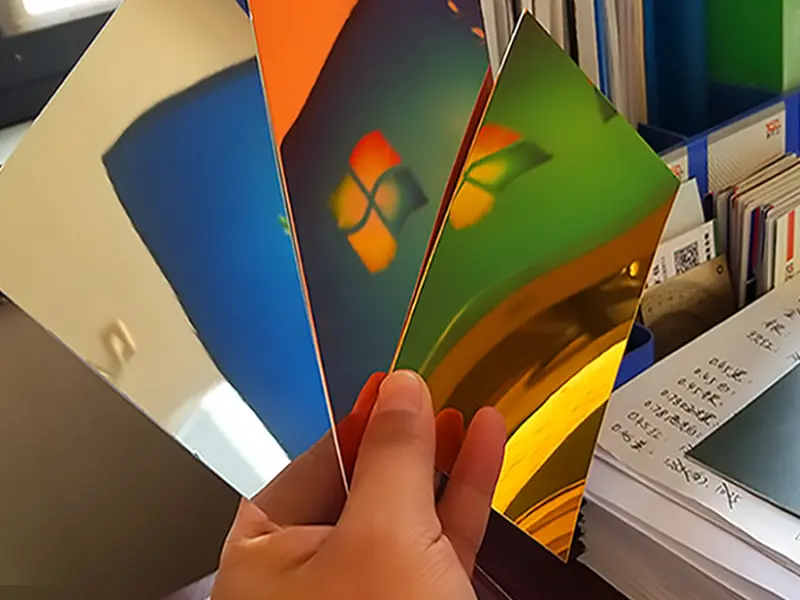
Work on one small section at a time. Move the buffing wheel continuously. Do not hold it in one place because friction can create heat marks.
Use moderate pressure. Let the compound and wheel do the work.
Finish with a Clean Soft Wheel
After using a cutting compound, use a clean buffing wheel with a fine polishing compound. This final step improves clarity and reflection.
| Buffing Stage | Wheel Type | Result |
|---|---|---|
| First buff | Firm wheel | Removes fine sanding marks |
| Second buff | Medium-soft wheel | Improves brightness |
| Final buff | Soft wheel | Creates mirror reflection |
| Hand finishing | Microfiber cloth | Removes remaining haze |
How to Avoid Common Polishing Problems
Swirl Marks
Swirl marks usually come from dirty pads, rough compounds, or uneven pressure.
Use a clean polishing wheel and finish with a fine compound.
Black Residue
Black residue is normal during aluminum polishing. It comes from oxidized aluminum and polishing compound.
Wipe it away with a clean microfiber cloth. Do not use a rough paper towel.
Heat Marks
Heat marks can happen when the wheel stays in one area too long. Keep the tool moving and use light to moderate pressure.
Uneven Reflection
Uneven reflection may mean that sanding scratches remain. Return to a finer sanding step and make the surface uniform before polishing again.
New Deep Scratches
New scratches often come from dirty work surfaces, dropped tools, metal particles, or old sandpaper. Keep the workspace clean.
Mirror Finish Aluminum Sheet vs Anodized Mirror Aluminum
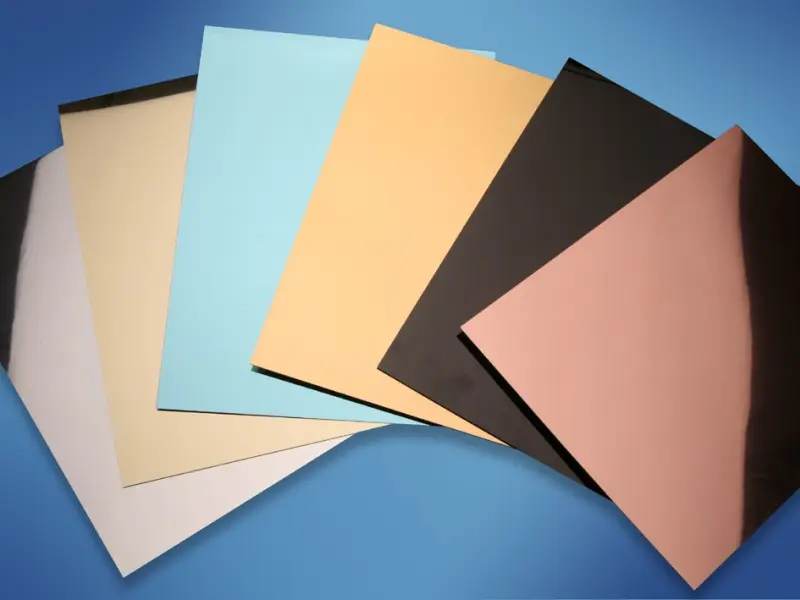
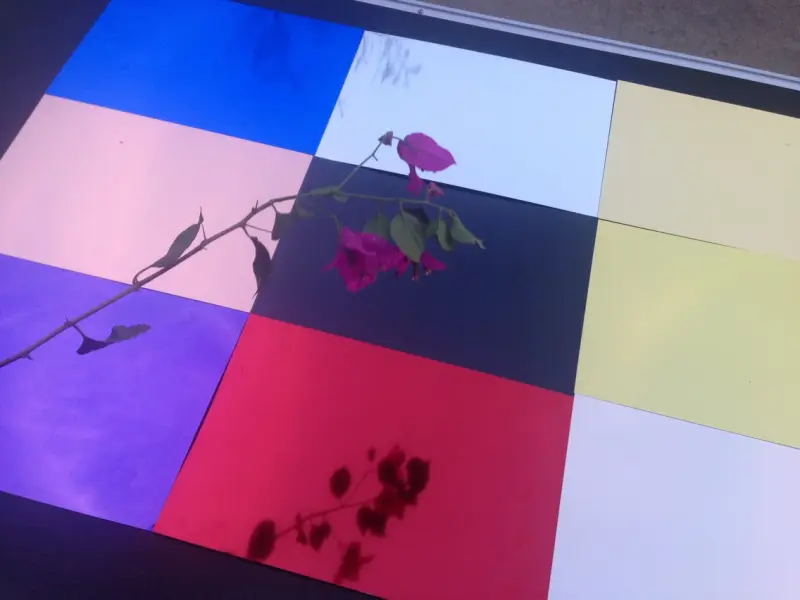
There are two common ways to get a reflective aluminum surface.
| Feature | Polished Aluminum Sheet | Anodized Mirror Aluminum |
|---|---|---|
| Process | Sanding and mechanical polishing | Surface treatment in a factory |
| Appearance | Bright, handmade mirror effect | Uniform metallic mirror effect |
| Scratch resistance | Moderate | Usually better |
| Corrosion resistance | Needs protection | Better with anodized layer |
| Suitable for DIY | Yes | Usually purchased ready-made |
| Best for | Crafts, parts, restoration | Architectural and production use |
For small projects, polishing an aluminum sheet is practical. For large commercial panels, pre-finished mirror aluminum may save time and provide more consistent results.
Applications of Mirror Finish Aluminum Sheets
Mirror finish aluminum can be used in many decorative and functional products.
Decorative Applications
- Interior wall panels
- Ceiling panels
- Retail displays
- Exhibition stands
- Furniture surfaces
- Decorative signs
- Art panels
- Event decoration
- Hotel interiors
- Elevator decoration
Industrial and Lighting Applications
- Light reflectors
- Solar reflector parts
- Machine covers
- Equipment panels
- Nameplates
- Automotive trim
- Motorcycle parts
- Appliance panels
- Reflective safety products
Custom Product Applications
- Personalized gifts
- Trophies
- Laser engraving blanks
- Photo panels
- Mirror signs
- Craft projects
- Wedding decoration
- Branded display boards
Protect the Polished Aluminum Surface
A polished aluminum sheet can oxidize slowly over time. It can also show fingerprints and scratches easily.
Protection Options
| Protection Method | Main Benefit |
|---|---|
| Clear protective film | Prevents scratches during handling |
| Clear lacquer | Helps reduce oxidation |
| Wax polish | Adds short-term shine |
| Clear powder coating | Adds durable protection |
| Anodizing | Improves corrosion resistance |
| Careful packaging | Prevents transport damage |
For a decorative indoor product, protective film and regular cleaning may be enough. For outdoor use, use a suitable clear coating or buy factory-finished mirror aluminum designed for exterior conditions.
Simple Cleaning and Maintenance
Use a clean microfiber cloth to remove dust and fingerprints. For light dirt, use water and mild soap.
Avoid abrasive pads, steel wool, strong acids, and strong alkaline cleaners. These can damage the polished surface.
Frequently Asked Questions


Can I polish any aluminum sheet to a mirror finish?
Most aluminum sheets can be polished, but high-purity alloys such as 1050, 1060, and 1100 usually give a better mirror result than some stronger alloys.
What grit sandpaper should I use for mirror finish aluminum?
Start with 320 or 400 grit if the surface is rough. Continue through 600, 800, 1,000, 1,500, and 2,000 grit. Use 3,000 grit for a finer result.
Can 6061 aluminum be polished like a mirror?
Yes. 6061 aluminum can be polished, but the final reflection may be less uniform than high-purity aluminum. It is still suitable for machine parts, custom projects, and decorative components.
How do I stop polished aluminum from oxidizing?
Use a clear lacquer, wax, protective film, anodizing, or another suitable protective finish. Store the sheet in a dry and clean area.
Is polished aluminum the same as mirror aluminum?
Not always. Polished aluminum is mechanically finished. Factory mirror aluminum may use special rolling, polishing, anodizing, or coating processes for a more uniform surface.