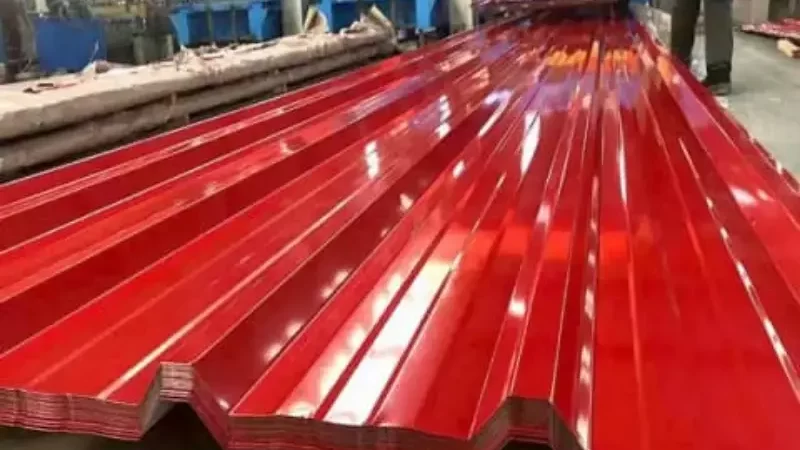
When you go out to buy a new home you put in a lot of effort to find the perfect house. You think about the bedrooms, bathrooms, living room, and kitchen. All this planning has been created to help you visualize what kind of house you really want. The same principle applies when planning to buy an aluminum roof. Most people don’t know what they are looking for but they have a pretty good idea of what they don’t want.

In Exterior of aluminum roofing sheet
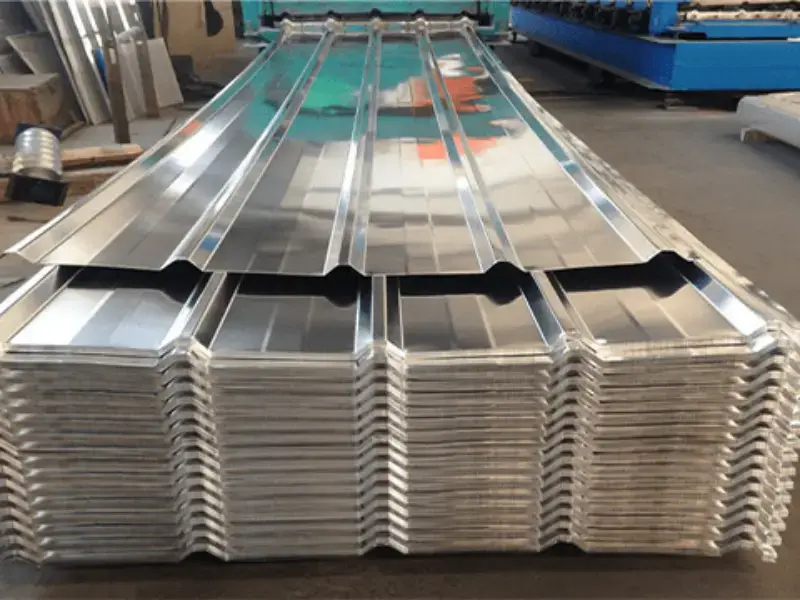
While our attention is usually on the exterior, it’s easy to lose sight of how important a role the roof plays in maintaining your home.
It protects you from the elements, keeps your home warm and dry during the winter season and cool in the summer.
There are several types of roofing materials to consider when you are building or remodeling a home, but asphalt shingles are absolutely one of the best choices you can make.
How to install Aluminum Roofing Sheet?
Have you ever tried to install aluminum roofing sheets? Aluminum roofing is easy to install if you know what you’re doing. I just want to show you how to properly install a aluminum roof.

First, purchase a good quality roofing nailer with drop nail attachments. They cost more but it’s worth it.
Next, use an air stapler to secure the underlayment so proper adhesion of the self-adhesive membrane is achieved.
After that, measure the top and bottom of your slope then cut an equal length aluminum sheet per section – typically 3 rows per sheet.
How to help you get best budget for install aluminum roofing sheet?

If you are considering installing an aluminum roof, you will find a great amount of information on the subject at Aluminum Home Roofing Sheet. They can walk you through your options, compare the benefits of different types of roofs, and help you determine what option is best for your home and budget.
Roofing is one of the most important elements of building a home
The roof protects your house from precipitation and even determines the design, beauty, and look of your home’s exterior. Today, we’re going to discuss how you can go-about installing aluminum roofing sheets in your home.
How to Choose a Suitable Aluminum Roofing Sheet Manufacturer
Choosing a suitable aluminum roofing sheet manufacturer is an important step for roofing contractors, building material distributors, wholesalers, and construction companies. The right supplier can provide stable product quality, suitable material specifications, and reliable delivery.
Aluminum roofing sheets are used in residential buildings, commercial projects, factories, warehouses, agricultural buildings, and industrial facilities. They are lightweight, corrosion-resistant, and available in many profiles, thicknesses, and surface finishes.
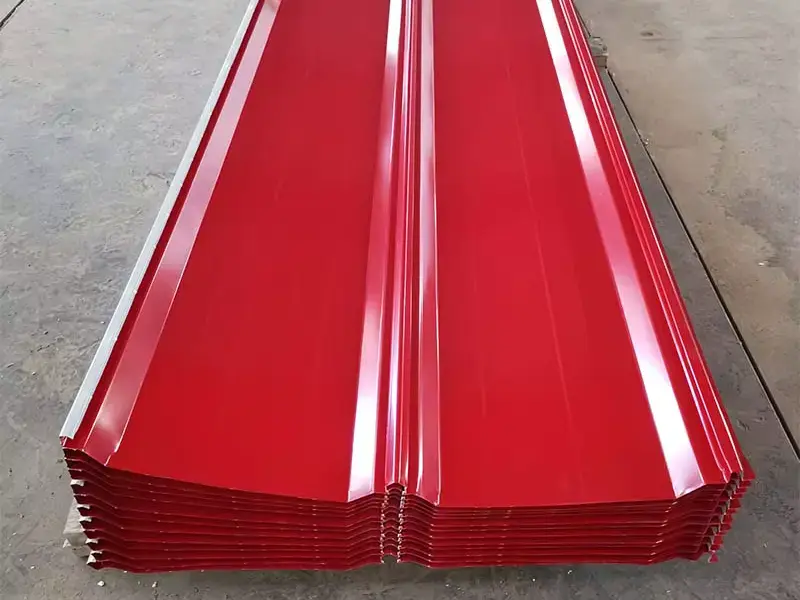
However, not every aluminum roofing sheet manufacturer offers the same products. Some focus on plain aluminum sheets. Others specialize in corrugated roofing panels, prepainted aluminum coils, standing seam roofing, or custom roofing materials.
Before placing an order, buyers should compare alloy grades, tempers, thicknesses, coatings, production capacity, and export services.
What Makes a Suitable Aluminum Roofing Sheet Manufacturer?
A suitable manufacturer should understand your project requirements and provide products that match the intended application.
Price is important, but it should not be the only factor. Incorrect alloy selection, inconsistent thickness, poor coating quality, or unsuitable packaging can increase the total project cost.
Product Range and Manufacturing Capability
A professional aluminum roofing sheet manufacturer may supply several product types, including:
- Corrugated aluminum roofing sheets
- Trapezoidal aluminum roofing panels
- Standing seam roofing materials
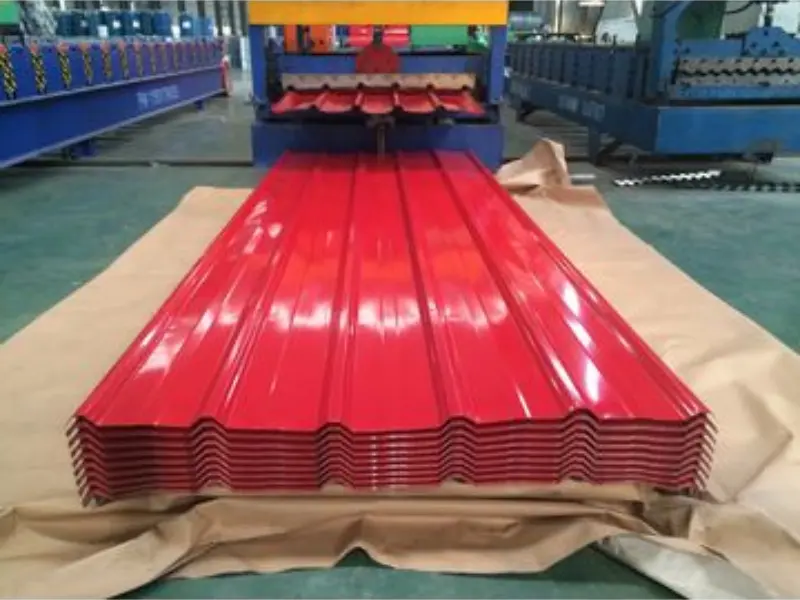
- Prepainted aluminum roofing sheets
- Plain aluminum roofing sheets
- Aluminum roofing coils
- Embossed aluminum sheets
- Aluminum sheets for roof flashing
- Custom-cut roofing panels
- Aluminum roofing materials for industrial buildings
A wider product range gives buyers more options when working on different construction projects.
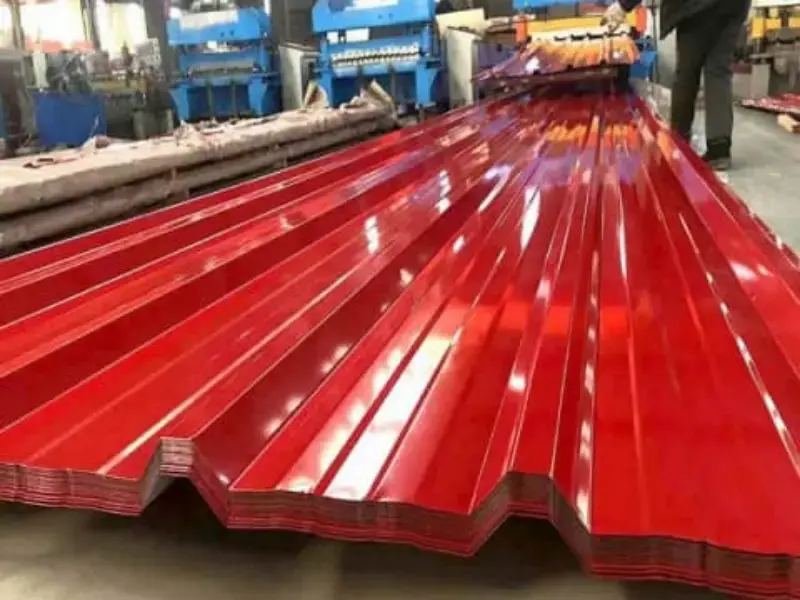
For example, a distributor may need standard corrugated sheets, while a large industrial project may require prepainted aluminum coils for continuous roll forming.
Quality Control and Technical Support
Before choosing a supplier, ask about its quality control process.
| Quality Item | What Buyers Should Check |
|---|---|
| Alloy grade | Confirm the specified aluminum alloy |
| Temper | Check strength and forming requirements |
| Thickness | Confirm nominal thickness and tolerance |
| Width | Check sheet width or coil width |
| Coating | Confirm coating type and thickness |
| Surface | Inspect color, scratches, and visible defects |
| Profile | Confirm dimensions and forming accuracy |
| Packaging | Check protection against moisture and damage |
| Inspection | Request relevant inspection records |
The manufacturer should be able to explain its specifications clearly. For large orders, buyers can request material certificates, coating information, samples, or inspection reports.
Production Capacity and Delivery Time
Production capacity matters when purchasing aluminum roofing sheets in bulk.
Ask whether the manufacturer can supply the required quantity within your project schedule. Confirm the production lead time, packing time, and shipping arrangements separately.
For custom profiles or special colors, allow additional time for tooling, material preparation, and color confirmation.
Main Types of Aluminum Roofing Sheets
Different roofing systems require different sheet profiles and material specifications. Understanding the available types helps buyers select the right product.
Corrugated Aluminum Roofing Sheets
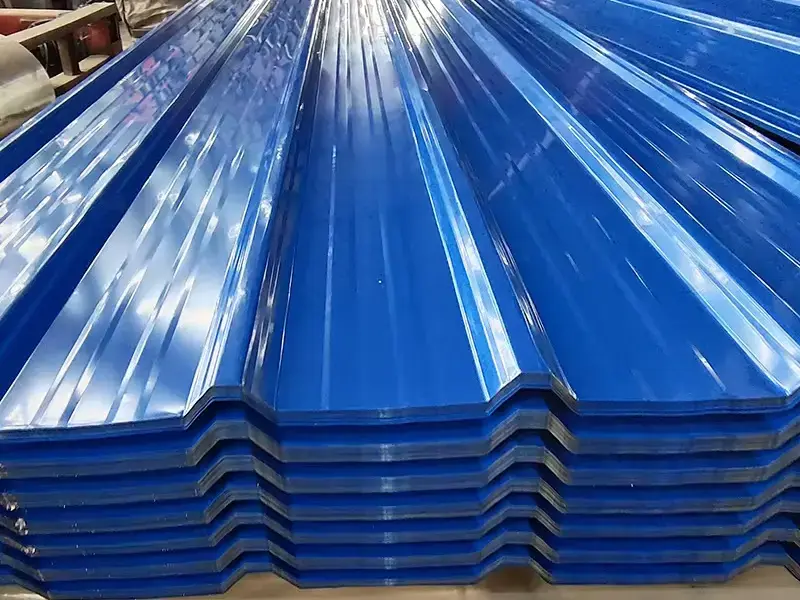
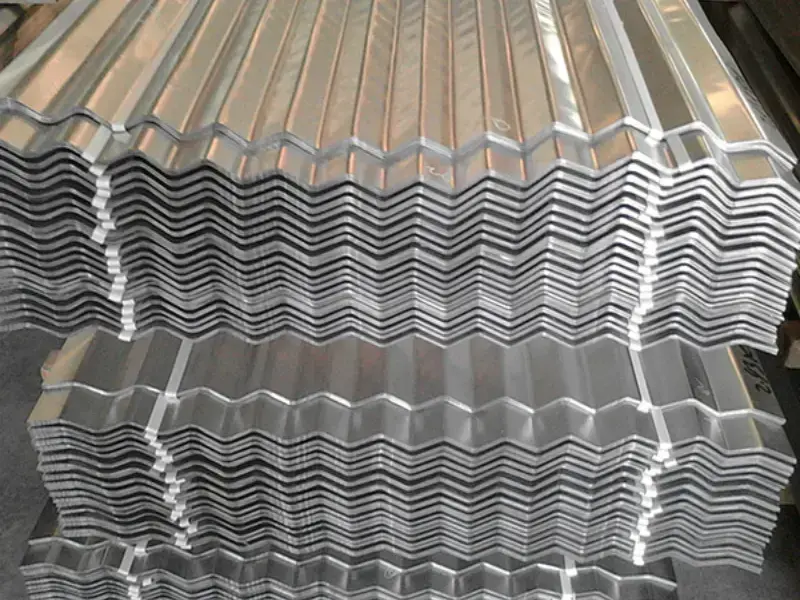
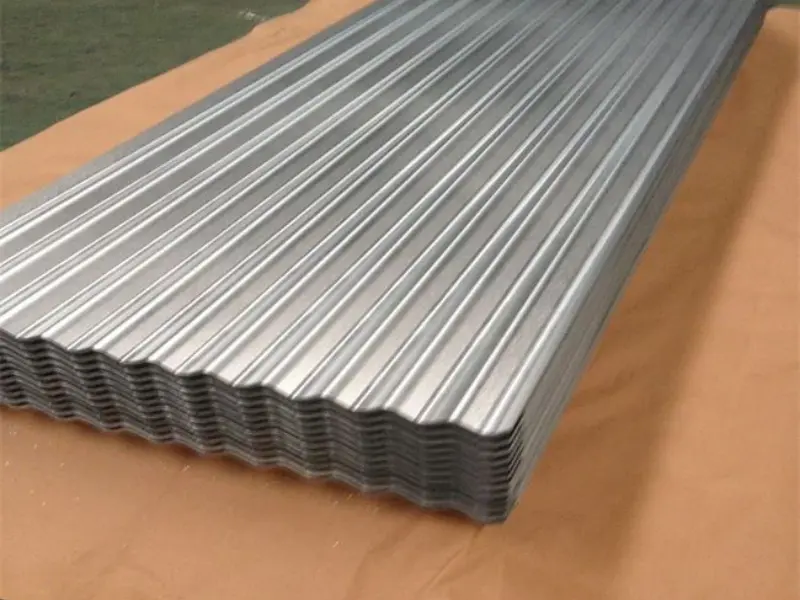
Corrugated aluminum roofing sheets have repeated waves across the surface. The profile improves the sheet’s stiffness compared with a flat sheet of the same thickness.
These panels are used in warehouses, workshops, agricultural buildings, sheds, and other structures.
Common product options include:
| Product Type | Typical Characteristics | Possible Applications |
|---|---|---|
| Standard corrugated sheet | Repeated wave profile | Sheds and general roofing |
| Deep corrugated sheet | Deeper profile, depending on design | Selected industrial buildings |
| Narrow corrugated panel | Smaller profile dimensions | Small roofs and repair projects |
| Prepainted corrugated sheet | Colored protective coating | Commercial and residential roofing |
| Custom-length corrugated sheet | Length made to order | Projects that need fewer cross joints |
Profile dimensions vary by manufacturer. Buyers should confirm the wave height, pitch, effective coverage width, and overall sheet width before ordering.
Trapezoidal Aluminum Roofing Panels
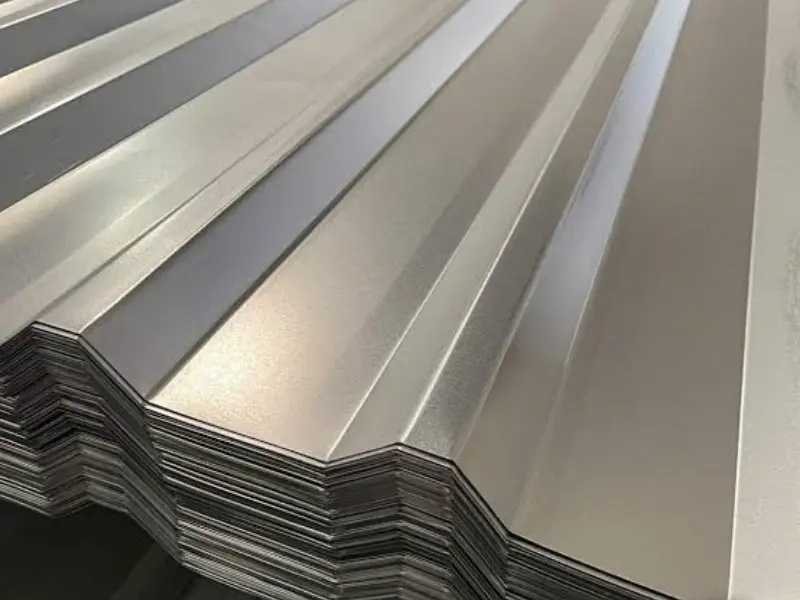
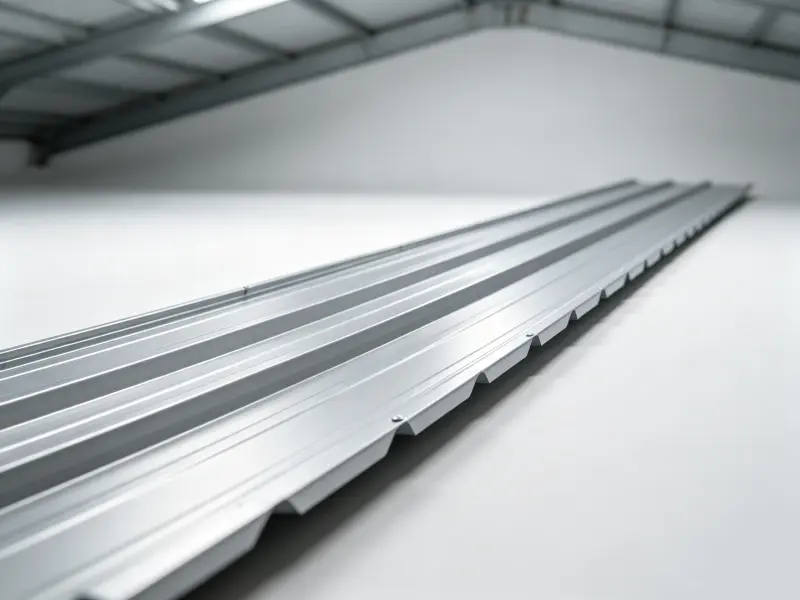
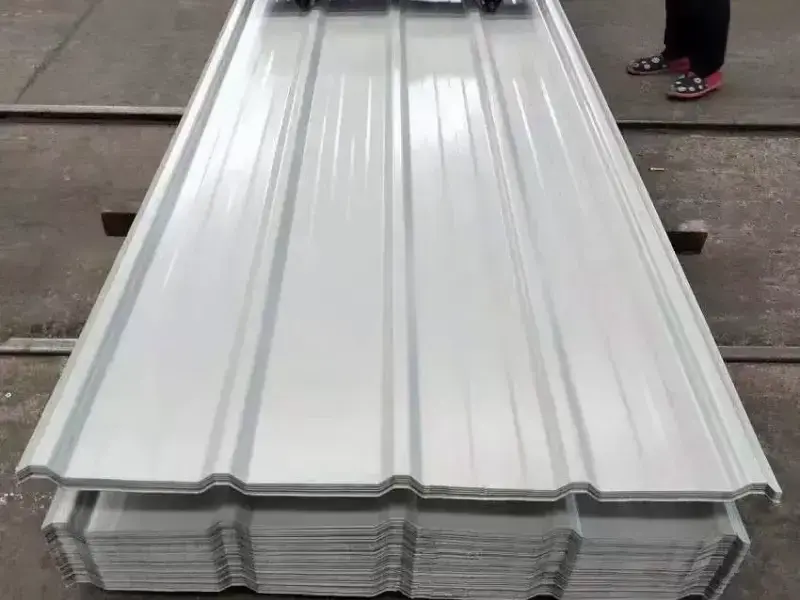
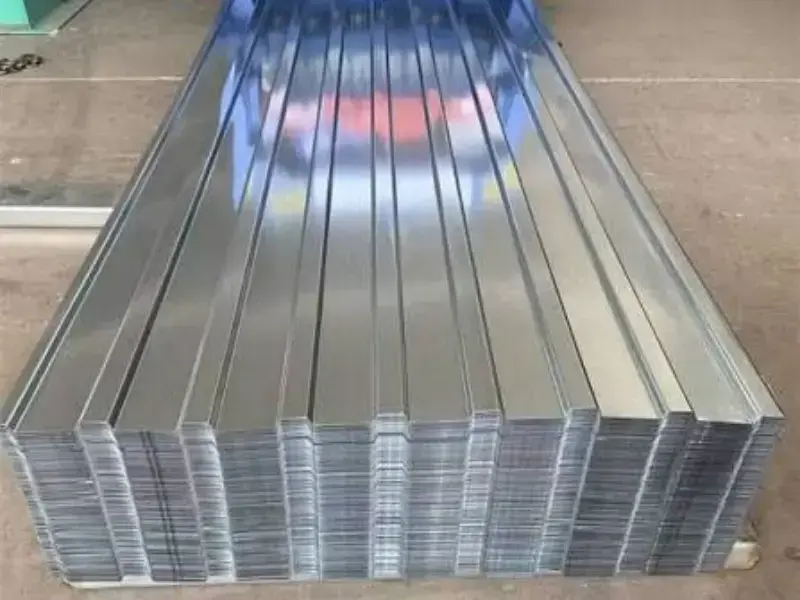
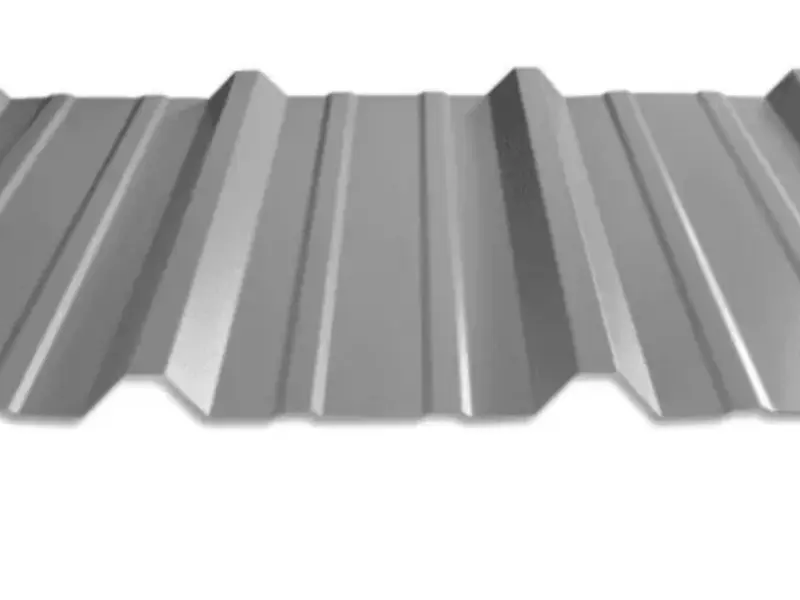
Trapezoidal roofing panels have raised ribs with flat sections between them. They are often used for industrial roofs, warehouses, factories, and commercial buildings.
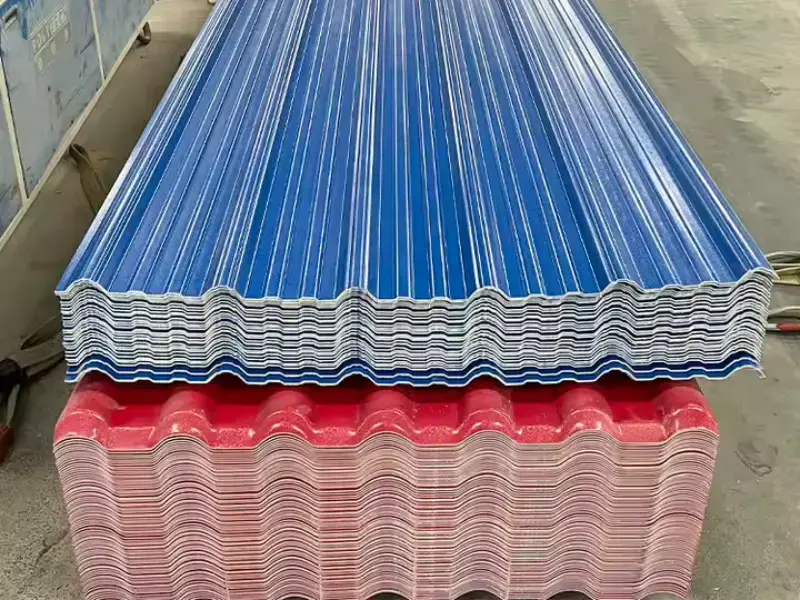
The rib design helps provide stiffness. Actual load performance depends on the profile, thickness, support spacing, fastening system, and engineering design.
Common options include:
- Standard trapezoidal roofing panels
- Wide-rib aluminum roof panels
- Narrow-rib roofing sheets
- Prepainted trapezoidal panels
- Custom-profile aluminum roofing sheets
These products are suitable for projects that need a structured metal roofing profile and efficient installation.
Standing Seam Aluminum Roofing
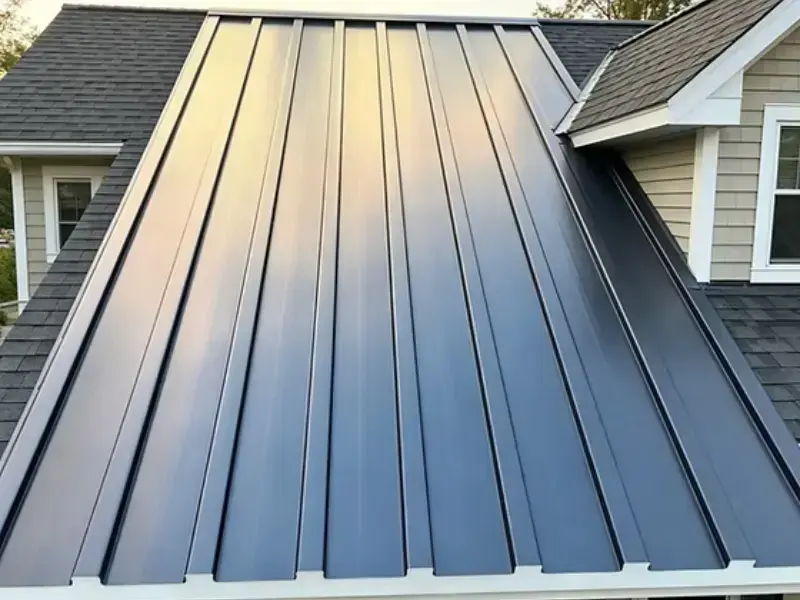
Standing seam roofing uses raised seams to connect adjacent panels. Depending on the system, the panels may use concealed clips or other fastening methods.
This design can reduce the number of exposed fasteners on the roof surface. It is used in commercial buildings, architectural projects, and selected residential applications.
When purchasing standing seam roofing materials, check the panel width, seam height, metal thickness, fastening system, and compatibility with the roof design.
The manufacturer should also clarify whether it supplies finished panels, flat sheets, or aluminum coils for roll forming.
Flat Aluminum Roofing Sheets
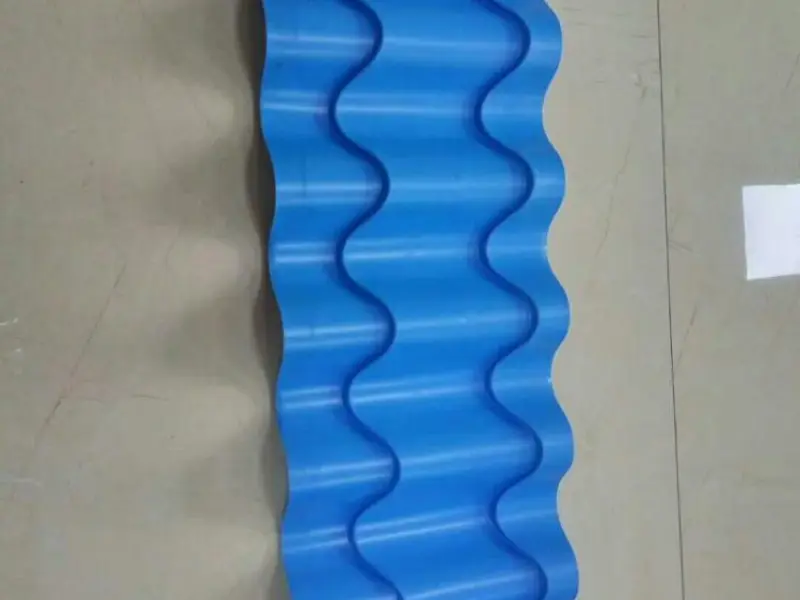
Flat aluminum sheets are suitable for projects that require custom fabrication.
They can be cut, bent, folded, or formed into roof components. They may also be used to manufacture flashing, fascia, soffits, and other building accessories.
Flat sheets are useful when standard roofing profiles do not match the project design.
Prepainted Aluminum Roofing Sheets
Prepainted aluminum roofing sheets have a colored coating applied before the material is formed into roofing panels.
They are available in different colors and gloss levels, depending on the coating system.
Common applications include:
- Factory roofs
- Warehouse roofing
- Commercial buildings
- Agricultural structures
- Roof canopies
- Architectural roofing systems
Buyers should confirm the coating type, coating thickness, color consistency, and requirements for outdoor exposure.
Aluminum Roofing Coils for Roll Forming
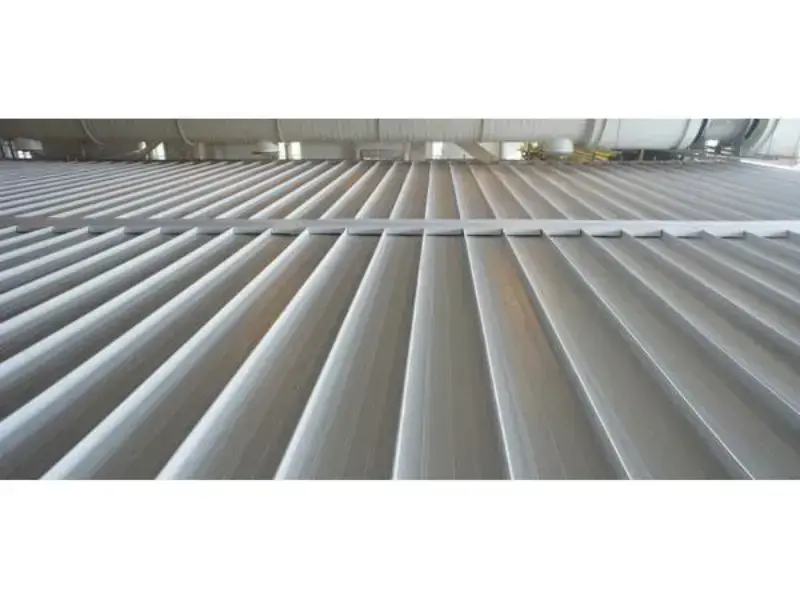
Some roofing manufacturers purchase aluminum coils instead of finished panels. The coils are processed through roll-forming equipment to produce roofing sheets.
This option is suitable for companies that manufacture roofing panels locally.
| Coil Specification | Details to Confirm |
|---|---|
| Alloy | 3003, 3105, or another suitable grade |
| Temper | Based on the forming process |
| Thickness | According to profile and design |
| Coil width | Based on the roll-forming machine |
| Inner diameter | Must match the equipment |
| Coil weight | Based on lifting and processing capacity |
| Surface | Plain or prepainted |
| Edge quality | Suitable for the intended forming process |
Before purchasing, confirm that the coil dimensions match the production line. Incorrect width, thickness, or temper can affect forming quality and production efficiency.
Which Aluminum Alloy Is Best for Roofing Sheets?
The alloy is an important factor when choosing aluminum roofing materials. Different grades have different strength, forming, corrosion, and manufacturing characteristics.
The best choice depends on the roofing profile, exposure conditions, coating system, and production method.
3003 Aluminum Roofing Sheet
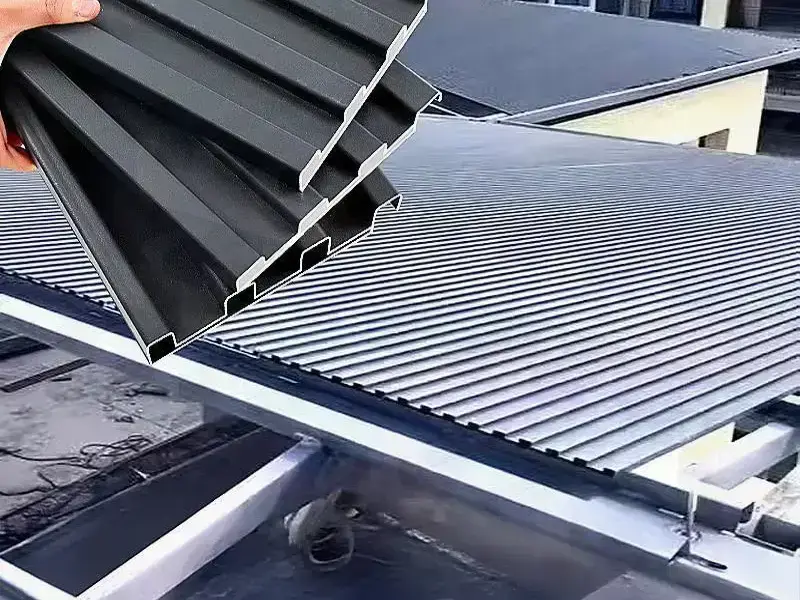
3003 aluminum is a manganese-containing alloy used in many general fabrication applications.
It offers good corrosion resistance and formability. It has considered for certain roofing and building products, depending on the design requirements.
Common uses may include formed panels, building accessories, and general sheet metal components.
3105 Aluminum Roofing Sheet
3105 aluminum is commonly considered for building products, including prepainted roofing sheets, wall cladding, and rainwater components.
It offers a useful balance of corrosion resistance, formability, and strength for many architectural applications.
Buyers may find 3105 aluminum in plain sheet, coated sheet, and coil form.
5052 Aluminum Roofing Sheet
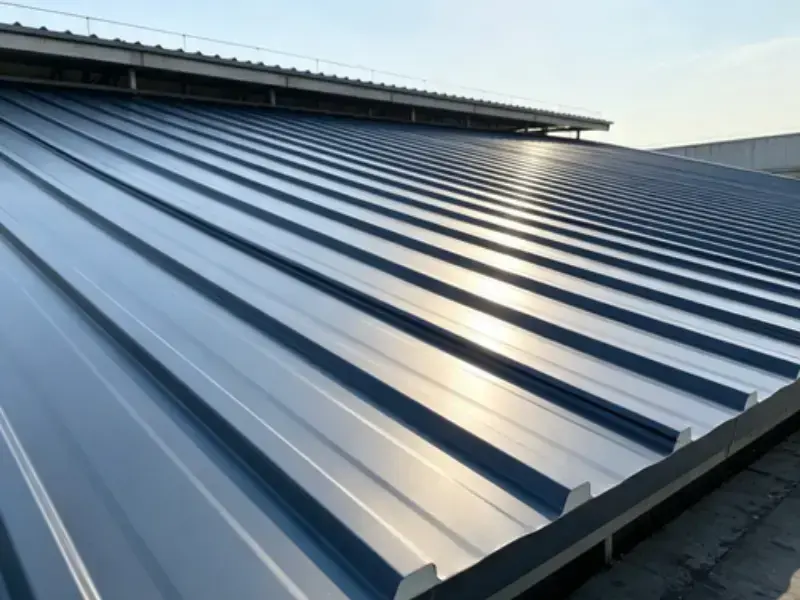
5052 aluminum contains magnesium as its main alloying element. It is known for good corrosion resistance and relatively high strength among common non-heat-treatable aluminum alloys.
It has considered for roofing-related components that need specific mechanical properties or improved performance in demanding environments.
However, 5052 is not automatically the best choice for every roofing project. Cost, forming requirements, and product availability should also be considered.
6061 Aluminum Sheet for Structural Components
6061 aluminum is a heat-treatable alloy used in structural and machined components.
It may be suitable for supporting parts, brackets, or other components where its mechanical properties meet the design requirements.
For ordinary formed roofing panels, other alloys may be more practical or economical. The final selection should depend on the actual engineering requirements.
Aluminum Roofing Alloy Comparison
| Alloy | General Characteristics | Potential Applications |
|---|---|---|
| 3003 | Good formability and corrosion resistance | General formed sheet products |
| 3105 | Suitable for many architectural applications | Roofing, cladding, gutters, prepainted panels |
| 5052 | Good corrosion resistance and relatively high strength | Selected demanding sheet applications |
| 6061 | Heat-treatable with a wide range of mechanical properties | Structural parts and supporting components |
The table is a general guide. Buyers should compare the exact product specifications and confirm that the selected alloy is suitable for the intended roofing system.
Understanding Aluminum Roofing Sheet Tempers
The temper describes the material’s condition after processing. It affects strength, hardness, and formability.
The correct temper helps the roofing sheet maintain its profile during forming and installation.
O Temper
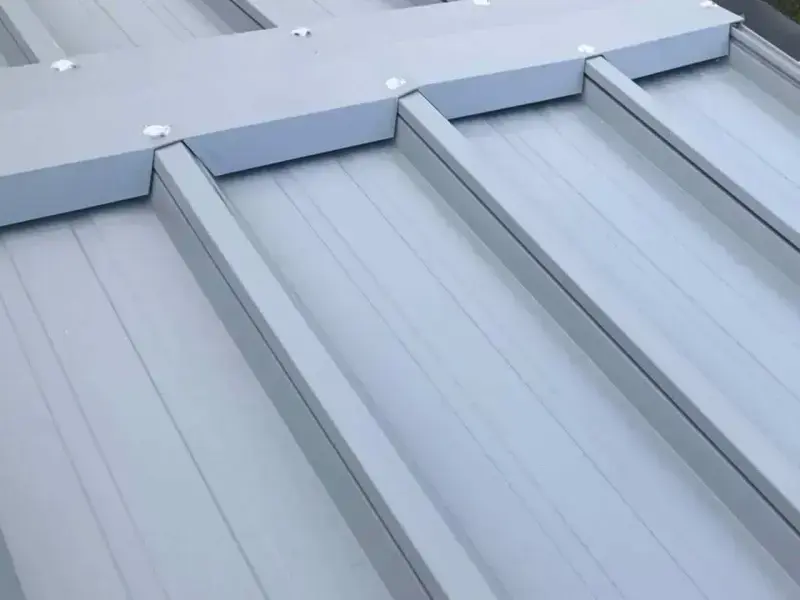
O temper is an annealed condition. It generally offers high formability and may be suitable for applications that require considerable deformation.
It is not necessarily the preferred option for every roofing profile because the final product must also meet stiffness and strength requirements.
H14 Temper
H14 is a strain-hardened and partially annealed condition.
It may be suitable for certain roofing and architectural products that need a balance between strength and formability.
H24 Temper
H24 is another common temper for formed aluminum products. Its properties depend on the alloy and product thickness.
It has considered for selected roofing sheets and building components when the mechanical properties match the design requirements.
H16 and H18 Tempers
H16 and H18 are more heavily strain-hardened conditions than some softer tempers.
They may offer greater hardness or strength, but their forming behavior can be more restrictive. Confirm the required bending and forming performance before using them for complex profiles.
Alloy and Temper Selection Table
| Alloy | Possible Temper Options | Selection Consideration |
|---|---|---|
| 3003 | O, H14, H24 and others | Formability and product strength |
| 3105 | O, H14, H24 and others | Roofing profile and coating process |
| 5052 | O, H32 and other available conditions | Strength and forming requirements |
| 6061 | O, T4, T6 and other conditions | Structural design and processing |
Not every alloy is available in every temper or thickness. Confirm the exact specification with the manufacturer before placing an order.
Aluminum Roofing Sheet Thickness Guide
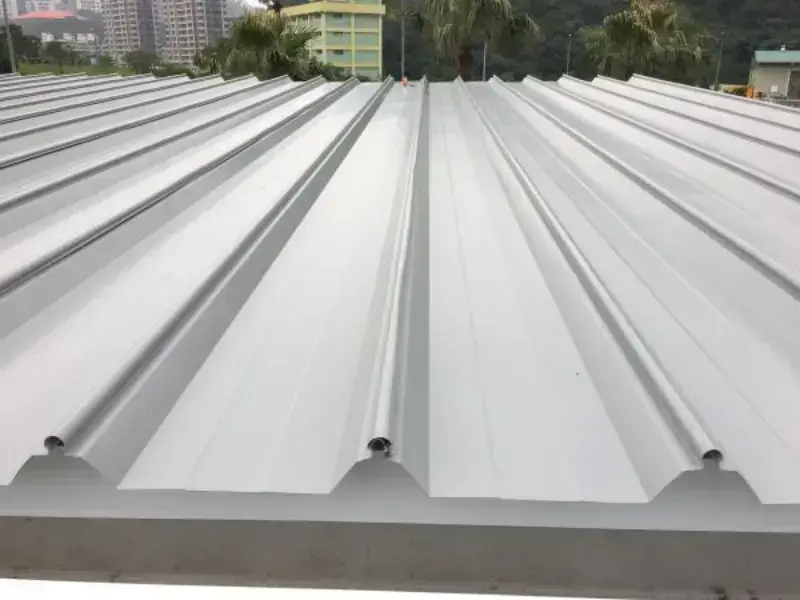
Thickness affects stiffness, weight, handling, forming, and cost. The correct thickness depends on the roofing profile and the requirements of the building.
The following values are examples for product selection. They are not universal design recommendations.
| Nominal Thickness | Equivalent in Inches | Possible Use |
|---|---|---|
| 0.30 mm | 0.012 in | Lightweight formed products |
| 0.40 mm | 0.016 in | Selected light roofing panels |
| 0.50 mm | 0.020 in | Lightweight roofing applications |
| 0.60 mm | 0.024 in | Selected building panels |
| 0.80 mm | 0.031 in | Roofing and cladding products |
| 1.00 mm | 0.039 in | More substantial formed panels |
| 1.20 mm | 0.047 in | Selected roofing and fabrication uses |
| 1.50 mm | 0.059 in | Applications requiring greater sheet thickness |
| 2.00 mm | 0.079 in | Specialized panels and fabricated components |
These examples do not determine the load capacity of a roof. The profile shape, support spacing, fastening method, wind loads, and applicable building codes must also be considered.
Thin Aluminum Roofing Sheets
Thin aluminum roofing sheets are lightweight and may reduce material and handling costs.
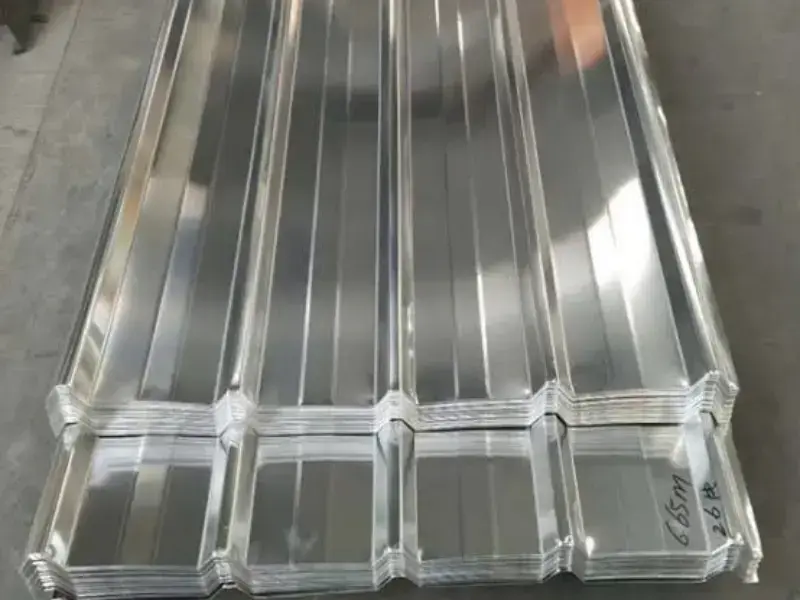
They can be used for selected lightweight roofing systems. However, thinner material may be more sensitive to denting, handling damage, and installation errors.
Buyers should evaluate the complete roofing system rather than choosing material based on price alone.
Medium-Thickness Roofing Panels
Medium-thickness panels may provide a practical balance between weight, stiffness, and ease of installation.
The suitable range depends on the alloy and profile. A trapezoidal panel and a flat sheet of the same thickness do not necessarily have the same stiffness.
Thicker Aluminum Roofing Sheets
Thicker sheets have selected for special fabrication requirements or applications that need greater material thickness.
They weigh more and may require different forming equipment. Before ordering, confirm that the manufacturer’s equipment can produce the required profile.
Aluminum Roofing Sheets: Plain vs. Prepainted
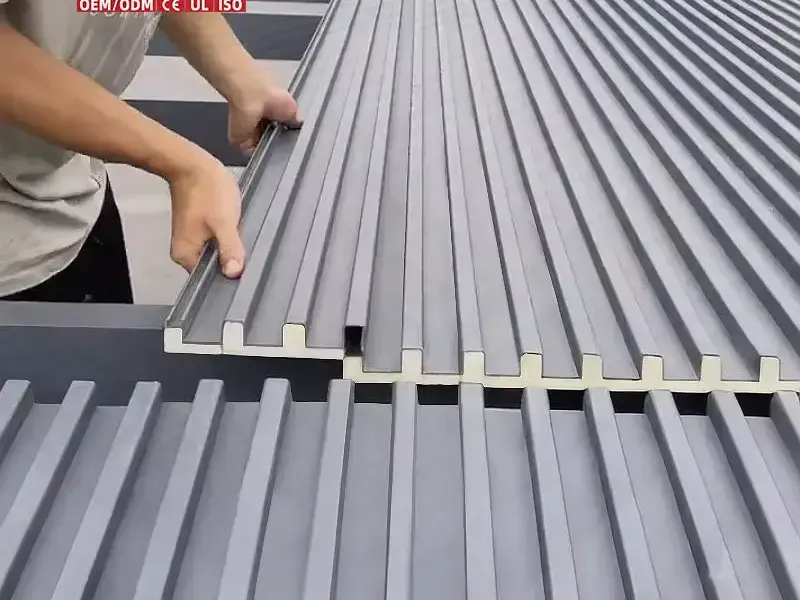
Both plain and prepainted aluminum roofing sheets have commercial uses. The right option depends on appearance, weather exposure, processing, and budget.
| Comparison Item | Plain Aluminum Sheet | Prepainted Aluminum Sheet |
|---|---|---|
| Surface | Uncoated or mill finish | Factory-applied coating |
| Appearance | Natural metallic finish | Available in selected colors |
| Further processing | May require additional finishing | Can be formed after coating when suitable |
| Color selection | Limited without further treatment | Multiple color options |
| Cost factors | Alloy, thickness, and processing | Base metal plus coating and color requirements |
| Common uses | Fabrication and custom finishing | Roofing and architectural panels |
Prepainted material can help manufacturers achieve consistent colors across production batches. However, buyers should check coating performance and forming compatibility.
Aluminum Roofing vs. Steel Roofing
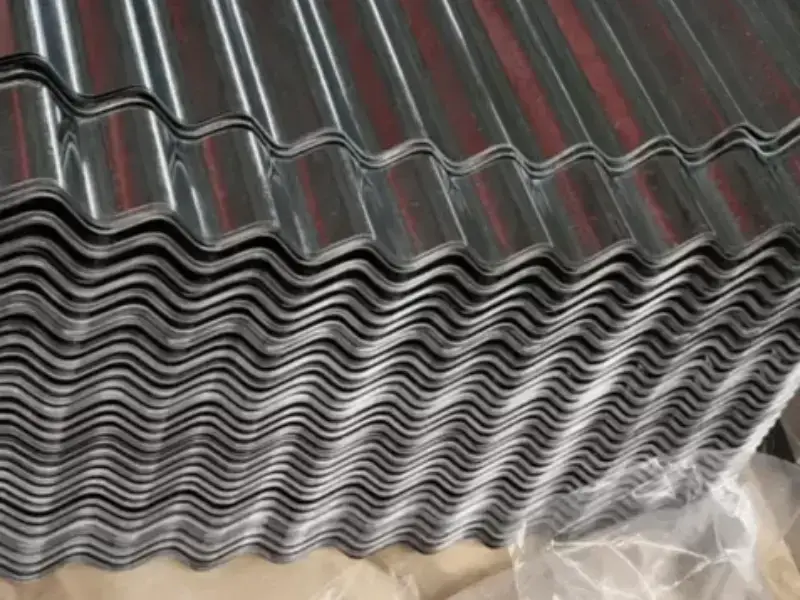
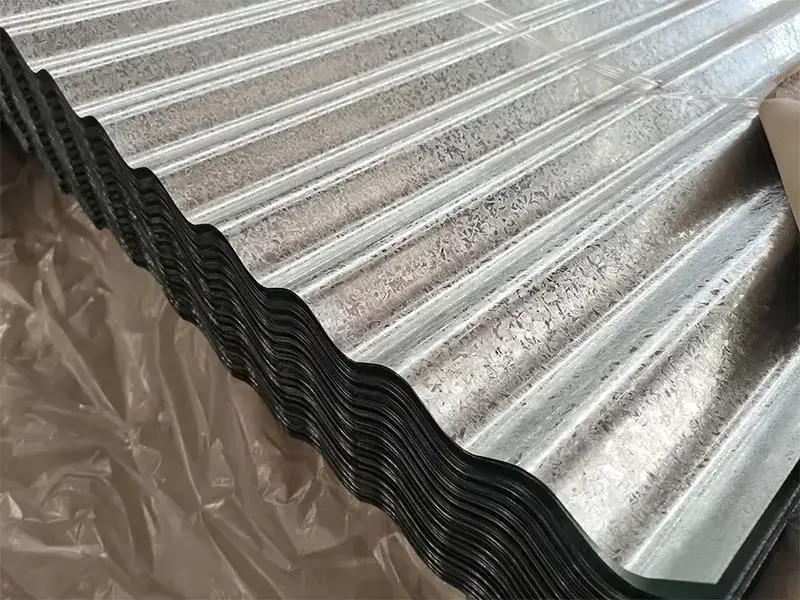
Aluminum and steel are both used in metal roofing. Their performance depends on the product design, coating, thickness, and environmental conditions.
| Feature | Aluminum Roofing | Steel Roofing |
|---|---|---|
| Weight | Generally lighter | Generally heavier at comparable sheet dimensions |
| Corrosion protection | Natural oxide layer and optional coatings | Often relies on metallic or paint coatings |
| Forming | Depends on alloy and temper | Depends on steel grade and coating |
| Material cost | Can be higher in some markets | Often competitive for common profiles |
| Handling | Lower sheet weight can simplify handling | Weight depends on thickness and panel design |
| Suitable projects | Lightweight roofing and corrosion-conscious applications | Many commercial and industrial roofing systems |
Neither material is automatically better for every project. Compare the expected service environment, total installed cost, structural requirements, and maintenance needs.
For coastal or industrial environments, ask the manufacturer or project engineer to assess the suitability of the complete roofing system.
Aluminum Roofing Sheets for Different Applications
A reliable aluminum roofing sheet manufacturer should understand how product requirements change from one application to another.
Industrial Buildings and Warehouses
Industrial roofing projects often need large quantities of panels with consistent dimensions.
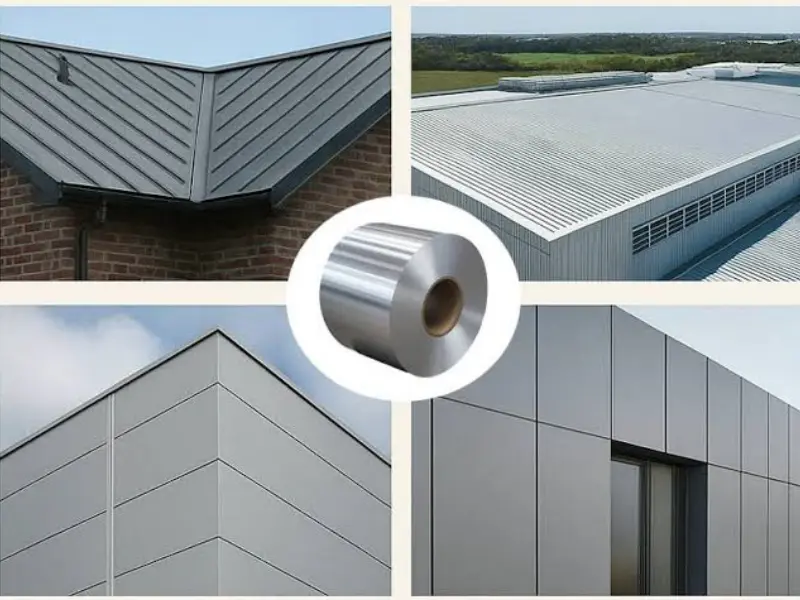
Suitable product options may include:
- Trapezoidal aluminum roofing panels
- Corrugated aluminum sheets
- Prepainted roofing coils
- Long-length roof panels
- Custom-width roofing sheets
- Roof flashing and edge trims
For large roofs, check the effective coverage width, panel length, support spacing, fastening system, and installation plan.
Residential Roofing
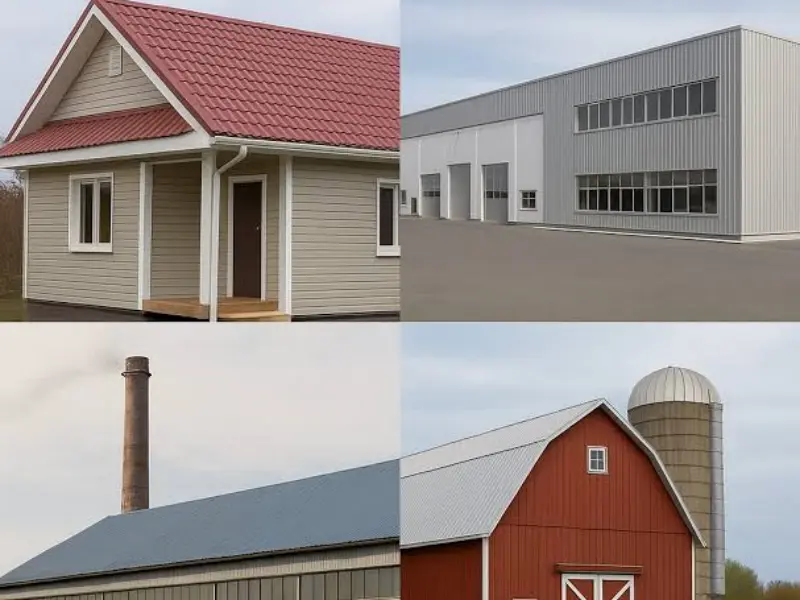
Residential projects may focus on appearance, noise control, installation, and long-term maintenance.
Possible products include corrugated aluminum sheets, standing seam panels, and prepainted roofing materials.
The final system should meet local building codes and the requirements for wind resistance, drainage, and roof slope.
Agricultural Buildings
Agricultural buildings may include barns, storage sheds, equipment shelters, and other utility structures.
Aluminum roofing has considered where low weight and corrosion resistance are useful. The environment inside agricultural buildings can be demanding, so material and coating selection should reflect moisture and chemical exposure.
Commercial Buildings
Commercial projects often need consistent color, appearance, and product dimensions.
The common product choices include prepainted aluminum roofing sheets, standing seam panels, and architectural roofing materials.
For larger projects, ask about color matching, batch consistency, coating specifications, and delivery scheduling.
Coastal Buildings
Coastal environments expose roofing materials to salt and moisture. Aluminum’s corrosion resistance can be useful, but no material should be treated as maintenance-free in every environment.
For coastal projects, confirm the suitability of the alloy, coating, fasteners, and contact materials. The entire system has designed to limit corrosion risks.
Roof Accessories and Fabricated Components
Aluminum sheet can also be processed into components used around the roof.
Examples include:
- Roof flashing
- Ridge caps
- Valley flashing
- Fascia panels
- Soffit panels
- Gutter components
- Downspout components
- Edge trims
- Custom folded panels
The required alloy, thickness, and finish may differ from those used for the main roofing panels.
How to Compare Aluminum Roofing Sheet Manufacturers
Comparing manufacturers requires more than collecting prices. Buyers should compare equivalent products and review the supplier’s ability to meet the project requirements.
Compare Technical Specifications
Ask every supplier to quote the same alloy, temper, thickness, width, profile, coating, and quantity.
A lower price may reflect a different specification. Confirm the nominal thickness and tolerance rather than comparing prices without technical details.
Compare Coating Quality
For prepainted products, request the coating type, coating thickness, color information, and relevant performance data.
Also ask whether the coating is suitable for the intended forming process and outdoor environment.
Compare Production and Delivery
Confirm the production lead time, minimum order quantity, packing time, and shipping arrangements.
For custom profiles, ask whether tooling or setup charges apply.
Compare Inspection and Documentation
Depending on the project, useful documents may include:
- Material test certificates
- Chemical composition reports
- Mechanical property data
- Coating specifications
- Dimensional inspection reports
- Packing lists
- Commercial invoices
- Other export documents required for the shipment
The documents required depend on the contract, destination, and applicable standards.
Common Mistakes When Buying Aluminum Roofing Sheets
Avoiding a few common mistakes can help reduce delays and extra costs.
Choosing by Price Alone
A low quotation may not include the same alloy, thickness, coating, or tolerances as another offer.
Compare full specifications before making a decision.
Ignoring Profile Dimensions
The overall width and effective coverage width are different measurements.
Confirm the usable coverage width when estimating the number of panels needed for a roof.
Overlooking Coating Requirements
A coating suitable for one environment may not be suitable for another.
Specify the intended use and ask for the relevant coating information.
Ordering the Wrong Temper
A temper that is too hard may not form well into a complex profile. A softer condition may not meet the product’s strength requirements.
Discuss the forming process with the manufacturer before selecting the final specification.
Failing to Confirm Packaging
Aluminum sheets and coils have damaged by moisture, abrasion, or poor handling during transportation.
Confirm export packaging, edge protection, and loading arrangements before production is completed.
What Information Should You Send for a Quotation?
A clear inquiry helps the aluminum roofing sheet manufacturer prepare an accurate offer.
Use the following checklist when requesting prices.
| Inquiry Item | Example |
|---|---|
| Product type | Corrugated aluminum roofing sheet |
| Alloy | 3105 |
| Temper | H14, subject to requirements |
| Thickness | 0.60 mm |
| Sheet width | Specify required overall width |
| Effective coverage | Specify if applicable |
| Length | 3000 mm or custom length |
| Surface | Plain or prepainted |
| Color | Specify color or color code |
| Quantity | Number of sheets or total tonnage |
| Standard | Required product standard |
| Packaging | Export packaging |
| Destination | Country or destination port |
| Delivery schedule | Required arrival or shipment period |
For aluminum roofing coils, include coil width, inner diameter, approximate coil weight, and the requirements of the roll-forming equipment.
For prepainted materials, include the coating system and any required coating performance specifications.
Frequently Asked Questions About Aluminum Roofing Sheet Manufacturers
How do I choose a suitable aluminum roofing sheet manufacturer?
Compare product specifications, manufacturing capability, quality control, coating options, delivery schedules, and export experience. Request technical documents and confirm that the supplier can meet your project requirements.
Which aluminum alloy is commonly used for roofing sheets?
Alloys such as 3003 and 3105 have considered for different roofing and building products. The right alloy depends on the profile, temper, coating, and performance requirements.
Is 3105 aluminum suitable for roofing?

3105 aluminum has commonly considered for architectural products, including prepainted roofing sheets and related building components. Confirm the exact thickness, temper, and coating for the intended application.
What thickness is best for aluminum roofing sheets?
There is no single thickness for every roof. The choice depends on the panel profile, support spacing, loads, fastening system, and local building requirements.
Are prepainted aluminum roofing sheets better than plain sheets?
Prepainted sheets offer a factory-applied color finish and may reduce the need for further finishing. Plain sheets can be useful when additional processing or a natural metallic appearance is preferred.
Can aluminum roofing sheets be made to custom sizes?
Many manufacturers can supply custom lengths, widths, or profiles. Confirm the available dimensions, production limitations, minimum order quantity, and any setup costs.
Can a manufacturer supply aluminum roofing coils instead of finished sheets?
Yes. Some manufacturers supply coils for customers who produce roofing panels using roll-forming equipment. The coil specifications must match the equipment and the intended profile.
What is the difference between corrugated and trapezoidal aluminum roofing sheets?
Corrugated sheets have a wave-shaped profile. Trapezoidal panels have raised ribs with flatter sections between them. The choice depends on the roof design, appearance, installation method, and engineering requirements.
What should I check when buying prepainted aluminum roofing sheets?
Check the alloy, temper, thickness, coating type, coating thickness, color, surface quality, and suitability for outdoor exposure. Also confirm that the material has formed without unacceptable coating damage.
How can I compare quotations from different suppliers?
Use the same specifications for every inquiry. Compare alloy, temper, thickness, dimensions, coating, quantity, packaging, lead time, and delivery terms. This makes price comparisons more meaningful.
Does aluminum roofing require maintenance?
Maintenance requirements depend on the environment, roof design, coating, and installation quality.
Regular inspections can help identify damage, blocked drainage, loose fasteners, or other issues before they become serious.
Can aluminum roofing sheets be used in coastal areas?
They may be suitable for many coastal applications, but the complete roofing system must be selected carefully. Consider salt exposure, coating performance, fasteners, contact materials, and maintenance requirements.
Get a Quote from an Aluminum Roofing Sheet Manufacturer
Choosing the right aluminum roofing sheet manufacturer starts with clear product specifications.
Whether you need corrugated aluminum sheets, trapezoidal roofing panels, standing seam materials, prepainted roofing sheets, or aluminum coils for roll forming, the manufacturer should be able to confirm the available alloy grades, tempers, thicknesses, and surface finishes.
Before placing an order, prepare the required dimensions, quantity, coating details, application, and destination. Ask for technical information and confirm production and delivery schedules.
A detailed inquiry helps the supplier recommend a suitable product and prepare a quotation that matches your project.
Error: Contact form not found.