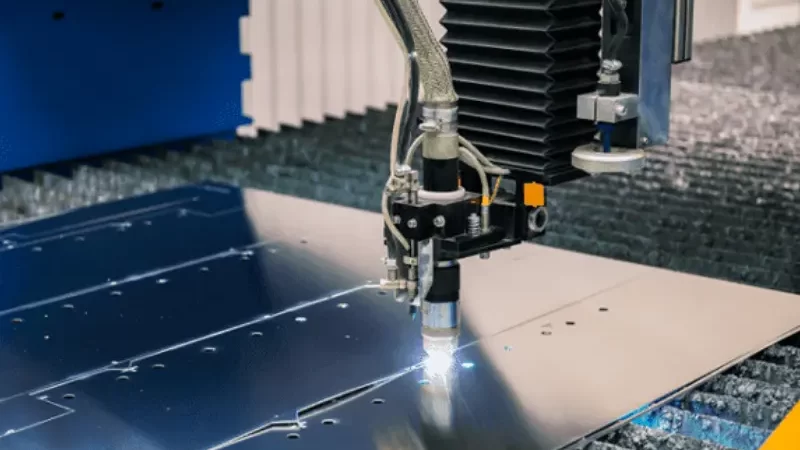
Cutting aluminum might seem difficult, but with the right tools and techniques, it is a very manageable task. An aluminum sheet that is 1/8 inch thick (approximately 3.175 mm) is a popular choice for many DIY projects and industrial applications. It is strong enough for structural use but thin enough to cut with standard power tools.
Understanding Aluminum Sheet Specifications
Before you start cutting, it is helpful to understand the material. Aluminum is a non-ferrous metal, meaning it does not contain iron. It is lightweight, resists corrosion, and is much softer than steel.
Aluminum Thickness Comparison Table
| Fraction (Inches) | Decimal (Inches) | Metric (mm) | Common Uses |
|---|---|---|---|
| 1/32 | 0.0312 | 0.79 | Crafting, shim stock |
| 1/16 | 0.0625 | 1.58 | Signs, decorative panels |
| 1/8 | 0.125 | 3.175 | Boat hulls, brackets, flooring |
| 3/16 | 0.1875 | 4.76 | Heavy-duty structural parts |
| 1/4 | 0.250 | 6.35 | Machine parts, base plates |
Essential Tools for Cutting 1/8 Inch Aluminum
Choosing the right tool depends on whether you need a straight line, a curve, or a complex shape. Here is a quick overview of the most effective tools for cutting 1/8 inch aluminum.
Tool Selection Guide
| Tool Type | Best For | Precision | Speed |
|---|---|---|---|
| Circular Saw | Long, straight cuts | High | Very Fast |
| Jigsaw | Curves and circles | Medium | Moderate |
| Bandsaw | Detailed shapes | High | Fast |
| Hacksaw | Small, quick cuts | Low | Slow (Manual) |
| Router | Clean edges/Grooves | High | Moderate |
Method 1: How to Cut Aluminum with a Circular Saw
A circular saw is the best tool for making long, straight cuts in an aluminum sheet. However, you cannot use a standard wood blade. You need a blade designed for non-ferrous metals.
Steps for a Clean Cut:
- Select the Blade: Use a carbide-tipped blade with a high tooth count (usually 60 to 80 teeth for a 7−1/4 inch blade).
- Secure the Sheet: Clamp the aluminum sheet firmly to a stable work surface. Use a straight edge or a guide rail to ensure accuracy.
- Apply Lubricant: Aluminum can melt and stick to the blade teeth. Use a stick of cutting wax or a spray lubricant like WD-40 along the cutting line.
- Set the Depth: Set the blade depth so it extends about 1/4 inch below the bottom of the aluminum.
- Cut Steady: Let the saw reach full speed before touching the metal. Push the saw forward at a consistent, moderate pace.
Method 2: Cutting Curves with a Jigsaw
If your project requires curves or irregular shapes in 1/8 inch aluminum, a jigsaw is the most versatile choice.
Key Tips for Jigsaw Cutting:
- Blade Choice: Use a TPI (Teeth Per Inch) between 18 and 24. A blade with fewer teeth might “catch” the metal and vibrate too much.
- Speed Setting: Set your jigsaw to a medium speed. Cutting too fast can generate too much heat.
- Support the Material: Ensure the aluminum is supported close to the cut line to prevent the metal from “chattering” or bending.
Method 3: Using a Table Saw or Miter Saw
Many woodworkers ask if they can use their table saw for aluminum. The answer is yes, but safety is paramount.
Safety Table for Power Saws
| Feature | Requirement |
|---|---|
| Blade Type | Triple Chip Grind (TCG) |
| Eye Protection | Full face shield recommended |
| Blade Guard | Always keep in place |
| Debris | Aluminum chips are hot and sharp; wear long sleeves |
Note: Always clean your saw after cutting aluminum. Metal chips can interfere with the electrical components of the saw motor over time.
Safety Precautions When Cutting Metal
Cutting aluminum generates high-speed metal chips that are extremely sharp and hot. Safety is not optional.
- Eye Protection: Wear safety goggles or a face shield.
- Hearing Protection: Cutting metal is significantly louder than cutting wood. Use earplugs or earmuffs.
- Hand Protection: Wear heavy-duty gloves to handle the sheet after cutting, as the edges will be “burred” and sharp.
- Respiratory Care: If you are cutting for a long time, wear a mask to avoid inhaling fine metal dust.
Common Applications for 1/8 Inch Aluminum Sheet
Because 1/8 inch aluminum is the perfect balance between weight and strength, it is used in many industries:
- Automotive: Custom brackets, heat shields, and interior floor plates.
- Marine: Small boat repairs, decking, and console panels.
- Home DIY: Custom backsplash, shelving, and garden gates.
- Signage: Durable outdoor signs and storefront lettering.
- Electronics: Custom enclosures and heat sinks.
How to Get the Best Finish (Deburring)
Once you have finished cutting, the edge of the aluminum will have “burrs”—small, sharp fragments of metal.
Post-Cut Checklist:
- Filing: Use a metal file at a 45-degree angle to smooth the edges.
- Sanding: Use 80-grit to 220-grit sandpaper for a smooth, brushed finish.
- Deburring Tool: For professional results, use a handheld deburring tool to quickly clean the edges of the sheet.
Frequently Asked Questions (FAQ)
Can I cut 1/8 inch aluminum with a utility knife?
No. While you can “score and snap” very thin aluminum (less than 0.040 inches), 1/8 inch (0.125 inches) is too thick for this method. You must use a saw.
Do I need a special coolant?
For a single cut, WD-40 or even a bit of vegetable oil works fine. For professional or repetitive cutting, use a dedicated wax stick designed for non-ferrous metals.
What is the best TPI for a hacksaw blade?
For manual cutting of 1/8 inch aluminum, a hacksaw blade with 24 or 32 TPI is ideal.
Summary Comparison of Cutting Methods
| Method | Best for | Difficulty | Cleanliness of Cut |
|---|---|---|---|
| Circular Saw | Straight Lines | Medium | Very Clean |
| Jigsaw | Curves | Easy | Needs Sanding |
| Hacksaw | Small Parts | Hard (Manual) | Rough |
| Angle Grinder | Fast Demolition | Easy | Very Rough |
How to cut aluminum sheet 1/8 inch thick for sale
Knowing how to cut aluminum sheet 1/8 inch thick opens up a world of possibilities for metal fabrication projects. By choosing the right carbide-tipped blade, applying proper lubrication, and following safety protocols, you can achieve factory-quality cuts in your own workshop.
Whether you are building a custom part for your boat or a decorative piece for your home, aluminum’s versatility makes it an excellent material to work with. Always remember: measure twice, cut once, and always wear your safety gear!