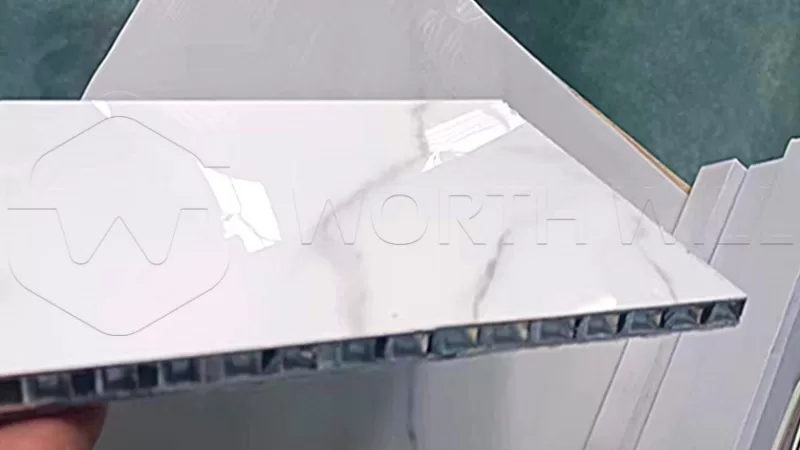
Aluminum honeycomb panels are a modern and versatile material widely used in construction, transportation, and many other industries. Known for their strength, lightweight nature, and durability, these panels are an excellent choice for various applications. Finding reliable aluminum honeycomb panel suppliers is key to getting the best quality products for your project.
What Are Aluminum Honeycomb Panels?
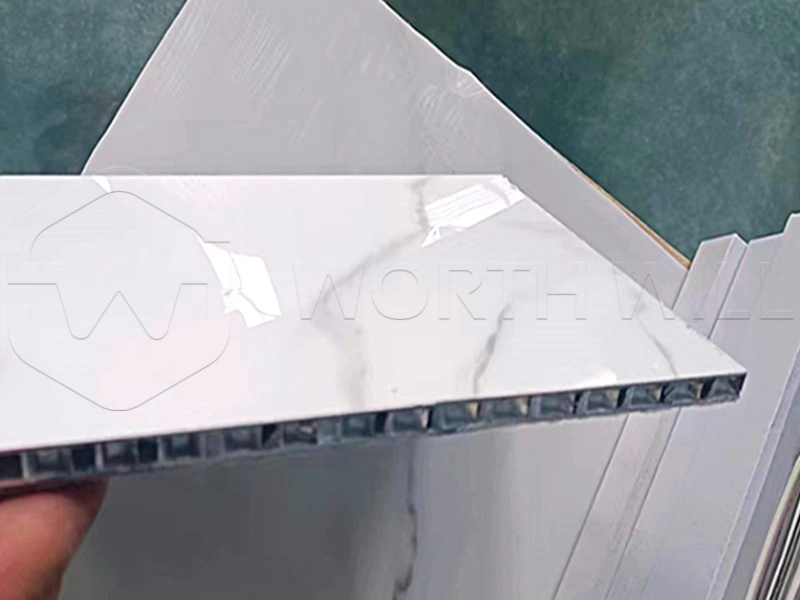
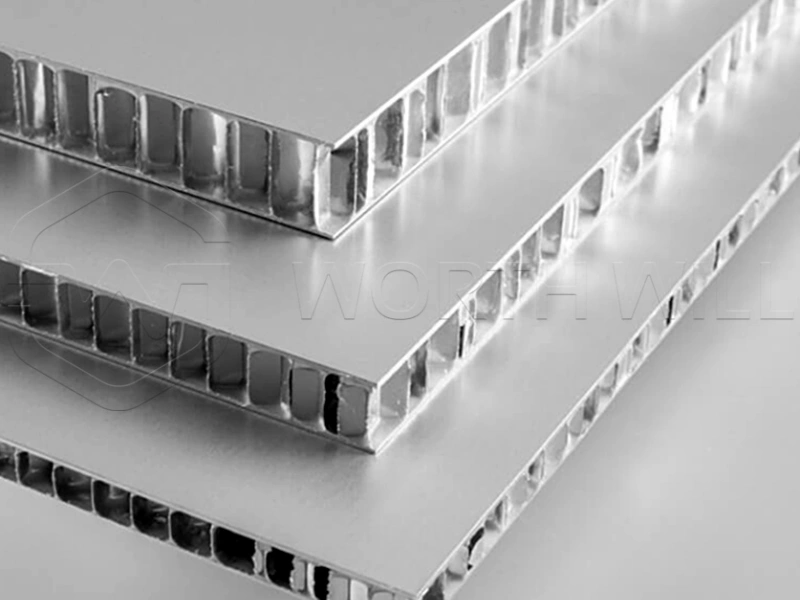
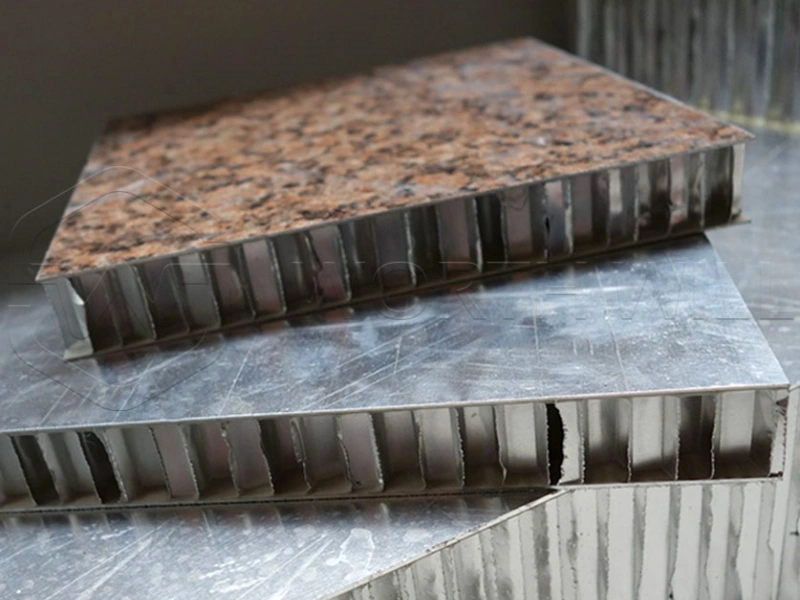
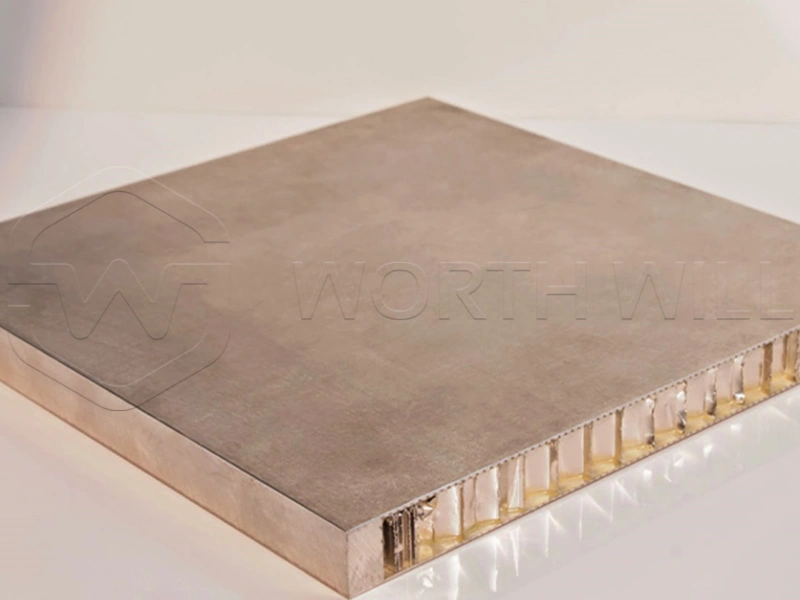
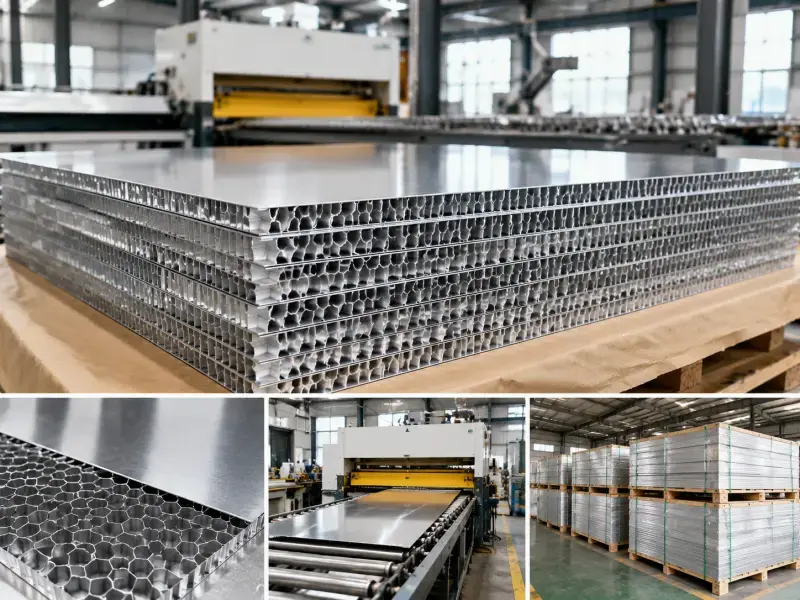
An aluminum honeycomb panel is a type of sandwich composite material. It consists of two thin aluminum sheets (face and back panels) bonded to a central core made of aluminum honeycomb core.
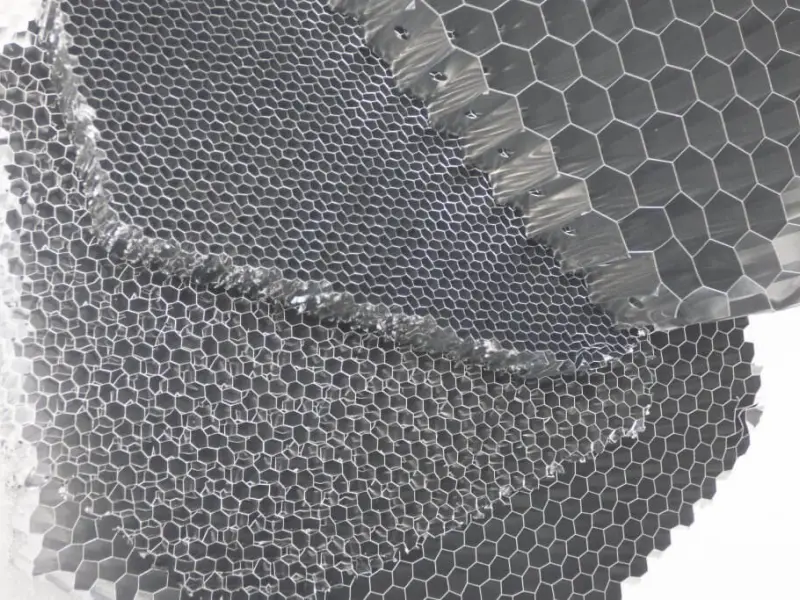
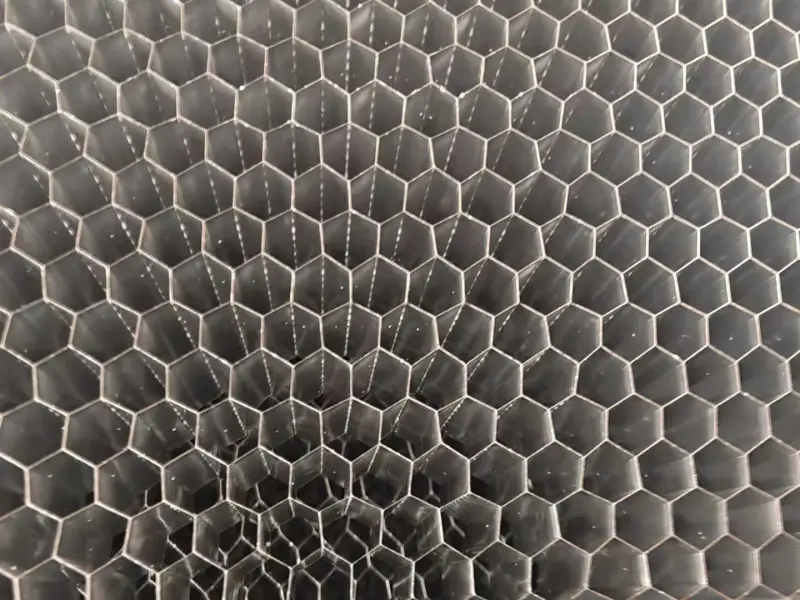
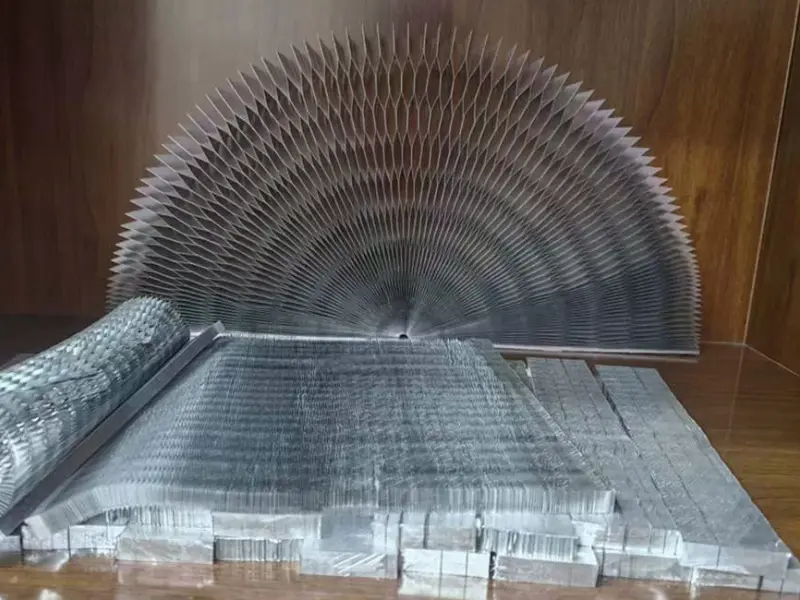
The structure of the core resembles a honeycomb, which provides exceptional rigidity and strength while keeping the overall weight low.
These panels are typically made using aerospace-grade aluminum alloy sheets coated with durable finishes that offer excellent weather resistance. The face and back sheets are bonded to the aluminum honeycomb core using high-strength adhesives under high temperature and pressure, creating a strong, lightweight, and flat panel.
Why Choose Aluminum Honeycomb Panels?
There are many reasons why aluminum honeycomb panels are a preferred choice for designers and builders:
- Lightweight: Their honeycomb structure makes them significantly lighter than solid aluminum panels or other traditional materials.
- High Strength and Rigidity: The sandwich construction provides excellent structural integrity and resistance to bending and shear forces.
- Durability: They are resistant to corrosion, moisture, and extreme temperatures.
- Flatness: Aluminum honeycomb panels offer excellent flatness, making them ideal for large surface applications.
- Fire Resistance: Aluminum is non-combustible, contributing to fire safety.
- Acoustic and Thermal Insulation: The trapped air within the honeycomb cells provides some level of insulation.
- Versatility: They can be easily cut, shaped, and installed.
Applications of Aluminum Honeycomb Panels
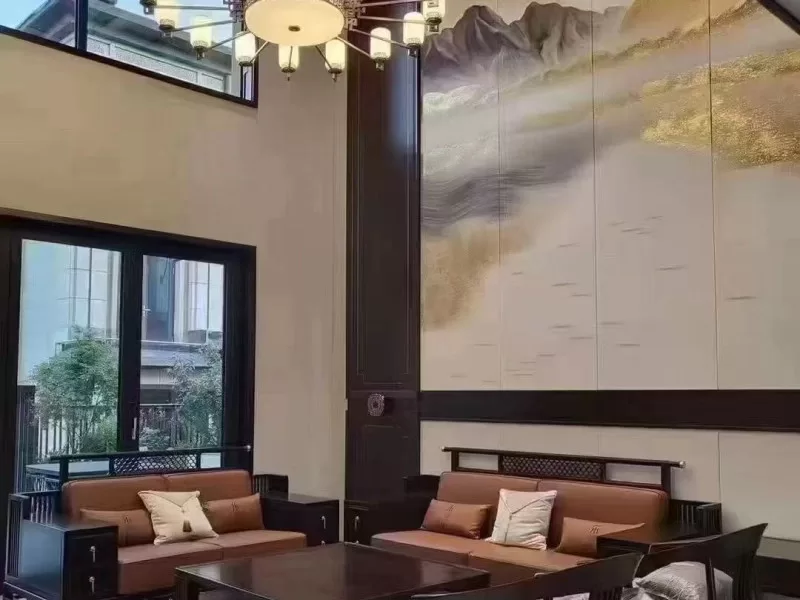
Originating from aerospace technology, aluminum honeycomb panels have found extensive use in civilian applications. Their unique properties make them suitable for a wide range of projects, from buildings to boats.
Here are some common applications for aluminum honeycomb panels:
- Interior decoration projects in buildings.
- Building curtain walls and exterior wall cladding.
- Advertising boards and signage.
- Construction in ships and marine vessels.
- Components in the aerospace manufacturing industry.
- Indoor partitions and dividing walls.
- Product display stands and exhibition booths.
Choosing the right aluminum honeycomb panel suppliers ensures you get panels suitable for your specific application.
Aluminum Honeycomb Panel Specifications
When you look to buy aluminum honeycomb panel, you will encounter various specifications. Here are some typical details you might see:
| Products | Aluminium Honeycomb Sandwich Panel |
|---|---|
| Width | 1220-1500mm |
| Length | 2440-3200mm |
| Thickness | 7-25mm |
| Mention | Customized design according to requirements |
Suppliers can often provide panels with dimensions and specifications tailored to meet specific project needs.
Aluminum Honeycomb Panel Thickness
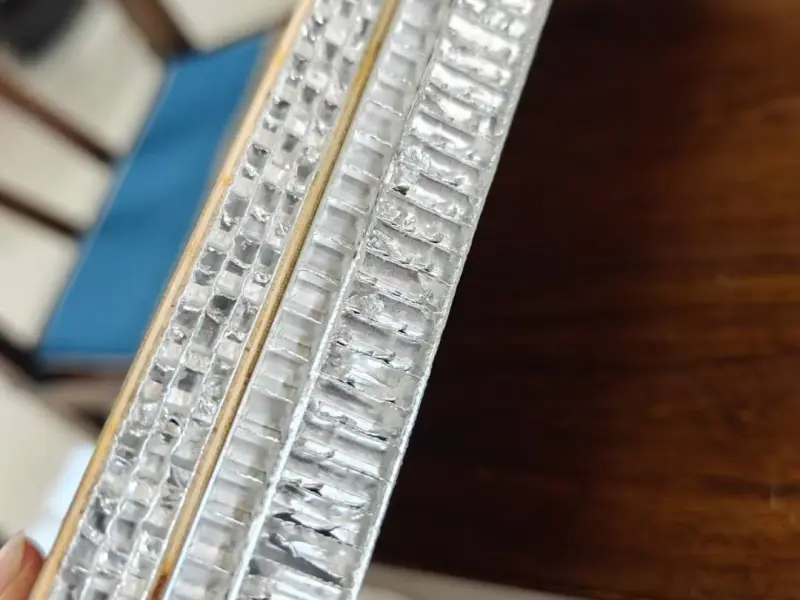
The thickness of an aluminum honeycomb panel is a crucial specification that affects its strength, rigidity, and cost. Common thicknesses range from 7mm to 25mm, but thicker panels can also be manufactured for specific structural requirements.
The choice of thickness depends on the application, the required span, and the load the panel needs to support. Thicker panels with denser aluminum honeycomb core provide greater rigidity.
Price Factors for Aluminum Honeycomb Panels
The cost of aluminum honeycomb panels can vary depending on several factors. If you are looking to buy aluminum honeycomb panel, consider these points that influence the price:
- Panel Thickness: Thicker panels generally cost more due to increased material usage.
- Panel Size: Larger custom sizes may be more expensive than standard sizes.
- Aluminum Alloy Type: The specific grade of aluminum alloy used for the face sheets can affect the price.
- Surface Coating: Different coatings like PVDF or Polyester have varying costs and durability. PVDF coatings are typically more expensive but offer superior weather resistance.
- Honeycomb Core Density: The cell size and foil thickness of the aluminum honeycomb core impact its density and the panel’s strength, thus affecting the price. A higher density core is usually more expensive.
- Order Volume: Buying in larger quantities often results in a lower per-panel price.
- Supplier: Different aluminum honeycomb panel suppliers will have different pricing structures based on their manufacturing costs, location, and business model.
Understanding these factors helps you get a clearer picture of the investment required when you decide to buy aluminum honeycomb panel.
Types of Aluminum Honeycomb Panels
Beyond standard panels, there are various types available from aluminum honeycomb panel suppliers. These variations might include:
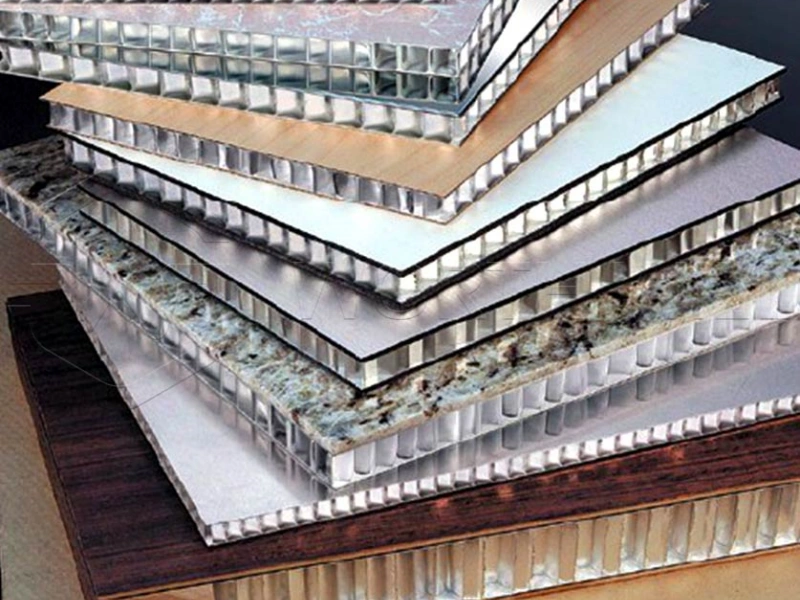
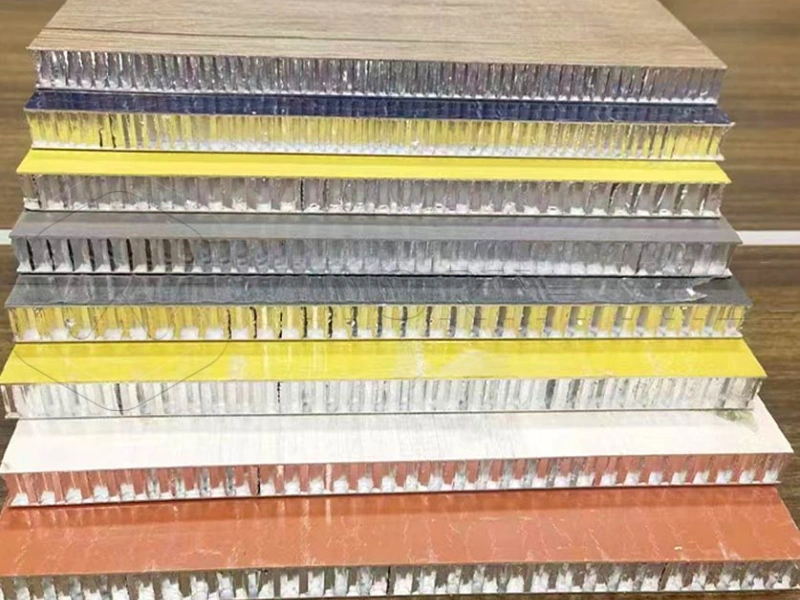
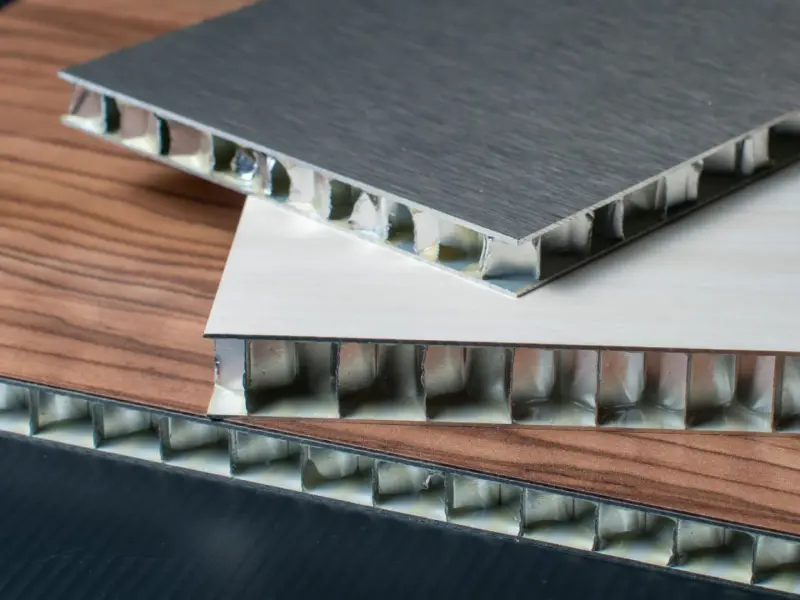
- Different Surface Finishes: Panels can have various finishes like solid colors, metallic colors, stone or wood patterns, and even mirrored surfaces.
- Core Types: While the core is typically aluminum honeycomb, variations in cell size and foil thickness lead to different strengths and densities, such as Aluminum Honeycomb Core—Commercial Grade suitable for standard applications.
- Edge Configurations: Panels can be supplied with open or closed edges, depending on the installation method and required finish.
- Curved Panels: Some suppliers can produce curved aluminum honeycomb panels for architectural features.
When looking for honeycomb panel suppliers in 2025, inquire about the different types they offer to find the best fit for your project.
Popular Aluminum Honeycomb Panel Types
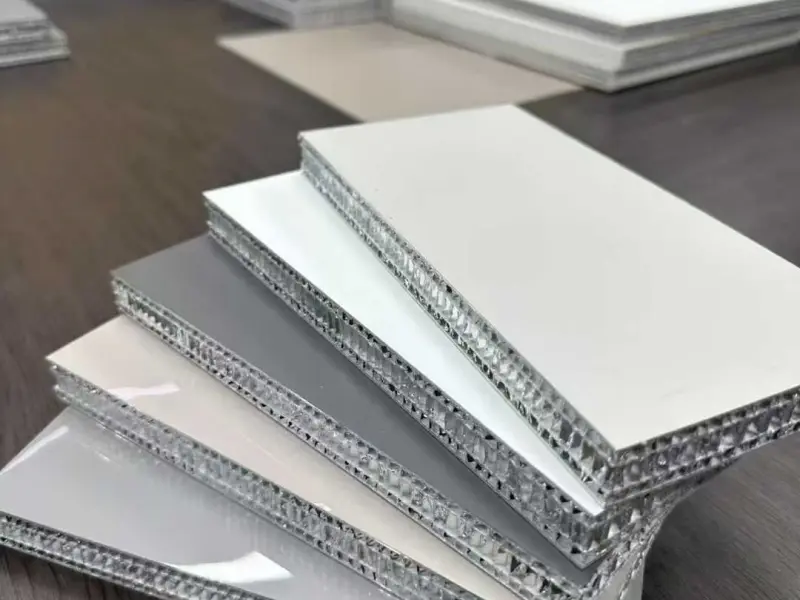
Some of the most popular types of aluminum honeycomb panels are those with PVDF coatings, known for their excellent long-term weather resistance and color retention, making them ideal for exterior applications like curtain walls.
Panels with standard Polyester coatings are often used for interior decoration. Panels with a Commercial Grade Aluminum Honeycomb Core are widely used due to their balance of strength and cost-effectiveness for many standard construction and decorative purposes.
Packaging
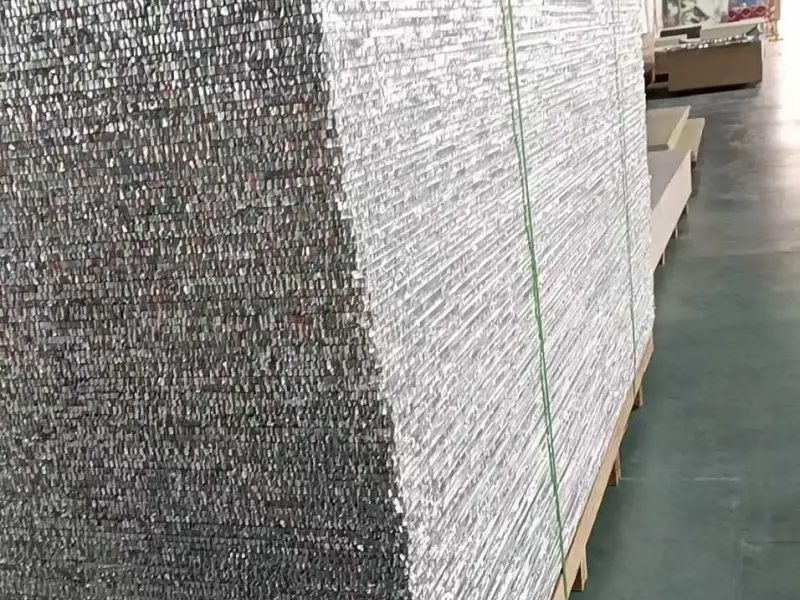
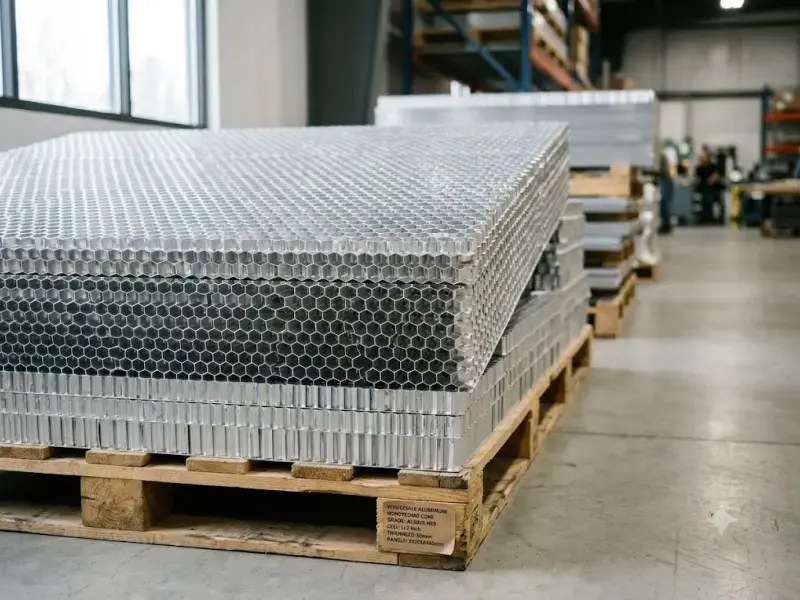
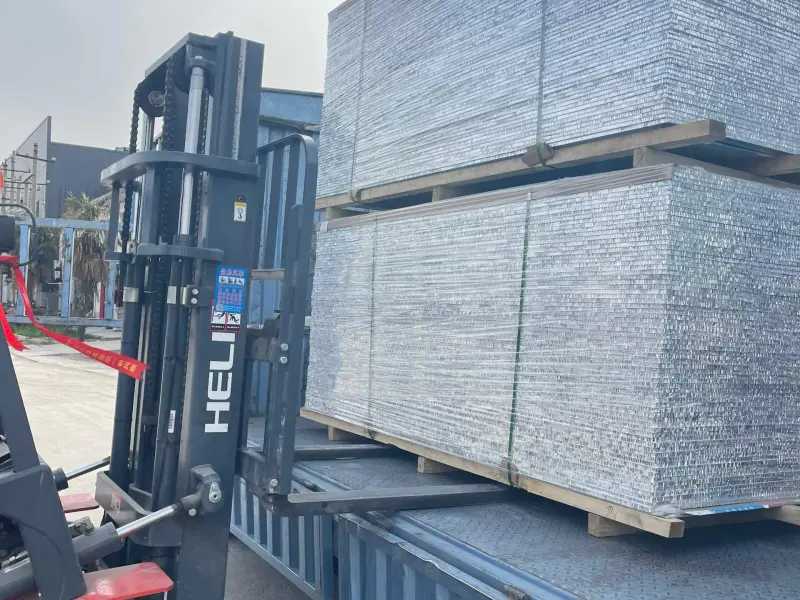
Proper packaging is essential to protect aluminum honeycomb panels during transport and storage. Reputable aluminum honeycomb panel suppliers use robust packaging methods, typically involving wooden crates or pallets, often with protective film on the panel surfaces and corner protection. This ensures that the panels arrive at the site in excellent condition, ready for installation.
How to Buy Aluminum Honeycomb Panel
If you are planning to buy aluminum honeycomb panel, the process usually involves:
- Defining Your Requirements: Determine the size, thickness, color, finish, and quantity of panels needed. Consider the application and environmental conditions.
- Requesting Quotes: Contact several aluminum honeycomb panel suppliers and request detailed quotations based on your specifications.
- Evaluating Suppliers: Compare quotes, production lead times, minimum order quantities, and the supplier’s reputation and quality certifications.
- Placing Your Order: Once you’ve chosen a supplier, finalize the order details and payment terms.
- Delivery: Arrange for the delivery of the panels to your project site.
Working with experienced honeycomb panel suppliers in 2025 can make this process smooth and ensure you receive high-quality products.
Choosing the Right Honeycomb Panel Suppliers in 2025
Selecting the best aluminum honeycomb panel suppliers is crucial for the success of your project. Here are some factors to consider when making your choice in 2025:
- Experience and Reputation: Look for suppliers with a proven track record and positive customer reviews.
- Quality Control: Ensure the supplier adheres to strict quality control standards and has relevant certifications (like ISO 9001).
- Customization Capabilities: If your project requires custom sizes, shapes, or finishes, choose a supplier who can meet these needs.
- Production Capacity and Lead Time: Verify that the supplier can handle the required volume and deliver within your project timeline.
- Technical Support: Good suppliers offer technical assistance and advice on panel selection and installation.
- Pricing: While not the only factor, competitive pricing is important.
When researching honeycomb panel suppliers in 2025, you might encounter names like WORTHWILL, known for providing quality aluminum honeycomb panels. Researching and comparing multiple options will help you find the perfect partner for your needs.
Reliable Aluminum Honeycomb Panel Suppliers for Different Projects
Aluminum honeycomb panels are light, strong, and easy to install. They are made with two aluminum sheets and a honeycomb core in the middle. This structure gives the panel high strength with low weight.
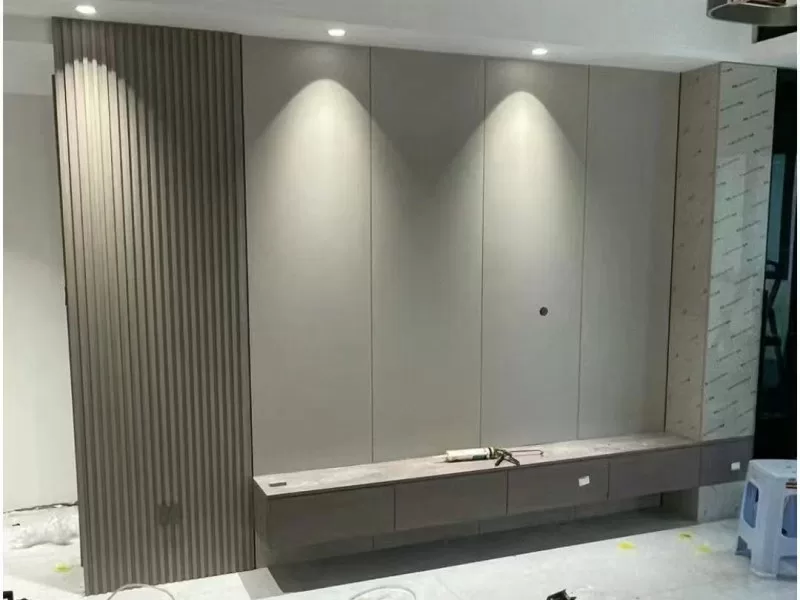
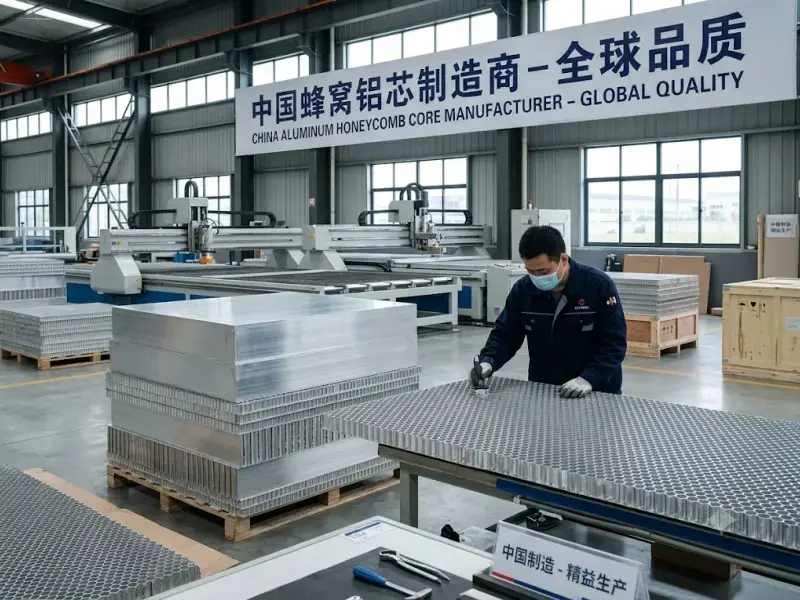
Professional aluminum honeycomb panel suppliers provide panels for buildings, transportation, cleanrooms, ships, interiors, and industrial equipment.
They can also offer different aluminum alloys, panel thicknesses, surface finishes, and core sizes.
A reliable supplier should provide stable quality, clear technical data, flexible production, and safe packaging. This helps buyers reduce project risks and control total costs.
What Is an Aluminum Honeycomb Panel?
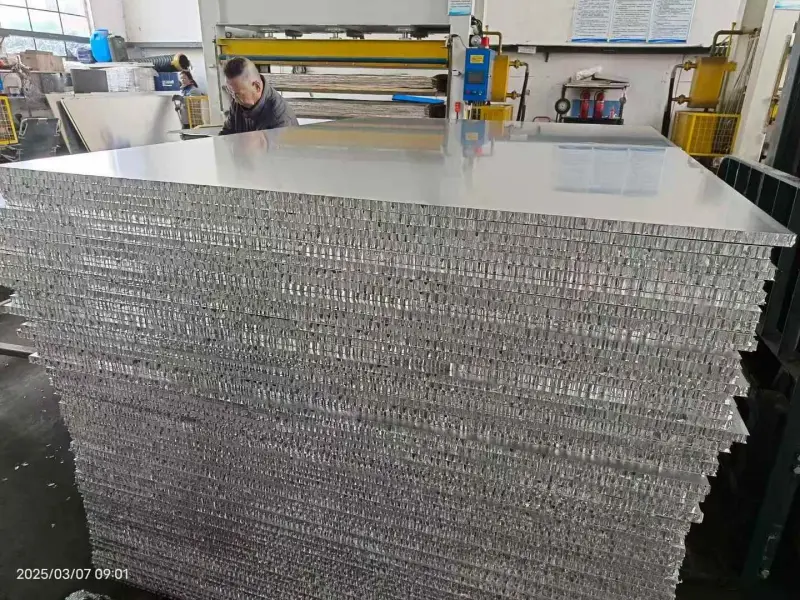
An aluminum honeycomb panel is a composite panel with three main parts:
- Top aluminum skin
- Aluminum honeycomb core
- Bottom aluminum skin
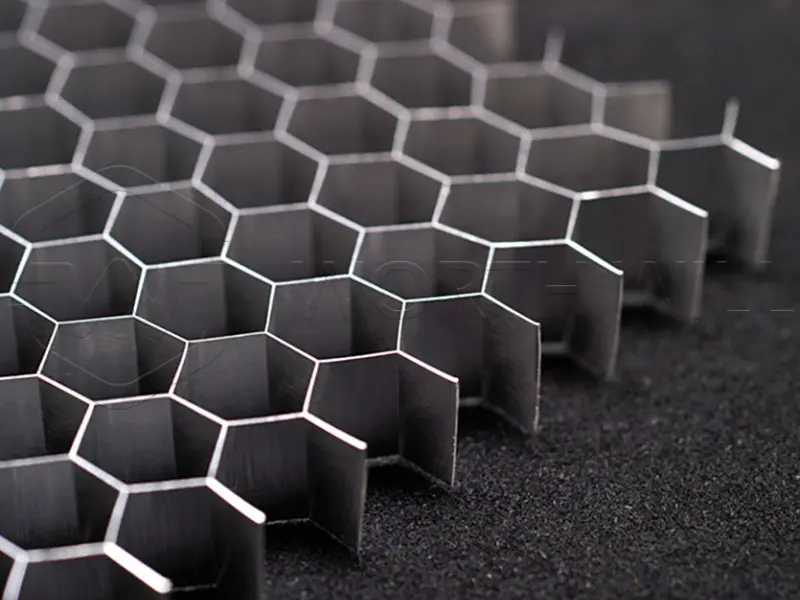
The core contains many small hexagonal cells. These cells support the two aluminum skins and help distribute pressure across the panel.
Main Structure of the Panel
| Part | Common Material | Main Function |
|---|---|---|
| Top skin | Aluminum sheet | Provides a smooth surface |
| Honeycomb core | Aluminum foil | Adds strength and reduces weight |
| Bottom skin | Aluminum sheet | Supports the panel structure |
| Adhesive layer | Structural adhesive | Bonds the panel layers |
The panel can be produced in different sizes and thicknesses. The final specification depends on the project design, installation method, and load requirements.
Why Choose Aluminum Honeycomb Panels?
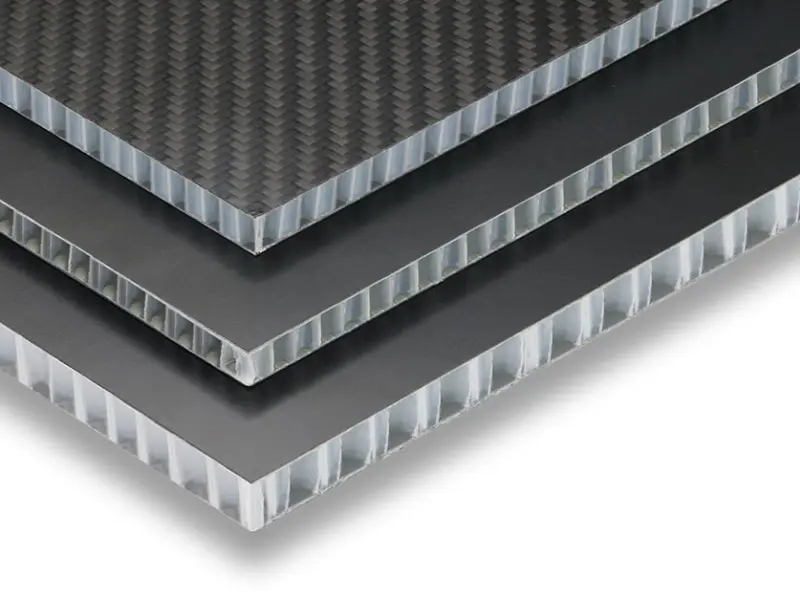
Aluminum honeycomb panels offer a good balance between weight and strength. They are lighter than many solid metal panels. They can also provide better flatness than some traditional sheet materials.
Key Product Benefits
- Lightweight construction
- High stiffness
- Good impact resistance
- Strong corrosion resistance
- Smooth and flat surface
- Easy handling and installation
- Low maintenance needs
- Good sound reduction
- Good thermal performance
- Suitable for custom production
The panel weight is usually much lower than a solid aluminum plate with the same thickness. This can reduce the load on walls, frames, vehicles, and supporting structures.
Aluminum Honeycomb Panel Types
Different projects need different panel designs. Experienced suppliers can provide several product types.
Standard Flat Honeycomb Panels
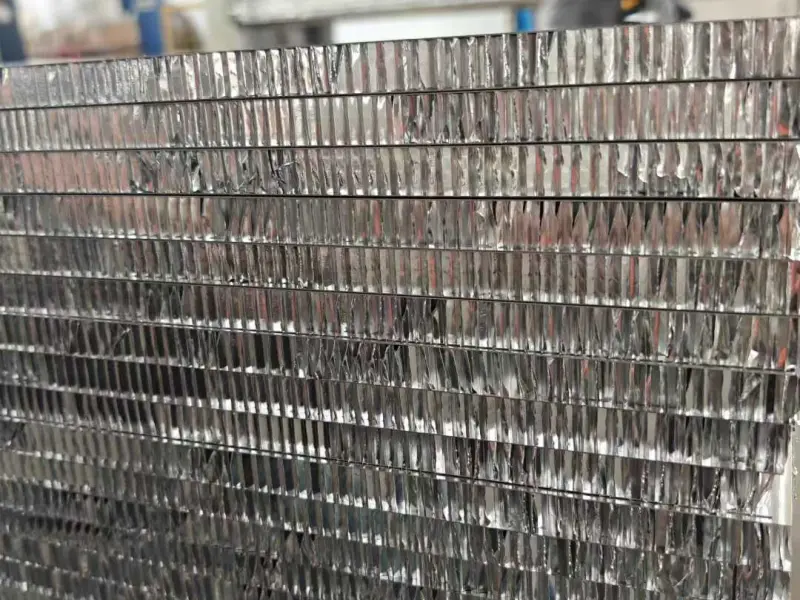
Standard flat panels are used for walls, ceilings, doors, partitions, and equipment covers. They have a flat surface and a regular honeycomb core.
These panels are suitable for general indoor and outdoor projects. They can be cut to size and finished with protective coatings.
Decorative Aluminum Honeycomb Panels
Decorative panels can have a smooth, brushed, mirror, wood-look, or stone-look finish. They are often used in modern commercial spaces and public buildings.
Common decorative finishes include:
- PVDF color coating
- Powder coating
- Anodized finish
- Brushed aluminum
- Mirror finish
- Wood grain finish
- Marble-look finish
- Custom printed surface
Aluminum Honeycomb Wall Panels
Wall panels are designed for interior and exterior cladding. They can be used on building facades, lobby walls, elevator areas, and commercial spaces.
The panel thickness and surface coating can be selected according to the building location. Outdoor wall panels normally require stronger coating protection.
Aluminum Honeycomb Ceiling Panels

Ceiling panels are light and easy to install. Their low weight helps reduce the load on the ceiling system.
They can be produced with:
- Flat edges
- Folded edges
- Open edges
- Hidden fixing systems
- Perforated surfaces
- Sound-absorbing backing
Aluminum Honeycomb Door Panels
Honeycomb door panels are used for cleanrooms, hospitals, laboratories, offices, ships, and high-end buildings. They can provide good flatness and strong resistance to bending.
The edge design can be adjusted for different door frames and hardware systems.
Aluminum Honeycomb Floor Panels
Floor panels need higher strength and better load performance. They are used in trains, buses, ships, aircraft interiors, raised floors, and industrial platforms.
For floor use, buyers should confirm:
- Panel thickness
- Skin thickness
- Core density
- Core cell size
- Surface hardness
- Load requirements
- Support distance
- Anti-slip finish
Perforated Honeycomb Panels
Perforated panels have small holes on the surface. They can improve sound absorption when combined with acoustic materials.
They are used for:
- Ceiling systems
- Acoustic wall panels
- Equipment rooms
- Office partitions
- Public halls
- Transportation interiors
Curved Aluminum Honeycomb Panels
Curved panels are made for special shapes. They can be used around columns, ceilings, vehicle interiors, railway parts, and decorative structures.
The supplier usually needs a drawing or 3D file before production. The bending radius and panel size should be confirmed in advance.
Aluminum Alloy Options
The alloy affects the panel’s strength, formability, corrosion resistance, and surface quality. Aluminum honeycomb panel suppliers may offer different alloy options for different applications.
Common Aluminum Alloys
| Alloy | Main Features | Typical Use |
|---|---|---|
| 3003 | Good formability and corrosion resistance | General panels |
| 5052 | Good strength and corrosion resistance | Marine and transport use |
| 5083 | High strength and strong marine resistance | Ships and heavy-duty projects |
| 6061 | Good strength and machining performance | Industrial structures |
| 6063 | Good surface quality and extrusion performance | Decorative applications |
3003 Aluminum Honeycomb Panels
3003 aluminum is widely used for general honeycomb panels. It has good formability and corrosion resistance.
It is suitable for interior walls, ceilings, doors, partitions, and standard building applications.
5052 Aluminum Honeycomb Panels
5052 aluminum provides better strength than many general-purpose alloys. It also performs well in humid and coastal environments.
This alloy is often selected for:
- Marine interiors
- Vehicle panels
- Outdoor equipment
- Commercial wall systems
- Industrial enclosures
5083 Aluminum Honeycomb Panels
5083 aluminum is suitable for demanding marine and transportation projects. It offers high strength and good resistance to saltwater corrosion.
It is commonly used for ships, yachts, offshore equipment, and heavy-duty structures.
6061 Aluminum Honeycomb Panels
6061 aluminum is useful when machining, cutting, drilling, or structural strength is important. It can be selected for industrial panels and equipment parts.
The supplier should confirm whether the alloy is required for the skin, core, frame, or other components.
Aluminum Temper Options
The temper describes the condition of the aluminum. It affects hardness, strength, and formability.
Common Temper Conditions
| Temper | General Description | Suitable Use |
|---|---|---|
| O | Soft and easy to form | Special forming projects |
| H14 | Half hard | General panel production |
| H16 | Harder than H14 | Flat panel applications |
| H18 | Hard condition | High surface hardness |
| T5 | Heat-treated condition | Selected structural parts |
| T6 | Higher strength condition | Industrial applications |
The most suitable temper depends on the panel structure and processing method. Buyers should discuss the application with the supplier before ordering.
Panel Thickness Options
Panel thickness is one of the most important specifications. A thicker panel does not always mean better performance. The right thickness depends on the support system and expected load.
Common Panel Thicknesses
| Panel Thickness | General Use |
|---|---|
| 3 mm | Lightweight interior panels |
| 5 mm | Wall and ceiling decoration |
| 6 mm | General building panels |
| 10 mm | Doors and stronger wall systems |
| 15 mm | Transport and industrial panels |
| 20 mm | Floor and heavy-duty applications |
| 25 mm or more | Special structural projects |
The total thickness includes the top skin, core, bottom skin, and bonding layers. A supplier should provide the full construction details.
Core Cell Size and Density
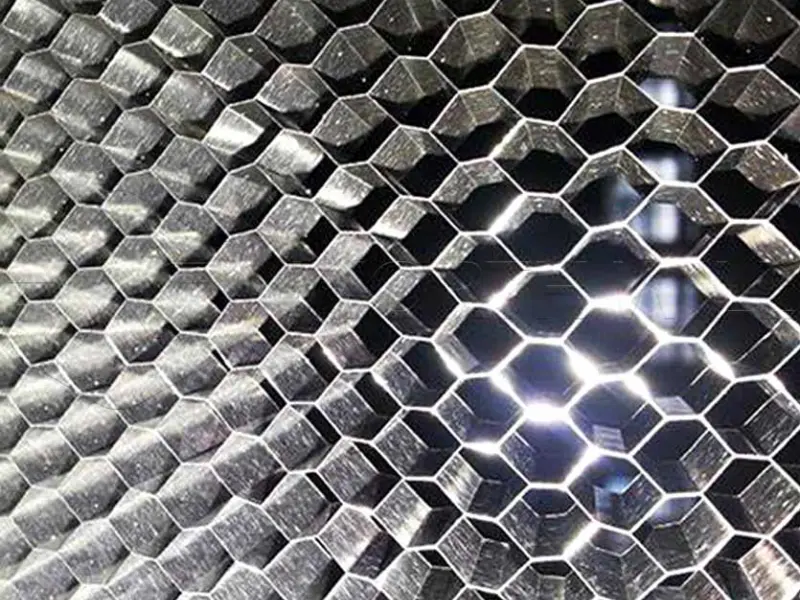
The aluminum honeycomb core can be made with different cell sizes. A smaller cell can provide a more stable surface. A larger cell can help reduce weight.
Core Cell Size Comparison
| Cell Size | Main Advantage | Typical Use |
|---|---|---|
| 3 mm | High surface stability | Decorative panels |
| 6 mm | Balanced performance | Building interiors |
| 10 mm | Lower weight | Large wall panels |
| 15 mm | Lightweight structure | Transport interiors |
| 20 mm | Special low-weight designs | Large custom panels |
Core density also affects strength and weight. Higher density may provide better compression performance, but it can increase material cost.
Surface Finishes for Aluminum Honeycomb Panels
The surface finish affects appearance, weather resistance, cleaning, and service life.
PVDF Coating
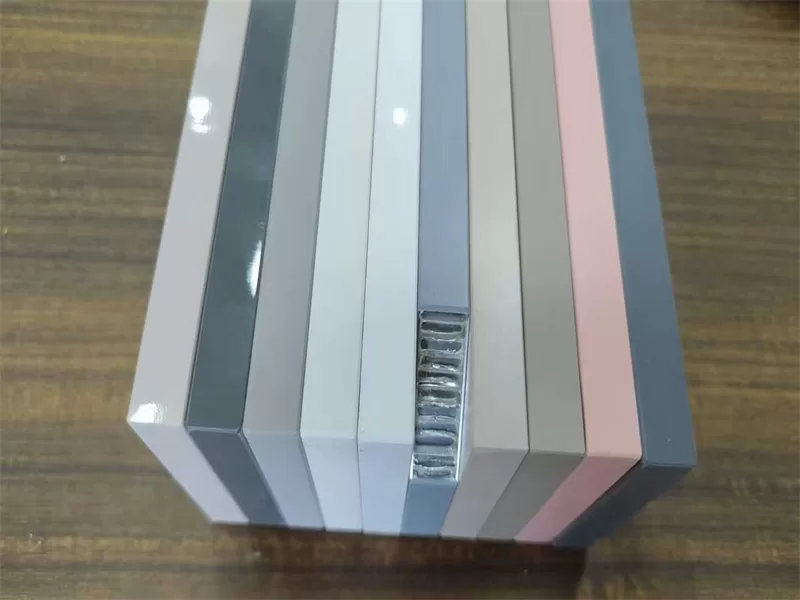
PVDF coating is often selected for exterior panels. It provides good color stability and weather resistance.
It is suitable for:
- Building facades
- Exterior walls
- Commercial centers
- Airports
- Public buildings
Powder Coating
Powder coating provides a wide range of colors and textures. It is often used for indoor panels and selected outdoor projects.
It can be supplied in matte, gloss, sand texture, and special color finishes.
Anodized Aluminum
Anodized aluminum has a clean metallic appearance. It can improve surface hardness and corrosion resistance.
Anodized finishes are popular for modern interiors, elevator areas, offices, and retail spaces.
Brushed Aluminum
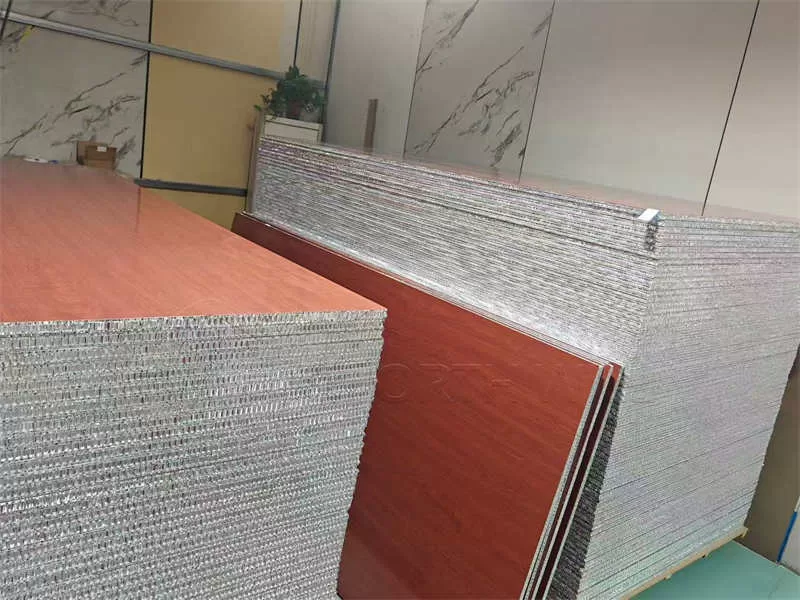
Brushed aluminum has fine directional lines. It creates a modern industrial appearance.
It is often used for decorative walls, doors, shop interiors, counters, and furniture panels.
Mirror Aluminum
Mirror finishes reflect light and create a bright visual effect. They are usually used in decorative interiors and special design projects.
The surface should be protected carefully during transport and installation.
Application Areas
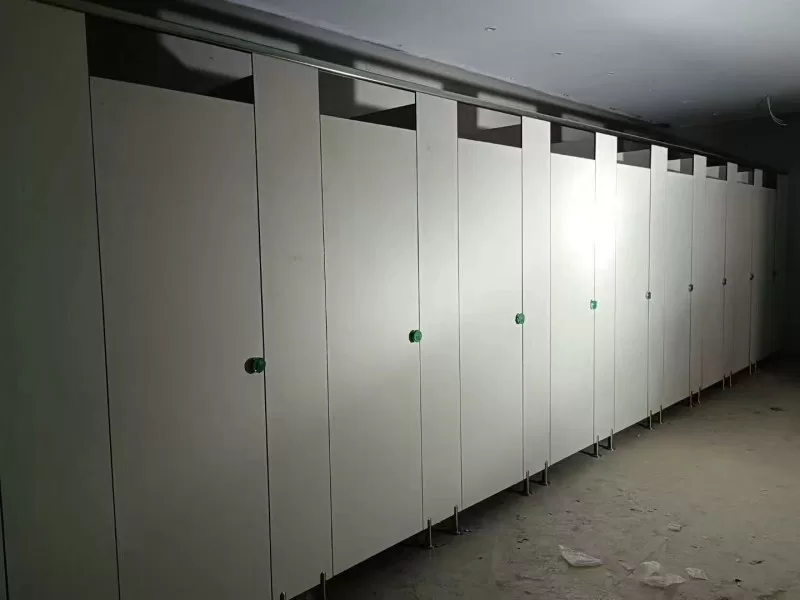
Aluminum honeycomb panels have uses in many industries because they are light, stable, and easy to customize.
Building and Construction
- Exterior wall cladding
- Interior wall decoration
- Ceiling systems
- Elevator decoration
- Lobby panels
- Office partitions
- Hotel interiors
- Retail store interiors
- Door panels
- Column covers
Transportation
- Railway interior panels
- Subway ceiling panels
- Bus wall panels
- Vehicle flooring
- Aircraft interior parts
- Ship ceiling panels
- Yacht furniture
- Truck body components
Marine Projects
- Ship interior walls
- Cabin ceilings
- Marine doors
- Yacht furniture
- Deck panels
- Control room panels
- Offshore equipment covers
Aluminum honeycomb panels are useful in marine environments because aluminum can provide good corrosion resistance when the correct alloy and surface treatment are selected.
Industrial Equipment
- Machine covers
- Equipment doors
- Control cabinets
- Sound barriers
- Cleanroom panels
- Laboratory partitions
- Lightweight platforms
- Protective enclosures
Furniture and Interior Design
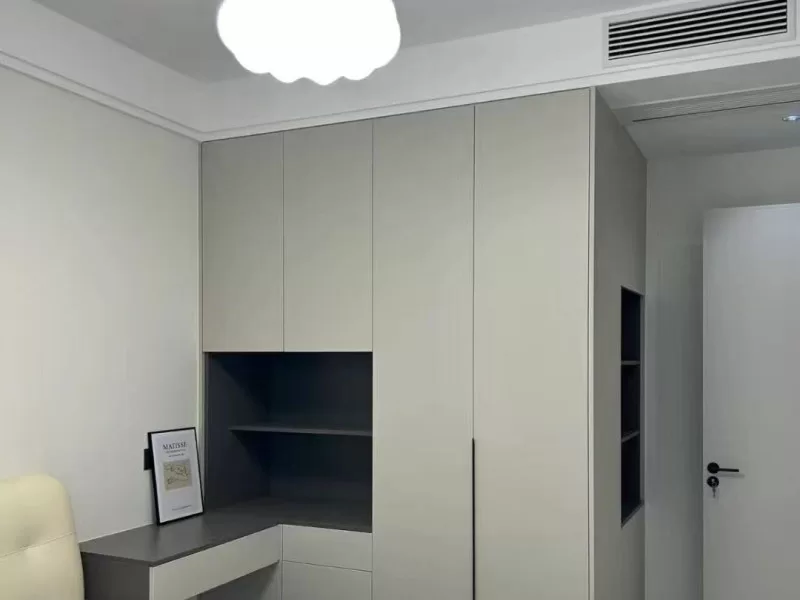
- Cabinet doors
- Table surfaces
- Display panels
- Reception counters
- Decorative partitions
- Retail fixtures
- Exhibition stands
- Kitchen panels
Indoor and Outdoor Panel Comparison
Different locations require different materials and finishes.
| Feature | Indoor Panel | Outdoor Panel |
|---|---|---|
| Coating need | Standard finish | Weather-resistant coating |
| UV resistance | Basic requirement | Important |
| Corrosion protection | Normal | Higher protection |
| Core selection | Lightweight core | Stronger core if needed |
| Edge protection | Standard | Sealed edge recommended |
| Common use | Walls and ceilings | Facades and exterior cladding |
Outdoor projects should consider rain, sunlight, wind, temperature changes, and coastal air. The supplier should recommend a suitable alloy, coating, and edge treatment.
Aluminum Honeycomb Panel Compared with Other Materials
Honeycomb Panel vs Solid Aluminum Plate
| Feature | Honeycomb Panel | Solid Aluminum Plate |
|---|---|---|
| Weight | Lower | Higher |
| Stiffness | High for its weight | High |
| Material use | Efficient | More material required |
| Handling | Easier | More difficult for large sizes |
| Cost control | Good for large panels | Can be higher |
| Surface flatness | Very good | Depends on thickness |
Honeycomb panels have often preferred when low weight is important. Solid plate has selected when high impact resistance or simple machining is required.
Honeycomb Panel vs Aluminum Composite Panel
| Feature | Honeycomb Panel | Aluminum Composite Panel |
|---|---|---|
| Core | Aluminum honeycomb | Plastic or mineral core |
| Strength | Higher in many designs | Good for general cladding |
| Weight | Lightweight | Lightweight |
| Fire performance | Depends on design | Depends on core type |
| Structural use | More suitable | Usually non-structural |
| Custom thickness | Wide range | Standard options common |
The right choice depends on fire requirements, panel size, structural needs, and project budget.
Honeycomb Panel vs Stainless Steel Panel
| Feature | Aluminum Honeycomb | Stainless Steel |
|---|---|---|
| Weight | Much lighter | Heavier |
| Corrosion resistance | Good | Very good |
| Appearance | Modern and clean | Premium metallic |
| Processing | Easier to cut and handle | More difficult |
| Transport cost | Lower in many cases | Higher for heavy panels |
| Large panel use | Convenient | Requires stronger support |
Aluminum is often a better option when weight reduction is a key goal.
Custom Services from Aluminum Honeycomb Panel Suppliers
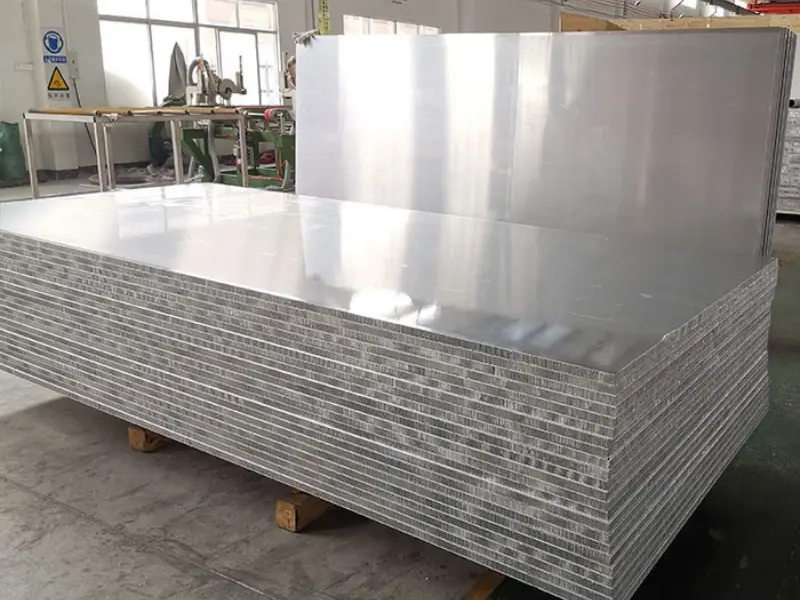
A professional supplier can provide more than standard panels. Custom service can reduce cutting work at the project site.
Available Custom Options
- Custom panel length and width
- Custom thickness
- Custom alloy
- Custom core cell size
- Custom skin thickness
- Custom coating color
- CNC cutting
- Drilling and routing
- Folded edges
- Rounded corners
- Pre-installed inserts
- Pre-installed frames
- Special packaging
- Private labels
CNC Cutting and Machining
CNC processing can create accurate holes, slots, corners, and shapes. It is useful for doors, ceilings, vehicle panels, and equipment covers.
The supplier may need CAD drawings, DXF files, or PDF drawings. The drawing should show dimensions, hole positions, edge details, and tolerance requirements.
Edge Treatment
Panel edges can be finished in several ways:
- Open honeycomb edge
- Aluminum frame edge
- Folded aluminum edge
- Sealed edge
- Reinforced edge
- Inserted edge
- Trimmed edge
Edge treatment can improve panel strength and make installation easier.
Fire, Sound, and Thermal Performance
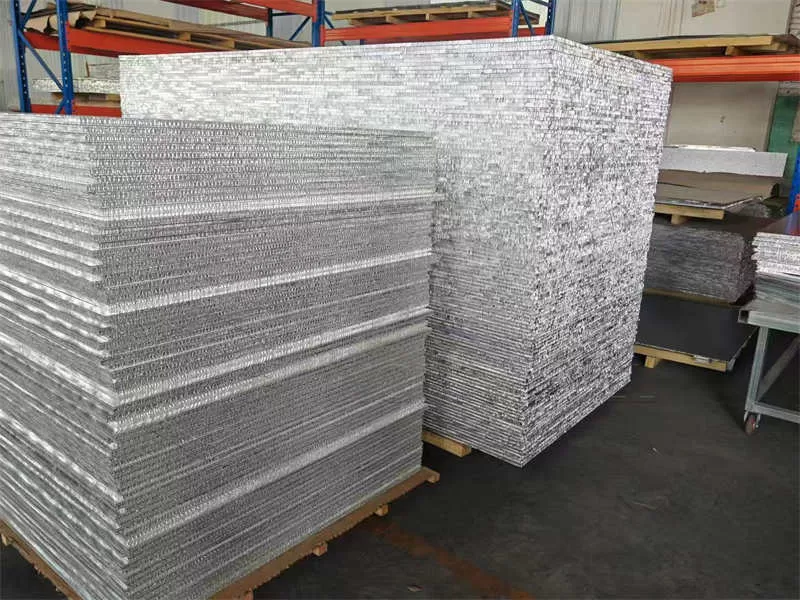
Performance depends on the full panel design. The aluminum alloy, adhesive, core, coating, and installation method can all affect results.
Fire Performance
Aluminum is non-combustible, but the bonding material and other components must also be considered. Buyers should request test reports when the project has strict fire requirements.
Sound Performance
Honeycomb panels can help reduce vibration and sound transmission. Perforated skins and acoustic backing can improve sound absorption.
They are often used in transport interiors, equipment rooms, halls, offices, and public buildings.
Thermal Performance
The honeycomb structure creates a lightweight internal space. With the correct design, the panel can help improve thermal performance.
For high insulation needs, the panel may be combined with mineral wool, foam, or another insulation material.
How to Select the Right Supplier
The supplier should understand the final use of the panel. A low price is not the only factor.
Supplier Evaluation Checklist
| Item | What to Check |
|---|---|
| Product range | Alloys, thicknesses, finishes, and core types |
| Quality control | Surface, flatness, size, and bonding |
| Custom service | Cutting, drilling, edges, and frames |
| Samples | Sample availability before bulk order |
| Technical support | Drawings and product advice |
| Packaging | Protection against moisture and impact |
| Lead time | Production and delivery schedule |
| Documents | Test reports and material data |
| Communication | Fast and clear response |
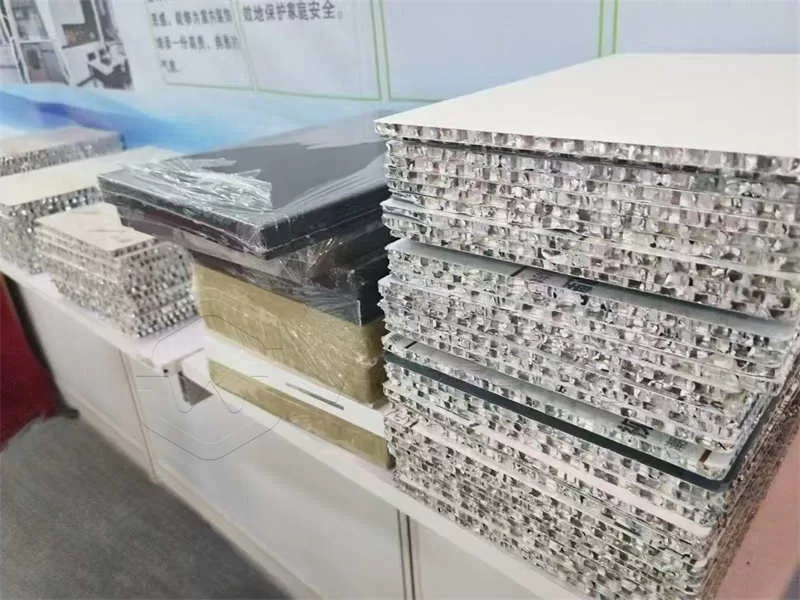
A good supplier should explain the differences between standard and custom products. They should also confirm the actual specifications in writing.
Quality Control During Production
Quality control helps keep each panel consistent. Important inspection points include:
- Aluminum alloy verification
- Sheet thickness inspection
- Core cell size inspection
- Core density inspection
- Panel thickness inspection
- Surface flatness inspection
- Bonding strength inspection
- Color inspection
- Edge inspection
- Size and tolerance inspection
- Packaging inspection
Large orders may require a pre-production sample or approved reference sample. This helps avoid differences between the sample and the final production.
Packaging and Shipping
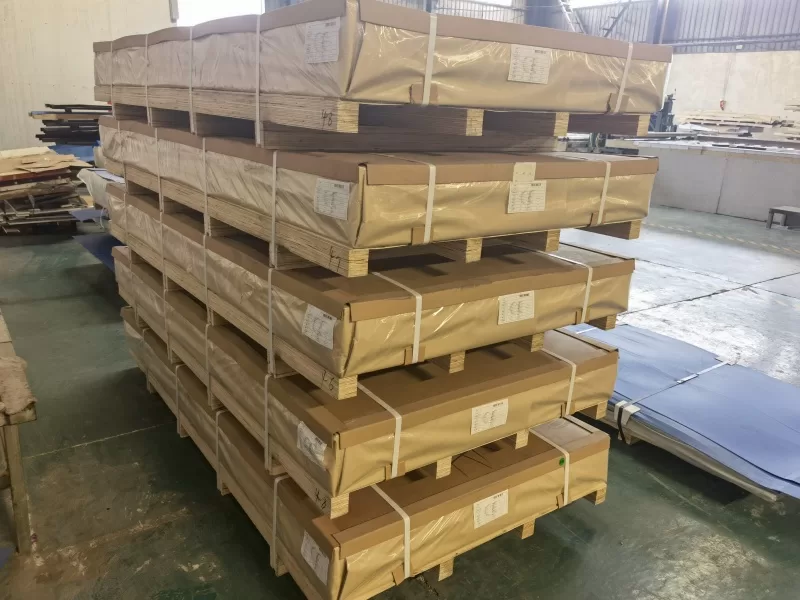
Aluminum honeycomb panels have scratched or bent if packaging is not strong enough. Good packaging protects the surface and edges during handling.
Common Packaging Methods
- Protective film on the surface
- Foam edge protection
- Waterproof wrapping
- Strong wooden cases
- Pallet packing
- Separate layer protection
- Corner protectors
- Shipping marks and labels
For overseas orders, the packaging should be suitable for long-distance transport. The supplier should also confirm the container loading plan for large panels.
Aluminum Honeycomb Panel Buying Guide
Before requesting a quotation, prepare the basic project information.
Information Needed for a Quote
- Panel length and width
- Total panel thickness
- Aluminum alloy
- Skin thickness
- Core cell size
- Core density
- Surface finish
- Color requirement
- Quantity
- Edge treatment
- Processing requirements
- Delivery location
- Required documents
A clear specification helps the supplier calculate an accurate price. It also reduces the chance of receiving a panel that does not fit the project.
Small Quantity and Bulk Orders
Some suppliers support sample orders and small production runs. This is useful for designers, contractors, and product developers.
Bulk buyers may receive better pricing and more customization options. They can also request regular production schedules, private packaging, and long-term supply agreements.
Order Type Comparison
| Order Type | Suitable Buyer | Main Benefit |
|---|---|---|
| Sample order | Designer or tester | Check quality before purchase |
| Small order | Small project | Flexible and fast |
| Medium order | Contractor | Balanced cost and quantity |
| Bulk order | Distributor or factory | Better unit price |
| Long-term order | Large project buyer | Stable supply and planning |
Frequently Asked Questions
What are aluminum honeycomb panels used for?
They have use for walls, ceilings, doors, floors, facades, vehicle interiors, ship interiors, furniture, equipment covers, and industrial structures.
Are aluminum honeycomb panels strong?
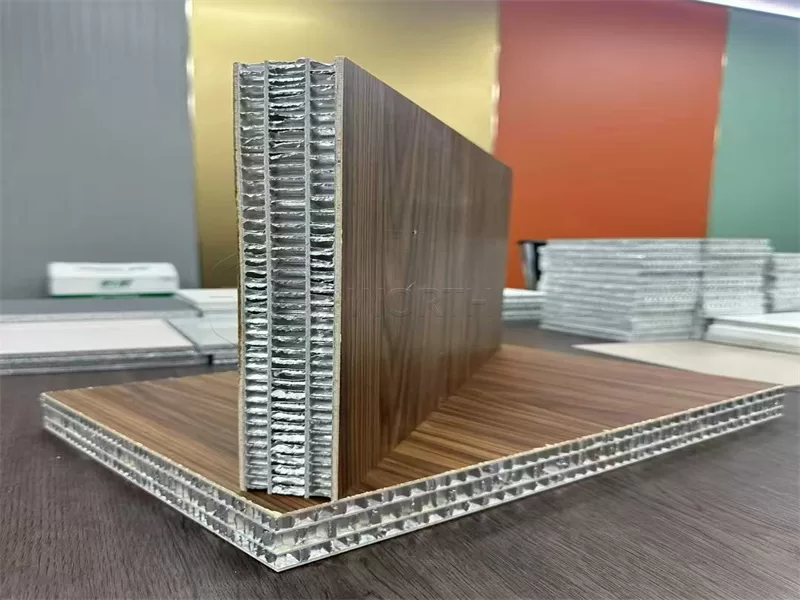
Yes. Their honeycomb structure gives them high stiffness with low weight. The final strength depends on panel thickness, skin thickness, core density, bonding, and support distance.
Are these panels suitable for outdoor use?
Yes, they have used outdoors when the correct alloy, coating, edge treatment, and installation system are selected. PVDF coating has often used for exterior projects.
Which aluminum alloy is best for marine projects?
5052 and 5083 aluminum are common choices for marine applications. The best option depends on the project environment, strength requirements, and fabrication method.
What is the difference between 3003 and 5052 aluminum?
3003 aluminum offers good formability and corrosion resistance. 5052 aluminum usually provides higher strength and better performance for demanding environments.
Can the panels be cut to custom sizes?
Yes. Many suppliers offer cutting, CNC routing, drilling, folding, and other custom services. Drawings should be provided before production.
Can aluminum honeycomb panels be curved?
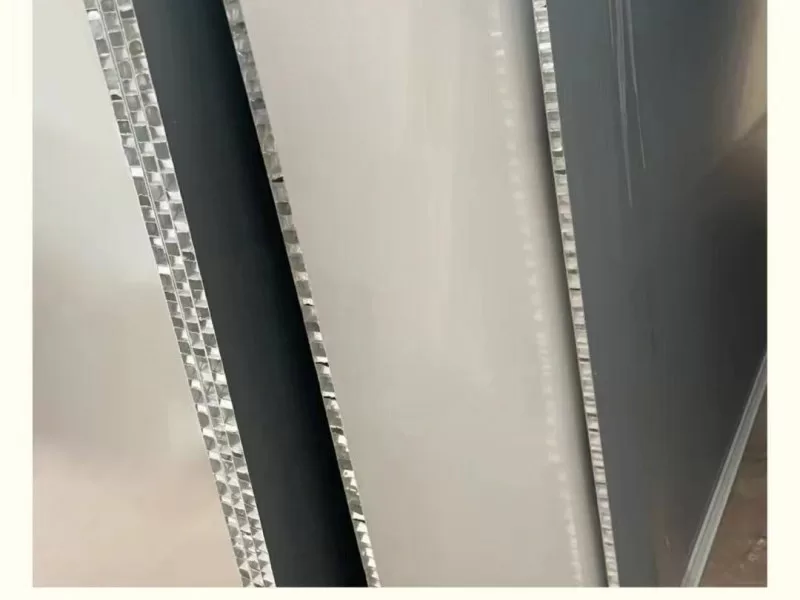
Yes. Curved panels can be produced for special designs. The supplier needs the required radius, dimensions, and installation details.
What surface finishes are available?
Common finishes include PVDF coating, powder coating, anodizing, brushing, mirror finish, wood grain, marble look, and custom colors.
Are aluminum honeycomb panels fire resistant?
The aluminum parts are non-combustible, but the complete panel system includes adhesives and other materials. Buyers should request the correct fire test data for their project.
How should the panels be cleaned?
Use a soft cloth, clean water, and a mild detergent. Avoid strong acids, hard brushes, and abrasive tools.
How do I choose the panel thickness?
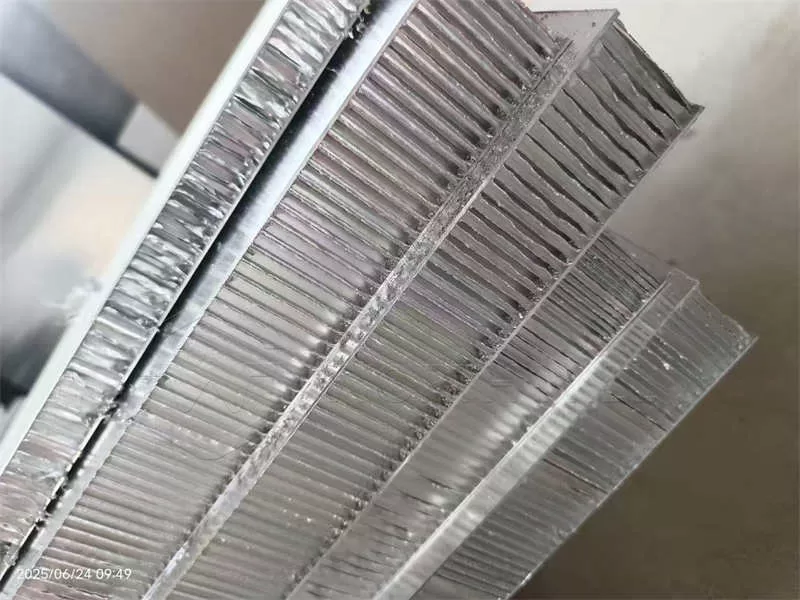
First check the application, support distance, load, panel size, and installation method. A supplier can recommend the right thickness after reviewing these details.
Can I order a sample first?
Most professional aluminum honeycomb panel suppliers can provide samples. A sample helps buyers check the surface, flatness, color, thickness, and bonding quality.
Do suppliers provide technical documents?
Many suppliers can provide product specifications, material information, drawings, coating data, and test reports when required.
How long do aluminum honeycomb panels last?
Service life depends on the alloy, coating, environment, installation, and maintenance. A properly selected and installed panel can provide long-term performance.
Find the Right Aluminum Honeycomb Panel Supplier
Choosing the right supplier can improve product quality, project efficiency, and overall cost control. Buyers should compare panel structure, aluminum alloy, core type, surface finish, processing service, packaging, and delivery time.
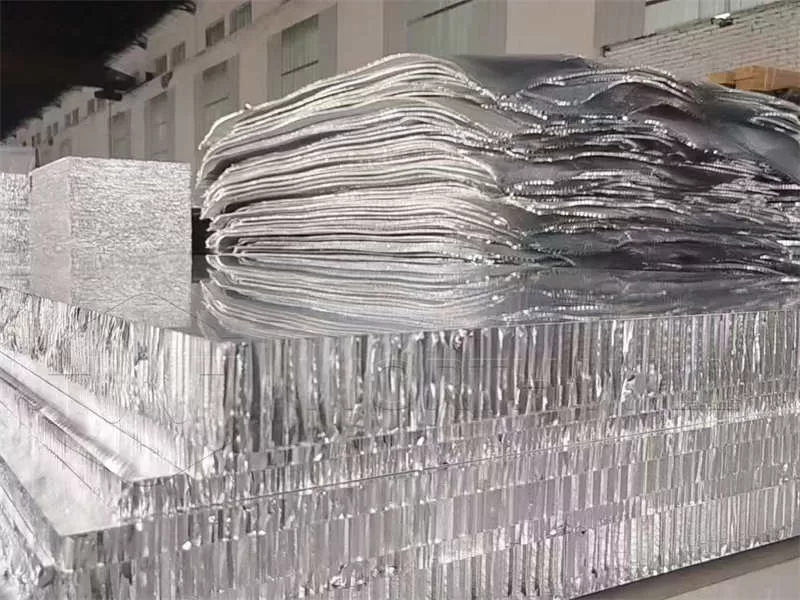
Whether you need lightweight interior panels, durable outdoor cladding, marine panels, transportation parts, or custom industrial products, a professional aluminum honeycomb panel supplier can provide a suitable solution.
Contact us with your panel size, thickness, alloy, surface finish, quantity, and application. We can help you select the right product and prepare a clear quotation.
Error: Contact form not found.