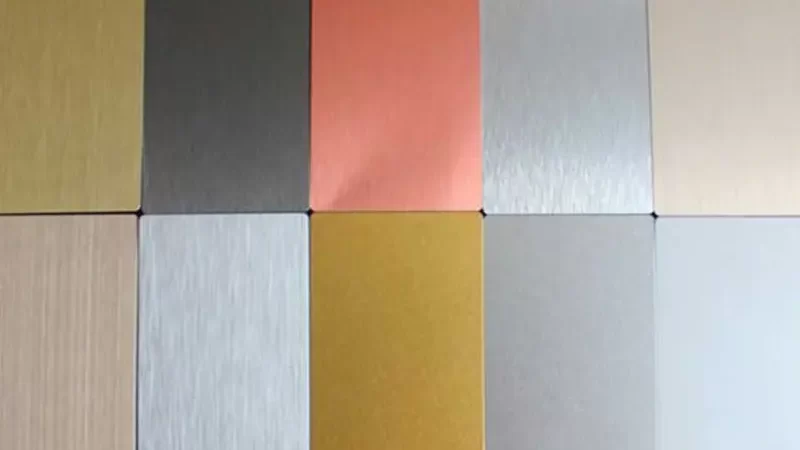
If you are searching for aluminum anodizing near me, you likely need a durable, high-quality finish for your metal parts. Aluminum anodizing is a popular electrochemical process. It converts the metal surface into a decorative, durable, and corrosion-resistant finish.
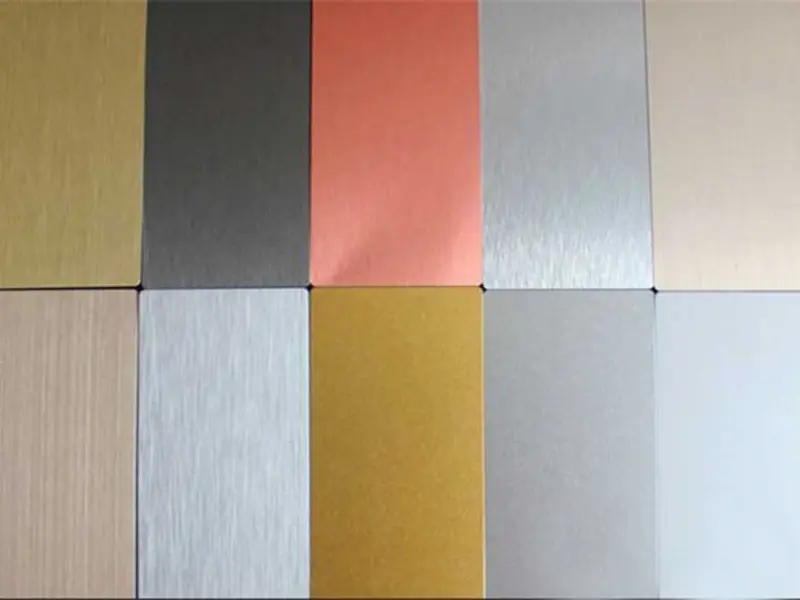
Common Types of Aluminum Anodizing
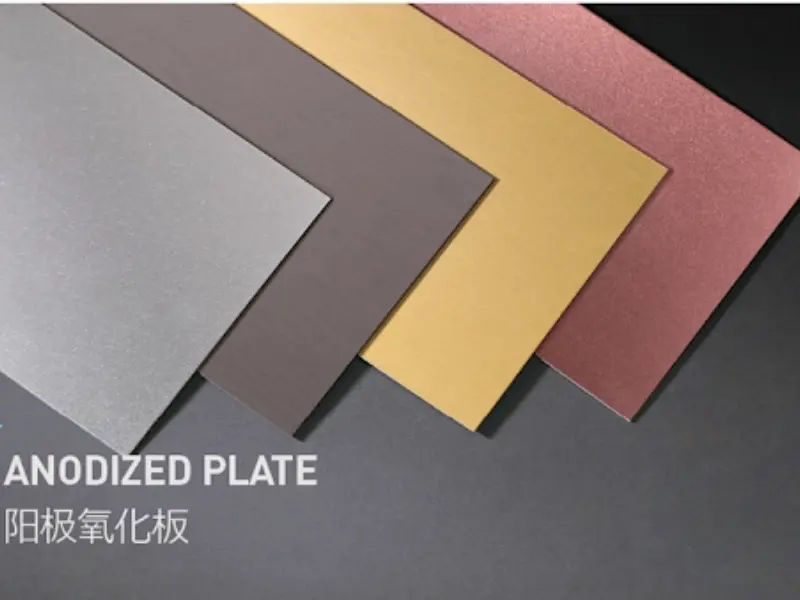
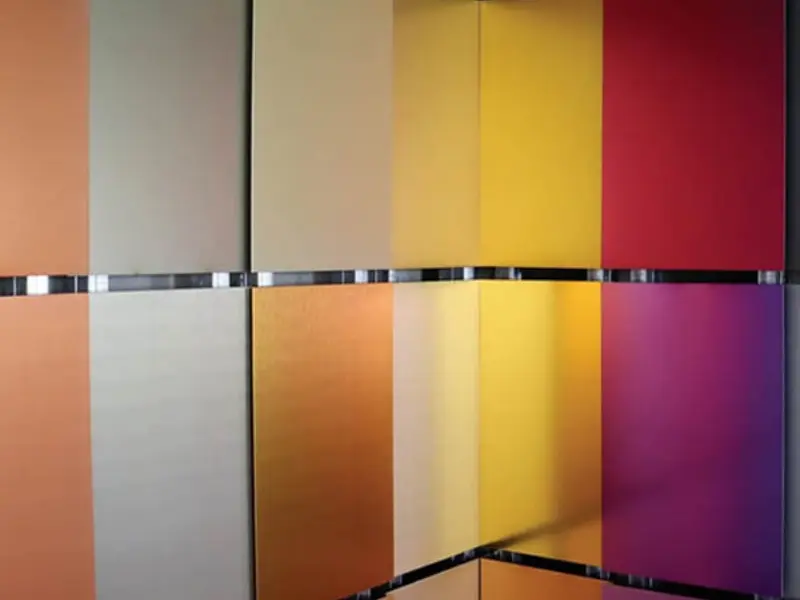
There are three primary types of anodizing defined by military and industrial standards. Each serves a different purpose, from decoration to heavy industrial use.
Table 1: Overview of Anodizing Types
| Type | Name | Process | Main Feature |
|---|---|---|---|
| Type I | Chromic Acid Anodizing | Chromic Acid | Thinnest layer, good for tight tolerances |
| Type II | Sulfuric Acid Anodizing | Sulfuric Acid | Great for colors and decoration |
| Type III | Hard Coat Anodizing | Low Temp / High Current | Extreme hardness and wear resistance |
Technical Specifications and Measurements
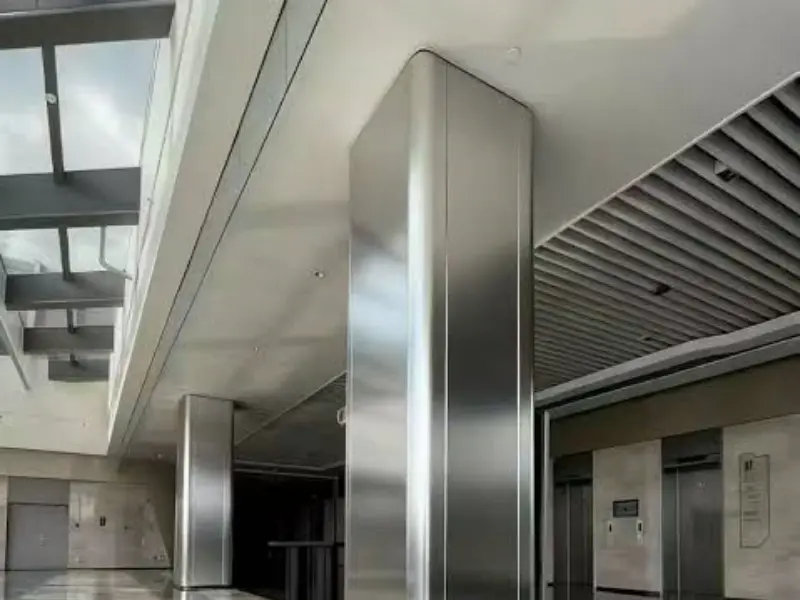
When choosing aluminum anodizing near me, you need to know the thickness required for your parts. Thickness is usually measured in microns (μm) or inches (in).
Table 2: Technical Specs by Type
| Specification | Type II (Decorative) | Type III (Hard Coat) |
|---|---|---|
| Thickness (microns) | 5μm to 25μm | 25μm to 100μm |
| Thickness (inches) | 0.0002″ to 0.001″ | 0.001″ to 0.004″ |
| Hardness (Rockwell C) | N/A | 50 to 70 |
| Surface Finish | Smooth / Shiny | Matte / Textured |
Key Benefits of Using Aluminum Anodizing
Why do so many industries look for aluminum anodizing near me? Here are the top reasons:
- Durability: The surface is much harder than the raw aluminum. It does not peel or flake.
- Corrosion Resistance: It protects the metal from moisture, salt, and chemicals.
- Color Stability: Anodized colors are UV resistant and do not fade easily in the sun.
- Aesthetics: It provides a premium, metallic look that painting cannot match.
- Electrical Insulation: The oxide layer is a non-conductive insulator.
Application Areas for Anodized Aluminum
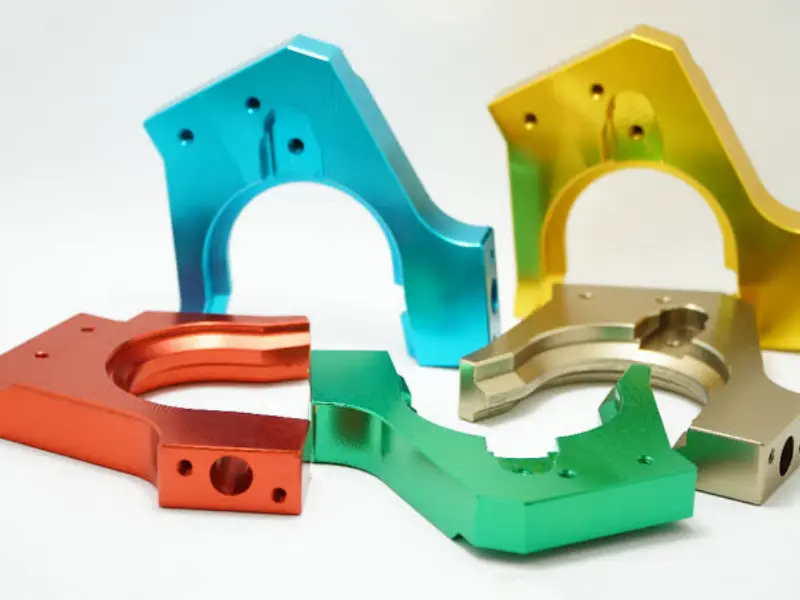
Anodizing is used across almost every modern industry. Because it is versatile, you will see it in everything from your kitchen to outer space.
- Aerospace: Landing gear, hydraulic blocks, and structural frames.
- Automotive: Trim, wheels, engine components, and shift knobs.
- Consumer Electronics: Laptop cases (like MacBooks), smartphone frames, and heat sinks.
- Architecture: Window frames, roofing, and building facades.
- Medical Devices: Surgical instruments and orthopedic equipment (often color-coded).
- Sporting Goods: Flashlights, camping gear, and bicycle frames.
Why Choose a Local “Aluminum Anodizing Near Me” Provider?
Searching for a local shop is about more than just convenience. It impacts your bottom line and project quality.
1. Lower Shipping Costs
Aluminum parts can be heavy or bulky. Choosing a provider in your area reduces freight costs significantly.
2. Faster Turnaround Time
When you work with a local shop, you eliminate the days spent in transit. This is vital for “Just-In-Time” (JIT) manufacturing schedules.
3. Better Communication
If a part has a complex geometry, it is easier to visit the shop and discuss the masking requirements in person.
4. Supporting Local Economy
Working with a nearby business strengthens your local industrial community.
What is Aluminum Anodizing?
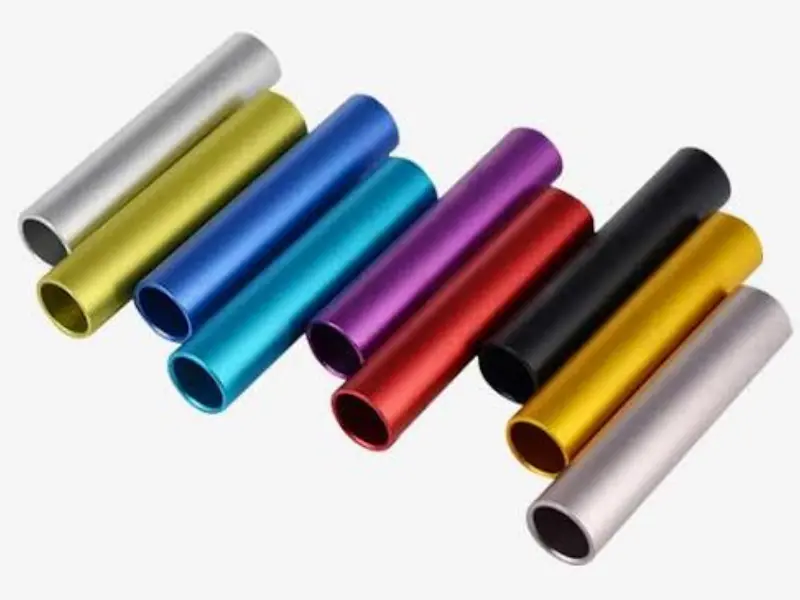
Anodizing is not like painting. It does not just sit on top of the metal. Instead, it integrates with the underlying aluminum. This process involves dipping the aluminum into an acid electrolyte bath and passing an electric current through it.
The result is a layer of aluminum oxide that is extremely hard. This layer protects the part from wear and tear. If you are looking for anodized aluminum services, understanding the different types is essential.
The Anodizing Process Step-by-Step
Understanding the workflow helps you prepare your parts before sending them to a shop.
- Cleaning: The part is degreased to remove oils and dirt.
- Etching: A light chemical bath removes a tiny layer of aluminum to create a uniform surface.
- Anodizing: The part is placed in the acid bath with electrical current.
- Coloring (Optional): The porous oxide layer absorbs dyes.
- Sealing: The pores are closed using hot water or chemicals to “lock in” the finish and color.
Understanding MIL-A-8625 Standards
If you are in the military or aerospace sector, you will often see the code MIL-A-8625. This is the gold standard for anodizing.
Table 3: MIL-A-8625 Classes
| Class | Description | Purpose |
|---|---|---|
| Class 1 | Non-Dyed | Natural metallic look |
| Class 2 | Dyed | Aesthetic colors (Black, Blue, Red, etc.) |
If your blueprint says “Type II, Class 2 Black,” it means you need a sulfuric acid anodize that is dyed black.
How to Prepare Your Parts for Anodizing
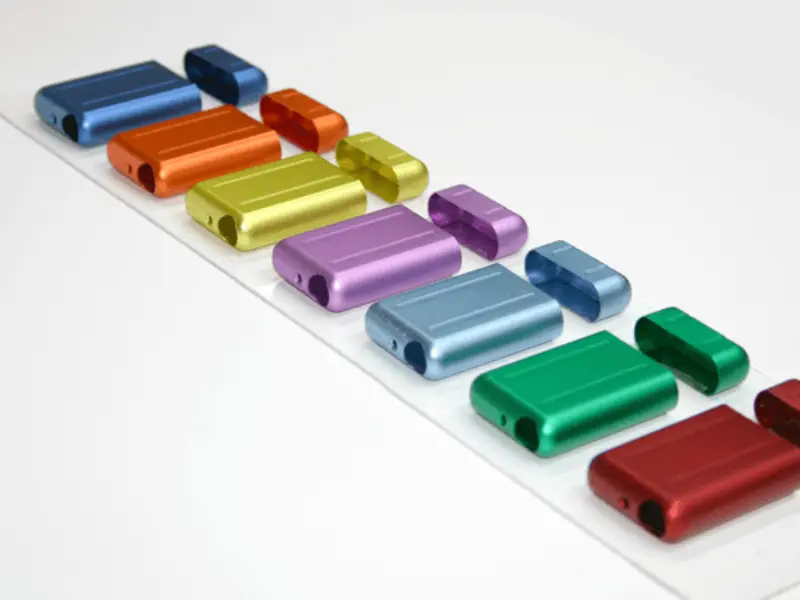
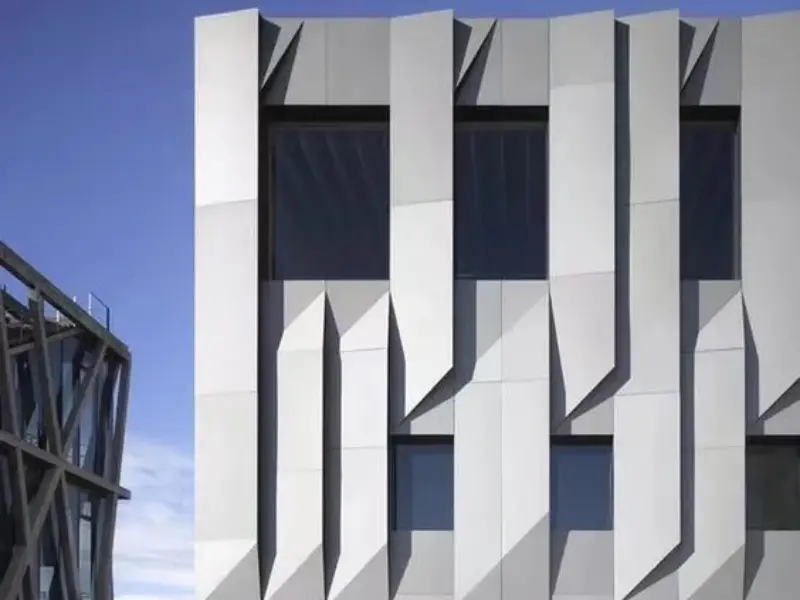
To get the best results from your aluminum anodizing near me search, follow these tips:
- Material Choice: Use 6061 or 7075 series aluminum for the best results.
- Remove Sharp Edges: Anodizing builds up on edges. Deburr your parts to prevent “chipping” on sharp corners.
- Specify Holes: Tell the shop if certain holes need to remain conductive. They will “mask” those areas.
- Clean Surfaces: While shops clean parts, avoiding heavy greases or permanent markers helps speed up the process.
Aluminum anodizing near me For Sale
Finding the right aluminum anodizing near me is the key to a successful manufacturing project. Whether you need the decorative beauty of Type II or the industrial strength of Type III hard coat, local experts can provide the precision your parts deserve.
When you reach out to a provider, be sure to specify your alloy, the desired thickness in μm, and whether you need a specific color class. With the right partnership, your aluminum components will be protected for years to come.
Aluminum Anodizing Near Me
When you search for aluminum anodizing near me, you may need a local shop to finish aluminum parts, panels, profiles, or custom components. You may also want to compare anodizing services before placing a large order.
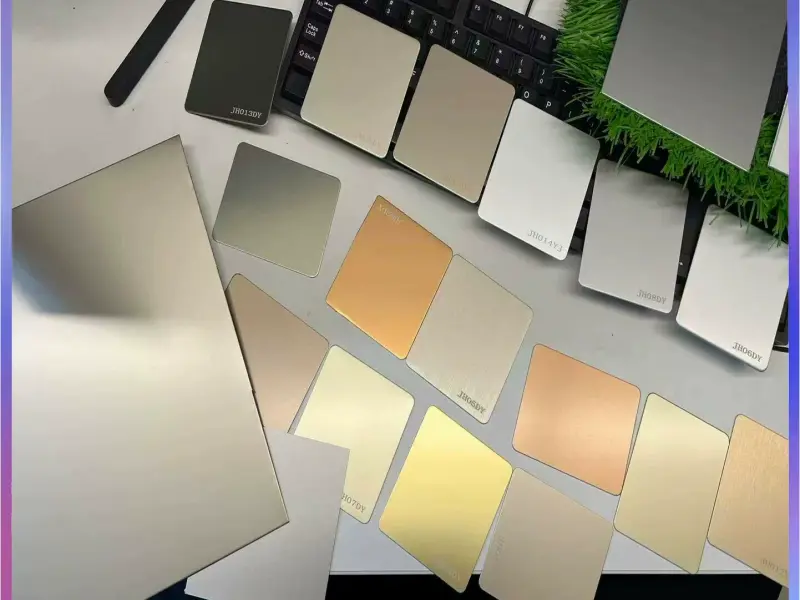
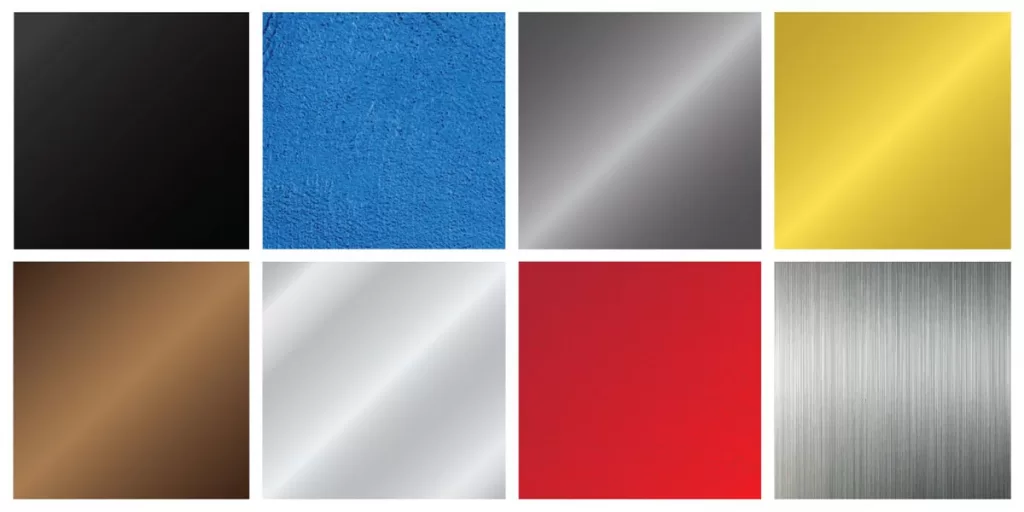
Anodizing is an electrochemical process that creates a protective oxide layer on the surface of aluminum. It can improve corrosion resistance, surface hardness, and appearance. Depending on the process, aluminum can have a clear, black, gold, bronze, or other colored finish.
What Is Aluminum Anodizing?
Aluminum anodizing uses an electrical current and a chemical bath to form a controlled oxide layer on the metal surface. Unlike paint, this layer is formed from the aluminum itself.
The process can make aluminum more resistant to everyday corrosion and wear. Some anodized finishes can also be dyed to create a decorative surface.
The final result depends on the alloy, pretreatment, anodizing method, and sealing process.
Main Benefits of Anodized Aluminum
- Corrosion resistance: Helps protect aluminum in many indoor and outdoor environments.
- Surface durability: Improves resistance to normal surface wear.
- Color options: Supports clear, black, bronze, gold, and other finishes.
- Low maintenance: The surface is generally easy to clean.
- Metal appearance: Keeps the natural look of aluminum visible with many finishes.
- Electrical insulation: The oxide layer is electrically insulating, although its performance depends on the coating and application.
- Long service life: Can reduce surface maintenance when the correct finish is selected.
Anodizing does not make aluminum suitable for every environment. Marine exposure, strong chemicals, high friction, and heavy industrial use may require specific process controls and testing.
Aluminum Anodizing Near Me: Which Service Do You Need?
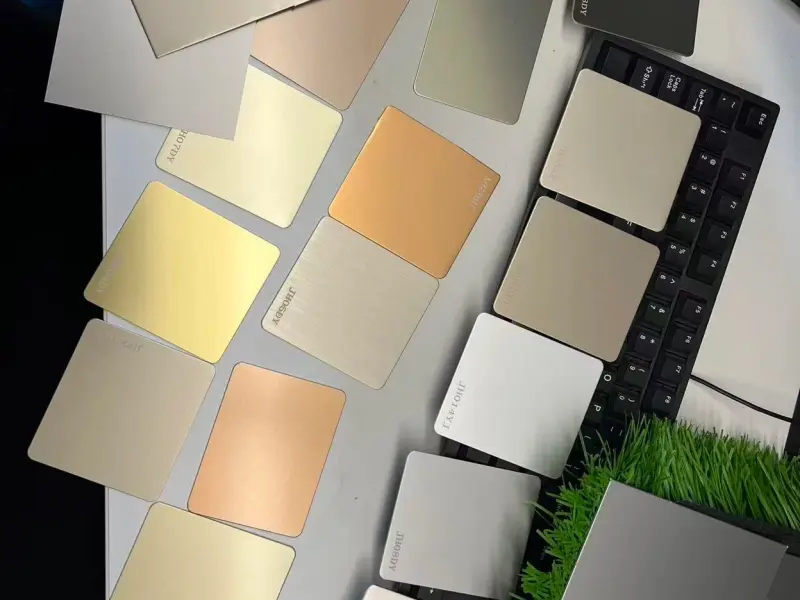
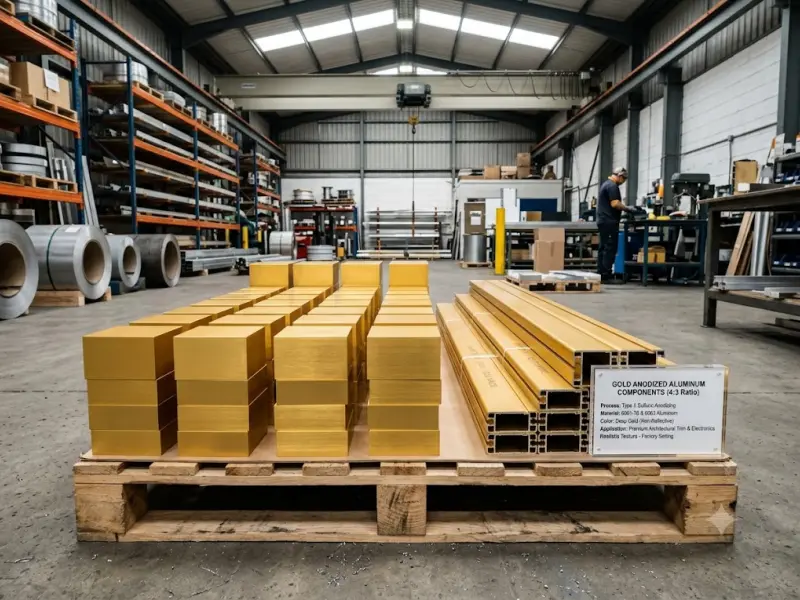
A local anodizing shop may offer different services. Before requesting a quote, identify the product type and the result you need.
| Service type | Typical application | Main selection point |
|---|---|---|
| Type II sulfuric anodizing | General industrial and decorative parts | Color, coating thickness, and corrosion resistance |
| Type III hard anodizing | Wear-resistant machine components | Hardness, dimensions, and operating conditions |
| Clear anodizing | Architectural parts and equipment panels | Natural color and surface uniformity |
| Black anodizing | Machine parts, signs, and housings | Color consistency and sealing |
| Color anodizing | Decorative products and consumer goods | Alloy suitability and dye consistency |
| Architectural anodizing | Window frames, curtain walls, and facades | Weather resistance and appearance |
| Custom anodizing | Special components and small production runs | Drawings, tolerances, and testing requirements |
Service names and available processes vary by supplier. Ask the shop to confirm the applicable specification and whether it can process your part dimensions and alloy.
Local Anodizing Shop or Aluminum Manufacturer?
A local anodizing company and an aluminum manufacturer often serve different needs.
| Requirement | Local anodizing shop | Aluminum manufacturer |
|---|---|---|
| Finish existing parts | Usually a core service | May offer it directly or through a partner |
| Process one-off components | Often suitable | Depends on production setup |
| Supply aluminum sheets or coils | Not always available | A common service |
| Custom-cut raw material | Depends on equipment | Often available |
| Large-volume material orders | Depends on capacity | Often suitable |
| Match a finish across batches | Ask about process control | Ask about material and finishing controls |
If you already have aluminum parts, a local shop may be the most direct choice. If you need anodized sheets, strips, coils, or a large quantity of finished products, compare material suppliers and finishing specialists.
For large orders, confirm whether anodizing is performed in-house or by a qualified finishing partner.
Which Aluminum Alloys Are Suitable for Anodizing?
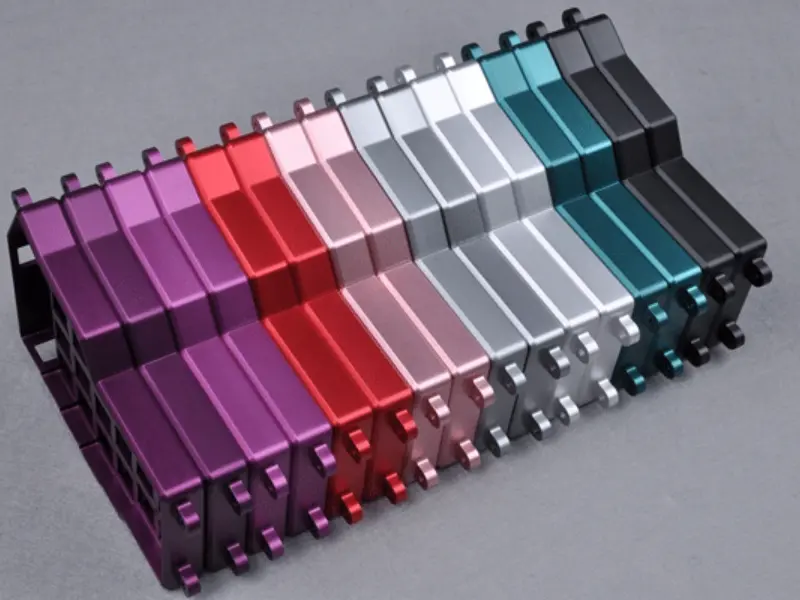
Aluminum alloy selection affects color, finish quality, strength, and corrosion performance. Two products with the same anodizing specification may look different if they use different alloys.
The following table shows common grades and their general uses. Actual results depend on the alloy composition, temper, surface preparation, and process.
| Aluminum alloy | Main characteristics | Common anodized applications |
|---|---|---|
| 1050 | High purity and good formability | Decorative panels, reflectors, and general sheet products |
| 1060 | High aluminum content and good corrosion resistance | Covers, signs, and electrical-related components |
| 1100 | Good formability and corrosion resistance | Decorative parts and equipment panels |
| 3003 | Good formability and moderate strength | Enclosures, panels, and formed components |
| 5005 | Often selected for architectural anodizing | Facades, trim, and building panels |
| 5052 | Good corrosion resistance and useful strength | Marine-related parts, housings, and equipment panels |
| 6061 | Good strength and machinability | Machine parts, brackets, and structural components |
| 6063 | Good extrusion performance and surface finish | Window frames, profiles, and architectural sections |
| 6082 | Good structural strength | Engineering components and structural profiles |
| 7075 | High strength | Specialized aerospace and mechanical parts where the process is suitable |
1050 and 1060 Aluminum for Decorative Finishes
1050 and 1060 aluminum have high aluminum content. They are often used where formability and corrosion resistance are important.
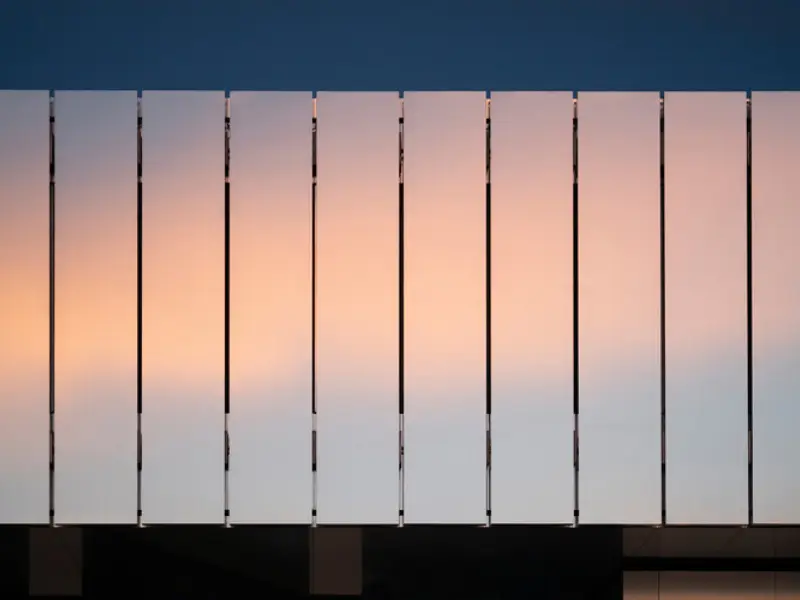
These grades can be suitable for some decorative anodizing applications. However, the surface appearance depends on the material quality and finishing process. They are not automatically the best choice for every color or high-wear application.
Typical products include:
- Decorative sheet panels
- Reflective components
- Equipment covers
- General-purpose formed parts
- Some signage products
3003 Aluminum for Formed Panels
3003 aluminum is commonly used for formed sheet products. It offers good workability and is used for covers, housings, and panels.
Its manganese content can affect the appearance of an anodized surface. If color uniformity is important, request a sample made from the same alloy and production batch.
Typical forms include 3003-O sheet for forming and 3003-H14 sheet for applications requiring more strength. The exact temper should be selected for the forming and service requirements.
5005 Aluminum for Architectural Anodizing
5005 aluminum is often considered for architectural panels because it can provide a more consistent anodized appearance than some general-purpose alloys.
It may be used for:
- Building facades
- Interior wall panels
- Decorative trim
- Signage panels
- Architectural covers
For visible panels, the alloy alone does not guarantee a uniform finish. Surface preparation, rolling direction, batch control, and anodizing conditions also matter.
5052 Aluminum for Corrosion Resistance
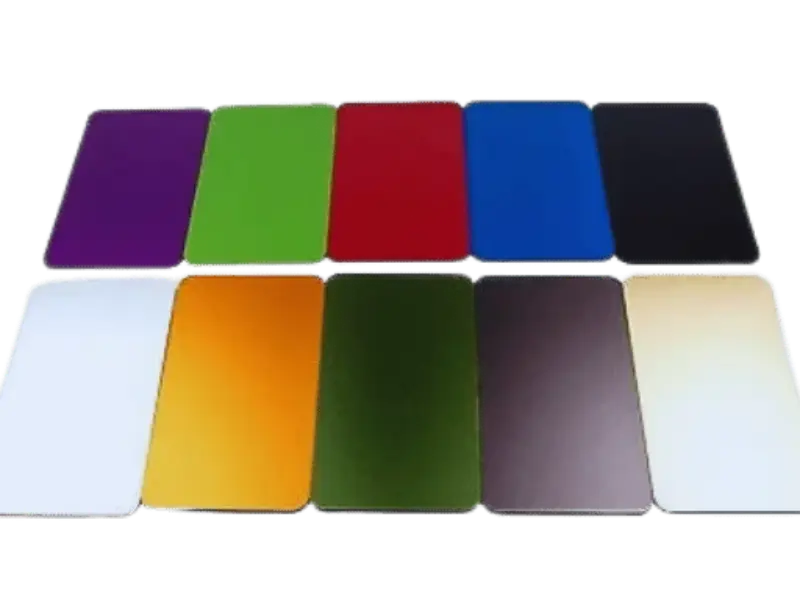
5052 aluminum is widely used for sheet products that need useful strength and corrosion resistance. It is common in equipment housings, formed panels, and marine-related components.
Anodizing may be suitable for some 5052 parts, but its magnesium content can influence the final color and appearance. Confirm the finish requirements with the anodizing supplier before production.
6061 and 6063 Aluminum for Machined Parts and Profiles
6061 is often selected for machined parts, brackets, and components that need strength. 6063 is widely used for extruded profiles, including architectural frames and decorative sections.
| Grade | Common temper | Typical use |
|---|---|---|
| 6061 | T6 | Machined parts, brackets, and structural components |
| 6061 | T651 | Precision plate and machined components |
| 6061 | T4 | Components requiring a different strength and formability balance |
| 6063 | T5 | Extruded profiles and architectural sections |
| 6063 | T6 | Profiles requiring higher strength |
Temper describes the material’s mechanical condition. It is not an anodizing type. Anodizing generally does not replace the need to specify the correct alloy and temper.
Aluminum Anodizing Types Compared

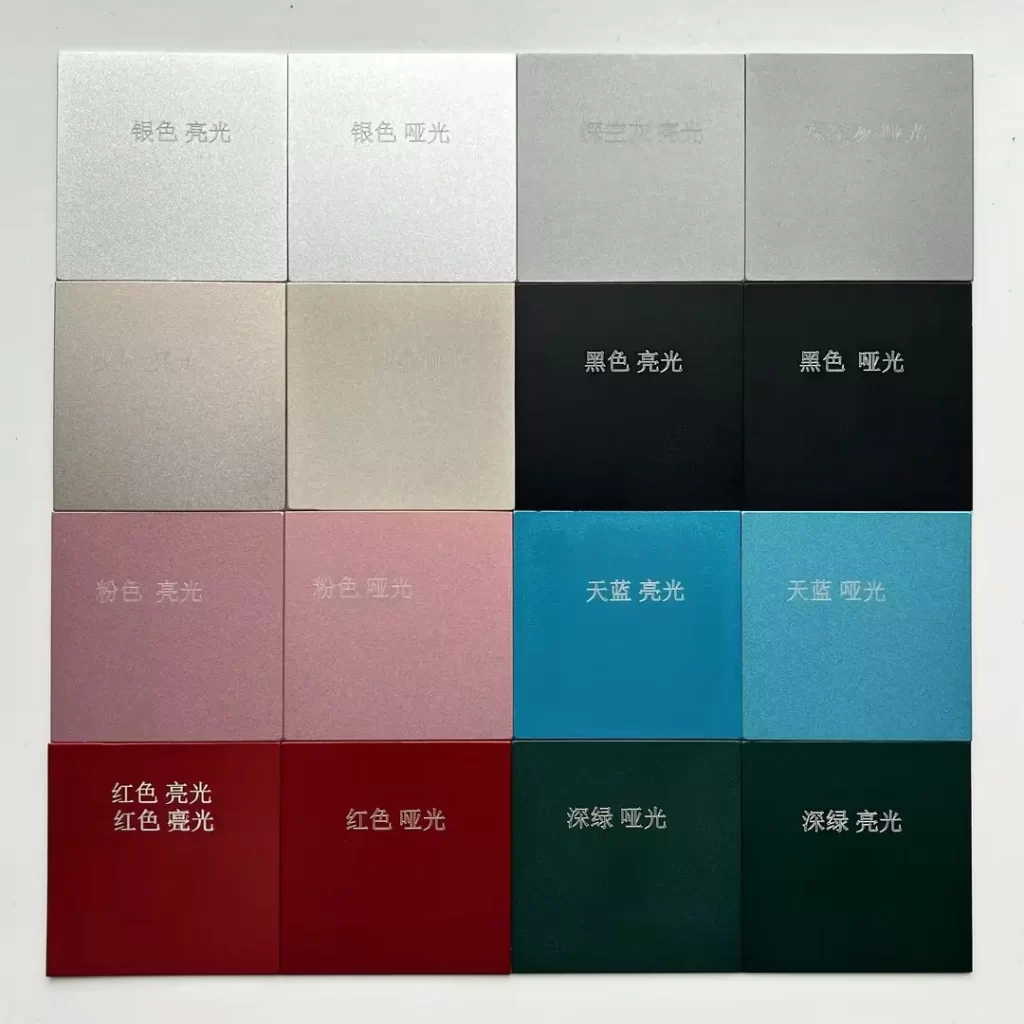
The right anodizing method depends on the product’s function. A decorative panel does not always need the same coating as a moving machine component.
Type II Anodizing for General Use
Type II anodizing commonly uses a sulfuric acid process. It is widely used for decorative and general industrial parts.
Typical products include:
- Aluminum housings
- Consumer product components
- Signage and display parts
- Equipment panels
- Decorative hardware
- General machine components
Type II anodizing can produce clear or dyed finishes. The required thickness depends on the application and the relevant specification.
Type III Hard Anodizing for Wear Resistance
Type III anodizing, often called hardcoat anodizing, is designed to produce a thicker, harder oxide layer than conventional decorative anodizing.
Common applications include:
- Machine components
- Sliding and wear surfaces
- Industrial fixtures
- Hydraulic and pneumatic parts
- Tooling components
- Selected automotive and aerospace parts
Hard anodizing may change component dimensions. It can also produce a darker or less uniform color than decorative anodizing. Discuss tolerances, masking, and final dimensions before processing.
Clear Anodizing vs. Black Anodizing
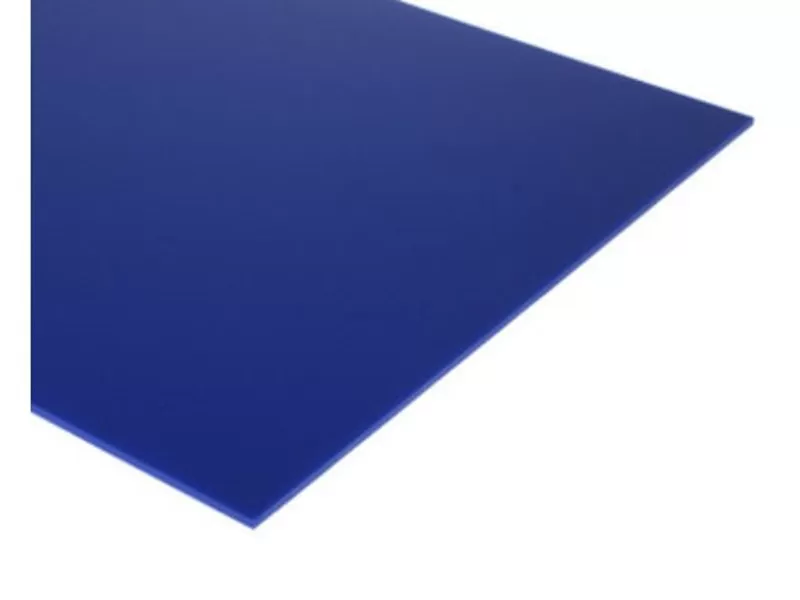

| Feature | Clear anodizing | Black anodizing |
|---|---|---|
| Appearance | Natural metallic finish | Black finish |
| Common purpose | Protect the surface while keeping a metal look | Appearance, identification, and selected industrial uses |
| Color control | Depends on alloy and pretreatment | Depends on alloy, dye, coating, and sealing |
| Common products | Profiles, panels, covers | Housings, handles, machine parts |
| Key concern | Natural color variation | Consistent color between batches |
Clear anodizing does not always look completely colorless. Alloy composition and surface finish can create differences in tone.
Black anodizing is also not guaranteed to look identical across different alloys. Request a sample if color matching is important.
Decorative Anodizing vs. Hard Anodizing
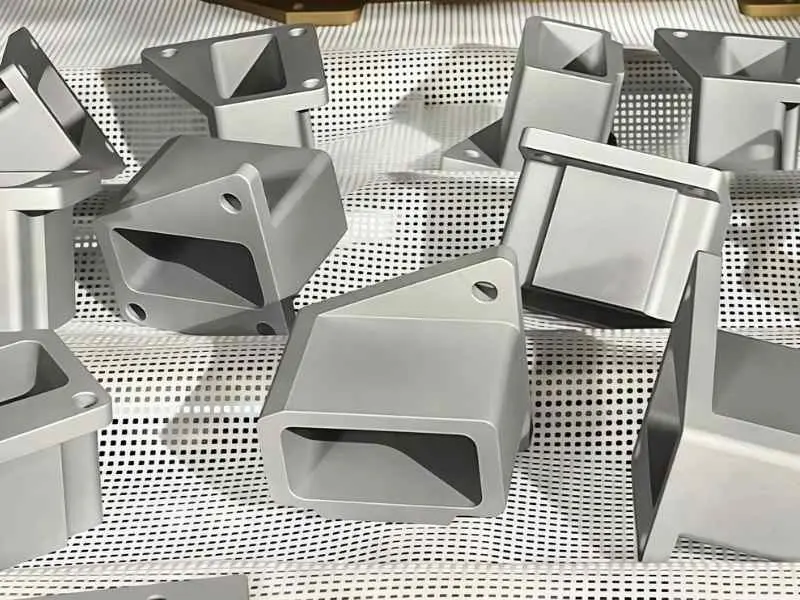
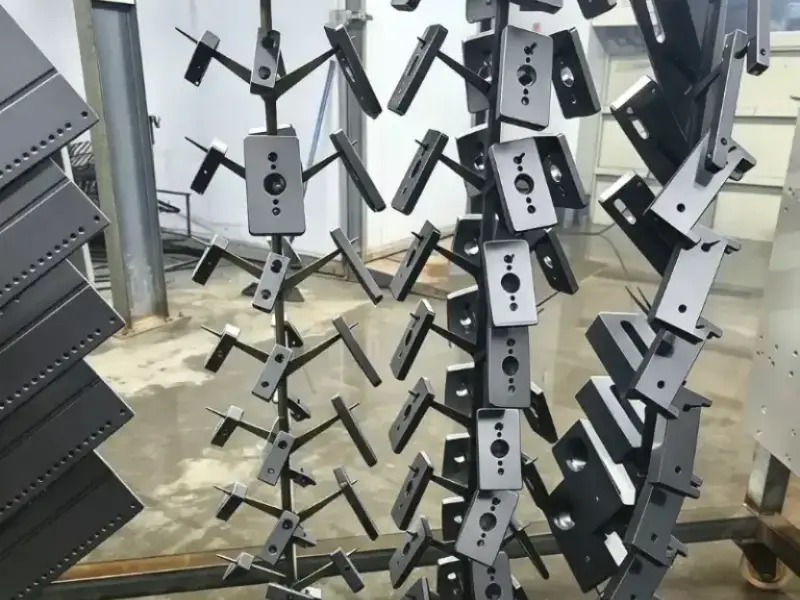
| Comparison point | Decorative anodizing | Hard anodizing |
|---|---|---|
| Main purpose | Appearance and general protection | Wear resistance and surface durability |
| Typical coating range | Often around 5–25 μm, depending on specification | Often around 25–50 μm, depending on process |
| Color options | Clear and dyed colors | Often natural gray to dark gray; options vary |
| Dimensional impact | Usually smaller but still relevant | May be more significant |
| Typical parts | Panels, trims, housings | Industrial and mechanical components |
These thickness ranges are examples, not universal requirements. Confirm the standard, target thickness, and measurement method with the supplier.
Aluminum Anodizing Thickness: How to Choose
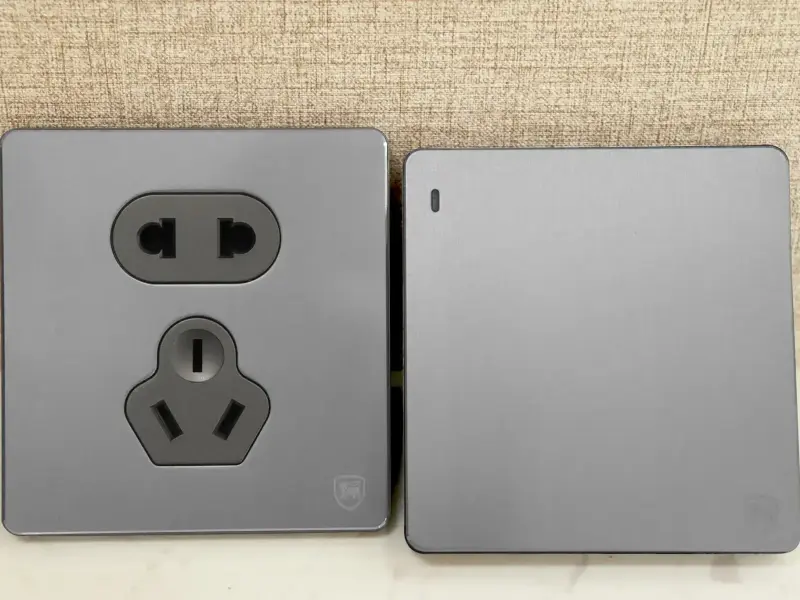
Coating thickness is an important part of an anodizing specification. A thicker coating is not automatically better for every product.
The best thickness depends on exposure, appearance, wear, tolerances, and applicable industry requirements.
| Example coating thickness | Potential use | Points to confirm |
|---|---|---|
| 5–10 μm | Some decorative indoor products | Color, sealing, and cleaning needs |
| 10–15 μm | General decorative or industrial applications | Corrosion exposure and finish requirements |
| 15–25 μm | Selected outdoor or architectural applications | Applicable architectural specification |
| 25–50 μm | Selected hardcoat applications | Wear conditions, dimensions, and process capability |
These ranges are only starting points. A coating thickness should be specified according to the applicable standard and actual service environment.
Does Anodizing Change Aluminum Dimensions?
Yes. Anodizing converts part of the aluminum surface into an oxide layer. Some of the coating grows outward from the original surface, while some develops inward.
This matters for parts with close tolerances, such as shafts, threaded holes, sliding surfaces, and precision-machined components.
Before sending parts for anodizing, provide:
- The drawing with critical dimensions
- The required coating thickness
- Areas that must remain uncoated
- Thread and hole tolerances
- Required post-anodizing measurements
For precision components, ask the supplier to explain how the coating affects the finished dimensions.



Aluminum Product Types That Can Be Anodized
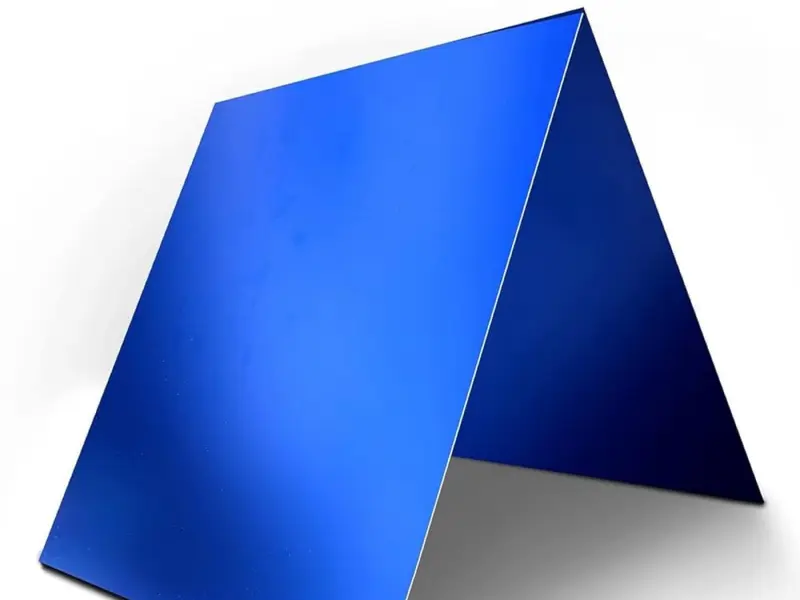
Aluminum anodizing is not limited to small machined components. Many sheet, profile, and custom products can be processed if the alloy, size, and surface condition are suitable.
Anodized Aluminum Sheet
Anodized aluminum sheet has uses for flat panels, covers, signs, decorative surfaces, and equipment enclosures.
Common material options include 1050, 1060, 3003, 5005, and 5052. The suitable grade depends on forming requirements, strength, and appearance.
| Example sheet specification | Typical application |
|---|---|
| 1050-O, 0.5 mm | Formed decorative components |
| 3003-H14, 1.0 mm | General panels and covers |
| 5005, 1.5 mm | Selected architectural panels |
| 5052-H32, 2.0 mm | Equipment panels and housings |
| 6061-T6 plate, 6.0 mm | Selected machined components |
These are example specifications, not a statement that every size or temper is available from every anodizing shop. Confirm material availability and process compatibility before ordering.
Anodized Aluminum Profiles
Extruded profiles are common in architectural and industrial products. 6063 is widely used for frames, trim, and decorative sections.
Typical applications include:
- Window and door frames
- Curtain wall components
- Display systems
- Lighting housings
- Machine frames
- Retail fixtures
Long profiles may require a suitable tank size and handling system. Ask the supplier for its maximum part length and acceptable profile shape.
Anodized Aluminum Machined Parts
Machined parts often need careful control of dimensions and masking.
Common examples include:
- Brackets
- Mounting plates
- Control panel parts
- Heat sink components
- Housings
- Fixtures and tooling parts
For parts with close tolerances, share the engineering drawing before requesting a final quote. The supplier can then confirm whether the target coating is practical.
Anodized Aluminum Signage and Display Panels
Anodized aluminum can provide a durable metallic appearance for signs and displays. Black, clear, and selected colored finishes are common choices.
Applications include:
- Office and building signs
- Equipment identification plates
- Retail display panels
- Nameplates
- Directional signs
- Decorative wall panels
If the product has printed, engraved, or laser marked, confirm that the anodized finish is compatible with the planned marking method.
Applications of Anodized Aluminum by Industry
Different industries need different surface properties. The right alloy and coating have chosen for the actual working conditions.
Architecture and Construction
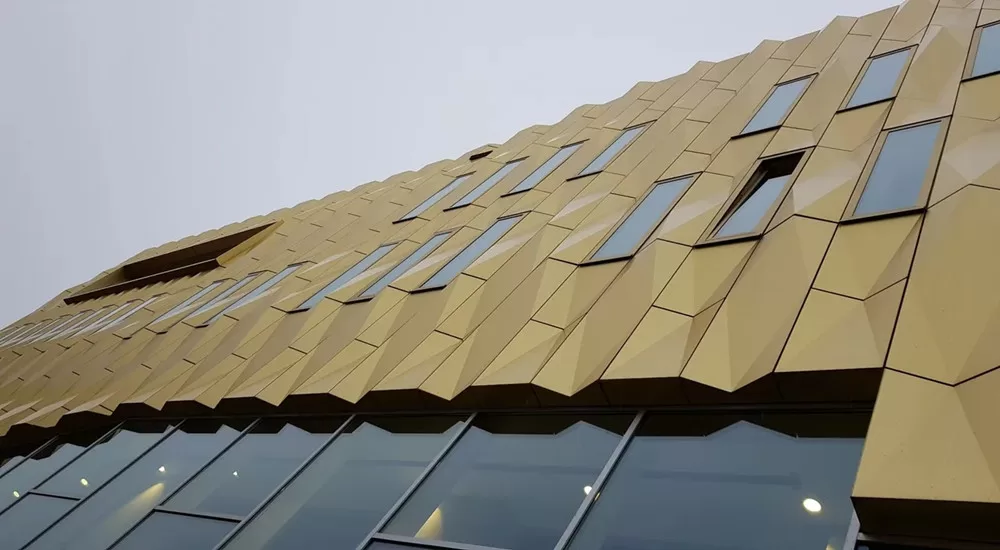
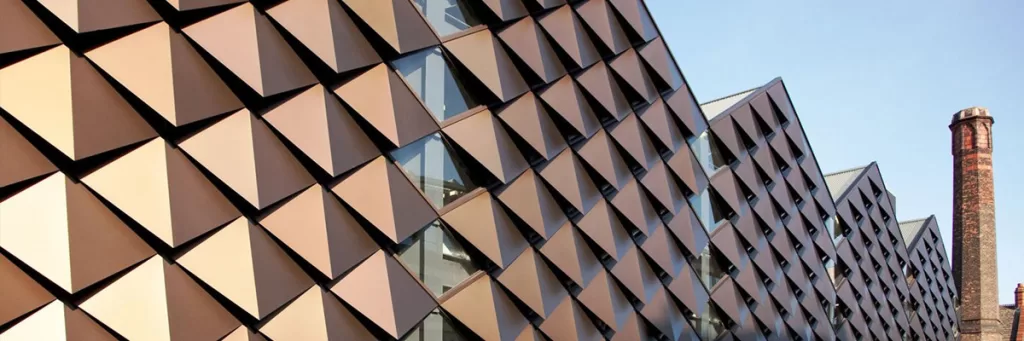
Architectural anodizing has applications where appearance and outdoor durability matter.
- Window and door frames
- Curtain wall profiles
- Facade panels
- Handrails and trim
- Interior wall panels
- Decorative ceiling components
For outdoor buildings, confirm weathering performance, color consistency, and the applicable architectural finish specification.
Automotive and Transportation
Anodized aluminum has applications for selected non-critical trim and components.
- Interior decorative trim
- Selected brackets and housings
- Equipment panels
- Lightweight covers
- Custom vehicle accessories
Not every automotive component is suitable for anodizing. Parts exposed to high temperatures, friction, chemicals, or safety-critical loads require application-specific engineering review.
Electronics and Electrical Equipment
Anodized aluminum has uses in some electronic and electrical product housings.
- Instrument enclosures
- Electronic device cases
- Heat sink profiles
- Control panels
- Lighting housings
- Mounting components
Because the oxide layer is electrically insulating, electrical contact areas may need masking or a different surface treatment. Thermal and grounding requirements have reviewed during design.
Industrial Machinery
Industrial applications may prioritize wear resistance, dimensional accuracy, and corrosion protection.
- Machine brackets
- Fixtures and tooling
- Hydraulic components
- Precision plates
- Sliding components
- Equipment housings
Hard anodizing may suit some wear-related applications.
Marine and Outdoor Equipment
Anodizing can improve the corrosion resistance of suitable aluminum parts, but performance depends on the environment and design.
- Selected marine fittings
- Outdoor equipment panels
- Instrument housings
- Structural accessories
- Recreational equipment parts
Saltwater exposure, crevices, dissimilar metals, and trapped moisture can still cause corrosion. Ask for a finish suited to the specific exposure and maintenance conditions.
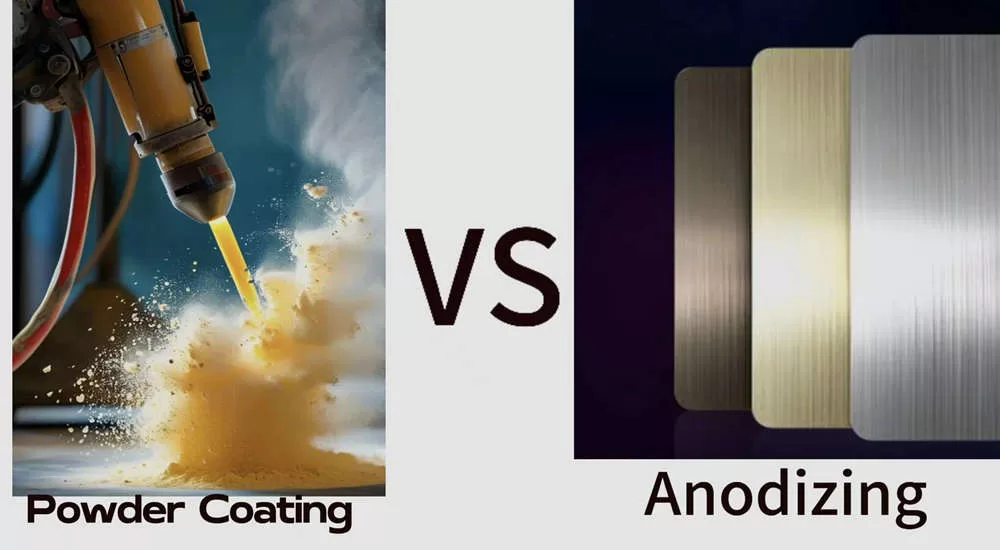
Anodizing vs. Powder Coating vs. Painting

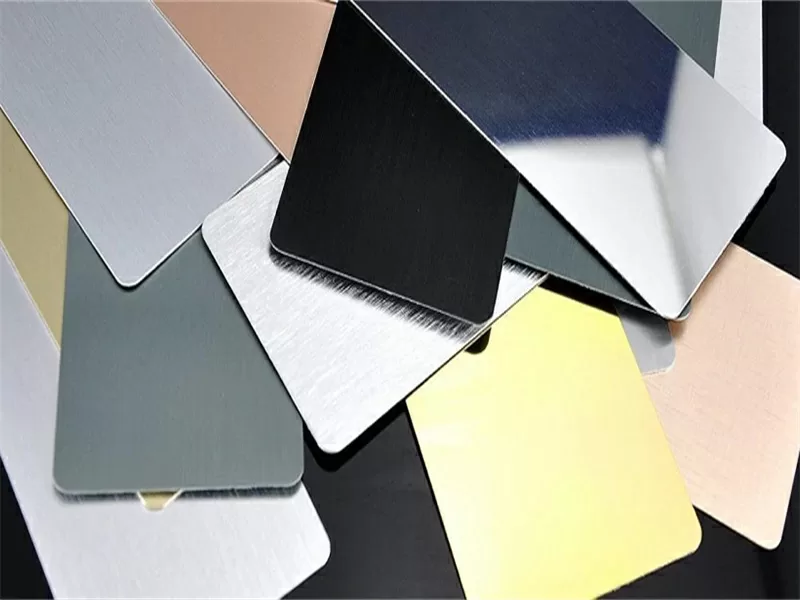
Anodizing is one of several ways to finish aluminum. Each method has advantages and limitations.
| Feature | Anodizing | Powder coating | Wet painting |
|---|---|---|---|
| Surface formation | Electrochemical oxide layer | Applied and cured powder coating | Applied liquid coating |
| Metal appearance | Often retains a metallic look | Can cover the metal appearance | Depends on paint system |
| Color range | Clear and selected dyed colors | Broad color and texture range | Broad color range |
| Dimensional effect | Usually limited but must be considered | Adds an external coating layer | Adds a coating layer |
| Scratch behavior | Hard oxide surface, but can still be damaged | Coating can chip or scratch | Depends on paint system |
| Common uses | Profiles, parts, panels | Architectural and consumer products | General decorative and protective finishes |
Choose anodizing when you want an oxide finish integrated with the aluminum surface. Choose powder coating when a wide color range or an opaque finish is more important. Painting may be appropriate for specific repair, maintenance, or coating-system requirements.
The best option depends on the substrate, exposure, appearance, cost, and performance specification.
What Affects Aluminum Anodizing Cost?
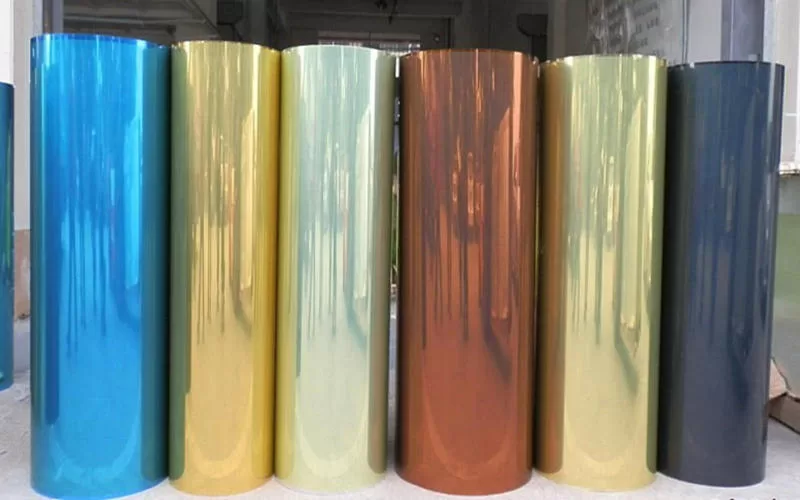
The cost of local anodizing services varies by shop and project. A simple part has priced differently from a large panel or a precision-machined component.
The following factors commonly affect the quote:
- Aluminum alloy: Some alloys are more suitable for consistent decorative finishes than others.
- Part size: Large parts may need special tanks or handling.
- Surface area: Pricing may depend on the area or quantity being processed.
- Coating type: Hardcoat and special finishes may require different process conditions.
- Coating thickness: The target thickness affects processing time and control.
- Color: Certain colors or matching requirements can add complexity.
- Pretreatment: Polishing, blasting, cleaning, or other preparation may be needed.
- Masking: Threads, holes, and contact surfaces may require protection.
- Order quantity: Batch size and setup requirements can influence unit cost.
- Inspection: Special testing, documentation, or certification may affect the price.
How to Request an Accurate Anodizing Quote
Provide clear technical information when contacting a local supplier.
| Information to provide | Example |
|---|---|
| Aluminum grade | 6061-T6 |
| Part type | Machined mounting bracket |
| Dimensions | 100 × 60 × 10 mm |
| Quantity | 100 pieces |
| Finish | Black anodized |
| Coating requirement | Specify target thickness or standard |
| Critical dimensions | Identify holes and fitted surfaces |
| Masking | Mark areas that must remain untreated |
| Inspection | State any required reports or tests |
A clear drawing and finish specification can reduce repeated questions and help prevent misunderstandings.
How to Choose a Reliable Aluminum Anodizing Supplier Near You
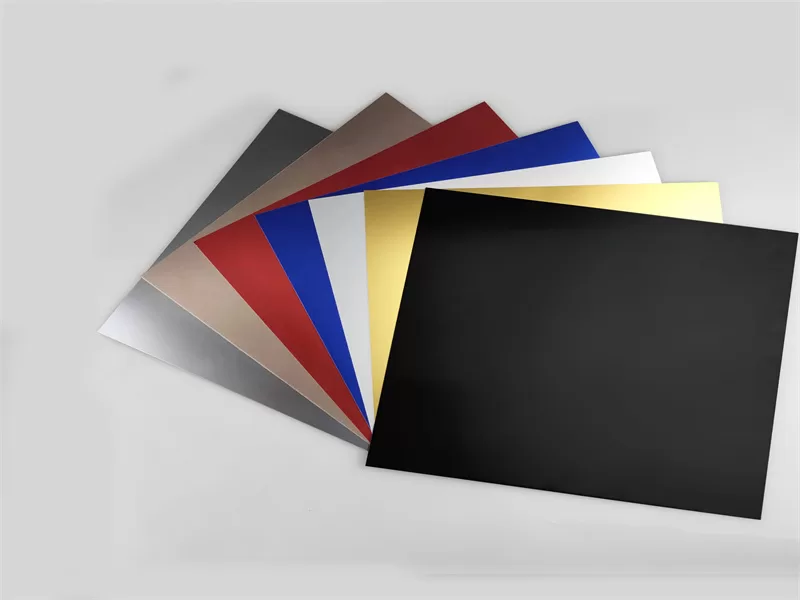
A nearby shop is not always the best choice for every project. Compare its technical capability, quality controls, and experience with your product type.
Check Equipment and Part Size
Ask about tank dimensions, maximum part length, allowable weight, and batch capacity. These details matter for long profiles, large panels, and oversized components.
Confirm Alloy Experience
Ask whether the shop has experience with your exact alloy. A supplier that routinely processes 6063 profiles may have different strengths from one focused on small 6061 machined parts.
Ask About Color Matching
If you need multiple batches, request a sample or color reference. Confirm whether the supplier can control the finish across different production dates.
Review Inspection and Quality Control
Depending on the application, useful checks may include coating thickness, visual appearance, sealing quality, corrosion testing, or dimensional inspection.
Ask which tests have included in the quote and which require additional payment.
Request a Sample Before Large Production
A sample can help verify appearance, fit, and suitability before you commit to a large order. For visible products, use the intended alloy and surface preparation when possible.
Compare Total Cost, Not Only Unit Price
A low initial quote may not include masking, packaging, inspection, or special handling. Compare the full scope of service, lead time, quality requirements, and shipping cost.
Buying Anodized Aluminum Sheet, Coil, or Profiles in Bulk
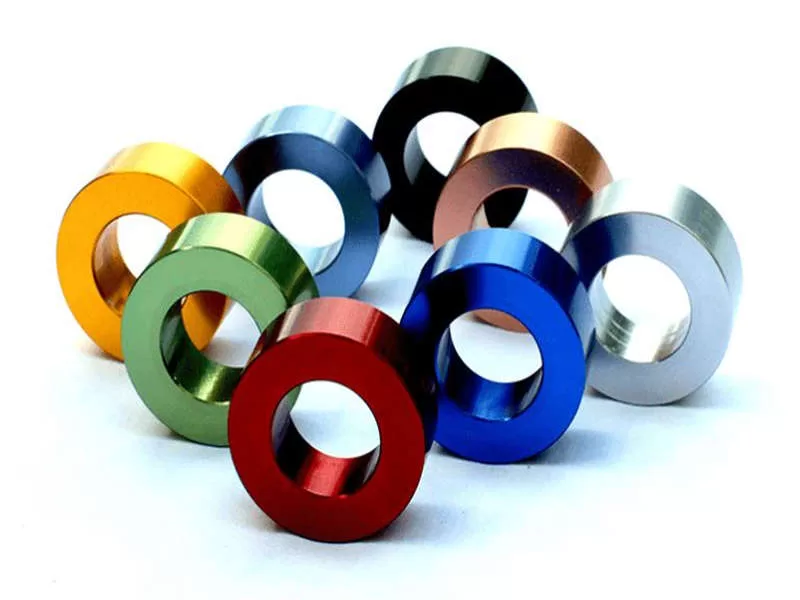
Some searches for local anodizing services come from buyers who need a steady supply of finished aluminum materials rather than processing for a single part.
For these orders, it may be useful to compare local finishers with aluminum manufacturers that can supply the base material and coordinate the finishing process.
Common Bulk Material Options
| Product | Example alloy | Typical supply requirement |
|---|---|---|
| Anodizing-grade sheet | 5005 | Flat panels and architectural products |
| General aluminum sheet | 1050 or 1060 | Formed panels and decorative parts |
| Formed sheet | 3003 | Covers and enclosures |
| Corrosion-resistant sheet | 5052 | Equipment panels and housings |
| Extruded profiles | 6063 | Frames, trim, and structural sections |
| Machining plate | 6061 | Brackets, fixtures, and precision parts |
Actual availability depends on thickness, temper, dimensions, surface quality, and production capacity.
What to Specify for a Bulk Order
- Alloy and temper
- Sheet, coil, plate, or profile dimensions
- Surface finish before anodizing
- Anodizing type and coating thickness
- Color and appearance requirements
- Applicable quality standard
- Quantity and packaging method
- Inspection documents and sample approval
- Delivery location and required schedule
For large projects, confirm whether the material and anodizing process will be controlled as one coordinated order. This can help reduce differences between batches.
Common Problems with Anodized Aluminum and How to Avoid Them
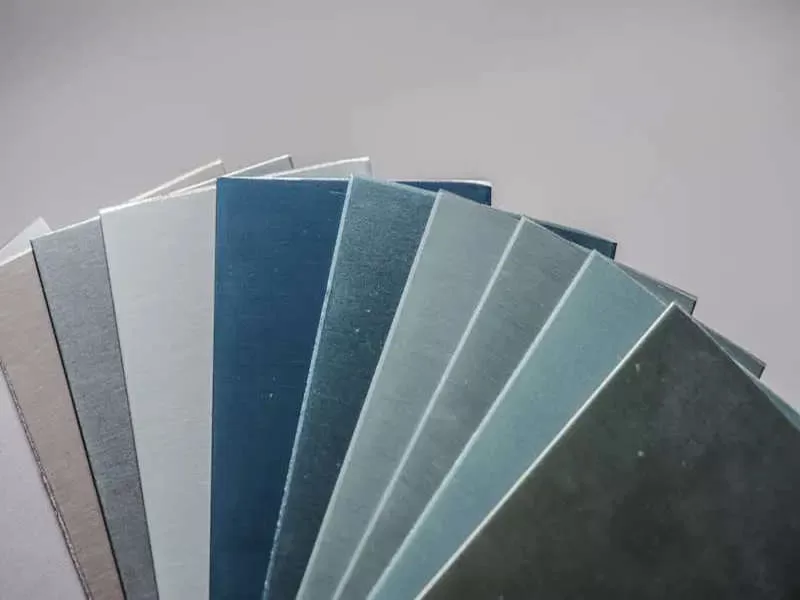
Anodizing defects can arise from the alloy, material surface, handling, or process conditions. A clear specification helps reduce risk.
| Potential issue | Possible cause | Prevention |
|---|---|---|
| Uneven color | Alloy variation or inconsistent pretreatment | Use approved material and sample comparison |
| Stains or marks | Contamination or handling | Improve cleaning and handling controls |
| Poor coating adhesion or quality | Incorrect process conditions or substrate issues | Review the process and material condition |
| Visible scratches | Damage before or after finishing | Use protective packaging and careful handling |
| Dimensional problems | Coating growth on precision surfaces | Specify tolerances and masking in advance |
| Corrosion in service | Unsuitable finish or aggressive environment | Match the coating to actual exposure |
If a defect appears, document the part number, alloy, batch, coating specification, and affected area. Photos and inspection results can help the supplier identify the cause.
Frequently Asked Questions About Aluminum Anodizing Near Me


How do I find aluminum anodizing services near me?
Search for local metal finishing or aluminum anodizing companies. Review their service lists, part-size limits, alloy experience, and customer feedback. Contact several suppliers with the same drawing and specification so their quotes can be compared fairly.
Can all aluminum alloys be anodized?
Many aluminum alloys have anodized, but they do not all produce the same result. Alloy composition affects color, finish uniformity, and process response. Ask the supplier to confirm suitability for your specific grade and application.
Which aluminum alloy is best for anodizing?

There is no single best alloy for every project. 5005 has often considered for architectural finishes, 6063 for extruded profiles, and 6061 for many machined components.
Other grades may suit formed panels or general-purpose products. The best choice depends on strength, forming, appearance, and exposure requirements.
Is black anodizing better than clear anodizing?
Neither finish is universally better. Black anodizing has selected for its appearance and certain product requirements. Clear anodizing retains more of the natural metallic look. Choose according to appearance, exposure, and the required specification.
How thick should an anodized coating be?
The required thickness depends on the process and application. Decorative finishes may use thinner coatings than some hardcoat applications. Confirm the applicable standard, target thickness, and measurement method before production.
Does anodizing prevent aluminum from rusting?
Aluminum does not form iron rust, but it can corrode. Anodizing can improve corrosion resistance when the correct process and finish are used. It cannot eliminate every form of corrosion, especially in aggressive environments or poorly designed assemblies.
Can anodized aluminum be welded?
Welding anodized aluminum is possible in some situations, but the oxide layer can interfere with the welding process.
The coating generally needs to be removed from the weld area, with appropriate procedures and safety controls. Welding is often planned before anodizing when the design allows.
Can anodized aluminum be painted?
Yes, but the surface may need suitable preparation and a compatible paint system. The best method depends on the existing anodized finish and the intended coating. Consult a finishing specialist before painting a large batch.
Is hard anodizing suitable for every machine part?
No. Hard anodizing can improve wear resistance for suitable parts, but coating growth, brittleness at the surface, dimensions, and operating conditions must be considered. Review the design and required performance before choosing it.
Can anodized aluminum be used outdoors?
Yes, many anodized aluminum products are used outdoors. Performance depends on the alloy, coating specification, sealing, environment, and maintenance. Architectural projects should follow the appropriate finish requirements.
Can I anodize aluminum at home?

Small-scale anodizing is technically possible, but the process involves electrical equipment and chemical solutions that require suitable facilities, training, protective equipment, and waste handling.
For precision parts, consistent color, or production quantities, a professional finishing service is usually more practical.
How much does aluminum anodizing cost?
There is no single price for every part. The quote depends on alloy, dimensions, surface area, coating type, color, pretreatment, masking, quantity, inspection, and shipping. Submit a drawing and complete specification for a more useful estimate.
Can I anodize aluminum sheet and aluminum profiles?
Many sheets and profiles can be anodized if the alloy, size, and surface condition are suitable. Large panels and long profiles require equipment with sufficient capacity. Confirm the maximum dimensions and finish requirements with the supplier.
Should anodizing be completed before or after machining?
For many precision parts, machining is completed before anodizing.
The coating can affect final dimensions, so critical holes, threads, and fitted surfaces may need masking or machining allowances. The correct sequence depends on the design.
What information should I send when asking for a quote?
Include the alloy, temper, part dimensions, quantity, desired color, coating thickness or standard, critical tolerances, masking requirements, and delivery schedule. A drawing and sample can make the quotation process more accurate.
Get the Right Aluminum Anodizing Solution for Your Project
The best choice depends on the material, finish, and working environment. Before ordering, confirm the alloy, coating type, thickness, color, tolerances, and inspection requirements.

For a small batch of machined components, a local anodizing shop may be convenient.
For large quantities of aluminum sheet, coil, plate, or profiles, compare suppliers that can coordinate material supply and surface finishing.
A clear specification and an approved sample can help reduce finish variation, dimensional problems, and unexpected costs.