
Affordable & High-Quality Aluminum Panels for Construction and Decoration
Aluminium panel sheets are widely used in buildings, signage, decoration, and industrial projects. At Worthwill Aluminum, we supply stable and cost-effective aluminum sheets with fast production, strict quality control, and long-term export experience.

What Affects Aluminium Panel Sheet Price?
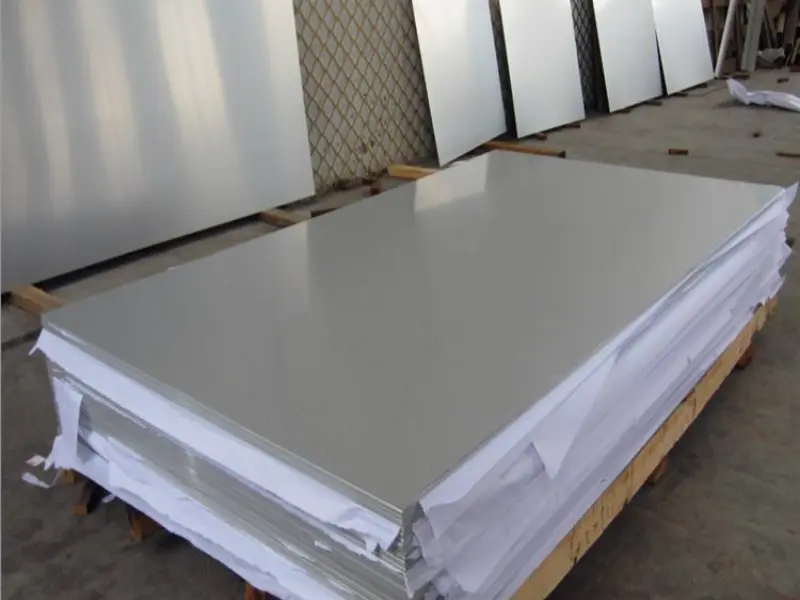
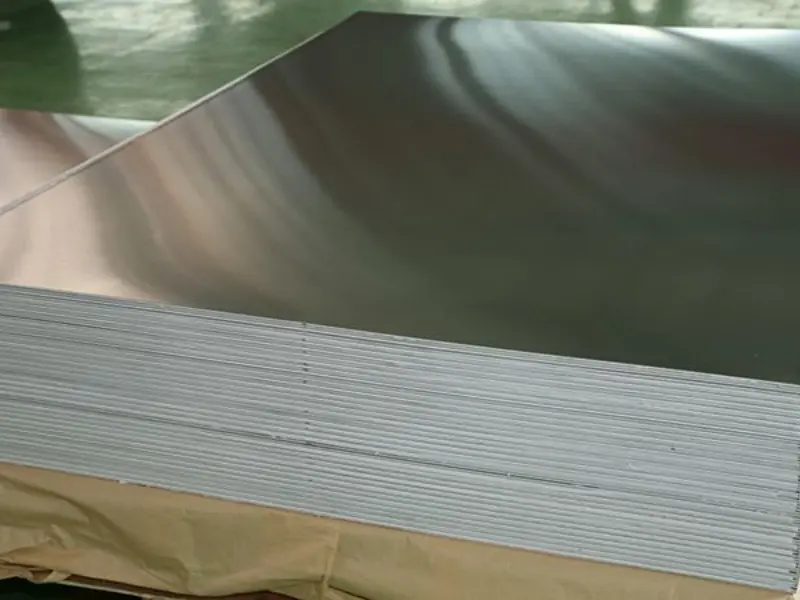
The price of aluminium panel sheets depends on:
- Alloy grade
- Sheet thickness
- Surface coating (PE / PVDF / Powder)
- Order quantity
- Width and length
- Market aluminum ingot price
We always give stable and competitive prices, thanks to our own factory and long supply partnerships.
Classification of Aluminium Panel Sheets


Different aluminium panel sheet types have different performance and price levels.
| Classification | Description |
|---|---|
| Solid Aluminum Panel | Single-layer aluminum sheet |
| Aluminum Composite Panel (ACP) | Sandwich panel with aluminum + core |
| Perforated Aluminum Panel | For facade and acoustic use |
| Coated Aluminum Sheet | PE / PVDF / Powder coating |
| Brushed / Mirror Aluminum | Decorative surface finishes |
Types of Aluminium Panel Sheets
We provide many types for interior and exterior applications.
Surface Types
- PVDF coated
- Polyester coated
- Powder coated
- Brushed finish
- Mirror finish
- Wood grain finish
- Stone pattern finish
Structural Types
- Solid aluminum panels
- Aluminium cladding sheets
- ACP panels
- Decorative aluminum sheets
Common Alloy for Aluminium Panel Sheets
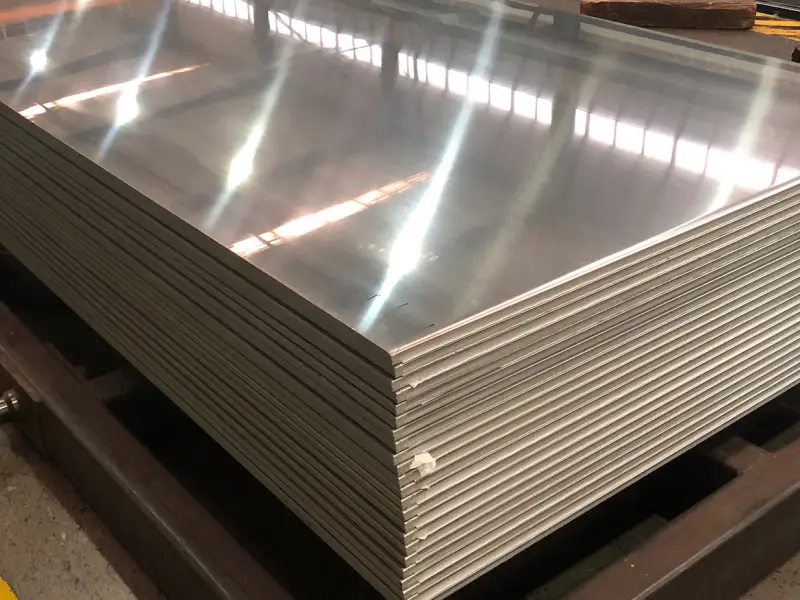
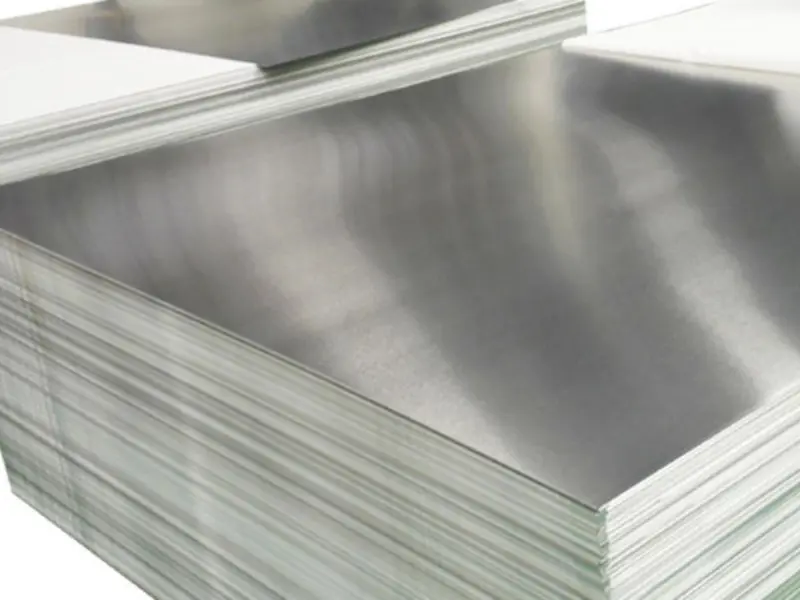
Different alloys influence price, strength, and corrosion resistance.
| Alloy | Strength | Features |
|---|---|---|
| 1050 / 1100 | Low | Soft, economical, good for general use |
| 3003 | Medium | Better corrosion resistance, popular for ACP |
| 3004 / 3005 | Medium-High | Higher strength, used for exterior panels |
| 5005 | High | Good for PVDF coating stability |
| 5052 | High | Strong, anti-corrosion, used in marine & heavy duty |
| 5754 | High | Excellent corrosion resistance |
Standard Specifications
Small table for SEO and user-friendly reading.
Size & Thickness Options
| Item | Value |
|---|---|
| Thickness | 0.2 mm – 6 mm |
| Width | 1000 / 1220 / 1250 / 1500 mm |
| Length | 2440 mm or customized |
| Coating | PE / PVDF / Powder |
| Temper | H14 / H16 / H18 / H24 |
Why Choose Our Factory – Worthwill Aluminum
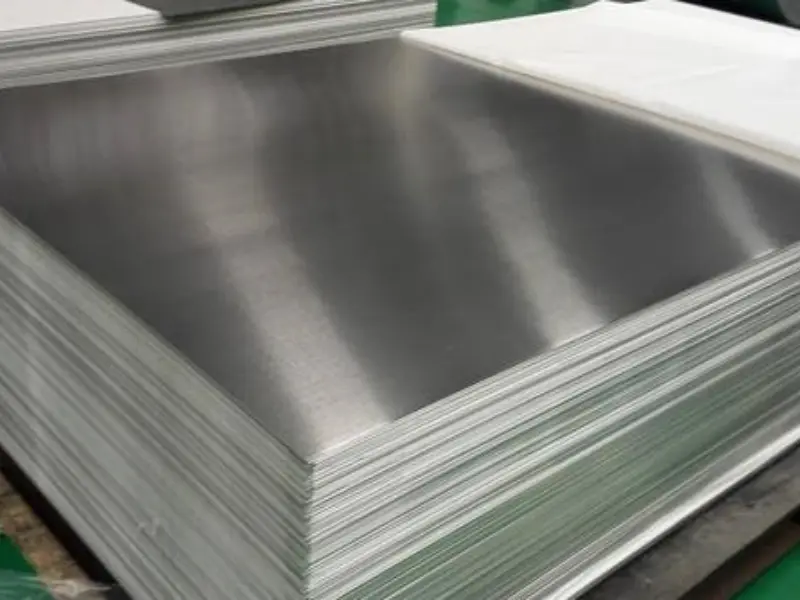
We focus on quality, speed, and long-term cooperation.
1. Fast Production & Accurate Delivery
- High-efficiency production lines
- Quick lead time for both small and large orders
- Strict quality inspection
2. Competitive & Reasonable Prices
Compared with other factories:
- We have our own equipment → lower production cost
- Long-term raw material suppliers → stable aluminium price
- Smart production planning → higher productivity
3. Reliable Quality You Can Trust
- Over 10+ years of manufacturing aluminium panels
- Exported to more than 50 countries
- Zero major complaints from long-term customers
- Strong packaging to avoid damage
4. Strong Customization for Distributors
- Custom color
- Custom size
- Custom coating type
- Custom thickness
Best Aluminium Panel Sheet Price for Wholesalers & Contractors
We support bulk orders for building materials companies, brand distributors, engineering projects, and signage manufacturers.
Factory Overview
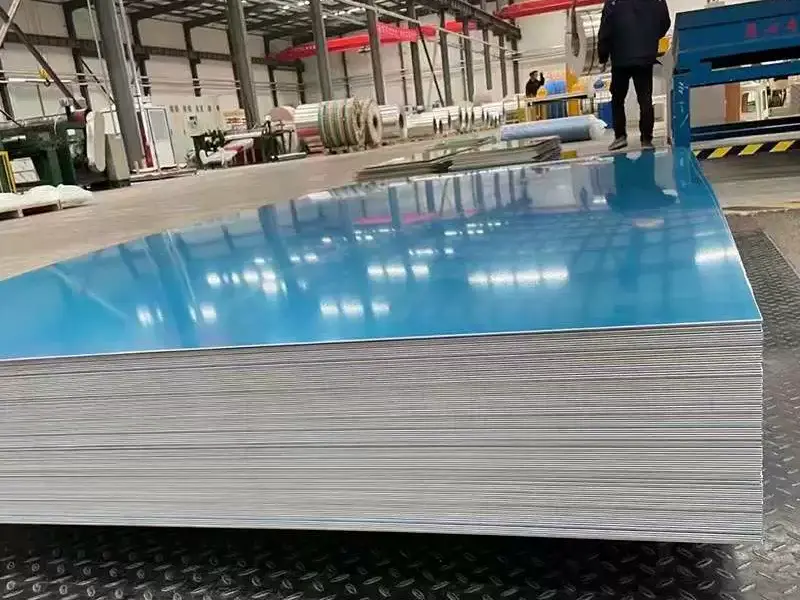
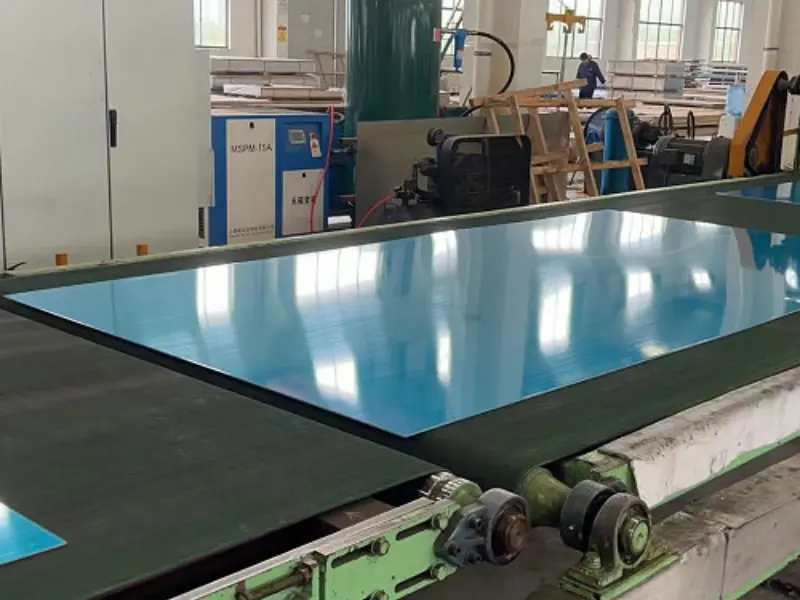
Our factory is equipped with:
- Color coating lines
- Brushing & mirror lines
- Precision cutting machines
- Coil slitting lines
- Flatness control equipment
We ensure stable quality and fast delivery for all aluminium panel sheet orders.
Packaging & Shipment
We use high-standard packaging to protect your goods.
| Packaging Method | Details |
|---|---|
| Inner Layer | Protective film + anti-rust paper |
| Outer Layer | Wooden pallets / wooden cases |
| Marking | Customer logo available |
| Shipment | Sea freight / Land transport |
Applications of Aluminium Panel Sheets
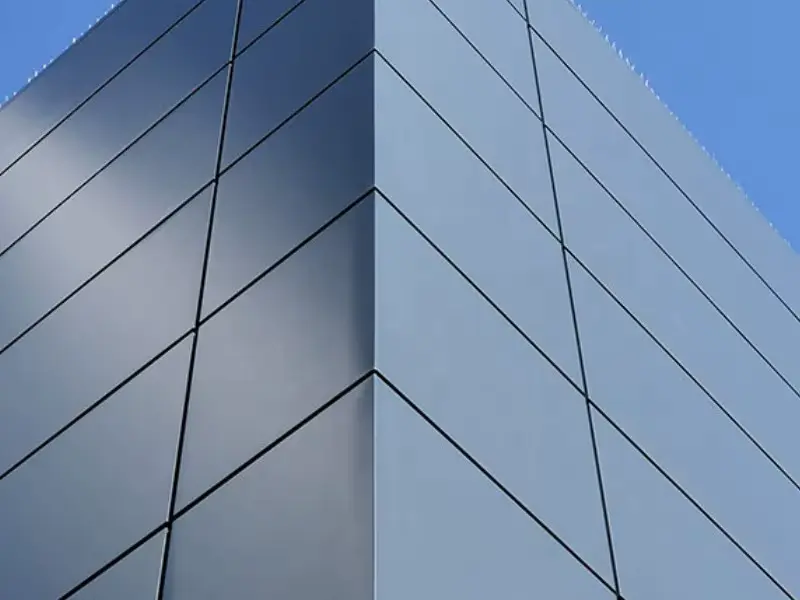
Aluminium panels are used in many projects due to their durability and clean appearance.
- Building facade
- Interior decoration
- Roofing & cladding
- Signage boards
- Billboards
- Kitchen cabinets
- Ceiling panels
- Industrial parts
- Advertising display frames
How to Get the Best Aluminium Panel Sheet Price
To get the lowest cost, customers can:
- Choose the right alloy (1050 / 3003 cost less than 5000 series)
- Use standard thicknesses
- Order in bulk
- Select consistent coating for all sizes
We help customers choose the most economical solution.
Why Global Buyers Trust Worthwill Aluminum
- Factory-direct price
- Strong quality control
- Fast production & accurate delivery
- Long export experience
- Reliable cooperation with global buyers
- Professional support for distributors
Request a Quotation
Tell us your thickness, alloy, size, and coating type.
We will send you the best aluminium panel sheet price based on your needs.
Aluminium Panel Sheet Price
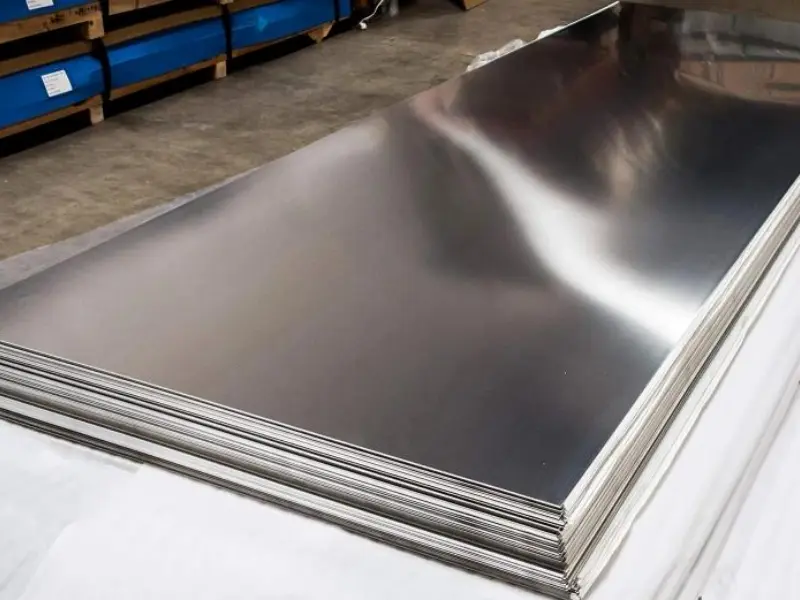
The price of an aluminium panel sheet depends on more than the cost of aluminum. Alloy, thickness, panel size, surface finish, processing, order quantity, and delivery terms all affect the final quotation.
A standard mill finish sheet may cost less than a colored, anodized, embossed, or perforated panel.
For importers, wholesalers, contractors, and manufacturers, understanding these differences makes it easier to compare suppliers and control purchasing costs. The right aluminium panel sheet should meet the project’s technical requirements without adding unnecessary material or processing expenses.
Aluminium panel sheets are used in building facades, interior walls, ceilings, signage, equipment covers, transportation, and industrial manufacturing. Different applications require different material grades and surface treatments.
What Is an Aluminium Panel Sheet?
An aluminium panel sheet is a flat aluminum product used for construction, decoration, manufacturing, or protective applications. It can be supplied as a standard flat sheet or processed into a finished panel through cutting, bending, perforating, embossing, coating, or other fabrication methods.
The term can refer to different products. A buyer should confirm whether the required material is a plain aluminum sheet, a coated architectural panel, a perforated panel, or an aluminum composite panel. These products have different structures and prices.
Common Types of Aluminium Panel Sheets
| Product type | Main feature | Typical applications |
|---|---|---|
| Mill finish aluminum sheet | Natural rolled surface | General fabrication and industrial parts |
| Prepainted aluminum sheet | Factory-applied color coating | Building panels and decorative products |
| Anodized aluminum sheet | Protective oxide layer | Architectural decoration and signage |
| Perforated aluminum panel | Holes or custom patterns | Facades, screens, ceilings, and ventilation |
| Embossed aluminum sheet | Raised surface pattern | Decorative panels and selected equipment covers |
| Brushed aluminum sheet | Directional surface texture | Interior decoration and display panels |
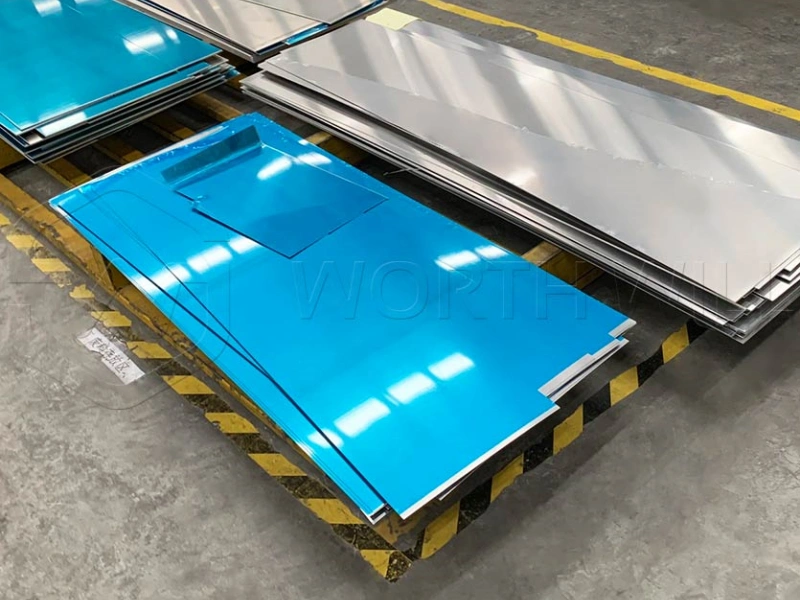
| Mirror aluminum sheet | Reflective surface | Decorative panels and interior features |
| Aluminum checker plate | Raised anti-slip pattern | Platforms, steps, floors, and protective covers |
| Aluminum composite panel (ACP) | Aluminum skins bonded to a core | Building facades, signs, and interior cladding |
The first step in comparing prices is to identify the exact product type. A plain aluminum sheet and a finished facade panel should not be compared using material price alone.
How Much Does an Aluminium Panel Sheet Cost?
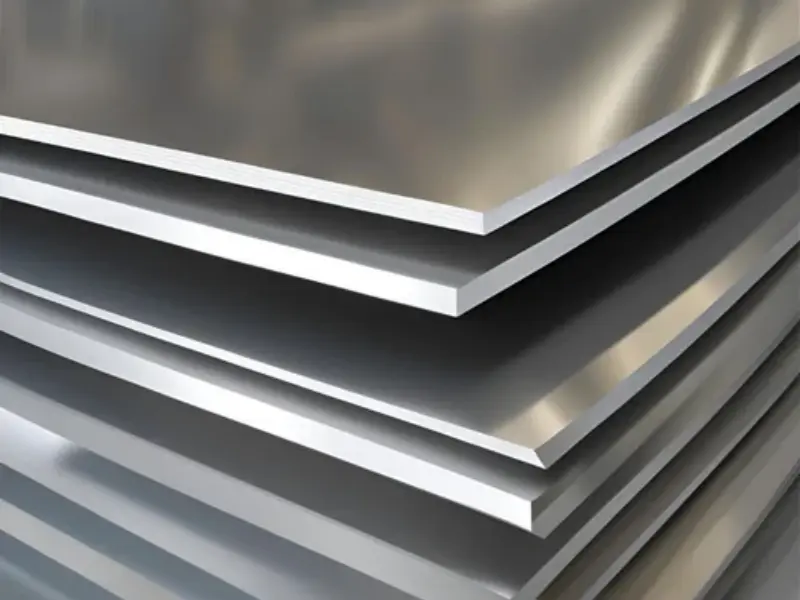
There is no single price for all aluminium panel sheets. Market prices change with aluminum ingot prices, alloy premiums, production costs, surface treatment, order volume, and shipping conditions.
The most useful approach is to request a quotation based on a complete specification.
Typical Price Factors at a Glance
| Factor | How it affects the quotation |
|---|---|
| Alloy | Different grades have different material costs and properties |
| Thickness | Thicker sheets use more aluminum per square meter |
| Panel dimensions | Large or custom sizes may affect cutting and handling costs |
| Surface finish | Coating, anodizing, polishing, and special textures add processing costs |
| Perforation or embossing | Additional processing can increase production costs |
| Order quantity | Larger orders may reduce processing costs per unit |
| Packaging | Protective packaging can add cost, especially for finished surfaces |
| Delivery terms | Freight, insurance, duties, and handling affect the landed cost |
Why Aluminium Panel Sheet Prices Change
Aluminum is a traded industrial metal. Changes in raw material prices can affect supplier quotations. Exchange rates, energy costs, production capacity, and transportation costs can also influence the final price.
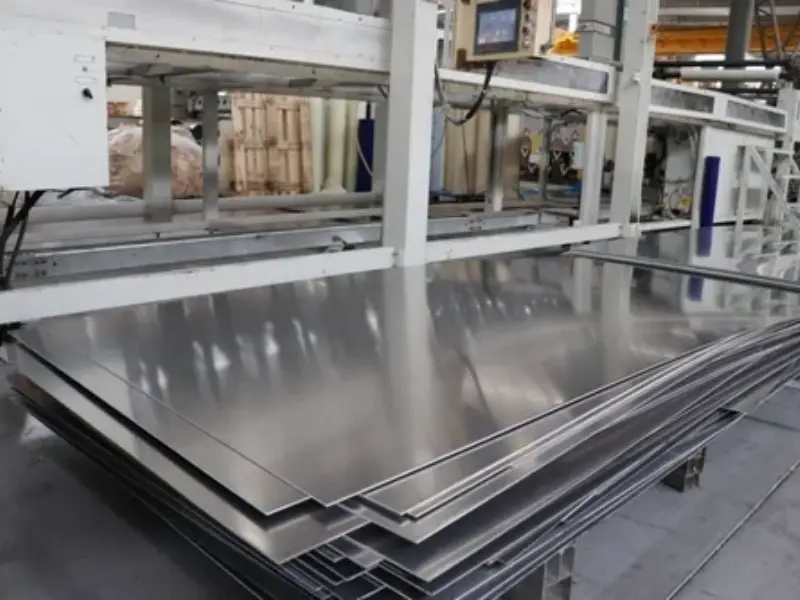
The product specification matters just as much. For example, a 1.0 mm mill finish sheet and a 1.0 mm PVDF-coated facade panel have different processing requirements. Even when the alloy and dimensions are similar, the total cost may be different.
For this reason, buyers should compare quotations from the same period and confirm how long each quotation remains valid.
Thickness: One of the Biggest Price Factors
Thickness directly affects the amount of aluminum in a panel. For the same alloy and dimensions, a thicker panel normally weighs more and requires more raw material.
The following examples show how thickness may match different applications. They are selection guides, not fixed design rules.
Aluminium Panel Sheet Thickness Guide
| Thickness | Possible applications | Purchasing considerations |
|---|---|---|
| 0.3–0.5 mm | Lightweight covers and selected formed components | Low weight; check stiffness carefully |
| 0.6–0.8 mm | Small decorative panels and some equipment covers | Suitable for selected light-duty uses |
| 1.0 mm | General fabrication, signs, and some interior panels | Balance of weight and rigidity depends on panel size |
| 1.2–1.5 mm | Interior cladding and formed building components | Common range for some architectural applications |
| 2.0 mm | Facade components, equipment panels, and fabricated parts | Greater rigidity, but higher weight and material cost |
| 2.5–3.0 mm | Larger panels and more demanding applications | Check support spacing and installation loads |
| 4.0–6.0 mm | Heavy-duty industrial or structural-related components where suitable | Higher material cost; confirm processing capability |
A thin sheet may be suitable for a small panel with adequate support. A large exterior panel may need a thicker sheet, folded edges, stiffeners, or a designed support system.
Do not select thickness based only on the lowest price. Panel size, wind load, mounting method, and local building requirements also matter.
Aluminium Panel Sheet Price by Alloy
The alloy affects strength, formability, corrosion resistance, and suitability for different finishing processes. It can therefore influence the material price and the total manufacturing cost.
1050 and 1060 Aluminium Panel Sheets
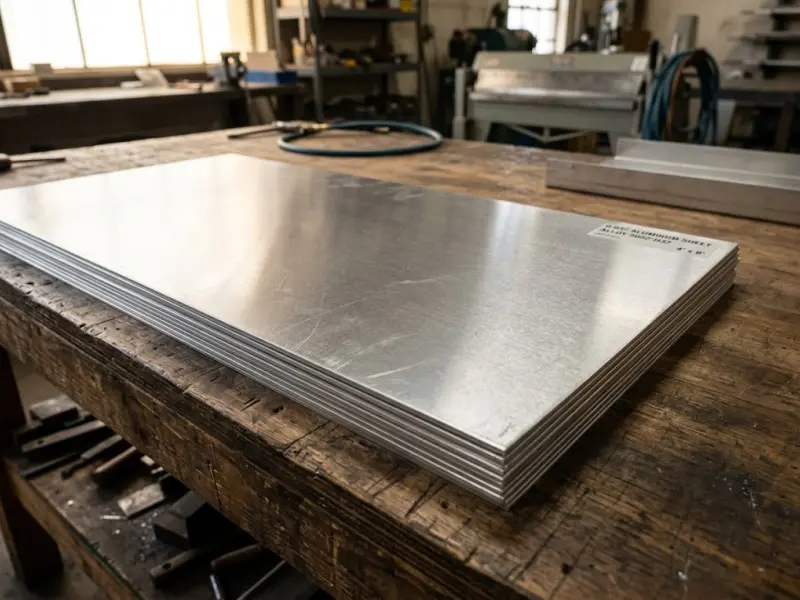
1050 and 1060 are commercially pure aluminum grades. They offer good formability and corrosion resistance in suitable environments. They are often considered for general fabrication and applications that do not require high mechanical strength.
Possible applications include:
- General decorative panels.
- Electrical and industrial components.
- Equipment covers.
- Light-duty formed products.
- Selected signage applications.
These grades may be suitable when formability and material cost are more important than high strength. The required temper should still match the forming process.
1100 Aluminium Panel Sheet
1100 aluminum is another commercially pure grade used in general fabrication. It can be a practical option for products that require good workability and corrosion resistance.
It may be used for decorative panels, formed parts, industrial covers, and selected heat-transfer components. The best temper depends on whether the panel needs deep forming, bending, or a harder surface condition.
3003 Aluminium Panel Sheet
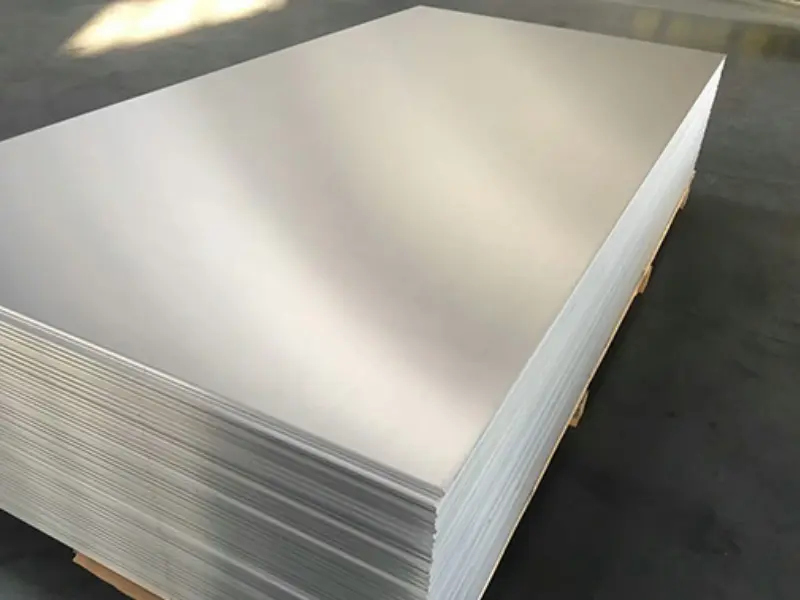
3003 aluminum contains manganese and is widely used for formed products. It offers a useful balance of formability, corrosion resistance, and strength for many general applications.
Typical uses include:
- Building accessories.
- HVAC components.
- Decorative wall panels.
- Equipment housings.
- Formed covers.
- Embossed and selected patterned sheets.
For buyers seeking an all-purpose material for fabrication, 3003 is often worth considering. Its final suitability depends on the design and required mechanical properties.
3105 Aluminium Panel Sheet
3105 aluminum is used in many building-related products. It is often considered for roofing components, siding, rainwater goods, and coated building materials.
Its formability makes it suitable for many roll-formed or bent products. When a panel will receive paint or another coating, the buyer should confirm the required surface condition and coating system.
5052 Aluminium Panel Sheet
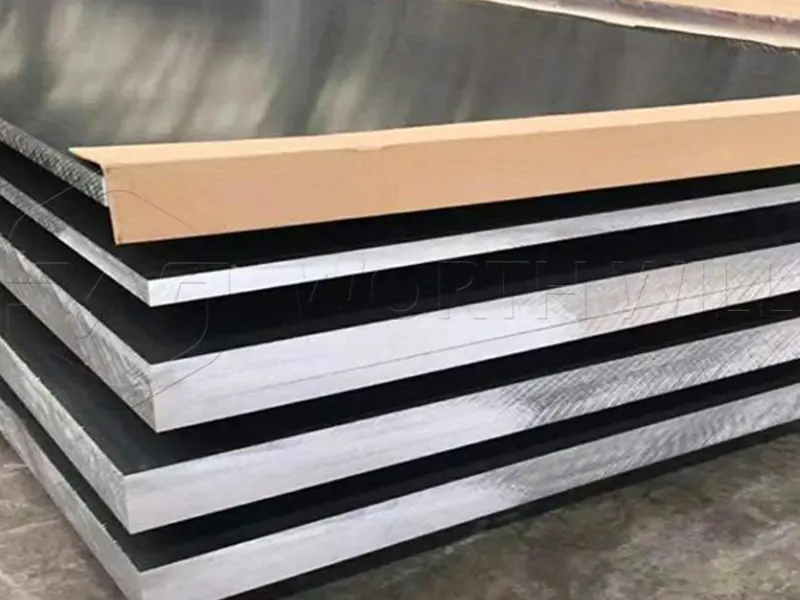
5052 aluminum contains magnesium and generally offers higher strength than commercially pure aluminum grades. It also has good corrosion resistance in many environments.
Possible applications include:
- Industrial equipment panels.
- Transportation components.
- Marine-related parts.
- Enclosures and protective covers.
- Panels that require a stronger material.
5052 may have a higher material cost than some lower-strength grades. It can still be a cost-effective choice when the application needs its mechanical properties or corrosion performance.
6061 Aluminium Panel Sheet
6061 aluminum is a heat-treatable alloy used in applications that need a combination of strength and machinability. Common tempers include T6 and T651, depending on the product form.
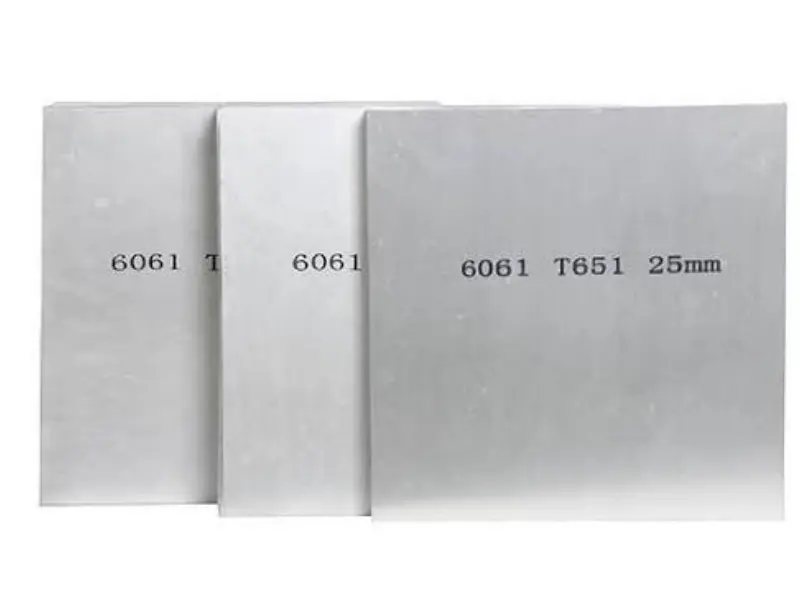
It may be considered for machined components, industrial parts, and selected structural or equipment applications.
It is not always the first choice for large, highly formed decorative panels because forming requirements differ from those of softer sheet alloys.
Alloy Comparison Table
| Alloy | General characteristics | Typical uses |
|---|---|---|
| 1050 | High aluminum content and good formability | General fabrication and decorative products |
| 1060 | High purity and good conductivity | Selected electrical and industrial parts |
| 1100 | Good workability and corrosion resistance | Formed components and covers |
| 3003 | Good formability and general-purpose performance | HVAC, building parts, and panels |
| 3105 | Suitable for many building products | Siding, roofing accessories, and coated panels |
| 5052 | Higher strength and good corrosion resistance | Industrial, transportation, and marine-related parts |
| 6061 | Heat-treatable and suitable for stronger components | Machined parts and selected industrial applications |
The alloy with the lowest initial price is not always the least expensive choice over the product’s full service life. Consider fabrication, maintenance, waste, and performance requirements together.
How Temper Affects Price and Performance
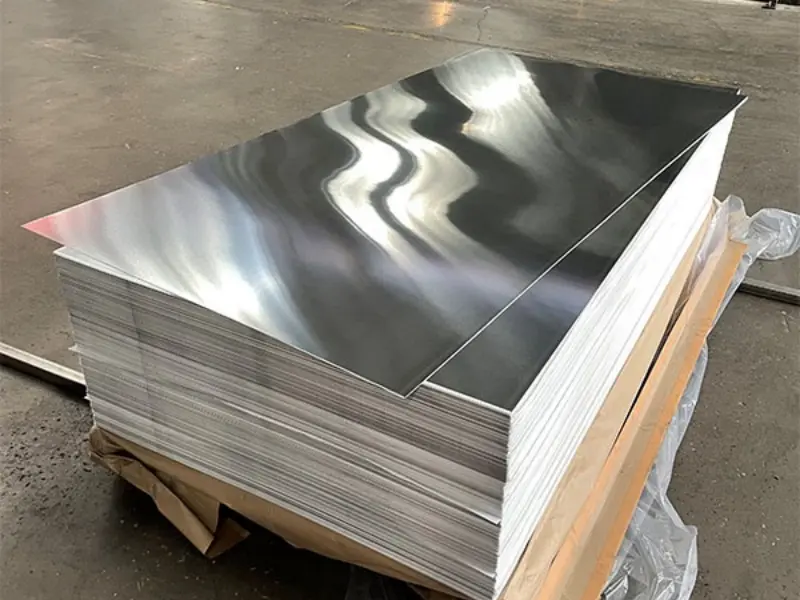
Temper describes the condition of the aluminum after processing. It influences hardness, strength, and forming behavior.
Common Temper Options
| Temper | General properties | Possible applications |
|---|---|---|
| O | Soft and highly formable | Complex bending and forming |
| H12 | Strain-hardened to a relatively soft condition | General formed products |
| H14 | Quarter-hard condition in applicable alloys | General fabrication |
| H16 | Harder strain-hardened condition | Components needing additional strength |
| H18 | Hard condition | Flat or lightly formed products |
| H22 | Strain-hardened and partially annealed | Selected formed components |
| H24 | Strain-hardened and partially annealed | Building and general fabrication |
| H32 | Stabilized strain-hardened condition used with applicable alloys | Equipment panels and industrial parts |
| T6 | Solution heat-treated and artificially aged condition | Selected stronger components and products |
Not every alloy is available in every temper. For example, 5052-H32 and 6061-T6 are common combinations for different product forms, but they are not interchangeable.
If the panel needs tight bends or complex forming, ask the supplier to confirm the temper’s suitability before ordering. Choosing an unsuitable temper can increase waste and processing costs.
Surface Finish: What Are You Paying For?
Surface treatment can make a significant difference to the aluminium panel sheet price. The right finish depends on appearance, environmental exposure, cleaning requirements, and the intended service life.
Mill Finish Aluminium Sheet
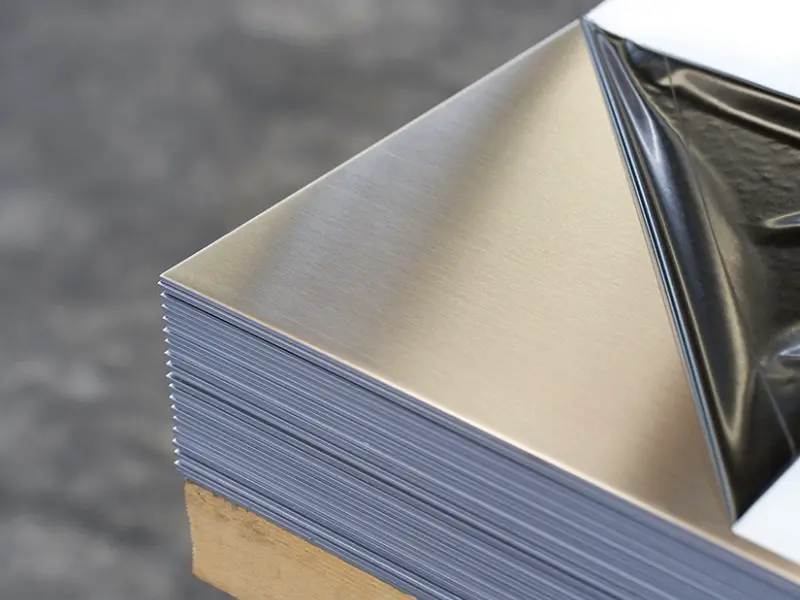
Mill finish aluminum retains the surface condition created during rolling. It does not have an additional decorative coating.
It is often selected for industrial fabrication, components that will be coated later, and products where a natural metallic appearance is acceptable.
Prepainted Aluminium Panel Sheet
Prepainted aluminum has a coating applied during manufacturing. It is available in different colors and coating systems.
Common applications include:
- Building facades.
- Roofing and siding products.
- Interior decorative panels.
- Signage and display products.
- Equipment covers.
The price depends on the coating type, color, coating thickness, surface preparation, and order quantity.
Anodized Aluminium Sheet
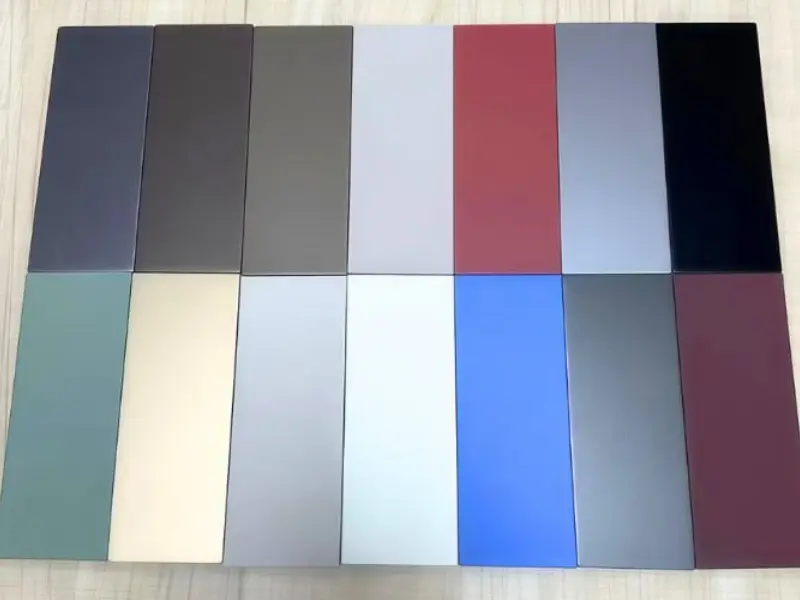
Anodizing creates a controlled oxide layer on the aluminum surface. It can provide a metallic appearance and improve surface performance in suitable environments.
It is used for architectural details, interior panels, and selected decorative applications. Alloy selection matters because different grades may produce different anodized appearances.
Brushed and Mirror Aluminium Sheet
Brushed aluminum has a directional surface texture. Mirror aluminum has a highly reflective surface.
Both are often used for decorative panels, interior design, displays, and selected signage. These finishes may require additional surface protection during production and transportation to reduce scratches.
Perforated and Embossed Aluminium Panels
Perforated sheets contain holes or custom patterns. Embossed sheets have a raised surface texture.
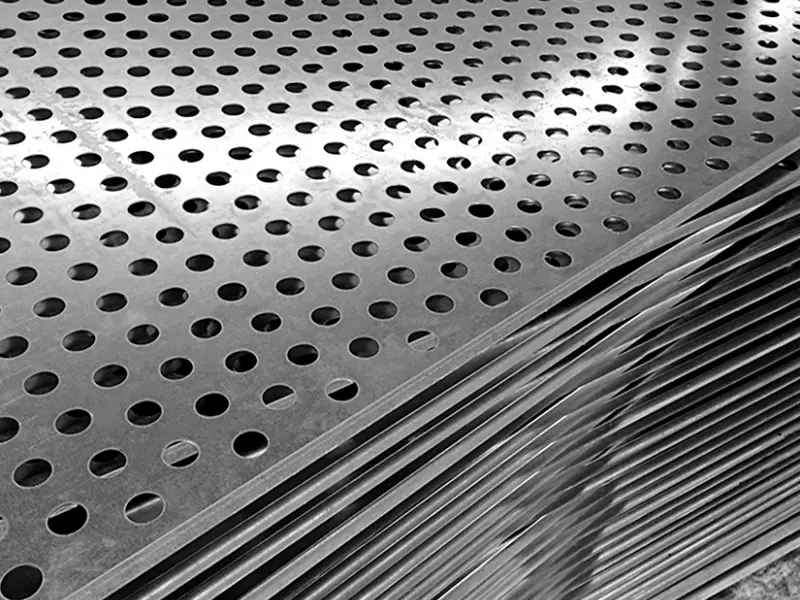
Both products involve additional processing compared with plain flat sheets. Their prices depend on the pattern, material thickness, processing complexity, and order quantity.
Surface Finish Comparison
| Finish | Appearance | Main cost consideration |
|---|---|---|
| Mill finish | Natural metallic | Base material and rolling specification |
| Prepainted | Colored surface | Coating system and color |
| Anodized | Metallic oxide finish | Anodizing process and required quality |
| Brushed | Directional texture | Surface finishing and protection |
| Mirror | Reflective surface | Surface quality and scratch protection |
| Perforated | Patterned with holes | Hole design and processing |
| Embossed | Raised texture | Embossing process and pattern |
Standard Sheets, Custom Panels, and Aluminium Composite Panels
The term “aluminium panel sheet” can describe products with very different structures. Confirming the product type is essential when comparing prices.
Standard Flat Aluminium Sheet
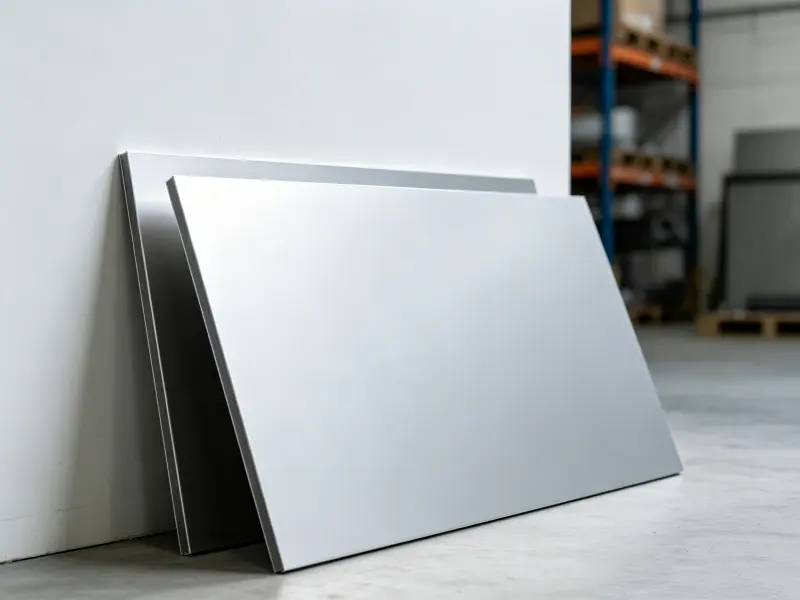
A standard flat sheet is a single layer of aluminum. It can be cut, bent, drilled, coated, or fabricated according to the application.
It is suitable for general manufacturing, equipment covers, signs, and many formed products.
Fabricated Aluminium Panel
A fabricated panel may include folded edges, mounting holes, stiffeners, or other processed features. Its price includes more than the raw sheet.
For a custom panel, the quotation may depend on the drawing, tolerances, fabrication steps, and inspection requirements.
Aluminium Composite Panel (ACP)
An aluminum composite panel typically has two thin aluminum skins bonded to a core material. It is widely used for signage, interior decoration, and certain building cladding systems.
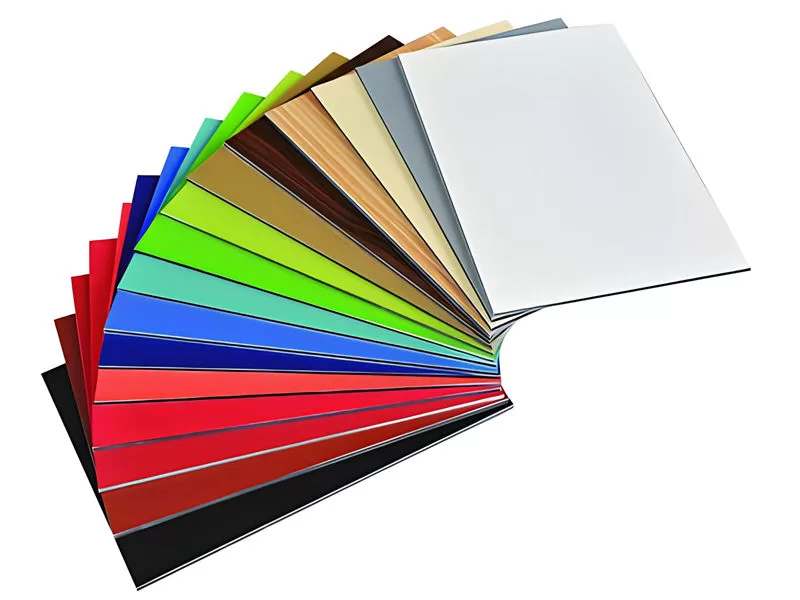
ACP is not the same as a solid aluminum sheet. Its structure, fire-performance requirements, installation method, and price are different.
When requesting a quote, state clearly whether you need a solid aluminum sheet, a fabricated aluminum panel, or an aluminum composite panel.
Applications That Influence the Aluminium Panel Sheet Price
The final application helps determine the alloy, thickness, finish, and processing method. These requirements can affect the price more than the product name alone.
Architectural Facades and Wall Cladding
Aluminum panels are used on commercial buildings, offices, shopping centers, and public facilities.
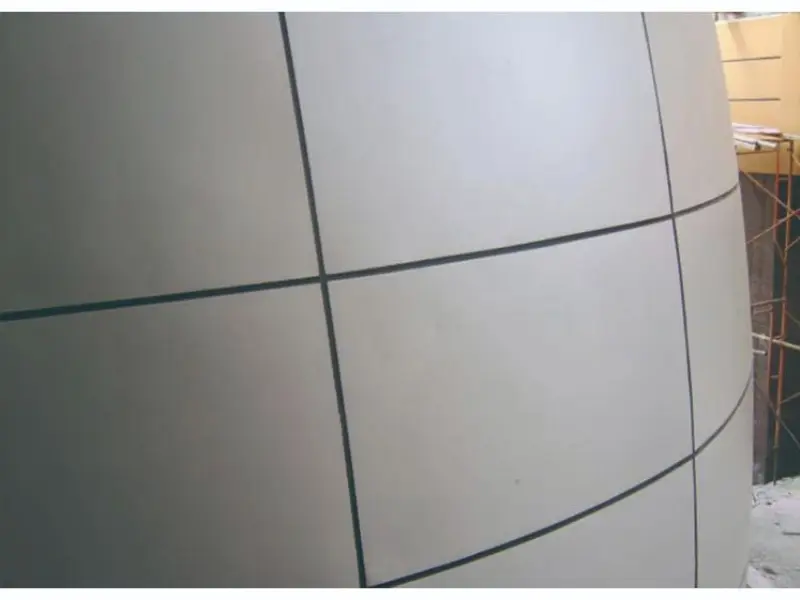
Typical requirements include:
- Suitable thickness for the panel dimensions.
- Resistance to the local environment.
- Color and finish consistency.
- Secure mounting and edge design.
- Appropriate support and wind-load performance.
Flat sheets, coated panels, anodized panels, and perforated panels can all be considered, depending on the design.
Interior Walls and Ceilings
Interior panels may prioritize appearance, weight, easy cleaning, and convenient installation.
Common options include prepainted, brushed, anodized, and perforated aluminum. The best specification depends on the interior design, the support system, and any acoustic or fire-performance requirements.
Signage and Display Panels
Aluminum sheets are used for commercial signs, display boards, directional signs, and promotional panels.
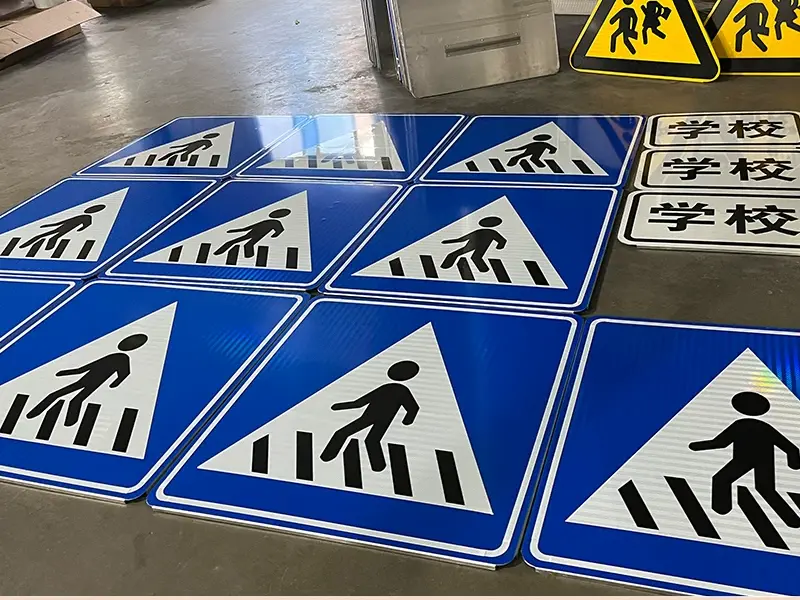
The selection may depend on flatness, surface quality, print compatibility, thickness, and cutting requirements. Some applications may use coated or specially prepared surfaces instead of standard mill finish.
HVAC and Industrial Equipment
Aluminum panels can be used for duct components, equipment housings, protective covers, and industrial enclosures.
The main considerations include formability, strength, corrosion resistance, and dimensional accuracy. For panels exposed to mechanical loads, the alloy and thickness should be selected based on the design.
Transportation and Marine-Related Applications
Selected aluminum grades are used in transportation parts and marine-related components because of their weight and corrosion-resistance properties.
For these applications, buyers should confirm the required alloy, temper, certification, joining method, and service conditions. A standard decorative panel specification may not be sufficient.
How to Calculate Aluminium Panel Sheet Weight
Weight is useful when comparing quotations, estimating material use, and planning shipping costs.
For a flat rectangular aluminum sheet, an approximate weight can be calculated using the following formula:
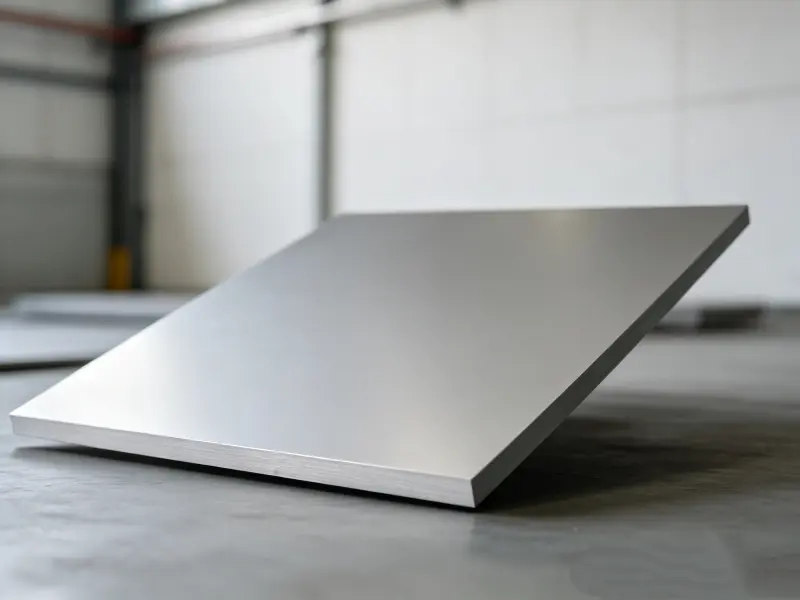
Weight (kg) = Length (m) × Width (m) × Thickness (mm) × Density (kg/m³) ÷ 1,000
For a quick estimate, aluminum density is often taken as approximately 2,700 kg/m³. Actual values vary slightly by alloy and product.
Example: 1,220 × 2,440 mm Aluminium Sheet
Assume the sheet measures 1.22 m × 2.44 m and has a thickness of 2 mm.
| Item | Value |
|---|---|
| Length | 2.44 m |
| Width | 1.22 m |
| Thickness | 2 mm |
| Approximate density | 2,700 kg/m³ |
| Estimated weight | 16.1 kg |
The estimated weight is approximately 16.1 kg before considering tolerances or any additional processing.
Estimated Weight by Thickness for a 1,220 × 2,440 mm Sheet
| Thickness | Approximate weight per sheet |
|---|---|
| 1.0 mm | 8.0 kg |
| 1.5 mm | 12.1 kg |
| 2.0 mm | 16.1 kg |
| 2.5 mm | 20.1 kg |
| 3.0 mm | 24.1 kg |
These are theoretical estimates for a flat sheet. Perforations reduce weight, while folded edges, stiffeners, and attached components may increase the finished panel weight.
How to Get a More Competitive Aluminium Panel Sheet Price
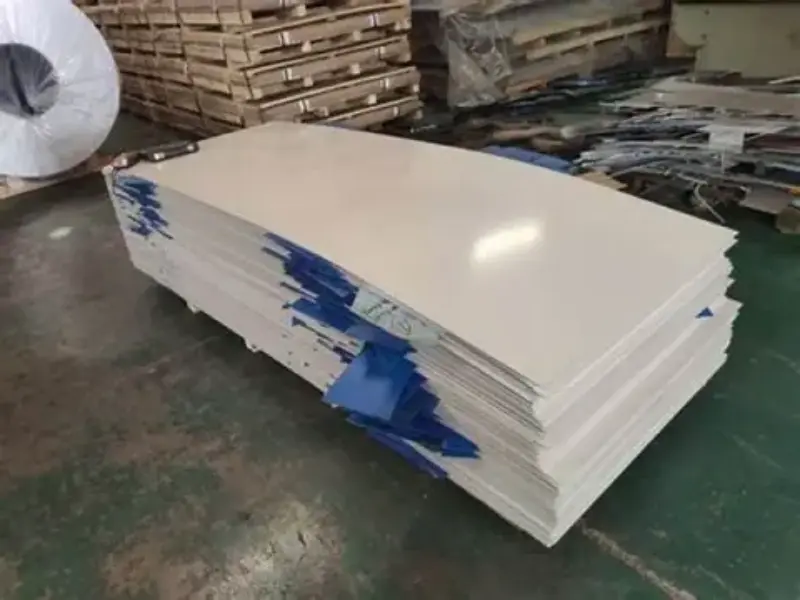
A useful quotation starts with a clear specification. Missing information can lead to incorrect pricing or repeated adjustments.
Provide the Full Product Details
Include the following information in your request:
- Product type: flat sheet, coated panel, perforated panel, or ACP.
- Alloy and temper.
- Thickness and dimensions.
- Surface finish and color.
- Quantity and order frequency.
- Required tolerances.
- Processing requirements.
- Packaging and delivery destination.
Compare Suppliers on the Same Basis
When comparing offers, make sure each supplier quotes the same material grade, thickness, dimensions, finish, and quantity.
Also check whether the price includes slitting, cutting, protective film, export packaging, testing, or other services.
A lower unit price may not be the best option if it comes with unsuitable tolerances, inconsistent surface quality, or higher transport costs.
Consider Total Purchasing Cost
For bulk buyers, total cost includes more than the price per kilogram or per sheet.
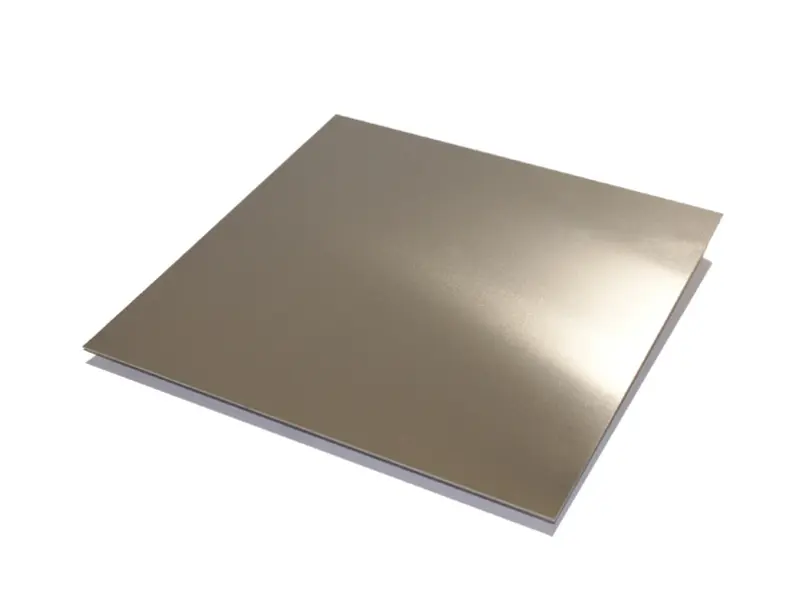
Consider material waste, cutting yield, processing time, packaging, freight, import duties, and the cost of any additional finishing.
A slightly more expensive material may be more economical if it reduces production waste or meets the application requirements more reliably.
Information to Include in Your Aluminium Panel Sheet RFQ
Use the table below when preparing a request for quotation.
| Specification | Example |
|---|---|
| Product | Aluminium panel sheet |
| Alloy | 3003 |
| Temper | H14 |
| Thickness | 2.0 mm |
| Sheet size | 1,220 × 2,440 mm |
| Surface finish | Mill finish or specified coating |
| Quantity | Number of sheets or total weight |
| Application | Facade, signage, industrial cover, etc. |
| Standard | Required material standard |
| Tolerance | As agreed in the drawing or specification |
| Packaging | Export packing or project-specific packing |
| Delivery | Destination and requested delivery terms |
For custom panels, attach a drawing with the overall dimensions, holes, folded edges, and mounting points. This helps the supplier calculate the material and processing costs more accurately.
Frequently Asked Questions About Aluminium Panel Sheet Price
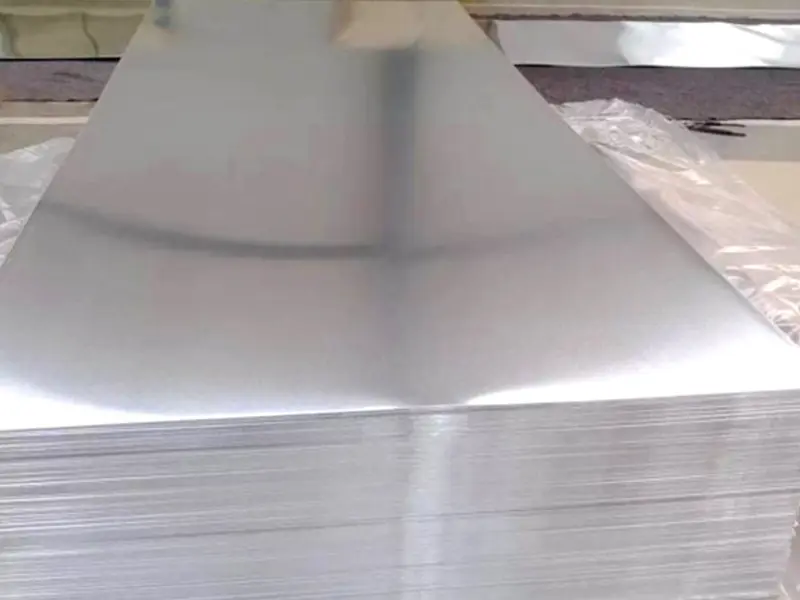
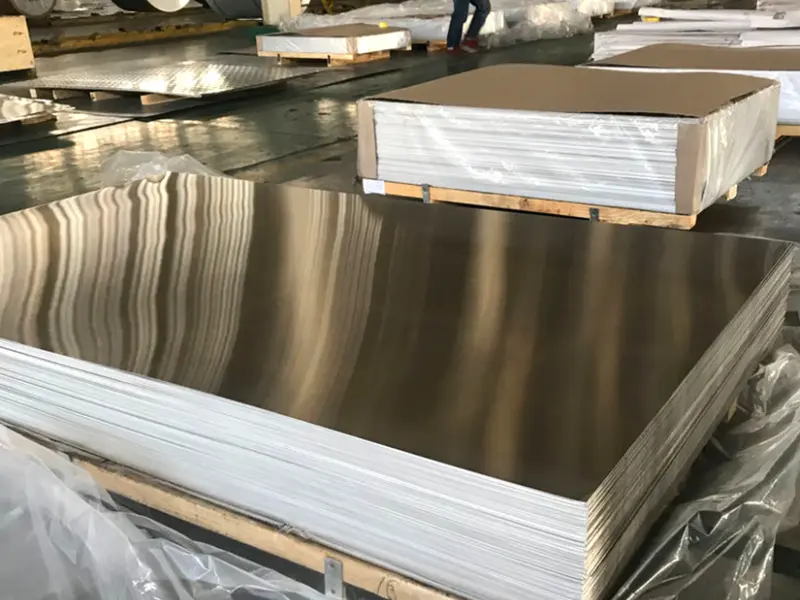
What is the price of an aluminium panel sheet?
The price depends on the alloy, thickness, dimensions, surface finish, processing, quantity, and delivery terms. Since raw material and freight costs can change, request a current quotation using your exact specification.
Which aluminium panel sheet is the cheapest?
The lowest-cost option is often a standard product with a common alloy, thickness, and finish. However, the cheapest product may not suit every application. Check whether the material meets the required strength, corrosion resistance, forming, and surface-quality needs.
Does thicker aluminium sheet cost more?
For the same alloy and dimensions, a thicker sheet normally costs more because it contains more aluminum. The final price also depends on the production process, surface finish, order quantity, and supplier’s quotation terms.
Which alloy is suitable for aluminium wall panels?
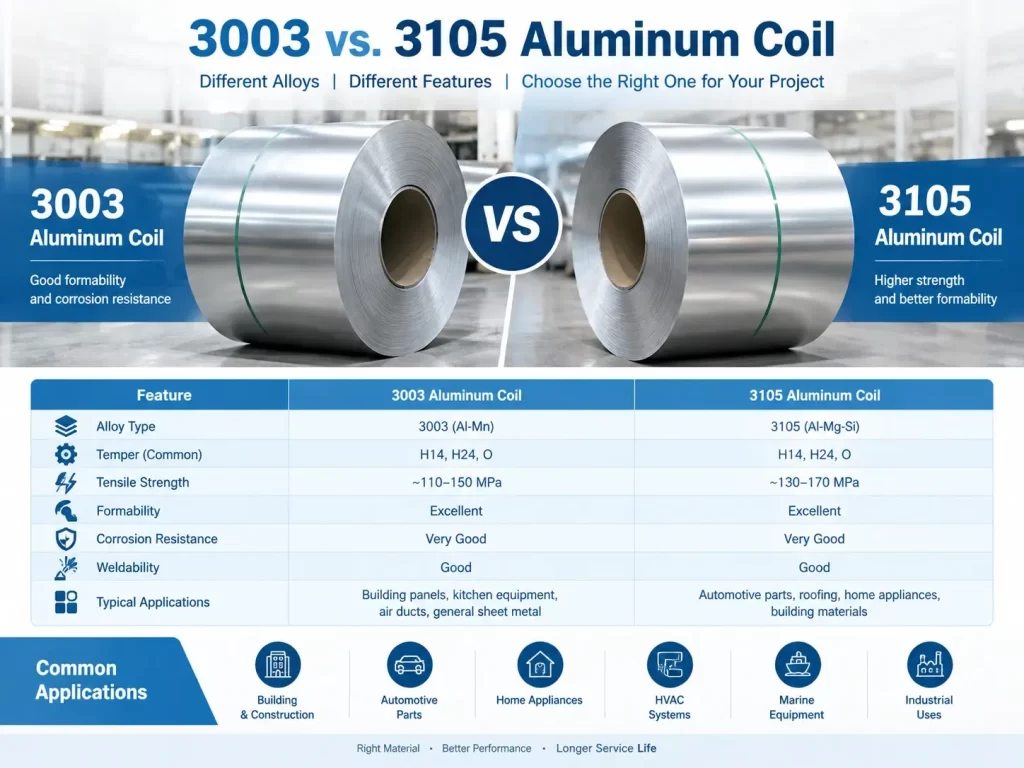
3003 and 3105 may be suitable for many formed building products. 5052 can be considered when greater strength or specific corrosion performance is needed. The right alloy depends on the panel design, environment, and installation requirements.
What is the difference between aluminium sheet and aluminium composite panel?
Aluminium sheet is a solid aluminum product. Aluminium composite panel usually consists of two thin aluminum skins bonded to a core. They differ in structure, fabrication, fire-performance requirements, installation, and price.
Is mill finish aluminium sheet cheaper than coated aluminium sheet?
Mill finish sheet often has a lower initial price because it does not include an additional color coating. However, if the project requires a finished colored surface, the total cost of coating a mill finish sheet later should also be considered.
How does surface finish affect the price?
Prepainting, anodizing, brushing, mirror finishing, perforating, and embossing require additional processing. The cost depends on the finish type, quality requirements, pattern, color, and order quantity.
Can aluminium panel sheets be made to custom sizes?
Yes, many suppliers can offer custom sheet dimensions or fabricate panels according to drawings. Available sizes depend on the production equipment, material thickness, and order quantity.
How do I calculate the weight of an aluminium panel sheet?
Multiply the length in meters by the width in meters, the thickness in millimeters, and the approximate aluminum density of 2,700 kg/m³, then divide by 1,000. This gives an approximate weight in kilograms for a flat sheet.
What information is needed for an accurate quotation?
Provide the product type, alloy, temper, thickness, dimensions, surface finish, quantity, application, and delivery destination. Include drawings and tolerance requirements for custom panels.
Do large orders receive a lower aluminium panel sheet price?
Larger orders may reduce some production and handling costs per unit. The actual price depends on material volume, processing requirements, product consistency, delivery schedule, and the supplier’s minimum order quantity.
Are aluminium panel sheets suitable for outdoor use?
Many aluminum alloys and finishes can be used outdoors, but the correct specification depends on humidity, pollution, coastal exposure, wind loads, and installation details. Confirm the alloy, coating, and structural requirements before ordering.
Final Guide to Choosing an Aluminium Panel Sheet
The aluminium panel sheet price is closely linked to product specifications. Alloy, temper, thickness, surface finish, panel dimensions, and fabrication requirements all influence the final quotation.
For general fabrication, a standard mill finish sheet may be sufficient. Building projects may require coated or anodized panels, while decorative applications may call for brushed, mirror, embossed, or perforated products.
Before purchasing, define the intended application and compare suppliers using the same technical requirements. Check the material grade, dimensions, tolerances, surface quality, packaging, and delivery terms.
A clear specification helps you avoid paying for unnecessary features while ensuring that the panel performs as required. For wholesale and project orders, providing a drawing and complete RFQ details is one of the most effective ways to obtain an accurate and competitive quotation.