
The 3mm thick perforated aluminium sheet is a versatile and reliable material suited for numerous applications in construction, industry, and design.


Specification
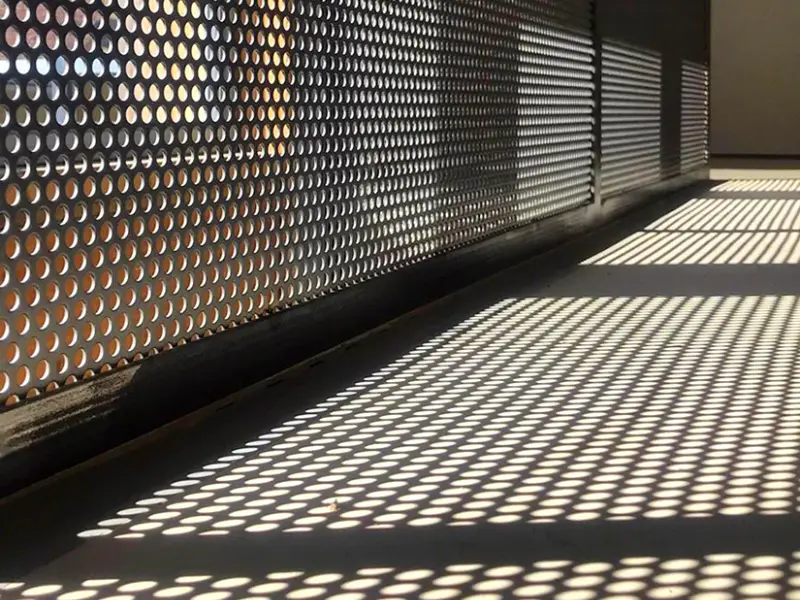
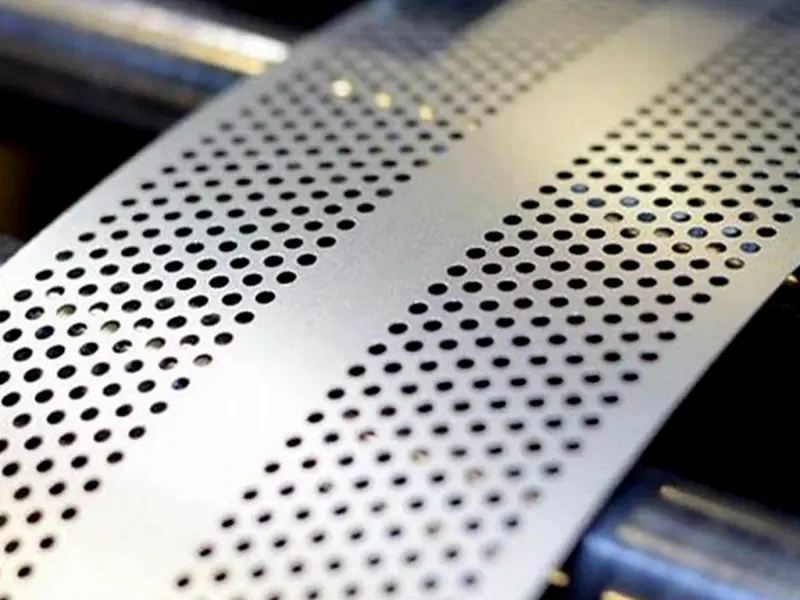
| Feature | Details |
|---|---|
| Classification | Perforated Aluminium Sheet |
| Thickness | 3mm |
| Benefits | High Strength, Lightweight |
| Alloy | 1050, 3003, 5052 |
| Packaging | Wooden Pallets / Coil Wrapping |
What is a 3mm Thick Perforated Aluminium Sheet?
A 3mm thick perforated aluminium sheet is a lightweight, durable metal sheet with evenly spaced holes punched through it.
This perforation makes the sheet ideal for various industrial, architectural, and decorative applications. Its 3mm thickness provides excellent strength while maintaining flexibility and weight advantages compared to thicker sheets.
Classification of Perforated Aluminium Sheets

Perforated aluminium sheets are classified by hole patterns, sizes, and thicknesses. The 3mm thickness category is popular due to its balance between rigidity and weight.
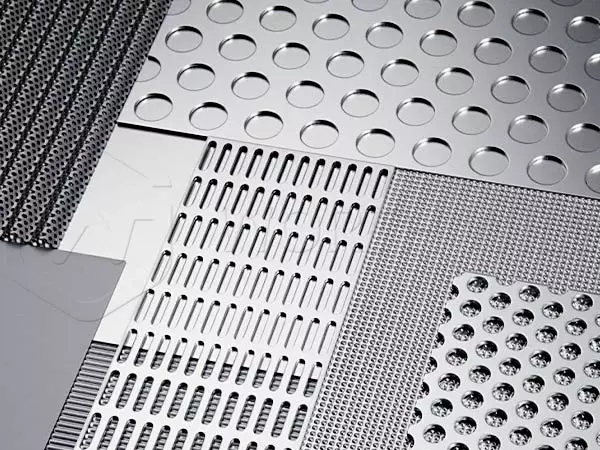
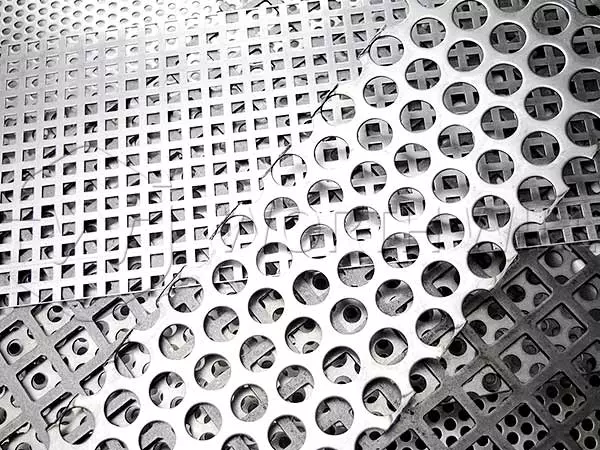
- Hole Patterns: Round, square, slotted, or custom shapes
- Hole Sizes: Vary from 0.5mm to several centimeters
- Thickness Range: From 0.5mm to 6mm, with 3mm being mid-range thickness
Advantages of 3mm Perforated Aluminium Sheets
- Lightweight yet strong for structural uses
- Excellent corrosion resistance with alloys like 3003 and 5052
- Good ventilation and sound diffusion due to perforation
- Easy to cut and fabricate into different shapes
- Cost-effective material for many industries
Common Alloys Used
| Alloy | Description |
|---|---|
| 1050 | Commercially pure aluminium with high corrosion resistance and excellent workability |
| 3003 | Manganese alloyed, stronger than 1050, good corrosion resistance |
| 5052 | Magnesium alloy, high strength and excellent corrosion resistance, ideal for marine environments |
Packaging Details
- Packaged in wooden pallets or coils to prevent damage during transport
- Wrapped in protective film to avoid scratches and moisture exposure
- Customized packaging available for large orders or special requirements
Applications of 3mm Perforated Aluminium Sheets
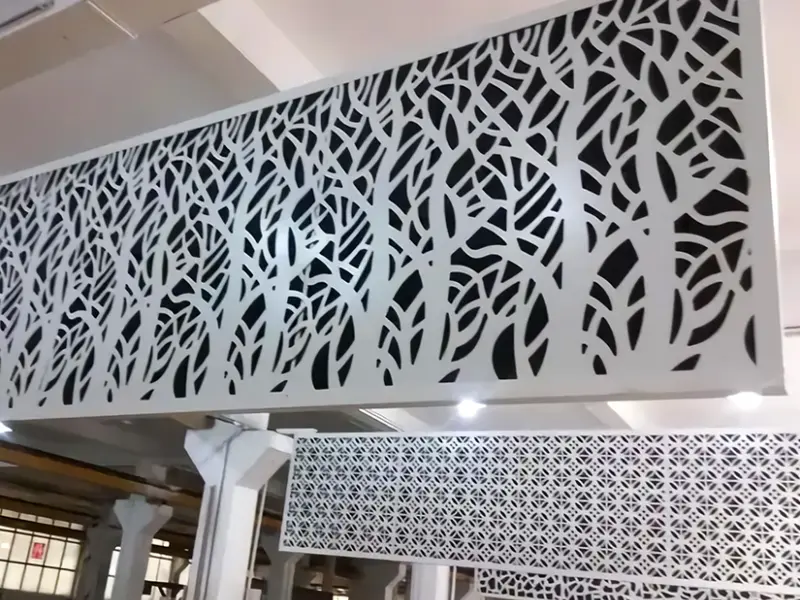
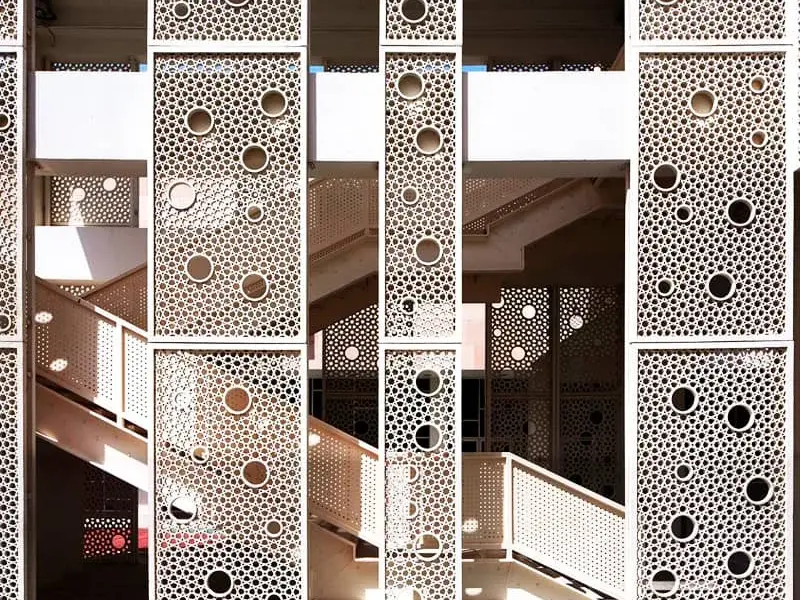
Perforated aluminium sheets of 3mm thickness serve various industries and functions, including:
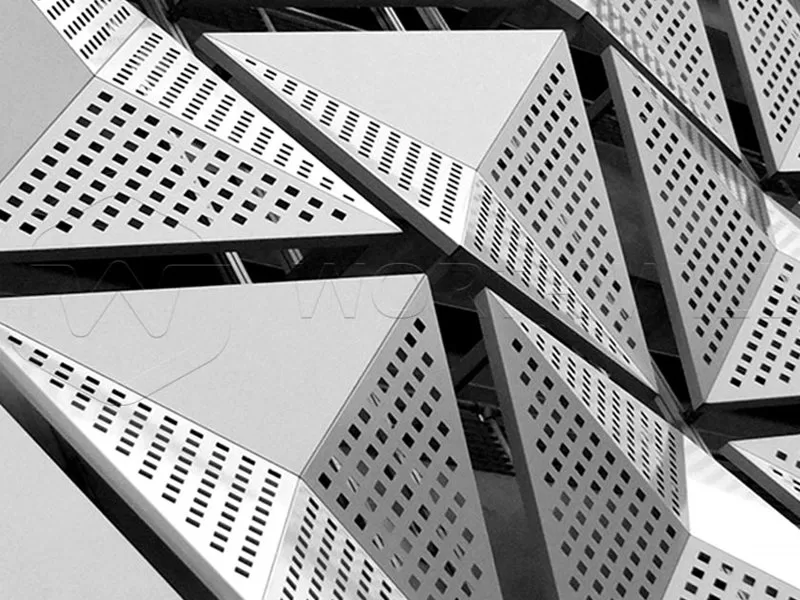
- Architectural Facades: Decorative panels and sunshades
- Industrial Use: Machine guards, ventilation covers, and filtration screens
- Transportation: Noise control panels in trains, buses, and cars
- Agriculture: Grain drying and ventilation equipment
- Furniture Design: Lightweight yet sturdy decorative elements
- Acoustics: Sound absorption panels in auditoriums and studios
Types and Sizes Available
| Thickness (mm) | Width (mm) | Length (mm) | Hole Pattern | Hole Size (mm) |
|---|---|---|---|---|
| 3 | 1000-1500 | 2000-6000 | Round, Square | 1-10 |
| 3 | 1200-1600 | Custom | Slotted, Custom | Custom |
Why Choose 3mm Perforated Aluminium Sheets?
- Durability: Strong and corrosion-resistant for long-term use
- Design Flexibility: Various hole patterns and sizes to fit your project needs
- Lightweight: Easy to handle and install, reducing labor costs
- Eco-friendly: Aluminium is recyclable and sustainable
Its combination of strength, lightweight, and corrosion resistance makes it a preferred choice worldwide.
For inquiries or custom orders, contact us today!
3mm Thick Perforated Aluminium Sheet
A 3mm thick perforated aluminium sheet is a flat aluminium panel with regularly arranged holes. It combines low weight, good corrosion resistance and a useful balance of strength and airflow. It is widely used in building facades, ventilation systems, machine guards, decorative screens and industrial equipment.
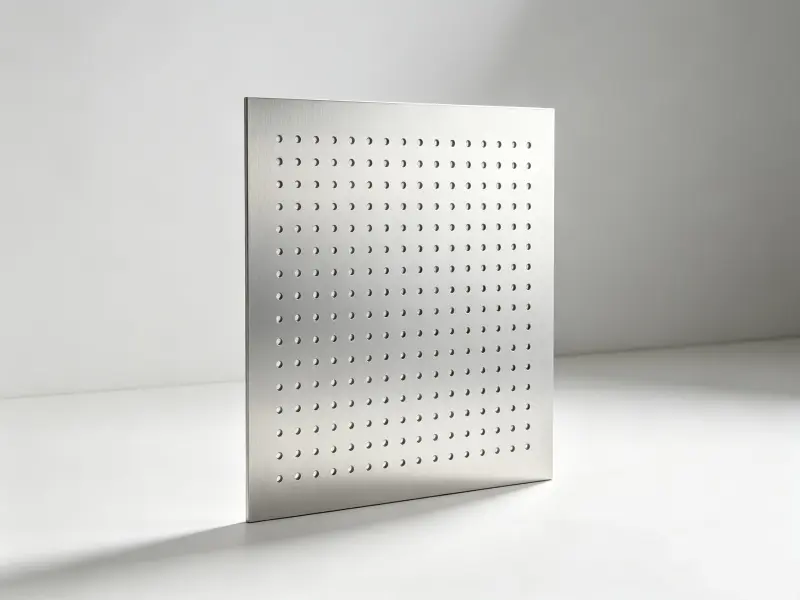
The 3mm thickness offers more rigidity than many thinner perforated sheets.
It can be suitable for panels that need to keep their shape while allowing air, light or sound to pass through. The final performance depends on the aluminium alloy, hole size, hole spacing, open area and panel dimensions.
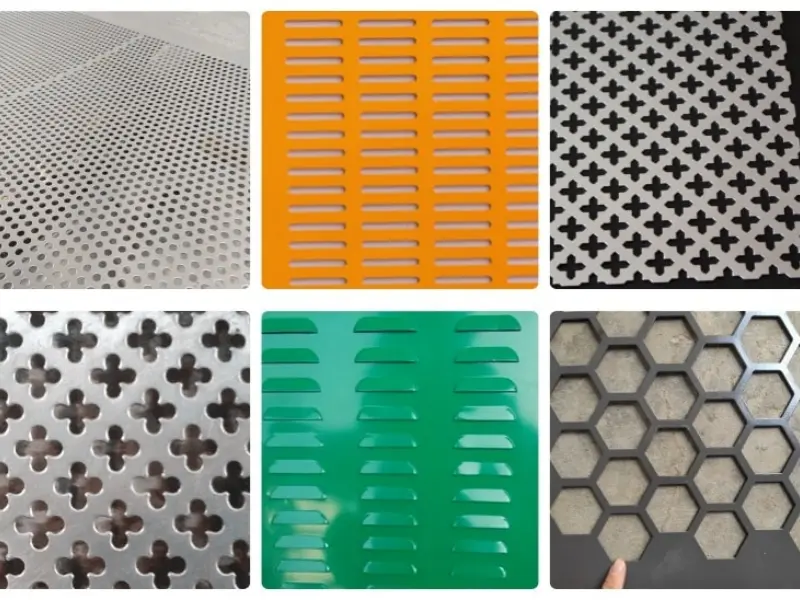
Perforated aluminium sheets are available with round holes, square holes, slotted holes and custom patterns. Buyers can also choose different alloys, tempers, surface finishes and sheet sizes.
What Is a 3mm Thick Perforated Aluminium Sheet?
A 3mm perforated aluminium sheet is made by punching or perforating a solid aluminium sheet. The process creates a regular pattern of openings across the surface.
The holes reduce the weight of the panel compared with a solid sheet of the same outer dimensions. They also allow air, light and some sound to pass through.
The remaining aluminium between the holes provides support. Its width and arrangement affect the strength and appearance of the panel.
Main Features of 3mm Perforated Aluminium
- Good rigidity: The 3mm base thickness is suitable for many medium-duty panels.
- Low material weight: Aluminium is lighter than many steel alternatives of similar size.
- Corrosion resistance: Performance depends on the alloy, surface finish and environment.
- Airflow and light transmission: Hole size and open area can be adjusted for different needs.
- Flexible appearance: Different hole shapes and layouts create different visual effects.
- Easy fabrication: Panels can often be cut, bent, framed or fastened, depending on the pattern and design.
- Custom production: Hole diameter, pitch, panel size and finish can be specified for many projects.
A perforated panel does not have the same strength as a solid 3mm aluminium sheet. The holes remove material, so the design must account for the open area, support spacing and expected load.
3mm Perforated Aluminium Sheet Specifications
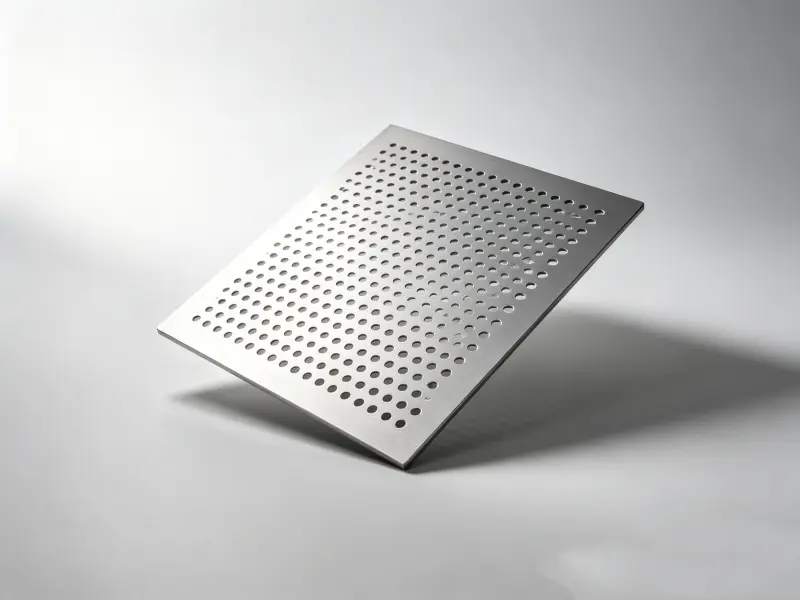
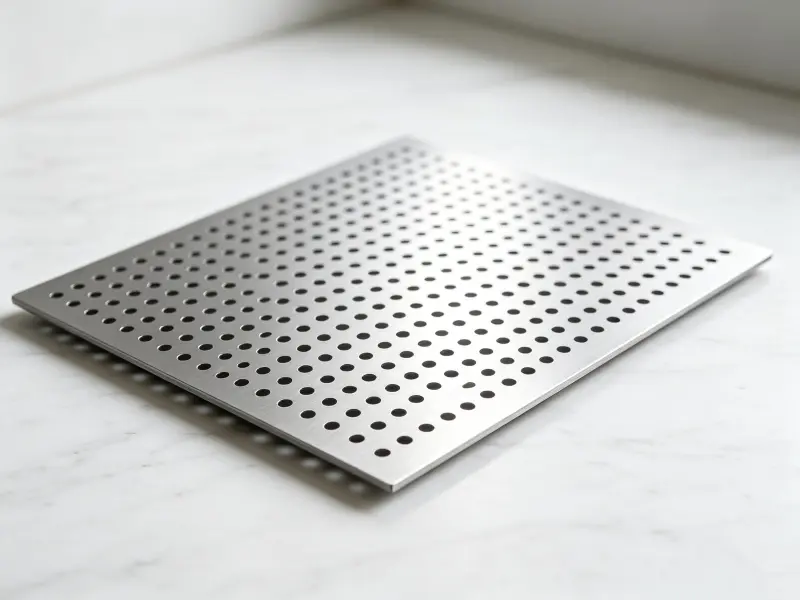
The following table shows common specification options for a 3mm thick perforated aluminium sheet. Actual availability depends on the alloy, hole pattern, sheet size and production equipment.
| Specification | Common Options |
|---|---|
| Base thickness | 3.0 mm |
| Aluminium alloys | 1050, 1060, 1100, 3003, 5052 |
| Possible tempers | O, H14, H24, H32, depending on alloy |
| Hole shapes | Round, square, slotted, hexagonal, decorative |
| Round hole diameter | 2, 3, 4, 5, 6, 8, 10, 12 mm and custom |
| Hole arrangement | 60° staggered, 45° staggered, straight row |
| Sheet width | Custom; common project sizes include 1000 and 1250 mm |
| Sheet length | Custom; common stock formats depend on the supplier |
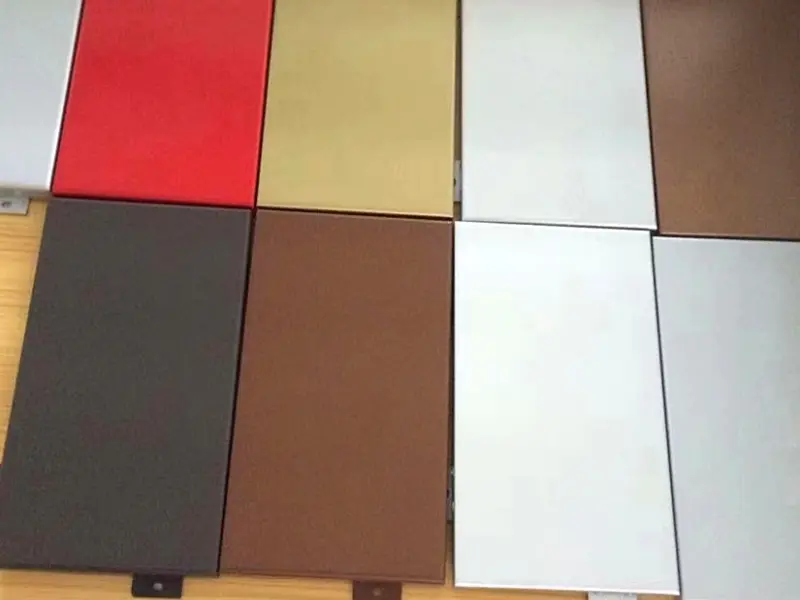
| Surface finish | Mill finish, anodized, powder coated, painted |
| Edge options | Standard edge, unperforated border, custom cut |
| Processing | Cutting, bending, framing and other fabrication as required |
The manufacturer should confirm the available combinations and the tolerances before production.
Different Types of 3mm Perforated Aluminium Sheets
Choosing the right perforation pattern is important. The pattern affects airflow, visibility, appearance, weight and the strength of the remaining material.
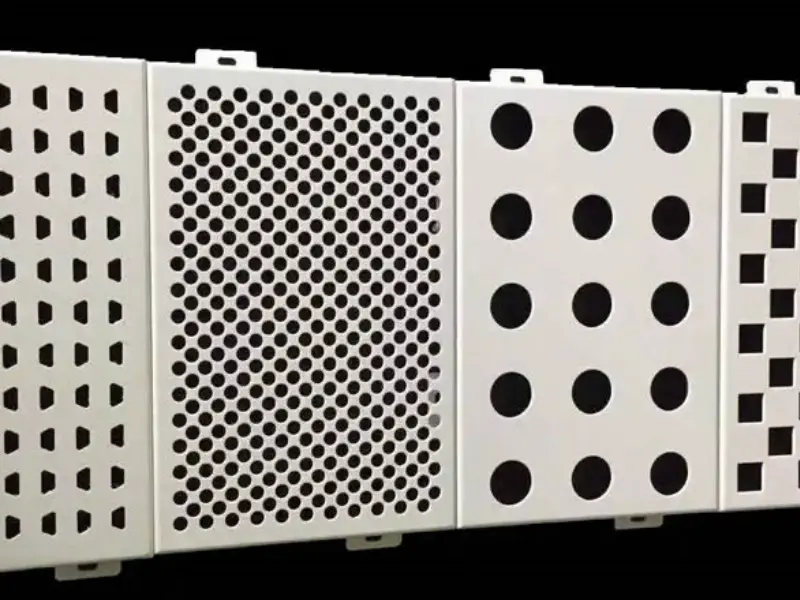
3mm Round Hole Perforated Aluminium Sheet
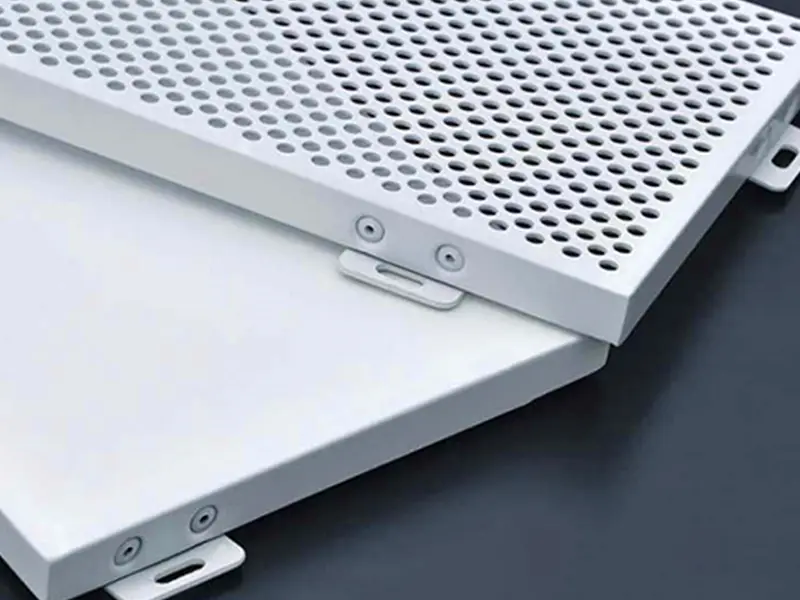
Round hole perforated aluminium is one of the most common types. It has a clean, regular appearance and works well in ventilation panels, protective covers and decorative screens.
The hole diameter can be selected according to the required airflow, visibility and appearance.
| Example Type | Hole Diameter | Layout | Typical Use |
|---|---|---|---|
| Small-hole sheet | 2–3 mm | Staggered | Fine ventilation covers |
| Medium-hole sheet | 4–6 mm | 60° staggered | Screens and equipment covers |
| Large-hole sheet | 8–10 mm | Staggered | Airflow panels and guards |
| Extra-large-hole sheet | 12 mm or more | Custom | Decorative and industrial panels |
These are example configurations, not guaranteed standard combinations.
3mm Square Hole Perforated Aluminium Sheet
Square perforations create a more geometric appearance. They can be suitable for architectural screens, cabinet panels and equipment enclosures.
Compared with round holes, square holes may create a different balance between open area and the width of the metal webs. Corner shape and spacing also affect fabrication performance.
Typical applications:
- Architectural wall screens
- Machine enclosures
- Ventilation covers
- Cabinet doors
- Decorative panels
- Industrial partitions
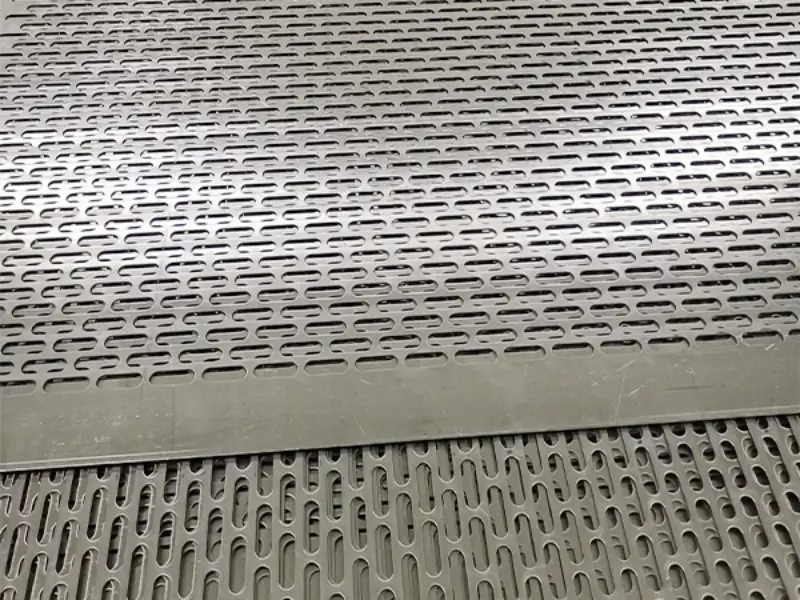
3mm Slotted Perforated Aluminium Sheet

Slotted perforated aluminium has elongated openings. Slots can be arranged horizontally, vertically or at an angle.
This pattern is useful when the design requires a directional appearance or a specific airflow path. Slot length, slot width and spacing should be selected together.
Typical applications:
- Air distribution panels
- Ventilation covers
- Machine guards
- Equipment enclosures
- Decorative wall panels
- Industrial screening
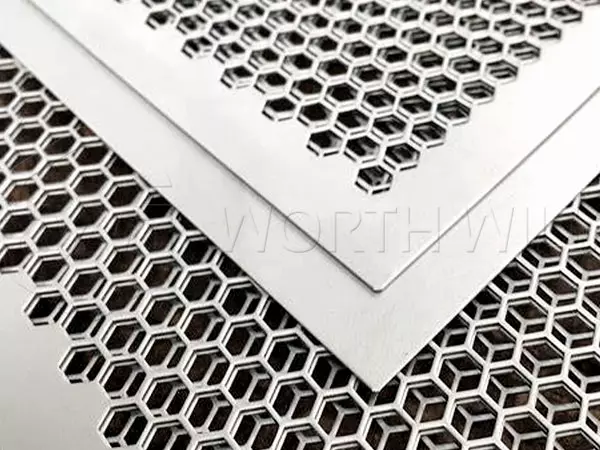
3mm Hexagonal Hole Perforated Aluminium Sheet
Hexagonal perforations create a honeycomb-like appearance. They can provide a large open area for some layouts while maintaining a regular geometric pattern.
The actual open area and strength depend on the hexagon dimensions, pitch and remaining metal between holes.
Typical applications:
- Ventilation panels
- Architectural screens
- Decorative ceilings
- Equipment covers
- Speaker and enclosure panels, where the design is suitable
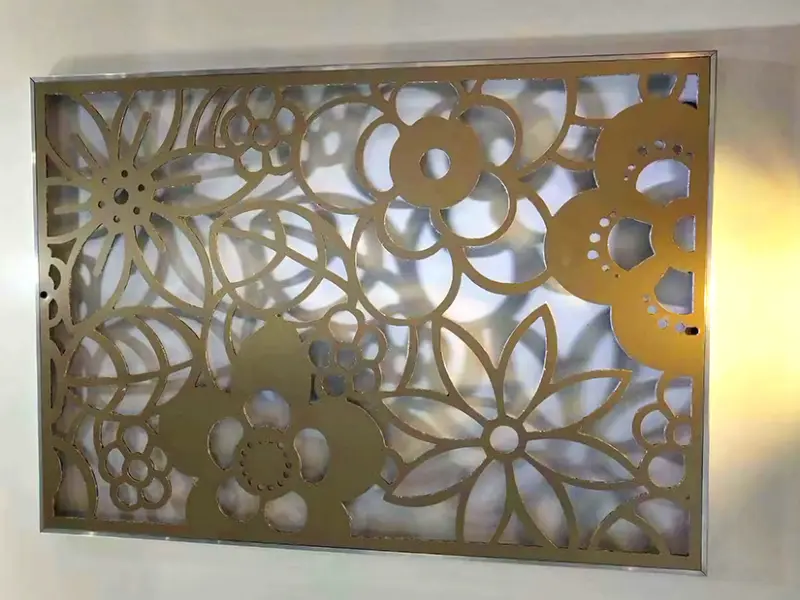
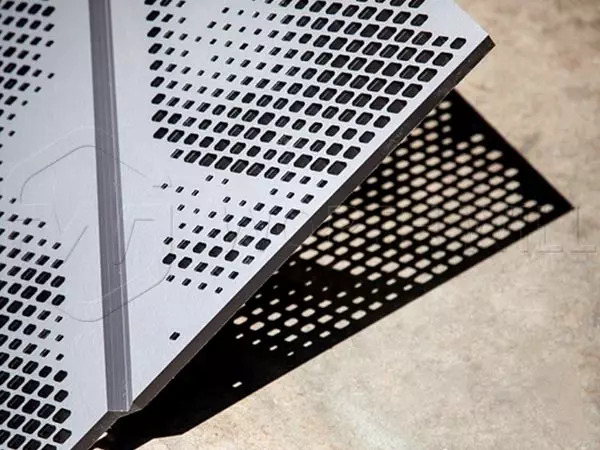
3mm Decorative Perforated Aluminium Sheet
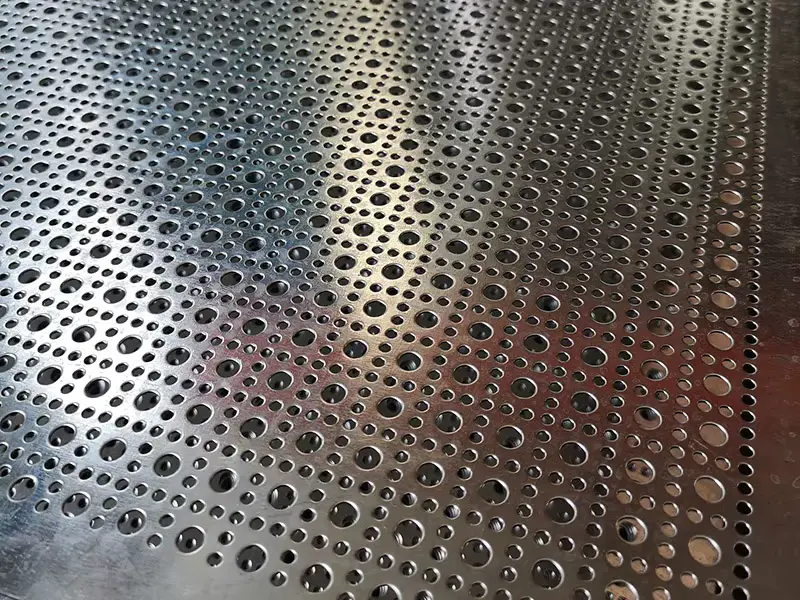
Decorative perforated sheets use patterns selected for visual appeal as well as function. Designs may include repeating shapes, custom graphics or mixed perforation sizes.
They have applications in modern buildings, commercial interiors and retail spaces. Surface treatments can further change the appearance.
Common options:
- Fine round-hole patterns
- Large geometric openings
- Mixed-size perforations
- Custom logo or graphic patterns
- Powder-coated architectural panels
For decorative projects, provide a drawing or sample image. This helps the manufacturer understand the pattern, border size and direction of installation.
Aluminium Alloys for 3mm Perforated Sheet
The alloy affects strength, formability, corrosion resistance and cost. The best option depends on whether the sheet is used indoors, outdoors or in an industrial environment.
1050 and 1060 Aluminium
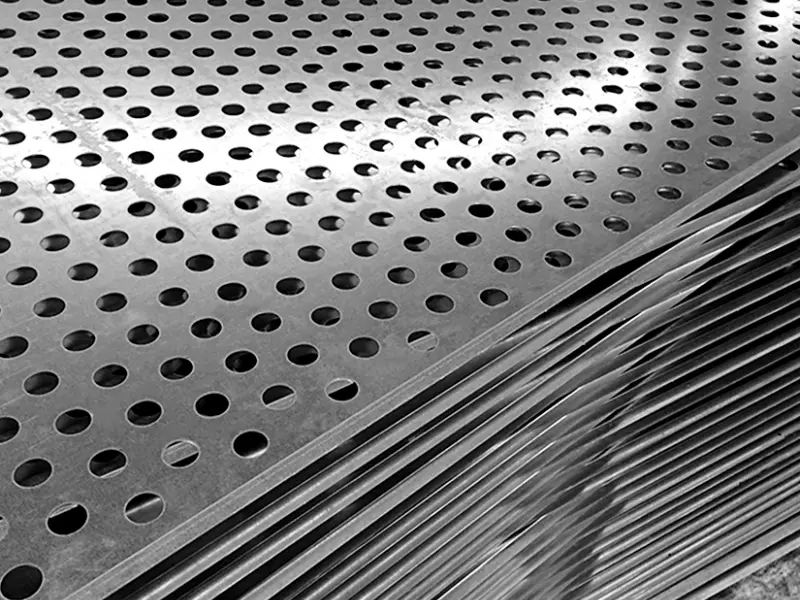
1050 and 1060 are commercially pure aluminium grades. They offer good corrosion resistance and formability.
They may be suitable for general-purpose panels, light-duty covers and decorative applications.
1100 Perforated Aluminium Sheet
1100 aluminium offers good formability and corrosion resistance. It has considered for general industrial and decorative panels where the strength requirements are moderate.
The suitable temper depends on the forming and installation process.
3003 Perforated Aluminium Sheet

3003 contains manganese and generally offers higher strength than commercially pure aluminium grades. It also has good formability and corrosion resistance.
It is a useful option for many architectural and general industrial panels.
5052 Perforated Aluminium Sheet
5052 contains magnesium and is known for good corrosion resistance and higher strength than many 1xxx grades. It can be suitable for outdoor panels, equipment covers and applications exposed to moisture.
For marine or highly corrosive environments, the complete system has assessed, including fasteners, coating, drainage and cleaning requirements.
Alloy Comparison Table
| Alloy | Main Advantage | Suitable Applications |
|---|---|---|
| 1050 | Good formability and corrosion resistance | Decorative panels and light-duty covers |
| 1060 | High aluminium content and good conductivity | General panels and equipment covers |
| 1100 | Good workability | Industrial and decorative applications |
| 3003 | Balanced strength and formability | Facades, partitions and ventilation panels |
| 5052 | Higher strength and good corrosion resistance | Outdoor panels and industrial enclosures |
The final choice should be based on mechanical requirements, forming operations, environmental exposure and the required finish.
Temper Options for 3mm Perforated Aluminium
Temper describes the material’s condition after processing. It influences strength and formability.
| Temper | General Characteristics | Potential Uses |
|---|---|---|
| O | Soft, high formability | Panels requiring further forming |
| H14 | Strain-hardened, relatively firm | Flat panels and general fabrication |
| H24 | Strain-hardened and partially annealed | Panels requiring a balance of strength and formability |
| H32 | Stabilized strain-hardened condition, commonly associated with 5xxx alloys | Industrial panels and covers |
These tempers are not interchangeable across all alloys. Confirm the alloy and temper combination with the supplier before ordering.
For flat architectural panels, a harder temper may provide useful rigidity. For parts that require bending or forming after perforation, the selected temper should be checked for cracking and springback.
Hole Diameter, Pitch and Open Area
Hole size is one of the most important design choices for a perforated aluminium panel. It affects appearance, airflow, visibility and the amount of metal remaining in the sheet.
What Is Hole Pitch?
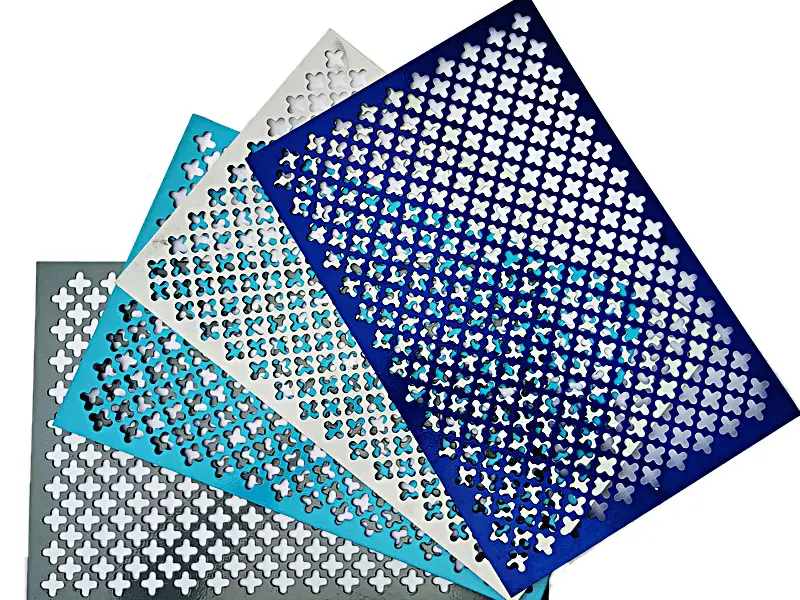
Hole pitch is the distance between the centres of two neighbouring holes. A smaller pitch usually means more holes in the same area, provided the hole diameter remains unchanged.
The space between holes is often called the web. A narrow web leaves less material to support the panel.
Example Round Hole Configurations
| Hole Diameter | Example Pitch | Relative Appearance |
|---|---|---|
| 3 mm | 5 mm | Fine perforation |
| 4 mm | 6 mm | Compact pattern |
| 5 mm | 8 mm | Medium pattern |
| 6 mm | 9 mm | Open pattern |
| 8 mm | 12 mm | Larger openings |
| 10 mm | 15 mm | More visible perforation |
These examples are for design discussion only. They do not represent universal standard sizes. The actual open area depends on the hole layout and pitch.
How to Estimate Open Area
For round holes arranged in a regular 60-degree staggered pattern, the theoretical open area can be estimated with:
Open area (%) ≈ 90.7 × (hole diameter ÷ pitch)²
The hole diameter and pitch must use the same units.
For example, a 5 mm hole with a 8 mm pitch gives an estimated open area of about 35.4% for this pattern.
This calculation assumes a regular staggered layout. Actual open area may differ because of borders, manufacturing tolerances and custom patterns.
How Open Area Affects Performance
- Lower open area: More metal remains, which can help maintain panel rigidity.
- Higher open area: More airflow and visibility may be possible, but the panel may lose stiffness.
- Small holes: Can provide a finer appearance and help screen larger particles, depending on the opening.
- Large holes: Allow greater visibility and may suit ventilation or decorative designs.
Open area alone does not determine airflow or filtration efficiency. Pressure drop, particle size, air speed and the complete system design also matter.
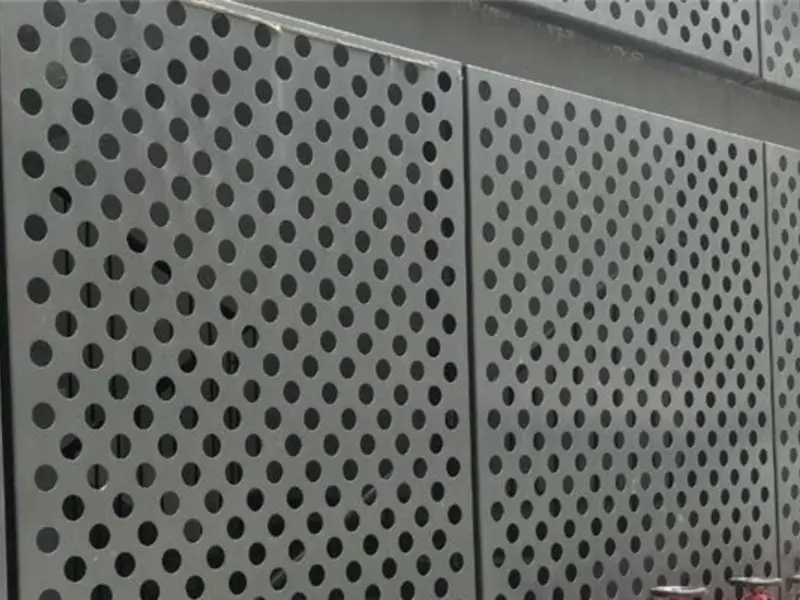
Applications of 3mm Thick Perforated Aluminium Sheet
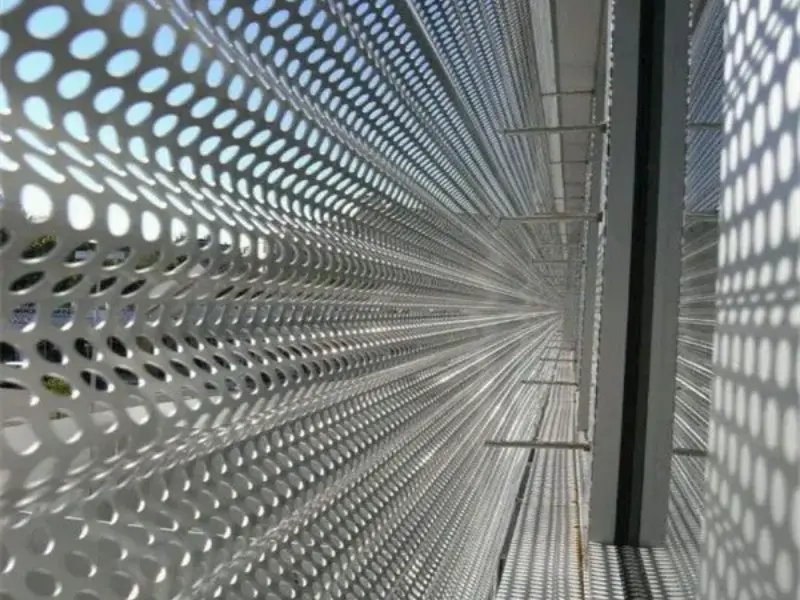
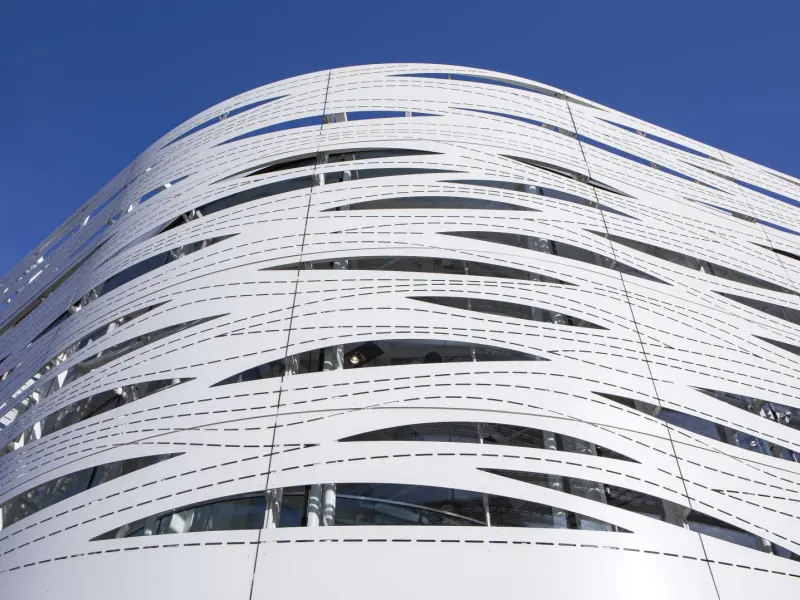
A 3mm panel can be used in many sectors. The correct alloy, pattern and finish depend on the function of the finished product.
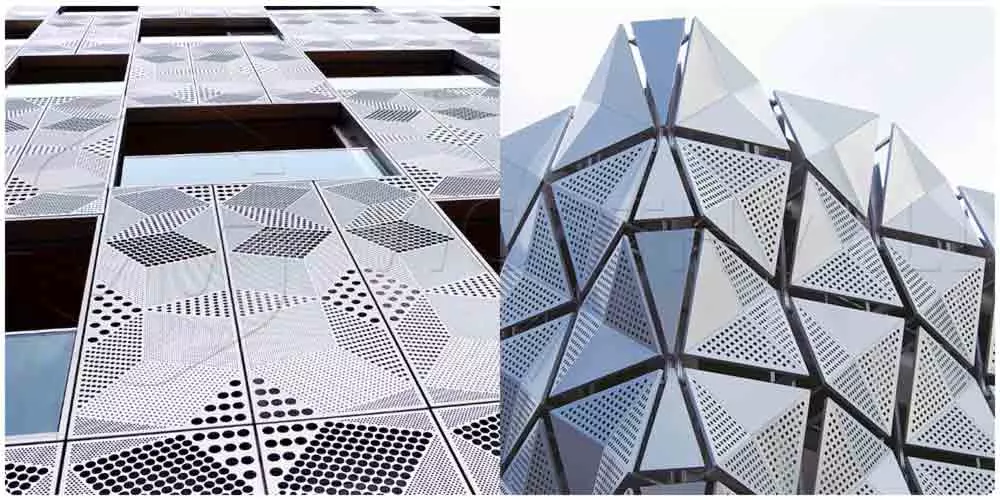
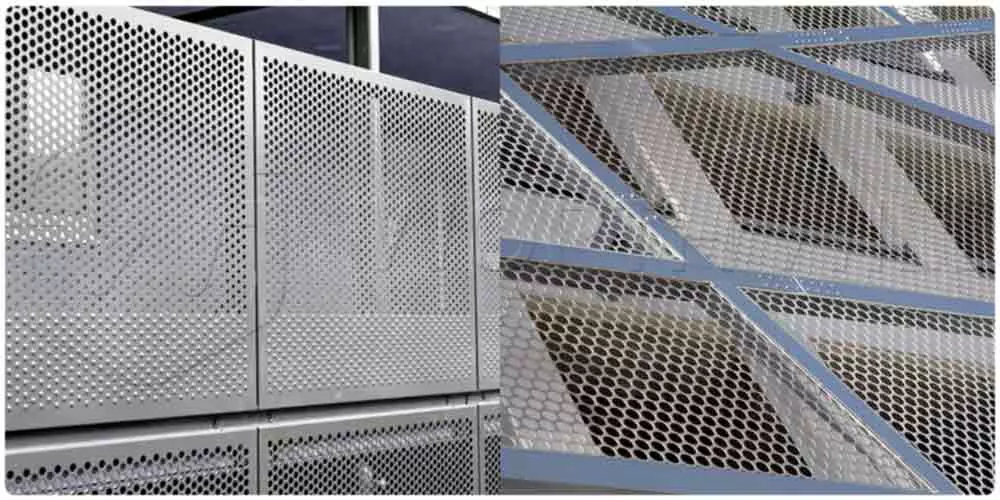
Building Facades and Exterior Screens
Perforated aluminium has uses in architectural projects because it is lightweight and can create different visual effects.
Applications include:
- Building facade screens
- Sun-shading panels
- Balcony and terrace screens
- Exterior decorative panels
- Ventilation facades
- Entrance and canopy panels
For exterior use, consider wind load, support spacing, drainage, coating durability and local building requirements. A 3mm thickness alone does not confirm that a panel is suitable for a specific facade.
Ventilation and Airflow Systems
The openings allow air to pass through the sheet. The hole size and open area should match the airflow requirements of the equipment.
Applications include:
- Ventilation covers
- Air intake panels
- HVAC equipment enclosures
- Cooling equipment covers
- Machine ventilation panels
- Air distribution screens
The pressure drop and required airflow should be checked for the complete system, rather than estimated from open area alone.
Machine Guards and Industrial Covers
Perforated aluminium has uses for protective covers and machine enclosures where visibility and airflow are needed.
Applications include:
- Equipment guards
- Electrical cabinet covers
- Machinery enclosures
- Industrial partitions
- Protective screens
- Access panels
The design must provide suitable protection against the specific hazards. Perforated sheet is not automatically suitable as a safety guard simply because it is 3mm thick.
Interior Design and Commercial Spaces
Perforated aluminium can add texture and allow light to pass through. It has finished in different colours.

Applications include:
- Decorative wall panels
- Ceiling panels
- Retail displays
- Reception areas
- Office partitions
- Interior screening
- Restaurant and hotel decoration
Powder coating and anodizing can change the appearance. The coating has selected according to cleaning needs and the indoor environment.
Furniture and Cabinet Manufacturing
The sheet can be used as a functional or decorative part of furniture and cabinets.
Applications include:
- Cabinet doors
- Storage unit panels
- Furniture inserts
- Shelving components
- Equipment cabinets
- Display racks
Check the panel’s edge finish and mounting method to avoid sharp edges or local deformation.
Automotive and Transportation Equipment
Perforated aluminium has used in non-critical covers and panels where reduced weight and airflow are useful.
Applications include:
- Equipment covers
- Interior trim panels
- Ventilation grilles
- Protective panels
- Storage compartment inserts
Vehicle applications require material and performance checks. Components subject to vibration, impact or structural loads need appropriate design validation.
Filters and Screening
Perforated sheet can serve as a screening layer or support panel. It has uses where openings need to be uniform and the panel must retain its shape.
Applications include:
- Coarse screening
- Protective filter supports
- Equipment screens
- Ventilation screens
- Separation panels
A perforated sheet is not automatically a fine filter. The smallest particle that has retained depends on the hole size, shape and distribution, as well as the operating conditions.
3mm Perforated Aluminium Sheet vs Other Thicknesses
Thickness affects panel weight, stiffness, fabrication and cost. The following comparison is a general guide.
| Thickness | General Characteristics | Common Uses |
|---|---|---|
| 1.0 mm | Very light, less rigid | Light decorative panels |
| 1.5 mm | Light and easier to handle | Interior screens and covers |
| 2.0 mm | Moderate thickness | General panels and enclosures |
| 3.0 mm | Greater base thickness and rigidity | Architectural panels and industrial covers |
| 4.0 mm | Heavier, potentially more rigid | Heavy-duty panels and selected industrial uses |
| 5.0 mm | Higher material use and weight | Special industrial and architectural designs |
Actual rigidity depends on the perforation pattern, alloy, support span and panel dimensions. A 3mm perforated sheet with large openings may be less rigid than a solid sheet of the same thickness.
When Should You Choose 3mm?
Choose 3mm perforated aluminium when the project needs a balance between panel rigidity, open area and manageable weight.
It may be suitable for medium-duty covers, architectural screens and ventilation panels. However, a thinner sheet may be sufficient for decorative indoor work, while a thicker sheet or a different support structure may be required for heavy loads.
Perforated Aluminium Sheet vs Solid Aluminium Sheet


| Feature | Perforated Aluminium | Solid Aluminium |
|---|---|---|
| Airflow | Allows air to pass through the holes | Blocks airflow through the sheet |
| Light transmission | Depends on open area | Blocks direct light |
| Weight | Usually lower for the same outer dimensions | Higher for the same alloy and thickness |
| Privacy | Depends on hole size and viewing angle | Provides a continuous barrier |
| Rigidity | Reduced by the holes, depending on pattern | Usually higher at the same thickness |
| Common uses | Screens, ventilation and decorative panels | Covers, plates and continuous barriers |
Choose perforated aluminium when openings are part of the design. Select solid sheet when a continuous surface, better shielding or greater material section is required.
Perforated Aluminium vs Perforated Steel
| Feature | Perforated Aluminium | Perforated Steel |
|---|---|---|
| Weight | Lower | Usually higher |
| Corrosion resistance | Good for many environments, depending on alloy and finish | Often requires a suitable coating or stainless grade |
| Strength | Suitable for many light and medium-duty applications | Often preferred for higher-load applications, depending on grade |
| Fabrication | Can be cut and formed using suitable methods | Can offer high stiffness and strength |
| Typical uses | Facades, screens, ventilation and lightweight covers | Heavy-duty guards, industrial screens and structural applications |
Neither material is best for every project. Compare the required load, total weight, corrosion exposure, fabrication cost and service life before making a decision.
Cutting, Bending and Fabrication
A 3mm perforated aluminium sheet has cut and fabricated, but the hole pattern affects the process.
Cutting to Size
Laser cutting, waterjet cutting, sawing or other methods may be suitable depending on the alloy, panel size and required edge quality.
The cutting method should avoid excessive distortion and damage to the finished surface.
Bending Perforated Aluminium
Bending can be more complex than bending a solid sheet because the holes interrupt the material. The bend line, hole spacing and remaining web width can affect the final shape.
For a bent panel, it is best to provide a drawing showing the bend angle, bend radius and perforation layout. The manufacturer can then check whether the pattern needs an unperforated border or a clear bending zone.
Edge Finishing
Perforated sheets can have sharp edges around the holes and cut perimeter. Depending on the application, additional deburring, edge trimming or protective framing may be needed.
For public spaces, furniture and frequently handled panels, edge safety should be part of the specification.
Surface Finishes for 3mm Perforated Aluminium
Mill Finish
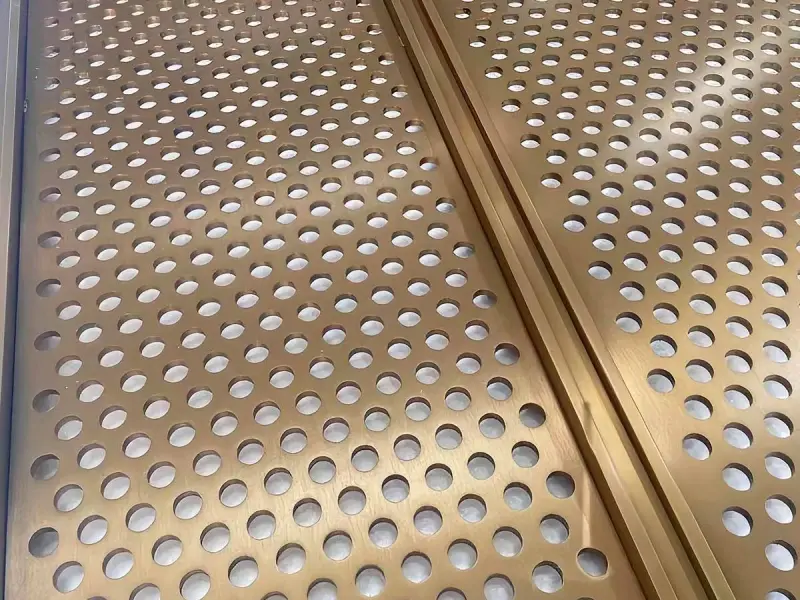
Mill finish is suitable for many general industrial applications. It has applications when the panel will receive further processing or when a basic aluminium appearance is acceptable.
Anodized Finish
Anodizing creates a controlled oxide layer. It can improve surface durability and provide different decorative appearances.
The compatibility of anodizing with the alloy and the required colour have confirmed before production.
Powder Coating
Powder coating offers a range of colours and surface effects. It has applications for architectural panels, decorative screens and commercial interiors.
For outdoor applications, specify the coating system according to the expected weather exposure.
Painted Aluminium
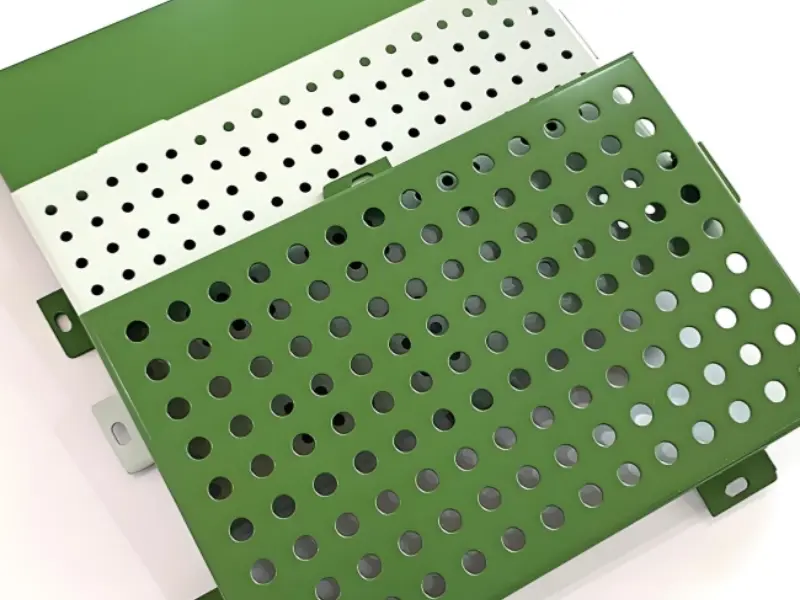
Painted perforated sheets may be suitable for projects that require a particular colour or surface appearance. The coating should be compatible with any later bending or forming.
When the sheet has perforated before coating, the treatment of the hole edges should be considered as part of the finishing process.
How to Order 3mm Thick Perforated Aluminium Sheet
A complete specification helps the supplier quote the correct product and reduces the risk of misunderstandings.
Before requesting a price, prepare the following details:
- Thickness: 3mm.
- Alloy and temper: For example, 3003-H14 or a suitable 5052 temper, subject to availability.
- Hole shape: Round, square, slotted, hexagonal or custom.
- Hole diameter: Specify the opening size.
- Pitch: Provide the centre-to-centre distance.
- Hole layout: Staggered, straight row or custom.
- Open area: State the target if the design requires it.
- Sheet dimensions: Width and length.
- Surface finish: Mill finish, anodized, powder coated or painted.
- Border: Perforated to the edge or with an unperforated margin.
- Quantity: Number of sheets or total area.
- Delivery requirements: Destination, packaging and shipping terms.
A CAD drawing or dimensioned sketch is especially useful for custom patterns. It helps confirm the hole layout, border dimensions and fabrication requirements.
Frequently Asked Questions
Is 3mm thick perforated aluminium sheet strong?
It can provide useful rigidity for many panels and covers. However, the holes reduce the amount of material in the sheet. Strength depends on the alloy, hole size, pitch, open area, panel dimensions and support arrangement.
What hole sizes are available in 3mm perforated aluminium?
Common design examples include round holes of 2, 3, 4, 5, 6, 8, 10 and 12mm. Other sizes may be possible. The available hole diameter has checked against the pitch, web width and manufacturing limits.
Which aluminium alloy is best for a perforated sheet?
The best alloy depends on the application. Grades such as 1050, 1060 and 1100 offer good formability and corrosion resistance. 3003 provides a useful balance of strength and workability, while 5052 has suitable when higher strength and corrosion resistance are needed.
Can 3mm perforated aluminium sheet be used outdoors?

Yes, it has uses in many outdoor applications when the alloy, finish, fixing method and support structure are appropriate. Weather exposure, wind load, drainage and maintenance requirements have considered.
Is 3mm perforated aluminium suitable for building facades?
It can be suitable for some facade and sun-screen systems. The panel has checked for wind load, support spacing, fixing details, deflection and local building requirements. Thickness alone does not establish facade safety.
What is the difference between 3mm perforated and 3mm solid aluminium sheet?
Perforated sheet has openings that allow air and light to pass through. It normally weighs less than a solid sheet of the same outer dimensions, but it also has less material to carry loads. Solid sheet is better when a continuous surface is required.
Can I order custom hole patterns?
Many perforated aluminium products can be customized. You can specify the hole shape, diameter, pitch, arrangement, border and sheet size.
Can 3mm perforated aluminium sheet be bent?
Yes, depending on the alloy, temper and hole pattern. The holes can affect the strength of the bend area and may lead to distortion.
How do I calculate the open area?
The open area is the percentage of the sheet’s surface occupied by holes. It depends on the hole shape, size, pitch and layout. For a regular 60-degree staggered pattern of round holes, an approximate formula is 90.7 × (hole diameter ÷ pitch)², expressed as a percentage.
What information is needed for a quotation?
Provide the 3mm thickness, alloy, temper, hole pattern, hole size, pitch, sheet dimensions, finish, quantity and delivery destination. For a custom design, include a technical drawing.
Get a Quote for 3mm Perforated Aluminium Sheet
Choosing the right perforated aluminium sheet starts with the application. A facade panel may need a decorative pattern and weather-resistant finish, while a ventilation panel may require a specific open area. Machine covers may need a different balance of strength, visibility and airflow.
For wholesale and custom orders, compare the alloy, temper, hole size, pitch, panel dimensions and surface finish before confirming production.
Send your specifications or drawing to request a quotation for 3mm thick perforated aluminium sheet.
Error: Contact form not found.