5052 and 6061 aluminum sheets are widely used in construction, transportation, marine equipment, machinery, and industrial manufacturing. Both alloys offer good corrosion resistance and relatively low weight, but they have different strengths, forming properties, and processing requirements.
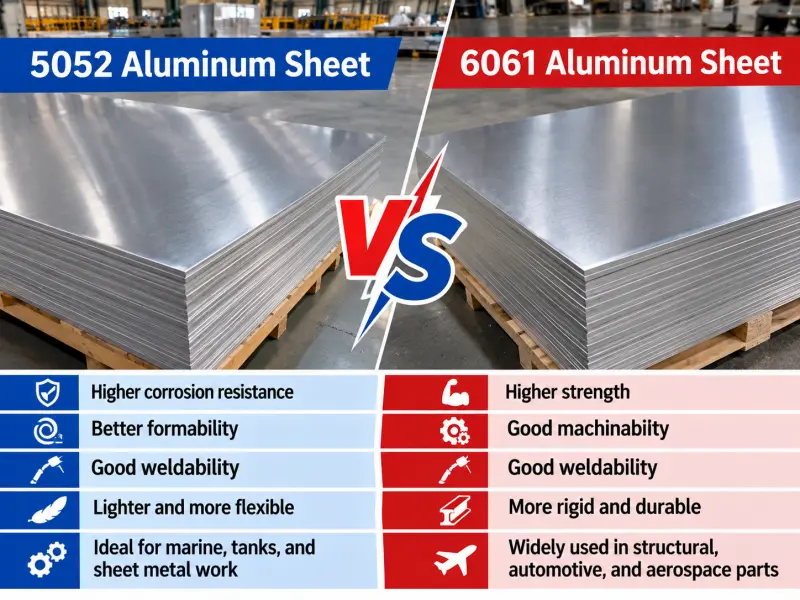
The main difference between 5052 and 6061 aluminum sheet is their alloy composition and heat treatment. 5052 is a non-heat-treatable aluminum-magnesium alloy, while 6061 is a heat-treatable aluminum-magnesium-silicon alloy.
5052 is often selected for bending, sheet metal fabrication, and marine applications.
6061-T6 is commonly used for machined parts, structural components, and products requiring higher strength.
Choosing the right alloy depends on thickness, temper, bending requirements, operating environment, and project cost.
5052 vs. 6061 Aluminum Sheet: Quick Comparison
| Property | 5052 Aluminum | 6061 Aluminum |
|---|---|---|
| Aluminum Series | 5xxx | 6xxx |
| Main Alloying Elements | Magnesium, chromium | Magnesium, silicon |
| Heat Treatable | No | Yes |
| Common Temper | O, H32, H34 | O, T4, T6, T651 |
| Strength | Medium to high | High in T6 |
| Formability | Very good in softer tempers | Good in O, limited in T6 |
| Corrosion Resistance | Excellent | Good |
| Weldability | Good | Good |
| Machinability | Fair to good | Good in T6 |
| Marine Applications | Common | More limited |
| Structural Parts | Selected applications | Common |
The exact properties depend on temper, thickness, product form, and manufacturing standard.
Chemical Composition of 5052 and 6061 Aluminum
The alloying elements explain many of the differences between these materials.
| Element | 5052 (%) | 6061 (%) |
|---|---|---|
| Magnesium | 2.2–2.8 | 0.8–1.2 |
| Silicon | ≤0.25 | 0.4–0.8 |
| Chromium | 0.15–0.35 | 0.04–0.35 |
| Copper | ≤0.10 | 0.15–0.40 |
| Manganese | ≤0.10 | ≤0.15 |
| Aluminum | Balance | Balance |
5052 contains more magnesium, which contributes to its strength and corrosion resistance.
6061 contains magnesium and silicon, allowing it to gain strength through heat treatment.
5052-H32 vs. 6061-T6: Mechanical Properties
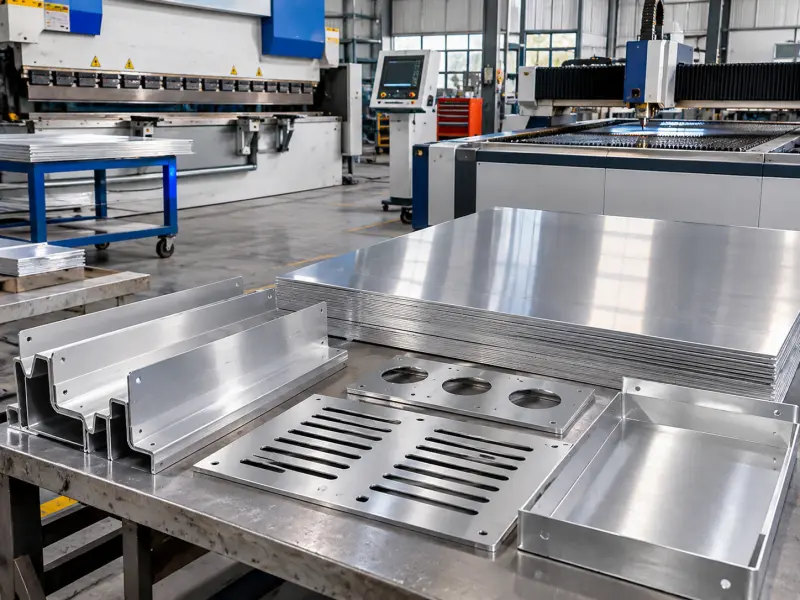
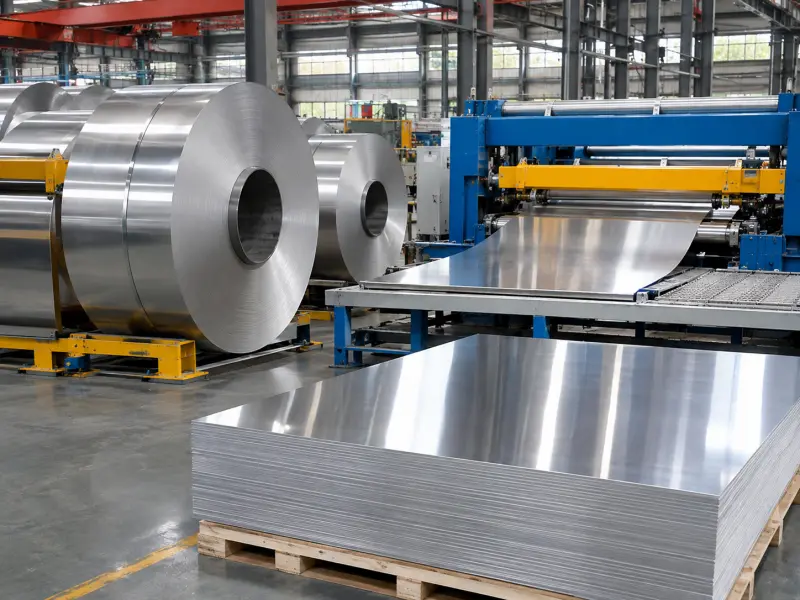
Buyers often compare 5052-H32 with 6061-T6 because these are common commercial tempers.
| Property | 5052-H32 | 6061-T6 |
|---|---|---|
| Typical Tensile Strength | 230 MPa | 310 MPa |
| Typical Yield Strength | 195 MPa | 276 MPa |
| Elastic Modulus | About 70 GPa | About 69 GPa |
| Density | 2.68 g/cm³ | 2.70 g/cm³ |
| Relative Formability | Better | Lower |
| General Corrosion Resistance | Excellent | Good |
Values are representative, not guaranteed minimums. Certified mechanical properties vary with thickness, product form, and applicable standards.
Which Aluminum Sheet Is Stronger?
6061-T6 generally has higher yield and tensile strength than 5052-H32.
It has often preferred for load-bearing parts, brackets, machinery, and structural components.
However, alloy alone does not determine strength. A softer 6061 temper may be weaker than a work-hardened 5052 temper.
Which Aluminum Sheet Is Easier to Bend?
5052-H32 is generally easier to bend than 6061-T6.
5052 has commonly used for sheet metal parts that require bending and forming. 6061-T6 has a greater risk of cracking during tight bends.
For complex forming, 6061-O may be used before suitable heat treatment.
Types of 5052 Aluminum Sheet
5052 is available in several tempers for different forming and strength requirements.
| Type | Main Feature | Typical Application |
|---|---|---|
| 5052-O | Soft, high ductility | Deep forming |
| 5052-H32 | Quarter-hard | Sheet metal fabrication |
| 5052-H34 | Half-hard | Panels, enclosures |
| 5052-H36 | Three-quarter-hard | Rigid fabricated parts |
| 5052-H38 | Full-hard | Limited-forming applications |
5052-O Aluminum Sheet
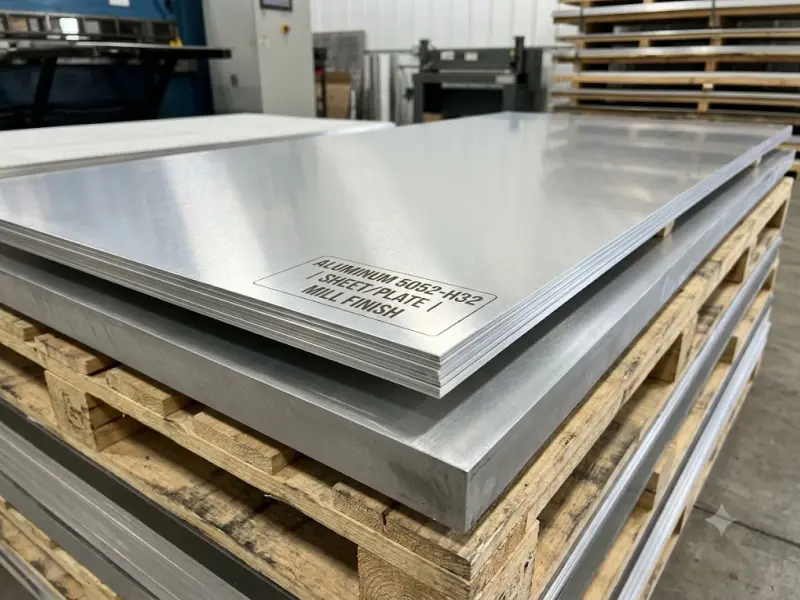
5052-O has fully annealed and offers high formability. It is suitable for deep-drawn components and parts requiring substantial deformation.
5052-H32 Aluminum Sheet
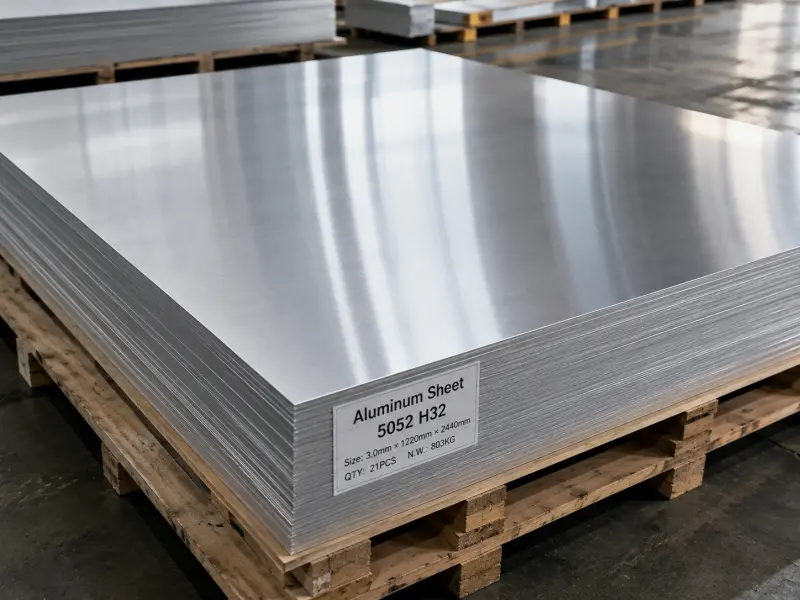
5052-H32 provides a useful balance of strength and formability.
Common applications include:
- Marine equipment covers
- Fuel tanks
- Automotive panels
- Electrical enclosures
- General sheet metal parts
5052-H34 Aluminum Sheet
5052-H34 provides higher strength than H32 but lower formability. It is suitable for panels, cabinets, and fabricated components with moderate bending requirements.
Types of 6061 Aluminum Sheet and Plate
6061 has commonly supplied in O, T4, T6, and T651 tempers.
| Type | Main Feature | Typical Application |
|---|---|---|
| 6061-O | Soft, easy to form | Formed components |
| 6061-T4 | Solution heat-treated, naturally aged | Fabrication |
| 6061-T6 | High strength | Structural and machined parts |
| 6061-T651 | Stress-relieved by stretching | Machined plate components |
6061-T6 Aluminum Sheet
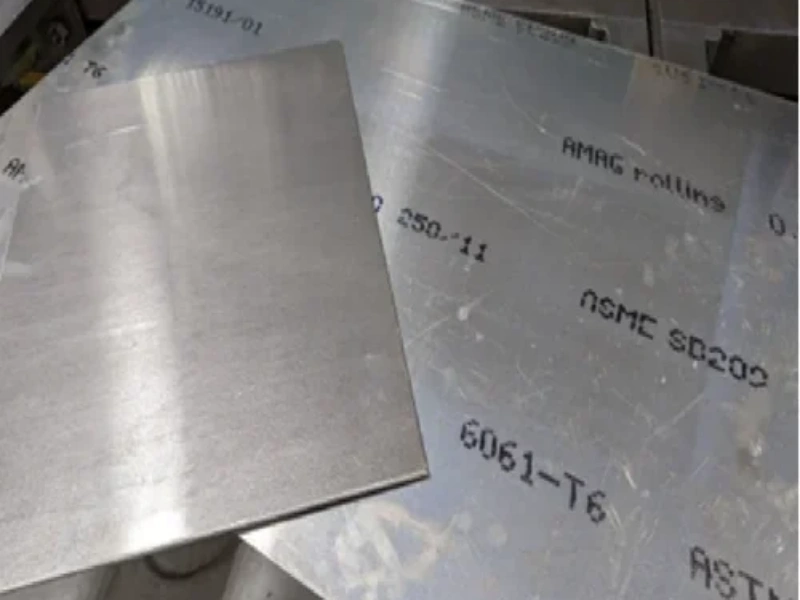
6061-T6 is one of the most popular tempers for industrial applications.
It offers good strength and machinability. It has commonly used for brackets, machine parts, structural plates, and mechanical components.
6061-T651 Aluminum Plate
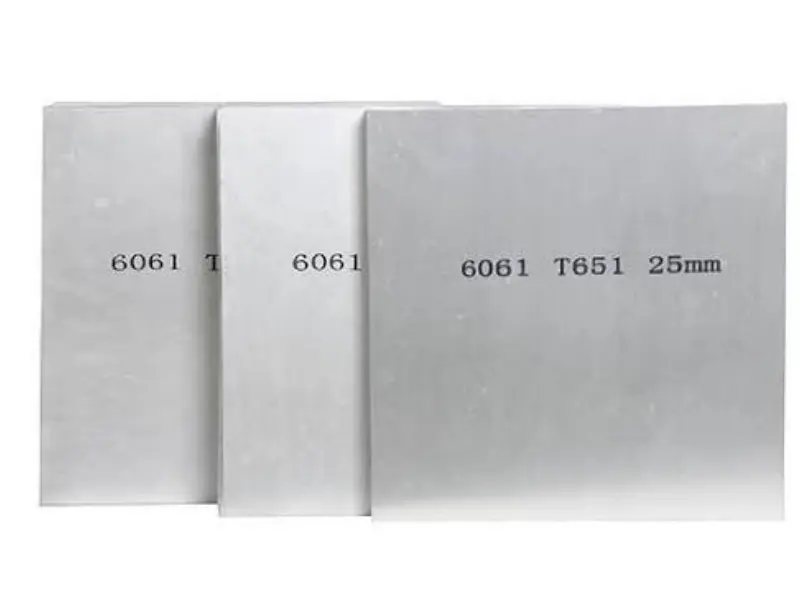
6061-T651 is often supplied as plate. The stress-relief process helps reduce residual stress and can improve dimensional stability during machining.
It has commonly selected for CNC-machined parts, tooling plates, and precision components.
5052 vs. 6061 Aluminum Sheet by Thickness
Both alloys are available in different thicknesses. However, not every temper is offered in every gauge.
| Thickness | 5052 Applications | 6061 Applications |
|---|---|---|
| 0.5 mm | Thin formed parts | Limited availability |
| 1.0 mm | Enclosures, panels | Light fabricated parts |
| 1.5 mm | Automotive panels | Industrial components |
| 2.0 mm | Marine covers, cabinets | Brackets |
| 3.0 mm | Tanks, formed panels | Machine parts |
| 5.0 mm | Heavy sheet fabrication | Structural parts |
| 6.0 mm | Industrial components | Machined components |
| 10.0 mm | Plate applications | CNC machining |
| 20.0 mm | Specialized plate parts | Structural and machine plates |
These are application examples rather than fixed design recommendations.
1.5 mm 5052 vs. 6061 Aluminum Sheet
5052-H32 is usually the more practical choice for folded covers, enclosures, and formed panels.
6061 has selected for components requiring machining or higher strength, provided the temper and forming process are suitable.
3 mm 5052 vs. 6061 Aluminum Sheet
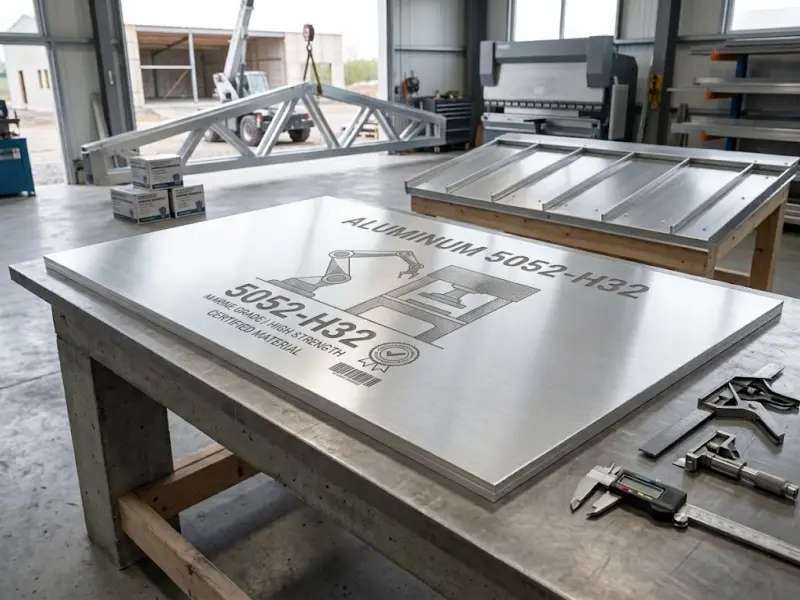
3 mm 5052 has commonly used for fabricated tanks, panels, and protective covers.
The 3 mm 6061-T6 is suitable for brackets, machined components, and relatively rigid parts.
6 mm 5052 vs. 6061 Aluminum Plate
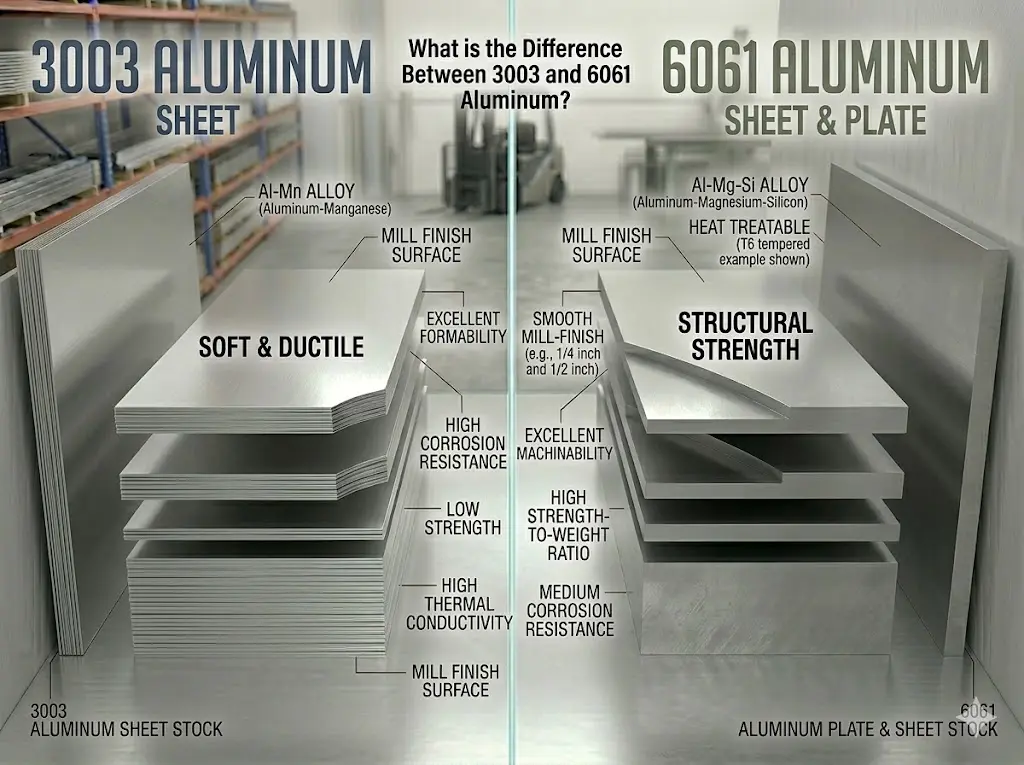
5052 offers good corrosion resistance and forming performance for fabricated industrial parts.
6061-T6 has often preferred for structural brackets and machined components where higher strength is needed.
5052 vs. 6061 for Marine Applications
5052 has generally a better choice for sheet metal parts exposed to marine environments.
Its magnesium-rich composition provides good resistance to saltwater corrosion.
| Application | Common Choice | Reason |
|---|---|---|
| Boat interior panels | 5052 | Corrosion resistance |
| Marine equipment covers | 5052 | Formability |
| Boat fuel tanks | 5052 | Weldability and corrosion resistance |
| Machined marine brackets | Depends on exposure | Strength and corrosion requirements |
| Structural machine components | 6061 | Higher strength in T6 |
Is 6061 Suitable for Saltwater?
6061 has used in some marine components, but it generally requires more careful corrosion assessment than 5052.
Coatings, isolation from dissimilar metals, and suitable maintenance may be necessary. For severe marine exposure, other alloys such as 5083 or 5086 may also be considered.
5052 vs. 6061 for Industrial Manufacturing
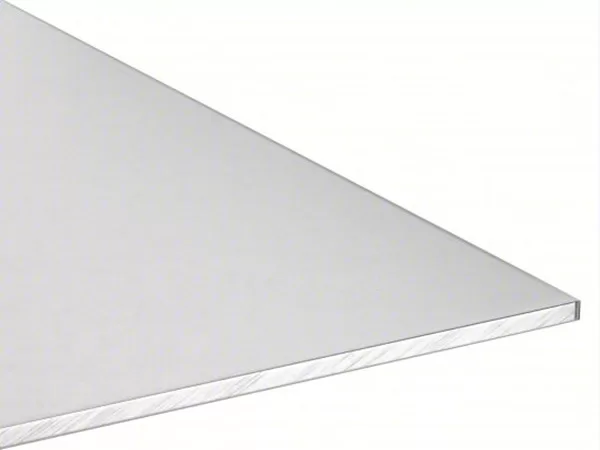
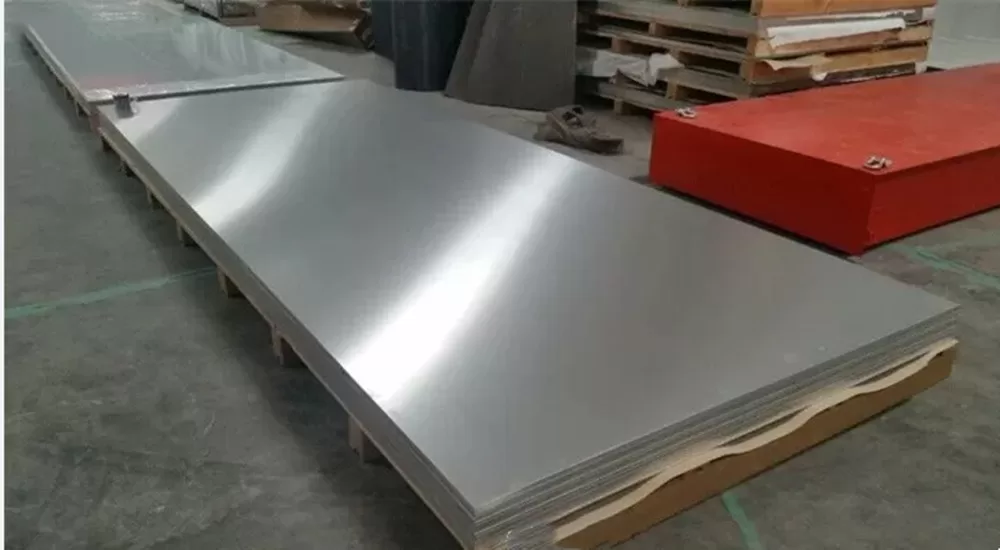
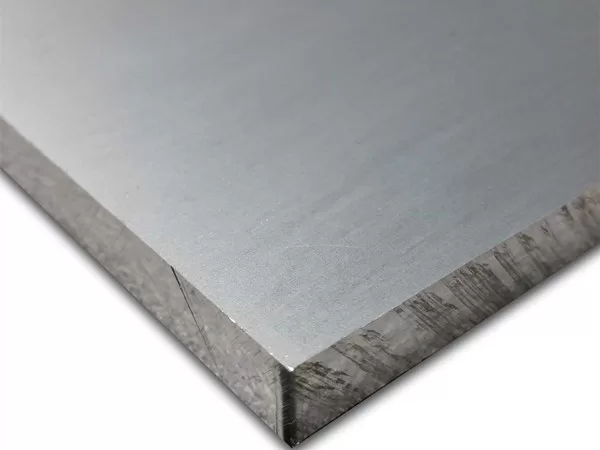
Different industries require different combinations of strength, formability, and corrosion resistance.
| Industry | 5052 Aluminum | 6061 Aluminum |
|---|---|---|
| Automotive | Formed panels, covers | Brackets, mechanical parts |
| Marine | Tanks, covers | Selected machined parts |
| Construction | Cladding, fabricated panels | Structural components |
| Electronics | Enclosures, cabinets | Heat sinks, machined housings |
| Machinery | Sheet metal guards | Machine plates, fixtures |
| Transportation | Formed components | Frames, structural parts |
Automotive and Trailer Manufacturing
5052 is suitable for formed body panels, trailer covers, and protective sheet metal parts.
6061 has commonly used for brackets, frames, and mechanical components.
Electrical Cabinets and Equipment Housings
5052-H32 has often selected for cabinets and enclosures because it bends well and provides good corrosion resistance.
6061-T6 is useful for machined housings and rigid mounting components.
CNC Machining and Mechanical Parts
6061-T6 and 6061-T651 are generally better choices for CNC machining.
They provide good machinability and strength for precision industrial components.
5052 vs. 6061: Welding and Bending
Welding Performance
Both alloys have welded using suitable processes and filler metals.
5052 generally maintains useful corrosion resistance after welding.
6061-T6 can lose considerable strength in the heat-affected zone. Welded structures have designed using appropriate post-weld material properties.
Bending Performance
| Forming Requirement | Preferred Option |
|---|---|
| Deep drawing | 5052-O |
| General sheet bending | 5052-H32 |
| Moderate forming | 5052-H34, depending on bend radius |
| Complex forming before heat treatment | 6061-O |
| Minimal forming, higher strength | 6061-T6 |
Bending performance depends on sheet thickness, bend radius, grain direction, and tooling.
Which Aluminum Sheet Should You Choose?
What Does Your Project Need?
Bending & Forming
5052-H32 / O
CNC Machining
6061-T6 / T651
Marine Sheet Metal
5052
High-Strength Parts
6061-T6
Confirm Temper → Thickness → Processing → Environment
Request Material Specifications and Quotation
5052 vs. 6061 Aluminum Sheet Price
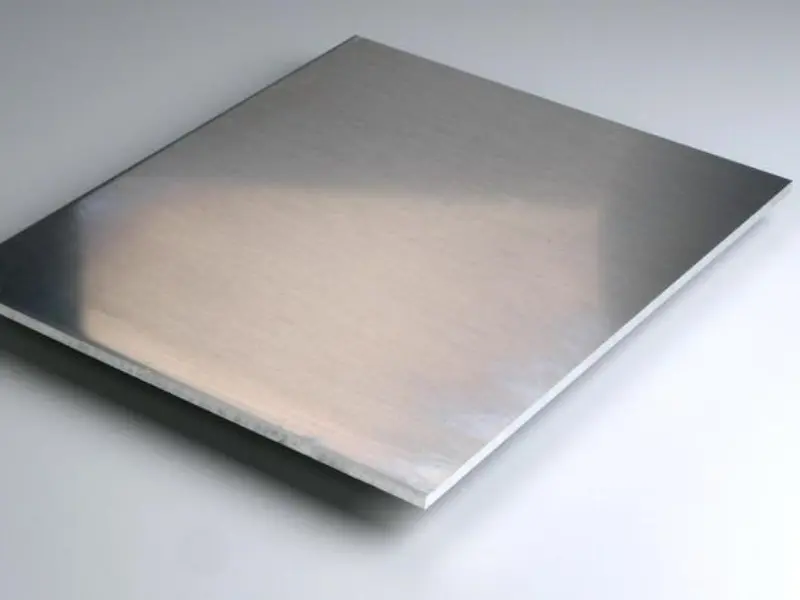
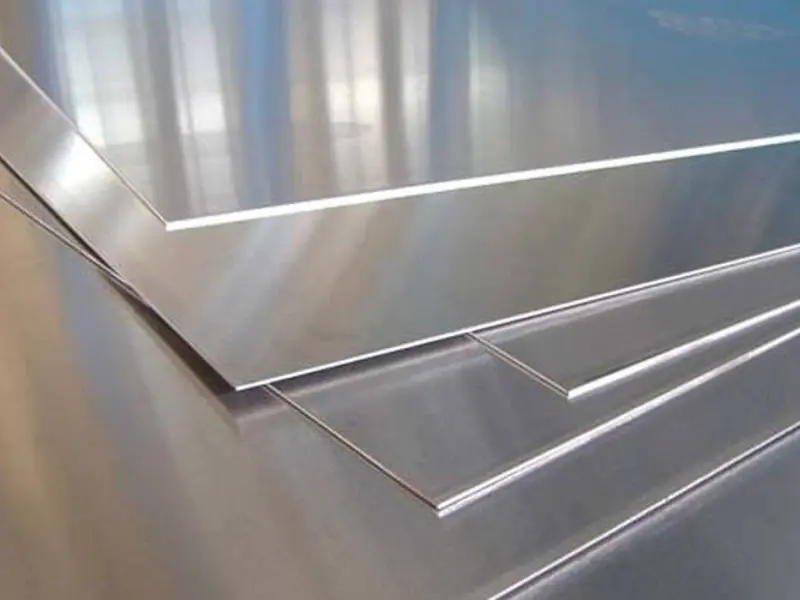
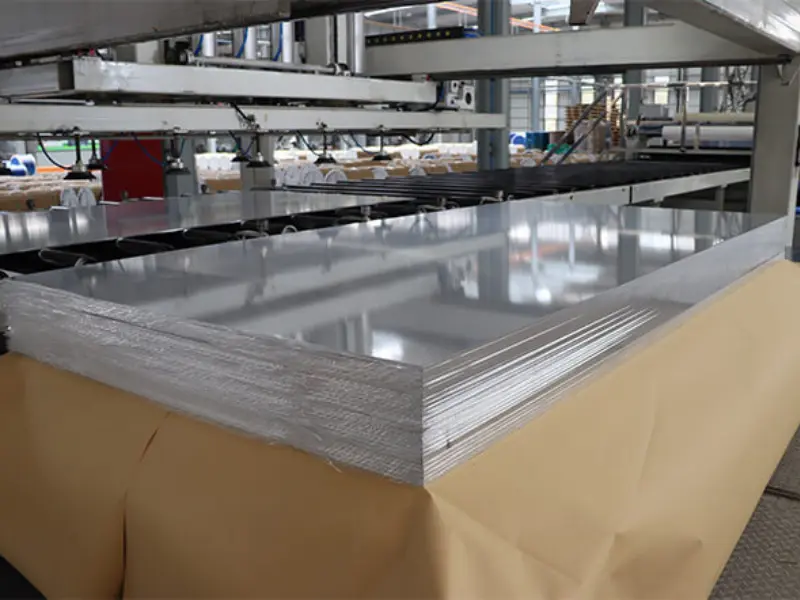
The price difference depends on alloy, temper, thickness, size, order quantity, and processing requirements.
| Cost Factor | Effect on Price |
|---|---|
| Alloy | Different alloying and production costs |
| Temper | Heat treatment adds processing steps |
| Thickness | Affects rolling and handling |
| Sheet Size | Custom sizes may increase cost |
| Surface Finish | Additional processing increases cost |
| Quantity | Larger orders may reduce unit processing cost |
| Certification | Testing and documentation may add cost |
6061-T6 can cost more than 5052-H32 in some specifications, but this is not a fixed rule. Buyers should compare quotations for the same dimensions and order quantity.
Frequently Asked Questions
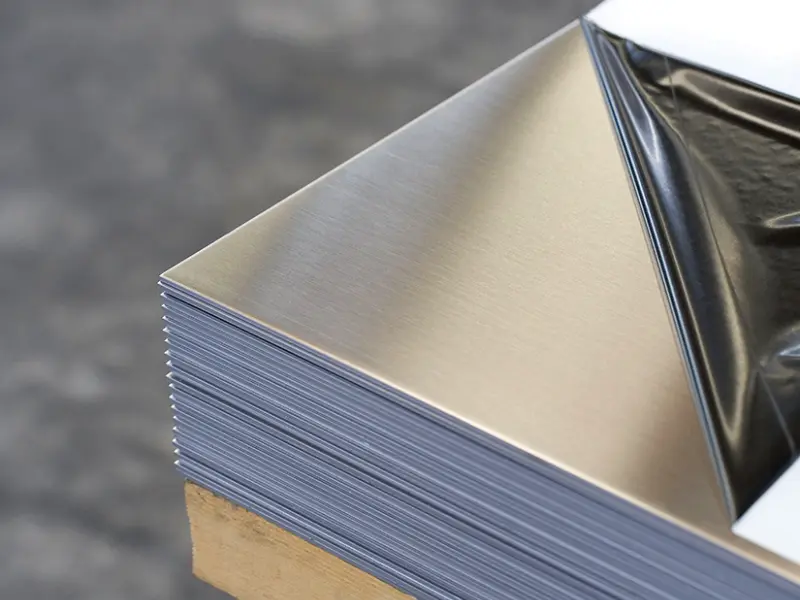
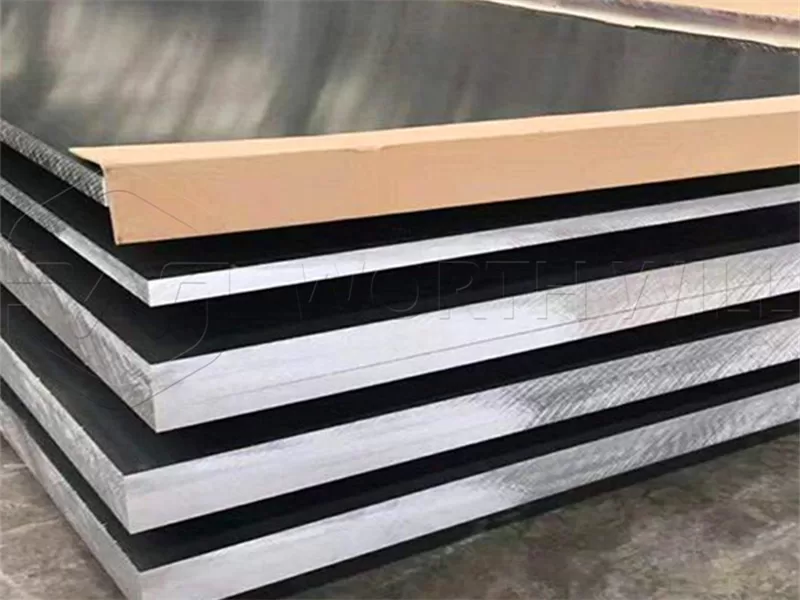
Is 5052 Stronger Than 6061?
5052-H32 is generally weaker than 6061-T6. However, strength depends on temper. Comparing alloy numbers without temper can be misleading.
Is 5052 or 6061 Better for Bending?
5052-H32 is generally better for bending than 6061-T6. It has better formability and is commonly used for folded sheet metal parts.
Which Is Better for CNC Machining?
6061-T6 and 6061-T651 have commonly preferred for CNC machining because of their machinability and strength.
Is 5052 Aluminum Suitable for Marine Use?

Yes. 5052 has good corrosion resistance and has widely used for marine sheet metal components. The exact suitability depends on the exposure and design.
Can 6061 Aluminum Be Welded?
Yes. 6061 has welded, but welding reduces strength in the heat-affected zone of T6 material. Structural design must account for this change.
What Is the Difference Between 6061-T6 and T651?
Both have similar strength levels. T651 includes a stress-relief stretching process, which can improve dimensional stability during machining.
Is 5052 Cheaper Than 6061?
Not always. Prices depend on temper, thickness, market conditions, order quantity, and supplier availability.
Can I Buy Custom 5052 and 6061 Aluminum Sheets?
Custom cutting and dimensions may be available depending on supplier capabilities. Buyers should confirm tolerances, surface finish, minimum order quantity, and delivery requirements.
Buy 5052 and 6061 Aluminum Sheet

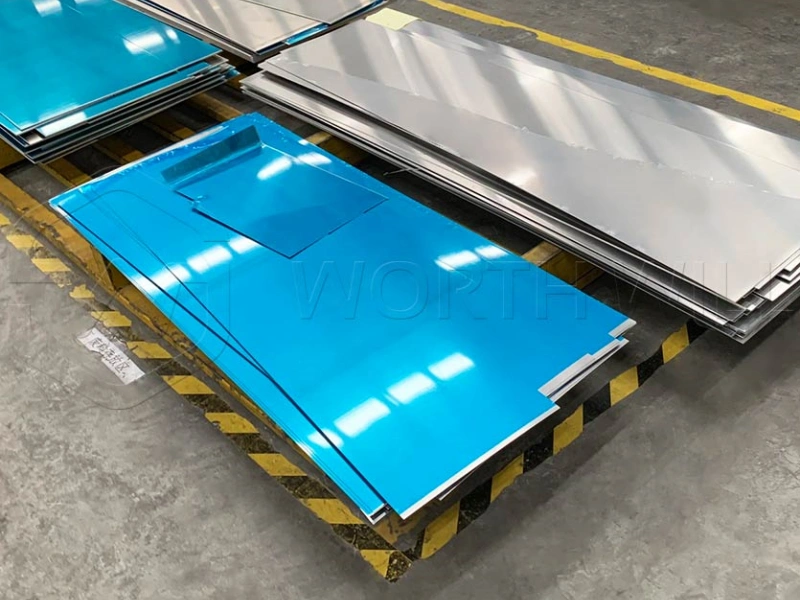
5052 and 6061 aluminum sheets are available in different tempers, thicknesses, and sizes for industrial manufacturing.
Common purchasing specifications include:
| Specification | 5052 Example | 6061 Example |
|---|---|---|
| Alloy | 5052 | 6061 |
| Temper | H32 | T6 |
| Thickness | 2.0 mm | 6.0 mm |
| Width | 1220 mm | 1220 mm |
| Length | 2440 mm | 2440 mm |
| Surface | Mill finish | Mill finish |
| Application | Sheet metal fabrication | Machined parts |
For bulk orders, buyers should confirm the applicable material standard, dimensional tolerances, surface requirements, and material test certificates.
Contact us with your alloy, temper, thickness, sheet size, quantity, and delivery destination to request product specifications and a quotation.