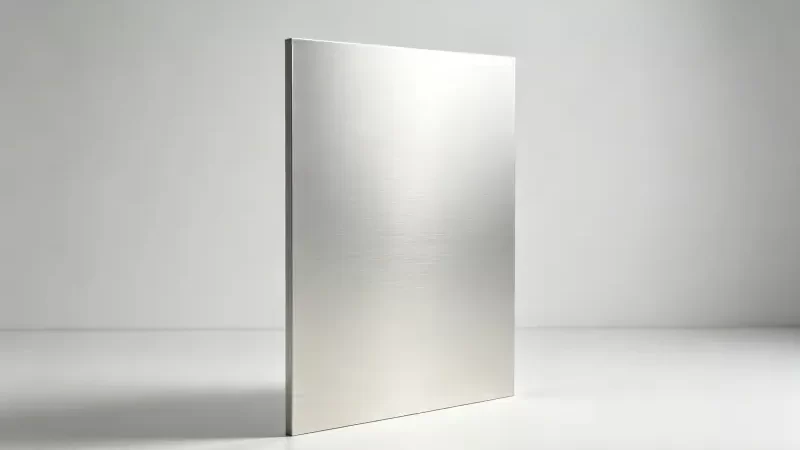
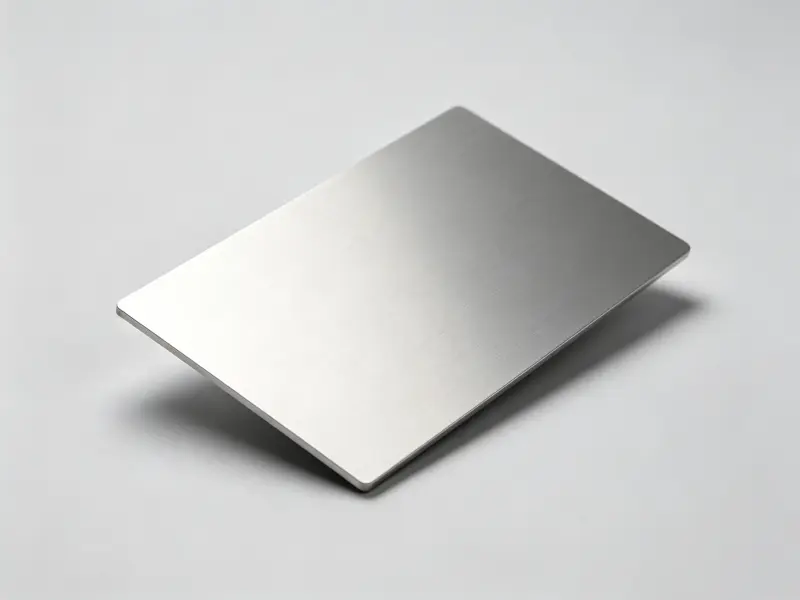
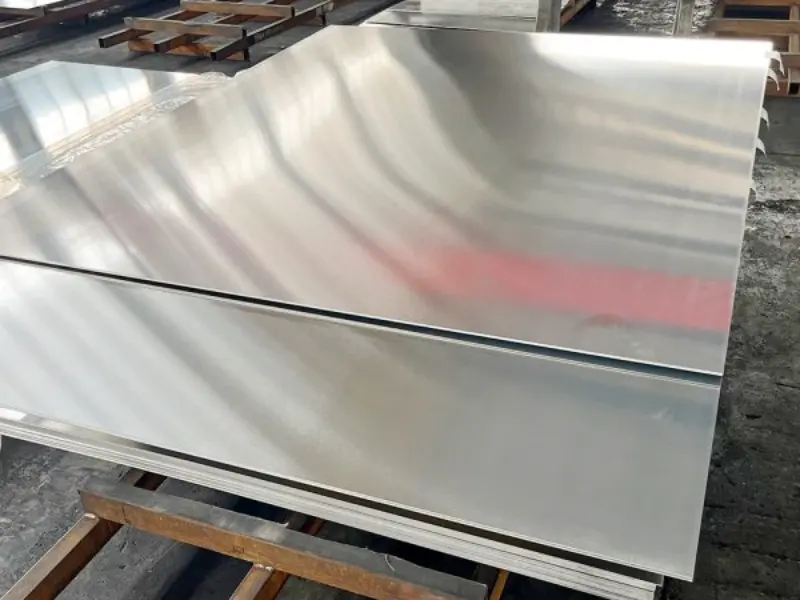
3mm aluminium plate is a practical material for many industrial, commercial, construction, transport, and fabrication projects. It offers a useful balance between low weight, strength, corrosion resistance, and easy processing.
A 3mm aluminium plate is thicker than common thin aluminium sheet. It can provide better rigidity while remaining much lighter than steel. This makes it useful when a project needs a flat metal surface without adding too much weight.
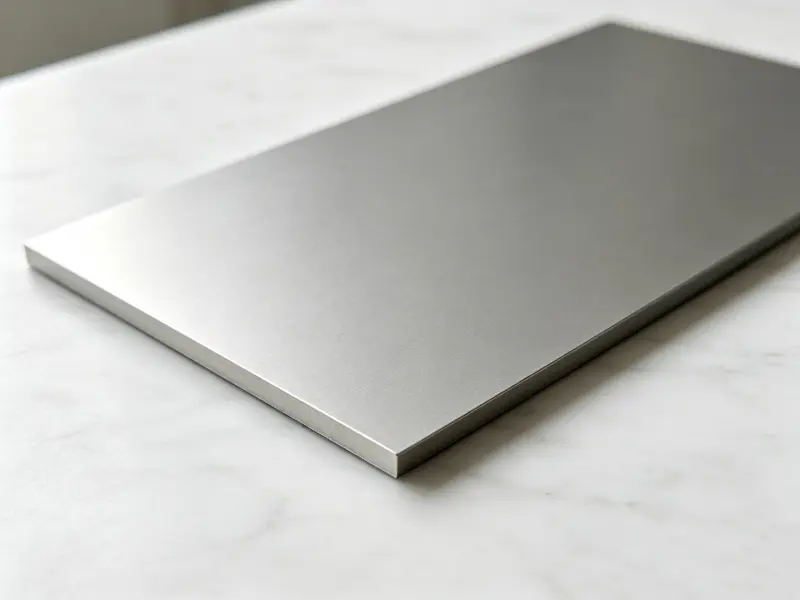
Different aluminium alloys provide different properties. 1050 and 1060 are easy to form and have good corrosion resistance. 3003 offers better strength for general fabrication. 5052 is a popular choice for outdoor, marine, and structural applications. 6061 is suitable when higher strength and machining performance are important.
The right plate depends on the application, alloy, temper, surface, size, and fabrication method.
What Is a 3mm Aluminium Plate?
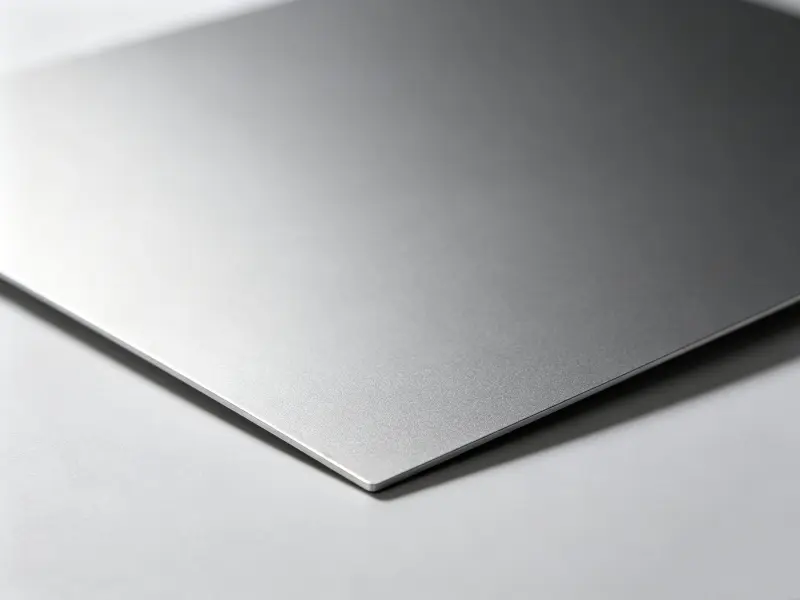
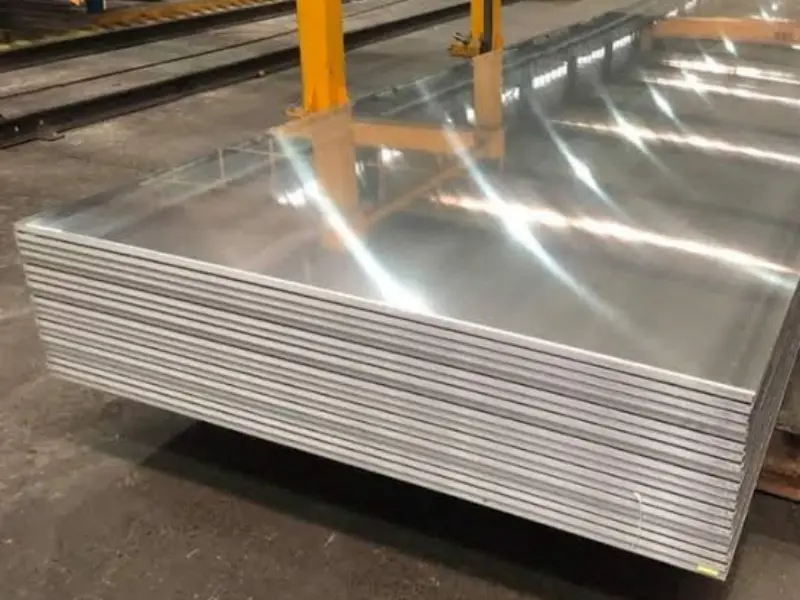
A 3mm aluminium plate is a flat aluminium product with a nominal thickness of 3 millimeters. It can be supplied as a plain mill finish plate or with different surface treatments.
Although the terms “aluminium sheet” and “aluminium plate” can vary by market and standard, 3mm material is often sold under both descriptions.
The material can be cut into standard sizes or supplied in custom dimensions.
Typical options include:
| Item | Common Option |
|---|---|
| Thickness | 3mm |
| Alloy | 1050, 1060, 1100, 3003, 5052, 5083, 6061 |
| Temper | O, H12, H14, H24, H32, T6 |
| Surface | Mill finish, brushed, anodized, painted |
| Width | Custom |
| Length | Custom |
| Shape | Flat plate, cut plate, circles, strips |
| Cutting | Laser, saw, CNC, waterjet |
The exact alloy and temper should be selected according to the final use.
Why Choose 3mm Aluminium?
3mm aluminium provides a useful middle point between thin sheet and heavy plate.
It is thick enough for many fabrication jobs but still easy to cut, drill, bend, and transport.
Key Advantages
- Lightweight compared with steel
- Good corrosion resistance
- Easy to cut and fabricate
- Good surface appearance
- Good thermal conductivity
- Good electrical conductivity for suitable alloys
- Recyclable
- Suitable for indoor and outdoor use
- Available in many alloys
- Easy to customize
For many projects, moving from a thinner sheet to 3mm can improve rigidity without creating a large increase in weight.
Main Aluminium Plate 3mm Types


There is no single type of 3mm aluminium plate for every project.
The best choice depends on the working environment and fabrication process.
1050 Aluminium Plate 3mm
1050 is a commercially pure aluminium alloy.
It has good corrosion resistance and excellent forming performance. It is also known for good electrical and thermal conductivity.
Typical uses include:
- Electrical applications
- Reflectors
- Heat transfer parts
- General fabrication
- Decorative panels
- Industrial components
1050 is a good option when formability and conductivity are more important than high strength.
1060 Aluminium Plate 3mm
1060 has a high aluminium content and is easy to work with.
It can be used for applications where high strength is not the main requirement.
Common uses include:
Reflective surfaces
Electrical products
Heat exchangers
Decorative panels
General fabrication
Equipment parts
1100 Aluminium Plate 3mm
1100 is another widely used commercial aluminium alloy.
It offers good corrosion resistance and good workability.
It is often selected for:
- Industrial equipment
- Food processing equipment
- Decorative work
- Heat transfer applications
- General metal fabrication
- Chemical equipment
3003 Aluminium Plate 3mm
3003 contains manganese and offers higher strength than many 1xxx series alloys.
It is a popular choice for general fabrication.

Applications include:
- Roofing components
- Wall panels
- Equipment housings
- Storage tanks
- Kitchen equipment
- Heat exchangers
- Truck and trailer parts
For projects that need a balance between formability and strength, 3003 can be a practical choice.
5052 Aluminium Plate 3mm
5052 is one of the most useful aluminium alloys for demanding environments.
It has good corrosion resistance and good strength. It also performs well in applications exposed to moisture and salt.
Typical uses include:
- Marine equipment
- Boat components
- Fuel tanks
- Truck bodies
- Trailers
- Outdoor enclosures
- Architectural panels
- Industrial equipment
For outdoor or marine projects, 5052 is often considered before softer 1xxx series aluminium.
5083 Aluminium Plate 3mm
5083 is an aluminium-magnesium alloy with high strength and excellent corrosion resistance.
It is widely used in marine and heavy-duty applications.

Common uses include:
- Boat building
- Ship components
- Marine structures
- Pressure equipment
- Transportation equipment
- Heavy fabrication
It is a strong option when corrosion resistance and strength are both important.
6061 Aluminium Plate 3mm
6061 is a heat-treatable aluminium alloy.
It offers good strength and machining performance.
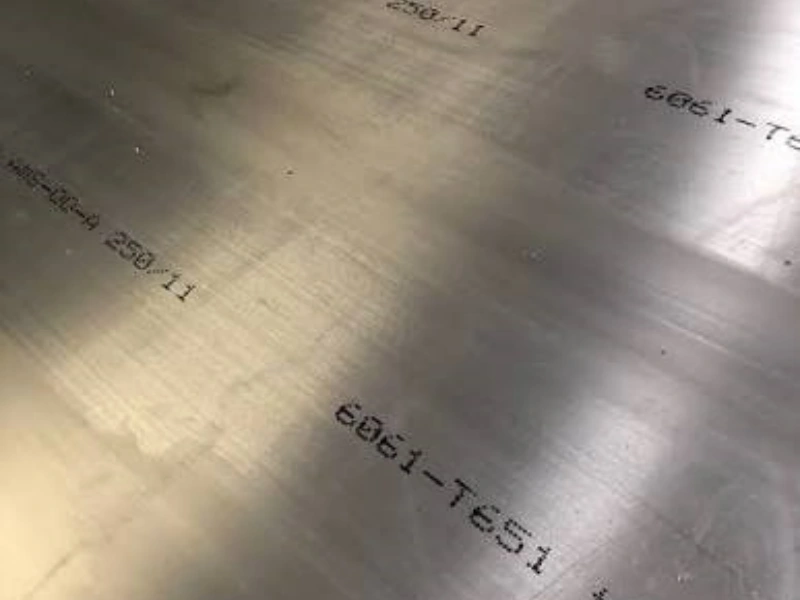
It is often used for:
- Machine parts
- Frames
- Brackets
- Automotive components
- Industrial equipment
- Structural fabrication
- CNC machined parts
6061 is especially useful when the material will be machined or when higher mechanical strength is needed.
3mm Aluminium Plate Alloy Comparison
Different alloys can make the same 3mm thickness behave very differently.
| Alloy | Strength | Formability | Corrosion Resistance | Typical Use |
|---|---|---|---|---|
| 1050 | Low | Excellent | Excellent | Electrical, decorative |
| 1060 | Low | Excellent | Excellent | Heat transfer, fabrication |
| 1100 | Low | Excellent | Excellent | General industrial |
| 3003 | Medium | Very Good | Very Good | Equipment, roofing |
| 5052 | Medium-High | Good | Excellent | Marine, outdoor |
| 5083 | High | Good | Excellent | Shipbuilding |
| 6061 | High | Good | Good | Structural, machining |
Quick Selection
Need easy forming?
→ 1050 / 1060 / 1100
Need general fabrication?
→ 3003
Need outdoor corrosion resistance?
→ 5052
Need marine performance?
→ 5052 / 5083
Need higher strength and machining?
→ 6061
Aluminium Plate 3mm Temper Options
The temper also affects performance.

O Temper
O means annealed material.
It is soft and easy to form.
It can be useful for deep drawing, bending, forming, and other fabrication processes.
H12 and H14
These are strain-hardened tempers.
They provide more strength than O temper while keeping useful forming properties.
H24
H24 is commonly used in several 3xxx and 5xxx aluminium products.
It provides a balance between strength and workability.
H32
H32 is commonly associated with 5xxx series aluminium.
It offers a useful combination of strength and stability.
T6
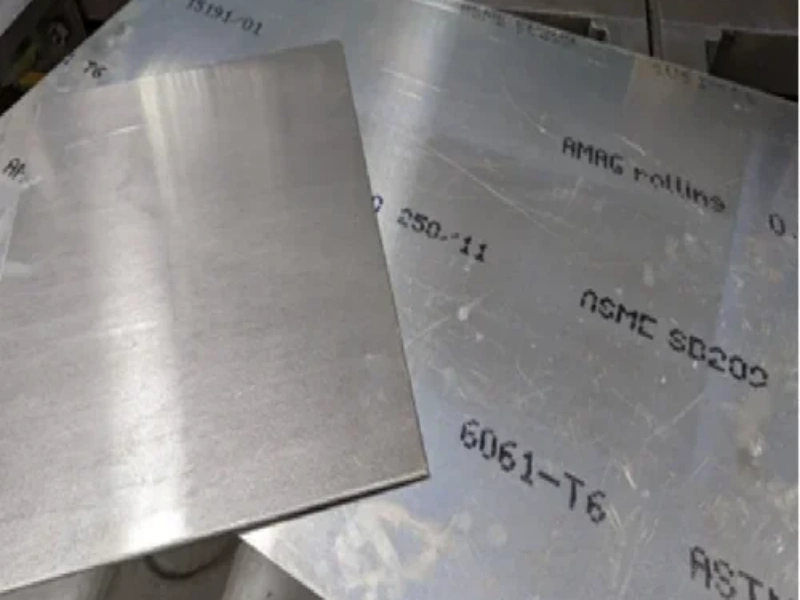
T6 is a heat-treated condition used with alloys such as 6061.
It provides higher strength than soft tempers.
For CNC parts, brackets, frames, and structural components, 6061-T6 is a common specification.
3mm Aluminium Plate Surface Options
The surface can change the appearance and function of the product.
Mill Finish

Mill finish is the standard unfinished aluminium surface.
It is a practical option for:
Parts that will receive further finishing
Industrial fabrication
Welding
Machining
General construction
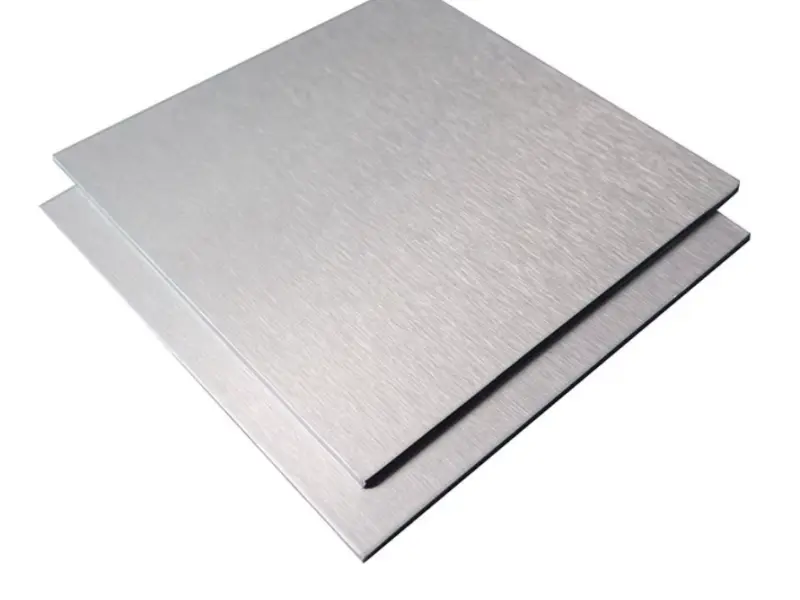
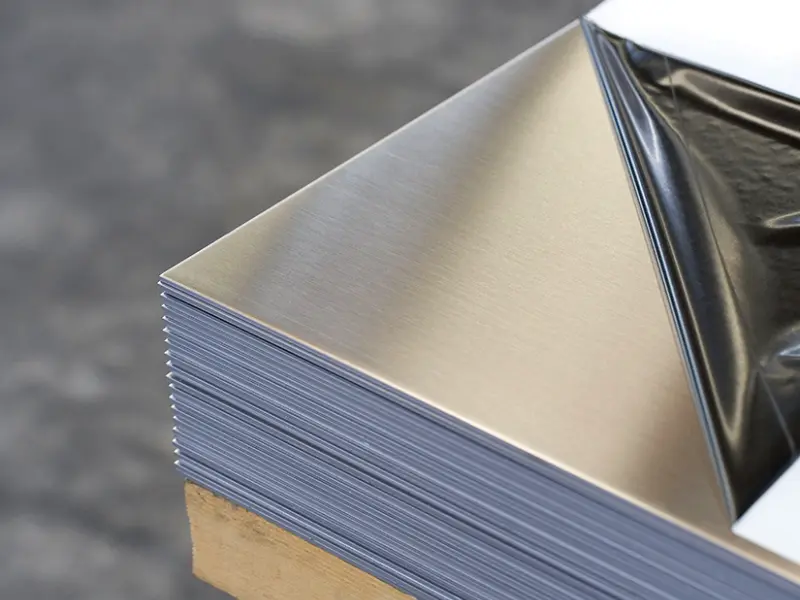
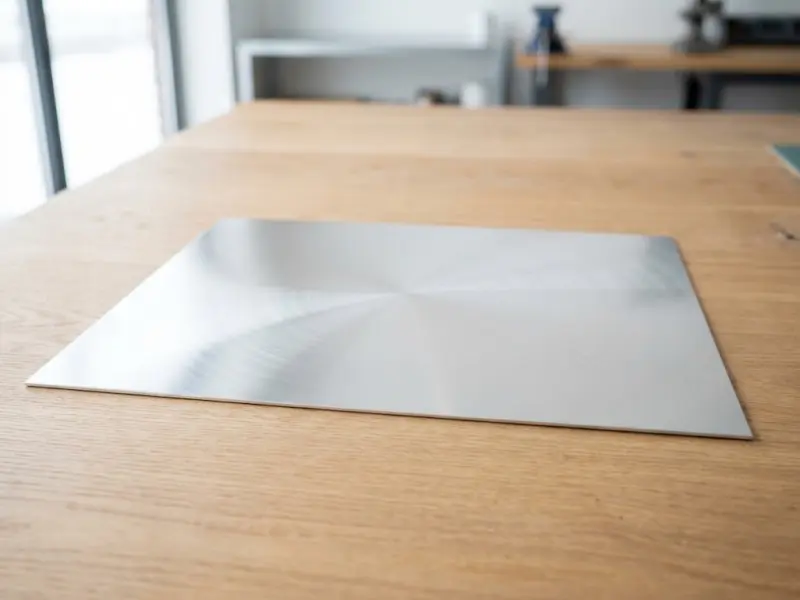
Brushed Aluminium
Brushed aluminium has a directional surface texture.
It is often selected for:
- Interior decoration
- Equipment panels
- Furniture
- Signs
- Elevator panels
- Architectural projects
Anodized Aluminium
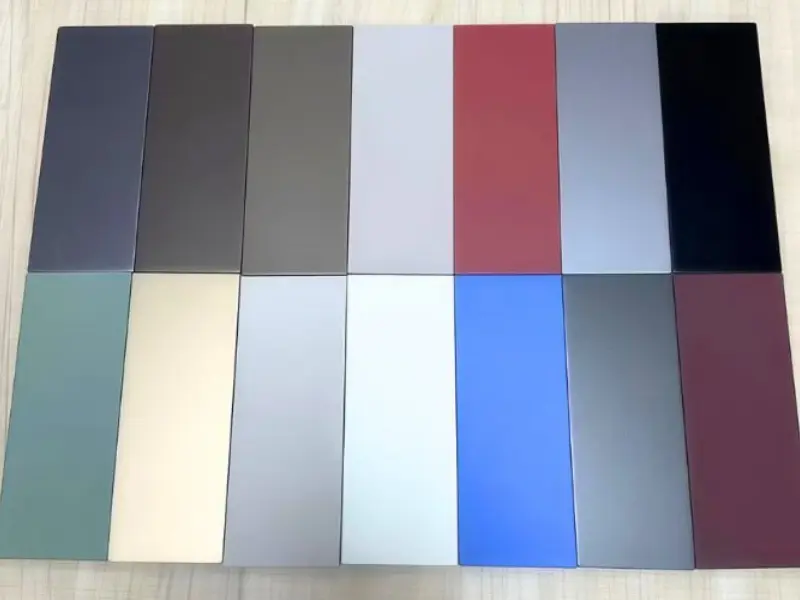
Anodizing creates a controlled oxide layer on the aluminium surface.
It can improve surface appearance and resistance to normal wear.
Painted Aluminium
Painted aluminium can provide a wide range of colors.
It is useful when appearance and additional surface protection are important.
3mm Aluminium Plate Applications
The wide application range is one of the main reasons customers buy this thickness.
Construction
3mm aluminium can be used in different building components.
Applications include:
- Wall cladding
- Roof components
- Fascia panels
- Interior panels
- Decorative panels
- Ceiling systems
- Architectural covers
- Flashing
- Equipment covers
Transportation
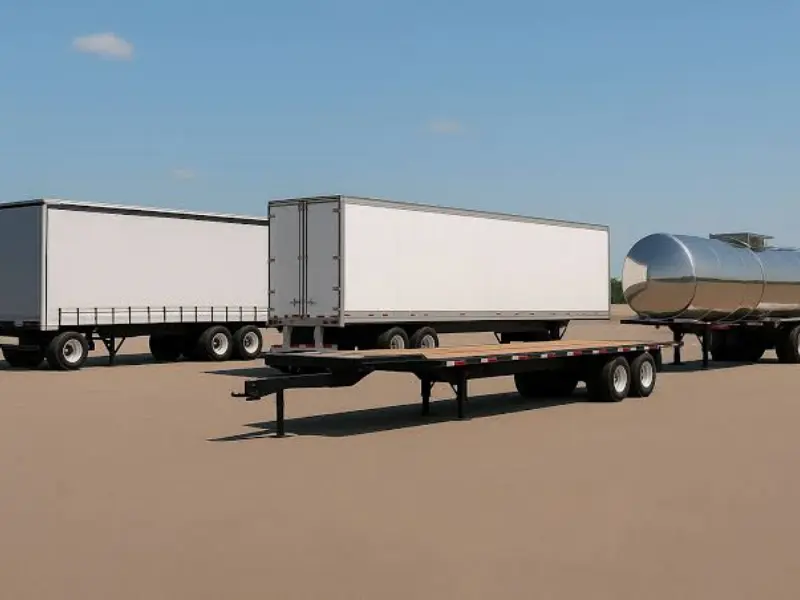
The low weight of aluminium is useful in transport applications.
Typical products include:
Protective covers
Trailer panels
Truck body components
Vehicle interior panels
Transportation equipment
Floor and side panels
Marine
Marine projects require good corrosion resistance.
5052 and 5083 are commonly considered for this type of environment.
Applications include:
- Boat panels
- Deck components
- Marine equipment
- Storage tanks
- Ship components
- Interior marine structures
Industrial Equipment
3mm aluminium plate can be fabricated into many equipment parts.
Applications include:
- Machine covers
- Equipment housings
- Brackets
- Guard panels
- Cabinets
- Frames
- Industrial enclosures
- Fabricated components
Electrical Applications
1xxx series aluminium can be useful when conductivity is important.
Possible uses include:
- Electrical panels
- Heat transfer components
- Reflectors
- Conductive parts
- Equipment housings
The alloy should always be selected according to the electrical requirements.
Signage
3mm aluminium is also suitable for some signs and display panels.
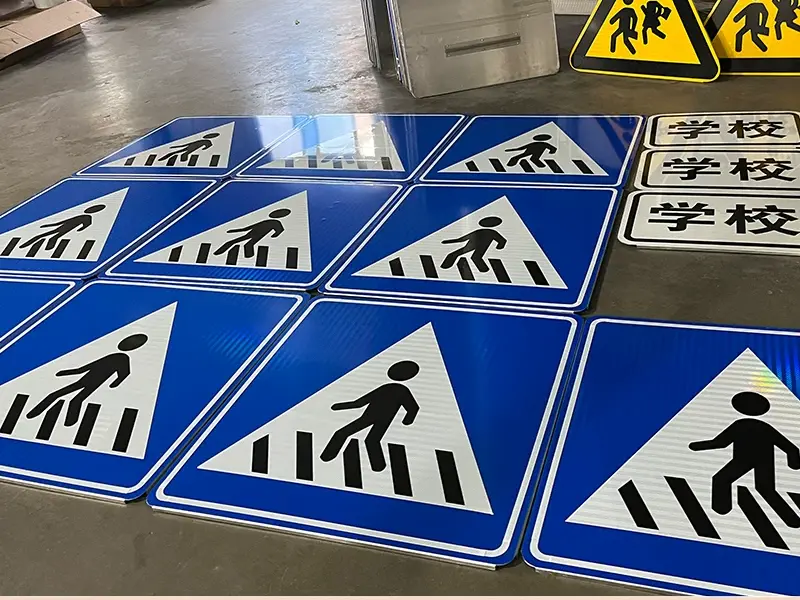
It can be:
- CNC cut
- Laser cut
- Drilled
- Painted
- Anodized
- Printed
- Powder coated
For signs that require good rigidity, 3mm material can be more stable than very thin sheet.
3mm Aluminium Plate for Different Projects
| Project | Recommended Option |
|---|---|
| Decorative panel | 1050 / 1100 |
| General fabrication | 3003 |
| Outdoor panel | 5052 |
| Marine panel | 5052 / 5083 |
| CNC component | 6061-T6 |
| Electrical part | 1050 / 1060 |
| Trailer panel | 5052 / 6061 |
| Machine cover | 3003 / 5052 |
| Architectural panel | 3003 / 5052 |
| Heat transfer part | 1050 / 1060 / 1100 |
This table is only a starting point. Final material selection should consider loading, forming, welding, environment, and applicable standards.
3mm Aluminium Plate vs 2mm Aluminium Plate
Thickness affects rigidity, weight, and cost.
| Feature | 2mm | 3mm |
|---|---|---|
| Thickness | 2mm | 3mm |
| Weight | Lower | Higher |
| Rigidity | Lower | Higher |
| Handling | Very easy | Easy |
| Material Cost | Lower | Higher |
| Impact Resistance | Lower | Better |
| Heavy Fabrication | Limited | Better |
If a 2mm sheet bends too easily, moving to 3mm may provide a useful improvement.
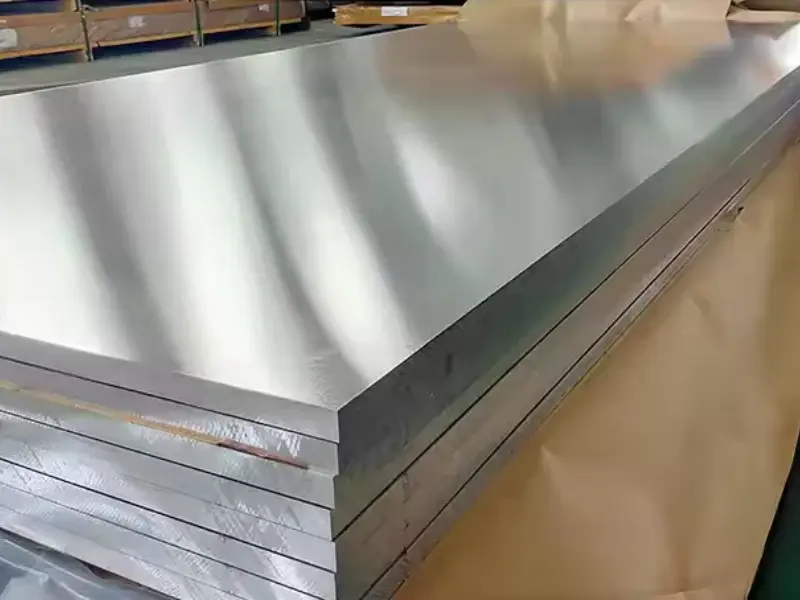
3mm Aluminium Plate vs 4mm Aluminium Plate
| Feature | 3mm | 4mm |
|---|---|---|
| Weight | Lower | Higher |
| Rigidity | Good | Higher |
| Fabrication | Easier | More demanding |
| Transport | Easier | Heavier |
| Cost | Usually lower | Usually higher |
| Structural Use | Medium | More suitable for heavier loads |
The 3mm is often chosen when customers want a balance between performance and material weight.
3mm Aluminium vs Steel Plate
Aluminium and steel serve different purposes.
| Feature | Aluminium | Steel |
|---|---|---|
| Weight | Low | High |
| Corrosion Resistance | Generally good | Depends on grade/coating |
| Machining | Generally easy | Depends on grade |
| Thermal Conductivity | High | Lower |
| Appearance | Clean metallic finish | Industrial appearance |
| Weight Saving | Excellent | Lower |
For weight-sensitive projects, aluminium can provide a major advantage.
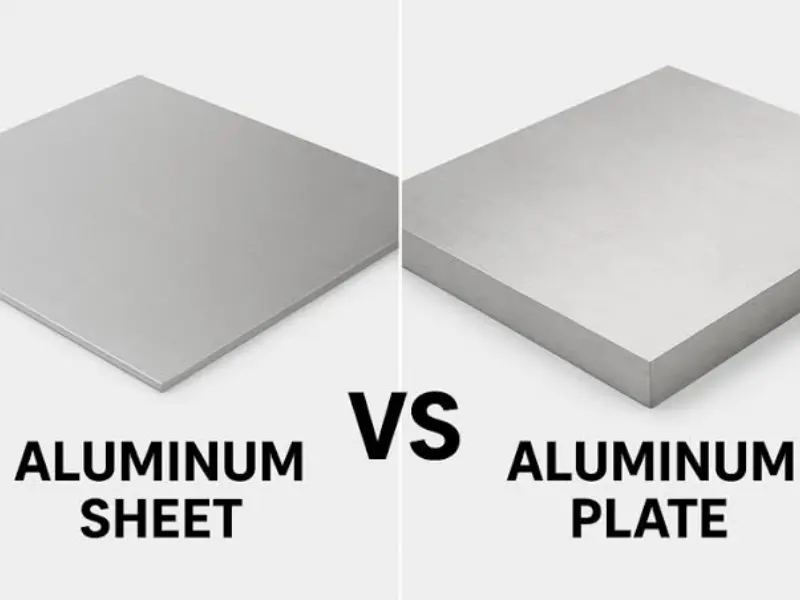
3mm Aluminium Plate vs Aluminium Sheet
The difference between “sheet” and “plate” can depend on the standard and market.
In everyday purchasing, customers may use both terms when looking for a flat aluminium product around 3mm.
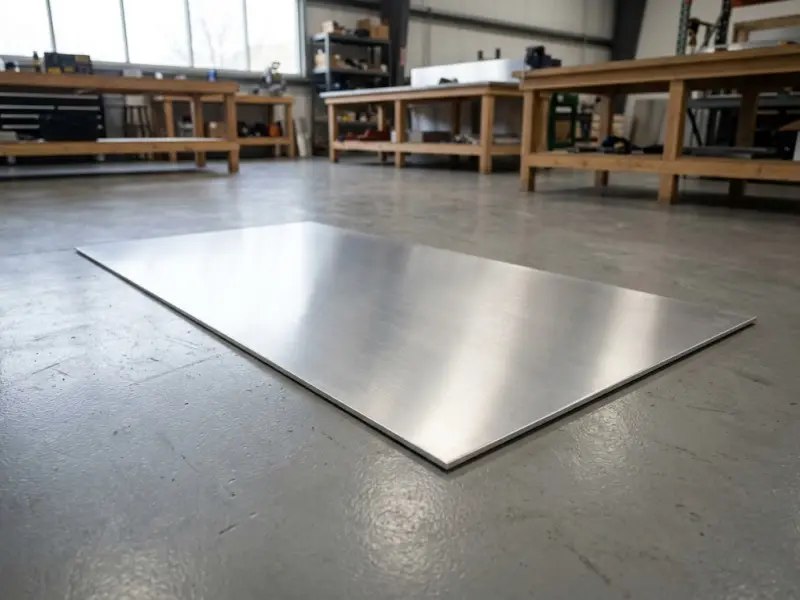
The important details are:
- Actual thickness
- Alloy
- Temper
- Width
- Length
- Flatness
- Tolerance
- Surface finish
- Applicable standard
Instead of selecting only by the word “plate” or “sheet,” confirm the complete specification.
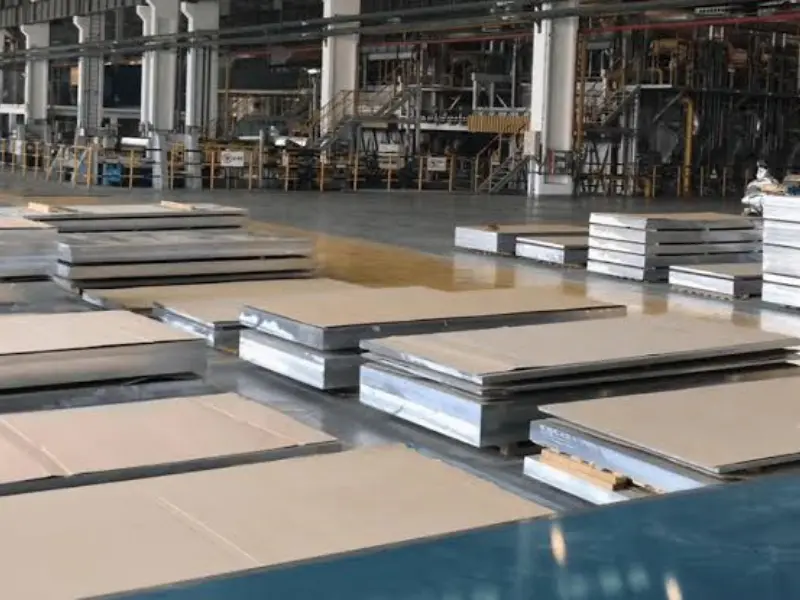
3mm Aluminium Plate Sizes
Standard and custom sizes can both be supplied.
Common examples include:
| Size | Typical Use |
|---|---|
| 1000 × 2000mm | Small fabrication |
| 1220 × 2440mm | General fabrication |
| 1250 × 2500mm | Construction |
| 1500 × 3000mm | Large panels |
| 1500 × 4000mm | Industrial projects |
| Custom size | Project production |
Large plates can reduce the number of joints in some applications.
Custom cutting can also reduce material waste.
3mm Aluminium Plate Cutting Options
The best cutting method depends on the alloy, size, quantity, and required accuracy.
Saw Cutting
Saw cutting is suitable for straight cuts and standard fabrication.
Laser Cutting
Laser cutting is useful for many detailed shapes and production parts.
CNC Cutting
CNC processing can produce repeatable shapes and holes.
Waterjet Cutting
Waterjet cutting is useful for complex shapes and applications where heat input should be minimized.
Custom Cutting
Customers can provide drawings or dimensions for custom processing.
Fabrication of 3mm Aluminium Plate
3mm material can be processed in many ways.
Common processes include:
- Cutting
- Bending
- Drilling
- Punching
- CNC machining
- Welding
- Riveting
- Rolling
- Polishing
- Anodizing
- Painting
However, not every alloy has the same forming and welding performance.
For example, 5052 and 3003 are often selected for fabrication, while 6061-T6 is commonly selected when strength and machining are more important.
How to Choose the Right 3mm Aluminium Plate
A simple selection process can help avoid buying the wrong material.
Step One: Confirm the Environment
Indoor → more alloy choices
Outdoor → consider corrosion resistance
Marine → consider 5052 or 5083
Industrial → check strength and chemical exposure
Step Two: Confirm the Required Strength
Low strength requirement → 1050 / 1060 / 1100
General strength → 3003
Higher strength → 5052 / 5083 / 6061
Step Three: Confirm the Fabrication Method
Deep forming → soft temper
Bending → suitable O or H temper
Machining → 6061-T6 can be considered
Welding → select an alloy and temper appropriate for the welding process
Step Four: Confirm the Surface
Choose:
Mill finish for fabrication
Brushed for decoration
→ Anodized for architectural appearance
→ Painted for color requirements
What Affects the Price of 3mm Aluminium Plate?
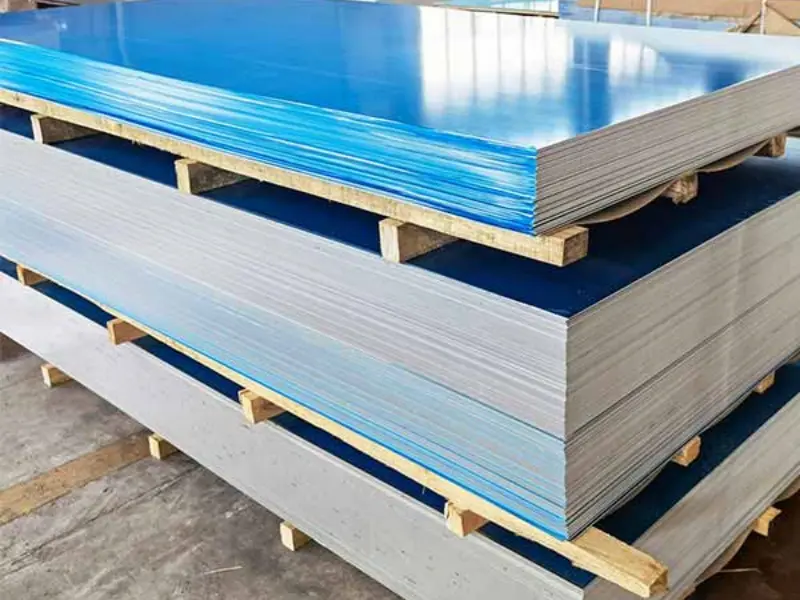
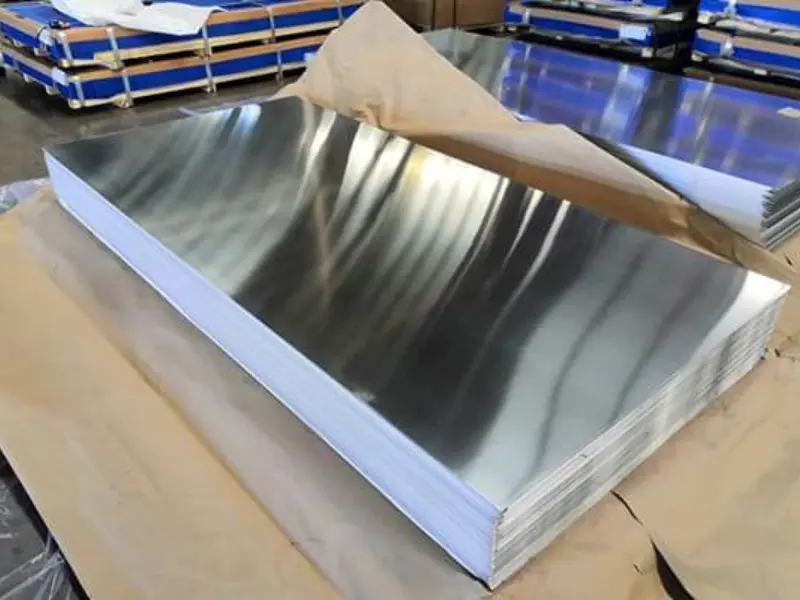
The price is not determined by thickness alone.
Important factors include:
| Factor | Why It Matters |
|---|---|
| Alloy | Different alloys have different costs |
| Temper | Processing can affect price |
| Width | Larger sizes may require special production |
| Length | Custom sizes can change production planning |
| Surface | Finishing adds processing cost |
| Quantity | Larger orders may have better unit costs |
| Cutting | Custom processing increases cost |
| Packaging | Export packaging affects total cost |
| Market Price | Aluminium prices change over time |
For wholesale orders, it is better to request a quotation based on the complete specification.
Quality Checks for 3mm Aluminium Plate
Good quality control helps maintain consistent production.
Important checks include:
- Thickness
- Width
- Length
- Flatness
- Surface condition
- Alloy
- Temper
- Mechanical properties
- Cutting accuracy
- Packaging condition
For projects with strict requirements, customers can request inspection documents and material certificates where available.
Buying 3mm Aluminium Plate in Bulk
Wholesale buyers normally need more than just a thickness.
A useful RFQ should include:
Alloy → Temper → Thickness → Width → Length → Surface → Quantity → Application
For example:
5052-H32 → 3mm → 1500 × 3000mm → Mill Finish → 20 Tons
This specification is much clearer than simply asking for “3mm aluminium plate.”
Custom 3mm Aluminium Plate
Custom production can be useful when standard sizes create too much waste.
Possible customization includes:
- Custom width
- Custom length
- Custom cutting
- Custom surface
- Custom alloy
- Custom temper
- CNC holes
- Special shapes
- Protective film
- Export packaging
For repeated projects, custom sizes can improve material utilization.
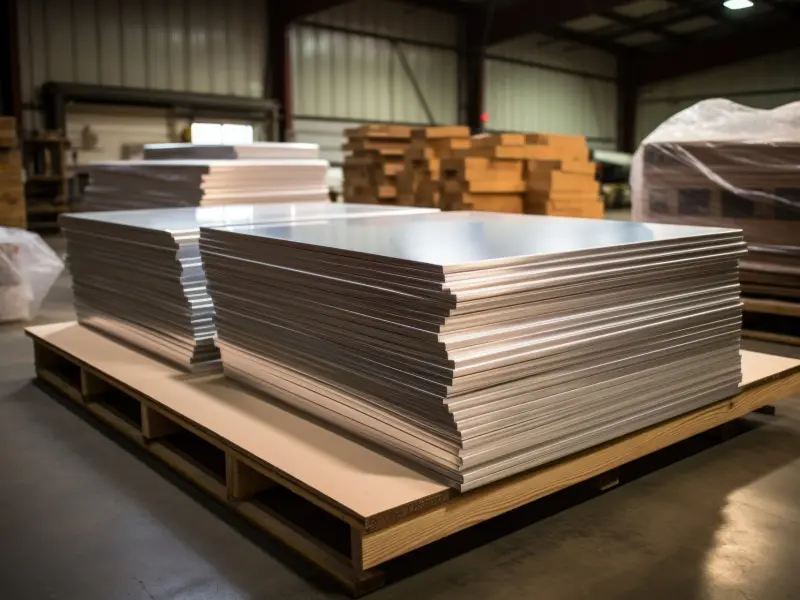
Storage and Packaging
Aluminium should be stored in a clean and dry environment.
Avoid direct contact with water during storage and transportation.
Good packaging can include:
- Waterproof paper
- Wooden pallets
- Wooden cases
- Edge protection
- Plastic protection
- Export wrapping
For sea shipments, packaging should be suitable for the transportation environment.
Common Mistakes When Buying 3mm Aluminium
Choosing Only by Thickness
Two 3mm plates can have very different strength and forming properties.
Always confirm the alloy and temper.
Using a Soft Alloy for a Heavy Load
1050 may be excellent for forming, but it is not the best choice for every structural application.
Ignoring the Working Environment
An indoor decorative panel and a marine component have very different requirements.
Ordering the Wrong Size
Incorrect dimensions can increase cutting waste.
Not Confirming Surface Requirements
Mill finish, brushed, anodized, and painted surfaces have different appearances and costs.
Quick 3mm Aluminium Plate Selection Guide
For General Fabrication
3003 → good balance of strength and formability.
For Outdoor Applications
5052 → good corrosion resistance and practical strength.
For Marine Projects
5052 / 5083 → suitable candidates for marine environments.
For Easy Forming
1050 / 1060 / 1100 → soft and easy to fabricate.
For Machined Parts
6061-T6 → higher strength and good machining performance.
For Decorative Panels
1050 / 1100 → useful for finishing and decorative work.
FAQ
Is 3mm aluminium plate strong?
It can provide good rigidity for many applications, but strength depends strongly on the alloy and temper. A 3mm 6061-T6 plate will have very different mechanical properties from a 3mm 1050-O plate.
What is the best aluminium alloy for 3mm plate?
There is no single best alloy. 3003 is a good general-purpose choice. 5052 is useful for outdoor and marine-related applications. 6061 is suitable for higher-strength and machining applications.
Is 3mm aluminium plate suitable for outdoor use?
Yes. Aluminium has good natural corrosion resistance. For demanding outdoor environments, 5052 or other suitable alloys can be considered.
Can 3mm aluminium plate be bent?
Yes, but the bending performance depends on the alloy and temper. Softer tempers are generally easier to bend than harder tempers.
Can 3mm aluminium plate be welded?
Many aluminium alloys can be welded, but welding performance varies by alloy and temper. The welding method and filler material should be selected according to the alloy and application.
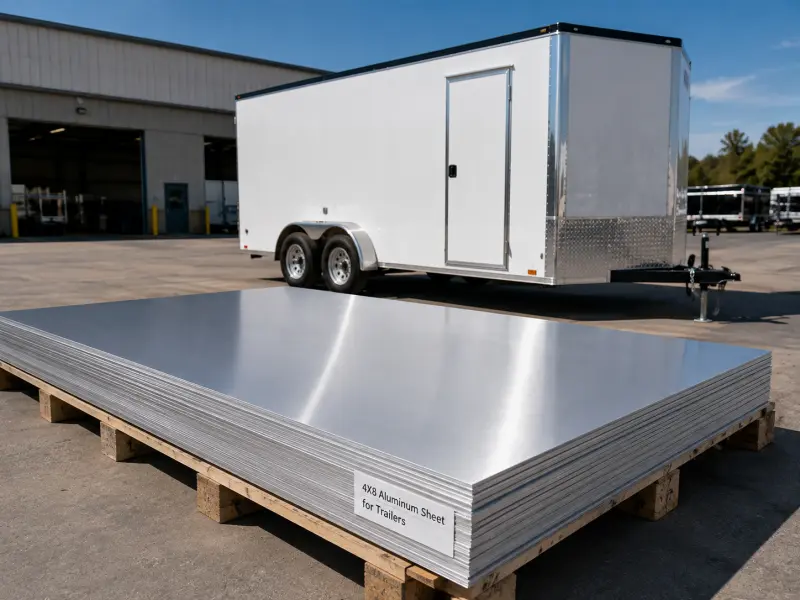
Is 3mm aluminium plate suitable for trailers?
Yes. Aluminium plate can be used for trailer bodies, side panels, covers, and other components. 5052 and 6061 are among the alloys that may be considered depending on the design.
What is the difference between 3mm 5052 and 6061 aluminium?
.

5052 has excellent corrosion resistance and good forming properties. 6061 generally provides higher strength and good machining performance.
The better option depends on whether forming, corrosion resistance, strength, or machining is the main priority
Is 3mm aluminium plate heavy?
Aluminium is relatively lightweight compared with steel. A 3mm aluminium plate is therefore easier to handle than a steel plate of similar dimensions.
Can 3mm aluminium plate be laser cut?
Yes. Laser cutting can be used for many aluminium plate applications. Cutting parameters should be adjusted according to alloy, thickness, equipment, and required edge quality.
Can 3mm aluminium plate be anodized?
Yes, suitable aluminium alloys can be anodized. The final color and appearance depend on the alloy, surface preparation, and anodizing process.
Can I order custom size 3mm aluminium plate?
Yes. Custom width, length, cutting, surface, alloy, and temper can be requested depending on production capability and order quantity.
Final Buying Tips
When buying 3mm aluminium plate, do not look at thickness alone.

A better specification is:
Alloy + Temper + Thickness + Size + Surface + Quantity + Application
For general fabrication, 3003 can be a practical starting point.
For outdoor and marine projects, 5052 or 5083 may be more suitable.
By machining and higher-strength parts, 6061-T6 is worth considering.
For easy forming and conductivity, 1050, 1060, or 1100 can be useful.
The right combination can reduce material waste, improve fabrication efficiency, and provide better service life.