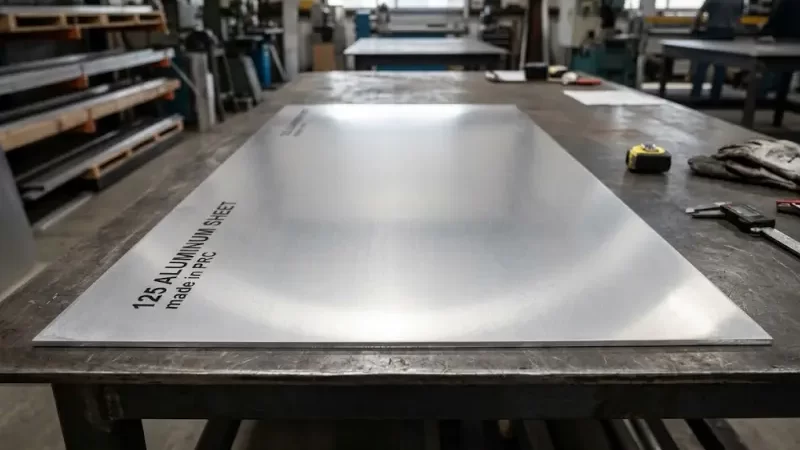
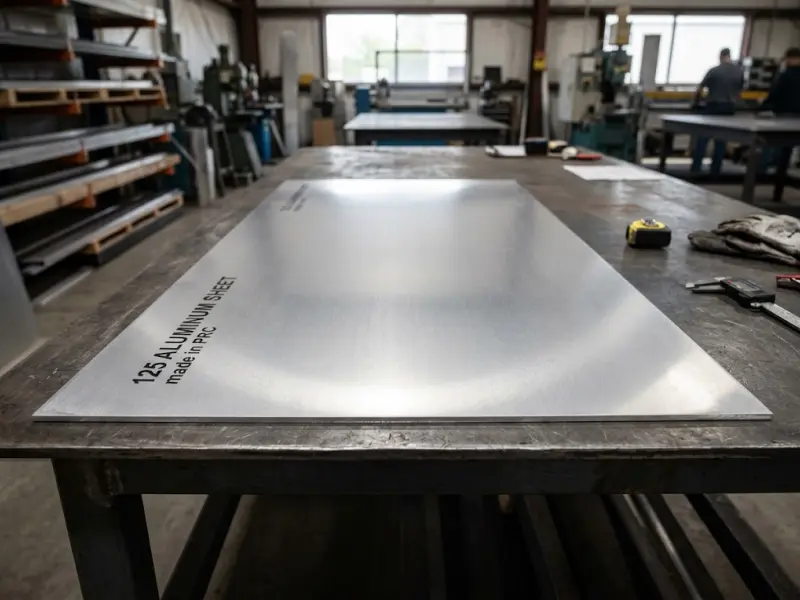
125 aluminum sheet is a term that can refer to an aluminum sheet with a thickness or specification written as “125.” Because the number alone can be unclear, buyers should confirm whether 125 means 0.125 inch, 1.25 mm, 125 mm, or another specification before placing an order.
In the U.S. aluminum sheet market, 0.125 aluminum sheet is a common thickness. It equals 1/8 inch, or approximately 3.175 mm. If “125 aluminum sheet” is intended to mean 0.125 aluminum sheet, this thickness is widely used for trailers, truck bodies, industrial panels, flooring, equipment, fabrication, and construction.
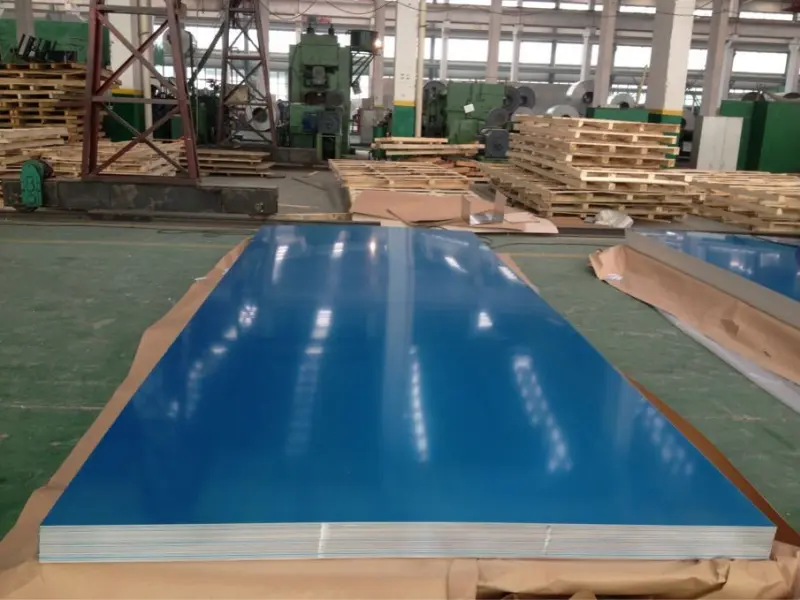
What Does 125 Aluminum Sheet Mean?
The term 125 aluminum sheet should be checked carefully because it does not identify a complete material specification.
For many buyers, the intended product may be 0.125 inch aluminum sheet.
| Specification | Equivalent |
|---|---|
| 0.125 inch | 3.175 mm |
| 1/8 inch | 3.175 mm |
| 3.175 mm | 0.125 inch |
| 0.125″ × 48″ × 96″ | 3.175 × 1219 × 2438 mm |
A quotation should include the complete thickness, alloy, temper, size, and surface finish.
0.125 Aluminum Sheet Thickness
A 0.125 inch sheet is considerably thicker than common light-gauge aluminum sheet.
| Aluminum Thickness | Metric Equivalent | General Position |
|---|---|---|
| 0.025″ | 0.64 mm | Very light |
| 0.032″ | 0.81 mm | Light |
| 0.040″ | 1.02 mm | Light-medium |
| 0.050″ | 1.27 mm | Medium |
| 0.063″ | 1.60 mm | Medium |
| 0.080″ | 2.03 mm | Medium-heavy |
| 0.100″ | 2.54 mm | Heavy |
| 0.125″ | 3.175 mm | Heavy |
| 0.160″ | 4.06 mm | Heavy |
| 0.190″ | 4.83 mm | Very heavy |
| 0.250″ | 6.35 mm | Plate range |
The 0.125 inch thickness is often selected when a project needs more rigidity than a thin aluminum panel can provide.
125 Aluminum Sheet Alloy Options
The alloy is one of the most important parts of the specification.
| Alloy | Main Characteristic | Common Direction |
|---|---|---|
| 1050 | High purity, easy forming | General fabrication |
| 1060 | High purity, good conductivity | Electrical and general |
| 1100 | Good forming | HVAC and fabrication |
| 3003 | Good balance | General industrial use |
| 5052 | Good corrosion resistance | Marine and transportation |
| 5083 | High strength and marine performance | Marine fabrication |
| 6061 | High strength | Structural parts |
| 6063 | Good appearance and extrusion performance | Architectural products |
For a 0.125 inch sheet, 5052 and 6061 are often considered when strength is important.
0.125 5052 Aluminum Sheet
0.125 5052 aluminum sheet is a practical option for many outdoor and transportation projects.
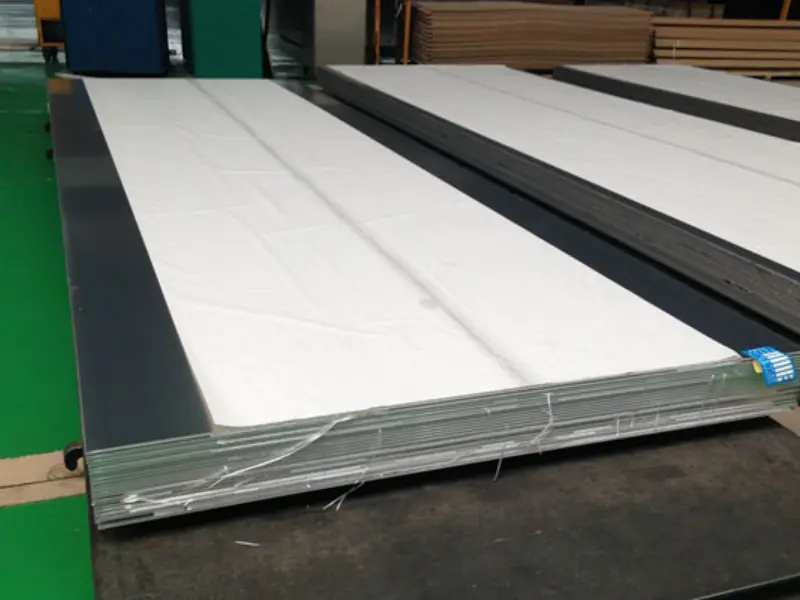
5052 contains magnesium and offers good resistance to corrosion. It also provides useful forming characteristics in suitable tempers.
Typical uses include:
- Trailer components
- Truck bodies
- Marine equipment
- Storage tanks
- Equipment panels
- Outdoor enclosures
- Architectural panels
- General fabrication
For applications exposed to moisture, salt air, or outdoor conditions, 5052 is often considered before lower-strength commercial alloys.
0.125 5052 H32 Aluminum Sheet
5052 H32 aluminum sheet is commonly selected when a project needs a combination of strength, corrosion resistance, and reasonable formability.
| Item | Typical Specification |
|---|---|
| Alloy | 5052 |
| Thickness | 0.125″ |
| Metric | 3.175 mm |
| Temper | H32 |
| Surface | Mill finish |
| Formability | Good |
| Corrosion resistance | Very good |
| Outdoor use | Suitable |
| Marine use | Common |
A complete purchasing description could be:
0.125″ × 48″ × 96″, 5052 H32 aluminum sheet, mill finish.
0.125 6061 Aluminum Sheet
6061 is widely known for its higher strength.
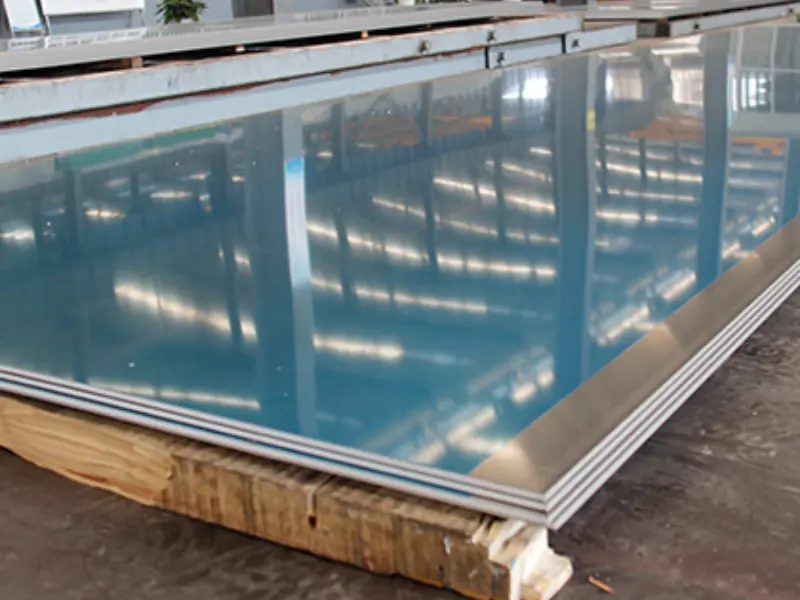
A 0.125 6061 aluminum sheet may be selected for fabricated parts where strength is more important than maximum formability.
Possible uses include:
- Machine components
- Structural panels
- Equipment parts
- Transportation components
- Industrial fabrication
- Reinforcement panels
- Custom metal parts
6061 can be supplied in different tempers. 6061-T6 is a well-known high-strength condition.
For extensive bending, however, the temper should be reviewed carefully before production.
0.125 3003 Aluminum Sheet
3003 is a common aluminum-manganese alloy.
It offers good formability and corrosion resistance with moderate strength.
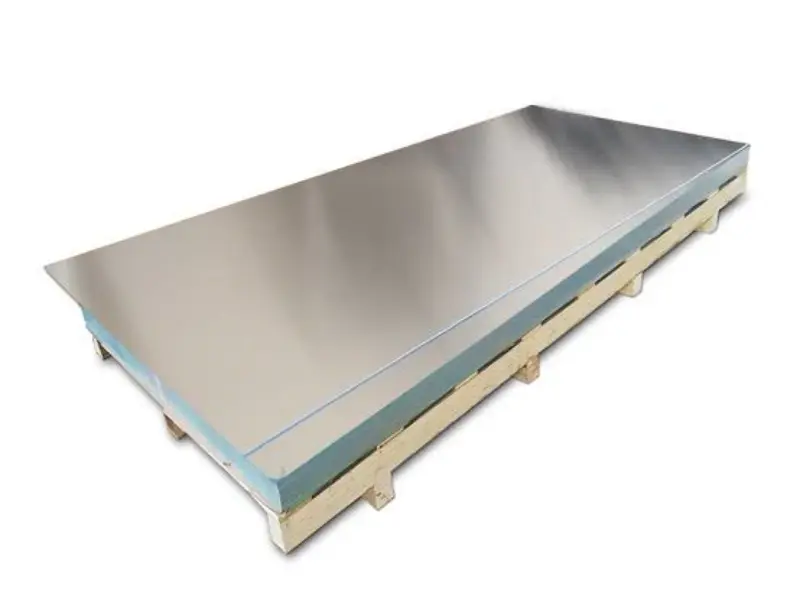
A 0.125 3003 sheet can be considered for:
- HVAC equipment
- Ductwork
- Equipment covers
- General fabrication
- Roofing components
- Wall panels
- Industrial enclosures
- Decorative fabrication
It can be a good choice when the project does not require the higher strength of 5052 or 6061.
0.125 Aluminum Sheet Temper Options
The same alloy can be produced in different tempers.
| Temper | General Description | Formability |
|---|---|---|
| O | Annealed | Excellent |
| H12 | Quarter hard | Good |
| H14 | Half hard | Moderate |
| H16 | Three-quarter hard | Lower |
| H18 | Full hard | Limited |
| H32 | Stabilized | Good for many applications |
| T4 | Solution treated and naturally aged | Good |
| T6 | Solution treated and artificially aged | Higher strength |
The correct temper depends on whether the sheet will be cut, bent, welded, machined, or used as a flat panel.
0.125 Aluminum Sheet Sizes
The size is another key part of the purchasing specification.
Common sizes include:
| Width | Length | Typical Use |
|---|---|---|
| 24″ | 48″ | Small fabrication |
| 36″ | 72″ | Medium projects |
| 48″ | 96″ | Standard fabrication |
| 48″ | 120″ | Large panels |
| 60″ | 120″ | Wide panels |
| 60″ | 144″ | Industrial work |
| 72″ | 144″ | Large projects |
| Custom | Custom | Special orders |
The 4×8 aluminum sheet is one of the most commonly requested sizes.
0.125 Aluminum Sheet 4×8
A 0.125 aluminum sheet 4×8 measures approximately:
0.125″ × 48″ × 96″
Metric dimensions are approximately:
3.175 mm × 1219 mm × 2438 mm
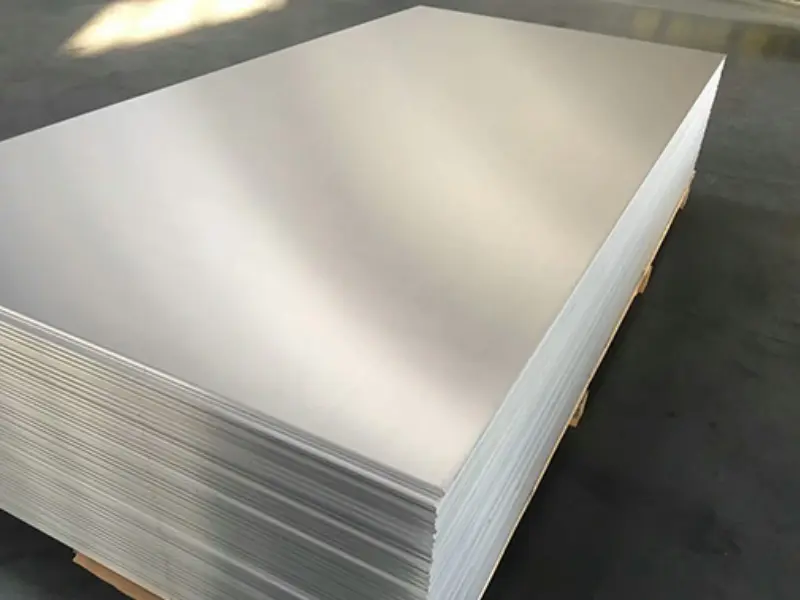
This format works well for many fabrication projects.
It can be used for:
- Trailer floors
- Truck components
- Equipment panels
- Industrial covers
- Wall panels
- Machine parts
- Fabricated enclosures
- General metalwork
For large projects, 4×10, 5×10, and 5×12 sizes may reduce the number of seams.
0.125 Aluminum Sheet for Trailers
A 0.125 inch aluminum sheet can provide more rigidity than thin trailer siding material.
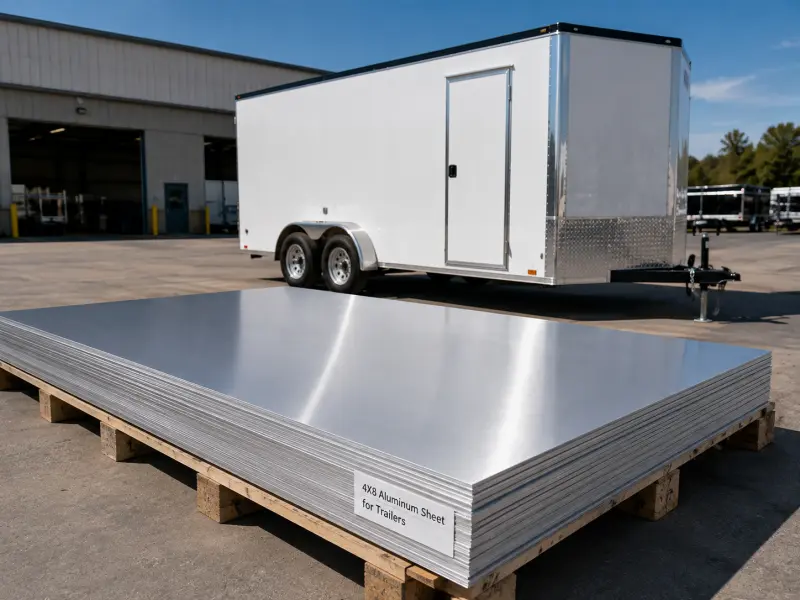
Depending on the trailer design, it can be used for:
- Trailer floors
- Side panels
- Interior panels
- Doors
- Ramps
- Equipment supports
- Reinforcement sections
5052 is often considered for formed trailer components.
For a trailer floor, surface texture may also be useful.
0.125 Aluminum Trailer Floor
A trailer floor needs different properties from simple exterior siding.
The material may need:
→ Higher rigidity
→ Good wear resistance
Good corrosion resistance
→ Suitable surface traction
→ Easy cleaning
For this reason, buyers may compare plain 0.125 aluminum sheet with 0.125 aluminum diamond plate.
0.125 Aluminum Diamond Plate
Diamond plate has a raised pattern on the surface.
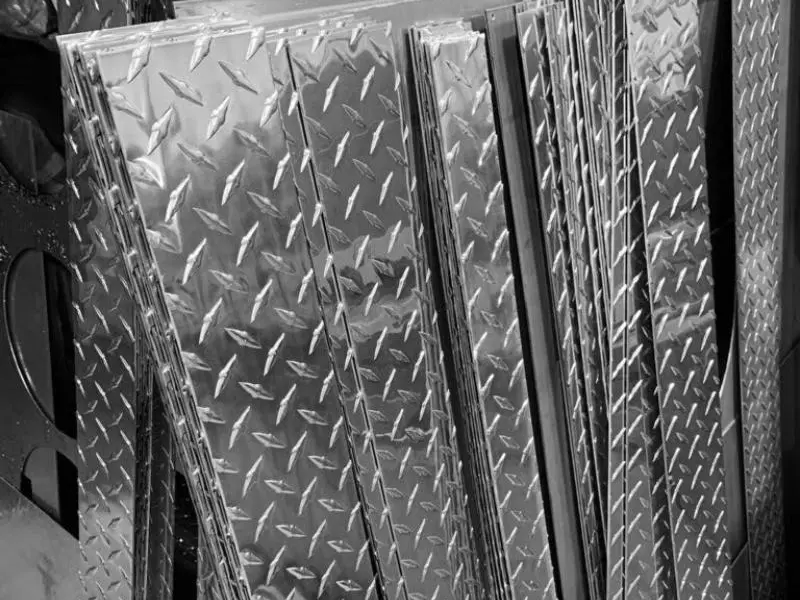
The pattern can improve grip and create a practical industrial appearance.
Common uses include:
- Trailer floors
- Truck floors
- Steps
- Ramps
- Tool boxes
- Platforms
- Industrial walkways
- Equipment covers
When purchasing diamond plate, always confirm whether the quoted thickness refers to the base metal thickness or the overall thickness including the raised pattern.
0.125 Aluminum Sheet for Truck Bodies
Aluminum sheet can reduce weight compared with many steel alternatives.
A 0.125 inch sheet may be used for selected truck components, depending on the design.
Possible applications include:
- Truck body panels
- Storage compartments
- Service bodies
- Equipment covers
- Interior panels
- Protective panels
Alloy selection should take into account forming, welding, strength, and exposure conditions.
0.125 Aluminum Sheet for Marine Use
Marine applications require good corrosion resistance.
Commonly considered alloys include:
5052 → good corrosion resistance and formability
5083 → high strength and strong marine performance
5086 → commonly considered for marine fabrication
Potential applications include:
- Boat components
- Marine panels
- Deck components
- Storage compartments
- Marine equipment
- Fabricated tanks
The actual alloy should be selected according to the design and marine environment.
0.125 Aluminum Sheet for Industrial Equipment
The thicker sheet can provide useful rigidity for equipment construction.
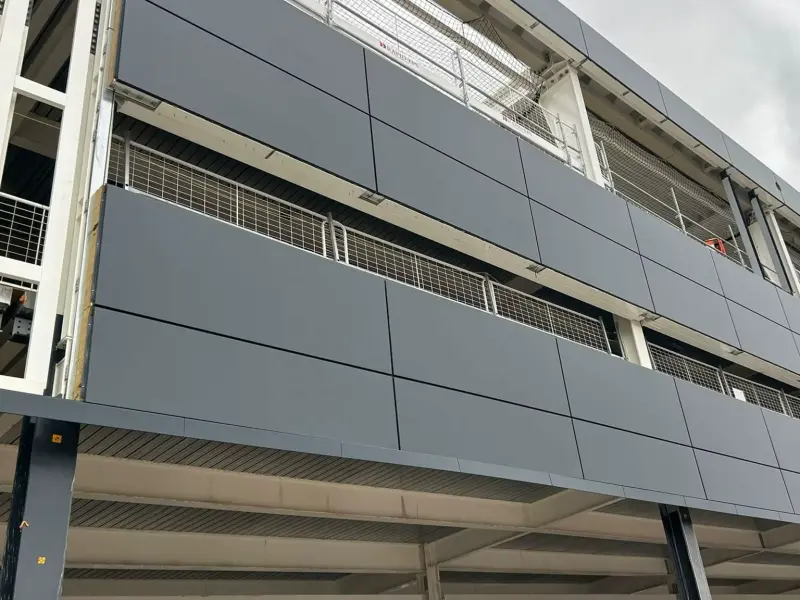
It may be used for:
- Machine guards
- Equipment covers
- Electrical cabinets
- Industrial enclosures
- Structural panels
- Platforms
- Fabricated brackets
For structural applications, the final design should determine the required thickness rather than selecting the material by thickness alone.
0.125 Aluminum Sheet for Roofing
Aluminum is lightweight and naturally resistant to corrosion.
A 0.125 inch sheet can be used for selected roofing components, architectural panels, flashing, and fabricated roofing parts.
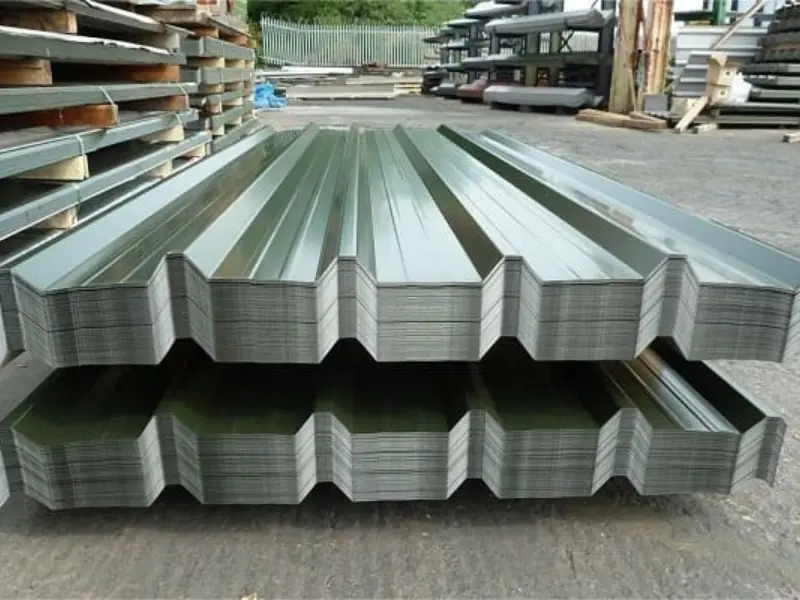
Possible uses include:
- Roof trim
- Flashing
- Fascia
- Roofing panels
- Edge components
- Decorative roofing parts
For structural roofing, engineers should consider span, loads, support spacing, wind, snow, and local building requirements.
0.125 Aluminum Sheet for Siding
The material can also be used for architectural and industrial siding.
Common finishes include:
- Mill finish
- Painted
- Powder coated
- Anodized
- Brushed
- Embossed
For exterior siding, a coated product can provide additional color and surface protection.
0.125 Aluminum Sheet for HVAC
HVAC systems often require aluminum that can be cut and fabricated.
Possible uses include:
- Duct panels
- Equipment covers
- Ventilation components
- Air-conditioning parts
- Fan housings
- Insulation jackets
- Custom HVAC panels
For extensive forming, 3003 or 1100 may be more convenient than higher-strength alloys.
0.125 Aluminum Sheet Surface Finishes
Different projects need different surfaces.
| Finish | Appearance | Common Use |
|---|---|---|
| Mill finish | Natural metallic | General fabrication |
| Brushed | Linear texture | Decorative work |
| Anodized | Metallic and uniform | Architecture |
| Painted | Colored | Exterior panels |
| Powder coated | Durable colored surface | Equipment |
| Stucco embossed | Textured | Insulation and cladding |
| Diamond plate | Raised pattern | Floors and ramps |
A supplier should confirm the finish before quoting the material.
0.125 Painted Aluminum Sheet
Painted aluminum combines a metal substrate with a protective coating.
Popular colors include:
| Color | Typical Application |
|---|---|
| White | Siding and roofing |
| Black | Architecture |
| Gray | Industrial panels |
| Brown | Exterior construction |
| Blue | Equipment and signs |
| Green | Architectural projects |
| Custom | Branding and special projects |
For outdoor products, the coating type and coating thickness should be included in the specification.
0.125 Anodized Aluminum Sheet
Anodizing produces an oxide layer on the aluminum surface.
It is often selected for:
→ Decorative appearance
→ Surface durability
Metallic finish
→ Architectural consistency
Common applications include wall panels, doors, interior decoration, trim, and architectural components.
0.125 Stucco Embossed Aluminum Sheet
Stucco embossing gives the aluminum a textured surface.

The texture can reduce the visibility of minor scratches and handling marks.
It may be used for:
- Insulation jacketing
- HVAC
- Roofing
- Wall cladding
- Equipment covers
- Decorative panels
However, 0.125 inch is substantially thicker than the thin stucco aluminum commonly used for insulation jacketing, so buyers should confirm that this thickness is actually required.
0.125 Aluminium Sheet Weight
Aluminum has a density of approximately 2.70 g/cm³.
The theoretical weight of a 4×8 sheet at 0.125 inch thickness is approximately 25.9 kg, or about 57.1 lb.
| Size | Approx. Theoretical Weight |
|---|---|
| 24″ × 48″ | 6.5 kg |
| 36″ × 72″ | 14.6 kg |
| 48″ × 96″ | 25.9 kg |
| 48″ × 120″ | 32.4 kg |
| 60″ × 120″ | 40.5 kg |
| 60″ × 144″ | 48.6 kg |
Actual weight can vary because of alloy density, thickness tolerance, size tolerance, and surface pattern.
How to Calculate 0.125 Aluminium Sheet Weight
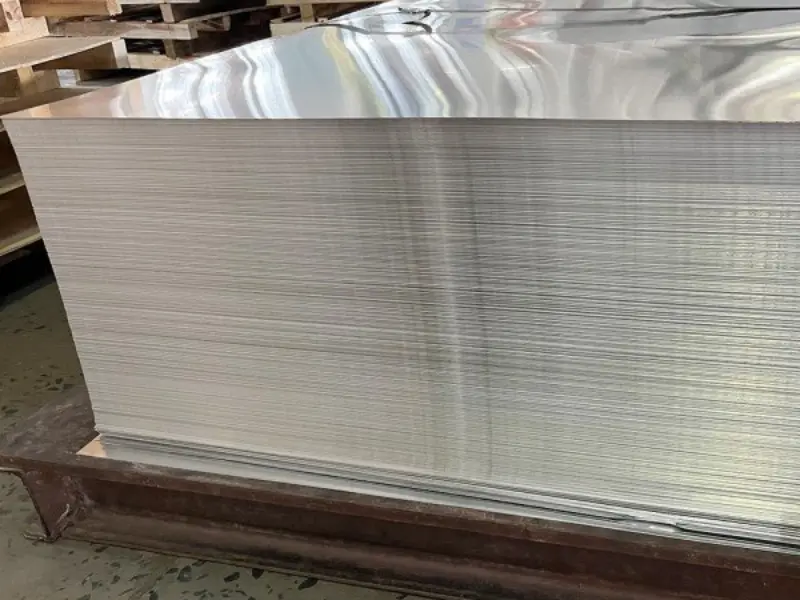
The basic formula is:
Weight = Length × Width × Thickness × Density
For a 4×8 sheet:
1.219 m × 2.438 m × 0.003175 m × 2700 kg/m³
≈ 25.5–25.9 kg
The exact result depends on the dimensions and material density used for the calculation.
For shipping quotations, the supplier’s actual packed weight should be used.
0.125 Aluminum Sheet vs 0.100
These two thicknesses are often compared when buyers need a medium-heavy sheet.
| Feature | 0.100″ | 0.125″ |
|---|---|---|
| Metric | 2.54 mm | 3.175 mm |
| Weight | Lower | Higher |
| Rigidity | Good | Higher |
| Material cost | Lower | Higher |
| Forming | Easier | More demanding |
| Heavy-duty use | Good | Better suited |
Choose 0.100″ when reducing weight is important.
Choose 0.125″ when additional rigidity is needed.
0.125 Aluminum Sheet vs 0.063
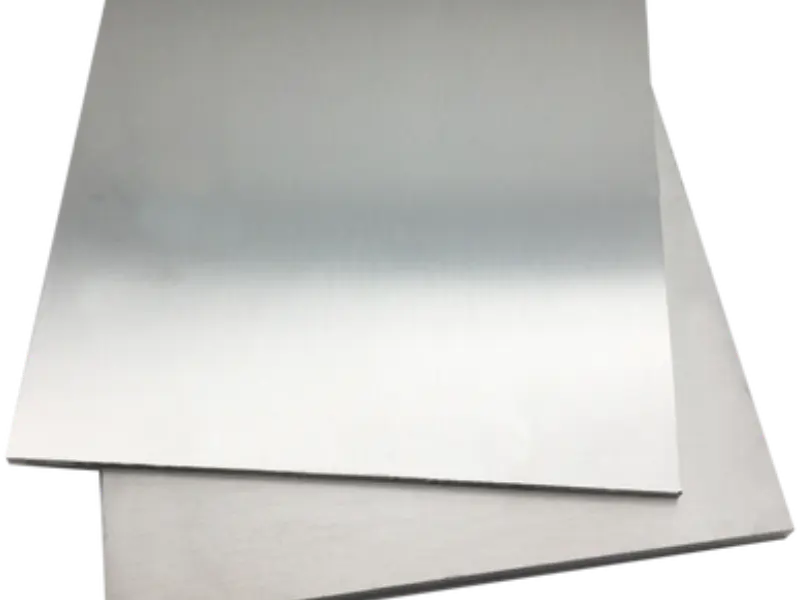
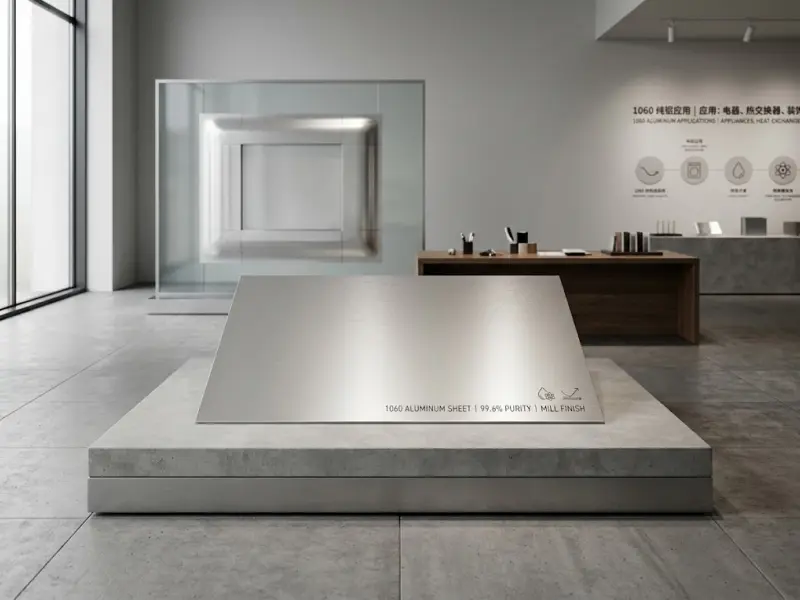
The difference is more noticeable.
| Feature | 0.063″ | 0.125″ |
|---|---|---|
| Thickness | 1.60 mm | 3.175 mm |
| Weight | Lower | Much higher |
| Rigidity | Medium | High |
| Cost | Lower | Higher |
| Handling | Easier | Heavier |
| Heavy fabrication | Moderate | Better suited |
A 0.125 inch sheet is approximately twice the thickness of a 0.063 inch sheet.
0.125 Aluminum Sheet vs 1/8 Inch Aluminum
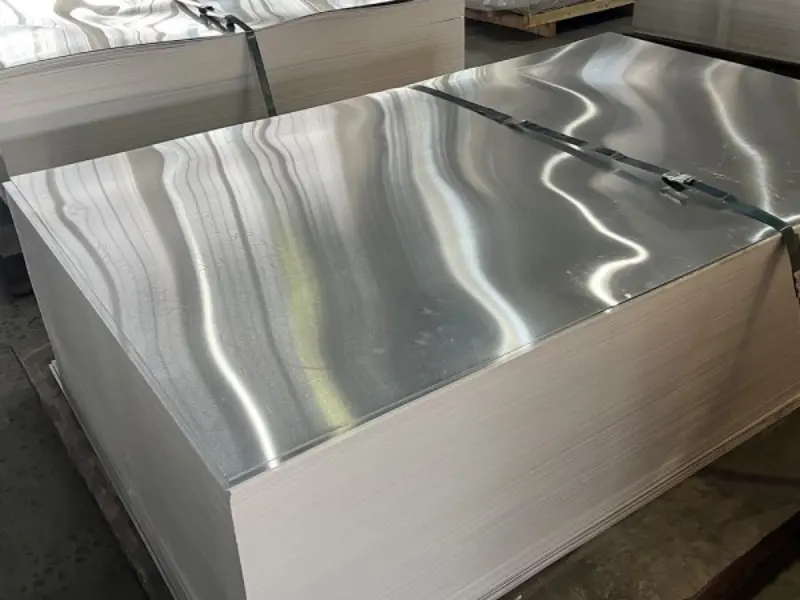
These are essentially the same thickness.
1/8 inch = 0.125 inch
0.125 inch = 3.175 mm
Therefore, when a customer asks for:
1/8 aluminum sheet
the supplier will normally understand the requested nominal thickness as 0.125 inch.
0.125 Aluminum Sheet vs 3 mm Aluminum Sheet
These products are very close in thickness.
| Specification | Thickness |
|---|---|
| 3 mm aluminum sheet | 3.00 mm |
| 0.125 aluminum sheet | 3.175 mm |
| Difference | 0.175 mm |
They should not be treated as exactly identical when tight tolerances are required.
For standard fabrication, either may be suitable depending on the project specification.
Aluminum Sheet Price
The 0.125 aluminum sheet price depends on several factors.
Main price factors include:
- Alloy
- Temper
- Sheet size
- Surface finish
- Order quantity
- Aluminum market price
- Cutting
- Packaging
- Pattern
- Coating
- Delivery destination
For example, a plain 5052 H32 sheet and a powder-coated 6061 sheet can have very different prices.
How to Request a Quotation
A complete inquiry should include the following information:
Product
→ 0.125 aluminum sheet
Alloy
→ 5052
Temper
→ H32
Size
→ 48″ × 96″
Surface
→ Mill finish
Quantity
→ 5 tons
Application
→ Trailer fabrication
This specification allows suppliers to provide a more accurate quotation.
Example Specifications for Different Projects
Trailer Panel
0.125″ × 48″ × 96″, 5052 H32, mill finish
Industrial Equipment
0.125″ × 60″ × 120″, 6061-T6, mill finish
HVAC Fabrication
0.125″ × 48″ × 96″, 3003 H14, mill finish
Marine Fabrication
0.125″ × 48″ × 144″, 5083 H116, mill finish
Decorative Panel
0.125″ × 48″ × 96″, 5052, anodized finish
These are examples only. The final specification should follow the engineering requirements of the project.
Fabrication of Aluminum Sheet
The 3.175 mm thickness can be processed using common metalworking equipment.
Cutting
Common methods include:
- CNC cutting
- Laser cutting
- Waterjet cutting
- Saw cutting
- Shearing
- Plasma cutting where appropriate
The cutting method depends on the alloy, shape, quantity, and edge requirements.
Bending
0.125 inch aluminum can be bent, but the required force is higher than for thinner material.
The bend radius depends on:
→ Alloy
→ Temper
Grain direction
Tooling
→ Bend angle
→ Forming method
Welding
Suitable aluminum alloys can be welded using MIG or TIG processes.
The welding procedure should be selected according to the alloy and final application.
Aluminum Sheet Tolerances
A complete specification should consider:
| Dimension | Requirement |
|---|---|
| Thickness | Standard or custom tolerance |
| Width | Required tolerance |
| Length | Required tolerance |
| Flatness | Standard or controlled |
| Squareness | As required |
| Surface | No major defects |
| Edge | Mill edge or slit edge |
Precision projects may require tighter tolerances than standard commercial sheet.
Choosing Between Aluminum Alloys
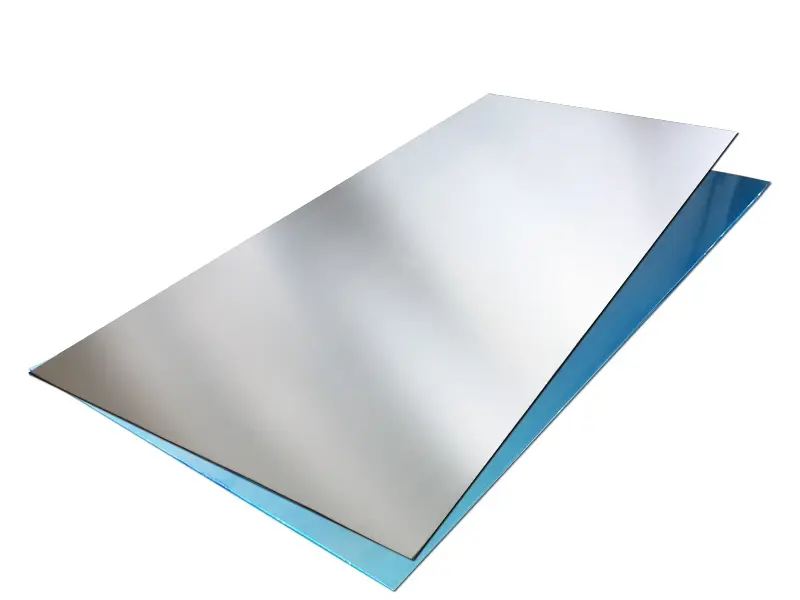
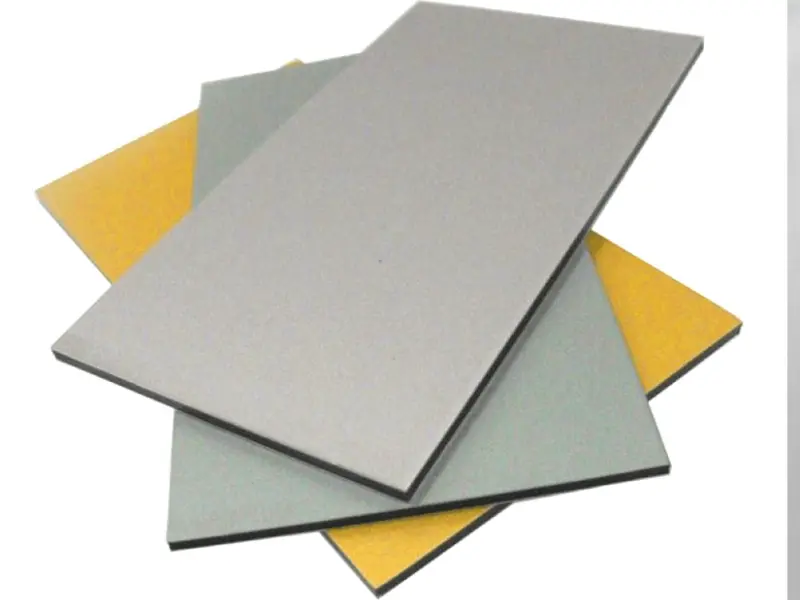
A simple selection path can help.
Need easy forming?
→ Consider 1050, 1060, 1100, or 3003.
Need outdoor corrosion resistance?
→ Consider 5052.
Need marine performance?
→ Consider 5052, 5083, or 5086.
Need higher strength?
→ Consider 6061.
Need general fabrication?
→ Consider 3003.
Need architectural appearance?
→ Consider anodized or coated aluminum.
Need a textured walking surface?
→ Consider aluminum diamond plate.
Common Applications of 125 Aluminium Sheet
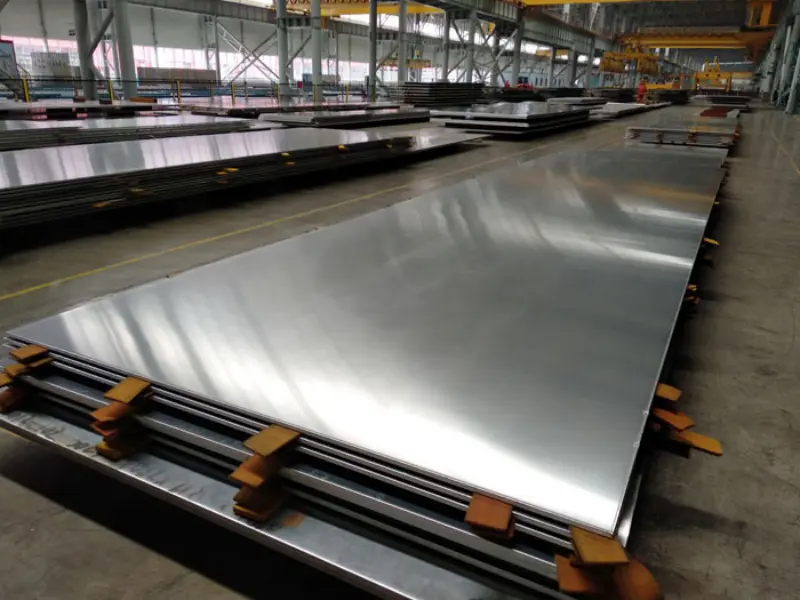
Depending on the alloy and temper, the material can be used for:
- Trailer floors
- Trailer panels
- Truck bodies
- Marine equipment
- Industrial equipment
- Machine components
- HVAC systems
- Architectural panels
- Wall cladding
- Roofing components
- Equipment enclosures
- Platforms
- Ramps
- Tool boxes
- Storage compartments
- Transportation equipment
The final application should determine the material specification.
Quick Product Selection
| Requirement | Recommended Direction |
|---|---|
| General fabrication | 3003 |
| Outdoor panels | 5052 |
| Trailer components | 5052 |
| Marine fabrication | 5083 / 5086 |
| High strength | 6061 |
| Easy forming | 1050 / 1060 / 1100 / 3003 |
| HVAC | 3003 / 1100 |
| Industrial equipment | 5052 / 6061 |
| Architectural panels | 5052 / 6063-related products |
| Walking surface | Diamond plate |
| Decorative surface | Anodized / painted |
| Heavy flat panel | 0.125″ |

For outdoor panels and trailers, 5052 is often a practical starting point. For marine fabrication, 5083 or 5086 may be considered. With high-strength fabricated components, 6061 can be appropriate. For easier forming and general fabrication, 3003 is a common option.

If you are requesting a quotation, avoid simply writing “125 aluminium sheet.” A clearer inquiry would be:
0.125″ × 48″ × 96″, 5052 H32 aluminium sheet, mill finish, 5 tons.
This gives the supplier the key information needed to quote the correct material.

Final Buying Guide
When purchasing 0.125 aluminium sheet, thickness is only one part of the specification.
A reliable purchasing process follows:
Application
↓
Required strength
↓
Alloy
↓
Temper
↓
Thickness
↓
Sheet size
↓
Surface finish
↓
Quantity
↓
Packaging
↓
Delivery
Related Aluminum Products
Customers searching for 125 aluminum sheet may also be comparing:
Aluminum sheet metal
0.063 aluminum sheet
0.080 aluminum sheet
0.100 aluminum sheet
0.125 aluminum sheet
0.160 aluminum sheet
1/8 aluminum sheet
3 mm aluminum sheet
3.175 mm aluminum sheet
5052 aluminum sheet
5052 H32 aluminum sheet
5083 aluminum sheet
5086 aluminum sheet
6061 aluminum sheet
6061-T6 aluminum sheet
3003 aluminum sheet
Aluminum diamond plate
Aluminum trailer sheet
Aluminum trailer floor
Aluminum roofing sheet
Aluminum siding sheet
Aluminum plate
Frequently Asked Questions About 125 Aluminium Sheet
What does 125 aluminum sheet mean?
The term can be unclear. In many cases, customers may mean 0.125 aluminium sheet, which is 1/8 inch or approximately 3.175 mm thick. The exact meaning should be confirmed before ordering.
Is 0.125 aluminium sheet the same as 1/8 inch?
Yes. 0.125 inch is the nominal equivalent of 1/8 inch, or approximately 3.175 mm.
How thick is 0.125 aluminium sheet in mm?
0.125 inch equals approximately 3.175 mm.
What is the best alloy for 0.125 aluminum sheet?
There is no single best alloy. 5052 is useful for outdoor and transportation applications, 3003 is suitable for many general fabrication jobs, and 6061 is often selected when higher strength is needed.
Is 0.125 aluminium sheet good for trailers?
Yes. It can be suitable for trailer floors, panels, doors, ramps, and structural components when the alloy and design are appropriate.
Is 0.125 aluminium sheet strong?
The strength depends on the alloy and temper. A 0.125 6061-T6 sheet will have different mechanical properties from a 0.125 3003 H14 sheet.
How much does a 4×8 0.125 aluminum sheet weigh?
A 4×8 sheet with a nominal thickness of 0.125 inch weighs approximately 25.9 kg, or around 57 lb, based on a typical aluminium density.
Can 0.125 aluminum sheet be welded?
Yes. Suitable aluminium alloys can be welded using appropriate MIG or TIG welding procedures.
Can 0.125 aluminium sheet be bent?
Yes, but the required forming force is higher than for thinner aluminum sheet. The alloy and temper have a major effect on bendability.
Is 0.125 aluminium sheet suitable for marine applications?
Certain alloys, especially 5052, 5083, and 5086, can be considered for marine fabrication. The correct grade depends on the specific marine environment and design.
Is 0.125 aluminium sheet available in 4×8?
Yes. 0.125″ × 48″ × 96″ is a common requested specification.
What is the difference between 0.125 and 0.063 aluminum?
0.125 inch is approximately twice as thick as 0.063 inch. It provides greater rigidity but also weighs significantly more.
Is 0.125 aluminium sheet the same as 3 mm?
Not exactly. 0.125 inch equals 3.175 mm, while 3 mm is slightly thinner.
How is 0.125 aluminium sheet priced?
Pricing depends on alloy, temper, size, surface finish, quantity, processing, packaging, aluminum market prices, and delivery location.
Can I order custom-size 0.125 aluminium sheet?
Many suppliers can provide custom sizes depending on their equipment and production requirements.