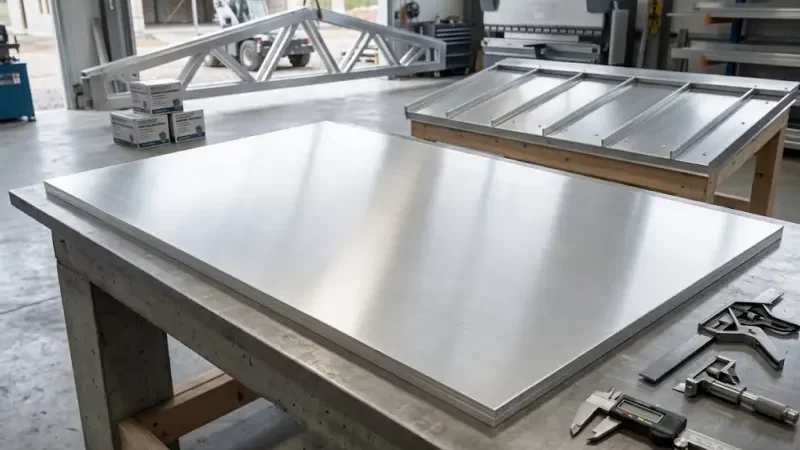
Why Roofers Pick Aluminum Over Steel
Aluminum Sheet for Roofing does not rust. That one fact makes it a top choice for roofs that face rain, snow, and salt air.
It weighs about one-third as much as steel. This means less load on the building frame and easier handling on the job site. An aluminum roof can last 40 to 50 years with basic care. It also reflects heat, which cuts cooling bills in hot climates.
Steel is stronger and cheaper upfront. But steel rusts when the paint scratches or the zinc coating wears thin. Aluminum forms a natural oxide skin that heals itself.
For coastal homes, metal roofs over pool enclosures, and warehouses near the ocean, aluminum sheet for roofing is often the smarter long-term buy.
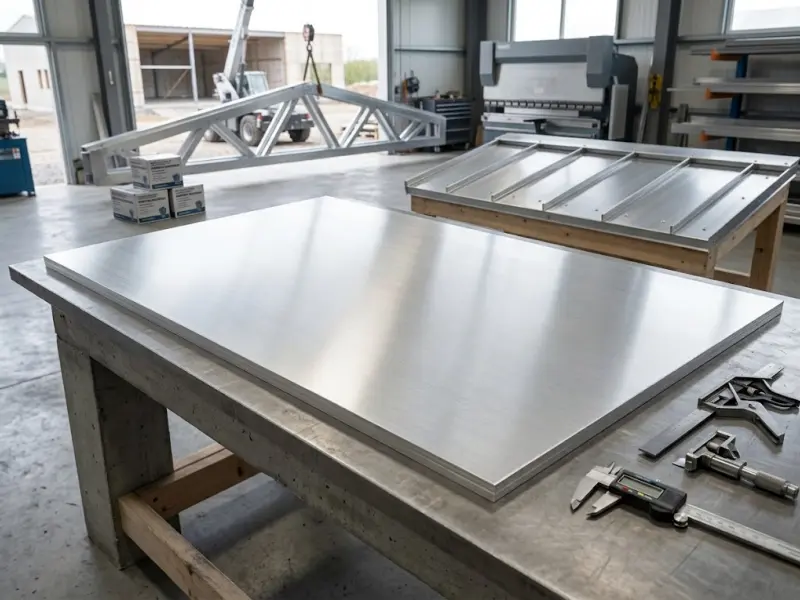
Alloy Guide: What Metal Goes on Your Roof
Not all aluminum is the same. The alloy changes strength, bendability, and salt resistance.
3003 Series Aluminum Sheet for Roofing: The Standard Choice
3003 is an aluminum-manganese alloy. It is roughly 20% stronger than pure aluminum. It bends easily on a brake without cracking.
This is the most common alloy for residential and light commercial roofing. It takes paint well and costs less than marine grades. Most stock colored roofing panels use 3003 as the base metal.
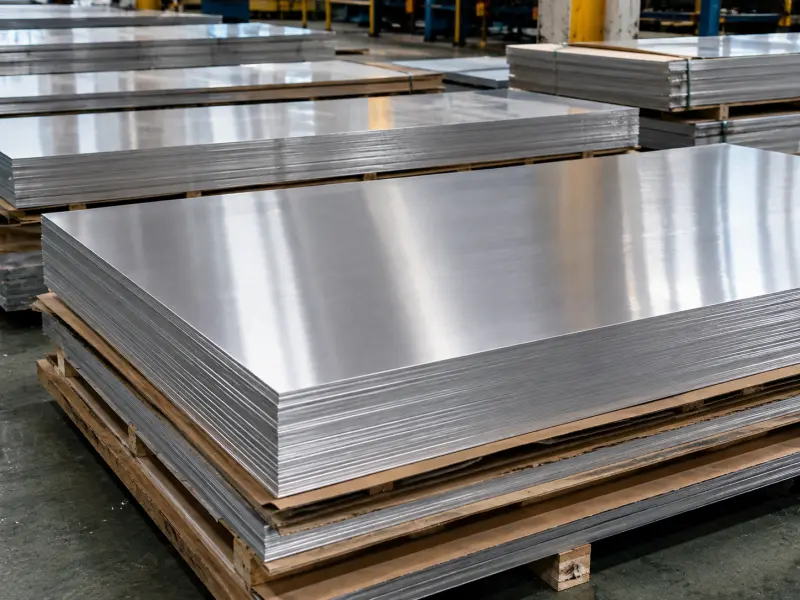
5052 Series Aluminum Sheet for Roofing: Coastal Armor
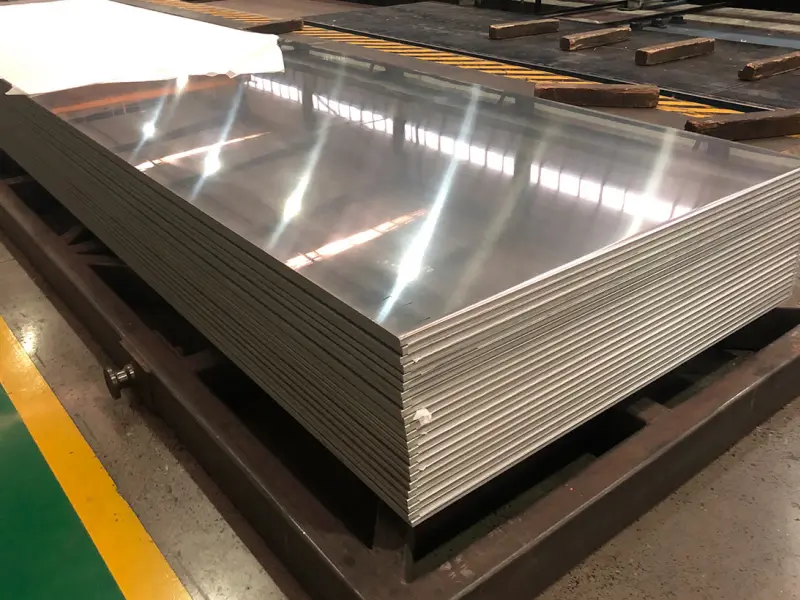
5052 adds magnesium. It is stronger than 3003 and far more resistant to salt spray.
If your building sits within five miles of the ocean, 5052 is worth the extra cost. It is slightly harder to bend, so you need a skilled crew or a shop-formed panel. It also anodizes better than 3003 if you want a bare metal look.
3105 Series Aluminum Sheet for Roofing: Paint-Ready Value
3105 is close to 3003 but formulated for better paint adhesion. It is often made with recycled content, which appeals to green builders. It works well for prepainted residential sheets, gutters, and trim. The price sits between 3003 and 5052.
| Alloy | Key Element | Strength | Formability | Salt Resistance | Best Zone |
|---|---|---|---|---|---|
| 3003 | Manganese | Medium | Excellent | Good | Inland, general use |
| 3105 | Mn + Mg | Medium | Very good | Good | Residential, painted systems |
| 5052 | Magnesium | High | Good | Excellent | Coast, marine, harsh chemical |
Temper States: How Hard Should Roof Metal Be?
Temper tells you how the metal was treated after rolling. For roofing, you need a balance between stiffness and flexibility.
H14 Aluminum Sheet for Roofing: The Budget Standard
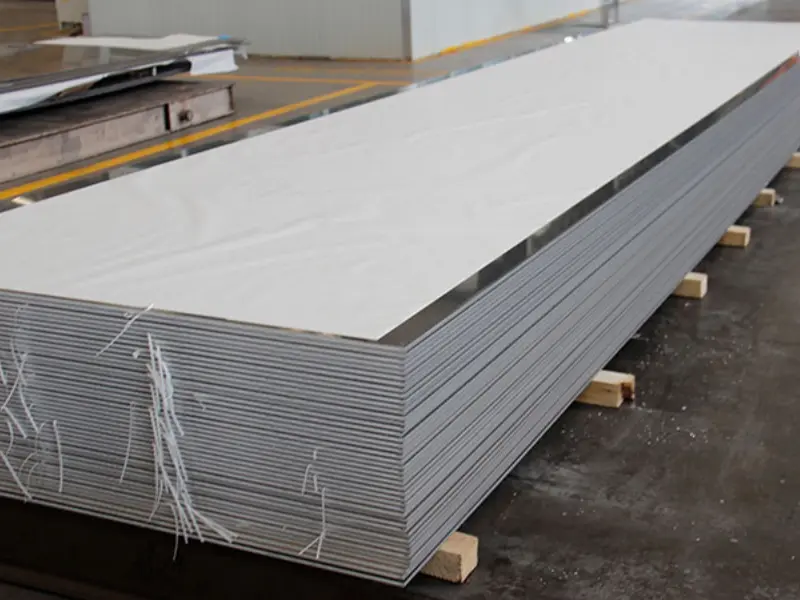
H14 is half-hard. It is stiff enough to hold a panel profile but soft enough to form on site. Many corrugated and R-panel systems use H14. It is the lowest-cost temper that still performs on a roof.
H24 Aluminum Sheet for Roofing: Less Springback
H24 is also half-hard, but it is stress-relieved. After you bend it, it stays bent. H14 can spring back slightly, which costs extra labor time. H24 is the preferred temper for standing seam panels and long straight runs.
H32 and H34 Aluminum Sheet for Roofing: For Marine Zones
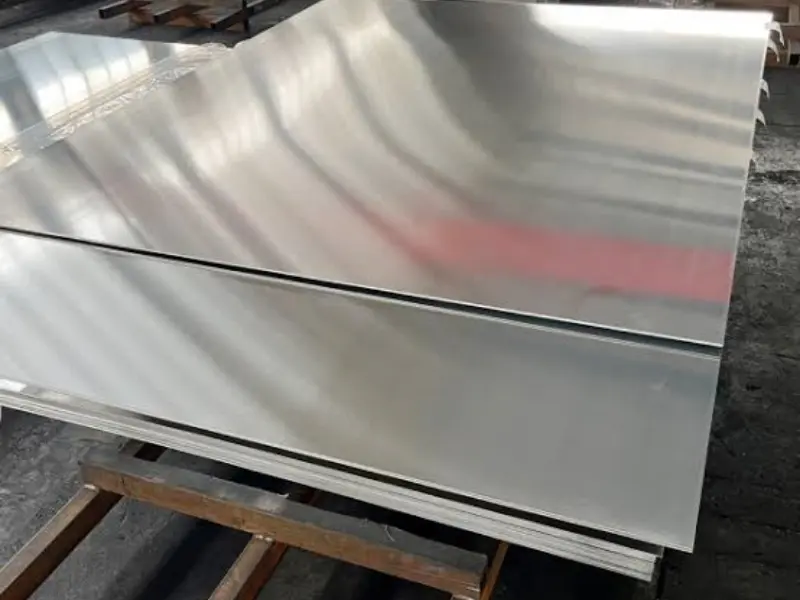
These tempers apply to 5000 series alloys like 5052. H32 is quarter-hard and stabilized. H34 is half-hard. Both give you higher strength than 3003 tempers. They resist oil canning on wide panels. The trade-off is a slightly larger bend radius.
| Temper | Hardness | Springback | Best Panel Type | Typical Alloy |
|---|---|---|---|---|
| H14 | Half hard | Some | Corrugated, R-panel | 3003 |
| H24 | Half hard, stabilized | Very low | Standing seam, long panels | 3003 |
| H32 | Quarter hard, stabilized | Low | Marine panels, wide spans | 5052 |
| H34 | Half hard, stabilized | Low | Heavy-duty structural | 5052 |
Aluminum Sheet for Roofing Thickness Guide: From Light Panels to Heavy Armor
Thickness is measured in inches or millimeters. For roofing, thicker metal resists wind and hail better. But thicker metal also costs more and weighs more.
032 Inch: The Minimum Standard
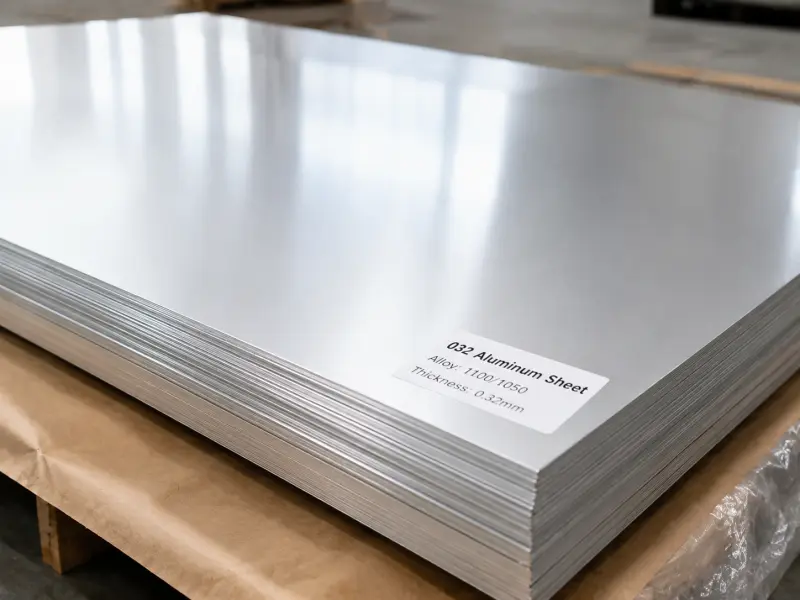
At 0.032 inches, or about 0.81 mm, this is the thinnest aluminum sheet for roofing that most codes allow. It works for porch roofs, sheds, and carports with solid decking underneath. On open purlins spaced 24 inches apart, 032 can show oil canning. It is light and easy to cut. It is also the cheapest option.
040 Inch: The Sweet Spot
At 0.040 inches, or 1.02 mm, this is the most popular thickness for residential metal roofing. It stops oil canning on standard purlin spacing. It handles winds up to 120 mph when properly fastened. Most standing seam and corrugated panels sold today use 040 as the default.
050 Inch and Up: Storm Country
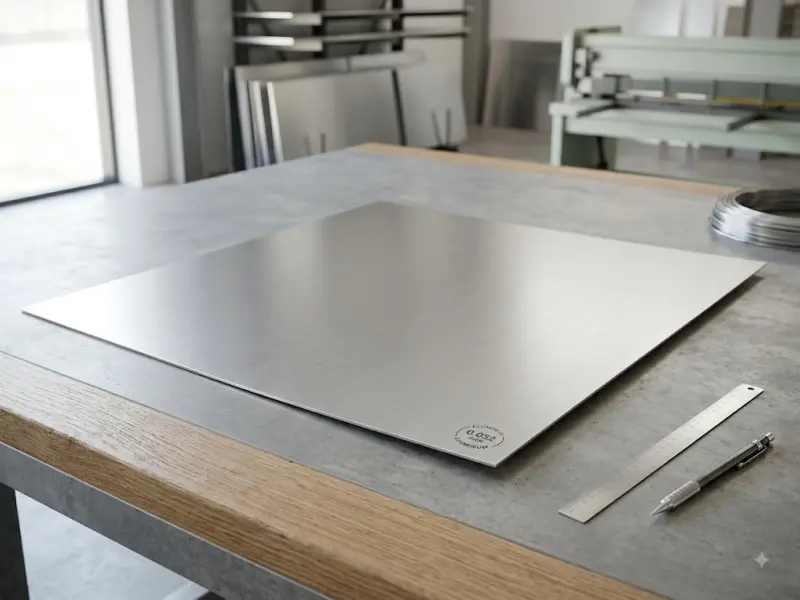
At 0.050 inches, or 1.27 mm, you enter commercial-grade territory. This thickness laughs at hail and hurricane winds. It is common on schools, airports, and government buildings. The weight is higher, so the roof structure must be engineered for the load. For extreme weather zones, 050 or even 063 inch is the safe call.
| Thickness | mm | Weight per 100 sq ft | Wind Rating | Best Use |
|---|---|---|---|---|
| 0.032 | 0.81 | ~46 lbs | Moderate | Sheds, porches, soffits |
| 0.040 | 1.02 | ~57 lbs | High | Standard residential roofing |
| 0.050 | 1.27 | ~71 lbs | Very high | Commercial, high-wind zones |
| 0.063 | 1.60 | ~90 lbs | Extreme | Industrial, impact zones |
Profile Types: More Than Flat Sheets
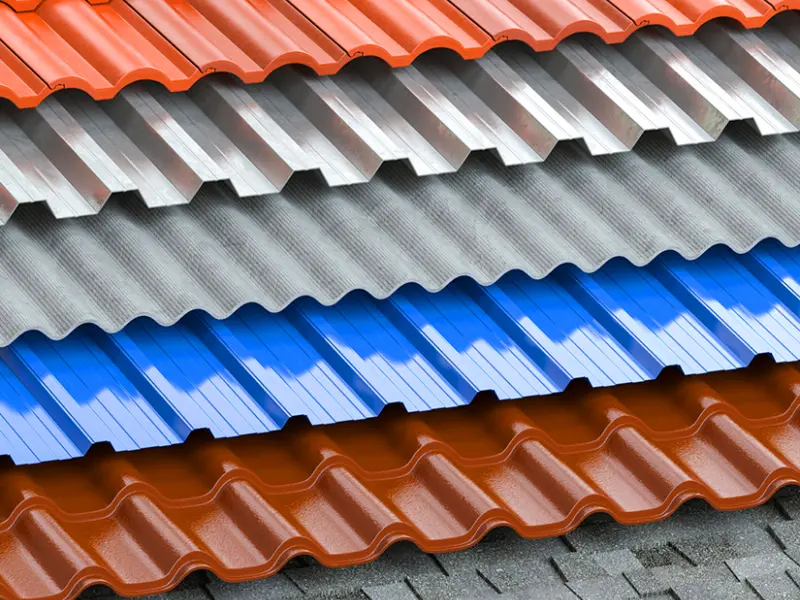
Roofing aluminum comes in several shapes. Each profile changes how the roof looks and how water sheds.
Standing Seam Panels
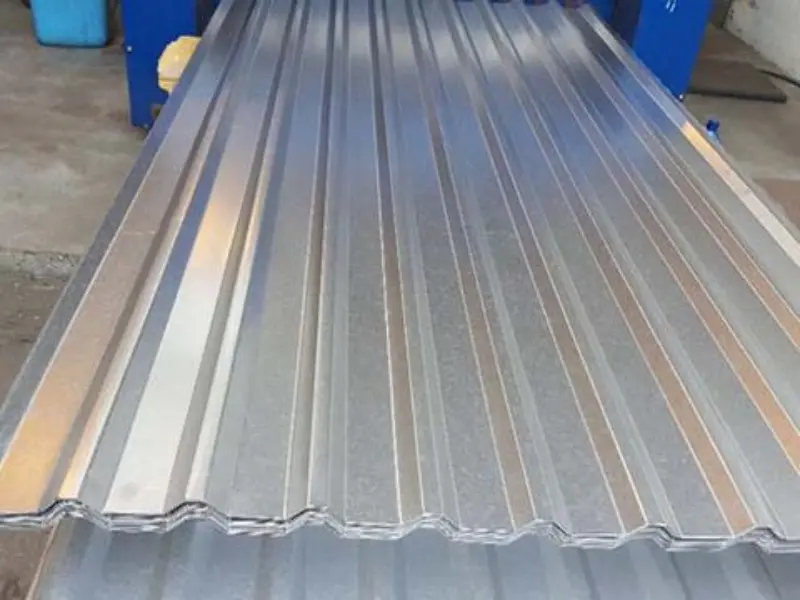
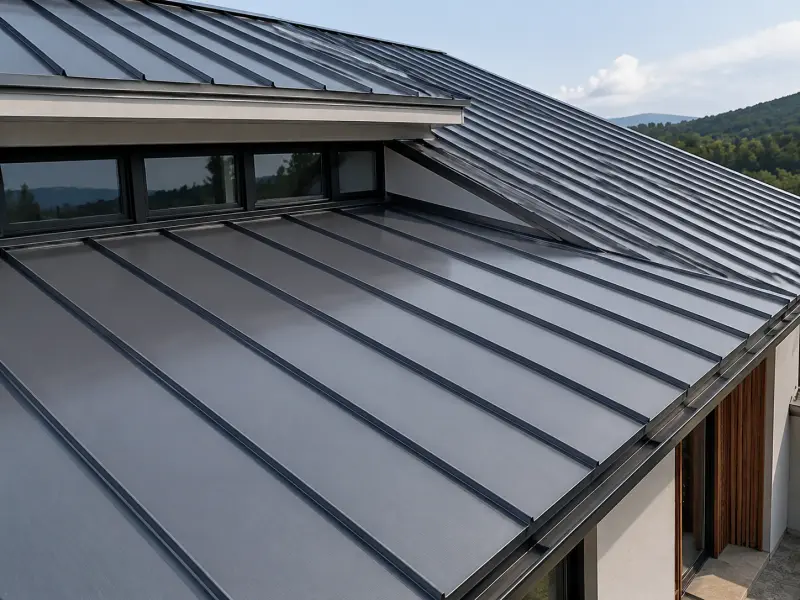
These are long sheets with raised ribs where the seams lock together. The fasteners hide under the ribs. This gives a clean look and fewer leak points. Standing seam is the premium choice for modern homes. It requires 040 or thicker metal and usually H24 temper.
Corrugated and R-Panel
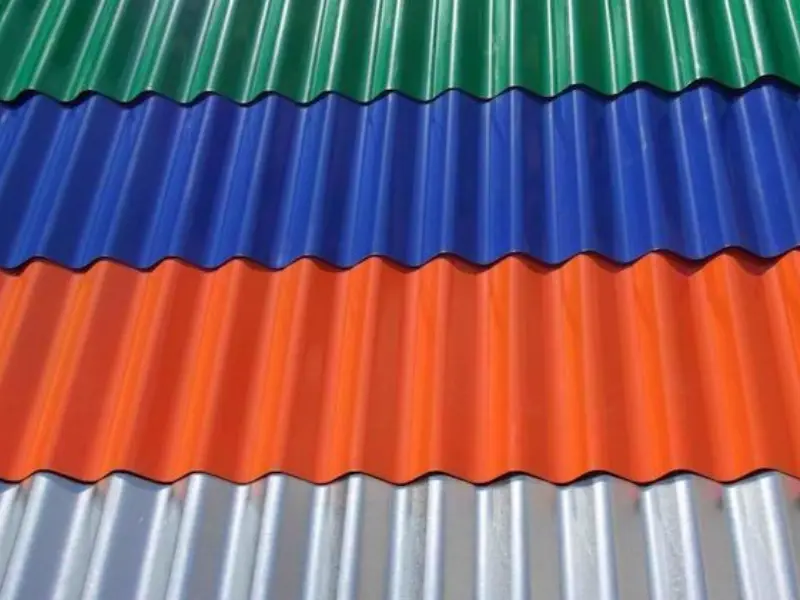
Corrugated has the classic wavy look. R-panel has a more angular, boxy rib pattern. Both are fastened through the face with exposed screws. They are cheaper and faster to install than standing seam. They work on barns, warehouses, and budget residential jobs. 032 or 040 thickness is common.
Flat Sheet for Custom Fabrication
Some roofers buy flat sheets and brake-form their own trim, valleys, and flashing. Flat 3003 H14 in 032 or 040 is the standard stock for this work. It allows custom details that pre-formed panels cannot match.
Shingle-Style Metal
These panels mimic asphalt shingles or wood shakes. They are smaller and interlock at the edges. They work well for historic districts where code requires a shingle look. Aluminum is lighter than steel shingle panels, which reduces stress on older roof decks.
Finish Options: Raw, Painted, or Coated
The surface finish changes how long the roof stays good-looking and how much heat it reflects.
Mill Finish
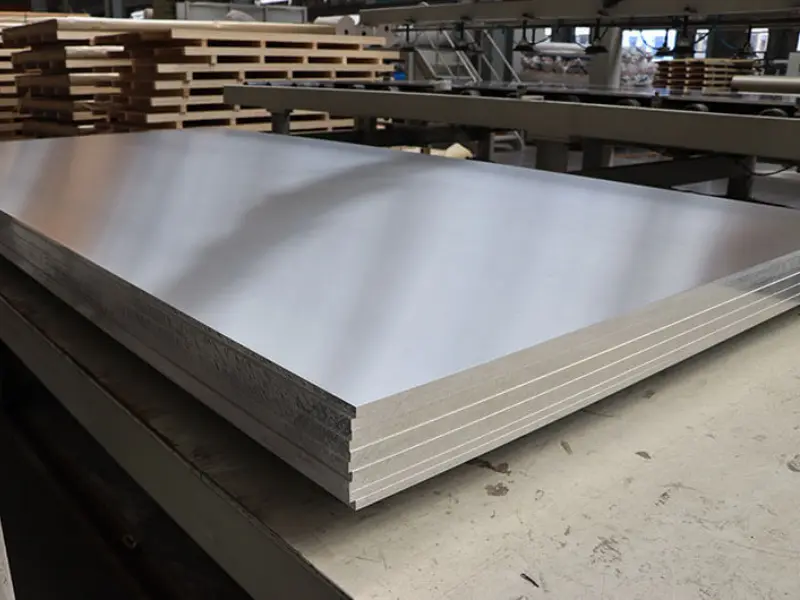
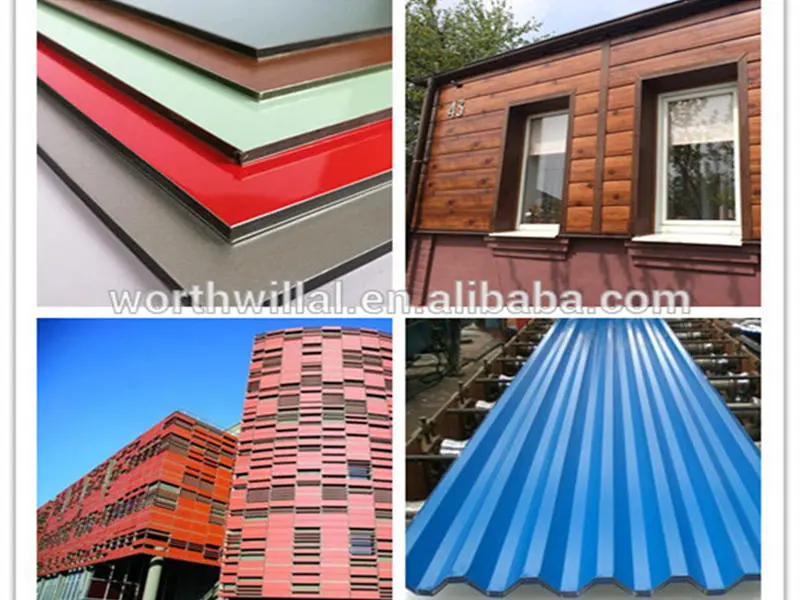
This is bare aluminum. It has a dull silver look. Mill finish is the cheapest option. It will oxidize to a soft grey over time. Some architects like this natural weathering. For most homes, mill finish is too industrial unless you are going for a rustic look.
Color-Coated: PE vs PVDF
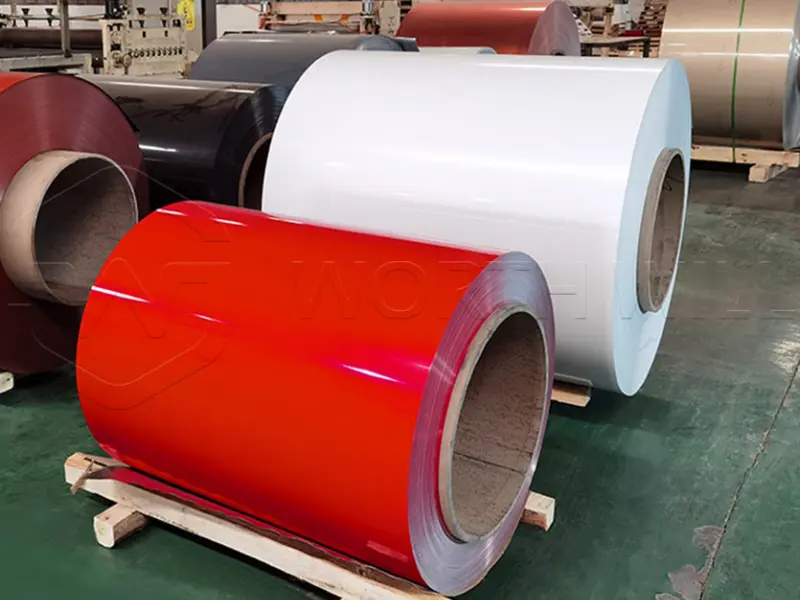
Factory-applied paint is the most common finish. PE polyester paint lasts 5 to 10 years in strong sun before fading. PVDF fluorocarbon paint lasts 15 to 20 years. It costs more but holds color and resists chalking. For coastal or high-UV zones, PVDF is the better investment.
Anodized
Anodizing grows a hard oxide layer on the metal. It resists scratches and corrosion. Clear anodized keeps the metallic look. Bronze and black anodized add color without paint. Anodized aluminum roofing is rare on homes but shows up on high-end commercial and museum projects.
Stucco Embossed
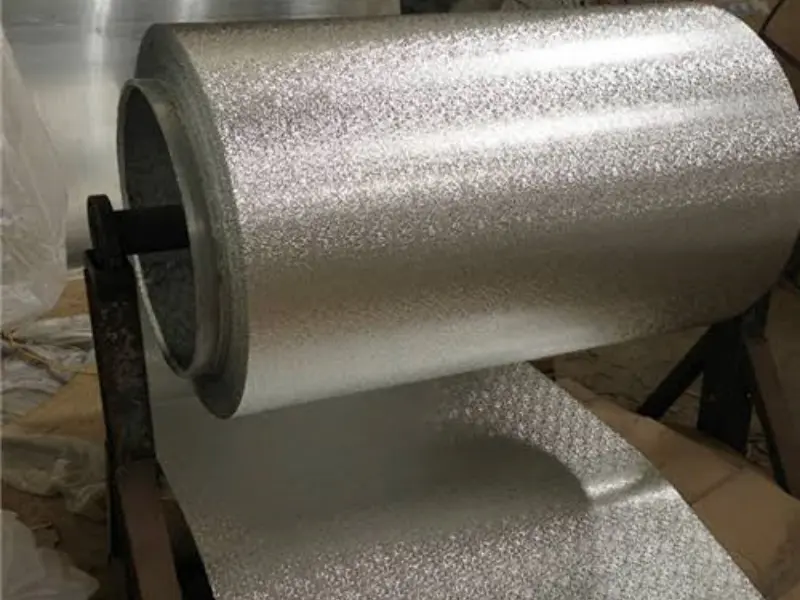
This finish has a light orange-peel texture. It hides scratches and reduces glare. It is often used on industrial roofs and soffits where appearance matters less than durability.
| Finish | Look | Lifespan | Cost Level | Best Climate |
|---|---|---|---|---|
| Mill finish | Natural silver | 30+ years, weathers | Lowest | Mild, any |
| PE painted | Solid color | 5–10 years bright | Low | Temperate, inland |
| PVDF painted | Solid color | 15–20 years bright | Medium | Coastal, tropical, high UV |
| Anodized | Metallic tones | 20+ years | High | Premium commercial |
| Stucco embossed | Textured matte | 20+ years | Low | Industrial, low-glare needs |
Aluminum vs Steel Roofing: A Head-to-Head Comparison
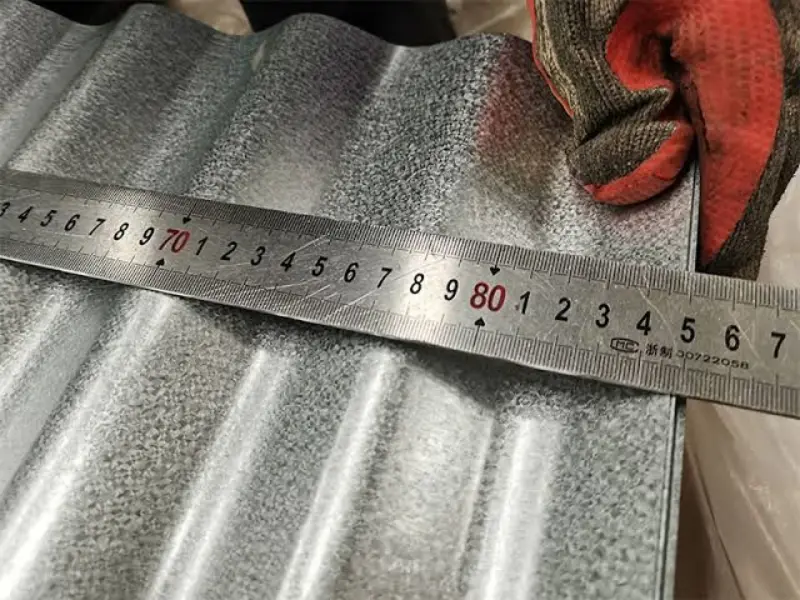
Buyers often debate between the two metals. Here is how they stack up for roofing work.
| Factor | Aluminum Sheet for Roofing | Steel Roofing |
|---|---|---|
| Weight per 100 sq ft | ~57 lbs at 0.040″ | ~150 lbs at 24 gauge |
| Rust resistance | Excellent, self-healing oxide | Good if paint and zinc stay intact |
| Salt air life | 40+ years | 15–25 years before edge rust |
| Heat reflection | High, cuts cooling costs | Lower, absorbs more heat |
| Hail resistance | Good at 0.040″, better at 0.050″ | Excellent, heavier gauge |
| Color fade | Slow with PVDF | Similar with quality paint |
| Cost per sq ft | Higher material cost | Lower material cost |
| Structural load | Light, easy on framing | Heavy, needs stronger trusses |
| Cutting ease | Cuts with tin snips | Needs shears or saw |
| Noise in rain | Slightly louder | Slightly quieter |
For inland homes on a tight budget, steel is tempting. For coastal homes, humid climates, or any project where long life matters more than upfront savings, aluminum wins.
Where Aluminum Roof Sheets Work Best
Aluminum sheet for roofing fits more building types than many people think. Here are the top applications:
- Beach houses and coastal condos – salt air does not eat aluminum
- Pool enclosures and lanai roofs – chlorine and moisture resistance
- Agricultural barns and stables – no rust from animal waste or humidity
- Airport hangars – light weight and long spans
- Schools and public buildings – 40-year life reduces replacement budgets
- Historic home renovations – shingle-style panels meet code and look right
- Restaurants with outdoor seating – covered patios that stay cool
- Warehouse and light industrial – wide R-panels go up fast
- Solar panel mounts – reflective surface boosts panel efficiency
- Gazebo and pergola covers – easy for DIY installers to handle
- Mobile and modular homes – light weight is critical for transport
- Chemical plants near the coast – 5052 alloy resists both salt and fumes
Sizing and Dimensions That Ship Fast
Standard sizes keep costs down. Custom sizes are available but add lead time.
| Standard Width | Standard Length | Common Thickness | Panel Type |
|---|---|---|---|
| 36 inches | 8, 10, 12 feet | 0.032–0.040 | Corrugated, trim |
| 42 inches | 10, 12 feet | 0.040 | Standing seam |
| 48 inches | 10, 12 feet | 0.040–0.050 | R-panel, standing seam |
| 24 inches | Custom cut | 0.032–0.040 | Shingle-style tiles |
Most standing seam panels are 12, 16, or 20 inches wide after the seam overlap. Wider panels mean fewer seams and faster install. But they also show oil canning more easily on thin metal.
The price of aluminum sheet for roofing is not just about the metal. Several pieces move the final number.
Cost Factors: What Drives the Price
Alloy choice – 3003 is the cheapest. 5052 costs 15 to 25 percent more. 3105 sits in the middle.
Thickness – Stepping from 032 to 040 adds roughly 25 percent more metal. Going to 050 adds another 25 percent.
Finish – Mill finish is cheapest. PE paint adds a moderate premium. PVDF paint adds more. Anodized is the most expensive.
Profile complexity – A simple corrugated panel costs less per square foot than a standing seam with hidden clips and custom seaming tools.
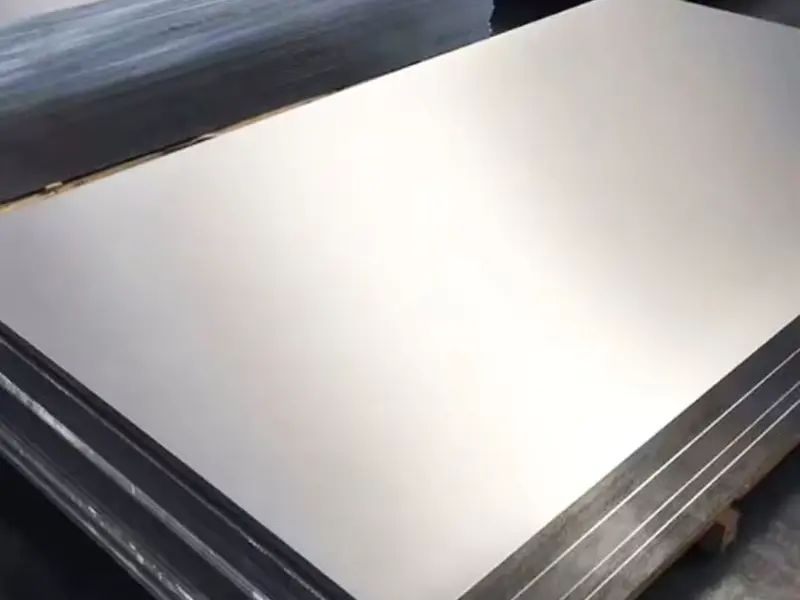
Quantity – A full truckload of panels earns the best price per square foot. Small orders of 10 to 20 sheets pay a premium.
| Cost Driver | Low End | High End | Impact |
|---|---|---|---|
| Alloy | 3003 | 5052 | +15–25% |
| Thickness | 0.032″ | 0.063″ | +100% |
| Paint | PE | PVDF | +20–40% |
| Profile | Corrugated | Standing seam | +30–50% |
| Order size | Truckload | 10 sheets | +20–30% |
Installation Tips That Save Labor
A good roof starts with good install habits. These tips help crews work faster and avoid leaks.
Seal cut edges with touch-up paint. The raw edge is exposed aluminum. Paint it to match the factory finish and stop edge creep.
Use a slip sheet under the panels if the underlayment is rough. This prevents scratches on the paint.
Do not over-tighten screws. Aluminum is softer than steel. Over-driven screws dimple the metal and create leak paths.
Cut panels with a circular saw and a reversed blade, or use electric shears. Abrasive blades leave hot shavings that embed in the paint.
Use stainless steel or aluminum fasteners. Galvanized steel screws react with aluminum and cause galvanic corrosion.
Leave room for thermal expansion. Aluminum expands more than steel in heat. Panels need clip systems or slotted holes that let the metal slide.
Frequently Asked Questions
What alloy is best for residential roofing?
Alloy 3003 in H24 temper is the industry standard. It forms well, holds paint, and resists atmospheric corrosion. For homes near the ocean, upgrade to 5052 H32.
Is 032 aluminum thick enough for a roof?
032 is the minimum for most codes. It works over solid decking or close purlins. For open framing or high-wind zones, step up to 040. For hurricane zones, use 050 or thicker.
How long does a painted aluminum roof last?
A PVDF-painted aluminum roof lasts 15 to 20 years before noticeable fading. The metal itself can last 40 to 50 years. PE paint fades faster, usually in 5 to 10 years of strong sun.
Can I walk on an aluminum roof?
Yes, but carefully. Aluminum dents more easily than steel. Walk on the flat areas near the fasteners, not in the center of the panel. Use soft-soled shoes and avoid stepping between purlins.
Does aluminum roofing rust?
No. Aluminum does not contain iron, so it cannot rust. It forms a natural oxide layer that protects the metal. In very salty or acidic environments, pitting can occur over decades, but it is rare with 5052 alloy.
What is the best paint finish for coastal roofs?
PVDF is the best choice. It resists salt, UV rays, and chalking far better than PE polyester. Some coastal projects also specify 5052 alloy with a clear protective coat for extra insurance.
How does aluminum handle hail?
At 040 inch thickness, aluminum resists moderate hail well. At 050 or 063, it resists severe hail. Thinner 032 panels may dent in a strong storm. The dents do not cause leaks, but they affect appearance.
Can aluminum roof sheets be recycled?
Yes. Aluminum is 100% recyclable without quality loss. At the end of the roof’s life, the panels can be melted and reused. Scrap yards also pay for old aluminum roofing.
What width should I order for standing seam?
The most common finished widths are 12, 16, and 20 inches. Wider panels install faster but require thicker metal to avoid oil canning. A 16-inch width with 040 thickness is the safe standard for most homes.
Do I need a vapor barrier under aluminum roofing?
In cold climates, yes. Warm, moist air from inside the building can rise and condense on the underside of the metal. A vapor barrier or proper attic ventilation prevents this. In hot, dry climates, it is less critical but still recommended.