What Makes 6061 T651 Aluminum Plate Stand Out
The 6061 T651 aluminum plate is one of the most versatile materials used across many industries today. This heat-treated aluminum offers excellent strength combined with easy workability. Manufacturers choose this material because it balances performance with cost-effectiveness.
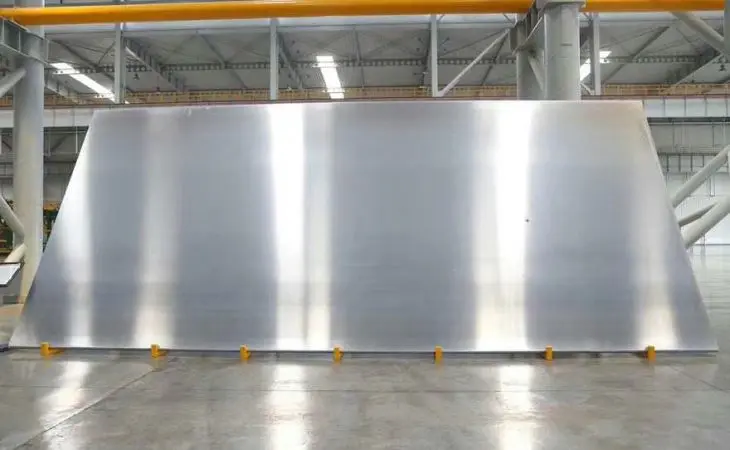
The T651 temper designation means the plate goes through solution heat treatment, controlled stretching, and artificial aging. This process creates a stable material that won’t shift shape over time. The result is an aluminum plate that holds tight tolerances and maintains its properties in demanding applications.
Understanding the Alloy Composition
The 6061 aluminum alloy contains magnesium and silicon as primary alloying elements. This combination gives the material its characteristic properties. The alloy also includes small amounts of copper, chromium, and zinc, which enhance specific performance characteristics.
The composition of 6061 T651 aluminum plate delivers moderate strength with excellent corrosion resistance. This makes it suitable for both indoor and outdoor applications. The material responds well to anodizing, allowing for enhanced surface protection and aesthetic finishes.
Why T651 Temper Matters
The T651 condition indicates specific heat treatment and stretching processes. After solution treatment at high temperature, the material undergoes controlled stretching. This relieves residual stresses that could cause distortion later. Following stretching, artificial aging completes the process, which strengthens the material through precipitation hardening.
This temper delivers consistent mechanical properties. Parts made from 6061 T651 maintain dimensional stability. The material won’t warp or change shape during machining or in service, which is critical for precision applications.
Standard Specifications for 6061 T651 Aluminum Plate
| Property | Value | Unit |
|---|---|---|
| Tensile Strength | 310 MPa | Minimum |
| Yield Strength | 275 MPa | Minimum |
| Elongation | 8% | Minimum |
| Density | 2.70 | g/cm³ |
| Melting Point | 652 | °C |
| Thermal Conductivity | 167 | W/m·K |
The mechanical properties remain consistent across standard thickness ranges. This reliability makes planning and designing with 6061 aluminum plate straightforward for engineers.
Available Thickness Options
6061 T651 aluminum plate comes in numerous thickness specifications to match different project requirements.
| Thickness Range | Common Sizes | Best For |
|---|---|---|
| Thin Plate | 1/16″ to 1/4″ (1.6-6.4 mm) | Trim, brackets, light structures |
| Medium Plate | 5/16″ to 1/2″ (8-12.7 mm) | General fabrication, enclosures |
| Standard Plate | 5/8″ to 1″ (16-25.4 mm) | Heavy-duty components, frames |
| Thick Plate | 1-1/4″ to 2″ (32-50.8 mm) | Structural applications, machinery |
| Extra Thick Plate | 2″ and above (50.8+ mm) | Industrial infrastructure, large assemblies |
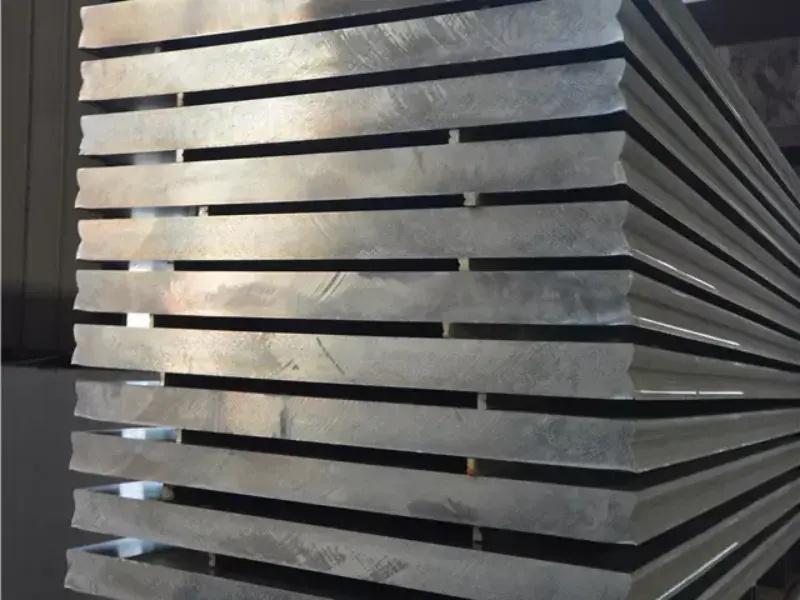
Each thickness provides different advantages depending on your specific project needs. Thinner plates offer easier forming and lower material costs. Thicker options provide greater structural capacity and better impact resistance.
Width and Length Specifications
| Standard Width | Metric Equivalent | Common Uses |
|---|---|---|
| 24″ | 610 mm | Fabrication standard |
| 36″ | 914 mm | Large panel work |
| 48″ | 1219 mm | Sheet metal operations |
| 60″ | 1524 mm | Industrial production |
Standard lengths typically range from 48 inches to 144 inches (1.2 to 3.7 meters). Custom dimensions are available from most suppliers to minimize waste and reduce finishing work.
Key Advantages of 6061 T651 Aluminum Plate
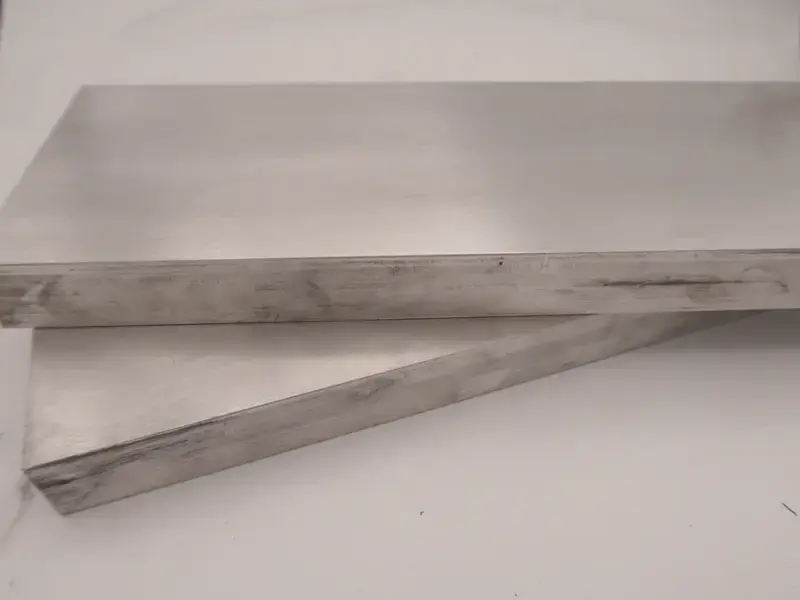
Excellent Corrosion Resistance
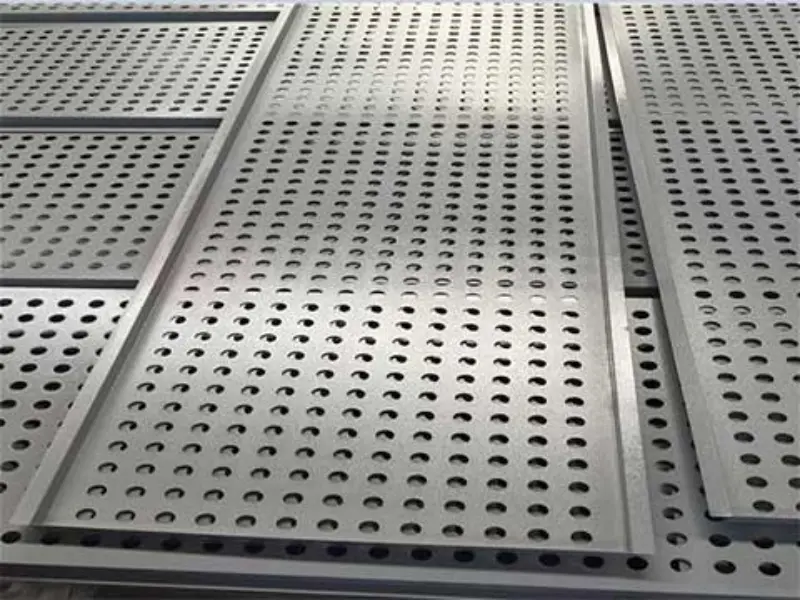
The 6061 aluminum alloy naturally resists corrosion in most environments. The material performs exceptionally well in coastal areas, where saltwater exposure is a concern. Even in harsh industrial settings, this aluminum plate maintains its surface integrity.
The oxide layer that forms naturally on aluminum provides initial protection. With anodizing or other protective coatings, corrosion resistance improves further. This extends the service life of components significantly.
Superior Workability and Machinability
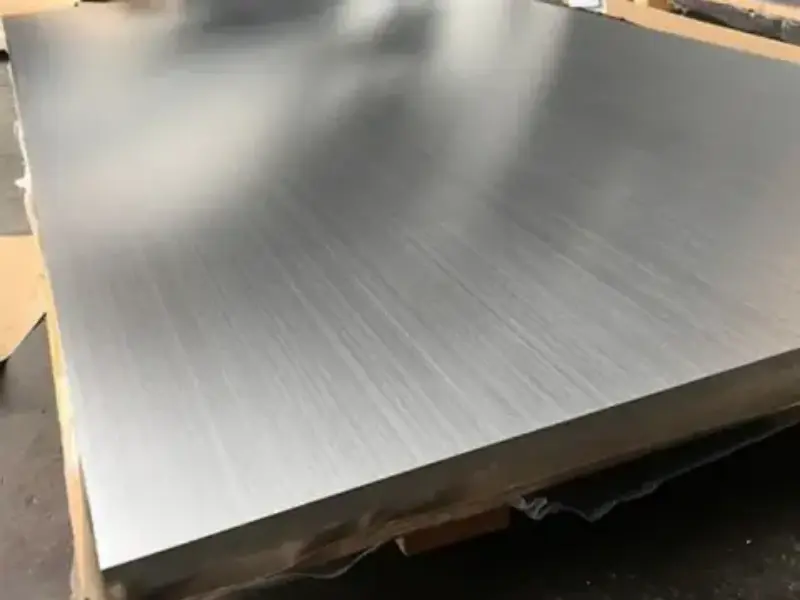
Fabricators appreciate 6061 T651 aluminum plate for its ease of machining. The material cuts cleanly without excessive tool wear. Drilling, milling, and turning operations proceed efficiently, reducing labor costs.
The plate also accepts welding readily. Standard TIG and MIG welding processes work well with this alloy. Post-weld heat treatment is typically not required, simplifying manufacturing procedures and saving time.
Light Weight with Adequate Strength
Aluminum weighs approximately one-third as much as steel. This weight advantage matters greatly in aerospace, automotive, and transportation applications. Engineers can achieve the same strength with less material mass.
The 6061 T651 temper provides sufficient strength for most applications while maintaining this weight advantage. The strength-to-weight ratio makes this material economical for structures that move or require support systems.
Cost-Effective Solution
Compared to other aerospace-grade aluminum alloys, 6061 remains relatively affordable. The material is widely available, which keeps prices competitive. Machining and fabrication costs stay reasonable due to the material’s workability.
Over the product lifecycle, 6061 T651 aluminum plate delivers excellent value. The combination of durability, corrosion resistance, and low maintenance needs makes it a smart investment.
Common Applications and Industries
Aerospace and Aviation Uses
The aerospace industry relies heavily on 6061 T651 aluminum plate for numerous components. Aircraft fuselage sections, wing structures, and interior fittings often use this alloy. The material meets strict aerospace specifications while keeping aircraft weight manageable.
Helicopter frames and rotor components also benefit from 6061’s properties. The material withstands vibration and stress cycling that aircraft experience during normal operation.
Automotive Applications
Automotive manufacturers use 6061 aluminum plate in multiple applications:
- Structural components – Frames, supports, and reinforcements
- Heat dissipation – Radiators and cooling system parts
- Trim and decorative elements – Door frames and accent pieces
- Engine blocks – Some performance vehicles utilize aluminum engine components
- Suspension parts – Control arms and brackets
The lightweight nature of aluminum improves fuel efficiency while maintaining crash safety requirements.
Construction and Building
6061 T651 aluminum plate serves the construction industry in several ways:
- Structural framing for residential and commercial buildings
- Curtain wall systems and window frames
- Roofing and flashing materials
- Bridge structures and infrastructure projects
- HVAC ductwork and ventilation systems
The corrosion resistance ensures long-term durability in building applications. Architectural finishes using anodizing provide both protection and aesthetic appeal.
Industrial Equipment and Machinery
Manufacturing equipment often features 6061 aluminum plate components:
- Machine frames and housings
- Conveyor systems and supports
- Industrial scaffolding and platforms
- Pressure vessel components
- Food processing equipment
The non-magnetic properties of aluminum make it valuable in certain manufacturing environments. The material also meets food-grade requirements for appropriate applications.
Electronics and Enclosures
Electronic device manufacturers use 6061 aluminum plate for equipment housings and heat sinks. The thermal conductivity helps dissipate heat from electronic components effectively. The electrical conductivity makes it suitable for electromagnetic shielding applications as well.
The aesthetic appeal of anodized aluminum makes it popular for consumer electronics enclosures.
Renewable Energy Applications
Solar panel frames and mounting systems often use 6061 aluminum plate. The material’s corrosion resistance suits outdoor installations. Wind turbine components also utilize this alloy where weight savings anddurability are critical.
Comparing 6061 T651 with Other Aluminum Alloys
6061 vs. 5083 Aluminum
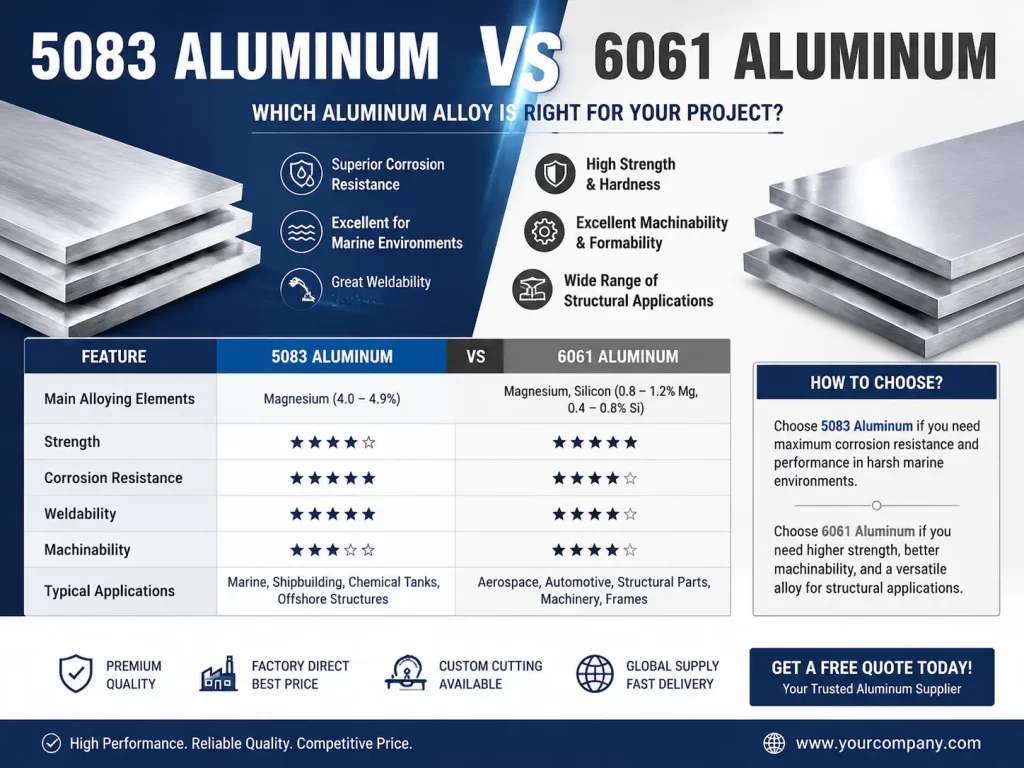
| Characteristic | 6061 T651 | 5083 H321 |
|---|---|---|
| Primary Use | General fabrication | Marine applications |
| Yield Strength | 275 MPa | 215 MPa |
| Corrosion Resistance | Very Good | Excellent |
| Weldability | Easy | Good with care |
| Cost | Moderate | Higher |
| Machinability | Excellent | Fair |
The 5083 alloy offers superior corrosion resistance in aggressive marine environments. However, 6061 provides better machinability and lower cost for general applications. Choose 5083 for long-term saltwater exposure; select 6061 for versatile fabrication work.
6061 vs. 7075 Aluminum
| Characteristic | 6061 T651 | 7075 T6 |
|---|---|---|
| Tensile Strength | 310 MPa | 570 MPa |
| Weldability | Excellent | Poor |
| Cost | Lower | Premium |
| Corrosion Resistance | Good | Fair |
| Machinability | Good | Fair |
| Common Use | General purpose | High-stress aerospace |
The 7075 alloy offers much higher strength, making it ideal for demanding aerospace applications. However, 7075 is difficult to weld and costs significantly more. Use 7075 when maximum strength is essential; choose 6061 for general-purpose work where cost matters.
6061 vs. 2024 Aluminum
| Characteristic | 6061 T651 | 2024 T3/T4 |
|---|---|---|
| Yield Strength | 275 MPa | 325 MPa |
| Corrosion Resistance | Excellent | Fair |
| Workability | Excellent | Good |
| Weldability | Good | Poor |
| Cost | Moderate | Higher |
| Applications | Diverse | Primarily aerospace |
The 2024 alloy contains copper, which reduces corrosion resistance. This limitation makes 6061 superior for applications requiring long-term outdoor exposure. The 2024 alloy finds its home in aircraft structures where high strength matters more than corrosion resistance.
Surface Finishes and Treatments for 6061 Aluminum Plate
Anodizing for Enhanced Protection
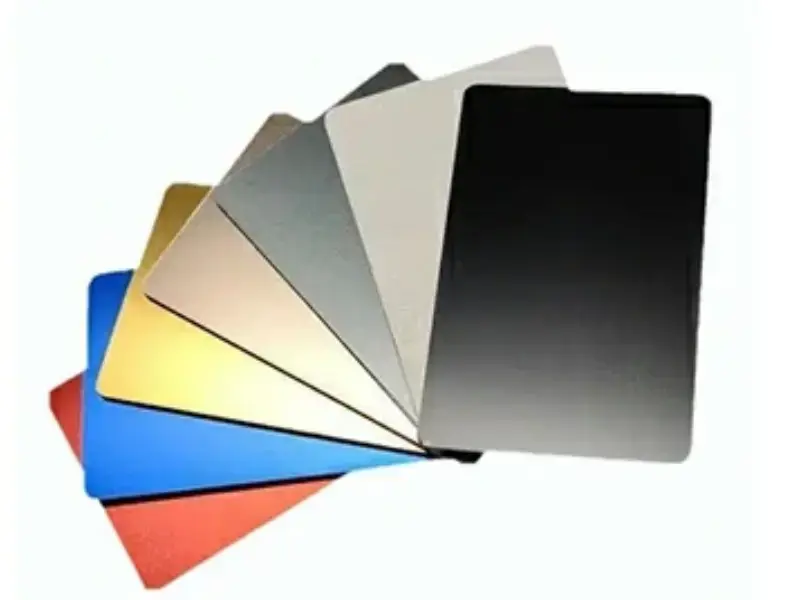
Anodizing is the most common surface treatment for 6061 aluminum plate. This electrochemical process thickens the natural oxide layer, creating superior corrosion protection. Clear anodizing maintains the natural aluminum appearance while providing protection. Colored anodizing options allow for aesthetic customization.
Powder Coating Applications
Powder coating creates a thick, durable finish suitable for outdoor applications. This coating system resists UV damage, chalking, and color fading. Powder coating is environmentally friendly and produces minimal waste compared to liquid paint systems.
Natural Mill Finish
Some applications utilize the natural mill finish without additional treatment. This finish displays the characteristic aluminum surface appearance. While adequate for indoor use, the natural finish offers less corrosion protection than treated alternatives.
Conversion Coating
Chromate conversion coating provides modest corrosion protection while maintaining electrical conductivity. This treatment is popular in aerospace applications where electromagnetic properties matter. Newer non-chromate alternatives are becoming more common due to environmental concerns.
Mechanical Finishing
Brushing and polishing create specific aesthetic finishes. These mechanical processes highlight the metal’s natural beauty while maintaining the underlying protection. Polish levels range from matte to mirror finishes based on application requirements.
How to Specify 6061 T651 Aluminum Plate for Your Project
Understanding Material Certifications
Most suppliers provide mill certificates documenting material properties. These certificates confirm that your aluminum plate meets ASTM B308 specifications. Request certifications when purchasing to verify material quality and properties.
Ordering Considerations
When placing an order, specify the following details:
- Alloy designation (6061)
- Temper condition (T651)
- Thickness required
- Width and length specifications
- Surface finish preference
- Quantity and delivery timeline
Quality Standards to Know
ASTM B308 covers seamless and welded aluminum-alloy tubes, but 6061 plate specifications fall under ASTM B209. This standard establishes requirements for wrought aluminum and aluminum-alloy plate. Following these standards ensures consistent material quality across suppliers.
The ASTM standards specify tolerances for thickness, flatness, and other dimensional properties. Understanding these tolerances helps ensure parts fabricated from your material meet design specifications.
Lead Times and Availability
Standard thicknesses in common widths typically ship within 1-2 weeks. Custom sizes or specific finishes may require 4-6 weeks. Quantities also affect delivery timing; bulk orders sometimes receive priority manufacturing. Plan procurement accordingly to avoid project delays.
Fabrication Methods for 6061 T651 Aluminum Plate
Cutting and Shearing
Shearing works well for straight cuts on 6061 aluminum plate. The material cuts cleanly without excessive burring. Sawing is preferred for curved cuts or intricate patterns. Band saws and circular saws equipped with carbide or diamond blades produce clean edges.
Drilling and Machining
Drilling 6061 aluminum plate is straightforward using standard twist drills. The material produces excellent chip formation, making removal easy. CNC machining produces precise holes and complex features efficiently.
Milling operations proceed smoothly on 6061 with standard cutting tools. Feed rates and speeds can be aggressive compared to steel, reducing production time. Tool life remains good because the material isn’t abrasive.
Bending and Forming
6061 T651 aluminum plate can be bent using standard equipment. The material bends more easily than steel, though more force is required than with annealed aluminum. Heat is sometimes applied to increase formability for tight bends or complex shapes.
Spring-back must be considered during design; aluminum springs back slightly after bending. Account for this when specifying bend angles. Experienced fabricators understand these characteristics and adjust bend angles accordingly.
Welding Processes
TIG welding produces strong, clean welds in 6061 aluminum without post-weld heat treatment. This makes TIG the preferred method for critical applications. MIG welding works well for general fabrication, offering faster production speeds.
Filler wire selection matters; ER4043 and ER5356 are common choices for 6061. The selection depends on specific mechanical properties required. Pre-cleaning to remove oxide is essential for quality welds.
Finishing Operations
Deburring removes sharp edges created during cutting and machining. This improves both safety and aesthetics. Polishing and brushing create desired surface finishes. Chemical cleaning removes oils and contaminants before anodizing or coating.
Performance Characteristics Across Temperature Ranges
Room Temperature Strength
At 20°C, 6061 T651 aluminum plate exhibits its rated mechanical properties. This is the baseline for most design calculations. The material handles ambient temperature cycling without significant property changes.
Elevated Temperature Performance
Properties gradually decrease as temperature rises. At 100°C, strength remains adequate for most applications. At 150°C, noticeable property reduction begins. Above 200°C, specialized high-temperature alloys become necessary.
The material maintains structural integrity even as properties diminish. This allows for use in moderately heated applications like heat exchangers and solar collectors.
Low Temperature Resistance
6061 aluminum actually improves in strength as temperature decreases. At -50°C, the material exhibits higher yield strength. This makes 6061 suitable for cryogenic applications and cold-weather outdoor use.
The material doesn’t become brittle like steel at low temperatures. This toughness at low temperatures makes 6061 valuable for refrigeration and arctic applications.
Cost Comparison and Value Analysis
Material Cost Factors
Market aluminum prices fluctuate based on global supply and demand. Thicker plates generally cost more per pound but may cost less per piece. Volume discounts apply when ordering larger quantities.
Specialized finishes and custom sizes carry premiums. Standard dimensions in natural finish offer the best pricing.
Total Cost of Ownership
While raw material cost matters, total cost of ownership includes fabrication, finishing, installation, and maintenance. 6061 T651 aluminum plate often emerges as the economic choice when considering the full lifecycle.
The corrosion resistance means less maintenance over time. Easy fabrication reduces labor costs compared to materials requiring specialized equipment or processes.
Sustainability and Environmental Considerations
Aluminum Recycling Benefits
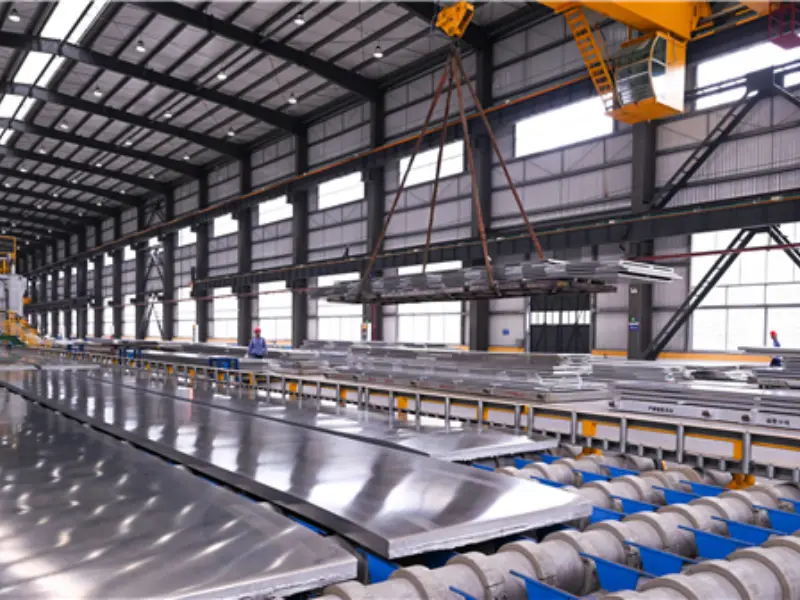
Aluminum recycling requires only 5% of the energy needed to produce new material. Recycling 6061 aluminum plate is straightforward, and the recycled material finds uses in new applications. This makes aluminum an environmentally responsible choice.
Most aluminum plate production includes recycled content, reducing environmental impact. Specifying recycled-content material further reduces your carbon footprint.
Comparing Environmental Impact
Aluminum manufacturing has become increasingly efficient. Modern smelting uses renewable energy in many facilities. The lightweight nature of aluminum reduces transportation emissions in mobile applications.
Over a product’s lifetime, using lightweight aluminum can reduce total environmental impact significantly compared to heavier alternatives.
Troubleshooting Common 6061 Aluminum Issues
Corrosion Problems
White corrosion spots on aluminum typically indicate chloride exposure. Prevention through anodizing or coating is more effective than treating existing corrosion. In marine environments, regular rinsing with fresh water helps prevent salt accumulation.
Stress Corrosion Cracking
This phenomenon occurs when tensile stress and corrosion combine. Using proper stress-relief techniques during fabrication prevents this problem. Post-weld stress relief is sometimes necessary for highly stressed applications.
Dimensional Changes After Machining
Sometimes machined parts shift slightly after fabrication. This occurs when internal stresses release. Starting with T651 material minimizes this effect due to stress-relief during the temper process. Allowing parts to stabilize after machining reduces issues.
Weld Failures
Poor welds typically result from inadequate cleaning or incorrect filler material. Always remove oxide with a wire brush immediately before welding. Using recommended filler alloys ensures weld strength matching or exceeding base metal.
Frequently Asked Questions About 6061 T651 Aluminum Plate
Is 6061 Suitable for Structural Applications?
Yes, the yield strength of 275 MPa makes 6061 appropriate for many structural uses. Building codes permit aluminum structures when properly designed. The material’s proven track record in aerospace and construction demonstrates structural capability.
Can I Weld 6061 T651 Without Special Treatment?
Welding 6061 doesn’t require post-weld heat treatment for most applications. The T651 temper already stress-relieves the material. Standard TIG and MIG welding procedures work well. High-stress applications might benefit from post-weld aging for enhanced properties.
What’s the Difference Between 6061-T6 and 6061-T651?
Both have similar mechanical properties, but T651 includes an additional stretching step that relieves residual stresses. T651 offers better dimensional stability and is preferred for precision applications. T6 temper is less expensive but more prone to warping.
How Does Anodizing Affect Dimensions?
Anodizing adds a layer approximately 0.0005 to 0.002 inches thick depending on process specifications. Design tolerances must account for this small increase. Anodizing thickness is typically so small it doesn’t affect functionality in most applications.
Will 6061 Aluminum Rust?
Aluminum doesn’t rust in the traditional sense. It forms aluminum oxide, which protects underlying metal. While this oxide appears white or gray, it’s not rust. With proper maintenance and coating, 6061 resists corrosion effectively.
What Thickness is Best for My Application?
Thickness depends on load requirements, span, and deflection limits. Thinner material reduces weight and cost but limits strength. Thicker material increases strength and rigidity. Consulting design specifications or working with material suppliers helps determine optimal thickness.
Can 6061 Plate be Painted?
Yes, 6061 accepts paint well when properly prepared. Surface cleaning and primer application ensure paint adhesion. Anodizing provides a better base for paint than bare aluminum but adds cost.
Is 6061 Food Safe?
Yes, 6061 meets food-grade standards for appropriate applications. The material poses no health risks in food contact situations. Many commercial food processing systems use 6061 components successfully.
How Do I Calculate Weight?
Multiply thickness (inches) × width (inches) × length (inches) × 0.1 (aluminum density) to get weight in pounds. Example: 0.5″ × 24″ × 48″ × 0.1 = 57.6 pounds. Thickness in millimeters multiplied by width and length in millimeters times 0.0027 gives weight in kilograms.
Are Custom Sizes Available?
Most suppliers accommodate custom dimensions. Minimum orders apply, especially for unusual sizes. Custom cutting adds cost but eliminates scrap and may reduce total project cost through efficient material use.
Can I Anodize 6061 at Home?
Commercial anodizing facilities offer better results than home processes. Professional anodizing produces consistent coating thickness and color. Home methods are possible but require specialized equipment and chemicals.
Storage and Handling Guidelines
Proper Storage Conditions
Store 6061 aluminum plate in a dry environment to prevent corrosion. Avoid storing in direct contact with dissimilar metals, which accelerates corrosion through galvanic action. Vertical storage on appropriate racks prevents warping of large sheets.
Handling to Prevent Damage
Avoid dropping or dragging material to prevent dents and scratches. Use lifting equipment appropriate for weight and dimensions. Protective coverings prevent scratches during transport and storage.
Preventing Contamination
Keep aluminum away from copper, steel, and other metals that promote galvanic corrosion. Separate different materials in storage. Remove dirt and debris regularly to maintain material integrity.
Technical Data Reference
Thermal Properties at Room Temperature
| Property | Value | Unit |
|---|---|---|
| Specific Heat | 0.896 | J/g·K |
| Thermal Conductivity | 167 | W/m·K |
| Coefficient of Expansion | 23.6 | μm/m·K |
Electrical Properties
| Property | Value | Unit |
|---|---|---|
| Electrical Conductivity | 37% IACS | at 20°C |
| Electrical Resistivity | 4.7 | μΩ·cm |
These properties make 6061 useful in thermal and electrical applications despite not being a primary heat or electrical conductor alloy.
Selecting the Right Supplier
What to Look For
Choose suppliers offering material certifications and consistent quality. Established companies with aerospace or automotive experience typically maintain higher standards. Request samples if making a significant purchase.
Delivery and Service
Reliable delivery prevents project delays. Good suppliers offer helpful guidance on specifications and applications. Some provide machining or finishing services, simplifying your procurement.
Pricing Comparison
While price matters, the lowest cost isn’t always best. Compare total value including material quality, delivery, and service. Competitive pricing with reliable quality offers best value.