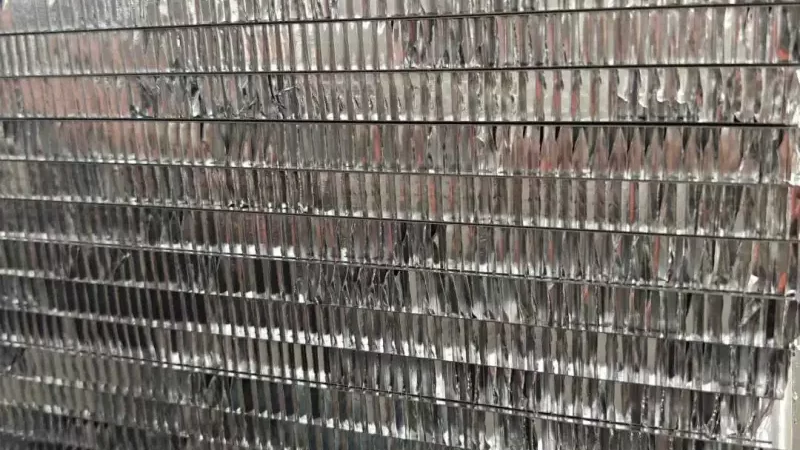
Choosing between 3003 vs 5052 aluminum honeycomb core is a common question in construction and industrial projects. Both materials are widely used, but they have different properties.
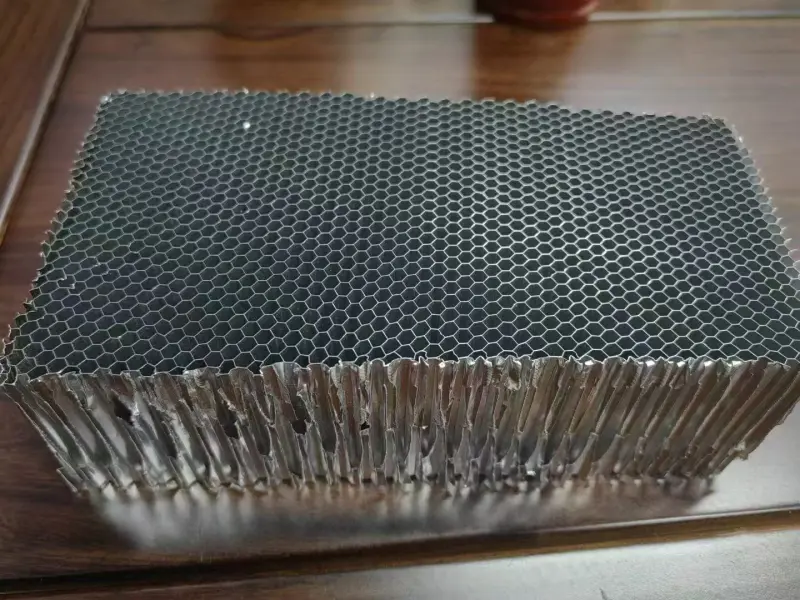
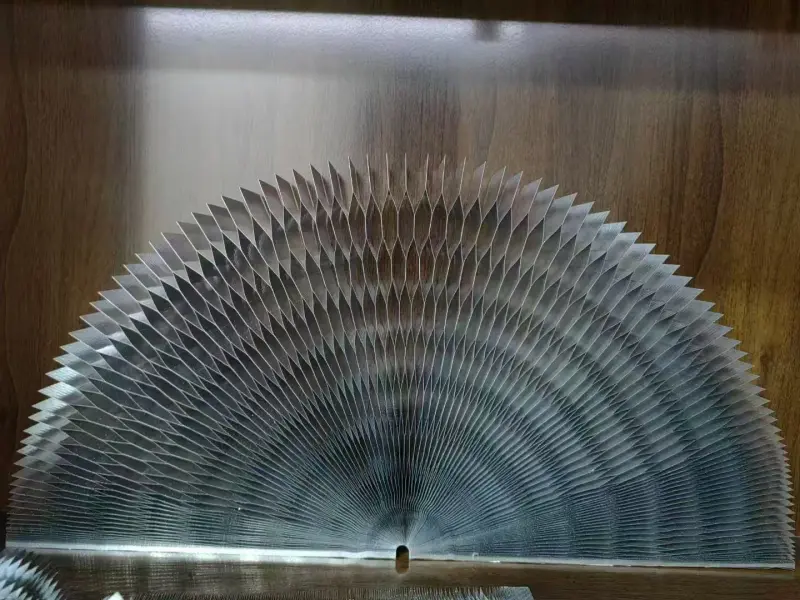
What Is Aluminum Honeycomb Core?
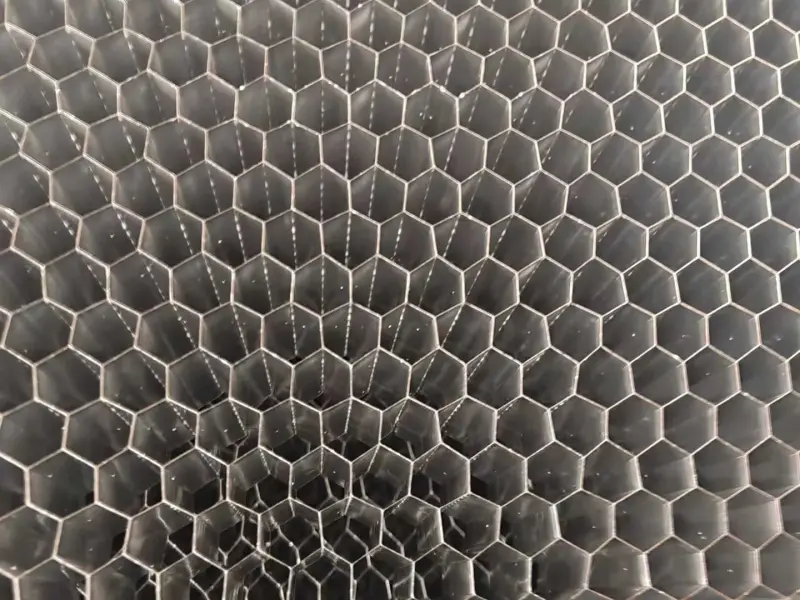
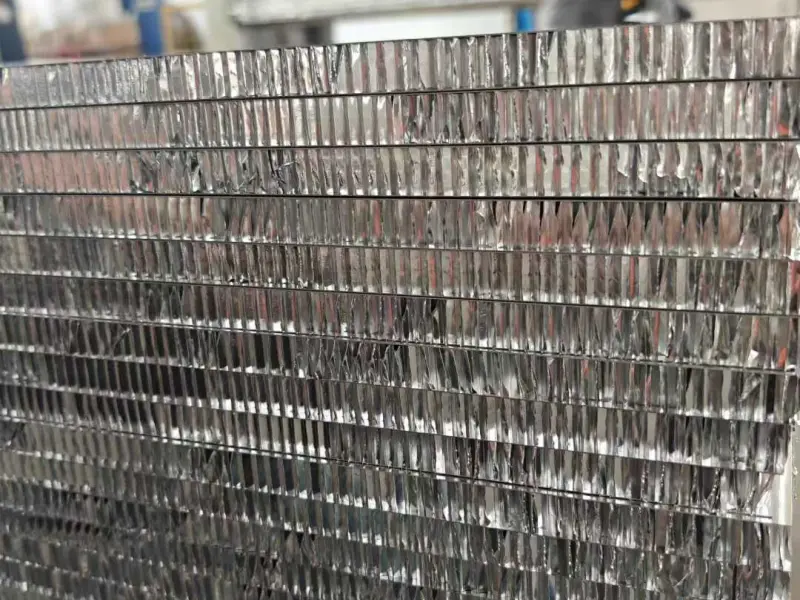
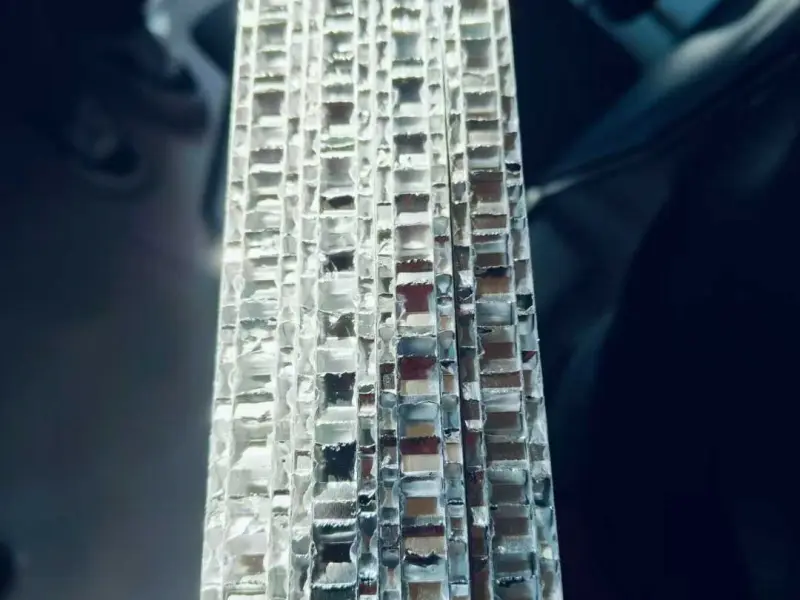
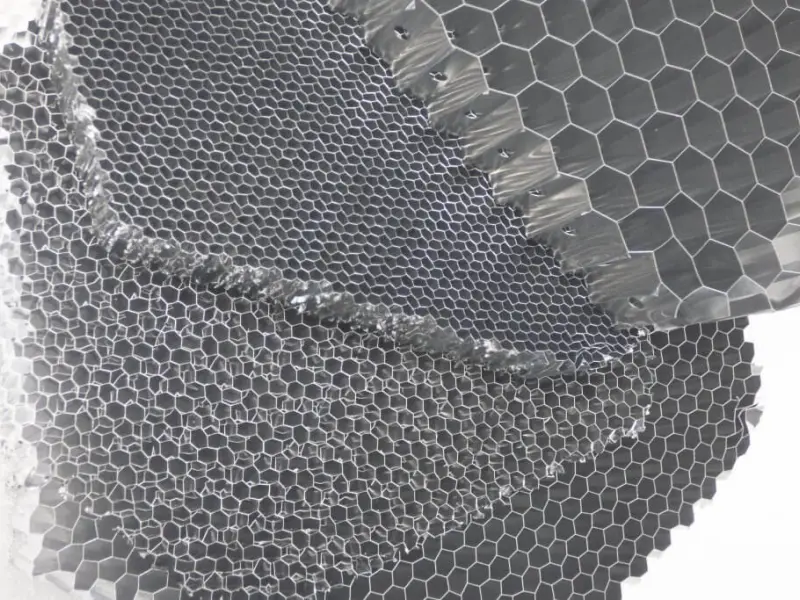
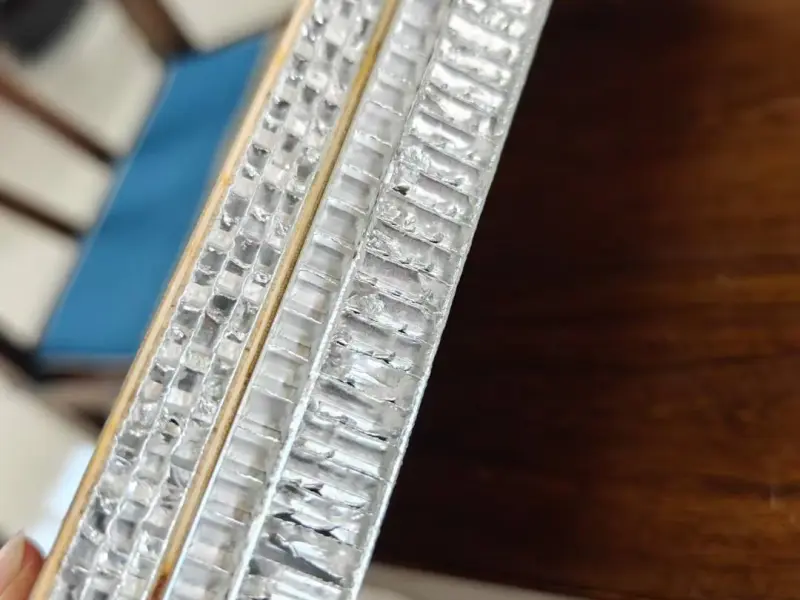
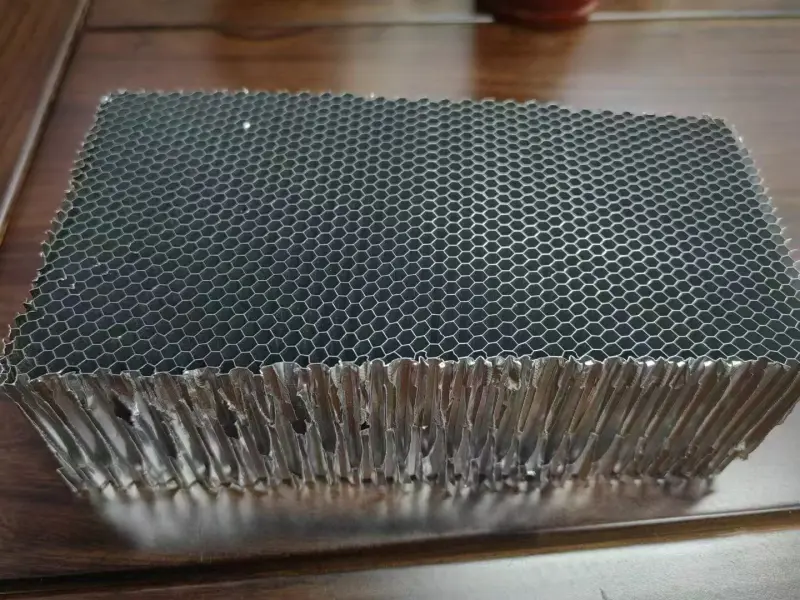
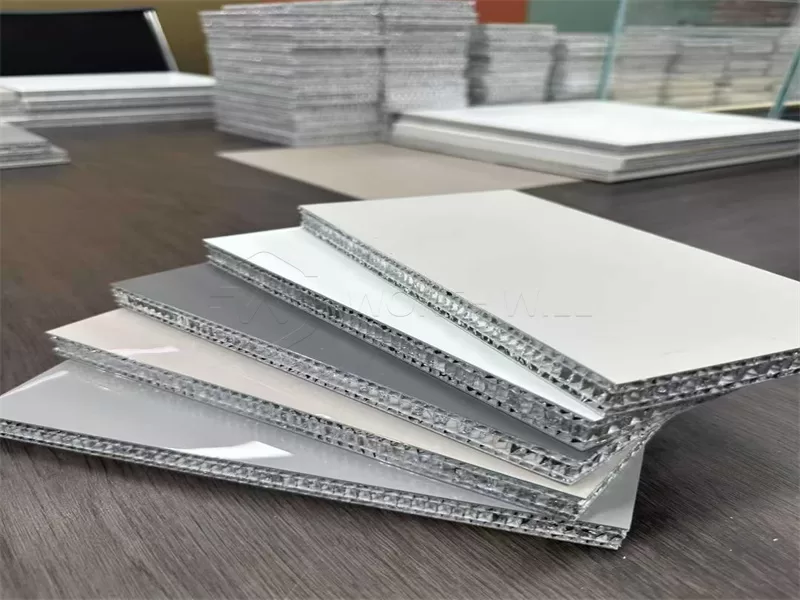
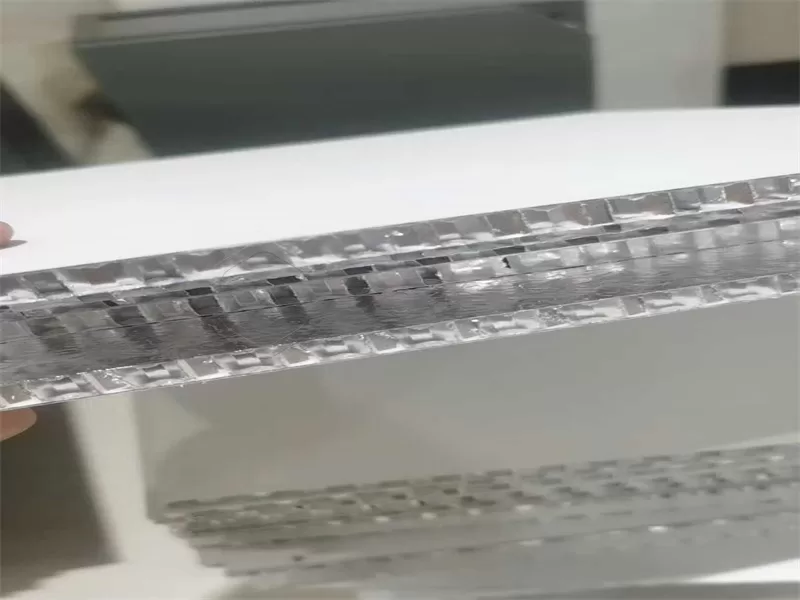
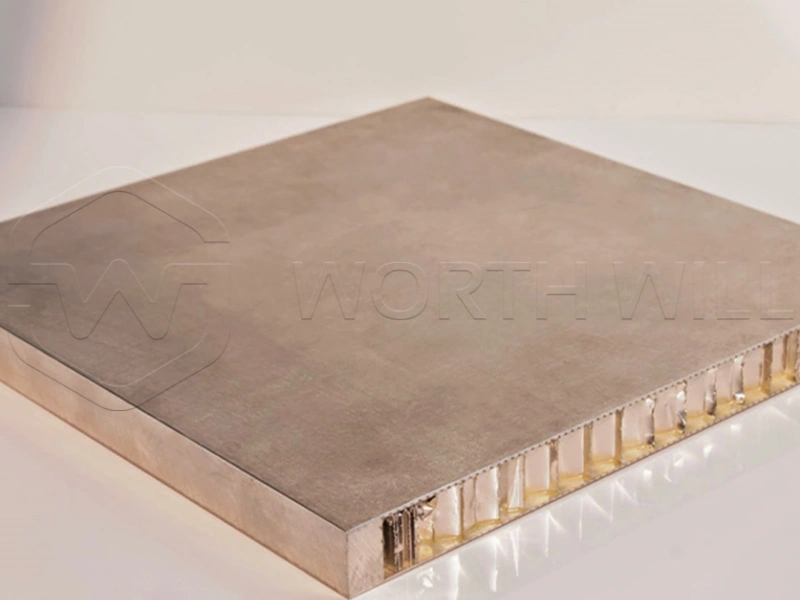
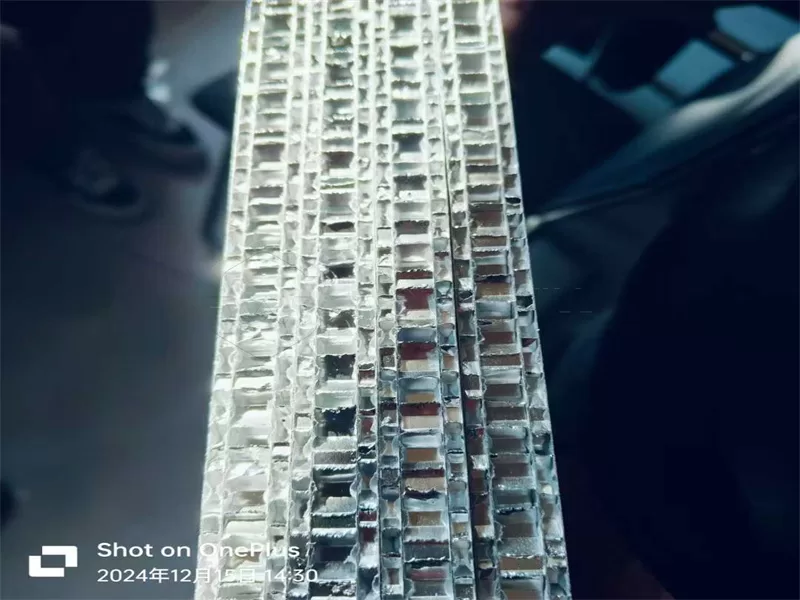
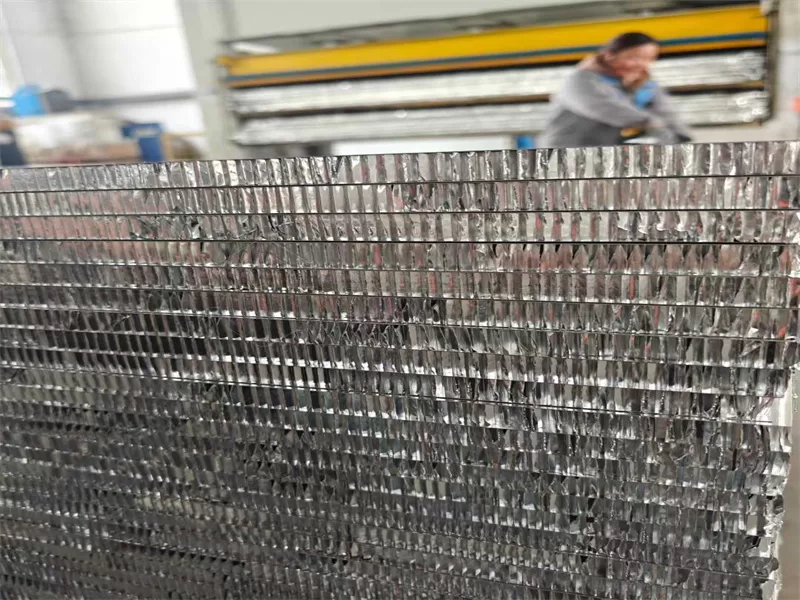
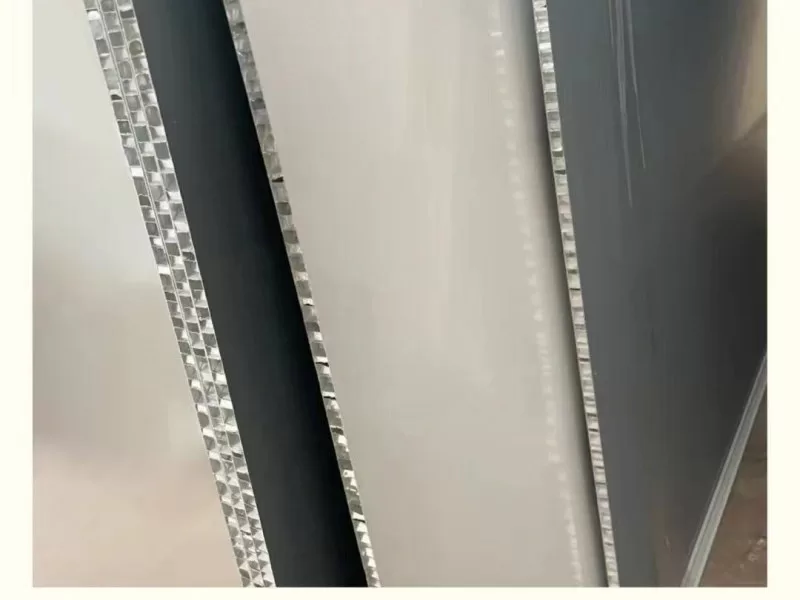
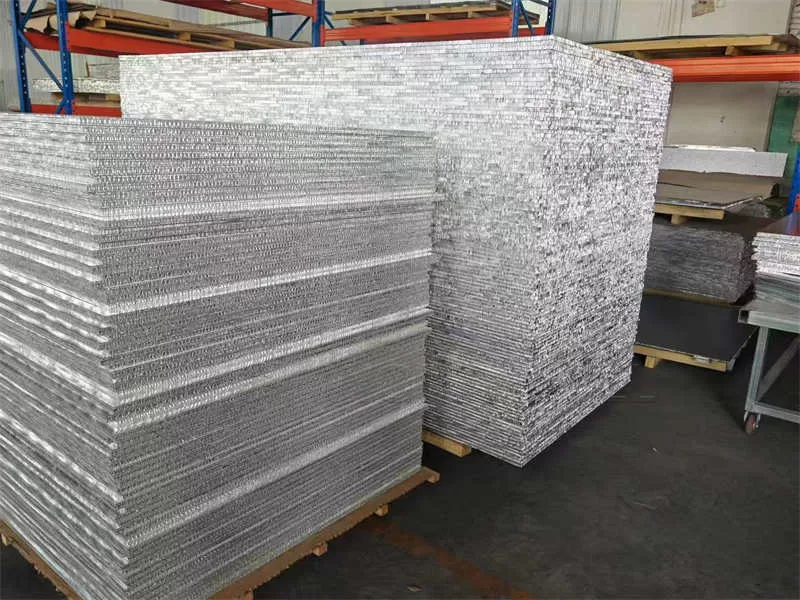
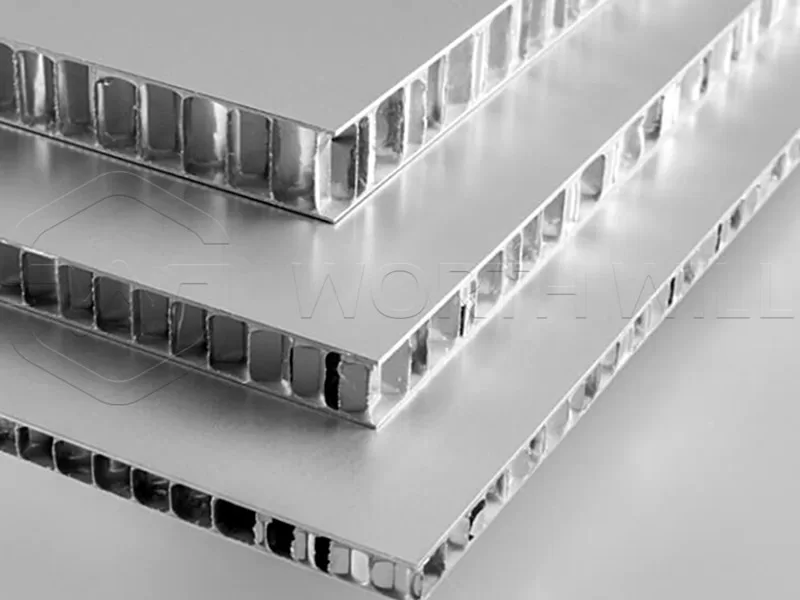
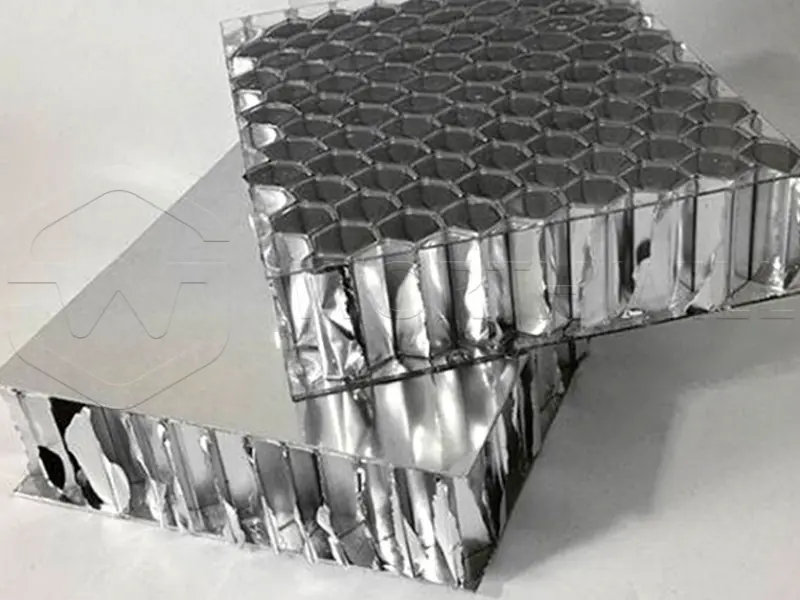
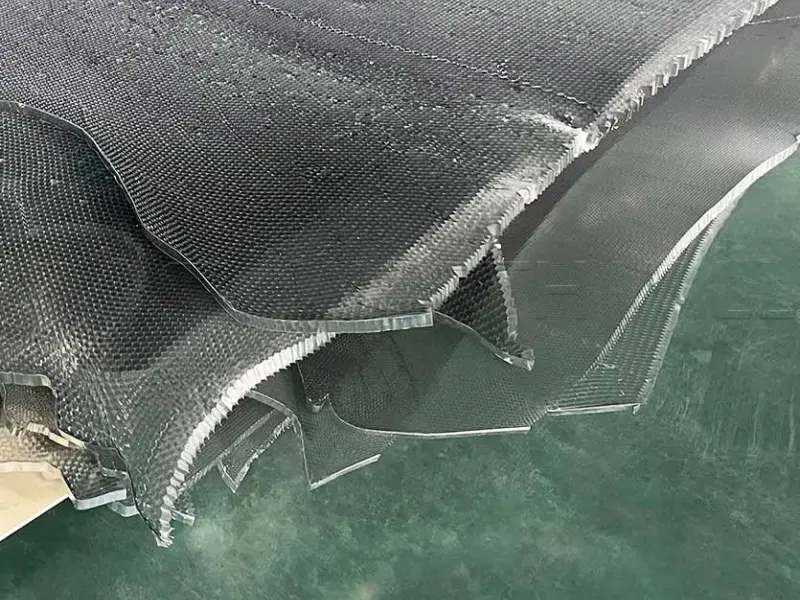
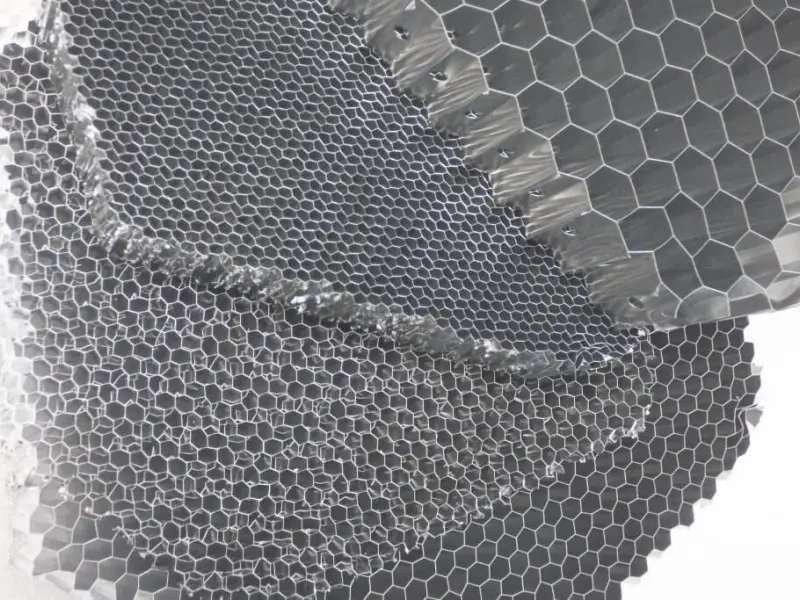
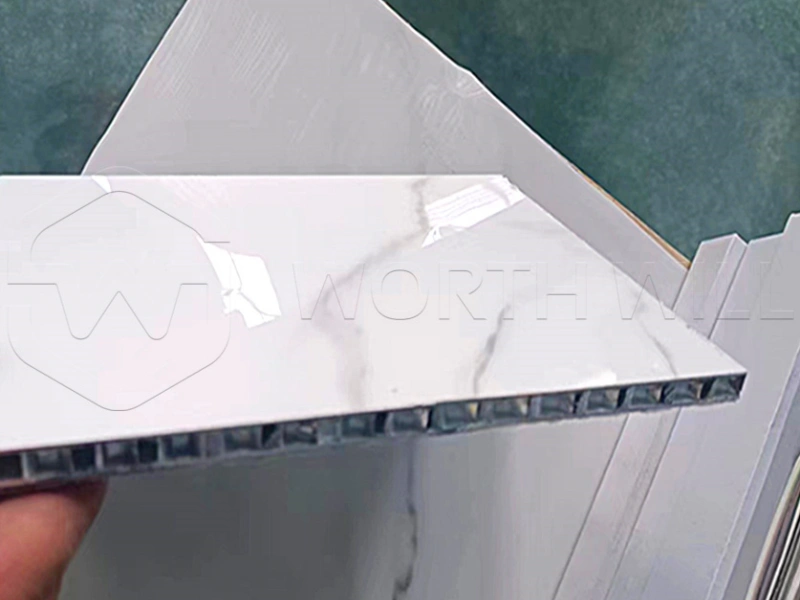
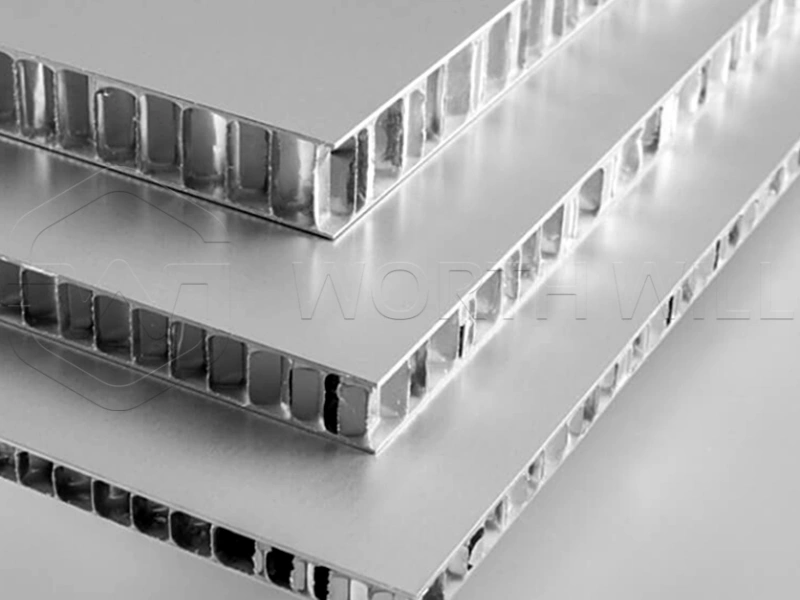
Aluminum honeycomb core is a lightweight material. It is made from aluminum foil and formed into a hexagonal structure.
Basic Structure
- Thin aluminum foil layers
- Bonded nodes
- Hexagonal cells
- Expanded core block
This structure gives high strength with low weight.
Overview of 3003 Aluminum Honeycomb Core
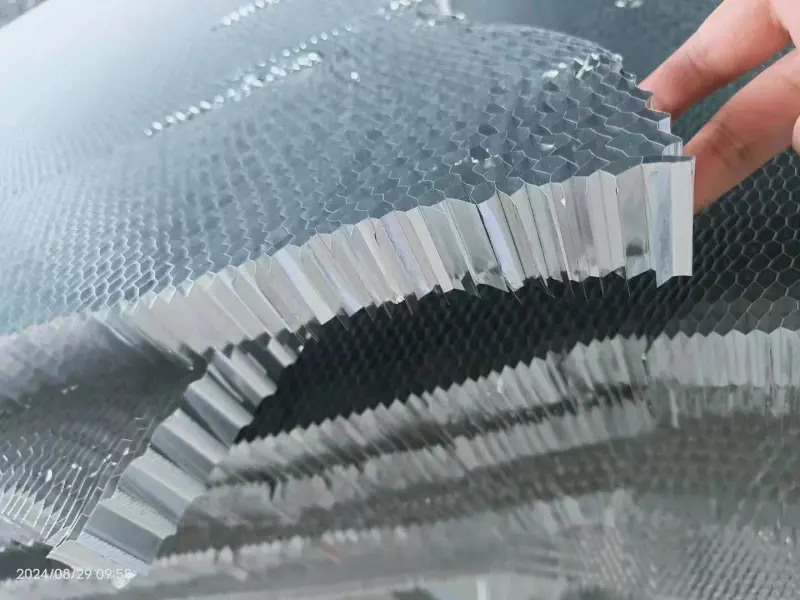
The 3003 aluminum honeycomb core is the most common type in the market.
Key Features
- Medium strength
- Good corrosion resistance
- Easy processing
- Low cost
Typical Use
- Building panels
- Interior walls
- Ceiling systems
Overview of 5052 Aluminum Honeycomb Core
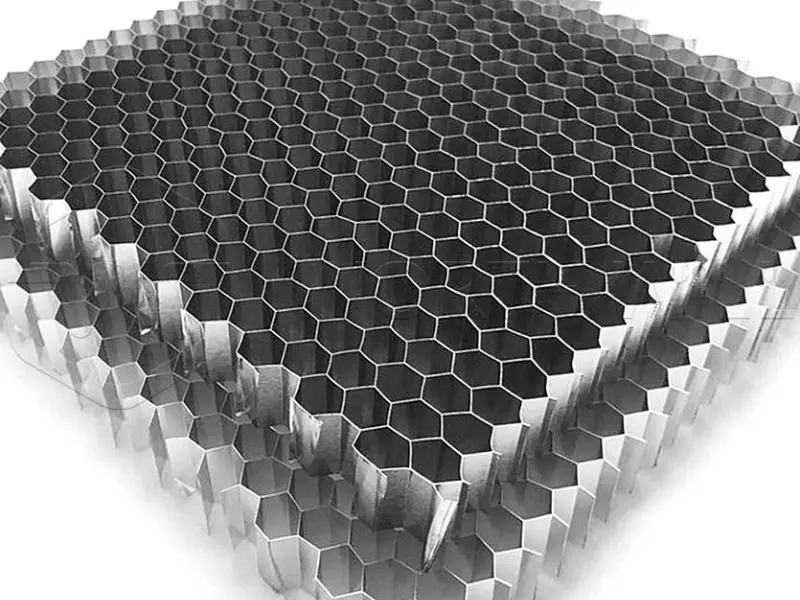
The 5052 aluminum honeycomb core is stronger and more durable.
Key Features
- Higher strength
- Better corrosion resistance
- Suitable for harsh environments
- Higher cost
Typical Use
- Marine panels
- Transportation floors
- High-end structures
3003 vs 5052 Aluminum Honeycomb Core: Quick Comparison
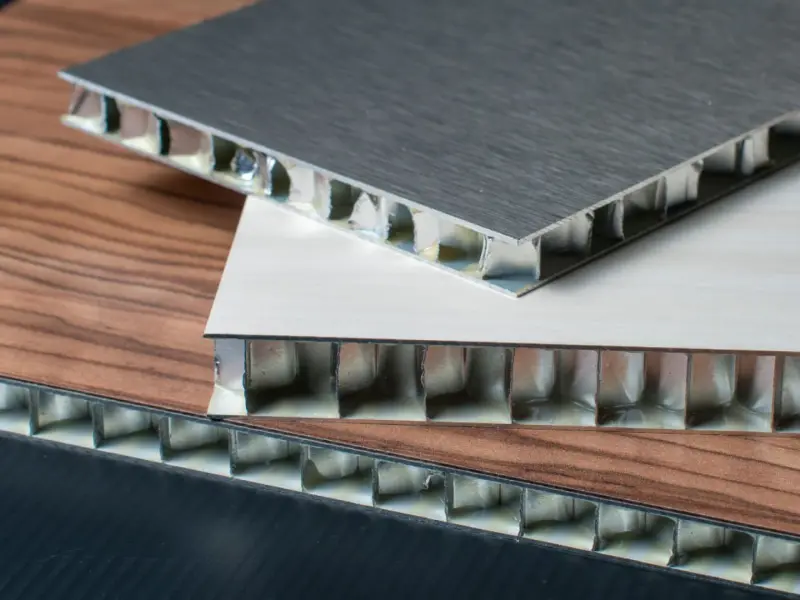
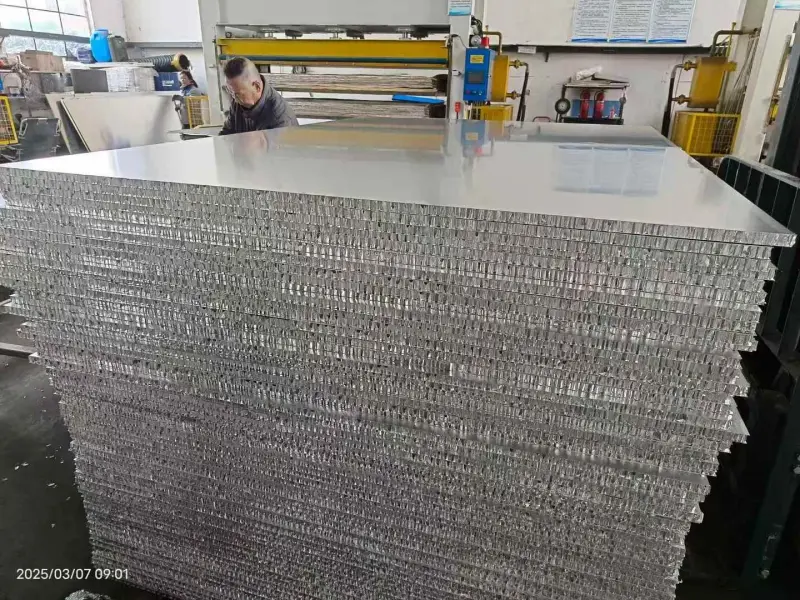
Core Difference Table
| Item | 3003 Aluminum Core | 5052 Aluminum Core |
|---|---|---|
| Alloy Series | Al-Mn | Al-Mg |
| Strength | Medium | High |
| Corrosion Resistance | Good | Excellent |
| Cost | Lower | Higher |
| Weight | Light | Light |
| Workability | Easy | Moderate |
Chemical Composition Comparison
Alloy Composition Table
| Element | 3003 (%) | 5052 (%) |
|---|---|---|
| Aluminum | Balance | Balance |
| Manganese | 1.0 – 1.5 | — |
| Magnesium | — | 2.2 – 2.8 |
| Copper | 0.05 – 0.20 | ≤ 0.10 |
Key Insight
- 3003 uses manganese for strength
- 5052 uses magnesium for higher performance
Mechanical Properties Comparison
Strength and Performance Table
| Property | 3003 Core | 5052 Core |
|---|---|---|
| Compression Strength | Medium | High |
| Shear Strength | Stable | Higher |
| Fatigue Resistance | Good | Better |
| Impact Resistance | Good | Strong |
Foil Thickness and Cell Size Options
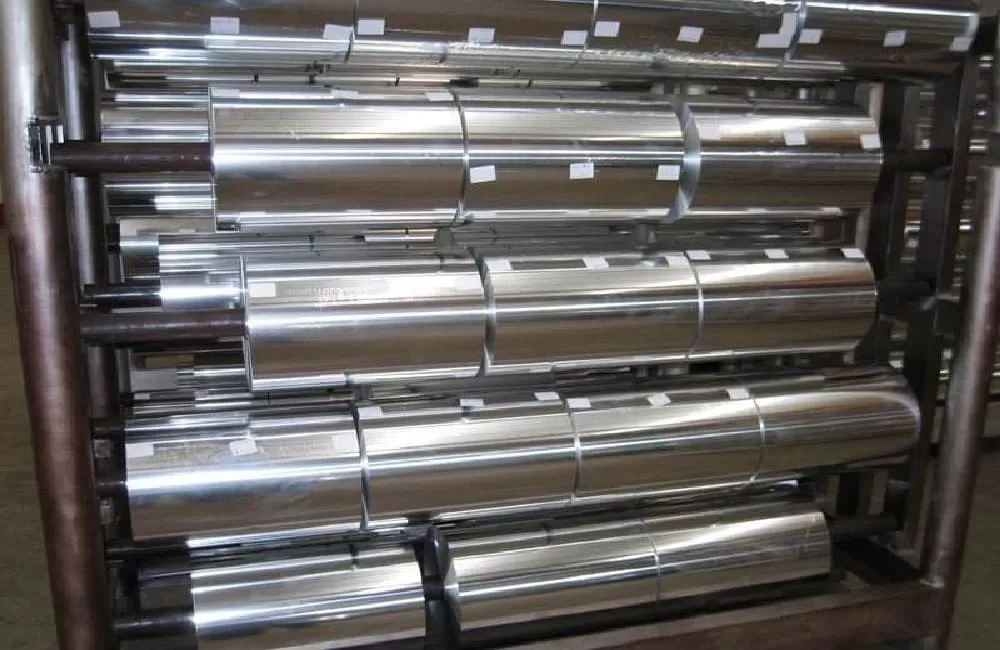
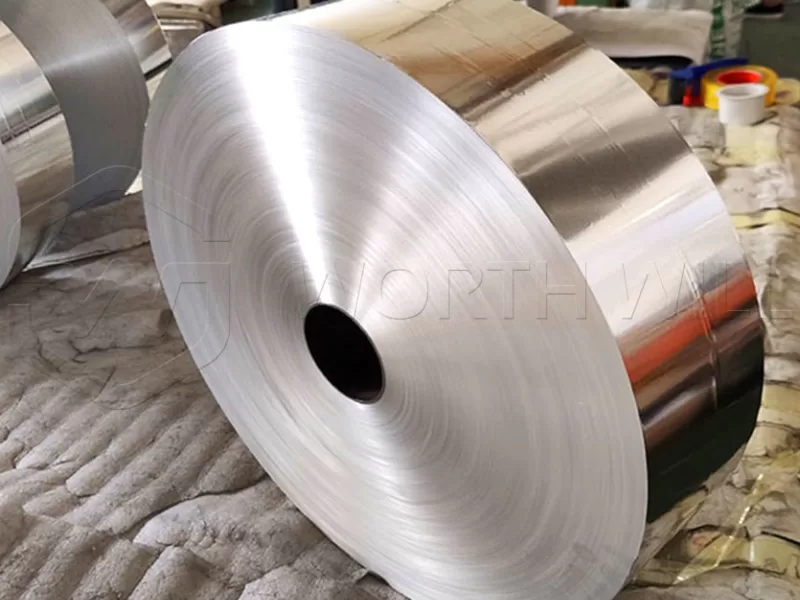
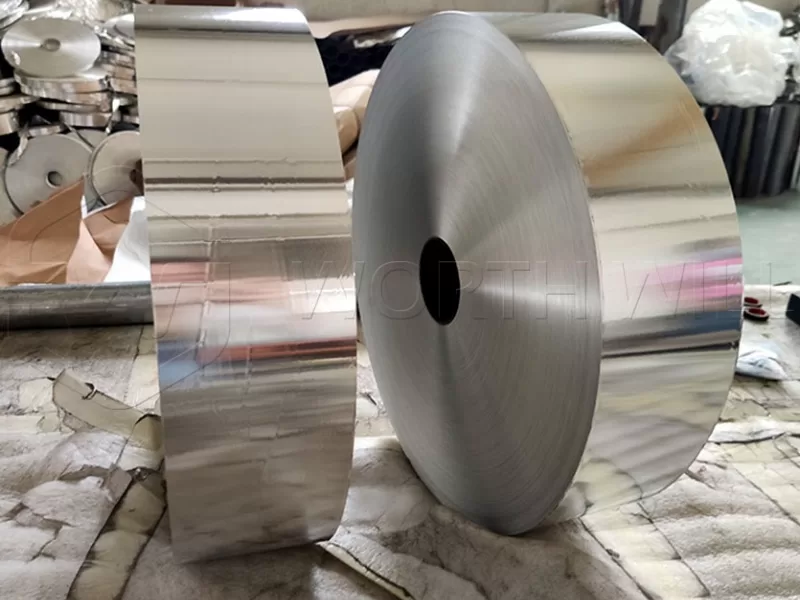
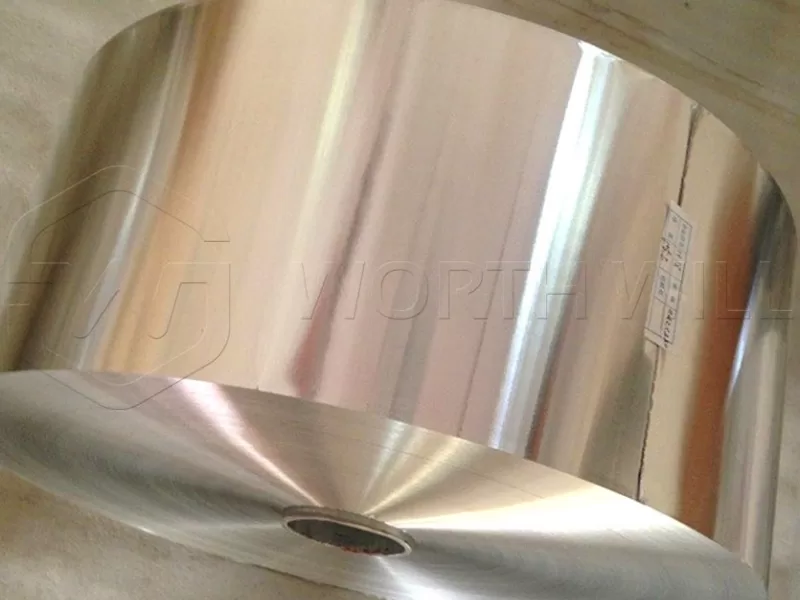
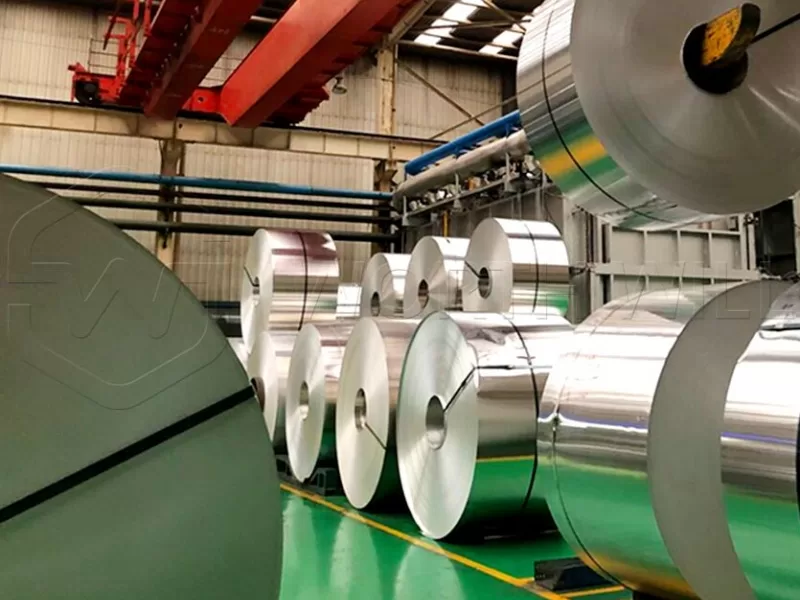
Both types can be customized with different specifications.
Standard Range Table
| Item | Range |
|---|---|
| Foil Thickness | 0.02 – 0.08 mm |
| Cell Size | 3 – 12 mm |
| Core Thickness | 5 – 200 mm |
| Density | 20 – 100 kg/m³ |
Rare Technical Differences (Important but Often Ignored)
1. Node Bond Strength
| Feature | 3003 | 5052 |
|---|---|---|
| Bond Stability | Good | Higher |
| Long-term Load | Stable | More stable |
5052 performs better under long-term stress.
2. Crack Resistance
- 3003: Good flexibility
- 5052: Better resistance to cracking
5052 is safer in vibration environments.
3. Salt Spray Performance
| Condition | 3003 | 5052 |
|---|---|---|
| Outdoor Use | Good | Better |
| Marine Use | Limited | Excellent |
4. Expansion Behavior
- 3003 expands more easily
- 5052 needs stricter process control
This affects production cost.
Types of Aluminum Honeycomb Core
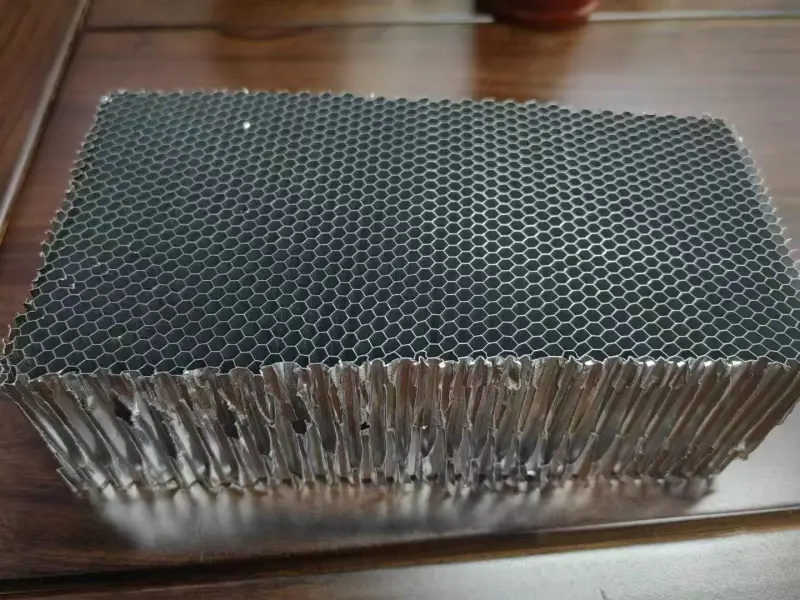
Both 3003 and 5052 can be made into different types.
Micro Cell Core
- Cell size: 3–5 mm
- High density
- Used for precision panels
Standard Cell Core
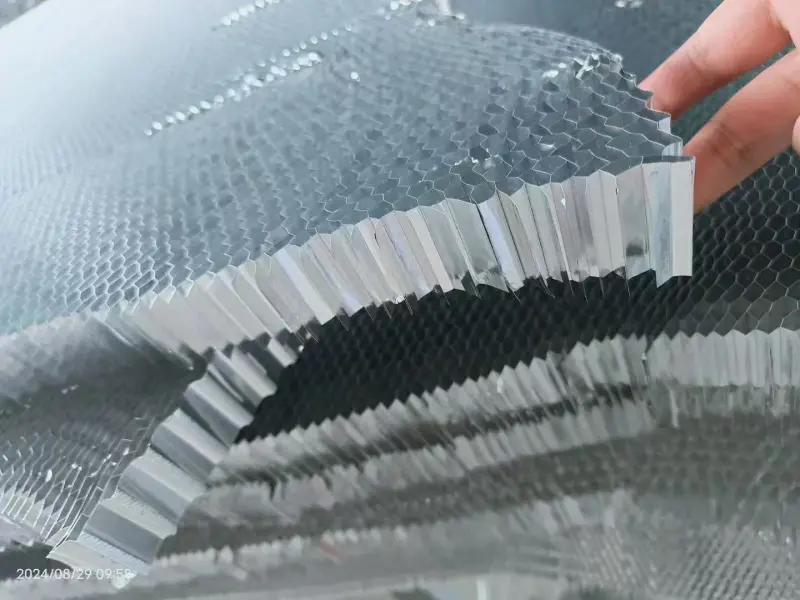
- Cell size: 6–10 mm
- Balanced performance
- Most common
Large Cell Core
- Cell size: 10–12 mm
- Lower weight
- Used for large panels
High Density Core
- Thick foil + small cells
- High strength
- Used for floors and heavy panels
Ultra-Light Core
- Thin foil + large cells
- Lowest weight
- Used in transport and aerospace
Application Comparison
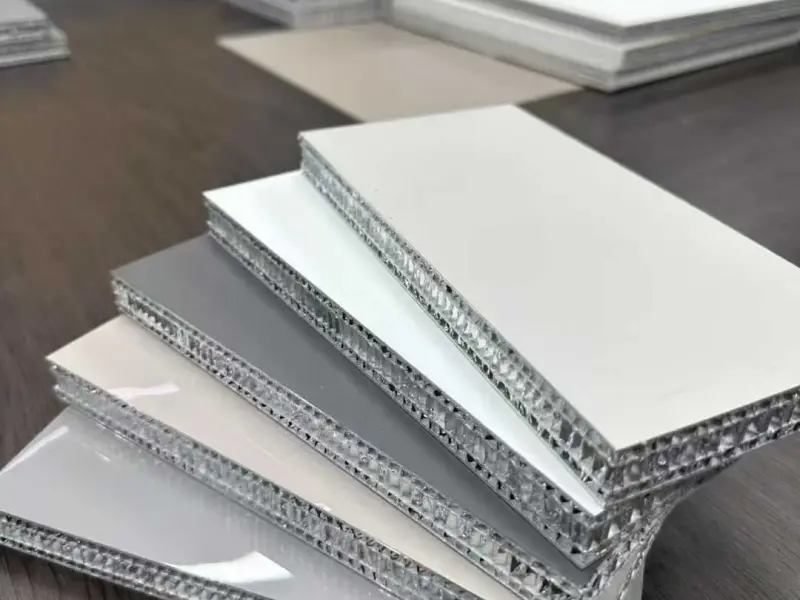
Where to Use 3003 Core
Furniture panels
Curtain wall panels
Interior decoration
Ceiling systems
Where to Use 5052 Core
- Ship panels
- Offshore platforms
- Rail transit floors
- High-load structures
Cost Comparison
| Factor | 3003 | 5052 |
|---|---|---|
| Raw Material Cost | Lower | Higher |
| Processing Cost | Lower | Higher |
| Total Cost | Economical | Premium |
Simple Conclusion
- Choose 3003 for cost control
- Choose 5052 for performance
Surface Treatment and Compatibility
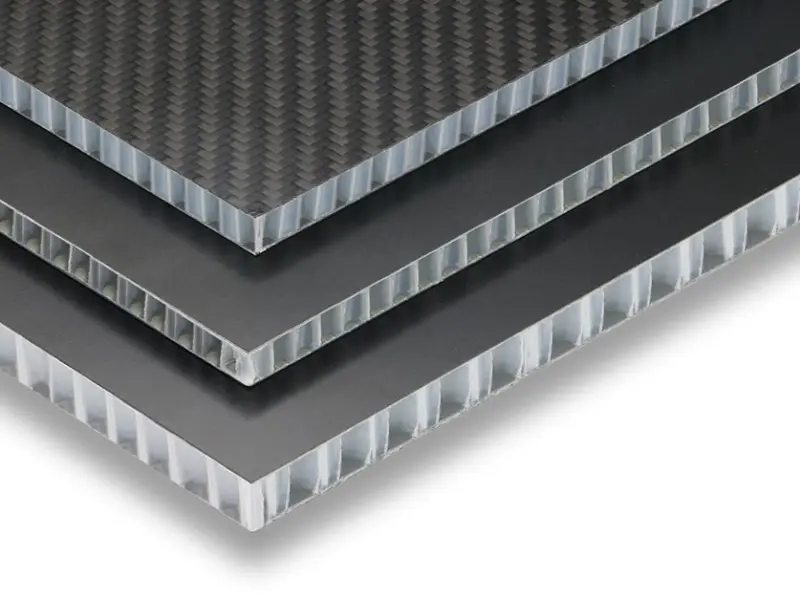
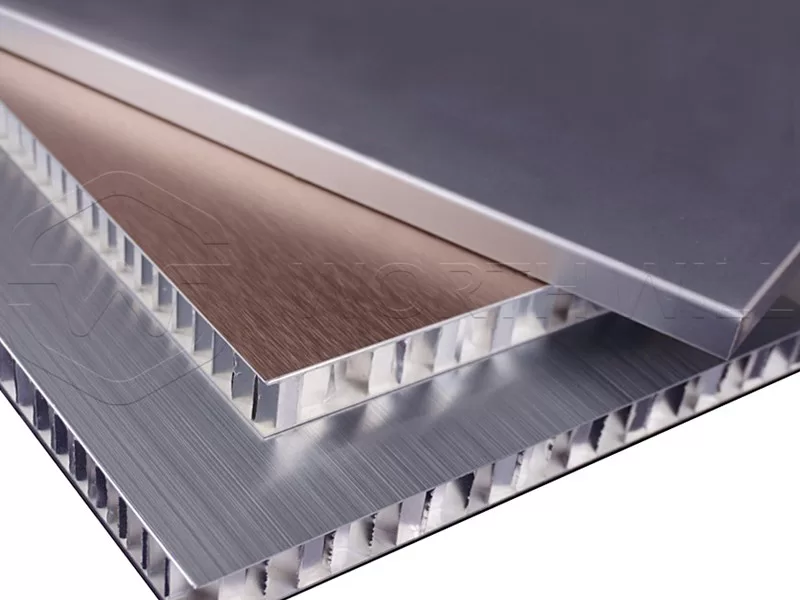
Both cores can be used with different panel skins.
Compatible Surface Types
- PVDF coated aluminum
- PE coated aluminum
- Anodized aluminum
- Stainless steel skins
How to Choose the Right Core
Selection Guide Table
| Requirement | Best Choice |
|---|---|
| Low budget | 3003 |
| High strength | 5052 |
| Marine environment | 5052 |
| Interior use | 3003 |
| Lightweight structure | Both |
Advantages Summary
3003 Aluminum Honeycomb Core
- Cost-effective
- Easy to process
- Widely available
5052 Aluminum Honeycomb Core
- Higher strength
- Better corrosion resistance
- Longer service life
3003 Aluminum Honeycomb Core VS 5052 Aluminum Honeycomb Core
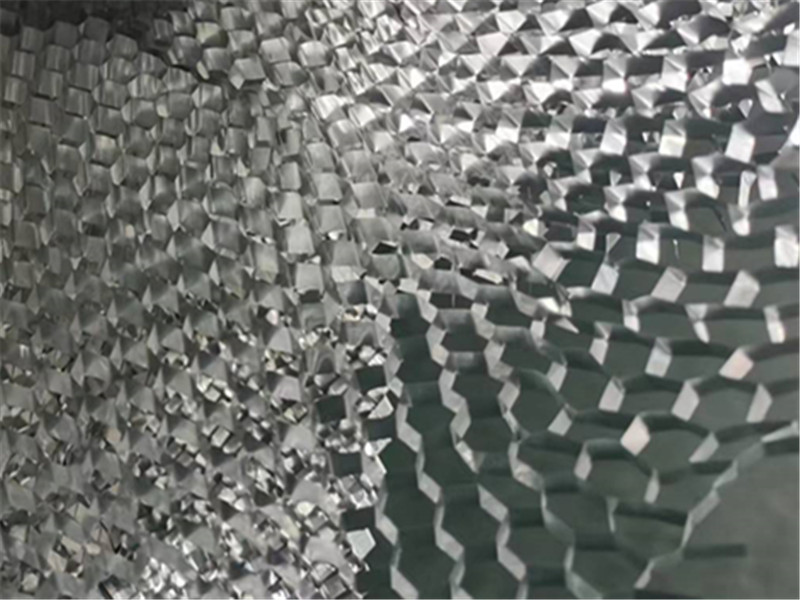
This is a common comparison in the aluminum honeycomb industry.
| Item | 3003 Honeycomb Core | 5052 Honeycomb Core |
|---|---|---|
| Alloy Type | Al-Mn | Al-Mg |
| Strength | Medium | Higher |
| Corrosion Resistance | Good | Excellent |
| Cost | Lower | Higher |
| Processability | Easy | Slightly harder |
| Application | General panels | Marine, high-end use |
Summary:
- 3003 is more cost-effective and widely used
- 5052 is better for harsh environments like marine or chemical areas
3003 Aluminum Honeycomb Core VS 1100 Aluminum Honeycomb Core
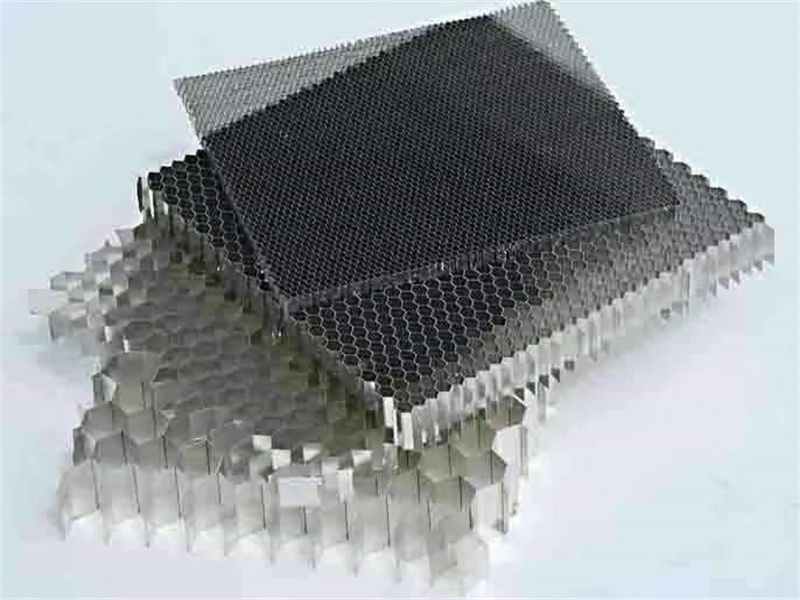
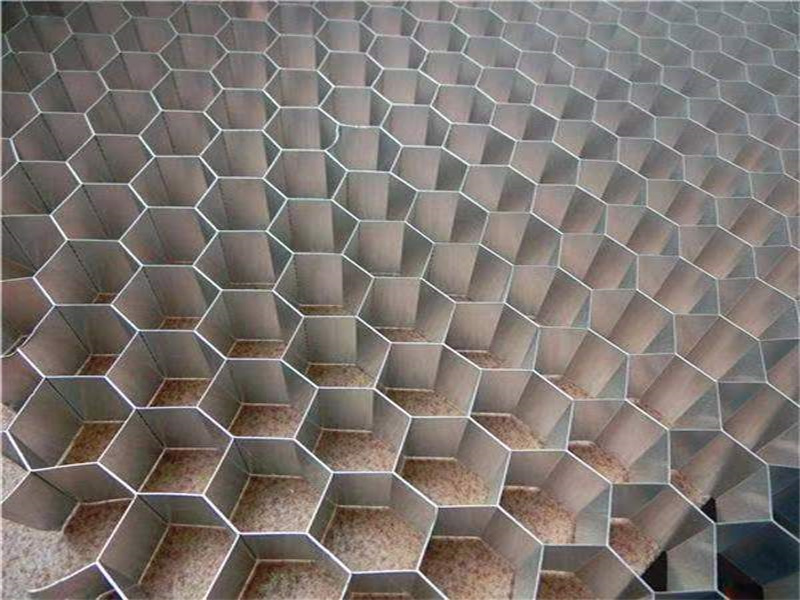
1100 is a pure aluminum alloy.
| Item | 3003 Honeycomb Core | 1100 Honeycomb Core |
|---|---|---|
| Strength | Medium | Low |
| Durability | Better | Basic |
| Corrosion Resistance | Good | Good |
| Price | Slightly higher | Lower |
| Application | Structural panels | Decorative panels |
Summary:
- 3003 offers better strength and longer life
- 1100 is suitable for light-duty or low-cost projects
3003 Aluminum Honeycomb Core VS Nomex Honeycomb Core

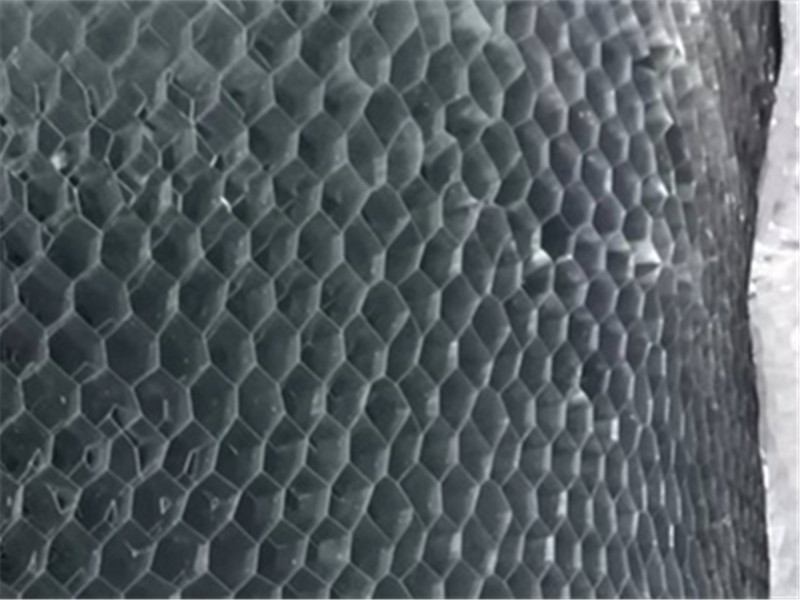
Nomex is a non-metallic honeycomb material.
| Item | 3003 Aluminum Core | Nomex Core |
|---|---|---|
| Material | Aluminum | Aramid paper |
| Fire Resistance | Good | Excellent |
| Weight | Light | Very light |
| Cost | Medium | High |
| Moisture Resistance | Strong | Moderate |
| Application | Building, transport | Aerospace |
Summary:
- 3003 is more affordable and widely used
- Nomex is mainly used in aerospace and high-end industries
3003 Aluminum Honeycomb Core VS Plastic (PP) Honeycomb Core
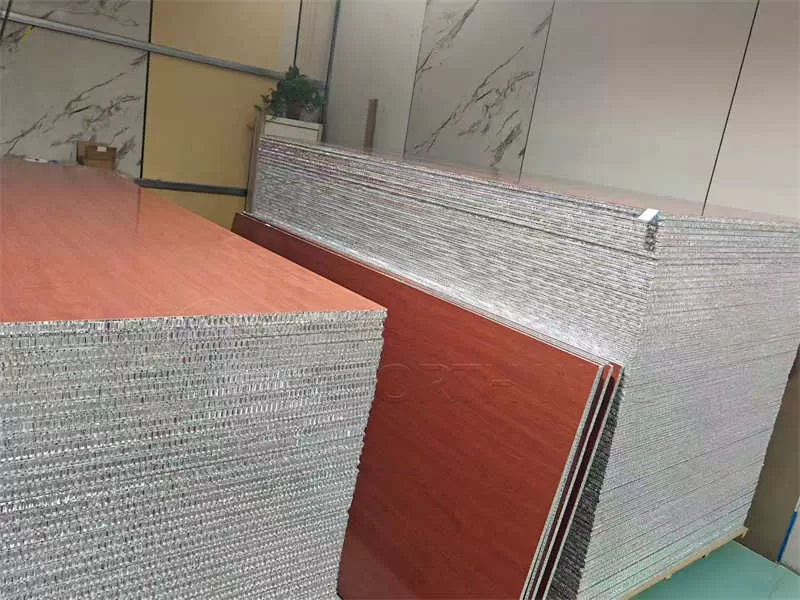
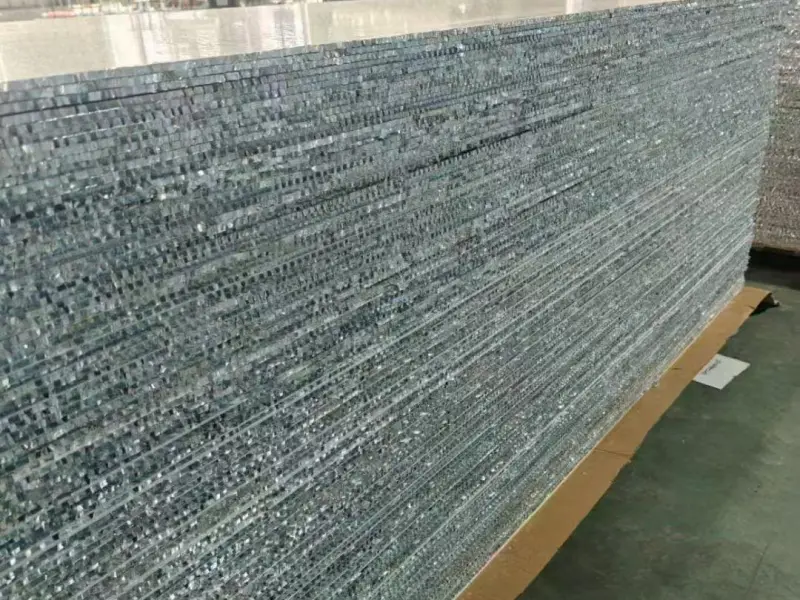
Plastic honeycomb is used in lightweight panels.
| Item | 3003 Aluminum Core | PP Honeycomb Core |
|---|---|---|
| Strength | High | Low |
| Heat Resistance | High | Low |
| Fire Resistance | Good | Poor |
| Weight | Light | Very light |
| Cost | Medium | Low |
| Durability | Long life | Shorter life |
Summary:
- 3003 is stronger and safer
- PP core is cheaper but limited in performance
3003 Aluminum Honeycomb Core VS Aluminum Corrugated Core
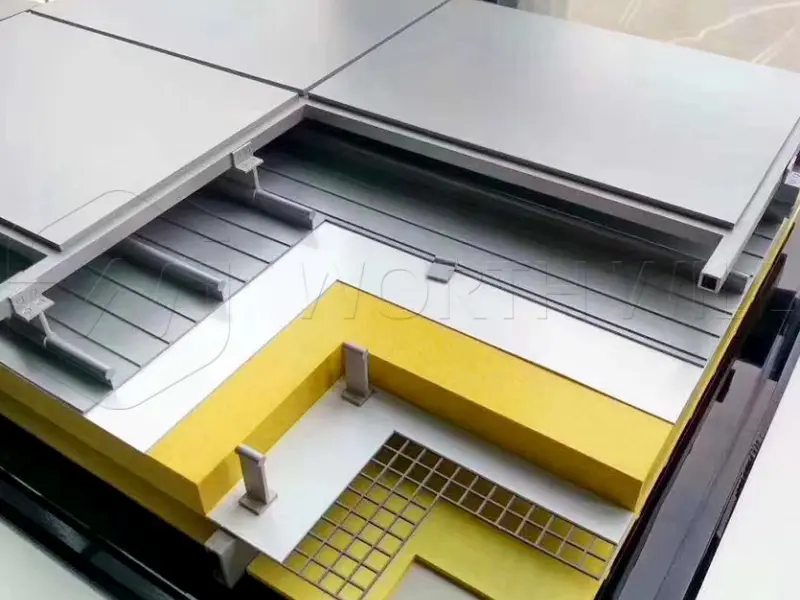
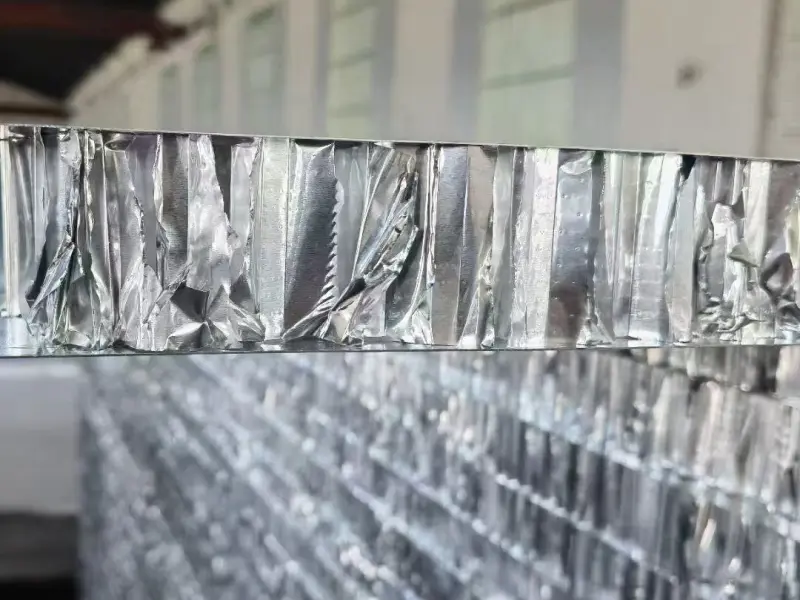
Corrugated core is another aluminum structure.
| Item | 3003 Honeycomb Core | Corrugated Core |
|---|---|---|
| Structure | Hexagonal | Wave shape |
| Strength Distribution | Uniform | Directional |
| Flatness | Excellent | Moderate |
| Weight | Light | Slightly heavier |
| Application | Panels, facade | Packaging, simple panels |
Summary:
- Honeycomb core gives better overall strength
- Corrugated core is simpler and lower cost
Quick Selection Guide
| Requirement | Recommended Core |
|---|---|
| Cost control | 3003 |
| High strength | 5052 |
| Ultra-light | Nomex |
| Low budget | PP core |
| Simple structure | Corrugated core |
Which Aluminum Honeycomb Core Is Better for Your Project?
The choice between 3003 vs 5052 aluminum honeycomb core depends on your project needs.
- Use 3003 for general applications and lower cost
- Use 5052 for demanding environments and higher strength
Both materials are reliable. The right selection will improve performance and reduce long-term cost.
Comparing Types of Aluminum: 3003 vs. 4017 vs. 5052
When choosing the right metal for your project, understanding the differences between aluminum alloys is essential. Today, we will compare three popular choices: 3003, 4017, and 5052. While they may look similar, their chemical compositions and mechanical properties make them suitable for very different tasks.
In this guide, we will look at how the 3003 Aluminum Alloy, the specialized 4017 Aluminum Sheet, and the high-strength 5052 Aluminum Plate perform in real-world applications.
1. Overview of the Three Alloys
3003 Aluminum: The General Purpose Choice
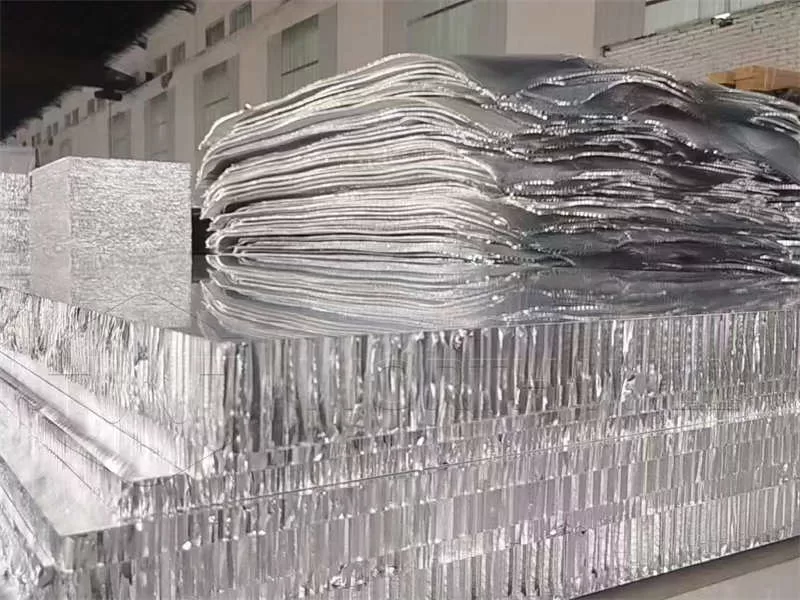
3003 Aluminum is a manganese-alloyed metal. It is the most widely used aluminum alloy because of its excellent resistance to atmospheric corrosion and its great workability. It is often the “go-to” for basic sheet metal work.
4017 Aluminum: The Specialized Solution
4017 Aluminum is a silicon-based alloy. It is often chosen for specific industrial uses where surface quality and flatness are critical. It is particularly popular in the lighting and architectural sectors because it takes coatings and anodizing very well.
5052 Aluminum: The Marine Grade Powerhouse
5052 Aluminum is alloyed with magnesium. This gives it much higher strength than the 3000 series. It is famous for its “marine grade” properties, meaning it can survive harsh salt-water environments without rusting.
2. Chemical Composition Comparison
The performance of these metals starts with their chemistry. Below is a breakdown of the primary elements in each grade.
Table 1: Chemical Composition (%)
| Element | 3003 Alloy | 4017 Alloy | 5052 Alloy |
|---|---|---|---|
| Aluminum (Al) | 96.7%−99.0% | 92.5%−96.0% | 95.7%−97.7% |
| Manganese (Mn) | 1.0%−1.5% | 0.1%−0.5% | 0.1% max |
| Magnesium (Mg) | — | 0.1%−0.5% | 2.2%−2.8% |
| Silicon (Si) | 0.6% max | 3.5%−4.5% | 0.25% max |
| Copper (Cu) | 0.05%−0.20% | 0.1%−0.5% | 0.1% max |
| Chromium (Cr) | — | — | 0.15%−0.35% |
3. Mechanical Properties
Strength and flexibility are the two most important factors when selecting a material. 5052 is the strongest of the three, while 3003 is the most flexible.
Table 2: Mechanical Performance (Typical H14 Temper)
| Property | 3003-H14 | 4017-H14 | 5052-H32 |
|---|---|---|---|
| Tensile Strength | 145 MPa | 160 MPa | 230 MPa |
| Yield Strength | 125 MPa | 140 MPa | 195 MPa |
| Elongation | 8%−10% | 6%−9% | 10%−12% |
| Hardness (Brinell) | 40 | 45 | 60 |
4. Key Differences: 3003 vs. 4017 vs. 5052
Corrosion Resistance
- 3003: Good for outdoor use and food containers. It handles fresh water and humidity well.
- 4017: Good general resistance, but often requires a coating or anodizing for extreme environments.
- 5052: Superior resistance. It is the best choice for marine applications and chemical storage where salt or high acidity is present.
Workability and Forming
- 3003: The “King” of formability. You can bend, spin, and draw it into shapes without cracking.
- 4017: Very flat and stable. It is easy to roll and cut, making it great for large panels.
- 5052: Harder to form than 3003. It has a higher “spring-back” rate, meaning you need more force to bend it accurately.
Weldability
- All three alloys are considered excellent for welding.
- 3003 and 5052 are easily welded using TIG or MIG methods.
- 4017 is also weldable, though its higher silicon content requires specific filler rods to ensure the joint remains strong.
5. Typical Applications

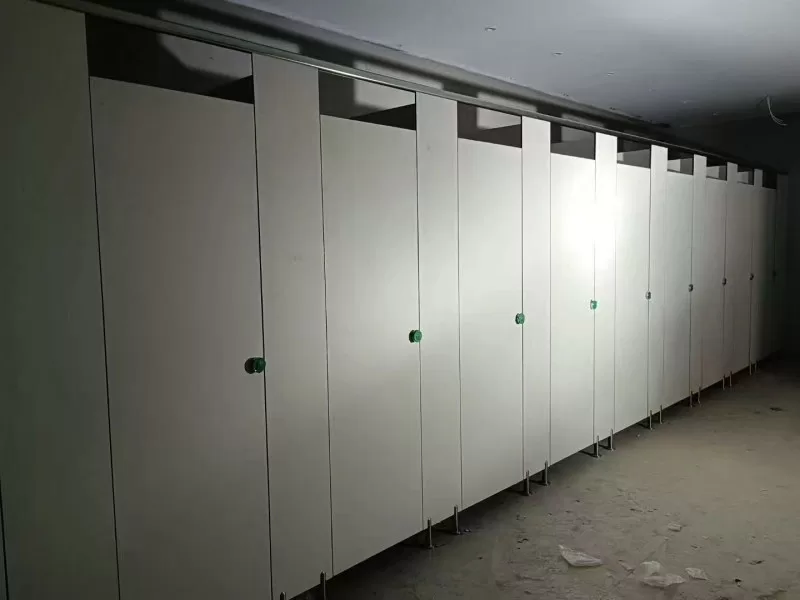
Where will you find these metals in everyday life?
3003 Aluminum Applications:
- Kitchenware: Pots, pans, and baking sheets.
- HVAC: Heat exchangers and air conditioning evaporators.
- Storage: Fuel tanks and pressure vessels (low pressure).
- Construction: Gutters, downspouts, and siding.
4017 Aluminum Applications:
- Lighting: Lamp reflectors and decorative lighting fixtures.
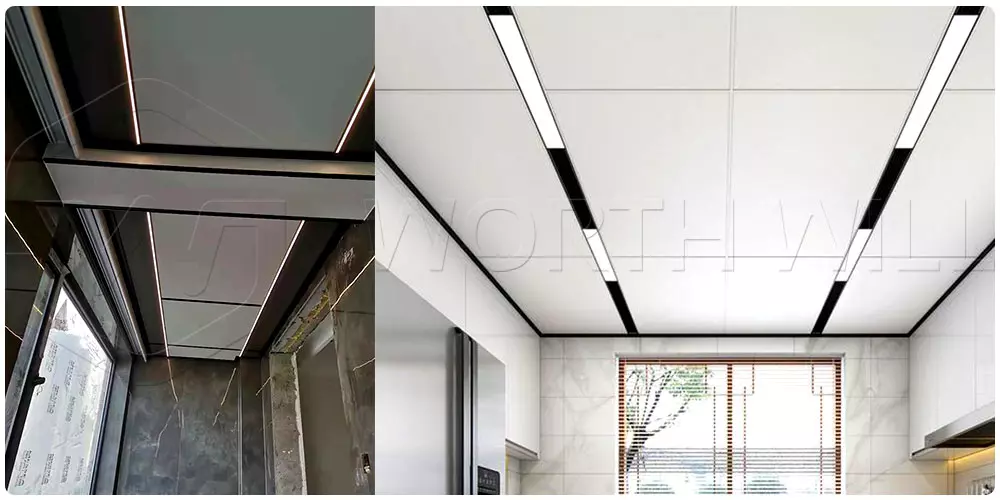
- Architecture: Wall cladding and ceiling panels that require a very flat surface.
- Industrial: Protective covers for machinery and heat shields.
- Coatings: Substrate for high-end painted aluminum coils.
5052 Aluminum Applications:
- Marine Industry: Boat hulls, decks, and marine hardware.
- Transportation: Truck trailers, fuel tanks, and bus bodies.
- Electronics: Chassis for computers and high-end audio equipment.
- Manufacturing: Hydraulic tubes and medical equipment.
6. Physical Specifications Table
For engineers and designers, the physical data is vital for weight calculations.
Table 3: Physical Data
| Property | 3003 | 4017 | 5052 |
|---|---|---|---|
| Density (g/cm3) | 2.73 | 2.68 | 2.68 |
| Melting Point (°C) | 643 | 580 | 607 |
| Thermal Conductivity (W/m\cdotpK) | 193 | 160 | 138 |
| Modulus of Elasticity (GPa) | 70 | 70 | 70 |
7. Comparison Summary: Which one do you need?

To make your decision easier, follow these simple rules:
- Choose 3003 if: You need a low-cost, easy-to-shape metal for general indoor or outdoor use where high strength is not required.
- Choose 4017 if: You are working on architectural projects or lighting. If you need a sheet that stays perfectly flat and looks great after being coated, this is the one.
- Choose 5052 if: You need maximum strength and durability. If your project will be near the ocean or needs to hold a lot of weight/pressure, 5052 is the best investment.
3003 vs 5052 Aluminum Honeycomb Core
Composition Side by Side
The two alloys start from different strengthening elements. That one difference explains most of the performance gap.
| Element | 3003 | 5052 |
|---|---|---|
| Main alloying element | Manganese (1.0 – 1.5%) | Magnesium (2.2 – 2.8%) |
| Copper | 0.05 – 0.20% | 0.10% max |
| Chromium | Not specified | 0.15 – 0.35% |
| Iron | 0.70% max | 0.40% max |
| Silicon | 0.60% max | 0.25% max |
| Density (approx.) | 2.73 g/cm³ | 2.68 g/cm³ |
Magnesium makes 5052 stronger and more resistant to salt. Manganese gives 3003 good formability at a lower cost. 5052 is also slightly lighter, which helps in weight-sensitive panels.
Quick Property Comparison
These are sheet reference values. Foil used for honeycomb can differ by mill and temper, so treat the numbers as a guide and ask the supplier for core test data.
| Property | 3003 | 5052 |
|---|---|---|
| Typical tensile strength | 150 – 180 MPa (H14) | 210 – 260 MPa (H32) |
| Strength level | Moderate | Higher |
| Corrosion resistance | Good | Excellent |
| Formability | Very good | Good |
| Fatigue resistance | Fair | Better |
| Relative cost | Lower | Slightly higher |
How to Read the Gap
- 5052 offers roughly one-third more strength in sheet form
- The strength gap matters most in thin foil, where every bit counts
- Corrosion resistance matters more than raw strength in wet or salty settings
Environment Decision Table
Where the panel will live often decides the alloy faster than any strength number.
| Environment | Better Choice | Why |
|---|---|---|
| Dry indoor partitions and doors | 3003 | Lower cost, strength is already enough |
| Humid interiors, kitchens, cleanrooms | Either, 5052 for harsh cleaning | Moisture is manageable with sealed edges |
| Outdoor facades and cladding | 5052 | Better long-term corrosion performance |
| Marine and coastal use | 5052 | Handles salt exposure far better |
| Refrigerated transport | Either | Cold is not a problem for aluminum |
| High-vibration equipment | 5052 | Better fatigue behavior |
→ Building indoor furniture or light partitions? 3003 usually gives the best value. → Working near the coast or on a boat? Choose 5052 from the start. → Unsure about exposure? Pick 5052. The small price step is cheaper than replacing a corroded panel.
Scorecard: 3003 vs 5052 Honeycomb


A simple rating helps when comparing several panel designs at once. Scores run from 1 (low) to 5 (high).
| Criteria | 3003 | 5052 |
|---|---|---|
| Strength | 3 | 4 |
| Corrosion resistance | 3 | 5 |
| Weight efficiency | 4 | 4 |
| Cost efficiency | 5 | 3 |
| Formability in production | 5 | 4 |
| Availability | 5 | 4 |
| Long-term durability | 3 | 5 |
3003 wins on cost, availability, and ease of production. 5052 wins on strength and durability. Neither is “better” overall. The right pick depends on which scores matter most for the job.
Cost and Value: When Does 5052 Pay Off
The price difference between the two cores is usually modest. The real question is what a failure would cost.
| Situation | Extra Cost of 5052 | Is It Worth It |
|---|---|---|
| Interior door core, low load | Not needed | No, 3003 is enough |
| Exterior wall panel, 20-year goal | Small share of panel cost | Yes, longer service life |
| Marine bulkhead | Small share of panel cost | Yes, avoids early corrosion |
| Trade show display, short life | Not needed | No |
| Transport floor with heavy loads | Moderate | Often yes, for fatigue and impact |
Panels that are hard to replace, such as sealed facade sections or hull panels, justify the higher-grade core far more than easy-to-swap interior parts.
Skin and Core Pairing
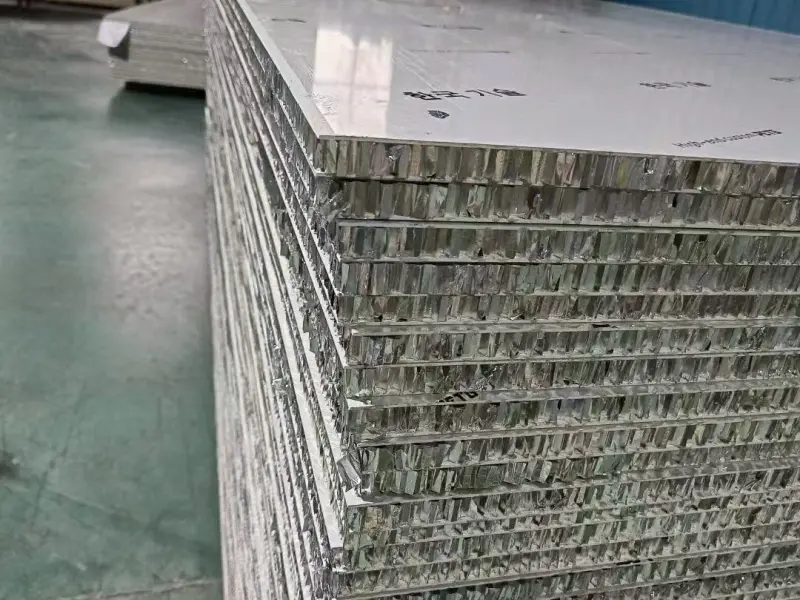
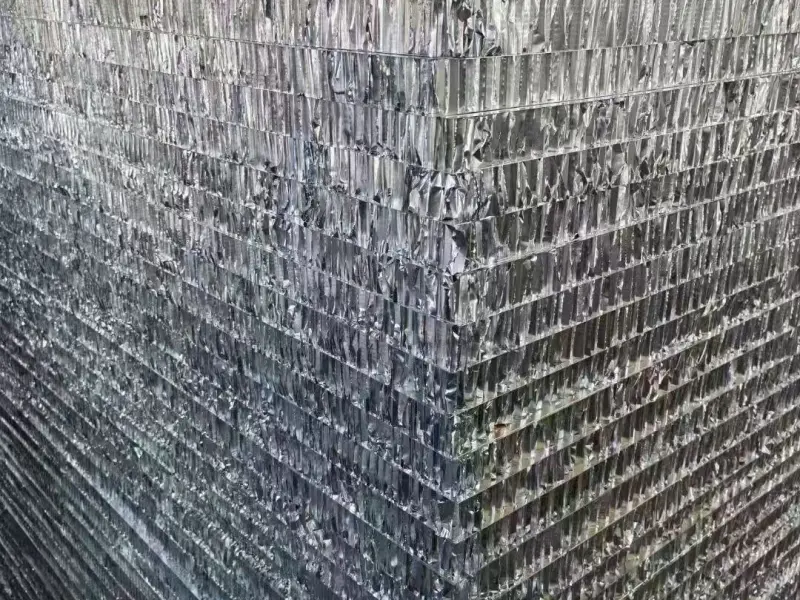
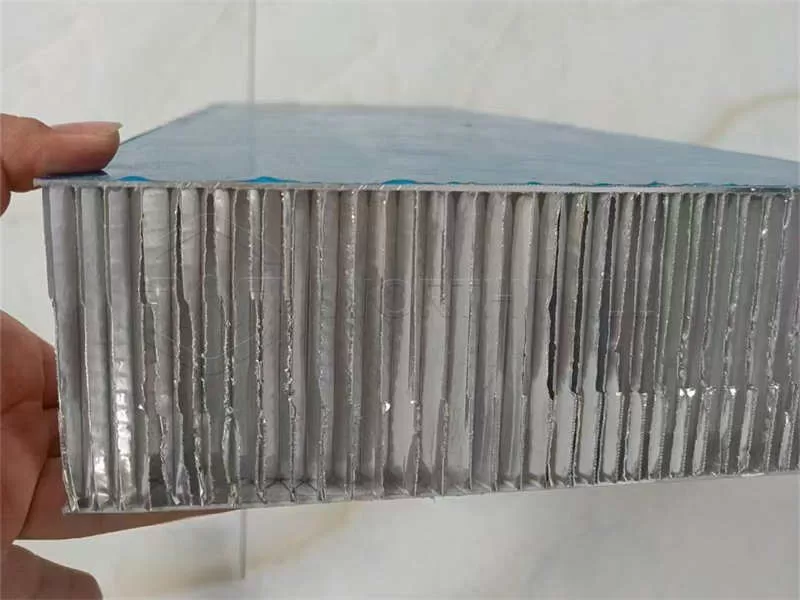
The core alloy should work well with the skin alloy and the adhesive. Mixing metals can invite galvanic corrosion when moisture gets in.
| Skin Alloy | Core Pairing | Notes |
|---|---|---|
| 3003 | 3003 | Common, low-cost, interior and general use |
| 3105 / 5005 | 3003 | Painted skins, general cladding |
| 5052 | 5052 | Preferred for marine and outdoor panels |
| 5052 | 3003 | Works, but the core becomes the weak link in wet use |
| 6061 | 5052 | Structural panels, strong skins with a durable core |
Matching the core to the skin family is a good habit. It keeps corrosion behavior predictable across the whole panel.
Core Surface Treatment Options
Some buyers ask for treated foil to extend life further, especially in humid settings.
- Mill finish foil: standard and lowest cost
- Chromate or conversion-coated foil: improved corrosion resistance and better adhesive bonding
- Epoxy or primer-coated foil: used in special marine or chemical settings
Treated 3003 can narrow the corrosion gap in mild environments, but 5052 still leads in heavy salt exposure.
Temperature and Heat Behavior
| Factor | 3003 | 5052 |
|---|---|---|
| Cold performance | Excellent, no brittleness | Excellent, no brittleness |
| Heat tolerance | Good up to moderate temperatures | Good, slightly better under load |
| Limiting factor | Usually the adhesive, not the alloy | Usually the adhesive, not the alloy |
In most panels the adhesive sets the temperature limit before the aluminum does. Always check the adhesive rating when a panel will see high heat.
Specification Checklist for Quotes
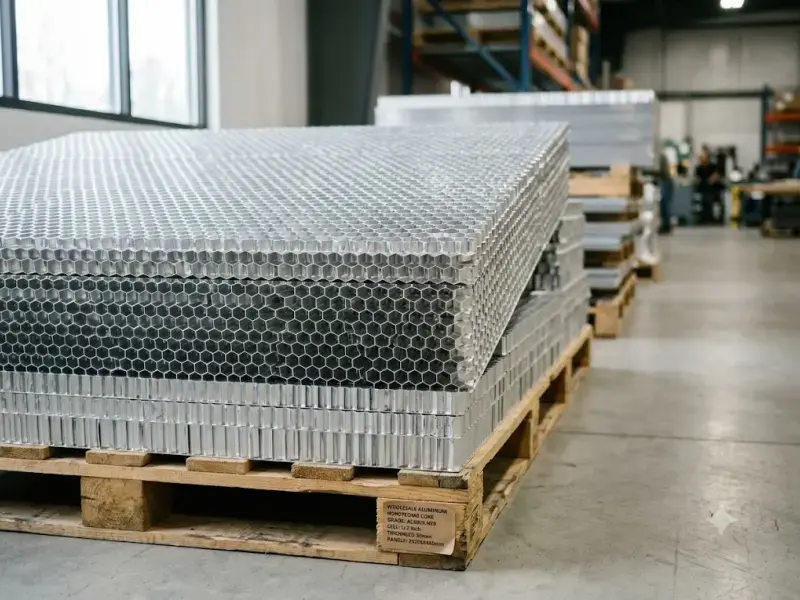
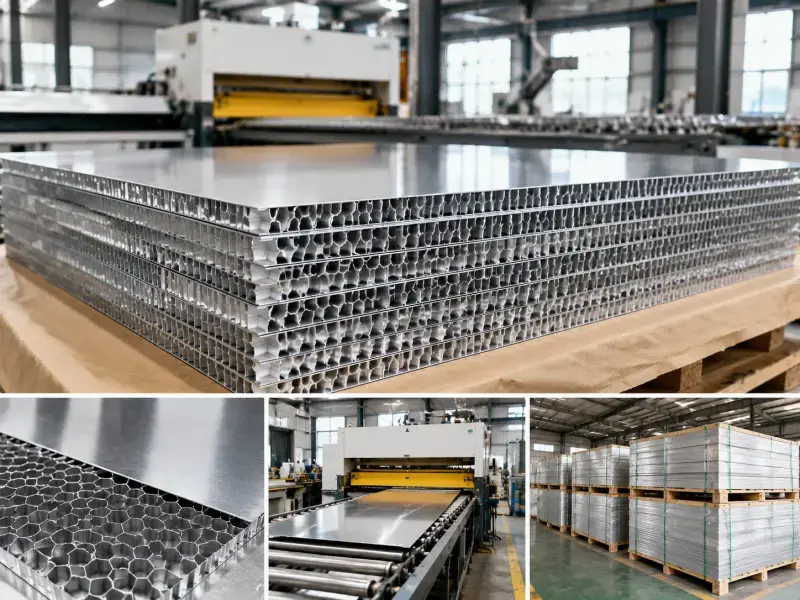
A clear request avoids mismatched quotes. Include these items when asking suppliers for a price.
- Alloy and foil temper
- Cell size and foil thickness
- Core density or compressive strength target
- Core thickness and tolerance
- Block or slice size, and whether the core is expanded or flattened
- Surface treatment, if any
- Test data needed, such as compression or shear reports
- Quantity and delivery location
Sample Specification Line
“5052 aluminum honeycomb core, 6 mm cell, 0.05 mm foil, 20 mm thickness, mill finish, sliced and calibrated, with compression test report.”
A short line like this makes it easy to compare offers fairly, since every supplier is quoting the same product.
Common Mistakes When Choosing Between the Two
| Mistake | What Happens | Better Approach |
|---|---|---|
| Choosing only by price | Early corrosion in wet use | Match alloy to the environment first |
| Overspending on 5052 for dry interiors | Extra cost with no benefit | Use 3003 where exposure is low |
| Ignoring edge sealing | Moisture enters the cells | Seal or pot panel edges |
| Mixing unrelated skin and core metals | Galvanic corrosion risk | Pair alloys from the same family when possible |
| Comparing quotes with different cell sizes | Misleading price gap | Compare identical specifications |
Recycling and Sustainability Note
Both alloys are fully recyclable, and they can be melted and reused without losing core quality. Panels made with an aluminum core and aluminum skins are easier to recycle than mixed-material sandwiches that need separation first.
Frequently Asked Questions (FAQ)
Is 5052 more expensive than 3003?
Generally, yes. Because 5052 aluminum contains magnesium and offers higher strength and better corrosion resistance, it usually commands a higher price than the more common 3003 alloy.
Can I use 3003 aluminum for a boat?
While 3003 has good corrosion resistance, it is not “marine grade.” For any part of a boat that touches salt water, 5052 is the industry standard. Use 3003 only for internal, non-structural decorative trim.
Why is 4017 used for lighting?
4017 aluminum has a specific grain structure that makes it very stable under heat. It also provides a very smooth surface finish which is essential for reflecting light efficiently.
Which alloy is best for anodizing?
While all three can be anodized, 5052 often produces the most consistent and durable finish. However, 4017 is specially designed to take decorative coatings very well.