Sublimation aluminum panels are the canvas for modern photo printing.
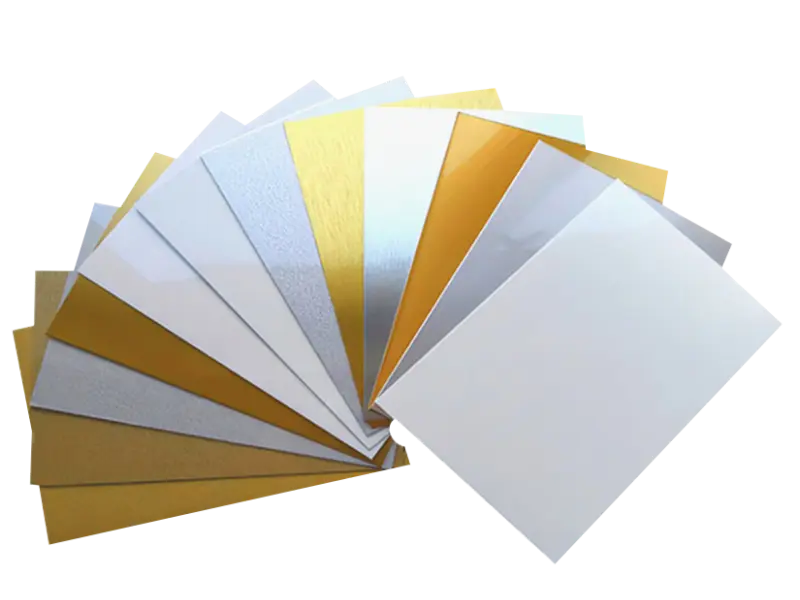
They turn digital images into vibrant, durable metal art. The process uses heat and pressure to fuse dye directly into a special coating on the aluminum surface. The result is scratch-proof, waterproof, and fade-resistant.
Aluminum Alloys for Sublimation Panels
The alloy affects flatness, coating adhesion, and cost. Not all aluminum works equally well for sublimation.
1000 Series: Pure Aluminum
| Alloy | Purity | Flatness | Coating Adhesion | Cost Level | Best Use |
|---|---|---|---|---|---|
| 1050 | 99.5% | Good | Excellent | Lowest | Budget photo panels, signs |
| 1060 | 99.6% | Good | Excellent | Lowest | Standard blanks, trophies |
| 1070 | 99.7% | Good | Excellent | Lowest | High-purity applications |
| 1100 | 99.0% | Good | Very Good | Low | Most common for sublimation blanks |
The 1100 alloy is the industry standard for sublimation aluminum panels. It is soft, flat, and bonds well with polyester coatings. Most blank suppliers use 1100-H14 or 1100-H24.
3000 Series: Aluminum-Manganese
| Alloy | Manganese Content | Strength | Formability | Cost | Best Application |
|---|---|---|---|---|---|
| 3003 | 1.0–1.5% | Medium | Very Good | Low-Medium | Larger panels, structural blanks |
| 3105 | 0.3–0.8% | Medium | Good | Medium | Pre-painted coils, formed shapes |
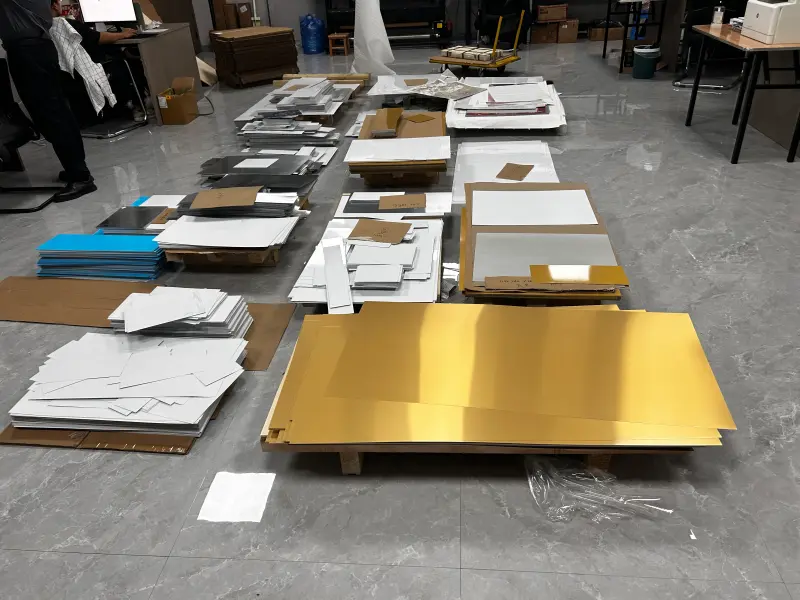
3003 is used when the panel needs more rigidity. Large sublimation aluminum panels for signage or wall art may use 3003 to prevent warping during the heat press process.
5000 Series: Aluminum-Magnesium
| Alloy | Magnesium | Marine Grade | Strength | Best Use | Cost |
|---|---|---|---|---|---|
| 5005 | 0.8% | No | Medium | Anodized look, bright finishes | Medium |
| 5052 | 2.5% | Yes | High | Outdoor signage, harsh environments | Medium-High |
5052 is rare for standard photo panels but appears in outdoor sublimation aluminum panels that face extreme weather.
Temper Designations for Sublimation Panels
The temper affects how the panel behaves during heat pressing and how flat it stays.
| Temper | Hardness | Flatness Stability | Heat Press Performance | Typical Use |
|---|---|---|---|---|
| O (Annealed) | Very Soft | Moderate | Excellent heat transfer | Flexible blanks, curved surfaces |
| H12 | Soft | Good | Very Good | Light-duty panels, tags |
| H14 | Half Hard | Very Good | Good | Standard photo panels, most blanks |
| H16 | Hard | Excellent | Fair | Rigid panels, minimal warping |
| H18 | Full Hard | Excellent | Poor for large panels | Small tags, keychains |
| H22 | Soft, stabilized | Good | Very Good | Welded frames, custom shapes |
| H24 | Half Hard, stabilized | Very Good | Good | Pre-coated coils, general use |
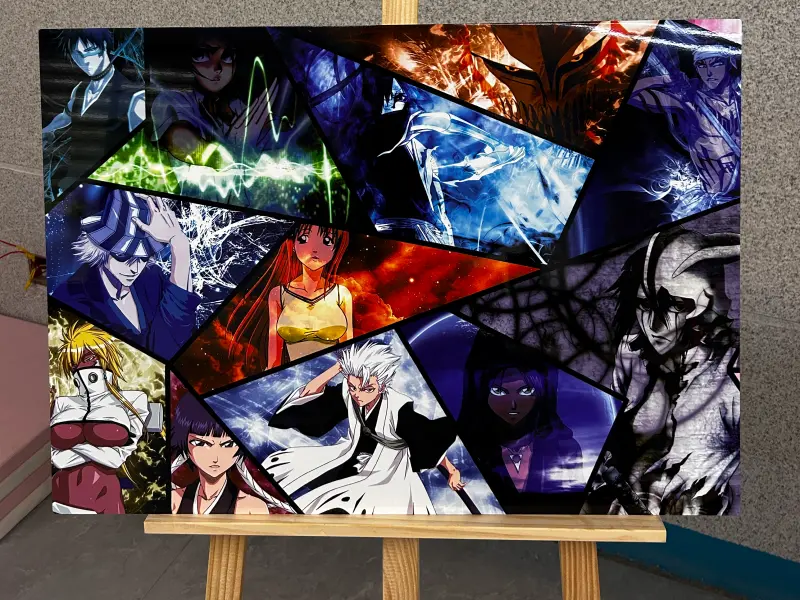
H14 is the most common temper for sublimation aluminum panels. It provides enough rigidity to stay flat during pressing while remaining affordable. H24 is used for pre-coated rolls that go through additional processing.
Thickness Options for Sublimation Aluminum Panels
Thickness affects rigidity, heat transfer speed, and final weight.
| Thickness (mm) | Thickness (inches) | Weight per m² | Rigidity Level | Heat Press Time | Best For |
|---|---|---|---|---|---|
| 0.22 | 0.009″ | ~0.6 kg | Very Low | 45–60 sec | Tags, keychains, thin ornaments |
| 0.35 | 0.014″ | ~0.95 kg | Low | 60–75 sec | Small photo panels, bookmarks |
| 0.45 | 0.018″ | ~1.2 kg | Low-Medium | 60–90 sec | Standard photo panels up to 8×10″ |
| 0.55 | 0.022″ | ~1.5 kg | Medium | 75–90 sec | Common for 11×14″ and 12×18″ panels |
| 0.65 | 0.026″ | ~1.75 kg | Medium | 75–90 sec | Large photo panels, awards |
| 1.0 | 0.039″ | ~2.7 kg | High | 90–120 sec | Large wall art, signage |
| 1.15 | 0.045″ | ~3.1 kg | High | 90–120 sec | Heavy-duty signs, outdoor panels |
| 2.0 | 0.079″ | ~5.4 kg | Very High | 120–150 sec | Structural panels, custom projects |
The 0.45 mm to 0.65 mm range covers 80% of sublimation aluminum panels sold. Thinner panels transfer heat faster but warp more easily. Thicker panels stay flat but need longer press times.
Standard Panel Sizes and Formats
| Size (inches) | Size (mm) | Aspect Ratio | Common Use | Price Range (blank) |
|---|---|---|---|---|
| 3″ x 3″ | 76 x 76 | 1:1 | Coasters, small ornaments | USD 0.50–1.50 |
| 4″ x 6″ | 102 x 152 | 2:3 | Photo prints, postcards | USD 1.00–3.00 |
| 5″ x 7″ | 127 x 178 | 5:7 | Standard photo size | USD 1.50–4.00 |
| 6″ x 6″ | 152 x 152 | 1:1 | Instagram-style prints | USD 1.50–3.50 |
| 8″ x 10″ | 203 x 254 | 4:5 | Portrait photography | USD 3.00–8.00 |
| 8″ x 12″ | 203 x 305 | 2:3 | Landscape photography | USD 3.50–9.00 |
| 10″ x 10″ | 254 x 254 | 1:1 | Square art prints | USD 3.50–8.00 |
| 11″ x 14″ | 279 x 356 | 11:14 | Gallery standard size | USD 5.00–12.00 |
| 12″ x 12″ | 305 x 305 | 1:1 | Large square prints | USD 4.50–10.00 |
| 12″ x 18″ | 305 x 457 | 2:3 | Large landscape | USD 6.00–15.00 |
| 12″ x 24″ | 305 x 610 | 1:2 | Panoramic prints | USD 8.00–20.00 |
| 16″ x 20″ | 406 x 508 | 4:5 | Large portrait, wall art | USD 10.00–25.00 |
| 16″ x 24″ | 406 x 610 | 2:3 | Large landscape | USD 12.00–28.00 |
| 20″ x 30″ | 508 x 762 | 2:3 | Statement piece | USD 18.00–40.00 |
| 24″ x 36″ | 610 x 914 | 2:3 | Extra large wall art | USD 25.00–55.00 |
| 30″ x 40″ | 762 x 1016 | 3:4 | Gallery centerpiece | USD 35.00–75.00 |
| 40″ x 60″ | 1016 x 1524 | 2:3 | Maximum standard size | USD 60.00–120.00 |
| Custom | Variable | Any | Bespoke projects | Quote-based |
The 8×10″, 11×14″, and 16×20″ sizes are the top sellers for sublimation aluminum panels in the photo printing market.
Surface Finishes and Their Effects
The finish determines how the final image looks. It affects color vibrancy, glare, and perceived depth.
| Finish Type | Surface Description | Color Vibrancy | Glare Level | Best For | Price Adder |
|---|---|---|---|---|---|
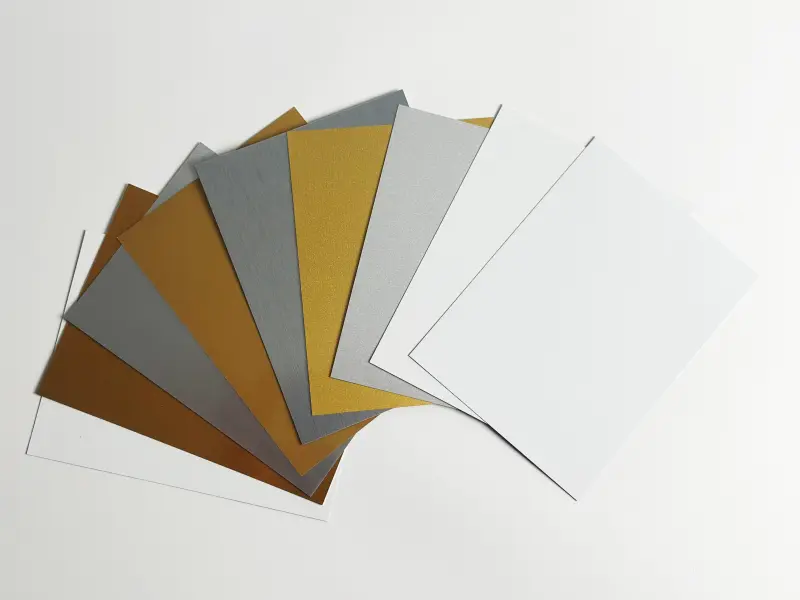
| Gloss White | Mirror-smooth, bright white | Maximum | High | Colorful photos, commercial art | Base |
| Matte White | Smooth, non-reflective white | High | Very Low | Galleries, bright rooms, fine art | +10–15% |
| Satin | Low sheen, smooth | High | Low | Versatile, professional look | +10% |
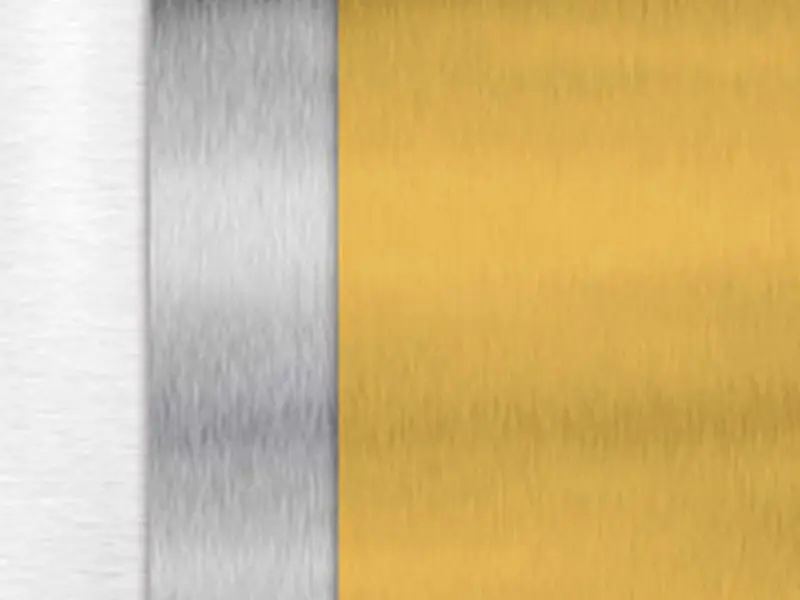
| Brushed Silver | Fine linear texture, metallic base | Medium (metallic shows through) | Medium | Industrial look, monochrome images | +15–20% |
| Brushed Gold | Fine linear texture, gold tone | Warm metallic effect | Medium | Luxury awards, warm-tone photos | +20–25% |
| Pearl Silver | Iridescent shimmer | High with depth | Medium | Wedding photos, elegant displays | +15–20% |
| Pearl White | Soft iridescent white | High with subtle glow | Low | High-end portraits, soft images | +15–20% |
| Mirror | Highly reflective, polished | Variable based on image | Very High | Modern art, statement pieces | +20–30% |
| Clear | Transparent coating on bare aluminum | Metallic base shows through | Medium | Abstract art, metallic effects | +10–15% |
| Wood Grain | Printed wood pattern base | Natural look | Low | Rustic decor, themed spaces | +15–20% |
Gloss white is the standard for sublimation aluminum panels. It produces the most saturated colors. Matte white is preferred for fine art because it reduces reflections in gallery lighting.
Coating Types and Durability
The coating is what makes sublimation possible. Different coatings offer different lifespans and performance.
| Coating Type | Composition | Transfer Temp | Press Time | Durability | Best For |
|---|---|---|---|---|---|
| Standard Polyester | PE-based polymer | 180–200°C | 60–90 sec | Indoor, 5–10 years | Photo panels, awards, gifts |
| High-Durability Polyester | Enhanced PE formula | 190–200°C | 75–90 sec | Indoor, 10–15 years | Gallery prints, professional work |
| Outdoor Polyester | UV-stabilized PE | 190–200°C | 90–120 sec | Outdoor, 3–5 years | Signage, exterior displays |
| PVDF Hybrid | Fluoropolymer blend | 200–210°C | 90–120 sec | Outdoor, 5–7 years | Harsh outdoor environments |
| Ceramic-Based | Inorganic coating | 200–220°C | 120–150 sec | Extreme, 10+ years outdoor | Architectural panels, monuments |
Standard polyester coating dominates the sublimation aluminum panel market. It offers the best balance of cost, color vibrancy, and ease of use. Outdoor coatings trade some color pop for UV resistance.
Sublimation Aluminum Panels vs. Other Photo Print Media
How do metal panels compare to paper, canvas, and acrylic?
| Feature | Sublimation Aluminum Panel | Photo Paper | Canvas Print | Acrylic Face Mount |
|---|---|---|---|---|
| Durability | Virtually indestructible | Fragile, needs glass | Moderate, can tear | Very durable |
| Water resistance | Completely waterproof | None | Poor | Good |
| Scratch resistance | Excellent | Poor | Poor | Good |
| Fade resistance | 65+ years (indoor) | 60–80 years | 50–70 years | 100+ years |
| Color vibrancy | Highly saturated | Natural | Muted, textured | Dimensional depth |
| Weight | Lightweight | Light (needs frame) | Medium | Heavy |
| Frame needed | No, ready to hang | Yes | Yes (stretcher) | No |
| Cleaning | Damp cloth only | Delicate | Vacuum, no liquid | Soft cloth |
| Cost (16×20″) | USD 25–60 | USD 15–40 | USD 30–70 | USD 50–120 |
| Modern look | Excellent | Traditional | Classic | Contemporary |
Sublimation aluminum panels win on durability and modern presentation. They are the only print medium truly safe for kitchens, bathrooms, and high-traffic commercial spaces.
Sublimation Aluminum vs. ChromaLuxe
ChromaLuxe is a brand name, not a different technology. It uses the same dye sublimation process on coated aluminum. However, there are differences in coating quality and price.
| Feature | Generic Sublimation Aluminum Panel | ChromaLuxe Panel |
|---|---|---|
| Coating consistency | Variable by manufacturer | Very consistent, proprietary formula |
| Color vibrancy | Good to excellent | Excellent, benchmark standard |
| Archival rating | 30–65 years | 65+ years (Wilhelm certified) |
| Scratch resistance | Good | Excellent |
| Price (8×10″ blank) | USD 3–6 | USD 8–12 |
| Finish options | Wide variety | Gloss, matte, limited textures |
| Availability | Many suppliers | Authorized dealers only |
| Warranty | Varies | Backed by brand guarantee |
ChromaLuxe panels command a premium for their proven consistency and archival certification. Generic sublimation aluminum panels from reputable suppliers offer 90% of the performance at 50% of the cost.
Sublimation Aluminum vs. Dibond
Dibond is an aluminum composite panel with a plastic core. It uses UV printing, not dye sublimation.
| Feature | Sublimation Aluminum Panel | Dibond Composite Panel |
|---|---|---|
| Construction | Solid aluminum, 0.5–2.0 mm | Aluminum skins + plastic core, 3 mm |
| Printing method | Dye sublimation (infused) | UV-cured ink (surface) |
| Image durability | Ink is inside coating | Ink sits on surface |
| Scratch resistance | Excellent | Good |
| Color on whites | Bright white | Metallic silver shows through |
| Weight | Very light | Light |
| Rigidity | Moderate (thickness dependent) | High (due to core) |
| Cost (24×36″) | USD 40–80 | USD 50–100 |
| Best for | Color photos, vibrant art | Metallic effects, industrial look |
Heat Press Settings by Panel Type
Getting the temperature and time right is critical for a successful transfer.
| Panel Thickness | Coating Type | Press Temp | Press Time | Pressure | Cooling |
|---|---|---|---|---|---|
| 0.22–0.35 mm | Standard PE | 180–190°C | 45–60 sec | Medium | Air cool |
| 0.45–0.55 mm | Standard PE | 185–195°C | 60–75 sec | Medium | Air cool |
| 0.65–1.0 mm | Standard PE | 190–200°C | 75–90 sec | Medium-High | Air cool |
| 1.15–2.0 mm | Standard PE | 195–200°C | 90–120 sec | High | Air cool |
| Any thickness | Outdoor coating | 200–210°C | 90–120 sec | Medium-High | Air cool |
| Any thickness | High-durability | 190–200°C | 75–90 sec | Medium | Air cool |
Always use a flat heat press with even pressure. Vacuum presses work best for large sublimation aluminum panels because they eliminate air pockets that cause ghosting.
Applications for Sublimation Aluminum Panels

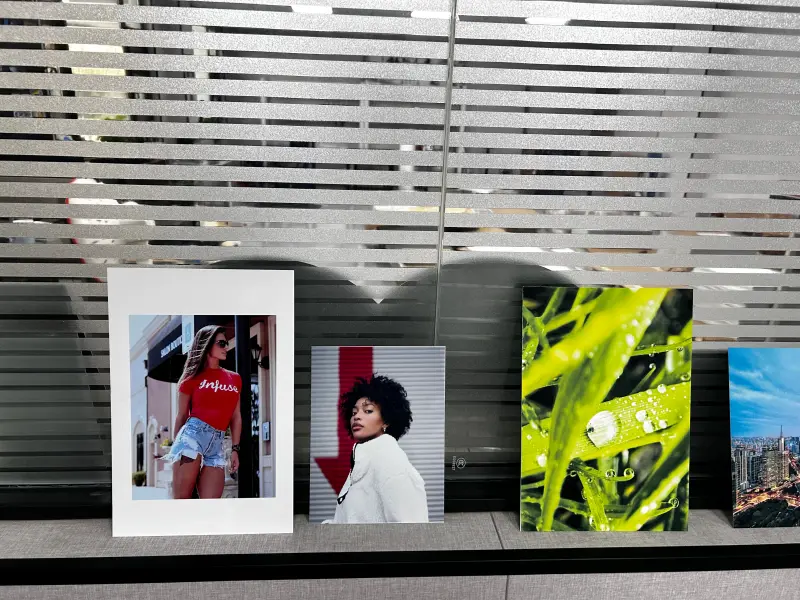
Photography and Fine Art
- Gallery exhibitions and museum displays
- Wedding and portrait photography prints
- Landscape and nature photography
- Abstract and digital art
- Limited edition prints with certificates
- Photo books mounted as wall collections
Commercial and Corporate
- Office lobby artwork
- Corporate branding and logos
- Hotel and restaurant decor
- Retail store displays
- Trade show booth graphics
- Real estate staging art
Awards and Recognition
- Employee of the month plaques
- Sports trophies and medals
- Academic achievement awards
- Military and service recognition
- Retirement and milestone gifts
- Competition winner displays
Home and Personal
- Family photo walls
- Pet portraits
- Baby and children photo panels
- Vacation memory prints
- Kitchen and bathroom art (waterproof)
- Nursery and kids room decor
Industrial and Functional
- Equipment nameplates
- Control panel labels
- Safety warning signs
- Serial number tags
- Barcode and QR code panels
- Asset tracking labels
Memorial and Commemorative
- Cemetery memorial plaques
- Donor recognition walls
- Historical marker panels
- Bench dedication plates
- Building cornerstone displays
- Veteran and hero tributes
Fashion and Accessories
- Custom jewelry pendants
- Belt buckles and accessories
- Keychains and bag tags
- Phone case inserts
- Luggage tags
- Pet ID tags
Signage and Wayfinding
- Office directory signs
- Room number plaques
- Directional and wayfinding signs
- ADA-compliant tactile signs
- Menu boards for restaurants
- Price lists and information displays
Edge and Corner Options
| Edge Type | Description | Best For | Cost Impact |
|---|---|---|---|
| Square cut | Sharp 90-degree corners | Standard panels, cost-sensitive | Base |
| Rounded corners | 3–10 mm radius | Safety, modern look | +5–10% |
| Beveled edge | Angled edge, 45 degrees | Premium feel, depth | +10–15% |
| Rolled edge | Curled over, no sharp edge | Tags, ornaments, safety | +15–20% |
| Custom shape | Laser-cut to any | Branding, unique designs | +20–50% |
Rounded corners are the most popular upgrade for sublimation aluminum panels. They prevent injury and give a finished, professional appearance.
Mounting and Display Options
| Mount Type | Description | Gap from Wall | Best For | Cost |
|---|---|---|---|---|
| Float mount | Metal bracket, hidden | 0.5–1 inch | Gallery look, modern spaces | USD 3–8 |
| Easel back | Folding stand, self-supporting | N/A | Tabletop display, desks | USD 1–3 |
| Magnet back | Strong adhesive magnet | N/A | Refrigerator, metal surfaces | USD 1–2 |
| Keyhole slot | Wall-hanging notch | Flush | Simple wall mounting | USD 0.50–1 |
| Standoff bolts | Four metal posts, visible | 0.75–1.5 inches | Commercial, industrial look | USD 5–15 |
| Frame insert | Fits standard picture frame | Variable | Traditional presentation | USD 5–20 |
The float mount is the signature display method for sublimation aluminum panels. It creates a shadow gap that makes the image appear to float on the wall.
Care and Maintenance
| Task | Frequency | Method | Notes |
|---|---|---|---|
| Dusting | Weekly | Soft microfiber cloth | Removes surface dust |
| Cleaning | Monthly | Damp cloth, mild soap | No ammonia, no abrasives |
| Deep cleaning | As needed | Isopropyl alcohol 70% | Removes fingerprints and smudges |
| UV exposure check | Annually | Visual inspection for fading | Move if direct sunlight causes issues |
| Mount inspection | Annually | Check brackets and screws | Tighten if loose |
Cost Factors for Sublimation Aluminum Panels
| Cost Driver | Impact | Range |
|---|---|---|
| Panel size | Larger costs more | USD 0.50 to 120 per blank |
| Thickness | Thicker costs more | Add 20–50% for 1.0 mm vs. 0.45 mm |
| Finish type | Specialty finishes add cost | +10–30% for pearl, mirror, brushed |
| Coating quality | High-durability costs more | +20–40% for outdoor or archival grade |
| Quantity | Bulk reduces per-unit cost | 500+ panels get wholesale pricing |
| Custom cutting | Special shapes add setup fees | USD 20–100 per design |
| Mounting hardware | Included or separate | USD 1–15 per panel |
A typical sublimation aluminum panel project for a photographer ranges from USD 5 to 50 per panel for blanks, plus printing labor and equipment costs.
What Are Sublimation Aluminum Panels?
Sublimation aluminum panels are sheets of aluminum with a polymer coating designed to receive dye. During printing, heat turns solid dye into gas. The gas penetrates the coating and bonds permanently. When the panel cools, the image is locked inside.
This is different from inkjet printing. Inkjet puts ink on top of the surface. Sublimation puts color inside the coating. That is why sublimation aluminum panels resist scratches, moisture, and UV light so well.
Why Aluminum for Sublimation Printing?
Aluminum offers unique advantages for this printing method.
- Lightweight and easy to ship and hang
- Rigid surface stays flat over time
- Does not rust or corrode
- Recyclable when the print reaches end of life
- Accepts a wide range of coatings and finishes
- Transfers heat evenly during the sublimation process
- Produces vivid colors with high contrast
These properties make sublimation aluminum panels the top choice for photographers, artists, and commercial printers.
How to Choose the Right Sublimation Aluminum Panel
Step 1: Define the End Use
- Is this for indoor display or outdoor exposure?
- Will it hang in a home, office, or commercial space?
- Does it need to match a specific decor style?
Step 2: Select the Size
- Match the image aspect ratio to the panel size
- Consider the viewing distance — larger for farther away
- Account for wall space and surrounding decor
For Step 3: Choose the Finish
- Gloss white for maximum color impact
- Matte white for fine art and galleries
- Brushed silver or gold for metallic effects
- Pearl for elegant, subtle shimmer
Step 4: Pick the Thickness
- 0.45 mm for small panels up to 8×10″
- 0.55–0.65 mm for standard sizes up to 16×20″
- 1.0 mm or more for large wall art and signage
The Step 5: Specify the Coating
- Standard polyester for indoor use under 10 years
- High-durability for gallery work and professional sales
- Outdoor grade for exterior signage and monuments
Step 6: Plan the Display
- Float mount for modern wall art
- Easel back for tabletop and desk display
- Standoff bolts for commercial and industrial settings
FAQ: Sublimation Aluminum Panels
What is the difference between sublimation and UV printing on aluminum?
Sublimation uses heat to turn dye into gas that bonds with a polymer coating. The color becomes part of the panel. UV printing sprays ink onto the surface and cures it with ultraviolet light. The ink sits on top. Sublimation produces more durable, vibrant results for photo-quality images.
How long do sublimation aluminum panels last?
Indoor panels with standard coating last 30 to 65 years without noticeable fading. ChromaLuxe-certified panels rate at 65+ years. Outdoor panels last 3 to 7 years depending on UV exposure and coating type.
Can I use a regular heat press for aluminum panels?
Yes, if the press is flat and reaches 180–200°C. Clamshell presses work for small panels. Large panels need a vacuum press or a swing-away press with even pressure distribution.
What is the best alloy for sublimation blanks?
1100-H14 is the standard. It is pure enough for excellent coating adhesion and flat enough for consistent transfers. 3003-H14 is used for larger panels that need extra rigidity.
Why are my panels warping after pressing?
Warping happens when heat is uneven or the panel is too thin for its size. Use a thicker panel, reduce temperature slightly, or add a cooling press to flatten immediately after transfer.
Can I print on both sides of a sublimation aluminum panel?
Yes, but it requires two separate press cycles. The second side must be protected during the first press to avoid damaging the image. Most panels are single-sided for simplicity.
What resolution should my image be?
Use 300 DPI at the final print size. For a 16×20″ panel, the image should be 4800 x 6000 pixels. Lower resolution produces visible pixelation on the smooth metal surface.
Are sublimation aluminum panels waterproof?
Yes. The polymer coating and infused dye create a waterproof surface. You can clean them with a damp cloth. They are safe for bathrooms, kitchens, and outdoor covered areas.
Can I sublimate on bare aluminum without coating?
No. Bare aluminum does not accept sublimation dye. The special polymer coating is required for the dye to bond. Attempting to print on uncoated aluminum will produce a faded, temporary image that wipes off.
What is the difference between gloss and matte finish?
Gloss finish reflects light and makes colors pop. It works best in controlled lighting. Matte finish absorbs light and reduces glare. It is preferred for galleries and bright rooms.
How do I prevent ghosting on my panels?
Ghosting happens when the transfer paper shifts during pressing. Use heat-resistant tape to secure the paper. Do not slide the paper when positioning it. Vacuum presses eliminate this problem entirely.
Can sublimation aluminum panels be used outdoors?
Yes, but only with outdoor-rated coatings. Standard indoor panels will fade within months in direct sunlight. Look for panels marked “EXT” or “outdoor rated” with UV-stable coatings.
What is ChromaLuxe?
ChromaLuxe is a brand of high-end sublimation aluminum panels. It uses a proprietary coating that delivers exceptional color accuracy and a 65+ year archival rating. It is the industry benchmark but costs more than generic alternatives.
How do I clean fingerprints off a gloss panel?
Use a microfiber cloth with a small amount of isopropyl alcohol. Avoid ammonia-based cleaners. Do not use paper towels, which can scratch the coating.
Can I cut sublimation aluminum panels after printing?
Yes, with care. Use a metal shear or CNC router. Avoid cutting through the image area if possible, as the cut edge will expose bare aluminum. Round corners with a file or corner punch for safety.
gloss white Sublimation Aluminum Panels for sale
Sublimation aluminum panels have transformed photo printing from a fragile paper process into a durable, vibrant art form. The right combination of alloy, thickness, finish, and coating produces images that outlast traditional prints by decades.
For photographers and artists, gloss white 0.55 mm panels in standard sizes offer the best starting point. With commercial signage, outdoor-rated coatings on thicker panels ensure longevity in harsh conditions. For awards and gifts, brushed gold or pearl finishes add perceived value.
The technology is mature, the supplies are widely available, and the results speak for themselves. Whether you are a professional printer or a hobbyist, sublimation aluminum panels deliver a modern, lasting impression.