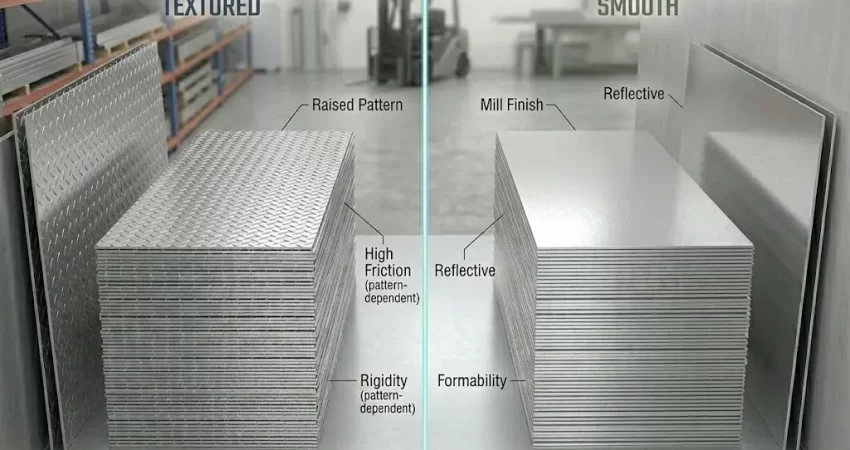
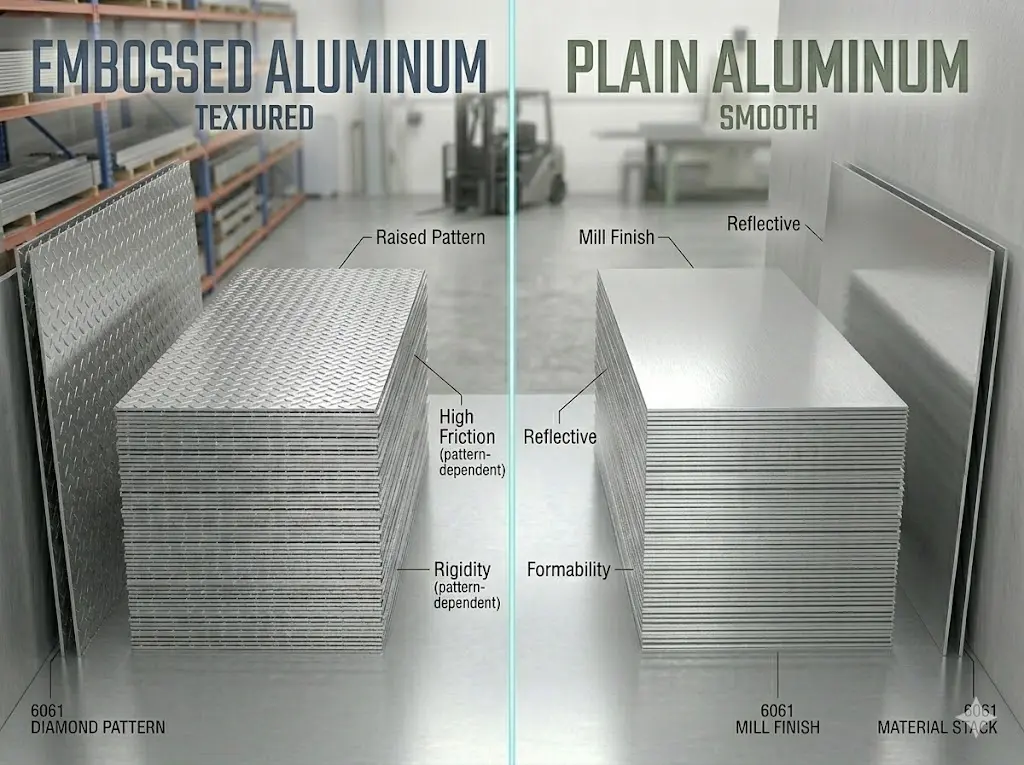
Choosing the right metal for your project is important. When you look at aluminum sheets, you usually find two main finishes: smooth and textured. In the industry, this is known as Embossed Aluminum vs Plain Aluminum. Both have the same chemical base, but their surfaces work very differently.
What is Plain Aluminum?
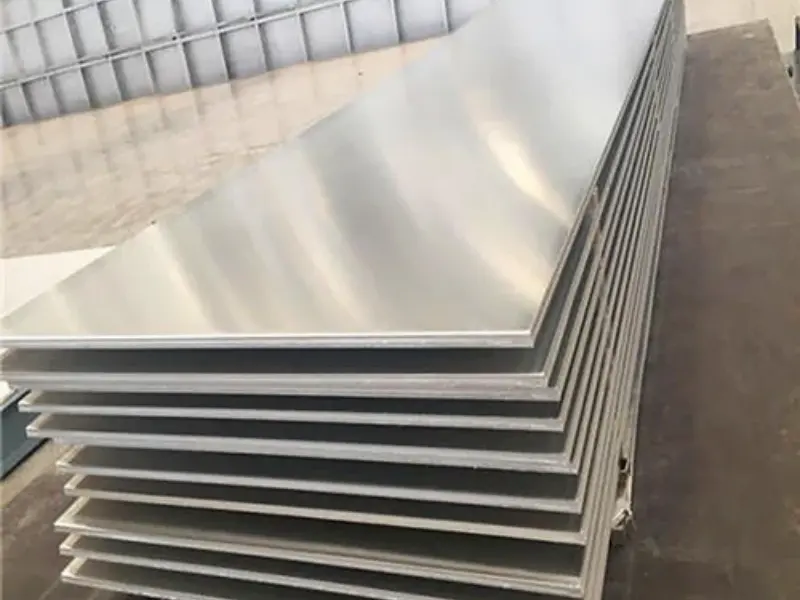
Plain aluminum, often called “mill finish,” is the raw form of the metal. After the aluminum is rolled, it has a smooth, shiny, and reflective surface. It is the standard choice for general manufacturing.
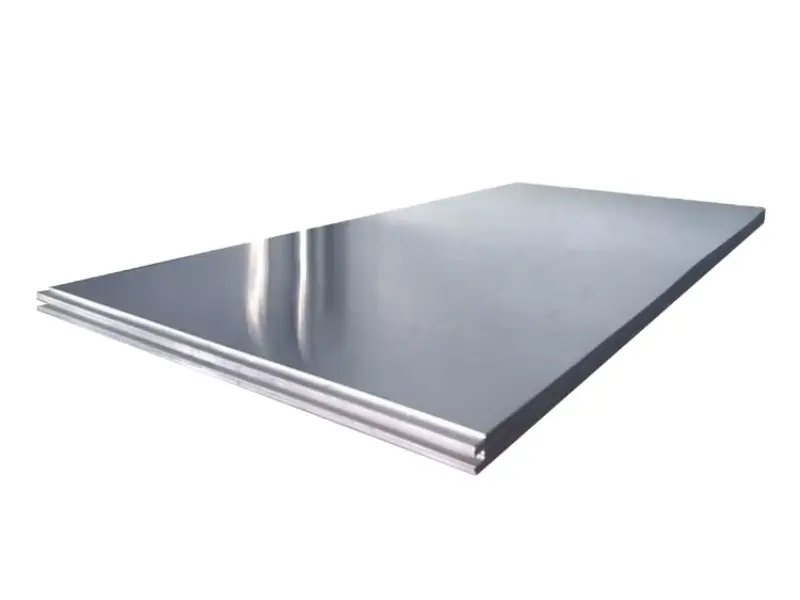
Characteristics of Plain Aluminum
- Smooth Surface: It is flat and easy to coat or paint.
- Highly Reflective: It reflects light and heat like a mirror.
- Easy to Clean: Because it is flat, dirt has nowhere to hide.
- Visible Wear: Scratches and fingerprints show up easily on this finish.
What is Embossed Aluminum?
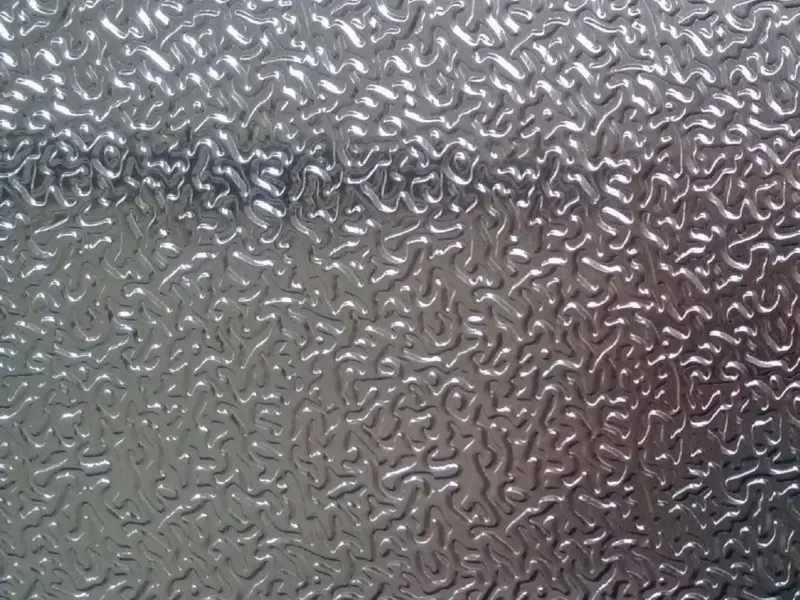
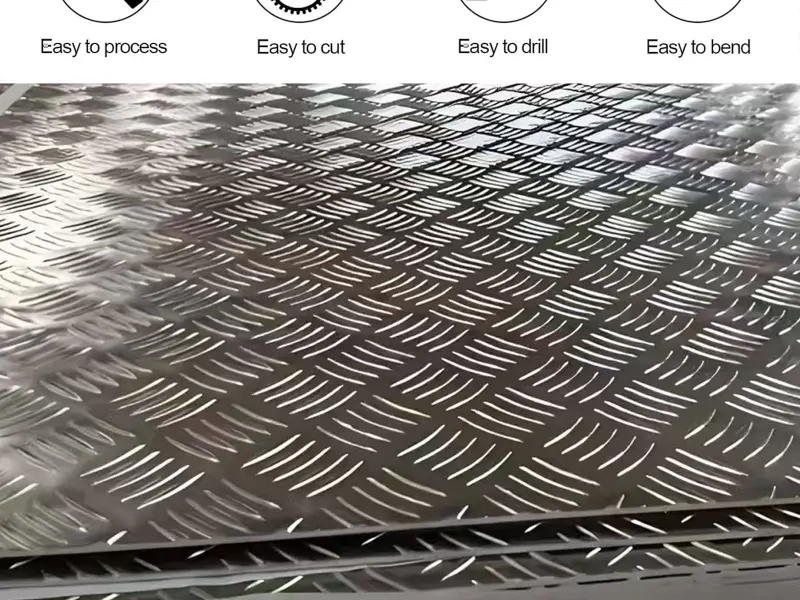
Embossed aluminum is a plain sheet that has gone through a special process. The metal passes between two heavy rollers. These rollers have a pattern. The pressure forces the pattern into the metal. The most common type is “Stucco” or “Orange Peel” embossing.
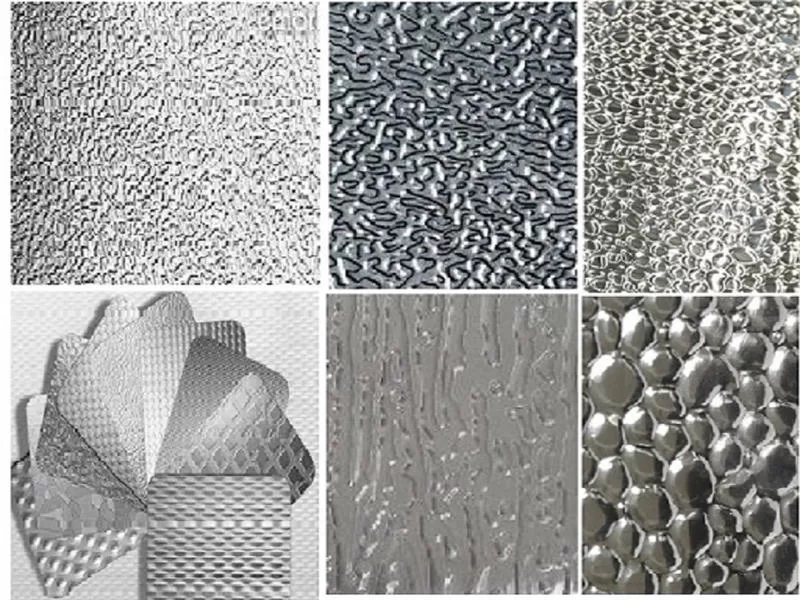
Characteristics of Embossed Aluminum
- Textured Finish: It has a raised pattern that you can feel.
- Light Diffusion: It scatters light instead of reflecting it directly.
- Scratch Resistance: The pattern hides small scratches and dents.
- Increased Surface Area: This is great for heat exchange.
Technical Specifications: Alloys and Tempers
Both types of aluminum use similar alloys. However, the thickness and “temper” (hardness) vary depending on the end use.
Table 1: Common Material Specifications
| Feature | Plain Aluminum | Embossed Aluminum |
|---|---|---|
| Common Alloys | 1050,1060,3003,5052 | 1060,3003,3105 |
| Typical Temper | O,H14,H24,H18 | H14,H24 |
| Thickness Range | 0.2mm to 10.0mm | 0.2mm to 2.0mm |
| Standard Widths | 1000mm,1220mm,1500mm | 1000mm,1200mm,1250mm |
Key Differences: Embossed Aluminum vs Plain Aluminum
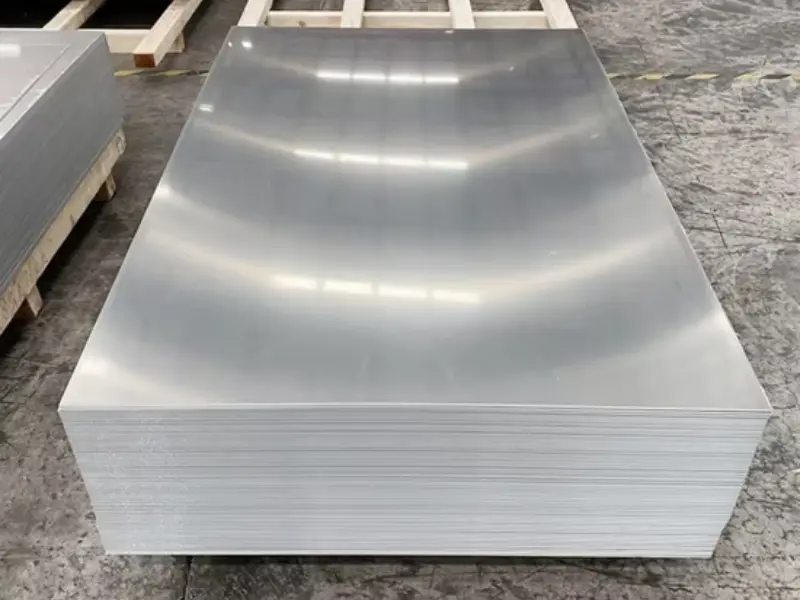
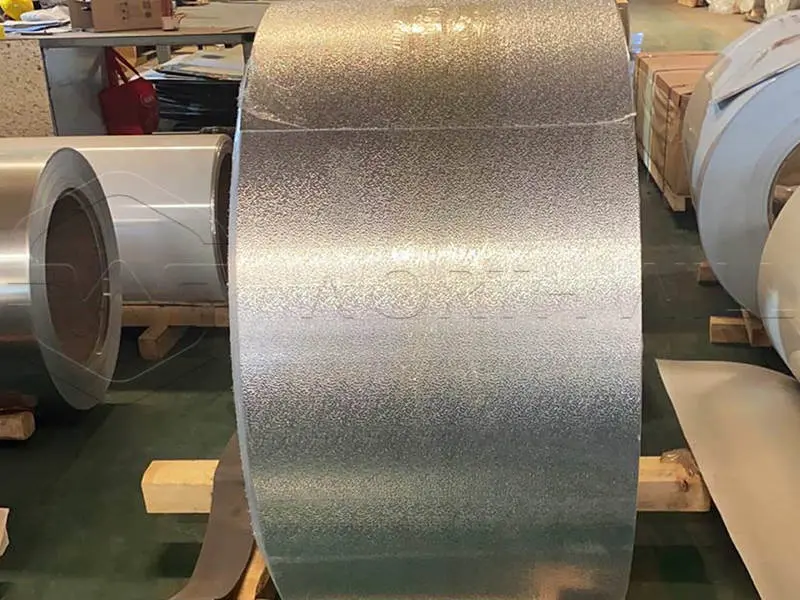
When comparing Embossed Aluminum vs Plain Aluminum, you must look at performance. Here is how they stack up in different categories.
1. Aesthetics and Appearance
Plain aluminum looks modern and sleek. However, if it gets bumped, it looks damaged quickly. Embossed aluminum looks professional and industrial. It stays looking “new” for a longer time because the texture hides wear and tear.
2. Strength and Rigidity
The embossing process actually makes the sheet slightly stiffer. While the thickness stays the same, the “peaks and valleys” of the pattern act like tiny ribs. This makes embossed sheets less likely to “oil-can” (pop in and out).
3. Light and Heat Management
Plain aluminum reflects heat in one direction. This is good for some solar applications. Embossed aluminum breaks up the light. This is why it is used inside refrigerators and lighting fixtures. It prevents “hot spots.”
Types of Products Available
There are many varieties of these metals. Each serves a different market.
Common Plain Aluminum Types
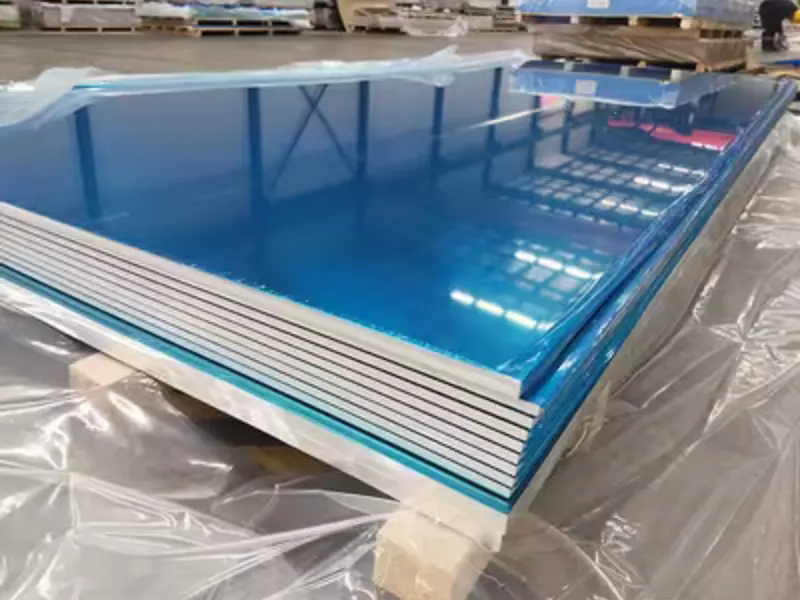
- Mill Finish Sheets: The standard, raw aluminum sheet.
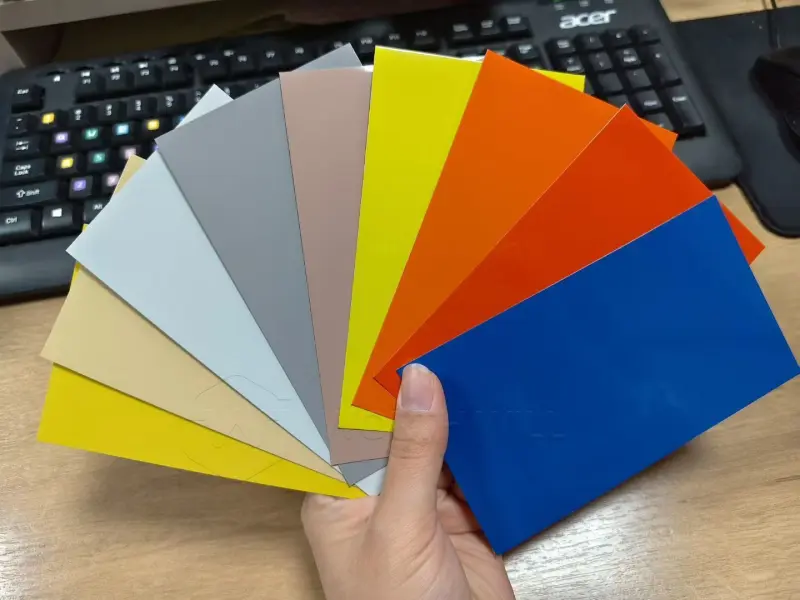
- Anodized Plain Sheets: Smooth sheets with a protective oxide layer for extra color.
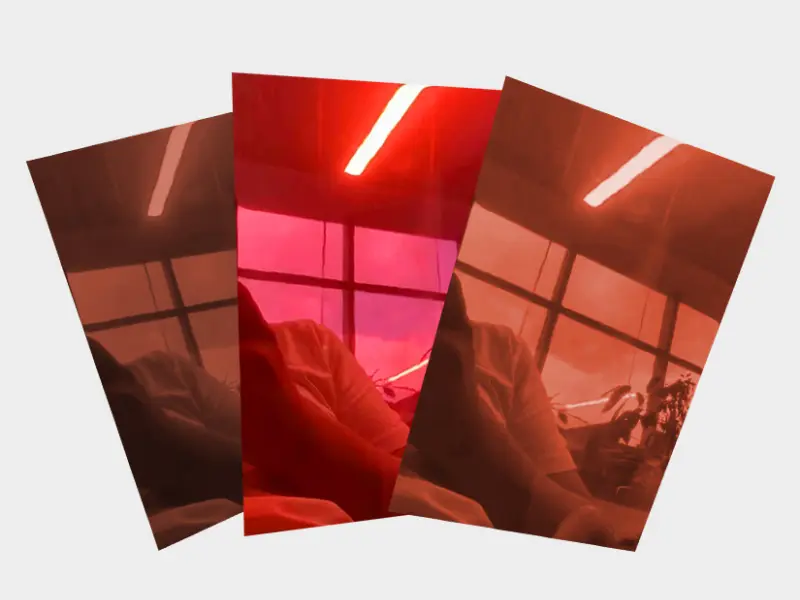
- Mirror Finish: Highly polished plain aluminum used for decoration.
Common Embossed Aluminum Types
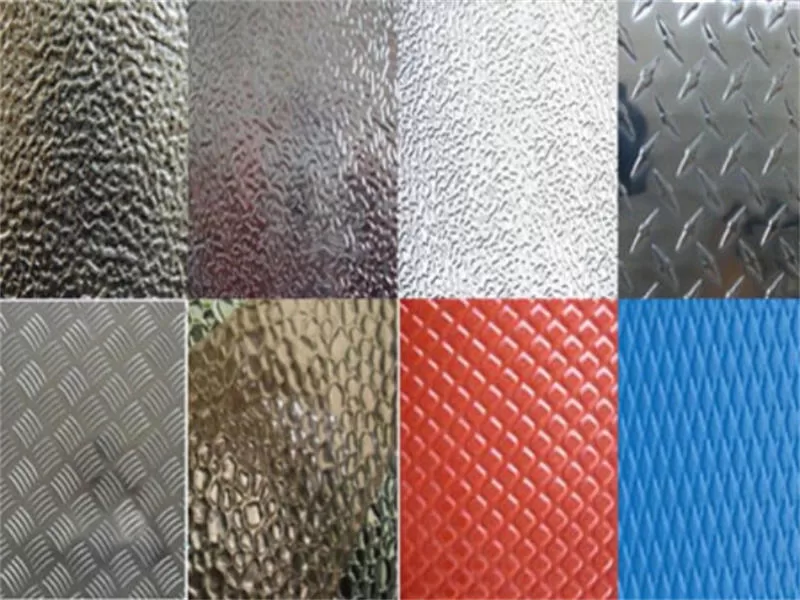
- Stucco (Orange Peel): The most popular pattern for HVAC and appliances.
- Diamond Plate: Used for flooring and toolboxes (a thicker form of embossing).
- Classic Hammered: Used for decorative panels and kitchen backsplashes.
- Pebble Grain: Often used in walk-in coolers and trailers.
Application Areas
Where should you use these materials? Here is a breakdown by industry.
Applications for Plain Aluminum
- Signage: Smooth surfaces are perfect for printing and vinyl decals.
- Cooking Utensils: Flat surfaces are easier to sanitize in kitchens.
- Aerospace: Smooth skin reduces drag on aircraft.
- Construction Flashing: Easy to bend and seal around windows.
Applications for Embossed Aluminum
- Refrigerator Liners: Hides scratches from food containers and improves cooling.
- HVAC Ducting: The texture reduces noise and increases the strength of the duct.
- Heat Shields: Used in cars to protect parts from engine heat.
- Interior Decoration: Used for elevator walls and ceiling panels to hide fingerprints.
Direct Comparison Table
| Property | Plain Aluminum | Embossed Aluminum |
|---|---|---|
| Reflectivity | High (Direct) | Diffused (Scattered) |
| Fingerprint Visibility | Very High | Very Low |
| Durability (Surface) | Easy to scratch | Hard to see scratches |
| Cleaning Difficulty | Very Easy | Moderate (dirt can stay in pits) |
| Standard Pattern | None (Smooth) | Stucco / Orange Peel |
| Cost | Baseline Price | Slightly Higher (Process cost) |
Why Choose Embossed over Plain?
Many customers ask if the extra cost of embossing is worth it. If your product will be touched by people or moved often, embossed aluminum is the winner. It saves money on maintenance. You do not have to replace it just because of a few small scratches.
Why Choose Plain over Embossed?
If you need to apply a high-quality paint finish or a thin film, plain aluminum is better. It provides a consistent “canvas” for the coating. It is also the best choice if you need maximum light reflection in a specific direction.
Technical Deep Dive: The Embossing Process
How it works:
- A large coil of plain aluminum is loaded onto a machine.
- The metal passes through “Male” and “Female” rollers.
- The rollers have the pattern engraved into them using lasers or chemicals.
- The metal is squeezed. This “displaces” the aluminum into the pattern.
- The result is a sheet that is thicker to the touch, even if the metal weight is the same.
Digital Dimensions of Patterns:
- Stucco Depth: Usually between 0.015mm and 0.025mm.
- Pattern Spacing: Typically 2mm to 5mm apart.
Which One is Right for You?
In the battle of Embossed Aluminum vs Plain Aluminum, there is no single winner. It depends on your goal.
- Choose Plain Aluminum for: Signs, kitchenware, aircraft, and mirror-like finishes.
- Choose Embossed Aluminum for: Appliances, HVAC, car heat shields, and high-traffic walls.
By understanding the differences in alloy, temper, and surface performance, you can choose the best metal for your next project. Both offer the lightweight and rust-proof benefits of aluminum, but the finish makes all the difference in the final look and feel.